Aetrex
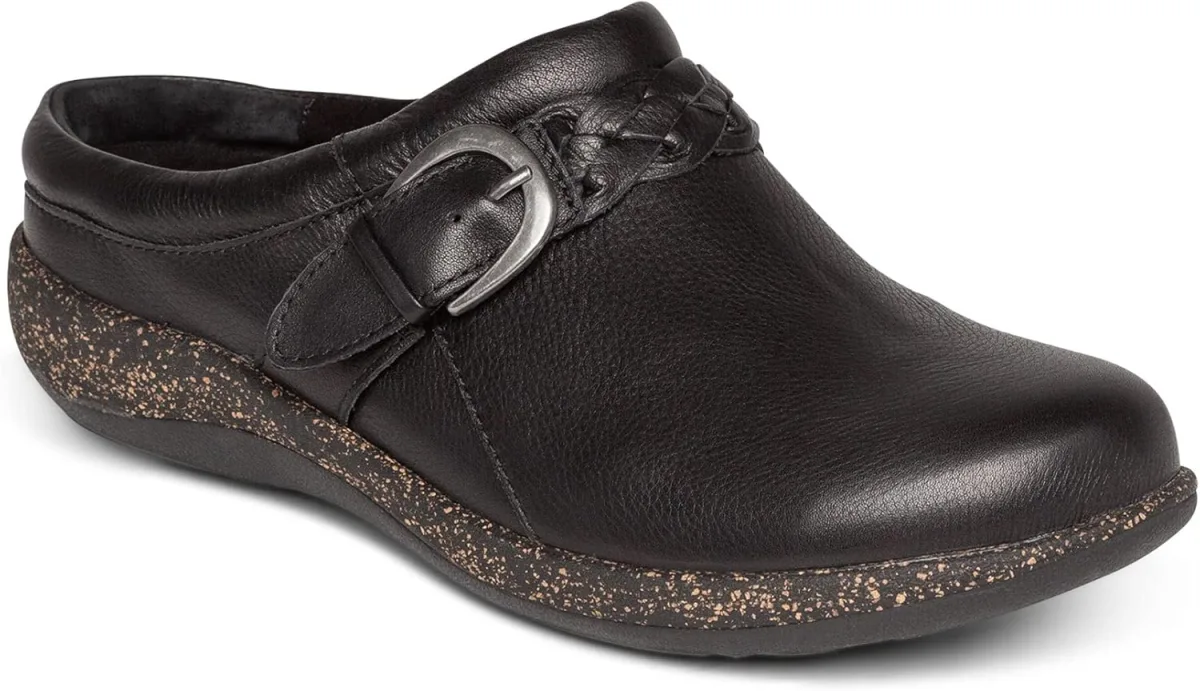
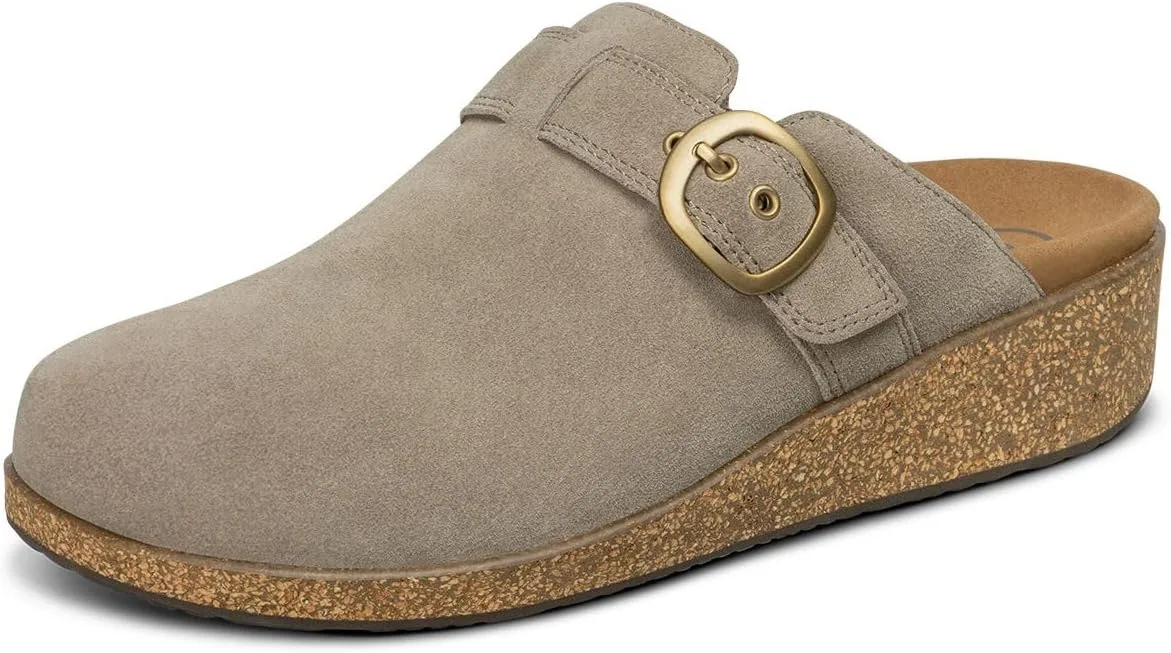
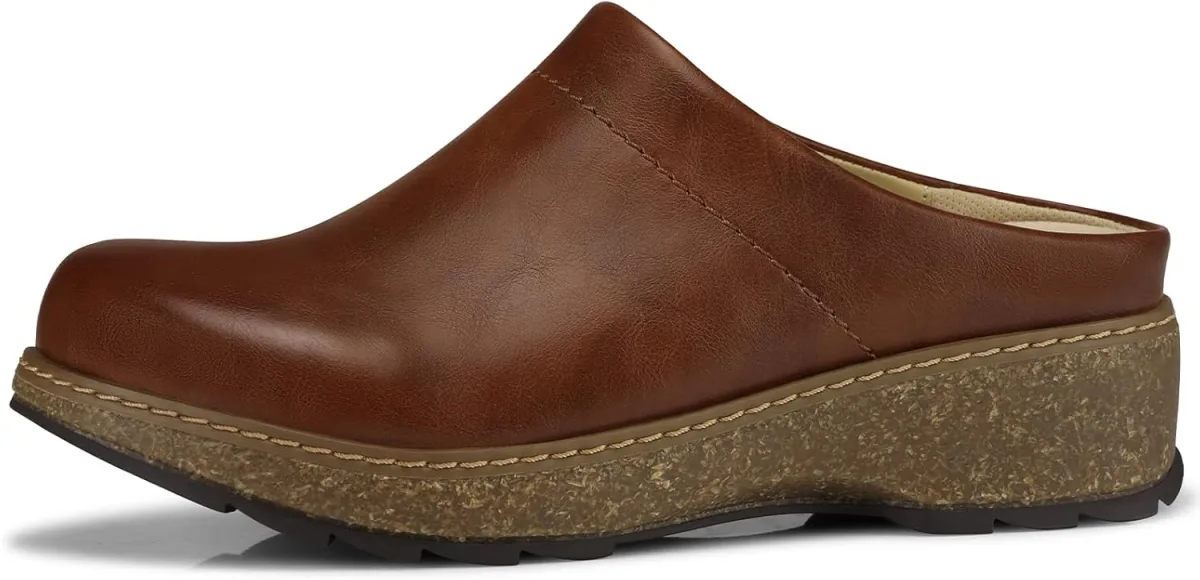
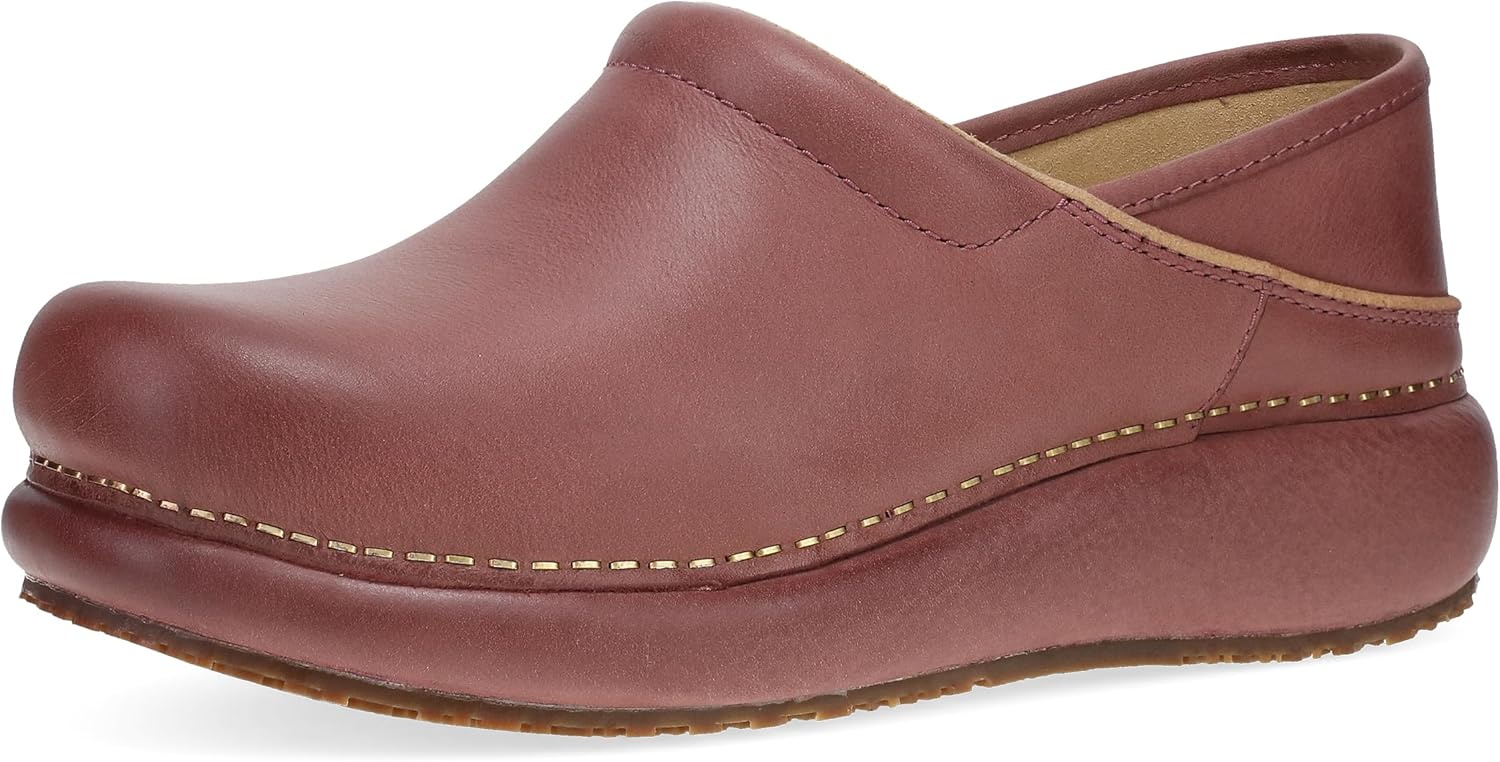
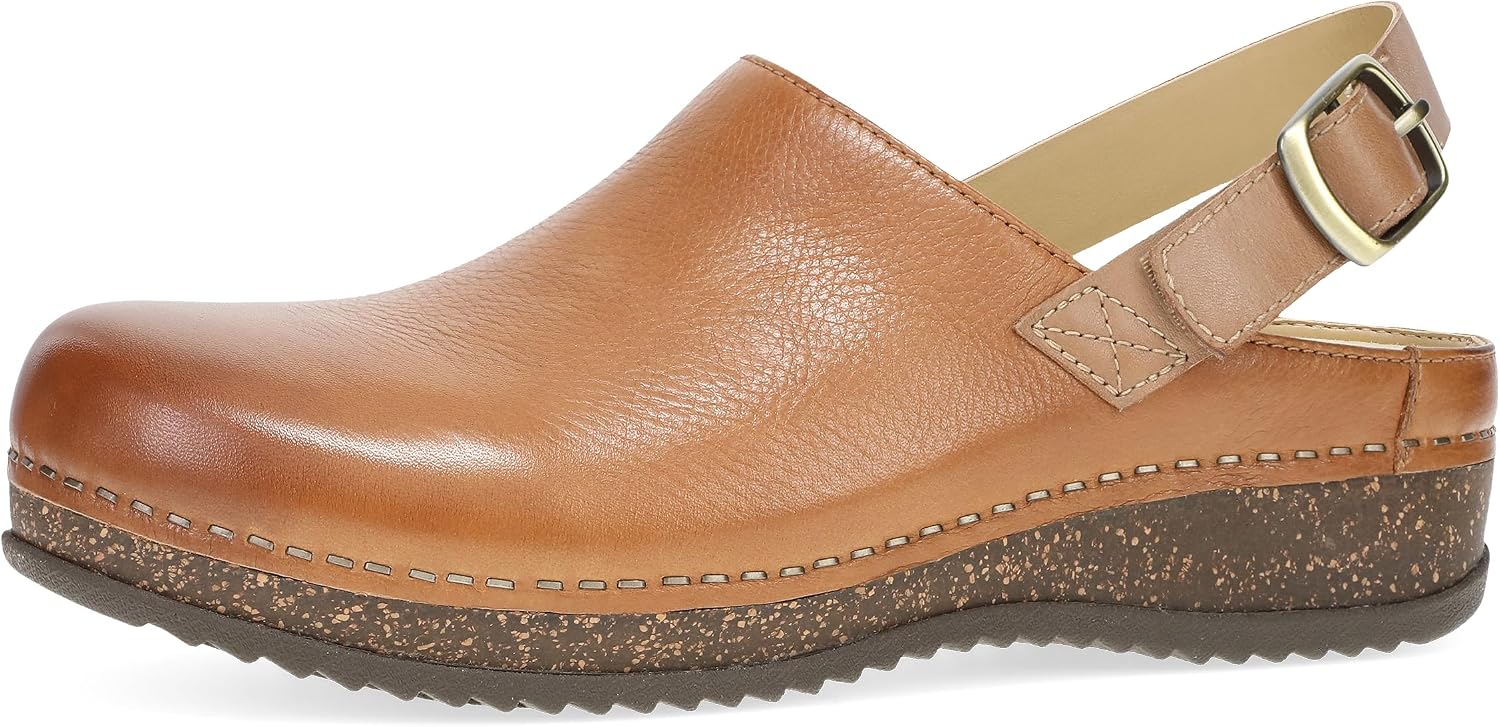
Aetrex Libby Orthopedic Arch Support Comfort Leather Clogs for Women
Cork footbedRubber outsoleBuckle
254 styles
Standing still and walking punish feet differently. Standing rewards even pressure distribution and a supportive footbed over cushioning. These are the styles specified for long shifts, sorted by brand.
Aetrex
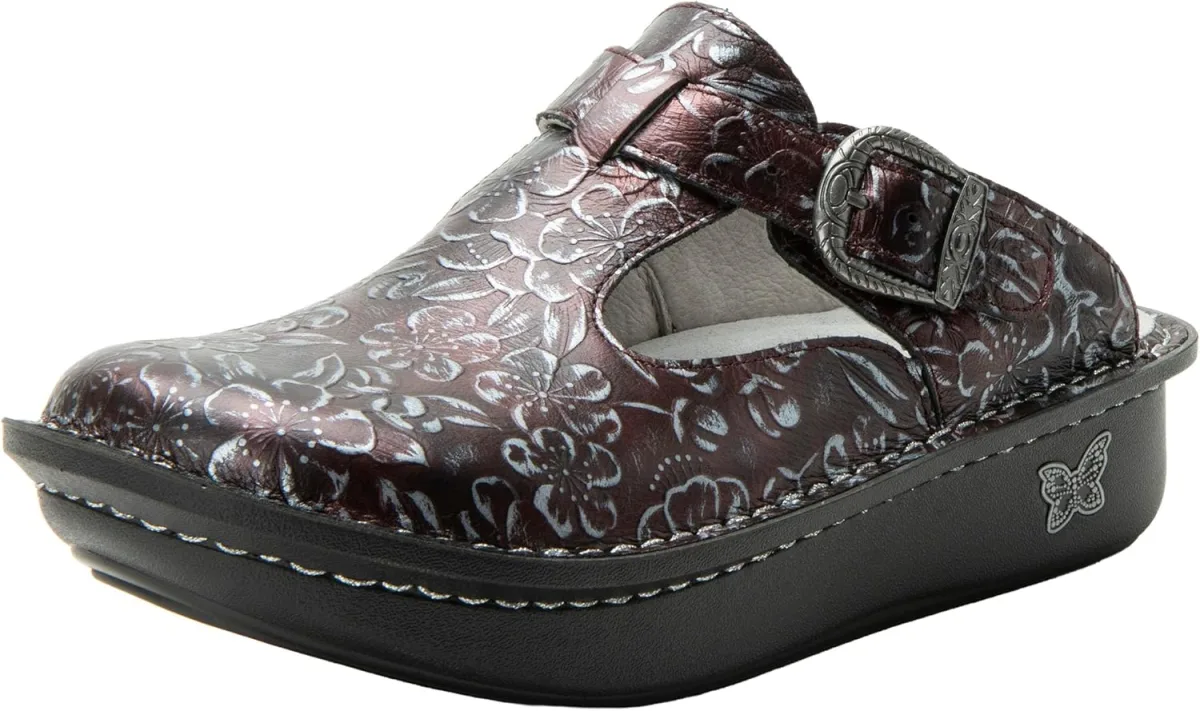
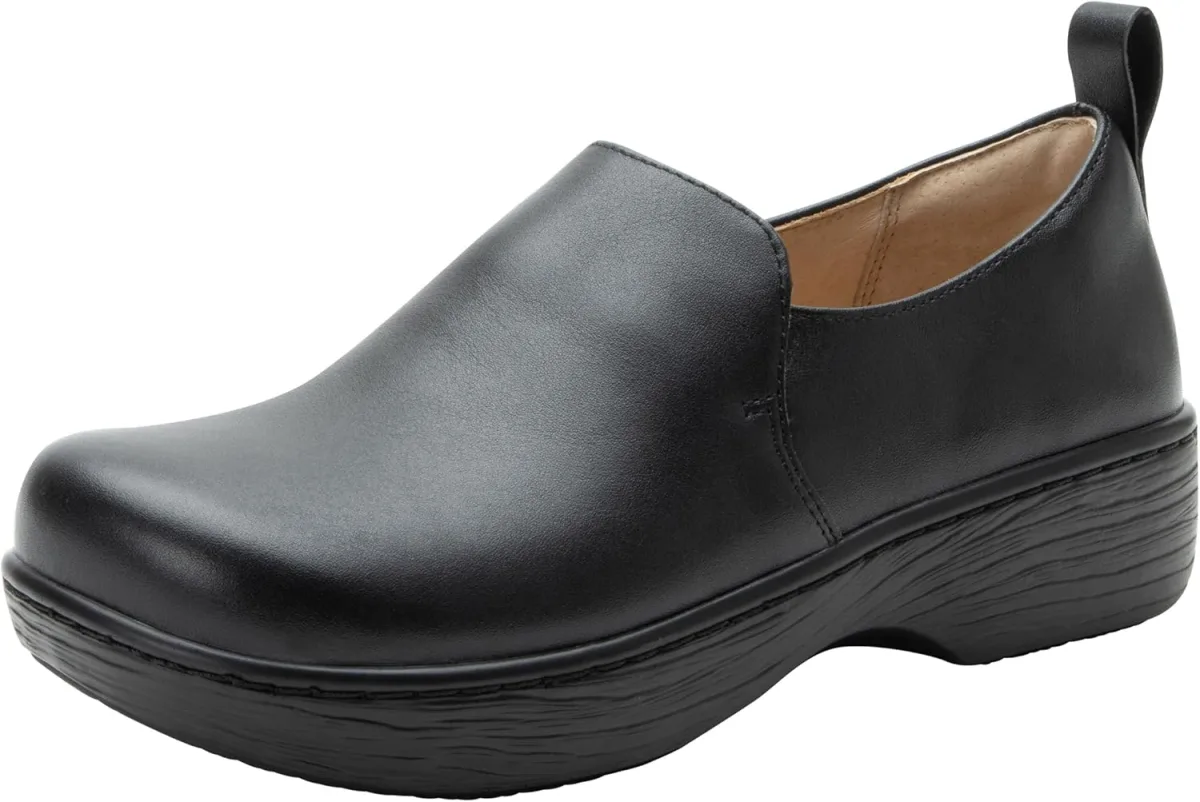
Alegria
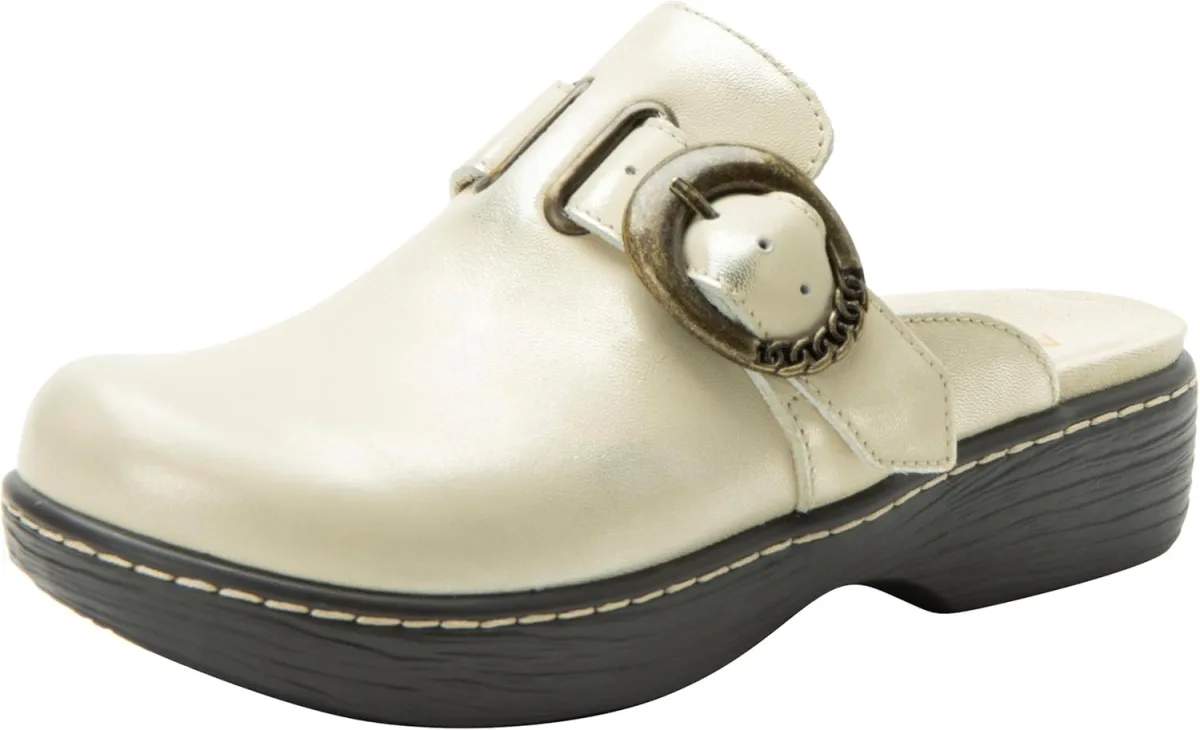
Alegria
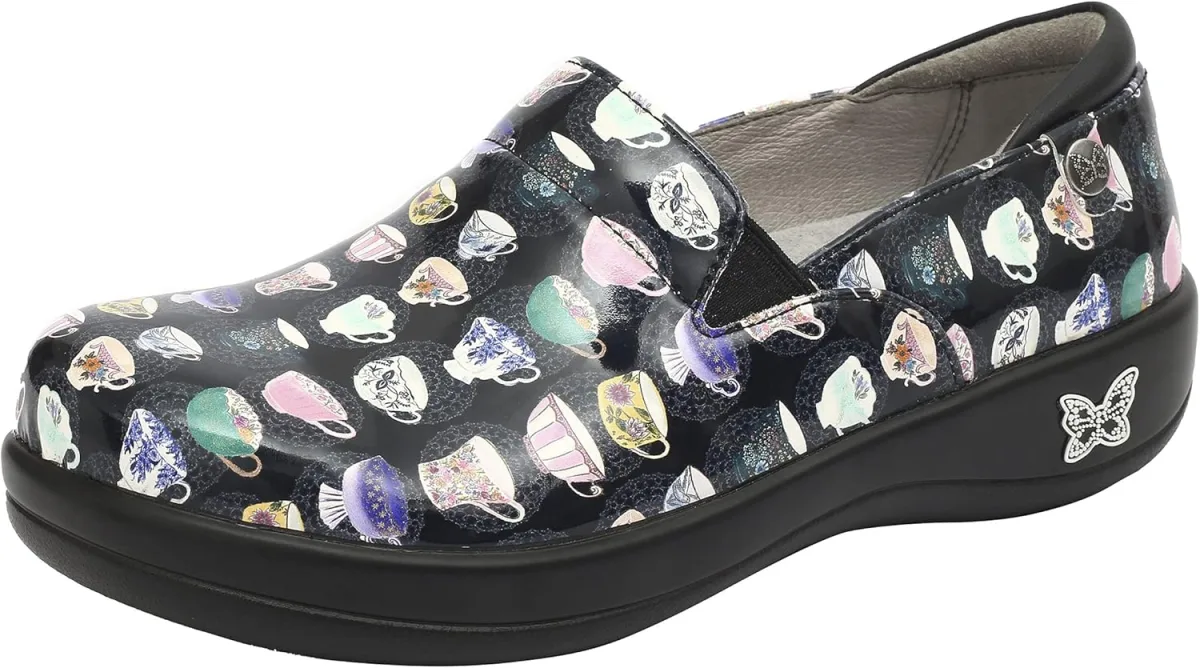
Athlefit
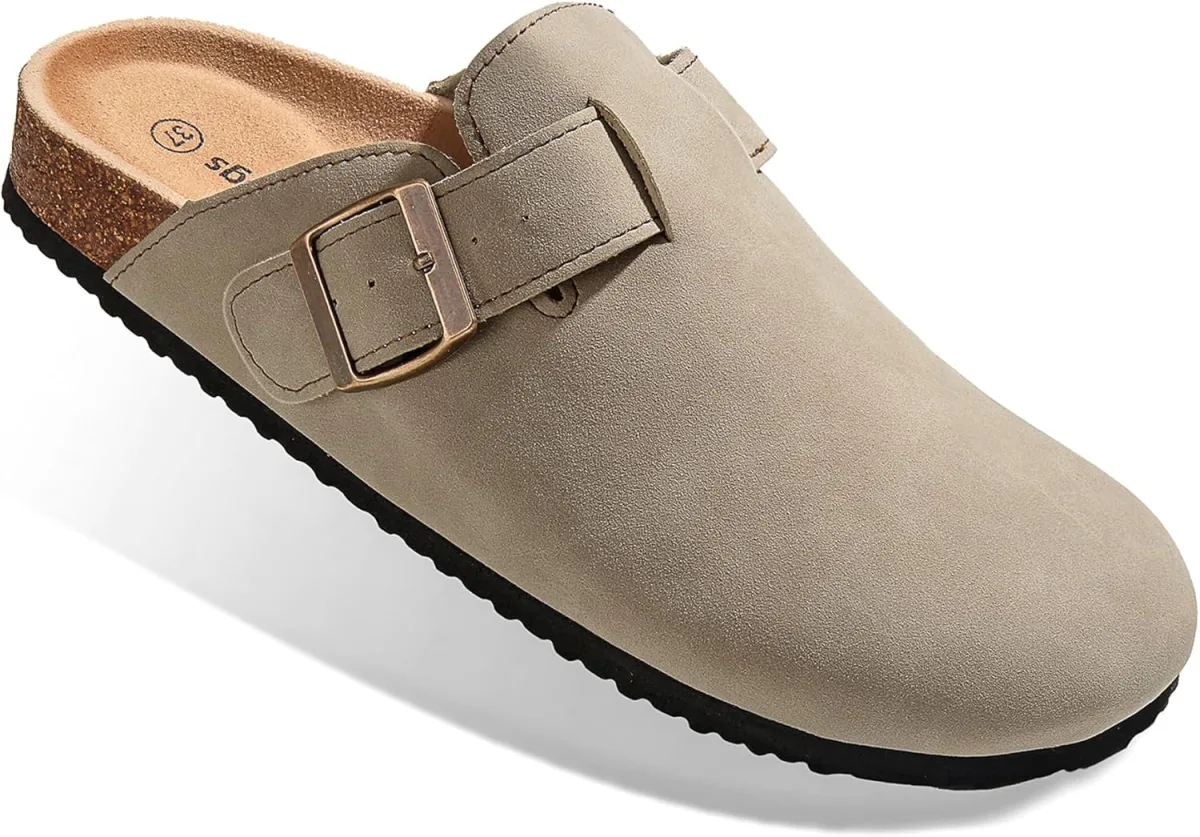
BULLIANT
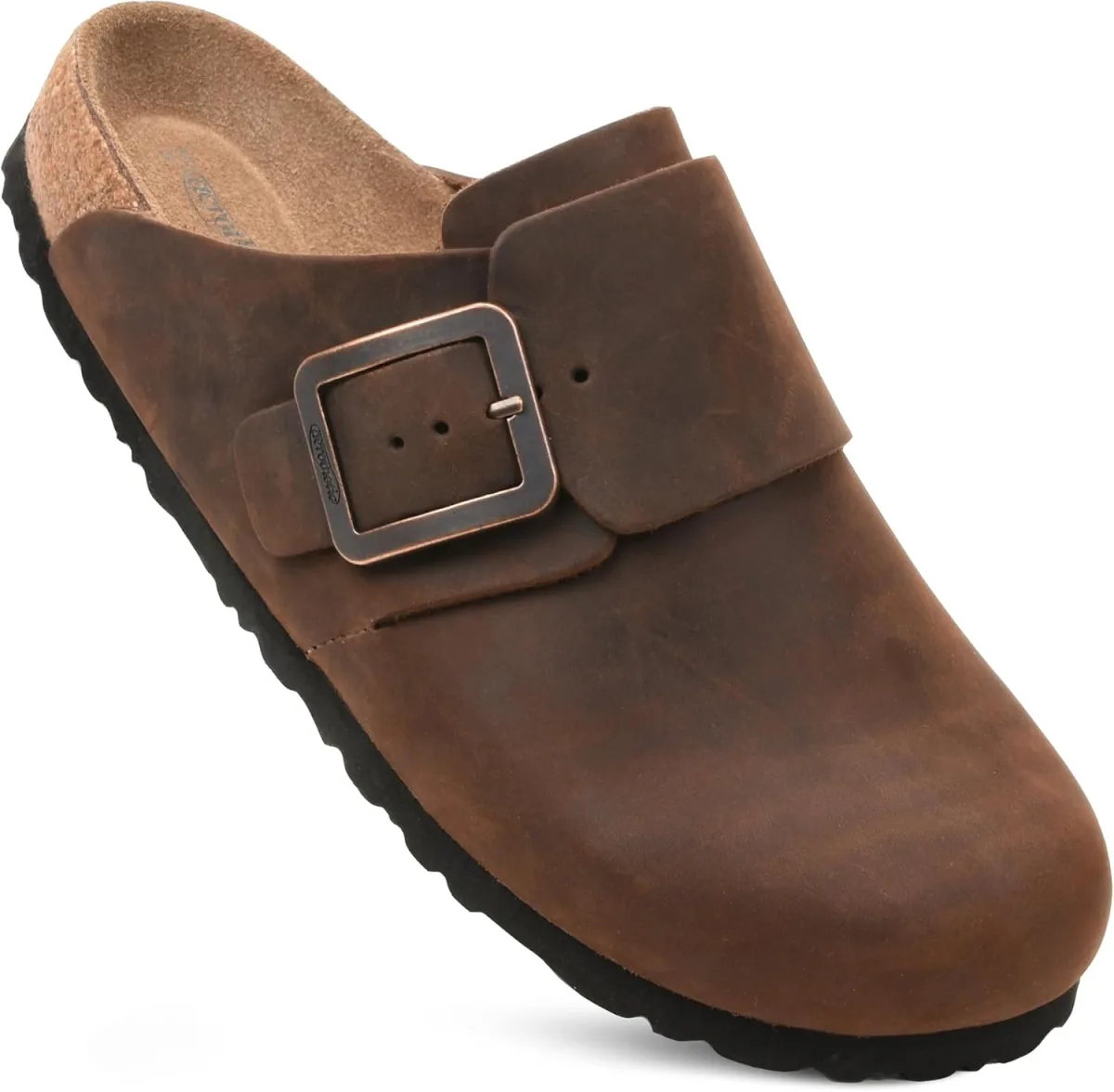
Birkenstock
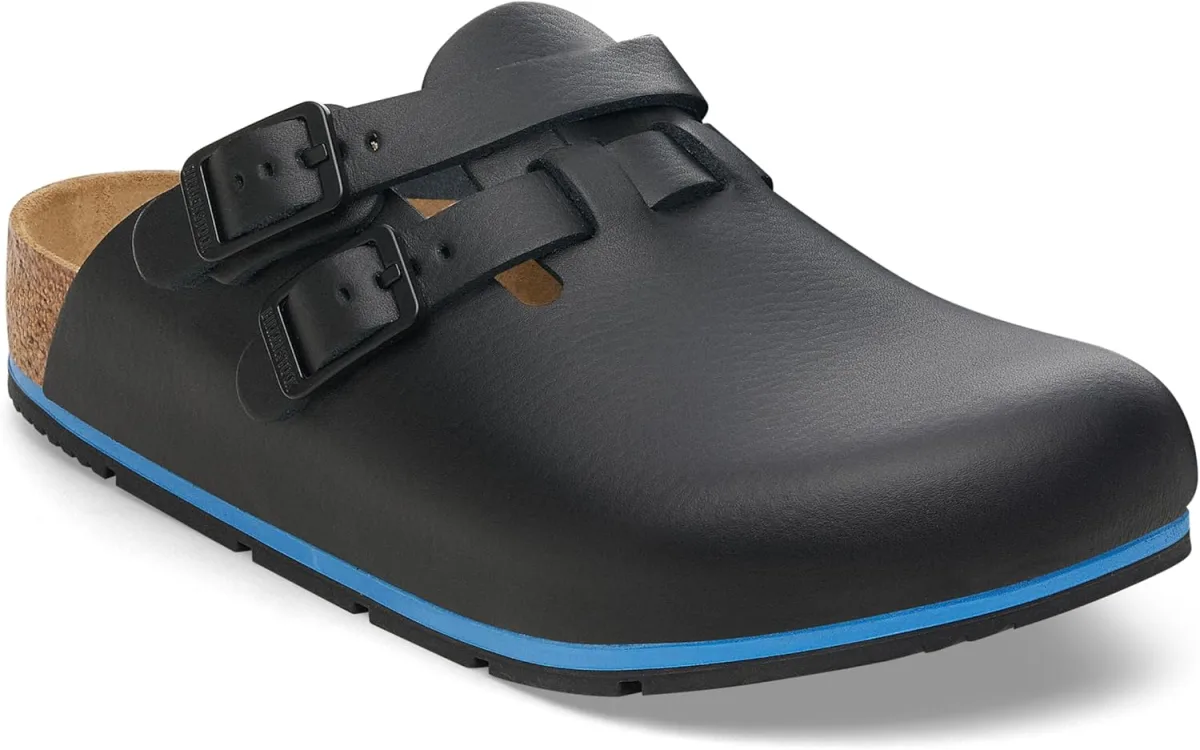
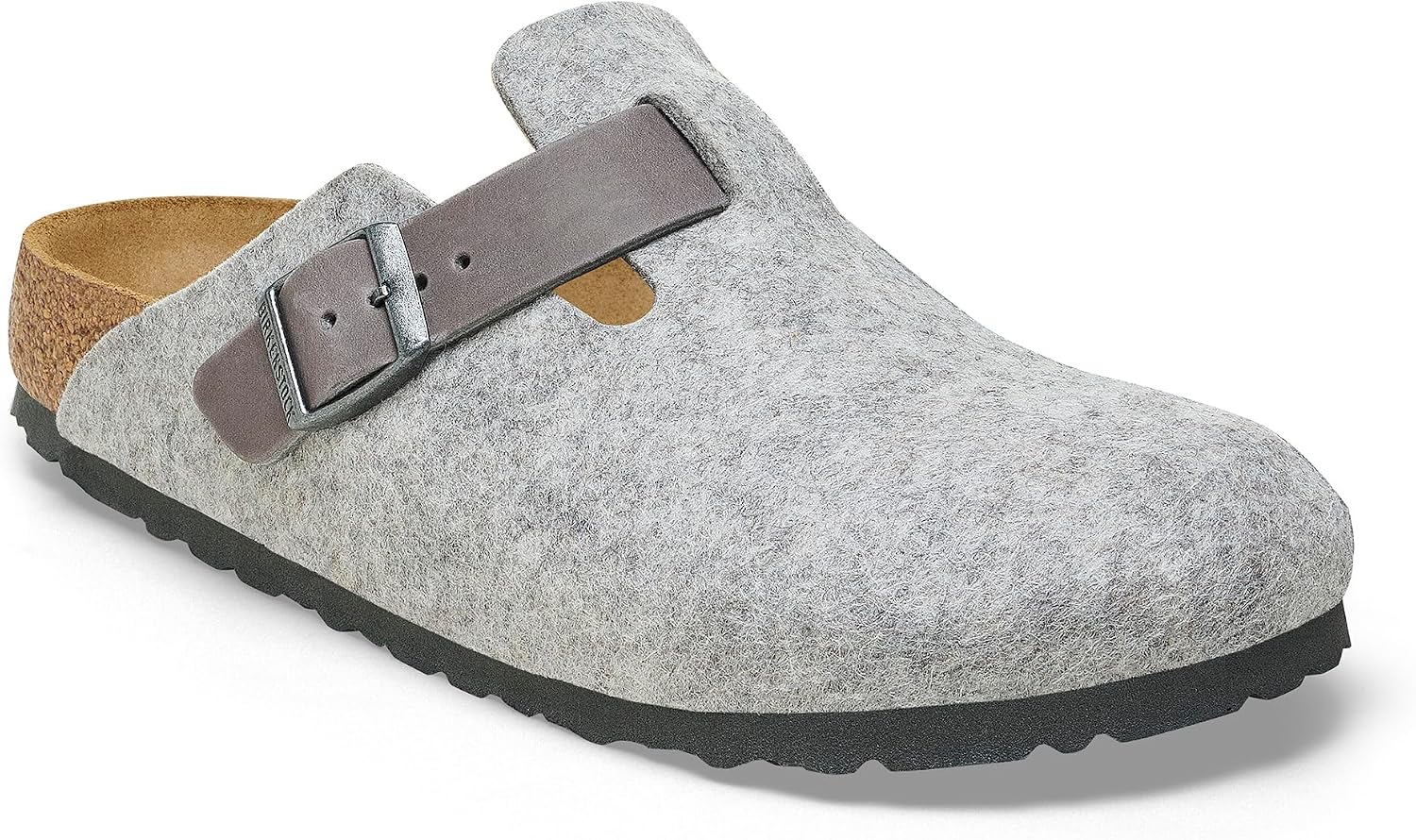
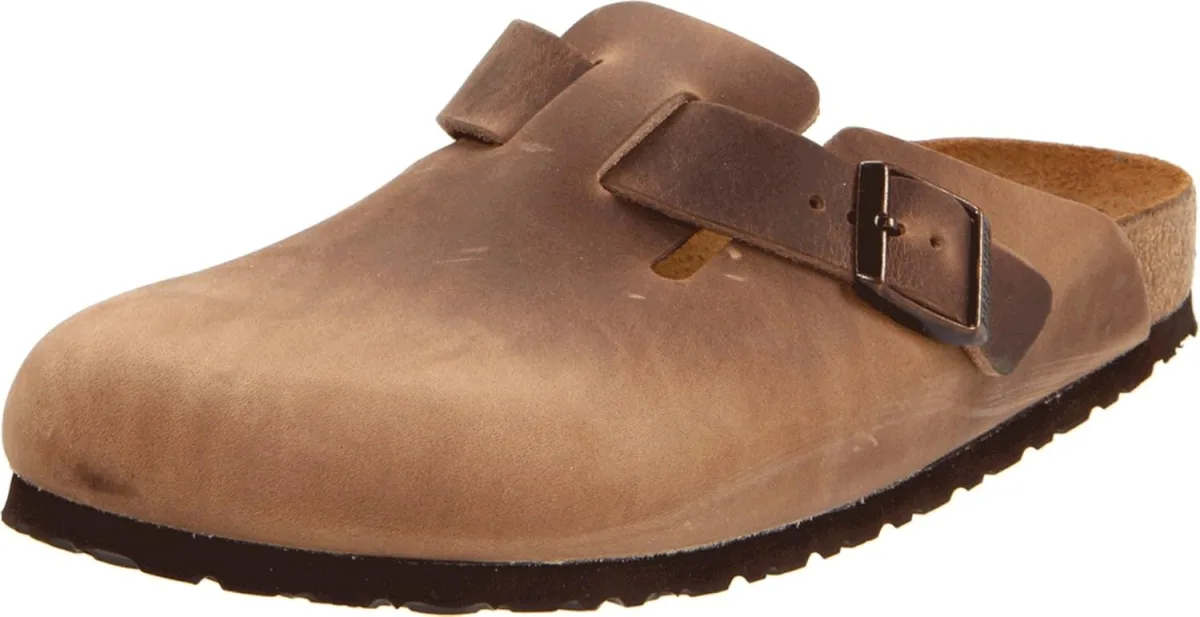
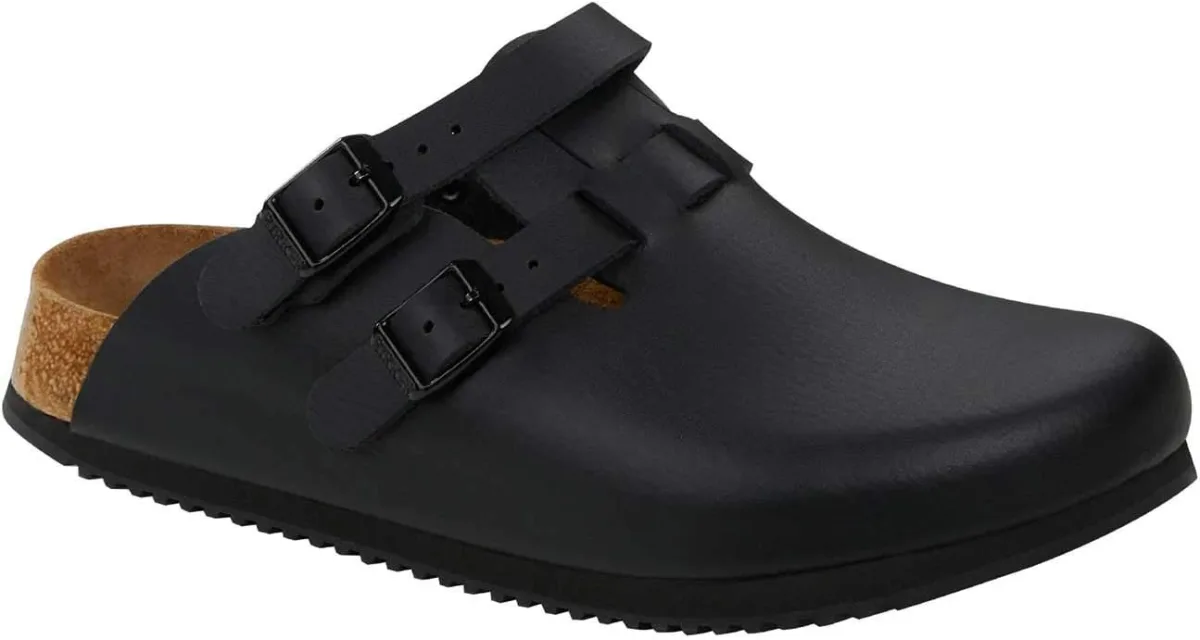
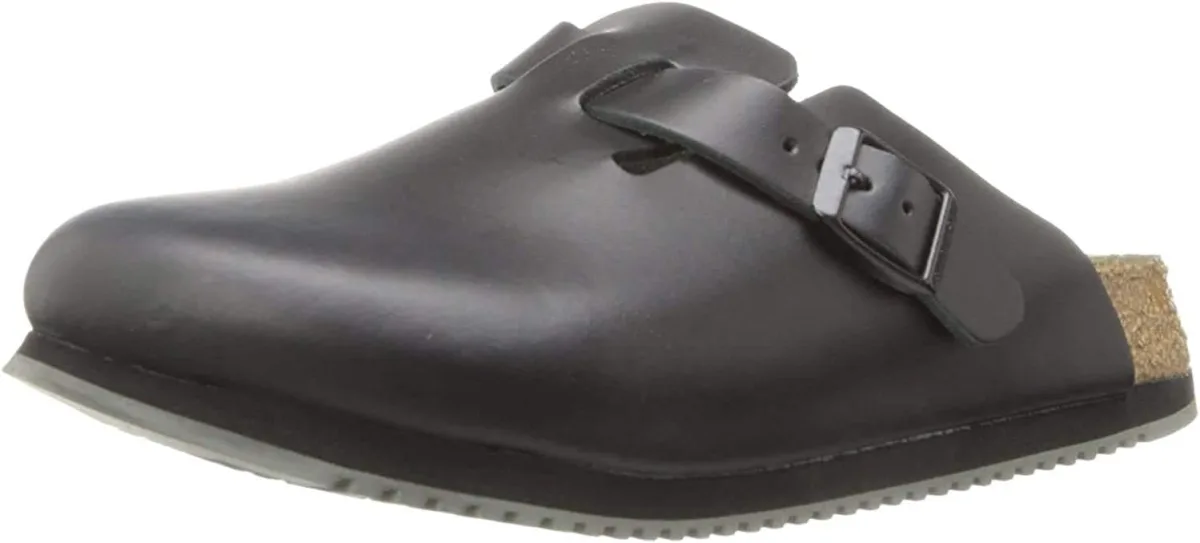
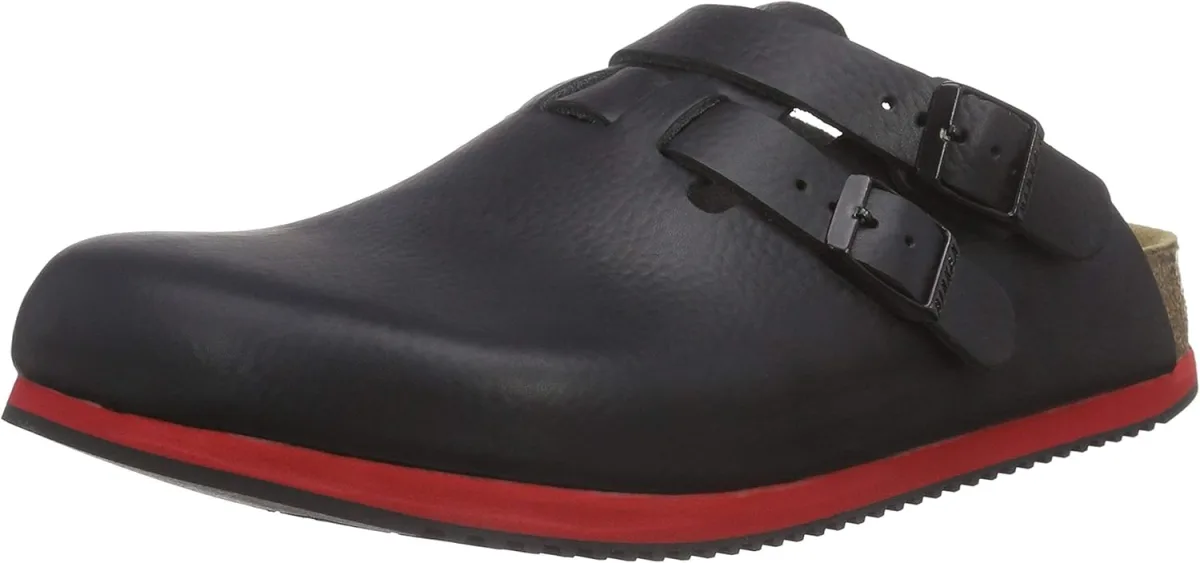
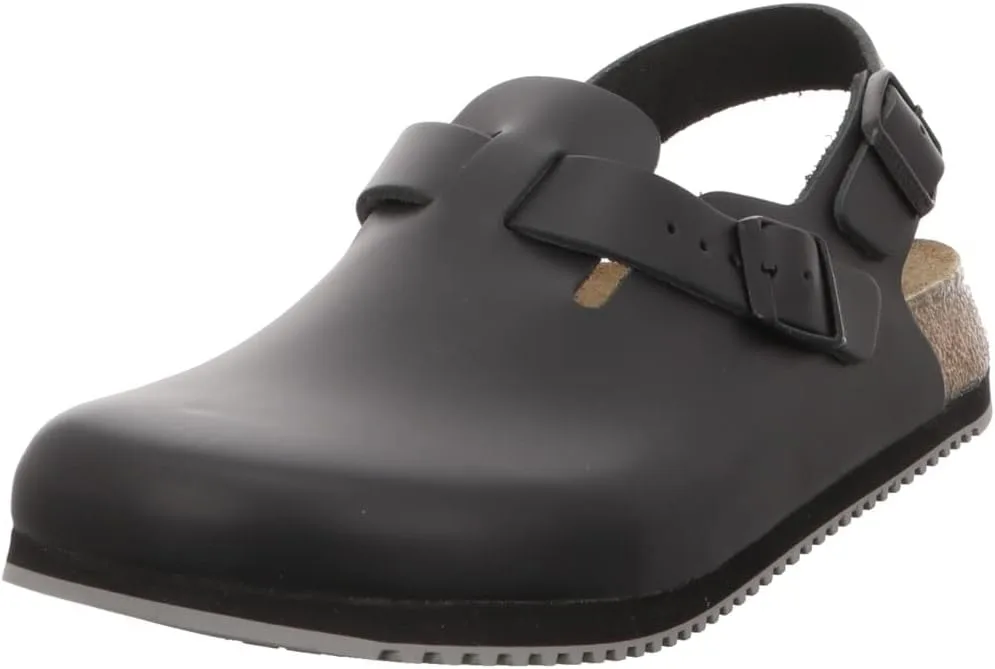
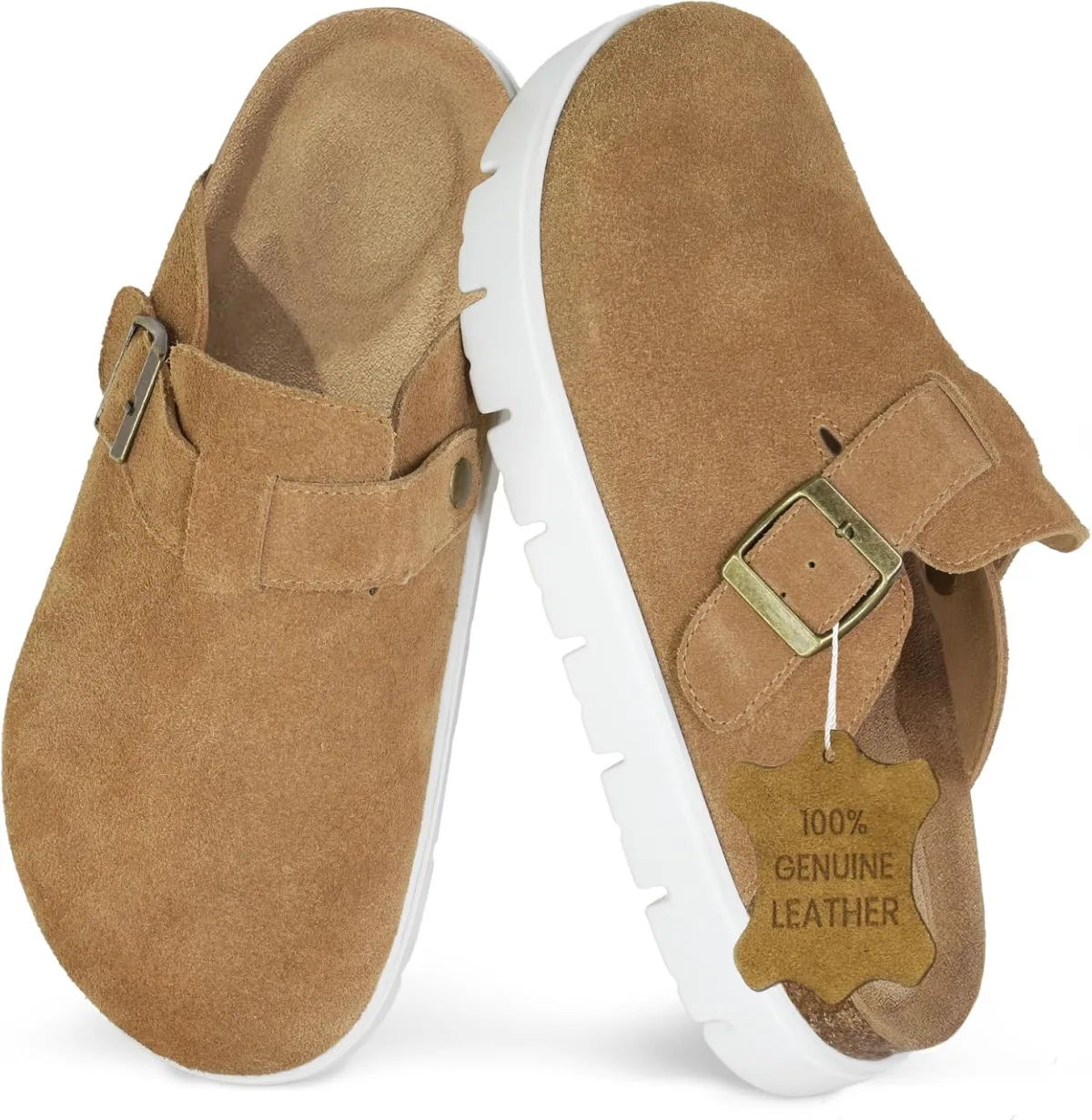
Birkenstock
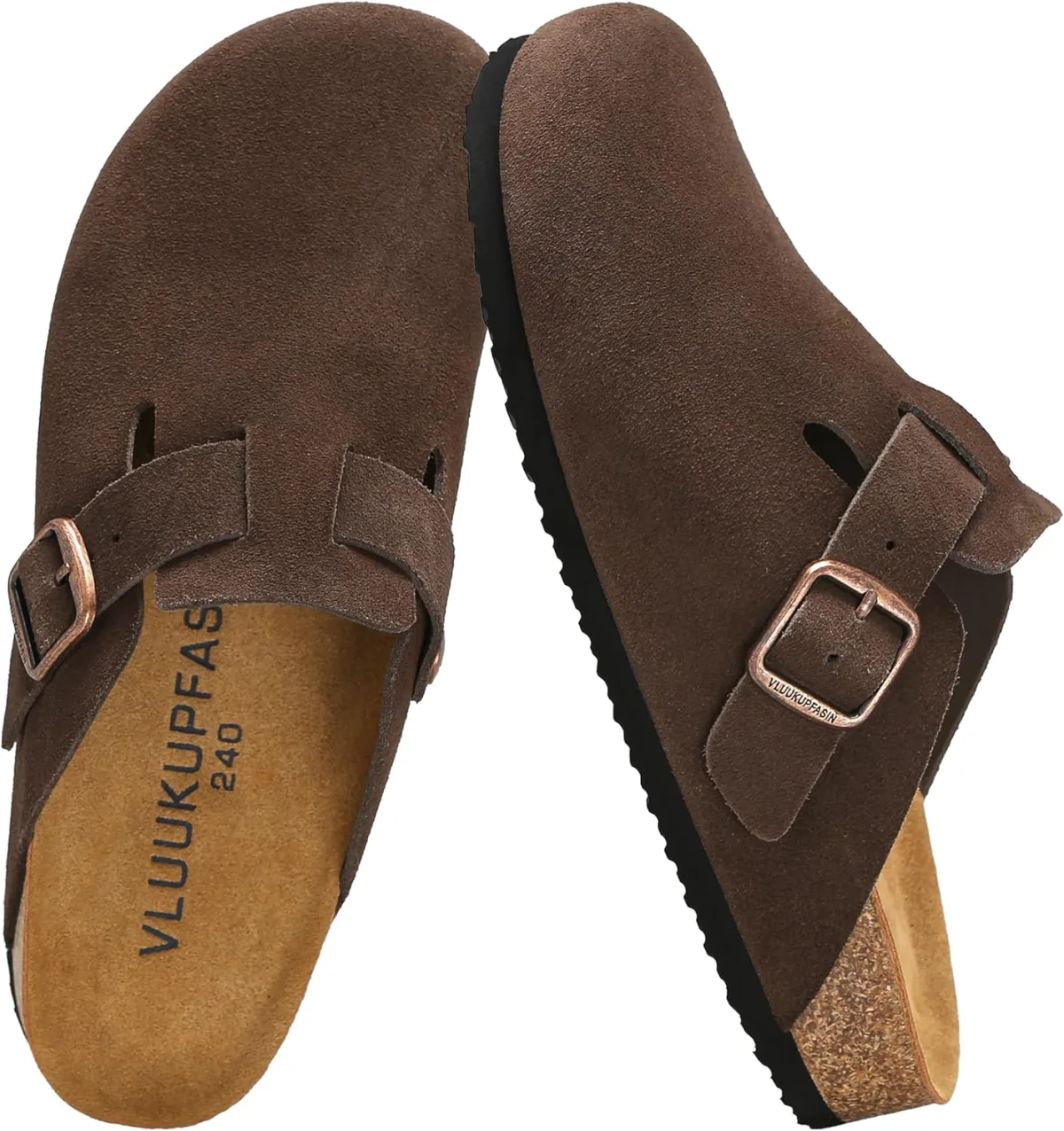
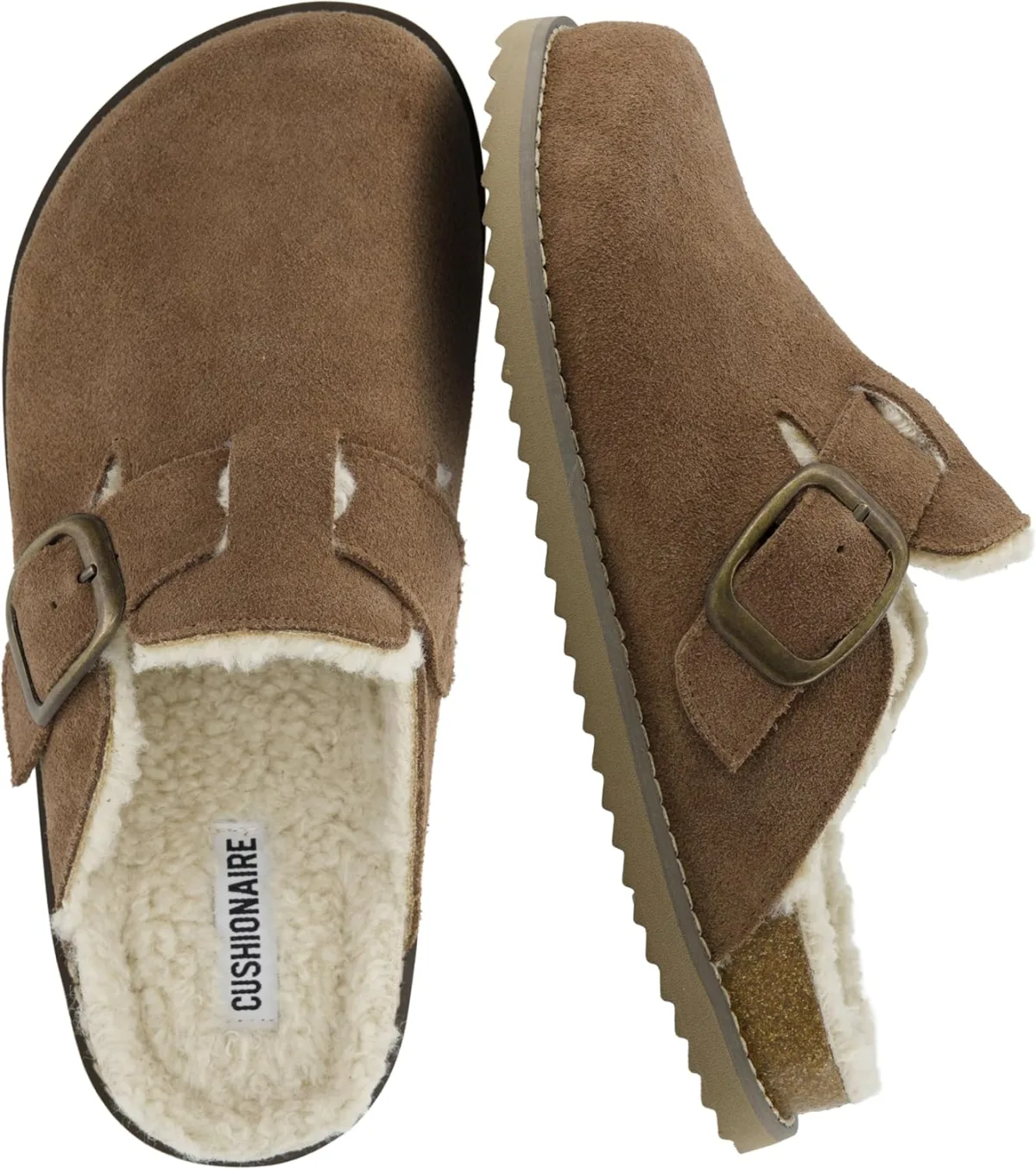
CUSHIONAIRE
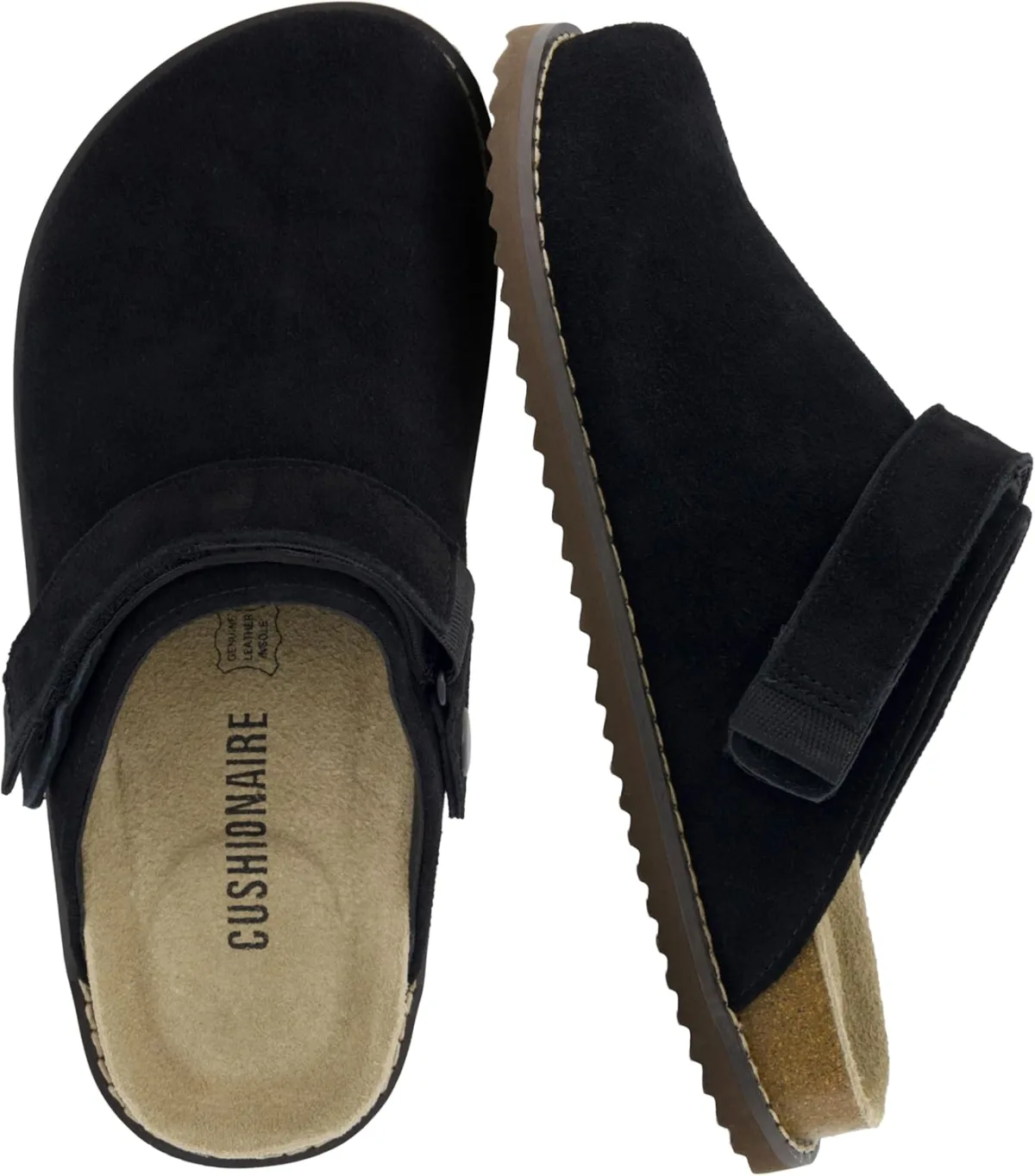
CUSHIONAIRE
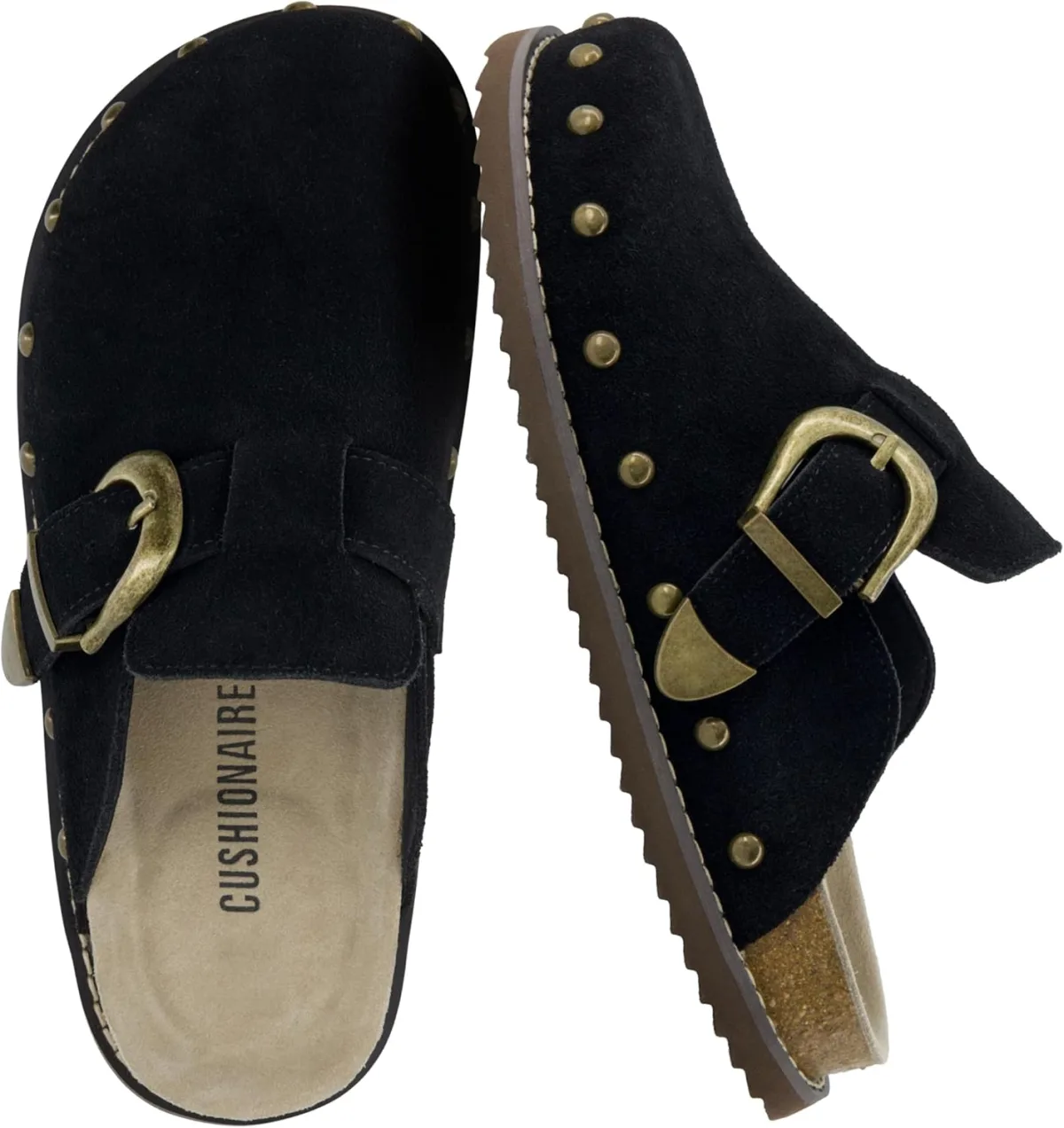
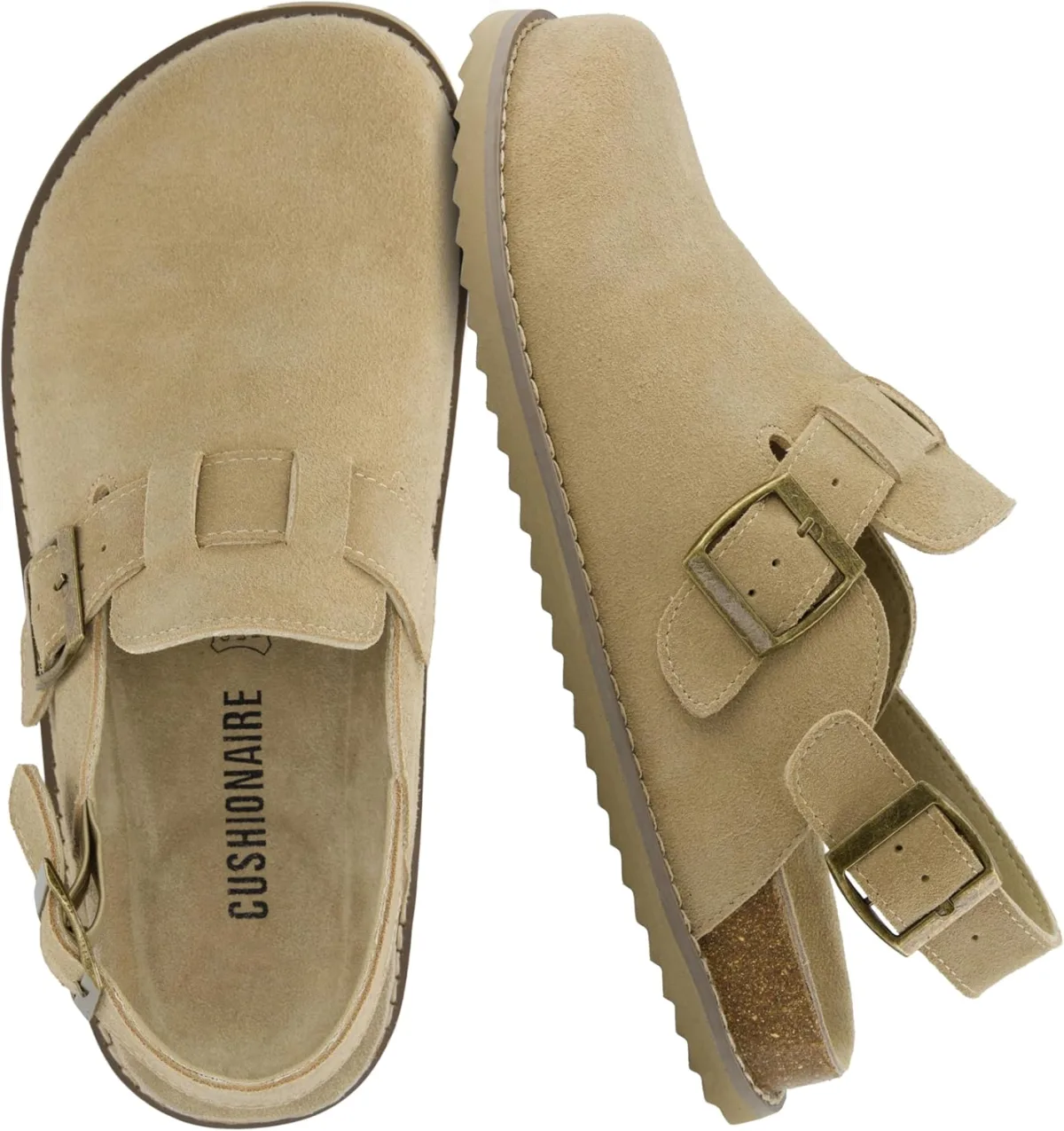
CUSHIONAIRE
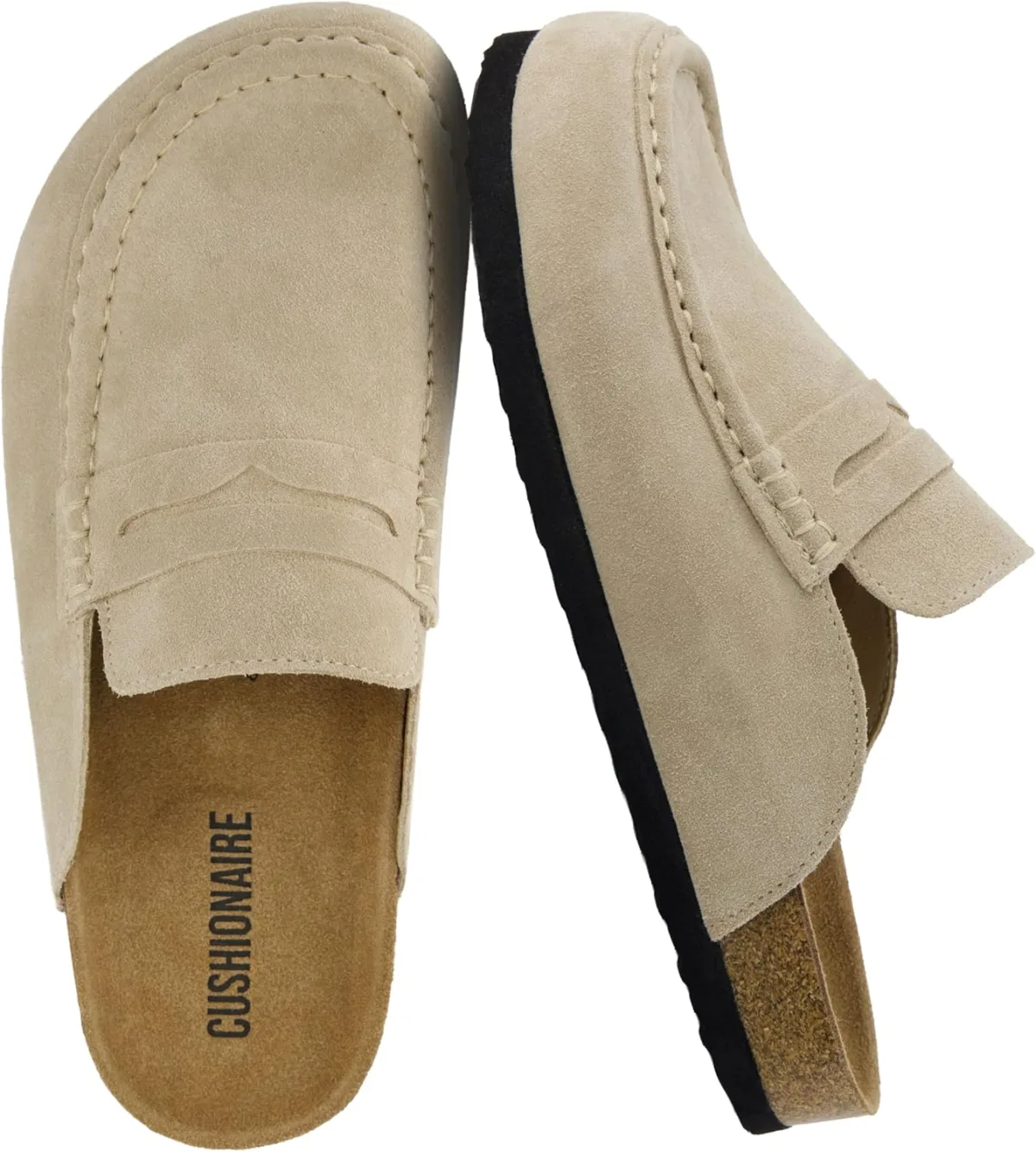
CUSHIONAIRE
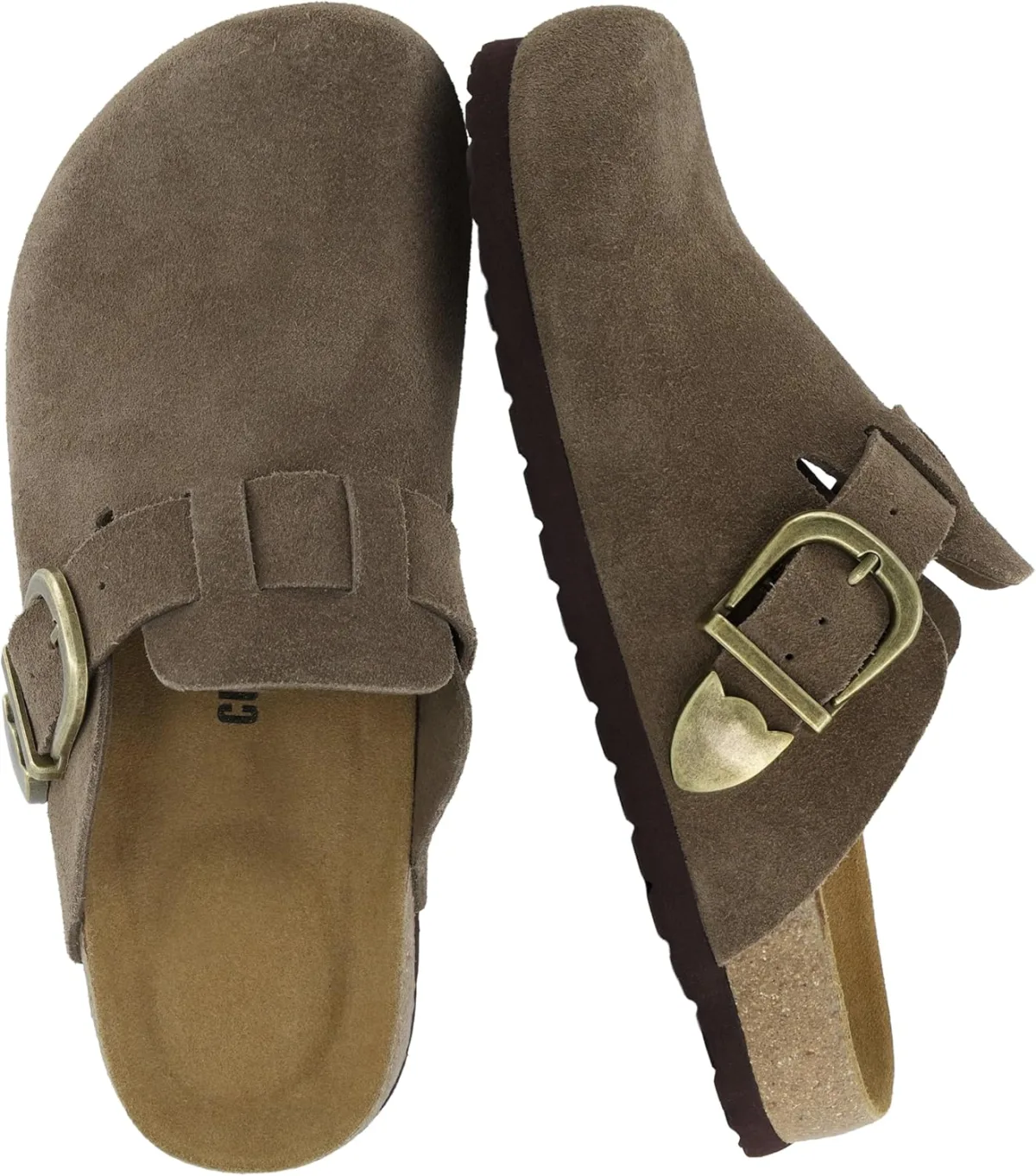
CUSHIONAIRE
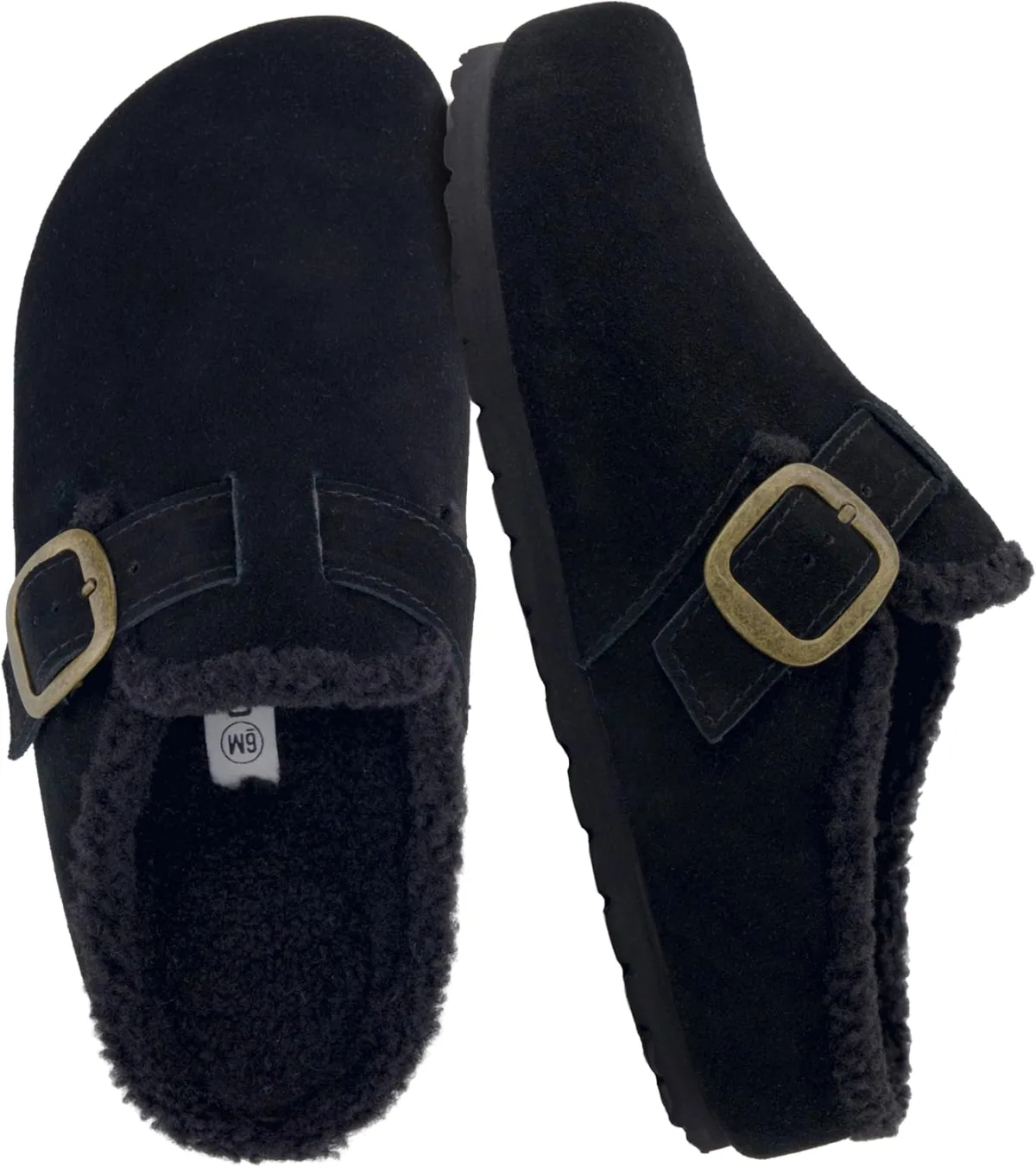
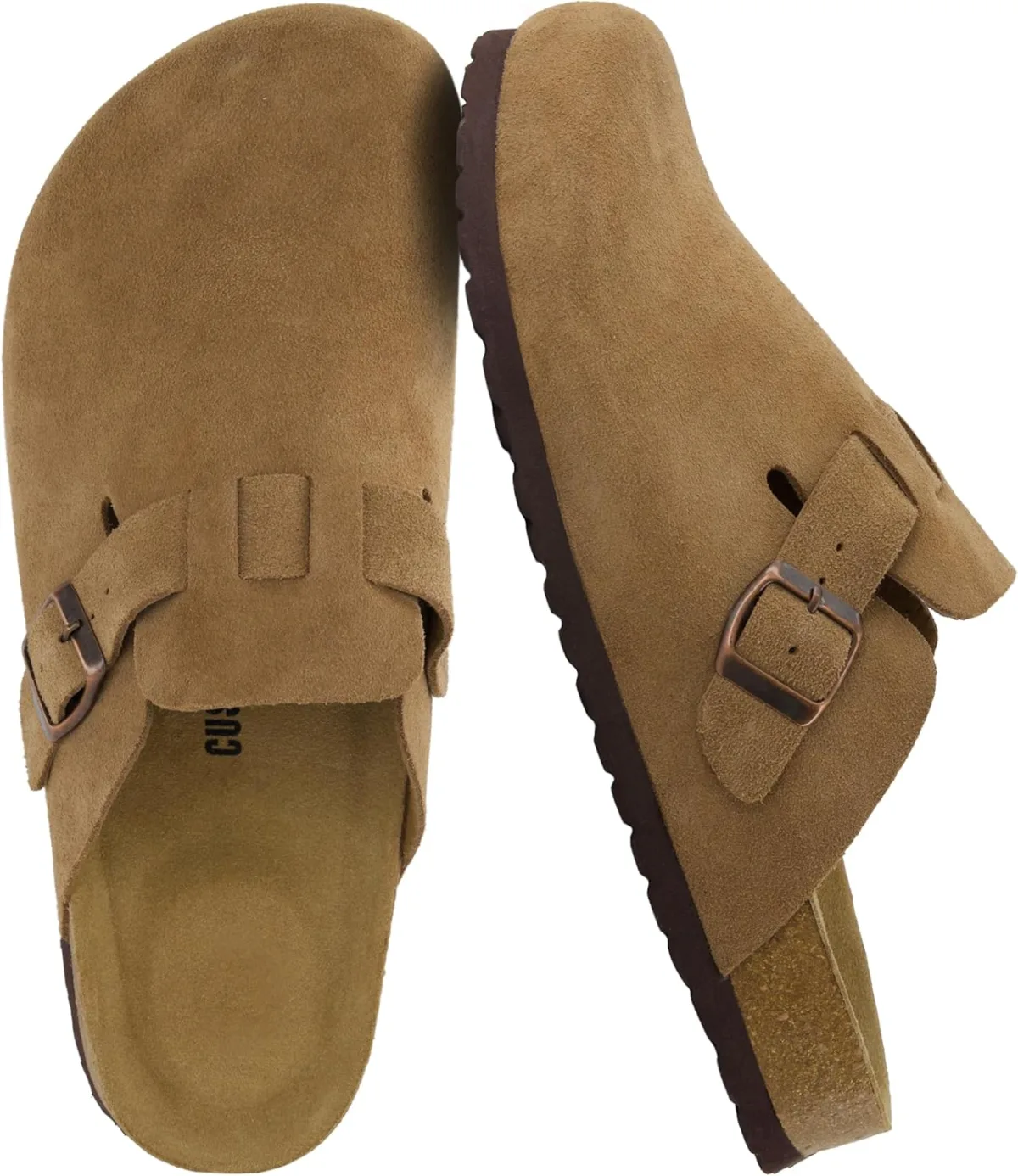
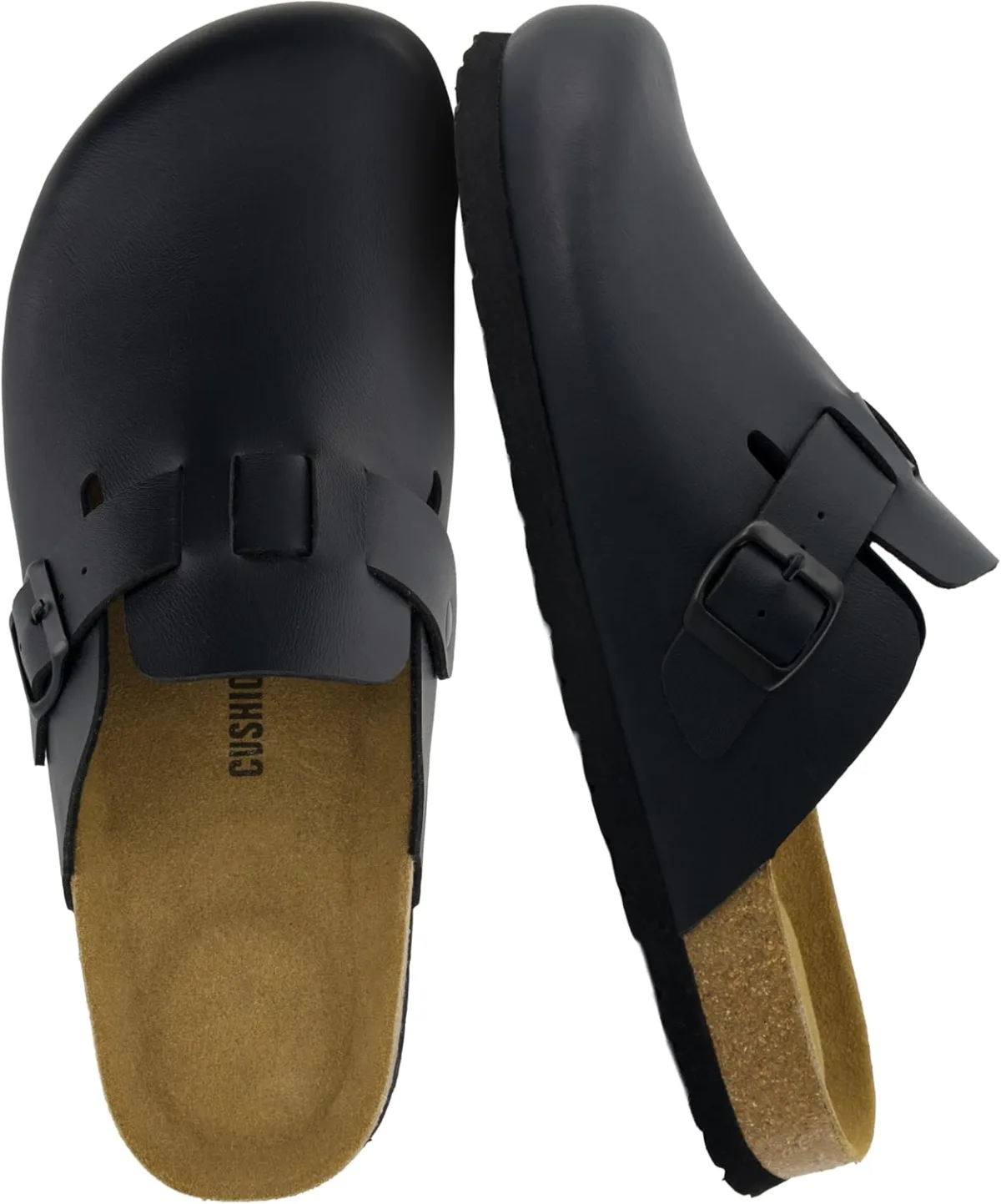
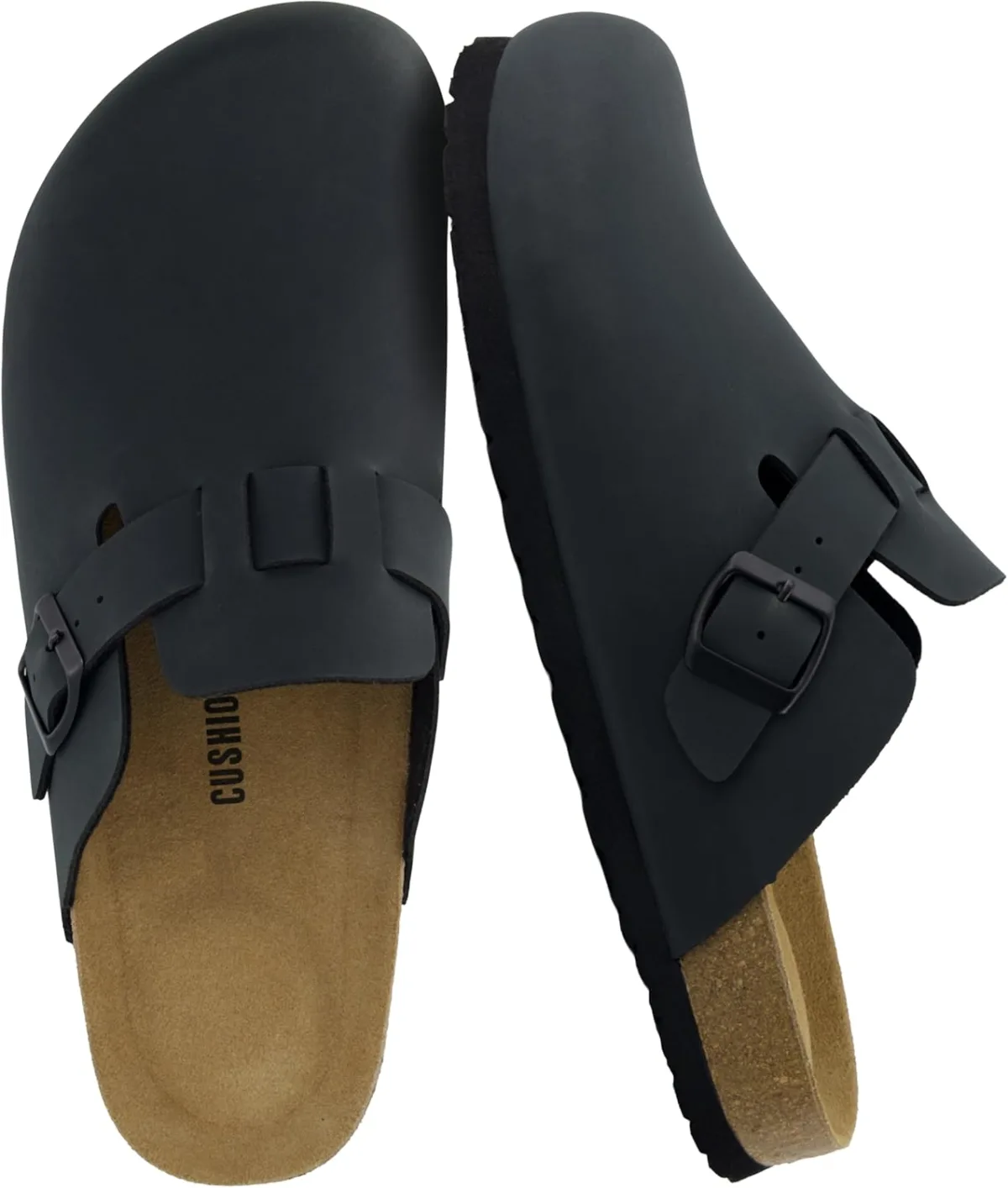
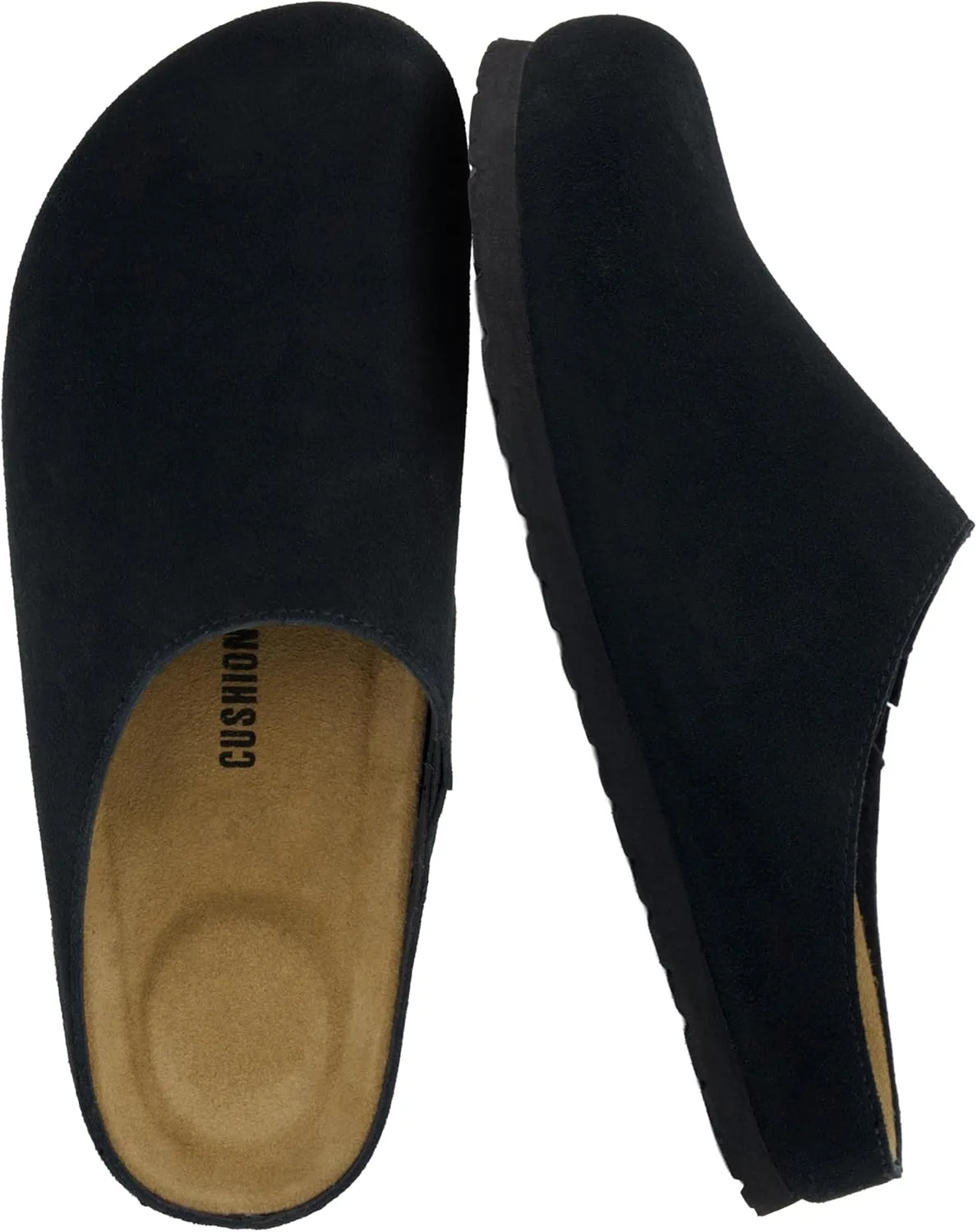
CUSHIONAIRE
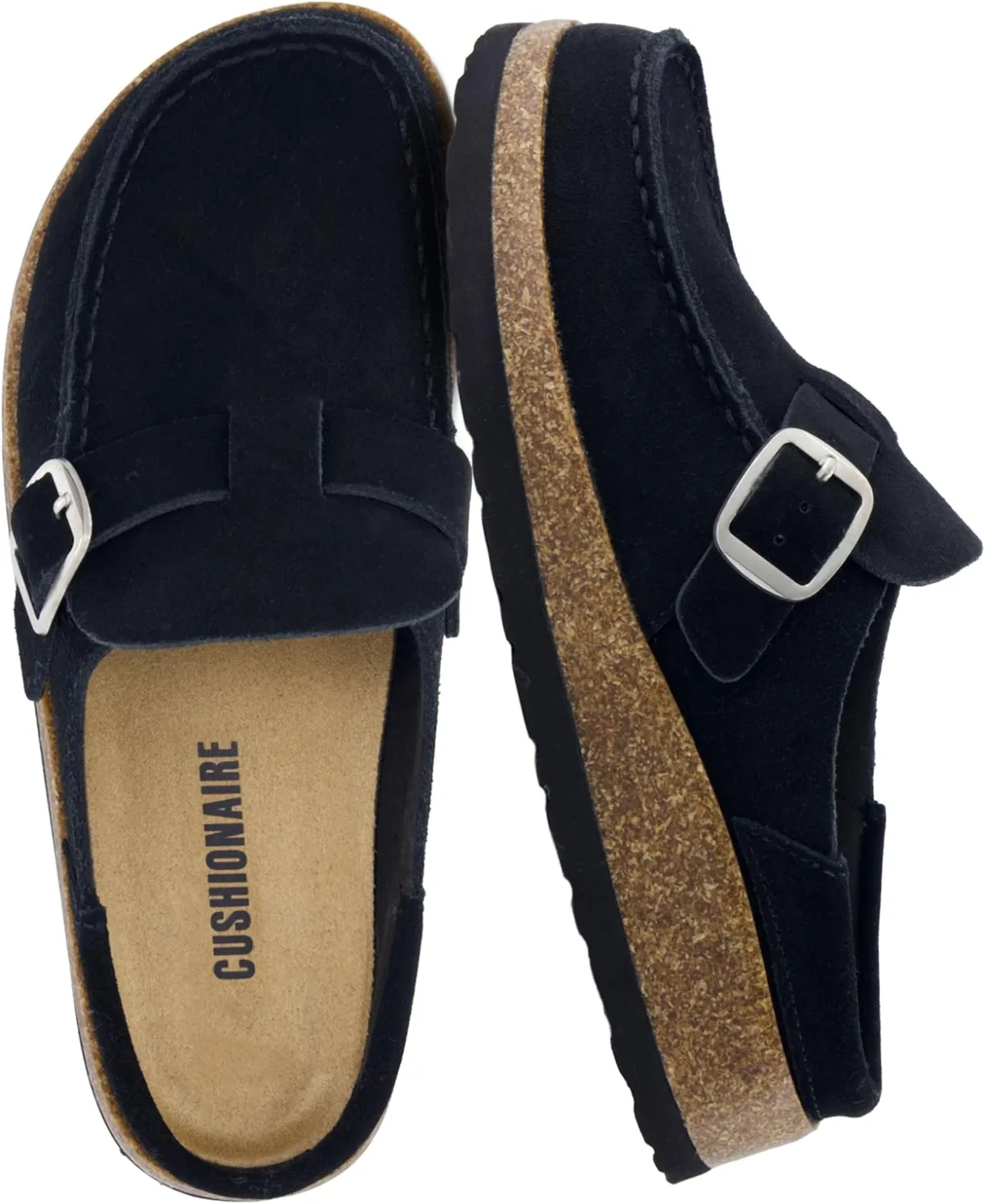
CUSHIONAIRE
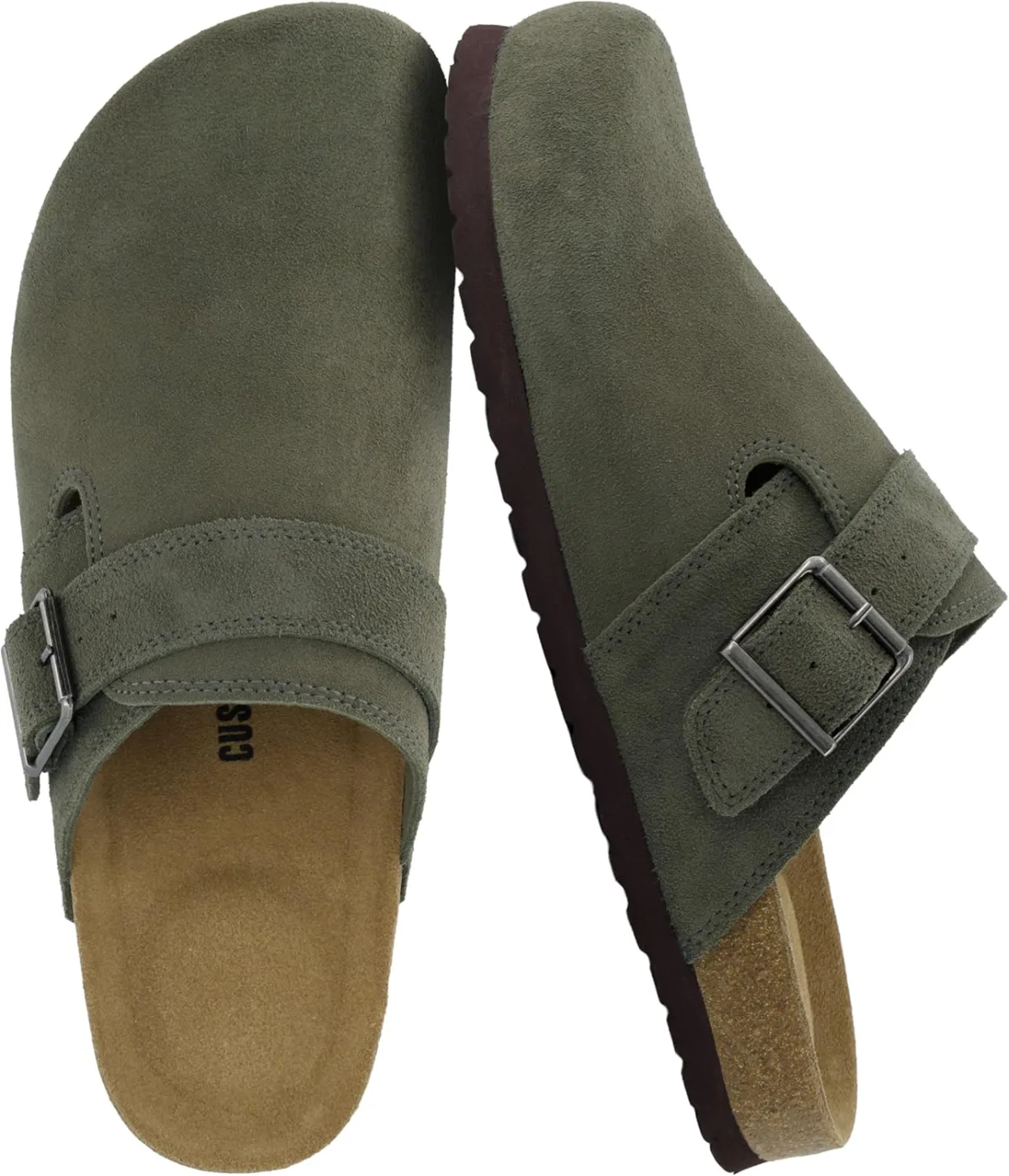
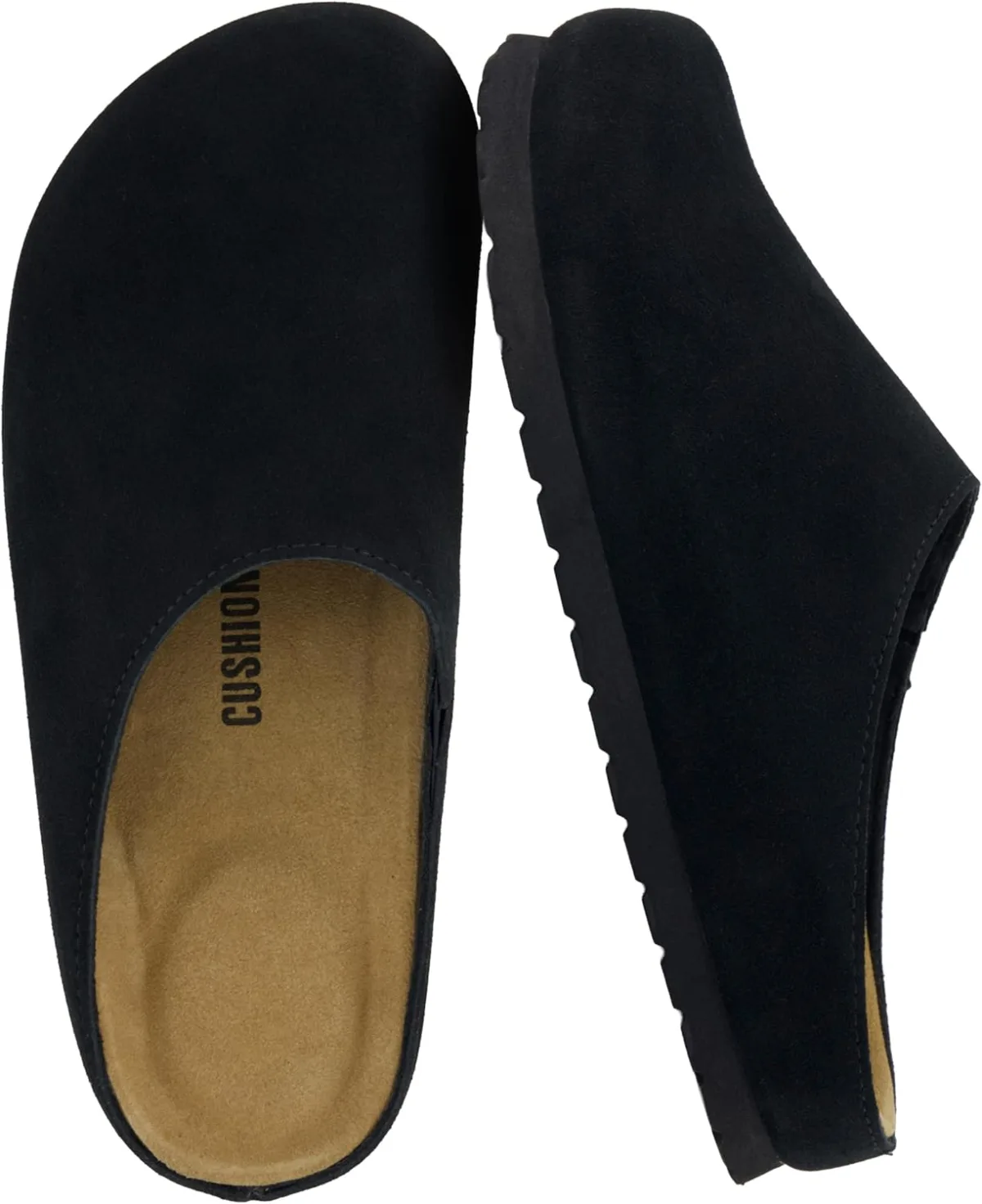
CUSHIONAIRE
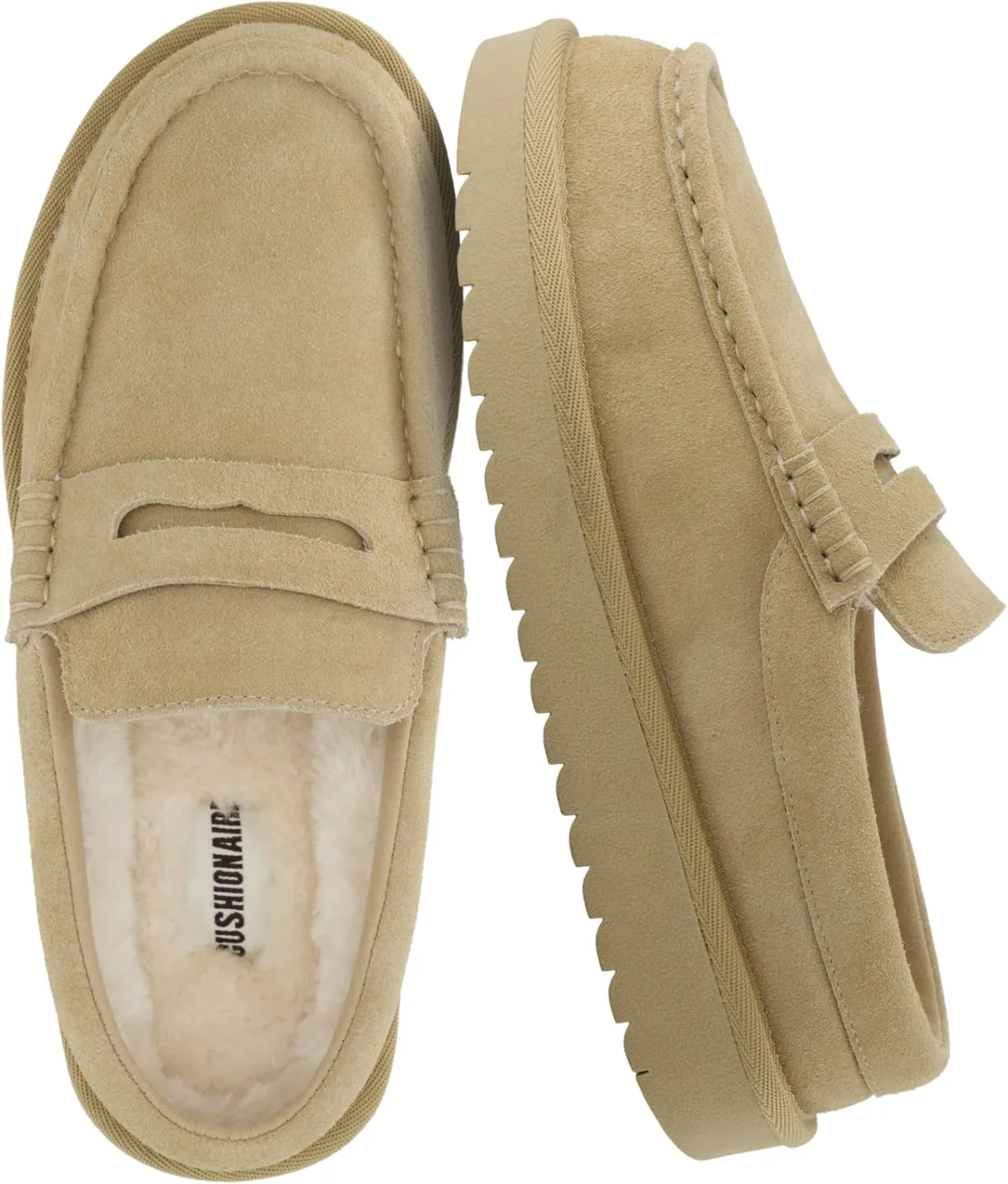
CUSHIONAIRE
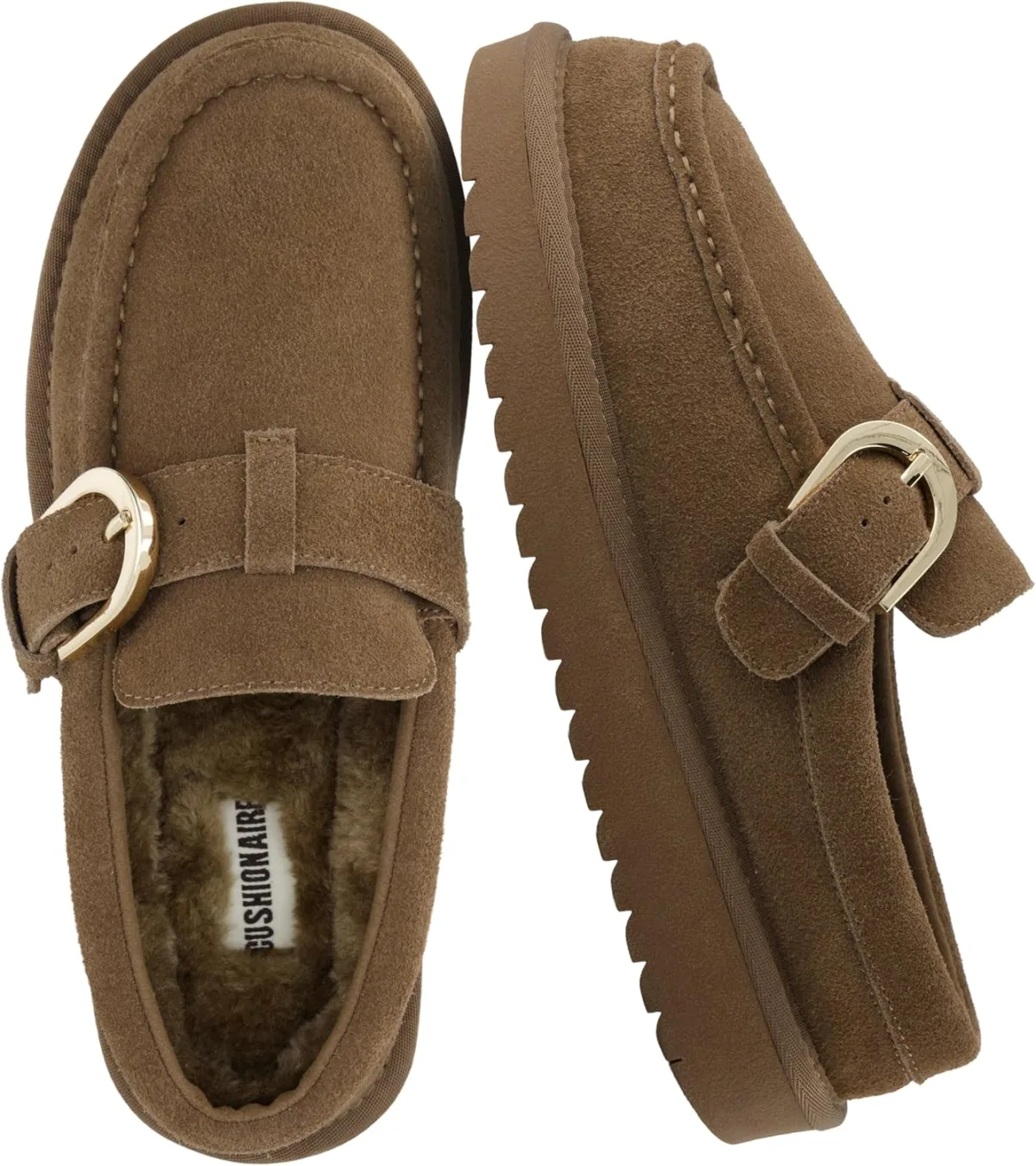
CUSHIONAIRE
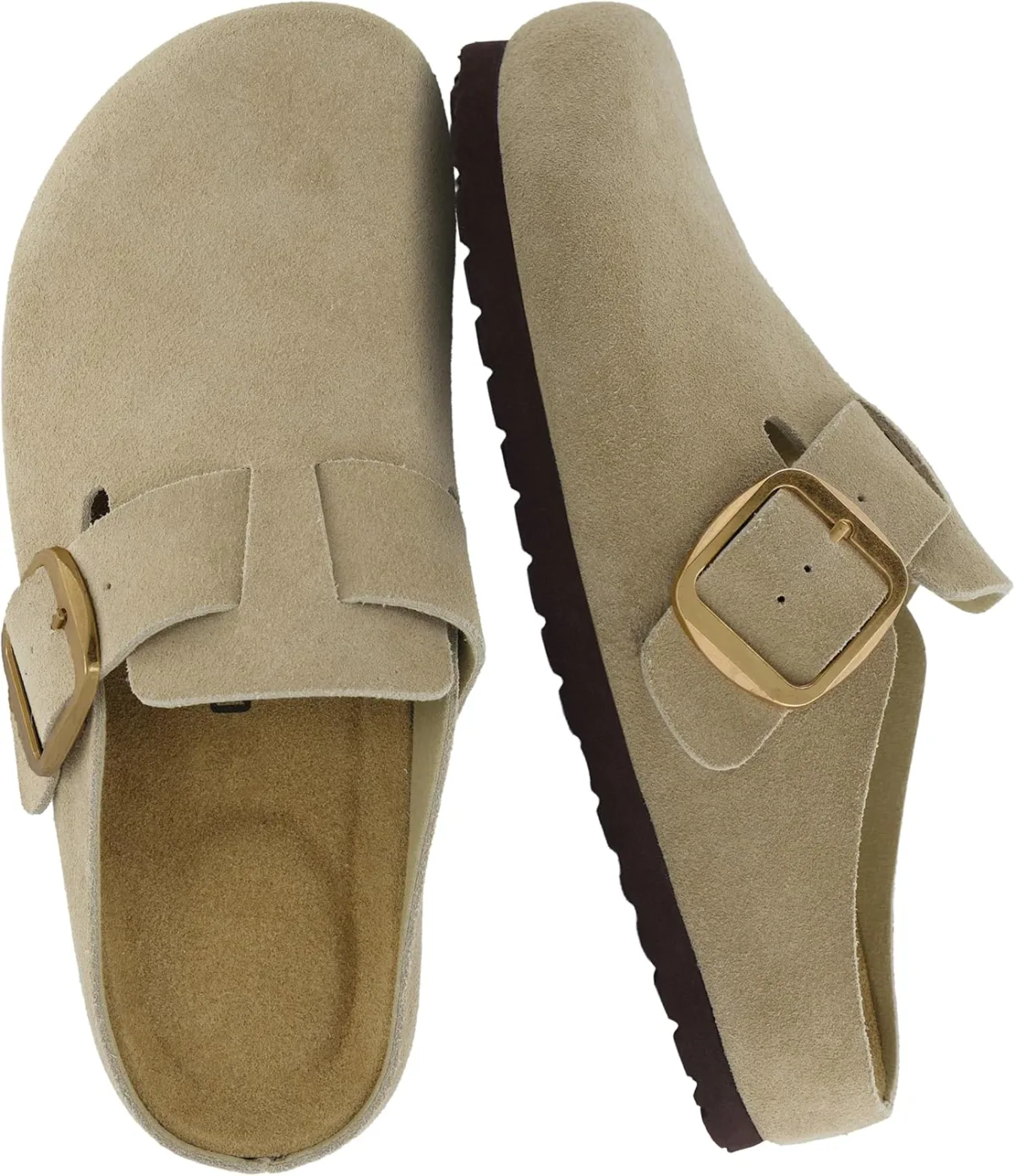
CUSHIONAIRE
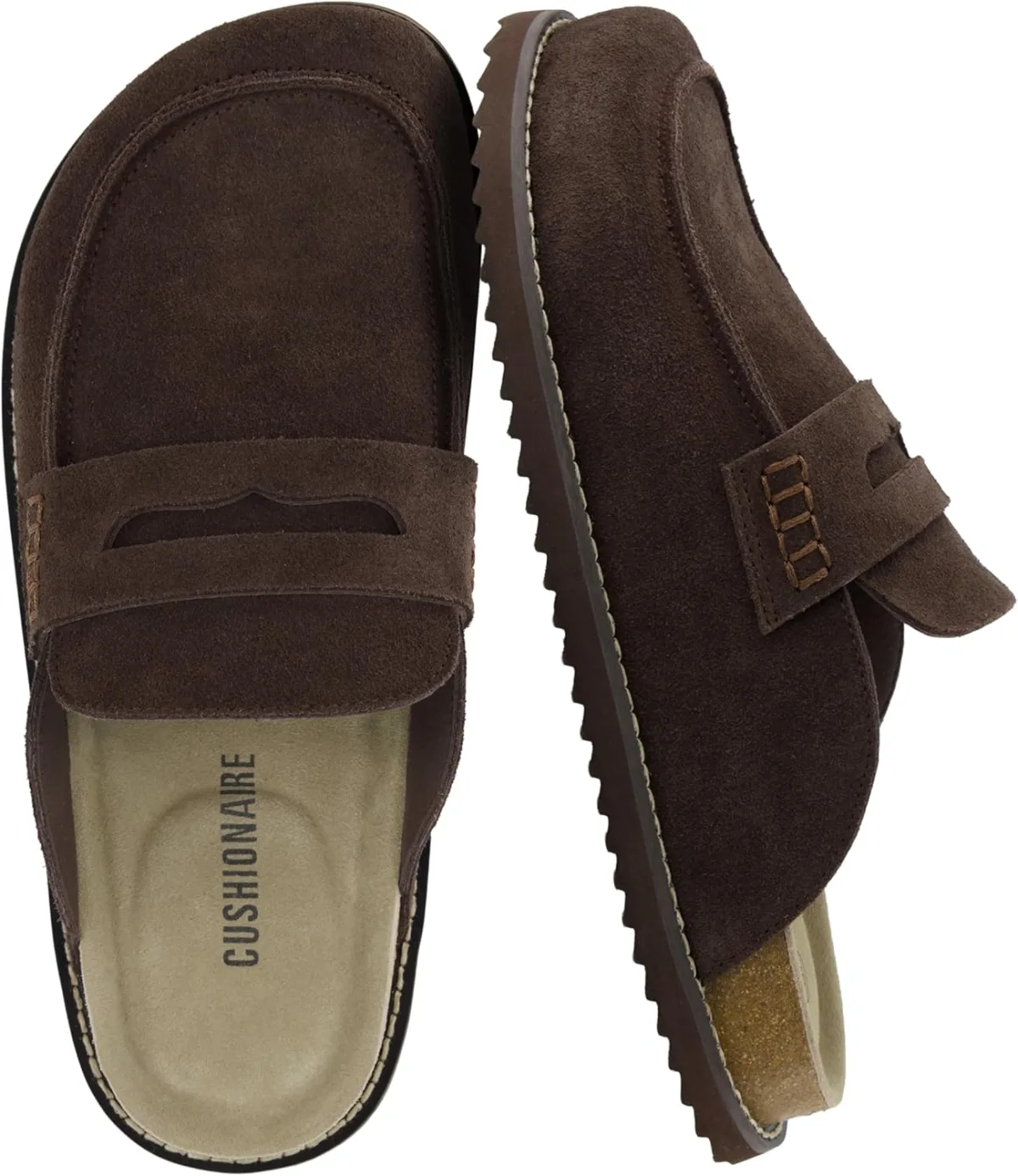
CUSHIONAIRE
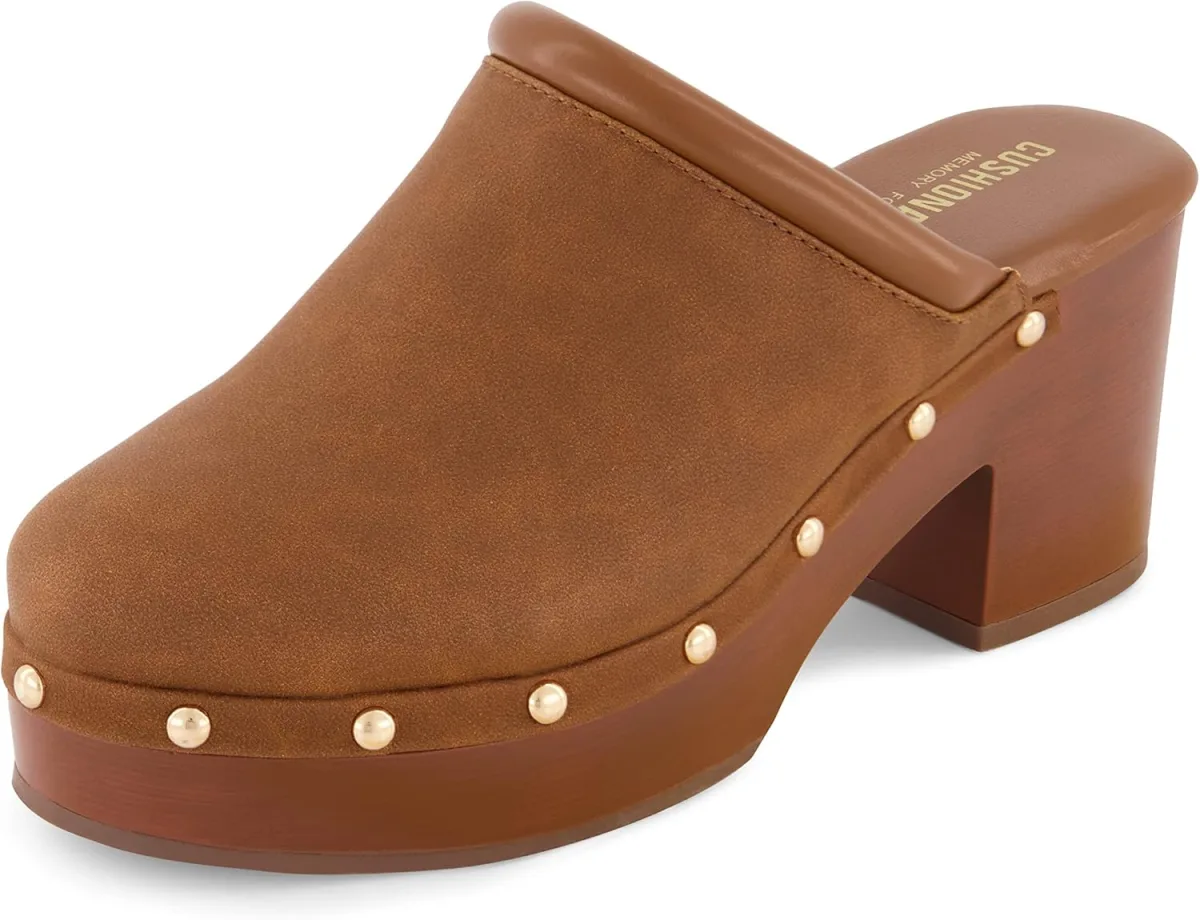
CUSHIONAIRE
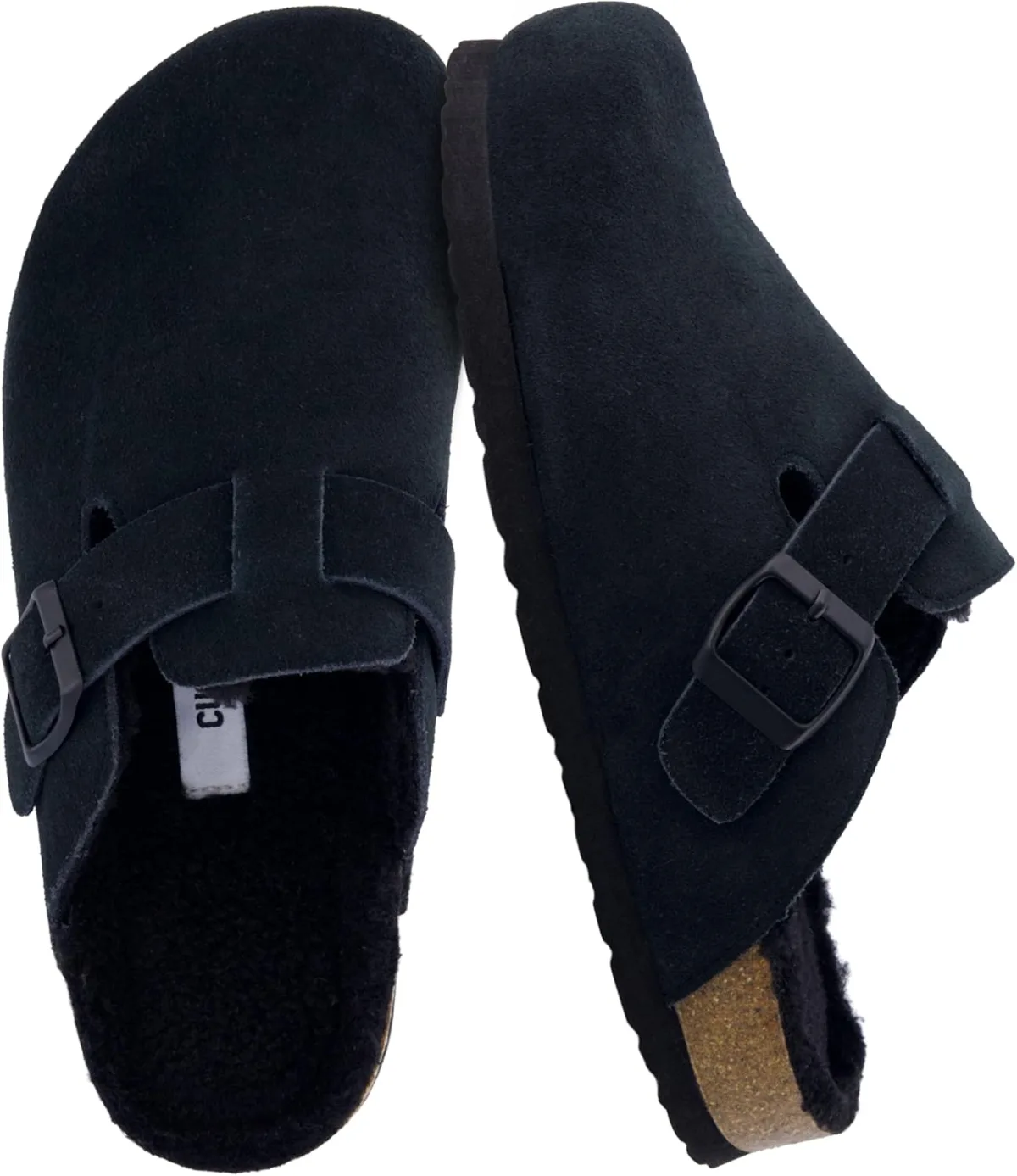
CUSHIONAIRE
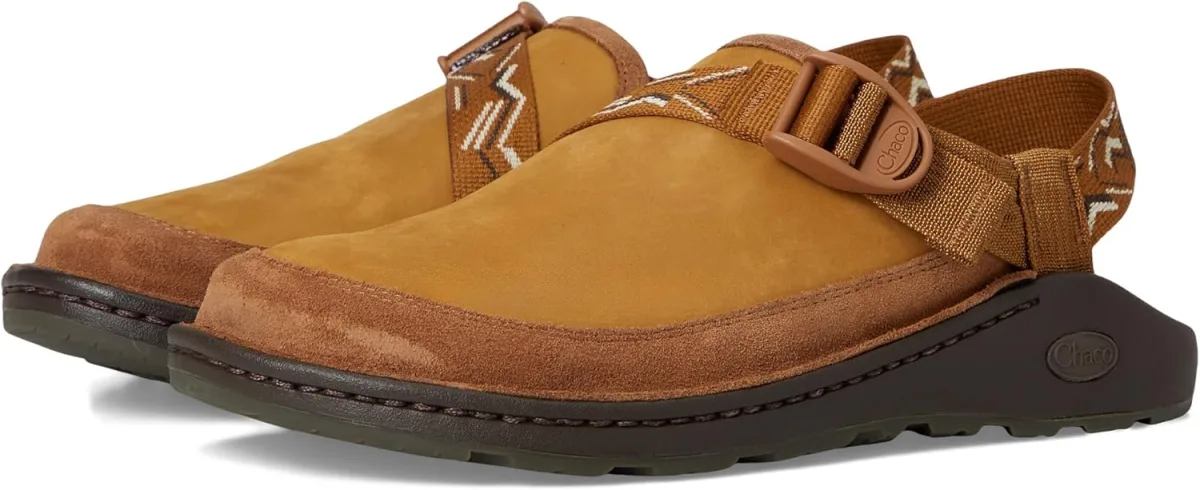
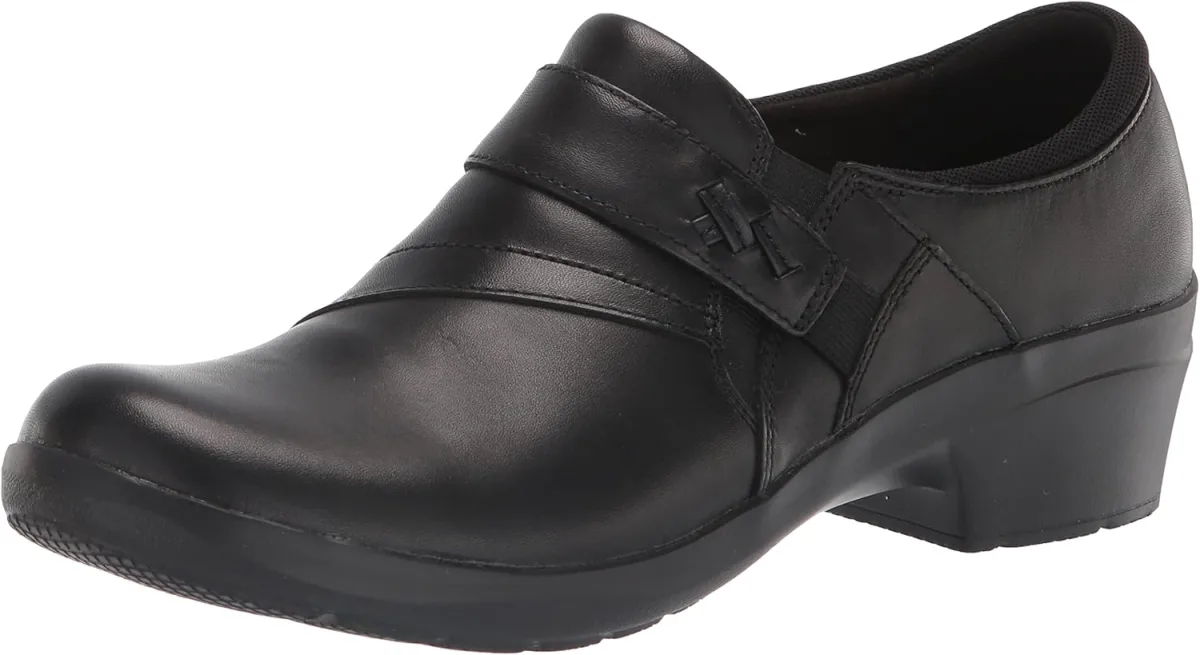
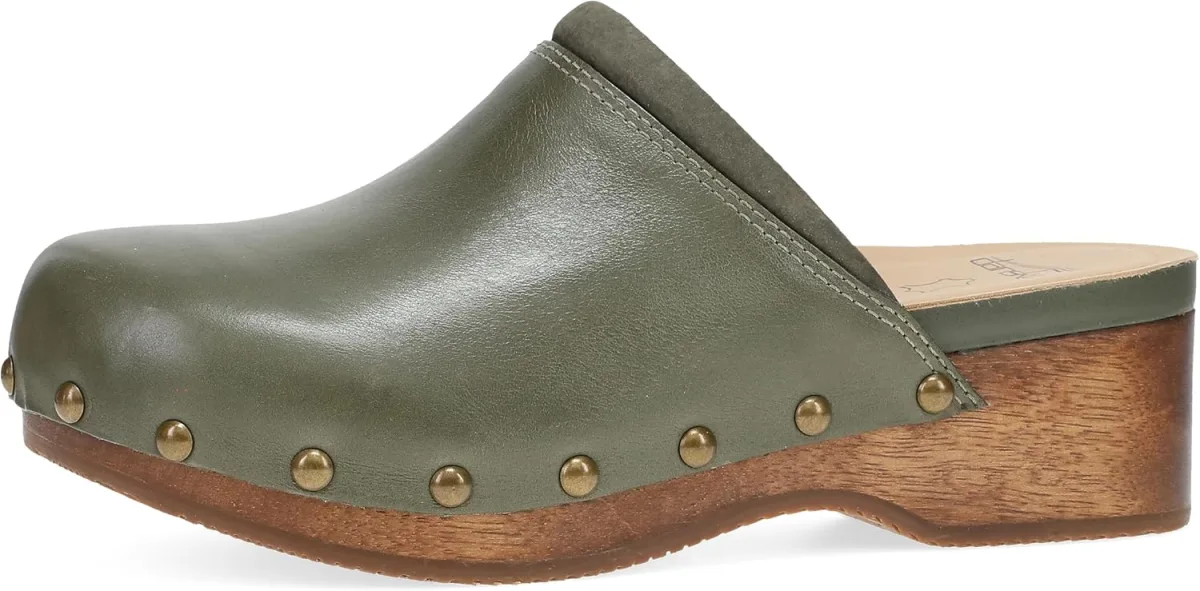
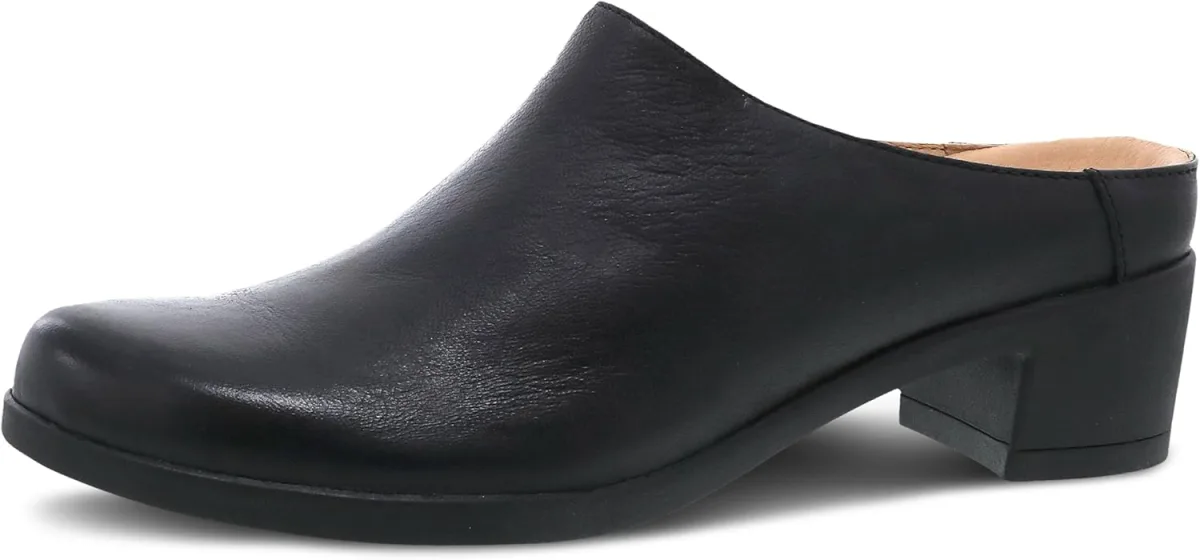
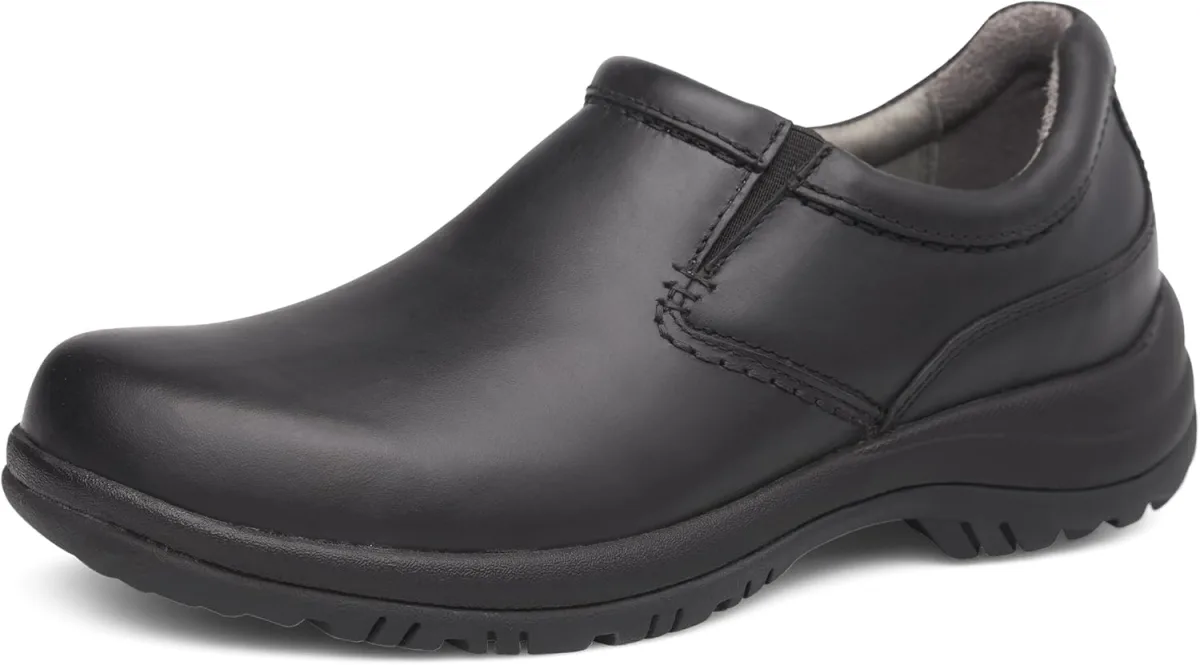
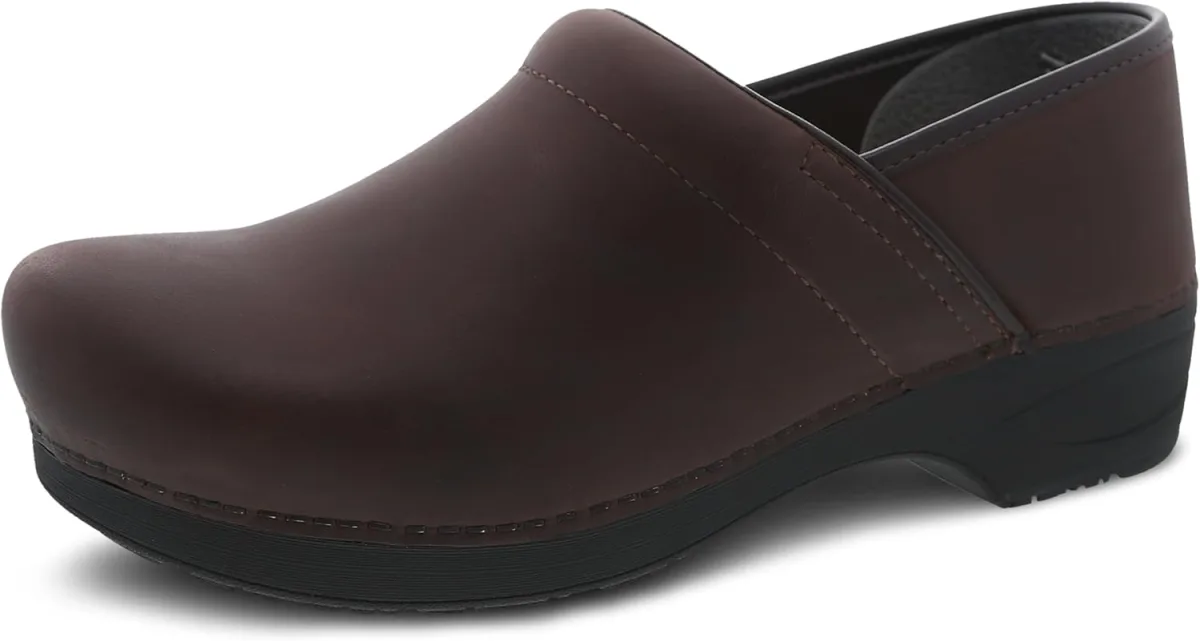
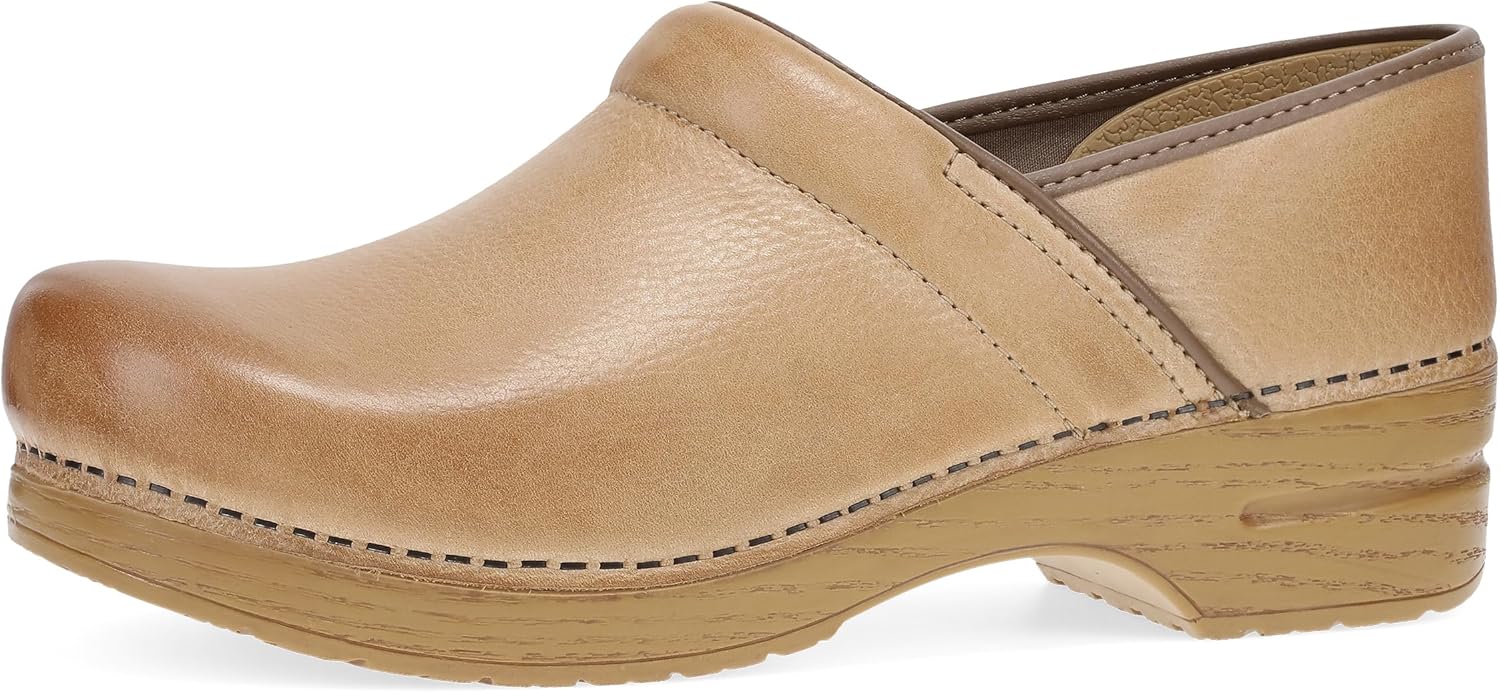
Dansko
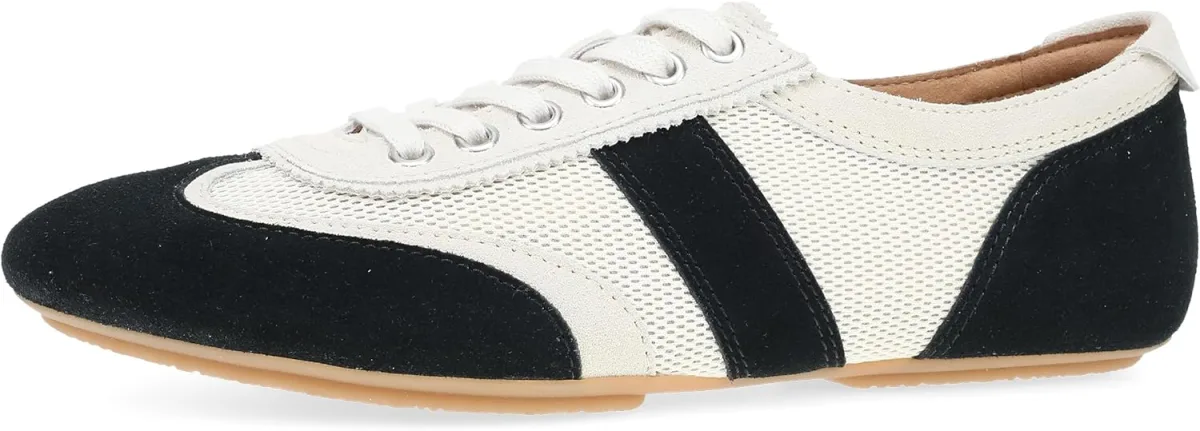
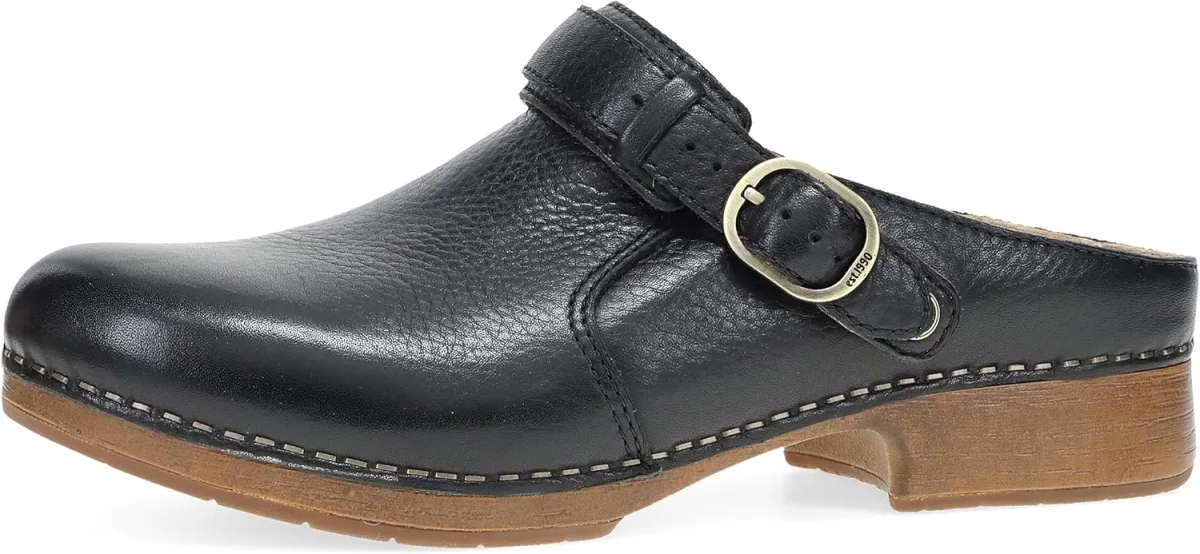
Dansko
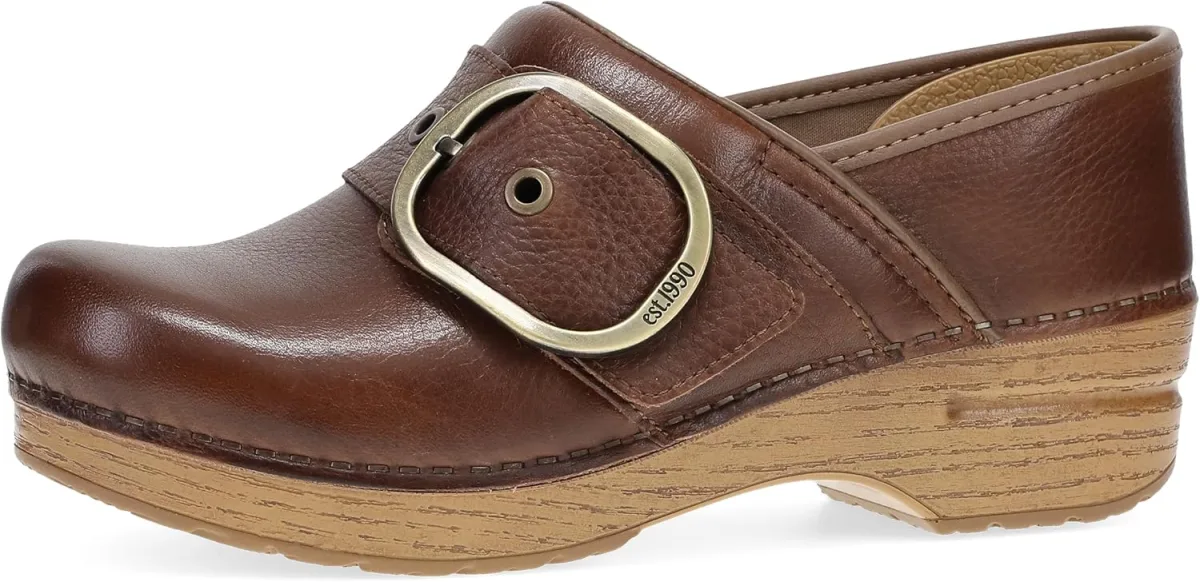
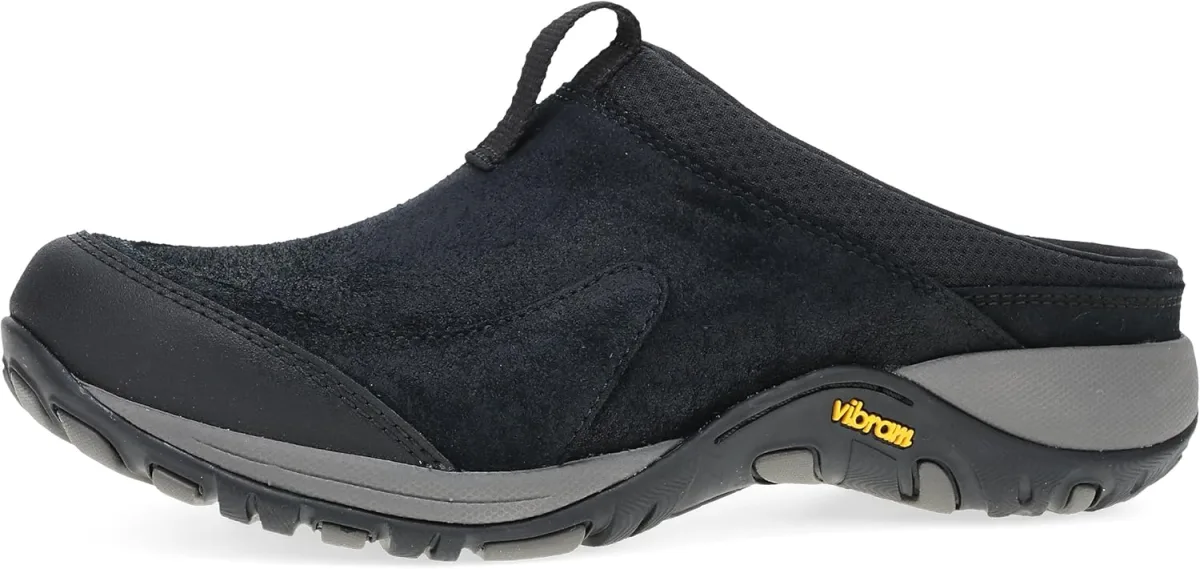
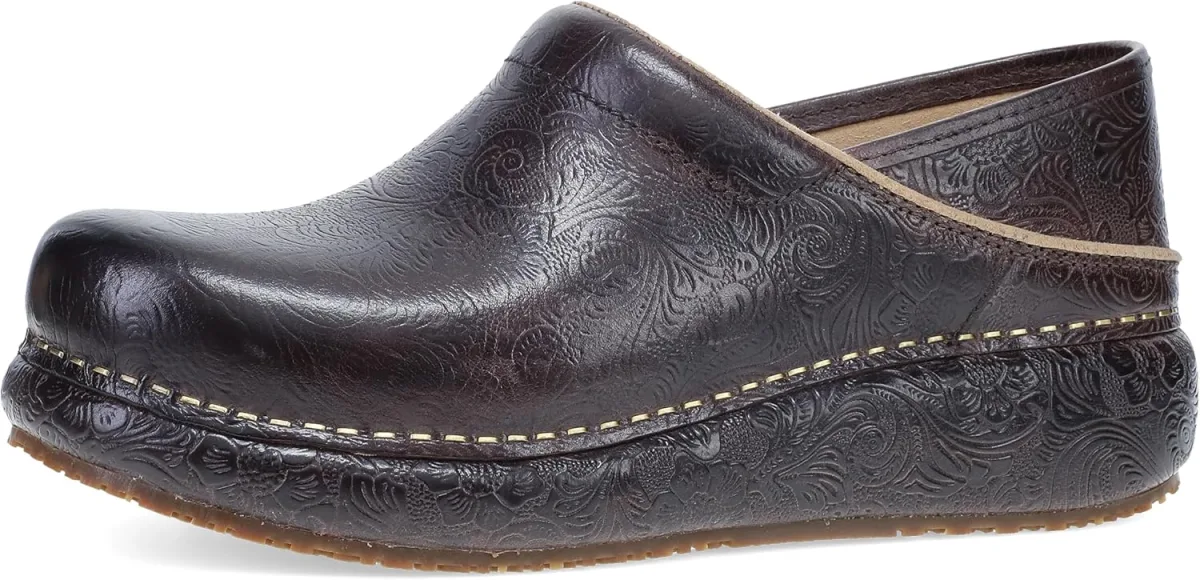
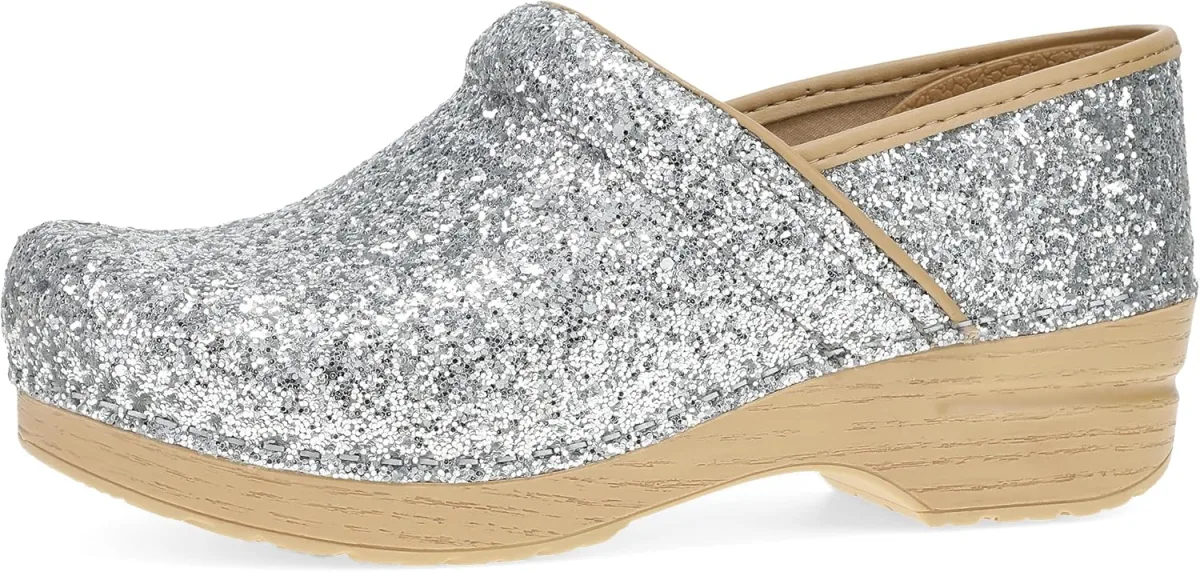
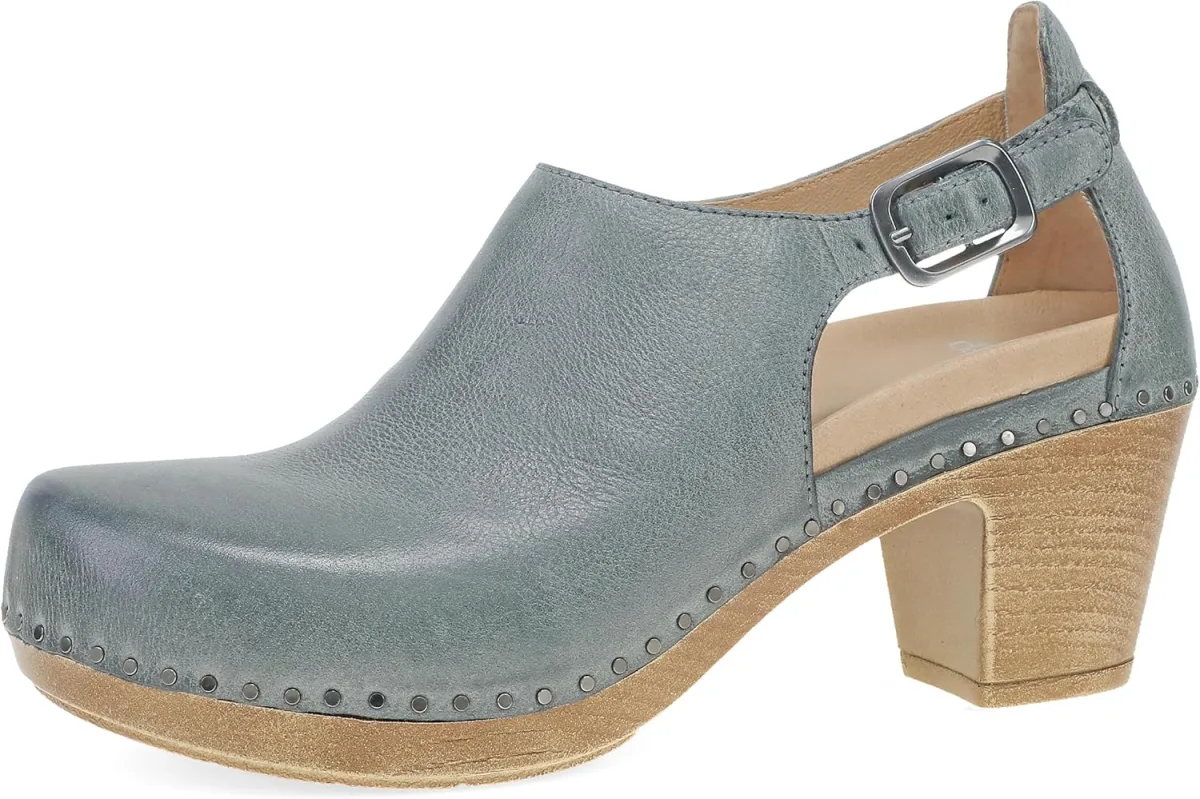
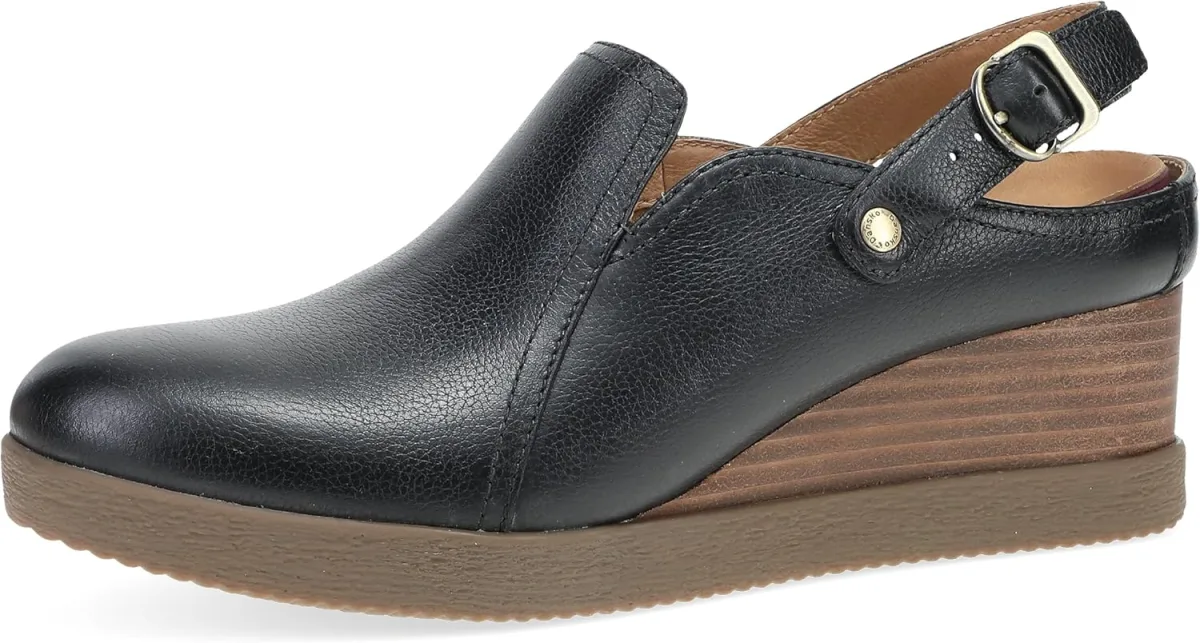
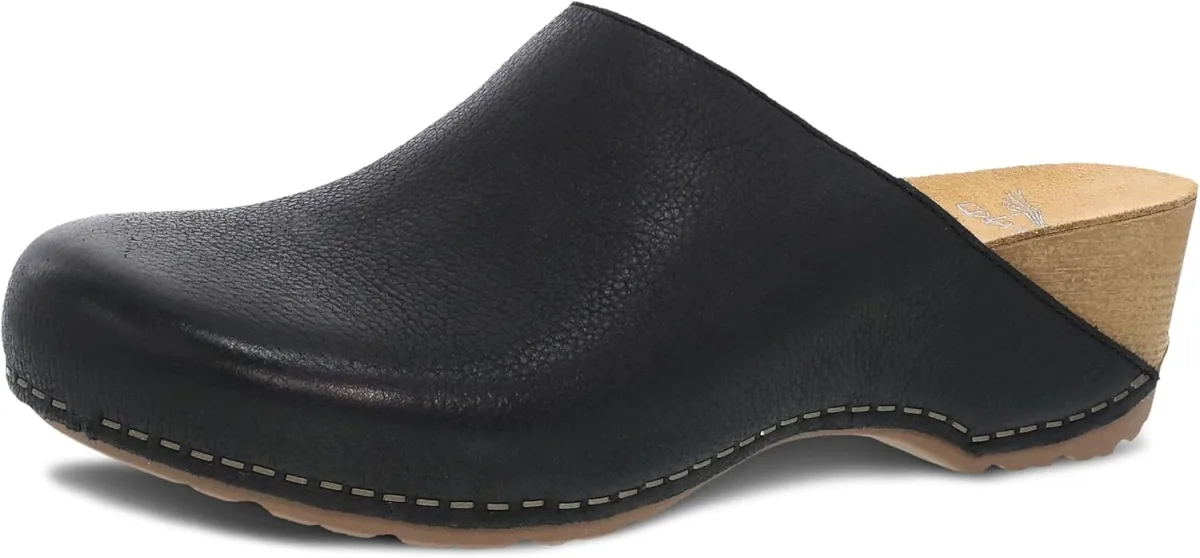
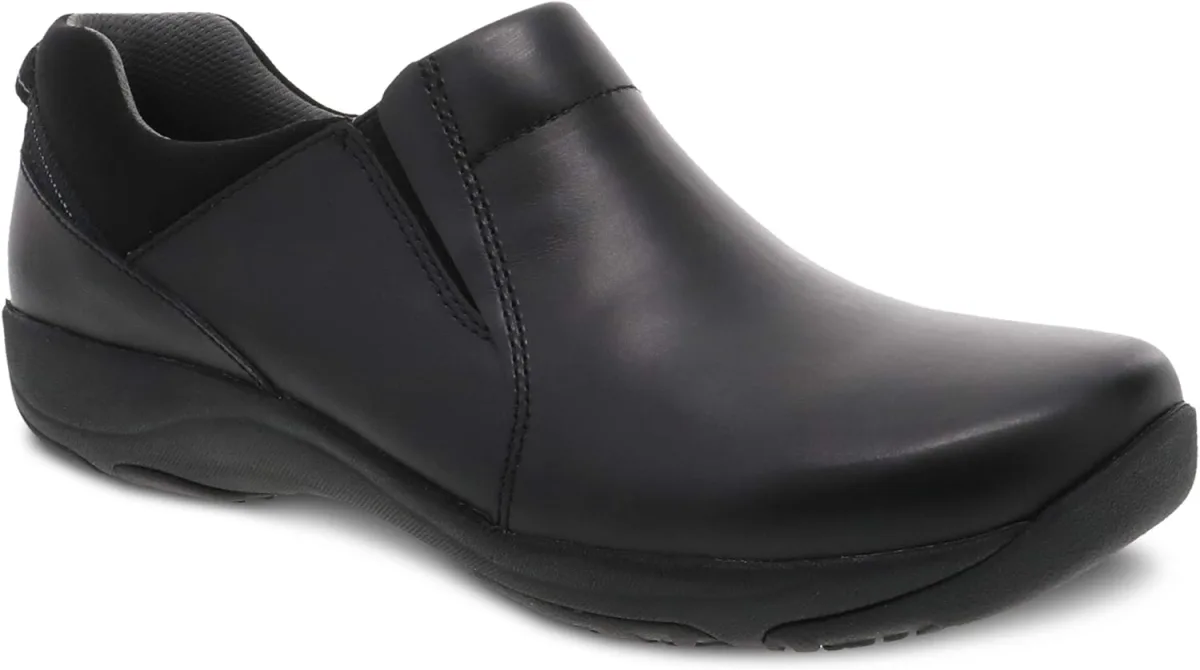
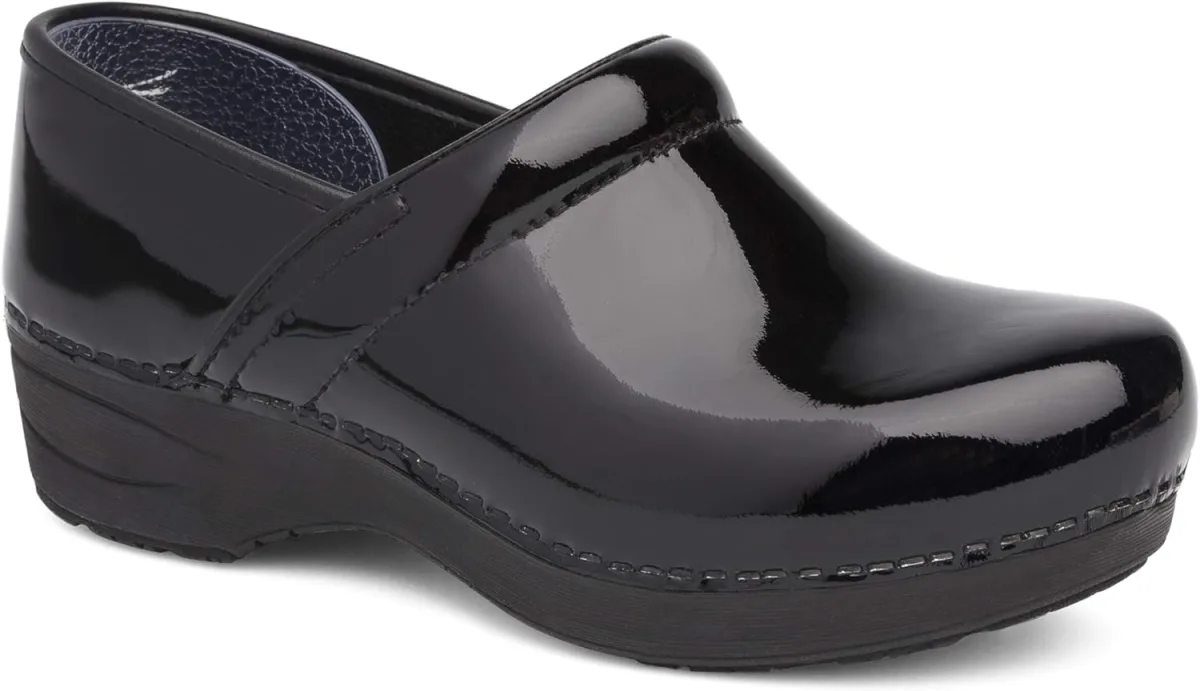
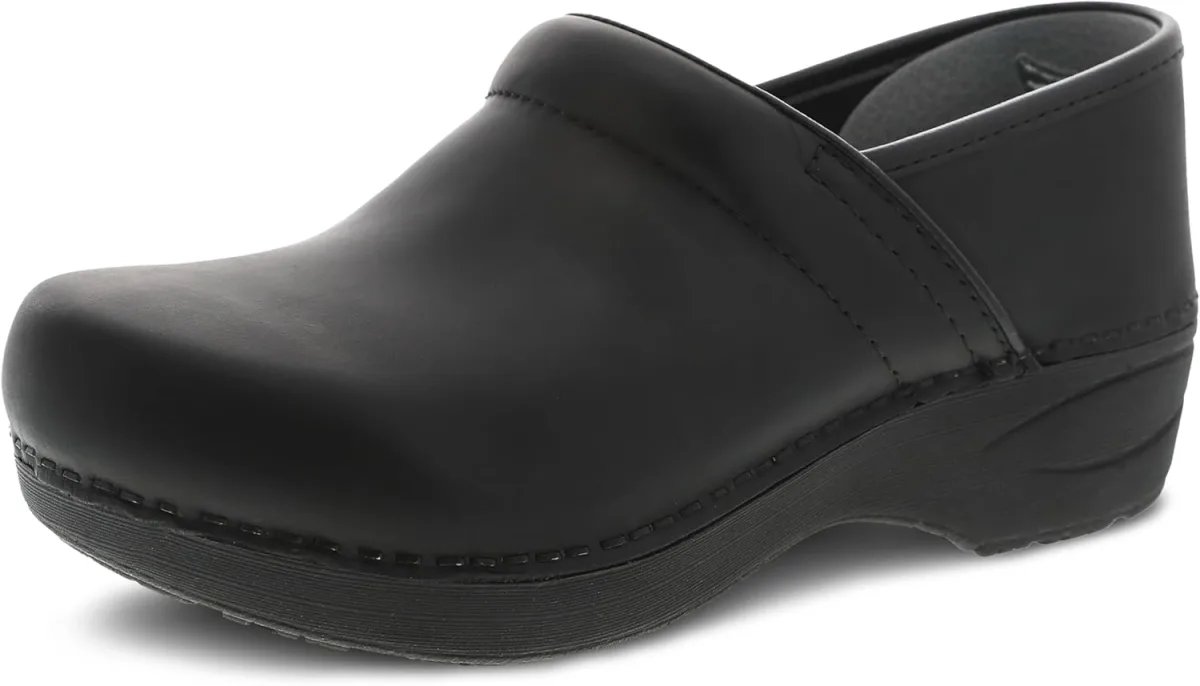
Dansko
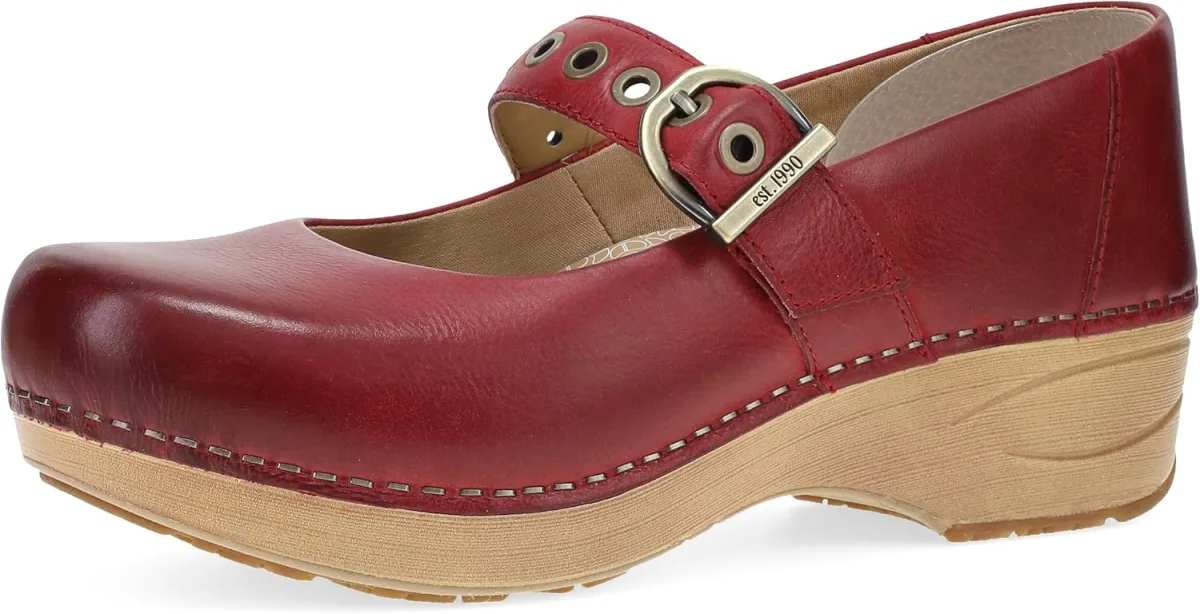
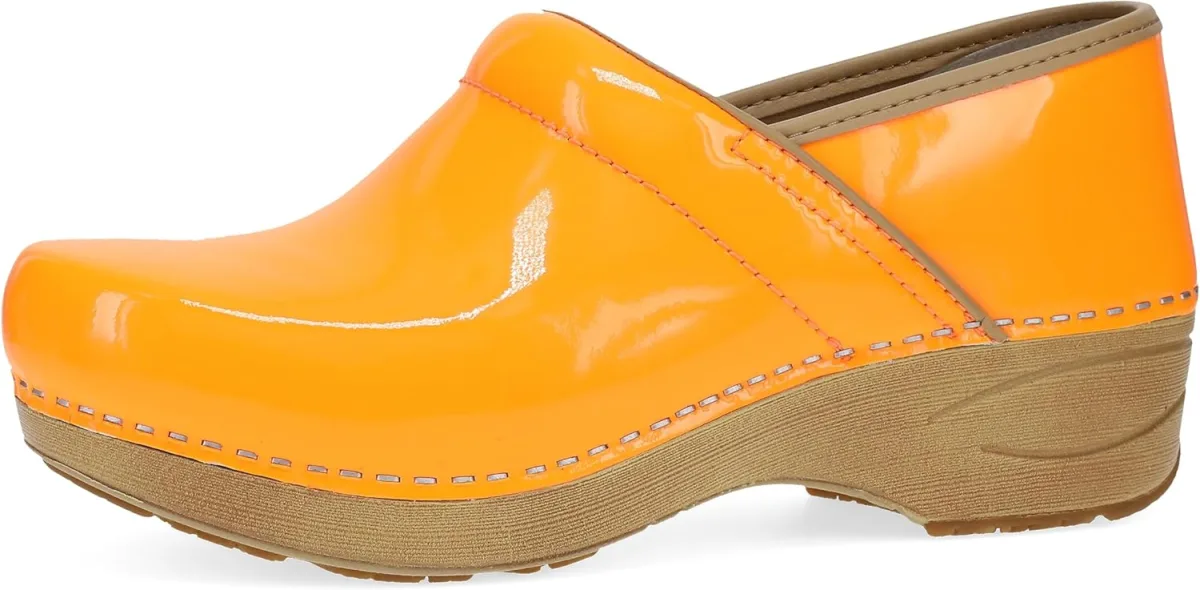
Dansko
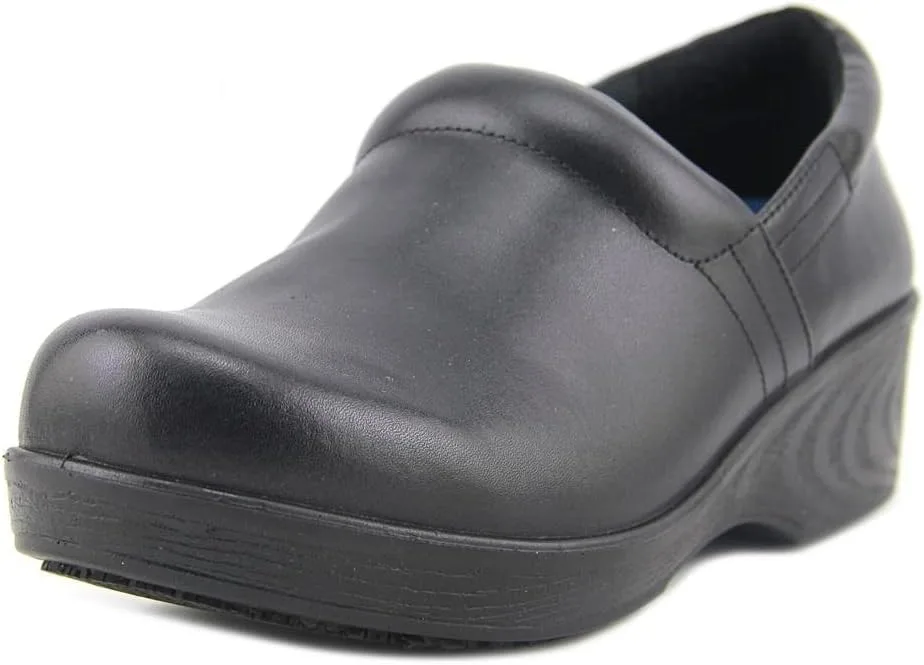
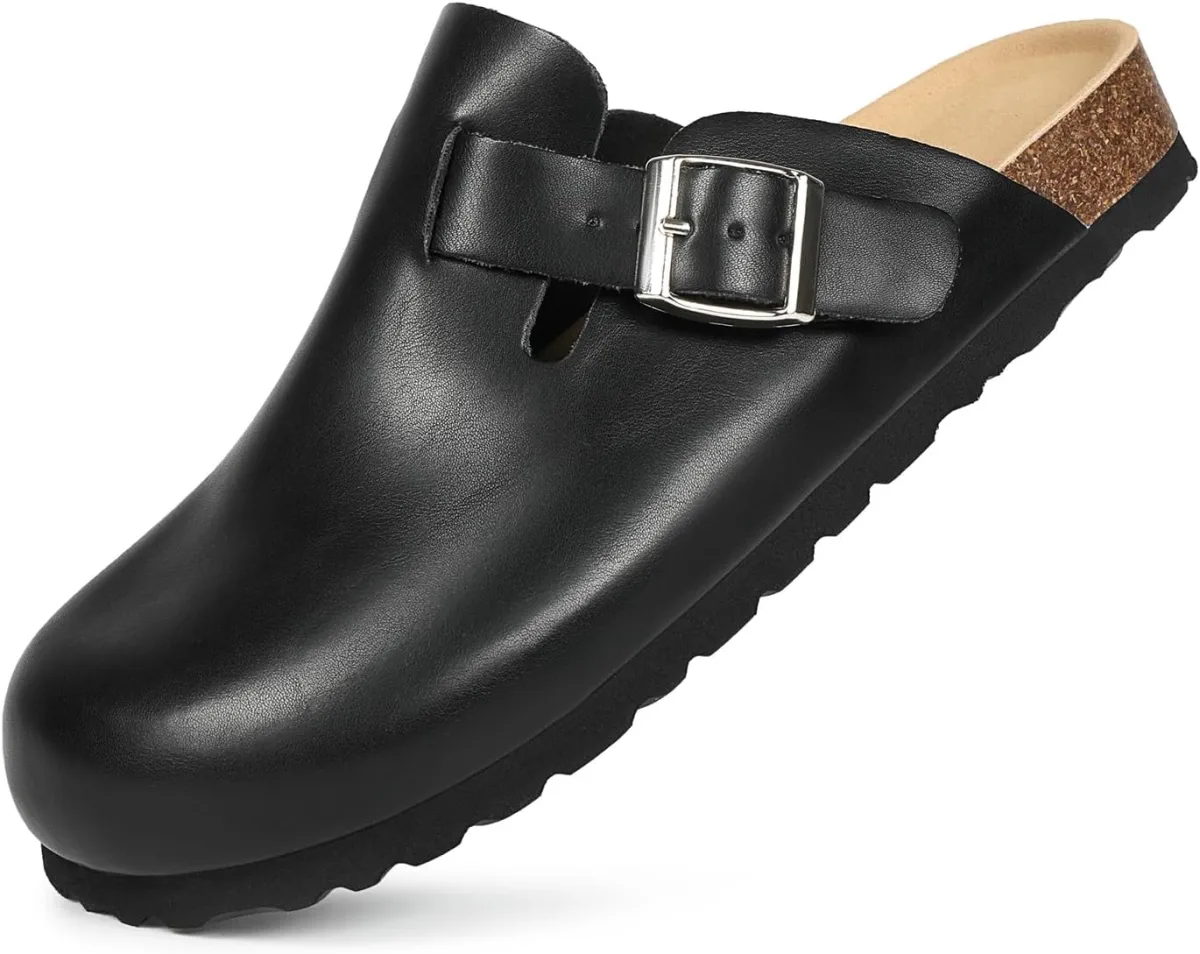
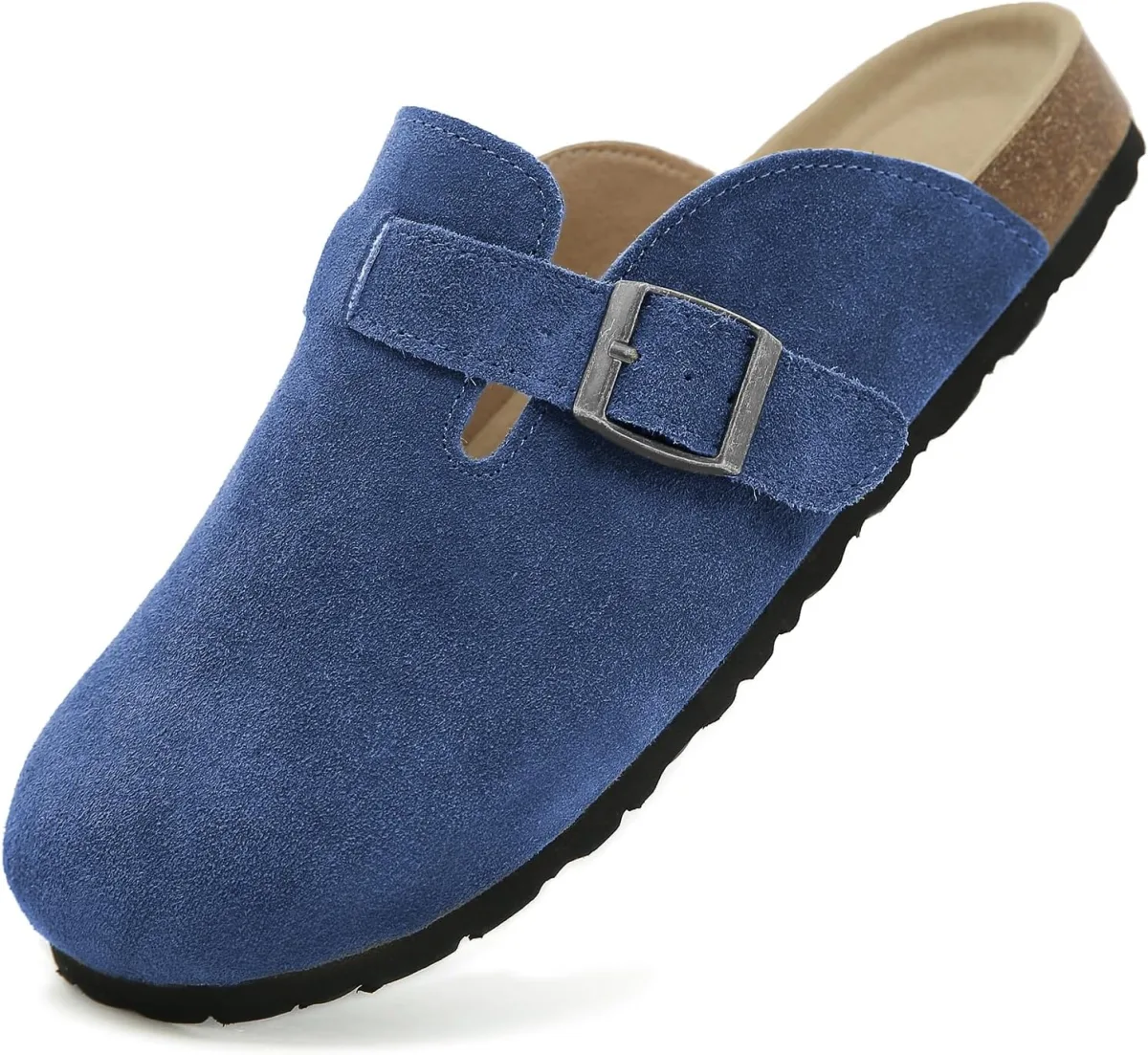
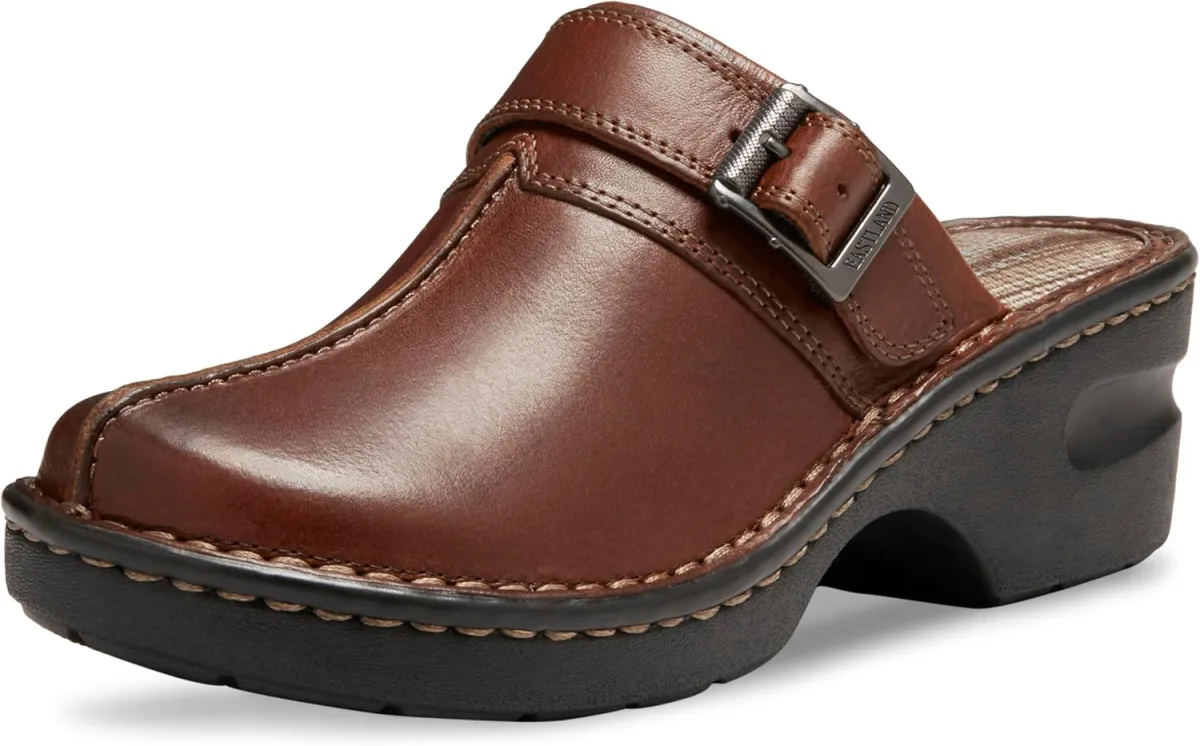
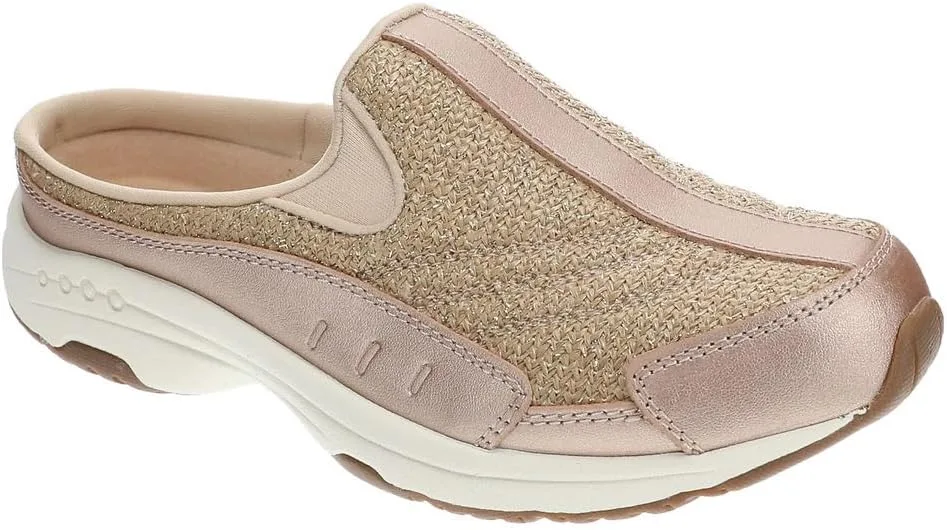
Easy Spirit
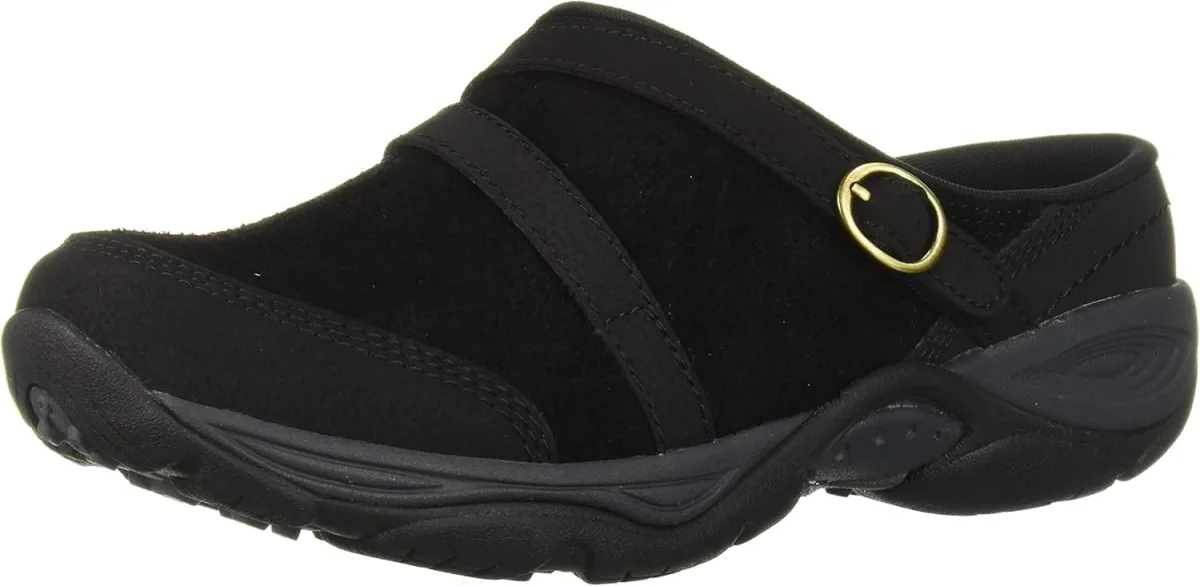
Easy Spirit
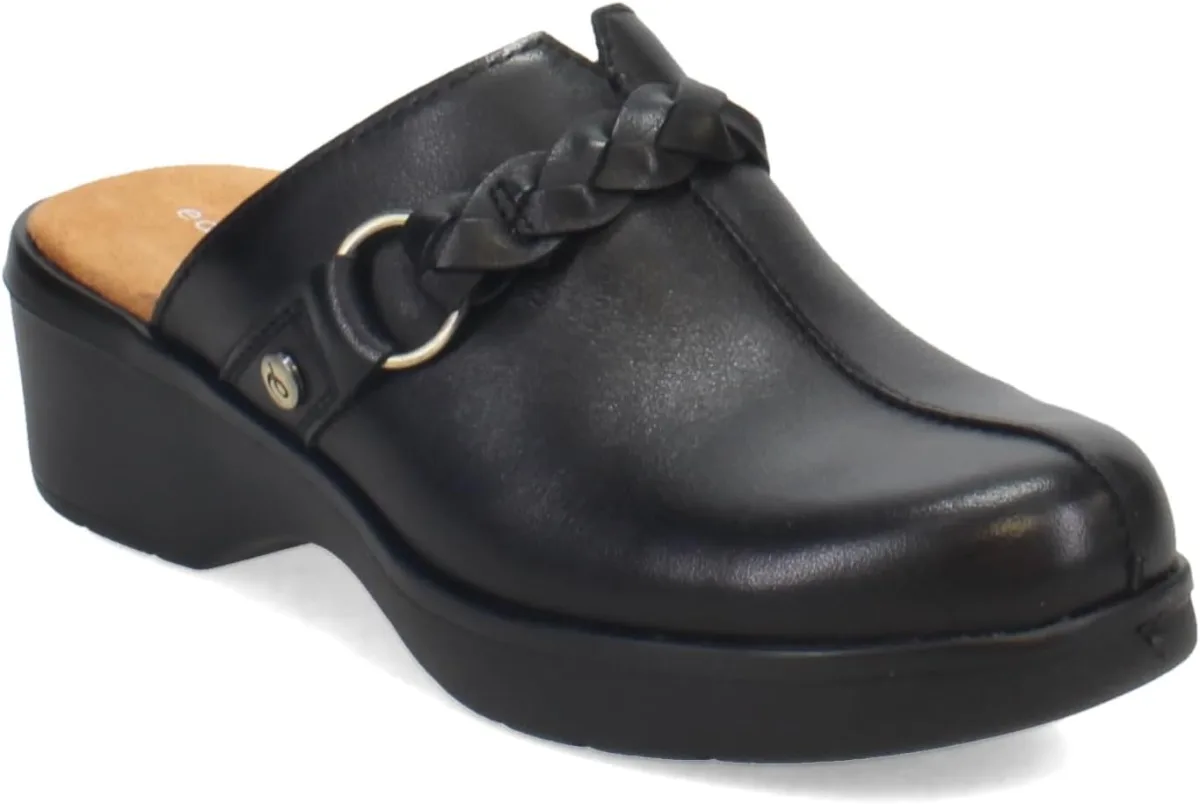
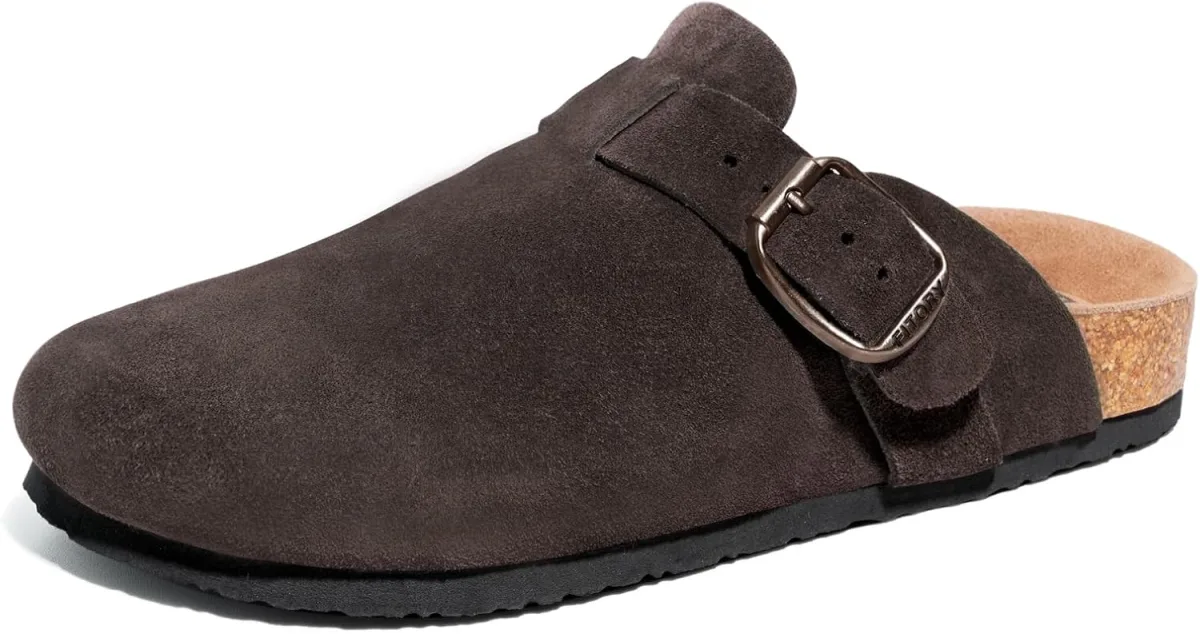
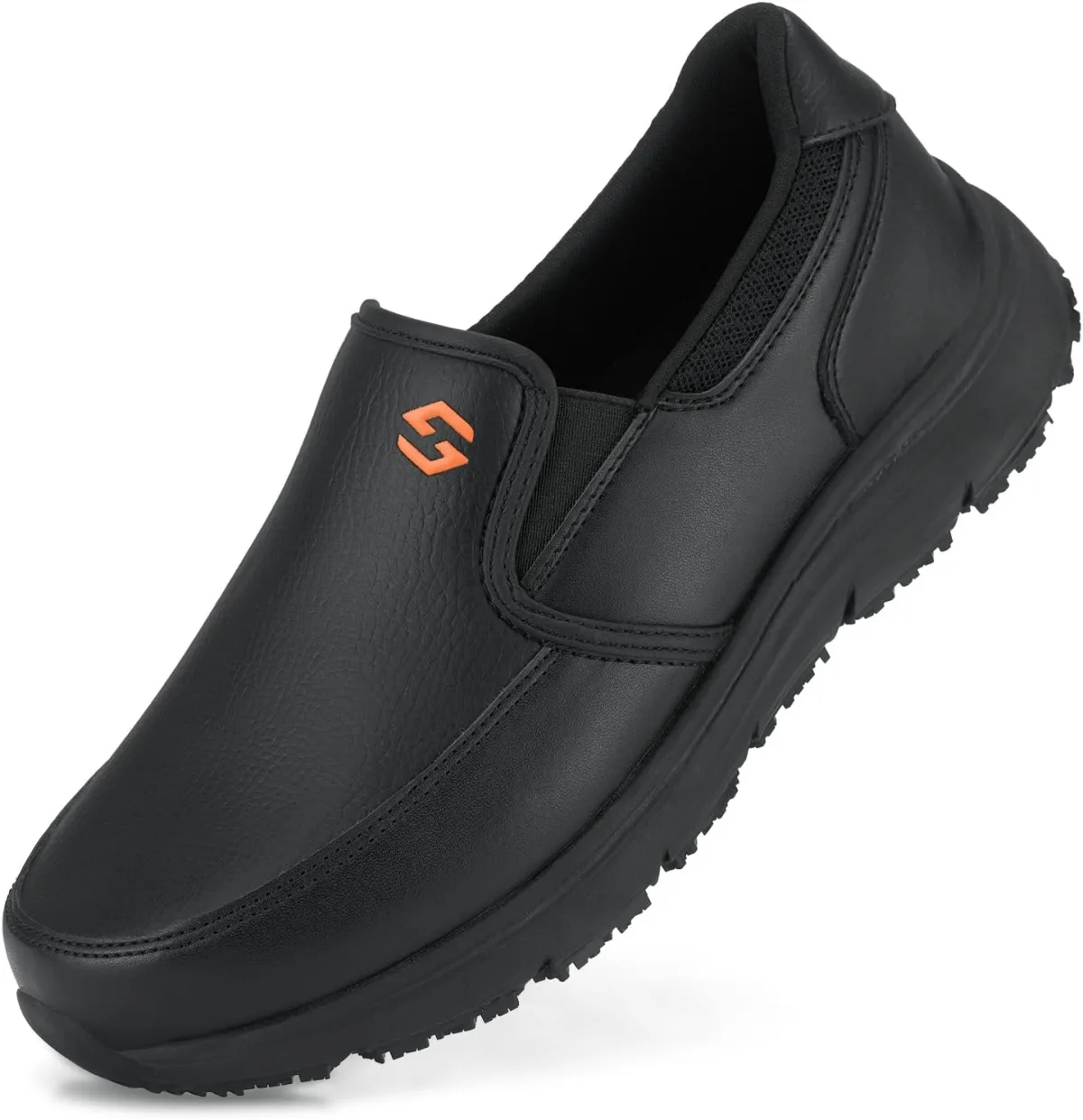
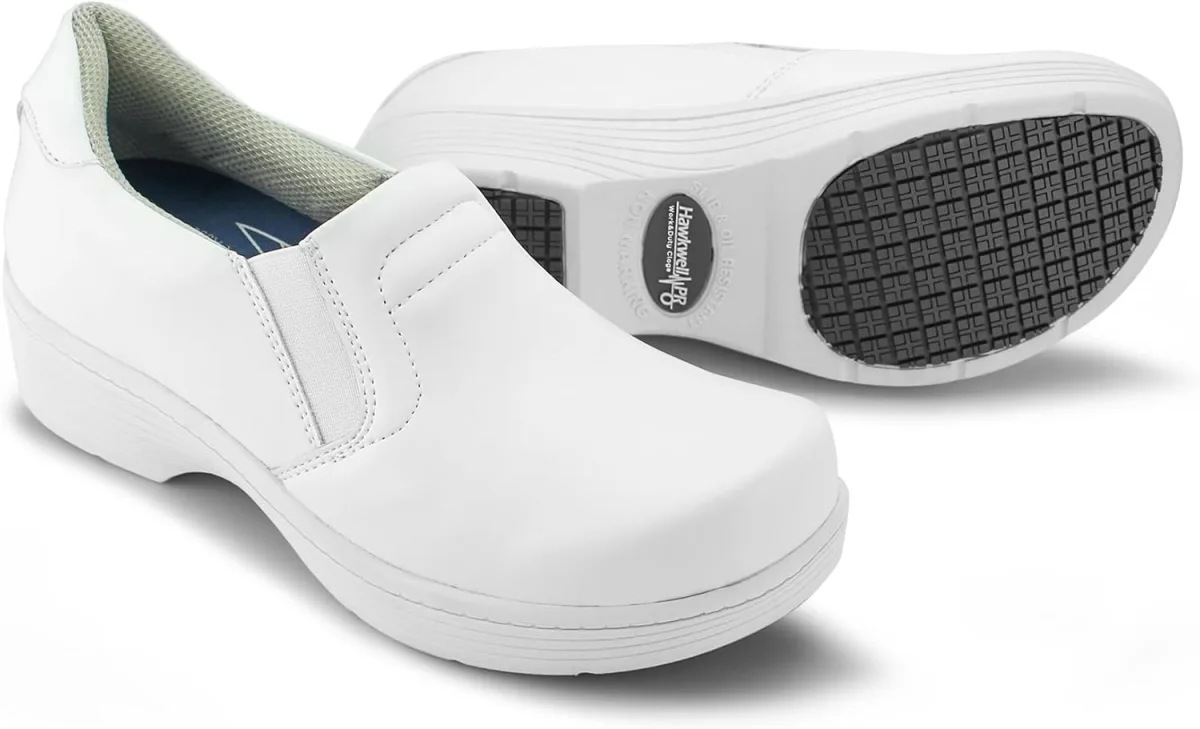
Hawkwell
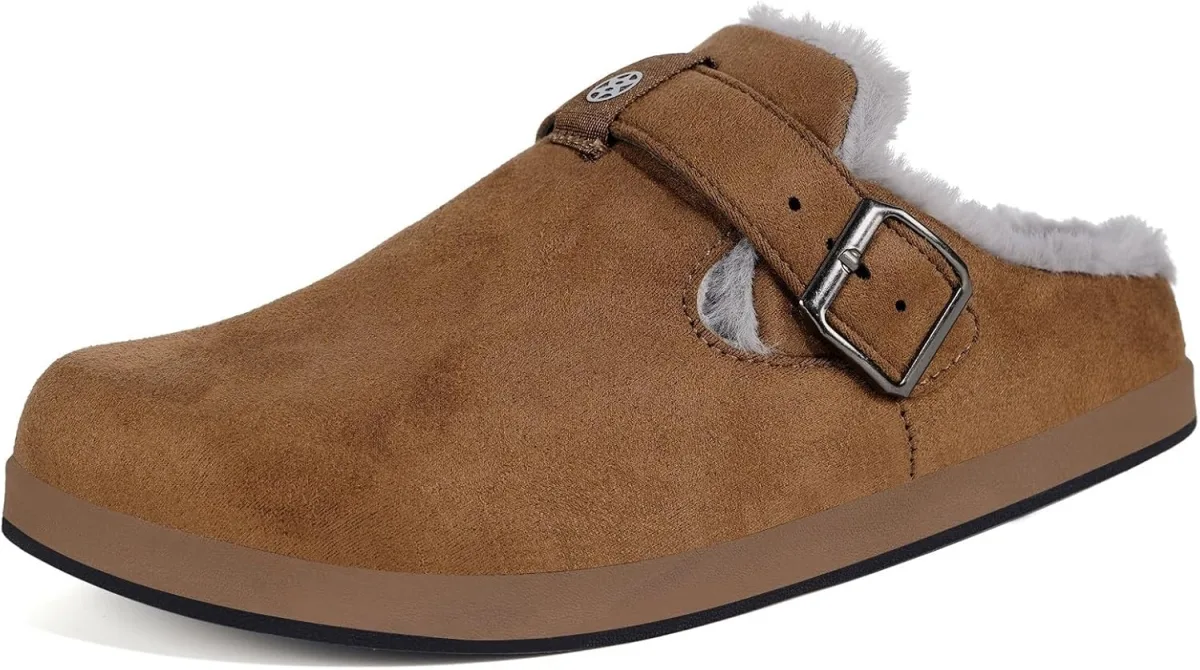
Hsyooes
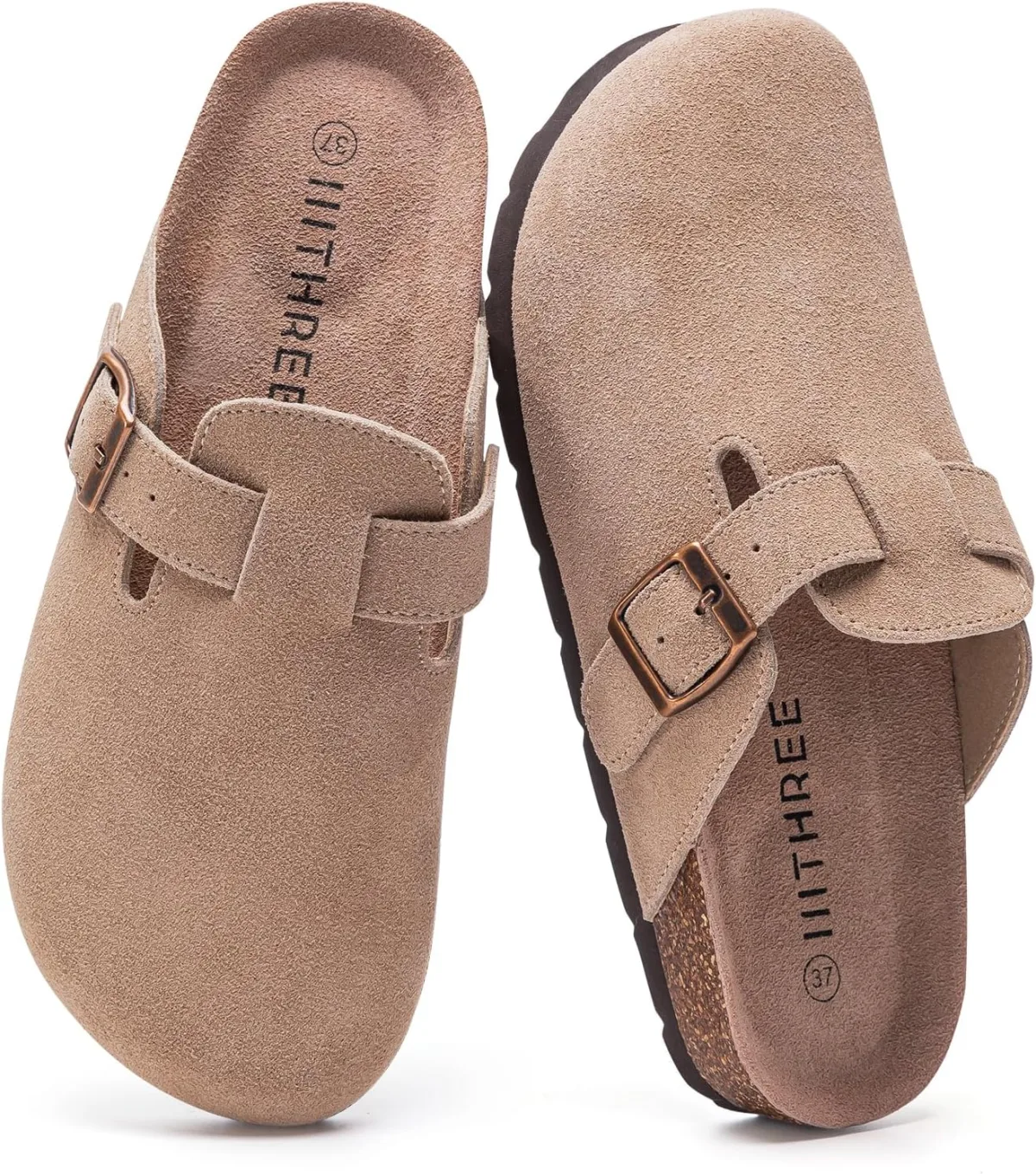
IIITHREE
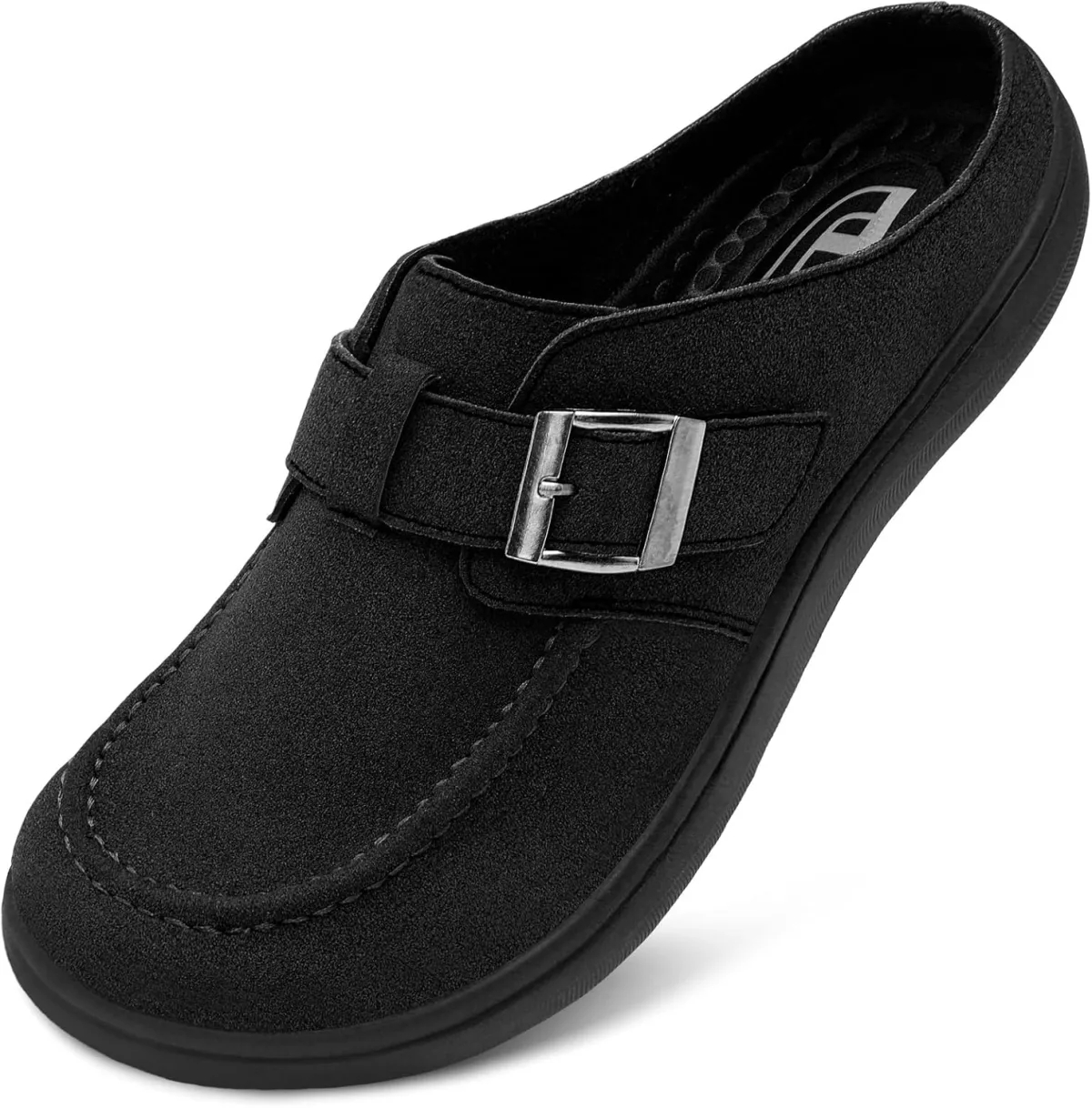
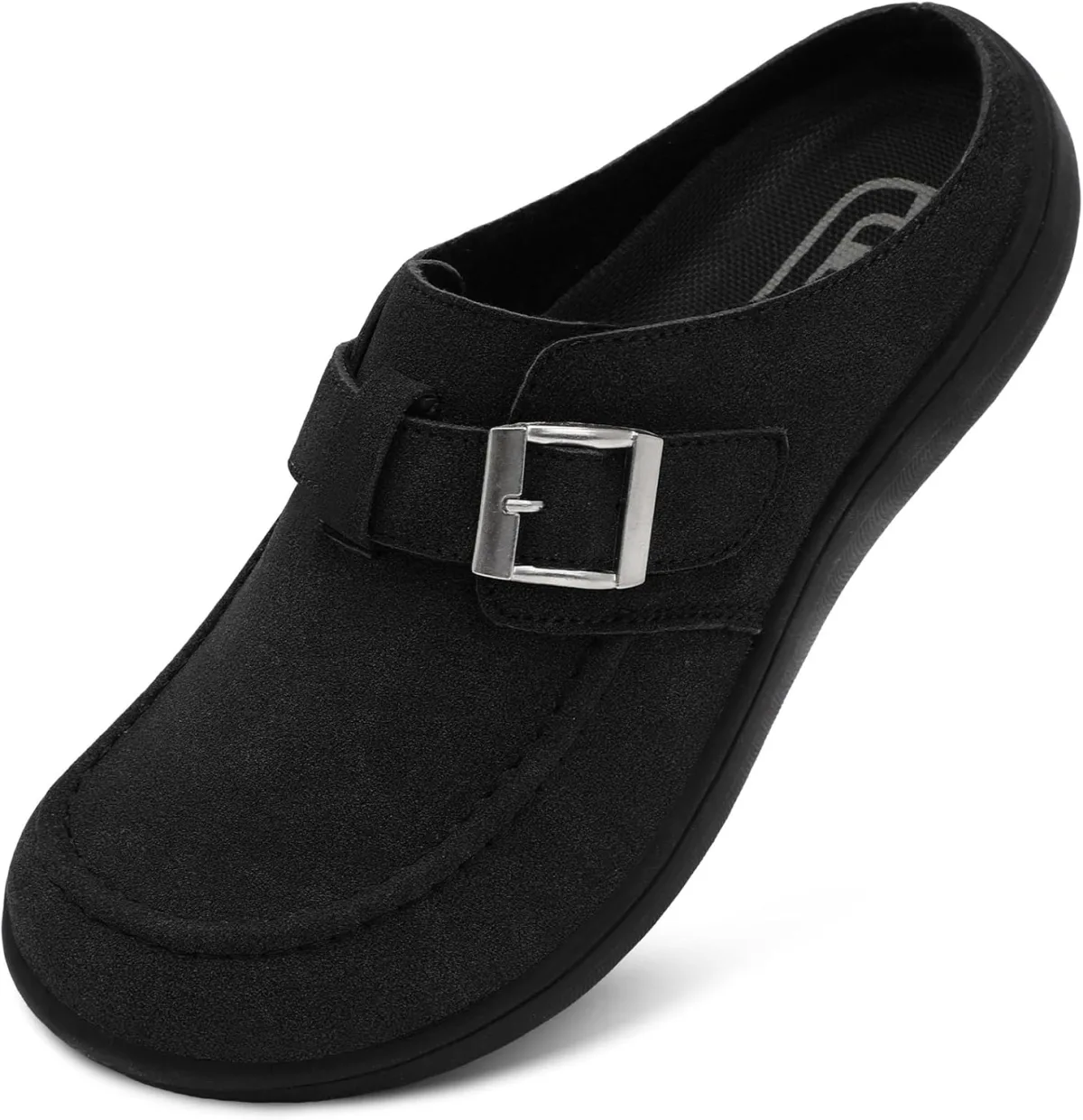
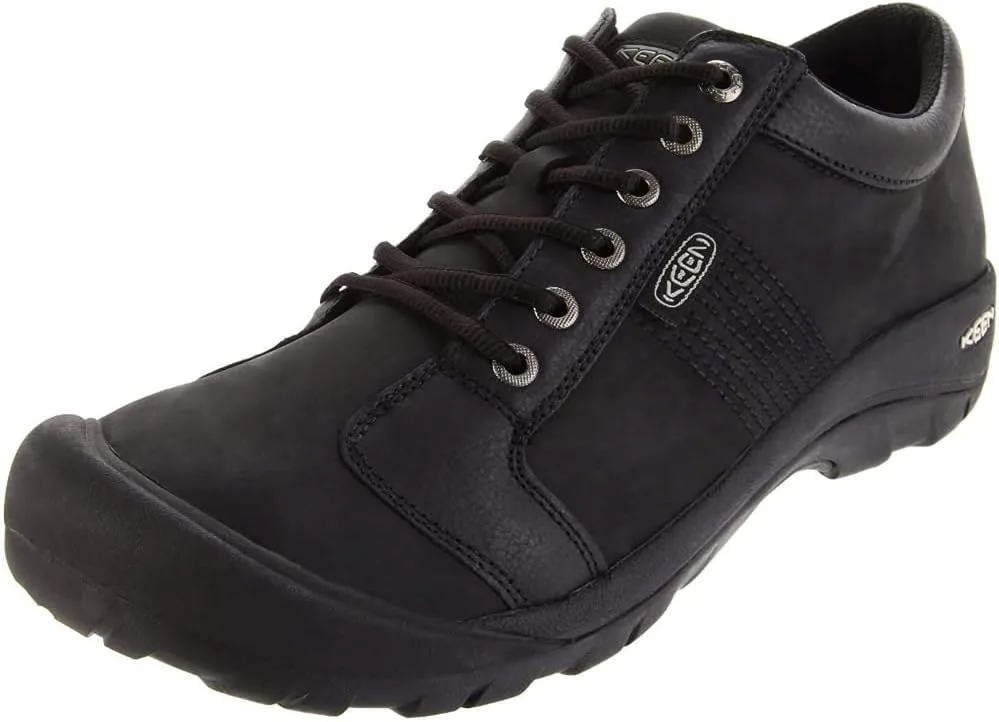
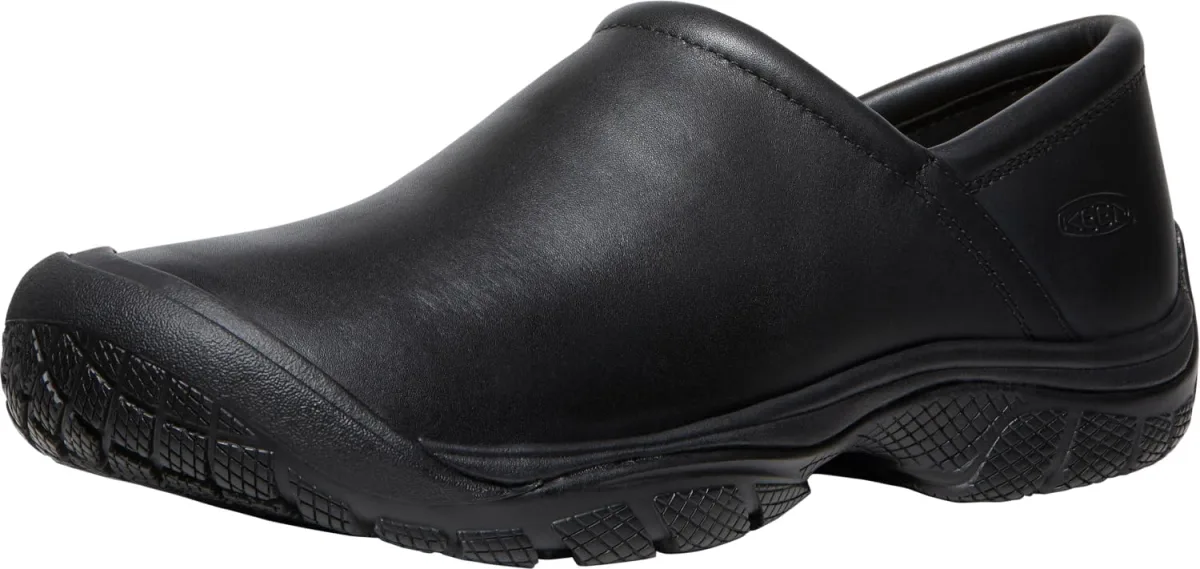
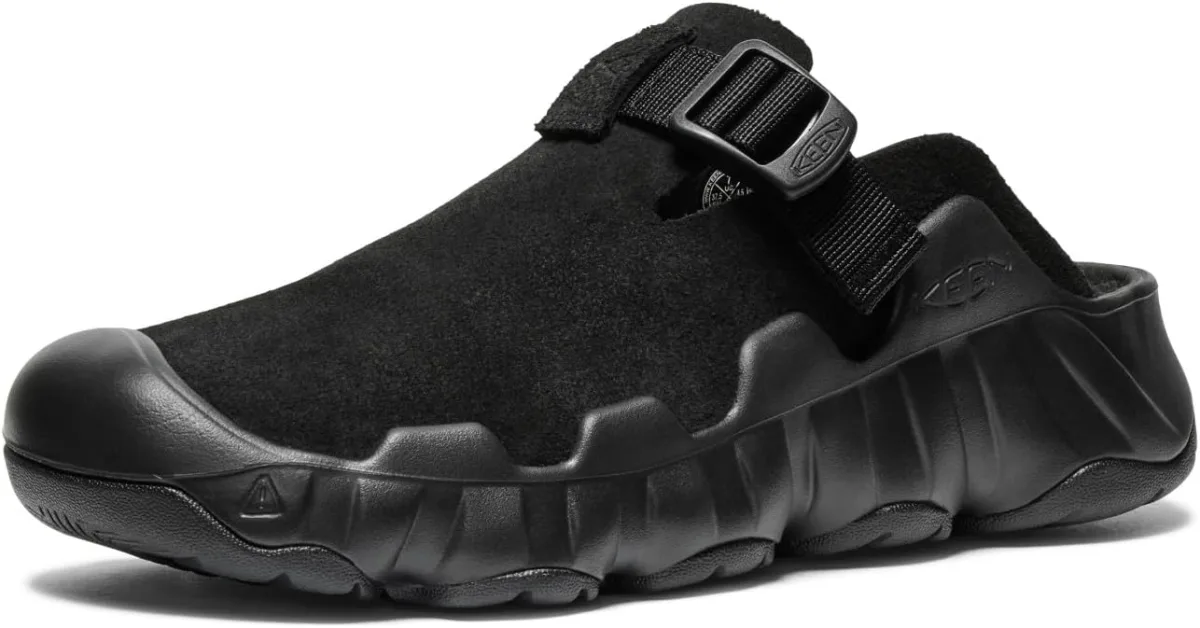
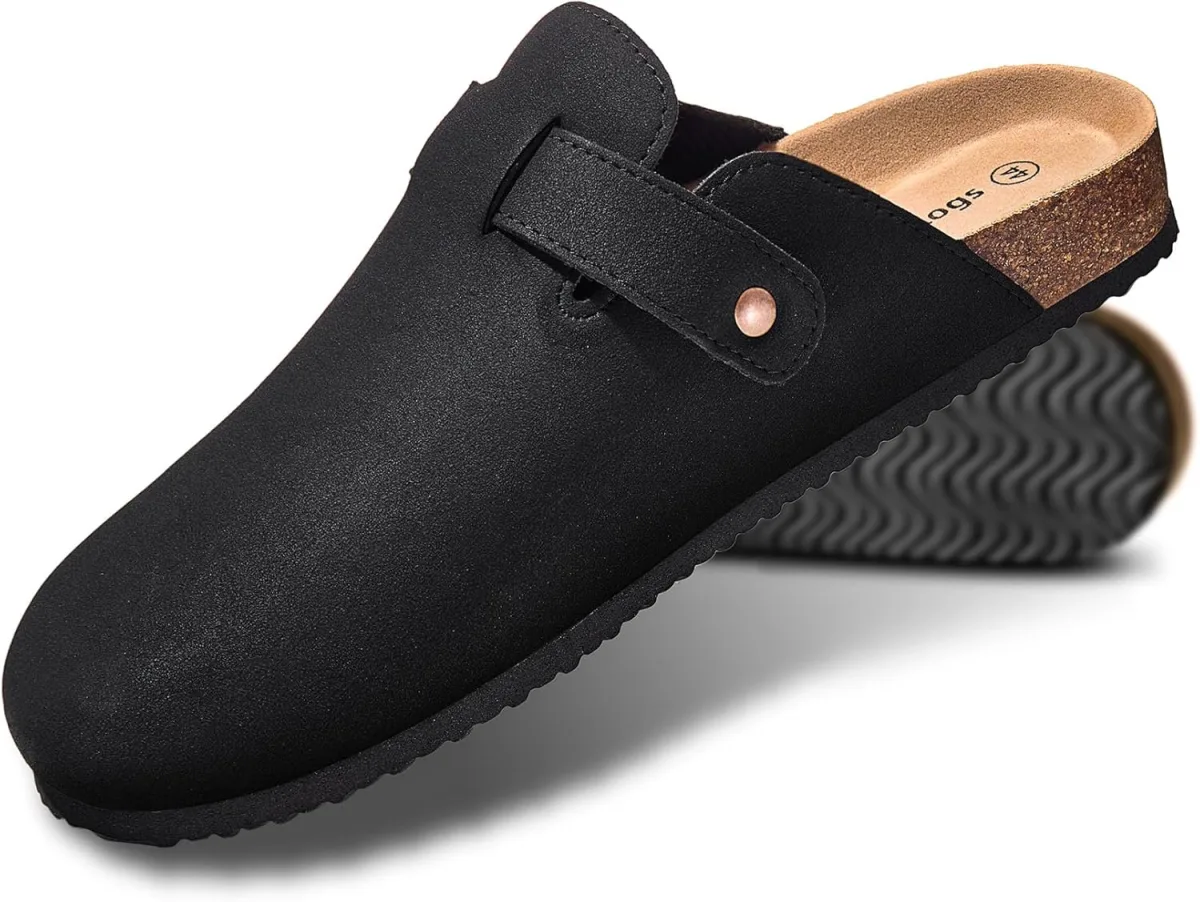
KEMISANT
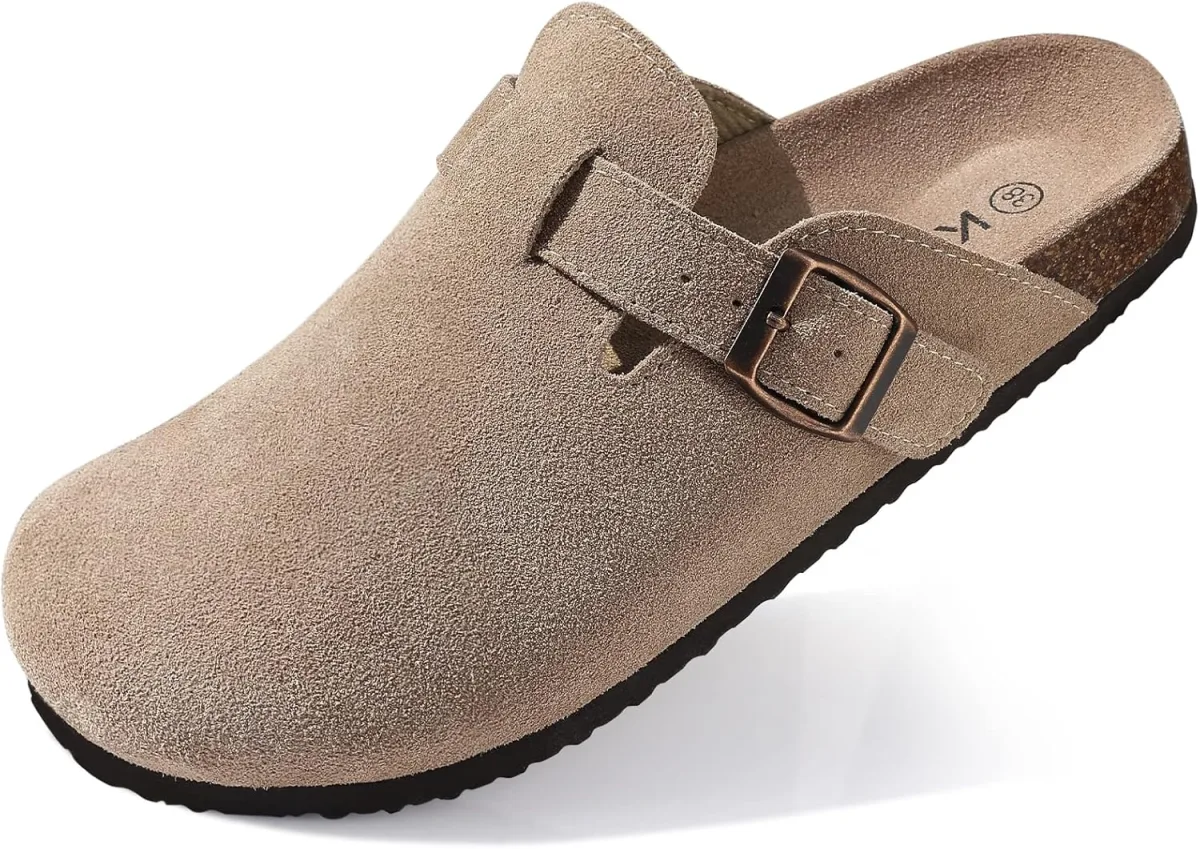
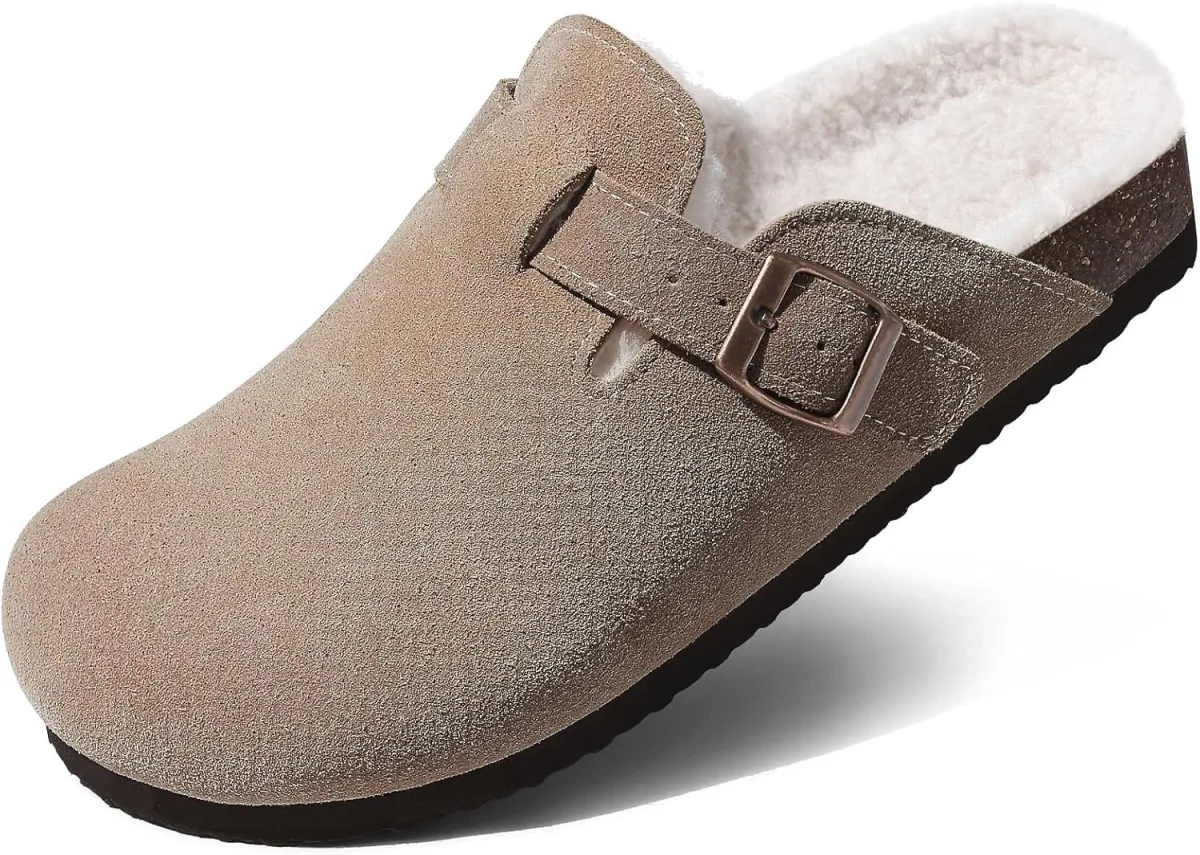
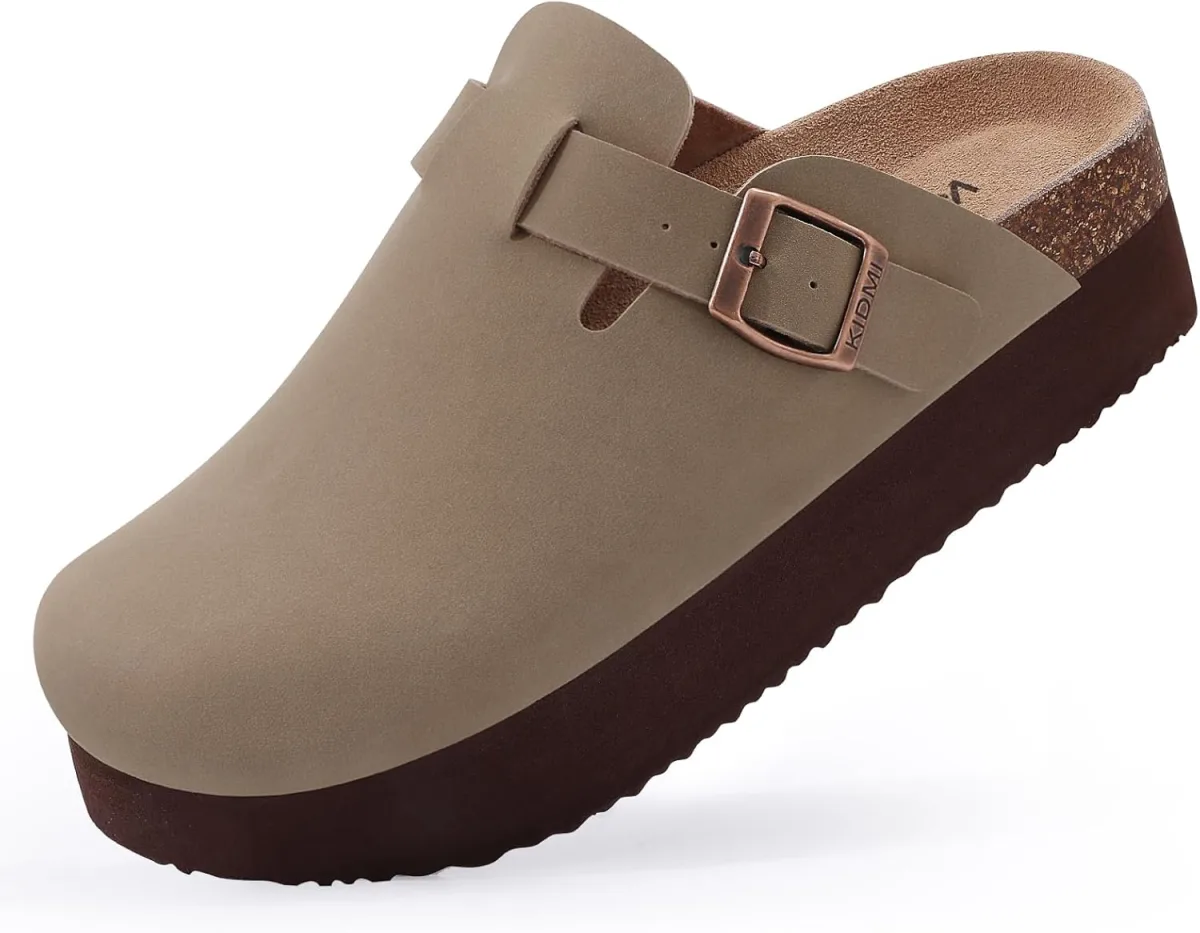
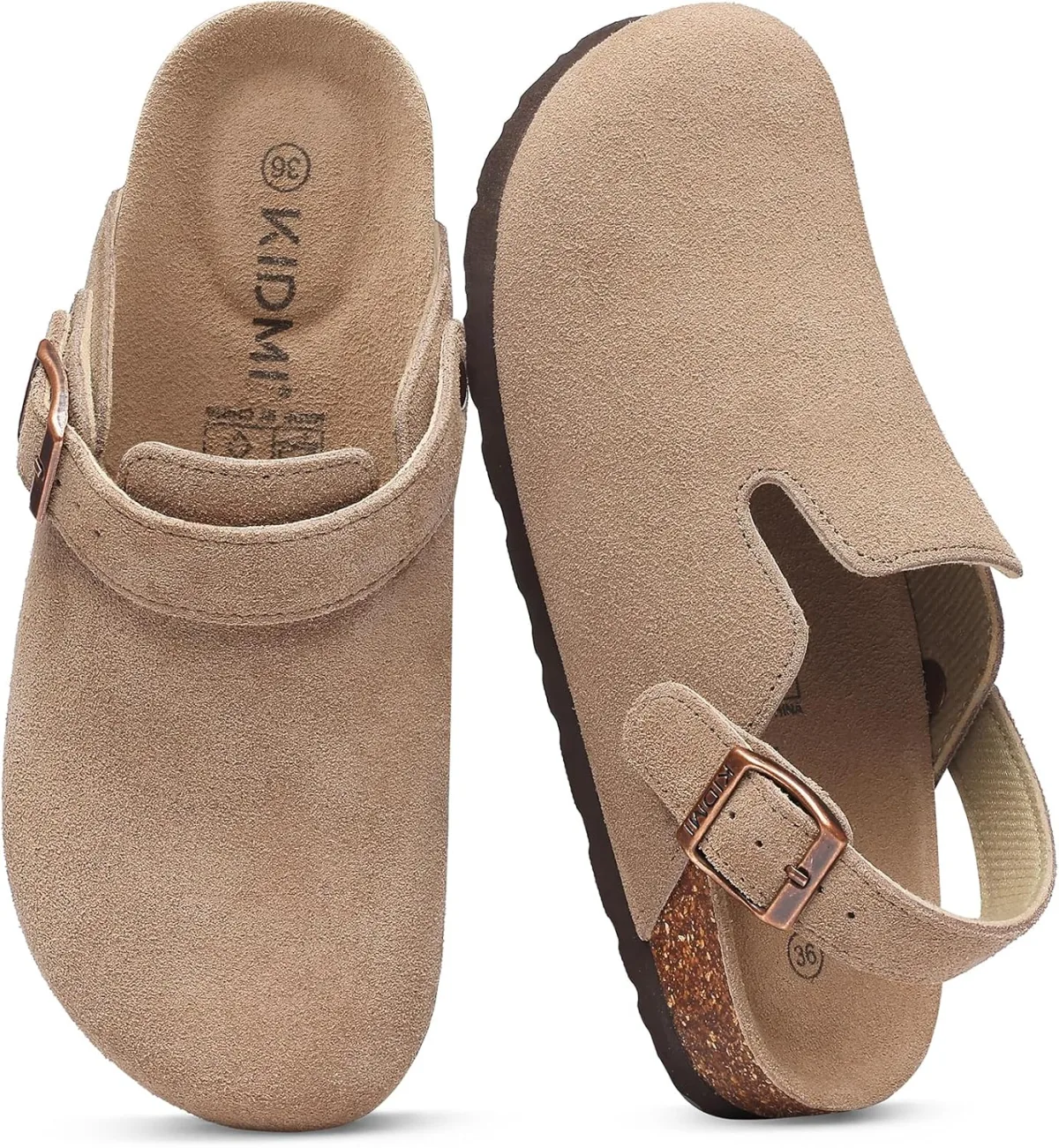
KIDMI
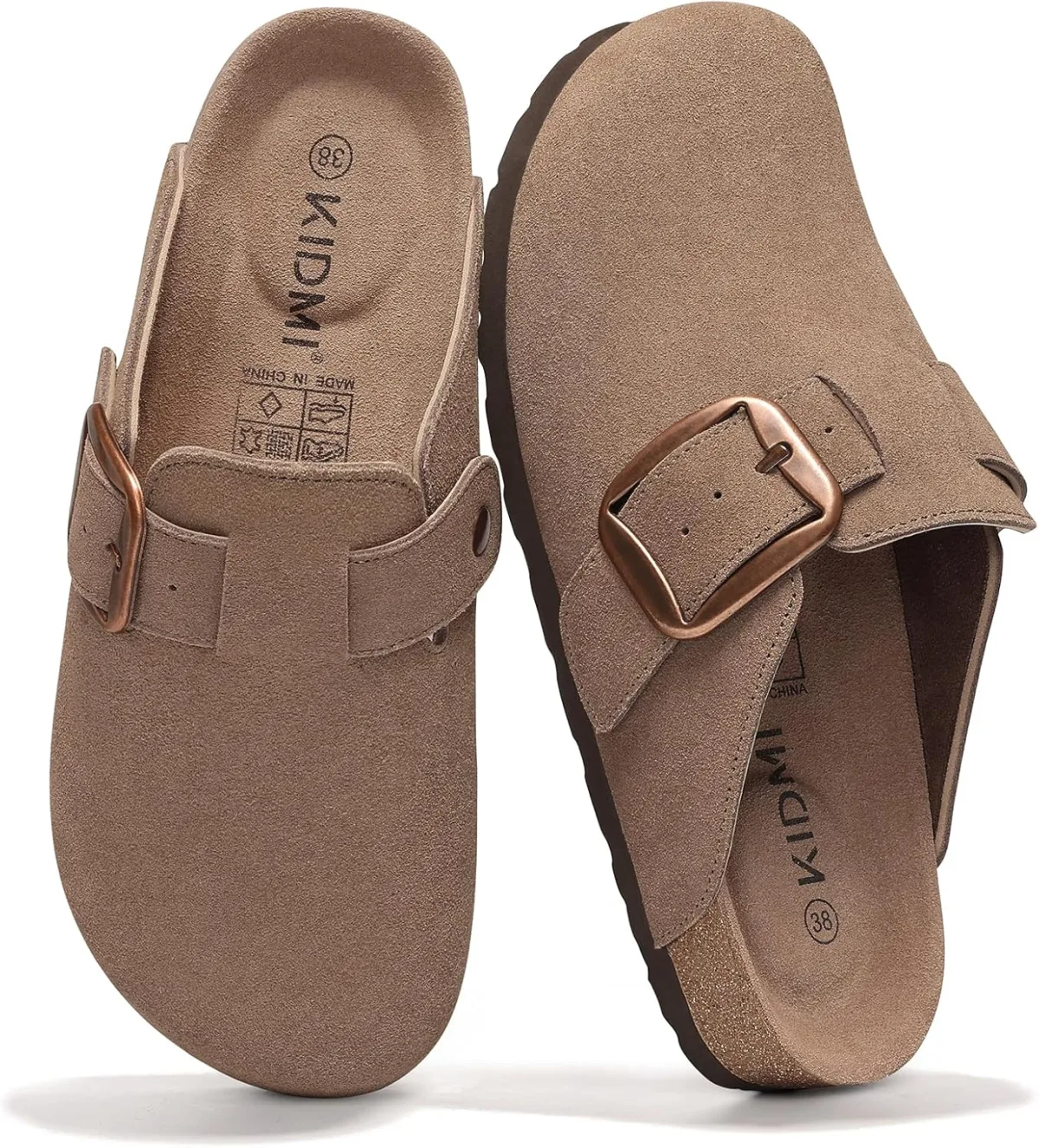
KIDMI
KIDMI
KIDMI
KIDMI
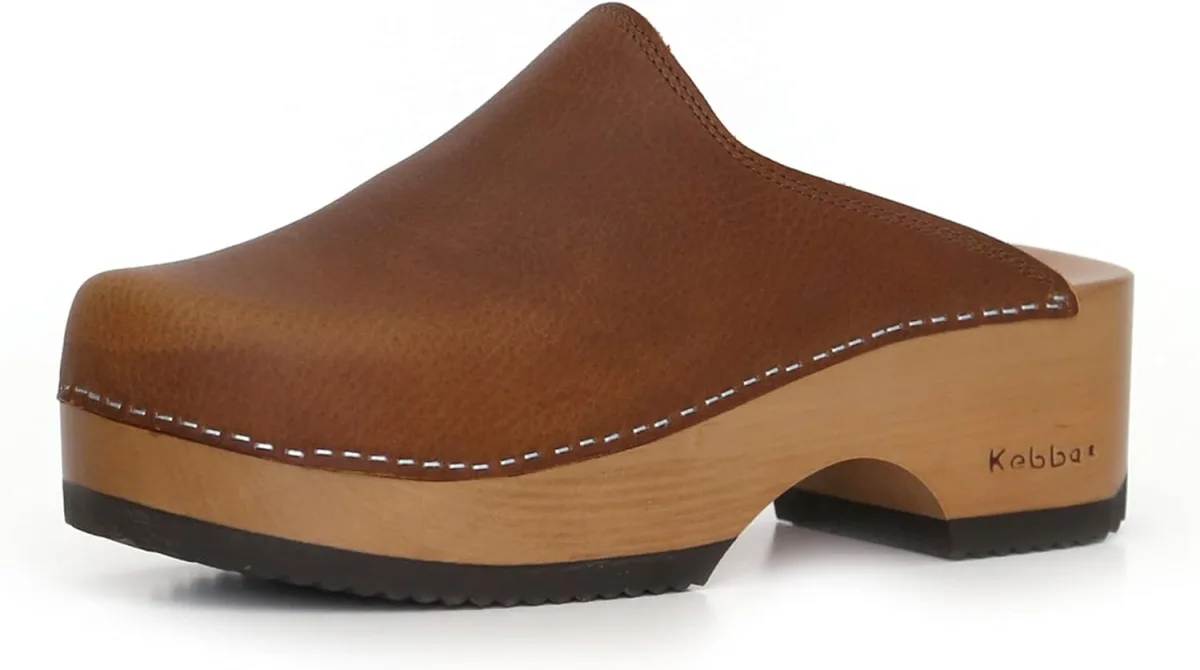
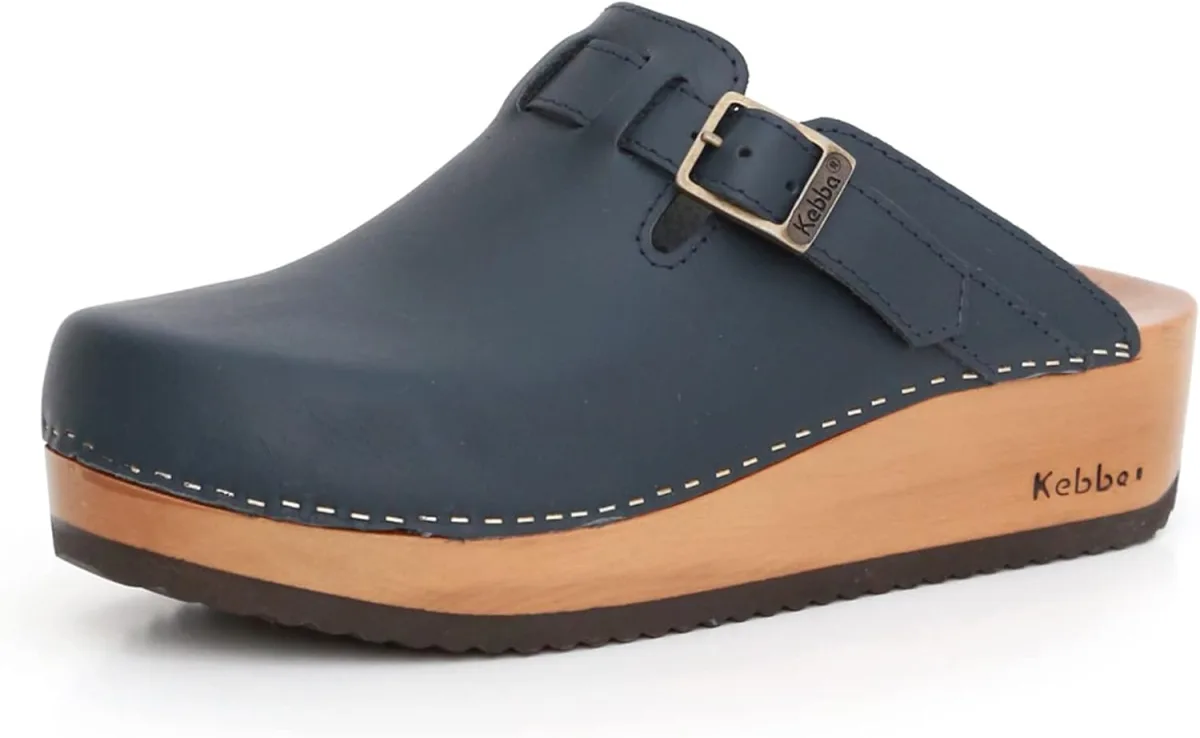
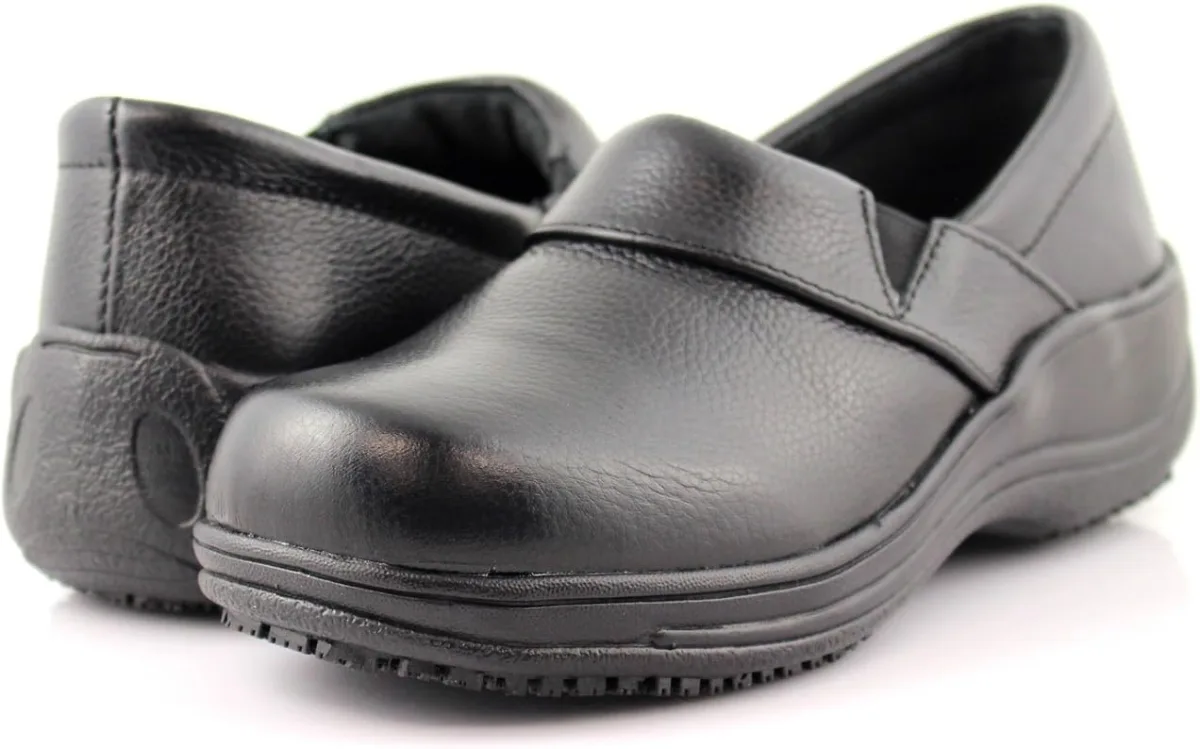
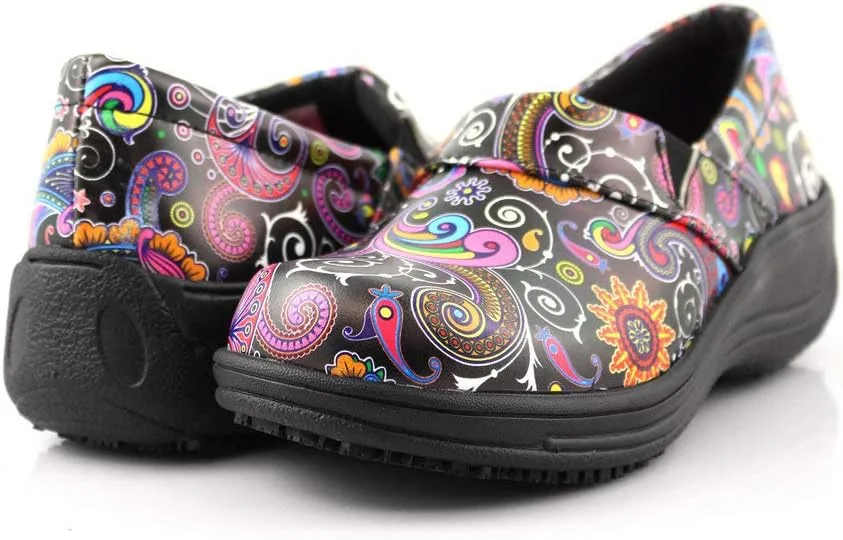
Laforst

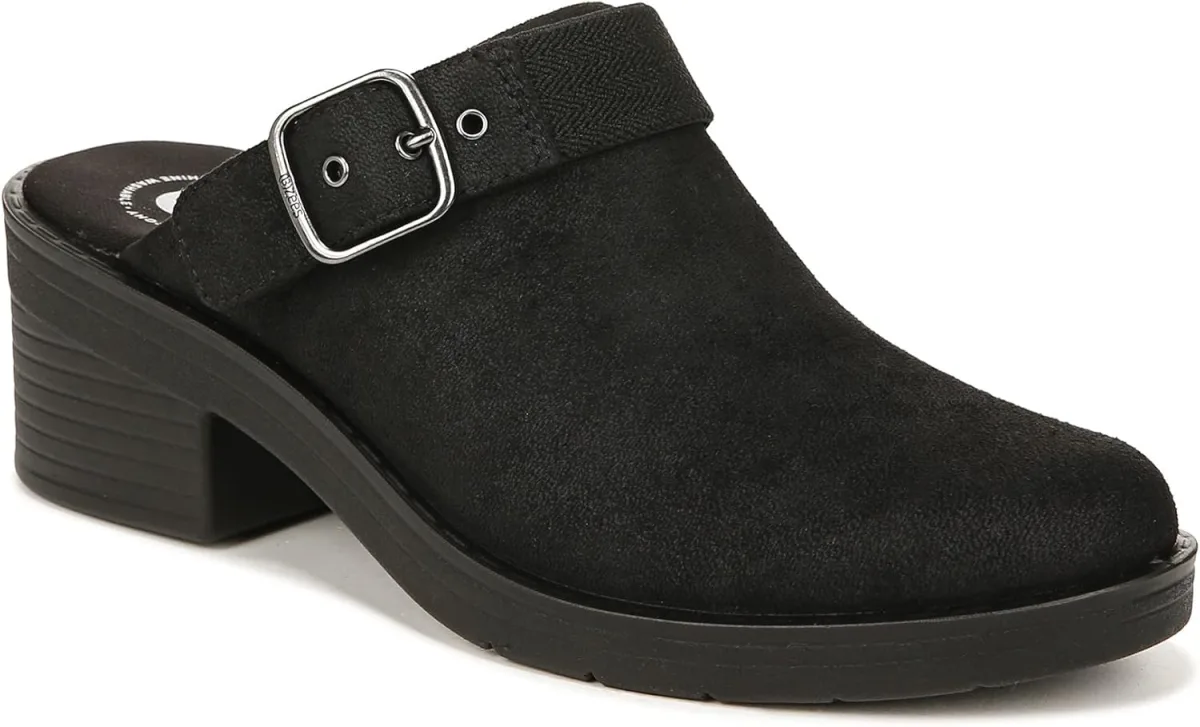
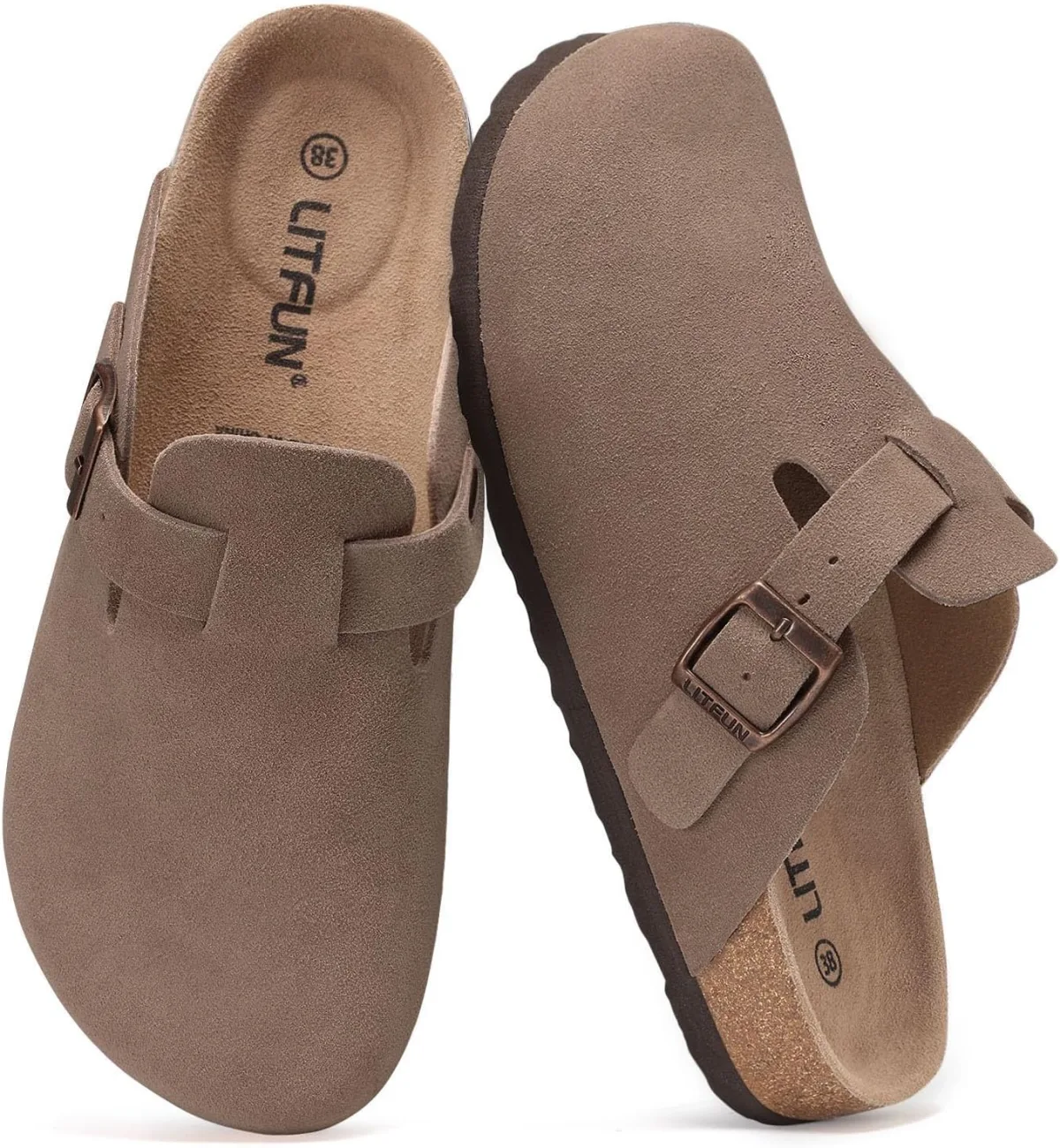
Litfun
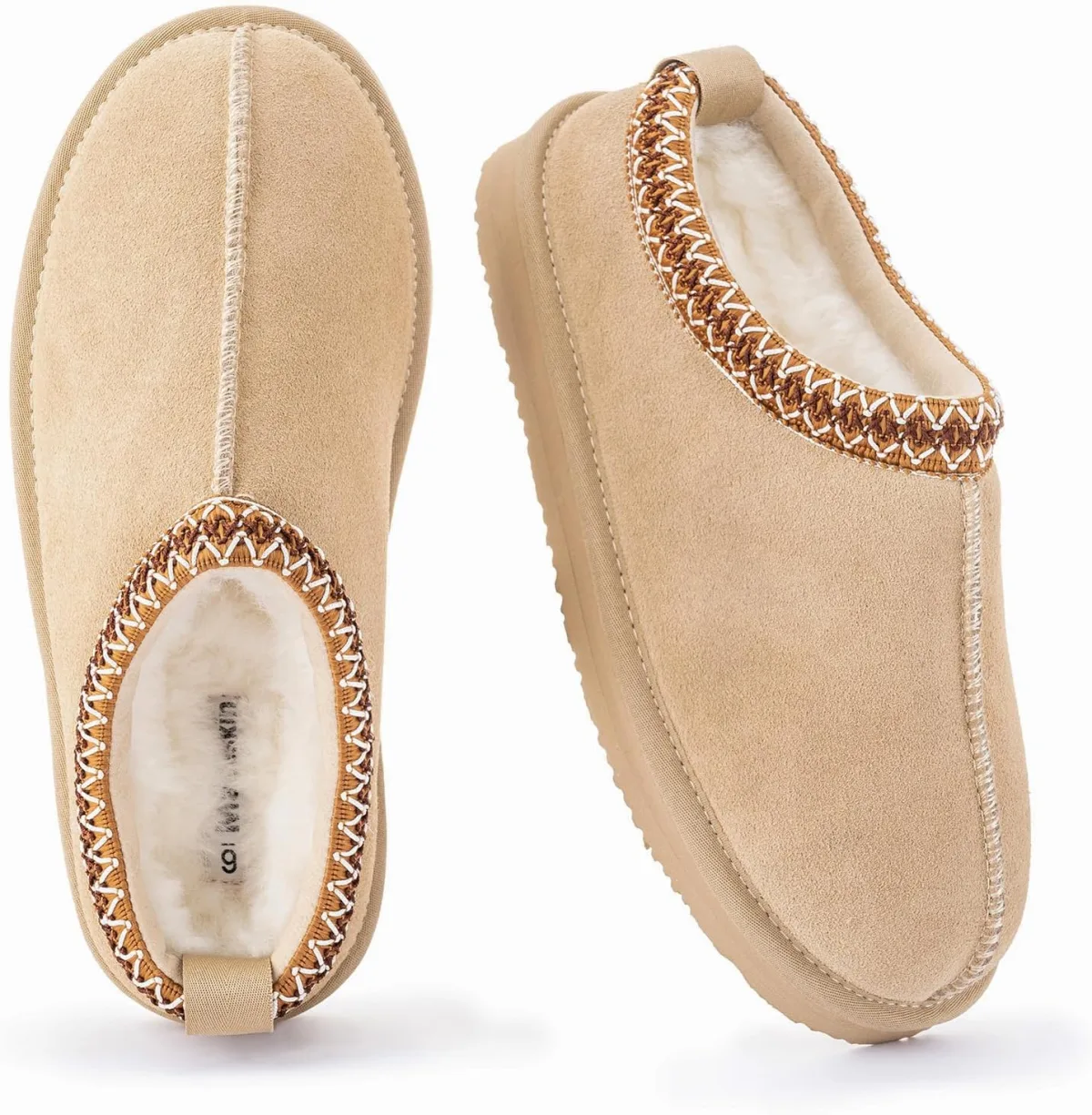
Mazeskin
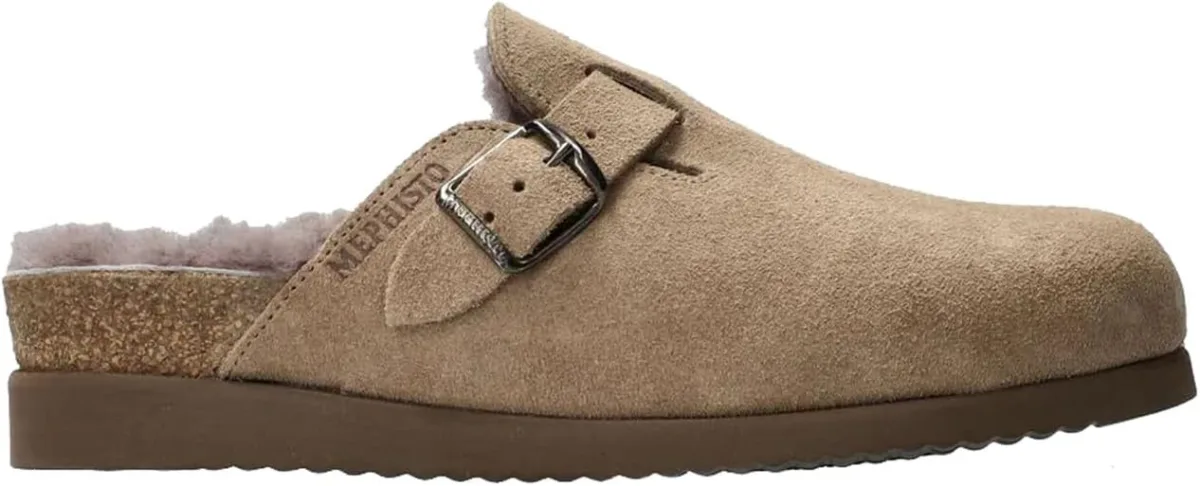
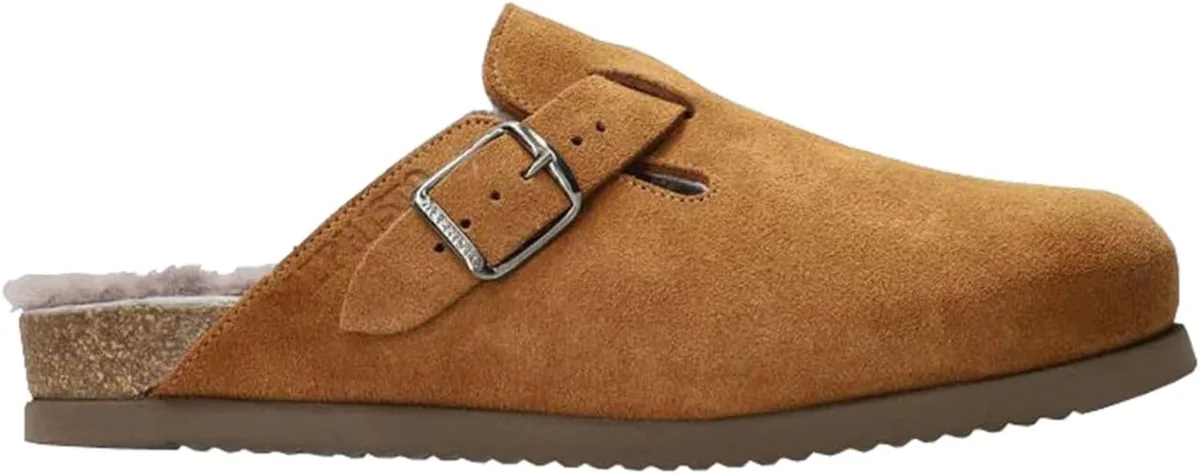
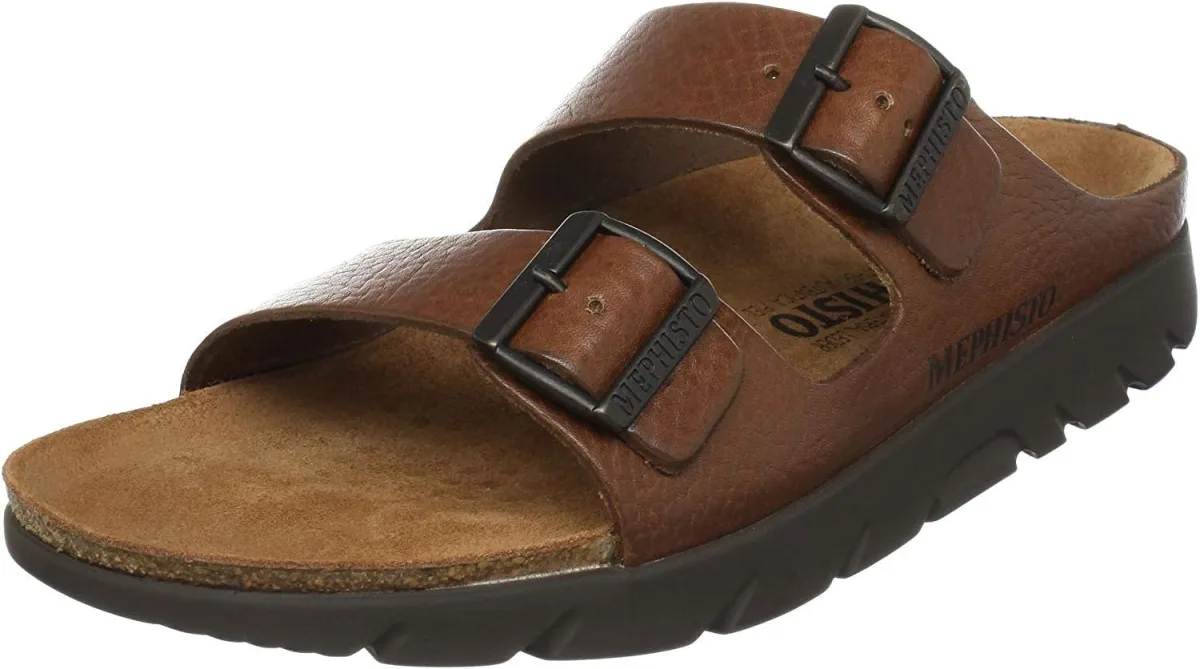
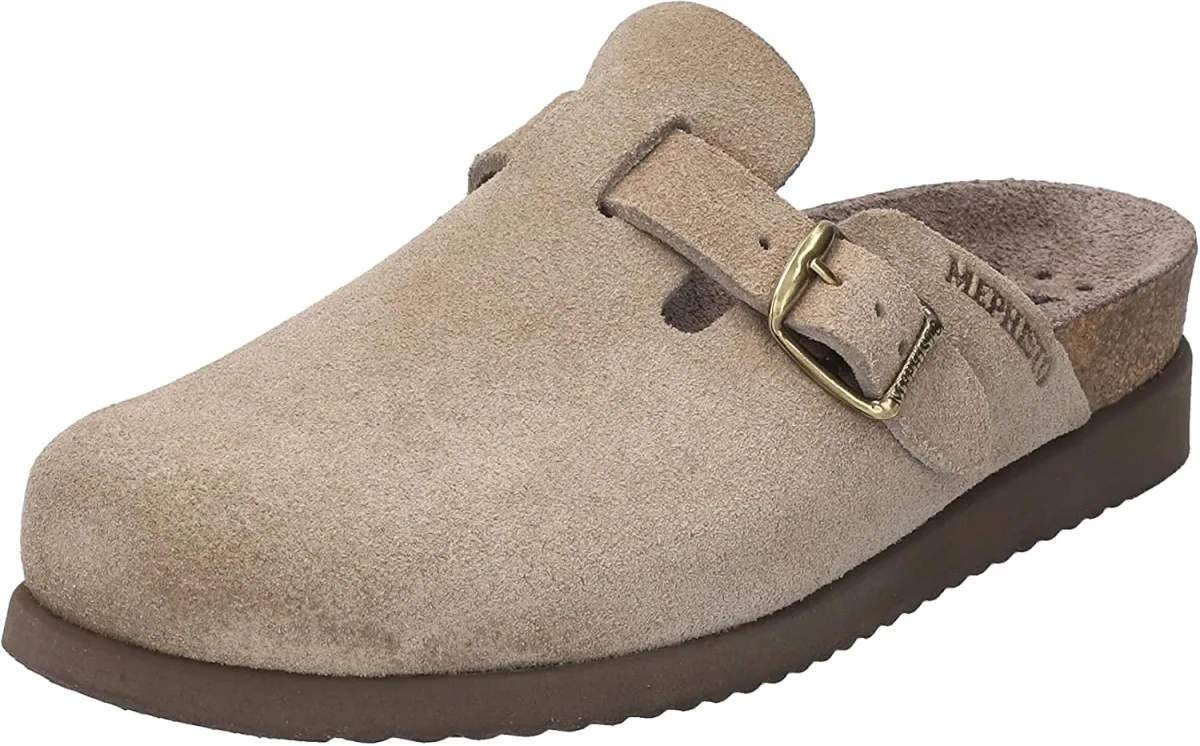
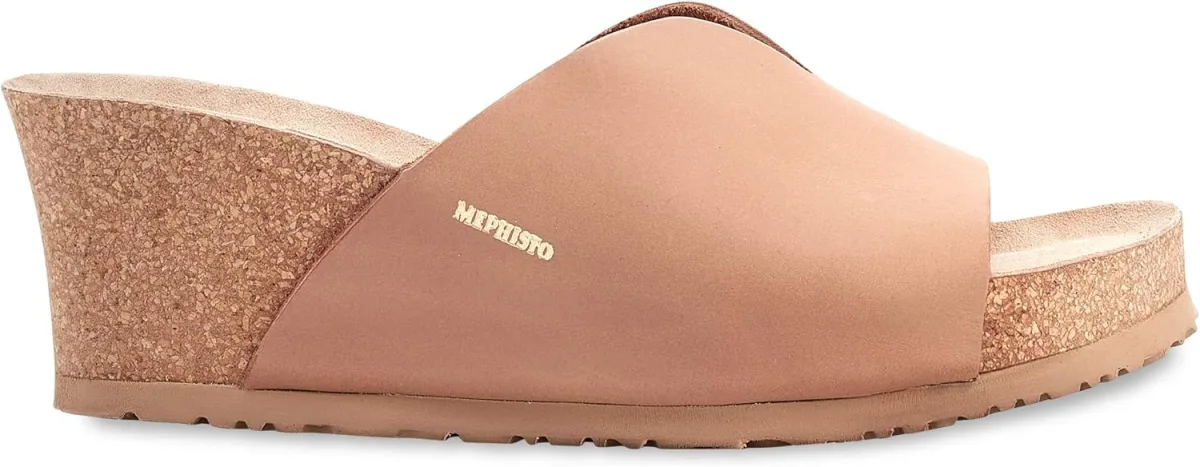
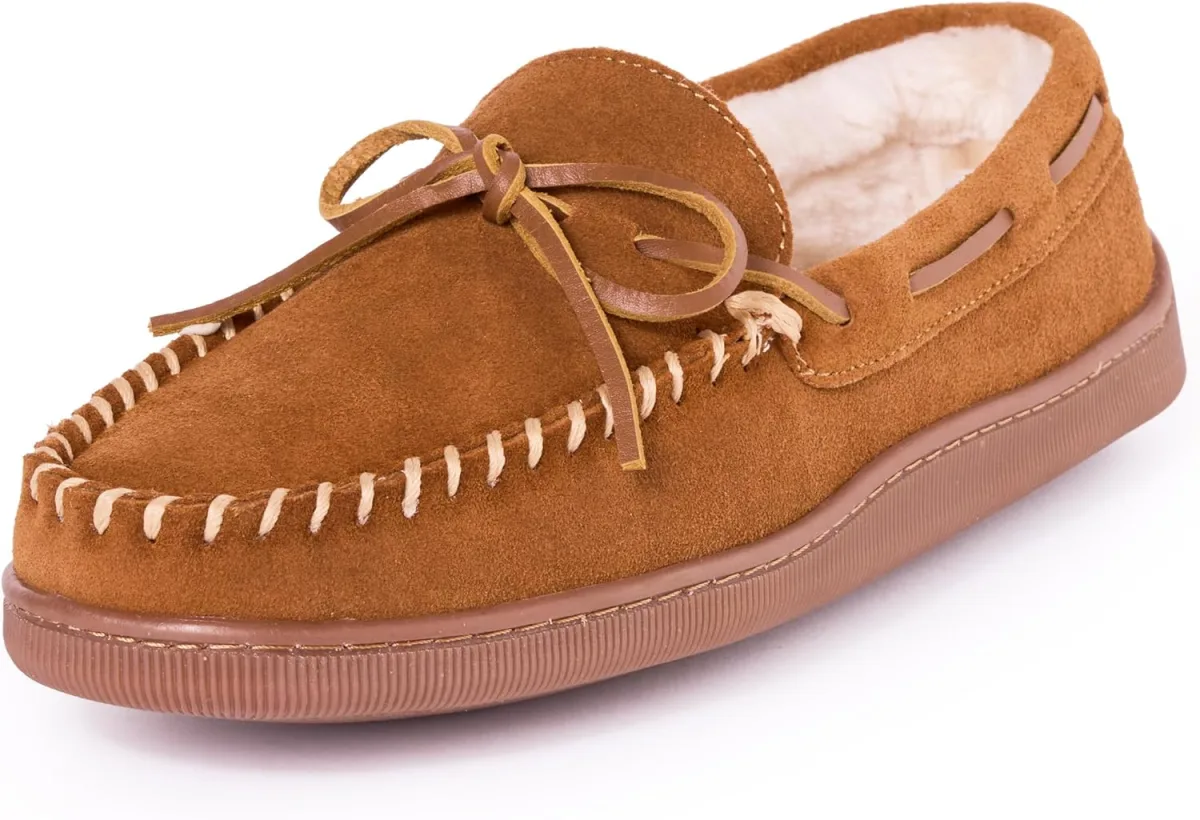
Minnetonka
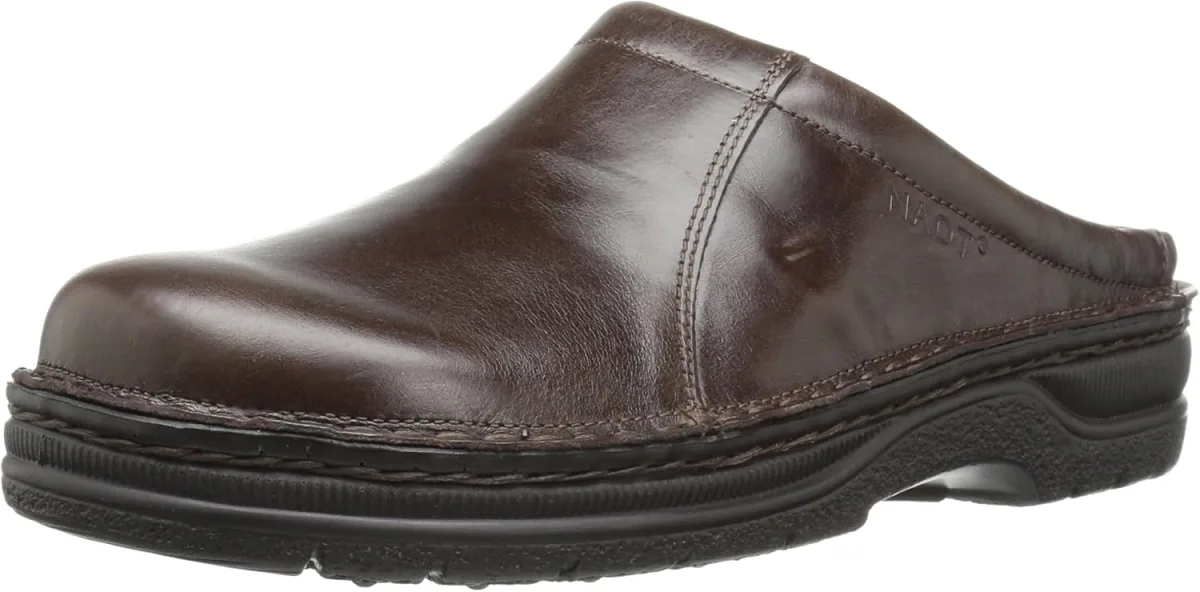
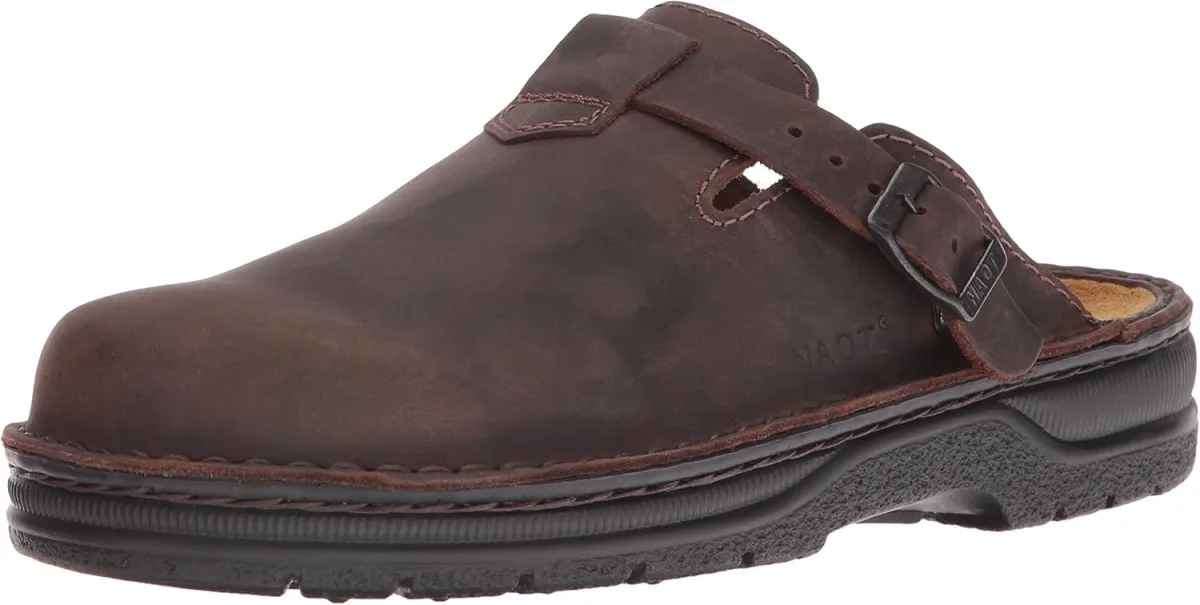
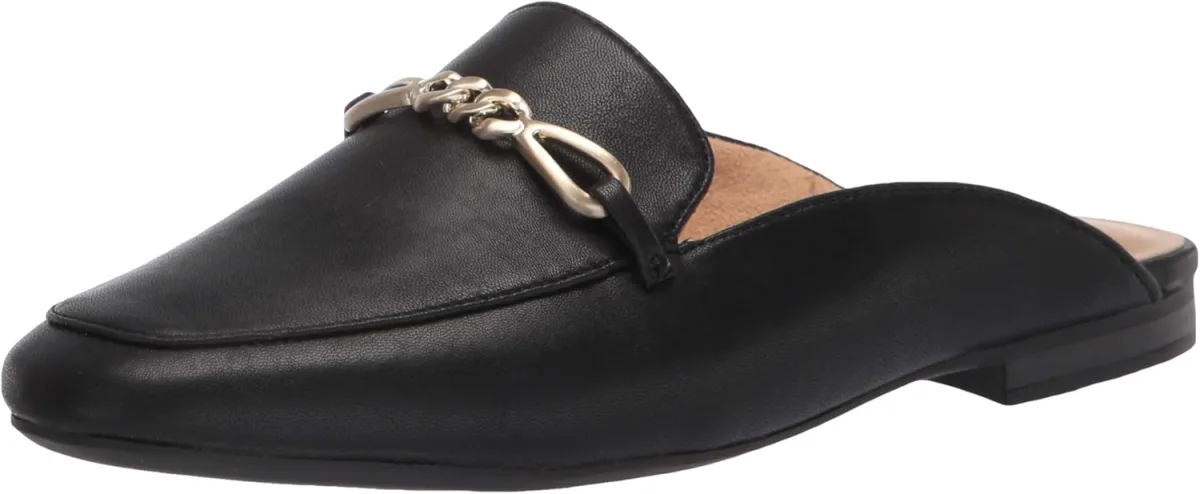
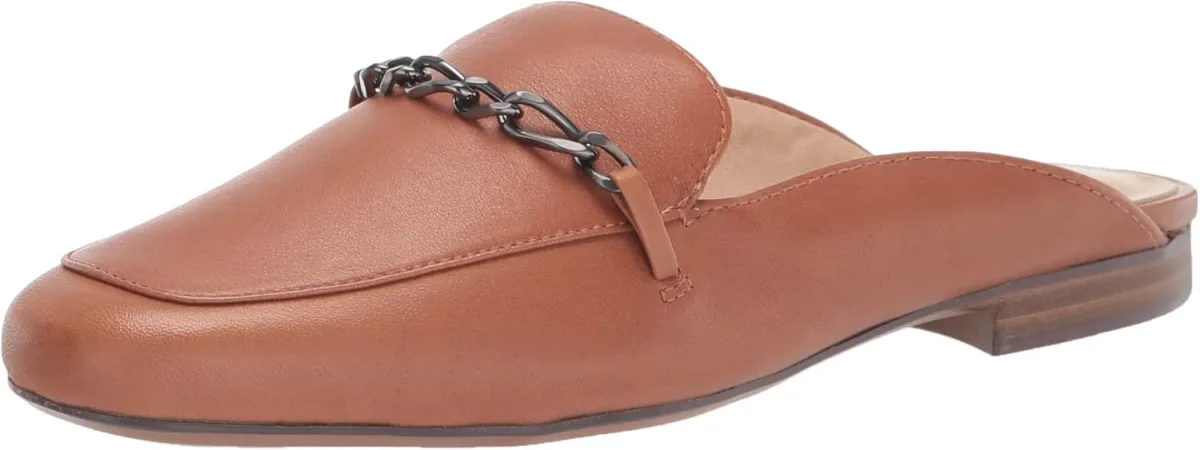
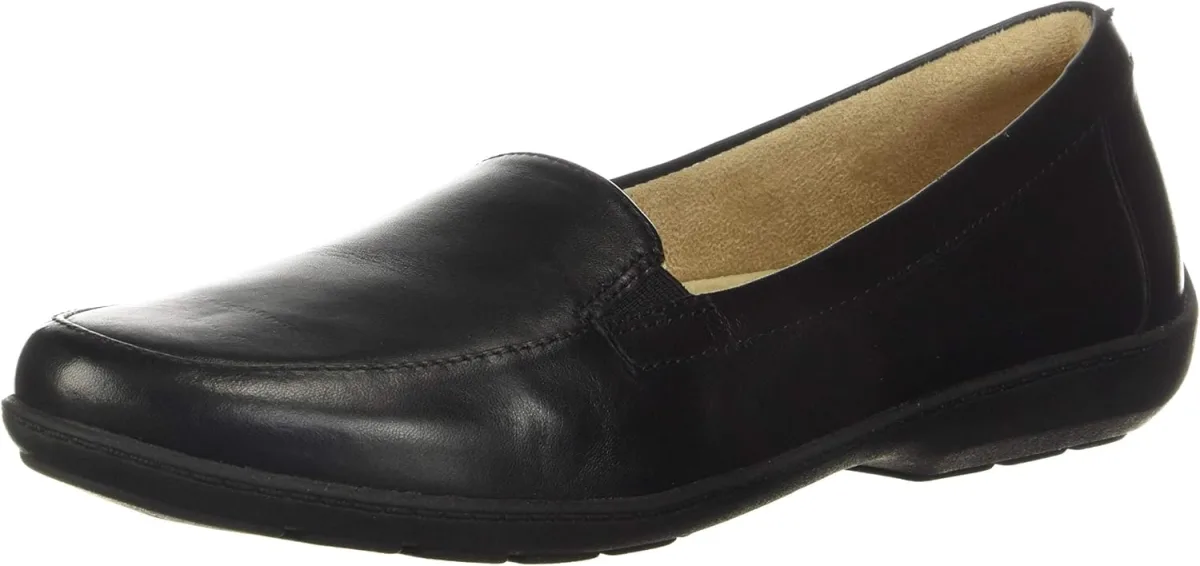
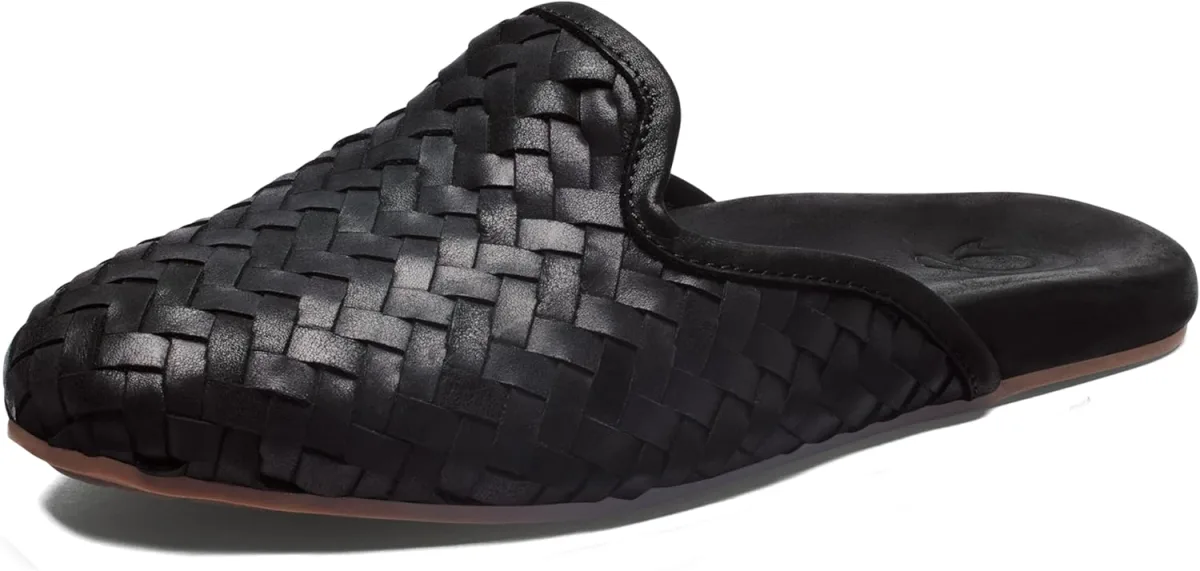
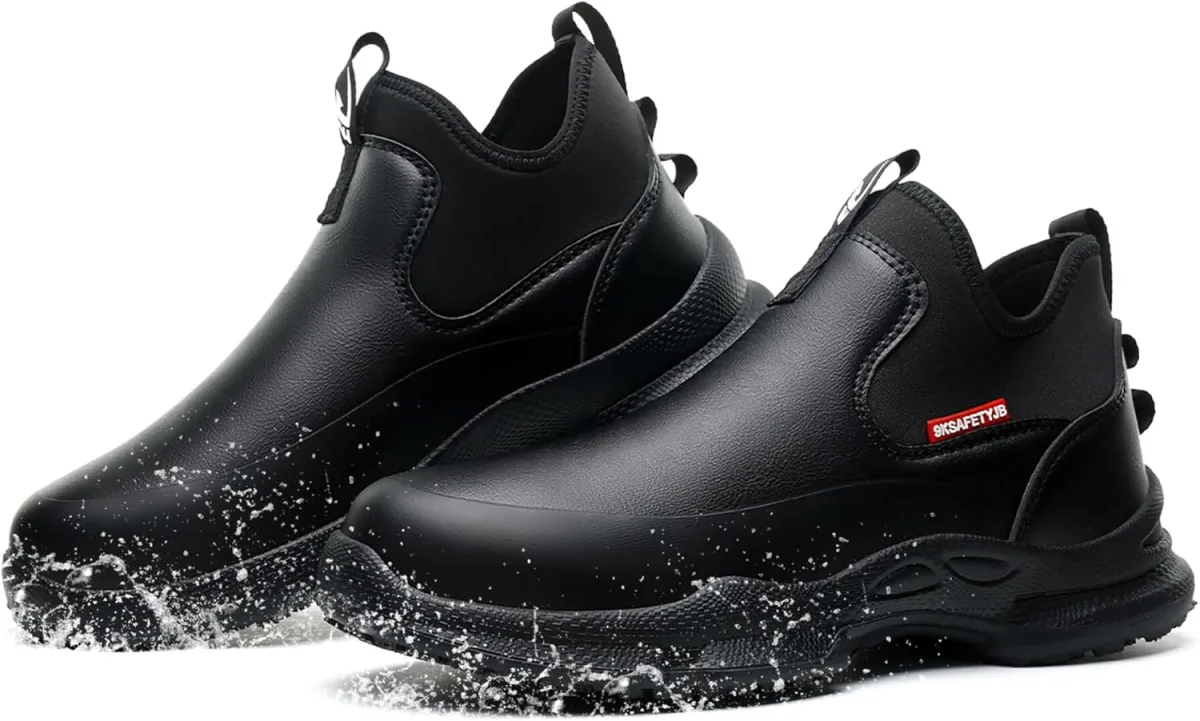
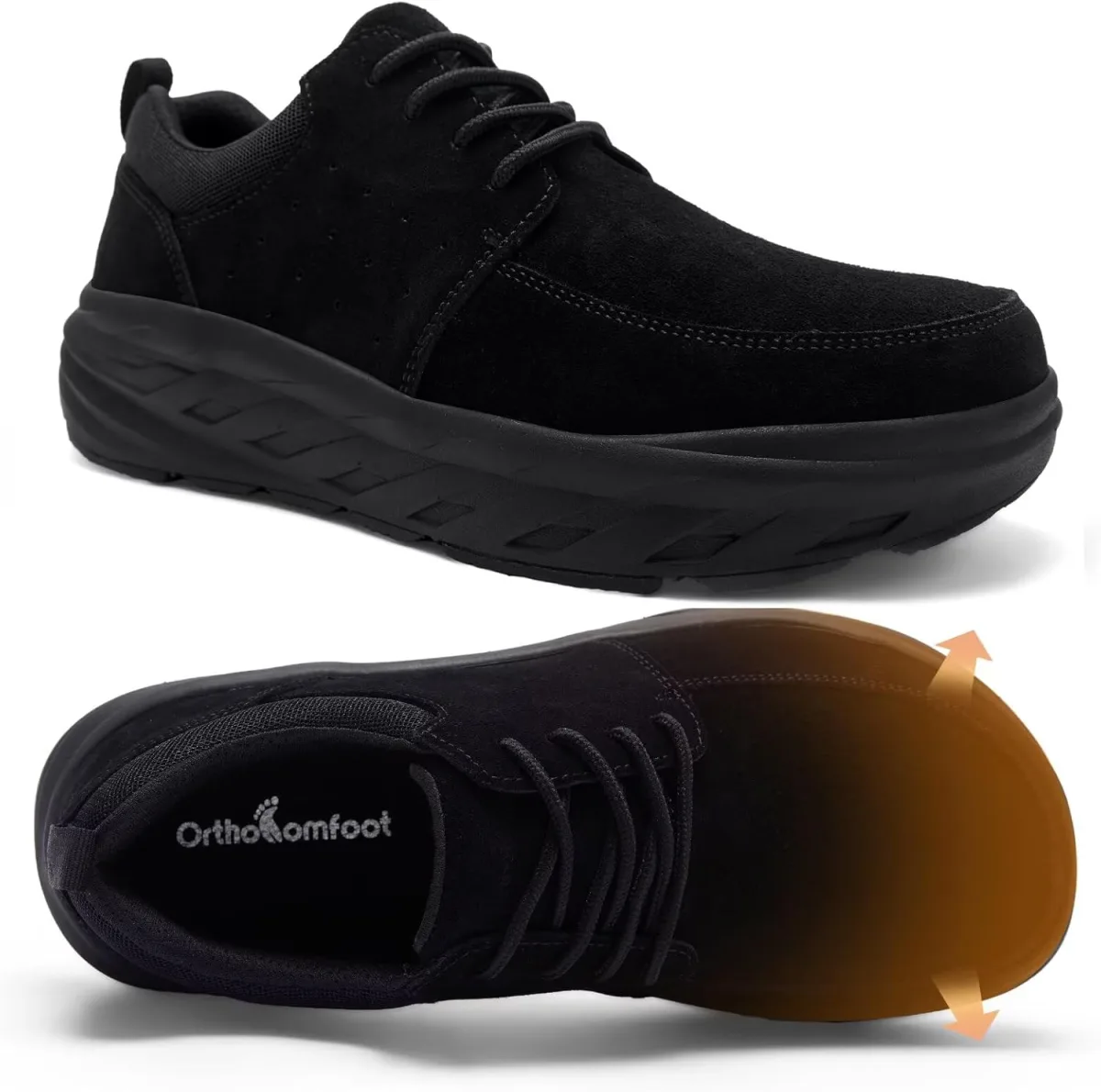
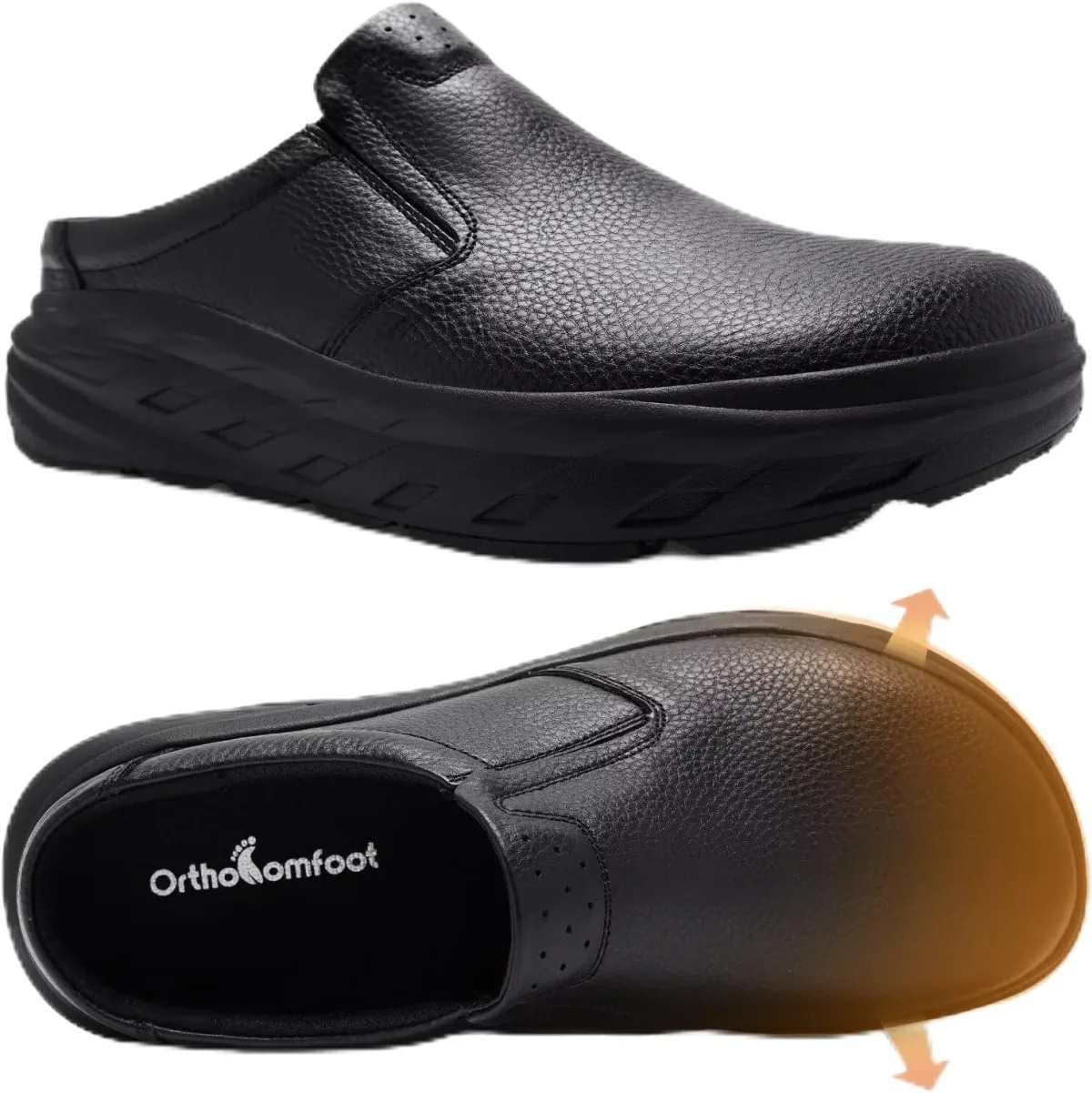
OrthoComfoot
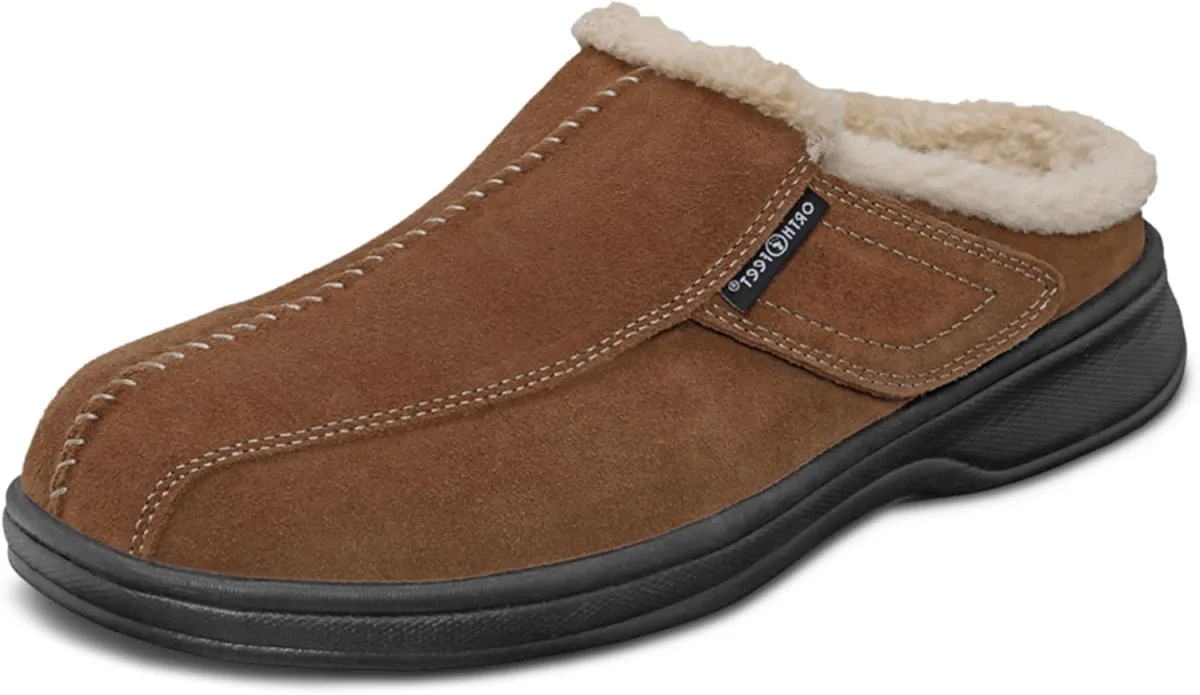
Orthofeet
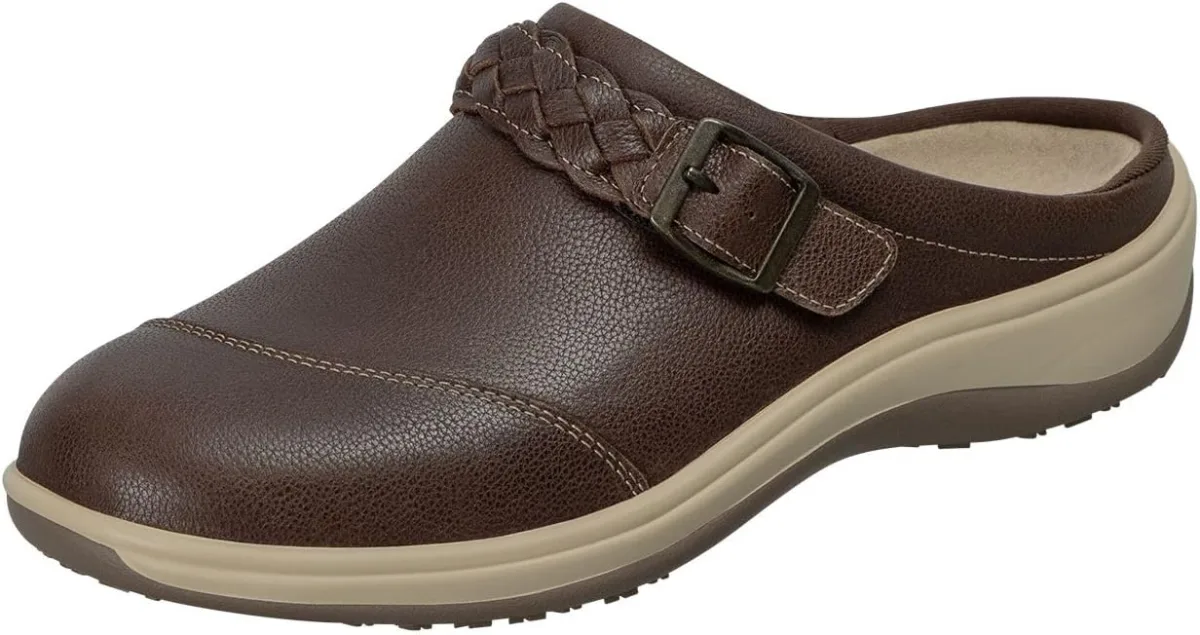
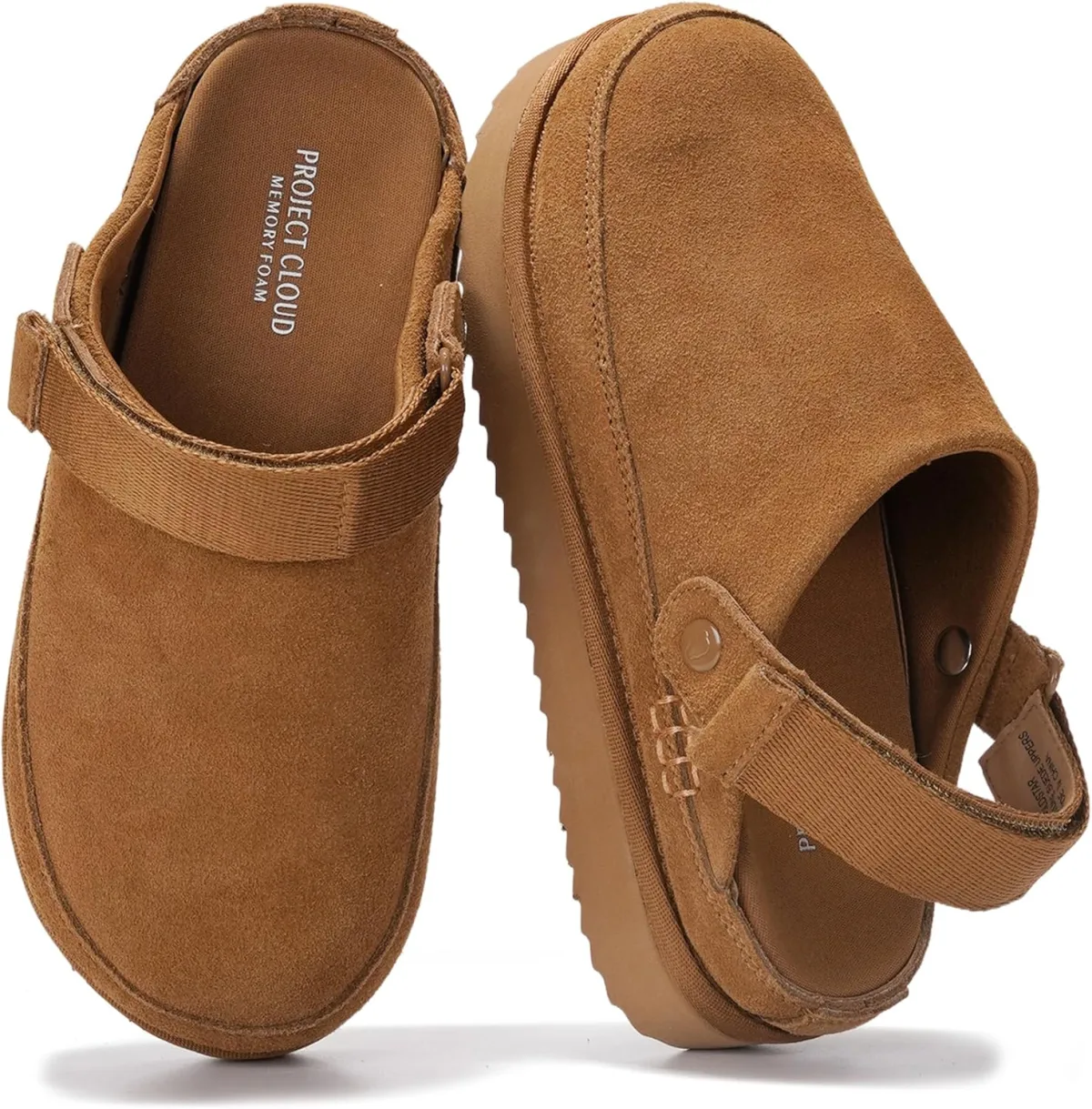
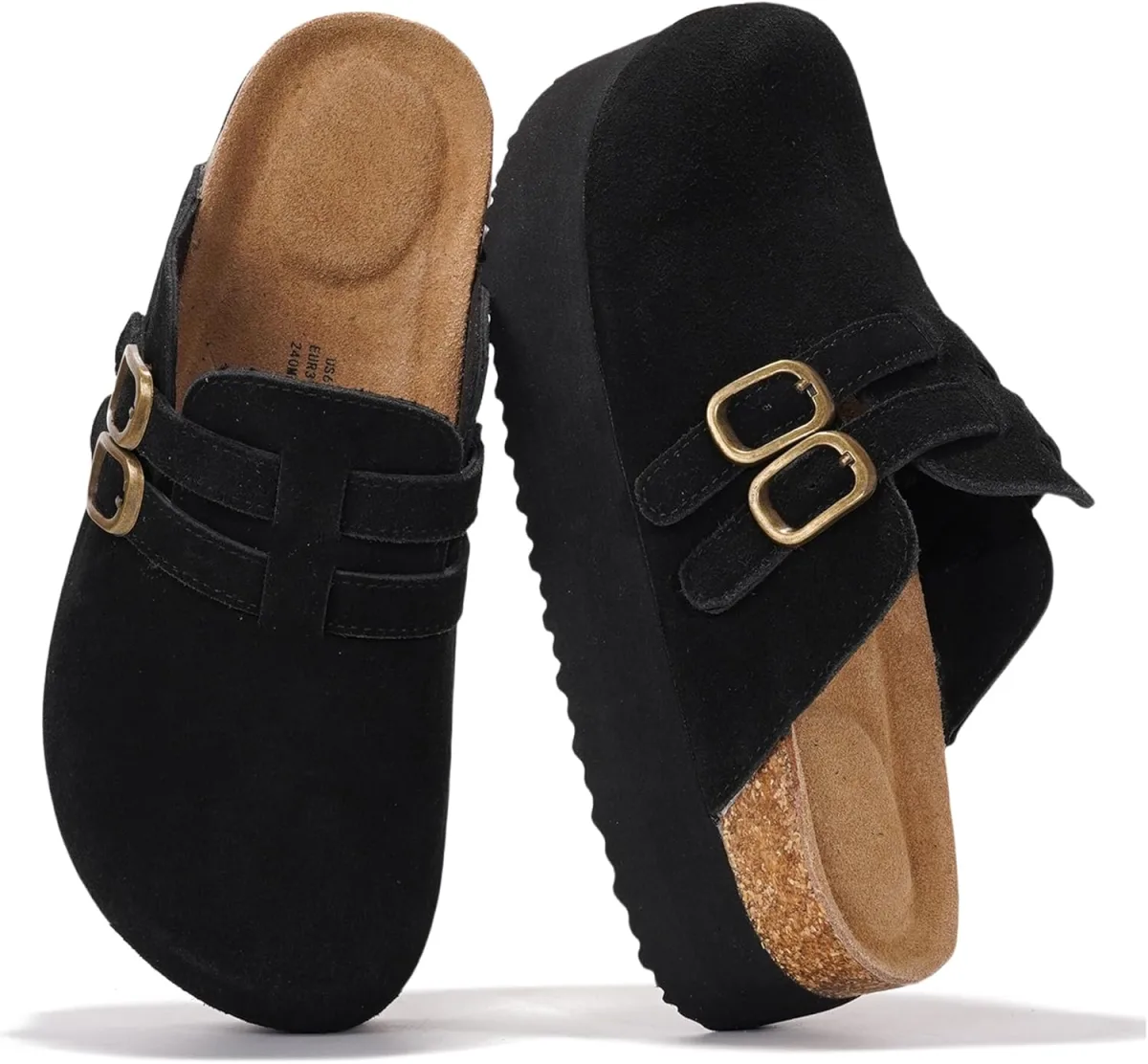
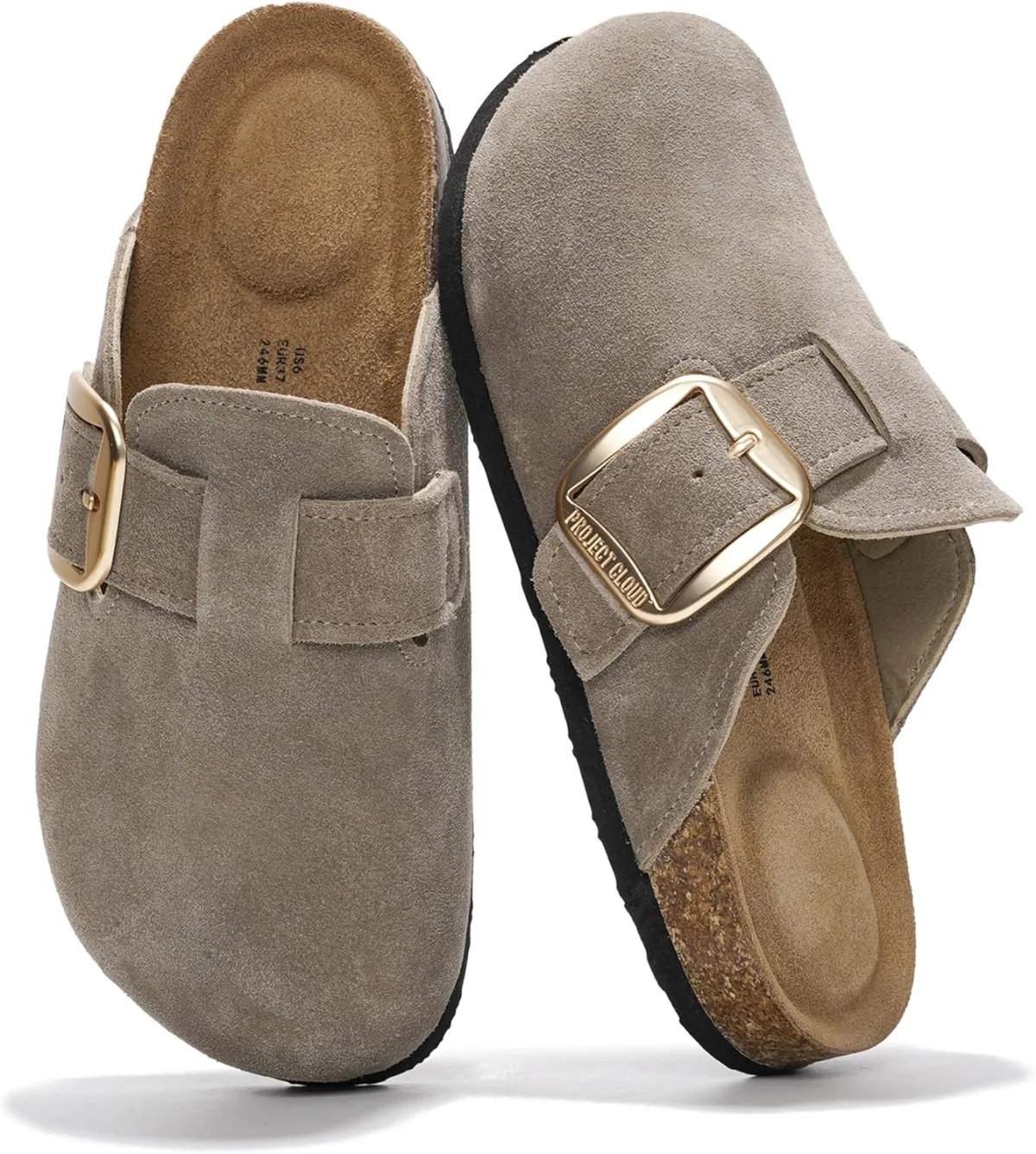
Project Cloud
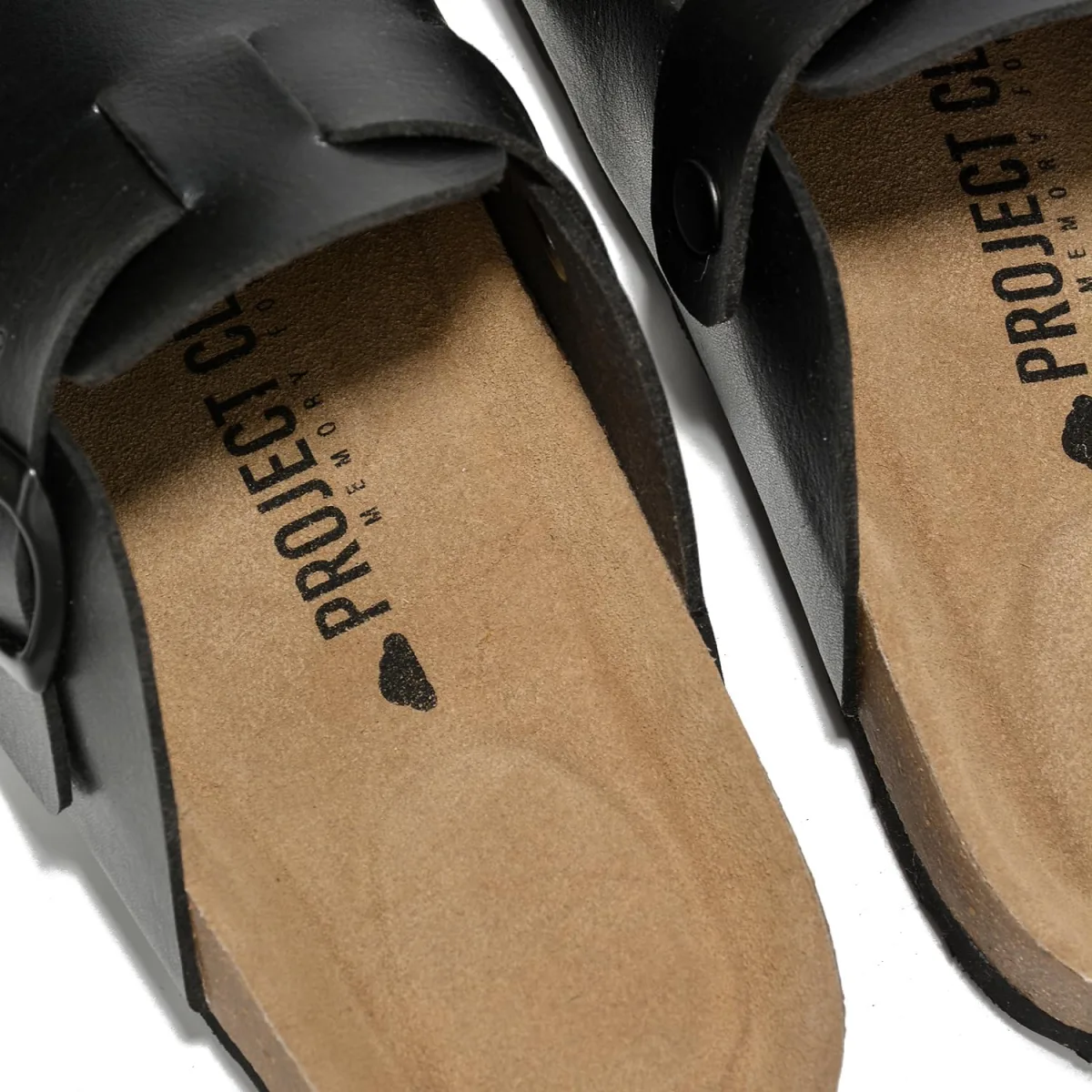
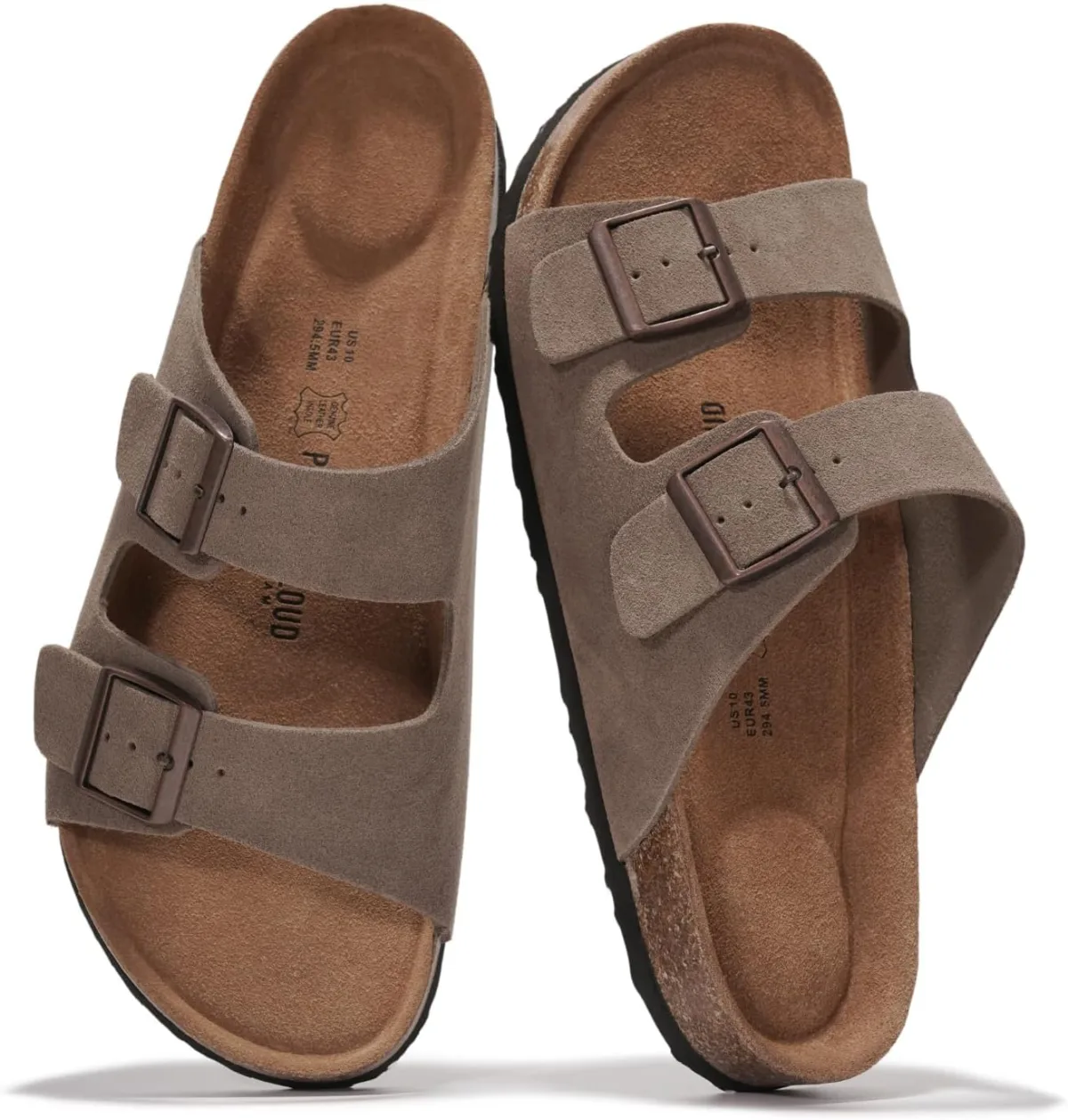
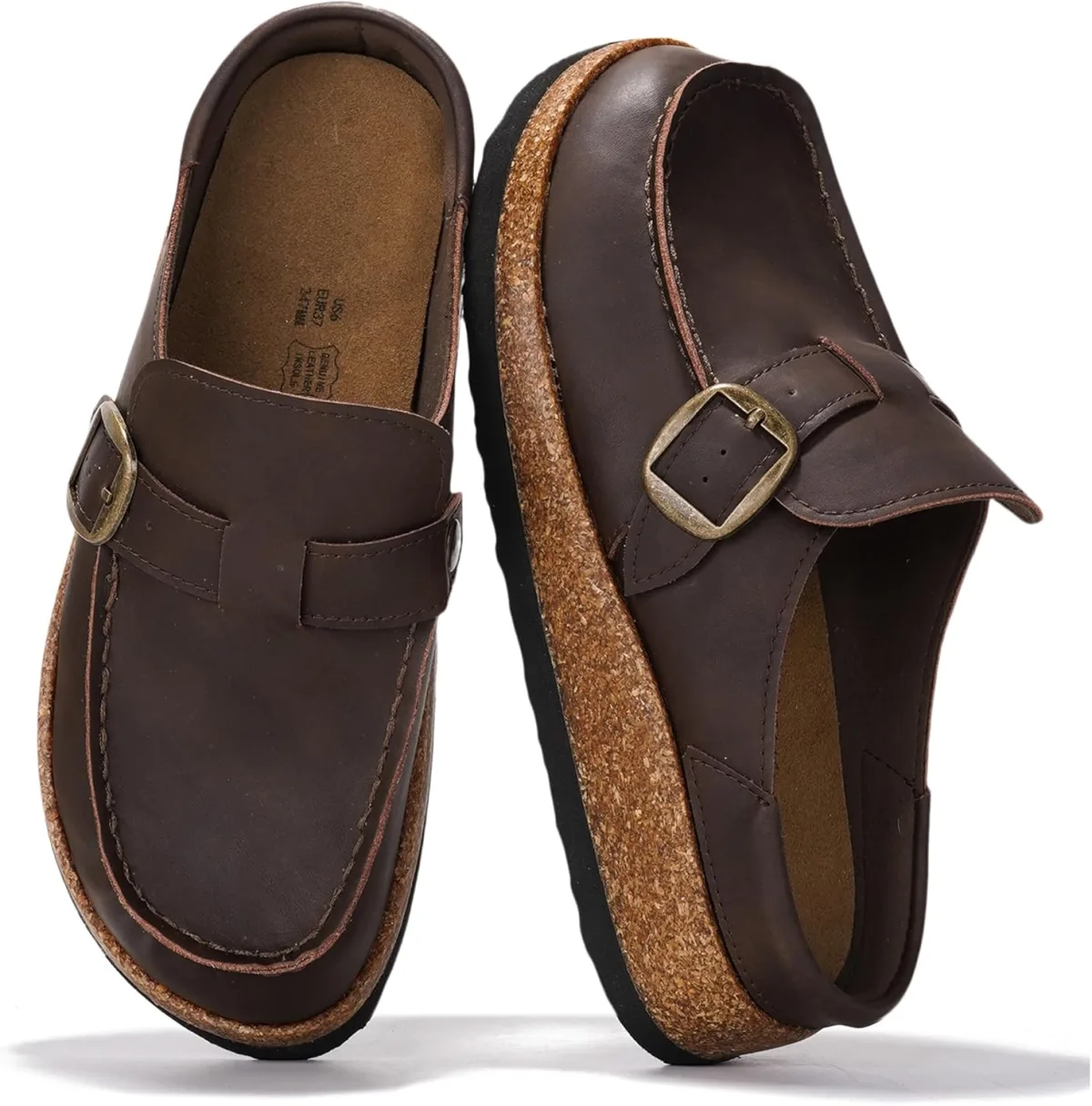
Project Cloud
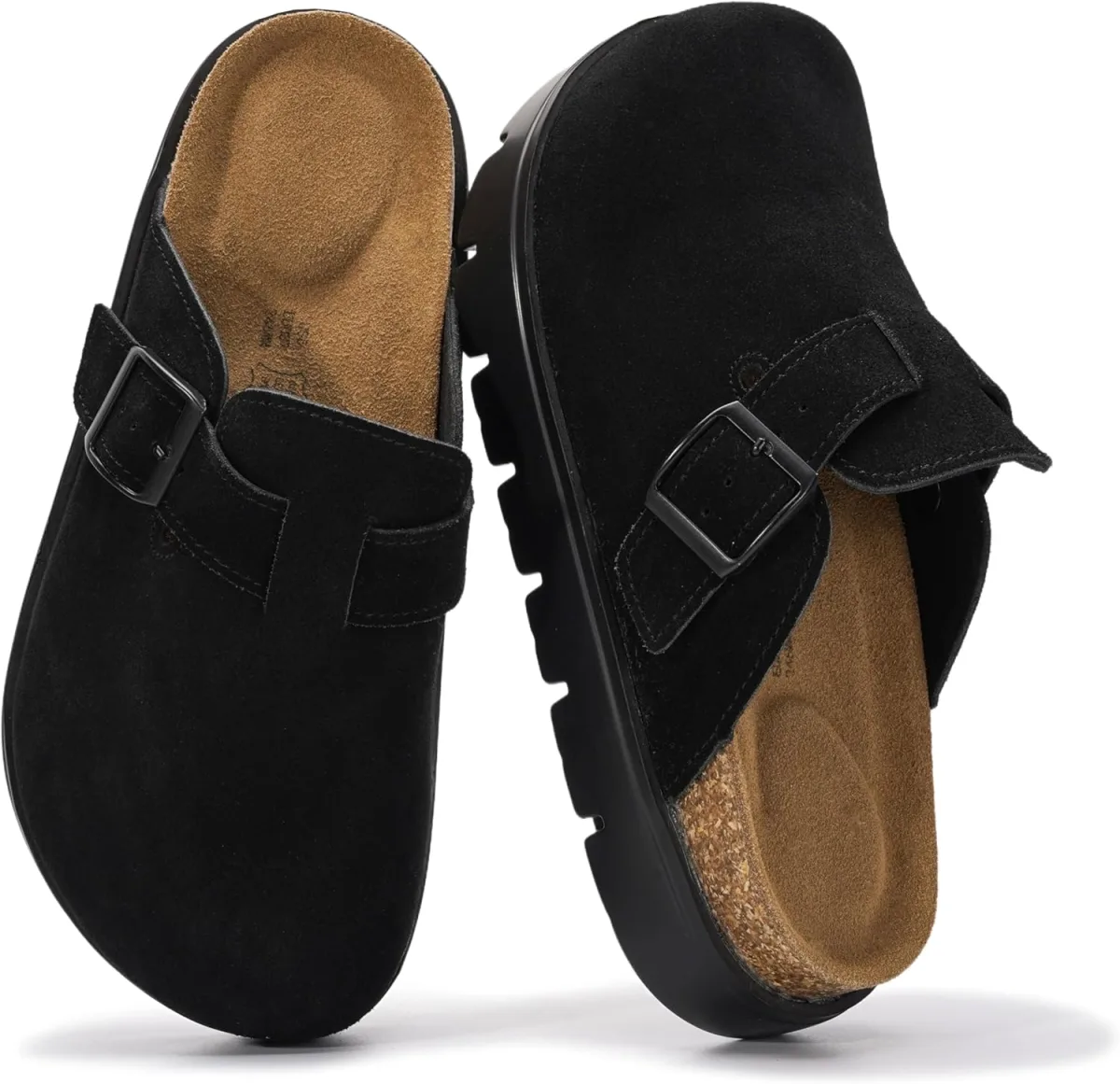
Project Cloud
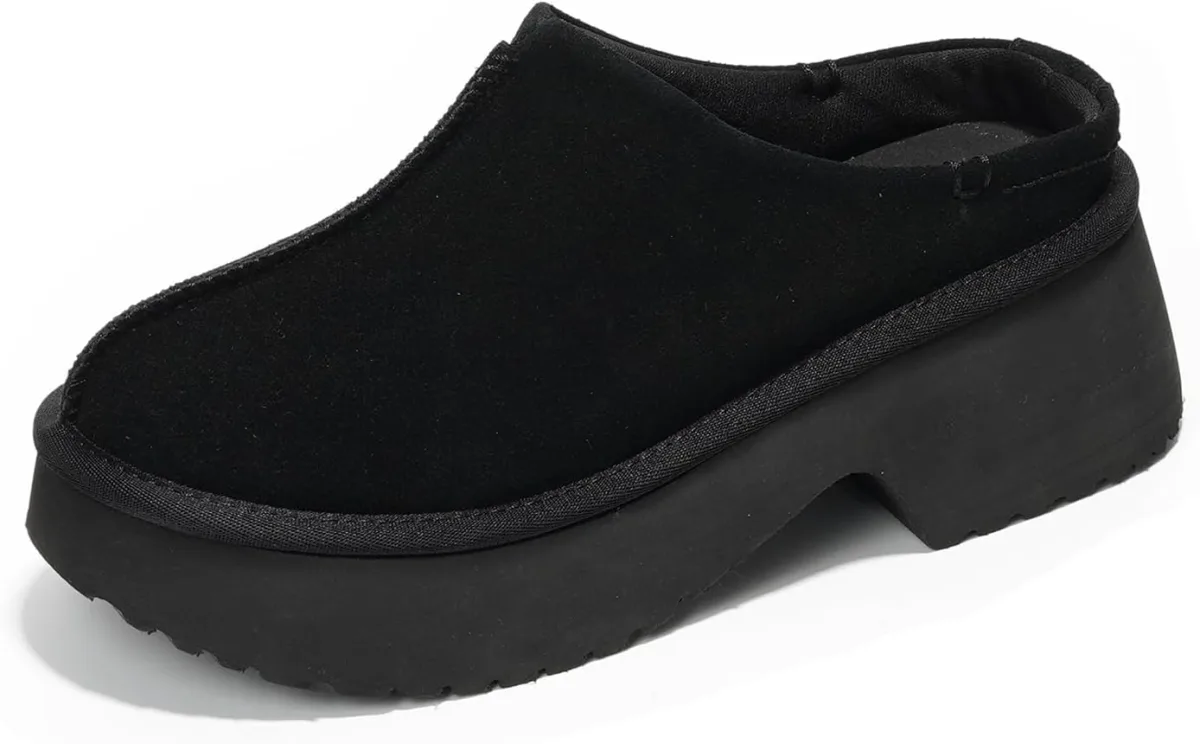
Project Cloud
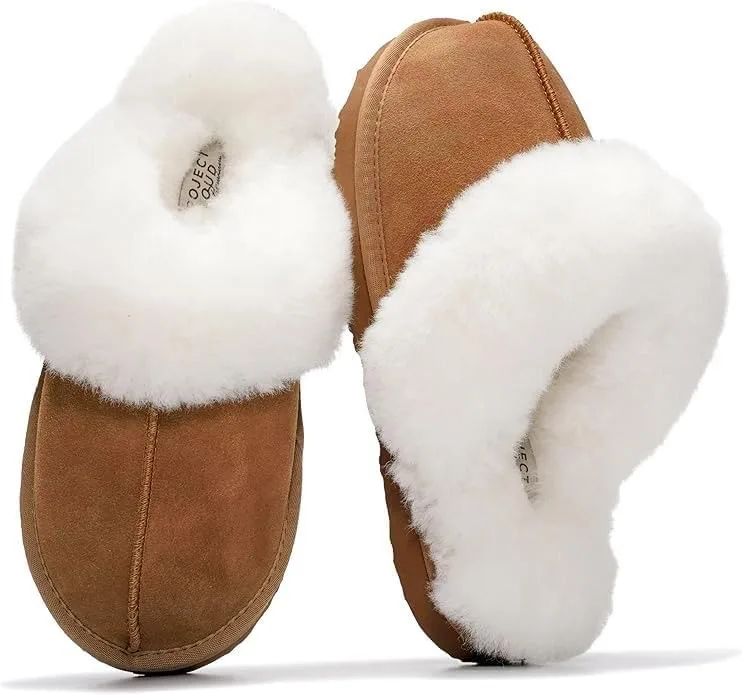
Project Cloud
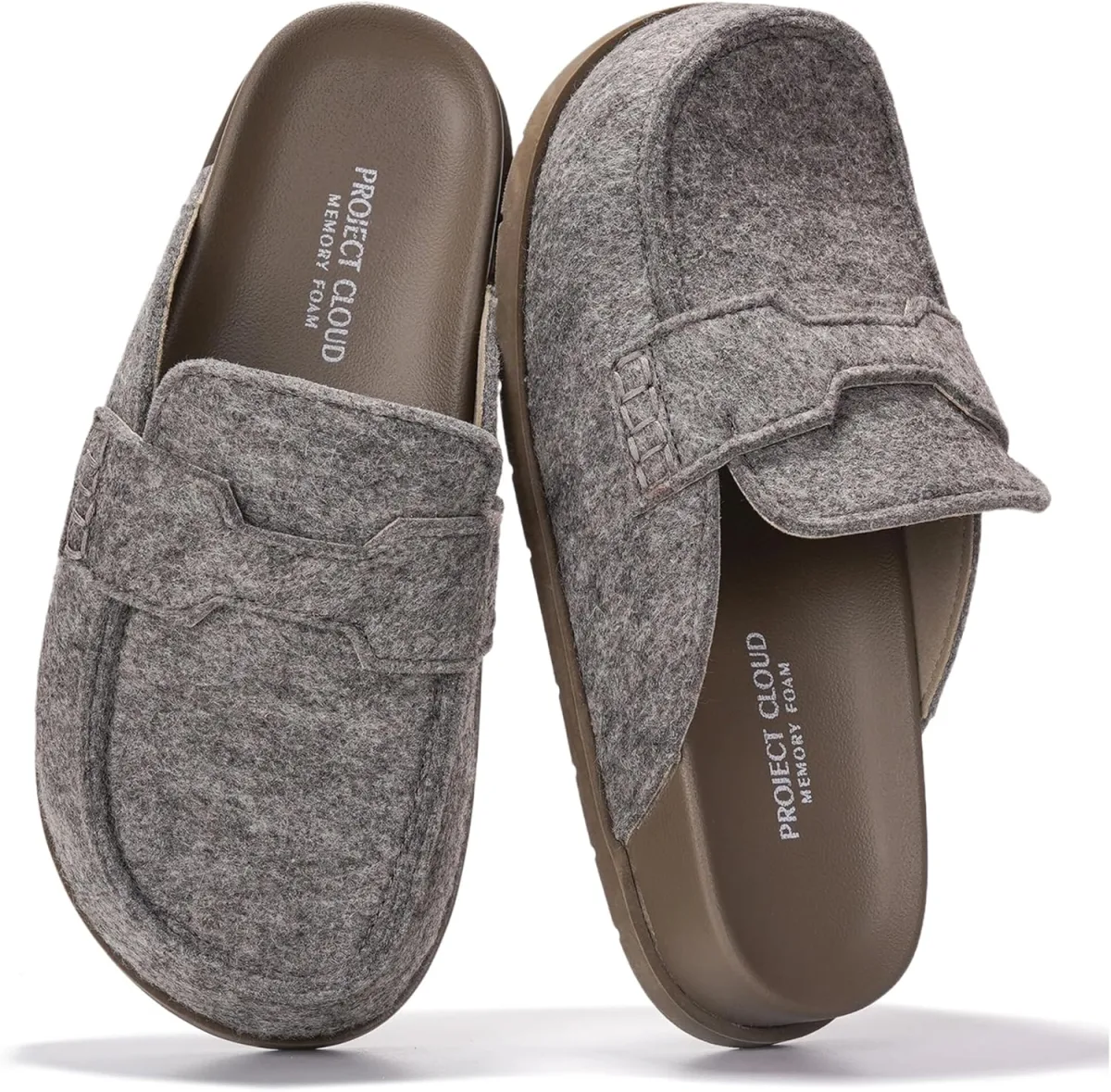
Project Cloud
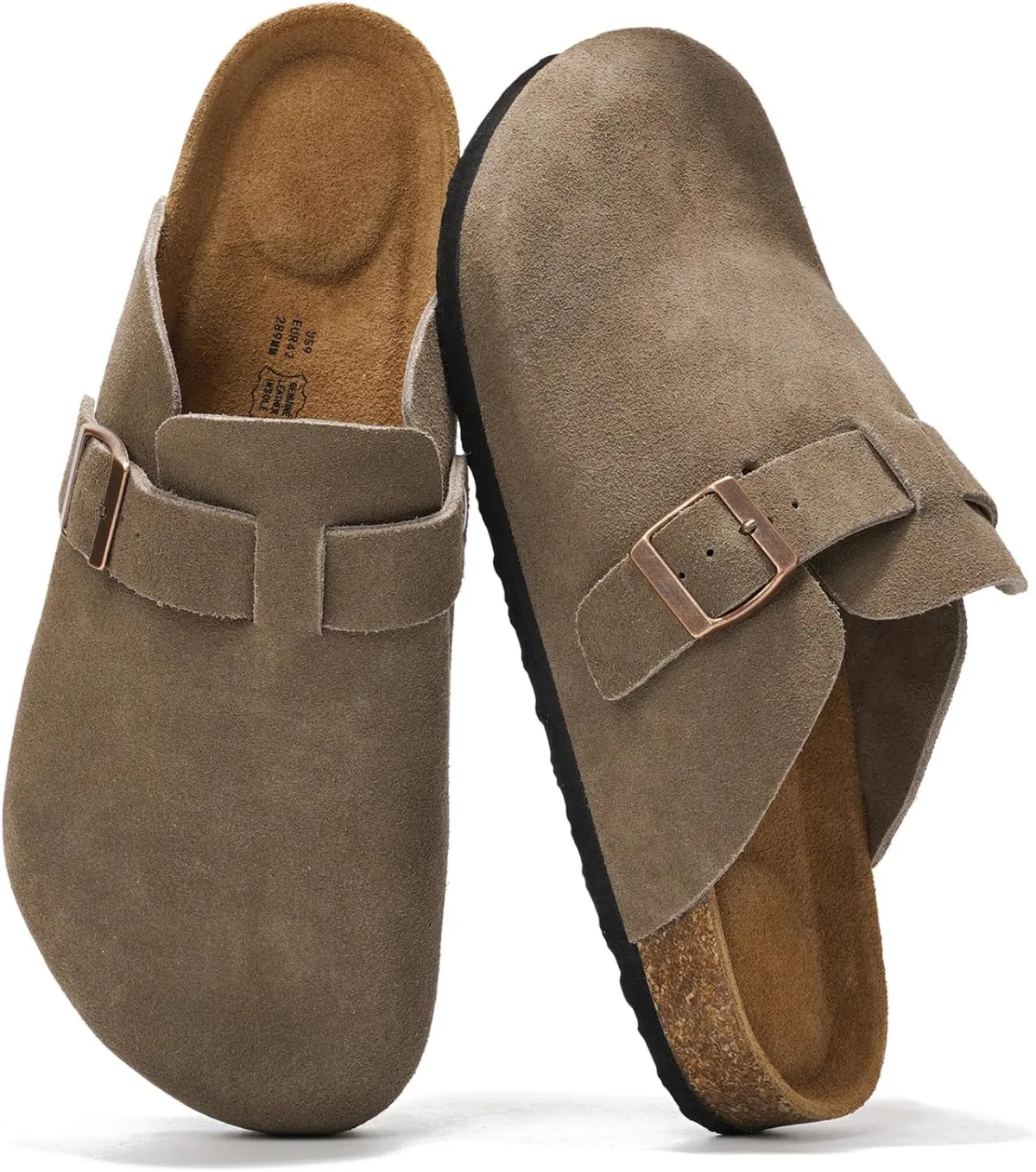
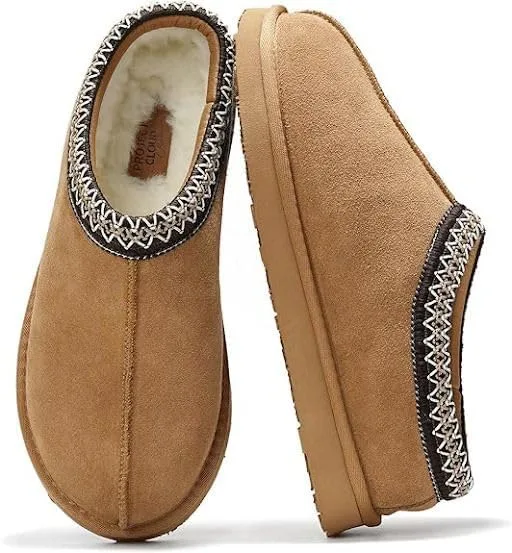
Project Cloud
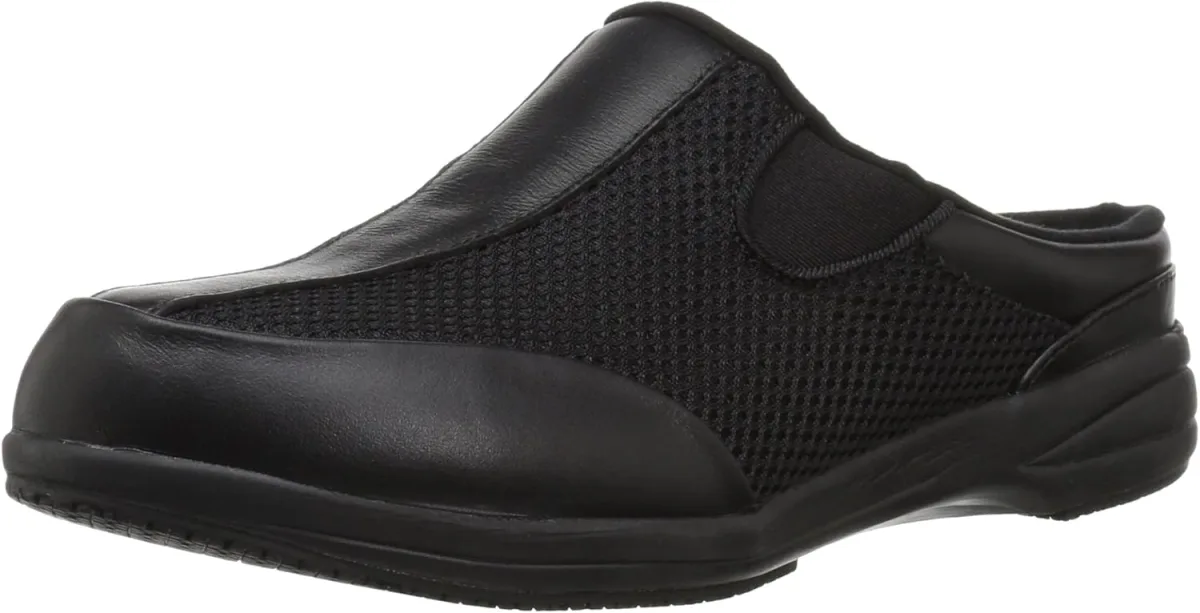
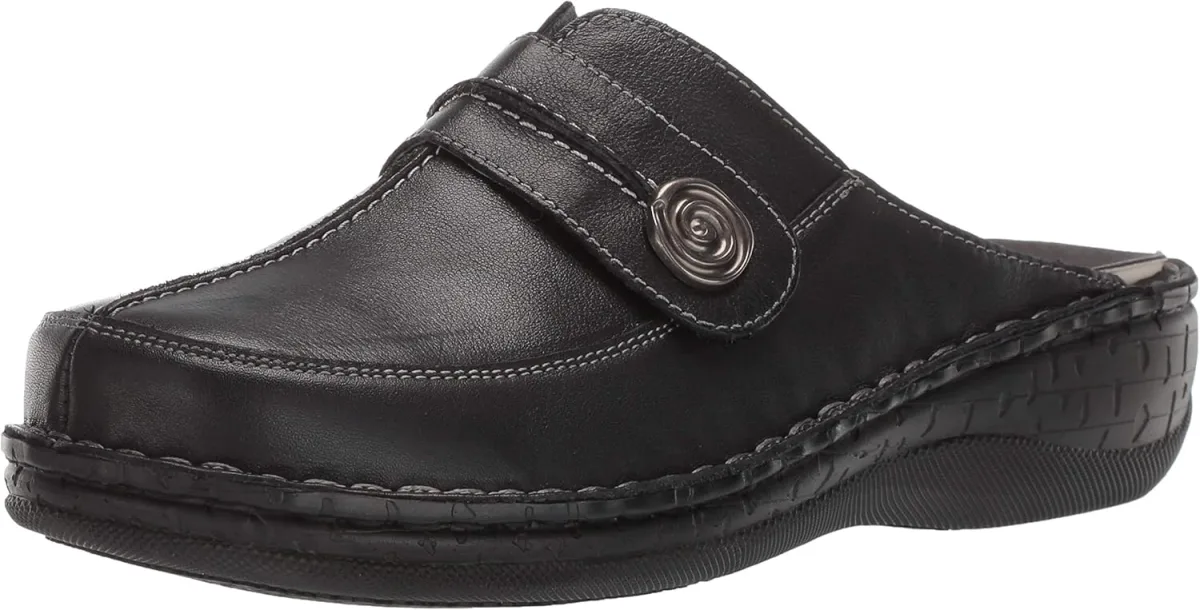
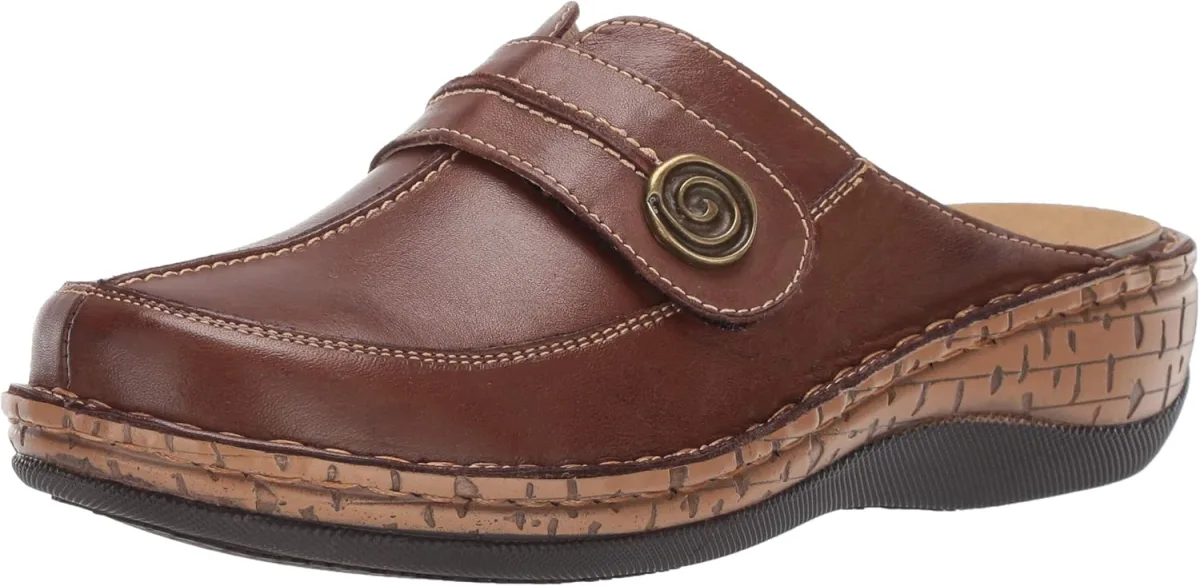
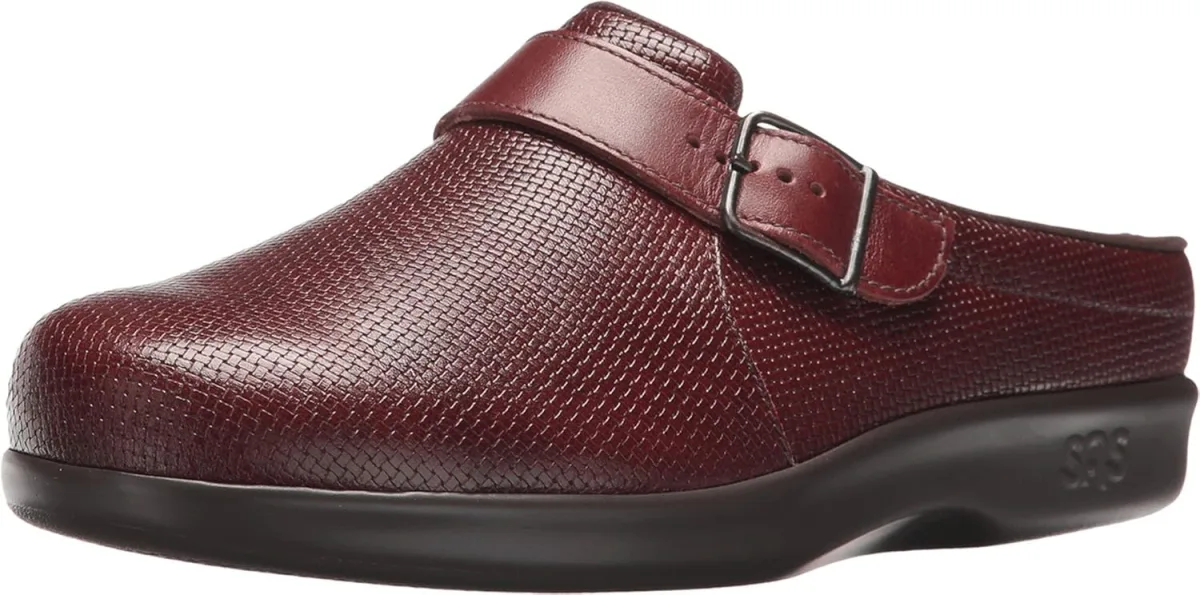
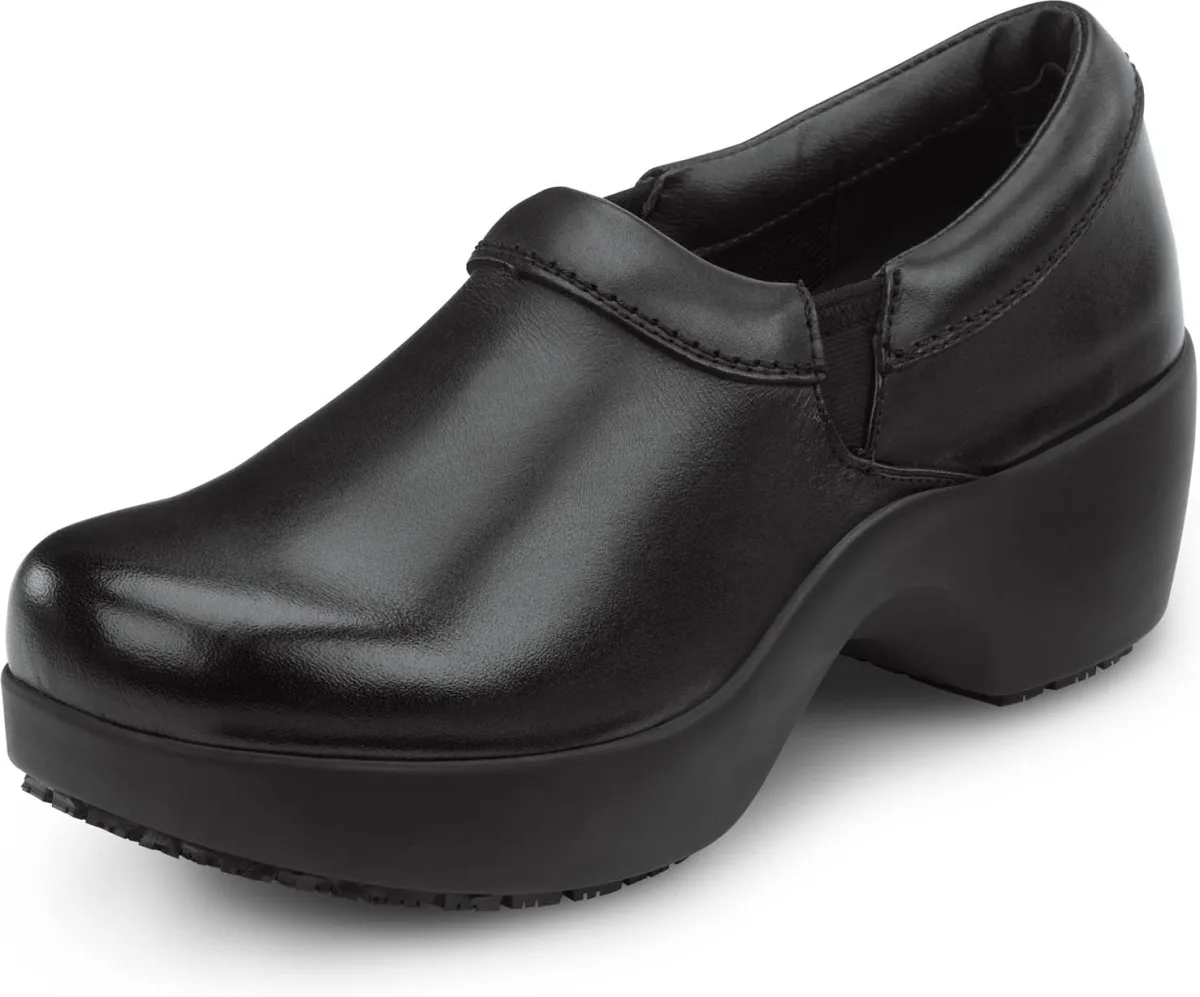
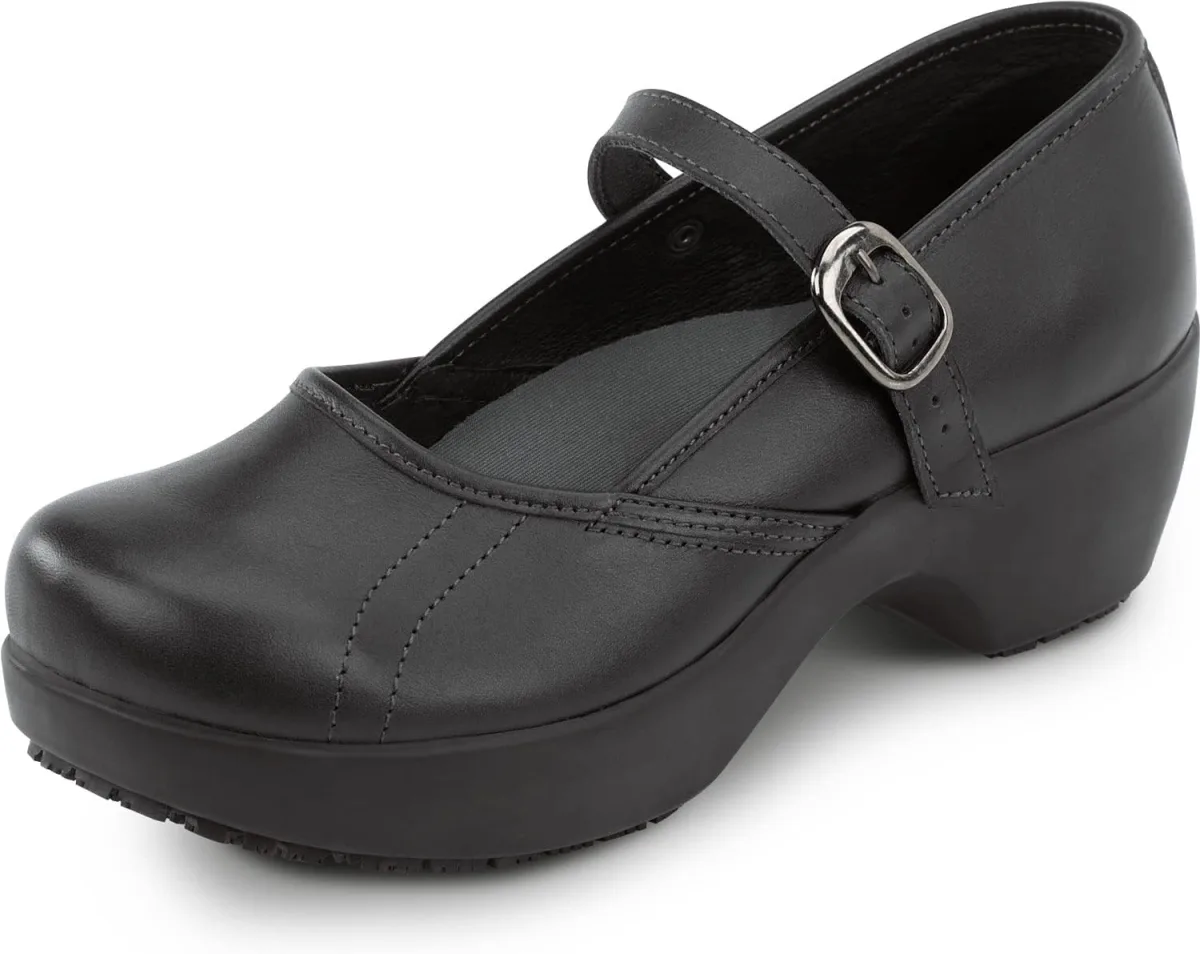
SR
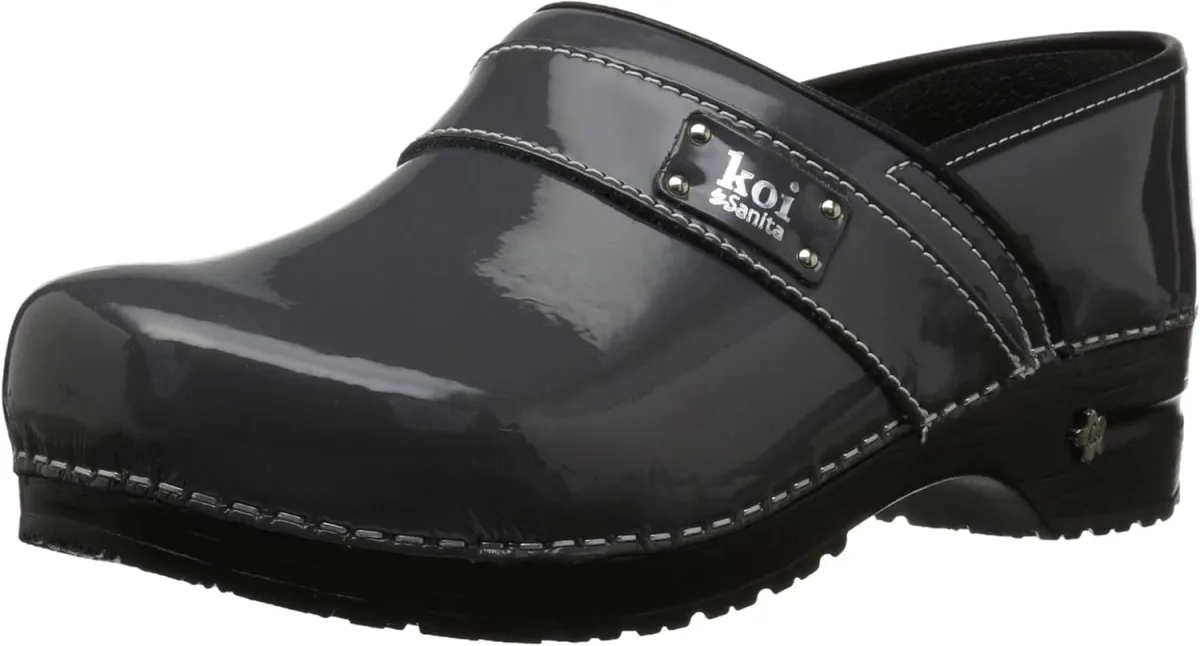
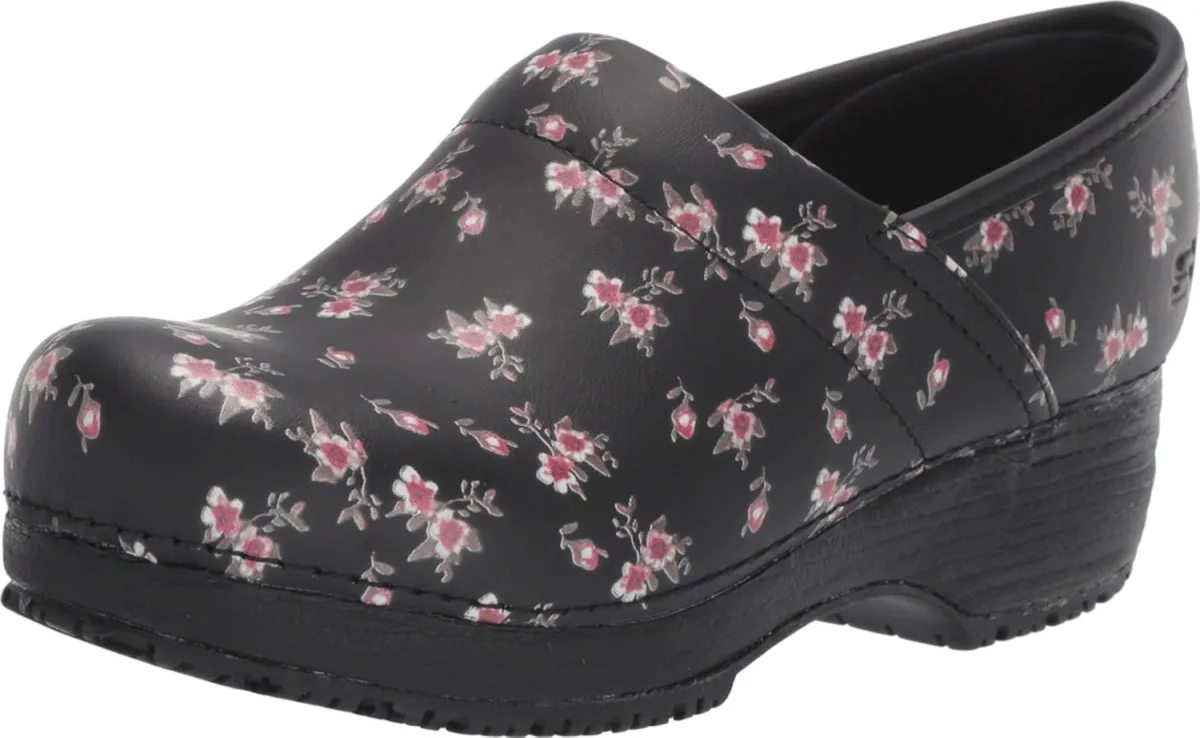
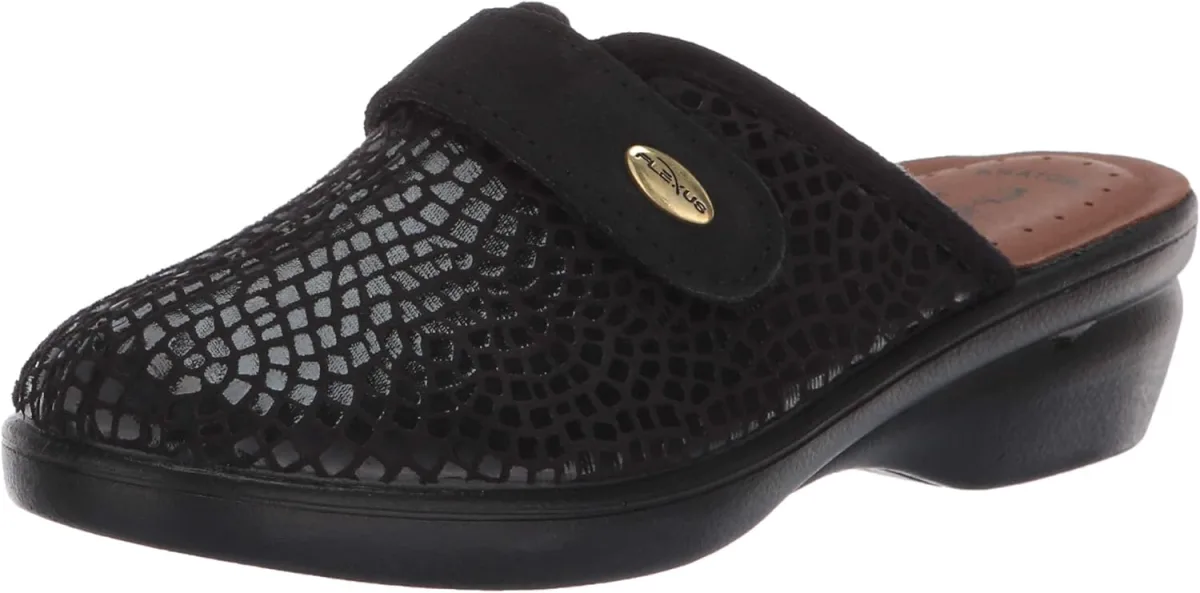
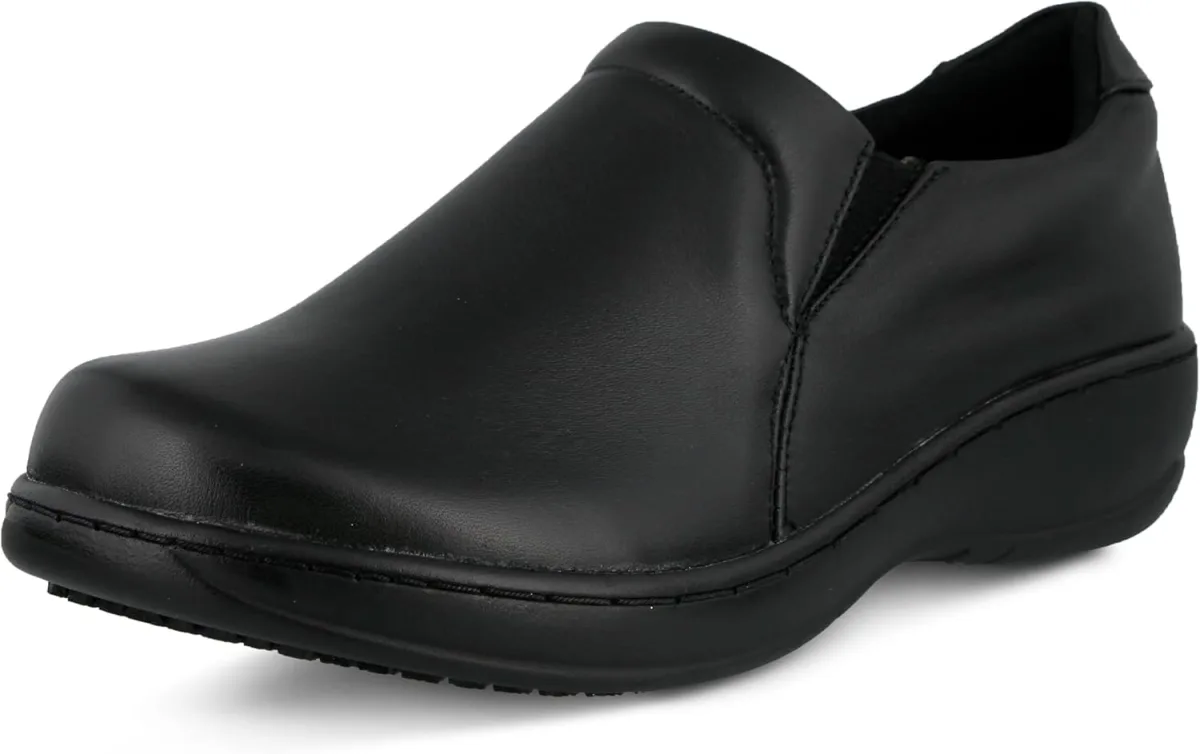
Spring Step
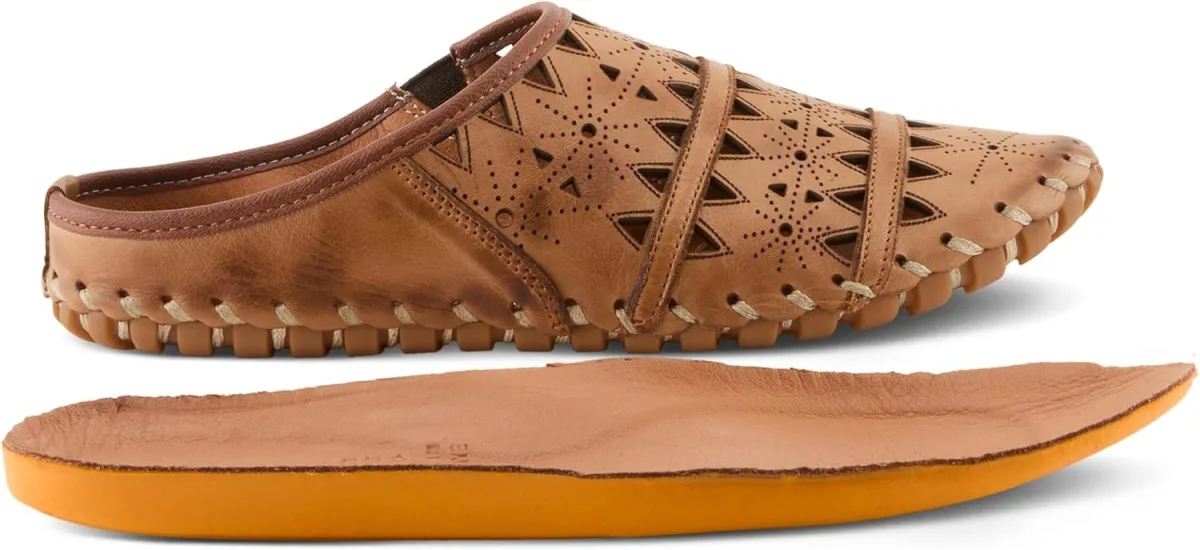
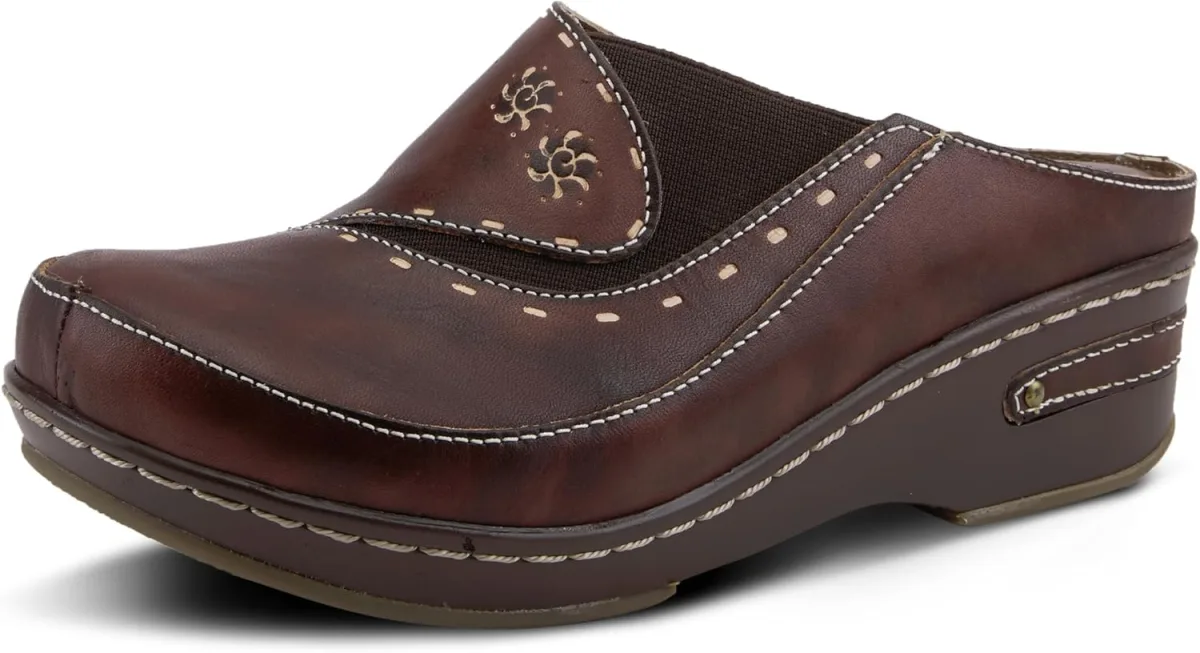
Spring Step
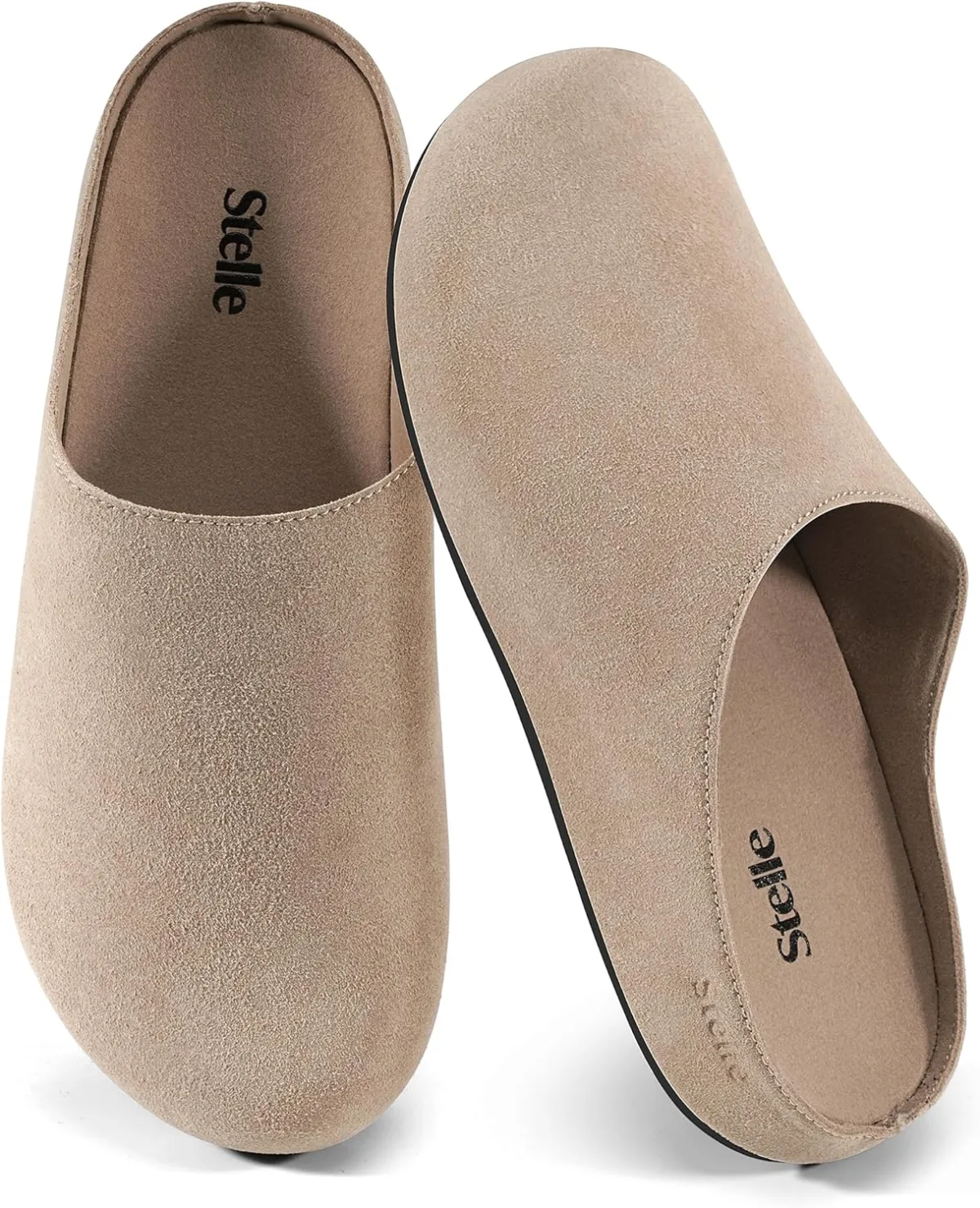
Stelle
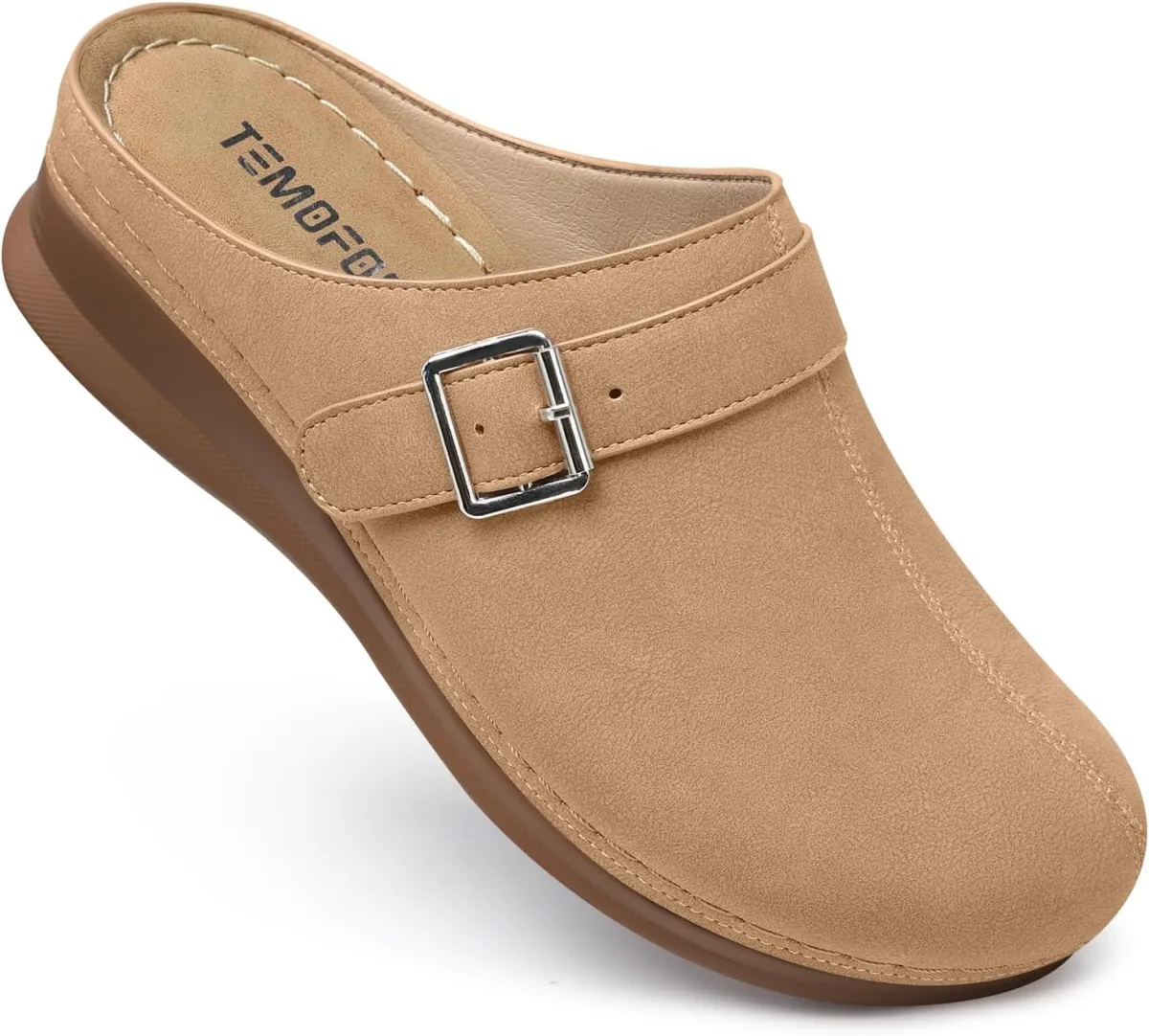
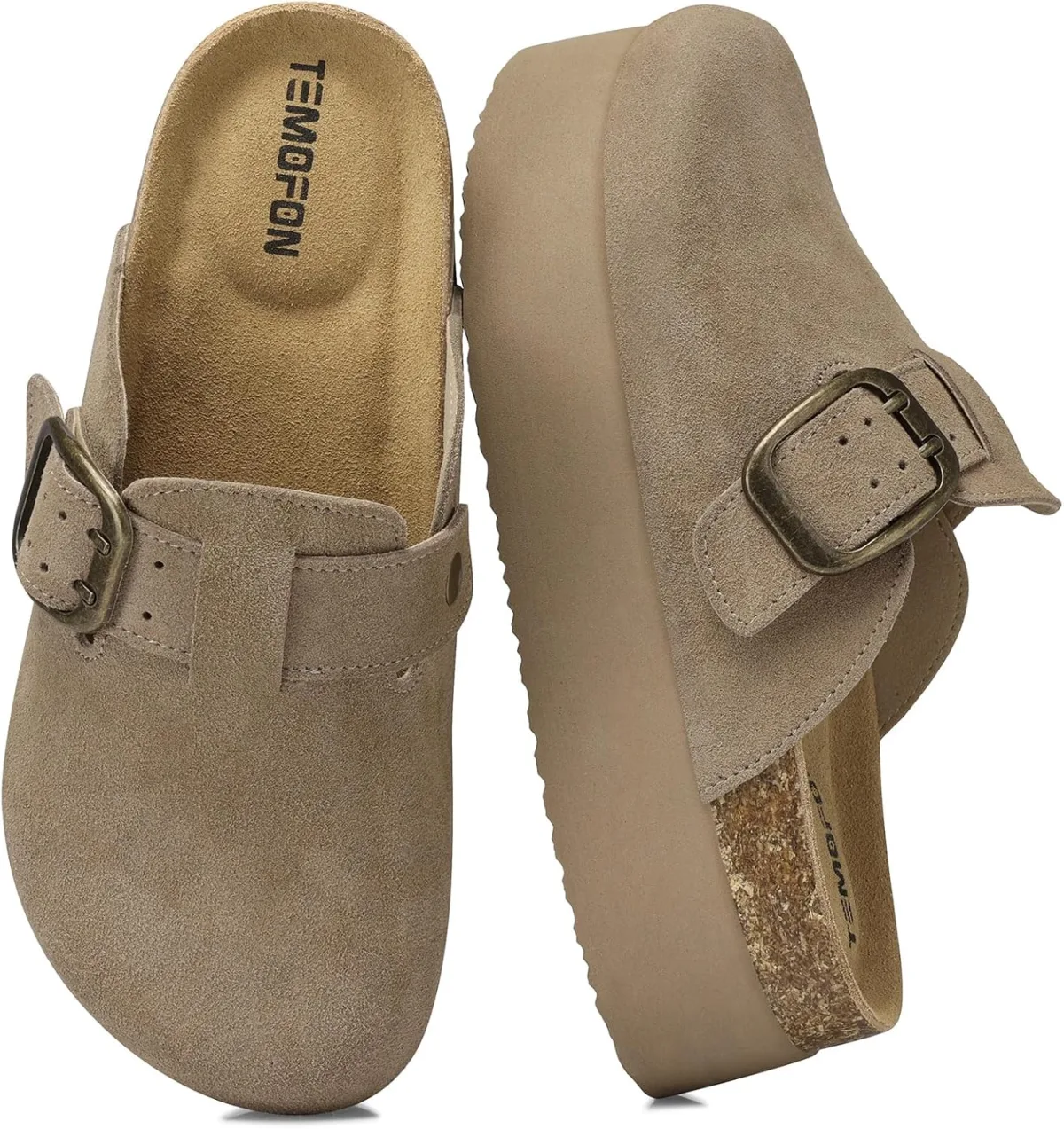

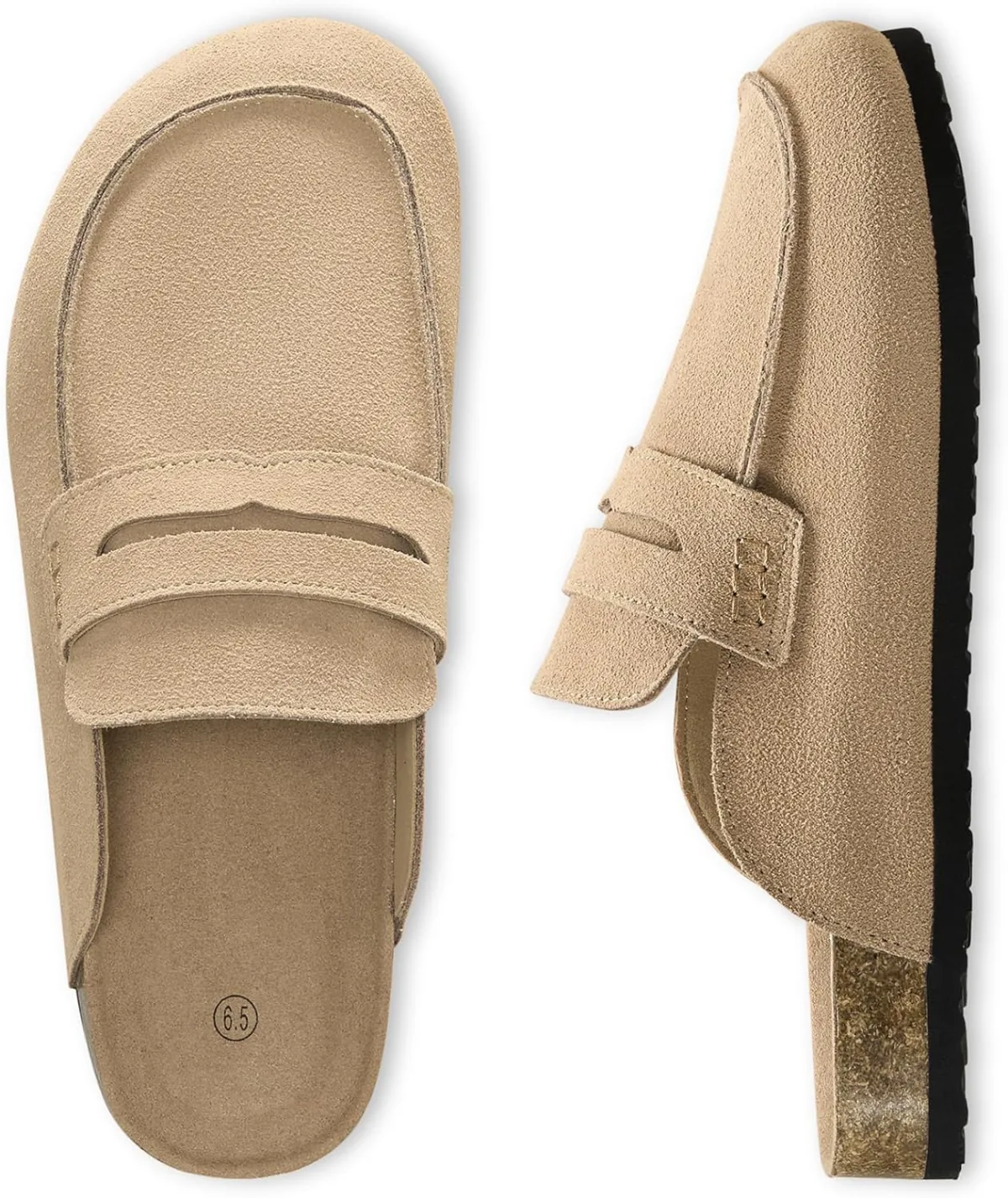
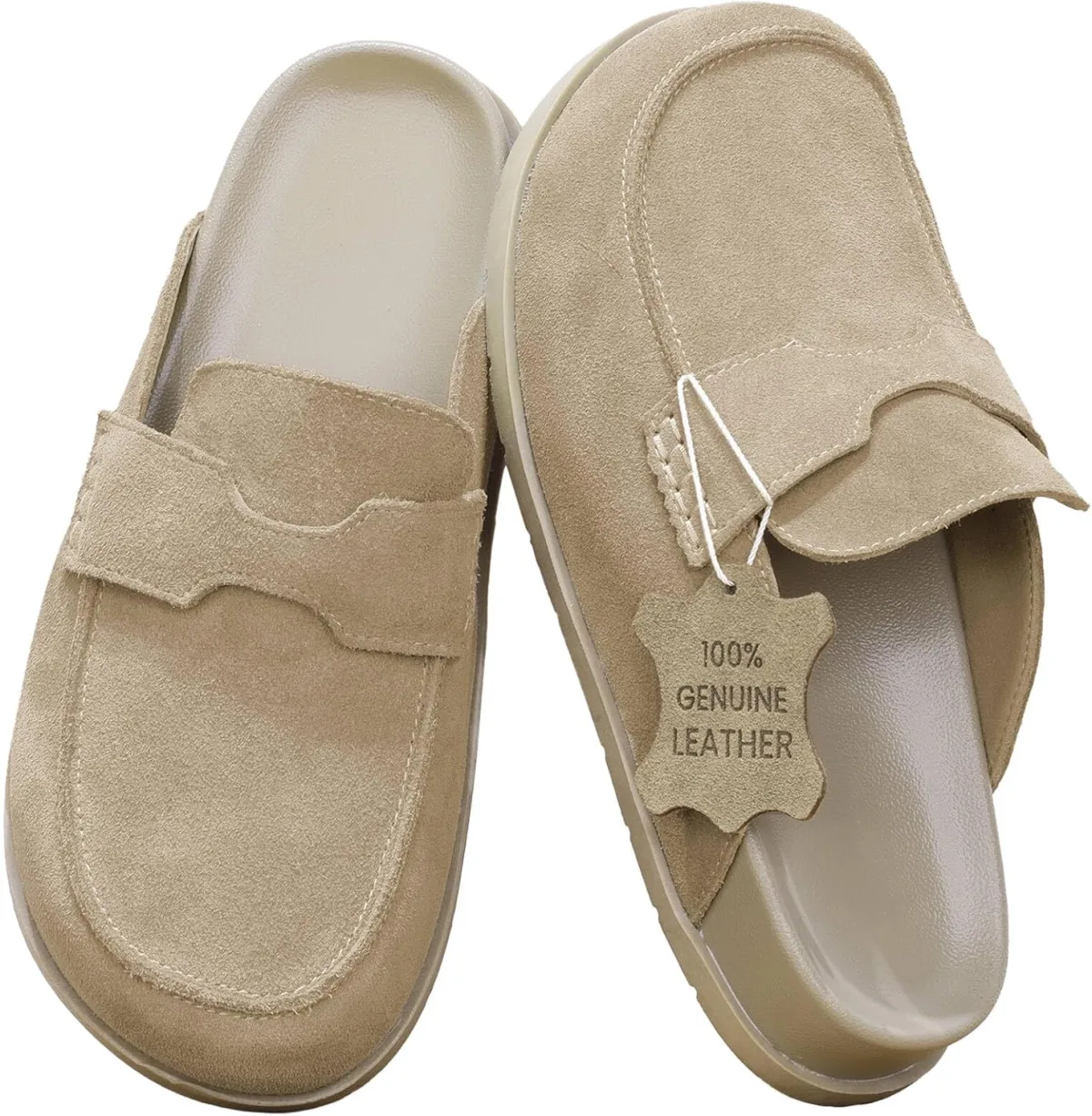
Unbranded
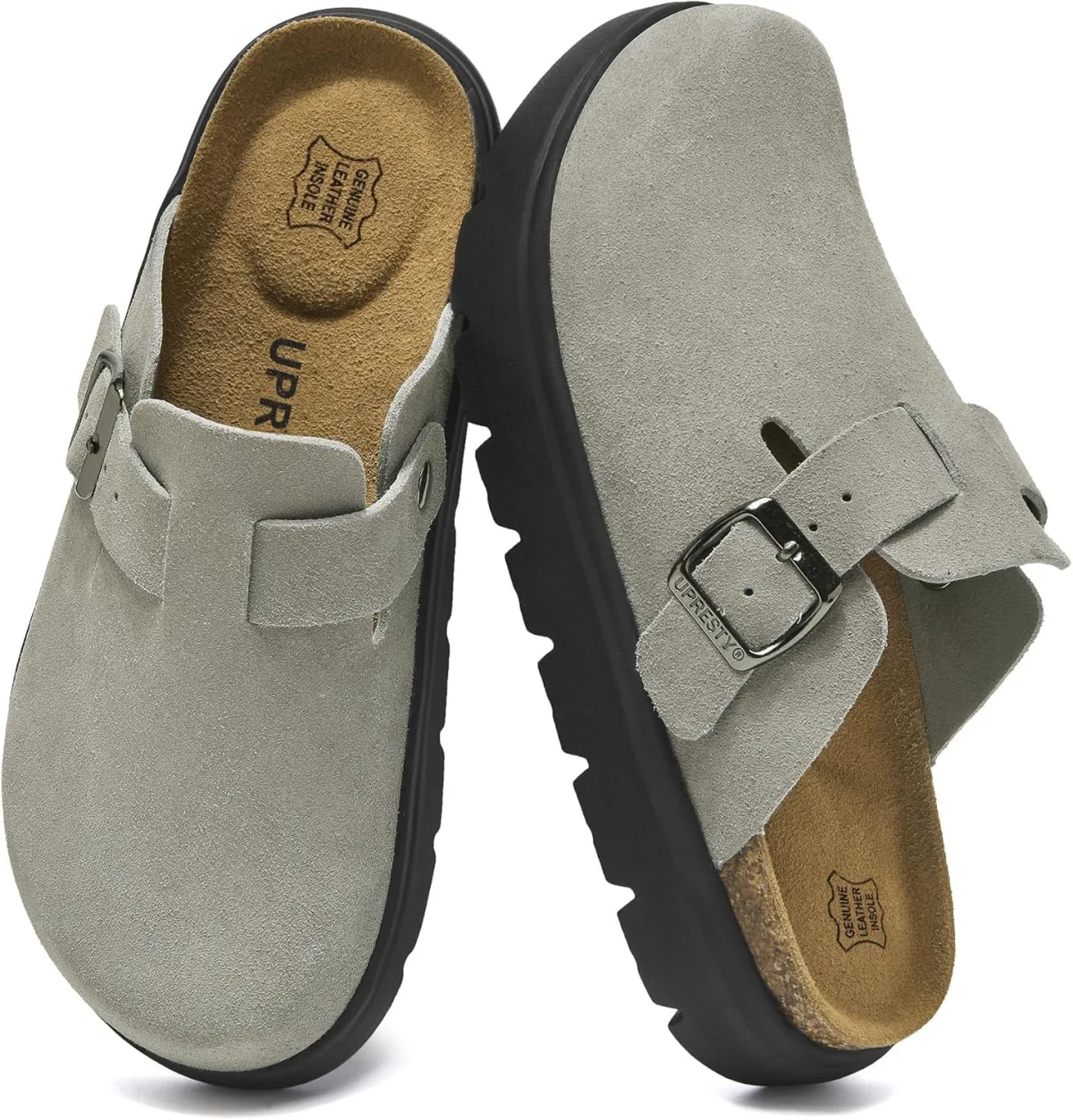
Unbranded
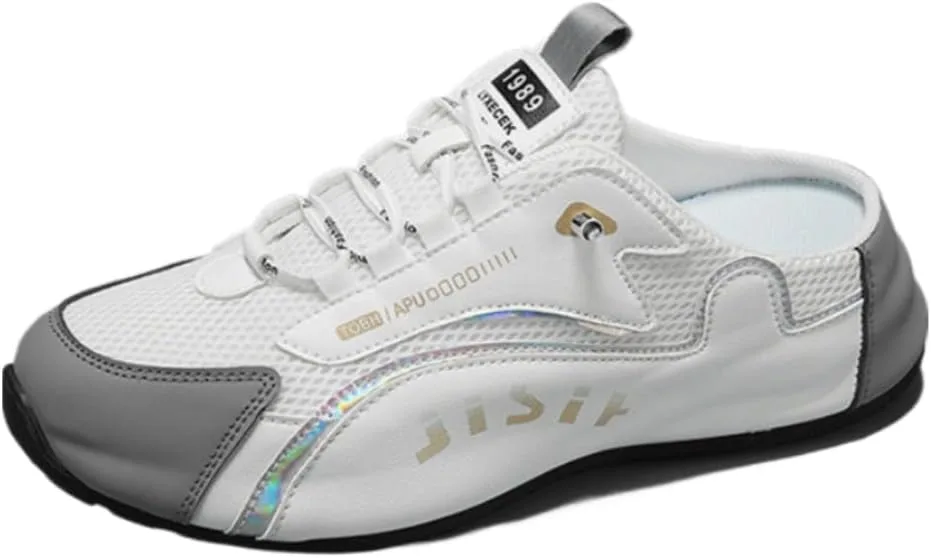
Unbranded
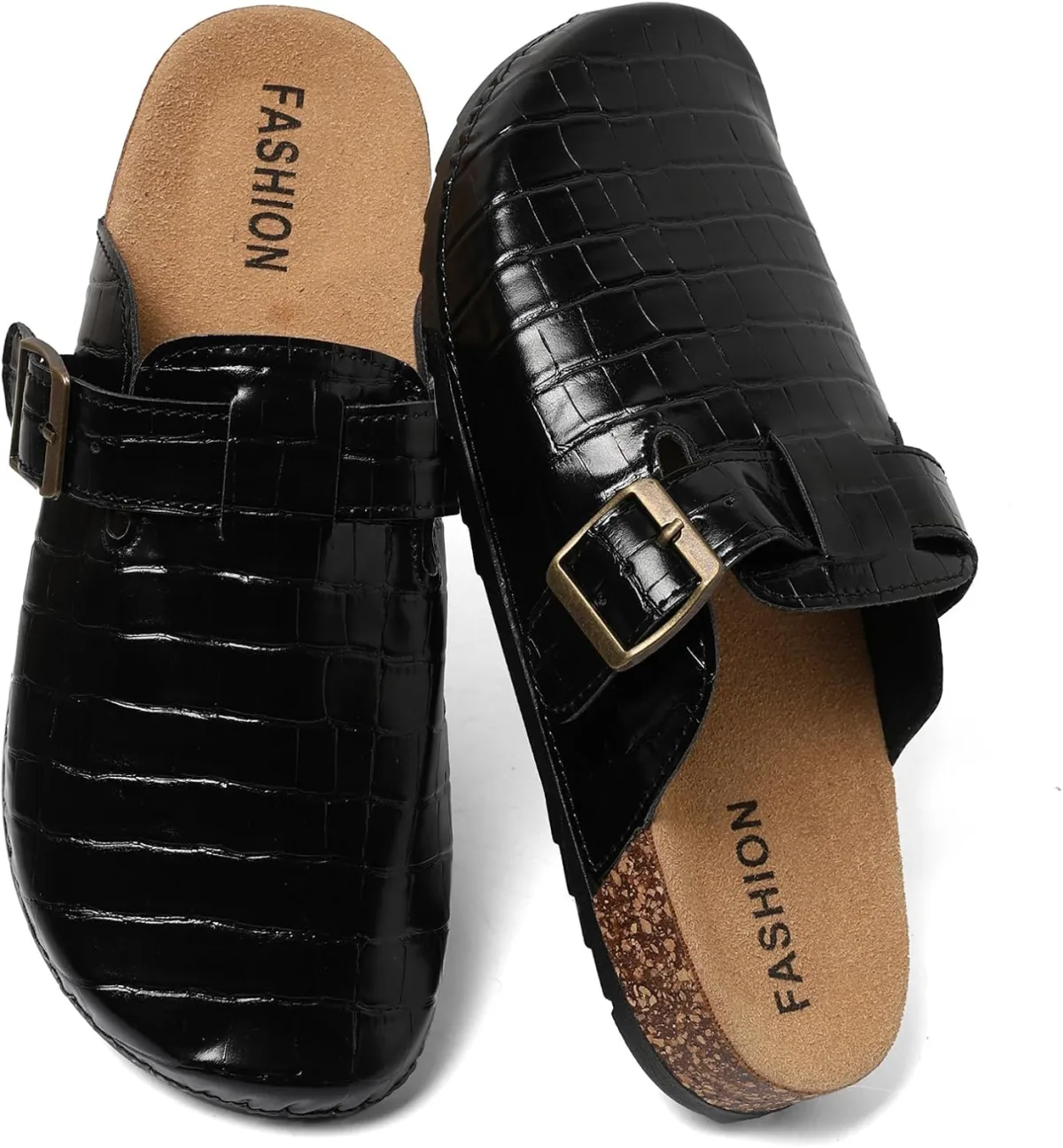
Unbranded
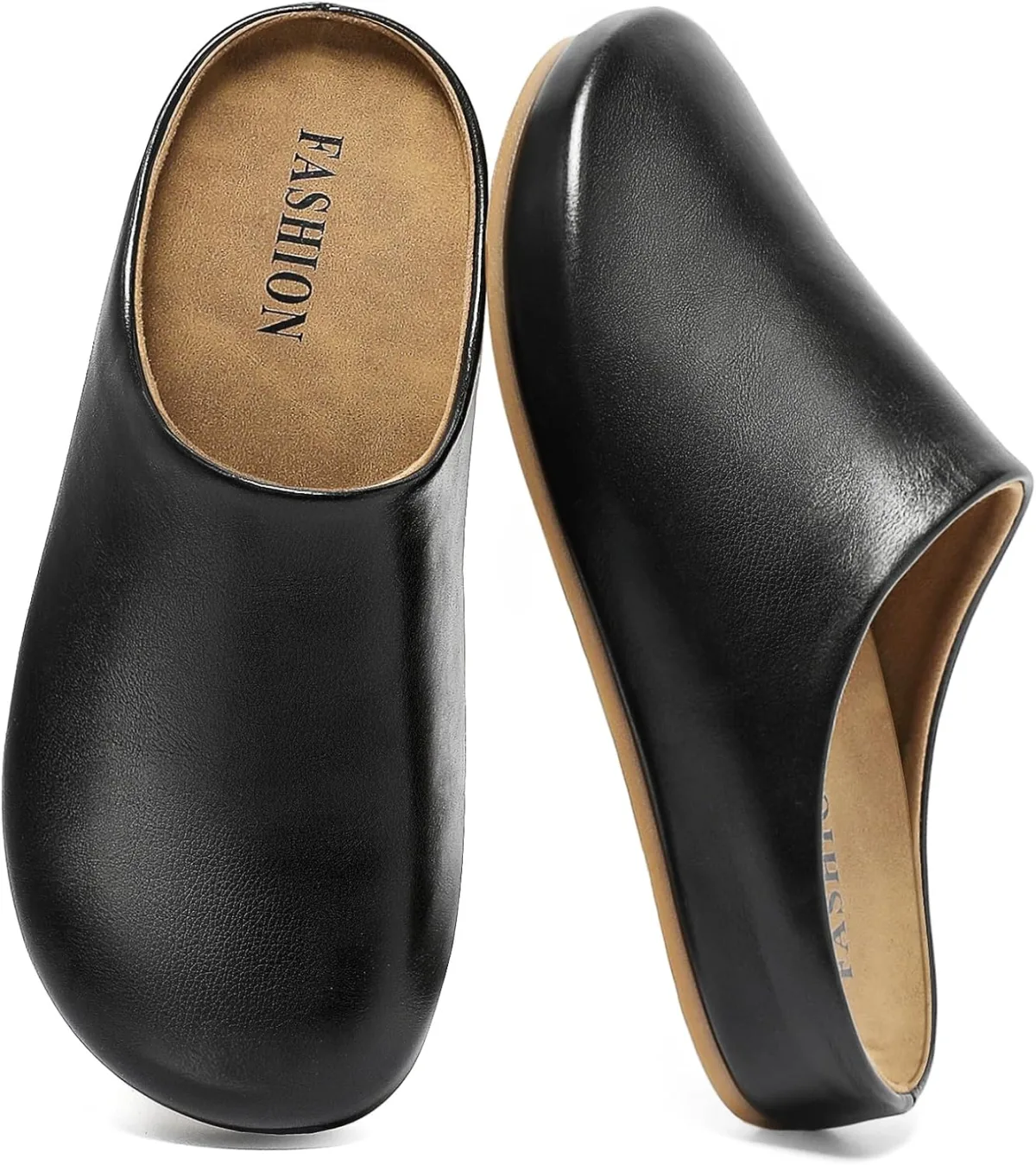
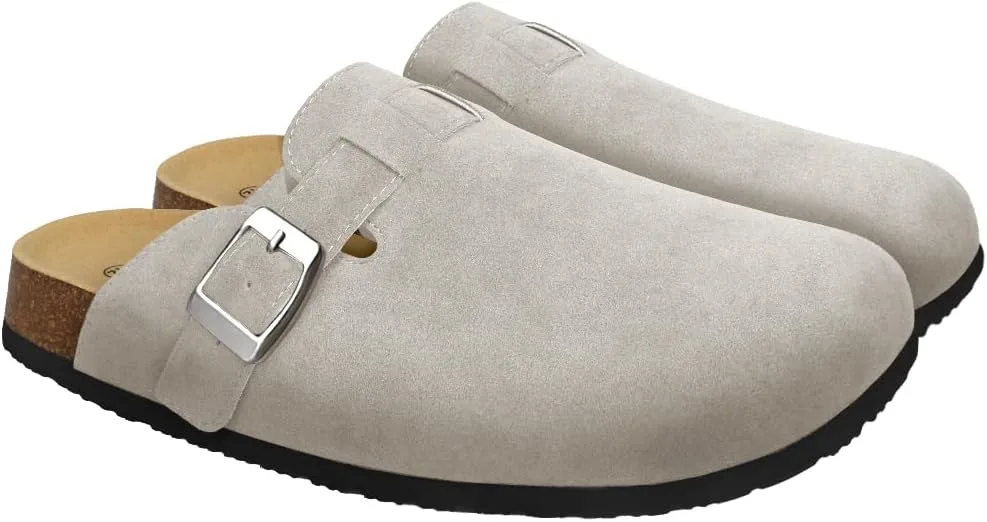
Unbranded
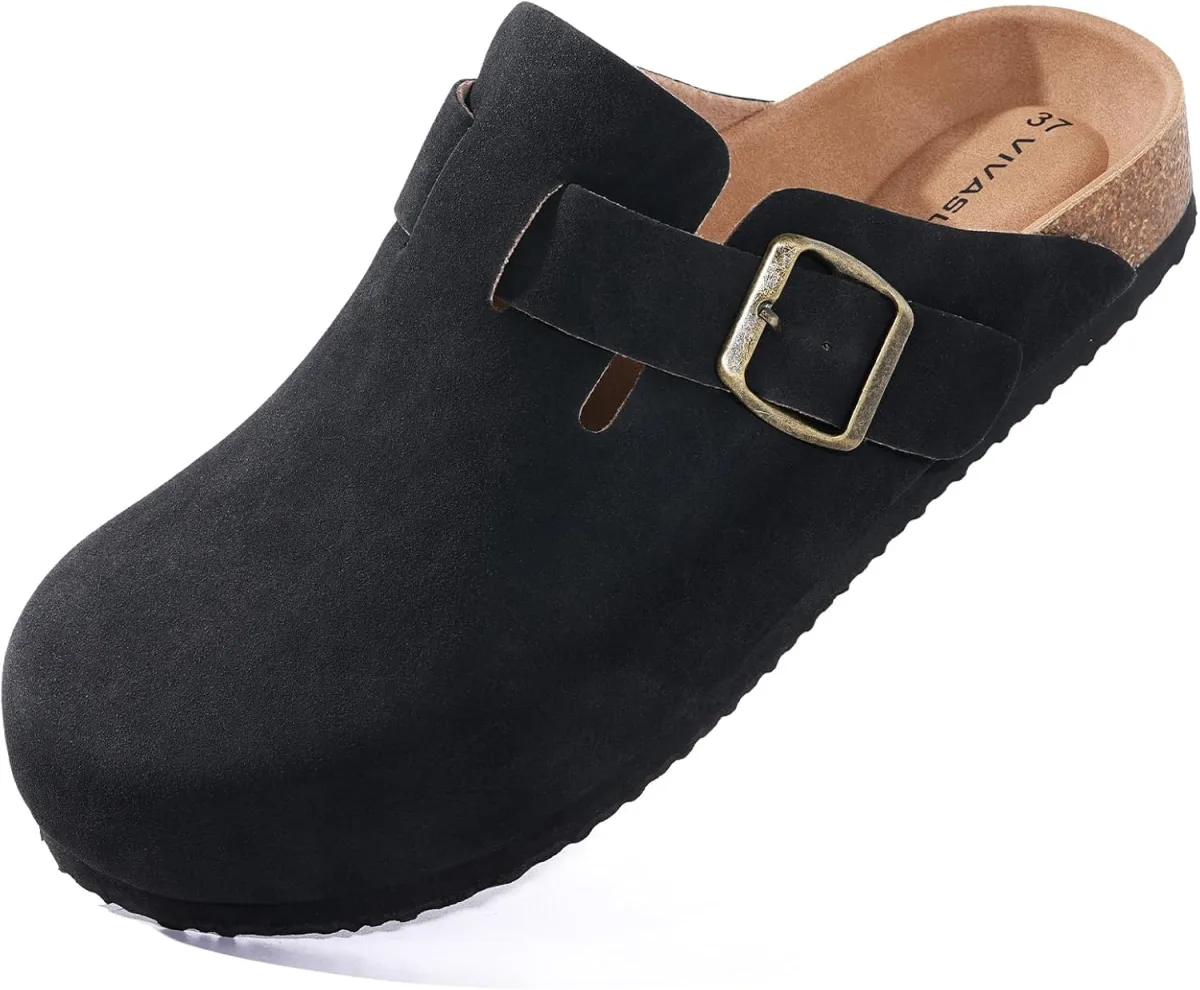
Unbranded
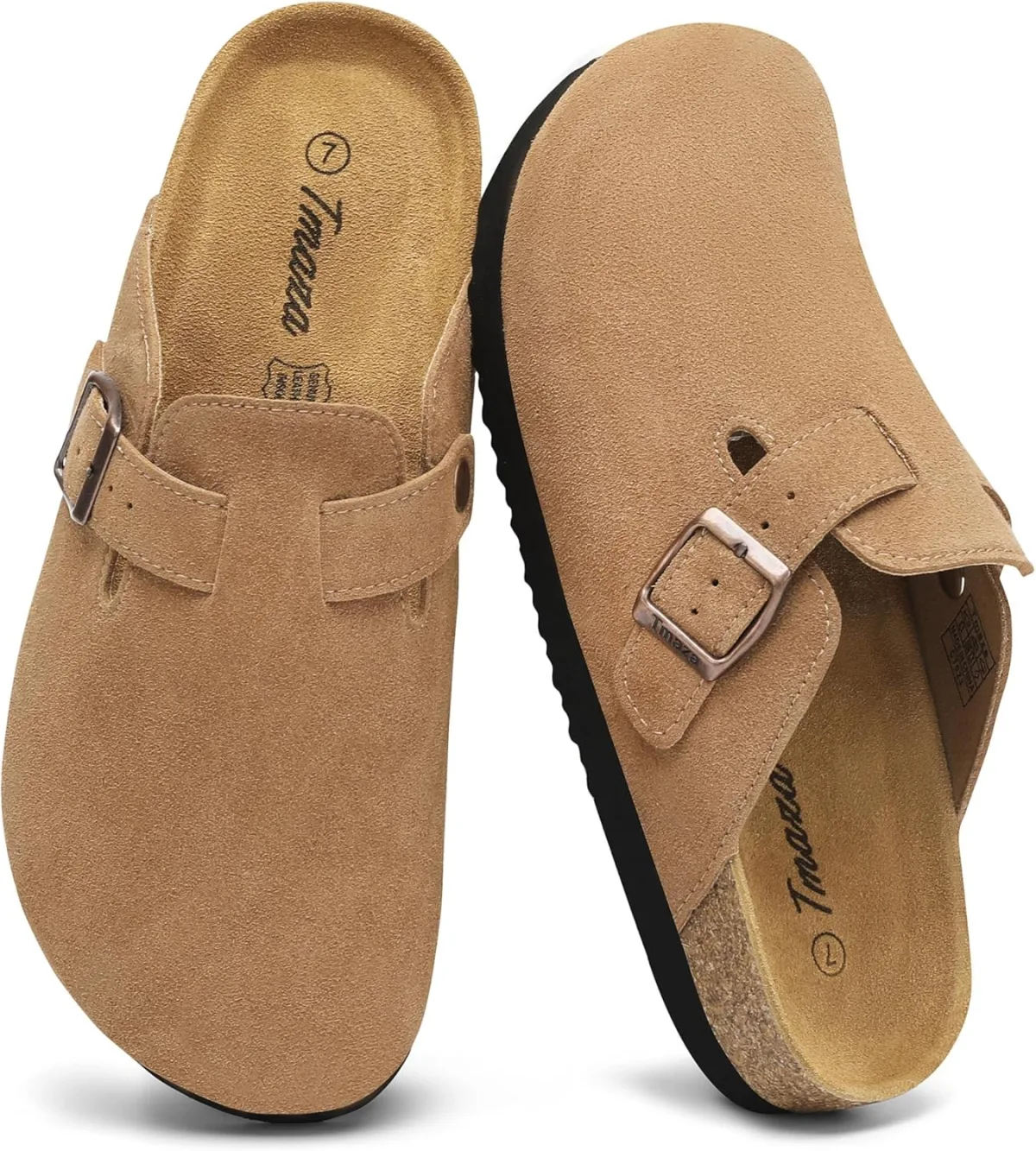
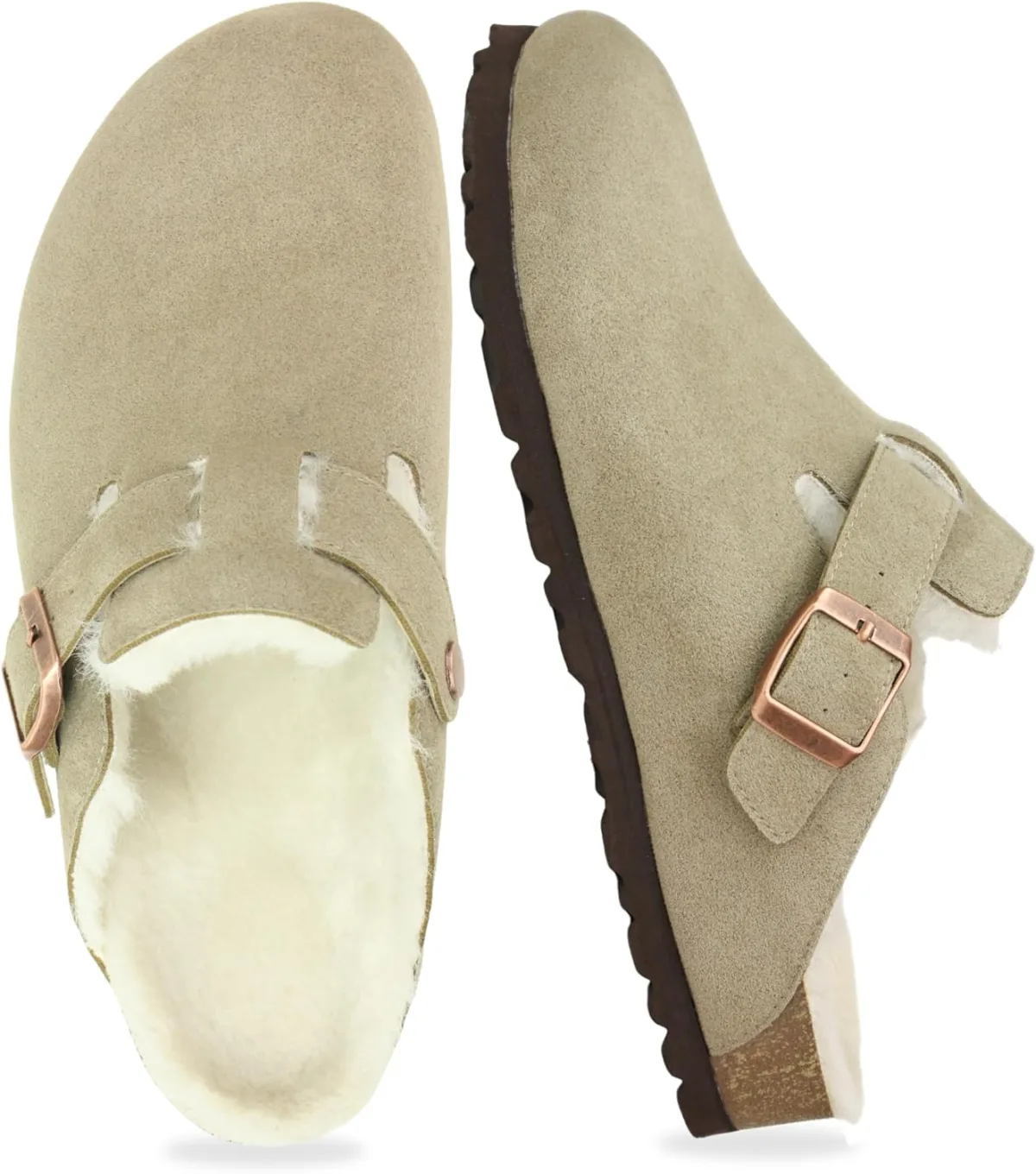
Unbranded
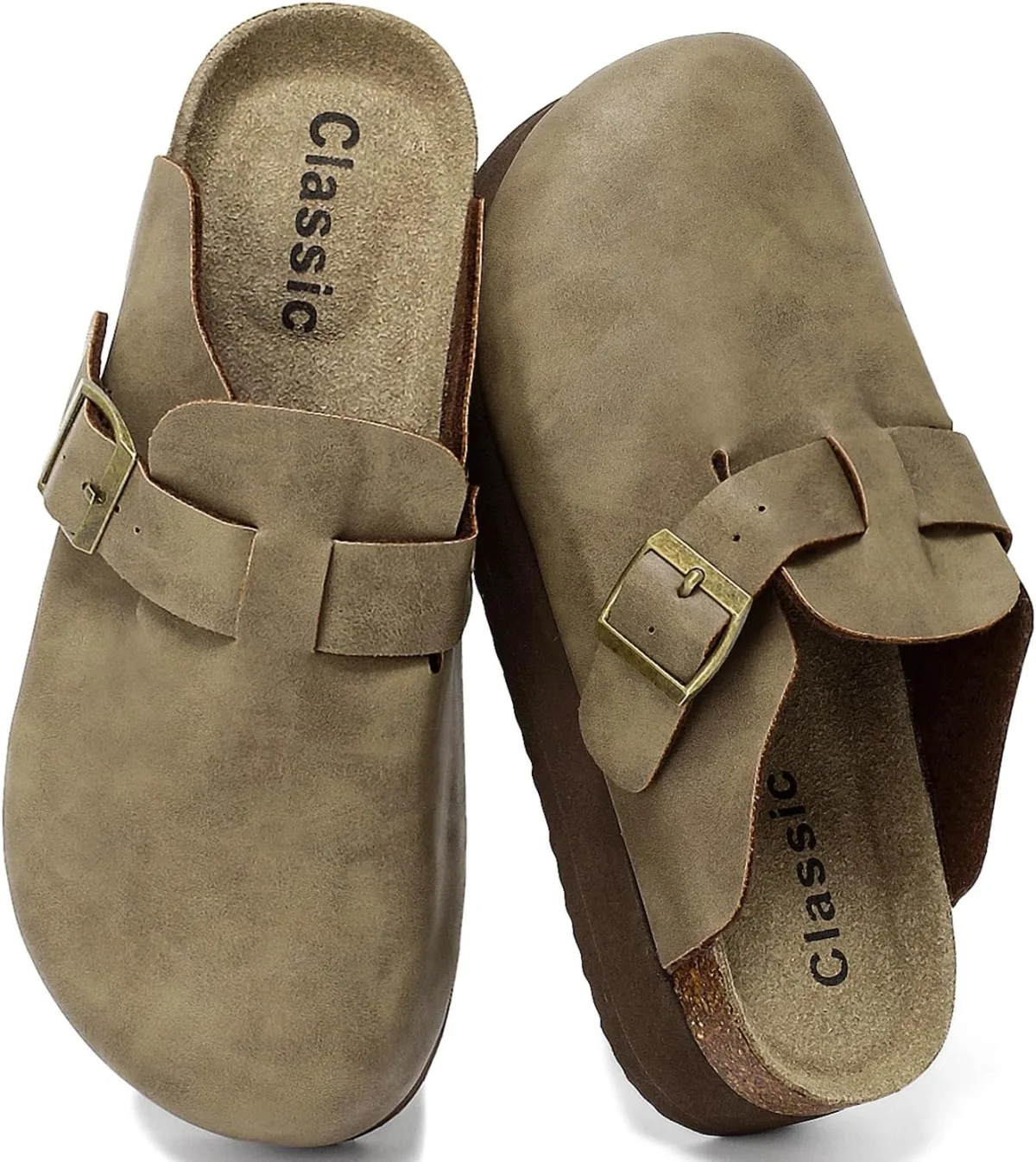
Unbranded
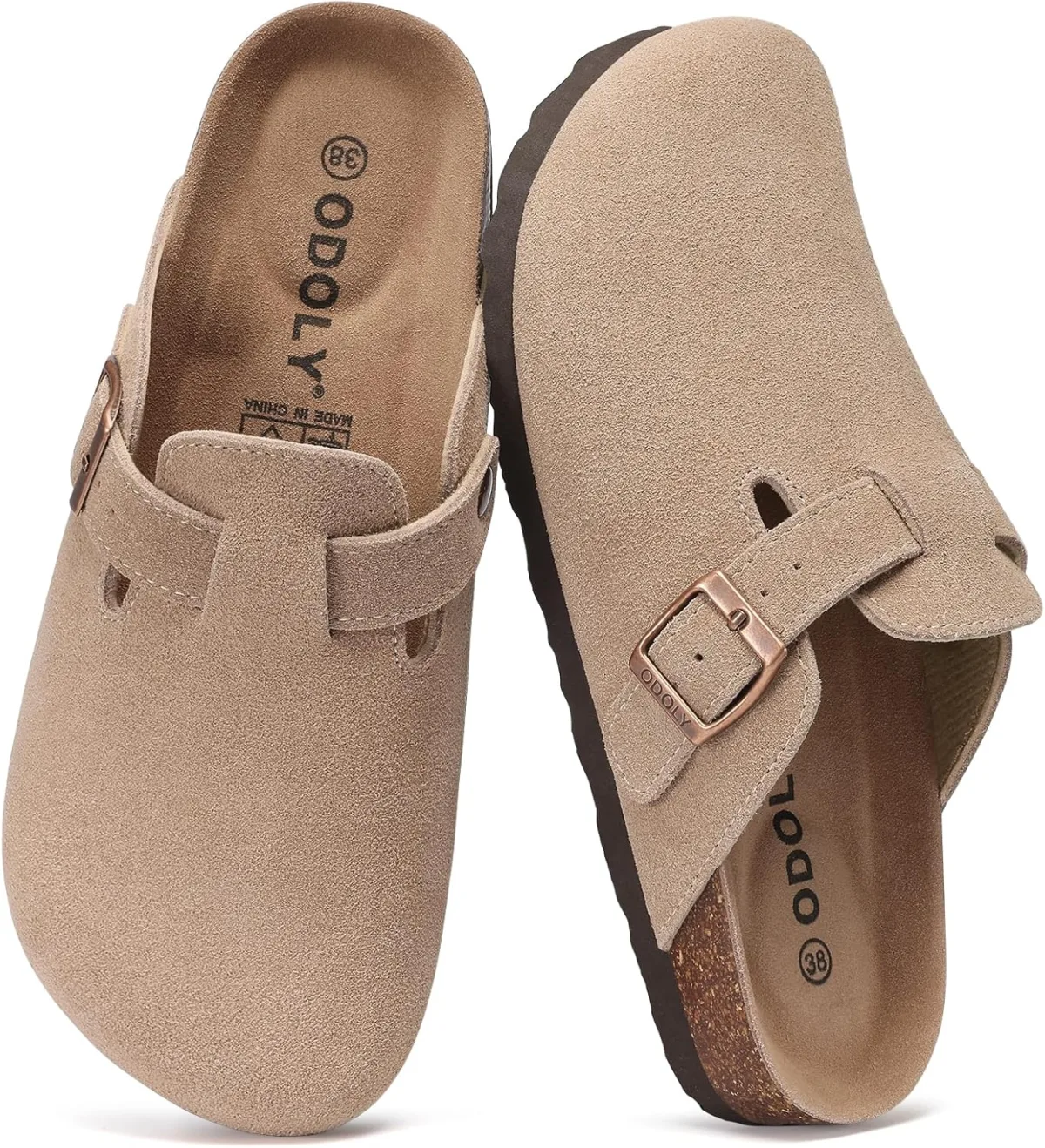
Unbranded
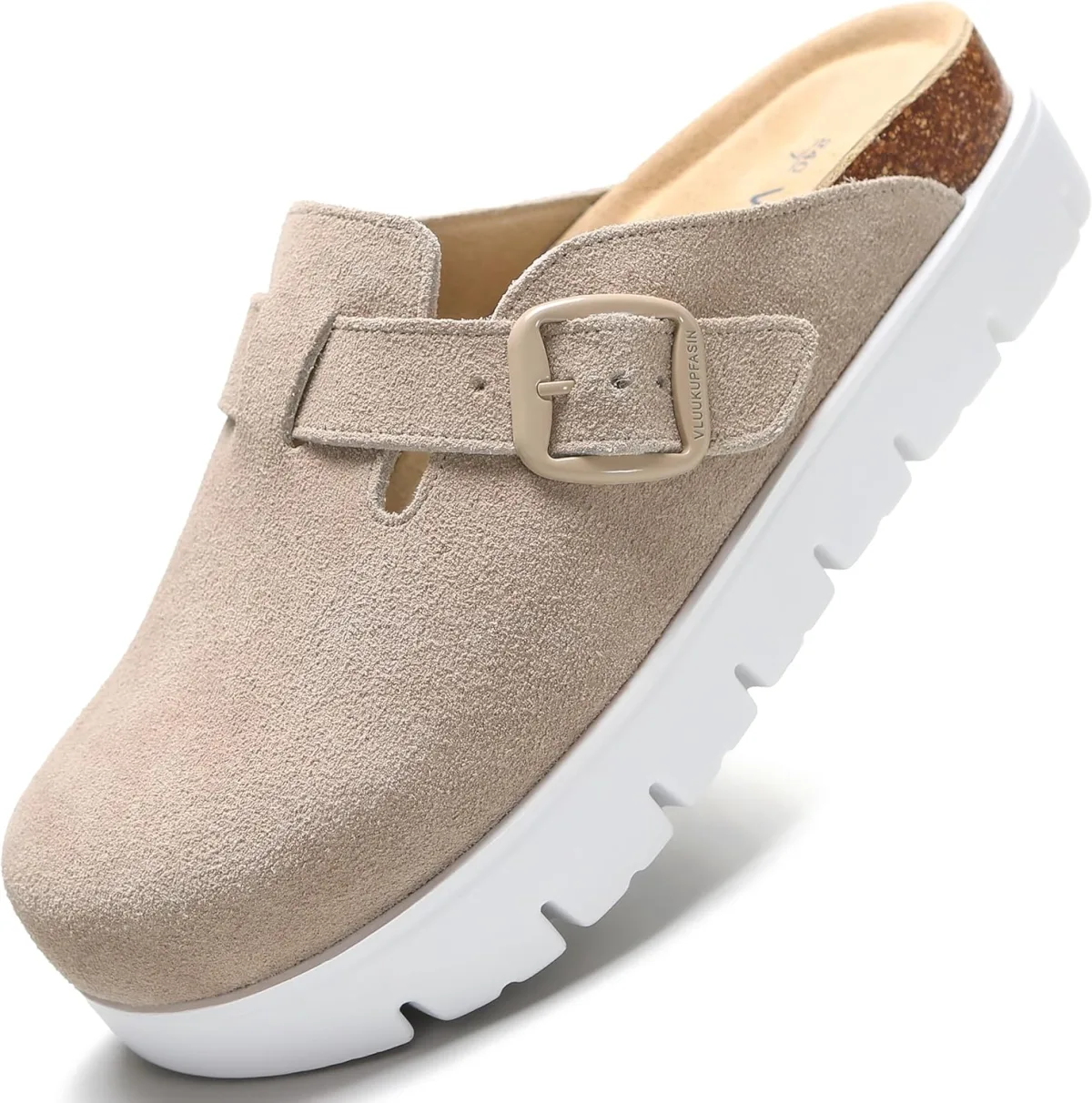
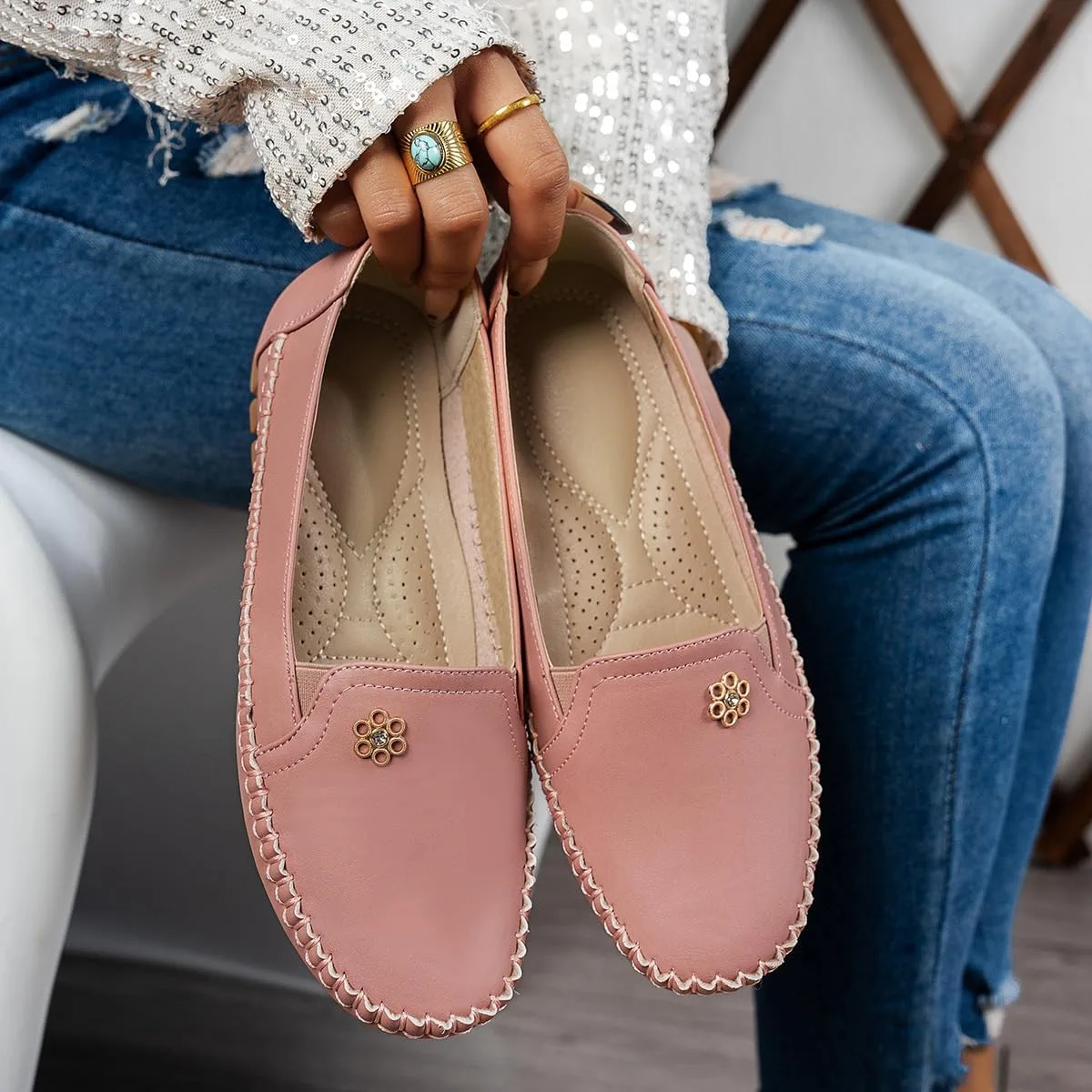
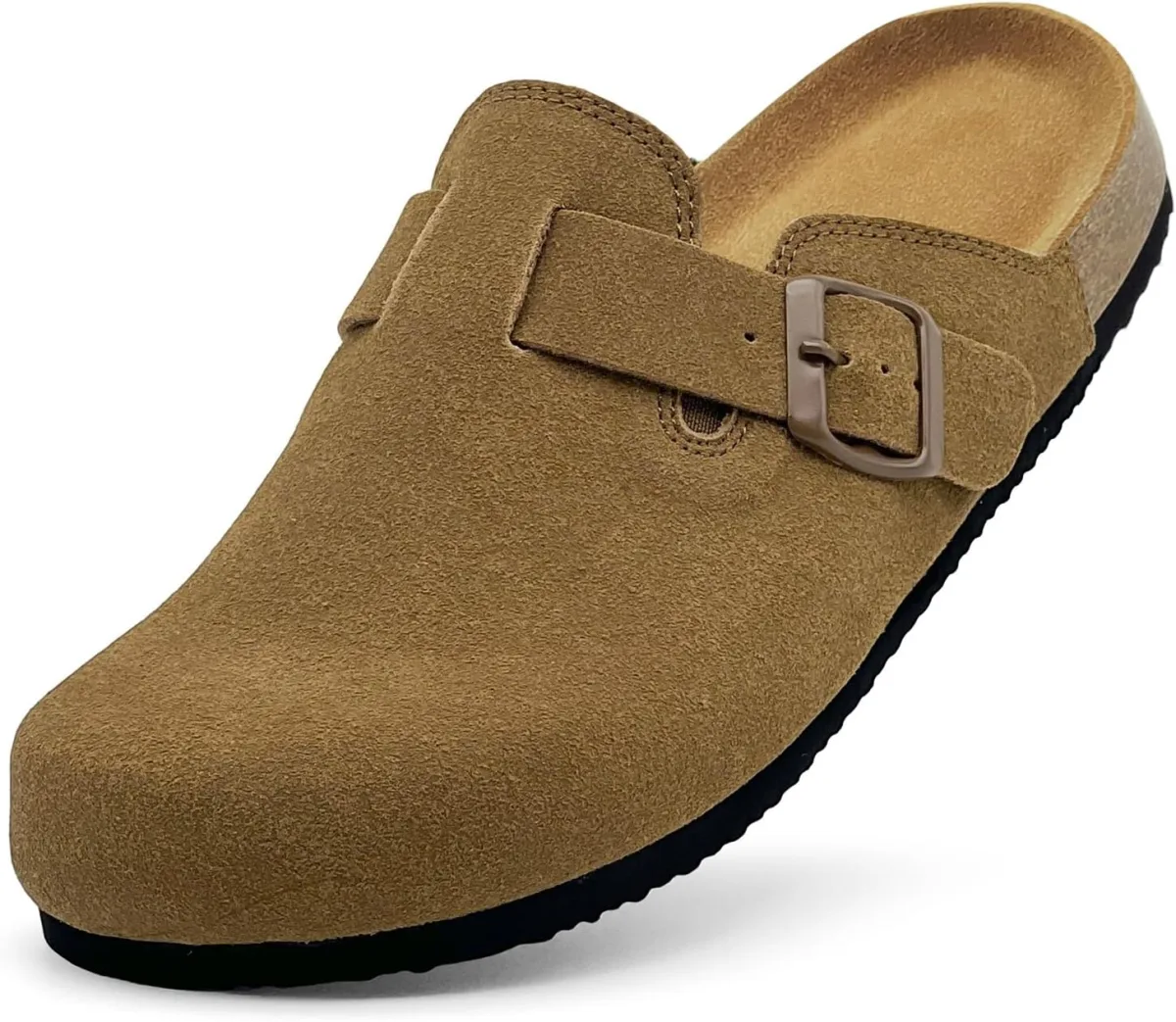
Unbranded
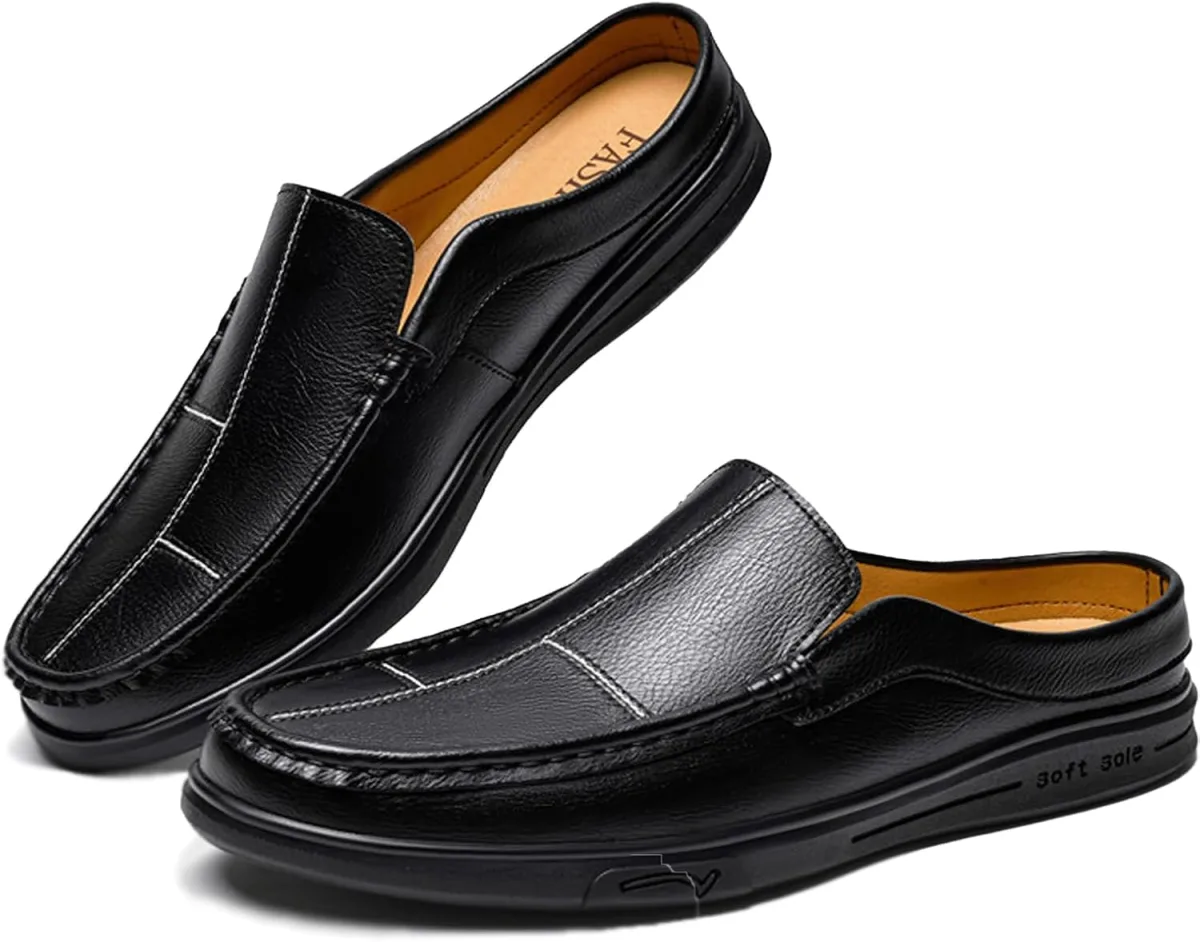
Unbranded
Unbranded
Unbranded
Unbranded
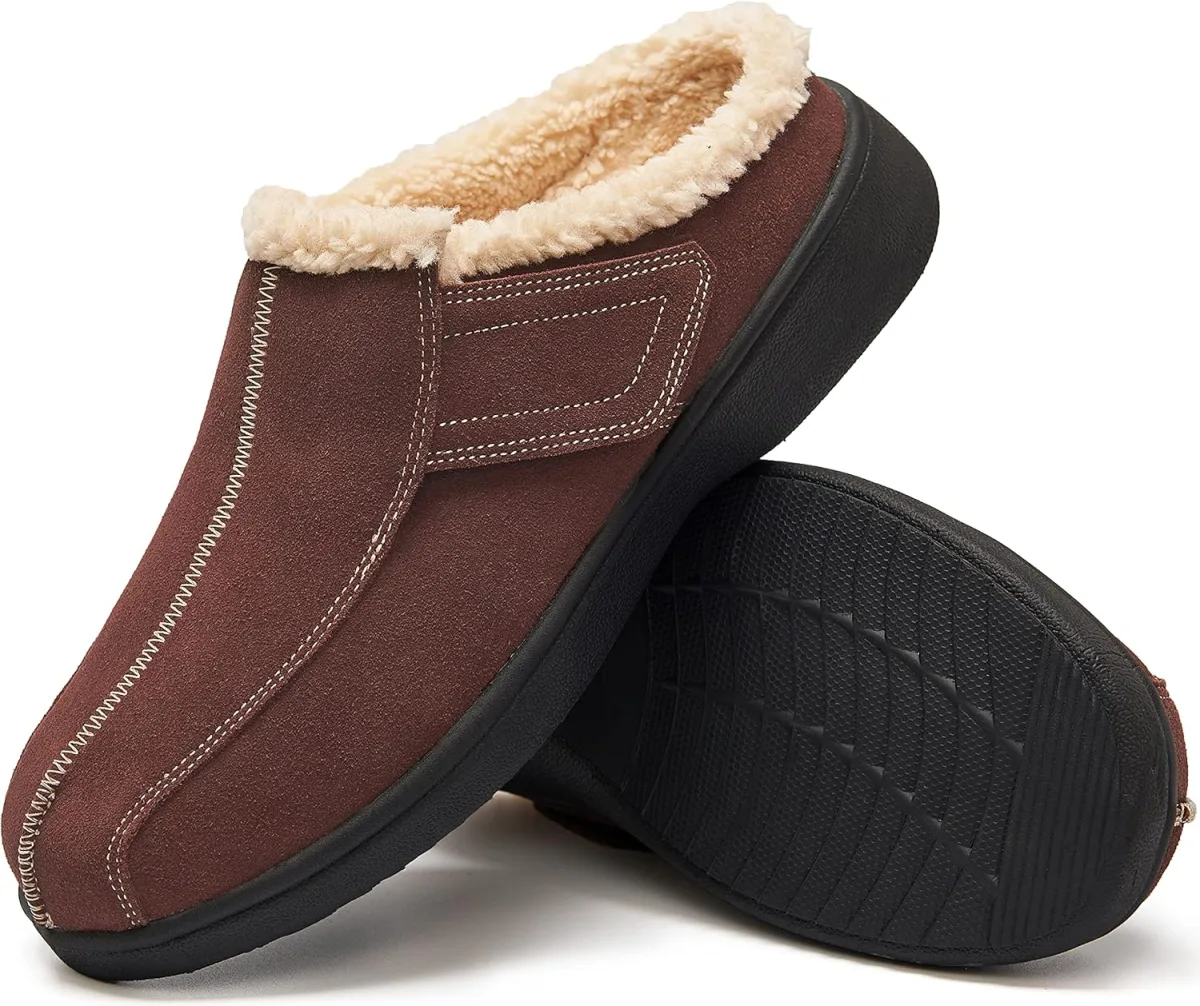
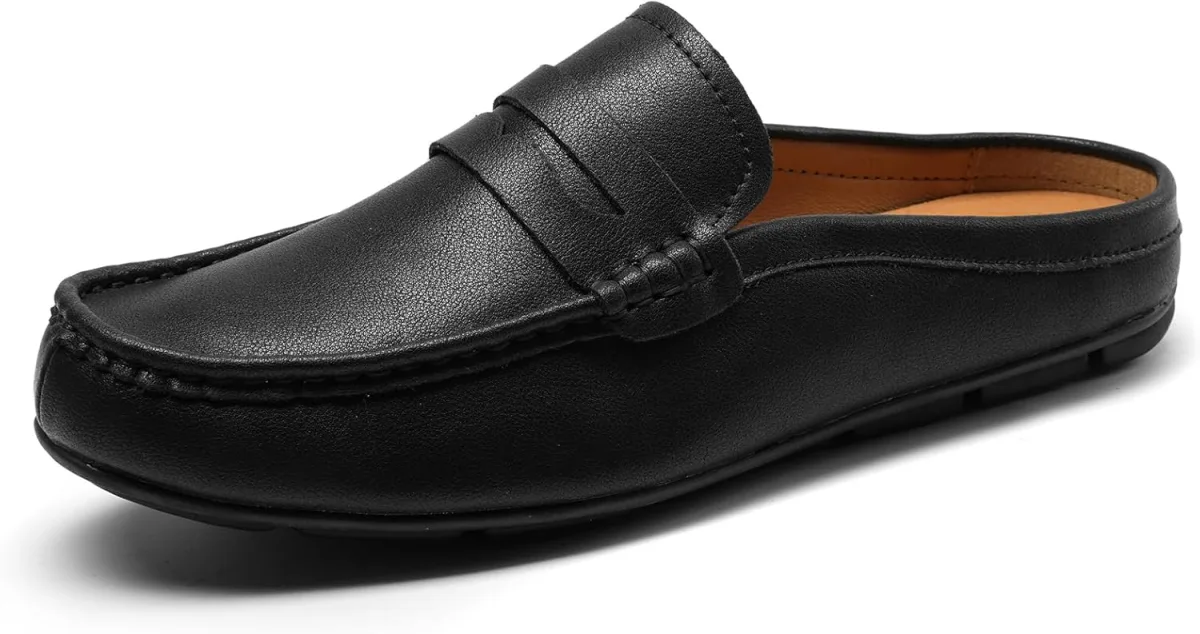
Unbranded
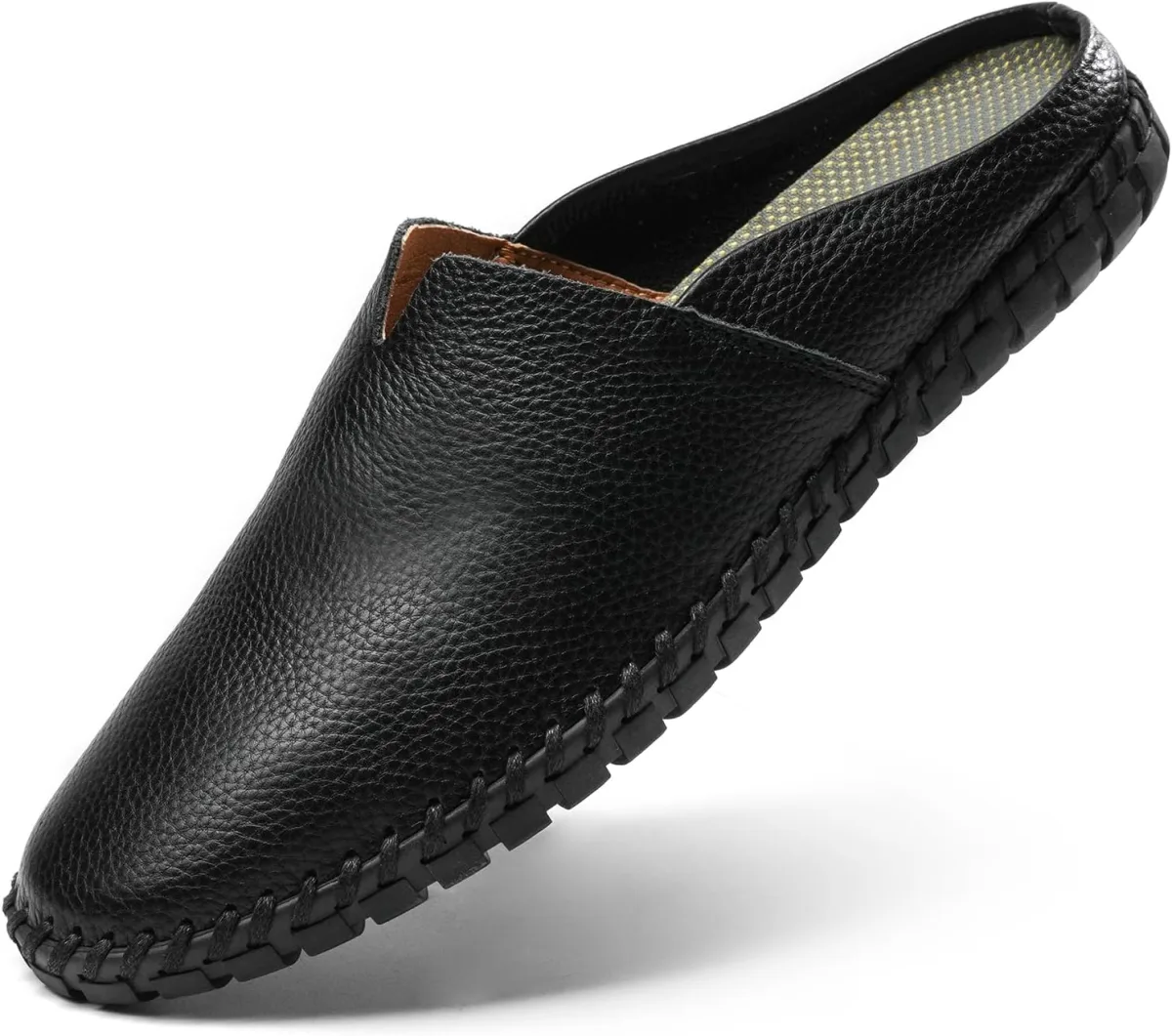
Unbranded
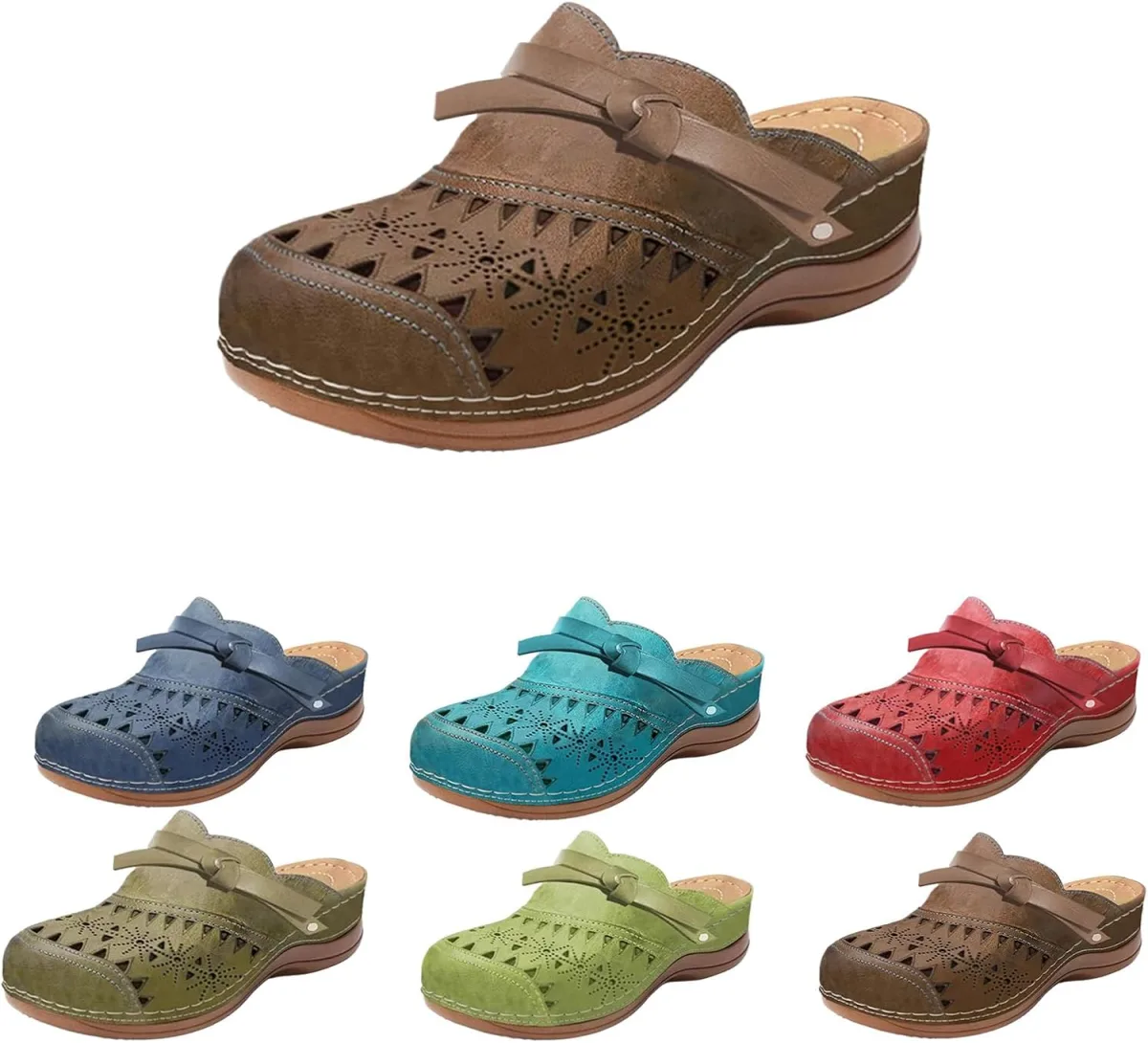
Unbranded
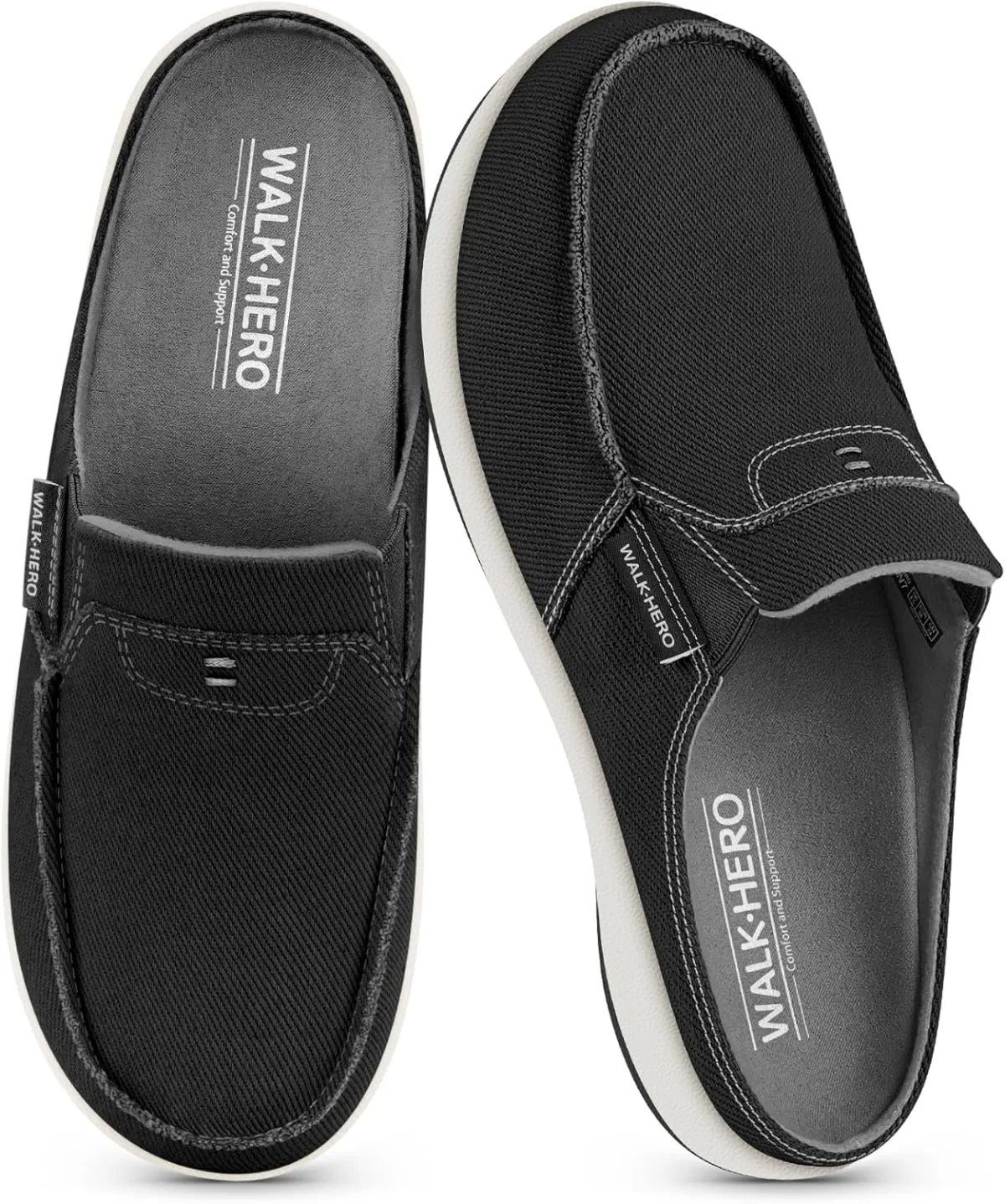
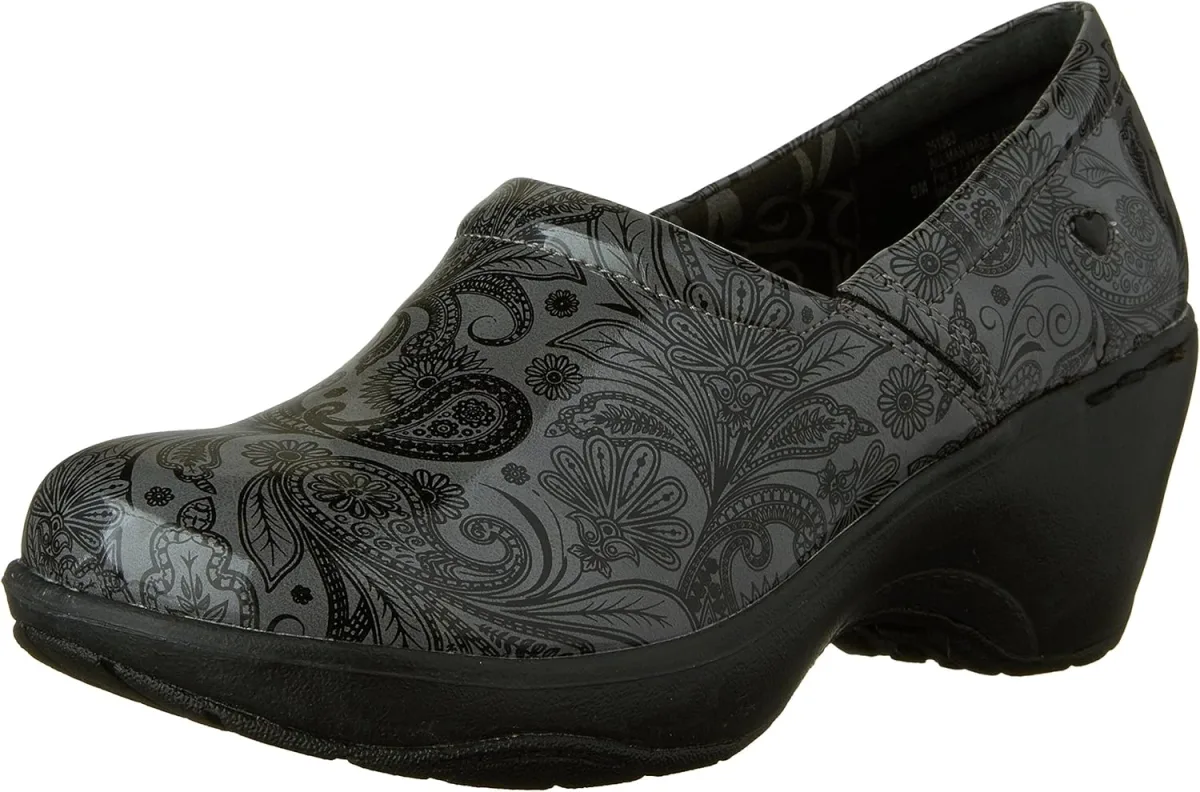
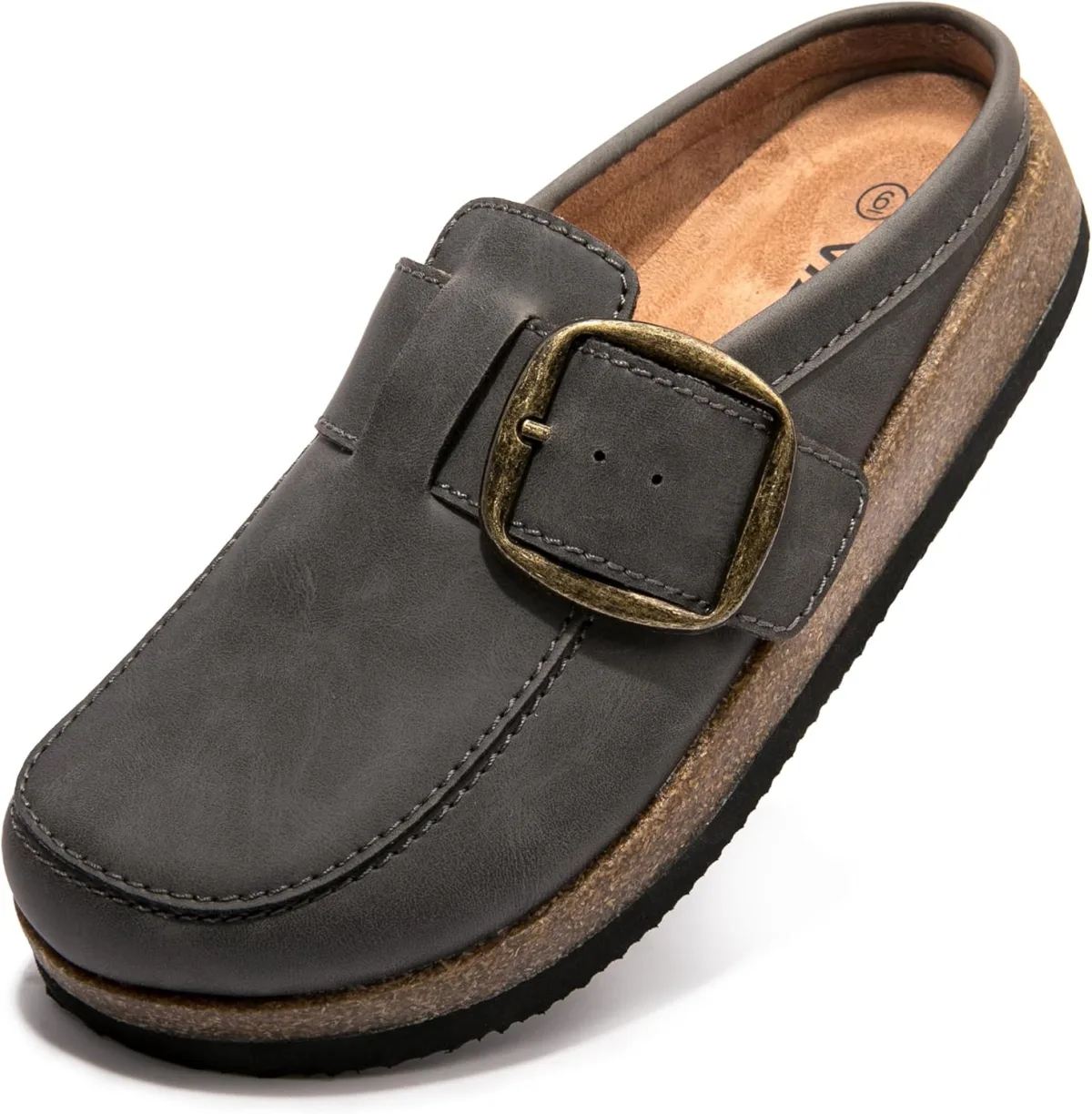
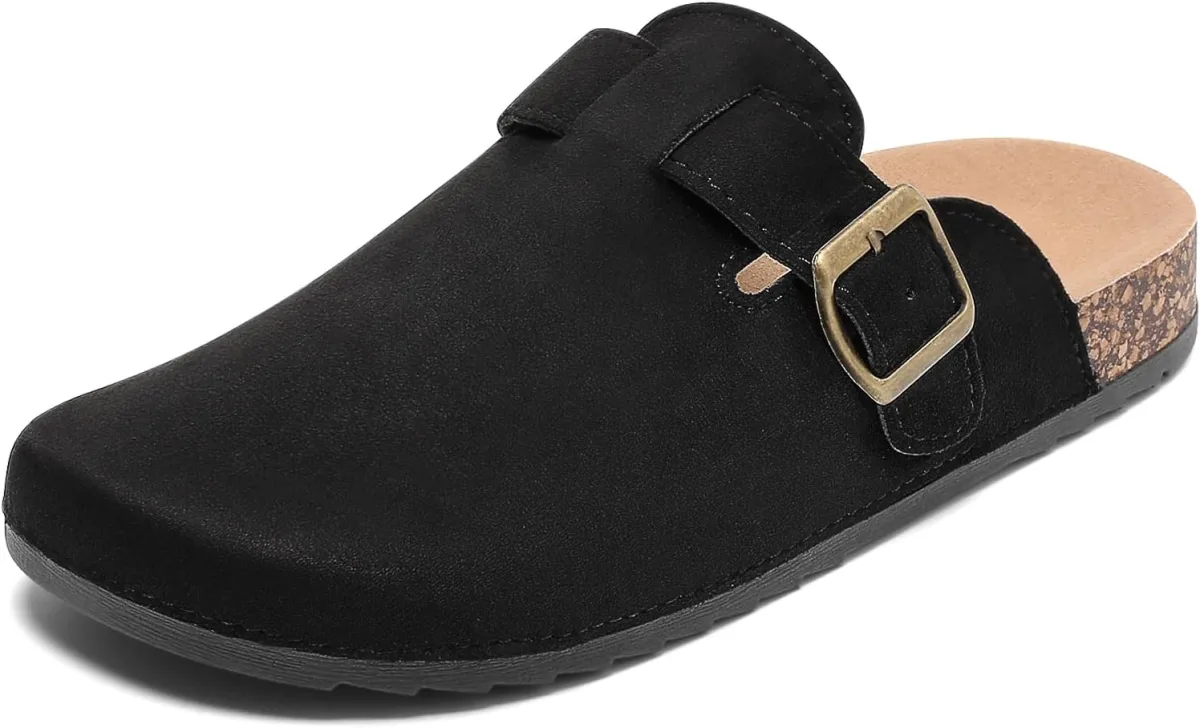
Unbranded
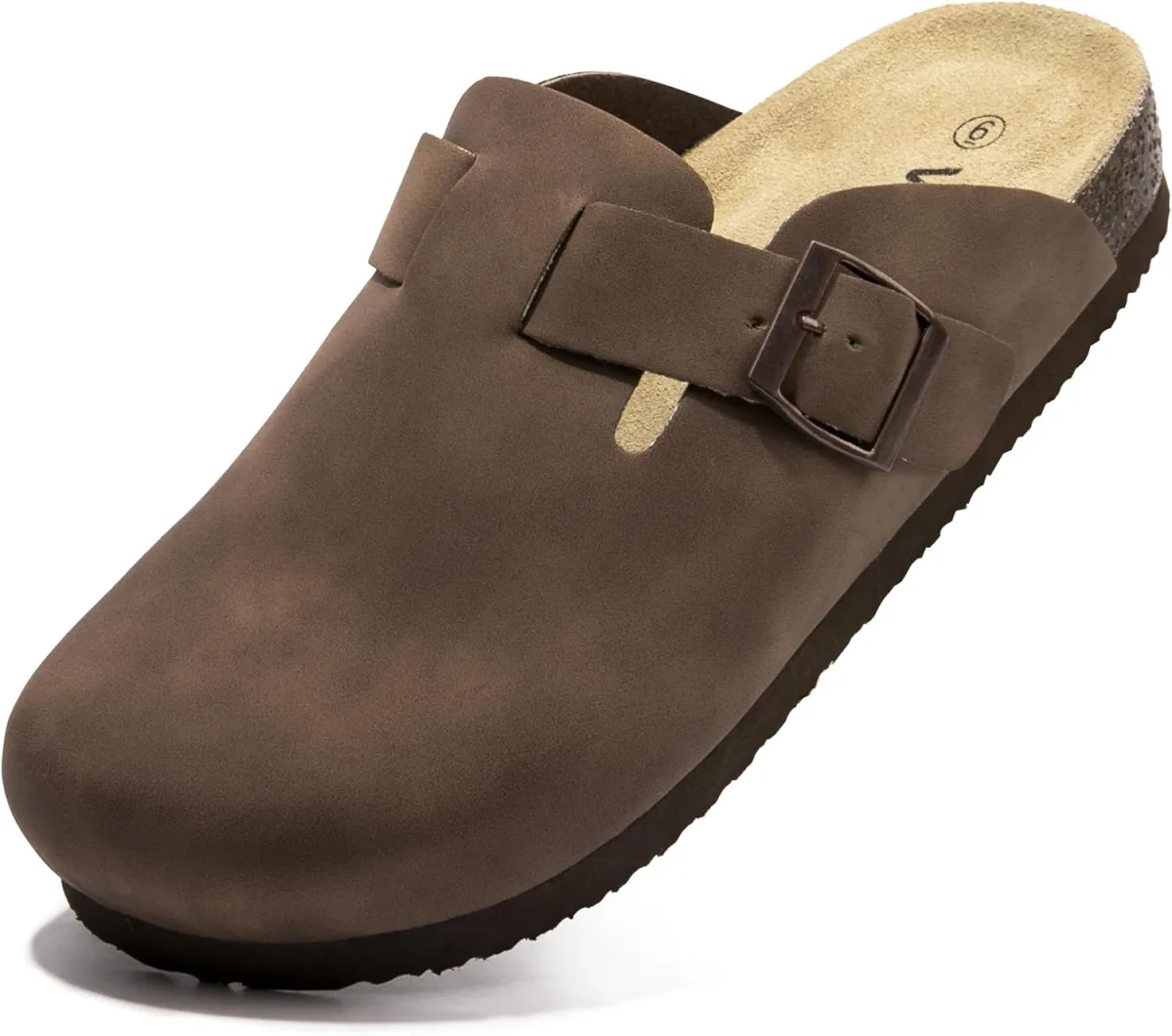
Unbranded
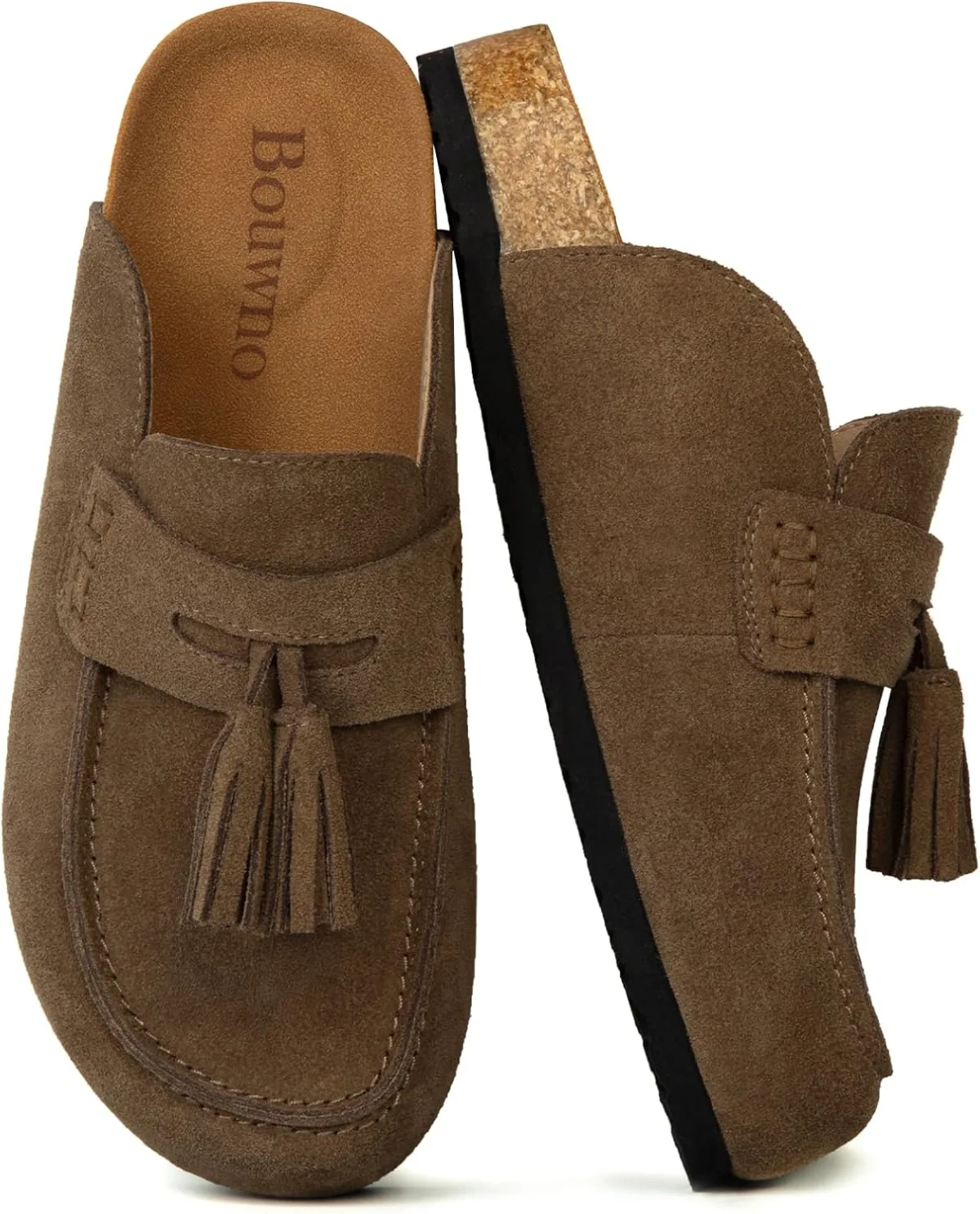
Unbranded
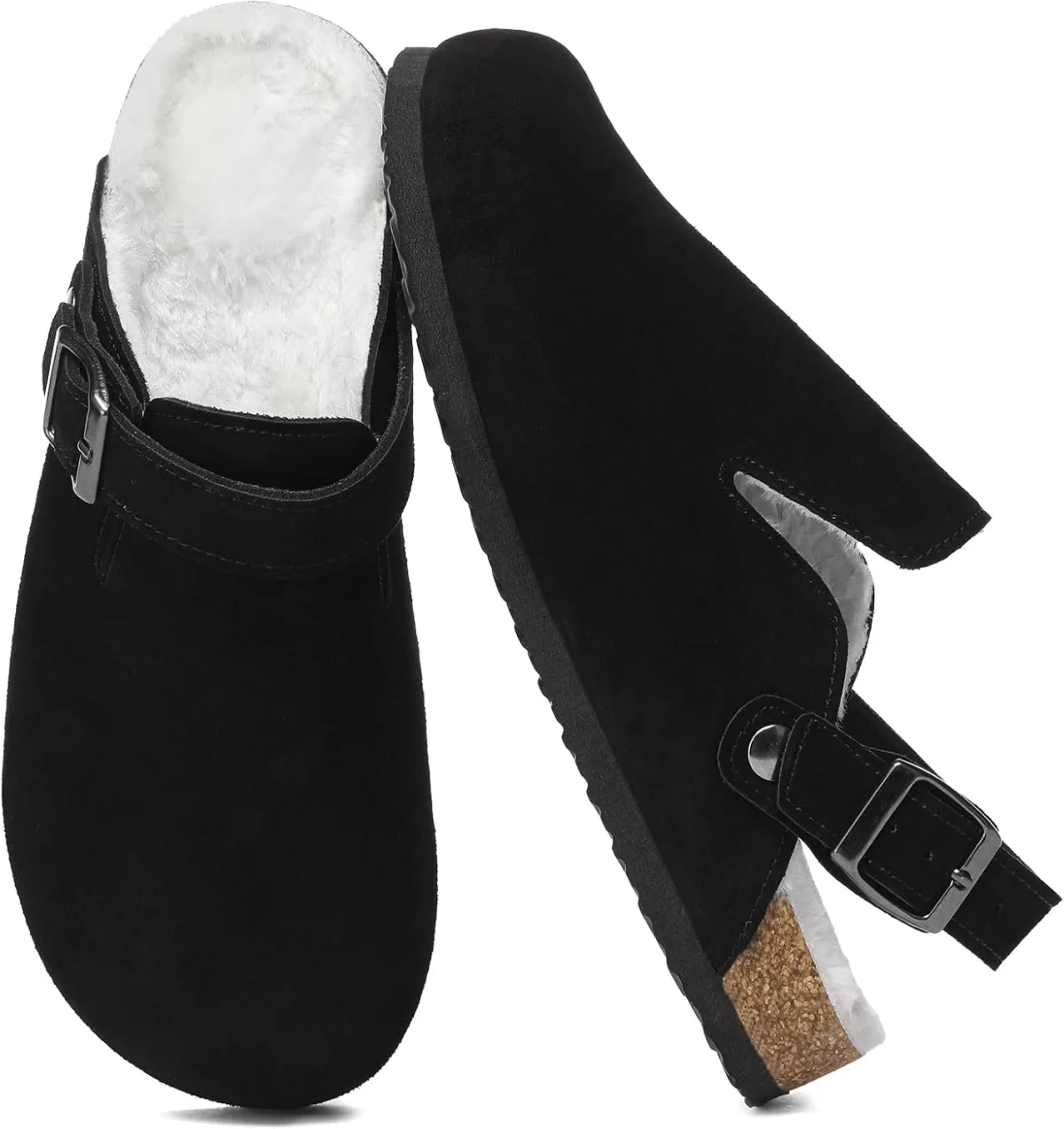
Unbranded
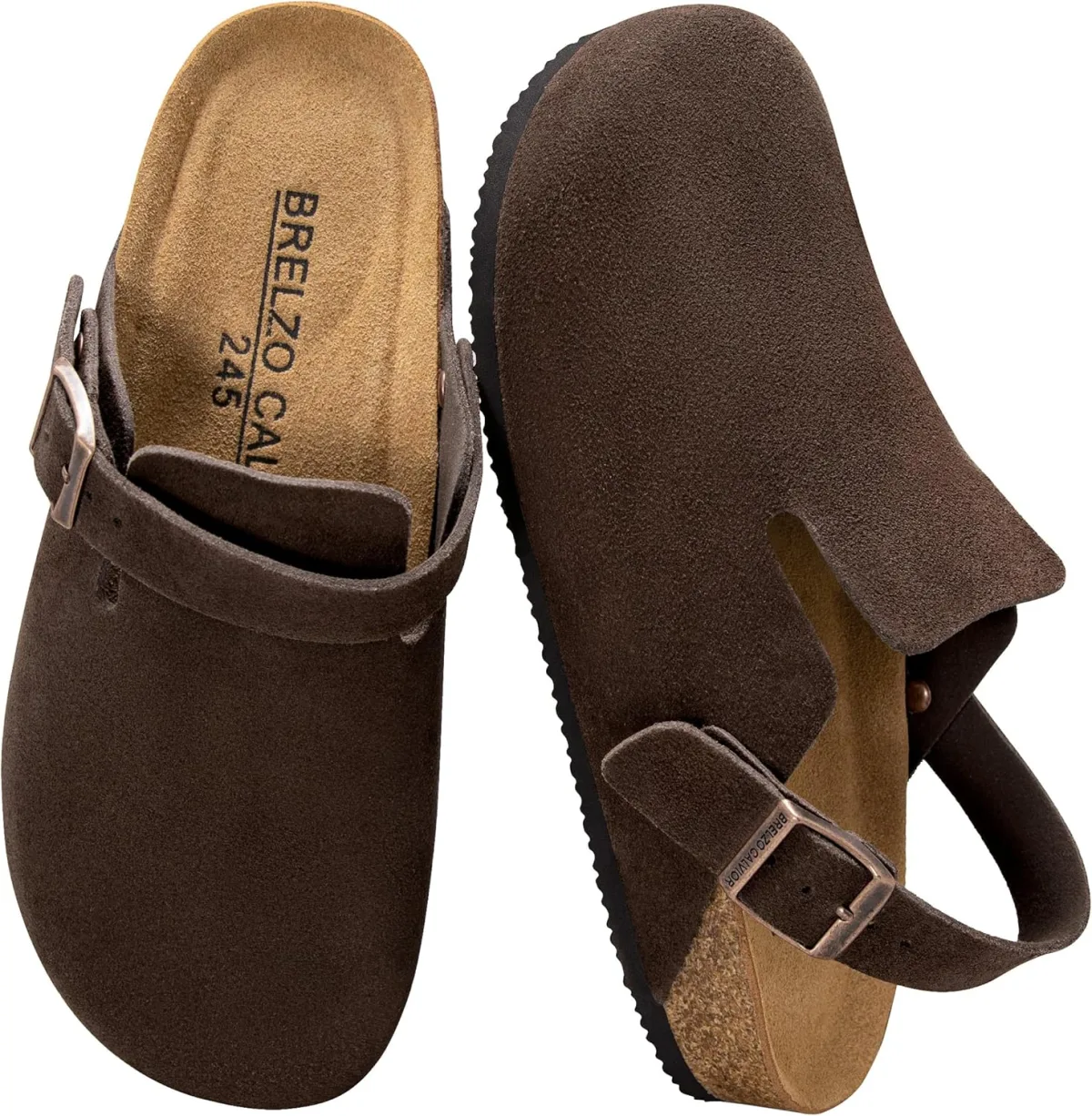
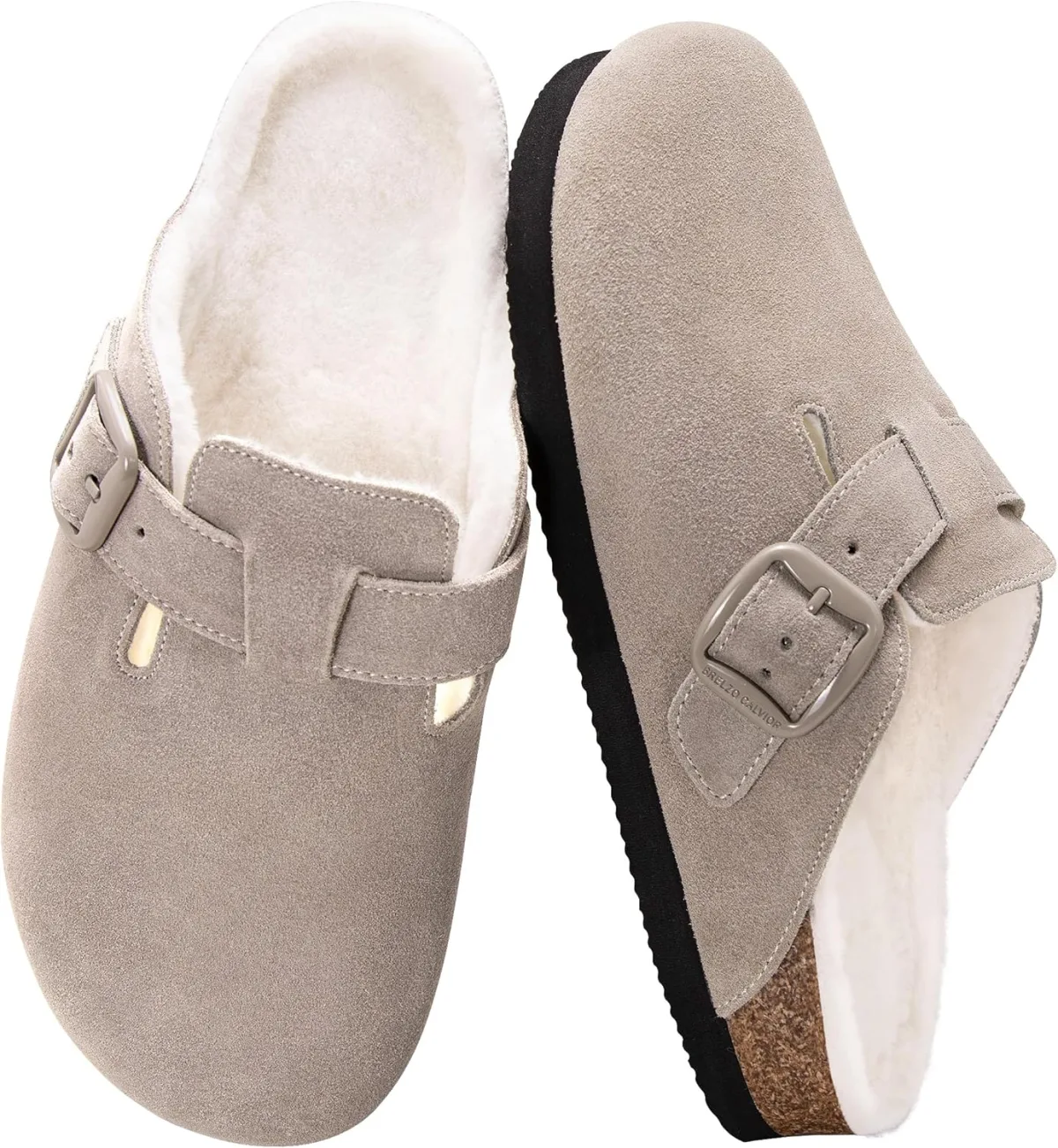
Unbranded
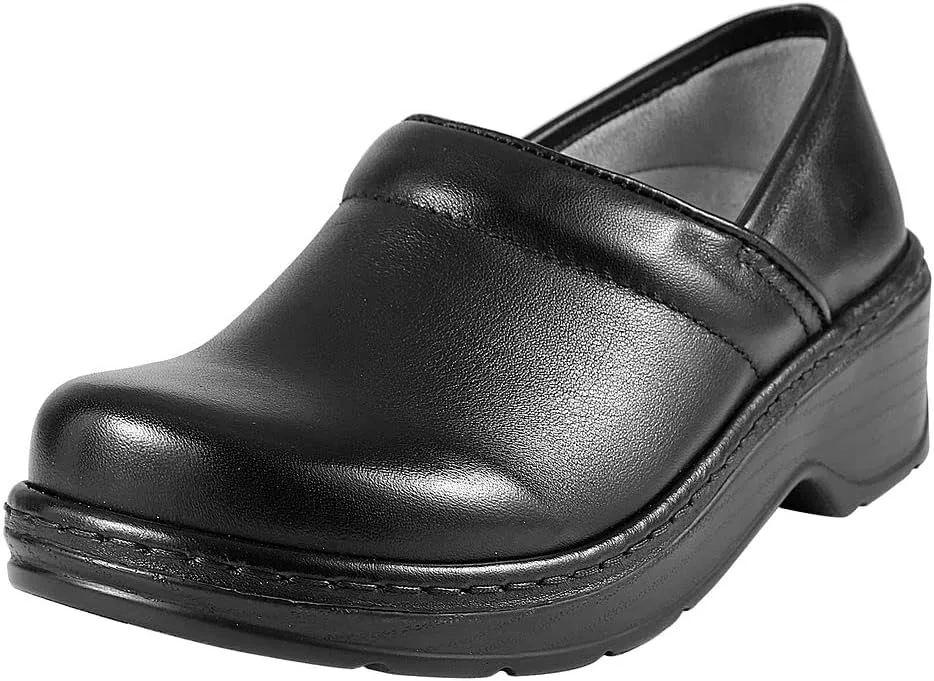
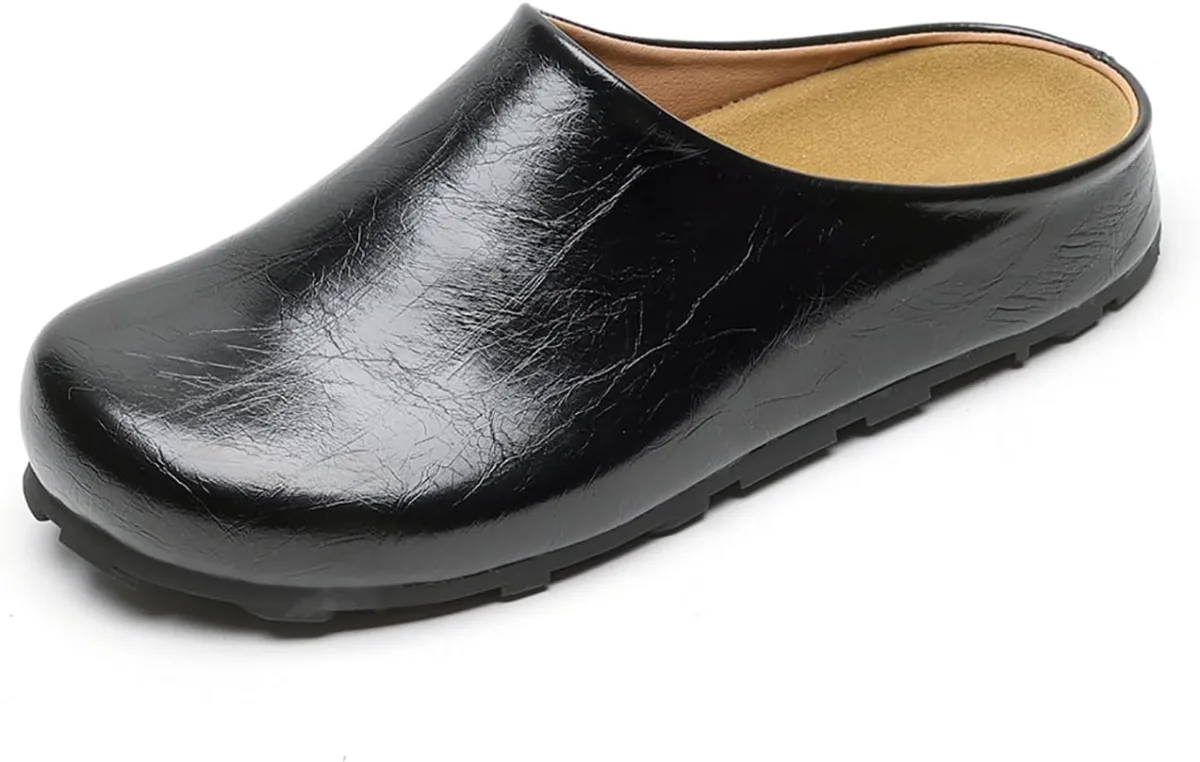
Unbranded
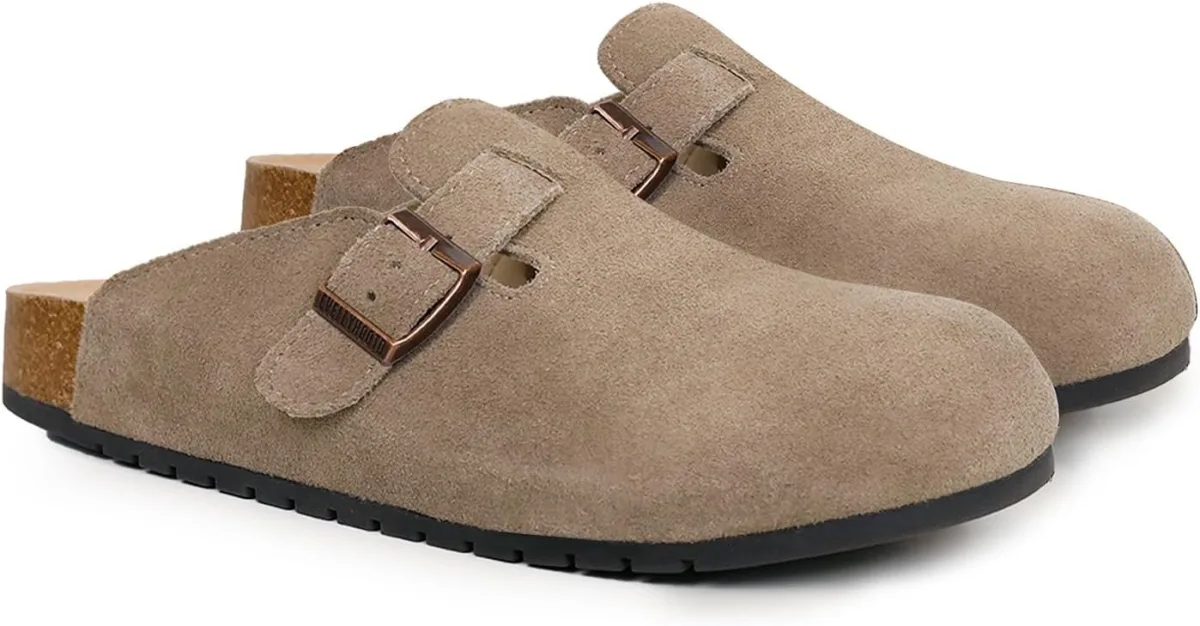
Unbranded
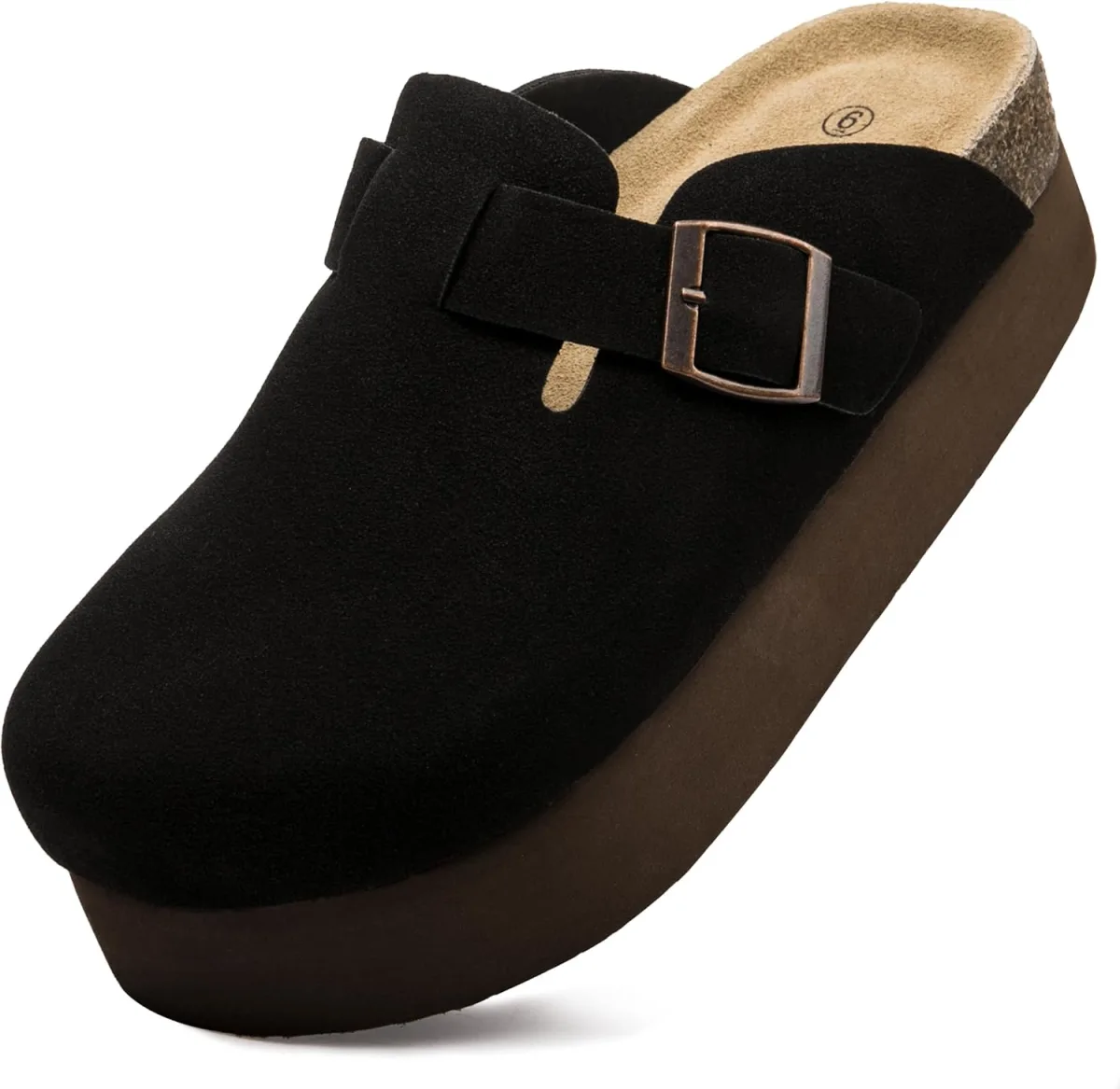
Unbranded
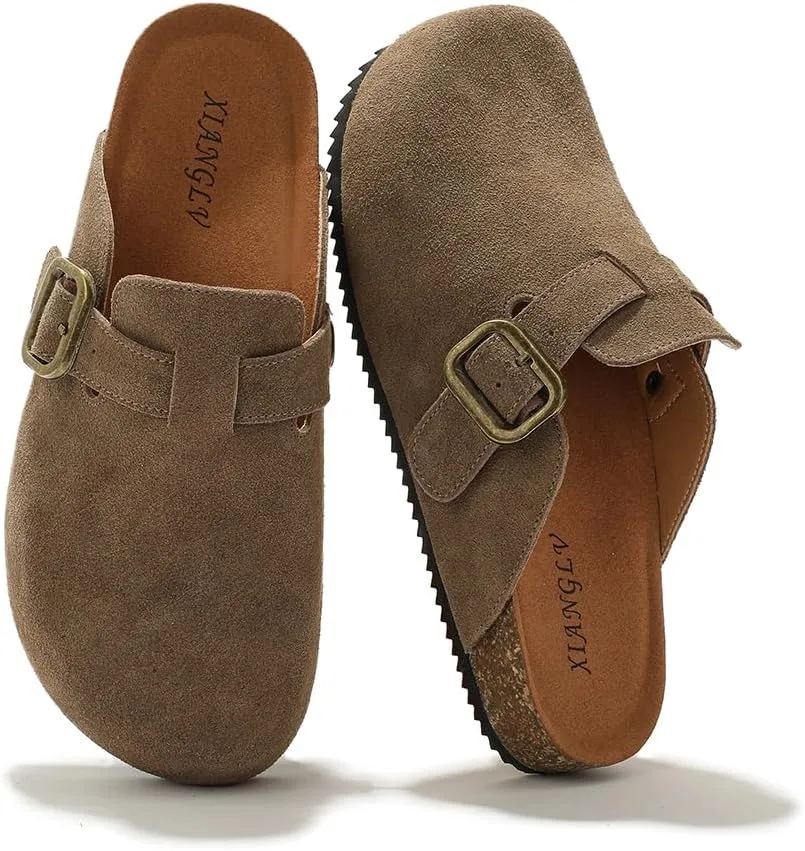
Unbranded
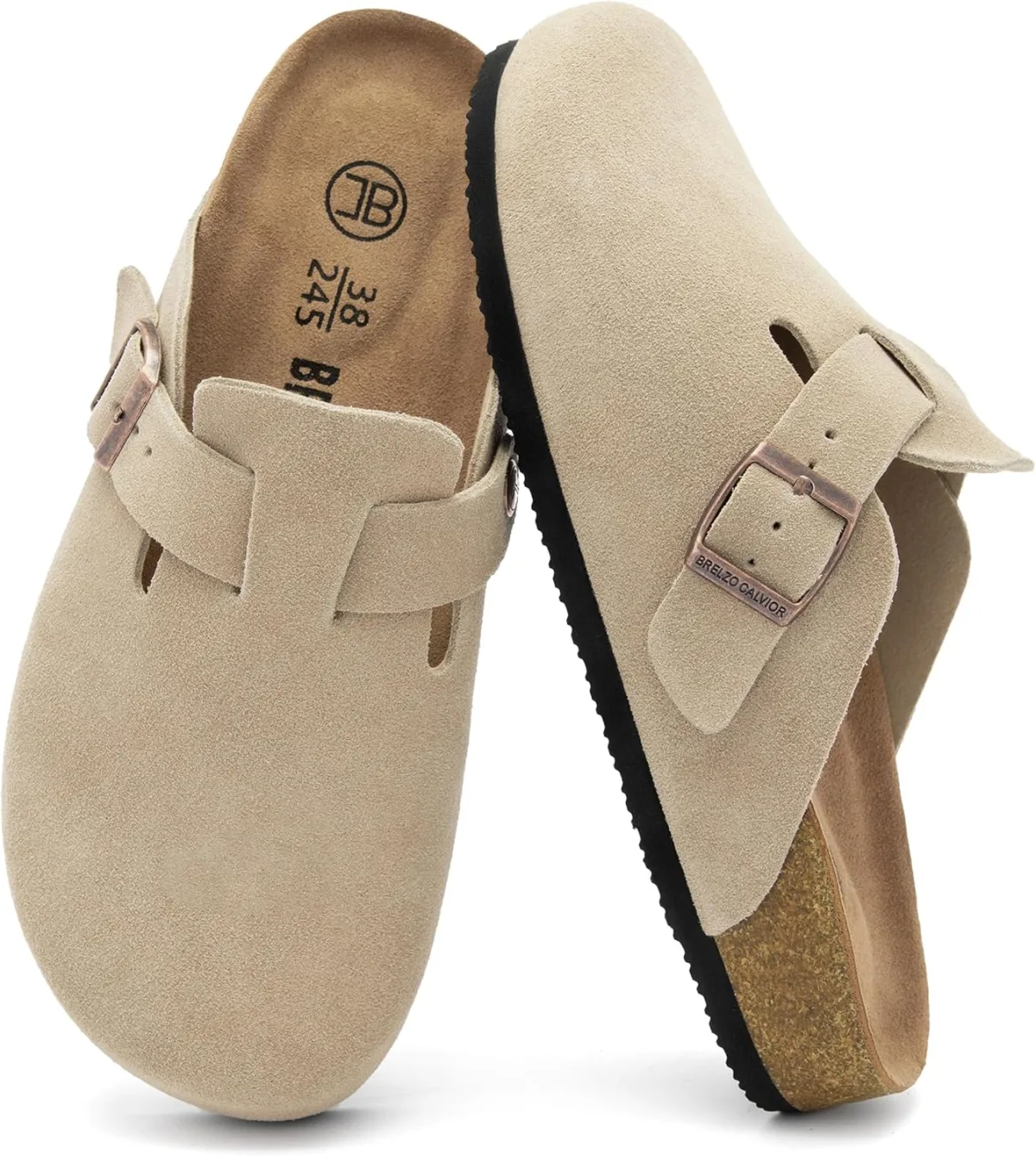
Unbranded
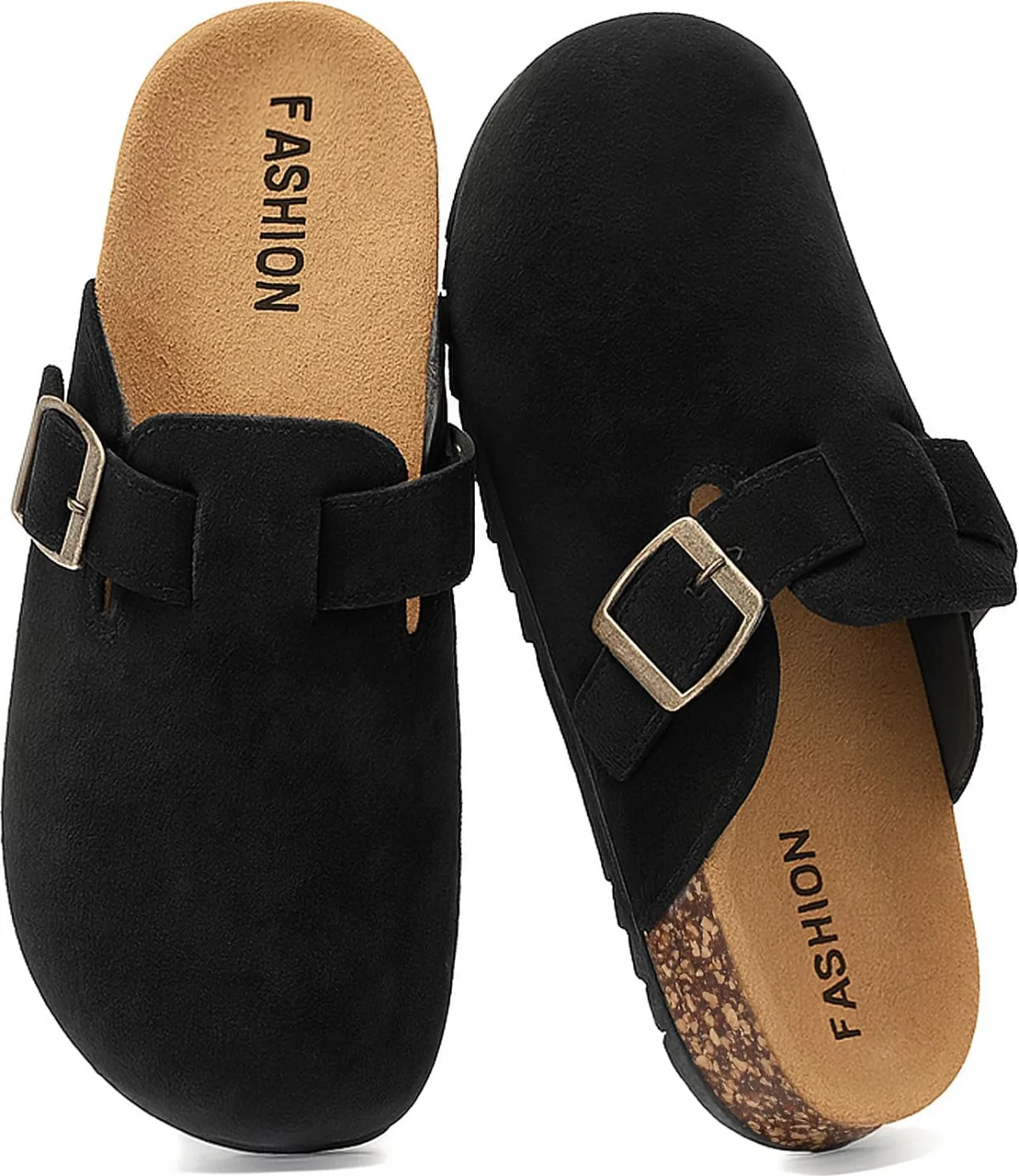
Unbranded
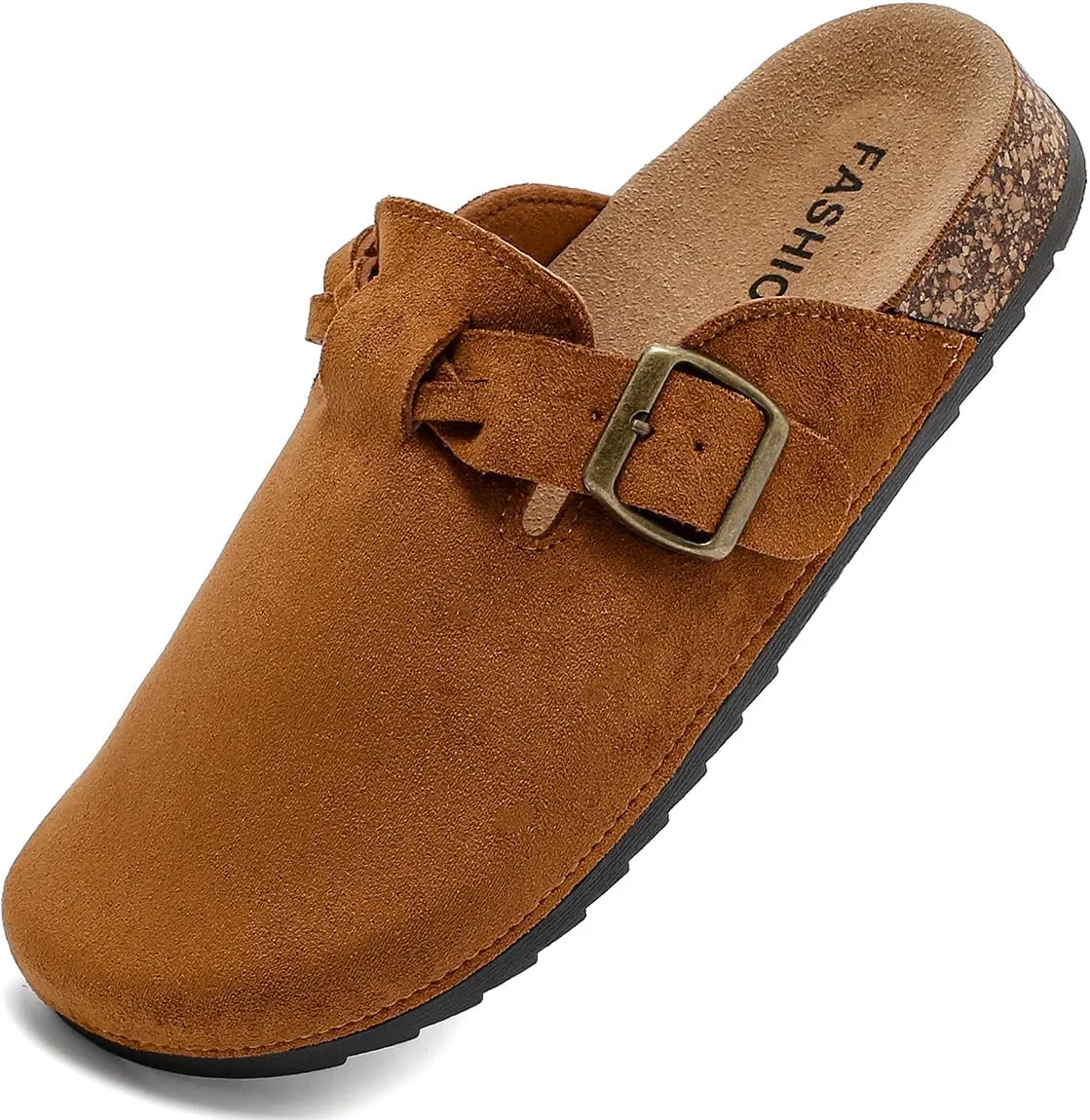
Unbranded
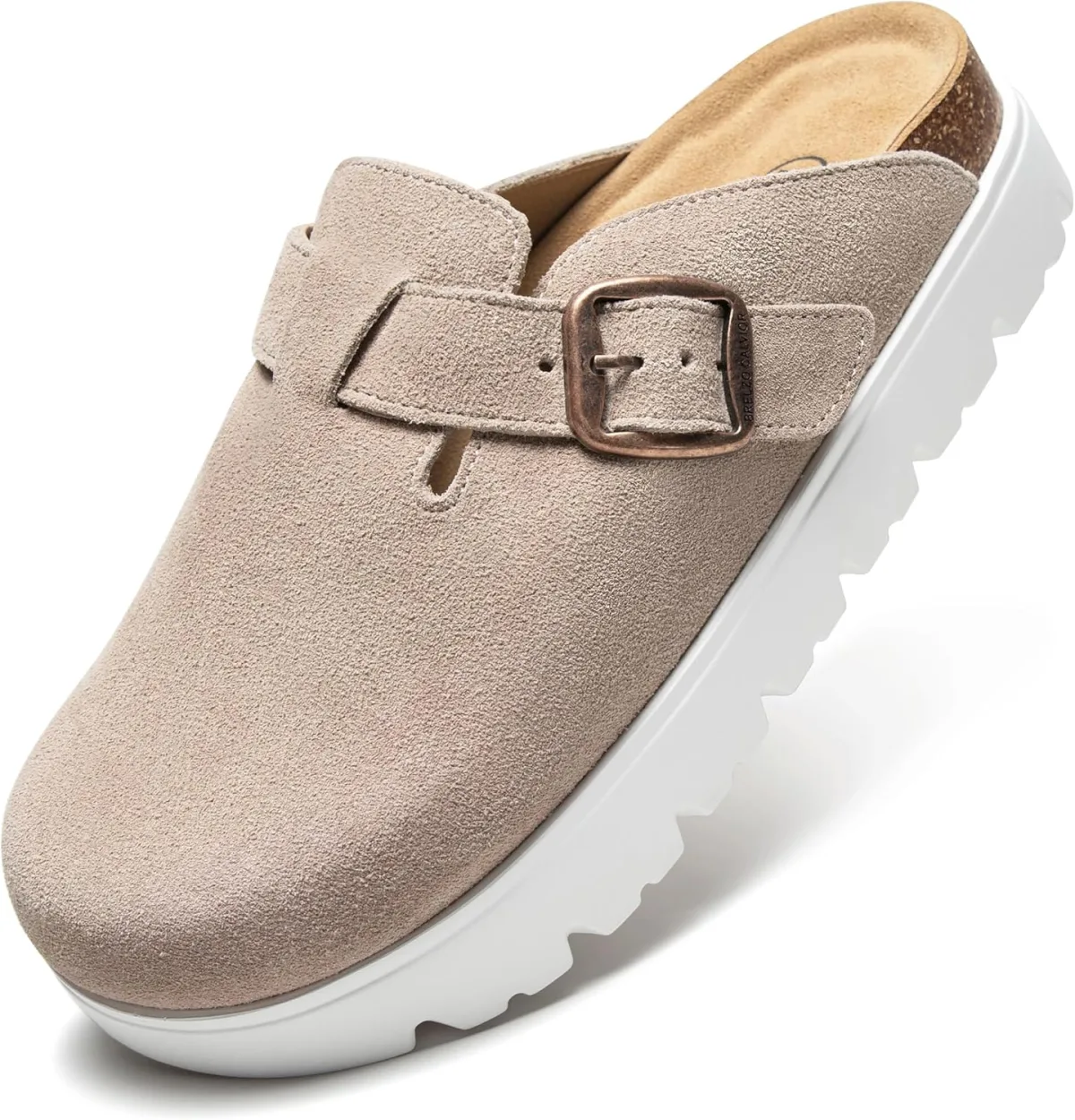
Unbranded
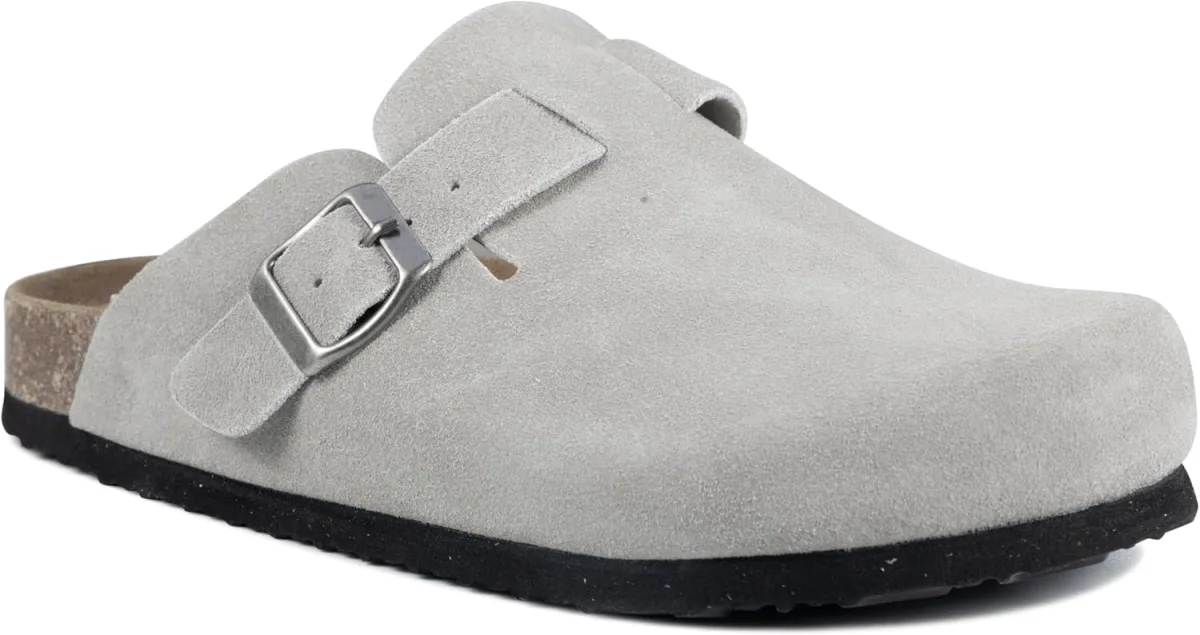
Unbranded
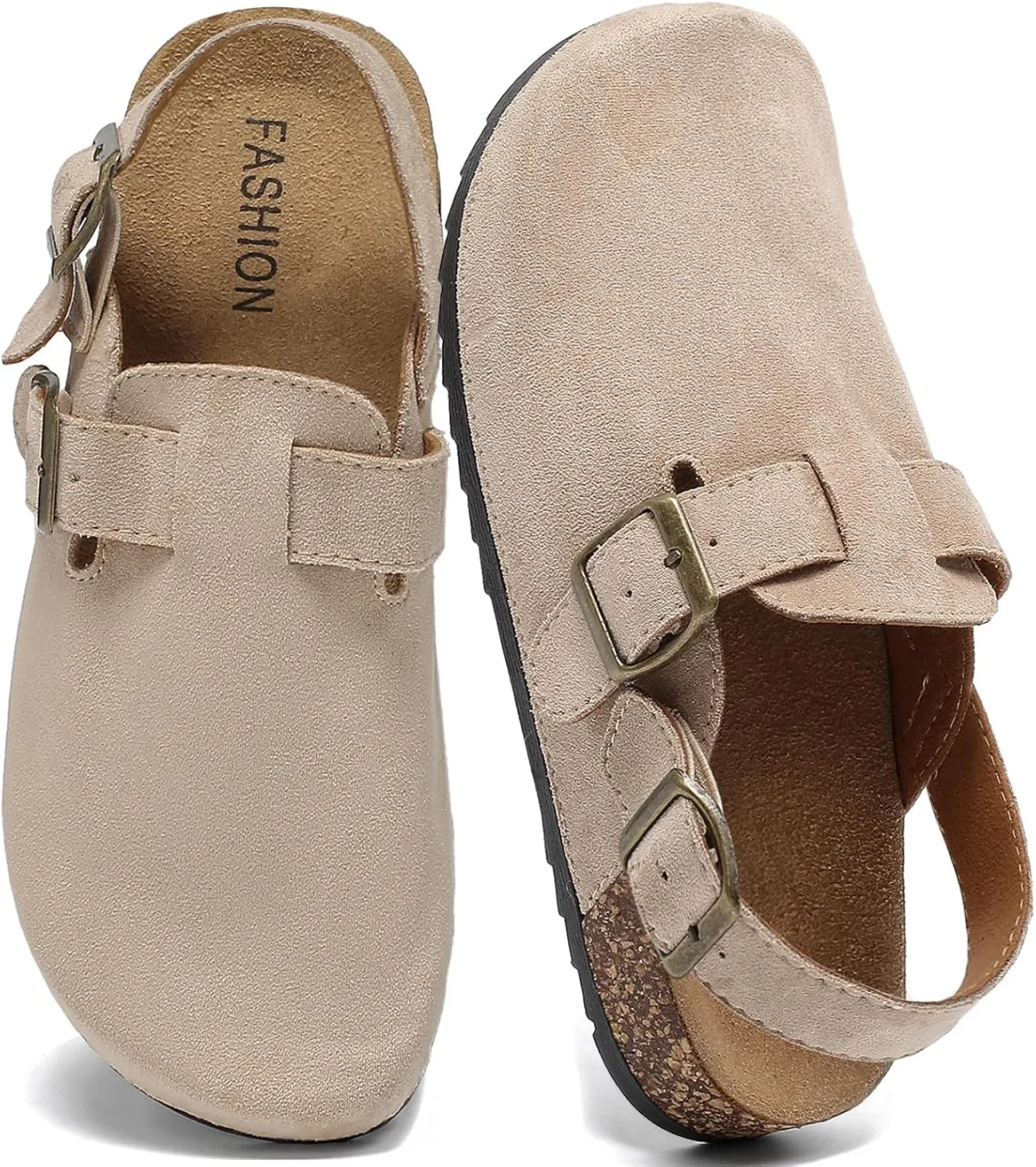
Unbranded
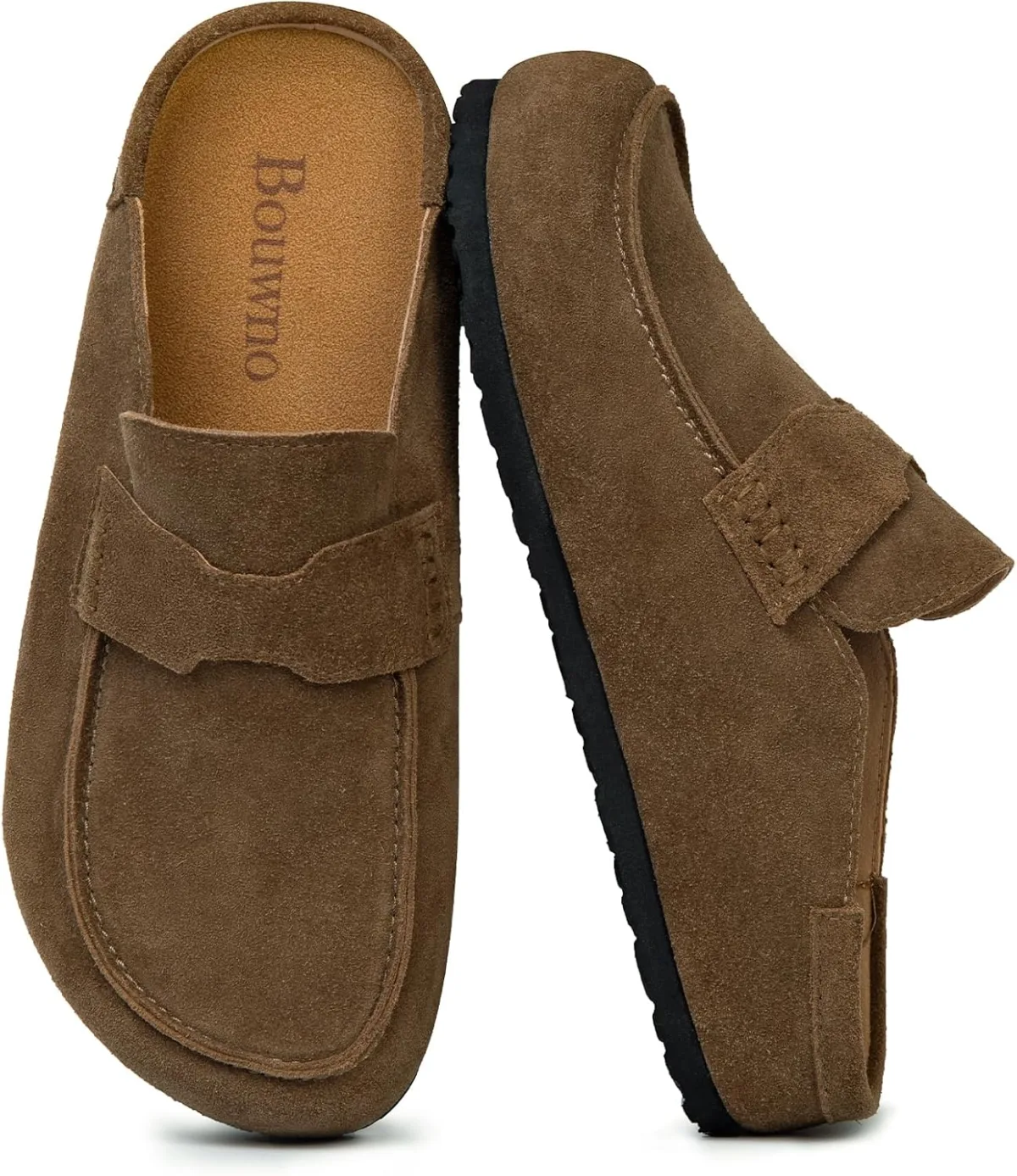
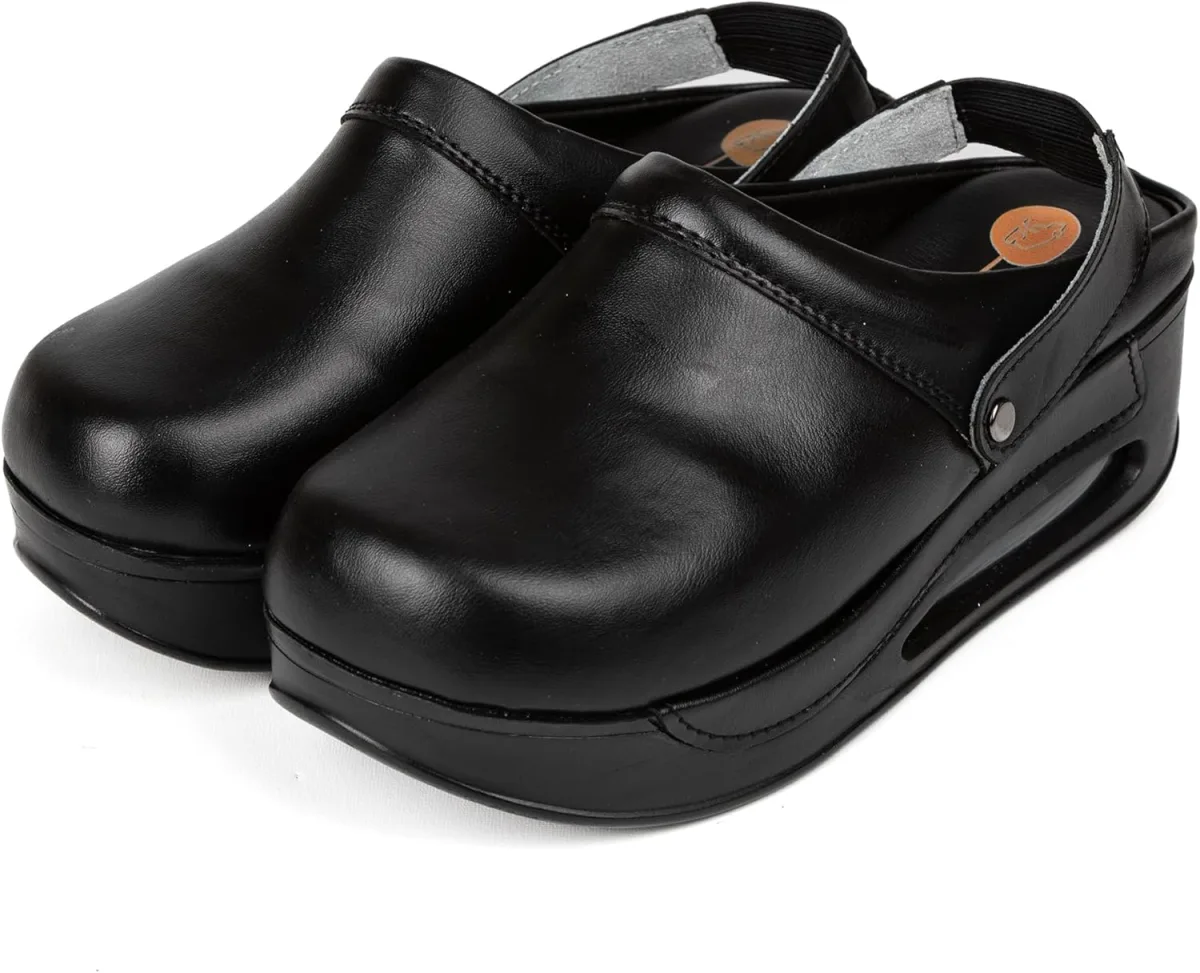
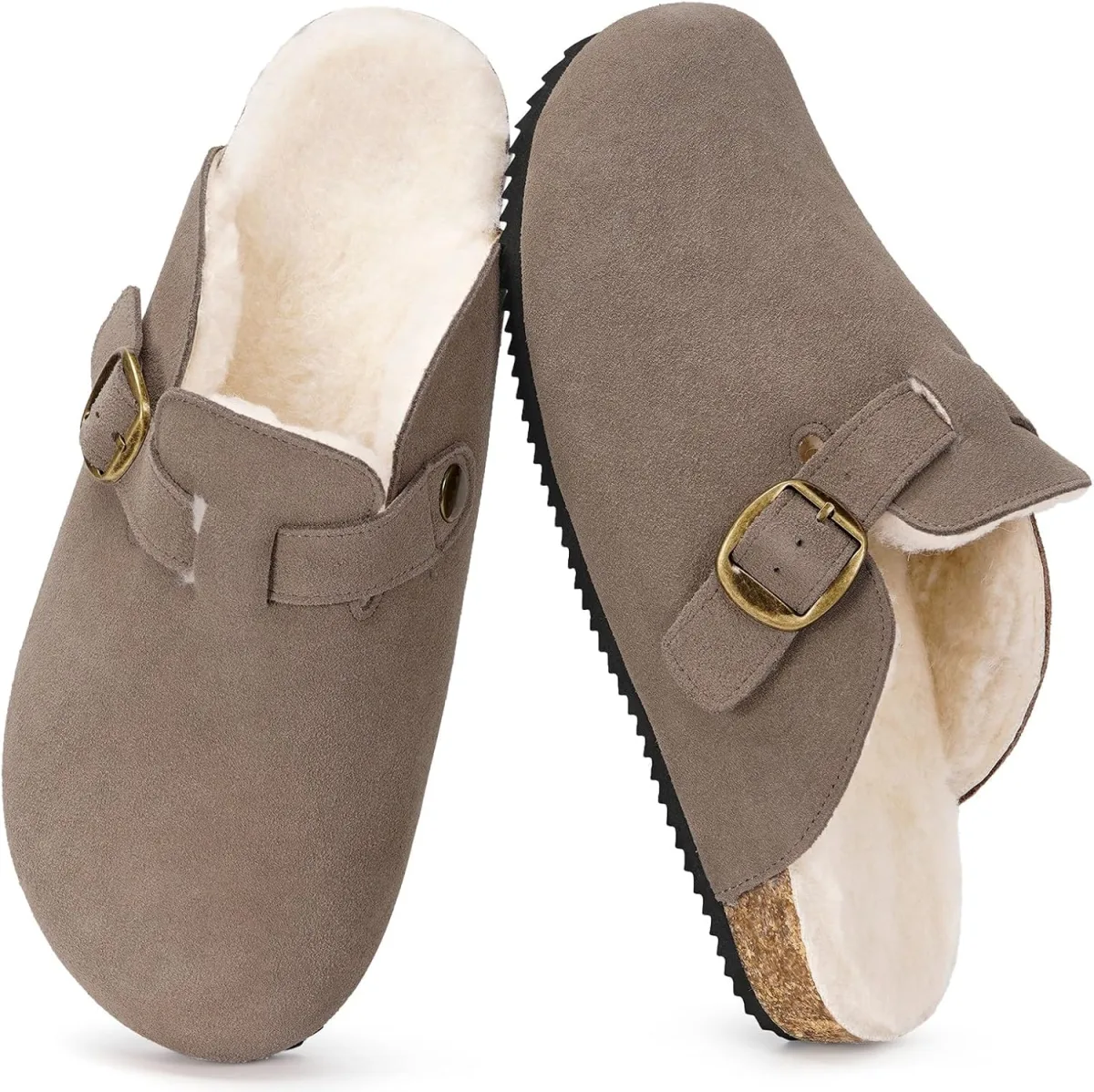
Unbranded
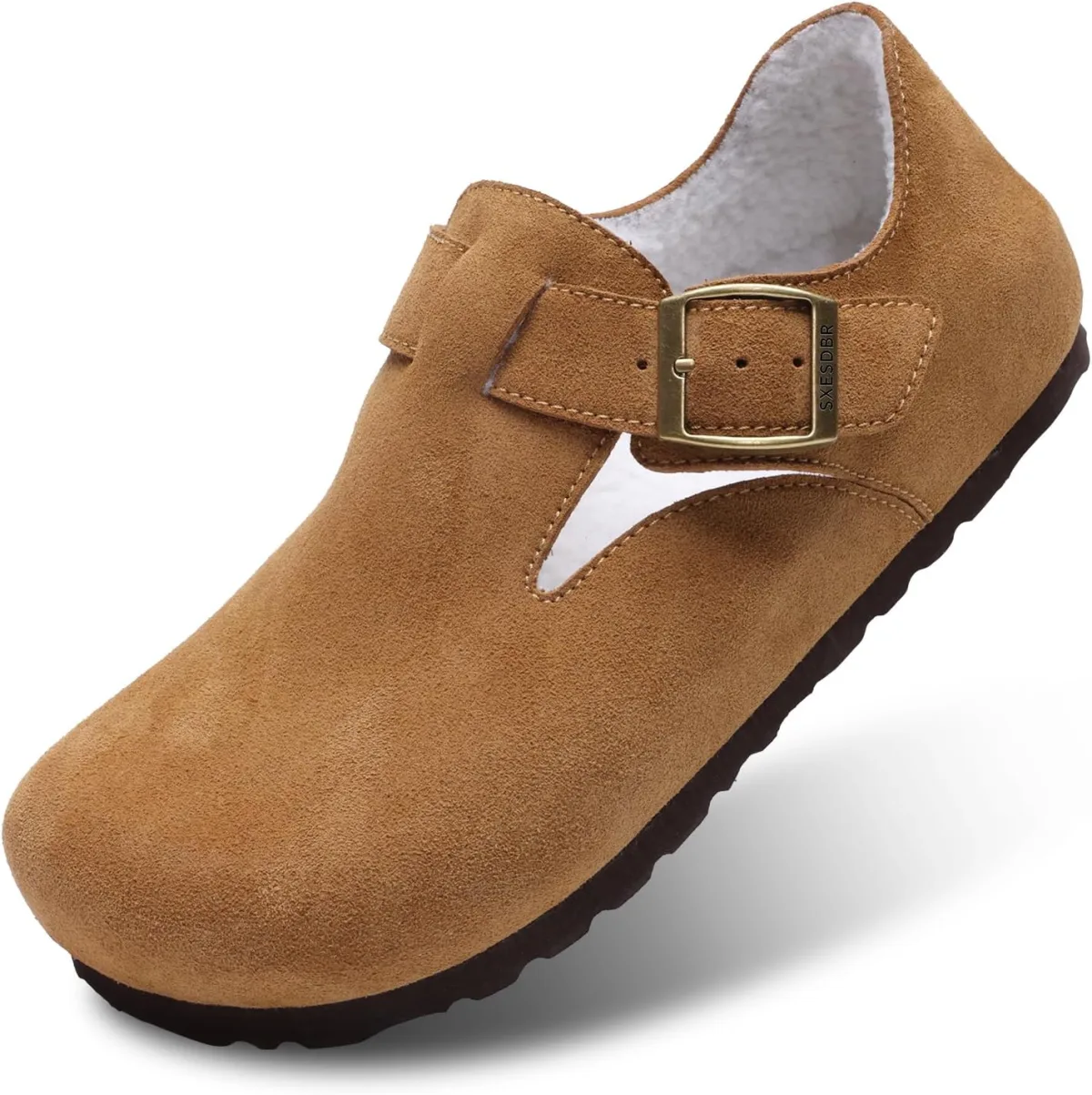
Unbranded
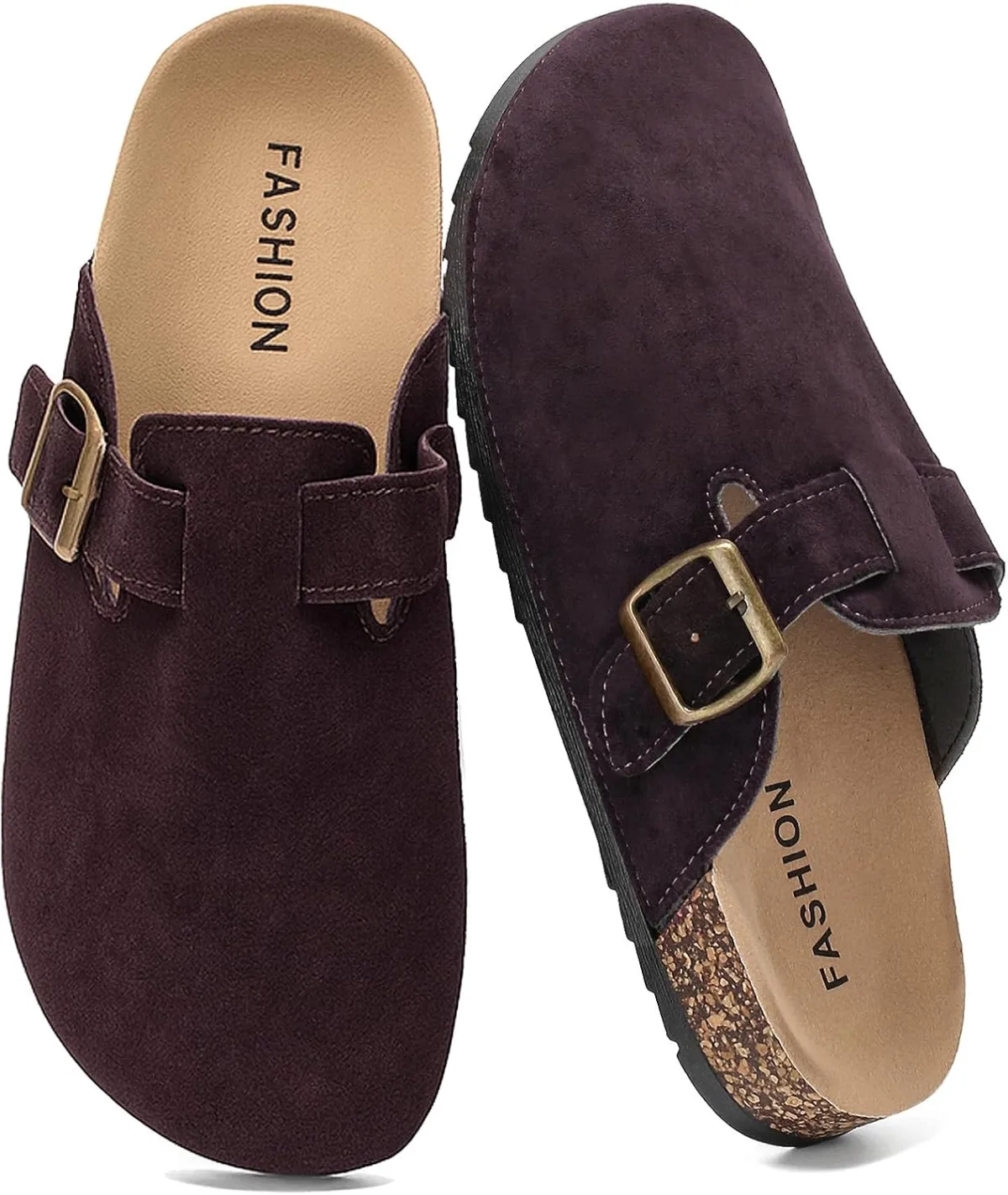
Unbranded
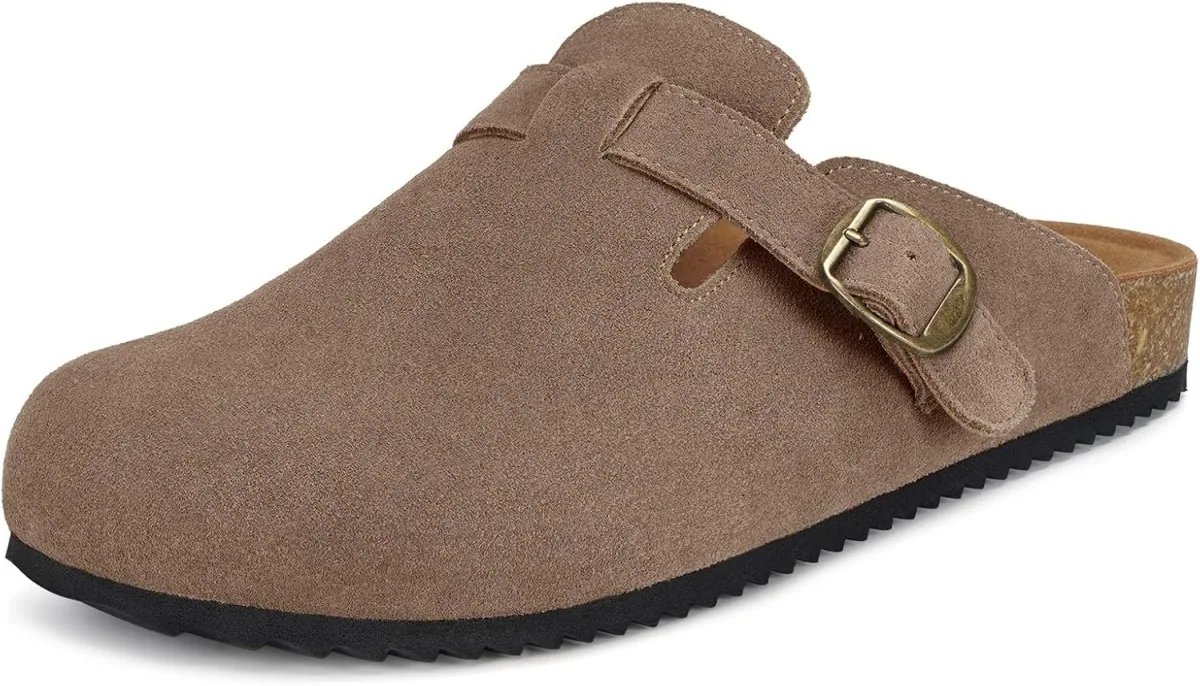
Unbranded
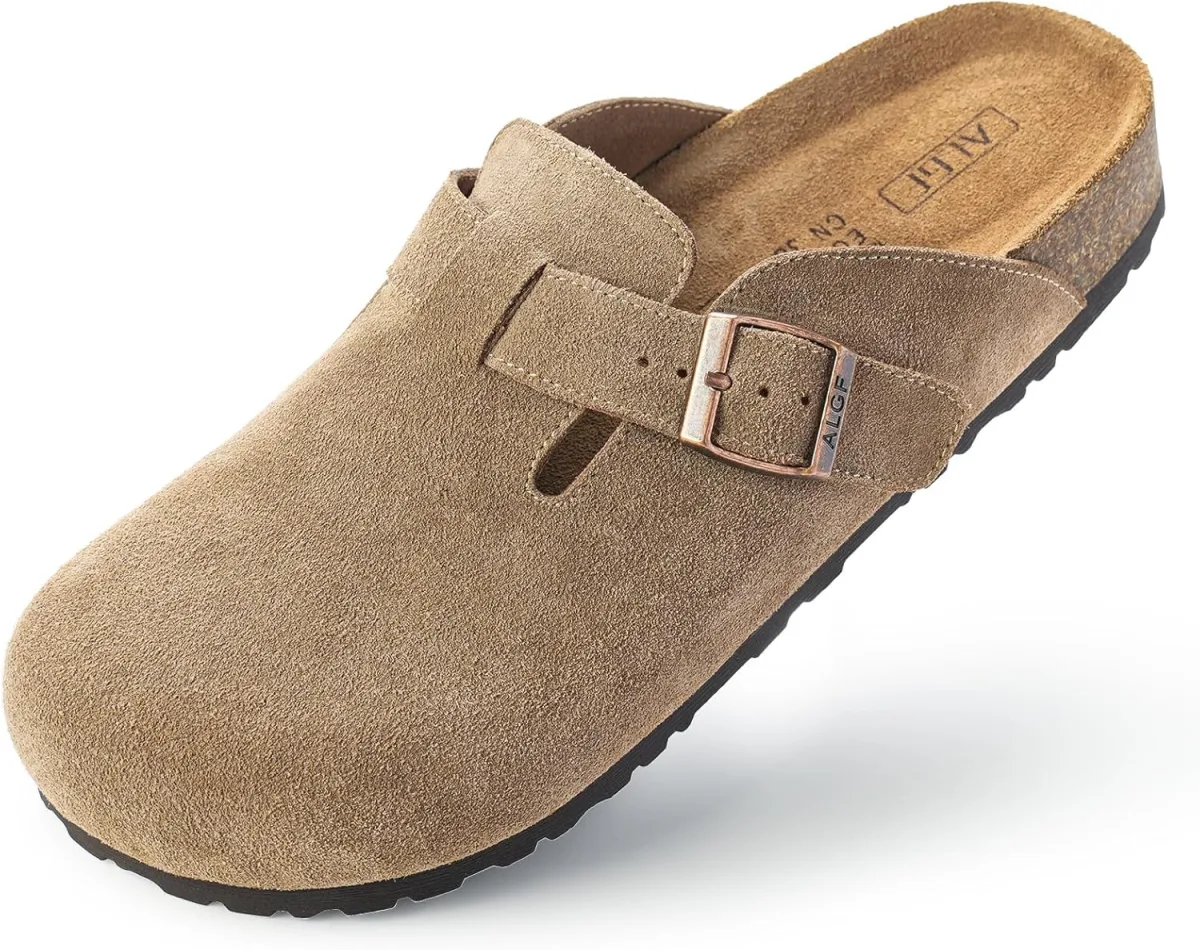
Unbranded
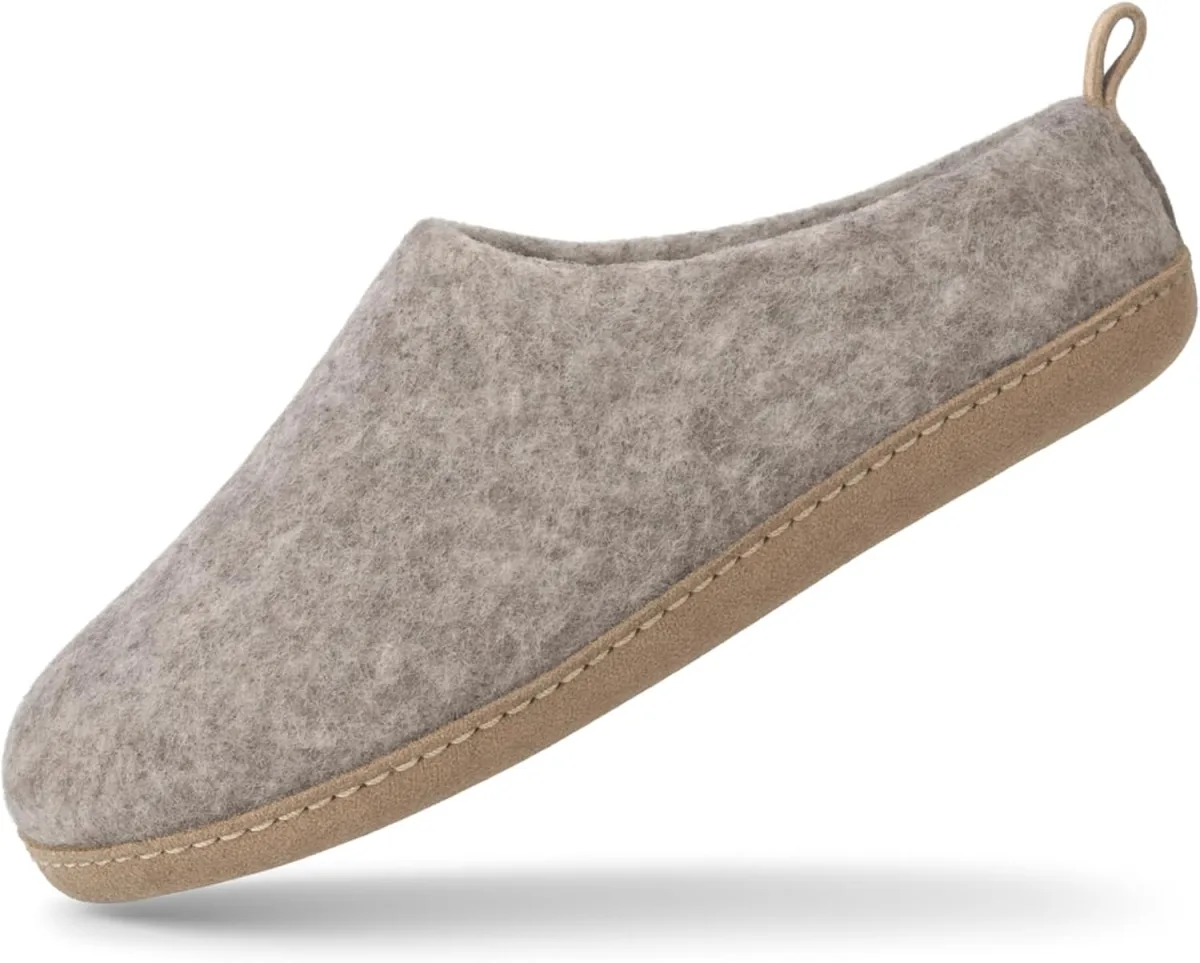
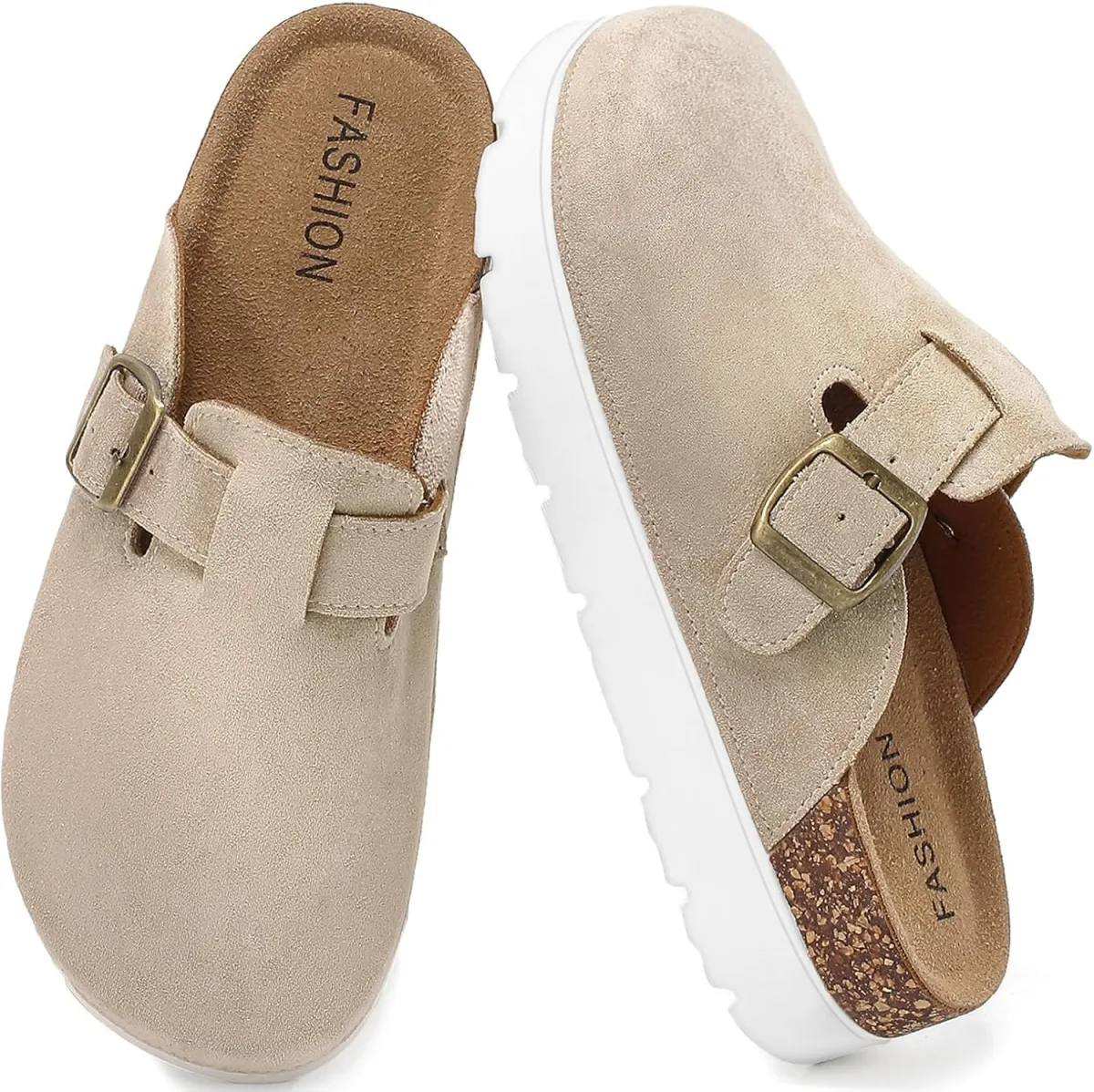
Unbranded
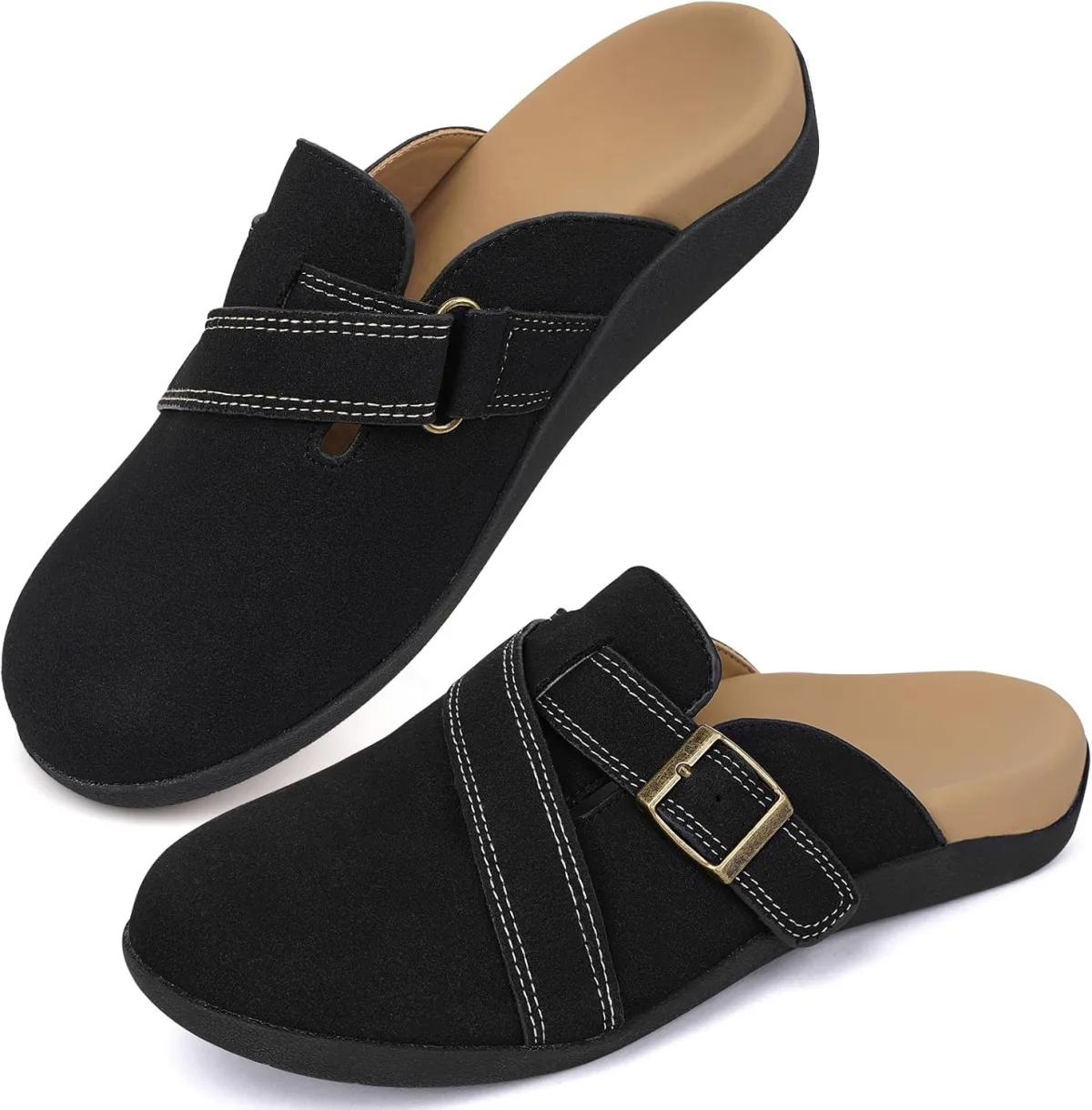
V.Step
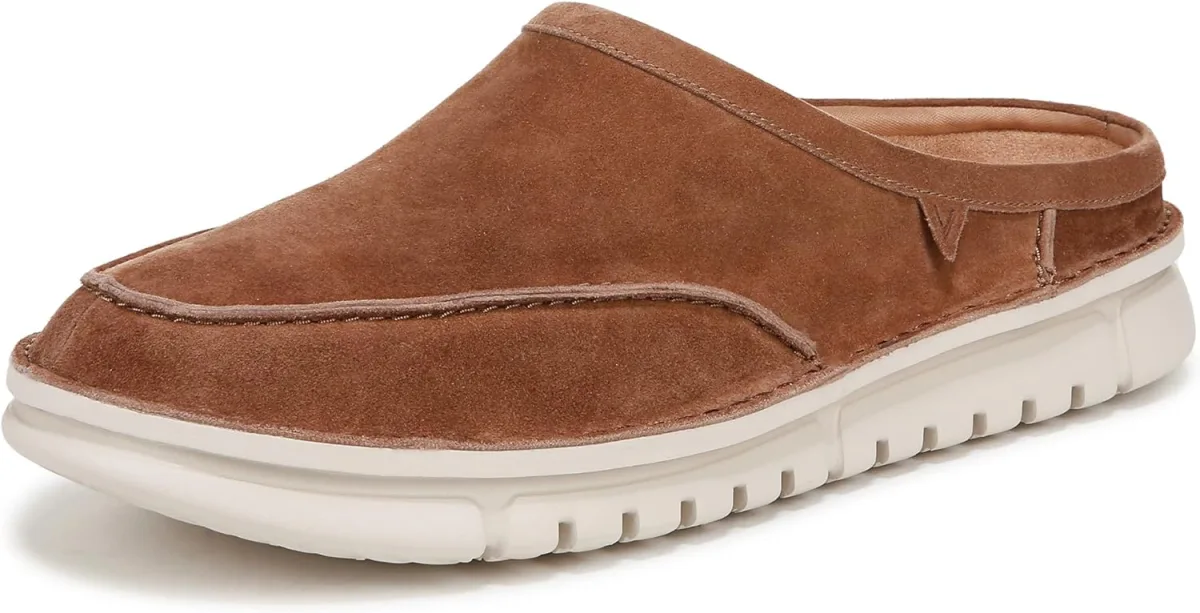
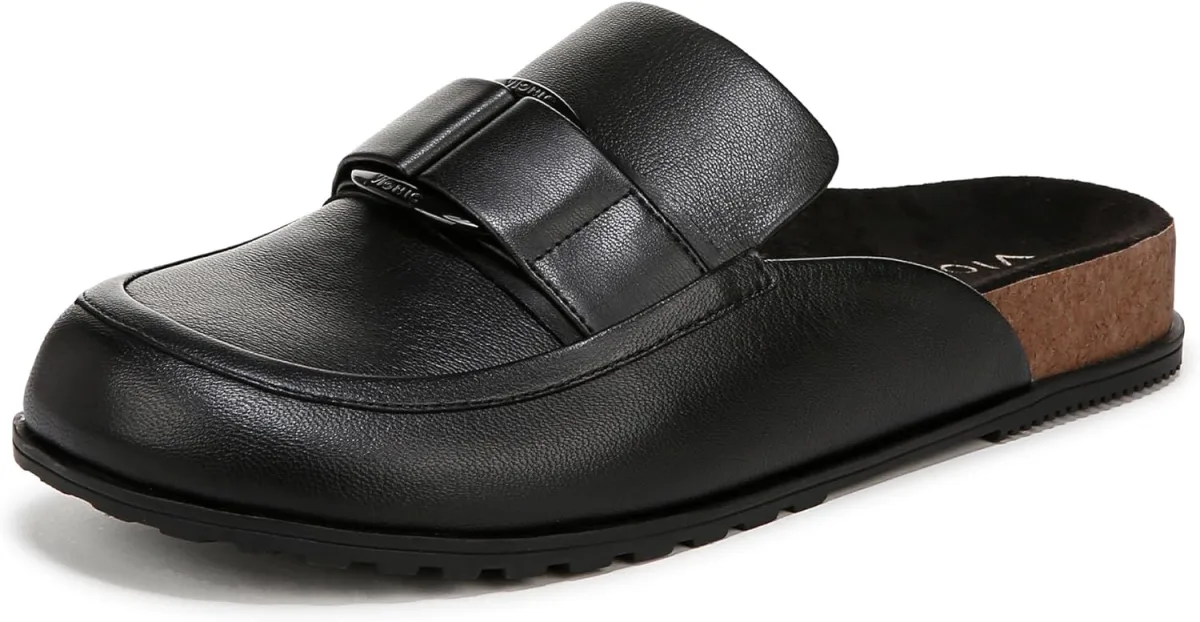
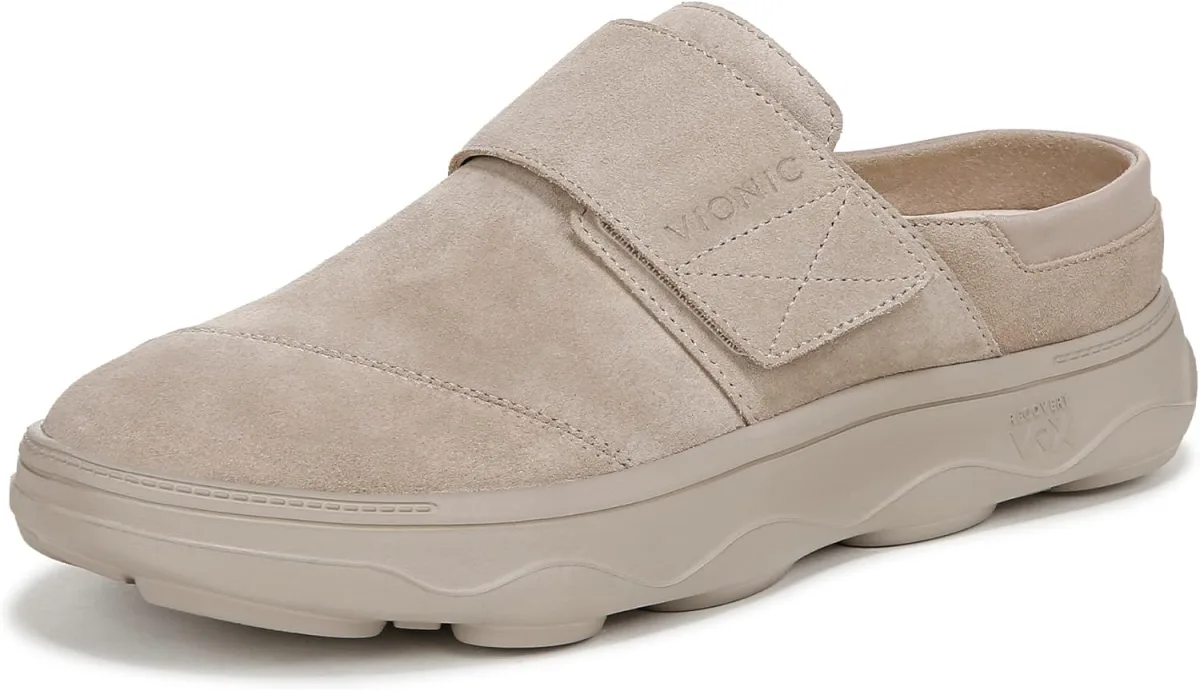
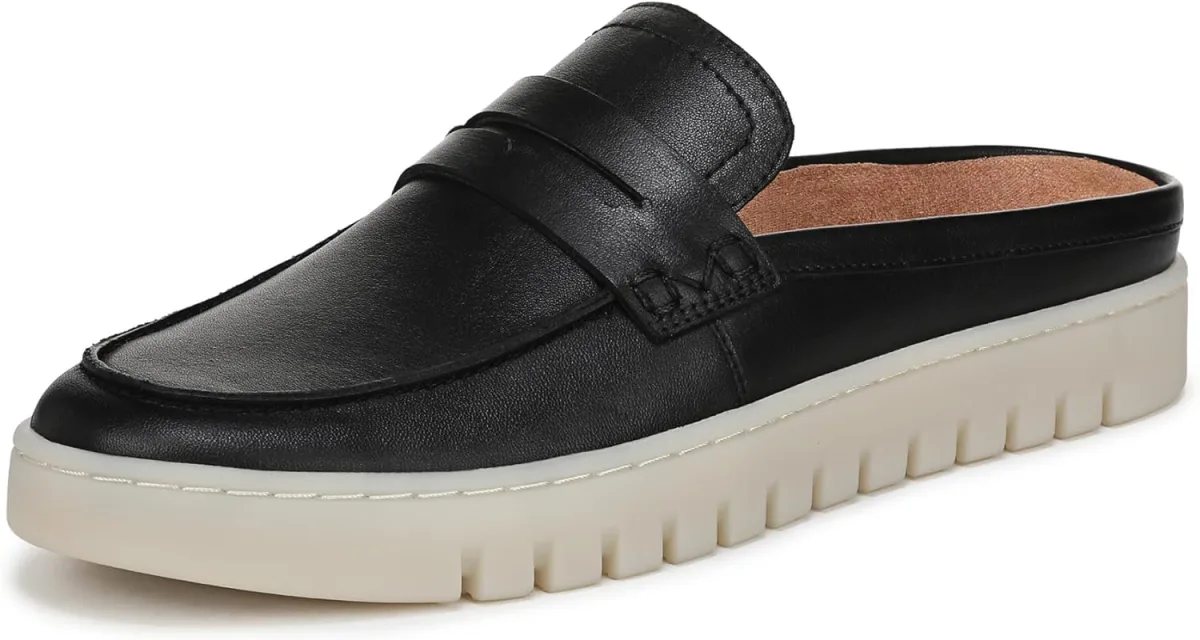
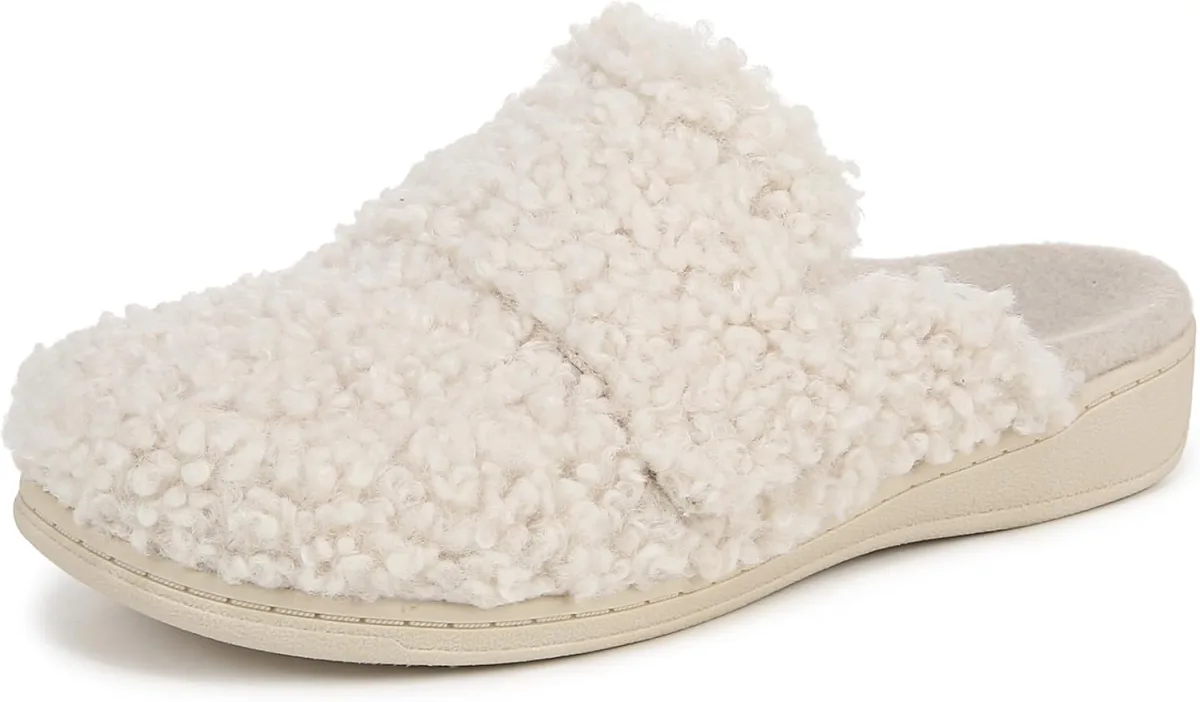
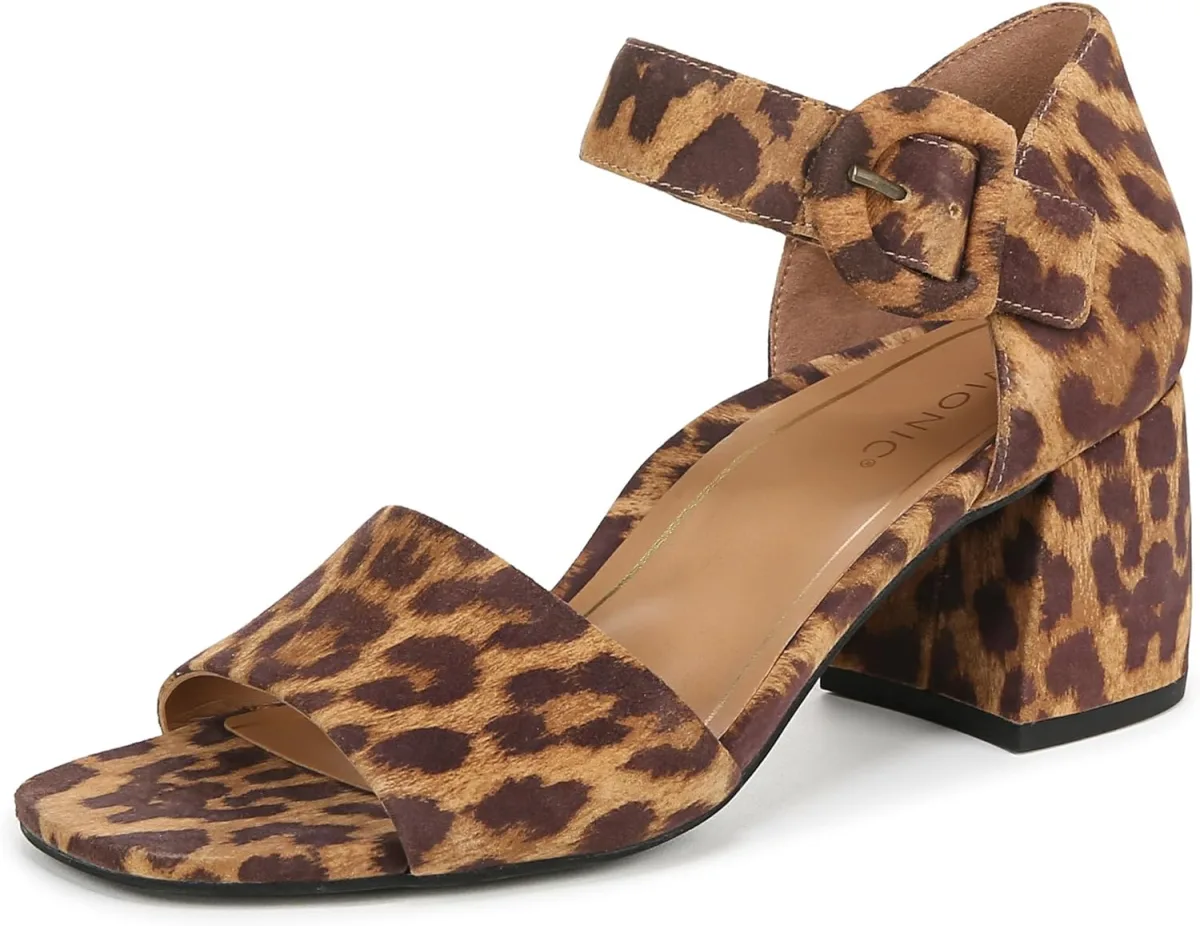
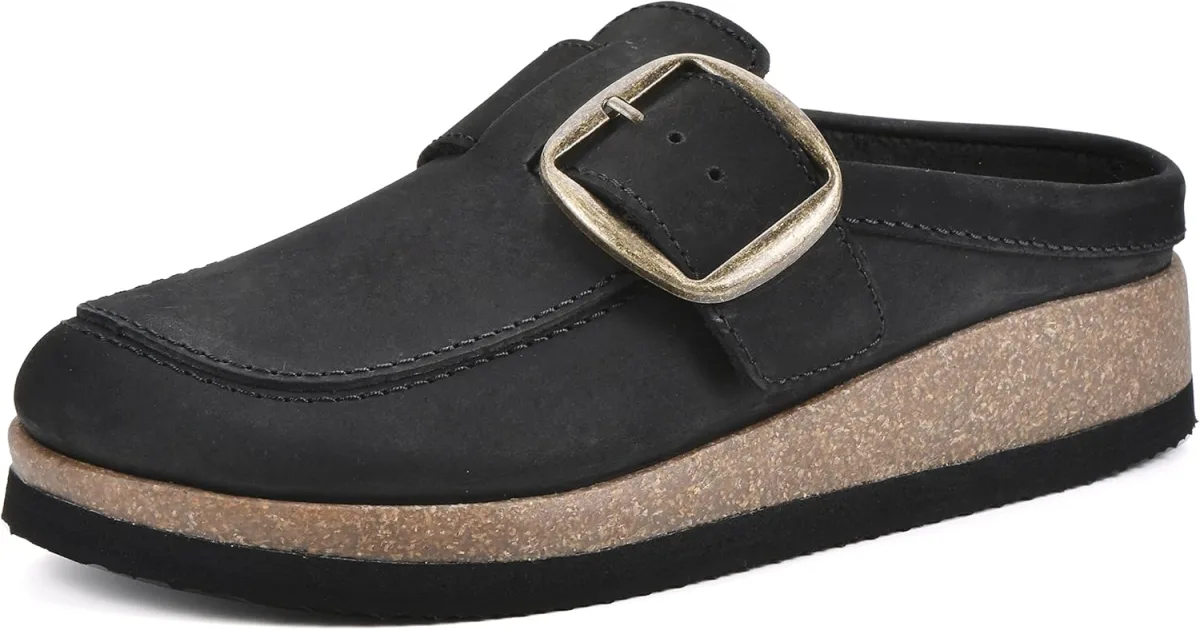
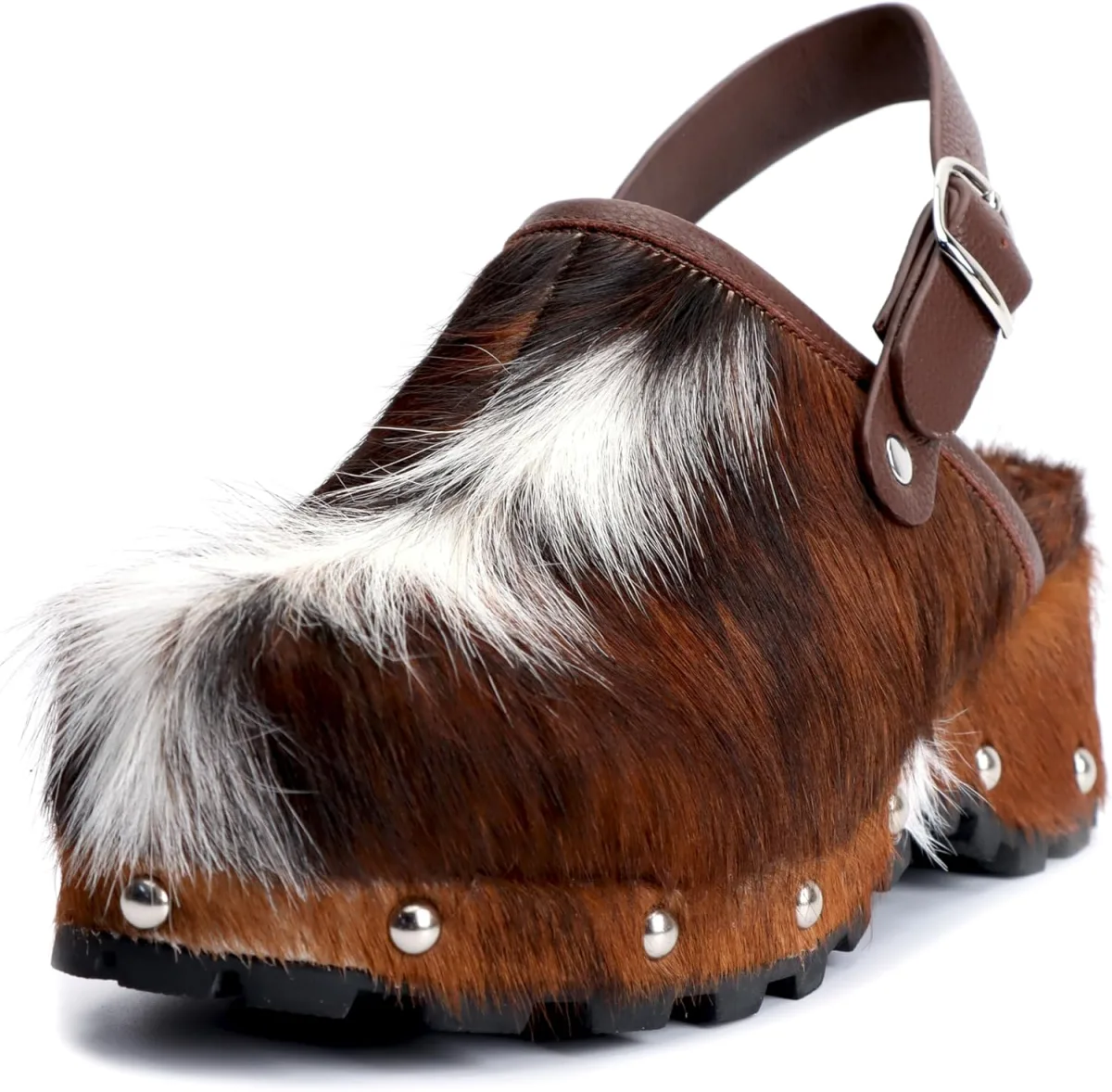
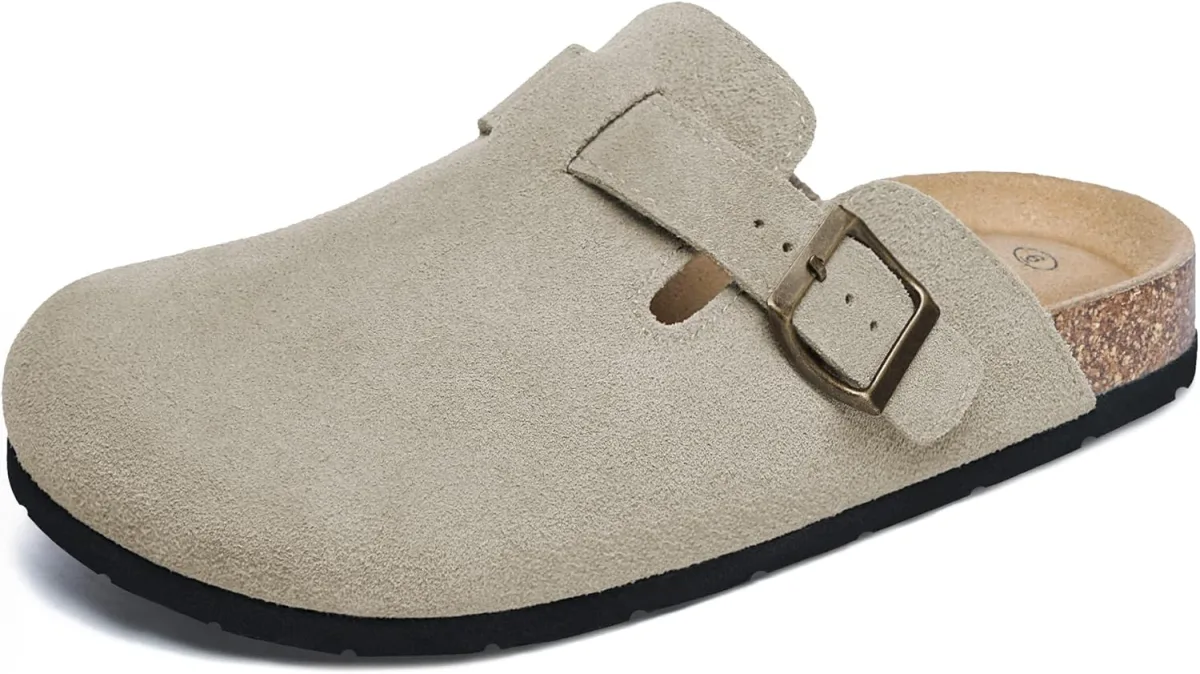
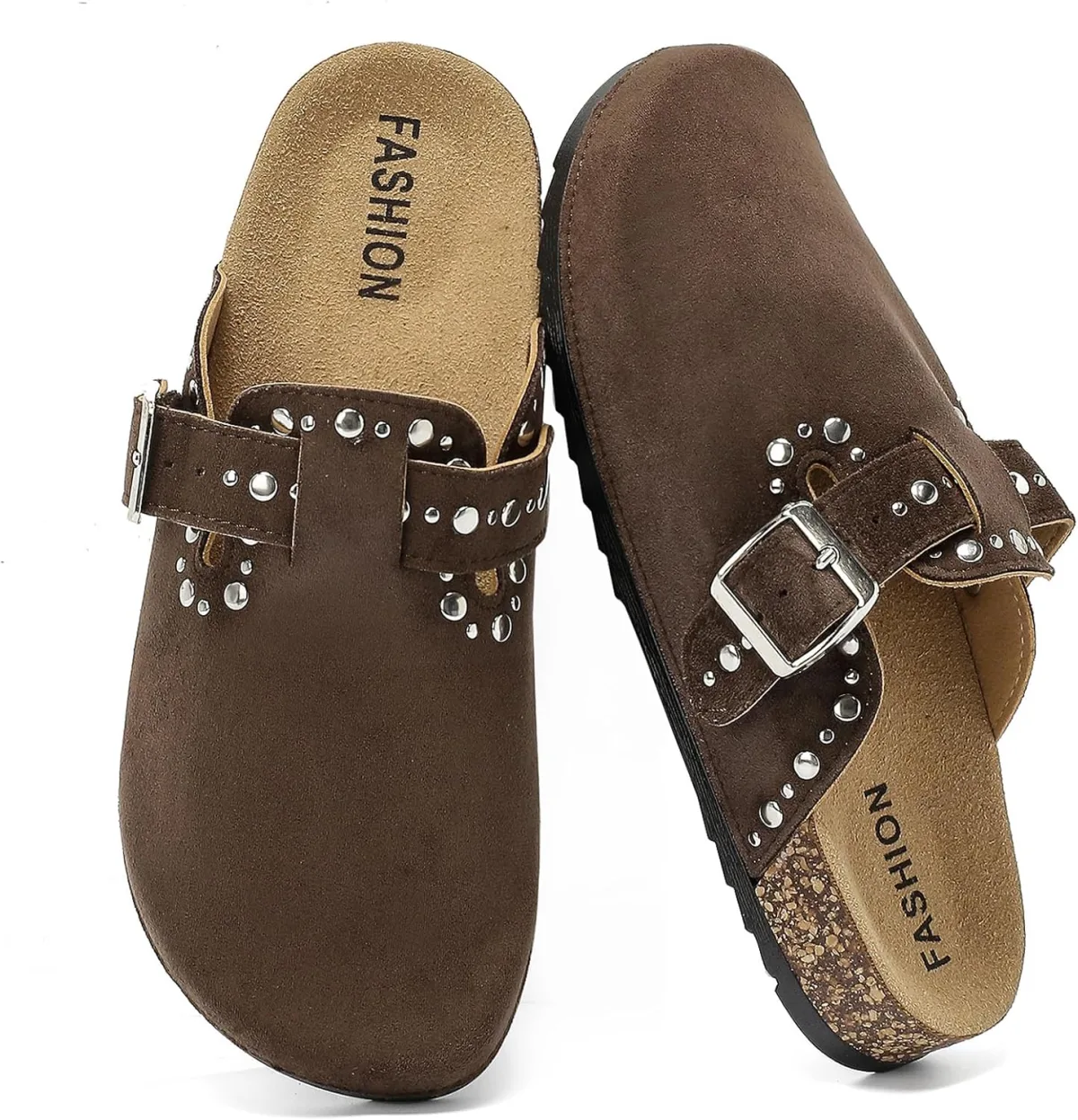
YorFotMae
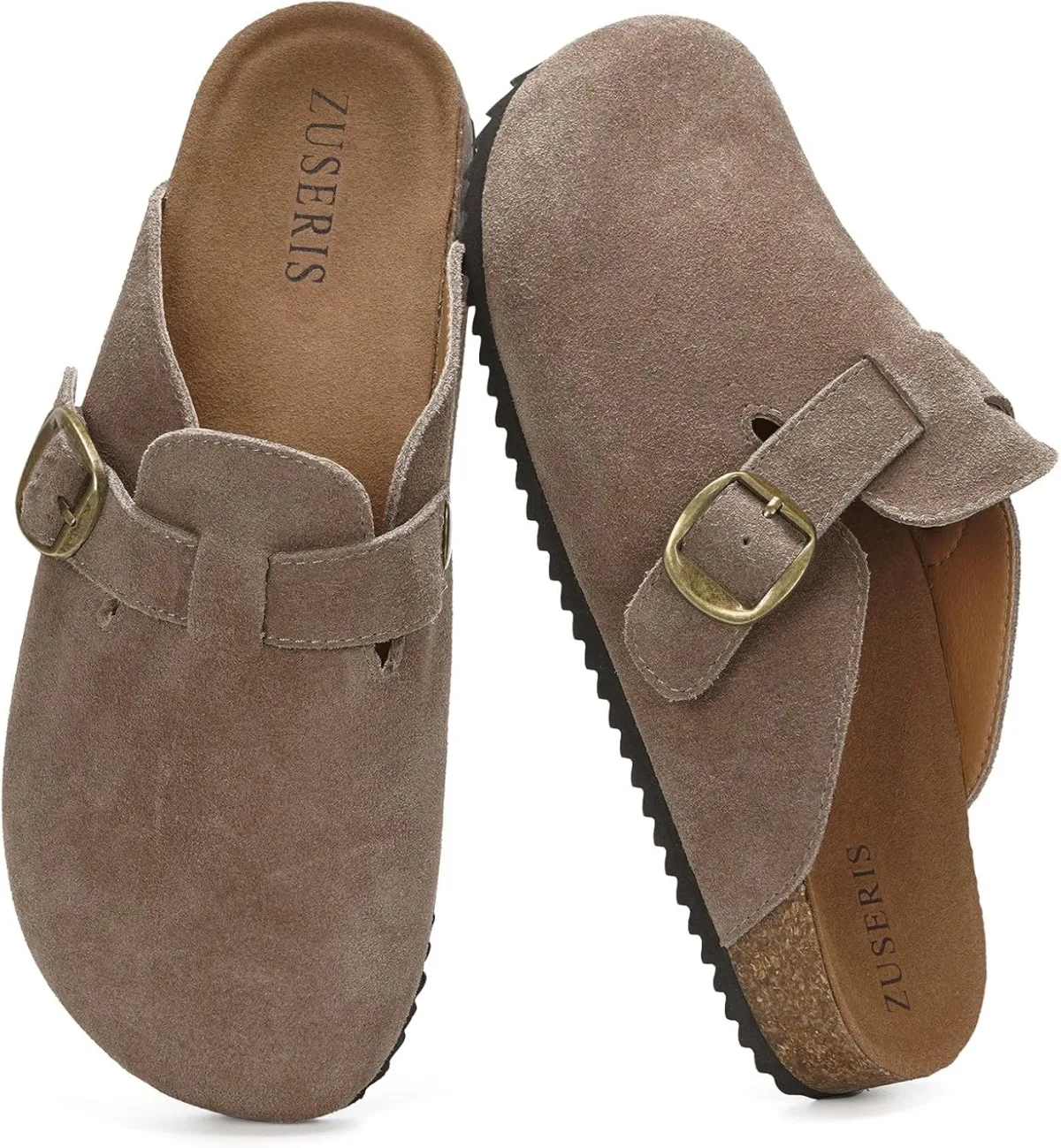
ZUSERIS
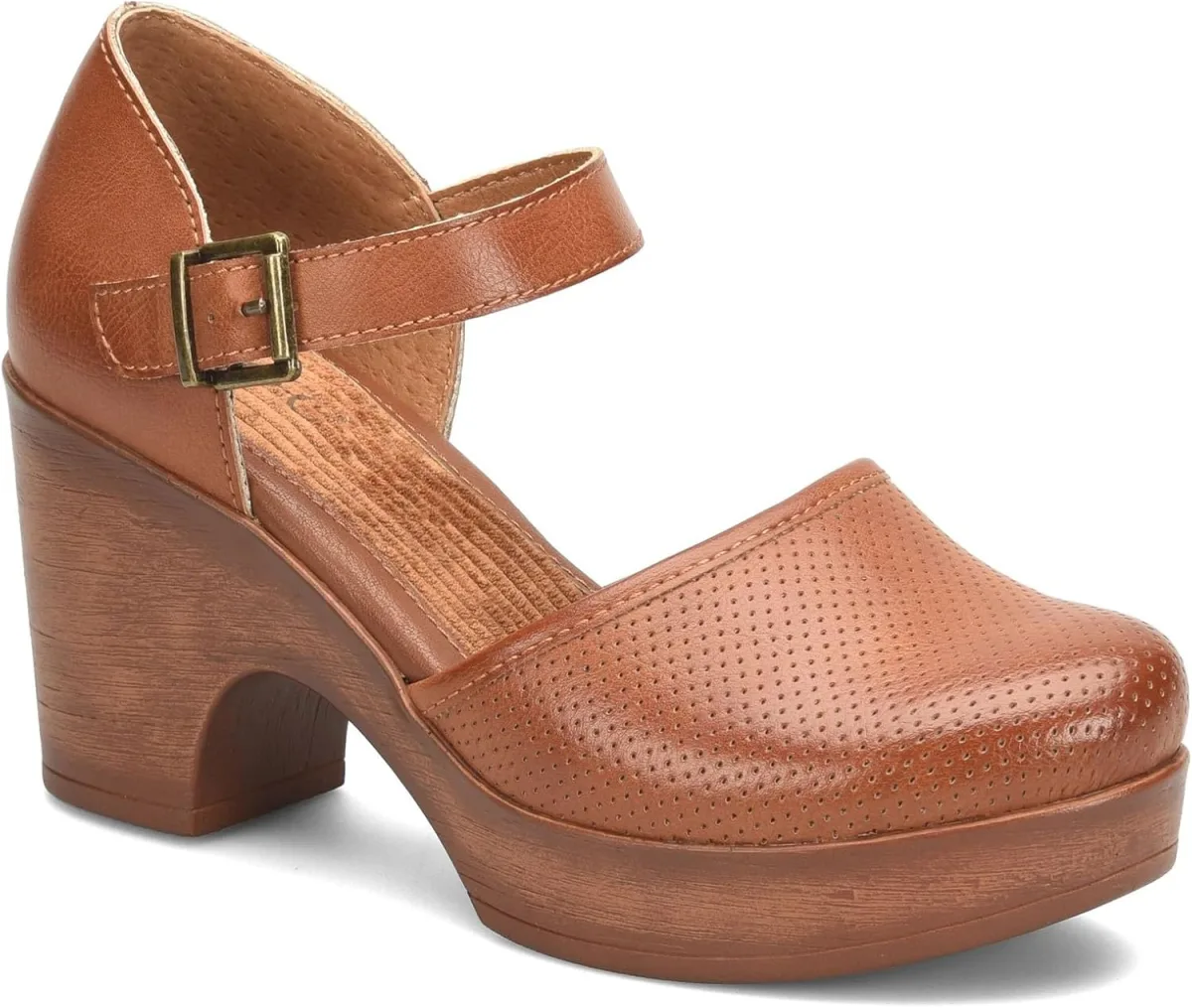
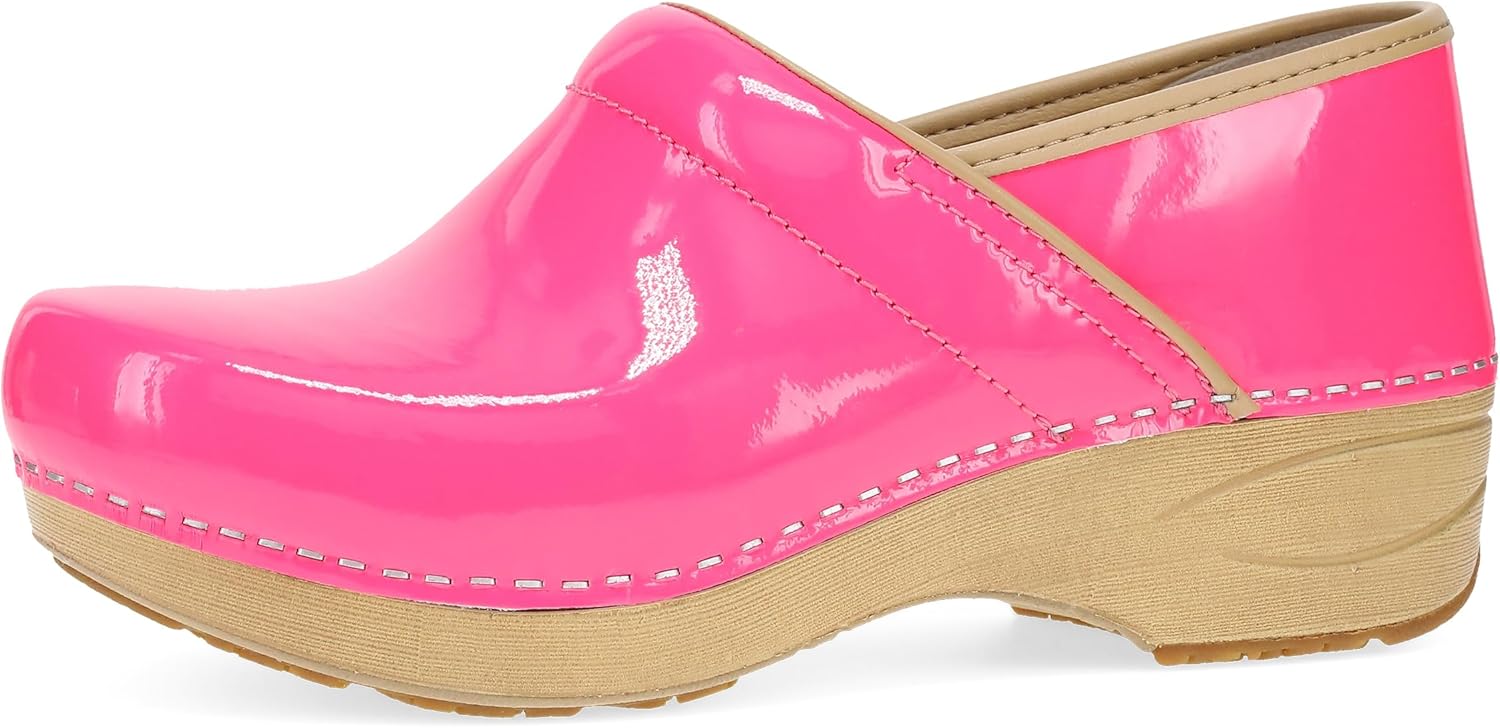
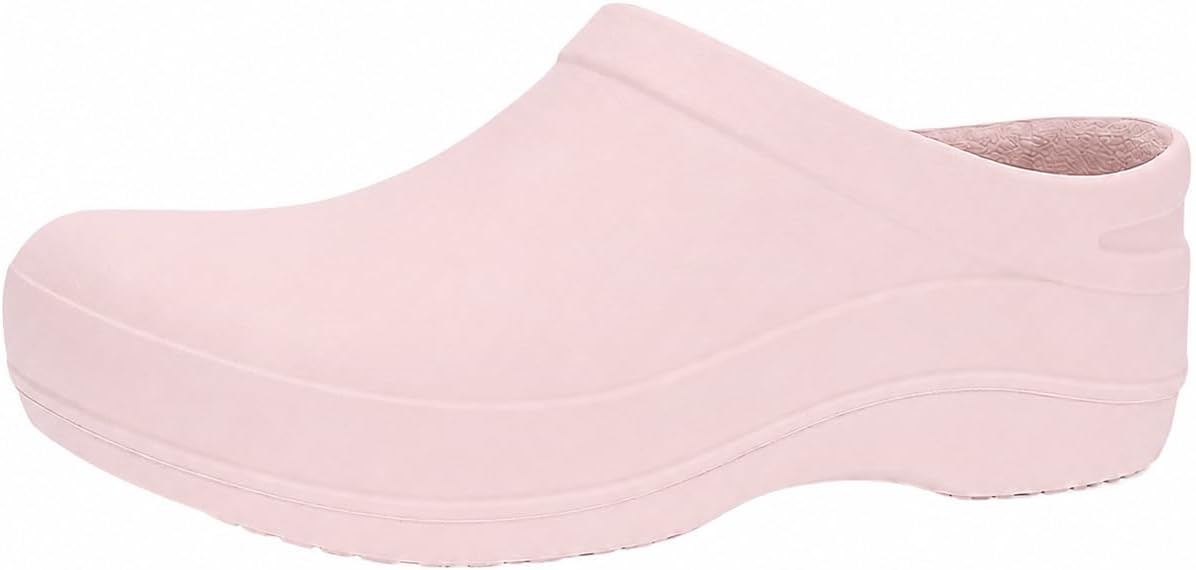
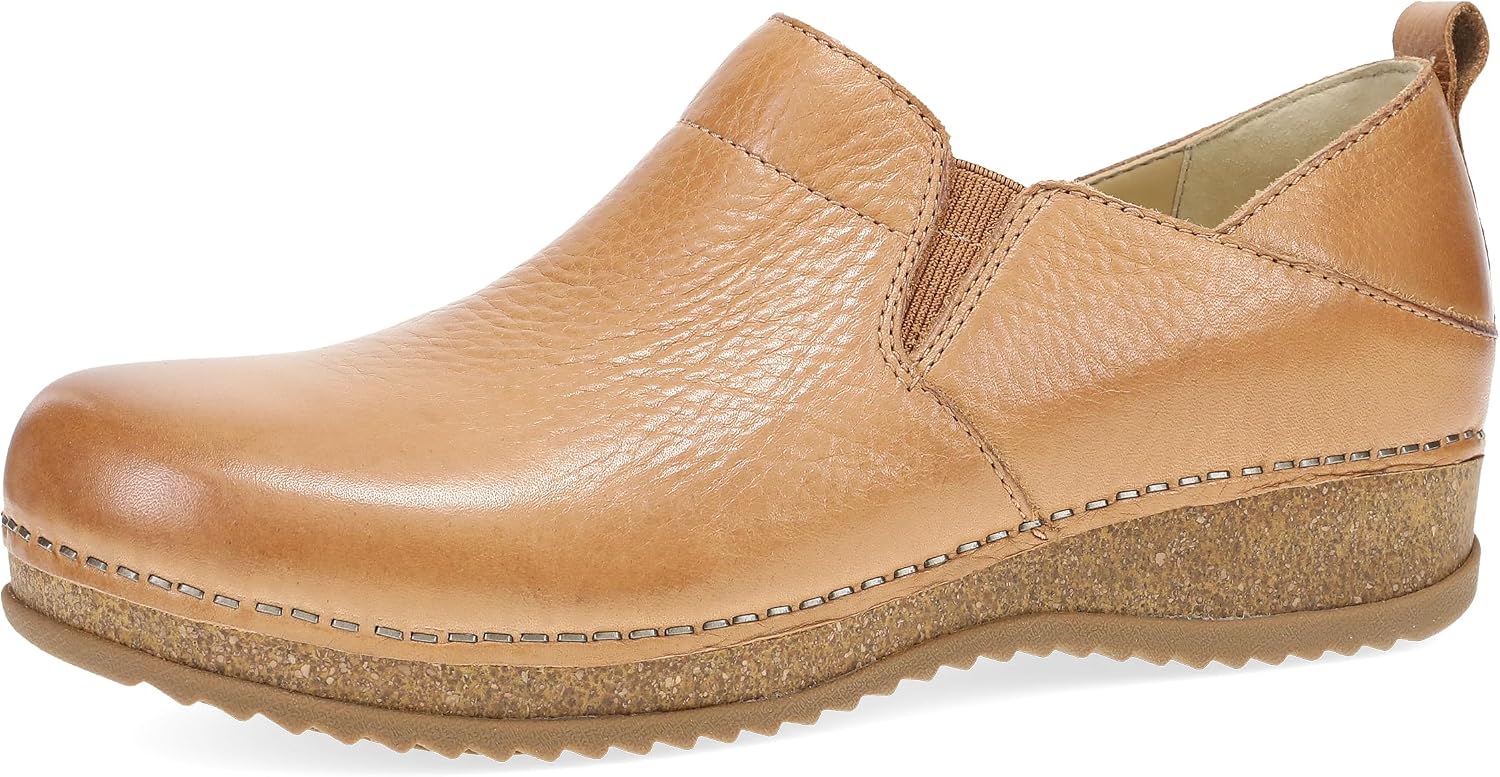
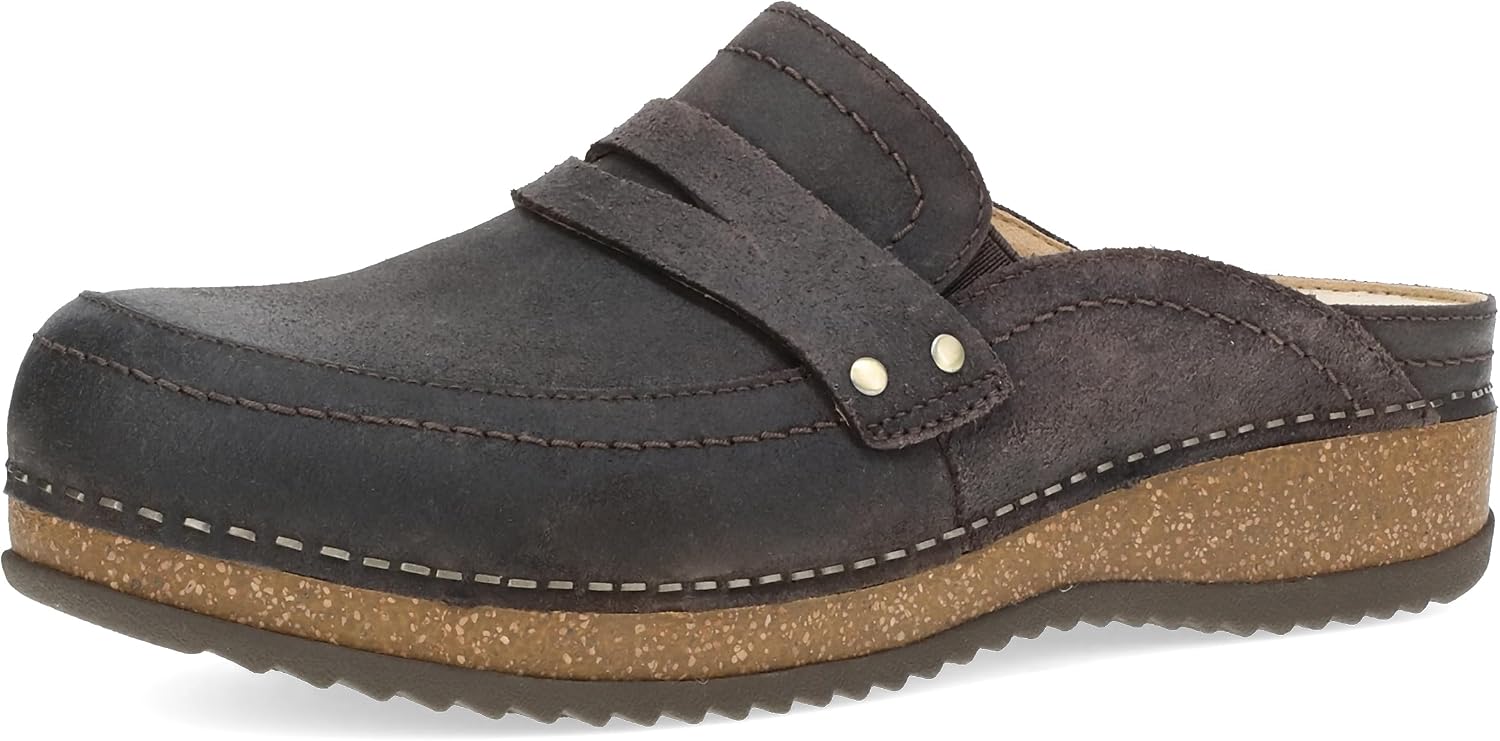
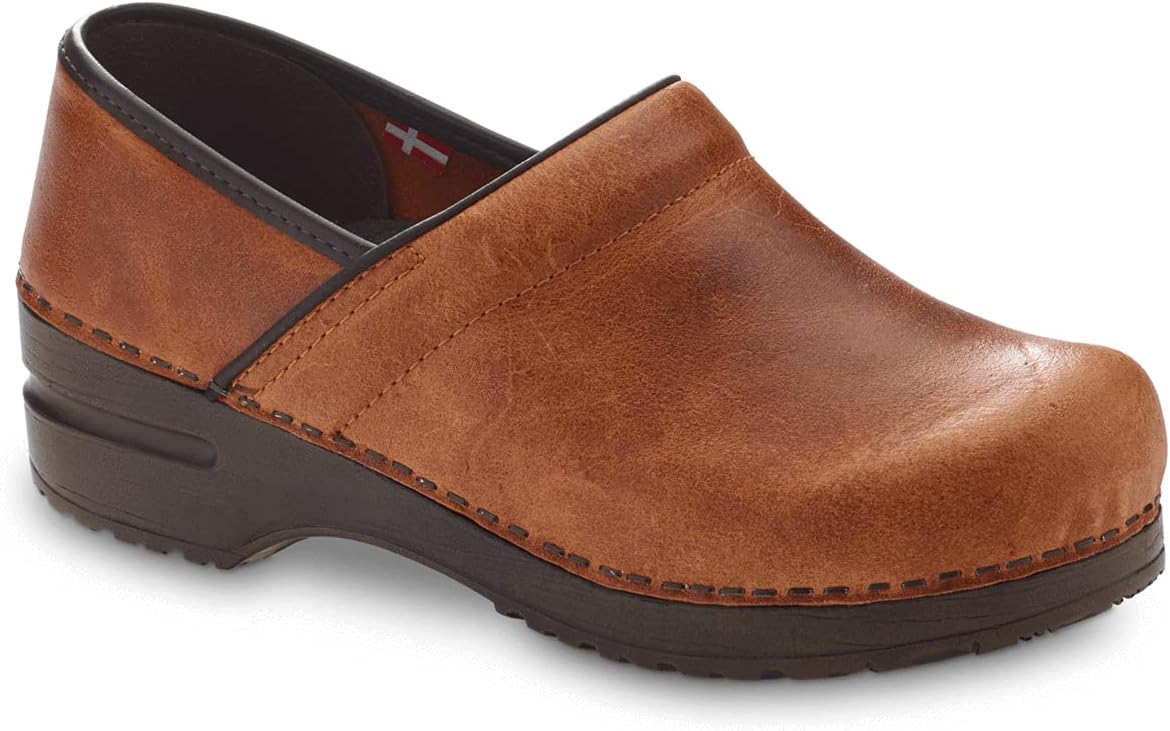
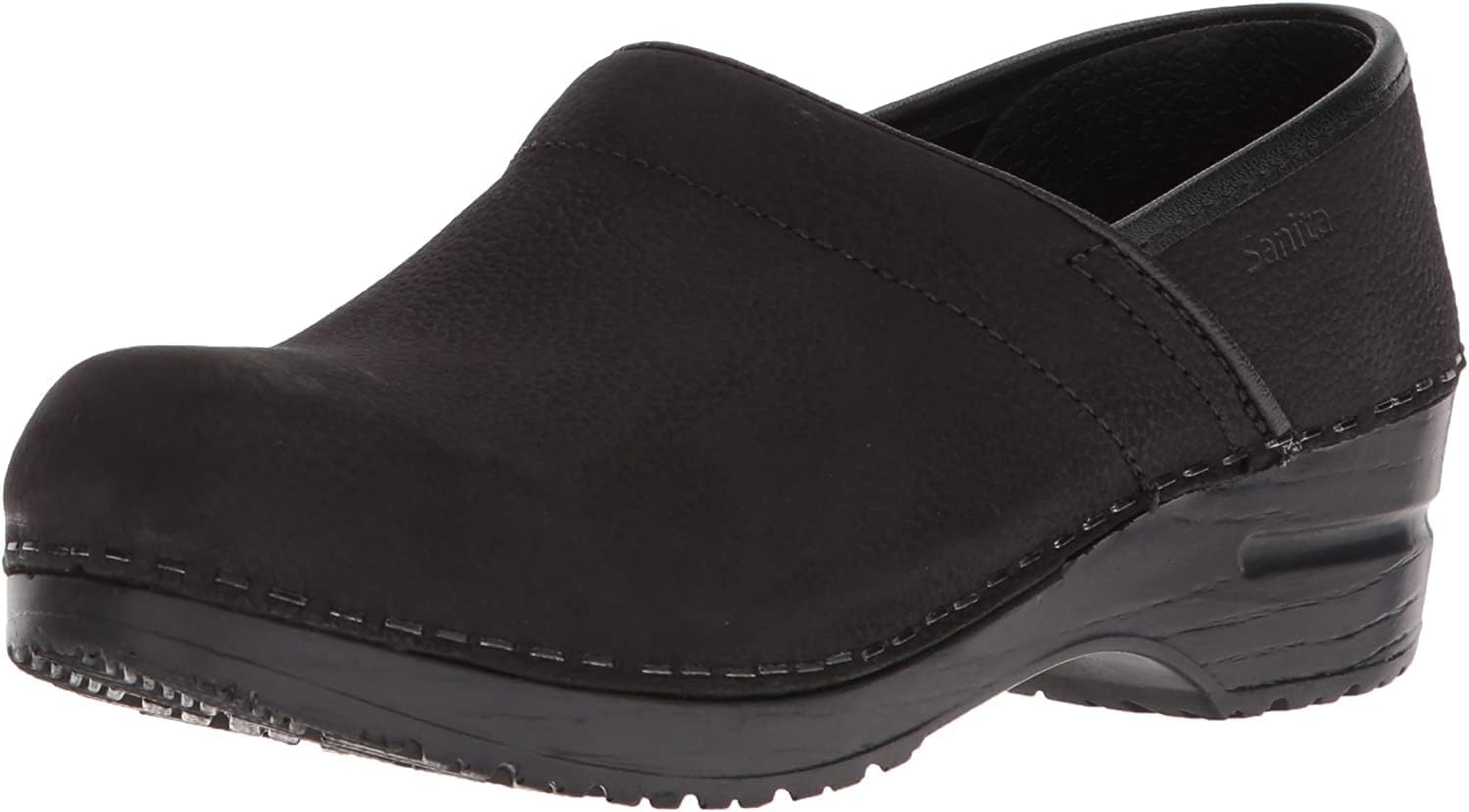
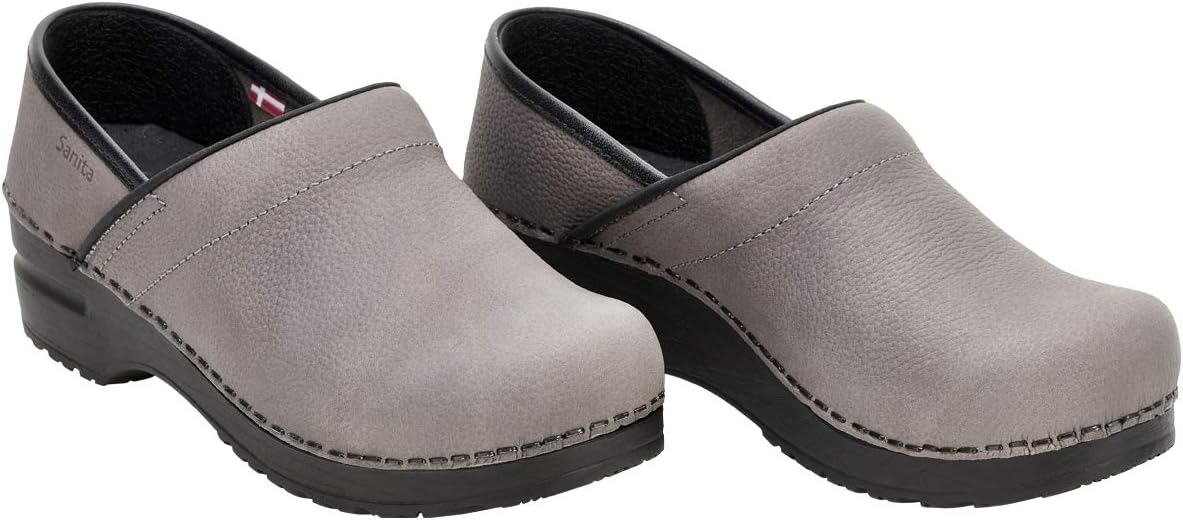
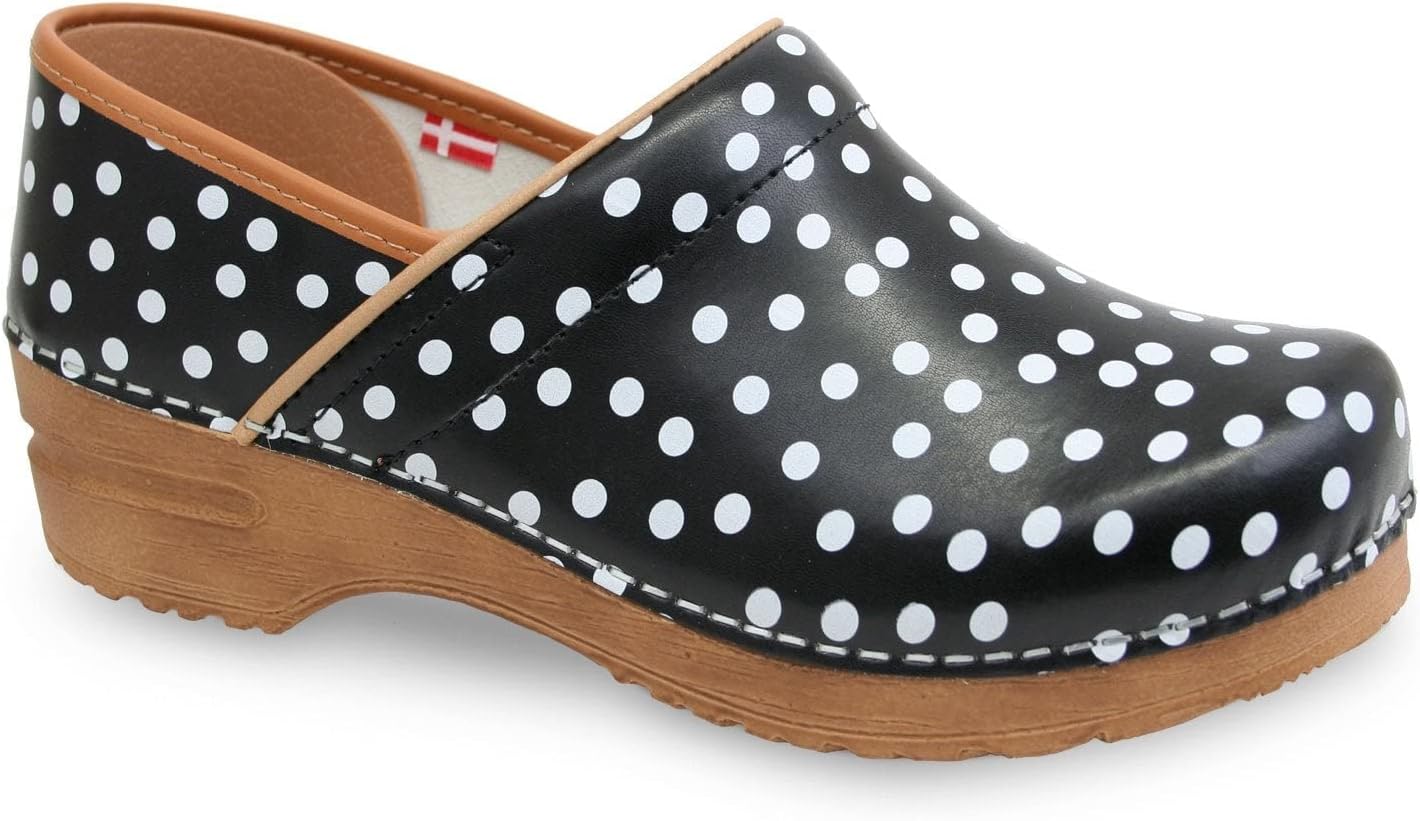
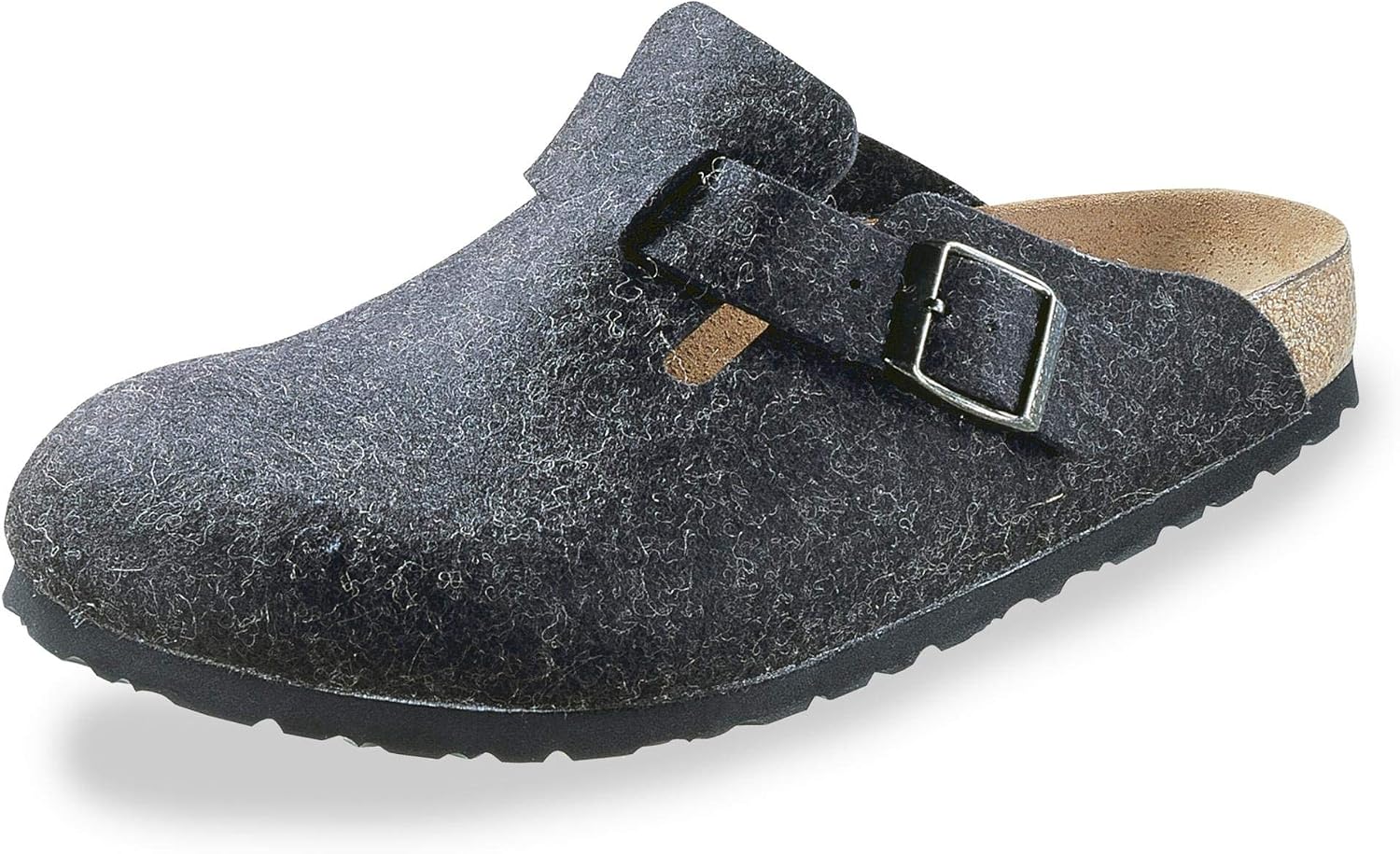
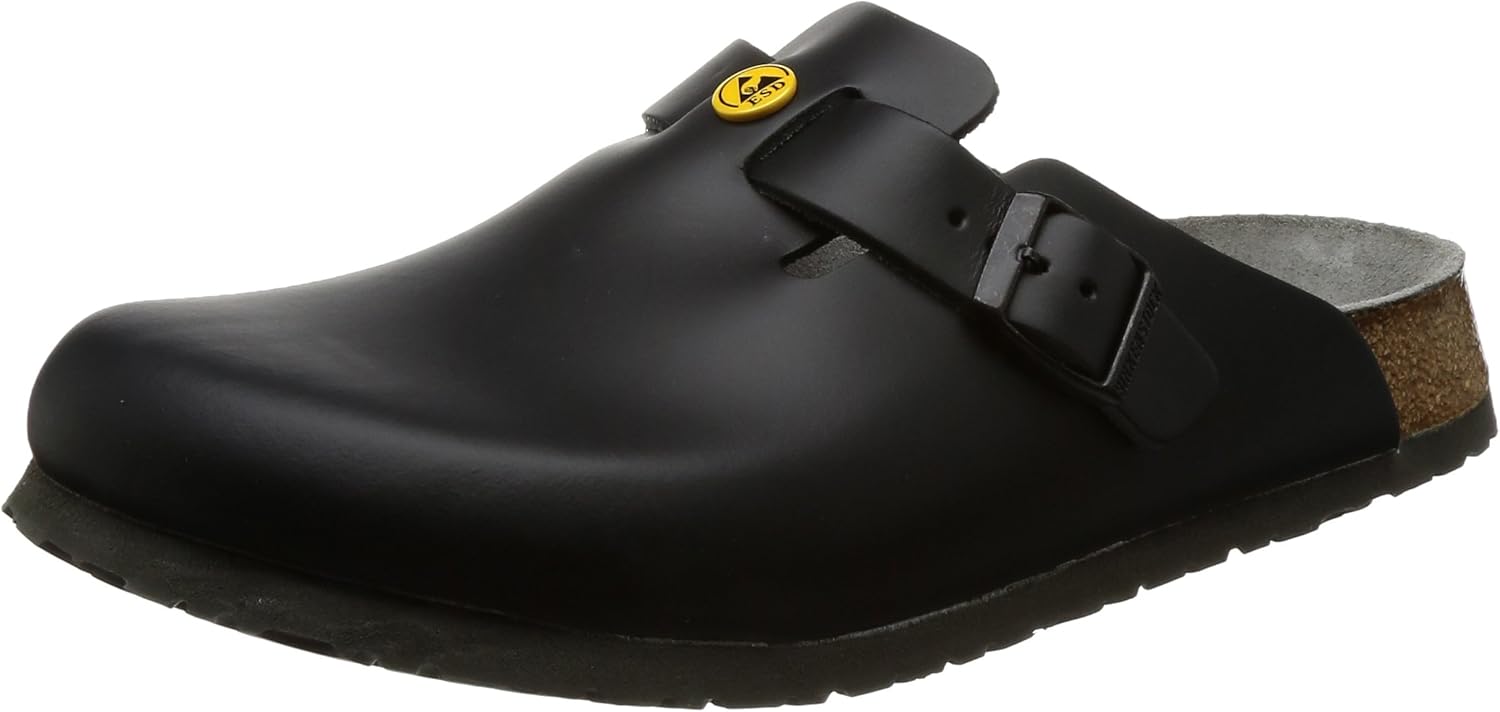
Birkenstock
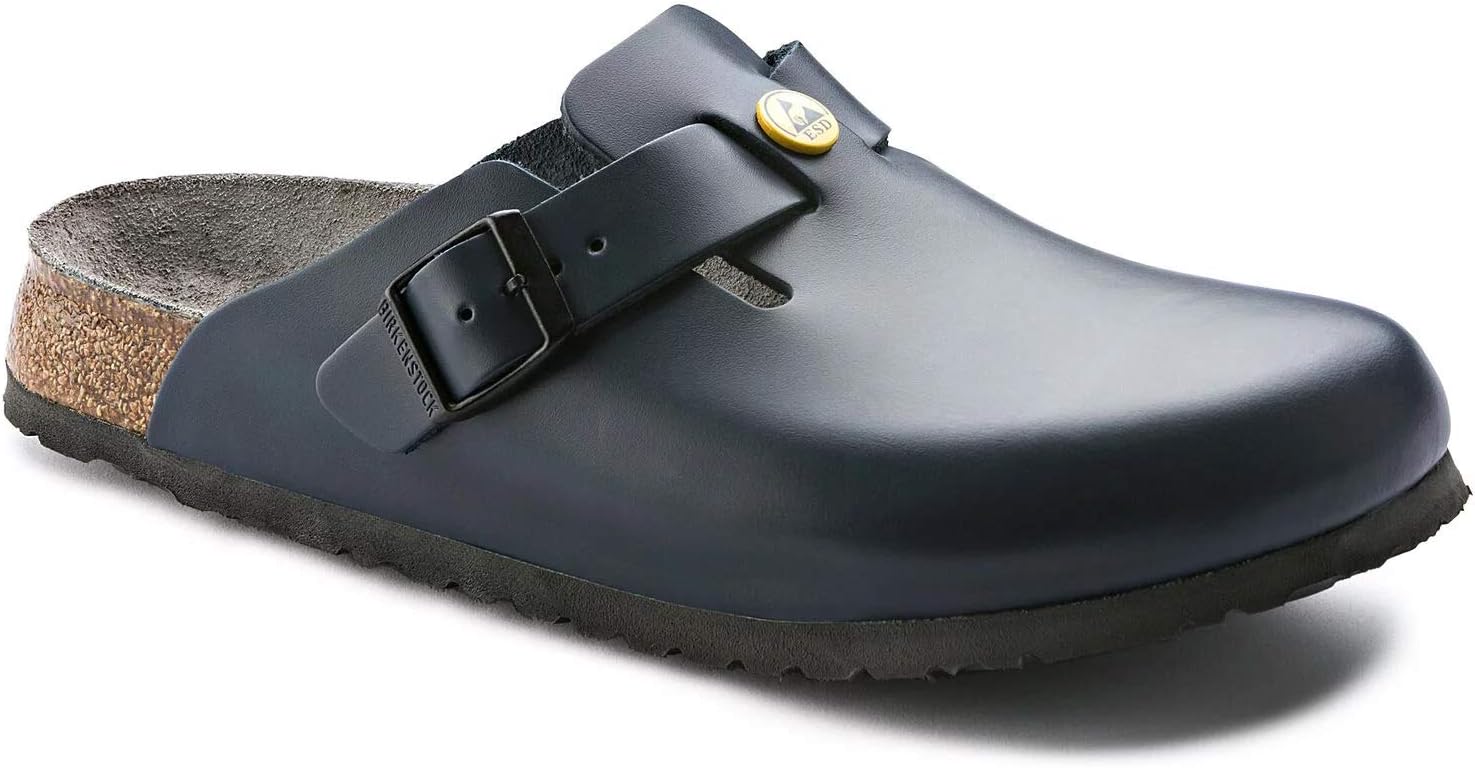
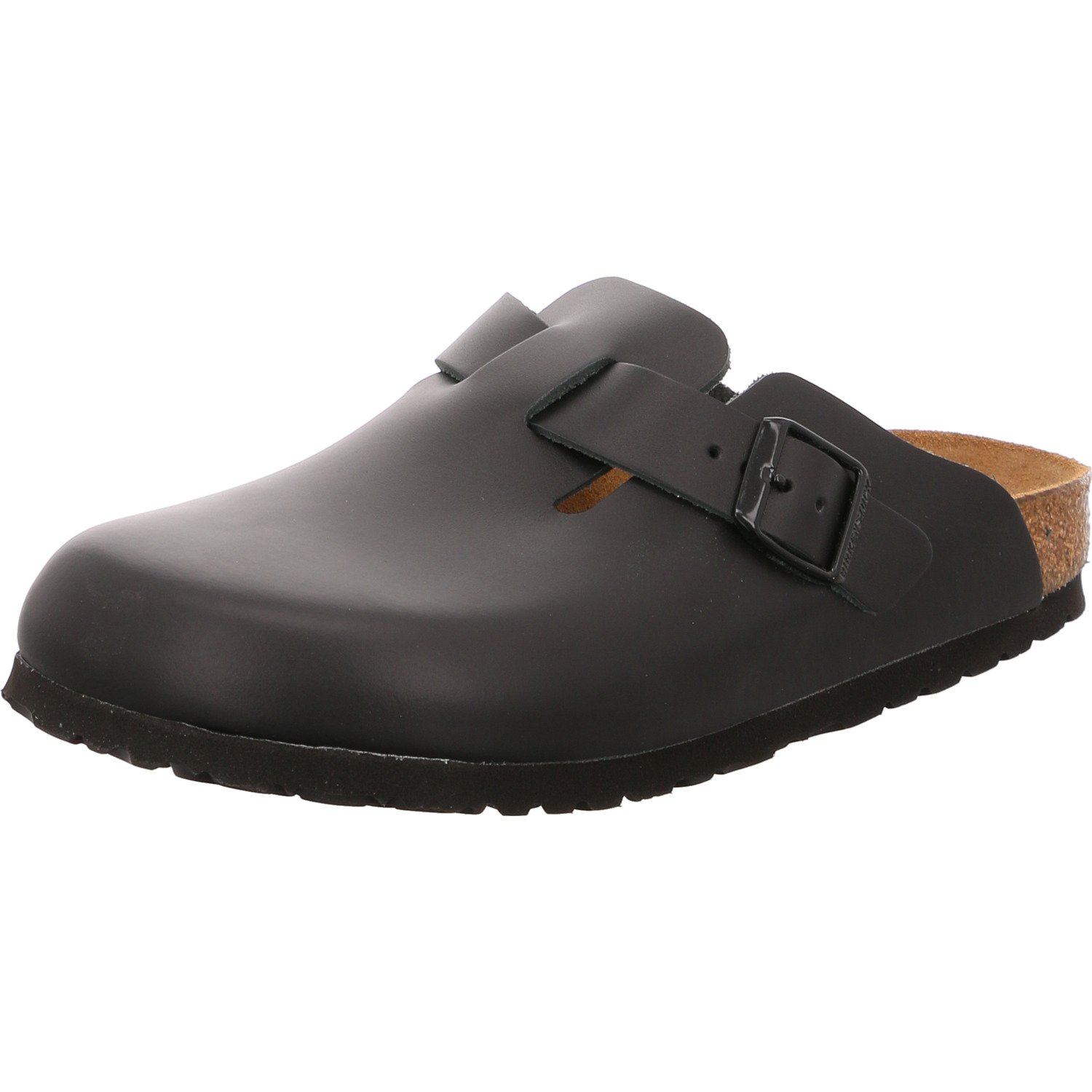
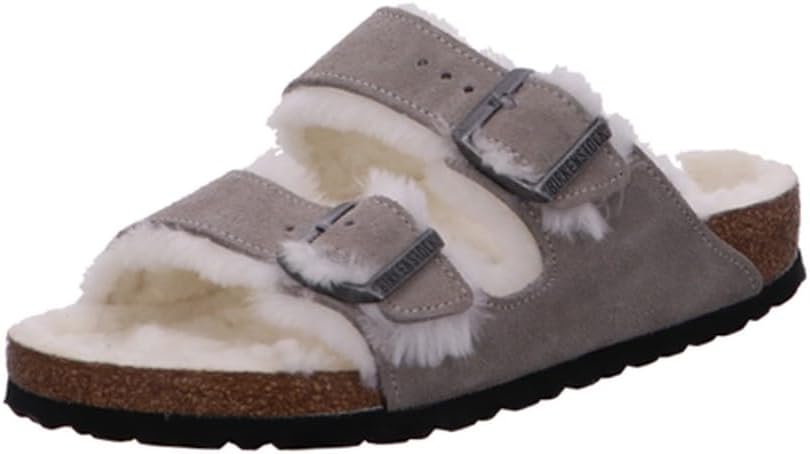
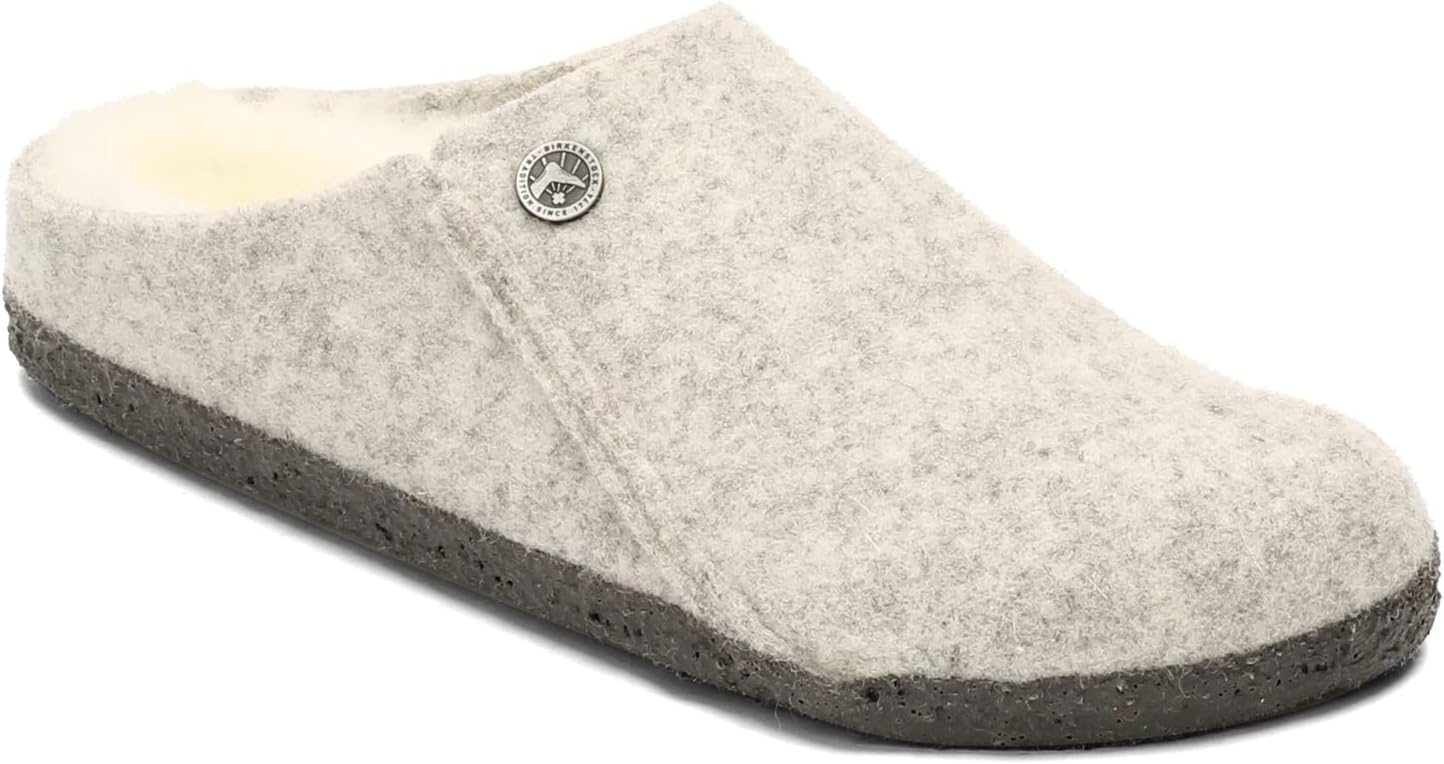
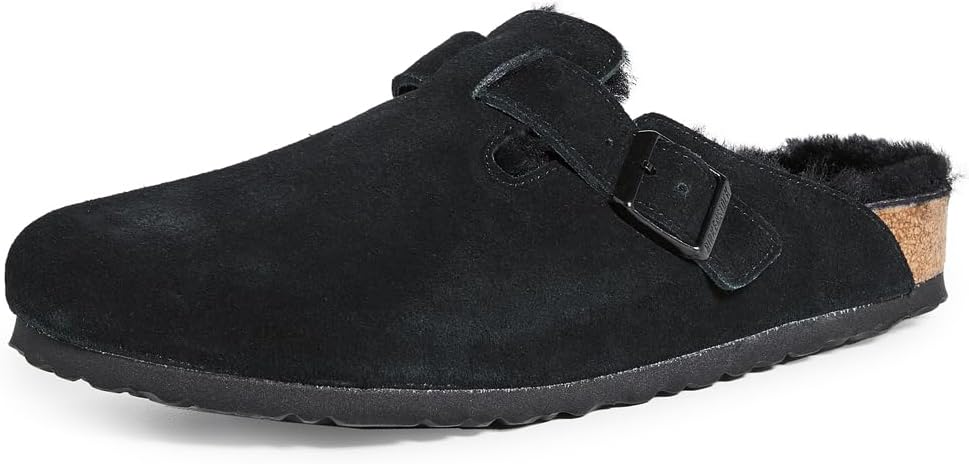
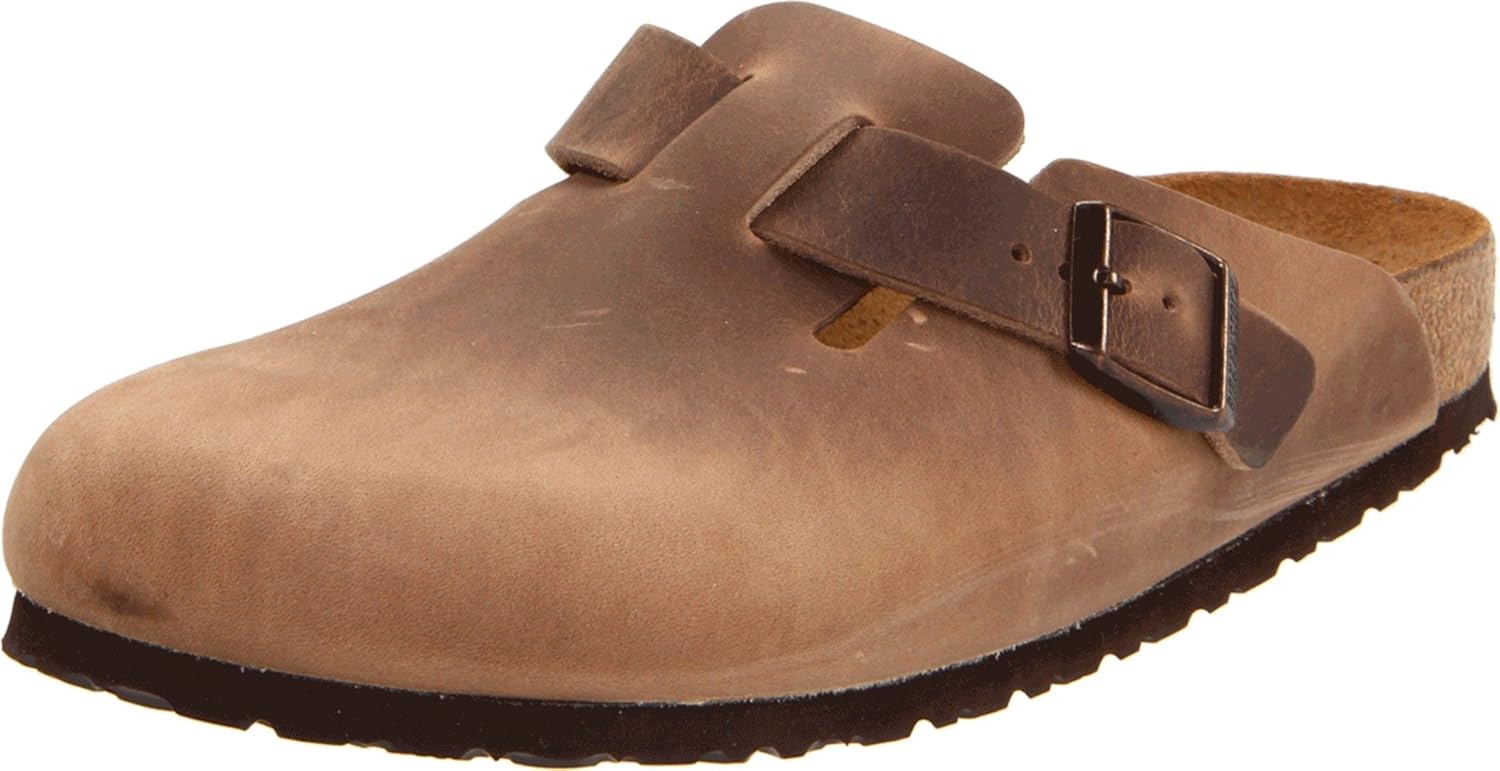
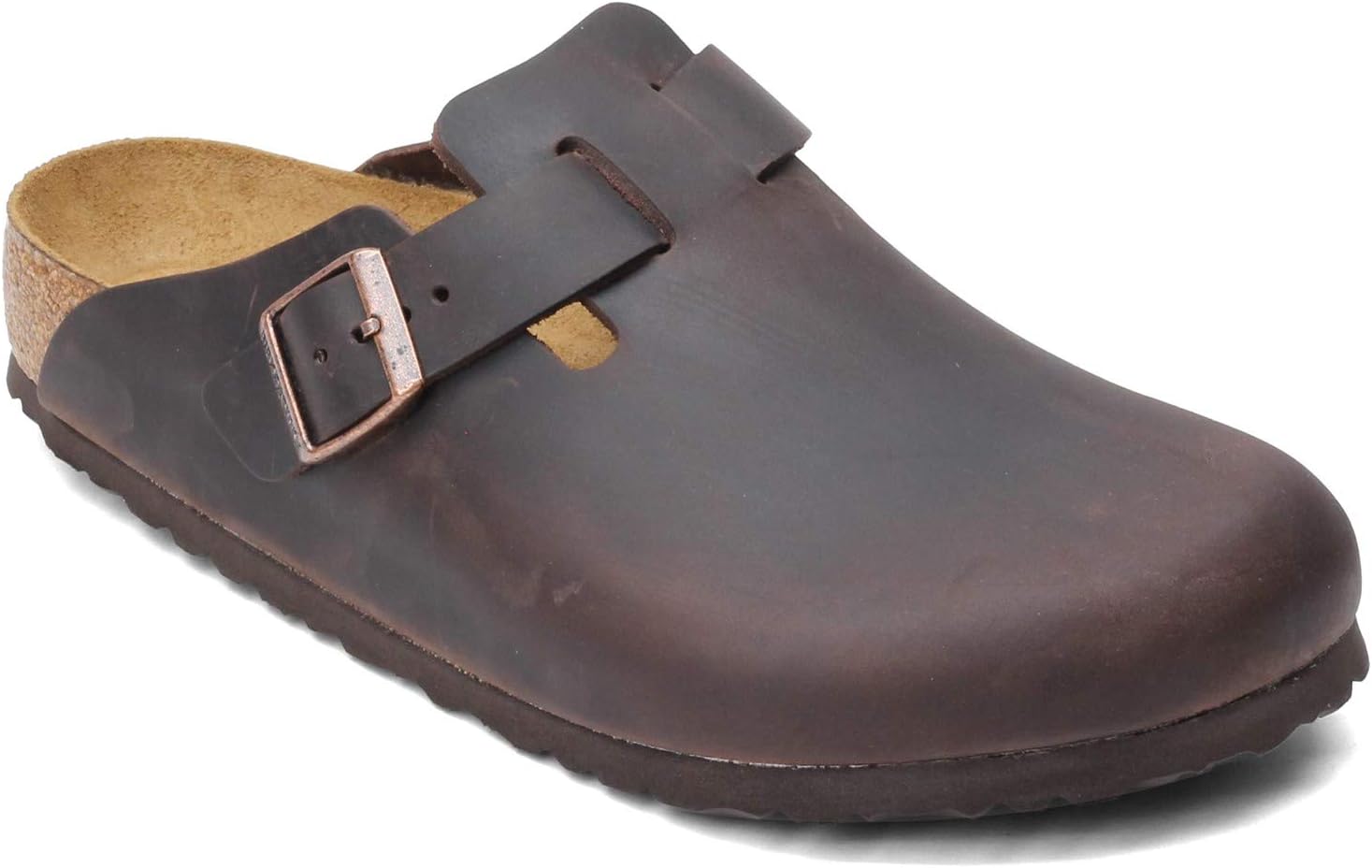
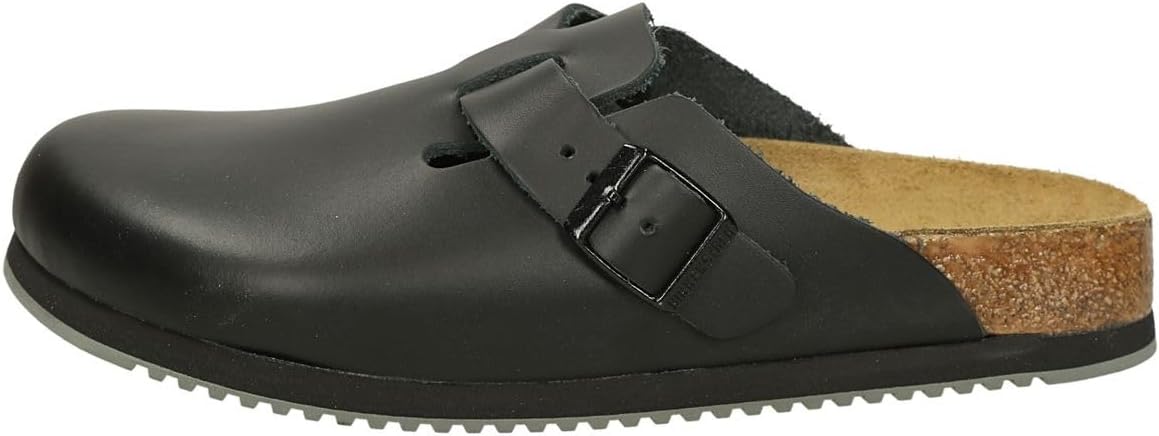
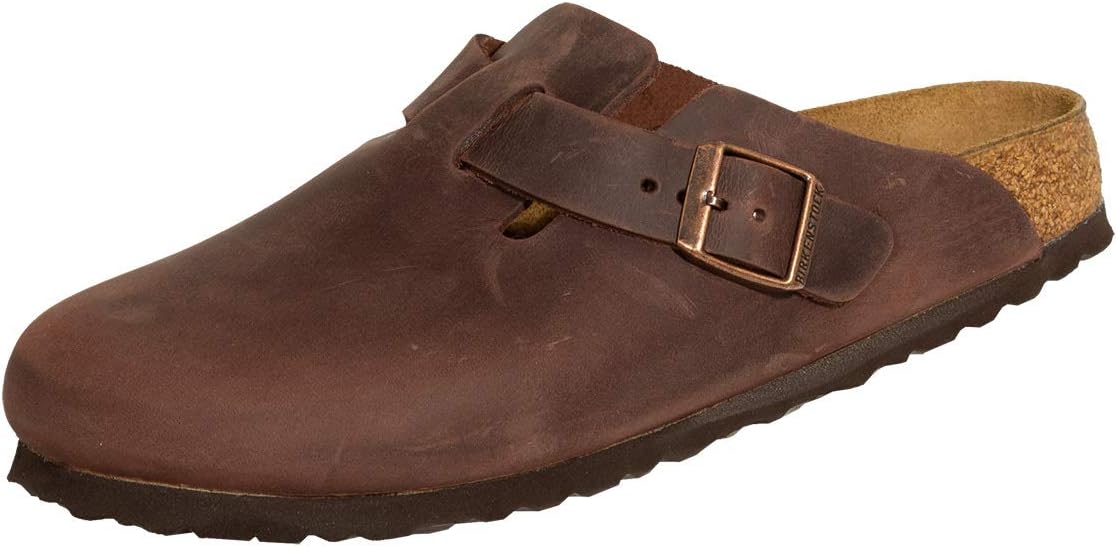
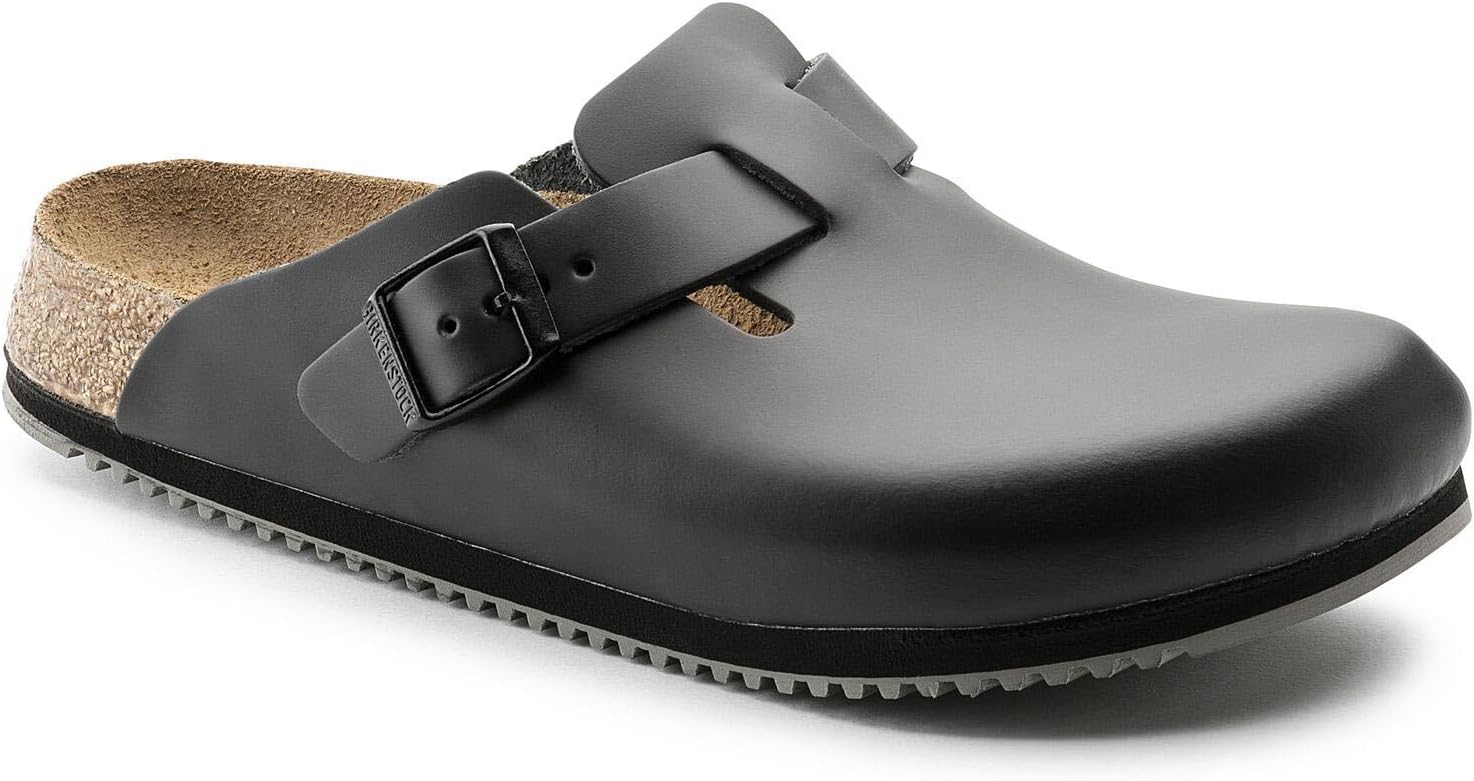
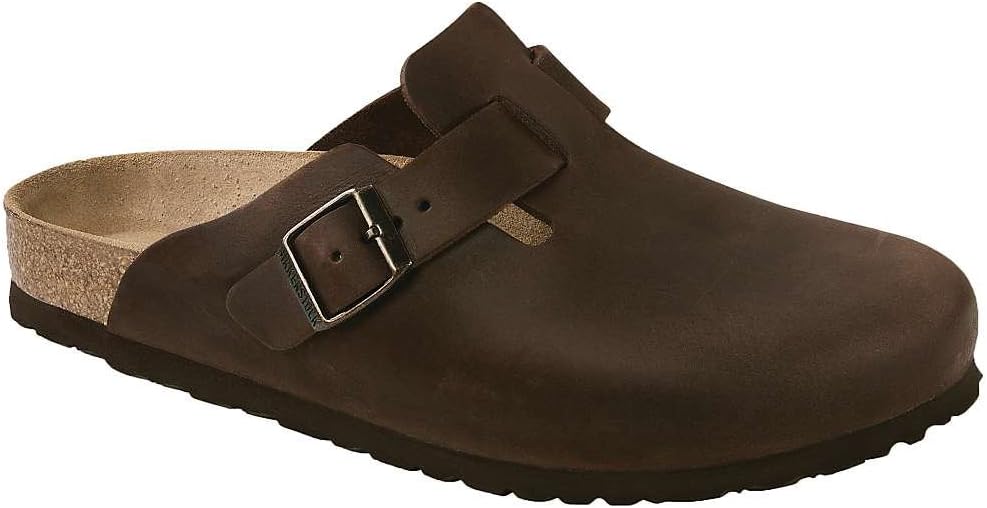
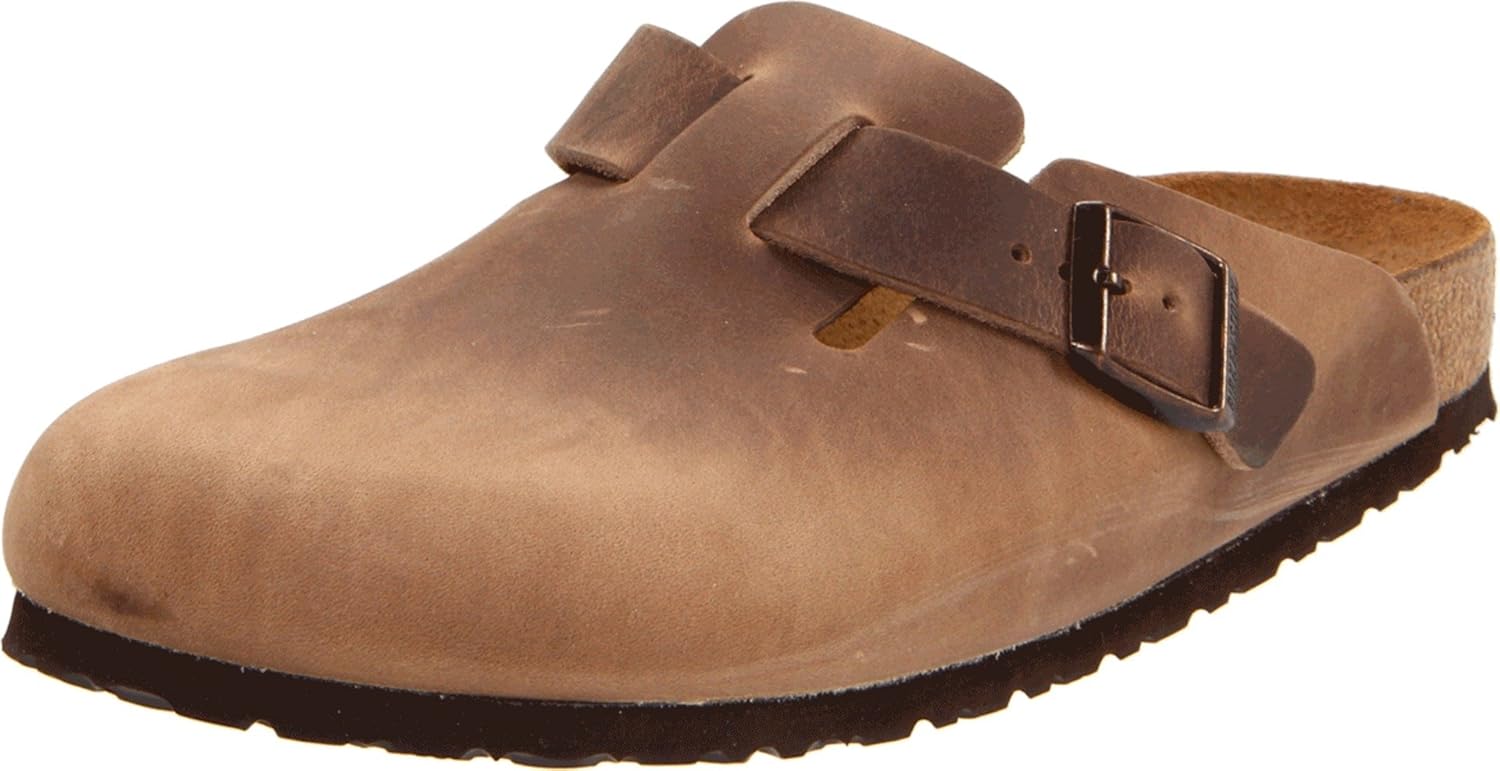
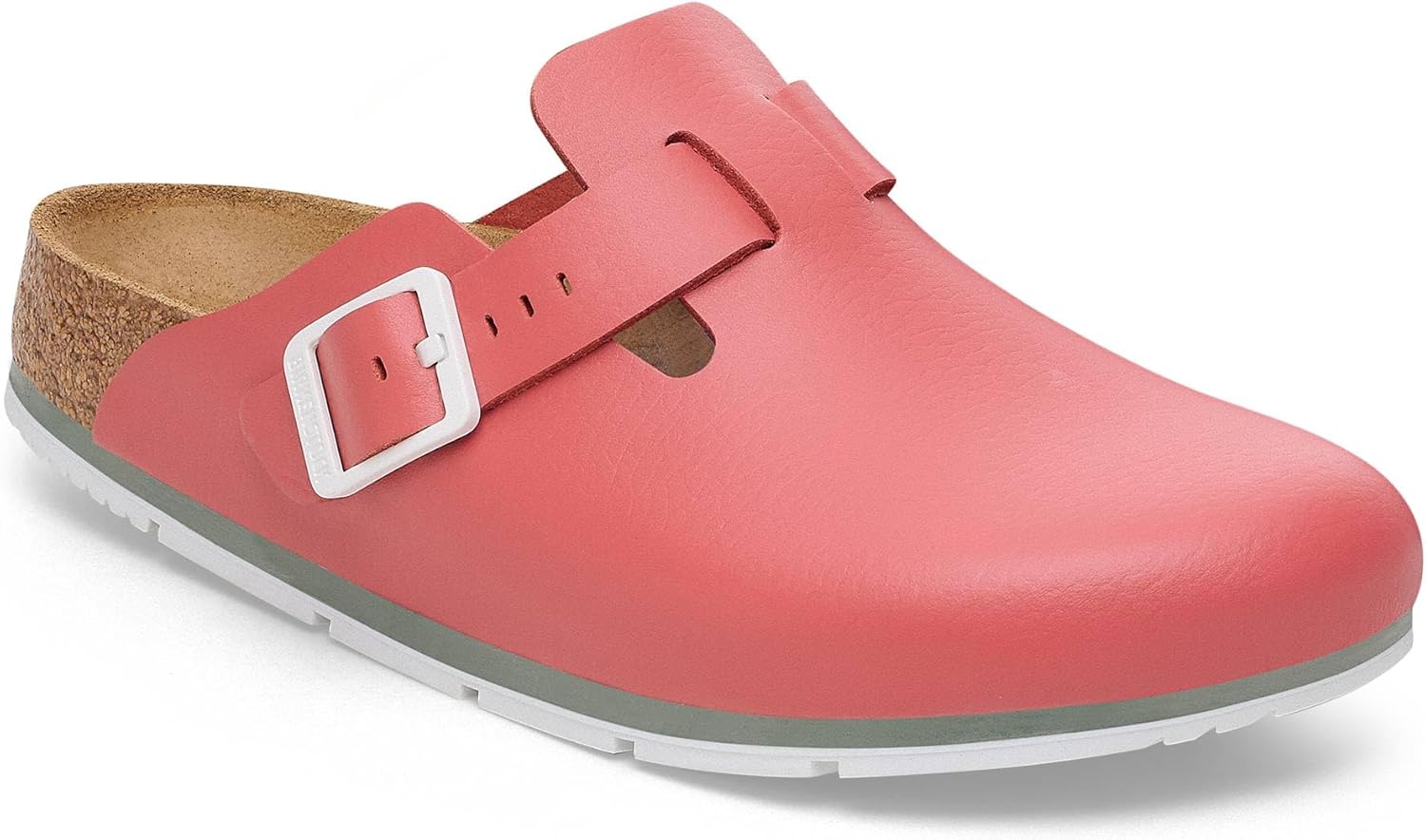
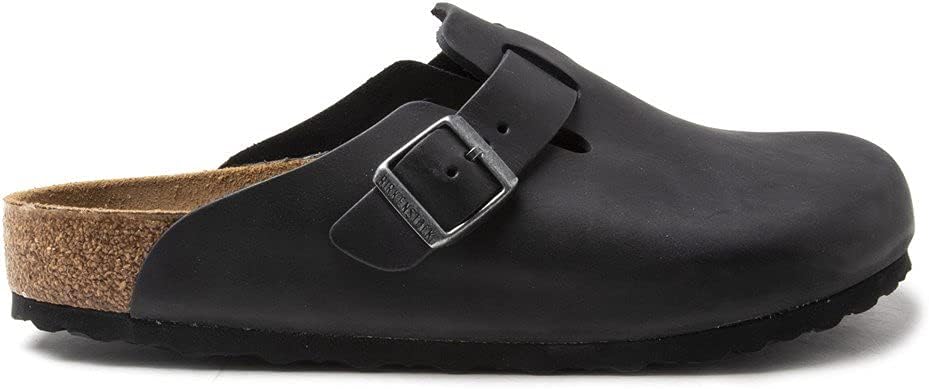
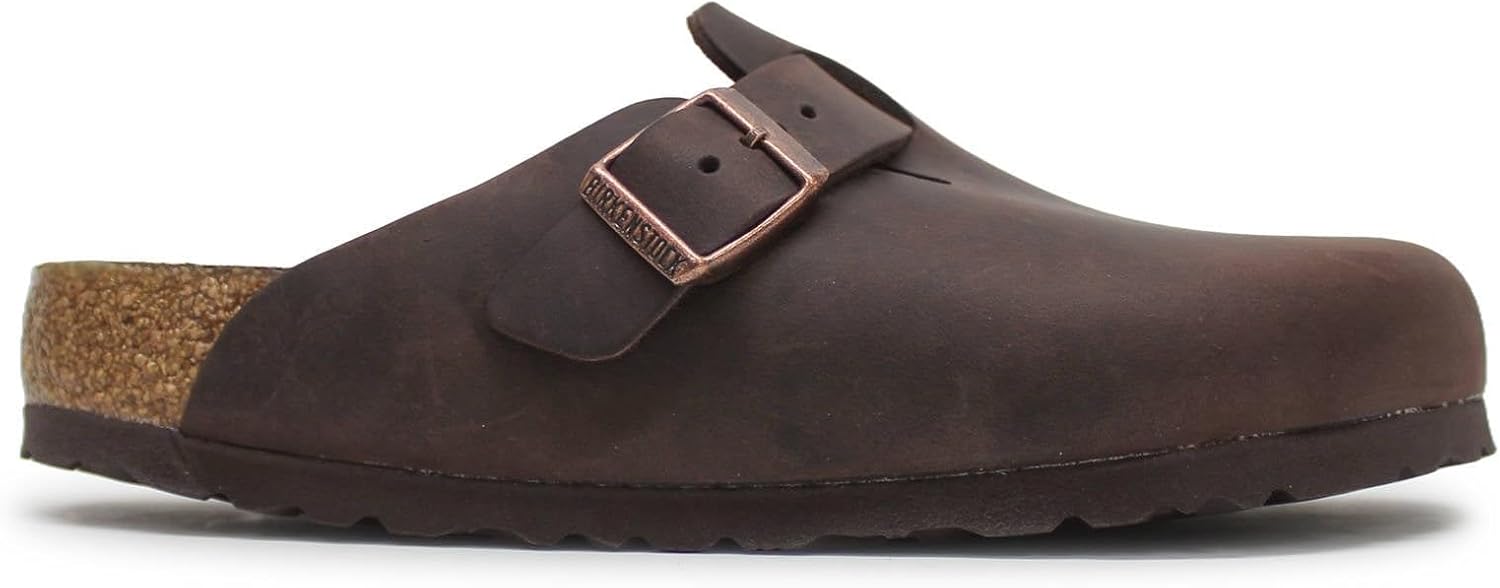
Birkenstock
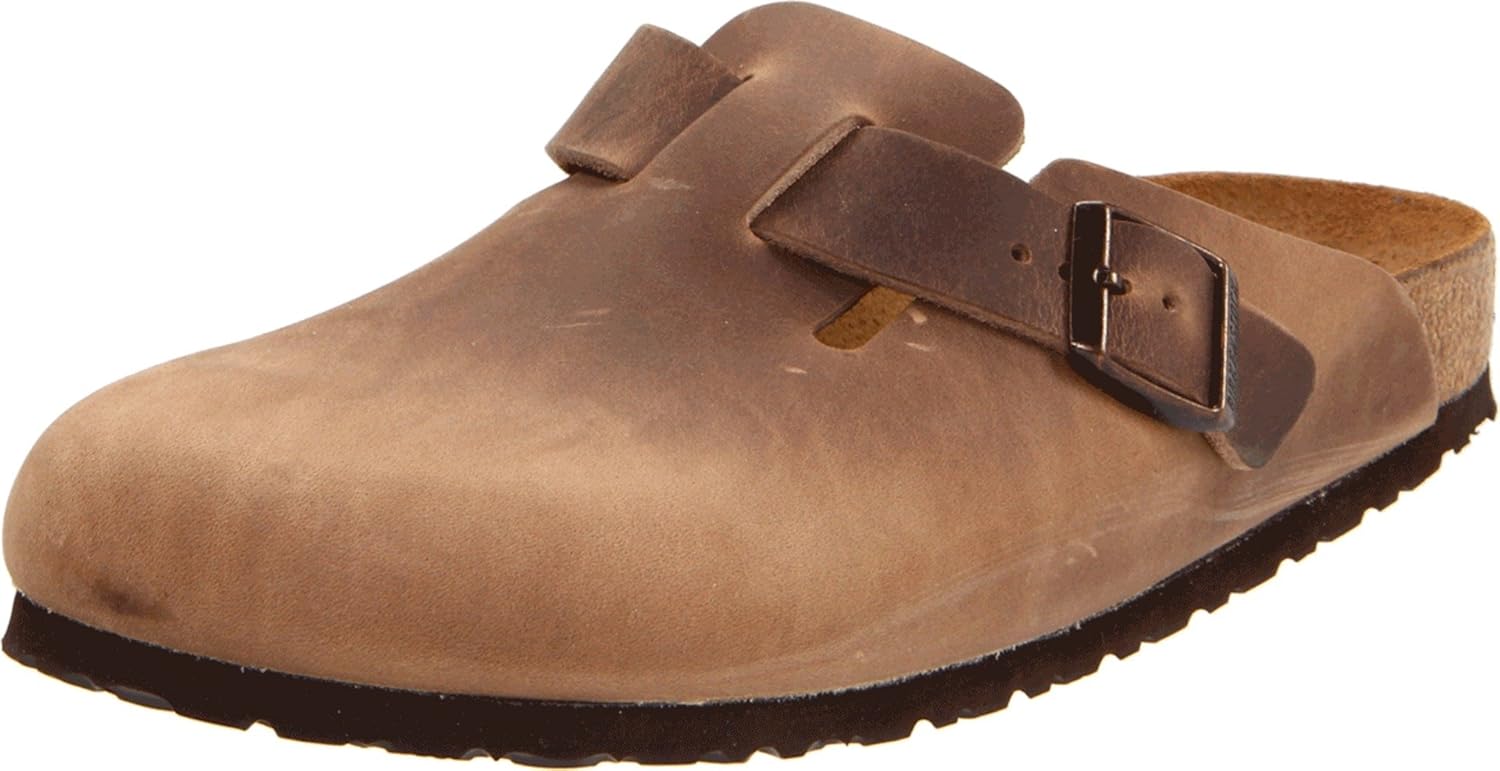
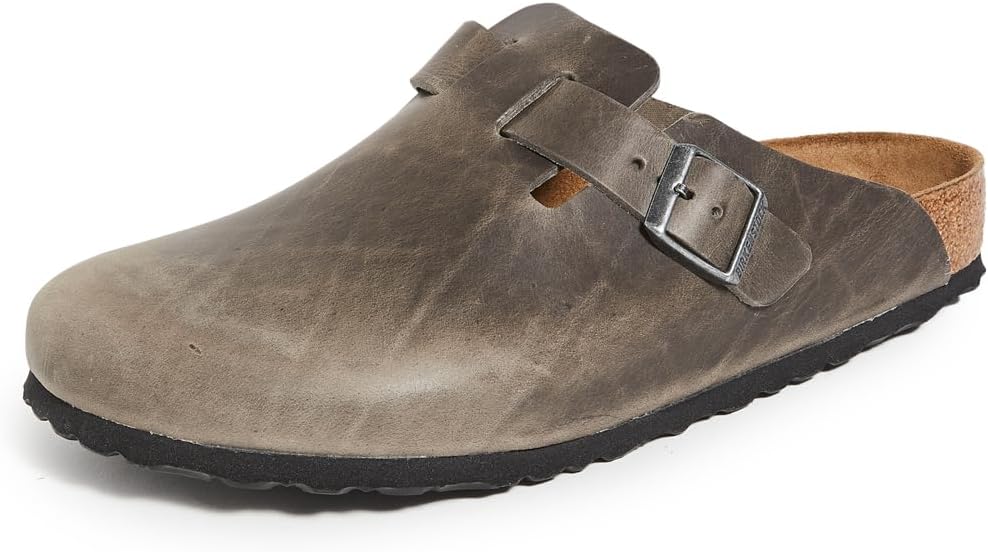
Birkenstock
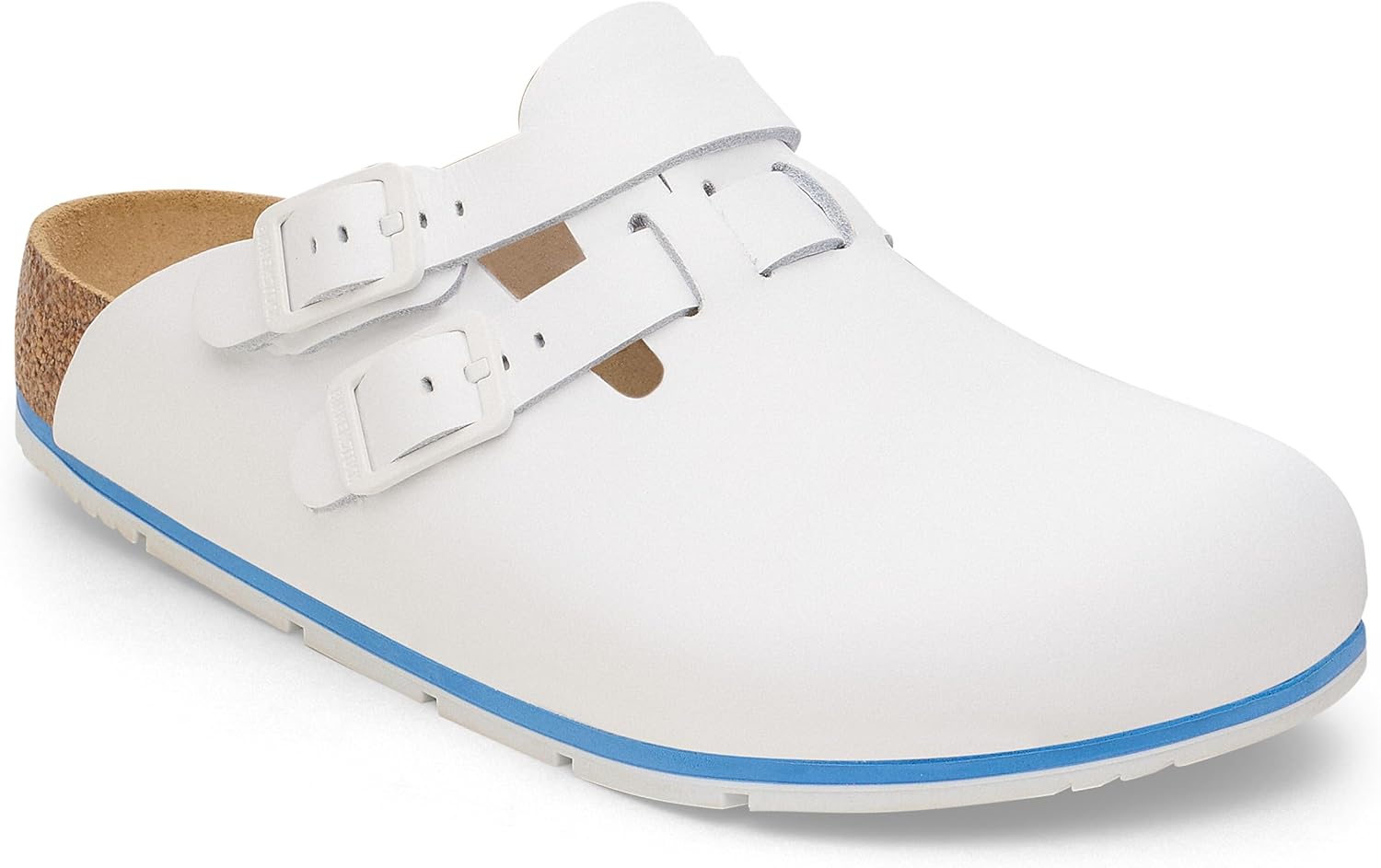
Most comfort footwear is designed for walking — shock absorption, flex, roll. Standing still is a different problem. Your foot is loaded continuously in one position, blood pools, and the small stabilising muscles fatigue without ever getting the relief that movement gives.
That is why a cushioned running shoe feels wonderful for an hour and awful by hour eight, while a rigid clog feels strange for a day and then stops being noticeable.
A rigid or rocker sole. If the sole does not flex at the ball of the foot, your foot is not doing several thousand small contractions across a shift. This is the single biggest factor, and it is why Danish and Swedish clog construction ended up in hospitals.
Even pressure distribution. A flat, supportive footbed spreads load across the whole sole rather than concentrating it at the heel and forefoot. Cork does this as it moulds; a moulded EVA footbed does it from a fixed shape.
A deep heel cup. Your heel pad is a natural shock absorber, and it splays outward under sustained load. A cup keeps it under the bone where it works.
Thick cushioning compresses. Memory foam takes a permanent set within months, and a compressed foam footbed gives you less support than a firm one did on day one. Gel inserts do the same thing faster.
Extra weight is also worse than it sounds. You lift the shoe thousands of times a shift even if you are barely walking.
Two pairs alternated will do more for your feet than any single upgrade. Leather needs about a day to release moisture, and a dry footbed supports better than a damp one.
Anti-fatigue matting, where you can get it, beats any shoe. And shifting weight deliberately — one foot forward, then the other, every few minutes — does what the shoe cannot.
A rocker sole takes three to five days to stop feeling odd. A cork footbed takes two to three weeks to mould. Neither is comfortable immediately, and the temptation to give up in week one is why a lot of people conclude clogs do not work for them.