152 styles
Men's Leather Clogs
Leather clogs and mules built for men, plus every unisex style that fits a men's foot — wooden-soled workshop clogs, cork-footbed Bostons and slip-resistant work shoes.
Products
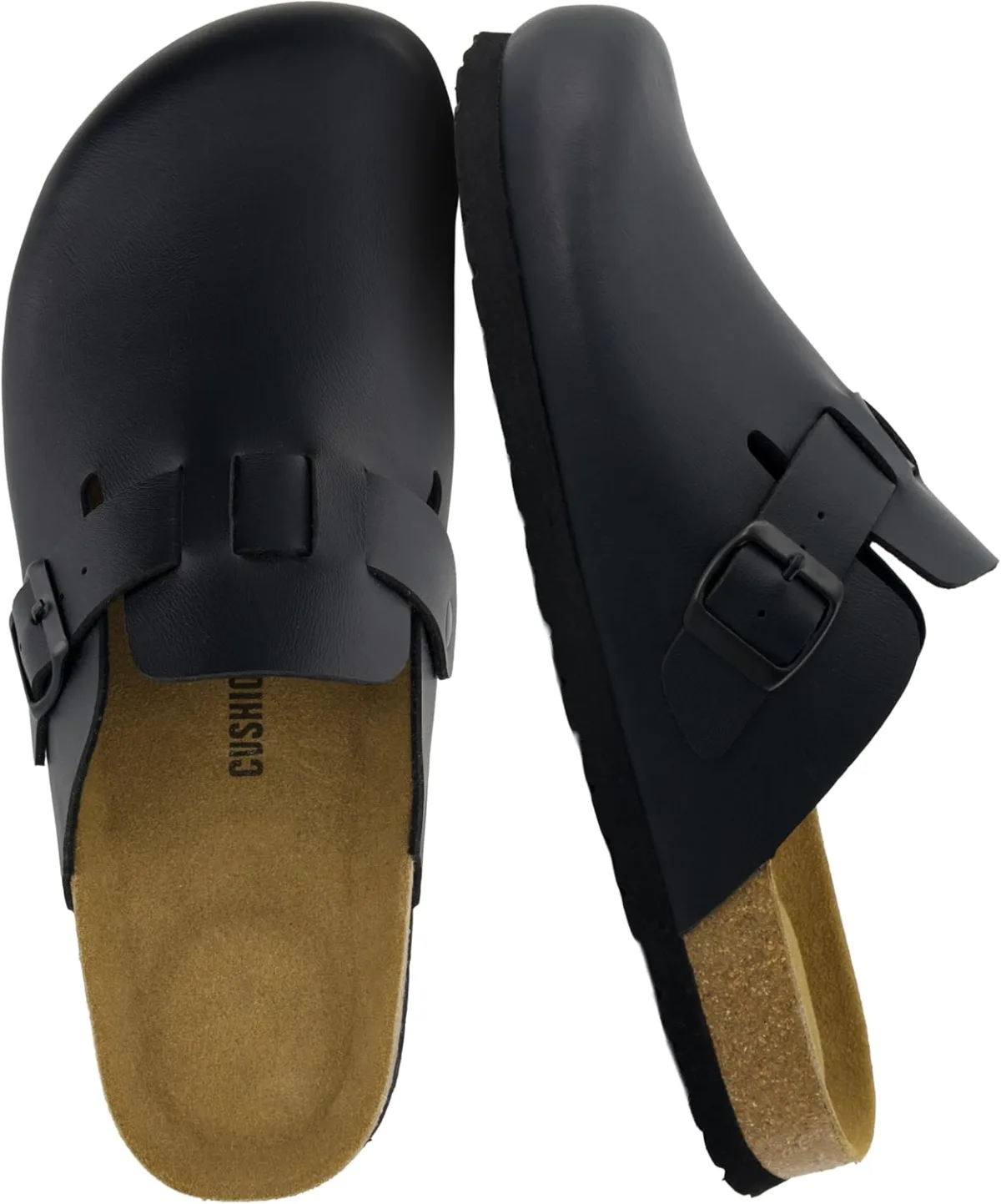
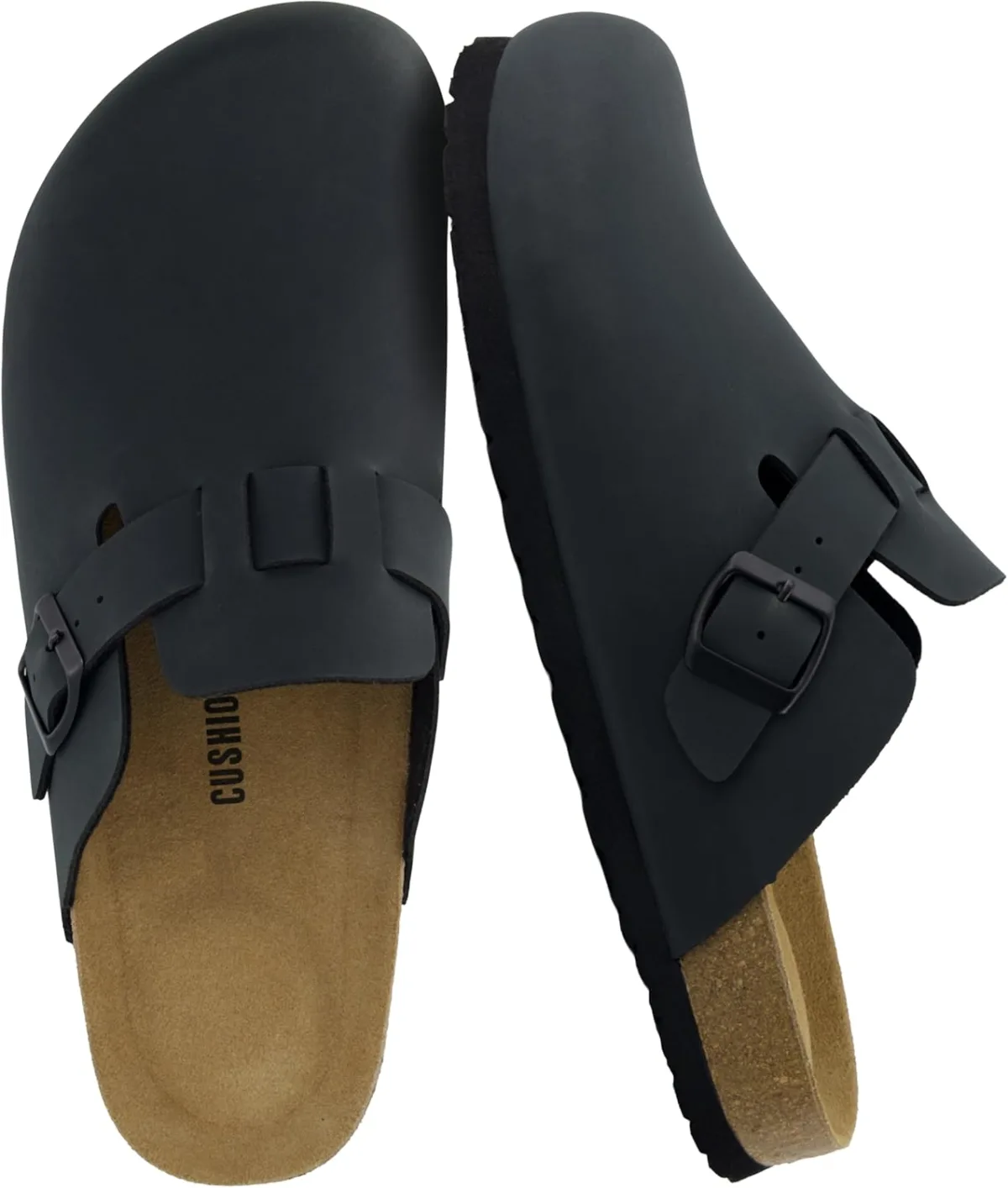
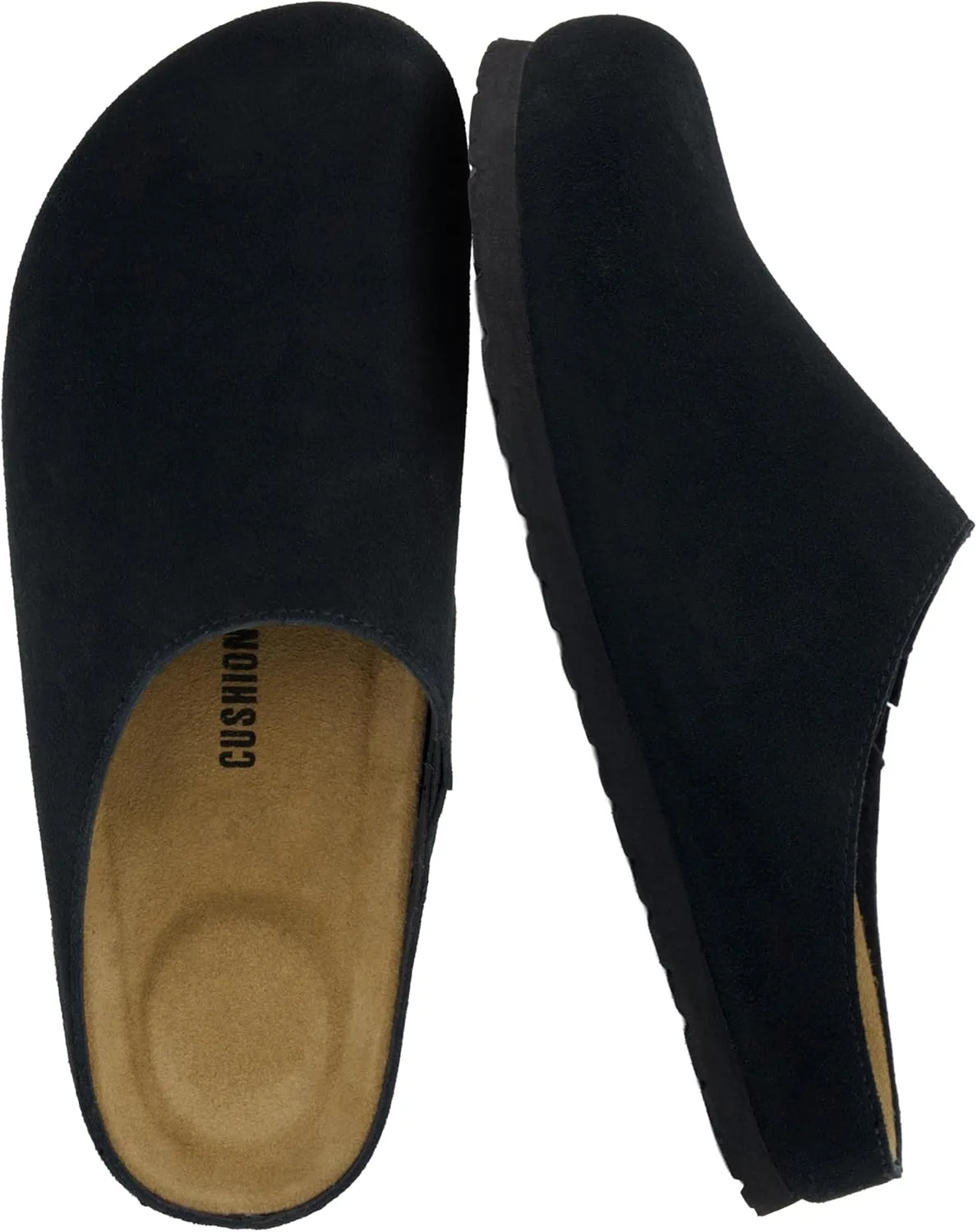
CUSHIONAIRE
CUSHIONAIRE Heath Genuine Suede Leather Mens Clogs with Memory Foam Comfort, E
Memory foam
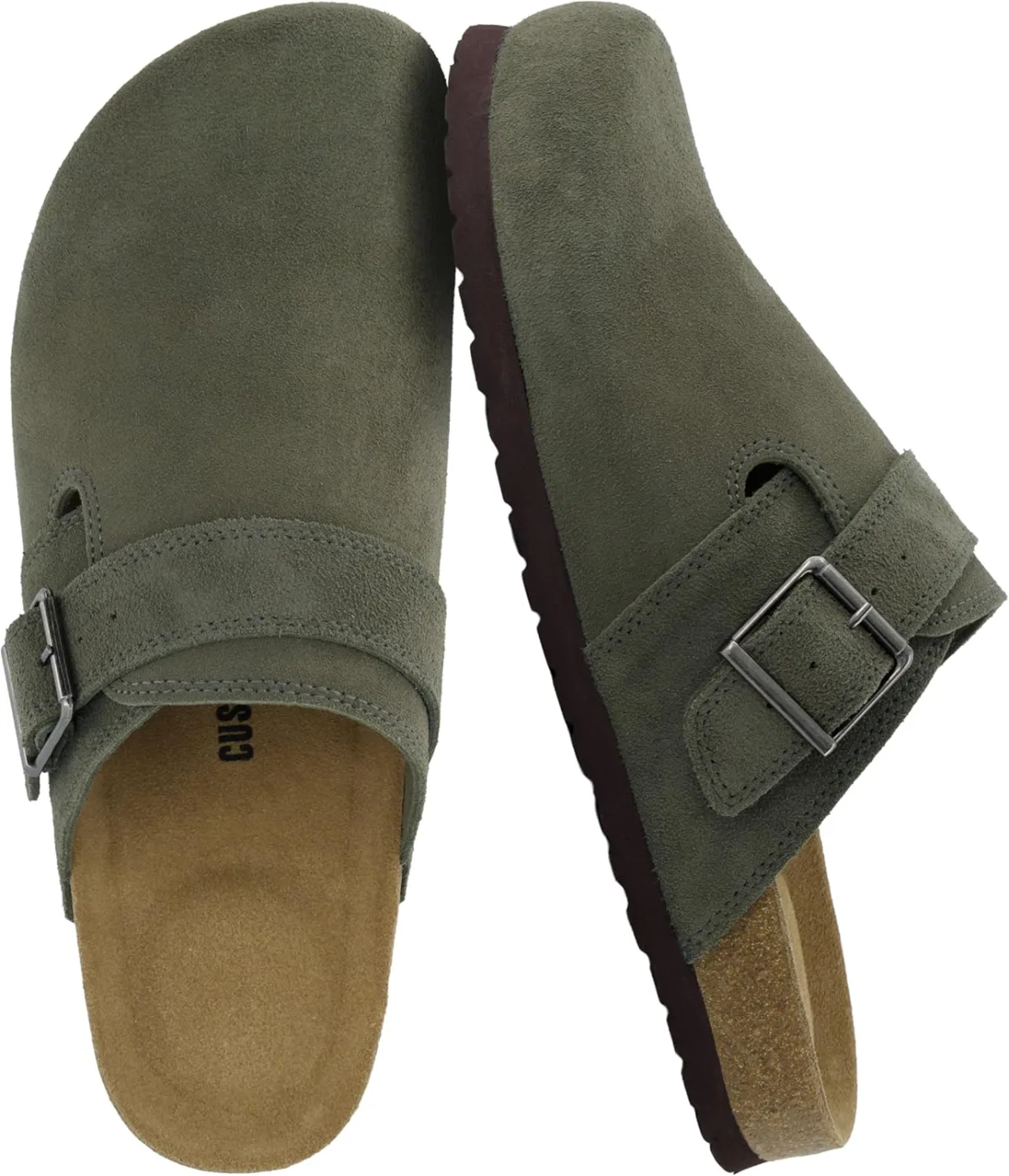
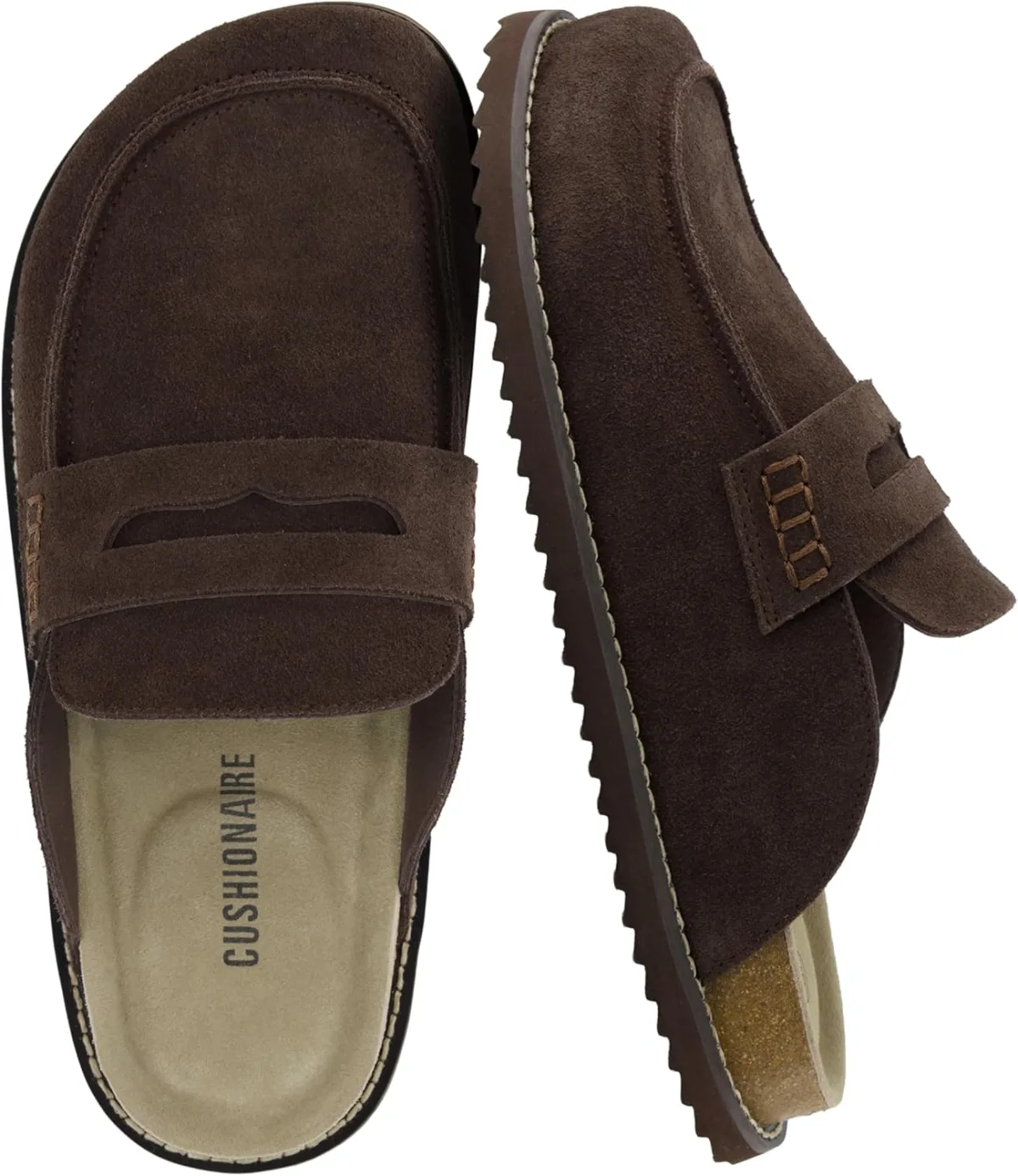
CUSHIONAIRE
CUSHIONAIRE Wally Loafer-Style Suede Clogs for Men, Slip-On Backless Indoor Ou
Cushioned insoleOpen back
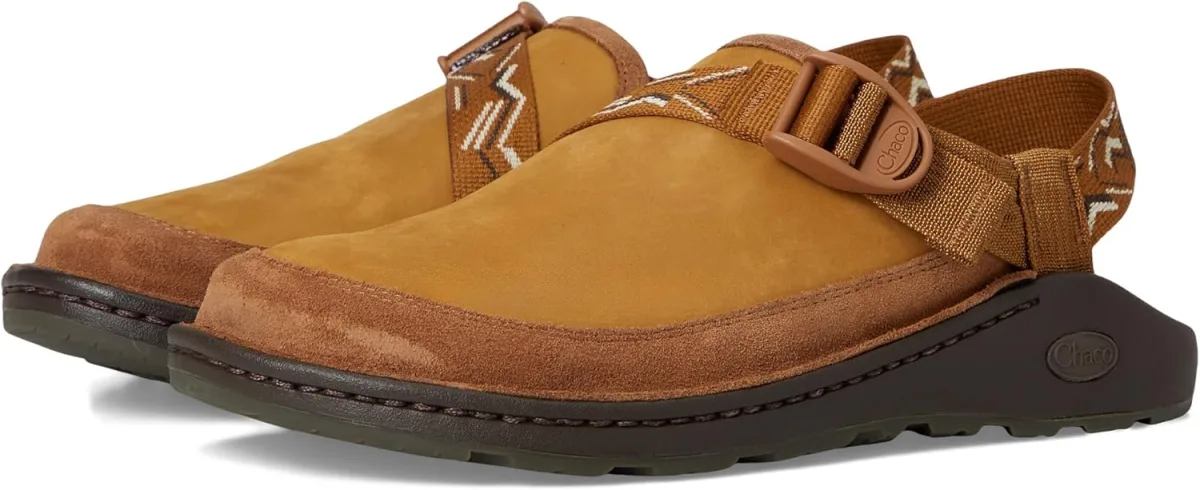
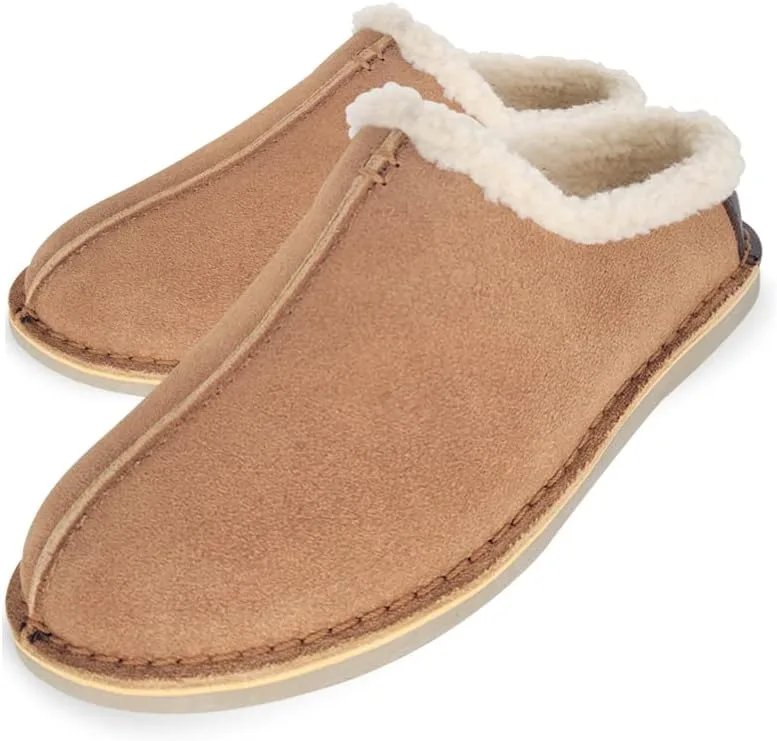
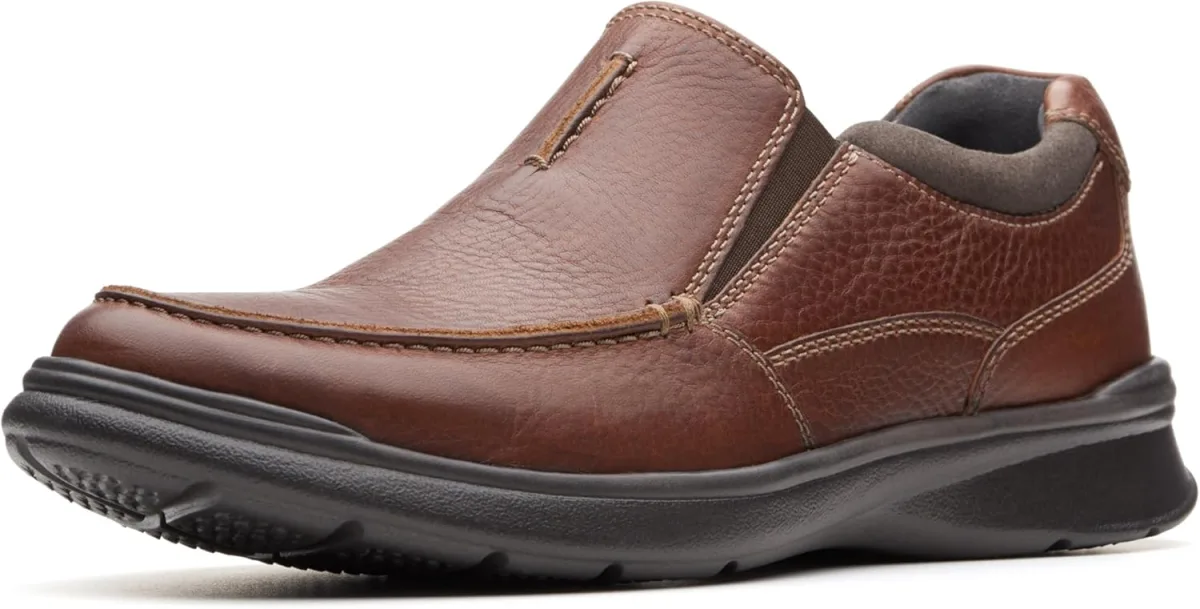
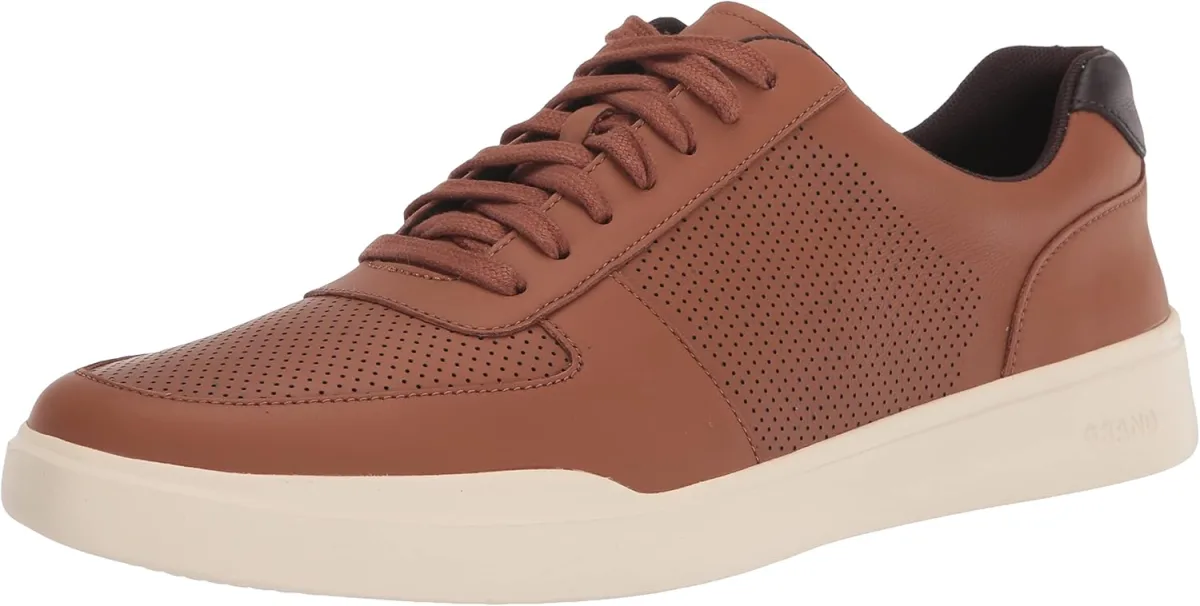
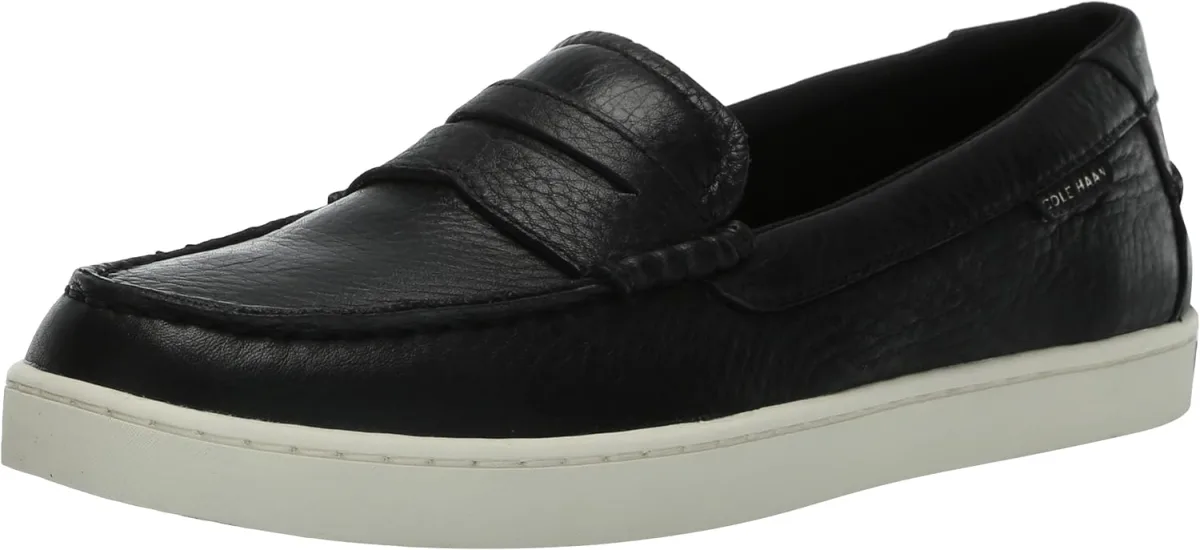
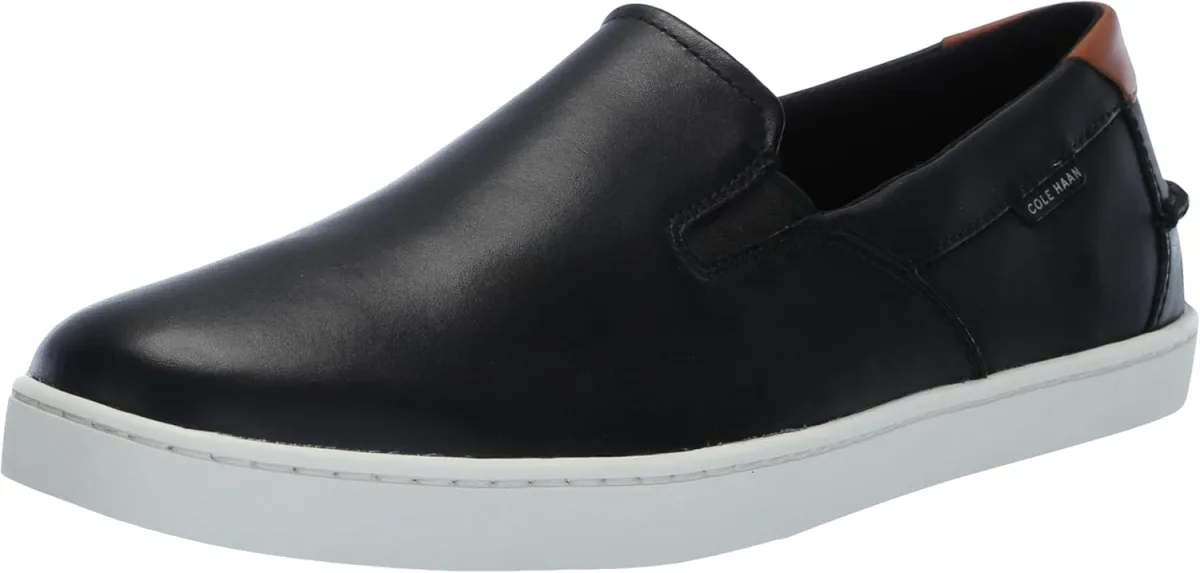
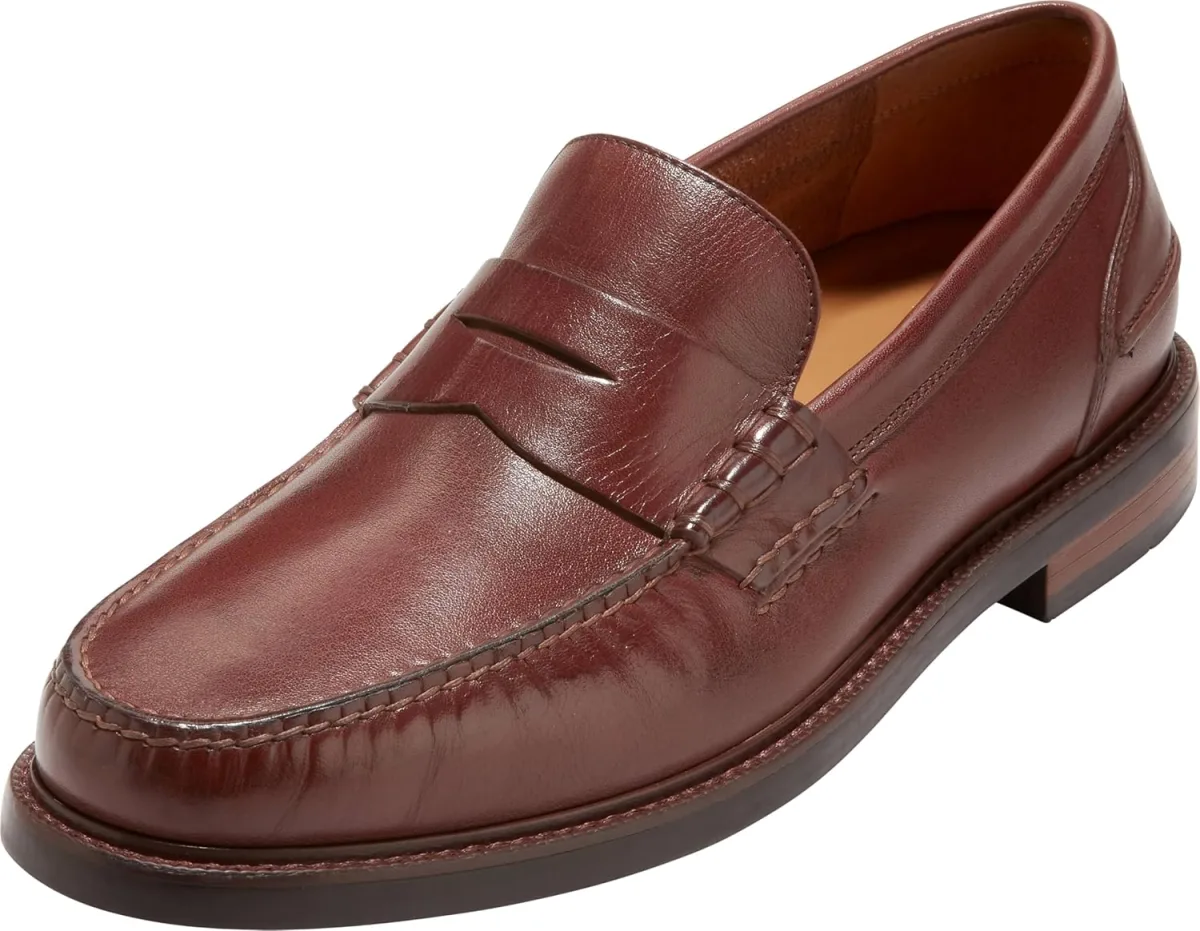
Cole Haan
Cole Haan Mens Pinch Prep Penny Loafer
Dansko
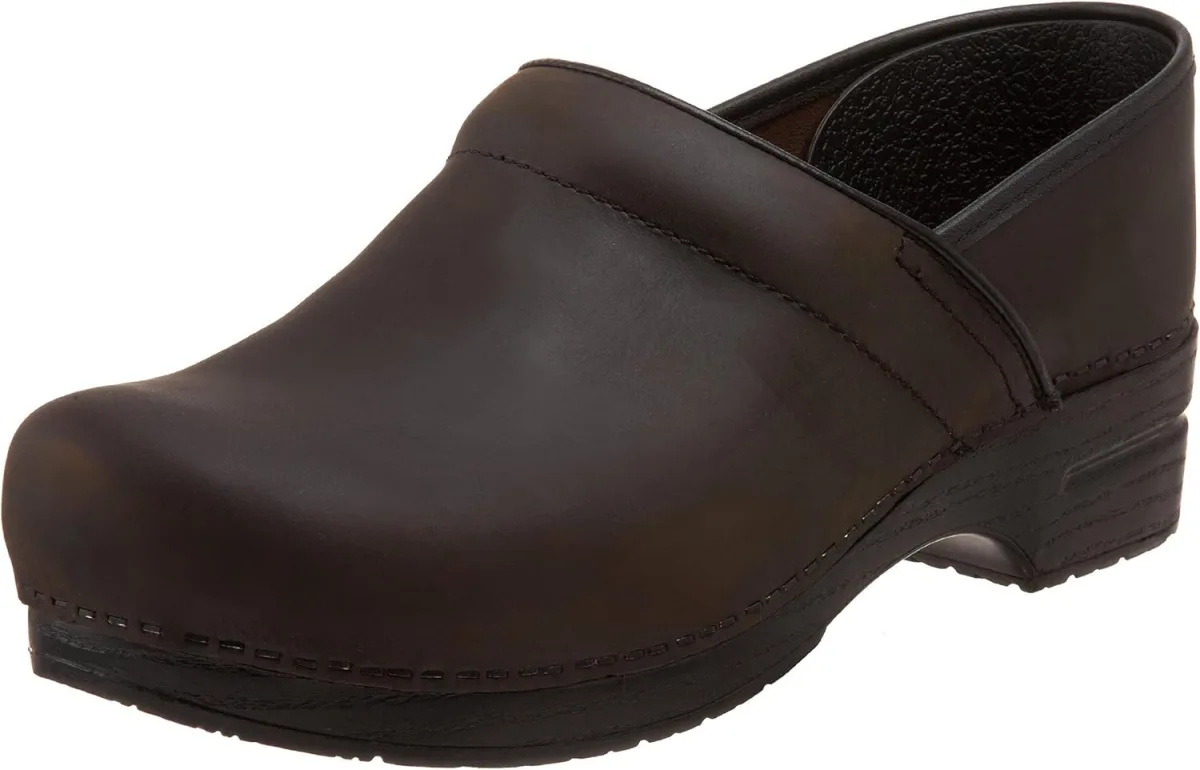
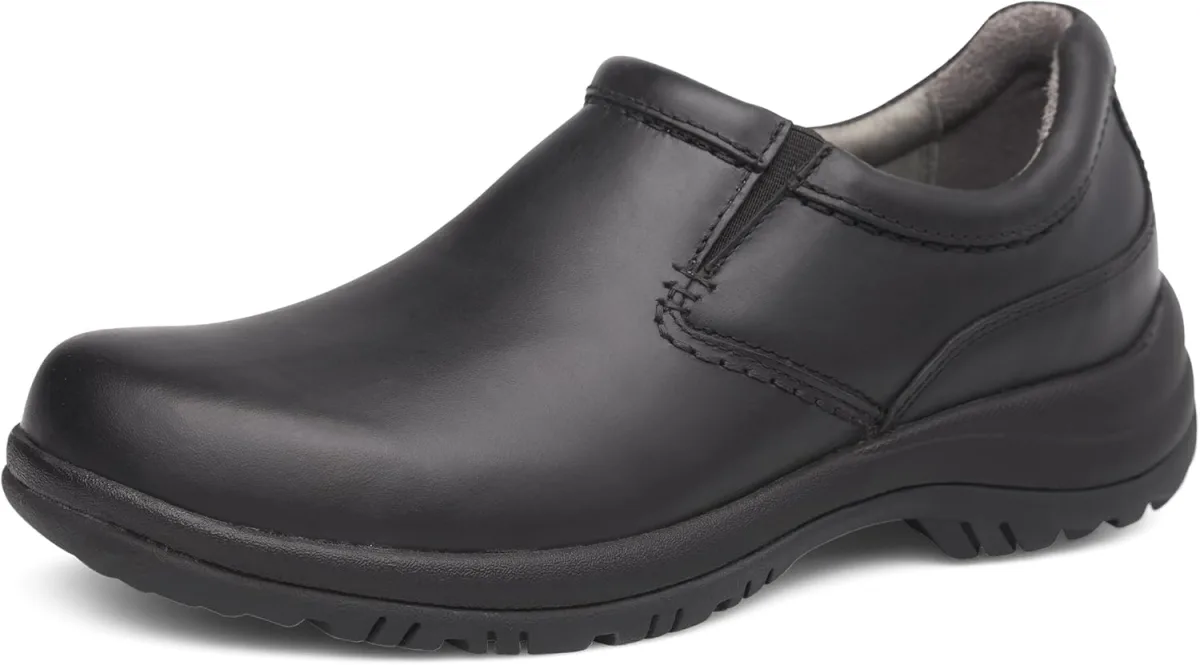
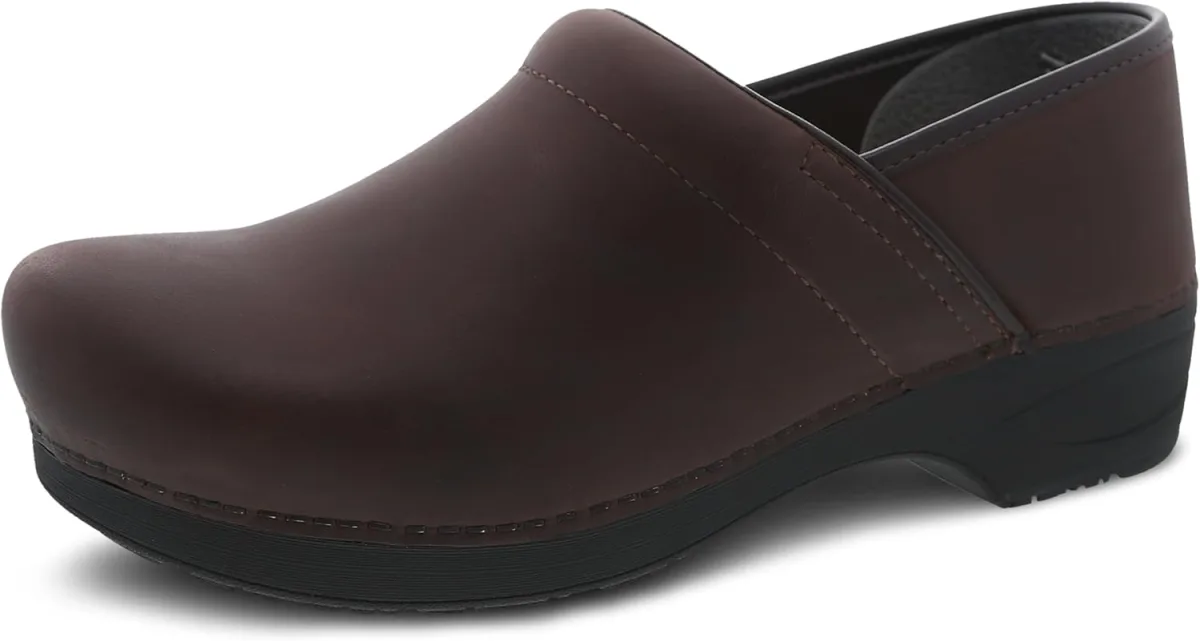
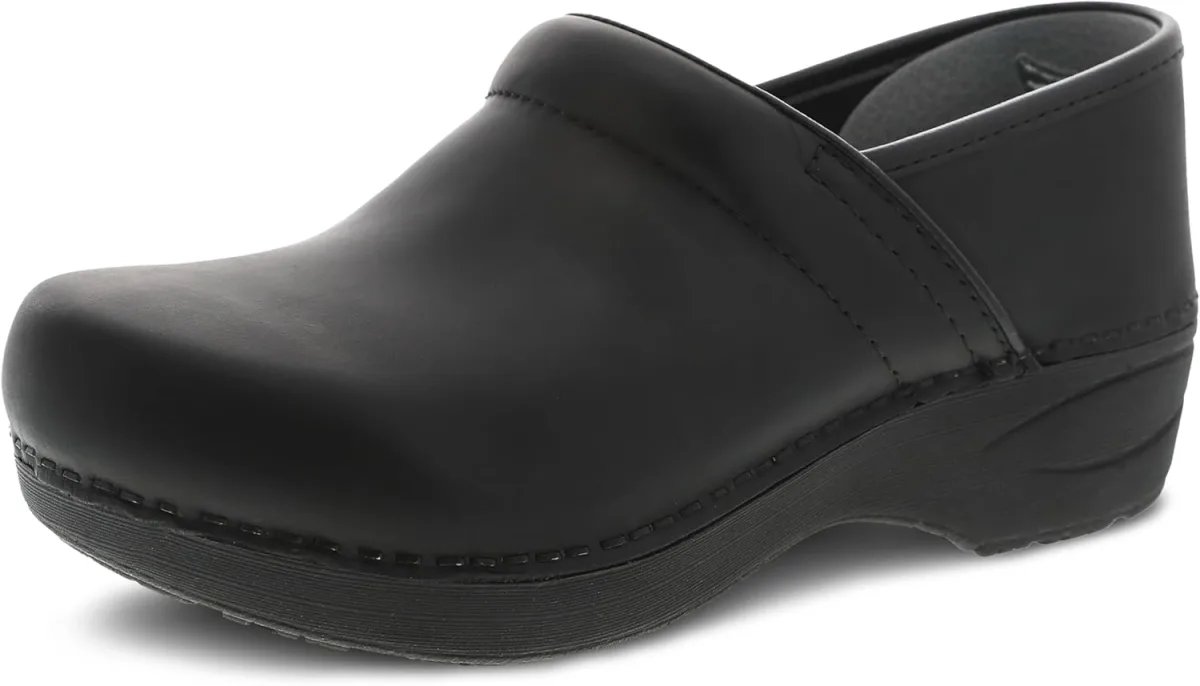
Dansko Men's XP 2.0 Clog
Dansko
Dansko XP 2.0 Clogs
Dansko
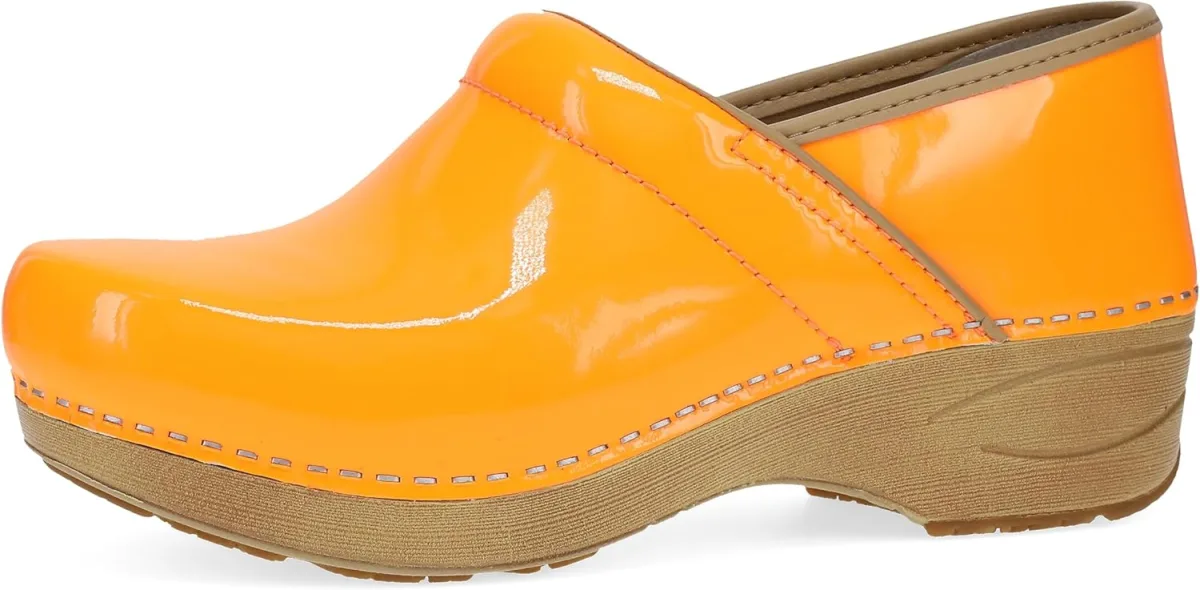
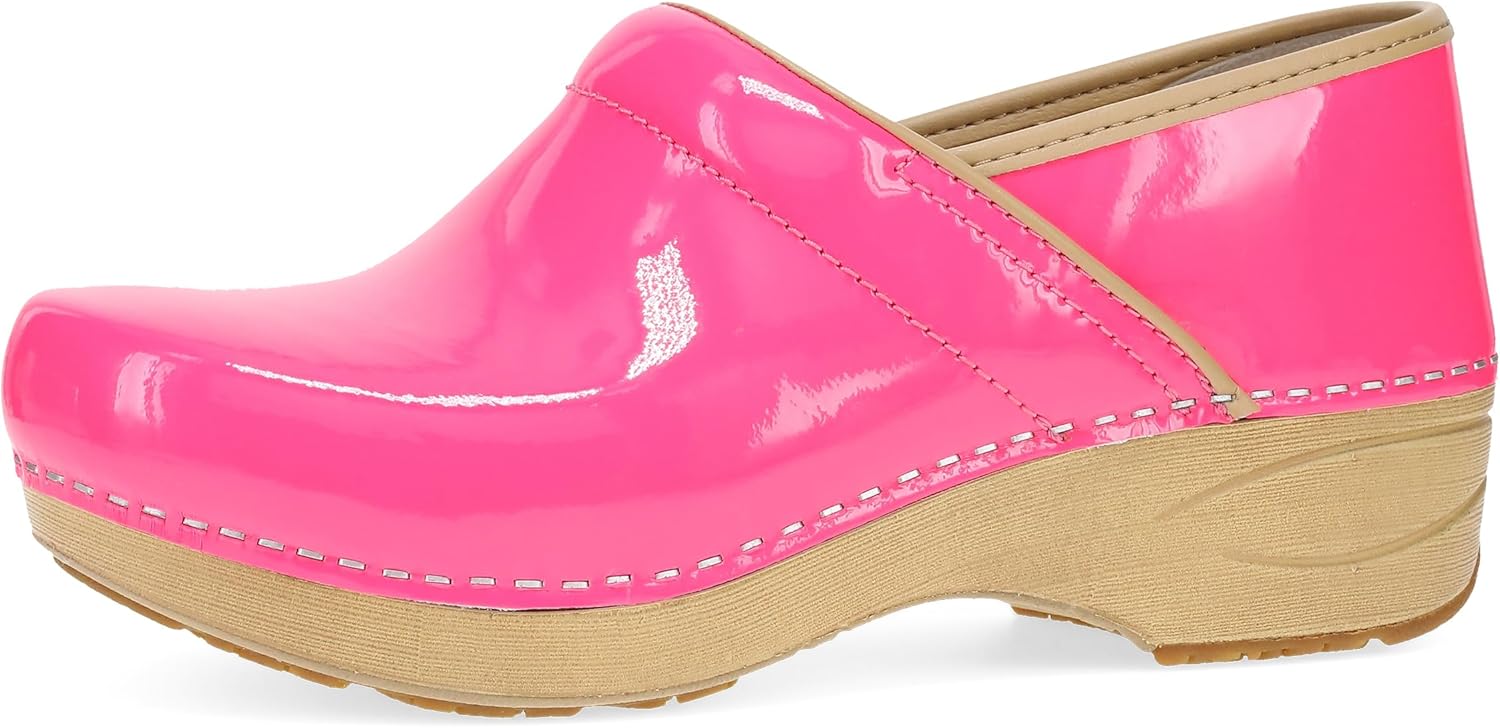
Dansko XP 2.0 Neon Clogs
Dr. Martens
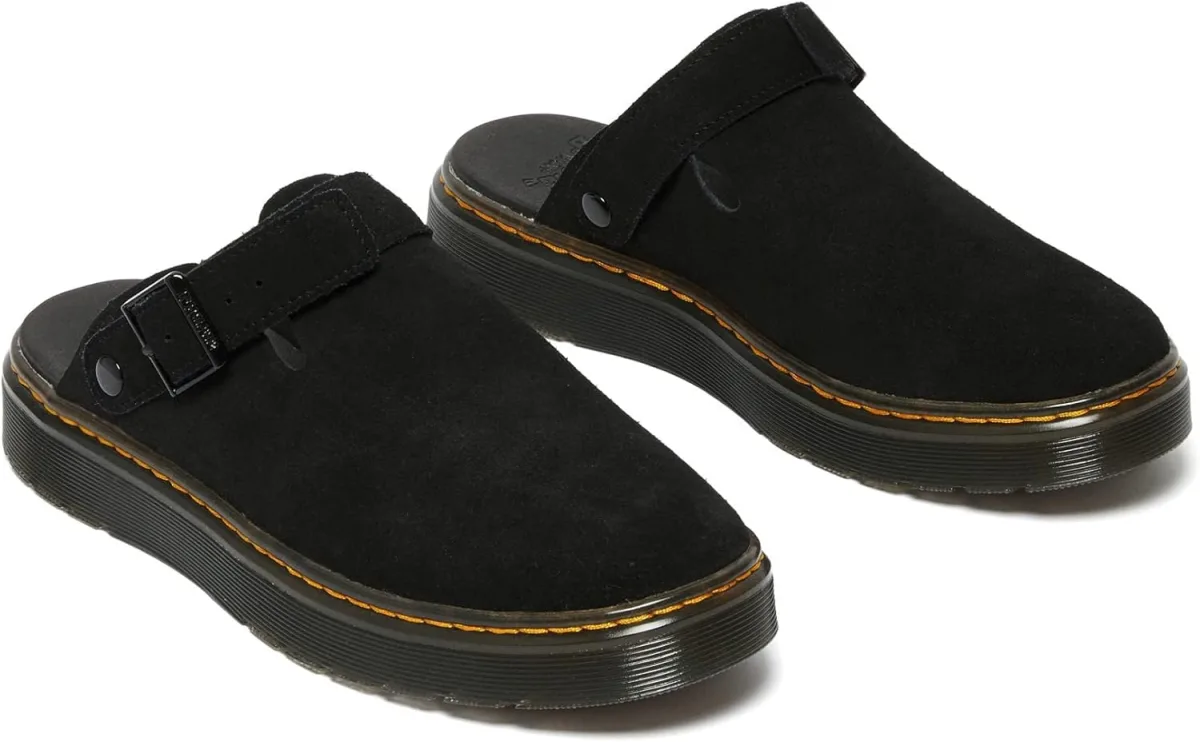
Dr. Martens Men's Carlson Mules
Dr. Martens
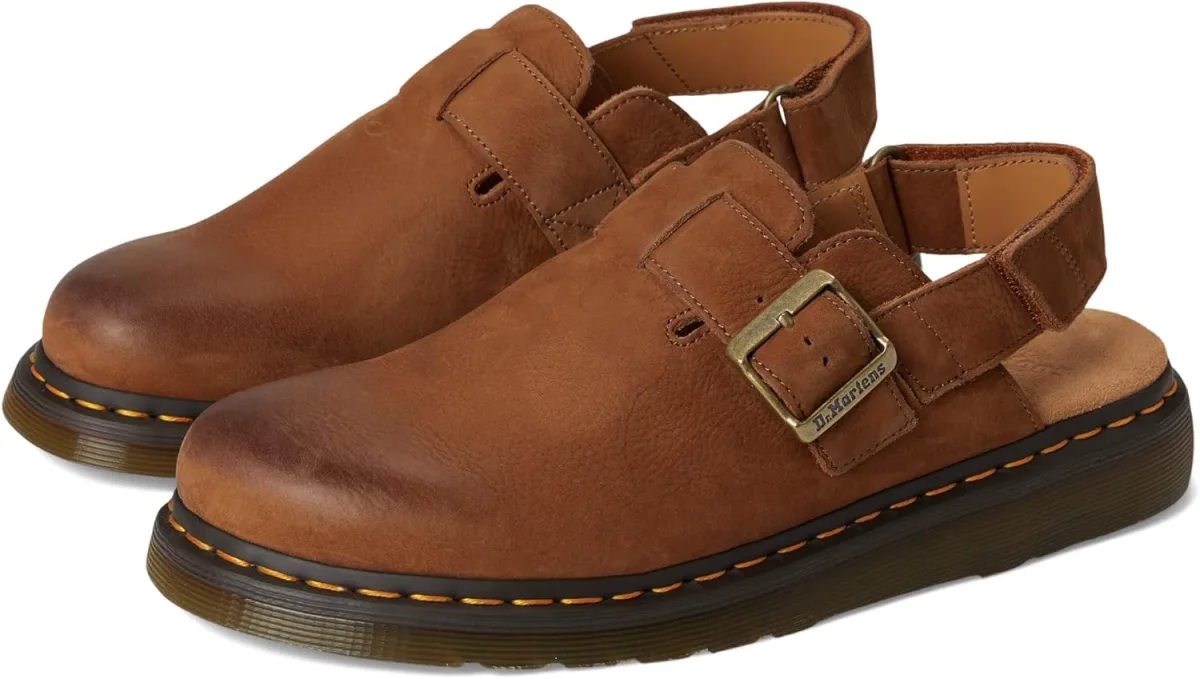
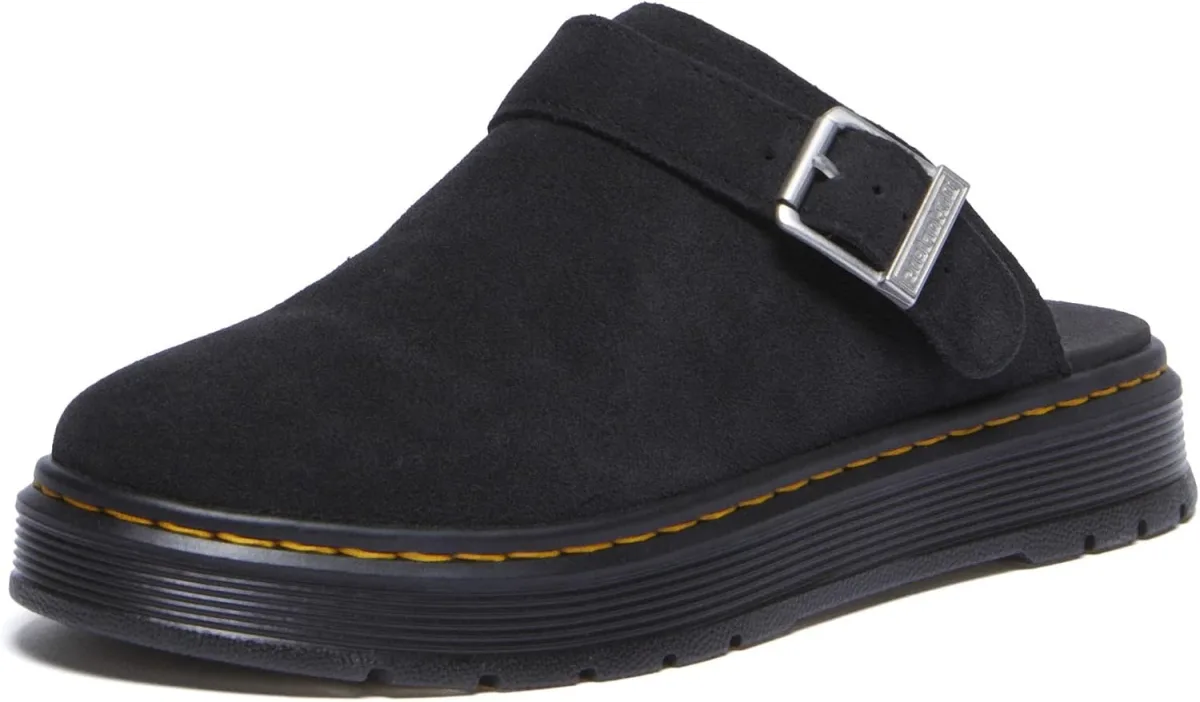
Dr. Martens Unisex-Adult Brookline Mule
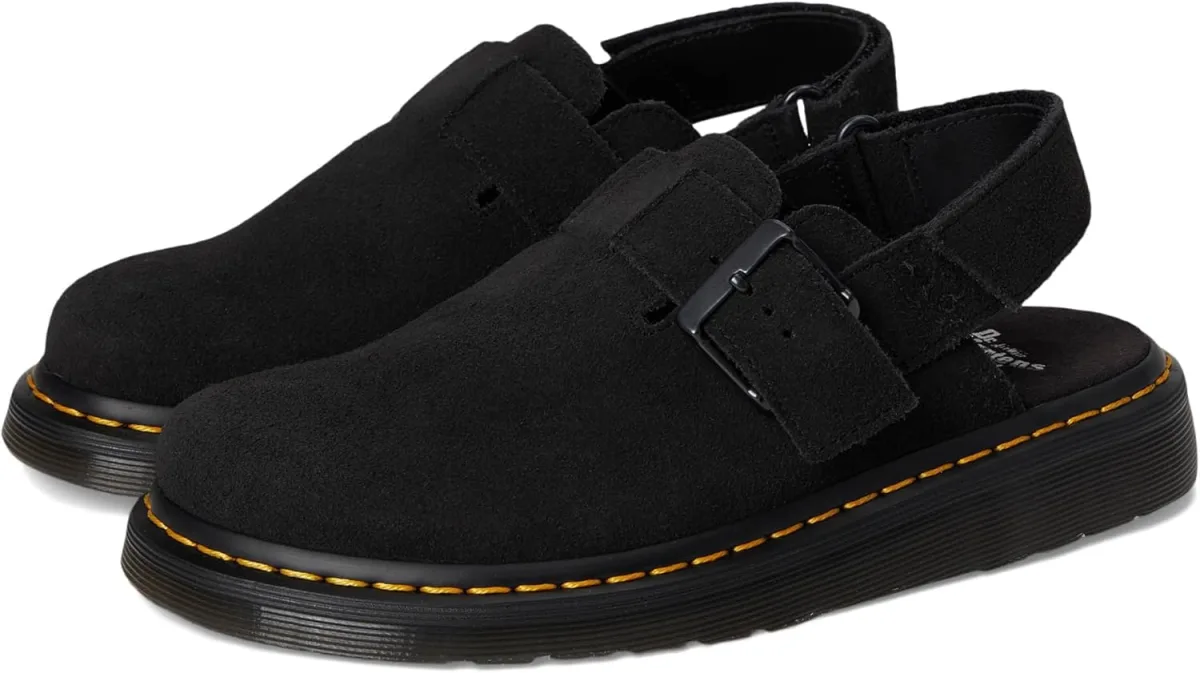
Dr. Martens
Dr. Martens Unisex-Adult Jorge Ii
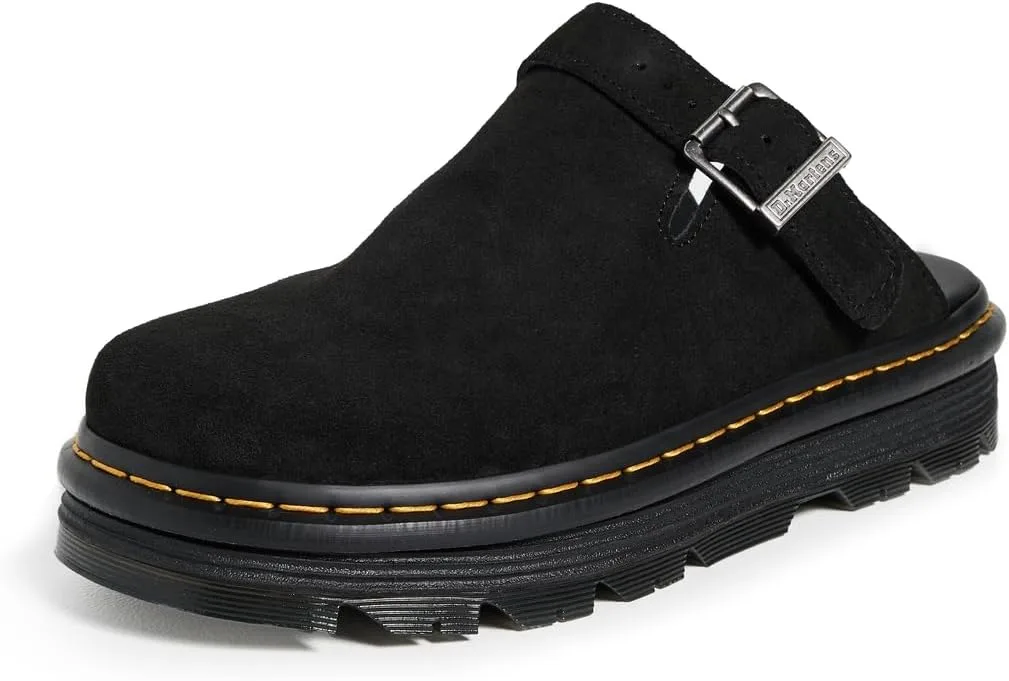
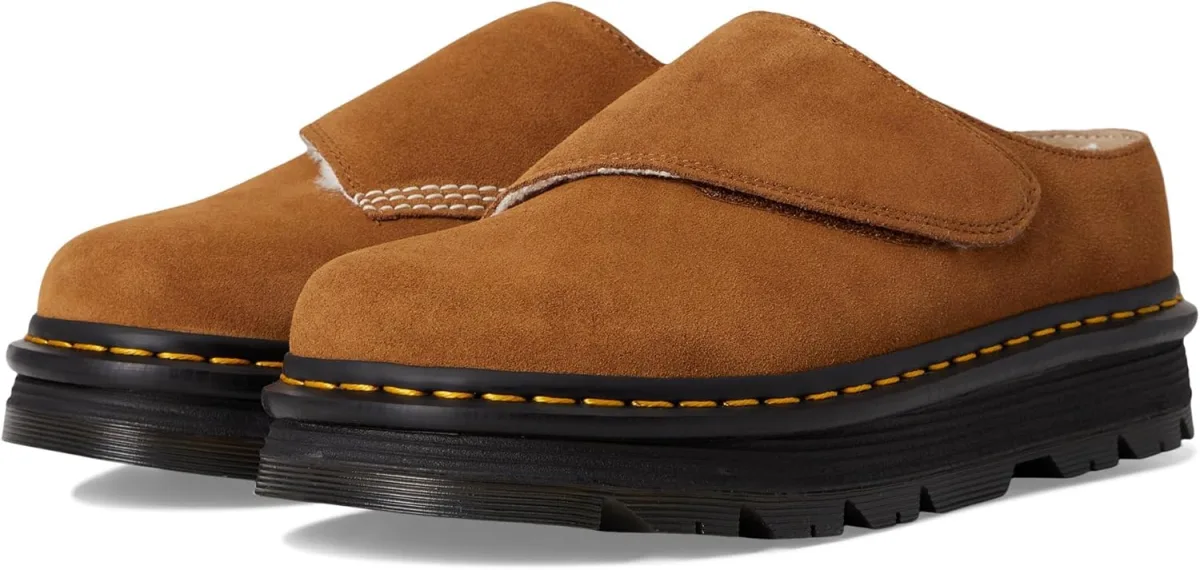
Dr. Martens
Dr. Martens Unisex-Adult Zebzag Anywair Wl Mules
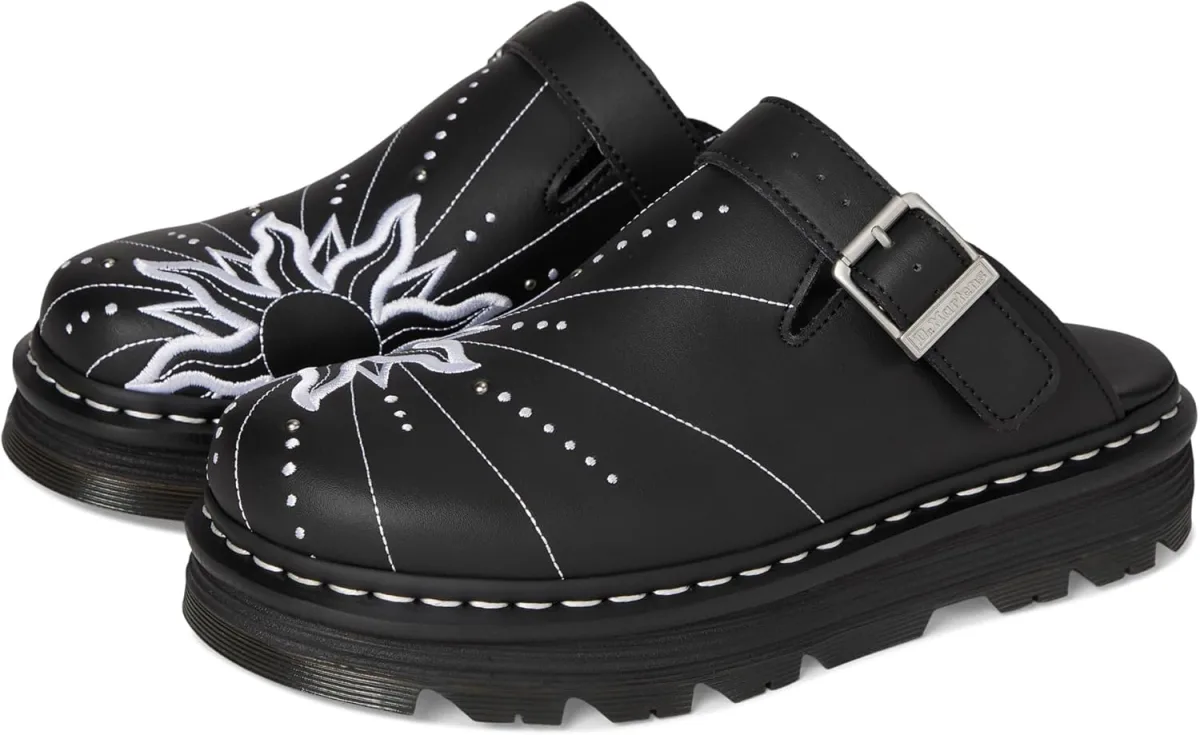
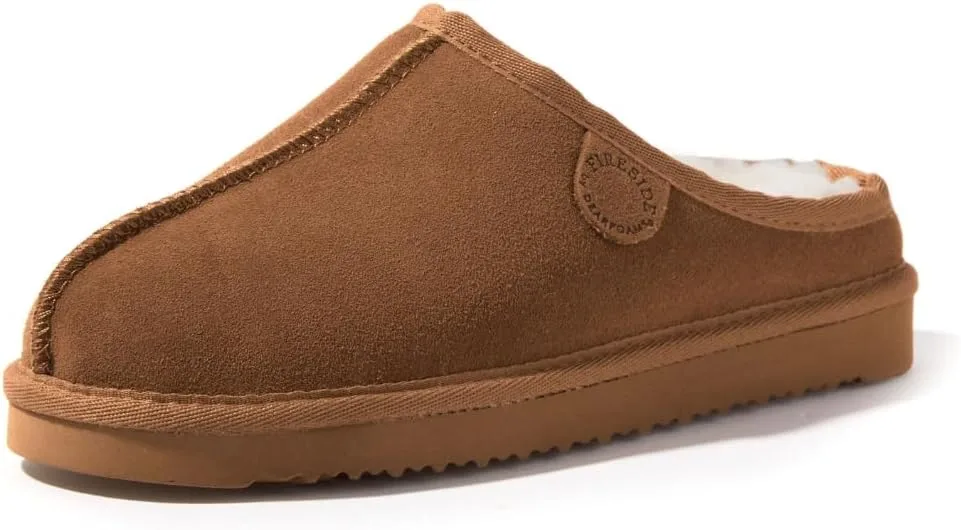
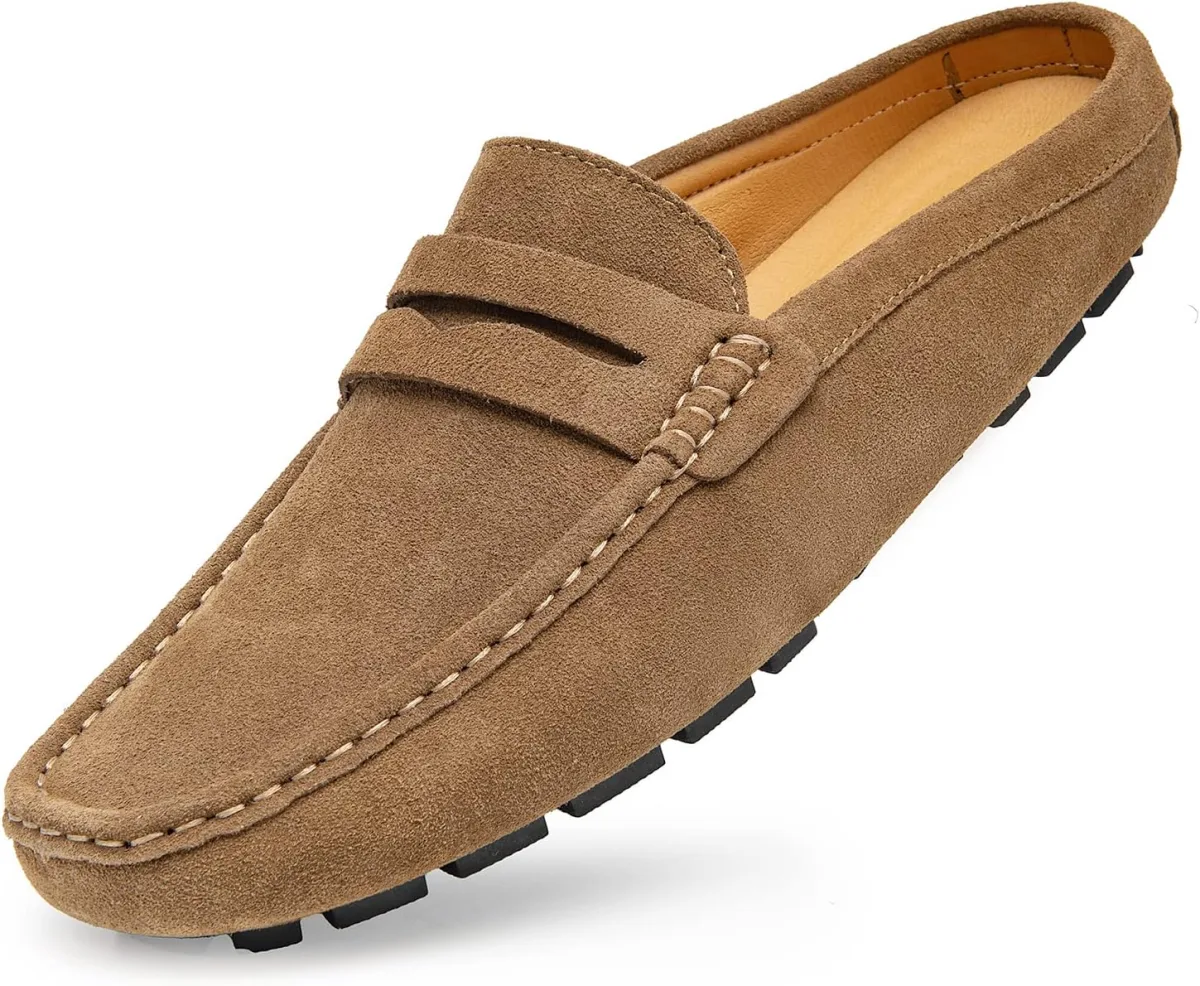
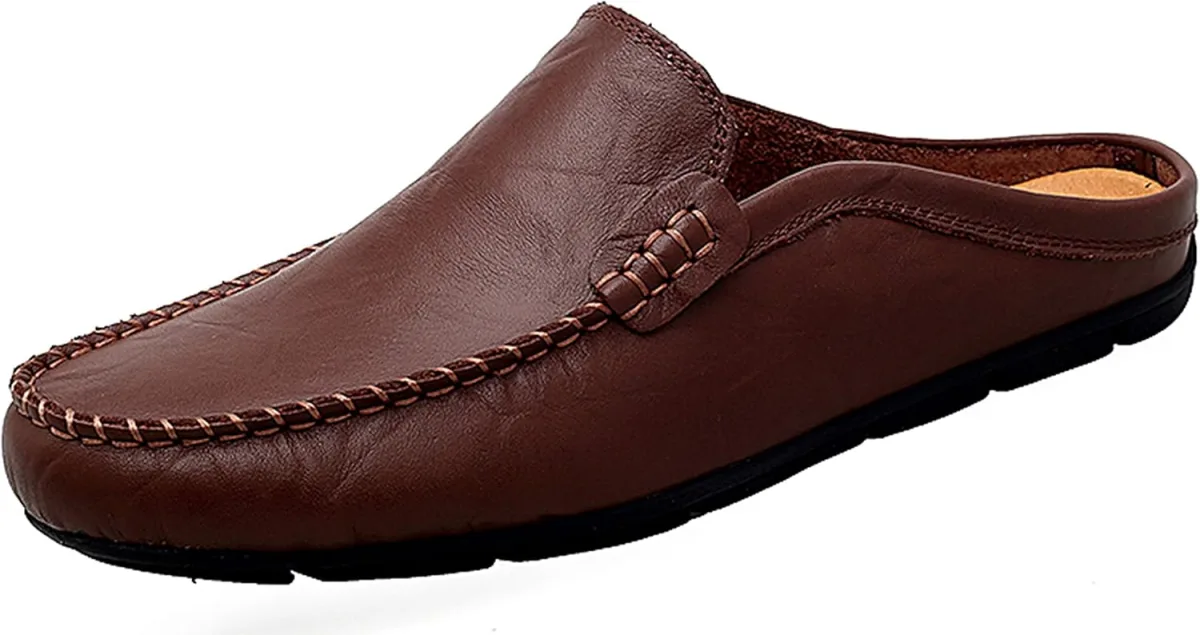
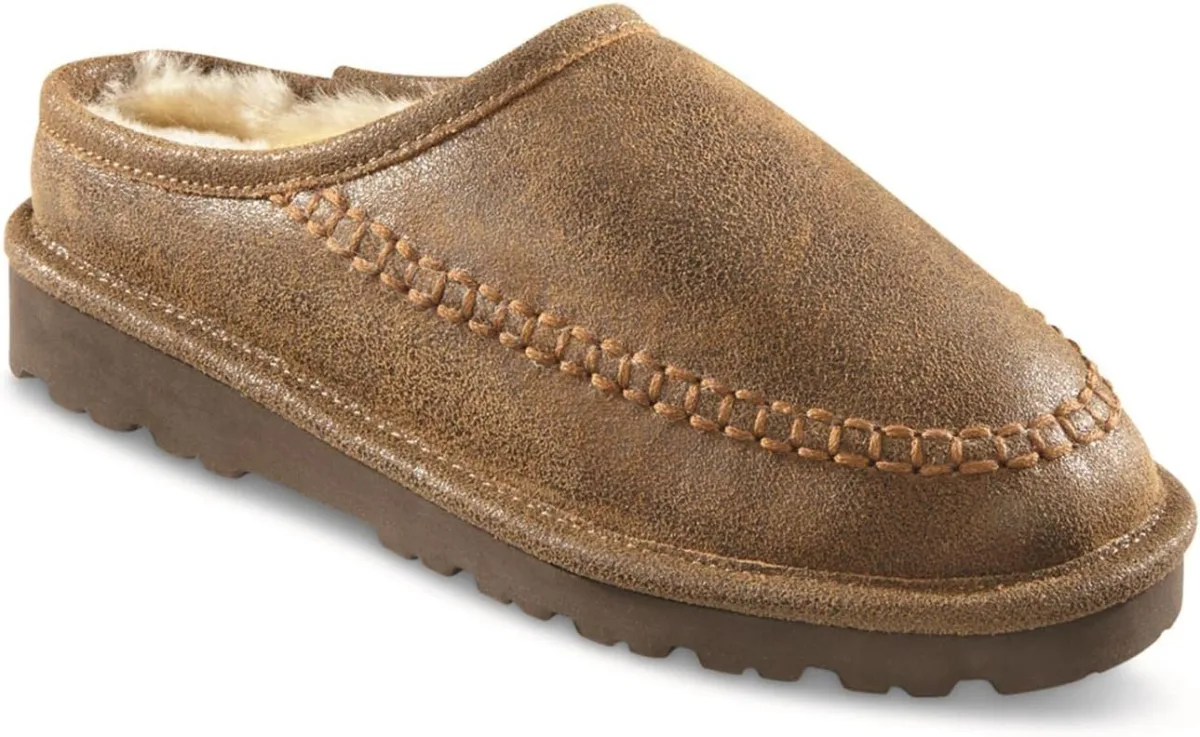
Guide Gear
Guide Gear Double-Face Shearling Mens Clog Slippers, Leather, Fur-Lined, Warm
Shearling-linedOpen back
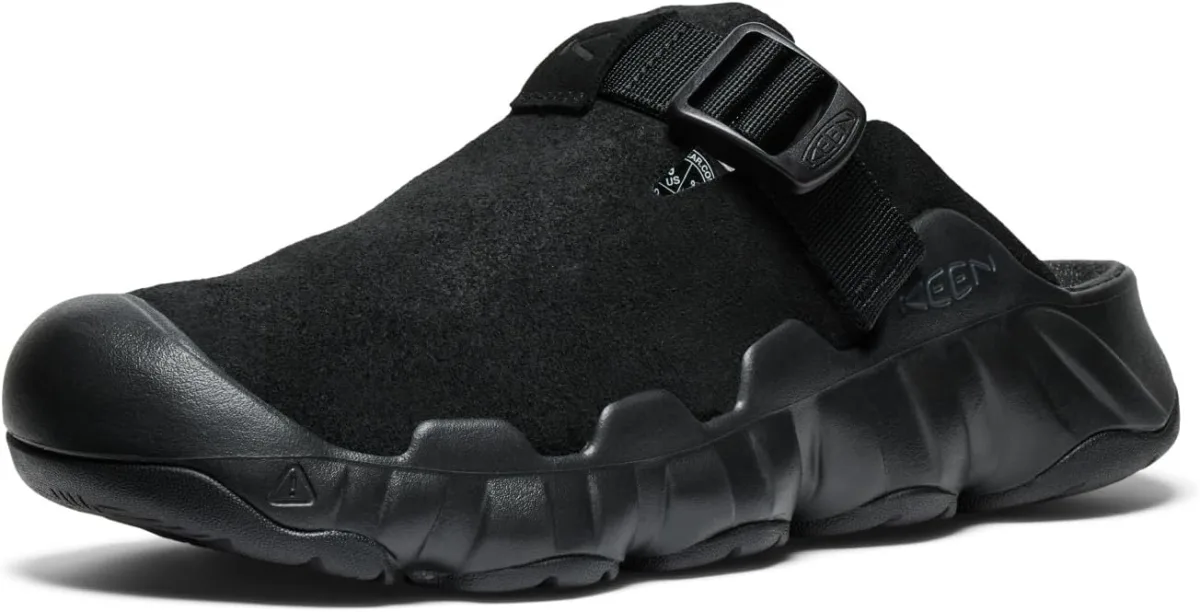
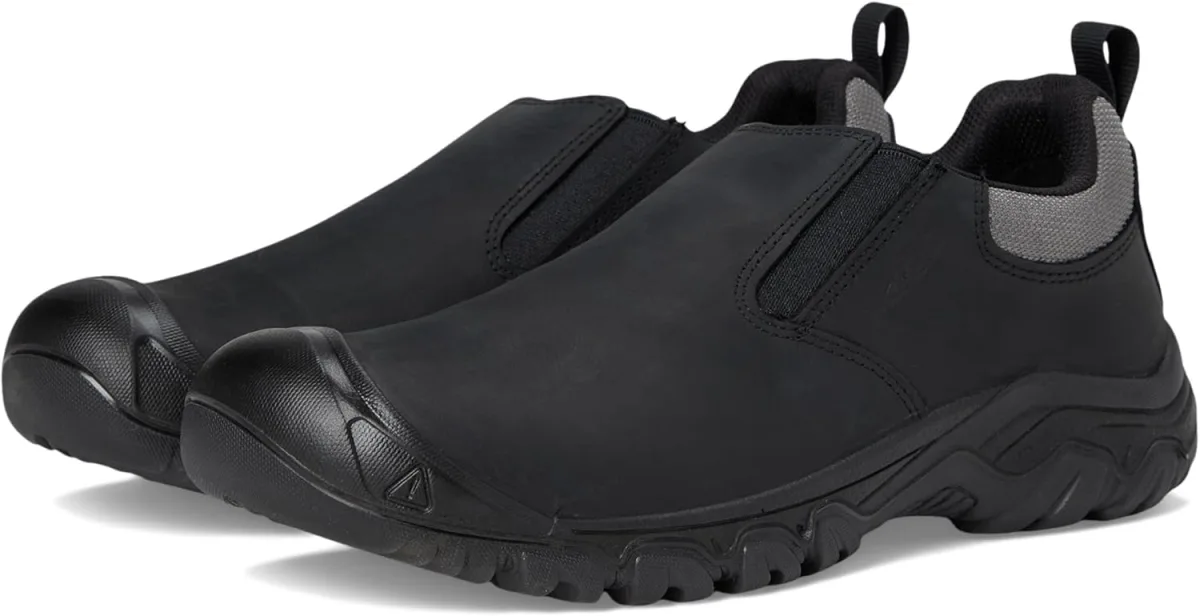
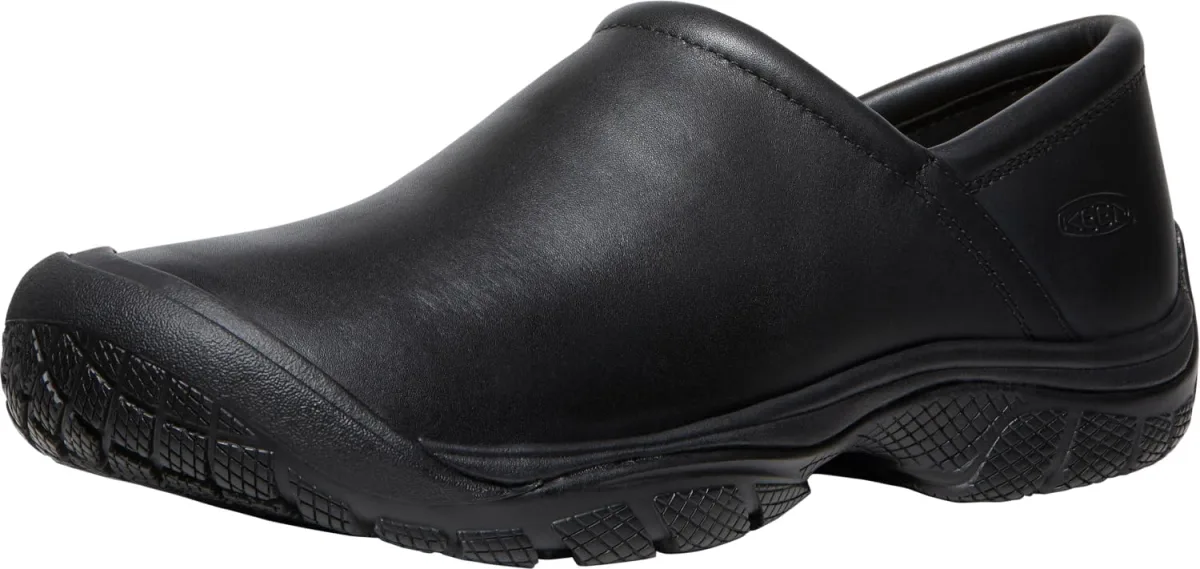
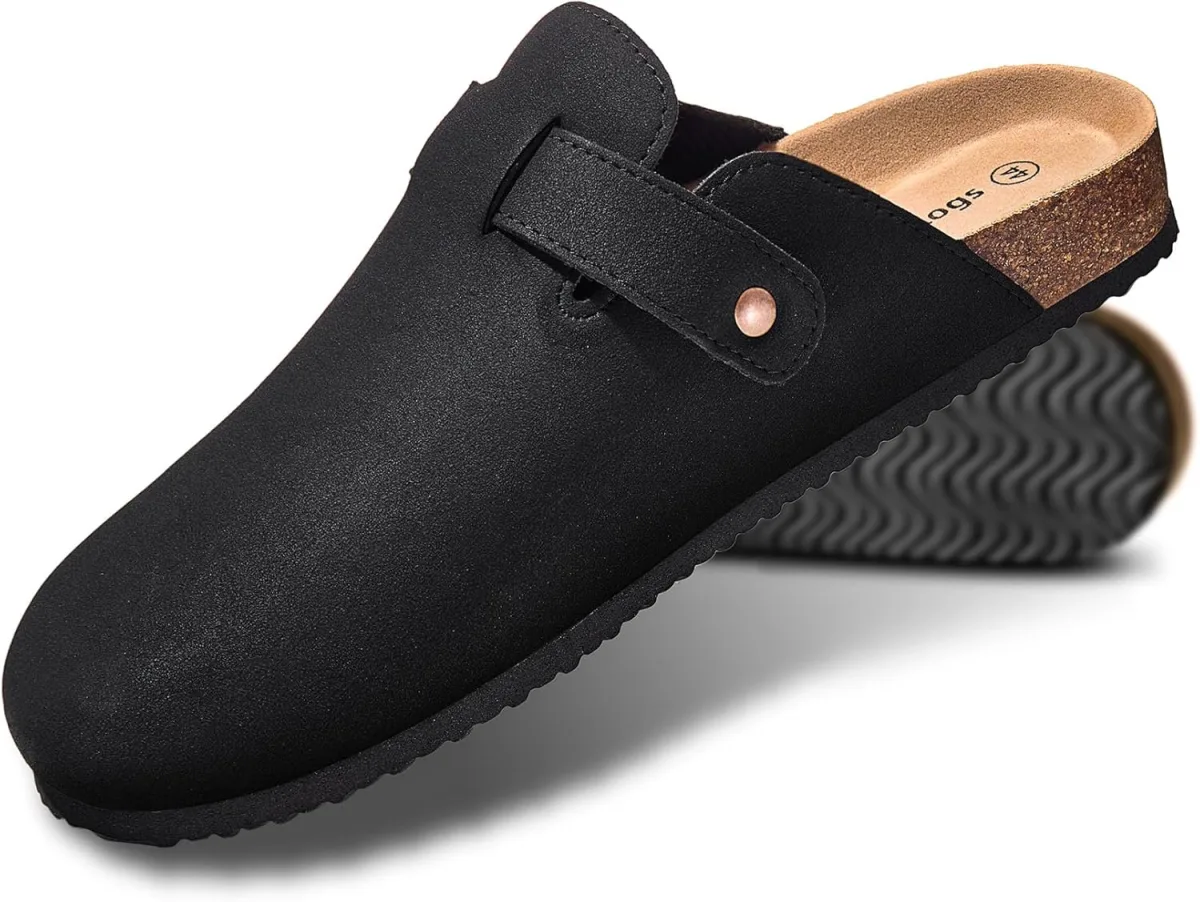
KEMISANT
KEMISANT Men Clogs-Comfortable Suede Mules Slippers Sandals Nurse Potato Shoes
Cork footbedAdjustable strap
Litfun
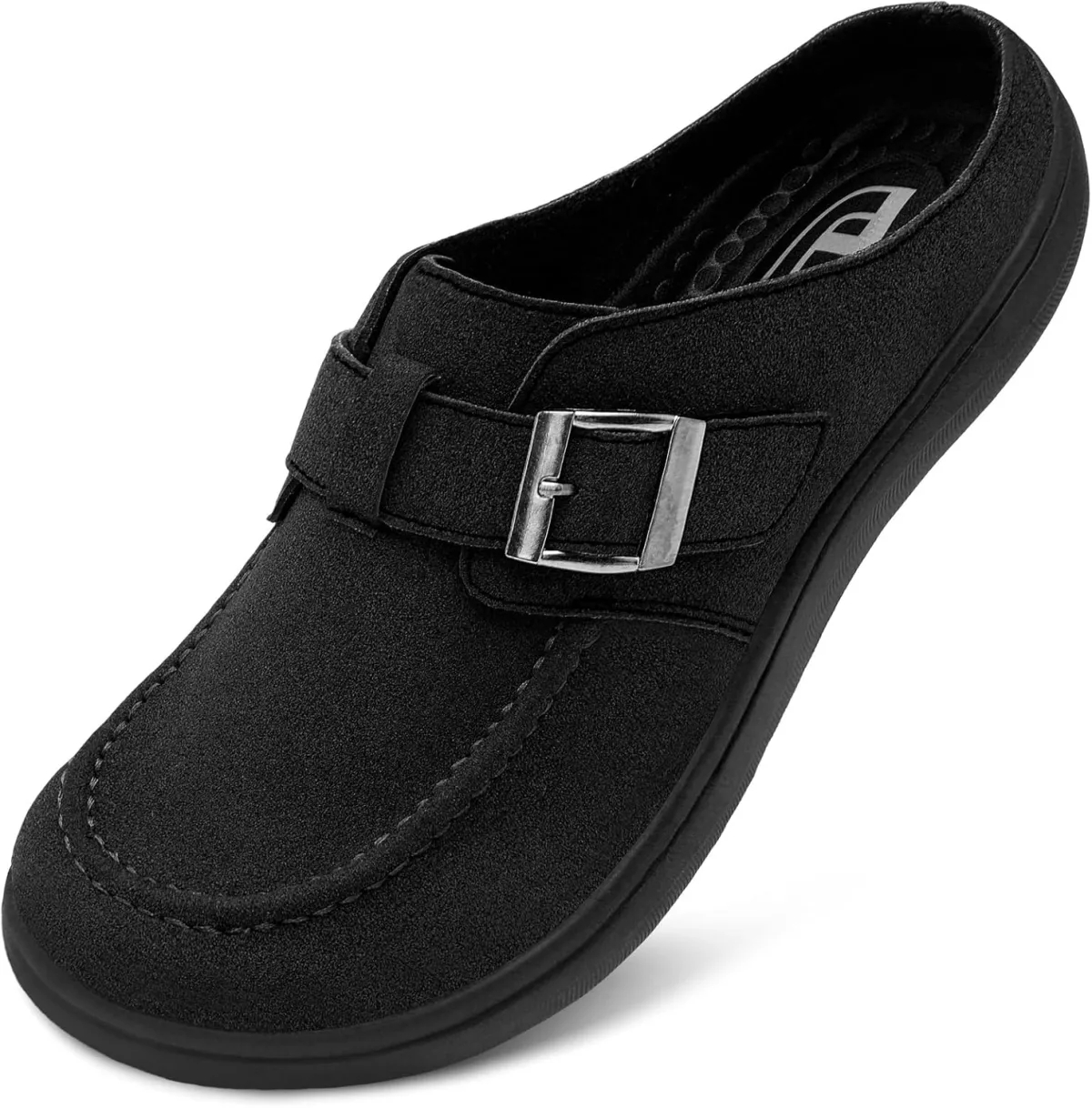
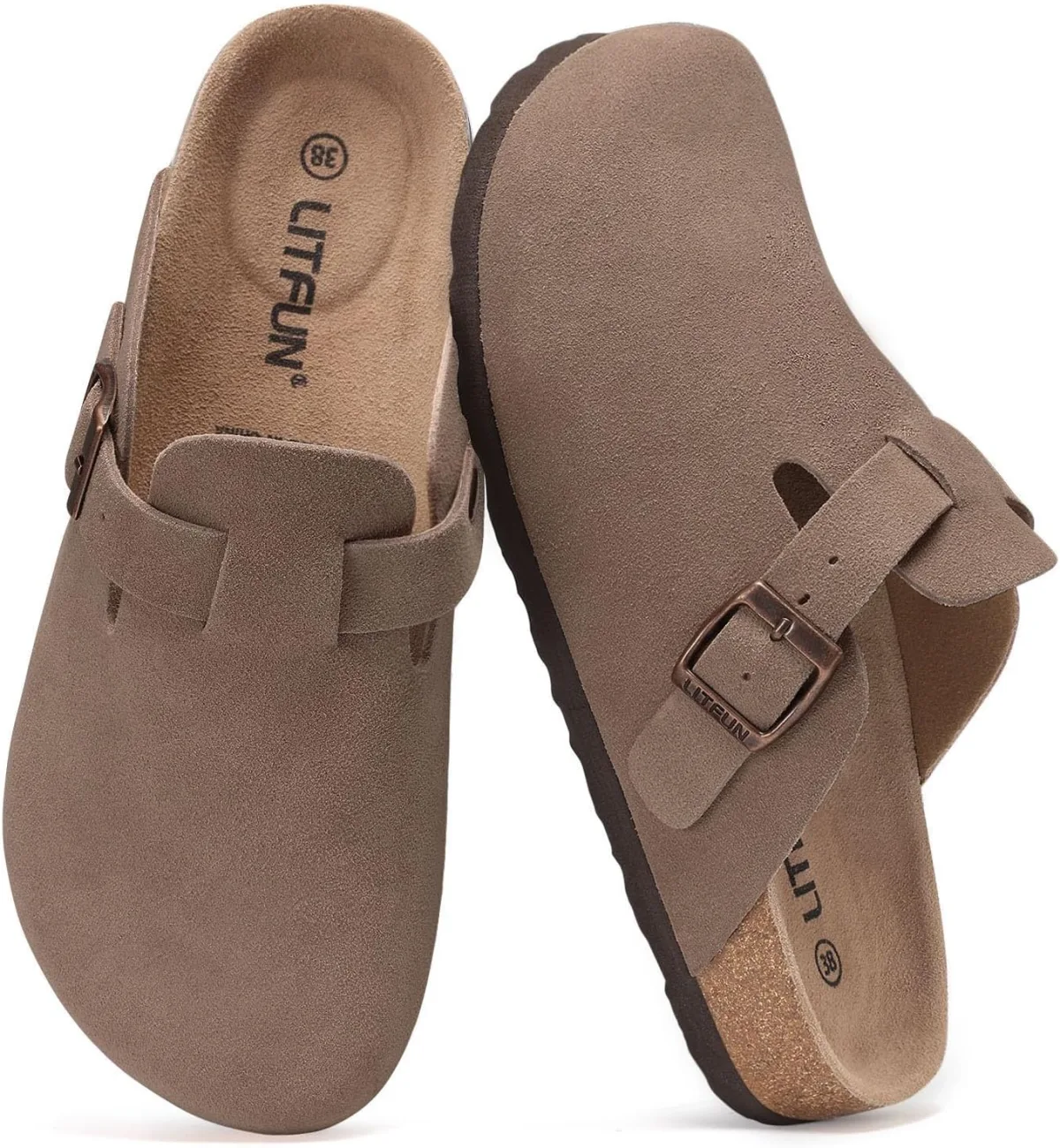
Litfun Unisex Genuine Suede Clogs Soft Footbed Leather Potato Shoes Comfort Sl
Cork footbedBuckle
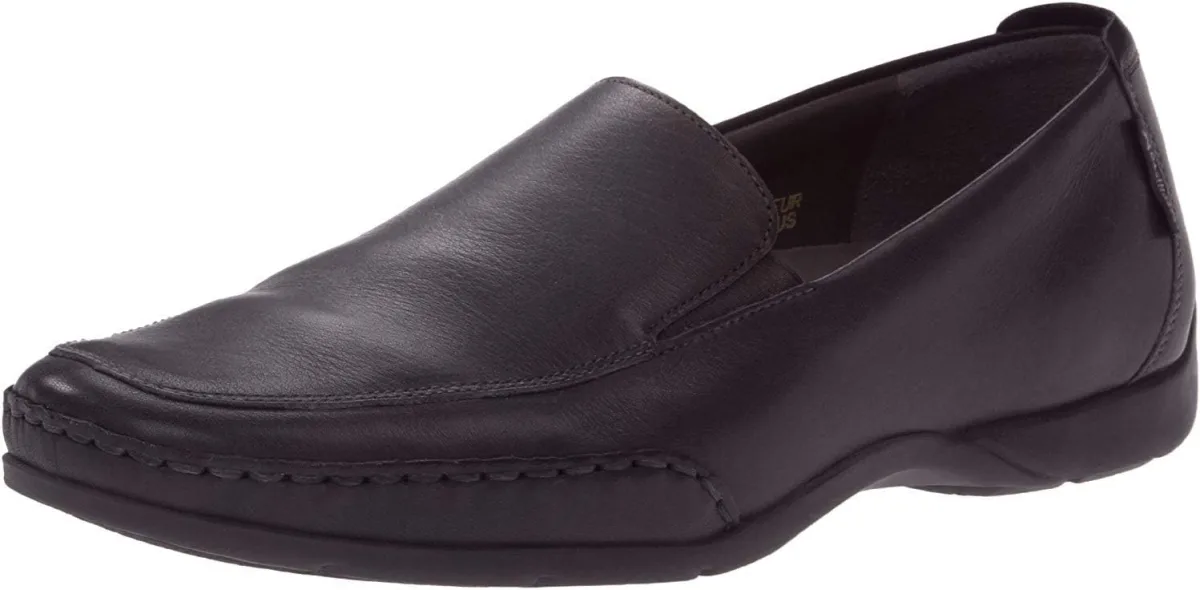
Mephisto
Mephisto Men's Edlef Slip-On Loafer
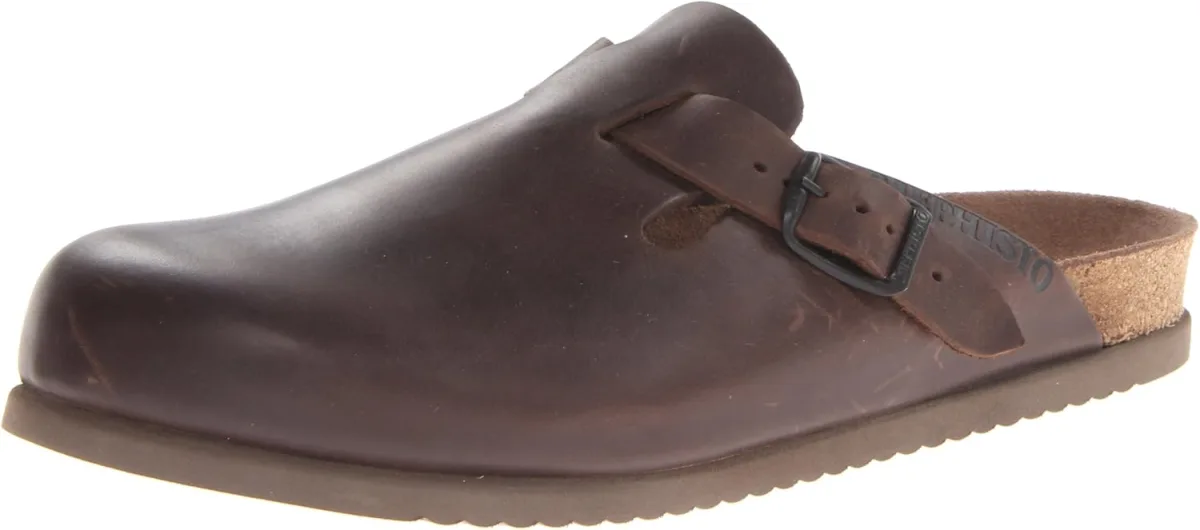
Mephisto
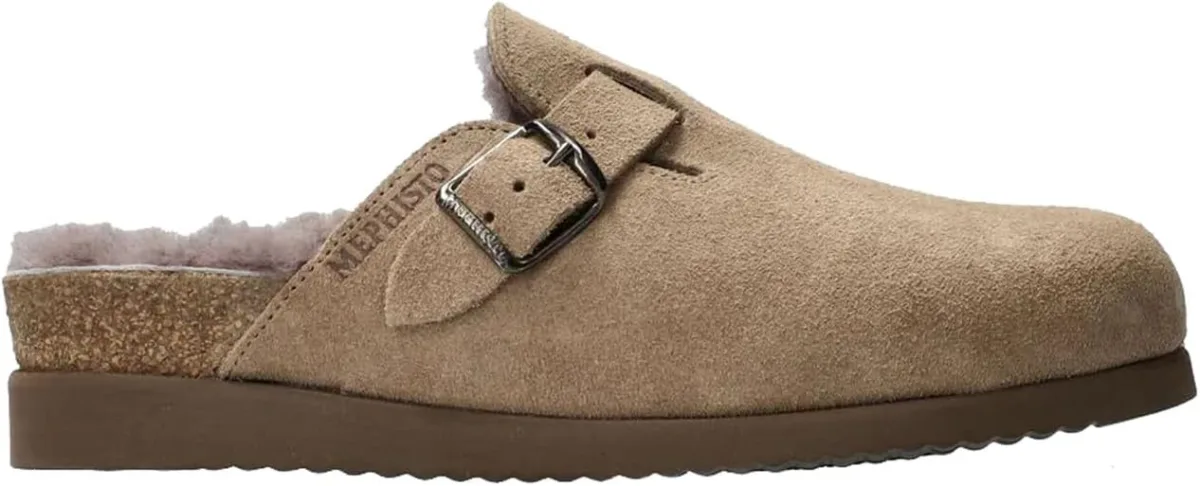
Mephisto Men's Nathan Mule
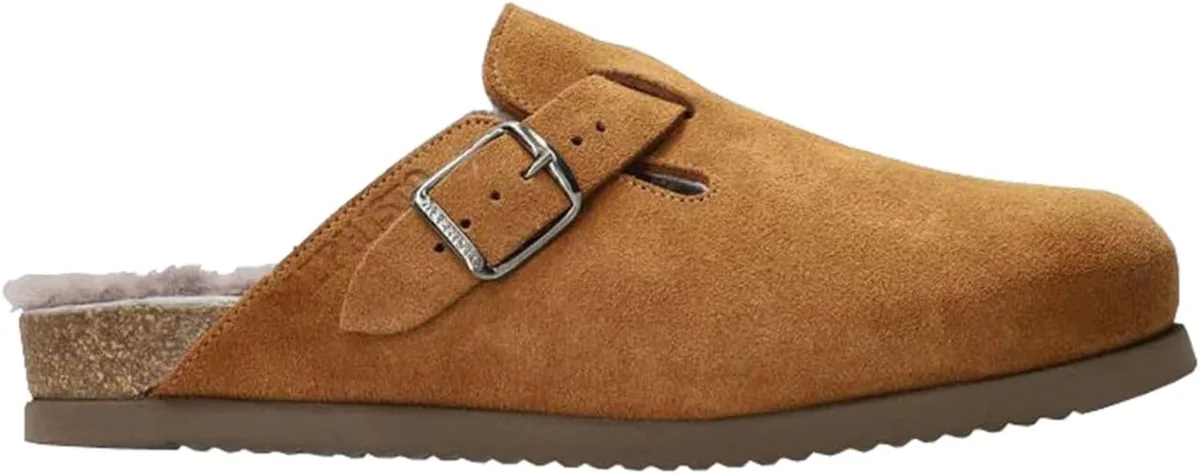
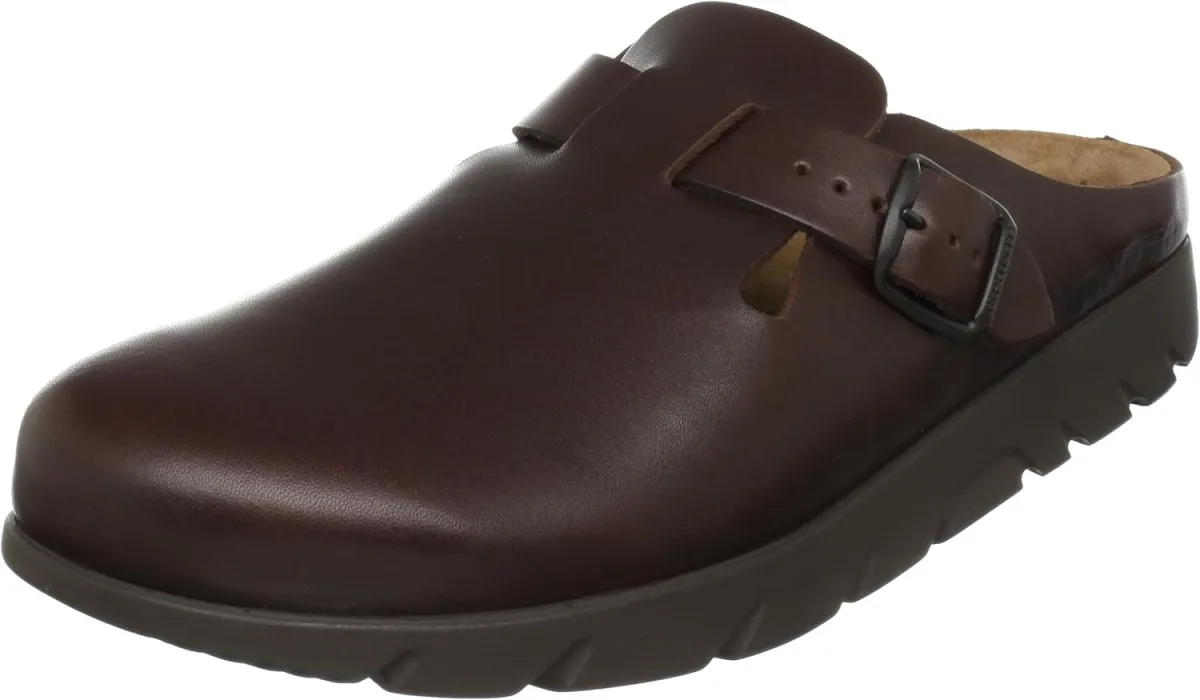
Mephisto
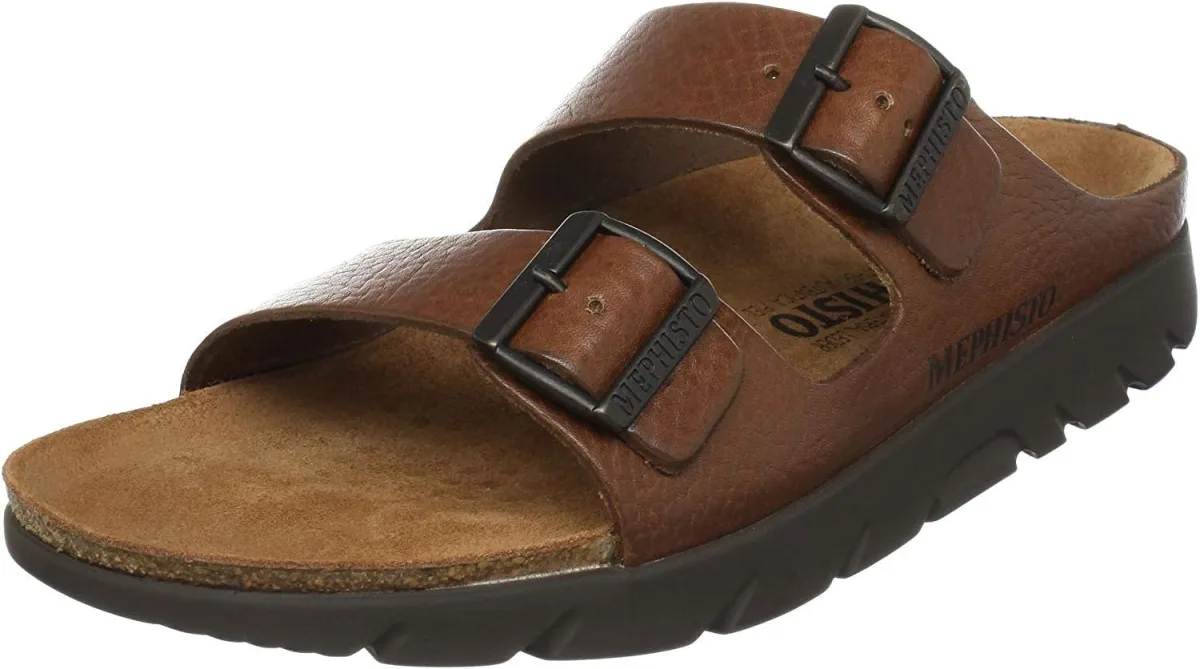
Mephisto Men's Zaverio
Mephisto
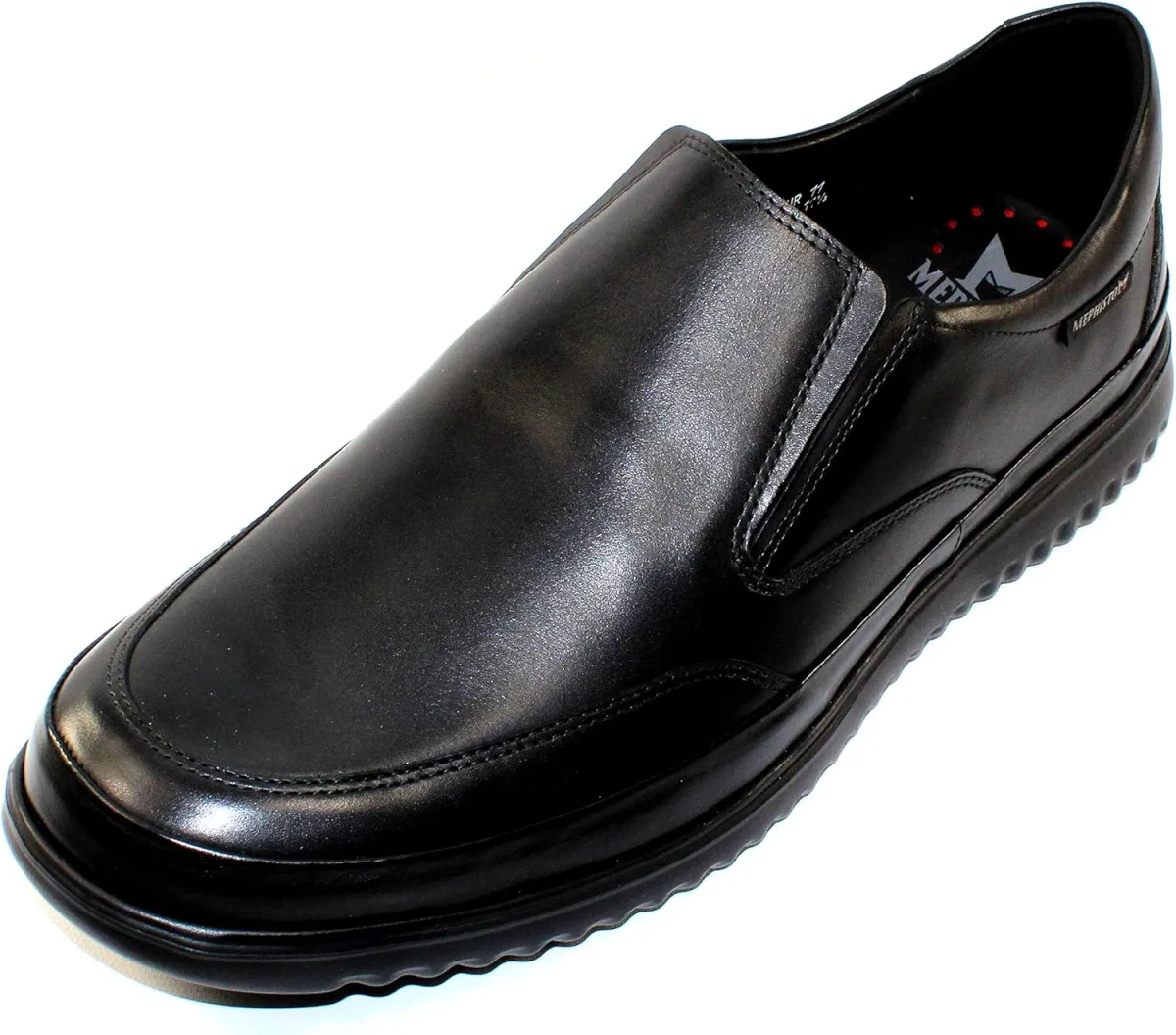
Mephisto Mens Twain
Minnetonka
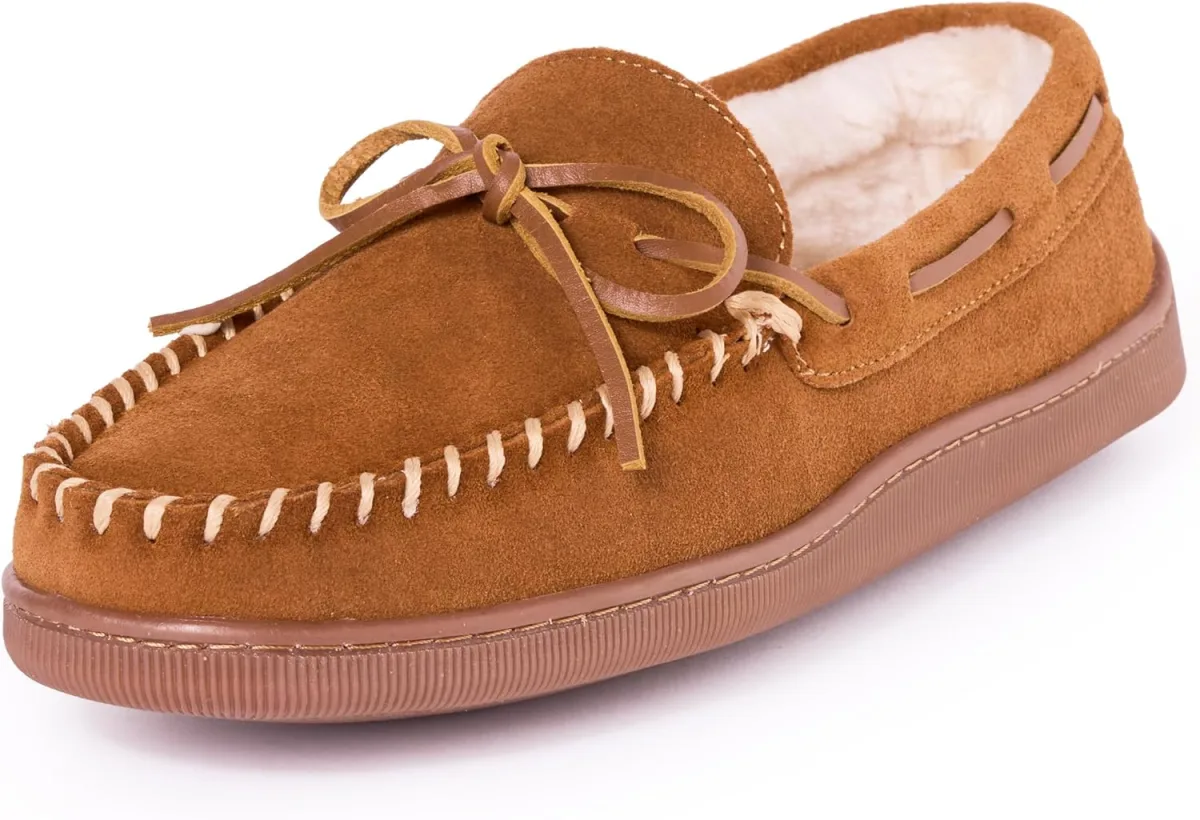
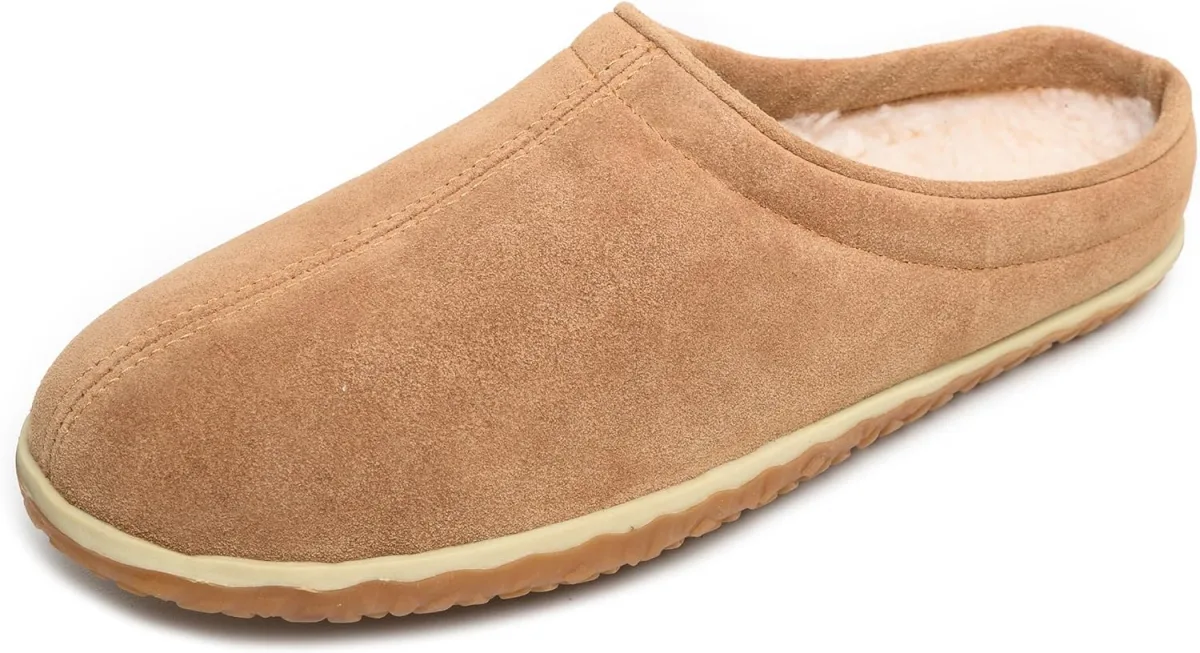
Minnetonka Men's Pile Lined Hardsole Slipper
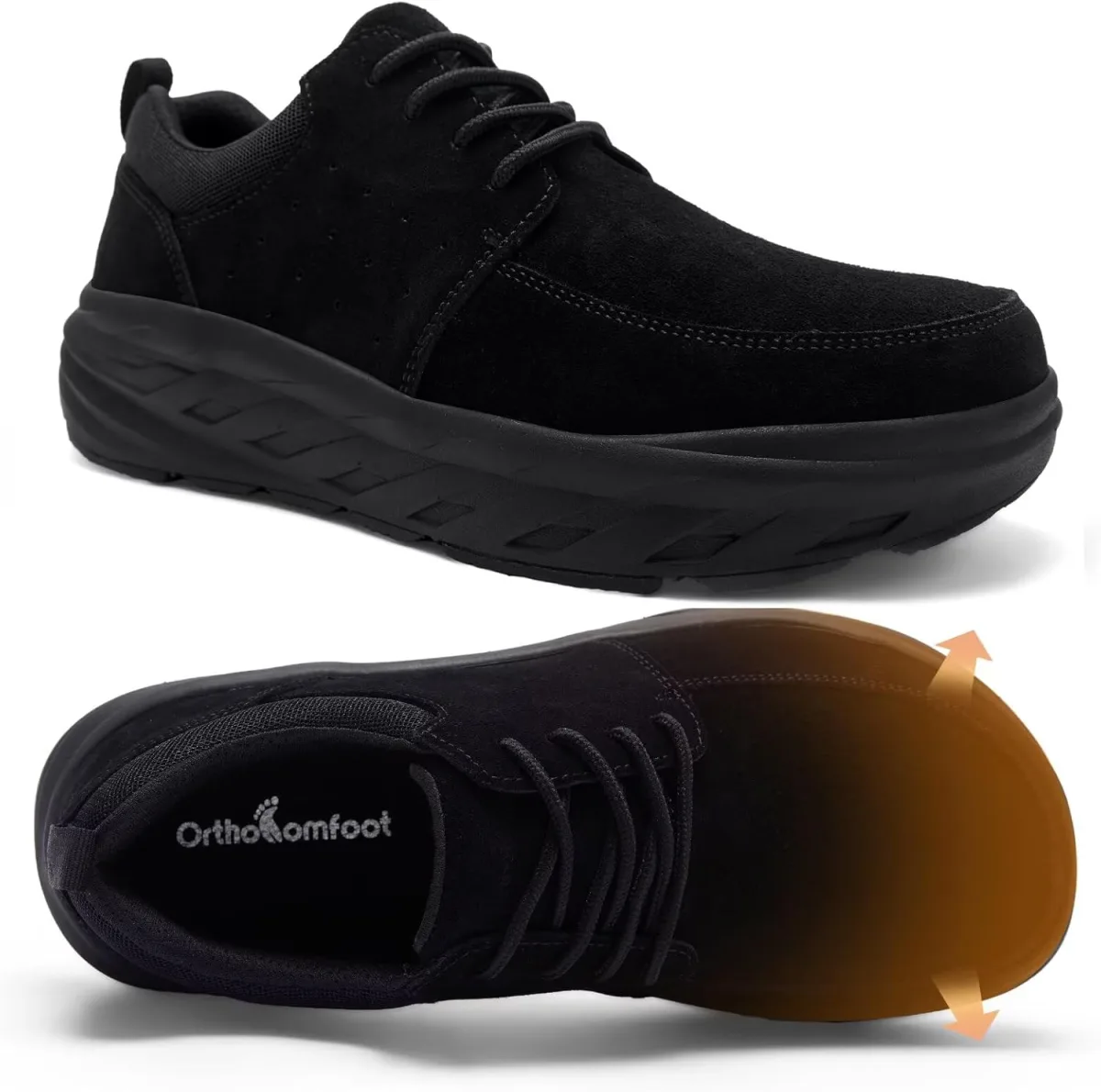
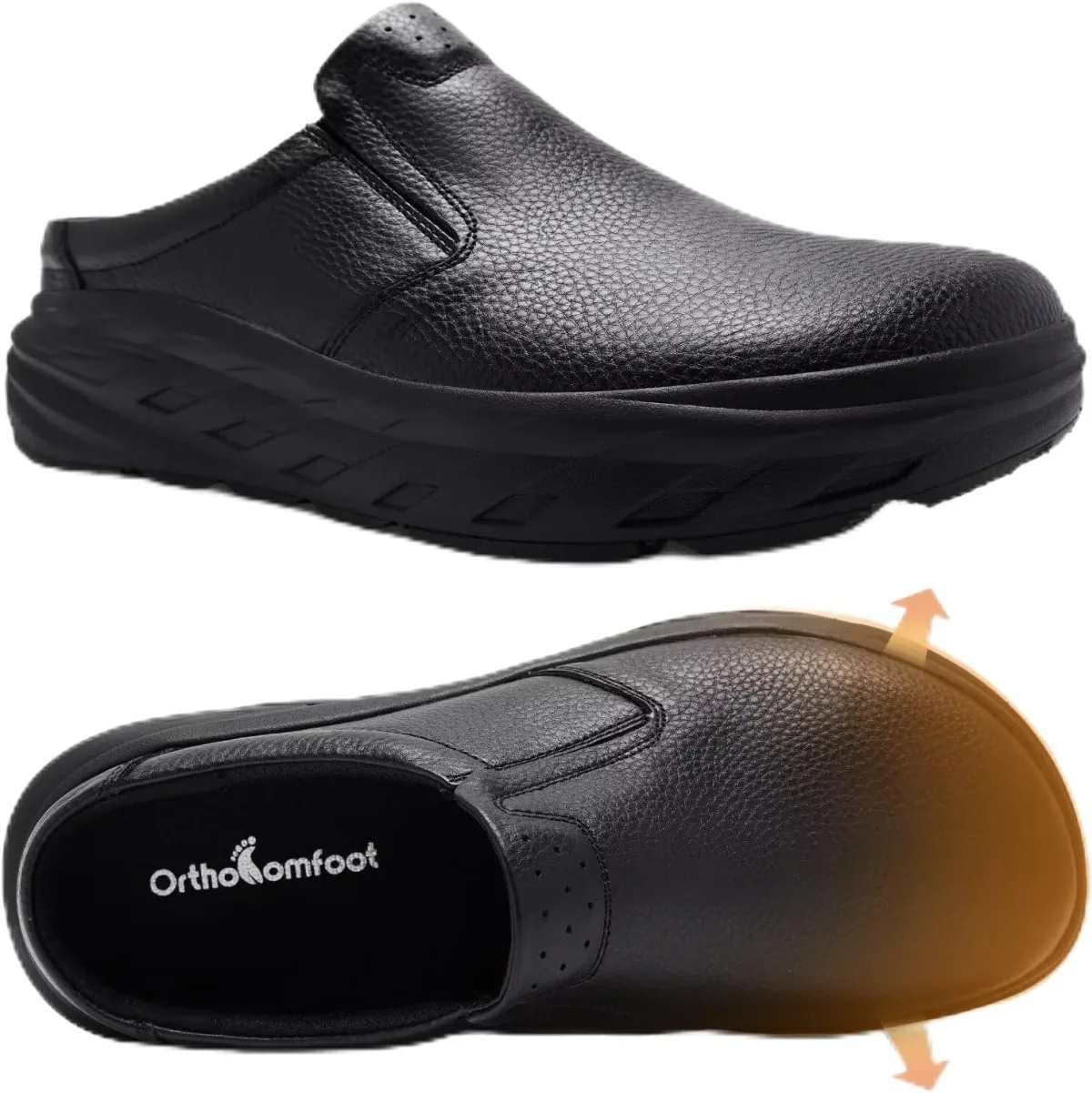
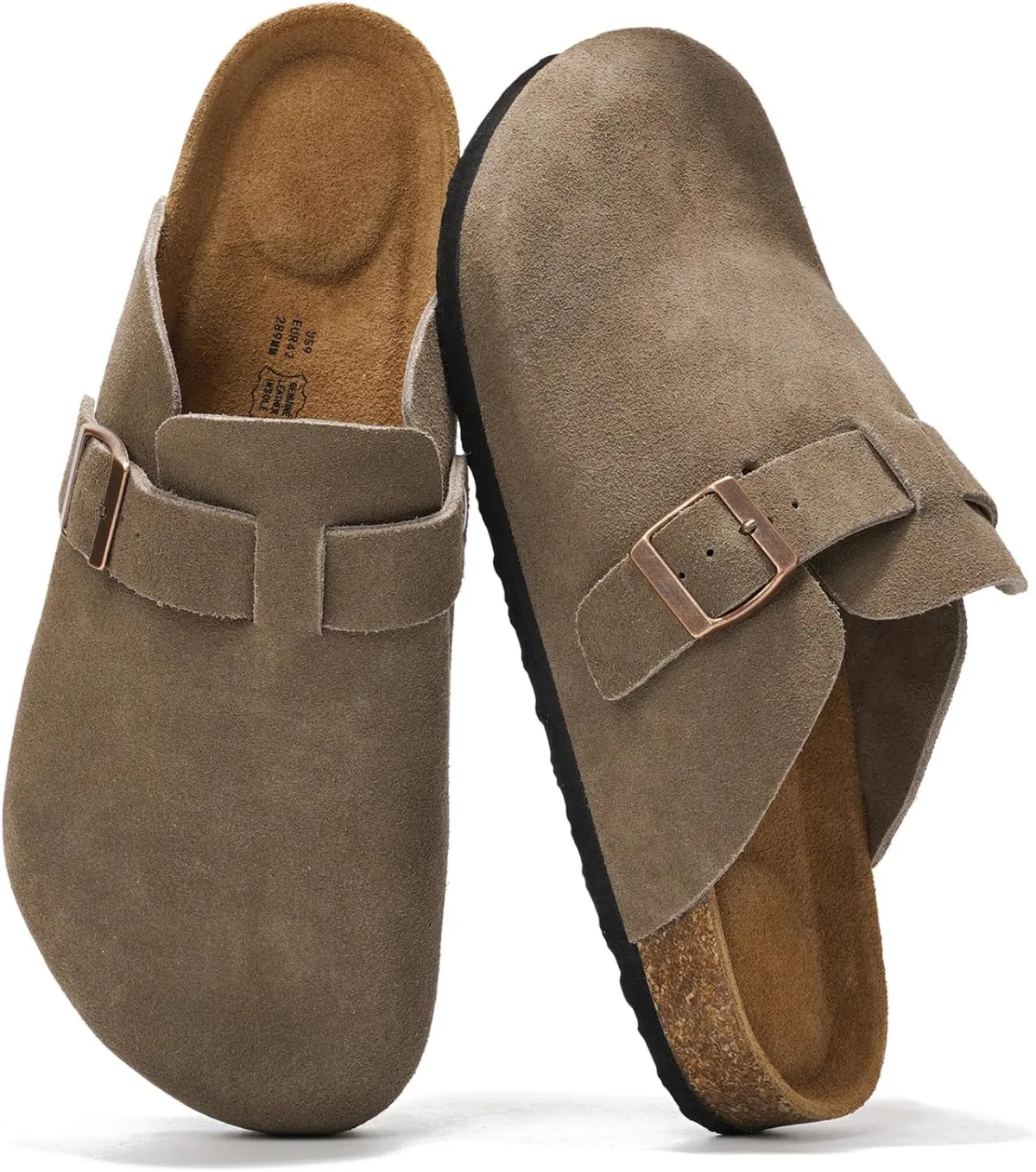
OrthoComfoot
OrthoComfoot Men's Orthopedic Diabetic Wide Slippers: Comfortable Plantar Fasc
Memory foam
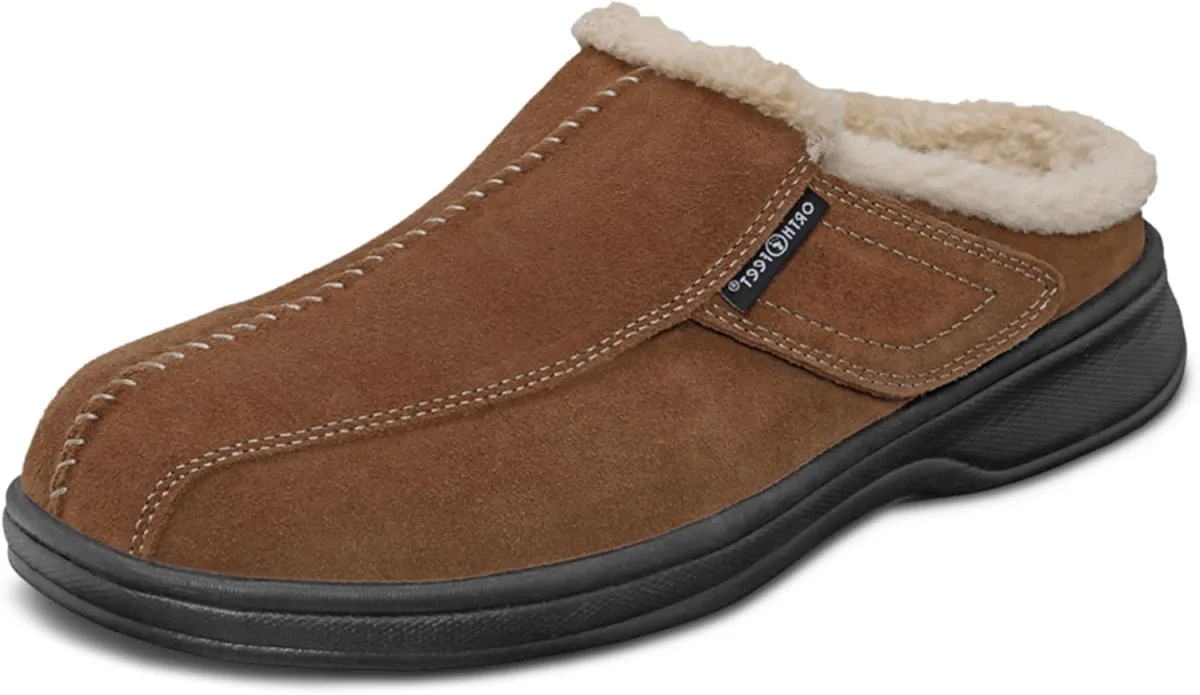
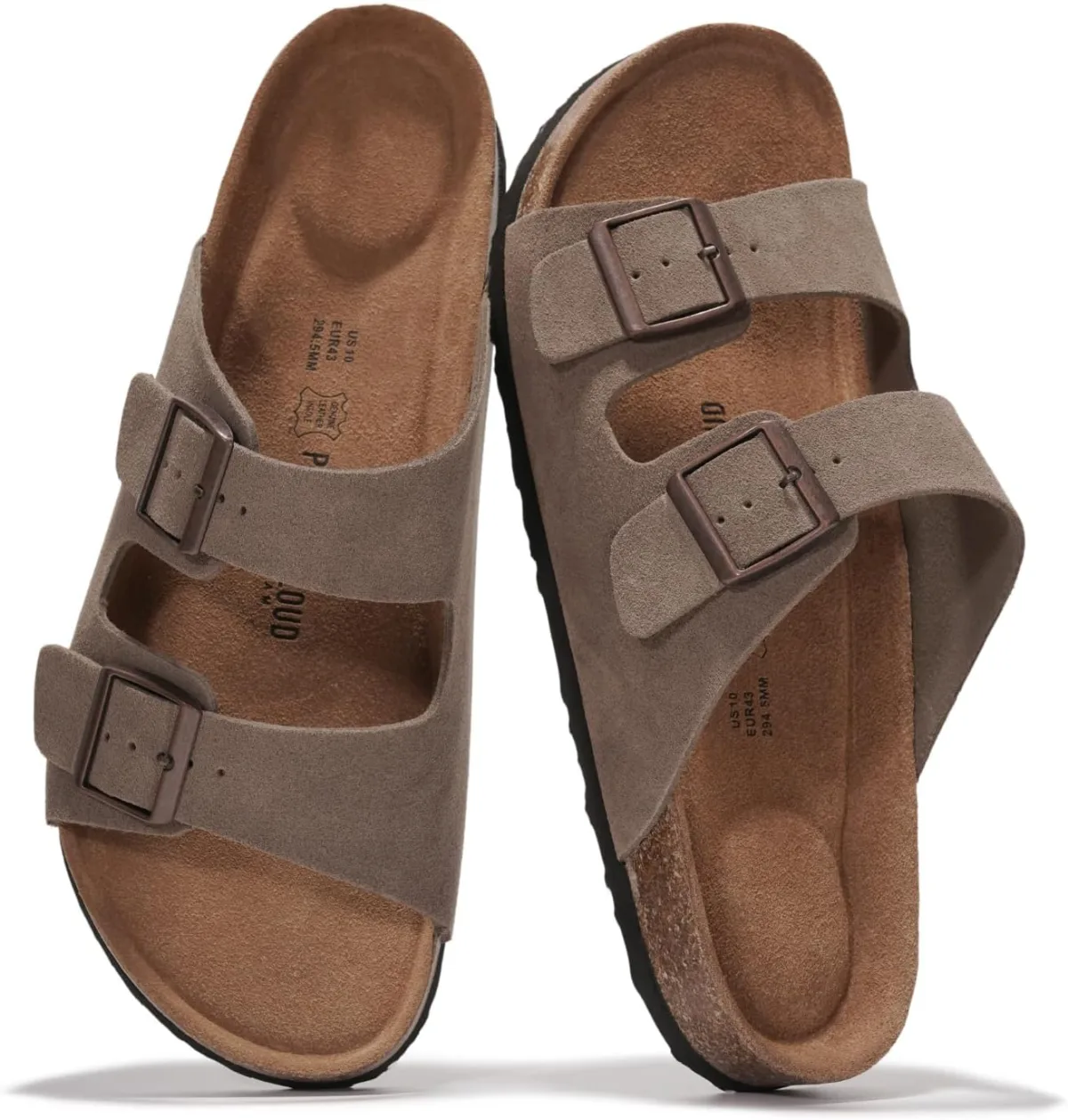
Project Cloud
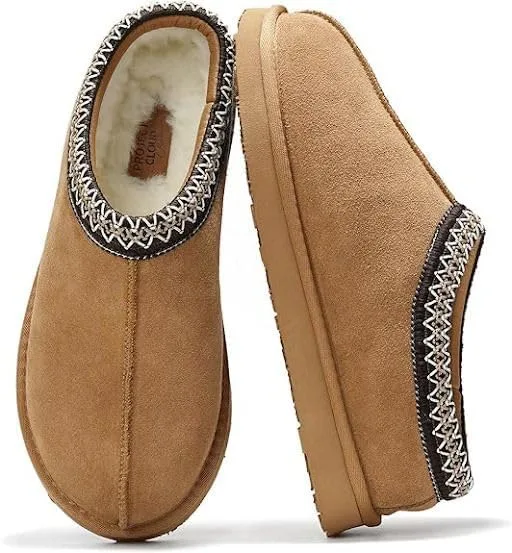
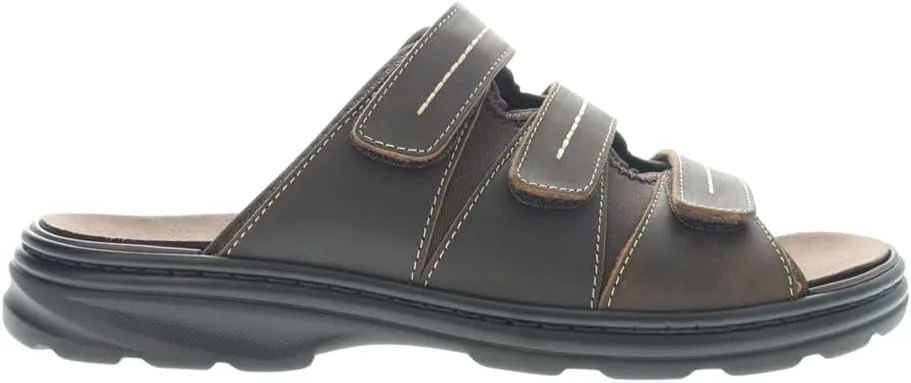
Project Cloud Mens Slippers 100% Genuine Leather with Australian Shearling Lin
Memory foam
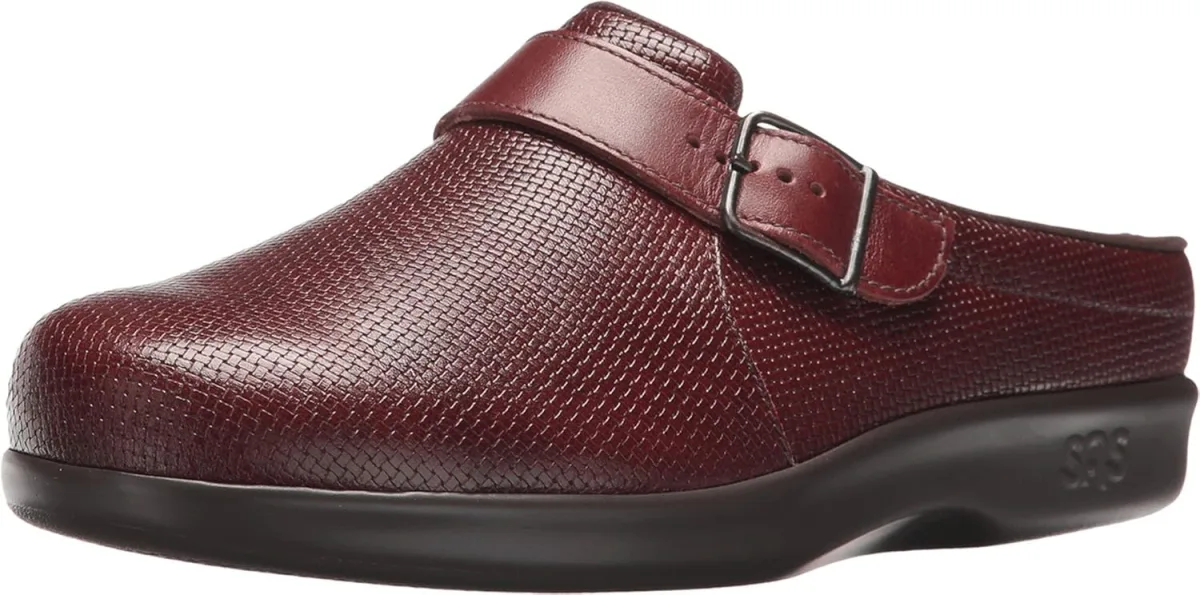
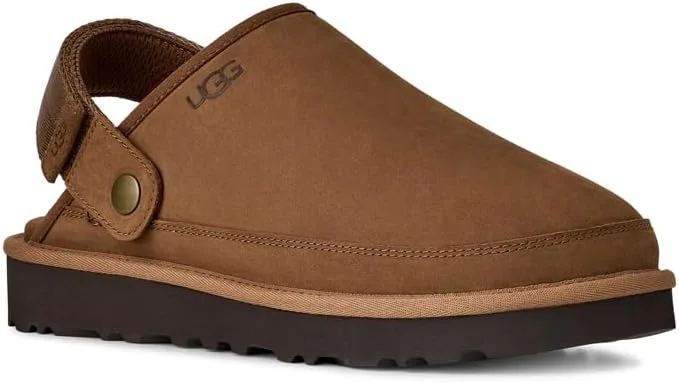
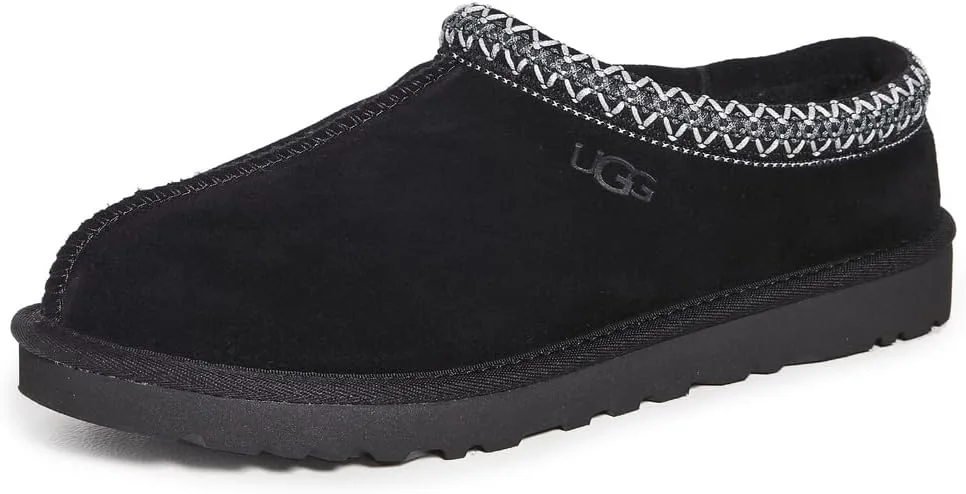
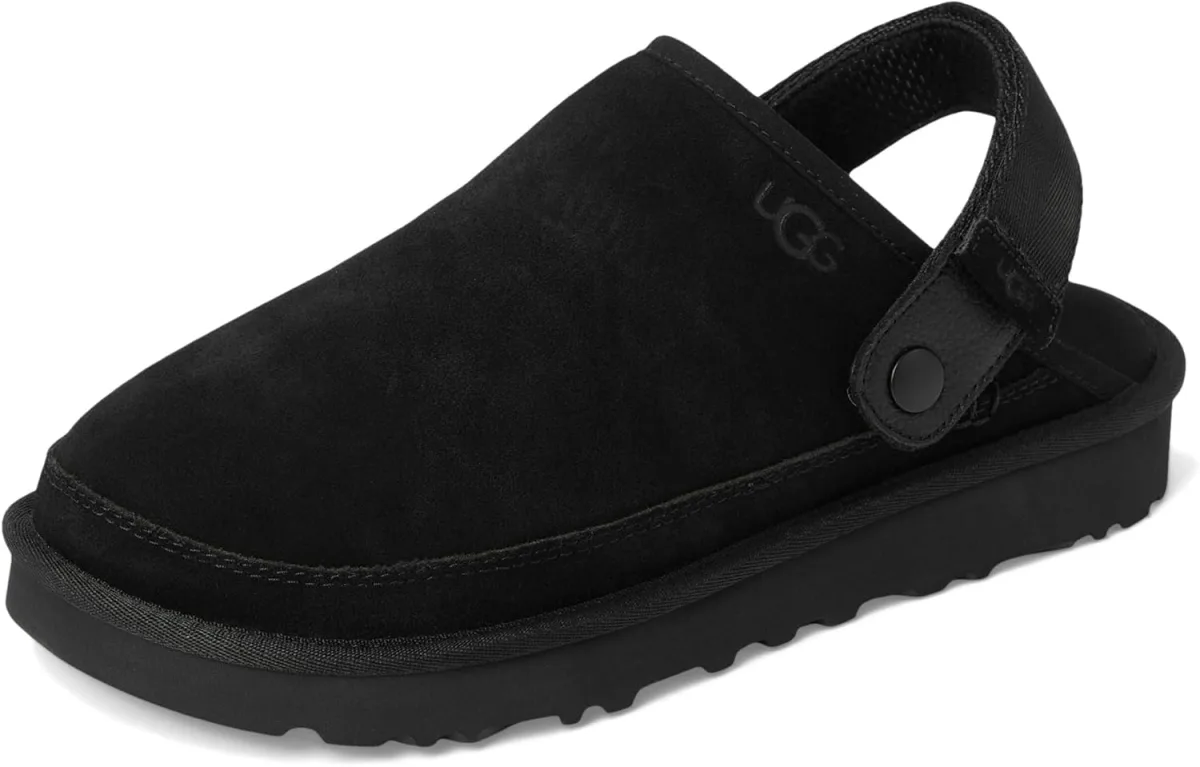
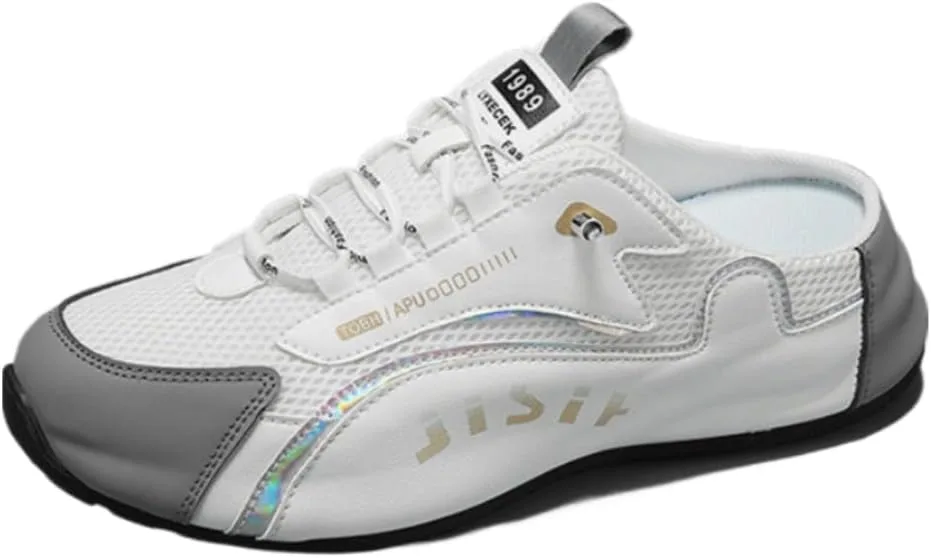
Unbranded
Backless Tennis Shoes for Men Wide Mule Sneakers Slip on House Slippers Platfo
Cushioned insoleOpen back
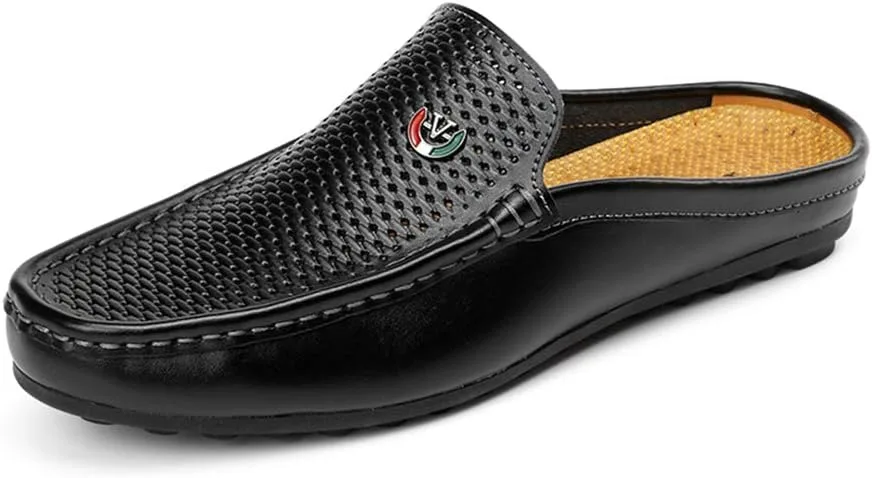
Unbranded
Men's Classic Leather Slippers Office Casual House Slip On Backless Loafers
Rubber outsoleOpen back
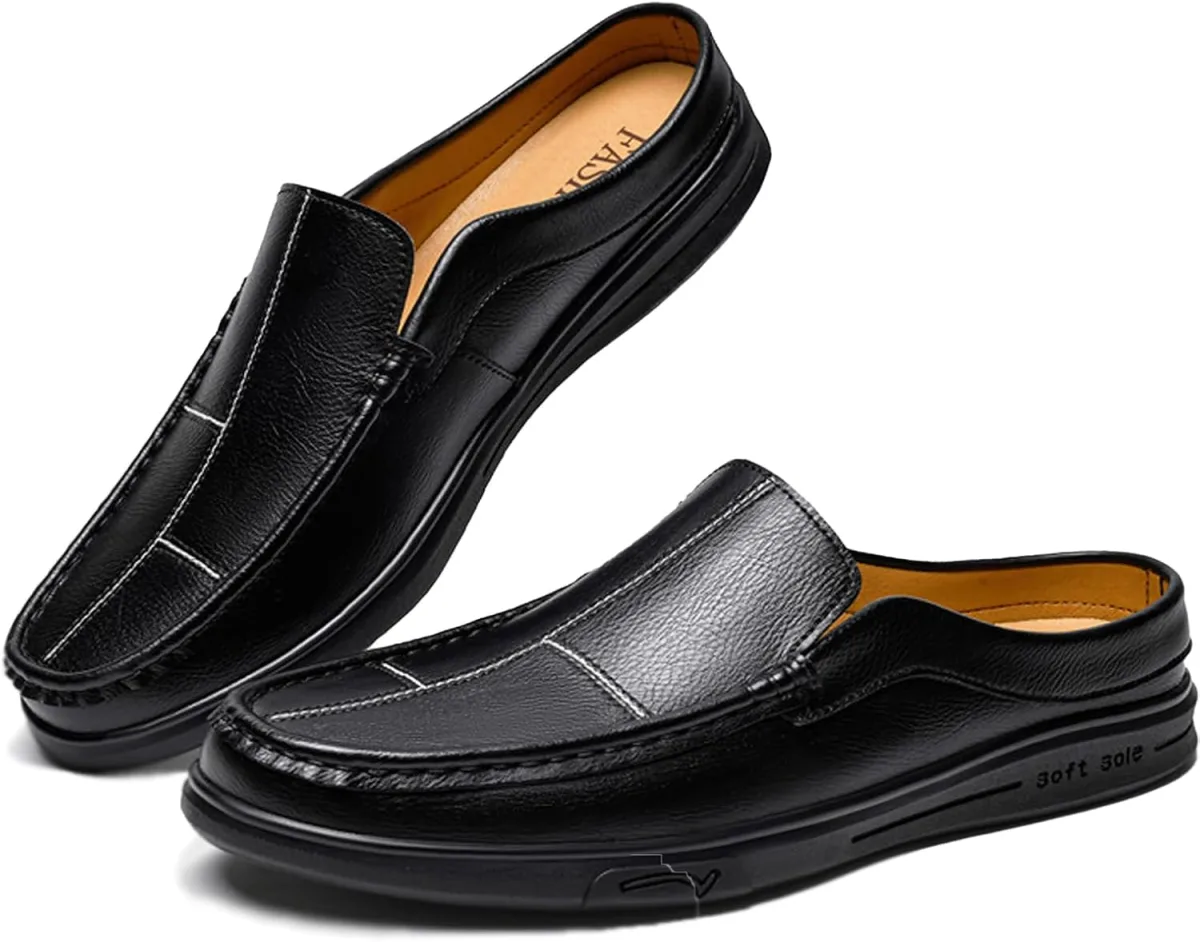
Unbranded
Men's Handmade Flat Mules Clogs Comfortable Slip On Lightweight Breathable Non
Rubber outsoleOpen back
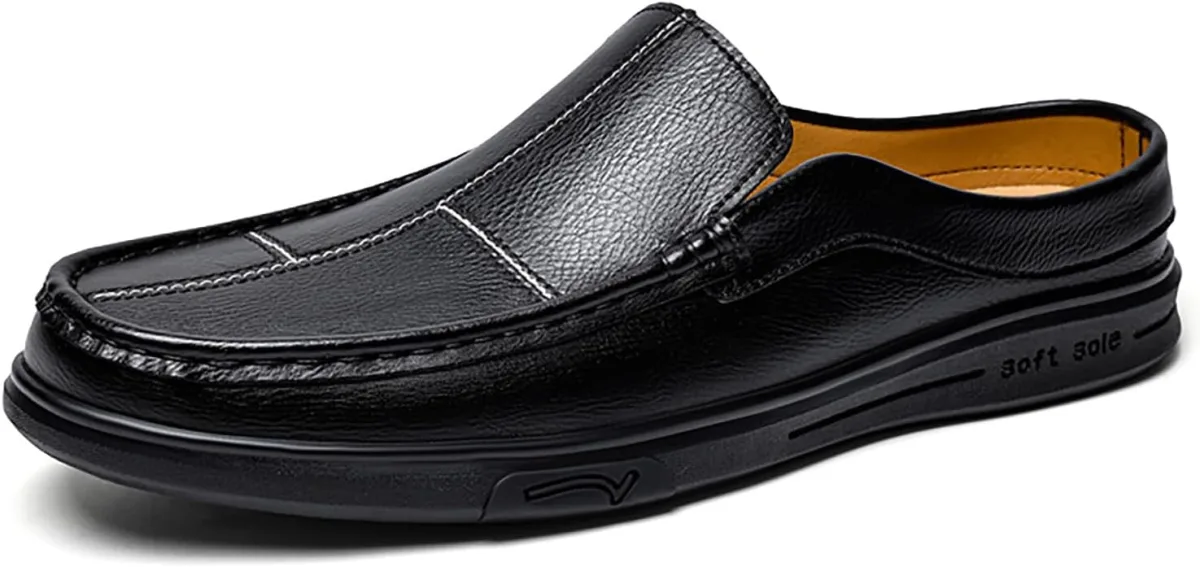
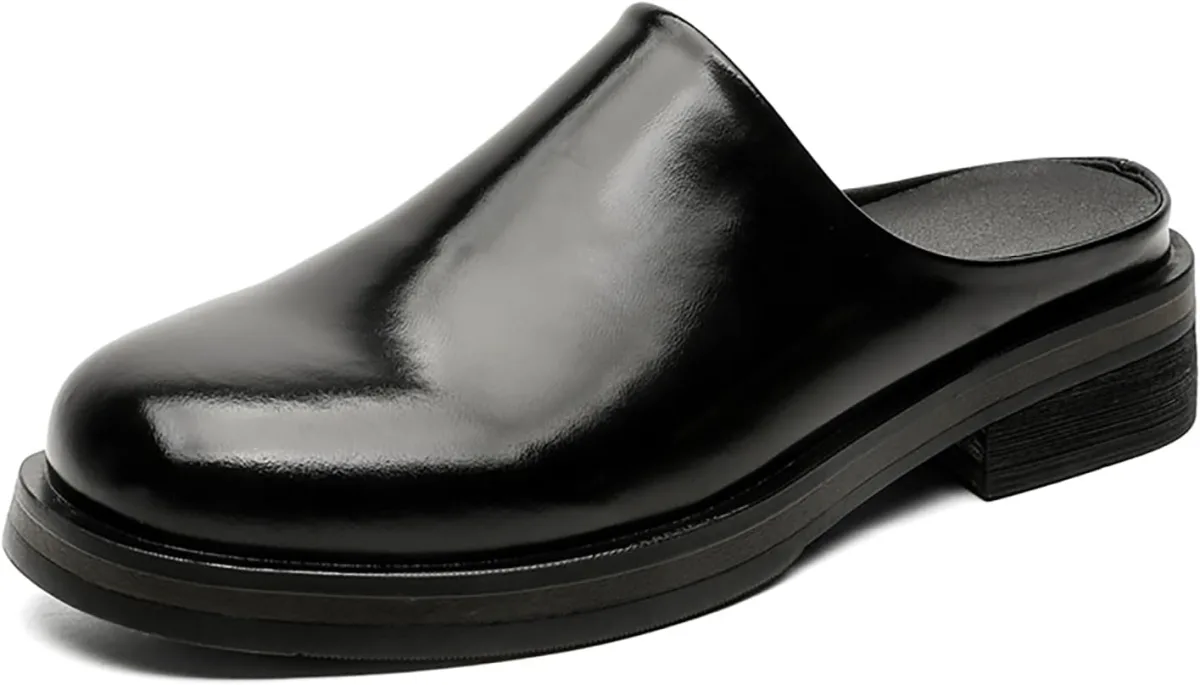
Unbranded
Men's Patent Leather Slip-On Mules & Clogs Comfortable Breathable Backless Loa
Cushioned insoleOpen back
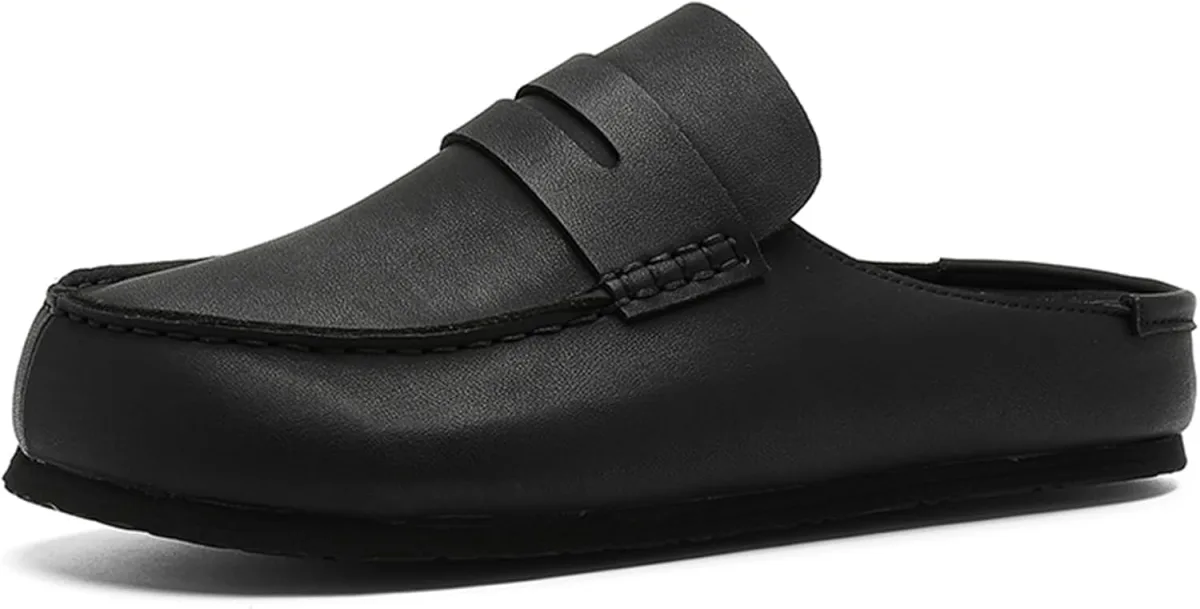
Unbranded
Men's Platform Clog Mules Comfortable Leather Suede Slippers with Arch Support
Rubber outsole
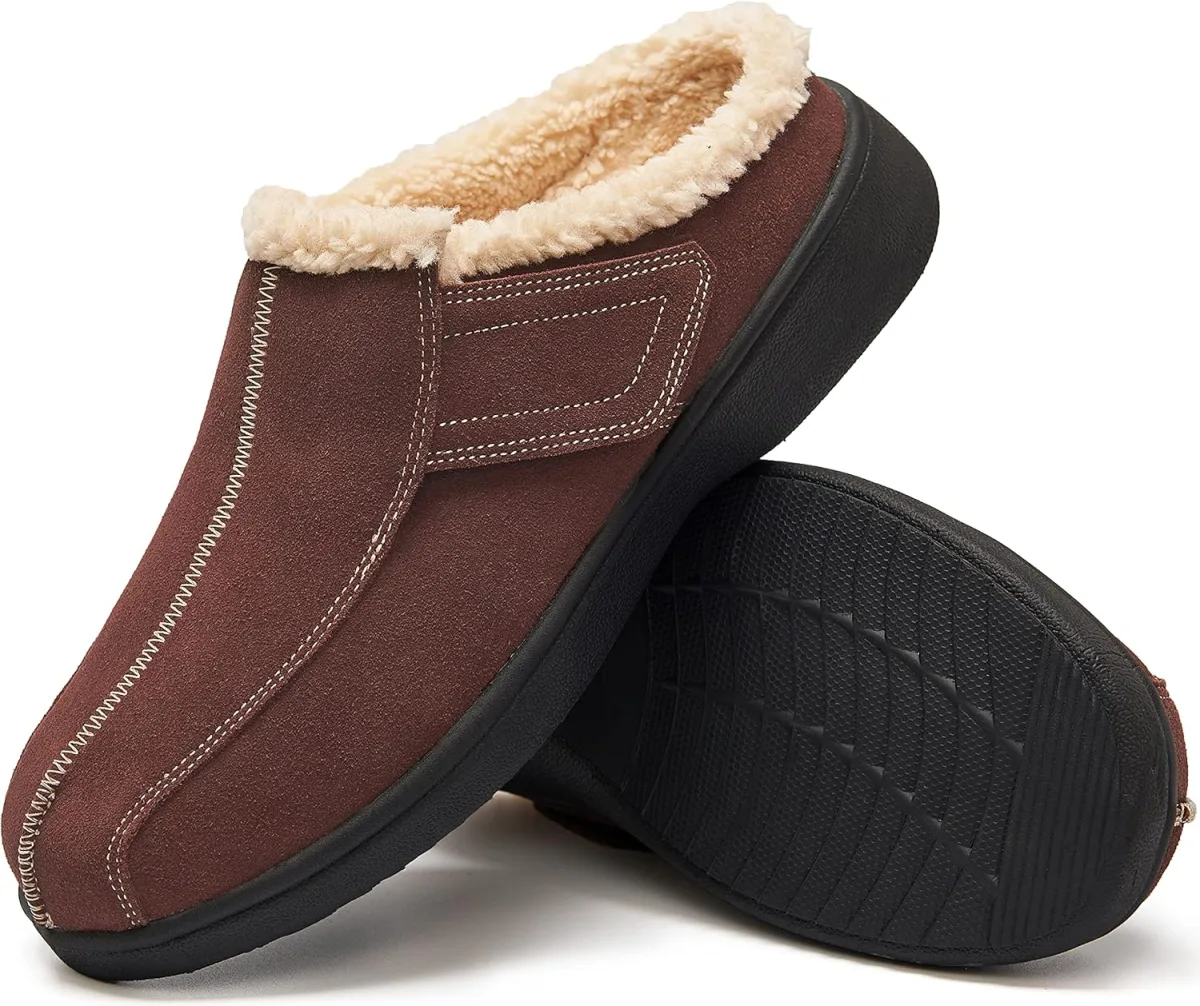
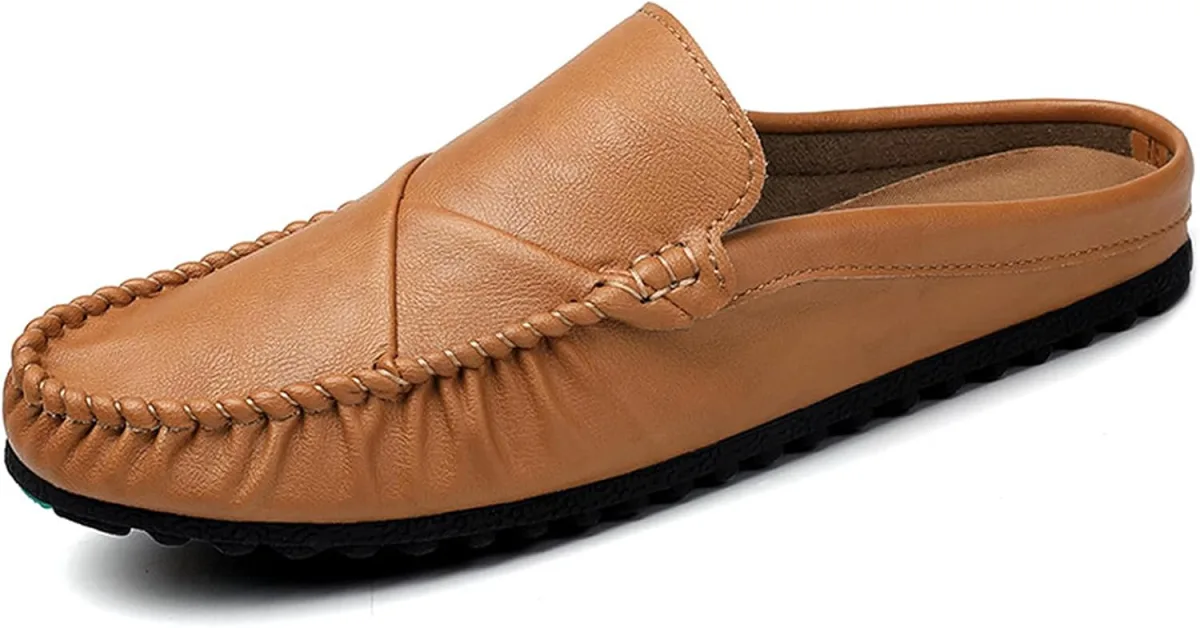
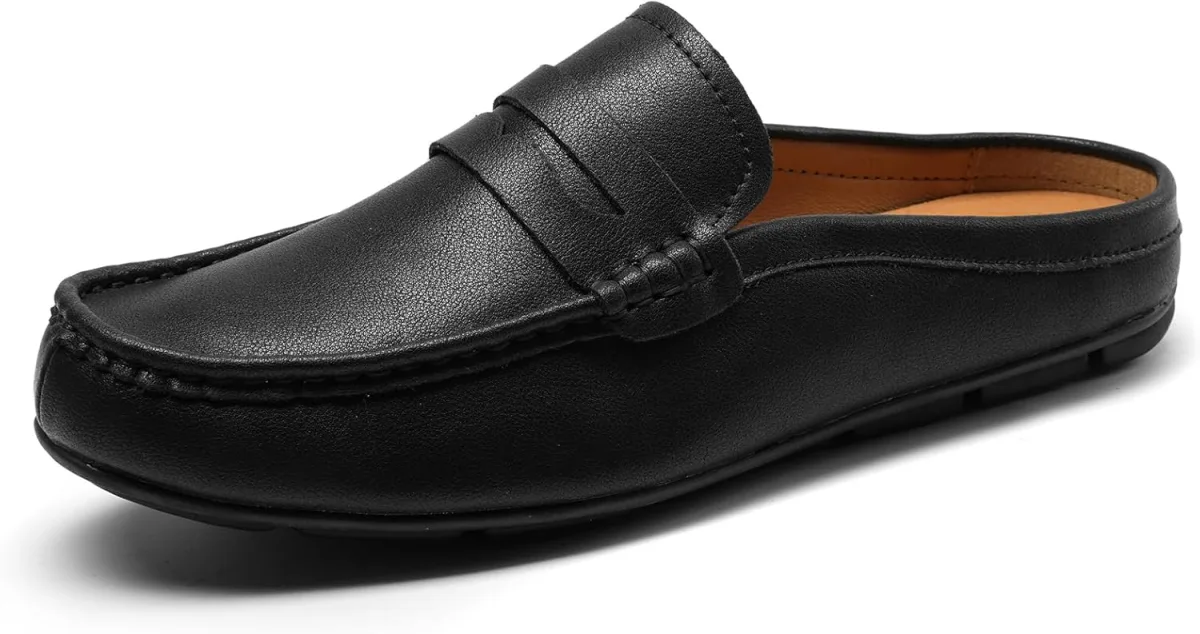
Unbranded
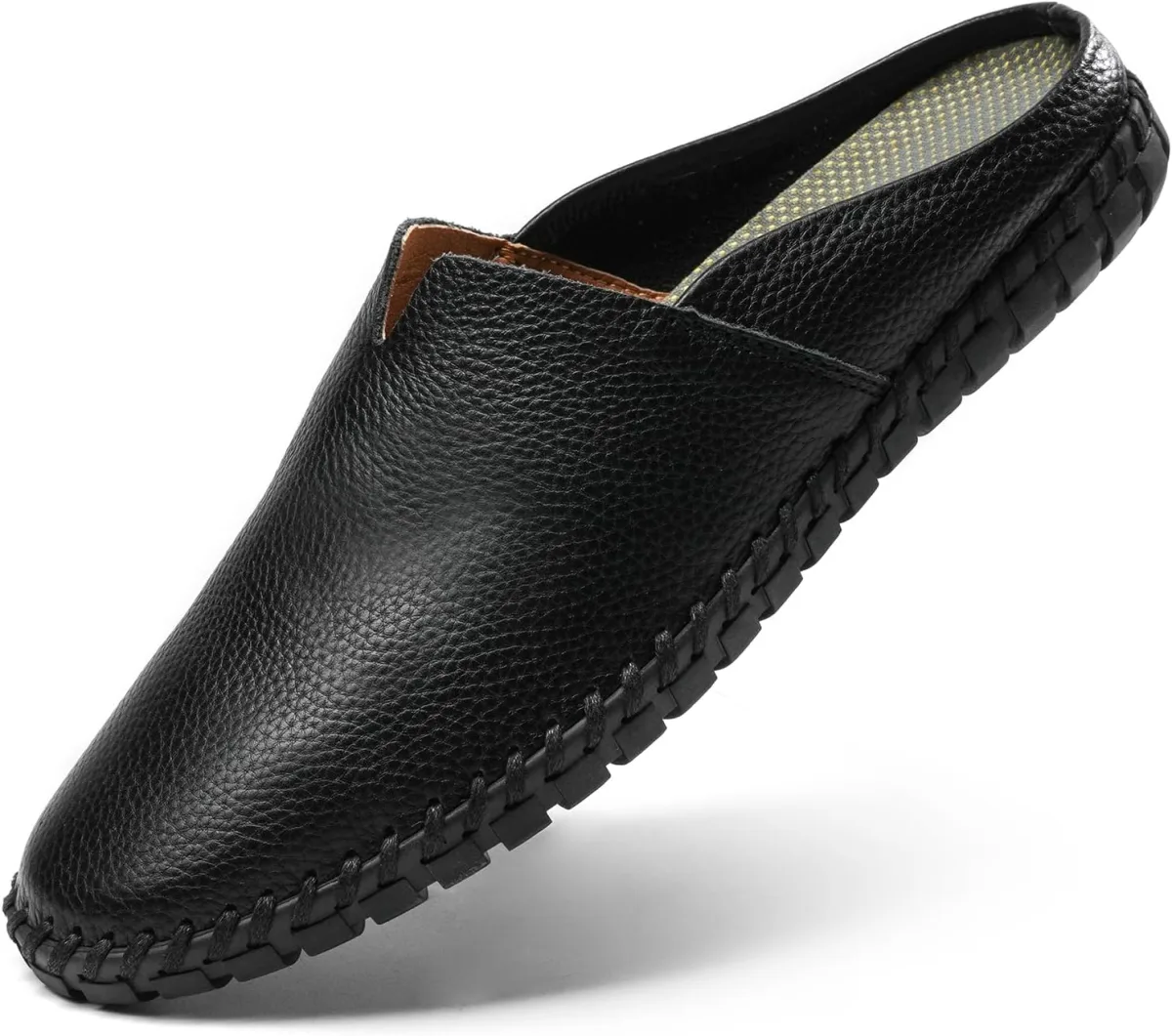
Men’s Slip-On Loafers Handmade Leather Slippers Breathable Comfortable Soft Ha
Cushioned insole
Unbranded
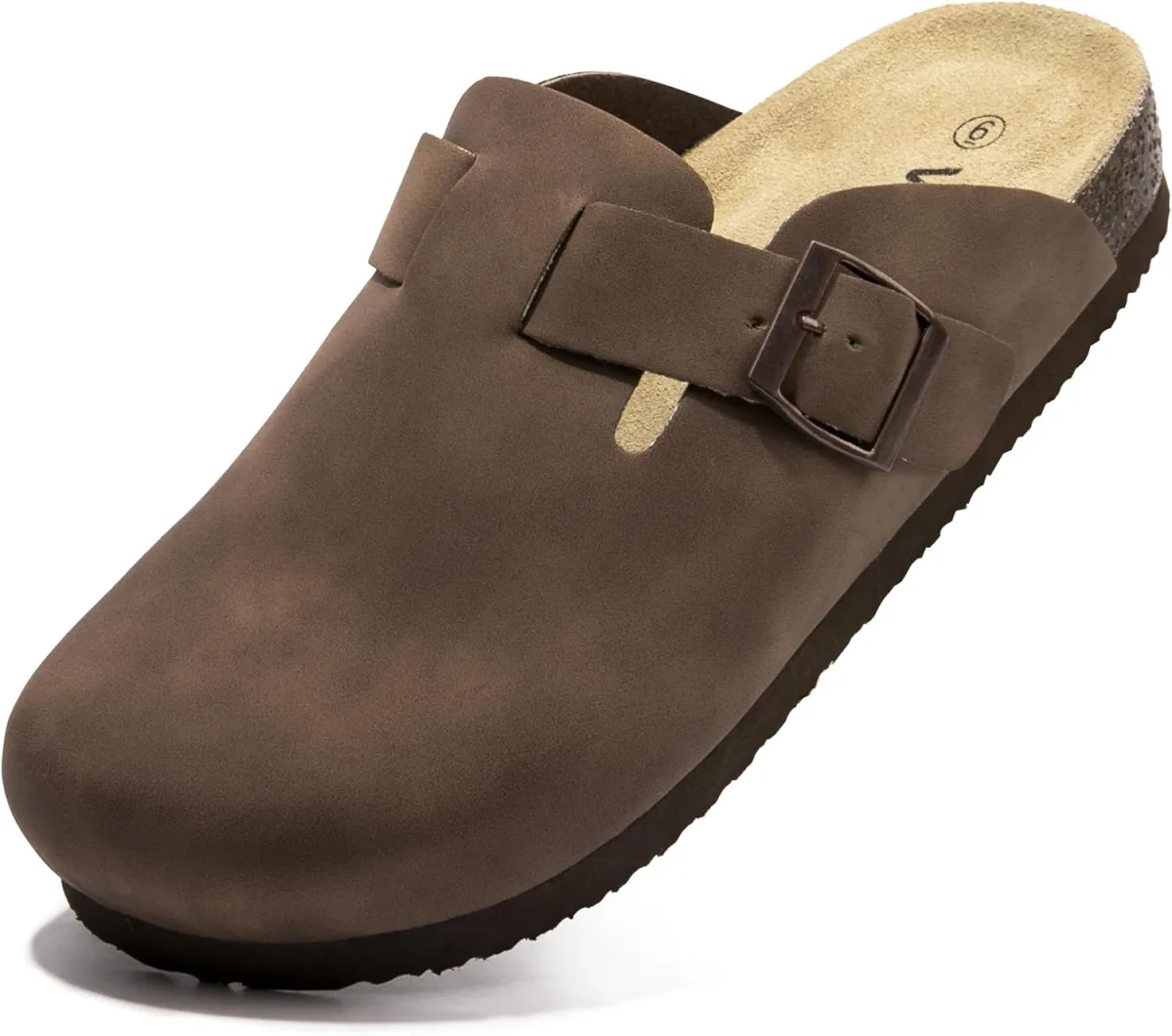
Men’s Slip-On Loafers Mules Clog Handmade Leather Slippers Hand Stitched no-He
Cushioned insole
Unbranded
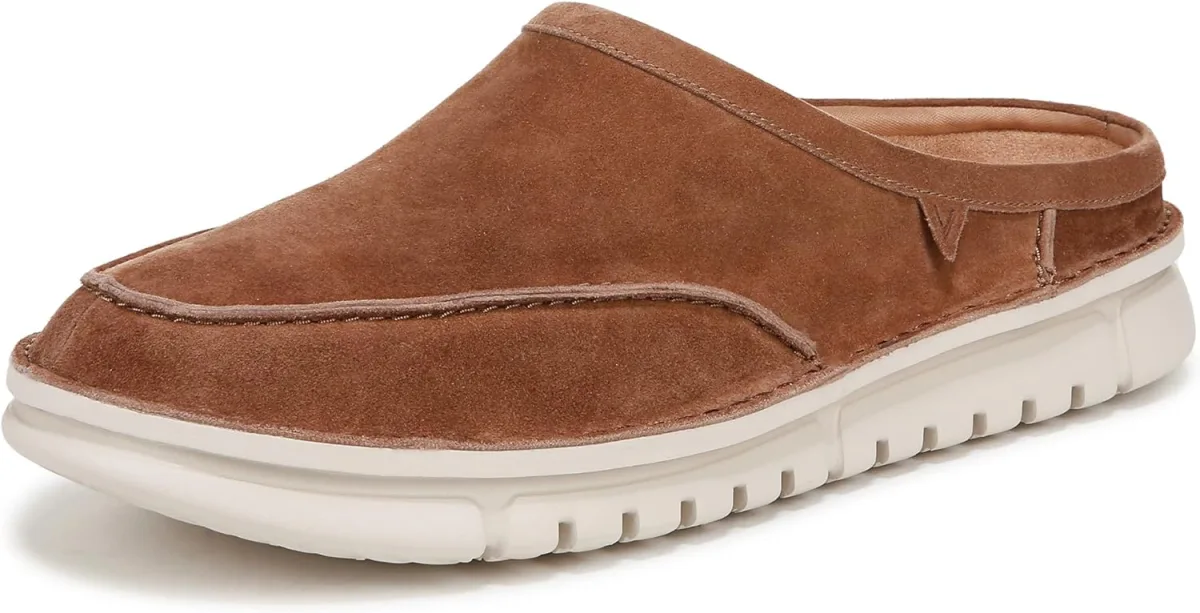
Suede Clogs Potato Shoes Cork Footbed Sandals Comfort Mules with Arch Support
Cork footbed
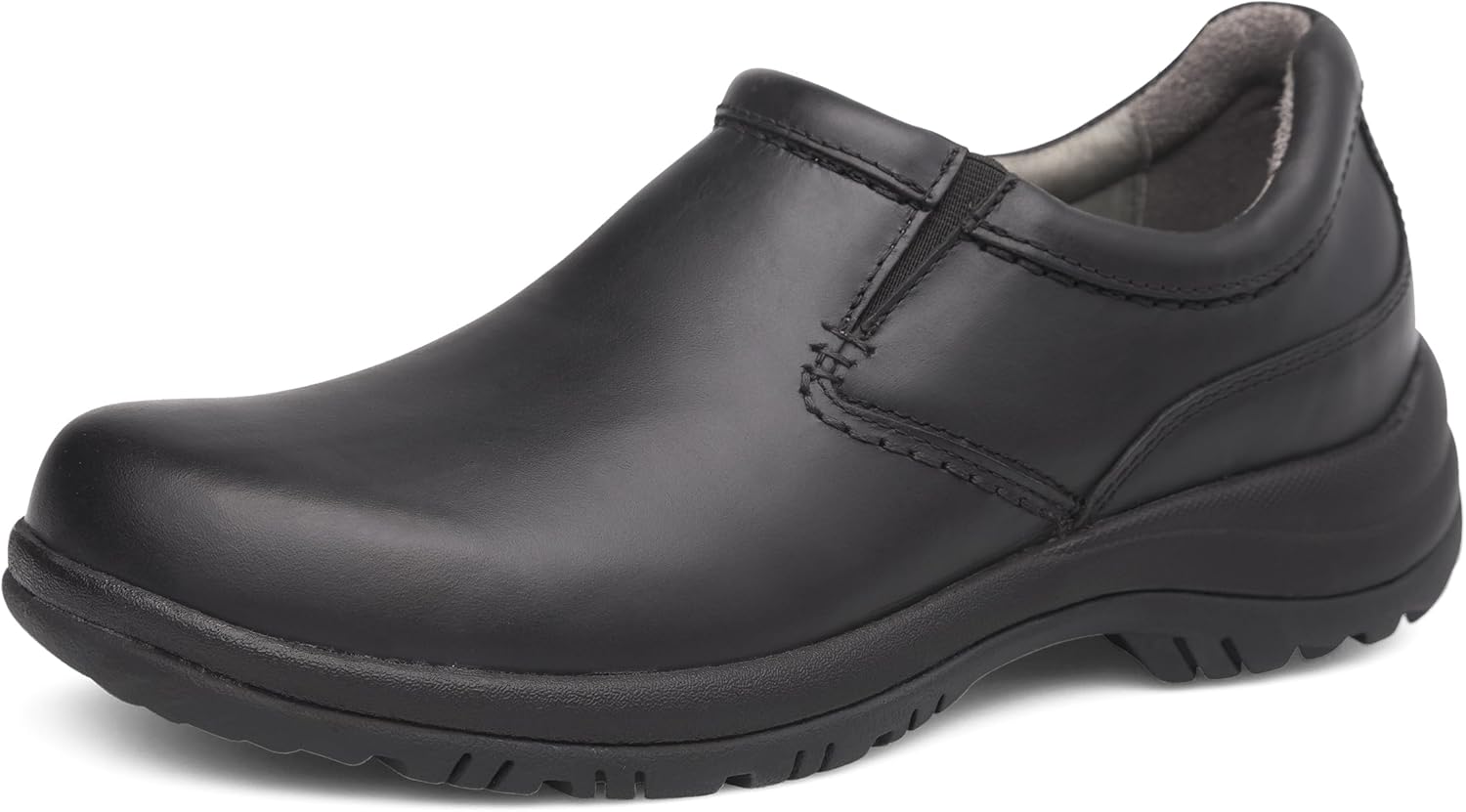
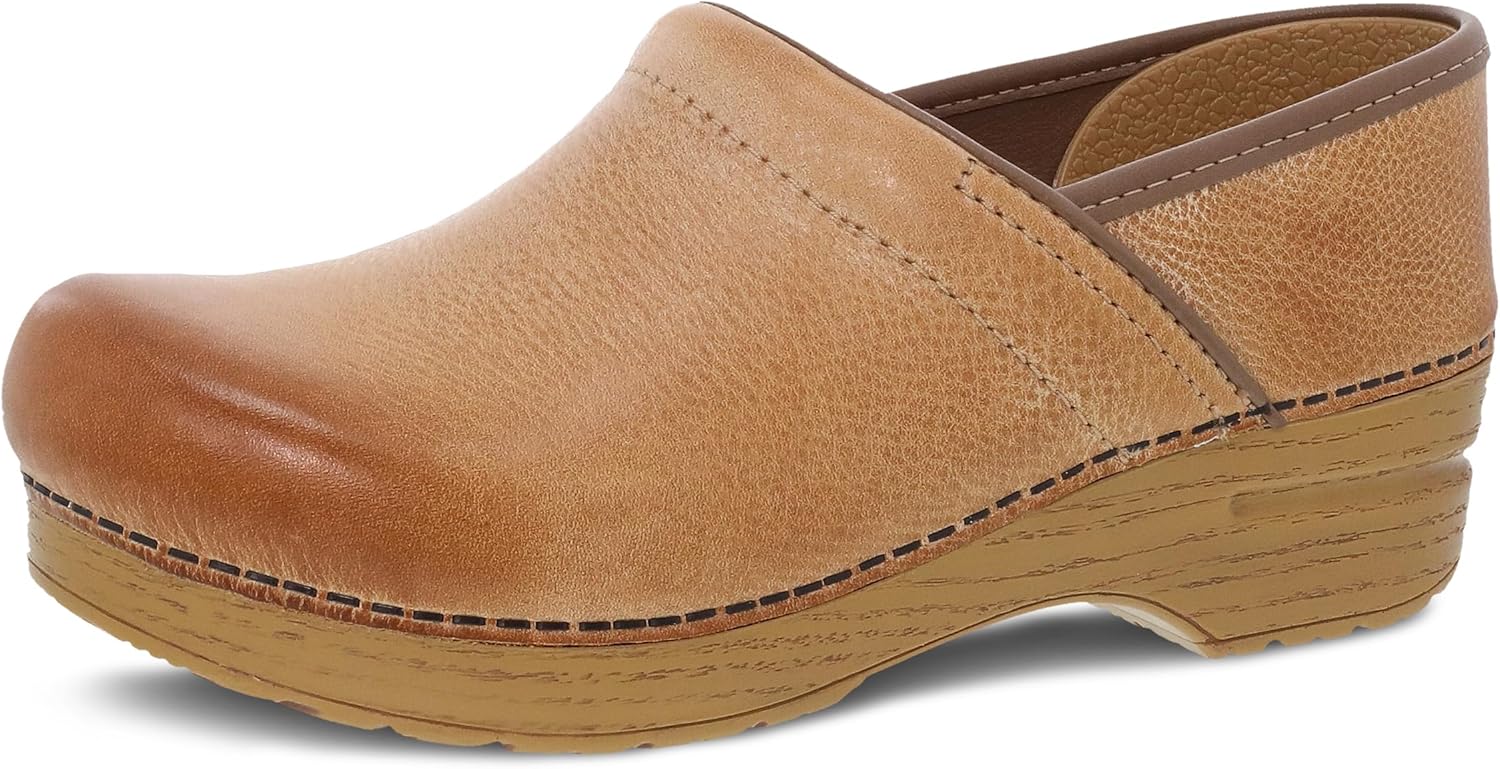
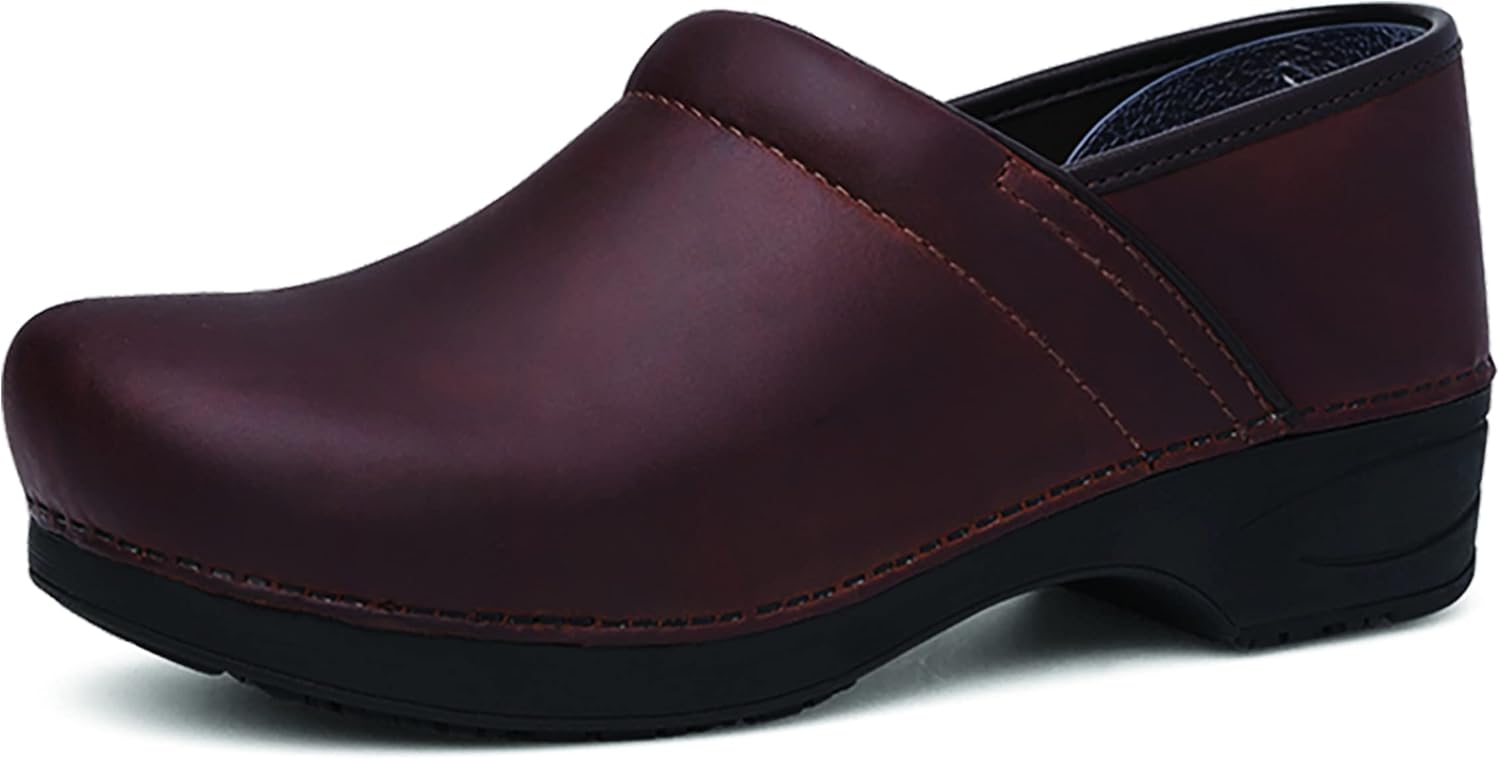
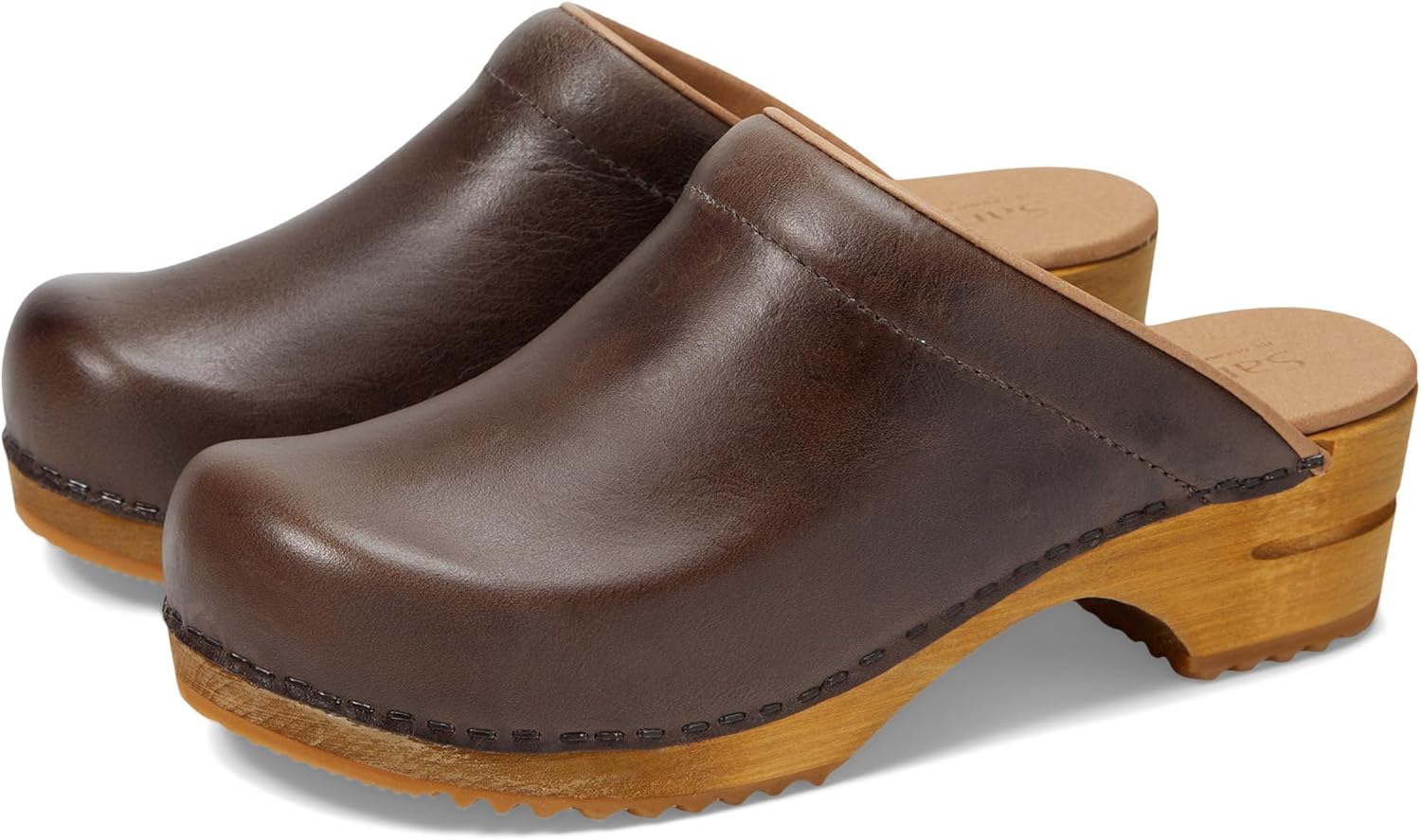
Sanita
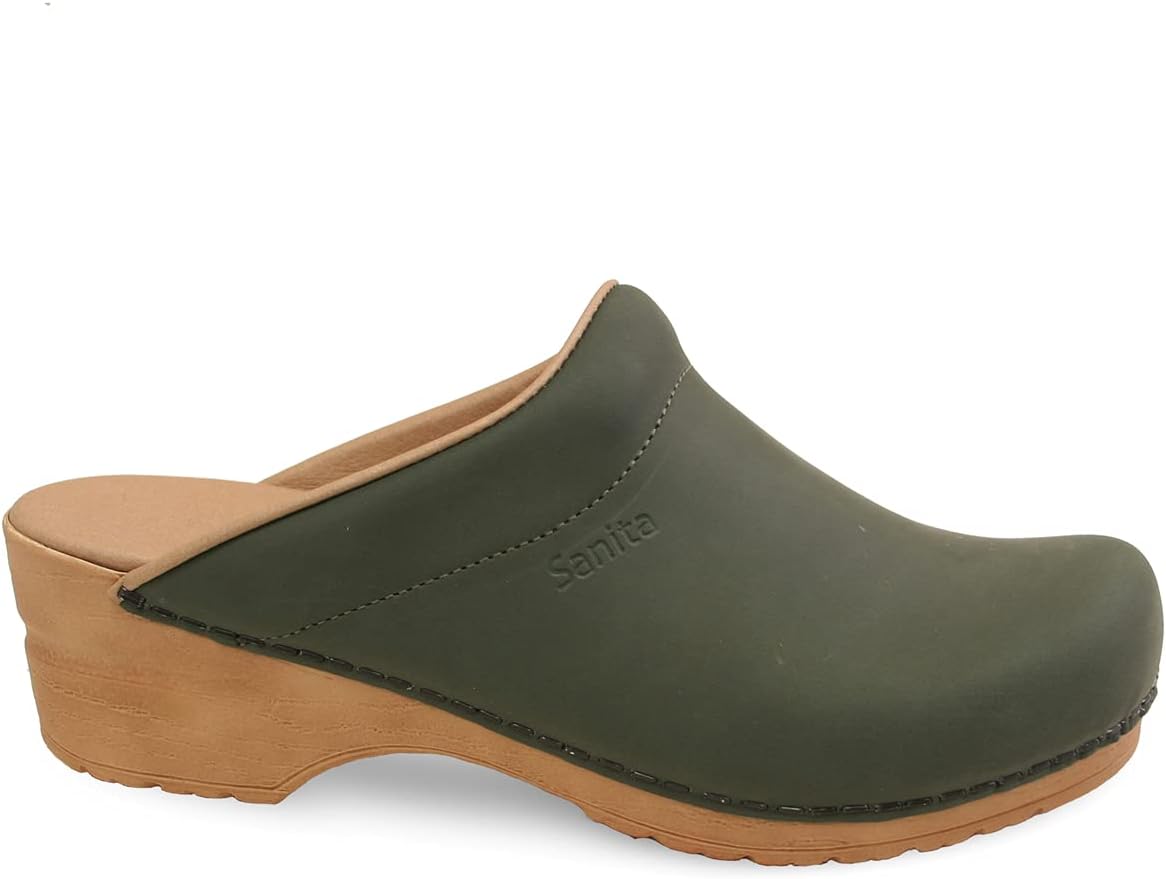
Sanita Oster
Sanita
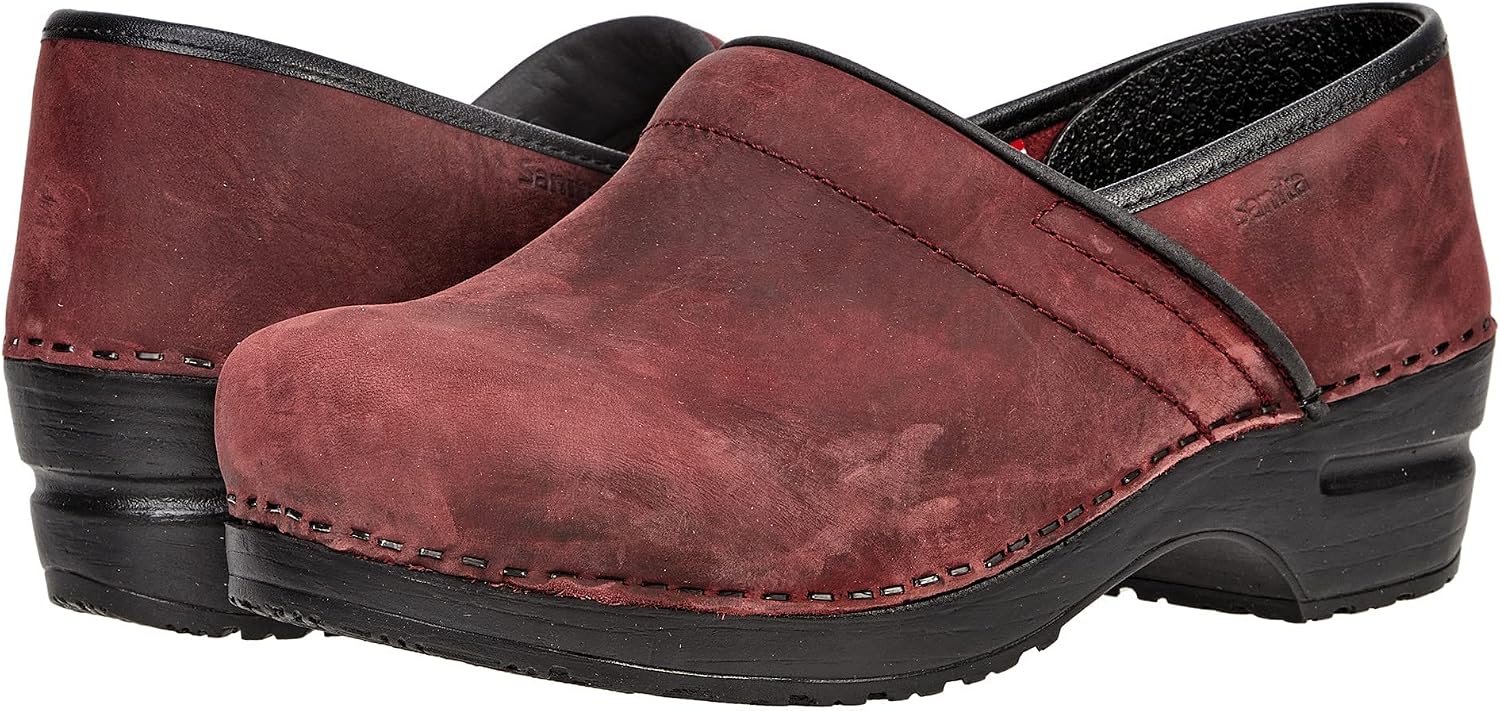
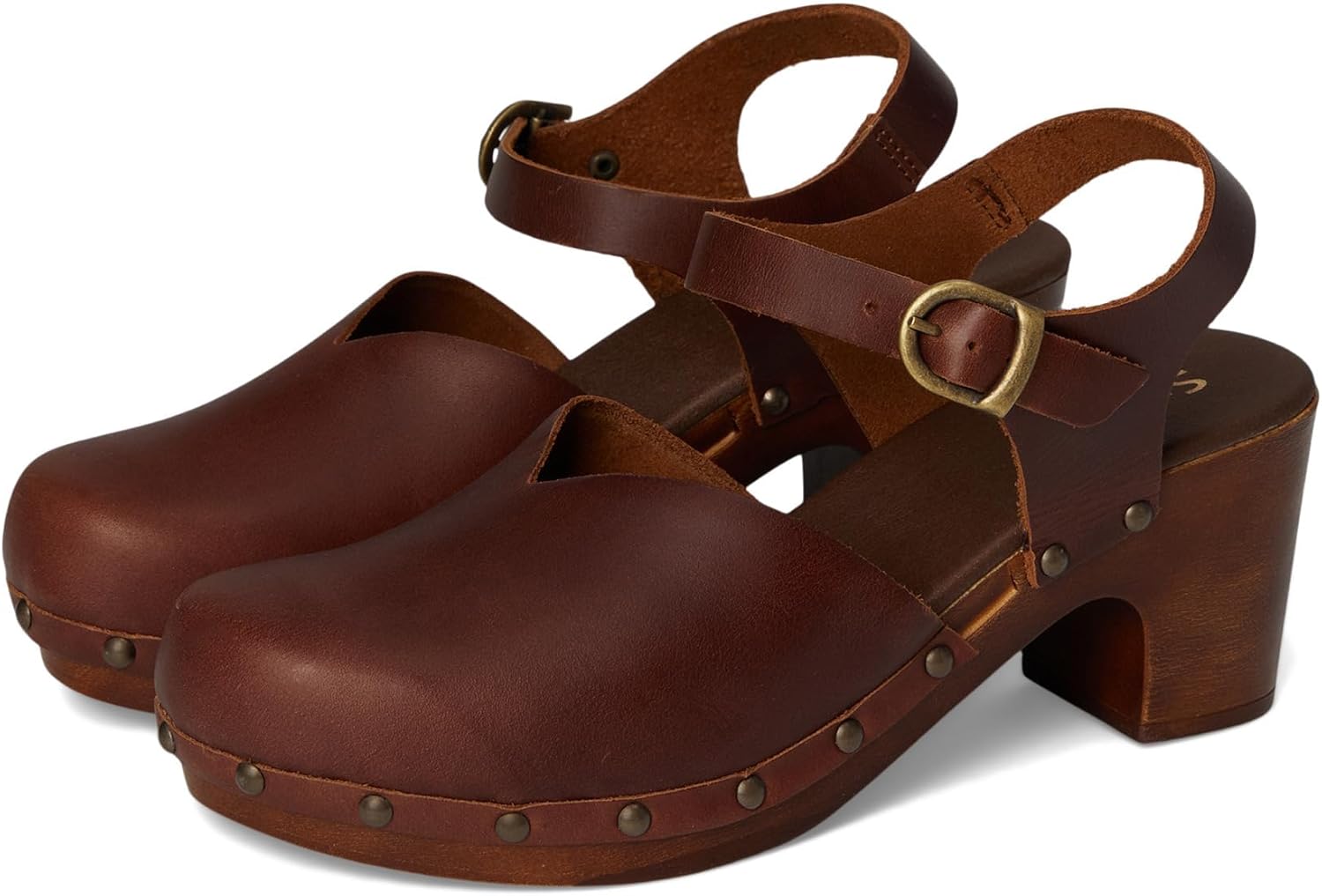
Sanita Ellis
Sanita
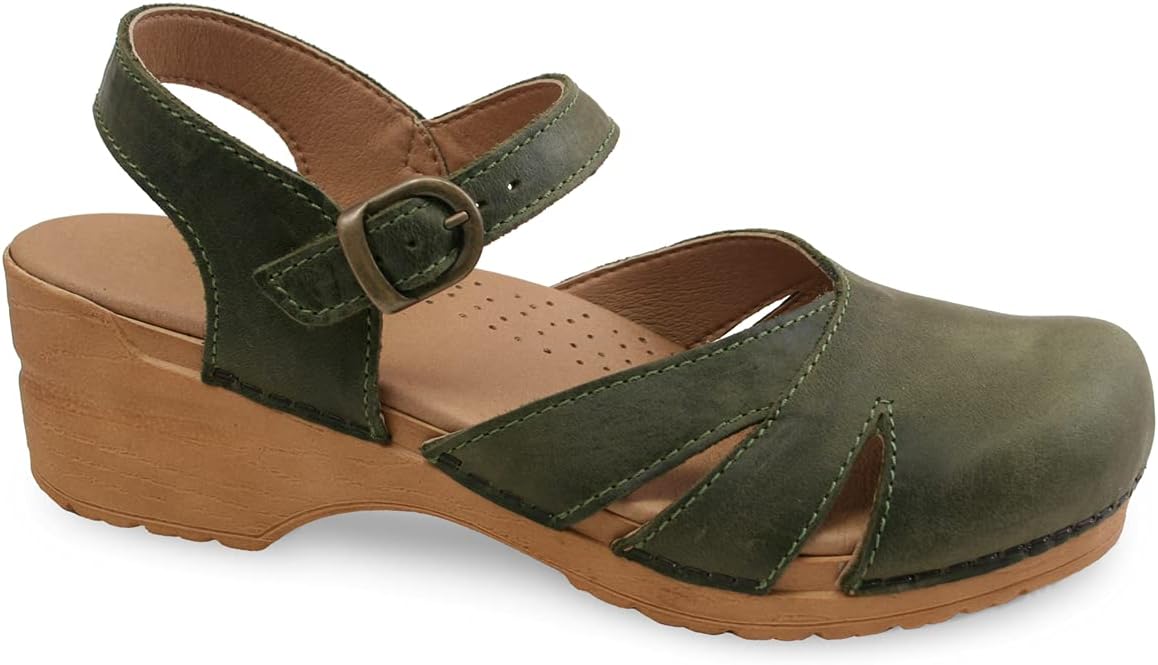
Sanita Margrethe
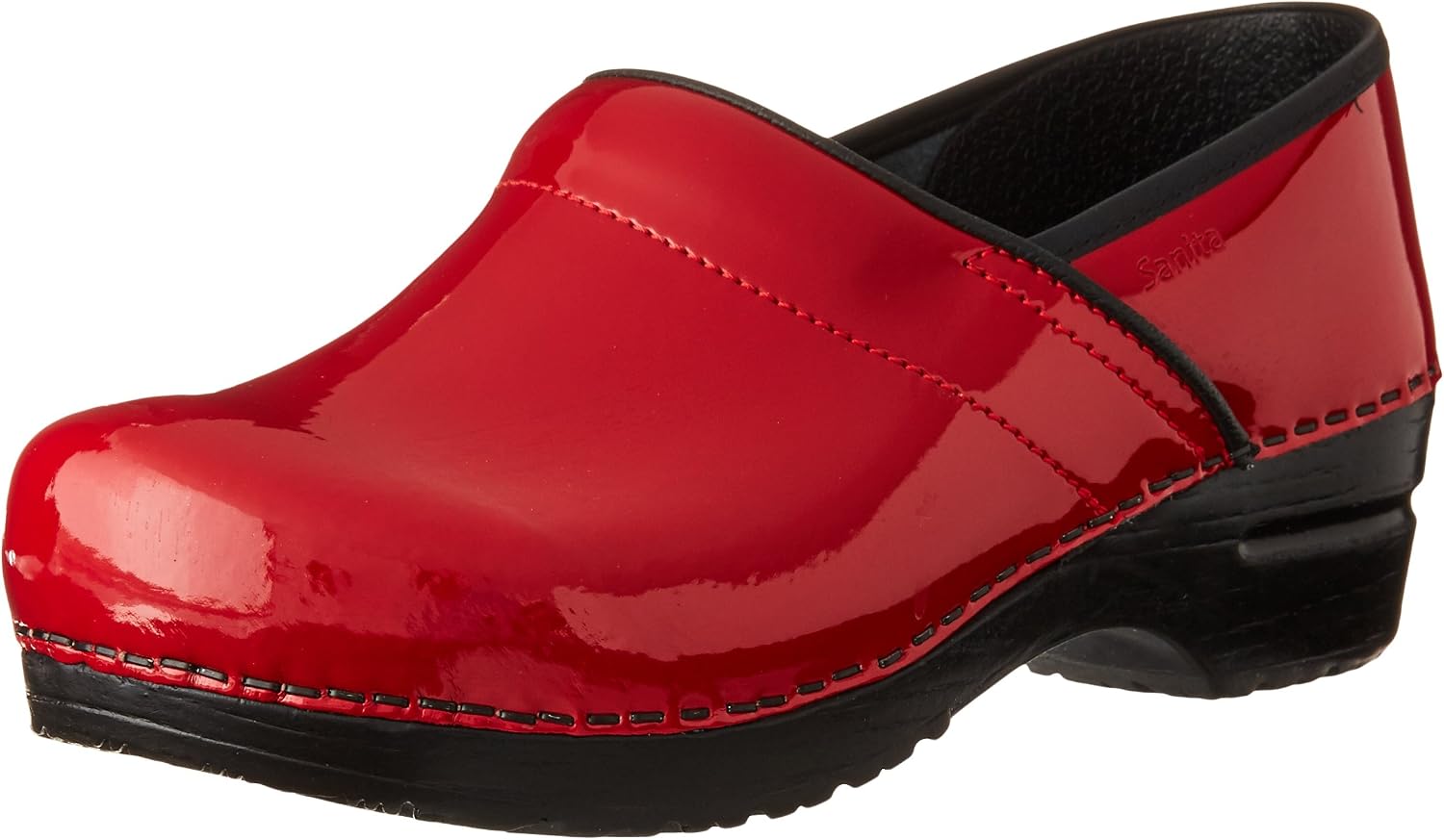
Sanita
Sanita Professional Patent
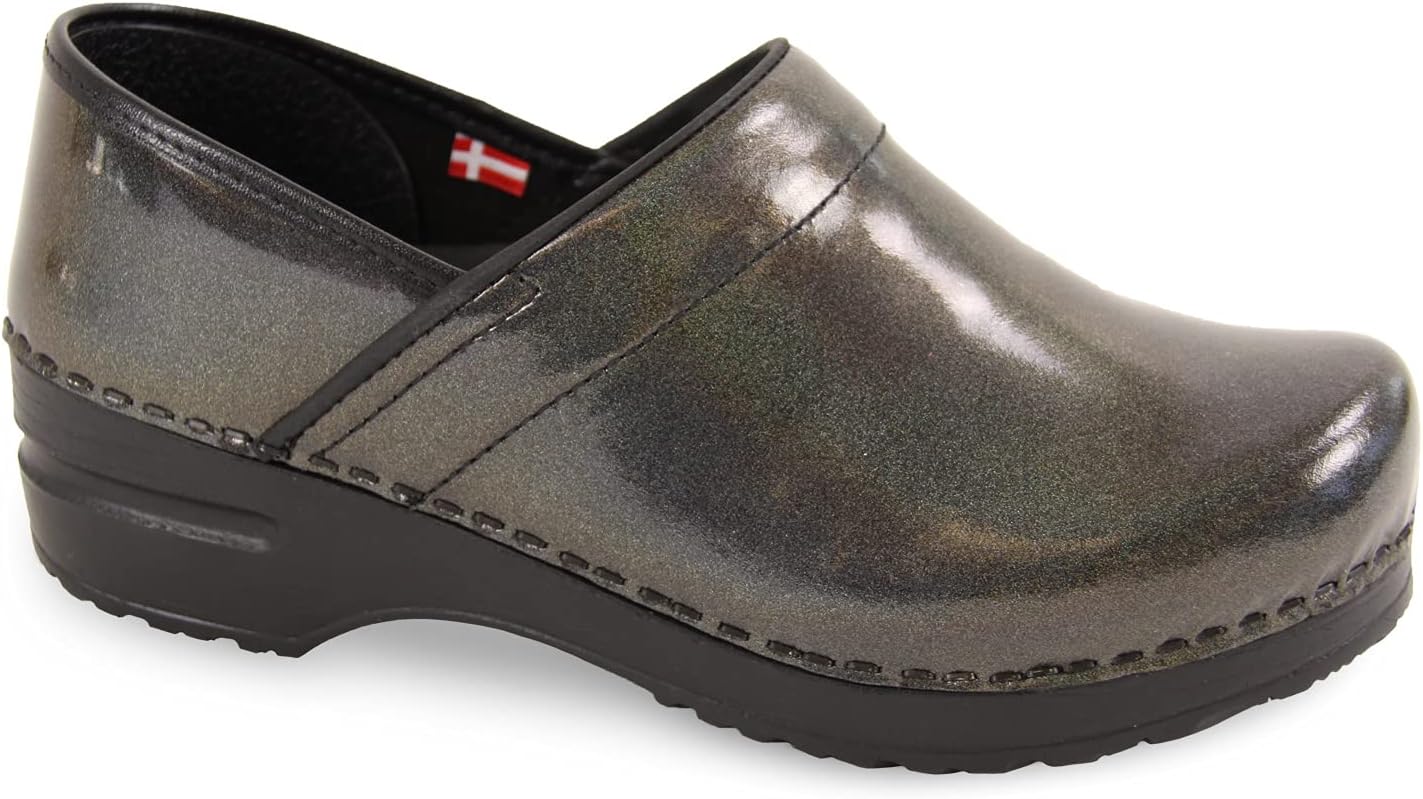
Sanita
Sanita Smart Step Sable Pro
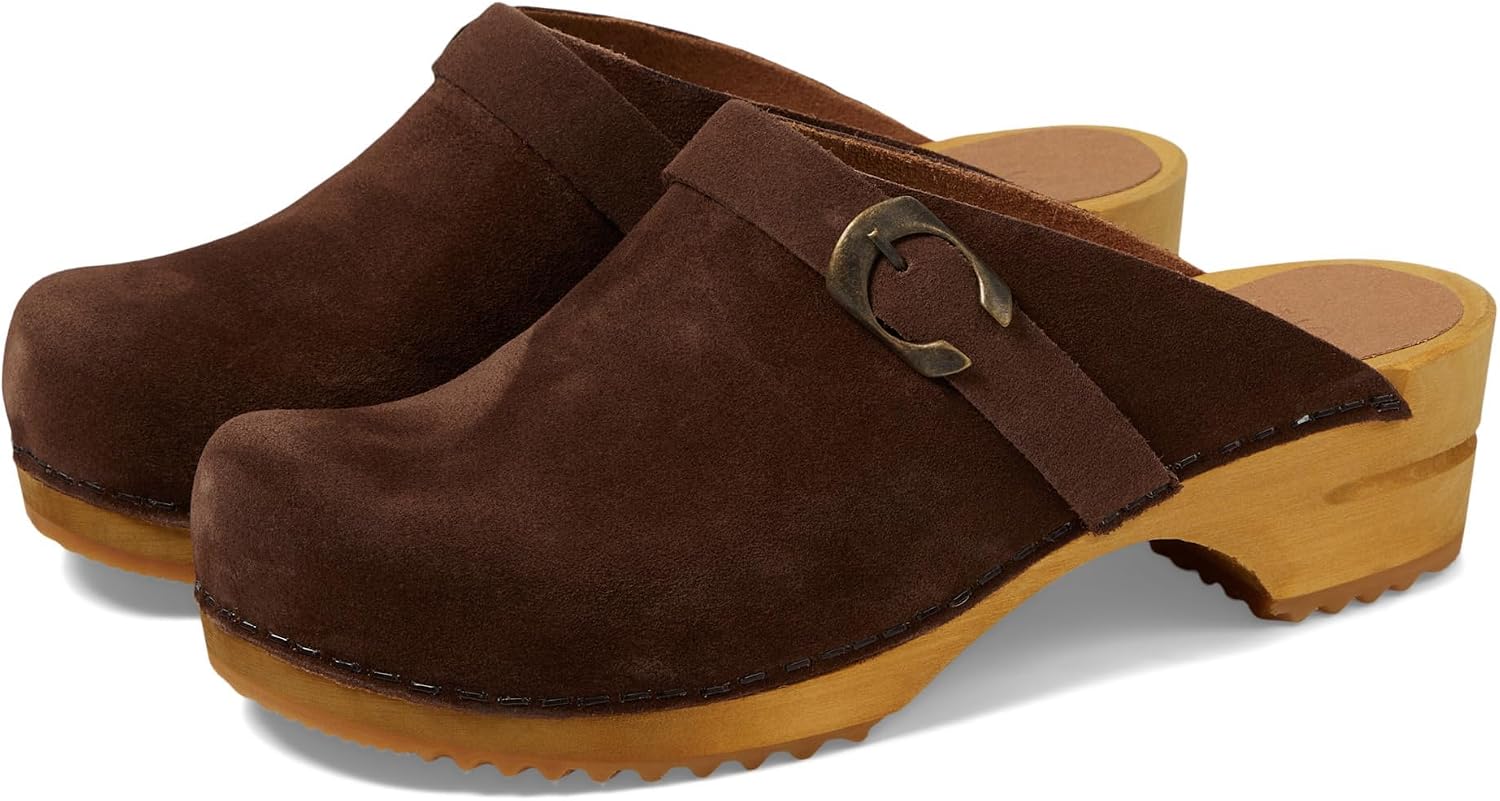
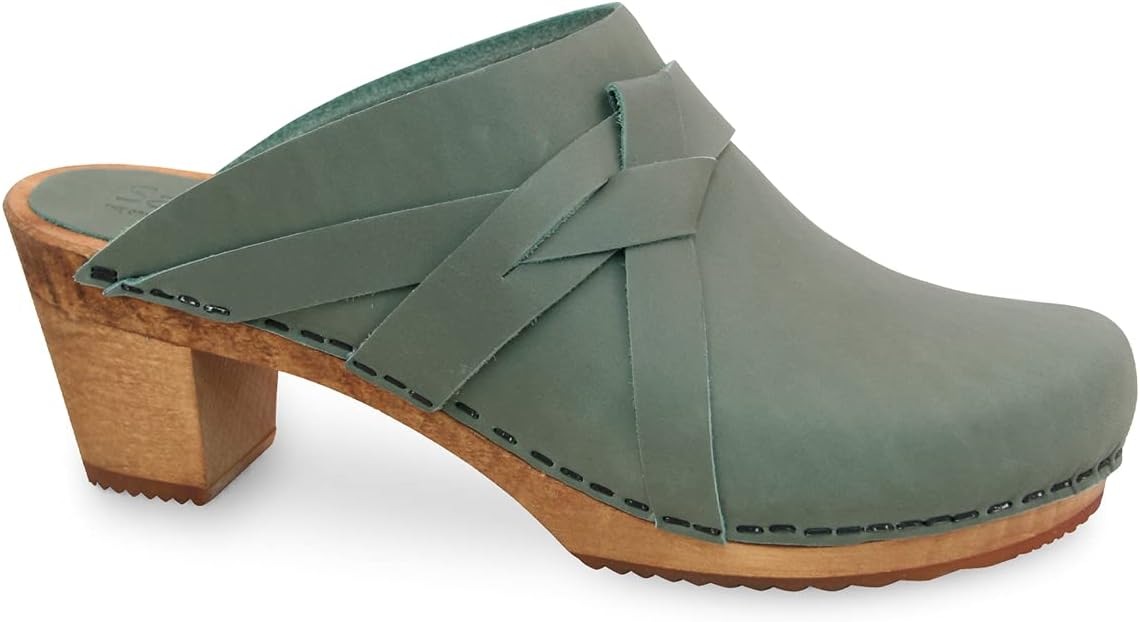
Sanita
Sanita Manuella
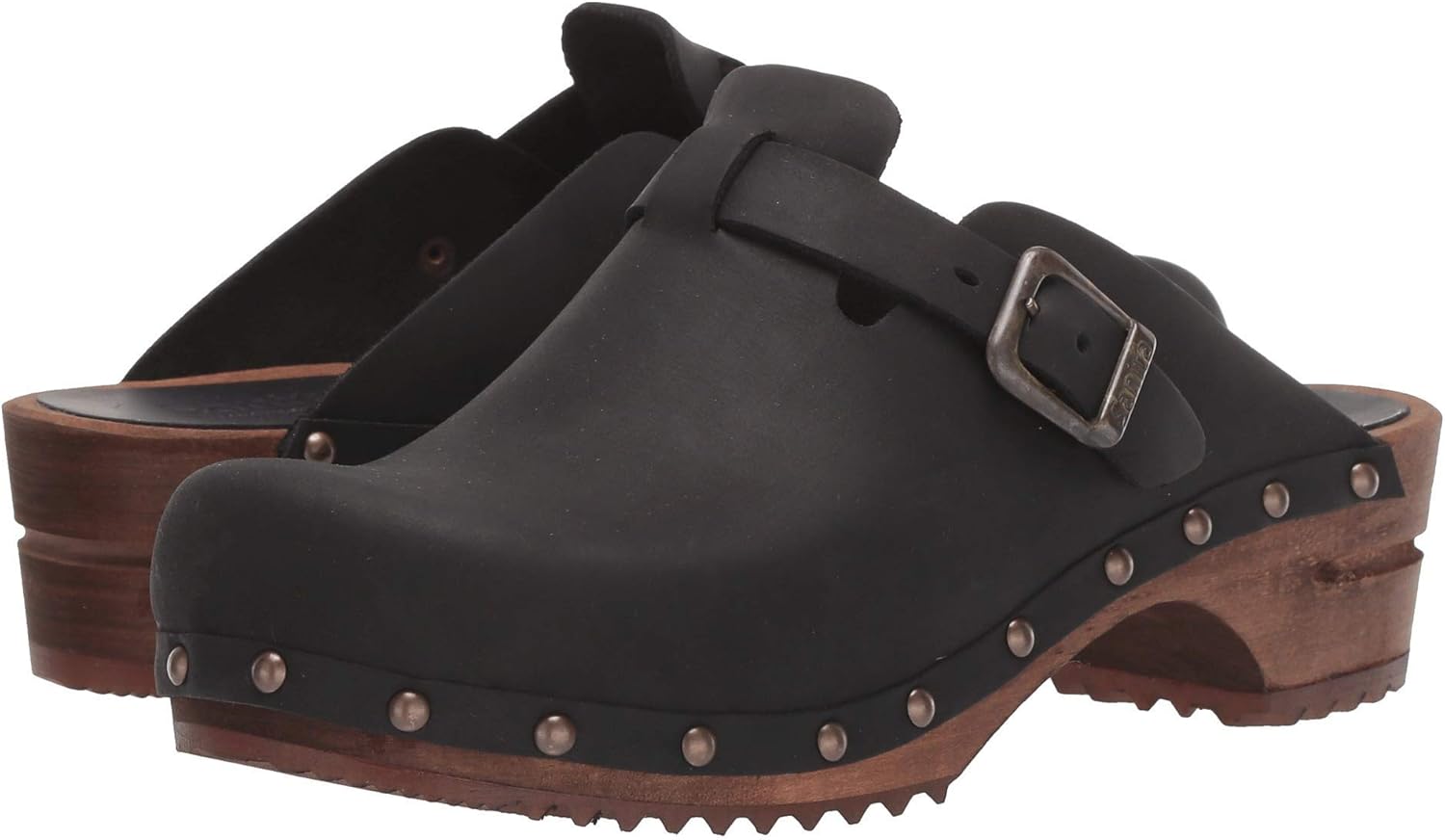
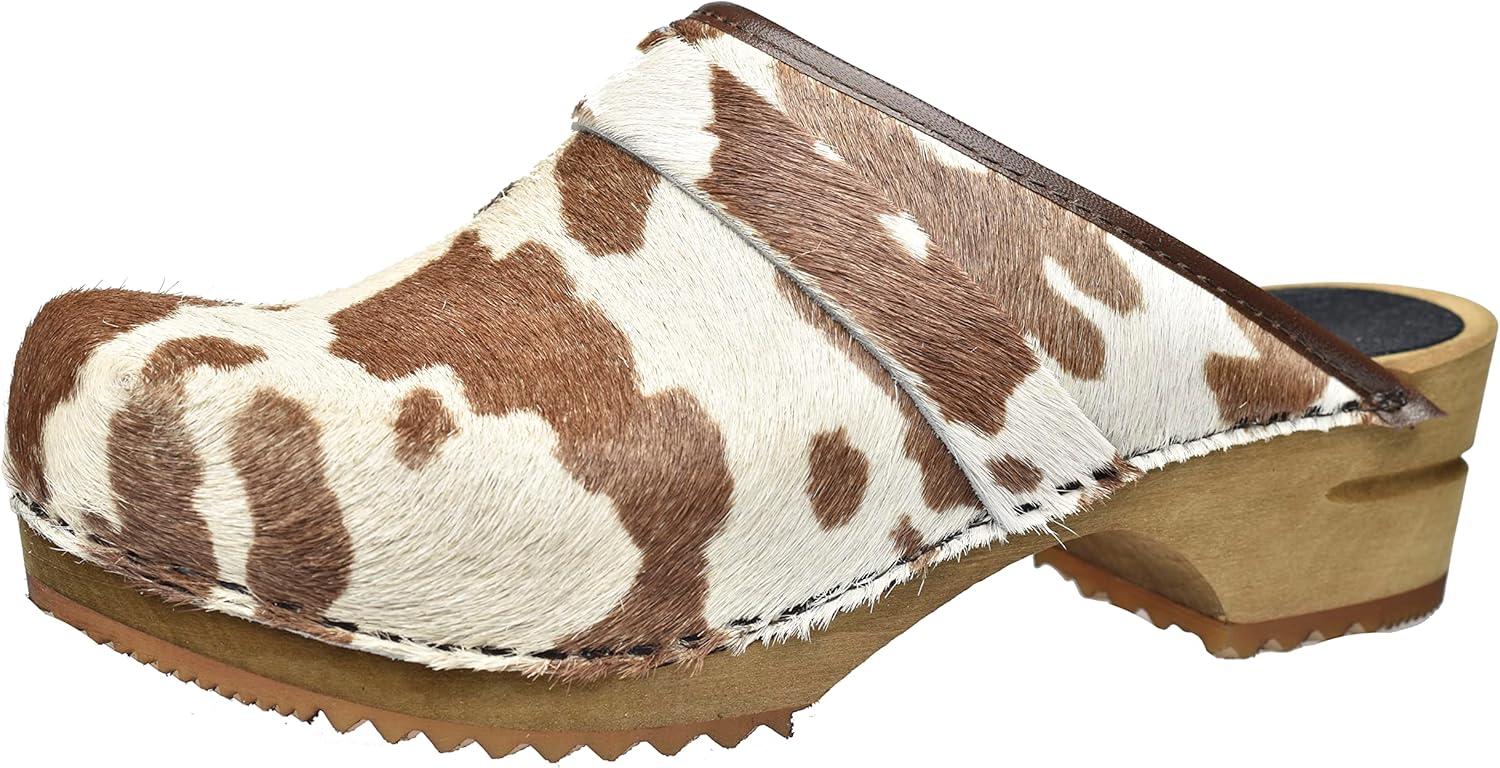
Sanita
Sanita Caroline
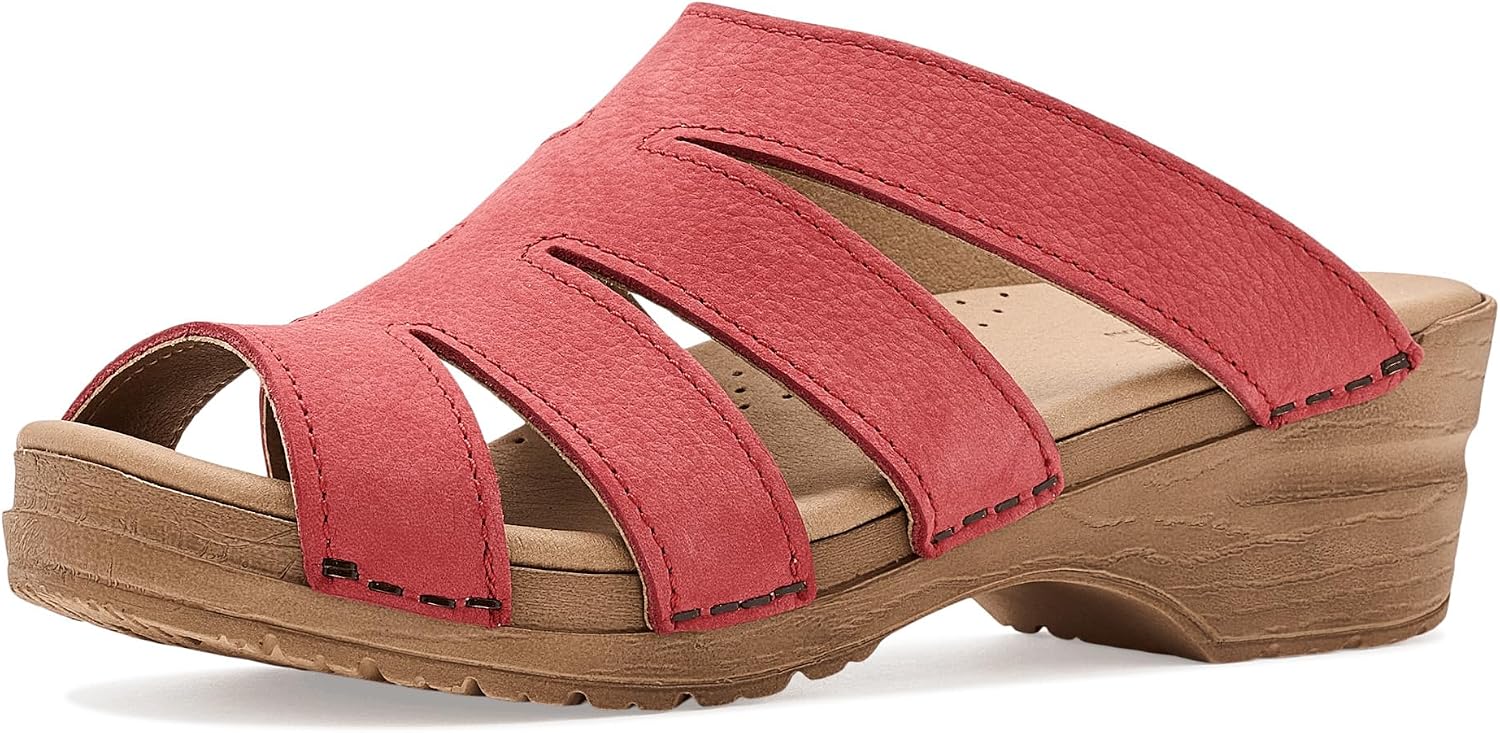
Sanita
Sanita Monika
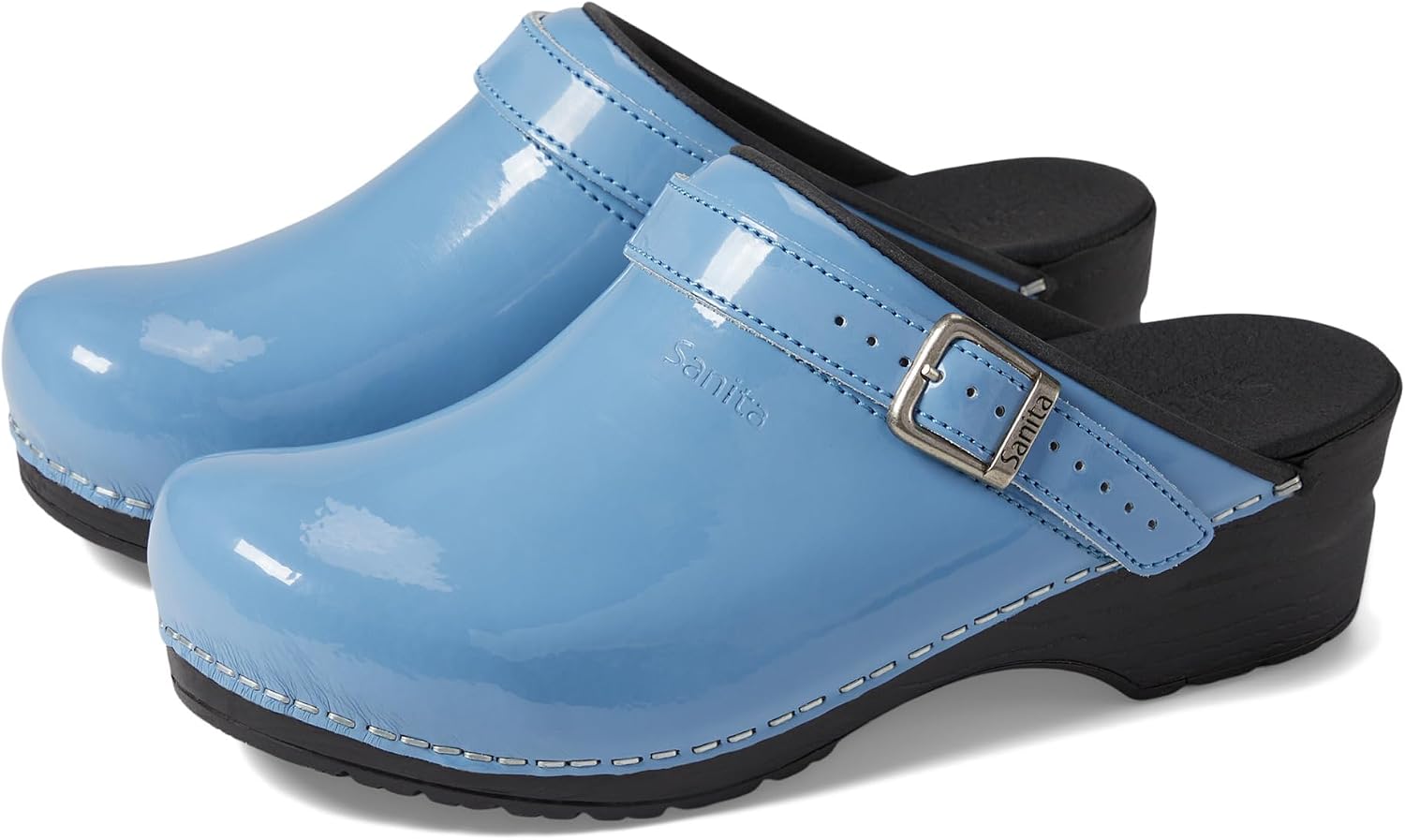
Sanita
Sanita Estelle
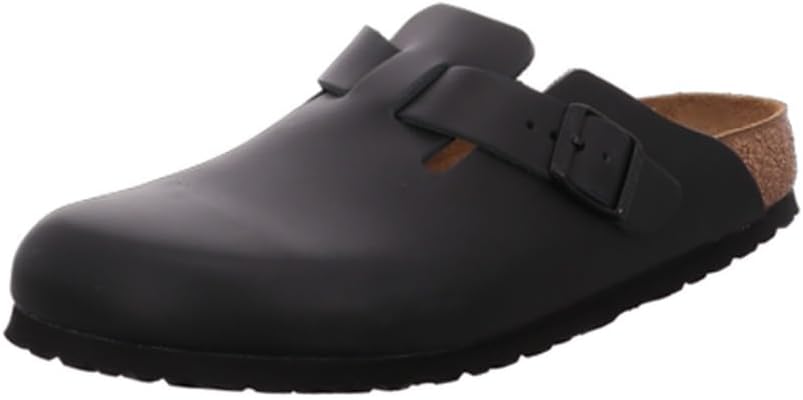
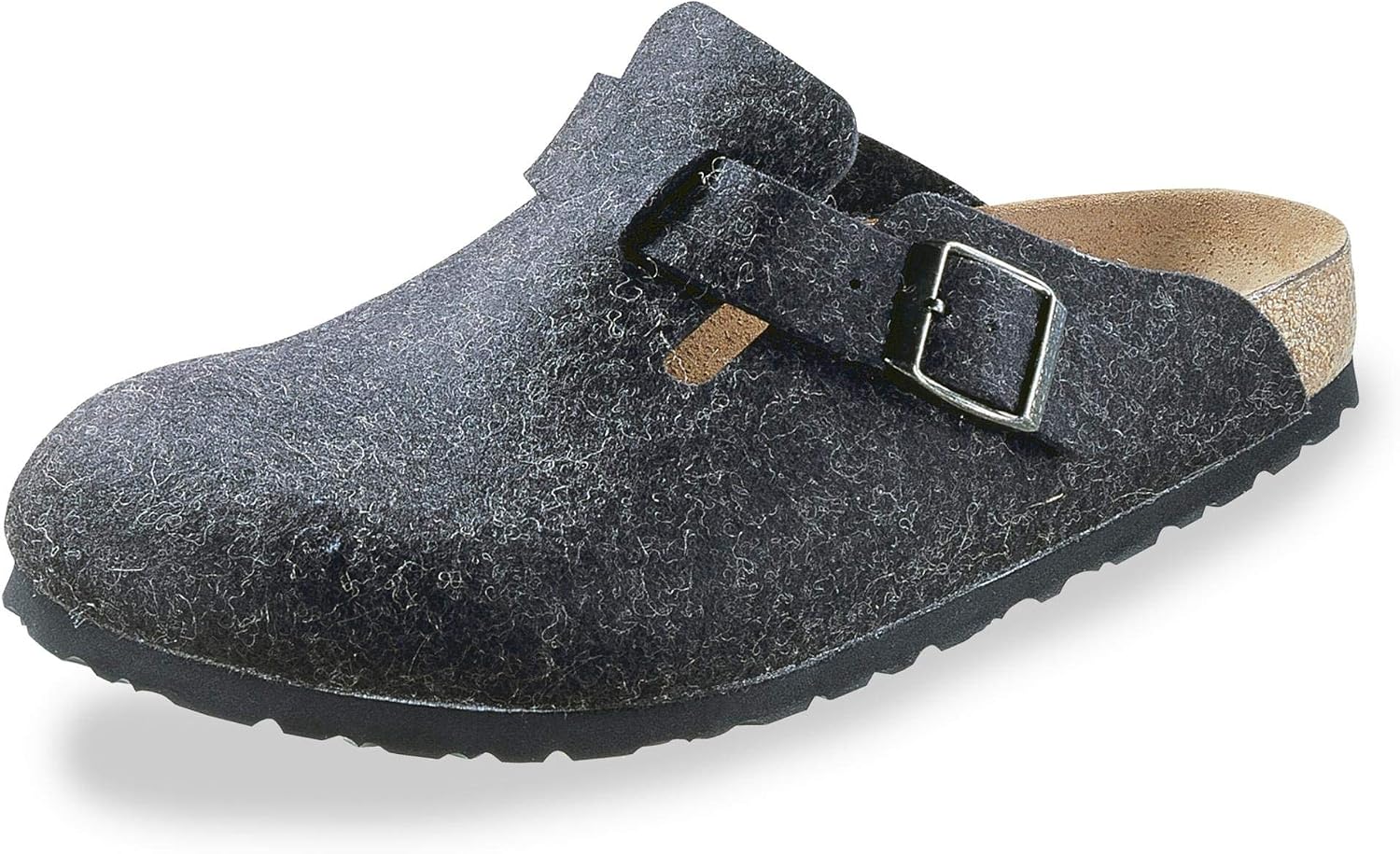
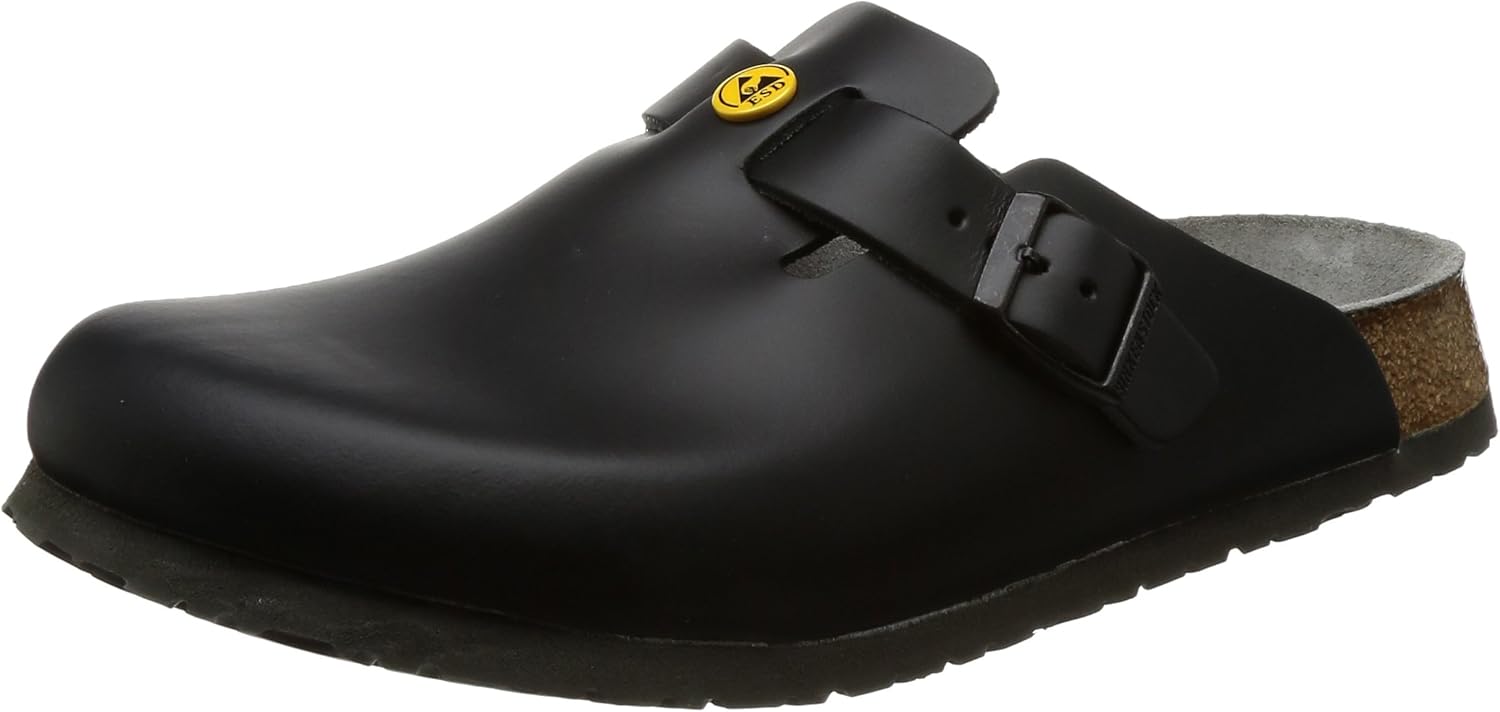
Birkenstock
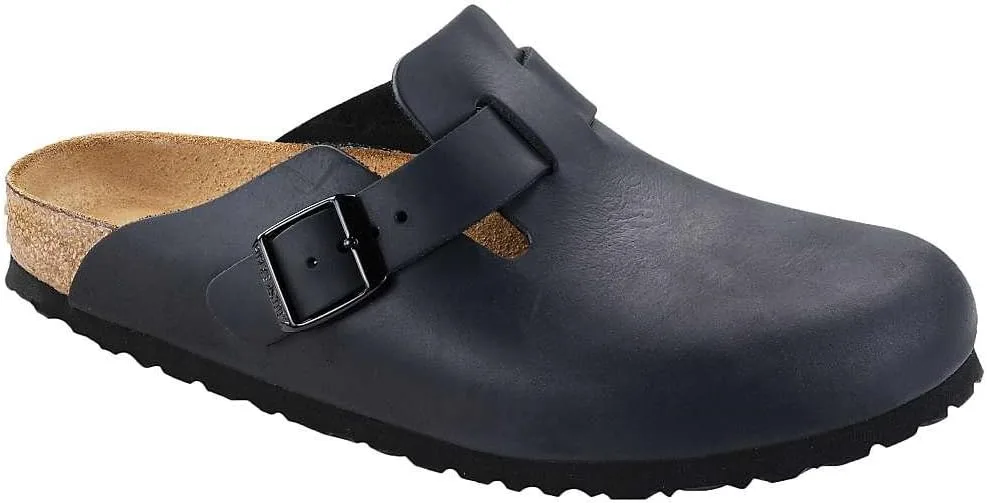
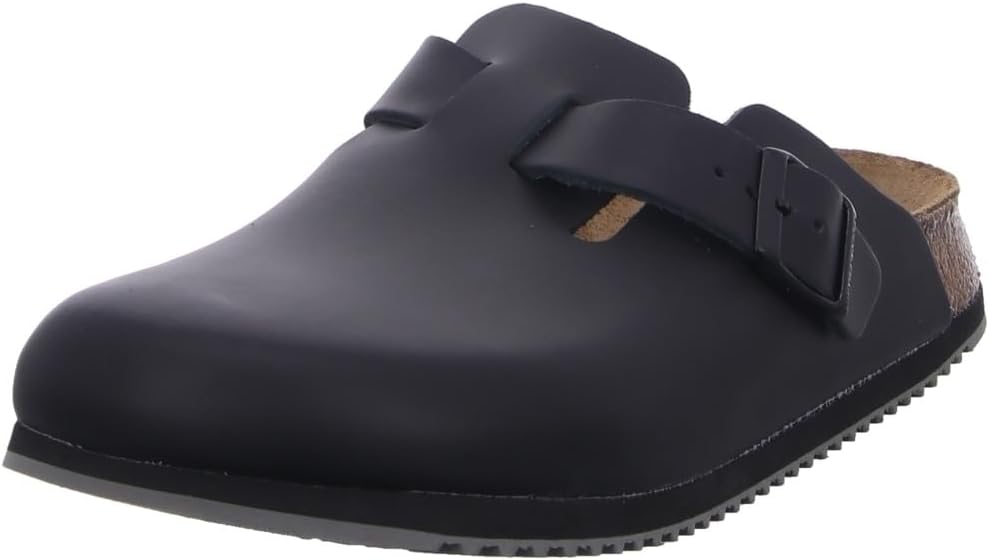
Birkenstock Boston, Men's Boston Anti-Static Natural Leather Normal Footbed
CorkEVA SoleBuckle
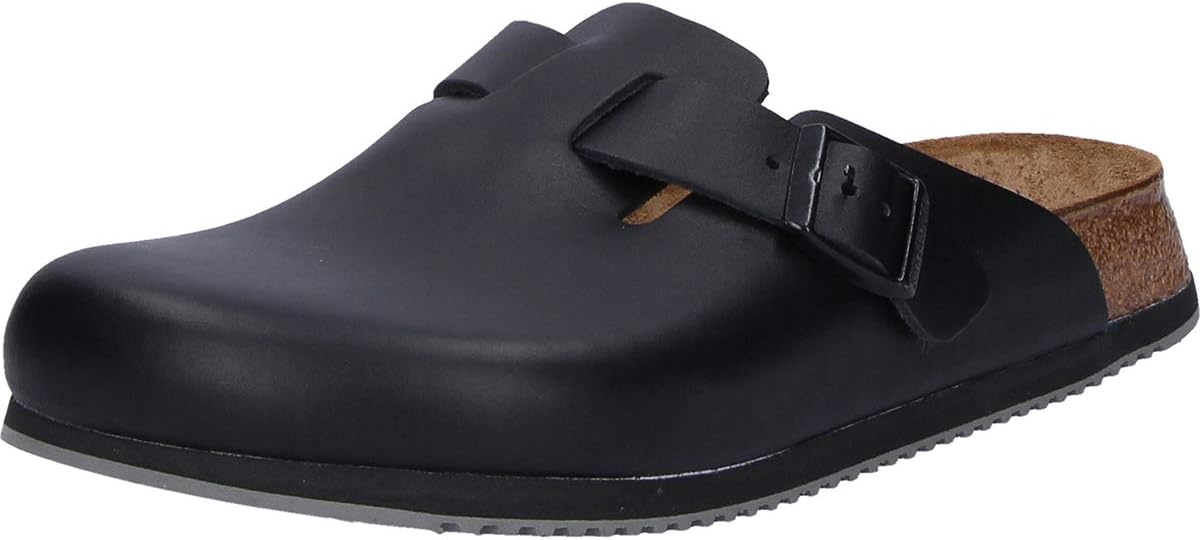
Birkenstock
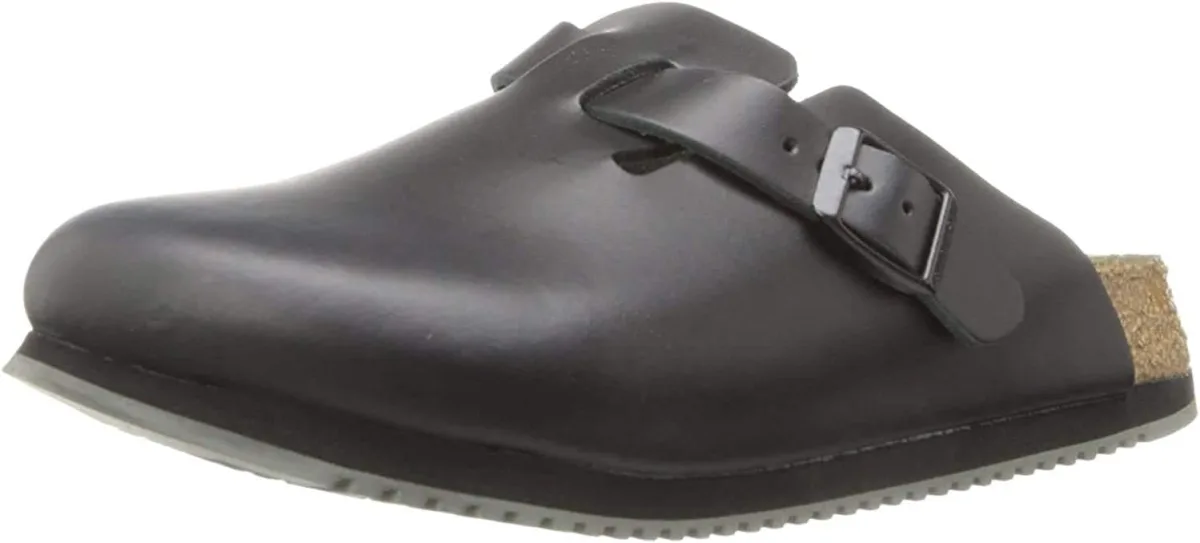
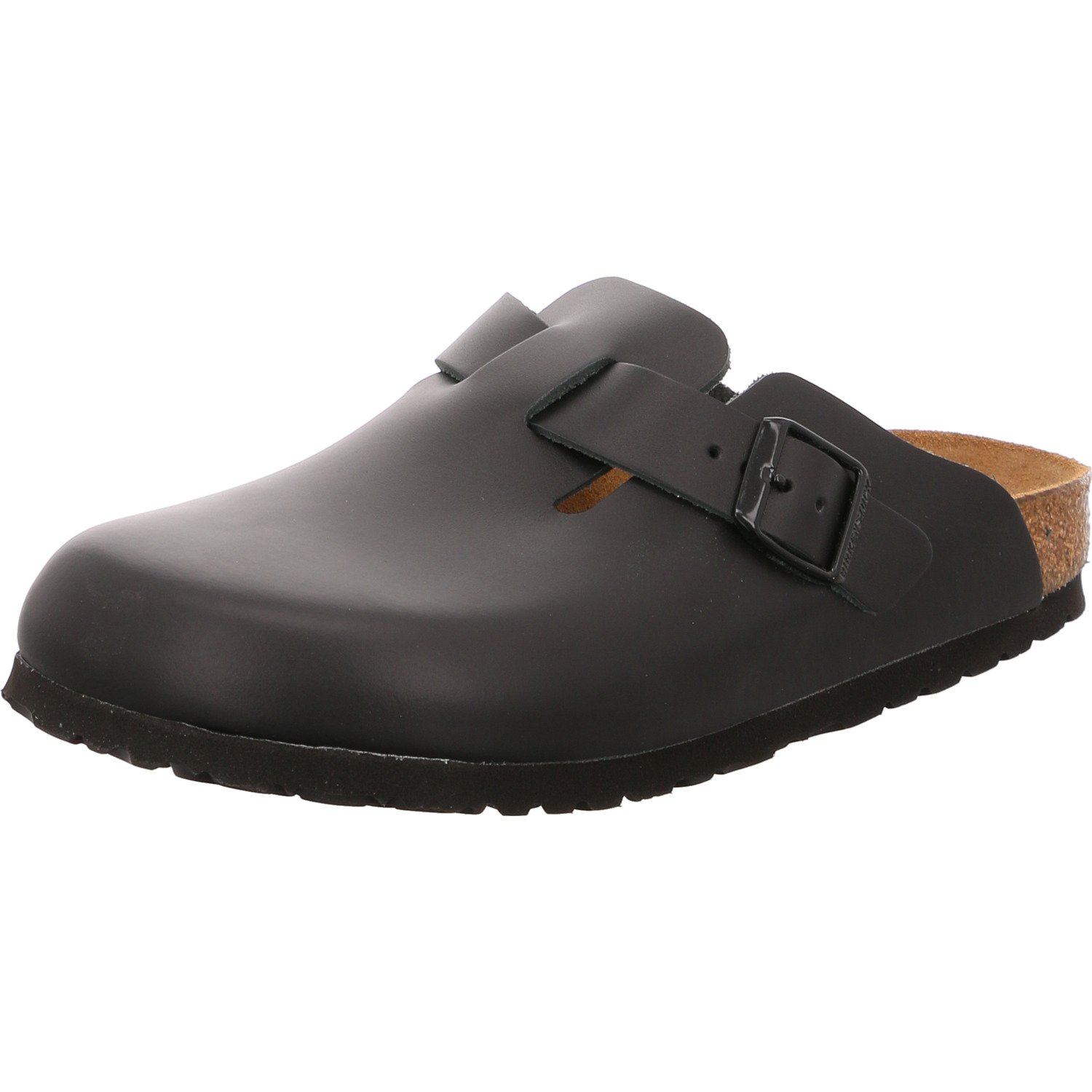
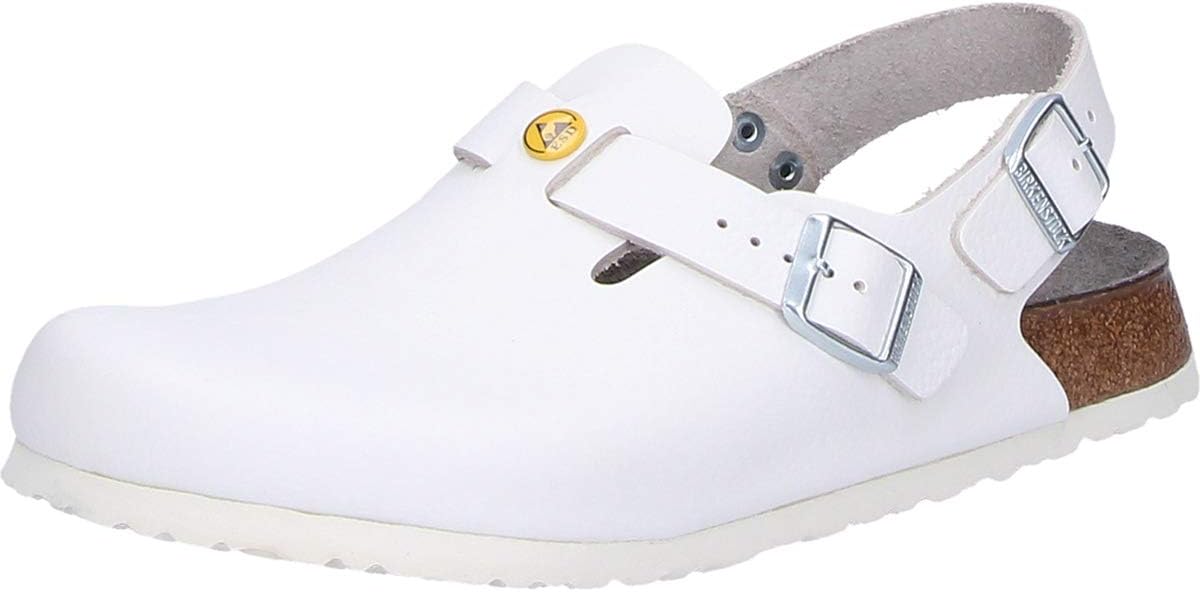
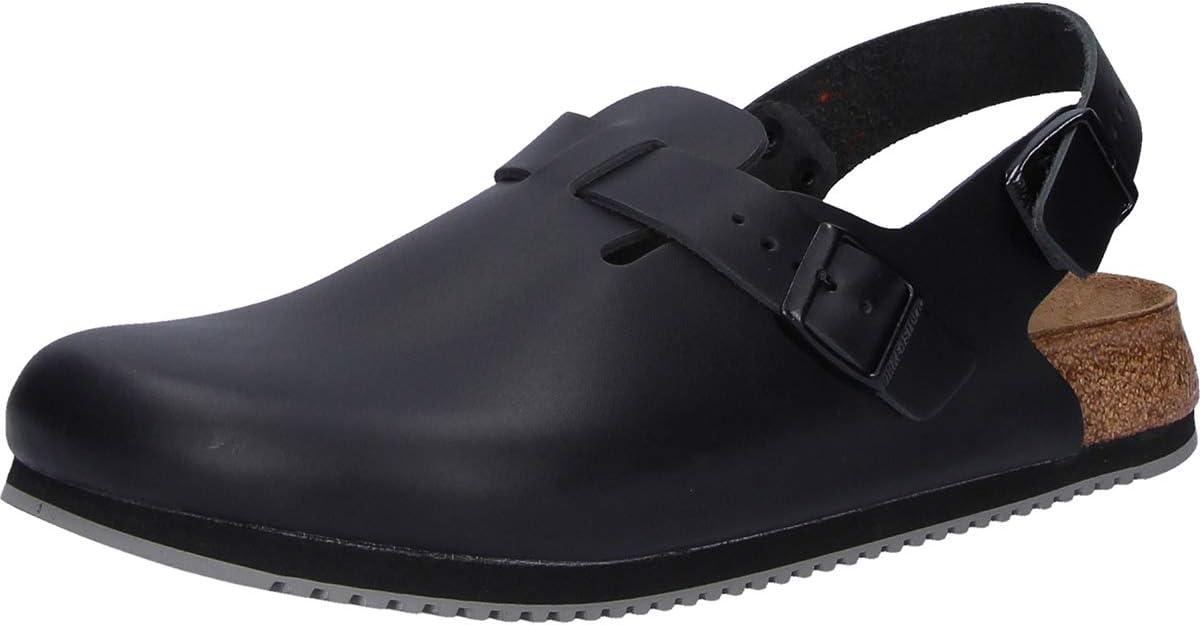
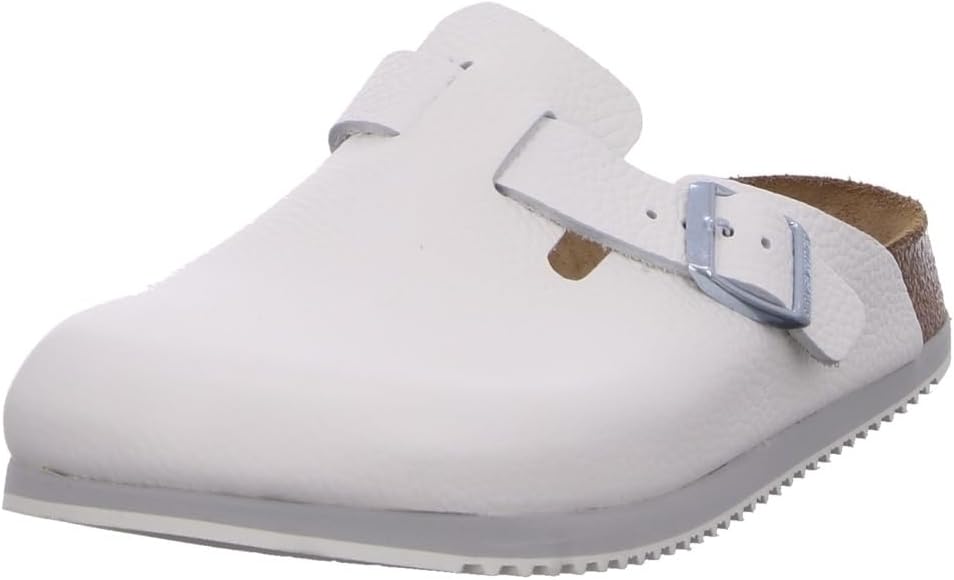
Birkenstock Professional Boston Unisex Clogs
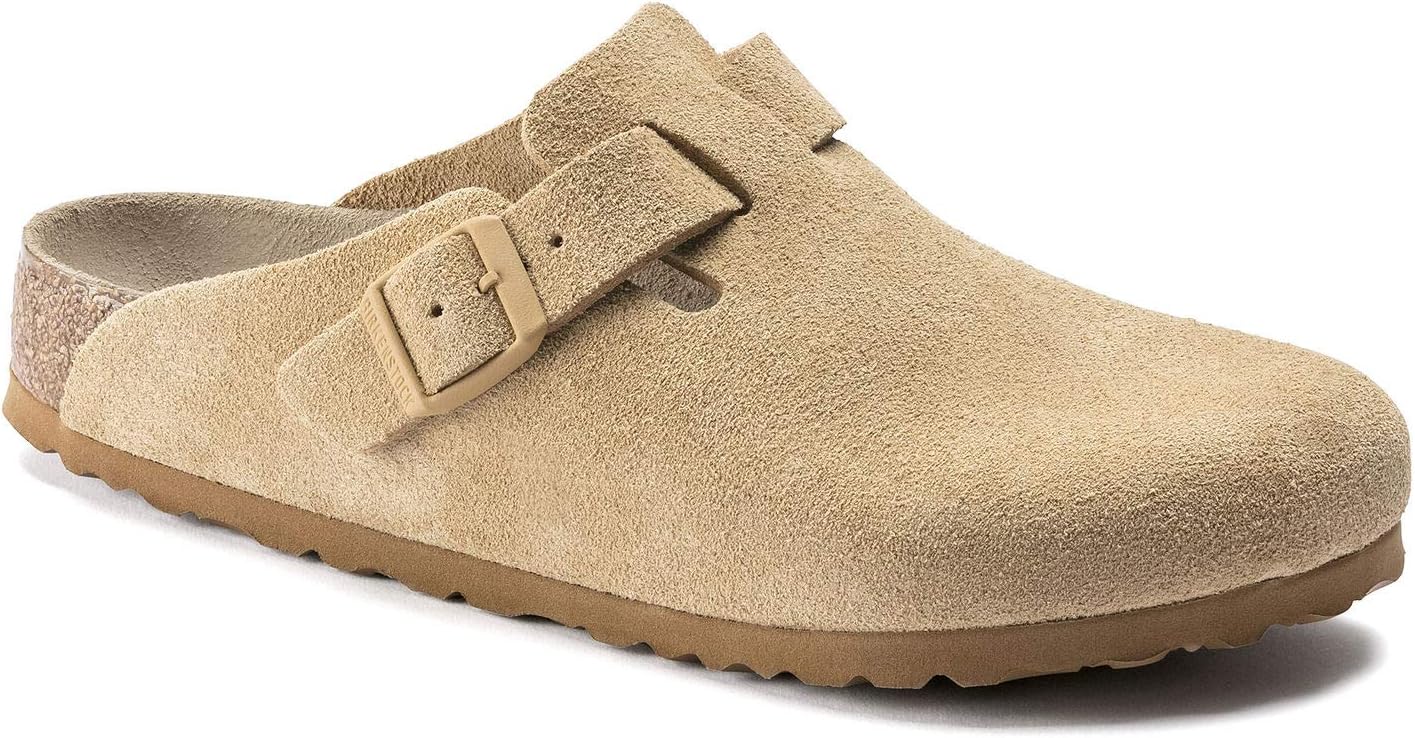
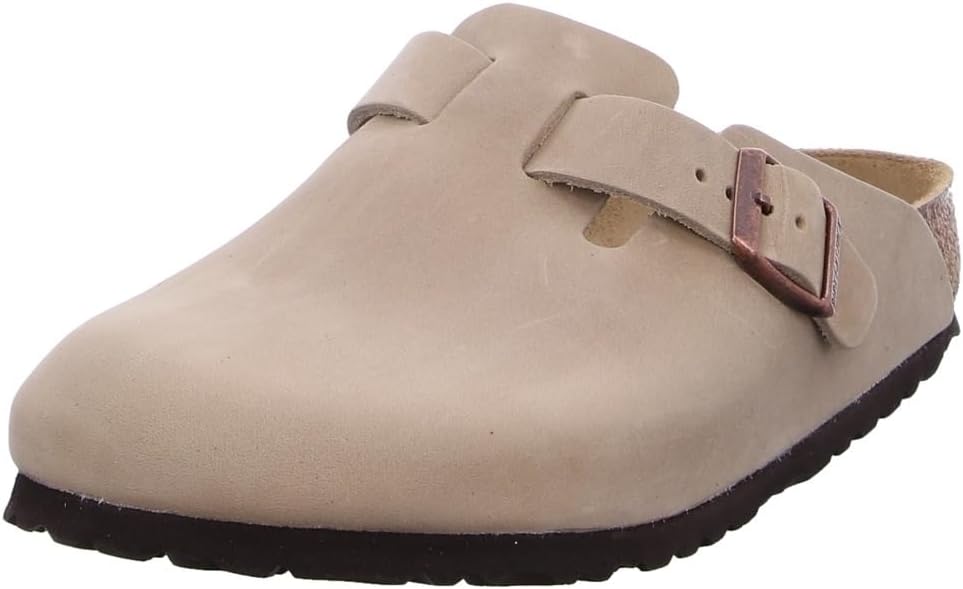
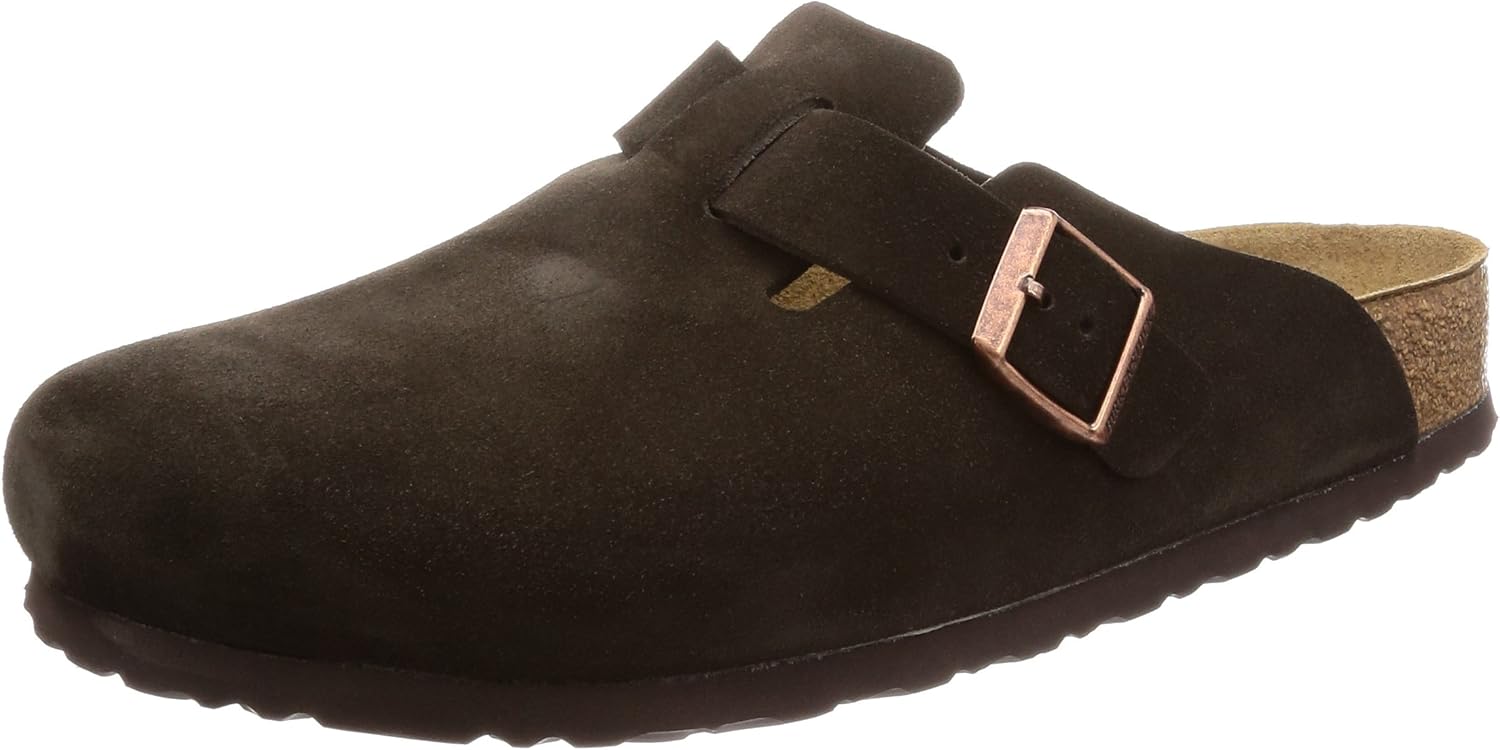
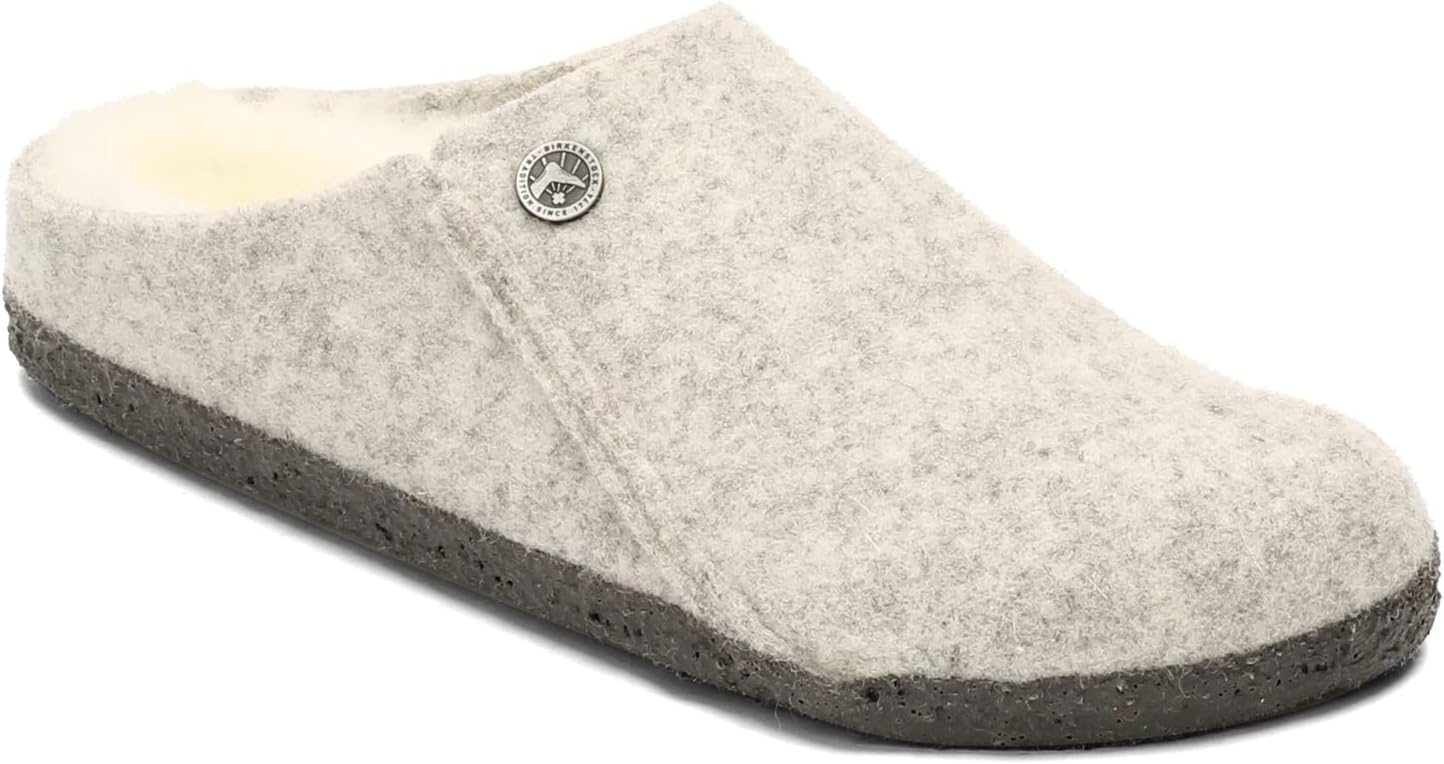
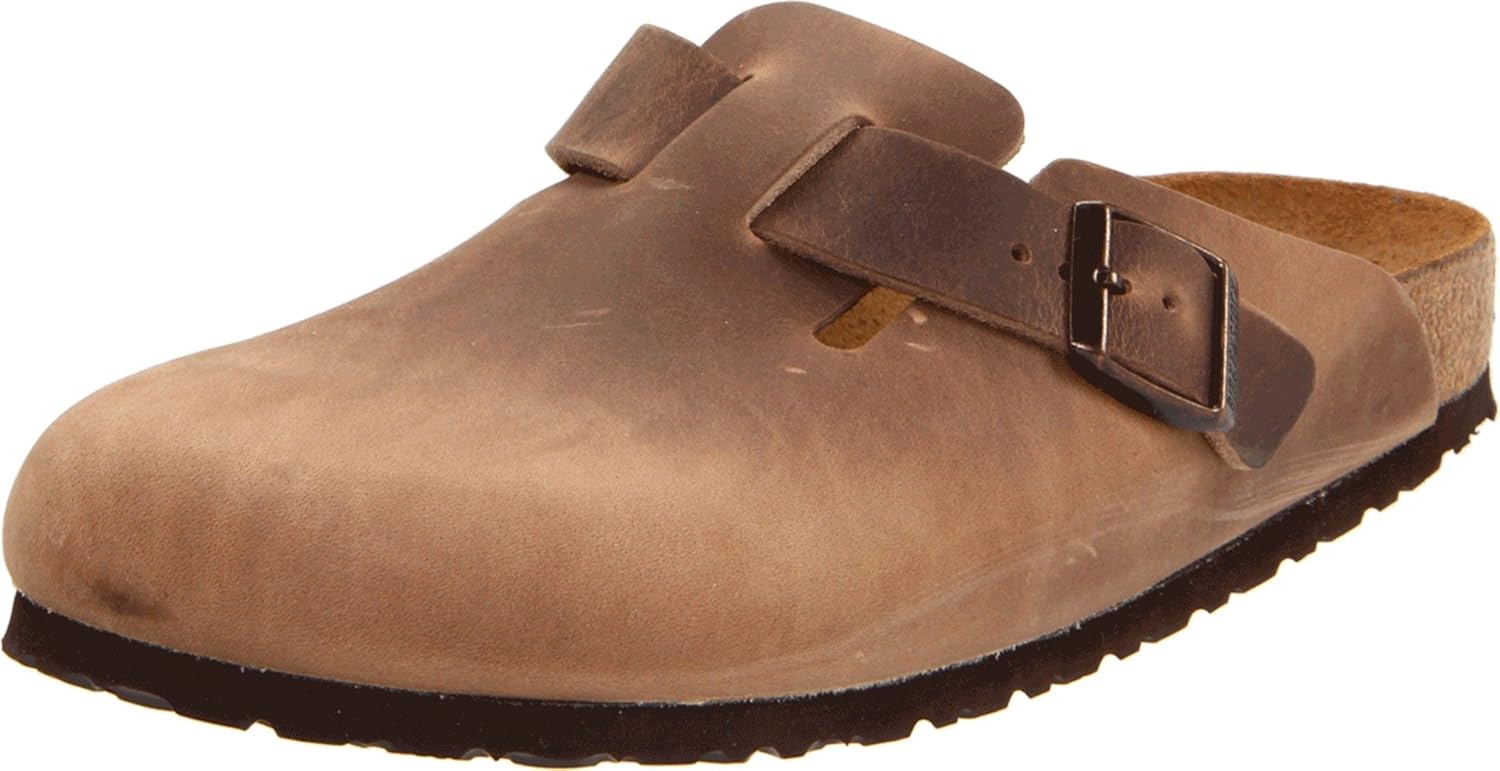
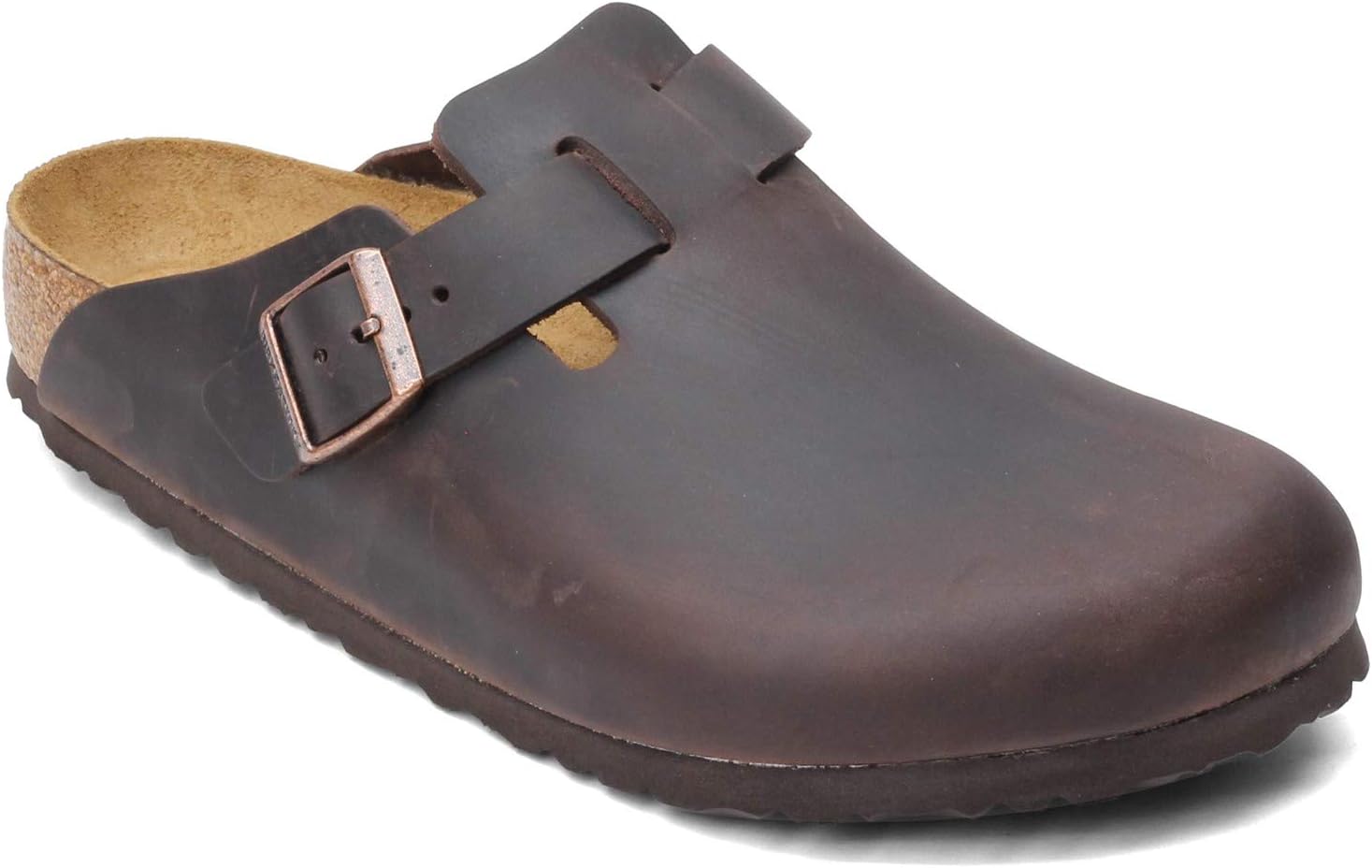
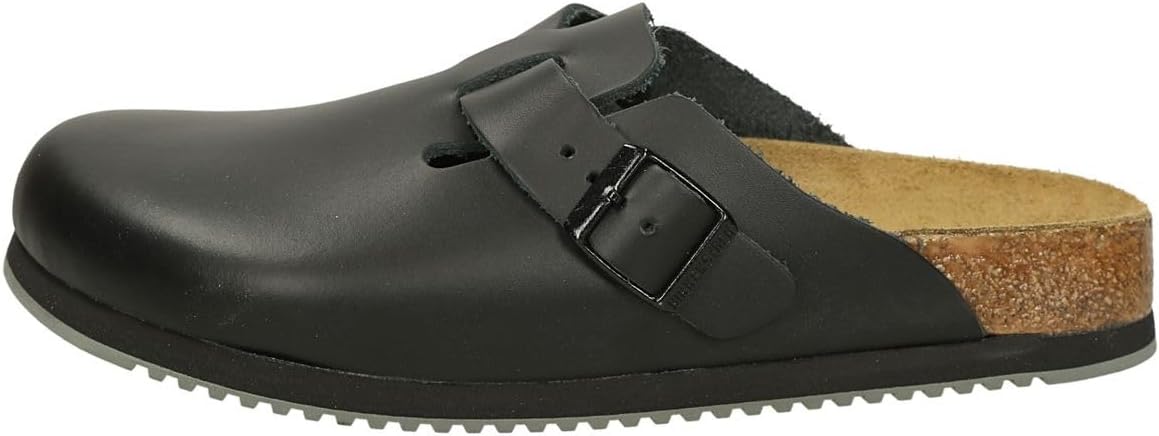
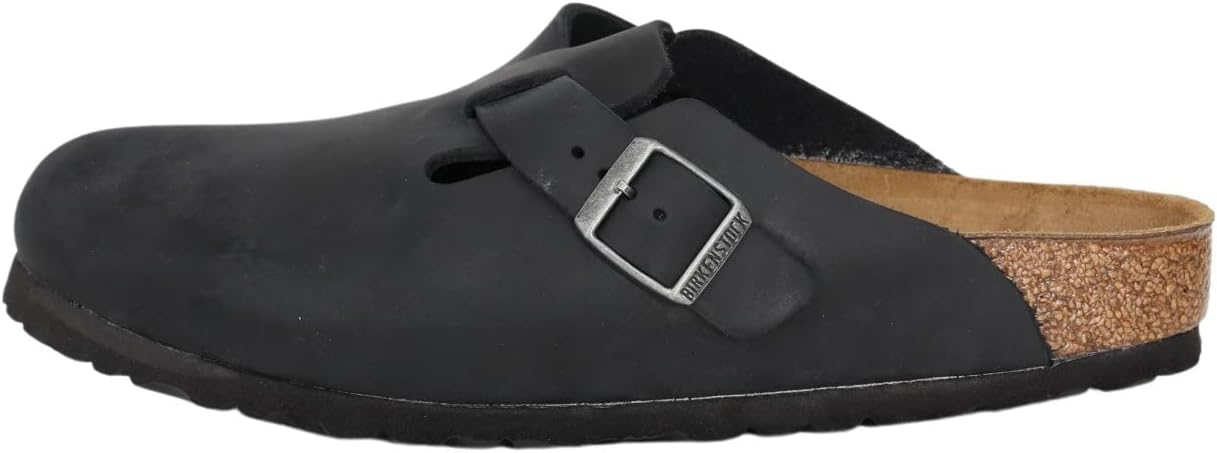
Birkenstock
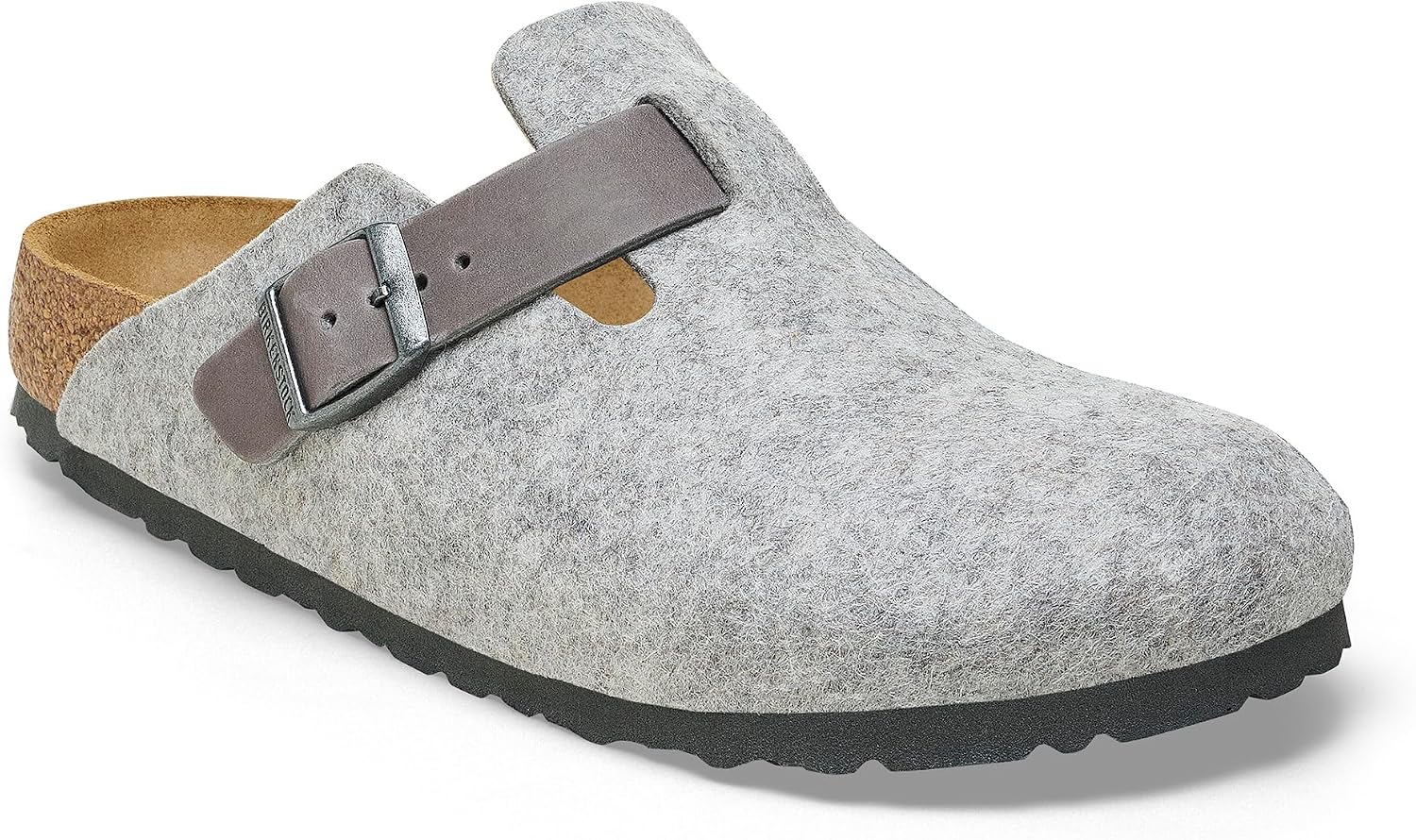
Birkenstock Unisex Boston Soft Footbed Clogs
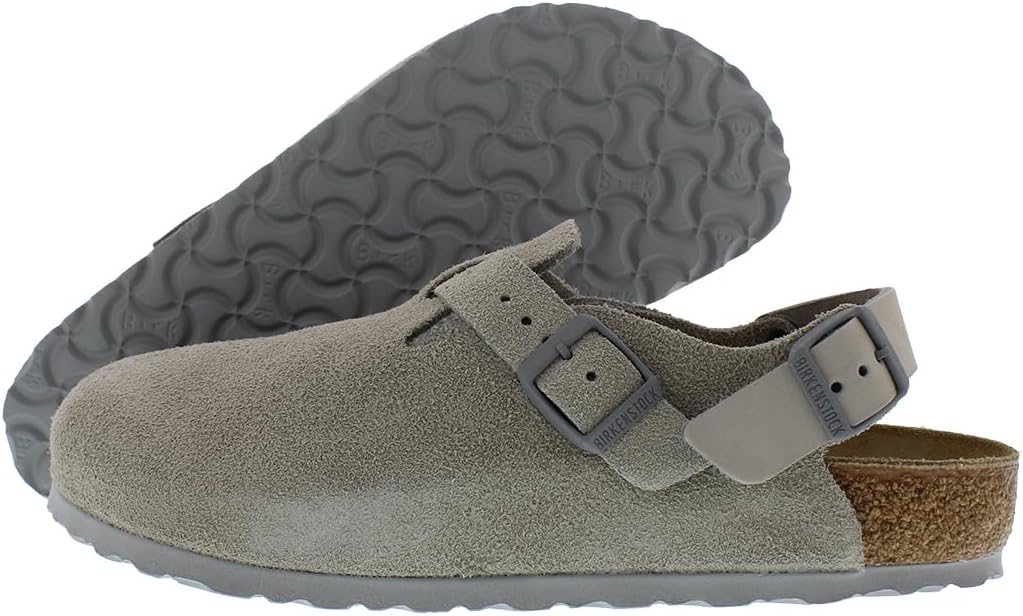
Birkenstock
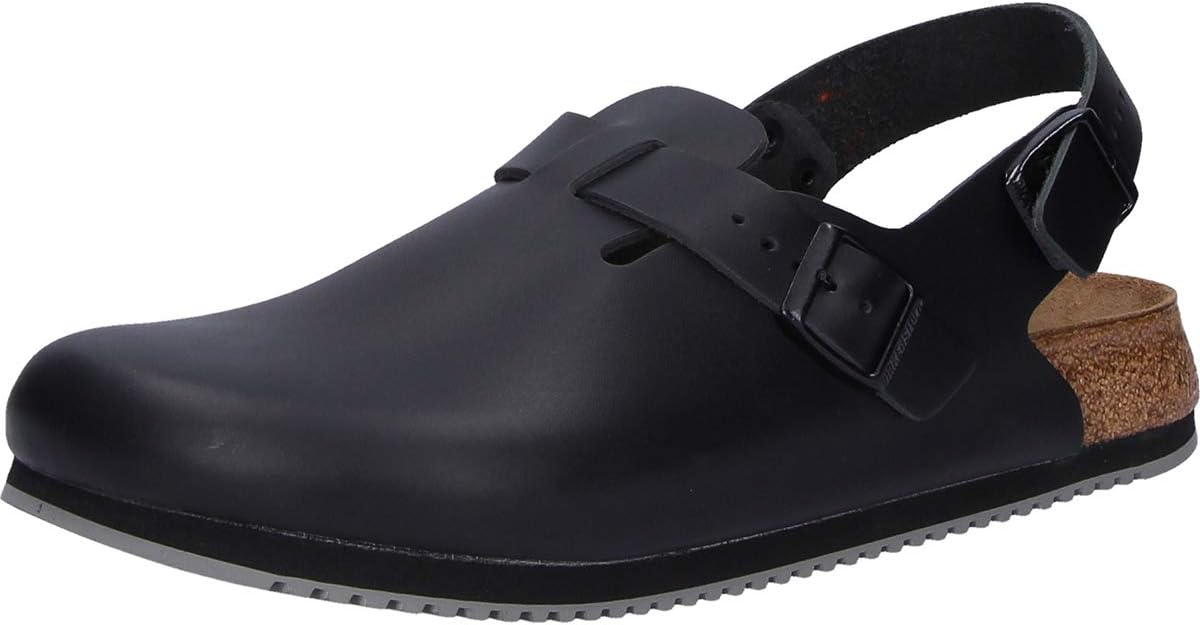
Birkenstock Men's Tokio Clogs
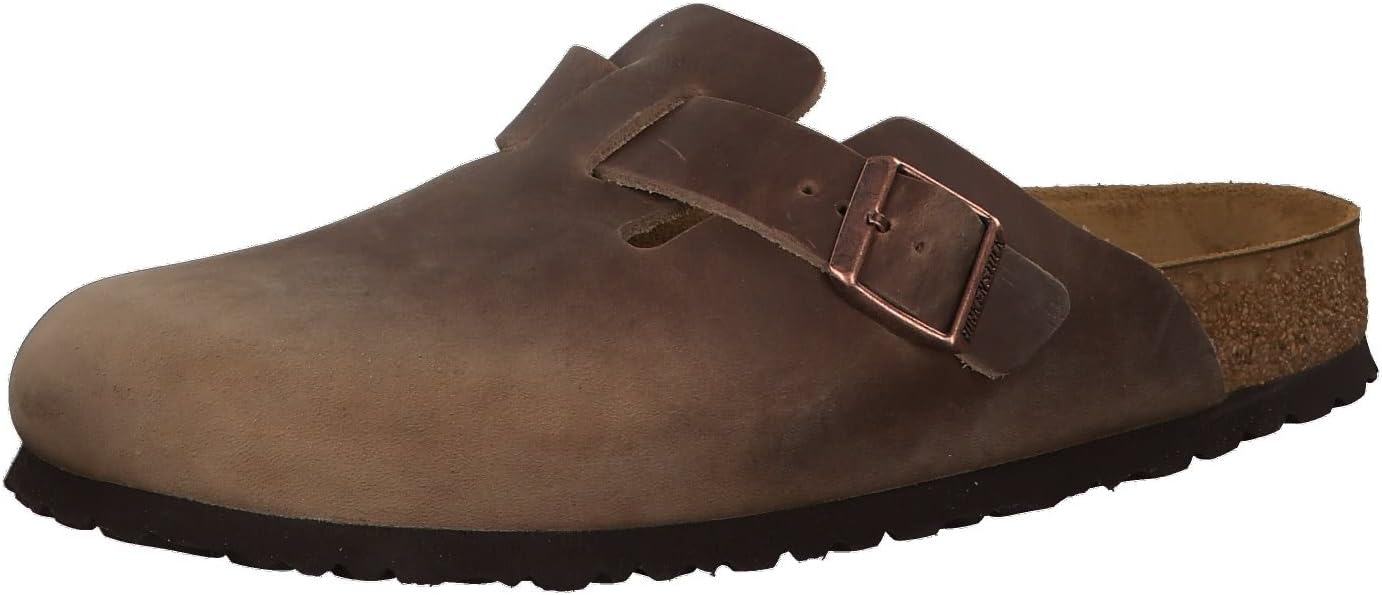
Birkenstock
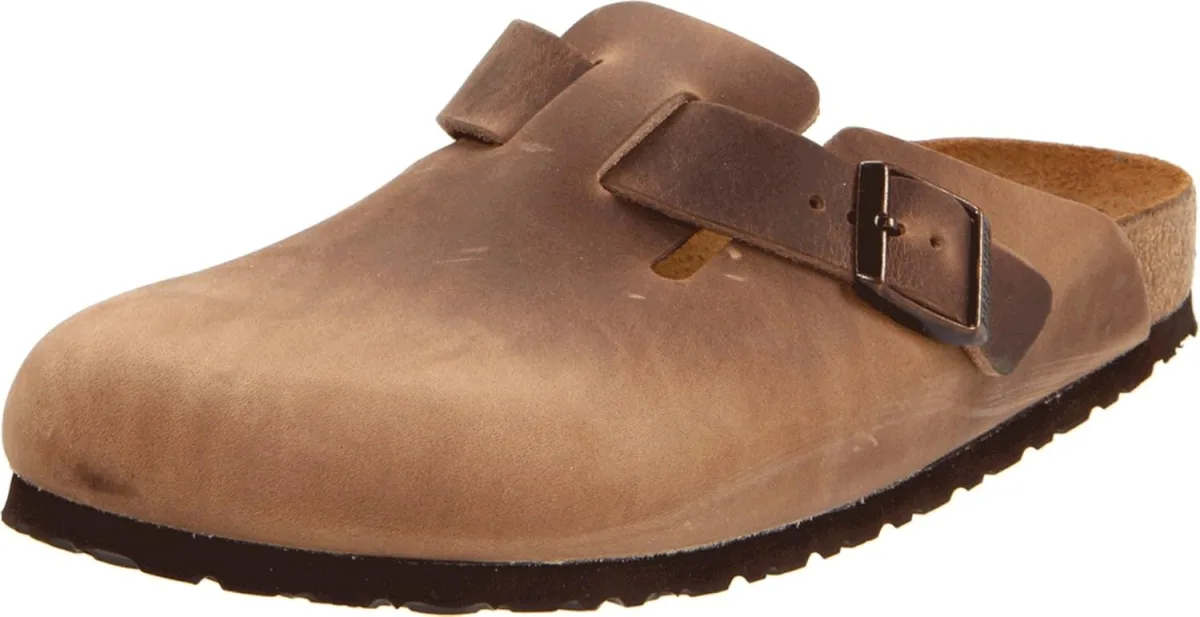
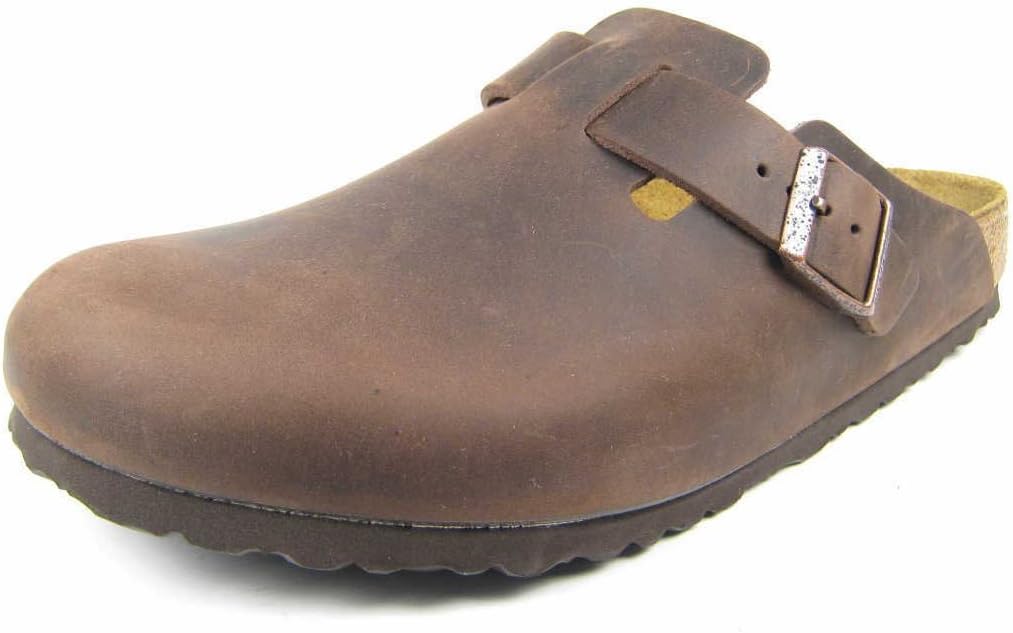
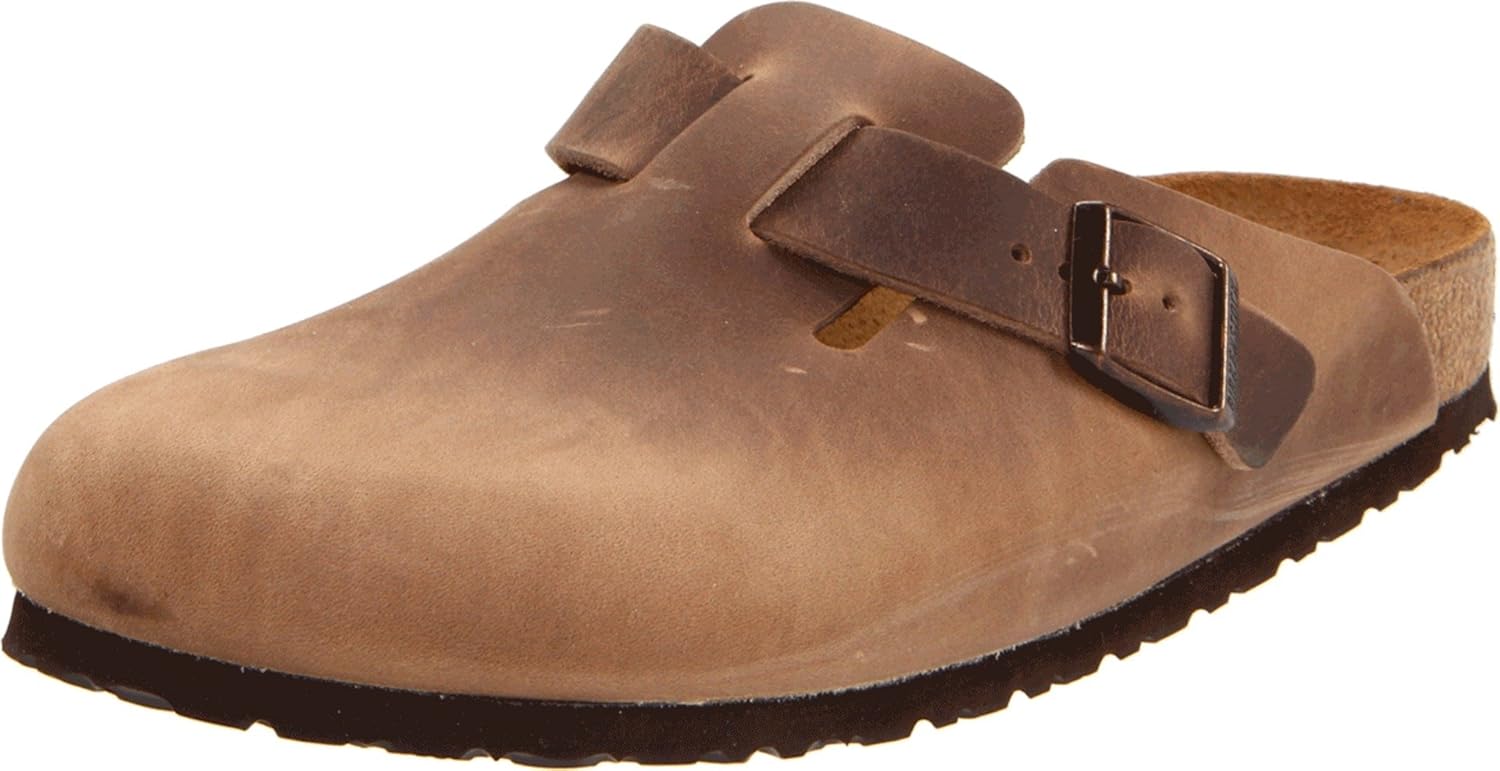
Birkenstock Classic Boston Unisex Adult Clogs, Tobacco Brown, 42 EU Schmal
EVA SoleAdjustable Strap
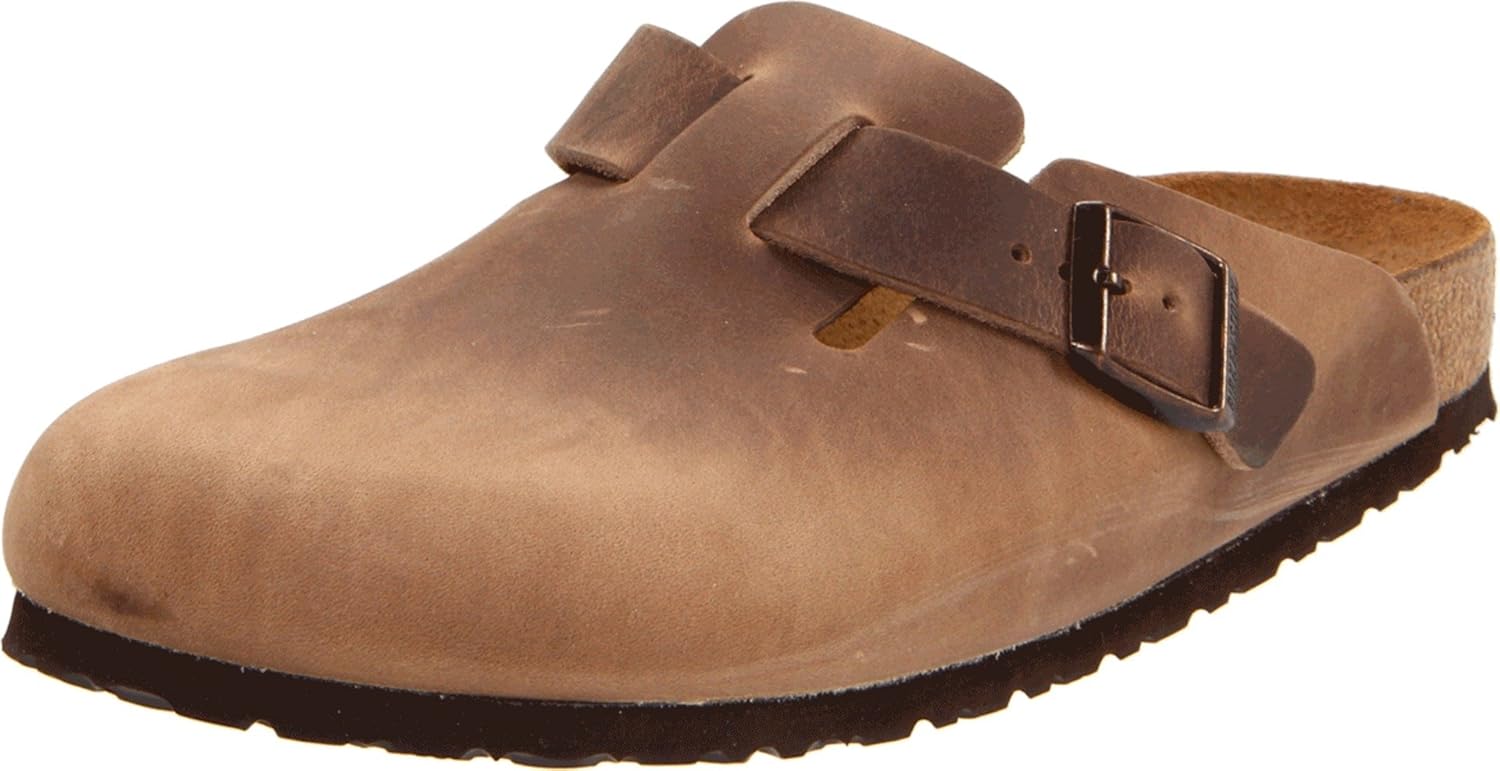
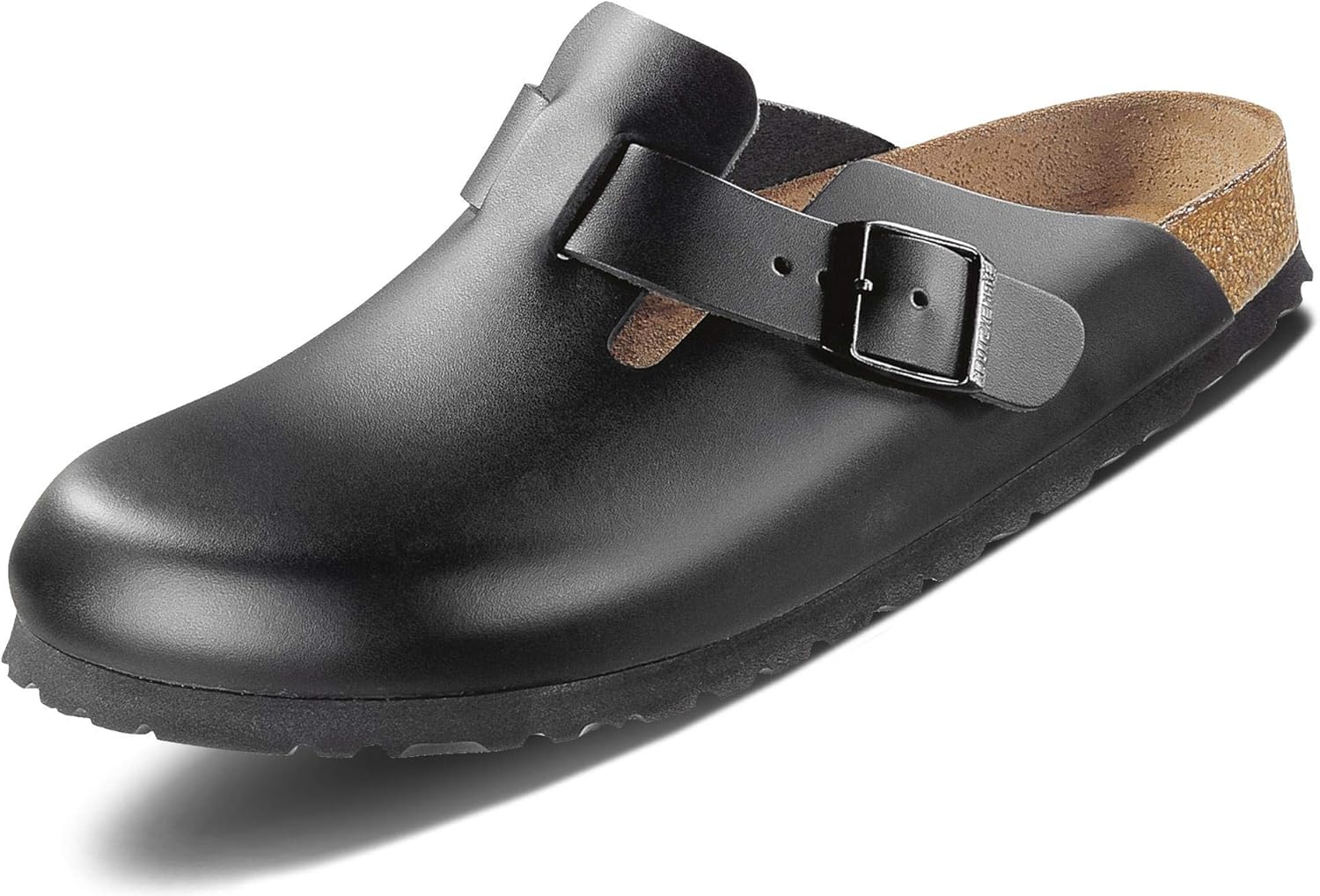
Birkenstock
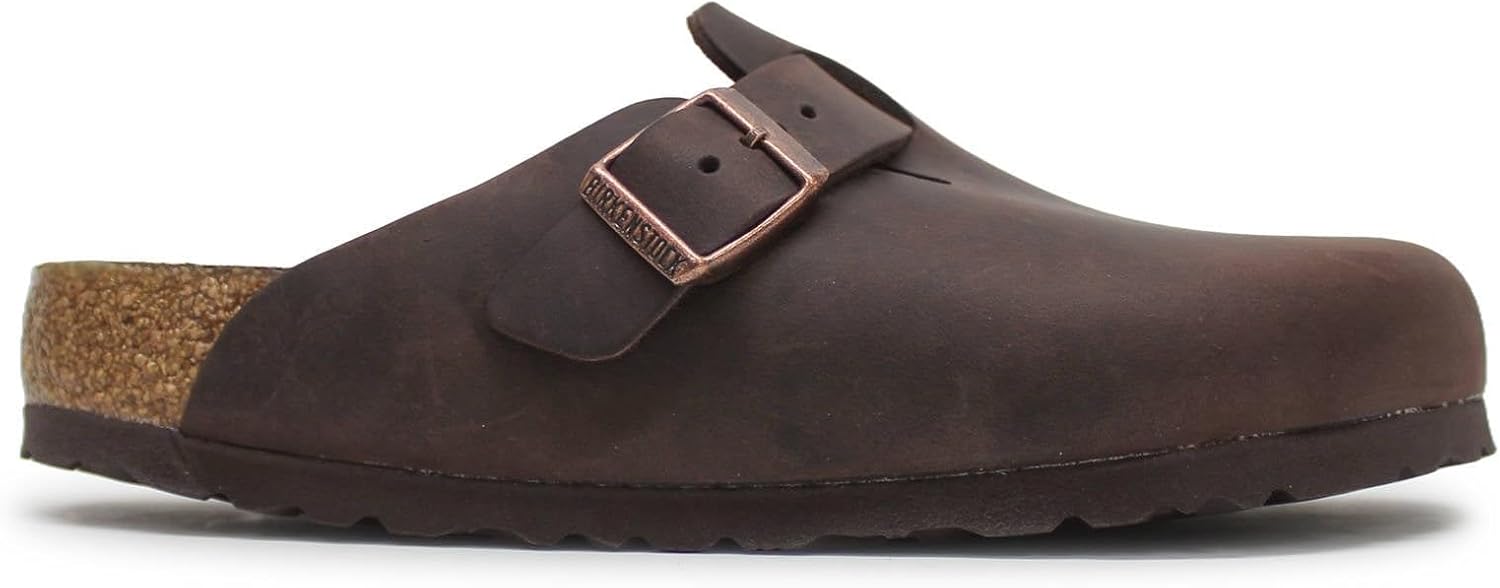
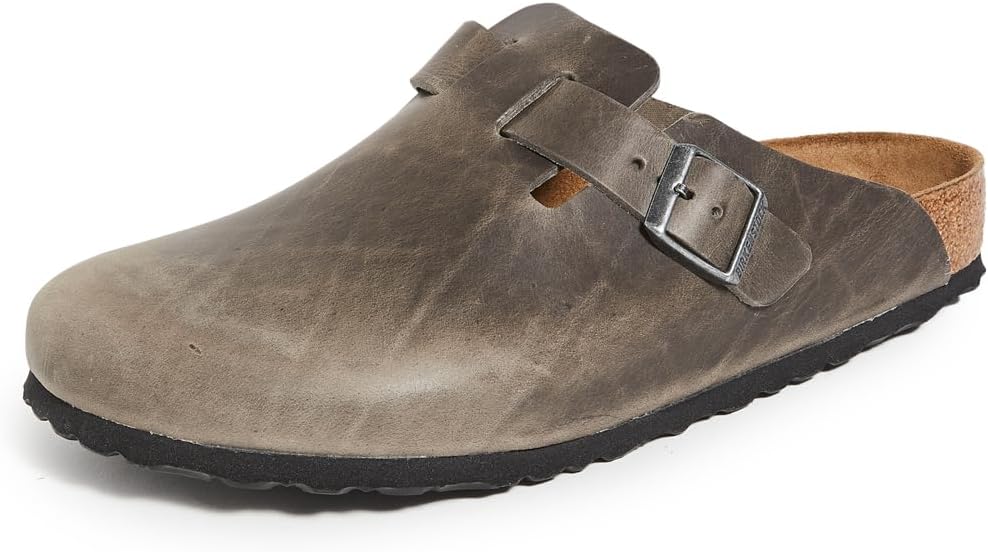
Birkenstock Unisex Boston Soft Footbed, Habana Oiled Leather, 43 M EU
Cork FootbedBuckle
Birkenstock
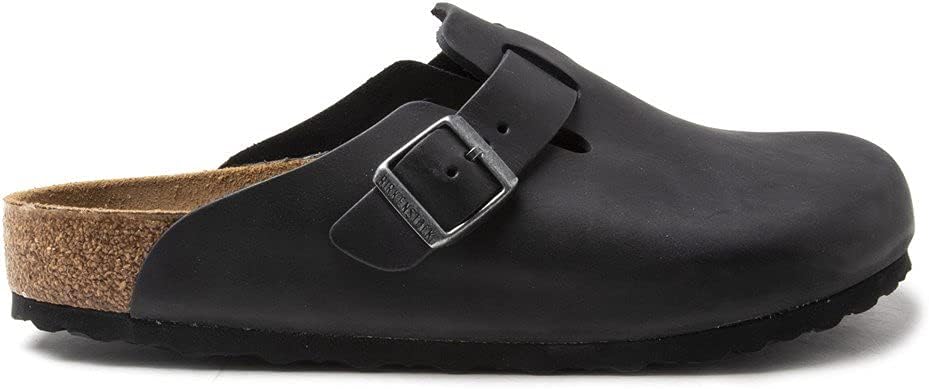
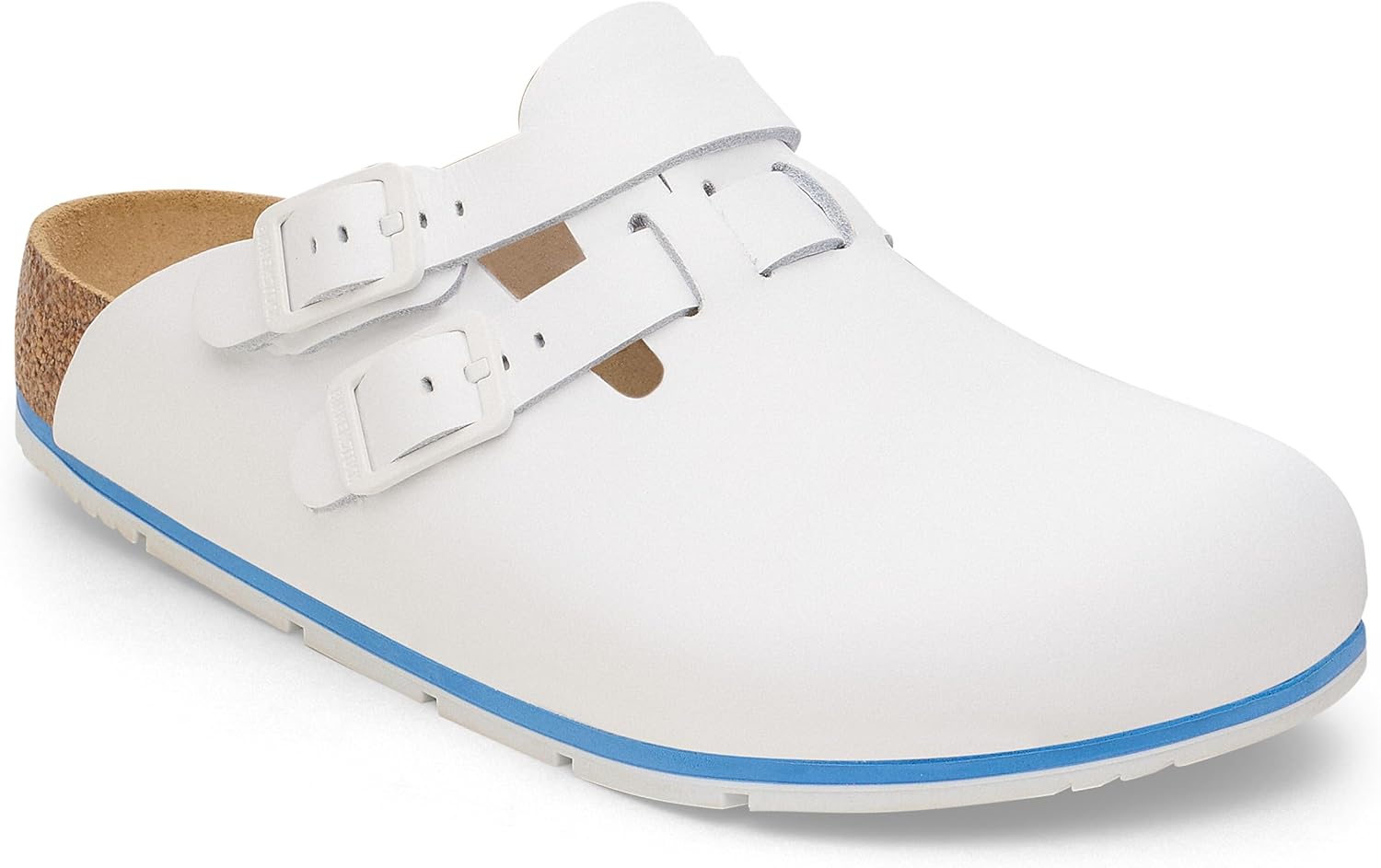
Birkenstock Men's Boston Soft Footbed Clogs, Iron, 10 Medium US
Cork FootbedEVA SoleBuckle
Why men's clogs are a smaller market with better shoes
Clogs read as women's footwear in a lot of the English-speaking world, which is a quirk of marketing rather than design. In Scandinavia and Germany, where most of these are made, a clog has never been a gendered shoe — which is why a large share of the good ones are sold as unisex and listed here on both pages.
What changes on a men's last
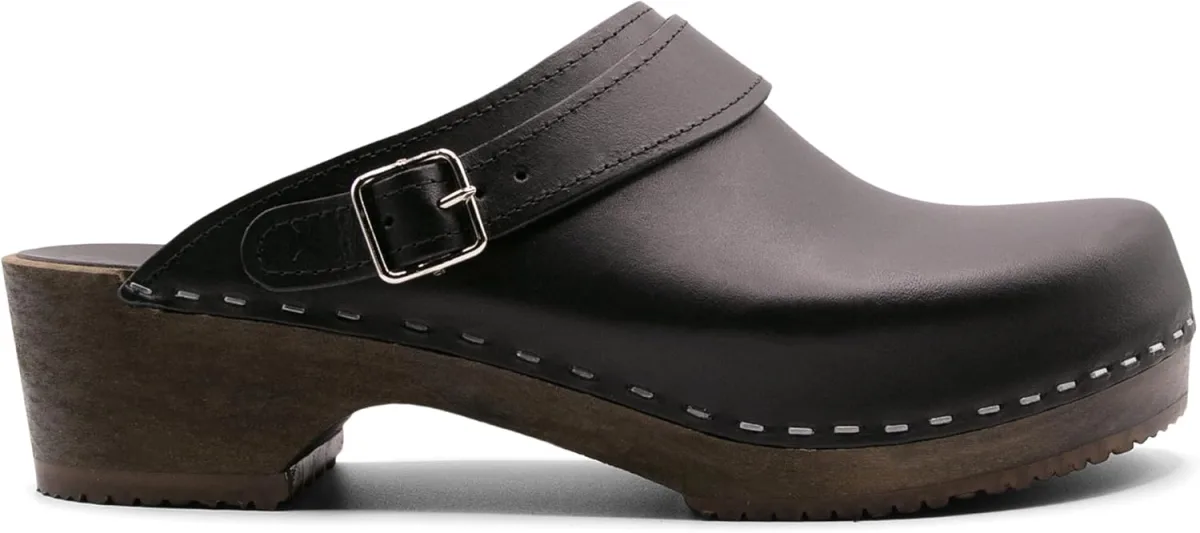
Two things, mostly. A wider forefoot relative to length, and a higher instep. The instep is the one that catches people out: a clog with a fixed vamp and no buckle can be the right length and still press across the top of the foot. If you have a high instep, buy something with a buckle or an adjustable strap and you have solved the problem.
The three routes into men's clogs
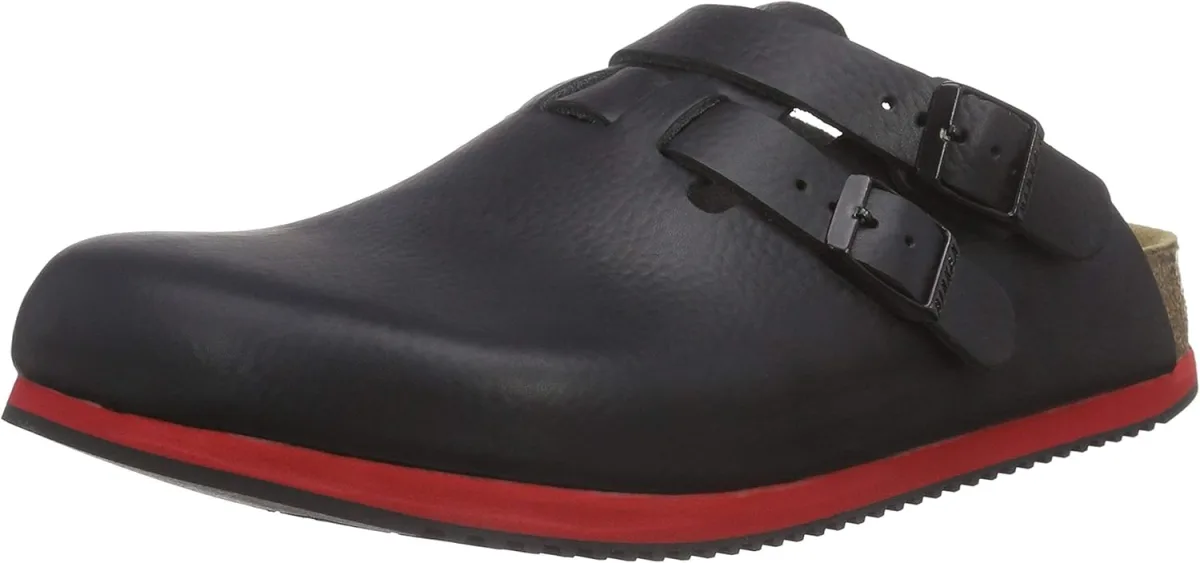
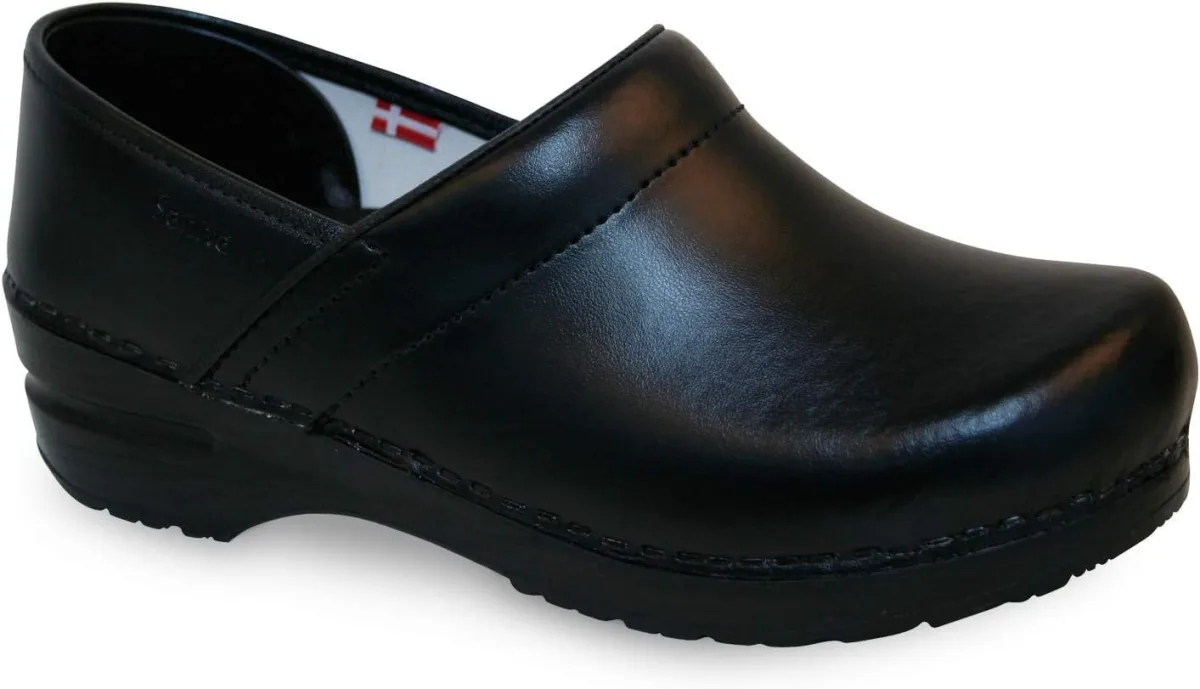
The work route. Dansko, Sanita and the professional Birkenstock lines, bought for shifts on hard floors. Rigid soles, slip resistance, closed uppers. This is where most men's clog buying starts.
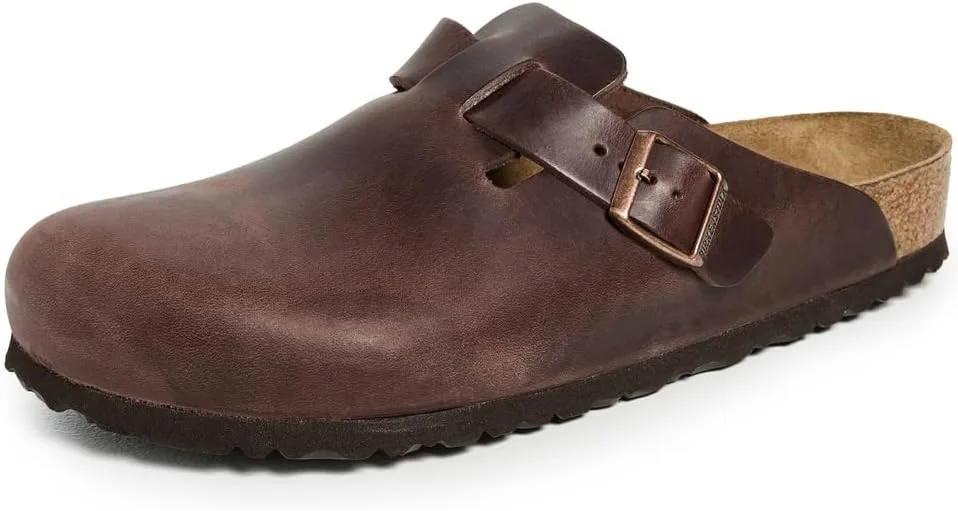
The Boston route. Birkenstock's Boston in oiled nubuck has become a normal men's shoe over the last few years, worn with jeans rather than scrubs. Cork footbed, one buckle, wears indoors and out.
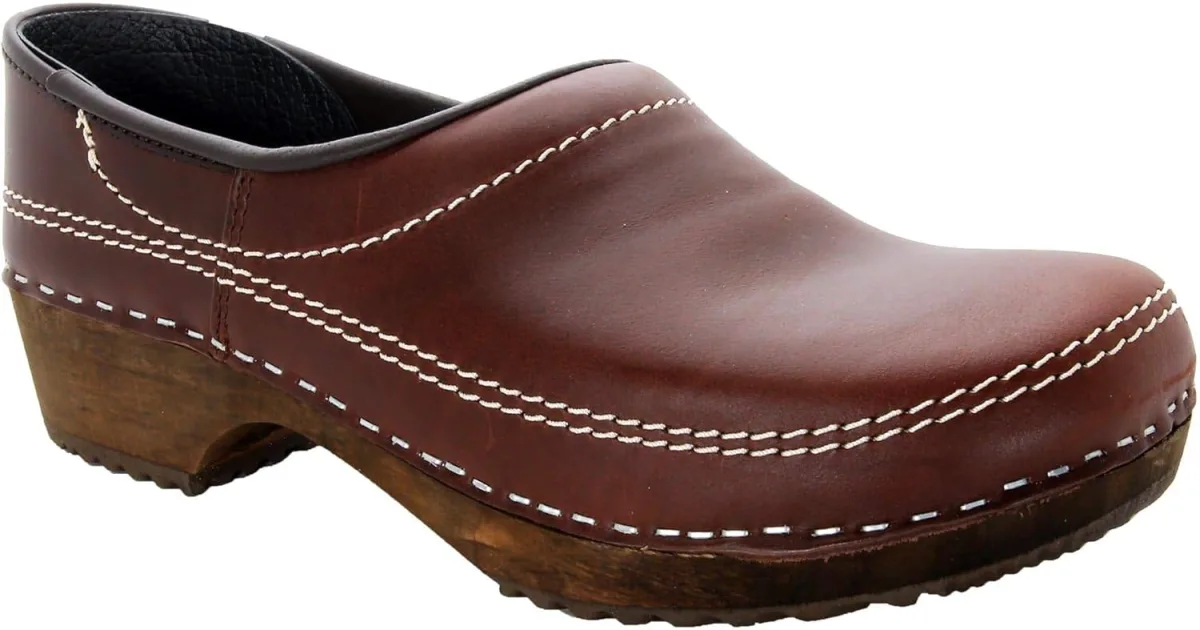
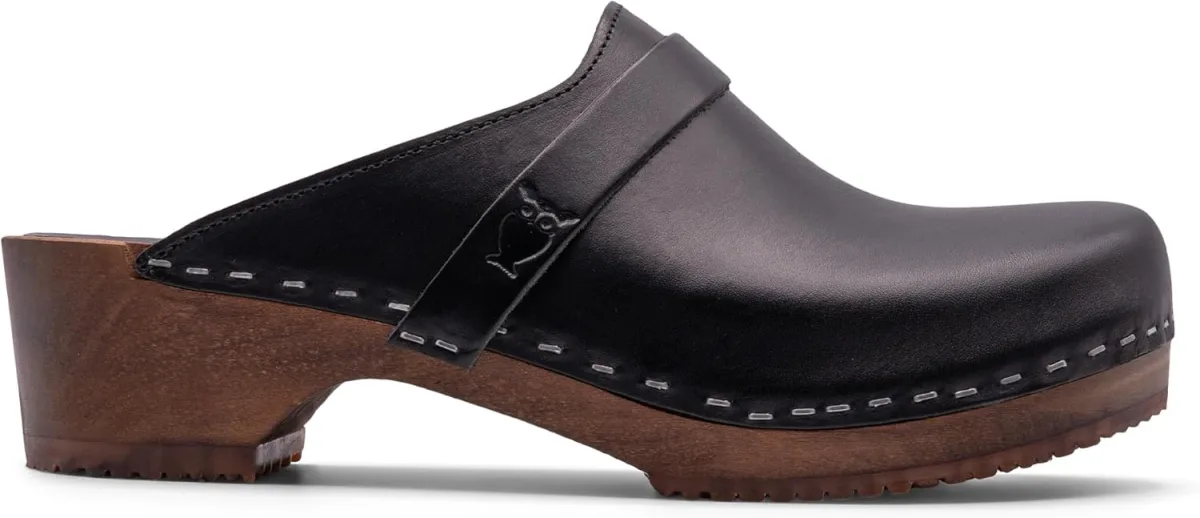
The traditional route. Wooden-based Swedish and Danish clogs — Sandgrens, Troentorp, Sanita's original line. Heavier, louder, and the longest-lasting shoe in this category by some distance.
Sizing men's clogs
Almost all of these are built on EU lasts and converted inconsistently to US sizing. Work from the EU number where you can. In an open-back clog your heel should sit about a centimetre inside the back edge; if you are gripping with your toes, size down.
Feet swell through the day. Fit in the evening.
Socks
Worth saying because it is the most common question: cork and suede footbeds are designed to be worn barefoot, and they absorb and release moisture. Wearing socks is fine and normal in winter, but a footbed worn barefoot moulds faster and more precisely.