38 styles
Sanita Leather Clogs
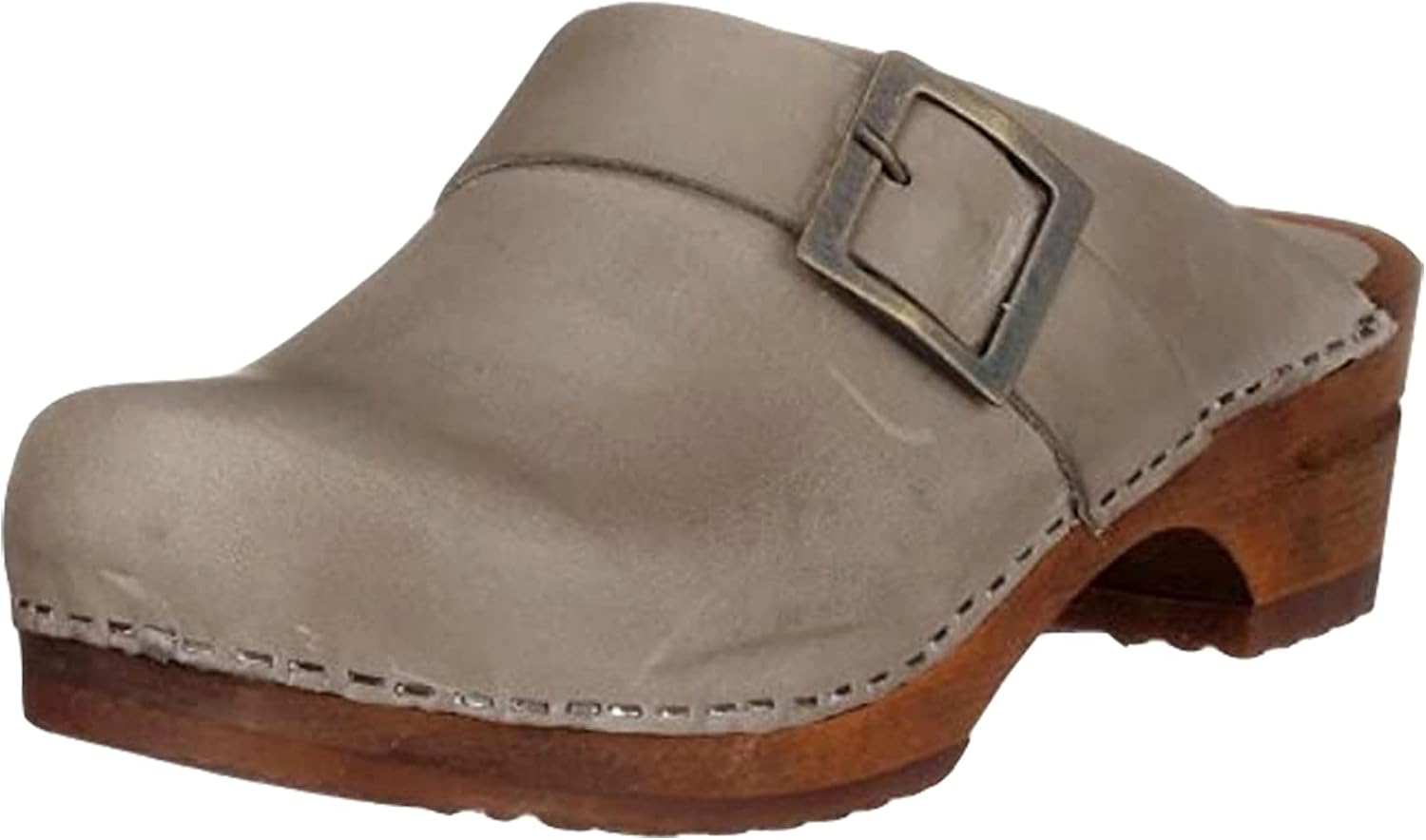
Sanita has made clogs in Denmark since 1907 and still builds on a genuine wooden base. It is the most traditional of the three big clog makers, and the one whose shoes feel most unlike anything else you have worn.
Products
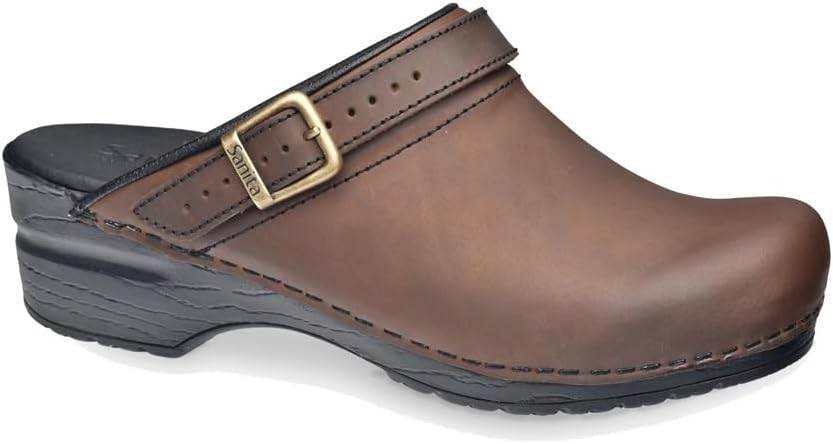
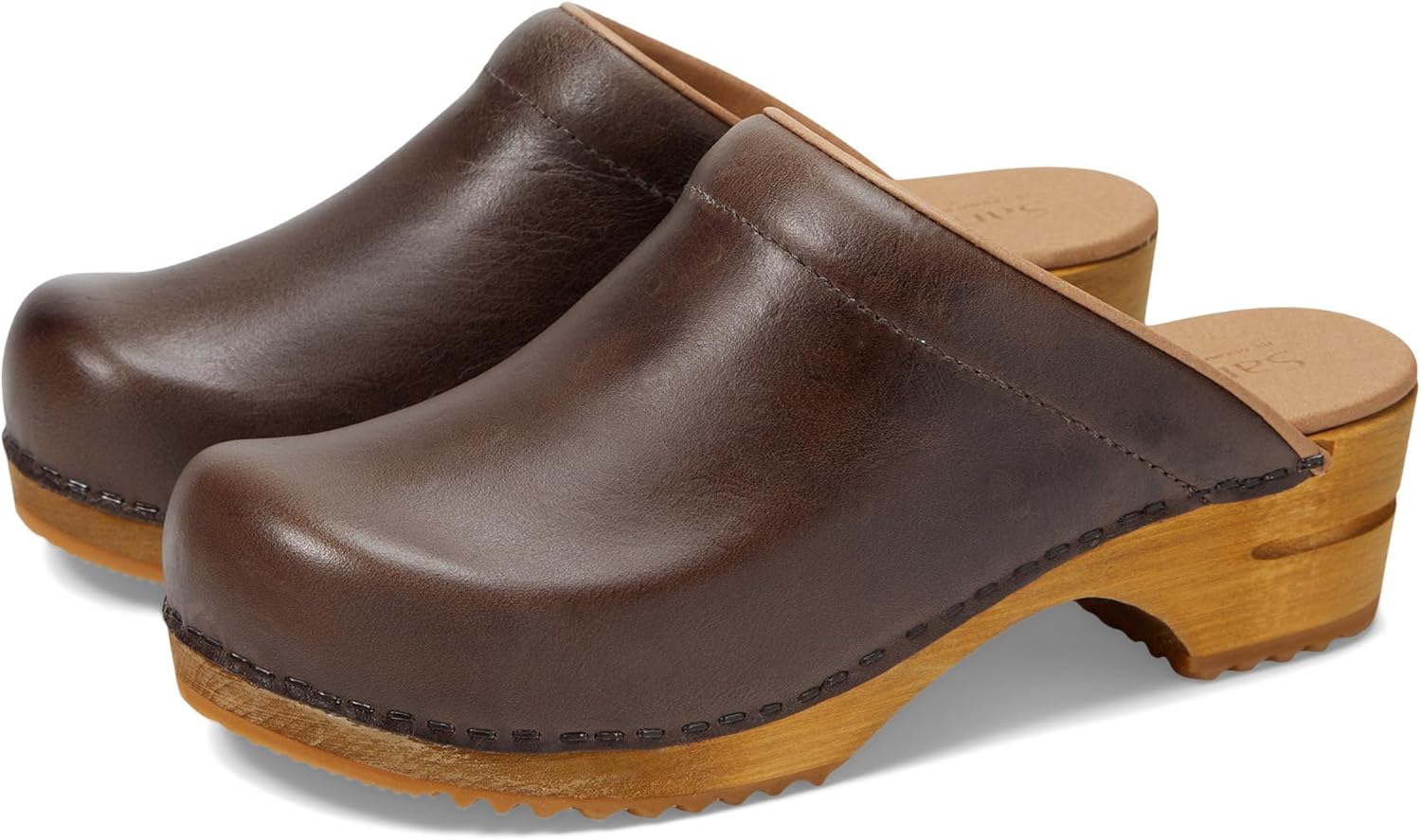
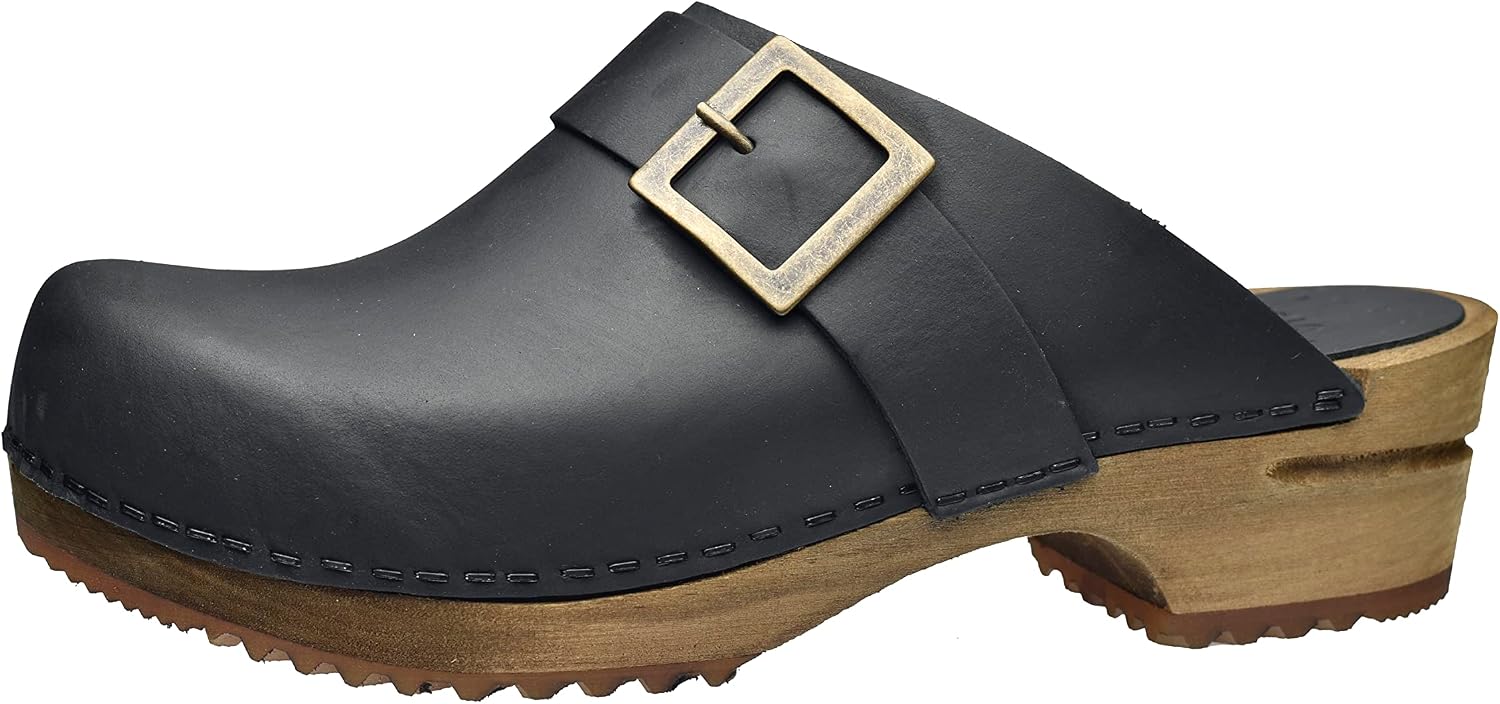
Sanita
Sanita Oster
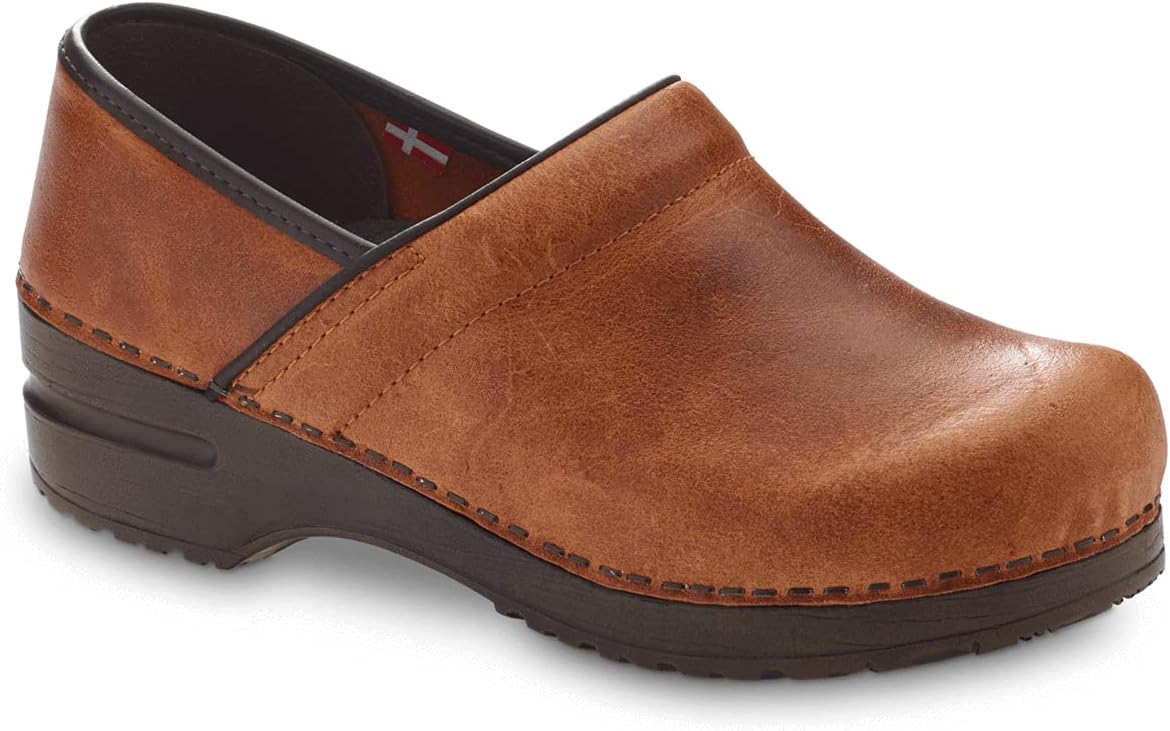
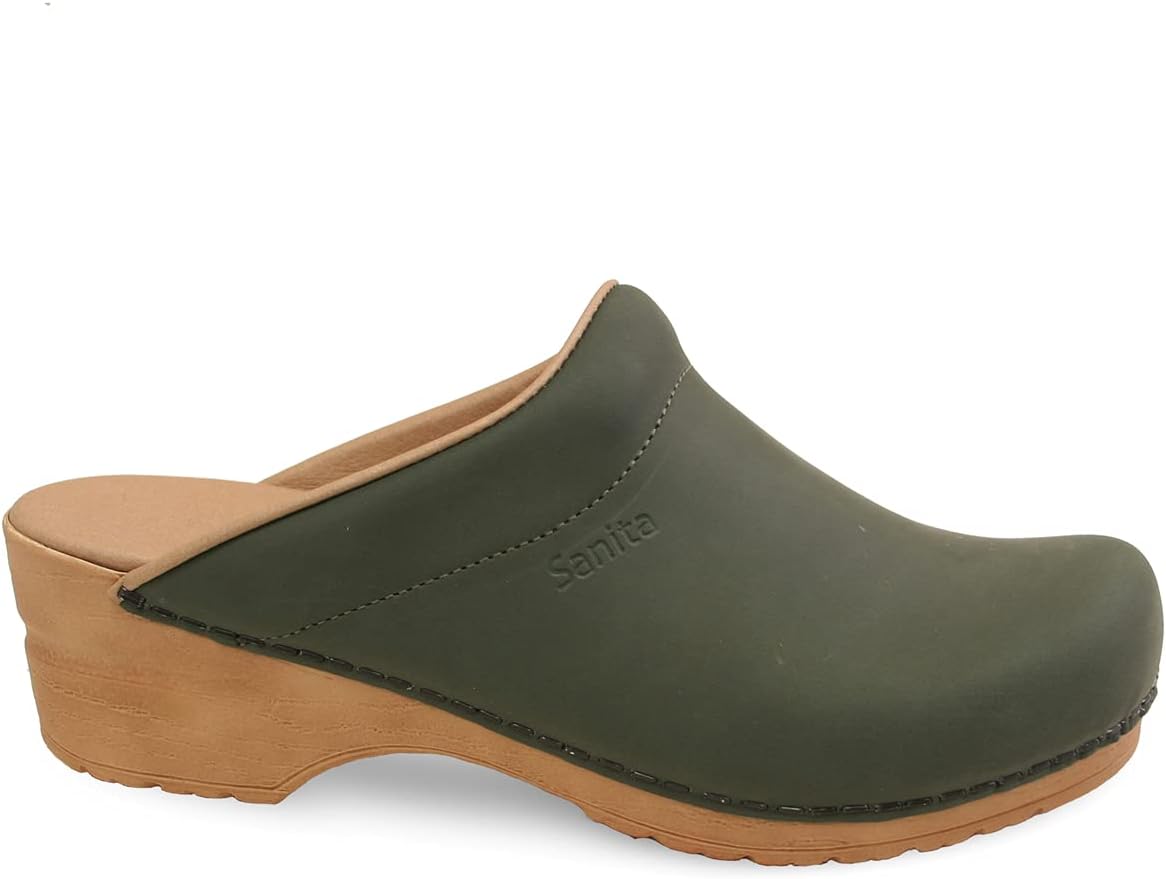
Sanita
Sanita Ellis
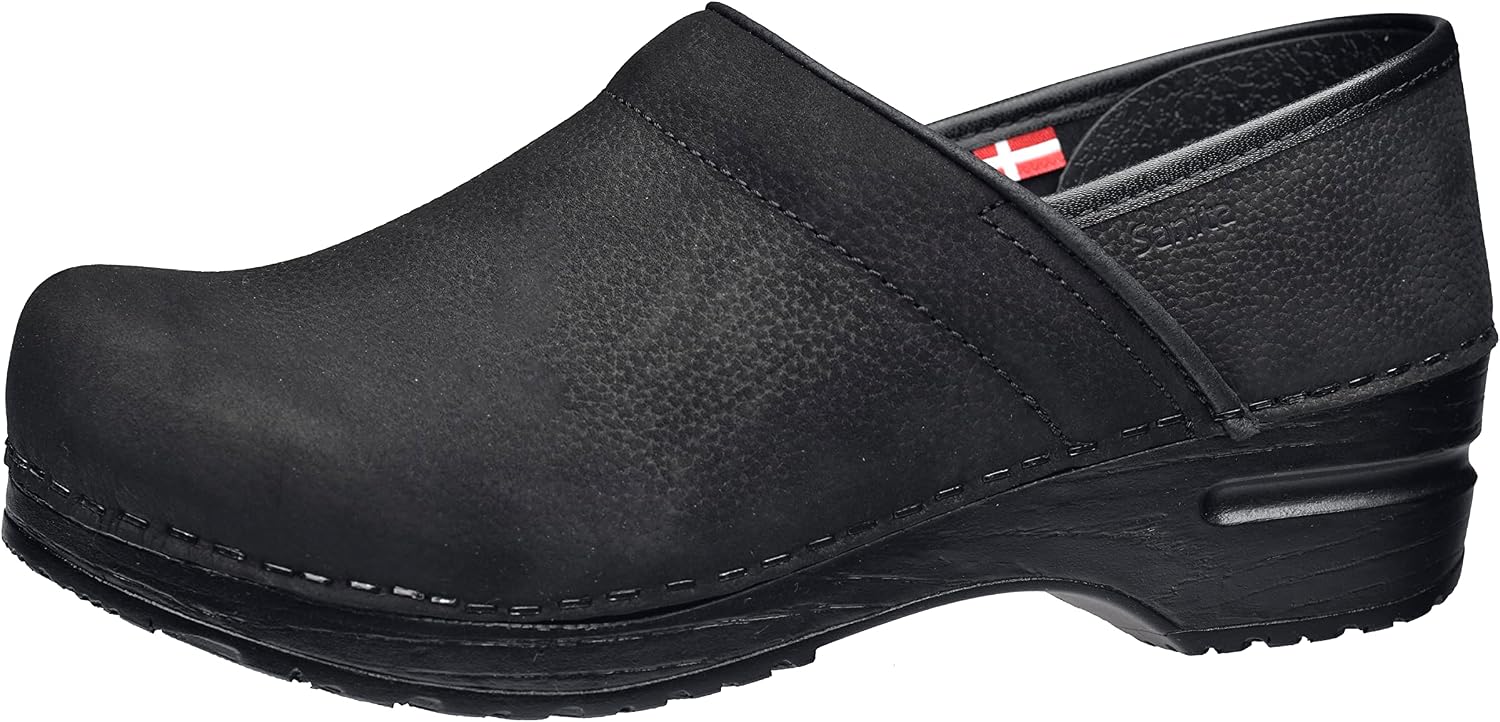
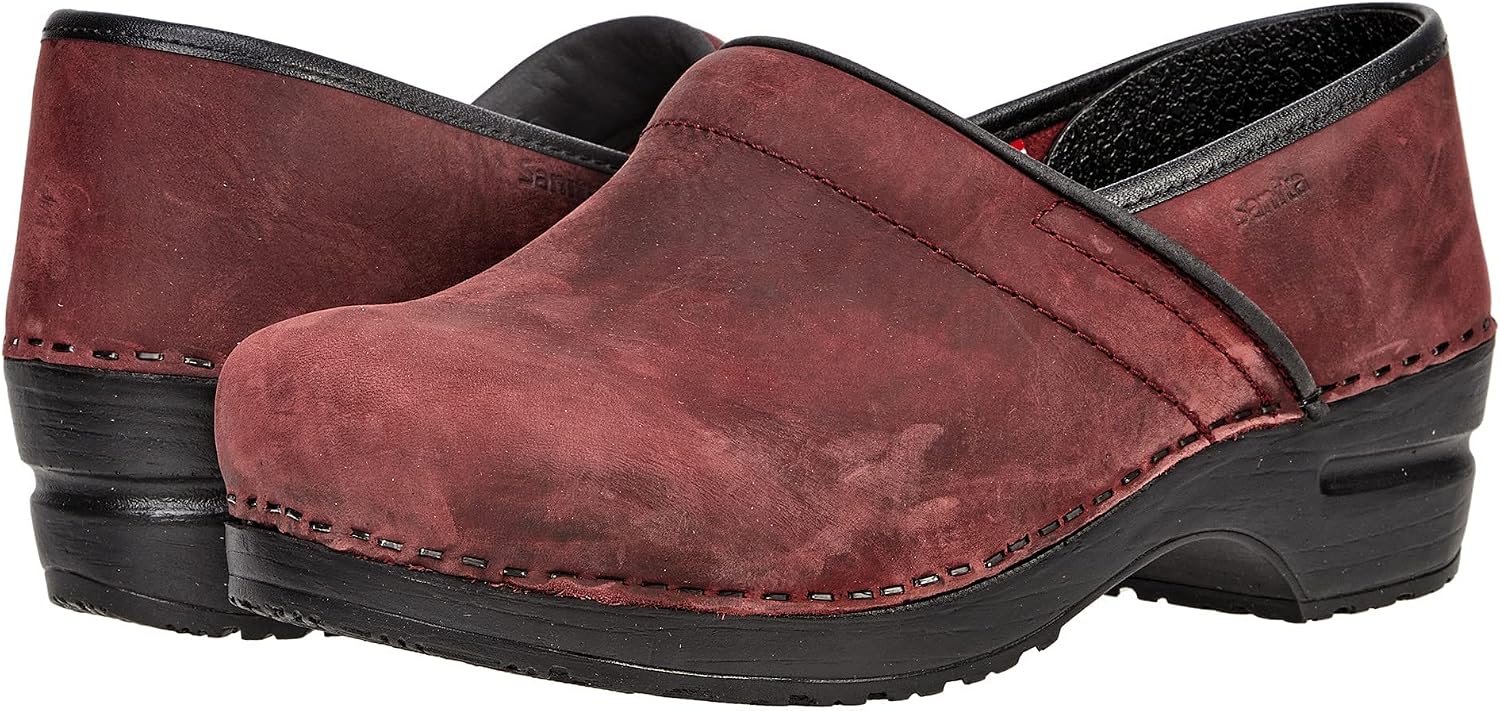
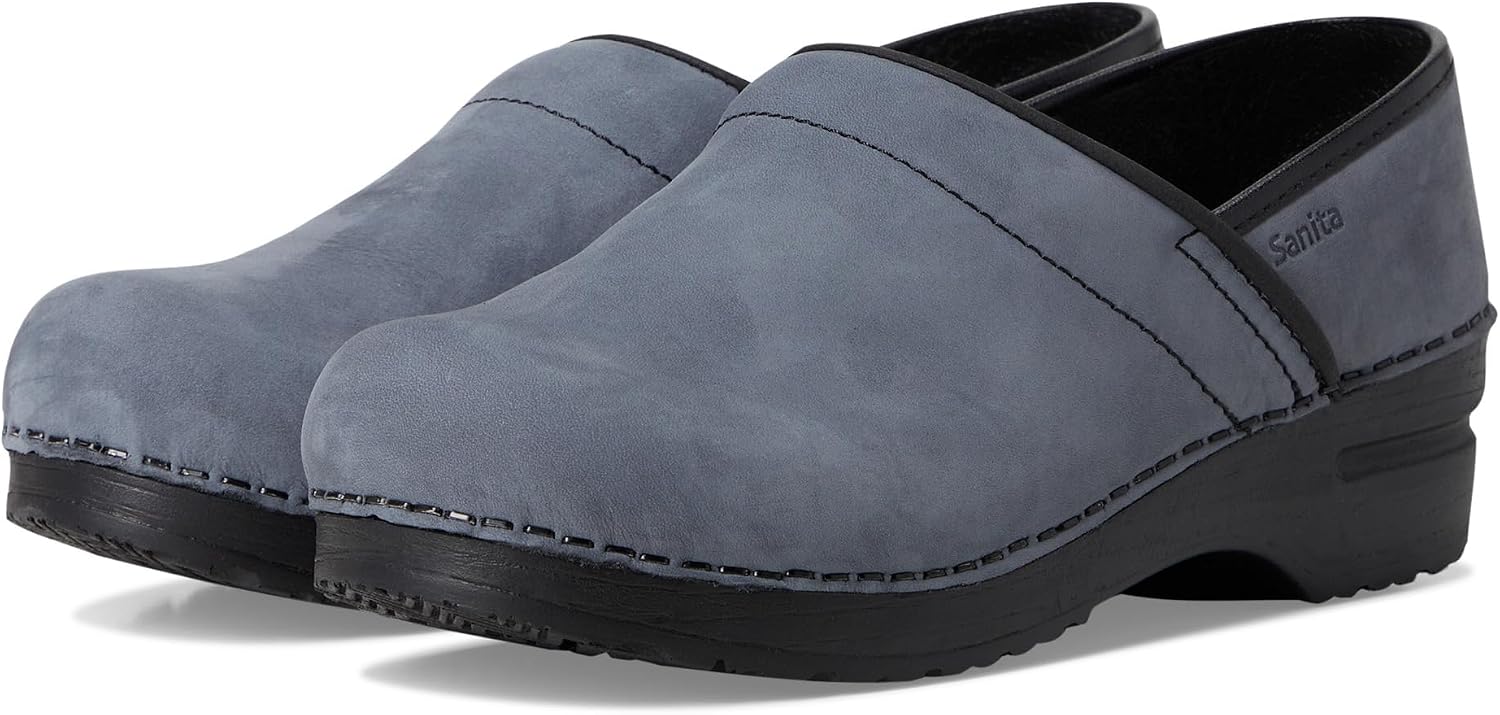
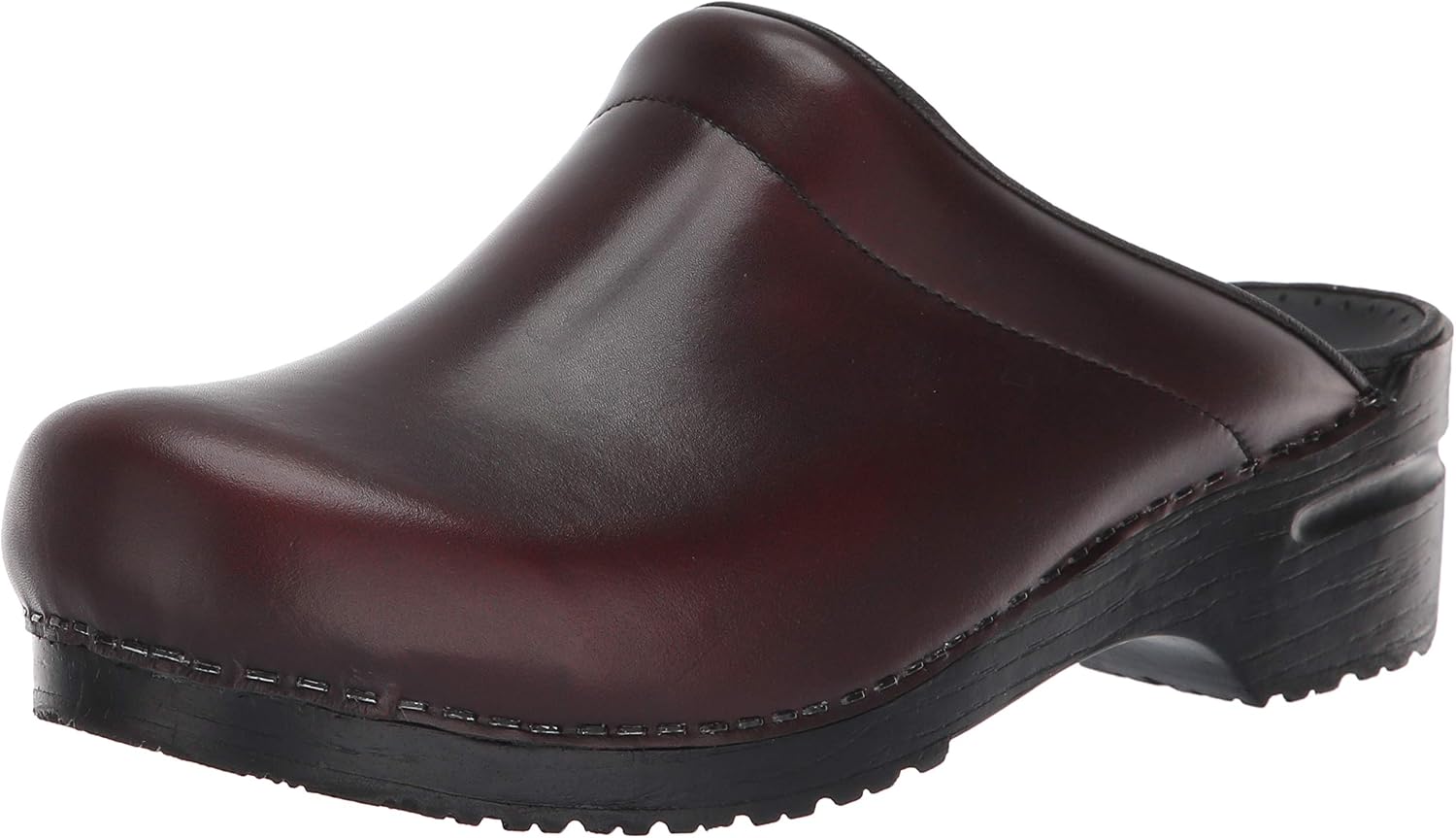
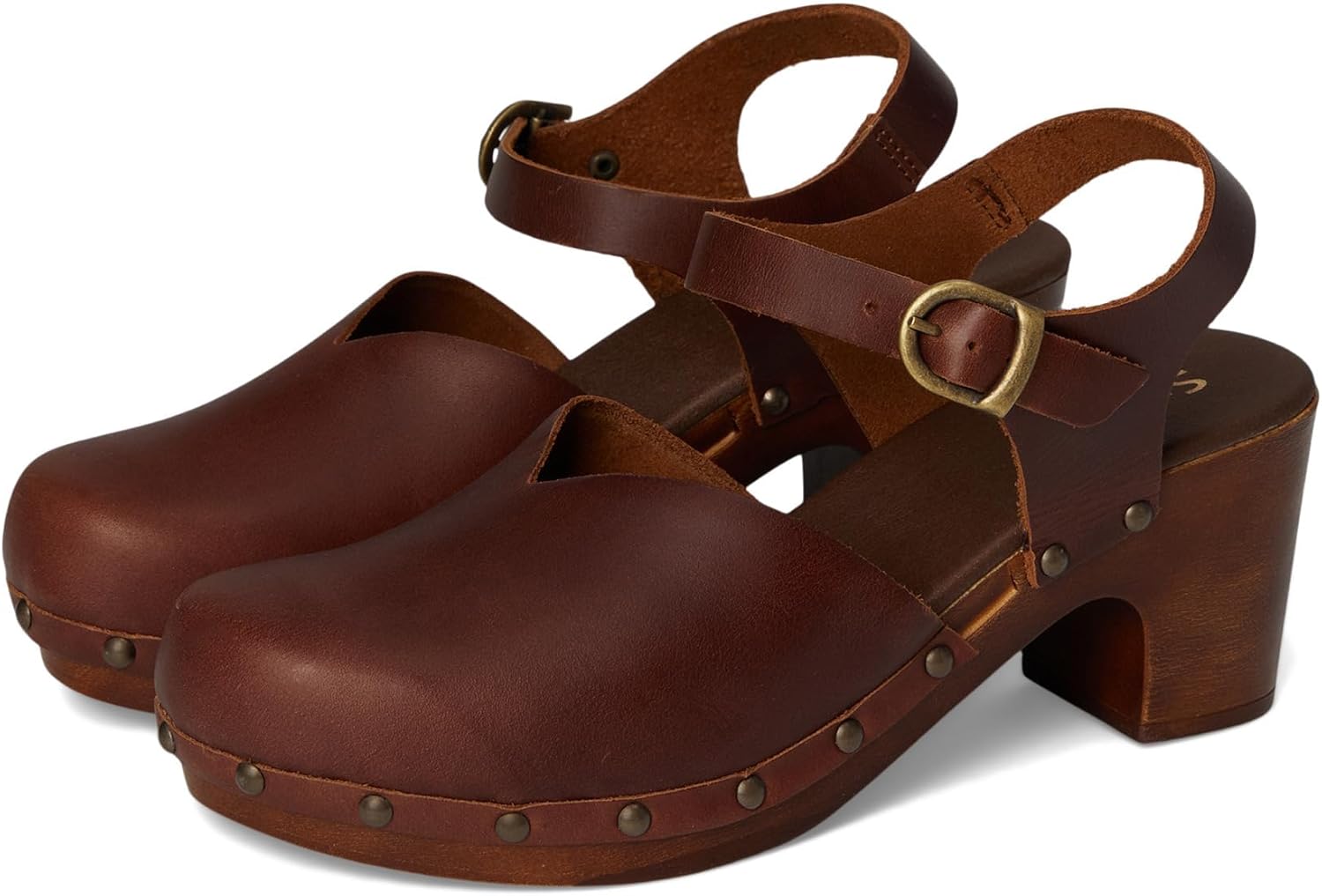
Sanita
Sanita Womens Clogs & Mules
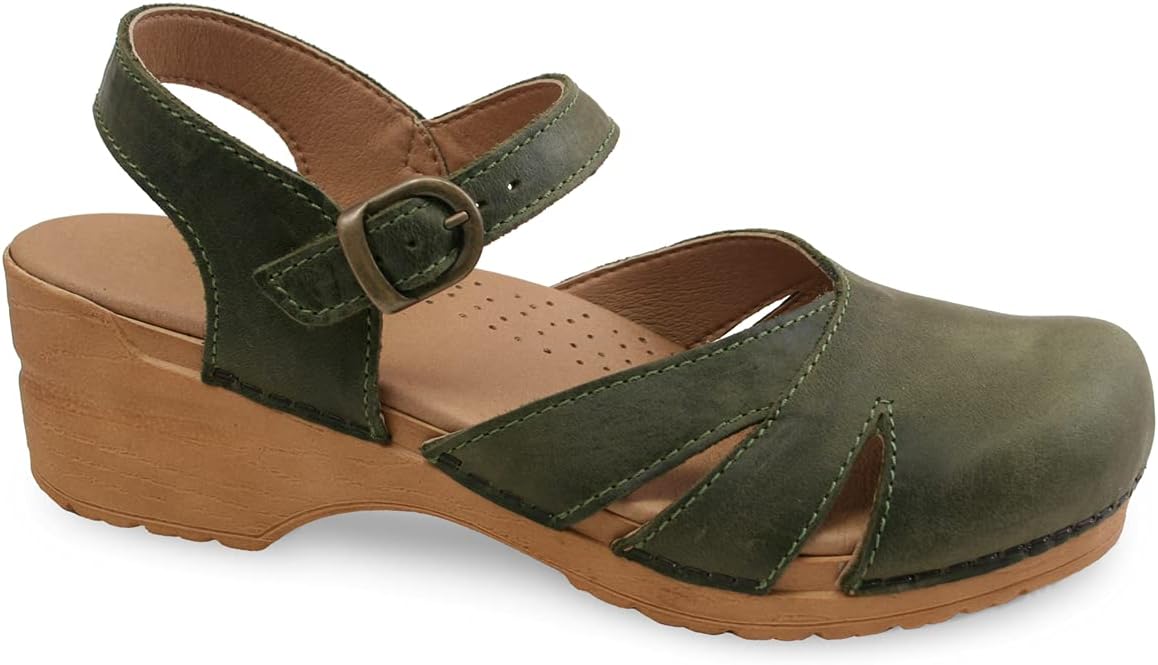
Sanita
Sanita Margrethe
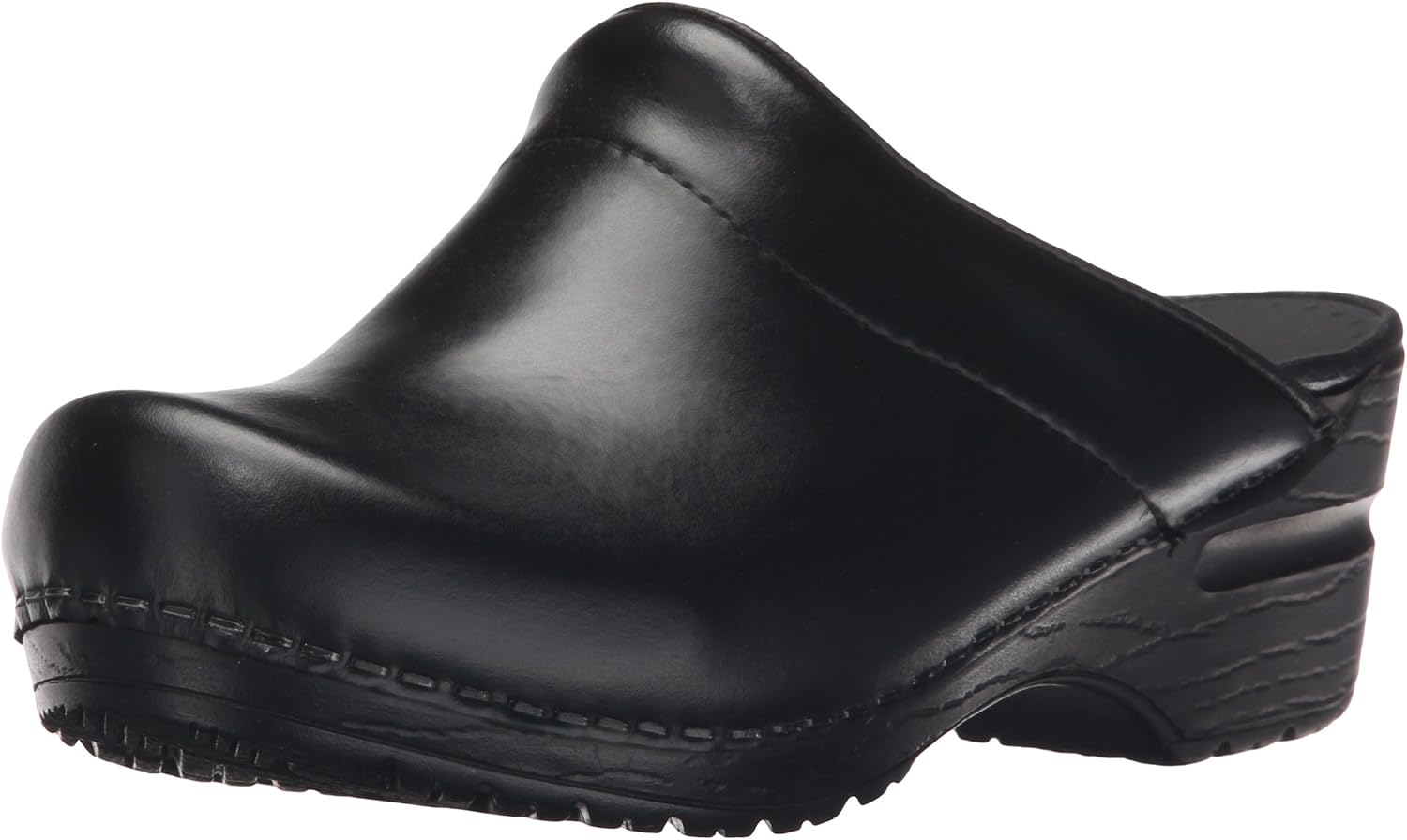
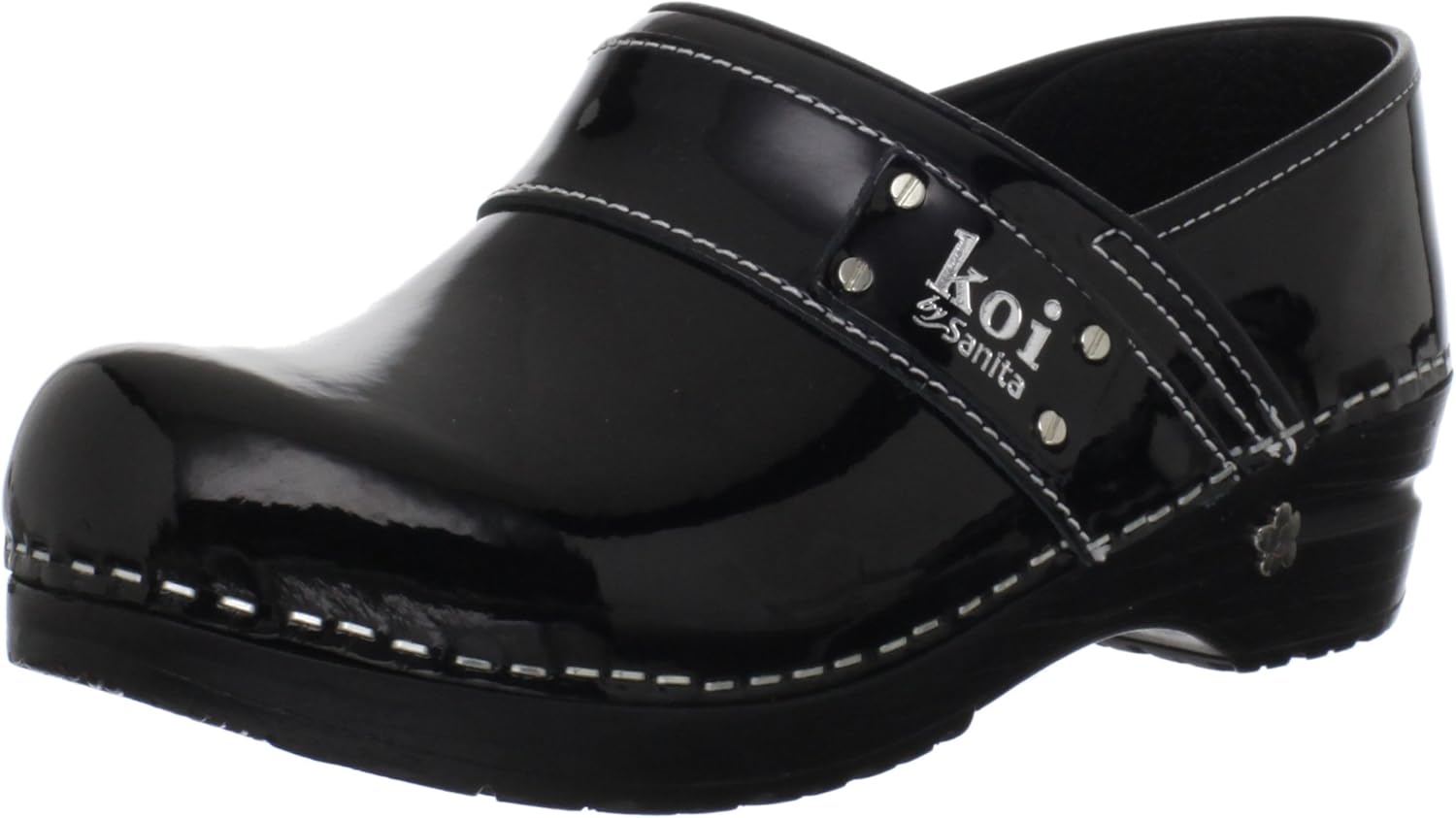
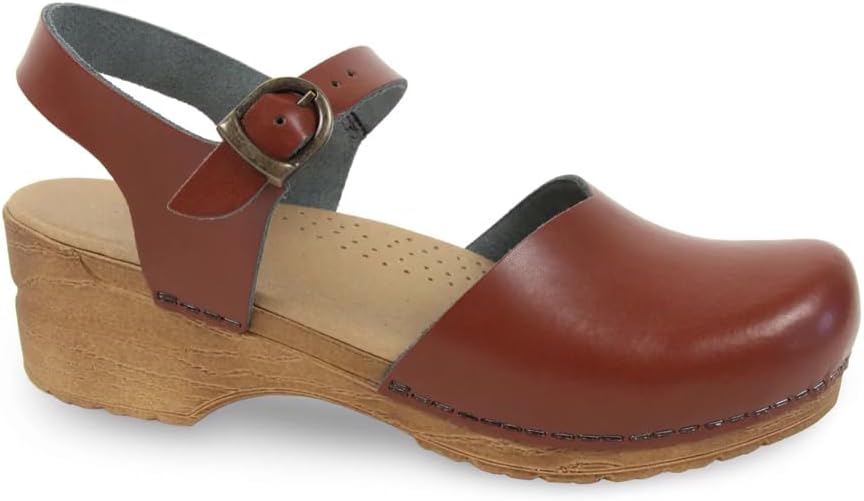
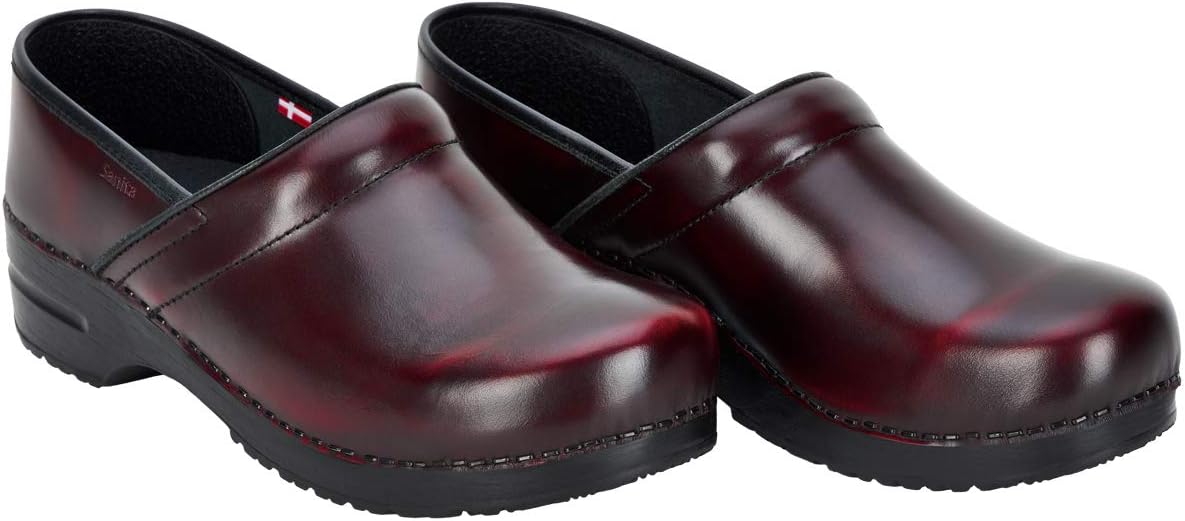
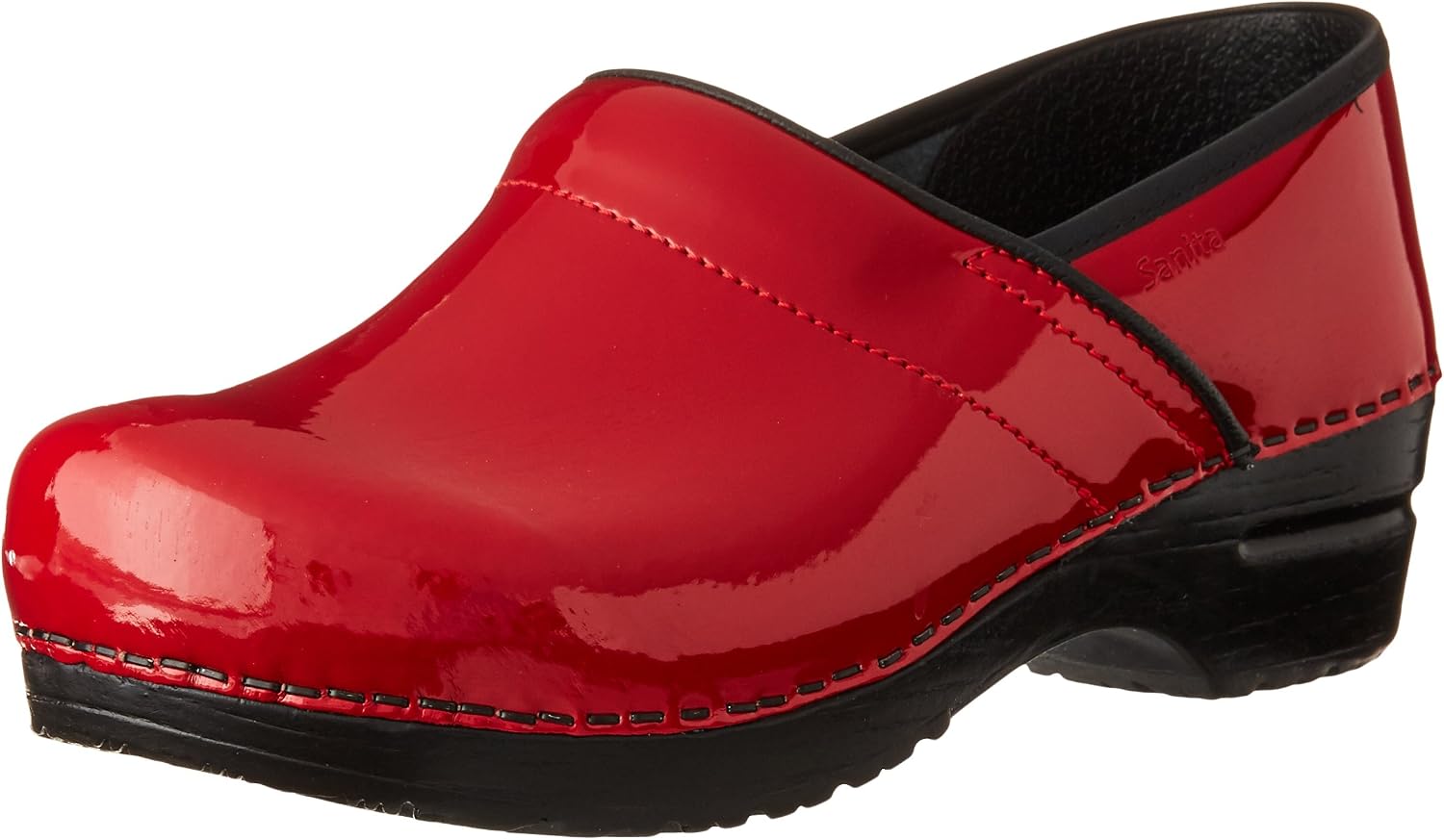
Sanita
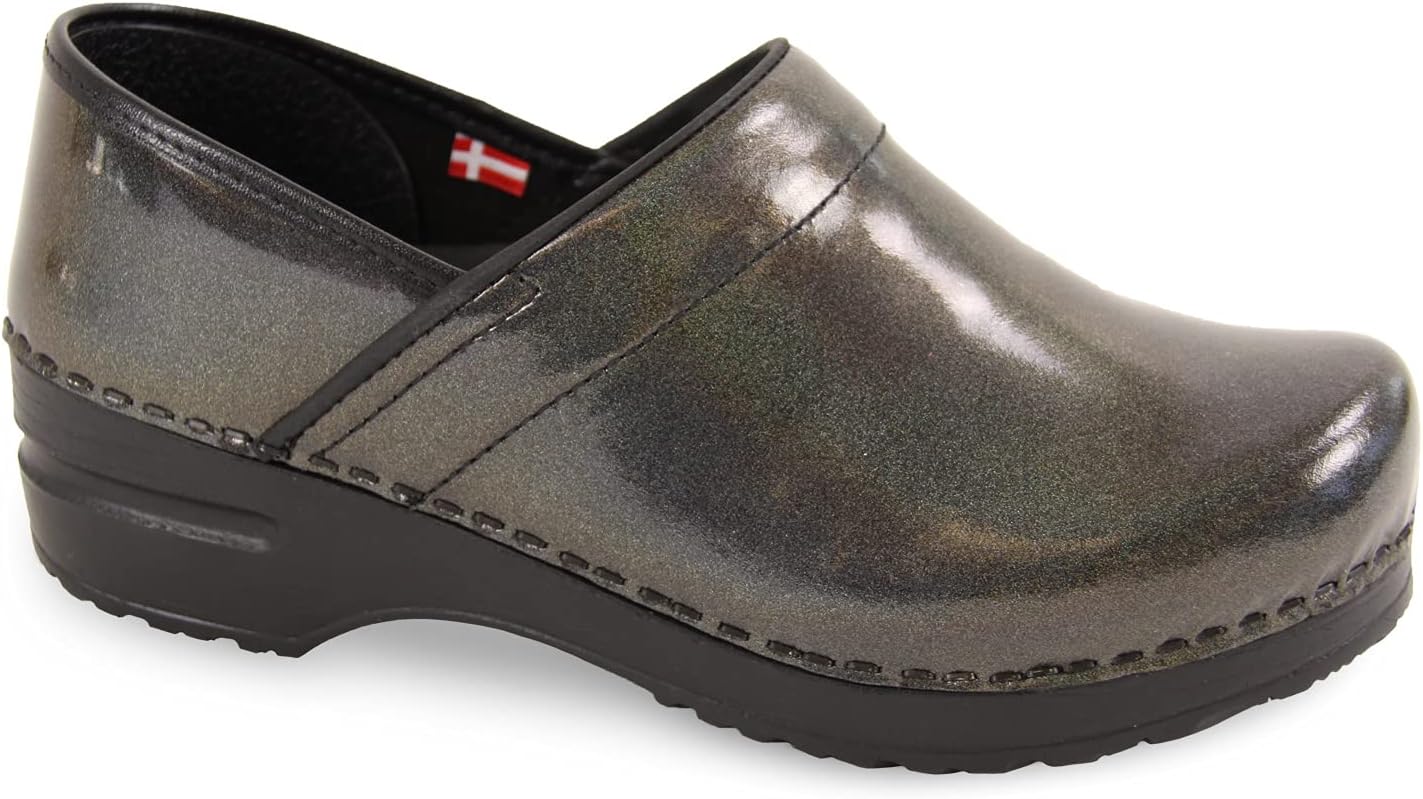
Sanita Professional Patent
Sanita
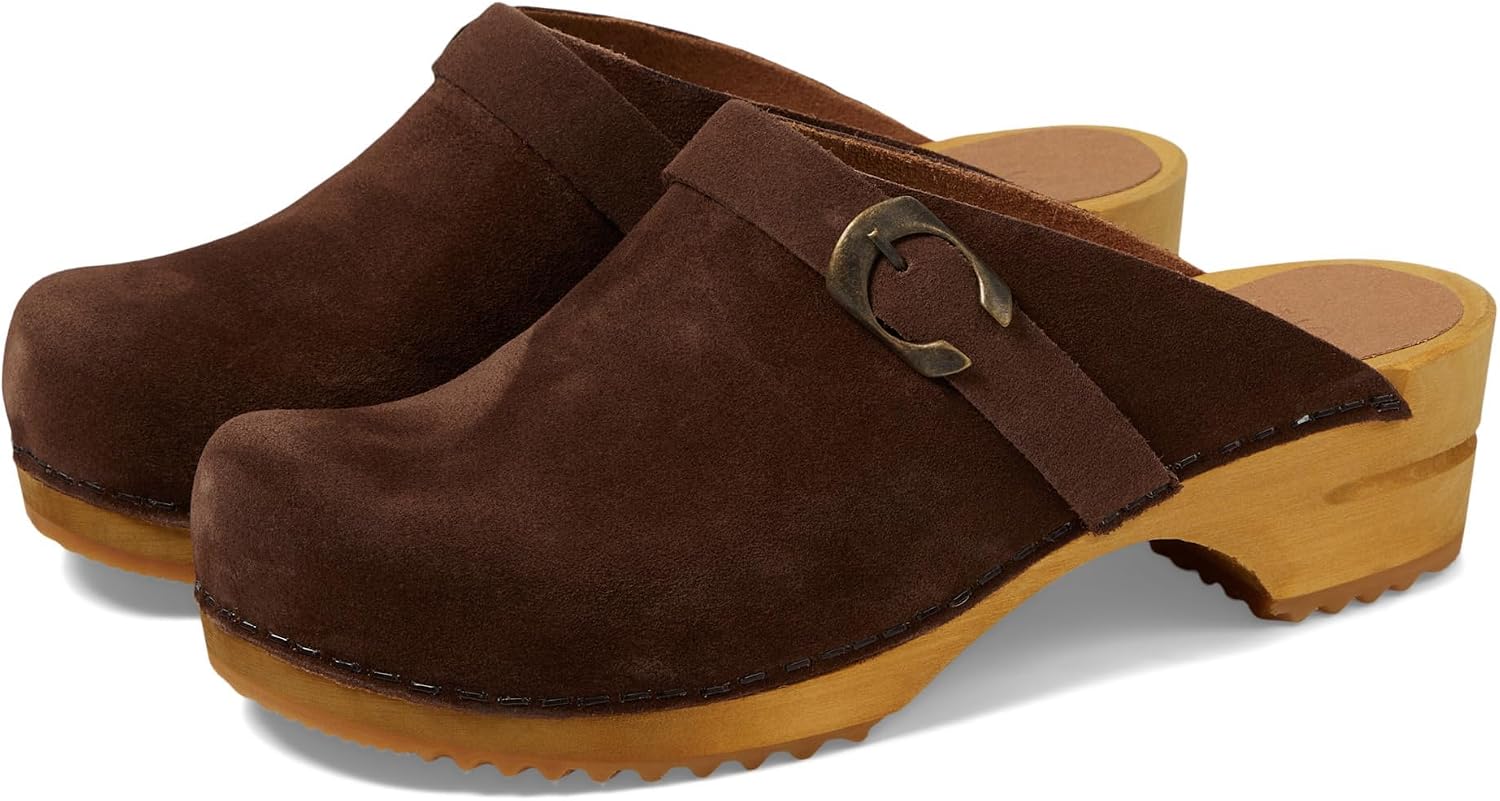
Sanita Smart Step Sable Pro
Sanita
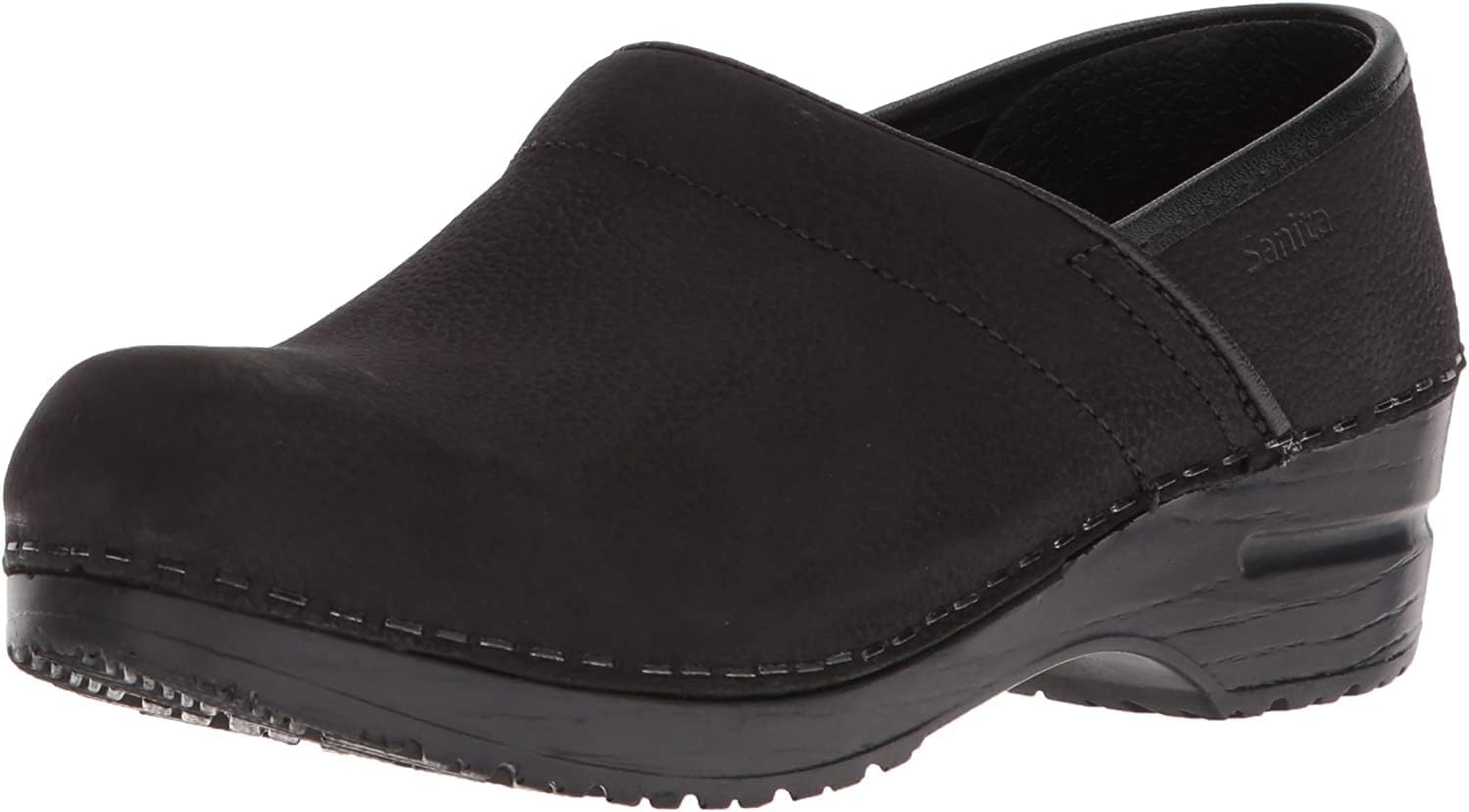
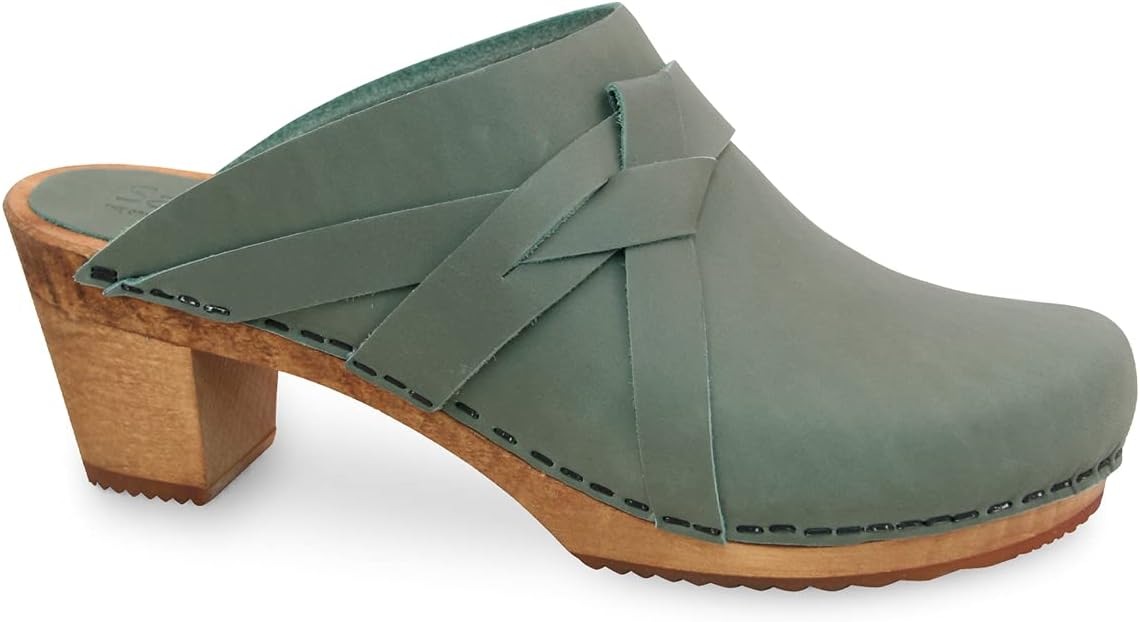
Sanita Manuella
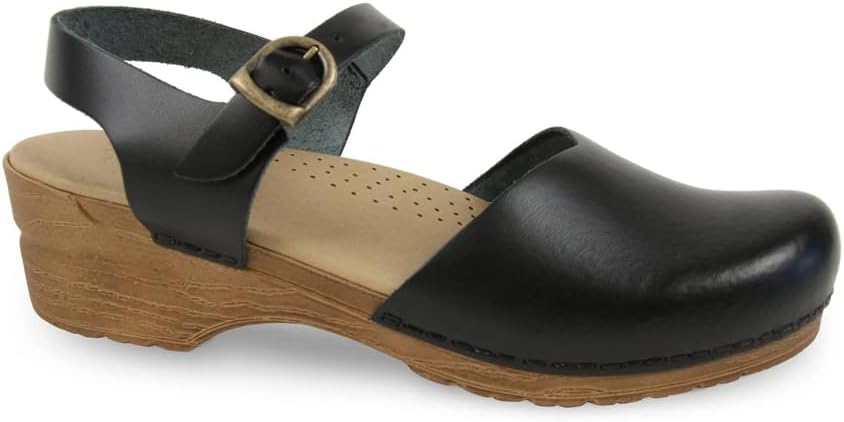
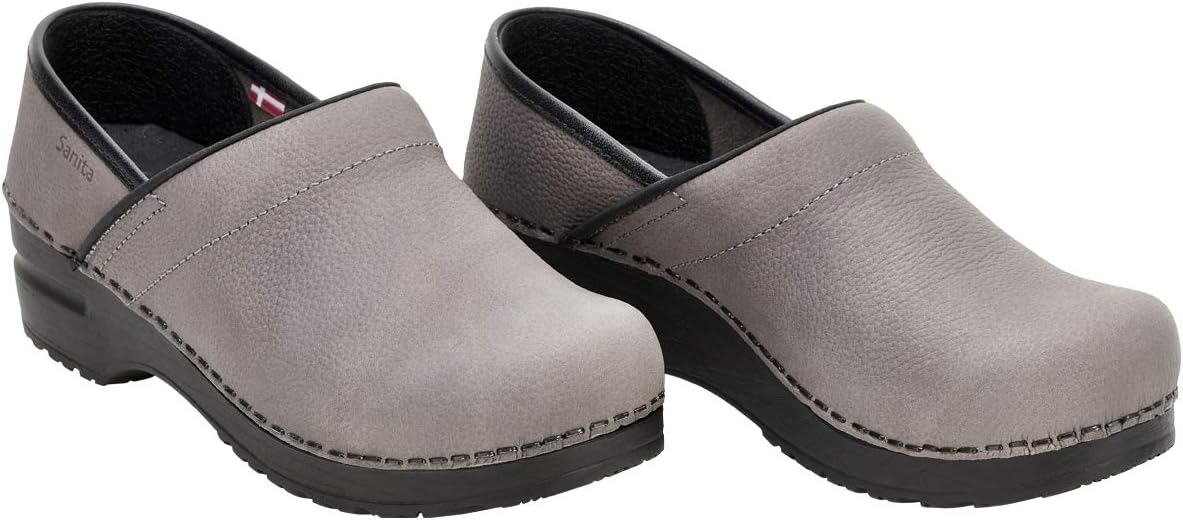
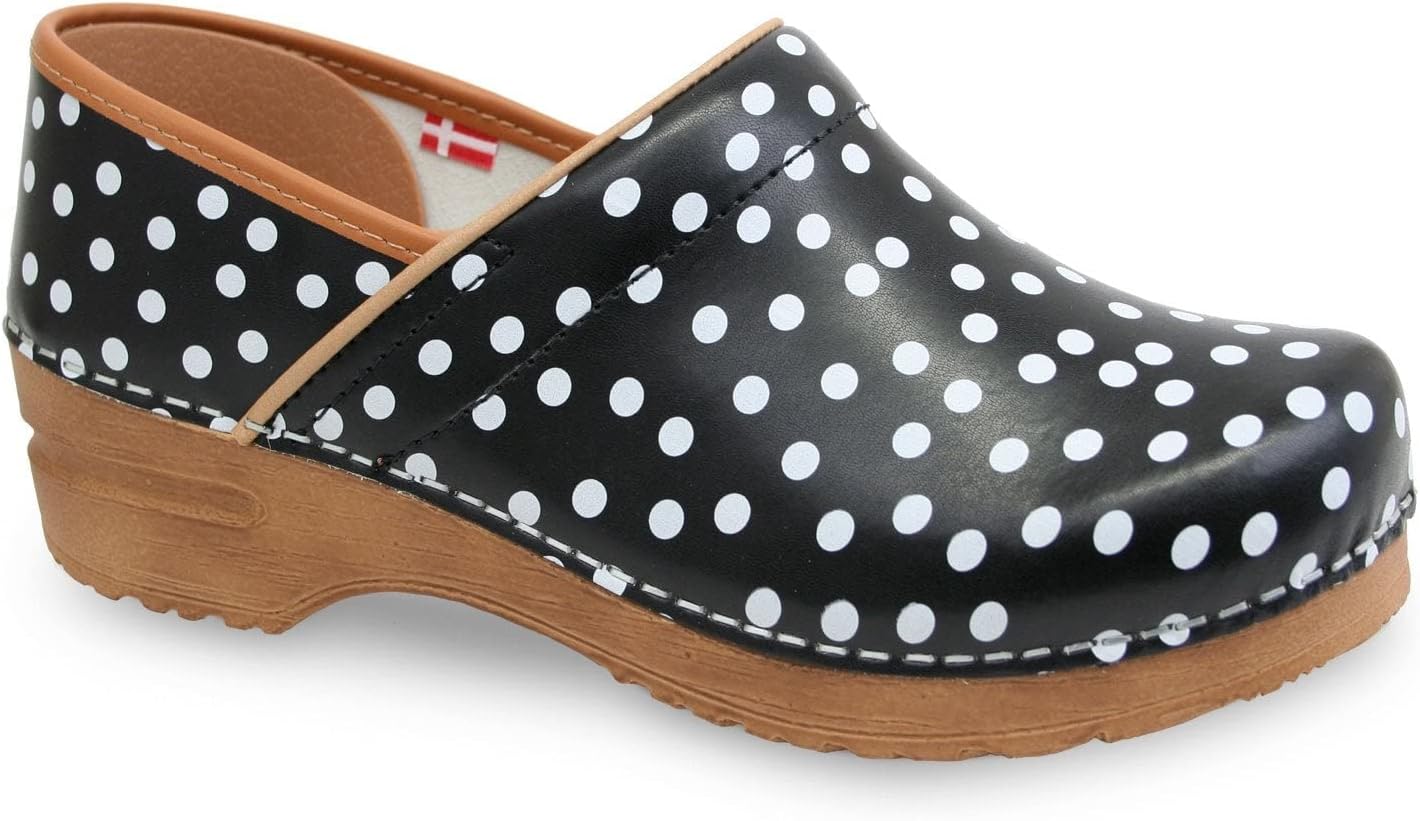
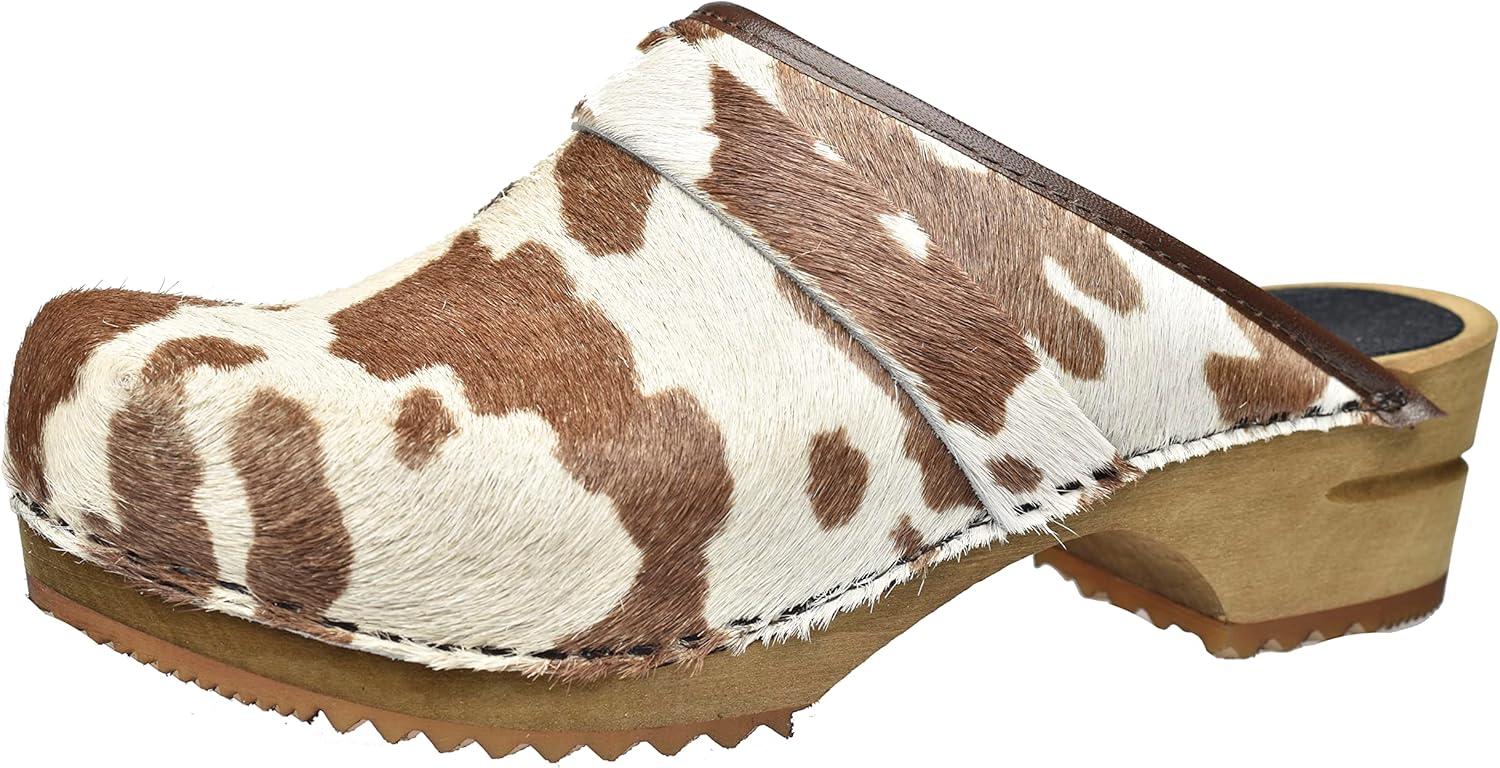
Sanita
Sanita Caroline
Sanita
Sanita Monika
Sanita
Sanita Estelle
Sanita
Sanita Women's Dimple Clog
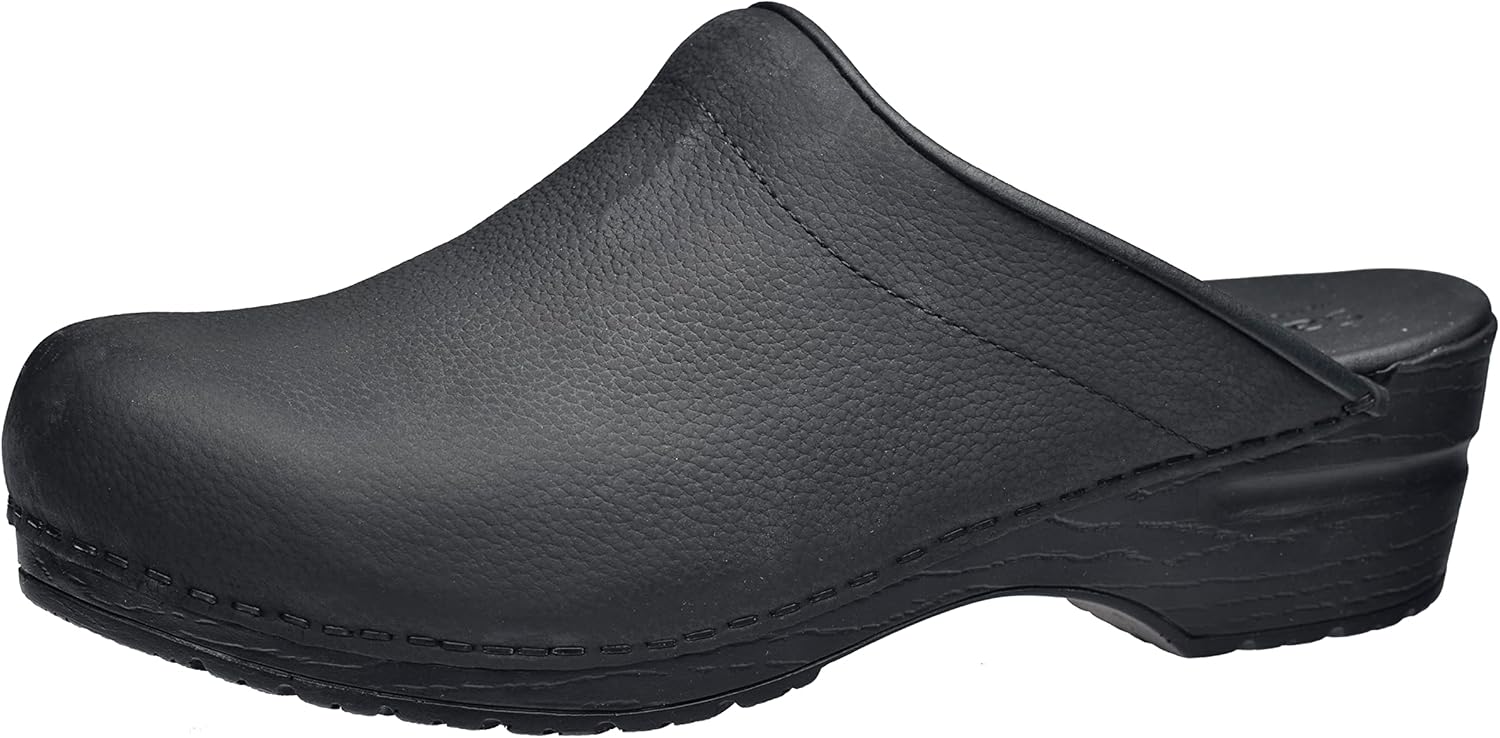
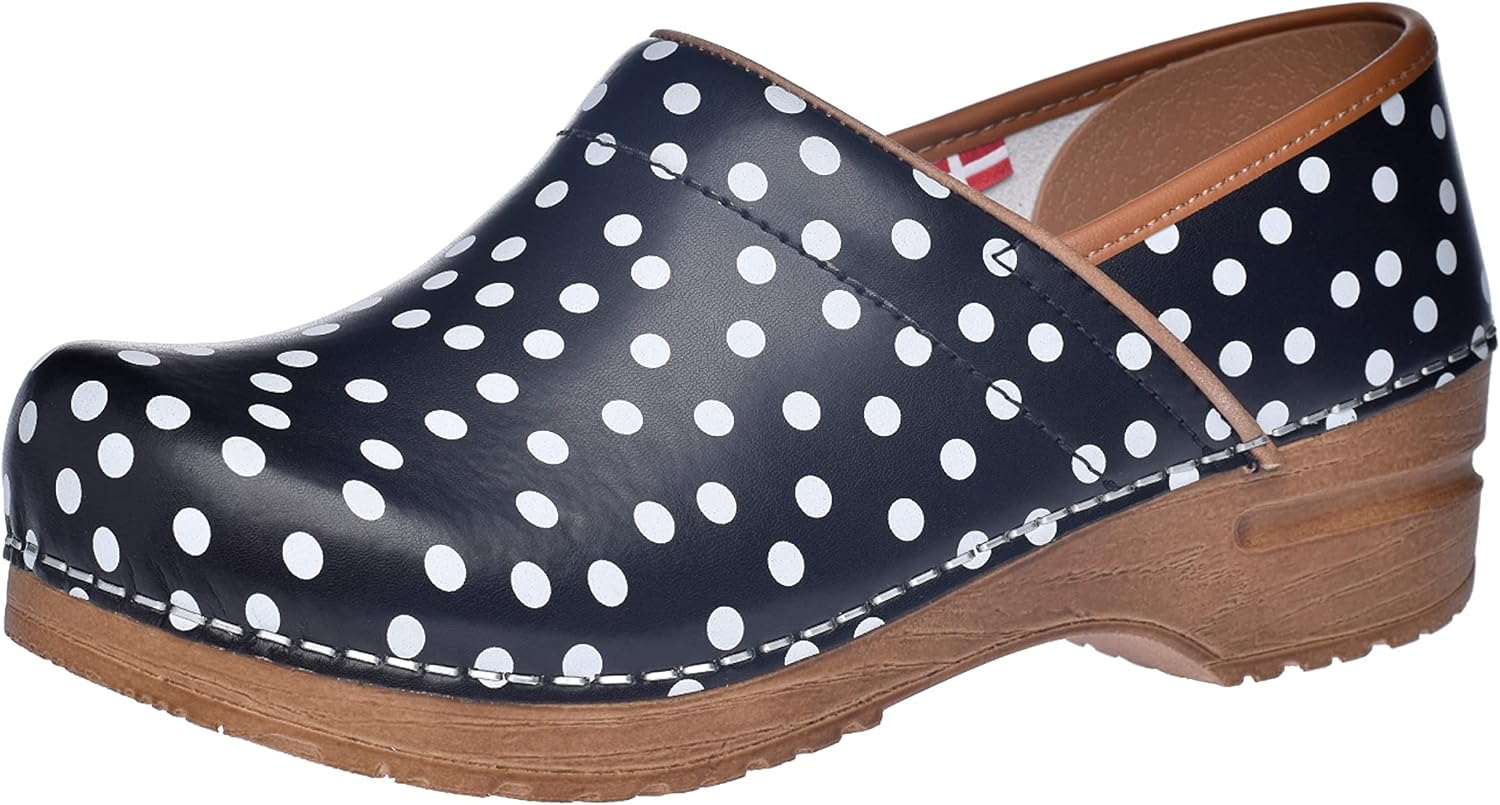
The wooden base
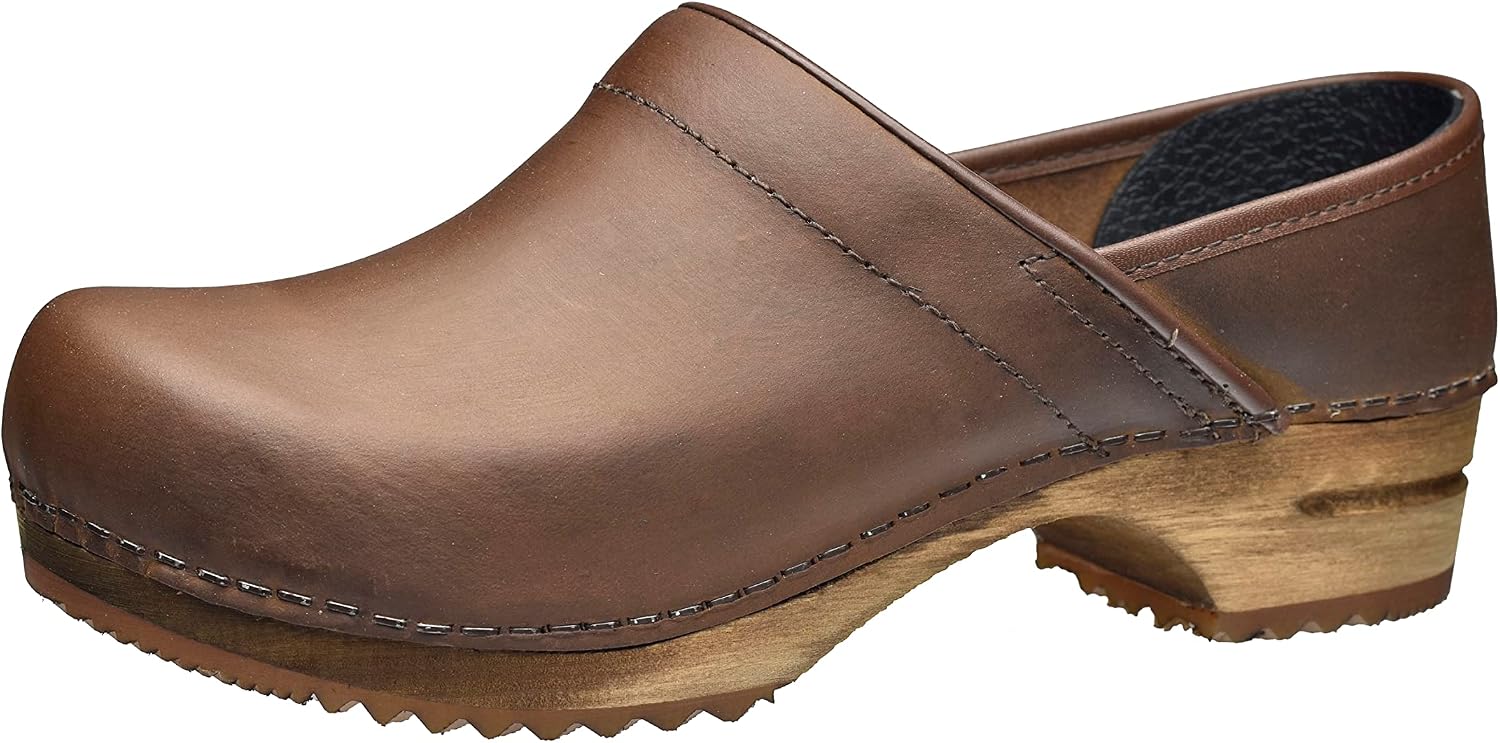
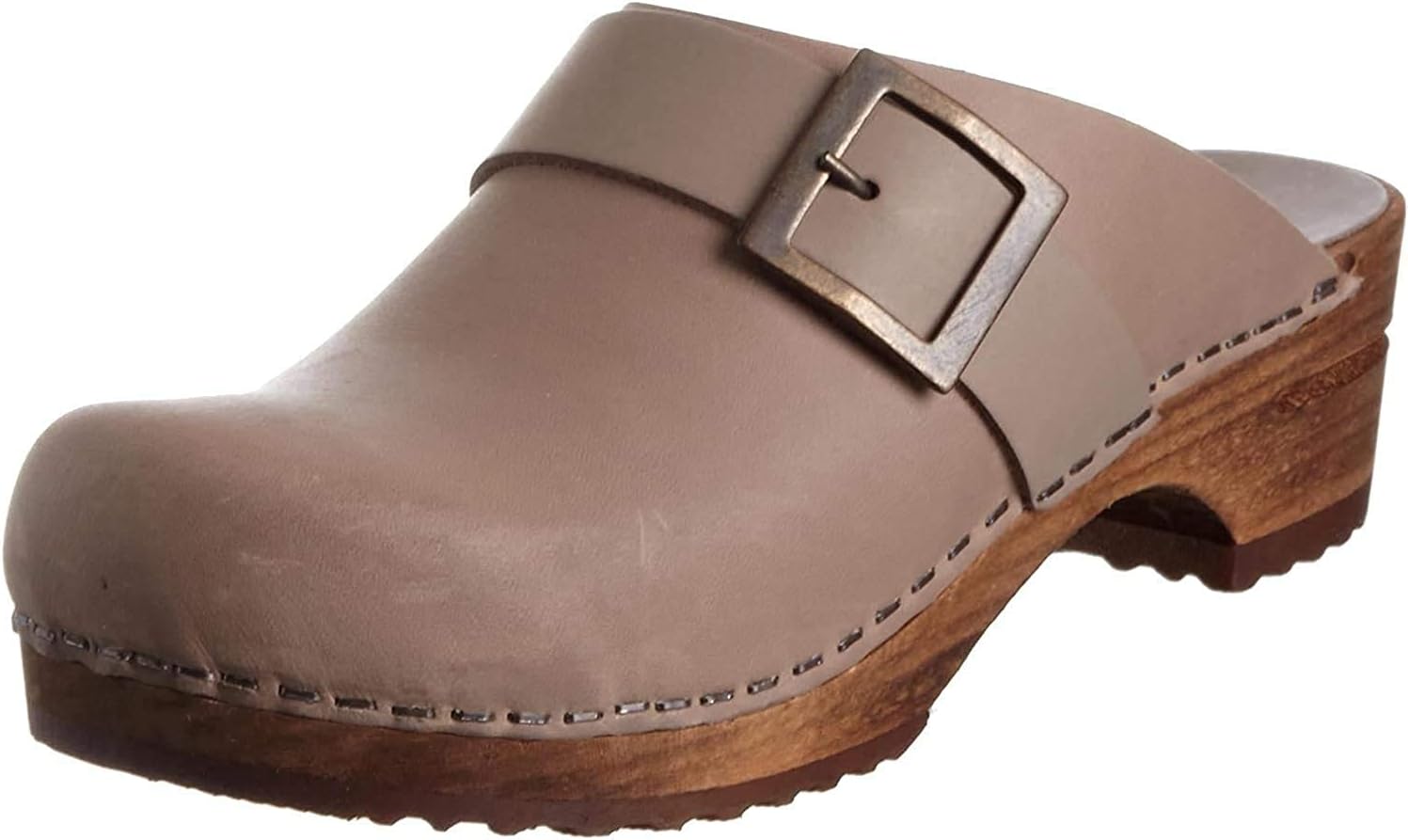
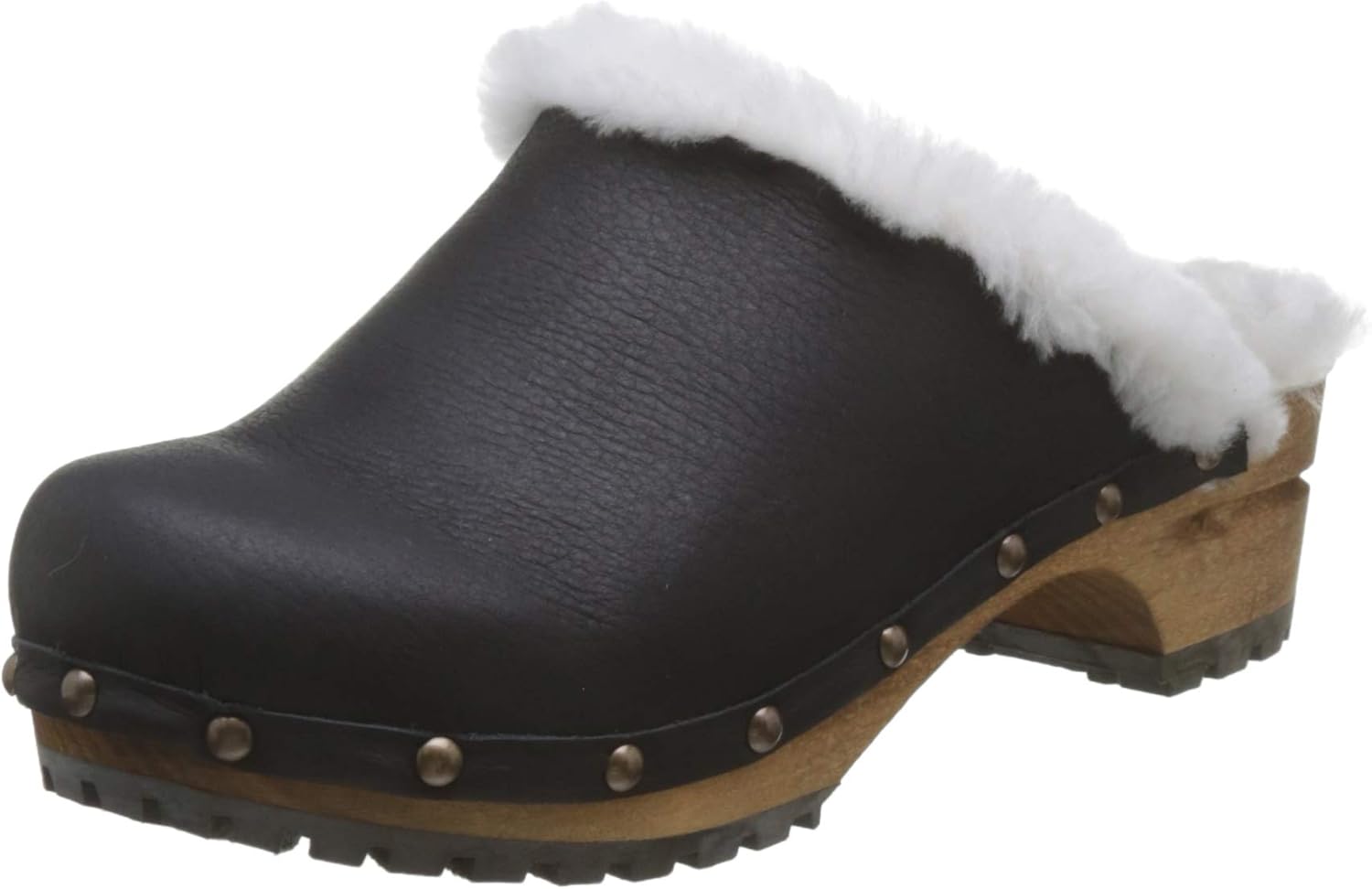
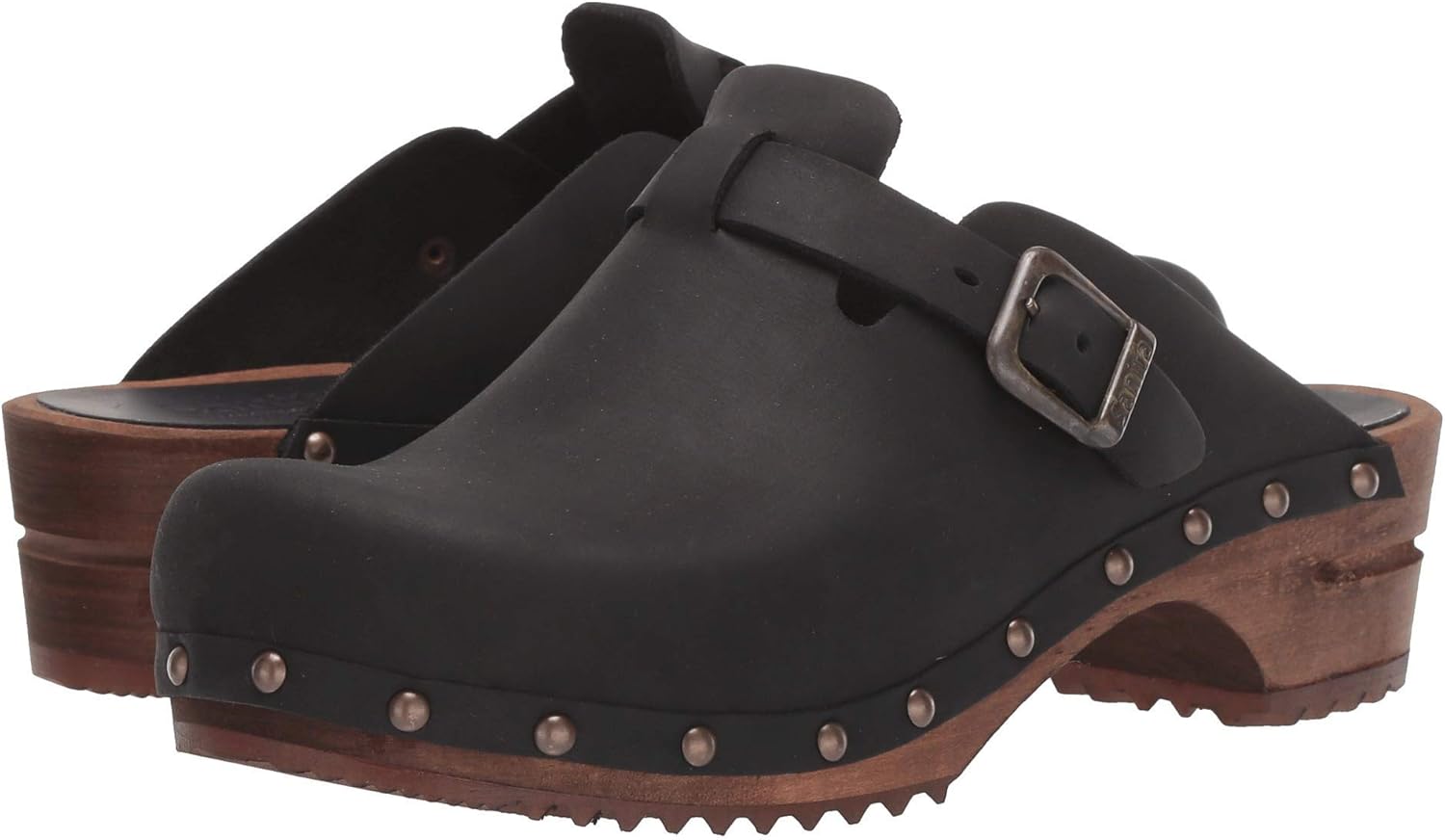
Sanita's original clogs are built on a shaped beechwood sole with the leather upper nailed to it. There is no flex anywhere in the shoe. Your foot sits on a rigid platform and rolls forward over the curved front edge.
This is the oldest clog design in continuous production and it has a specific set of consequences. Weight distribution across the sole is very even, which is why people who stand in one spot — at a bench, a stove, a bedside — tend to prefer wood over rubber. It is also louder, heavier, and completely unforgiving on uneven ground.
Wooden vs. the PU range
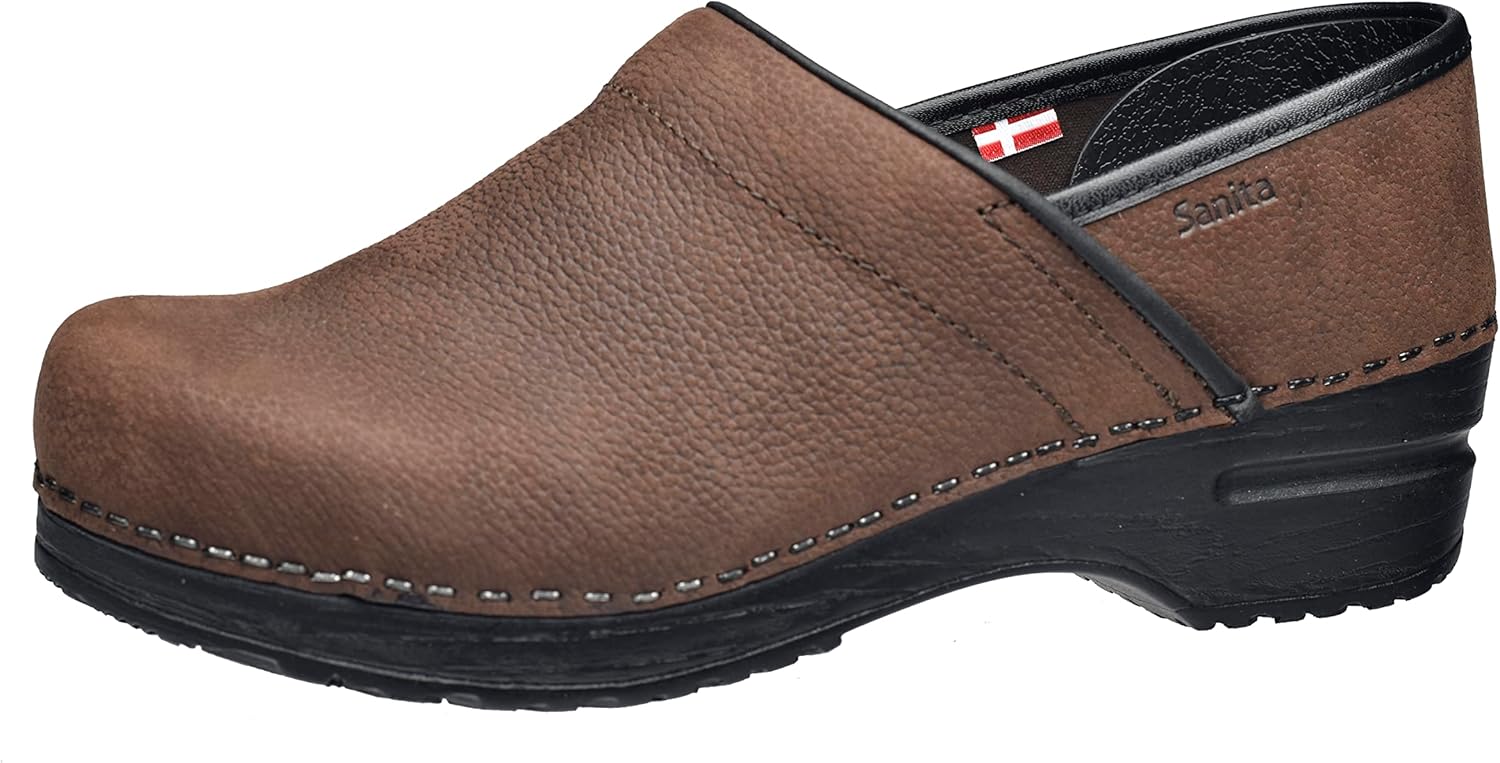
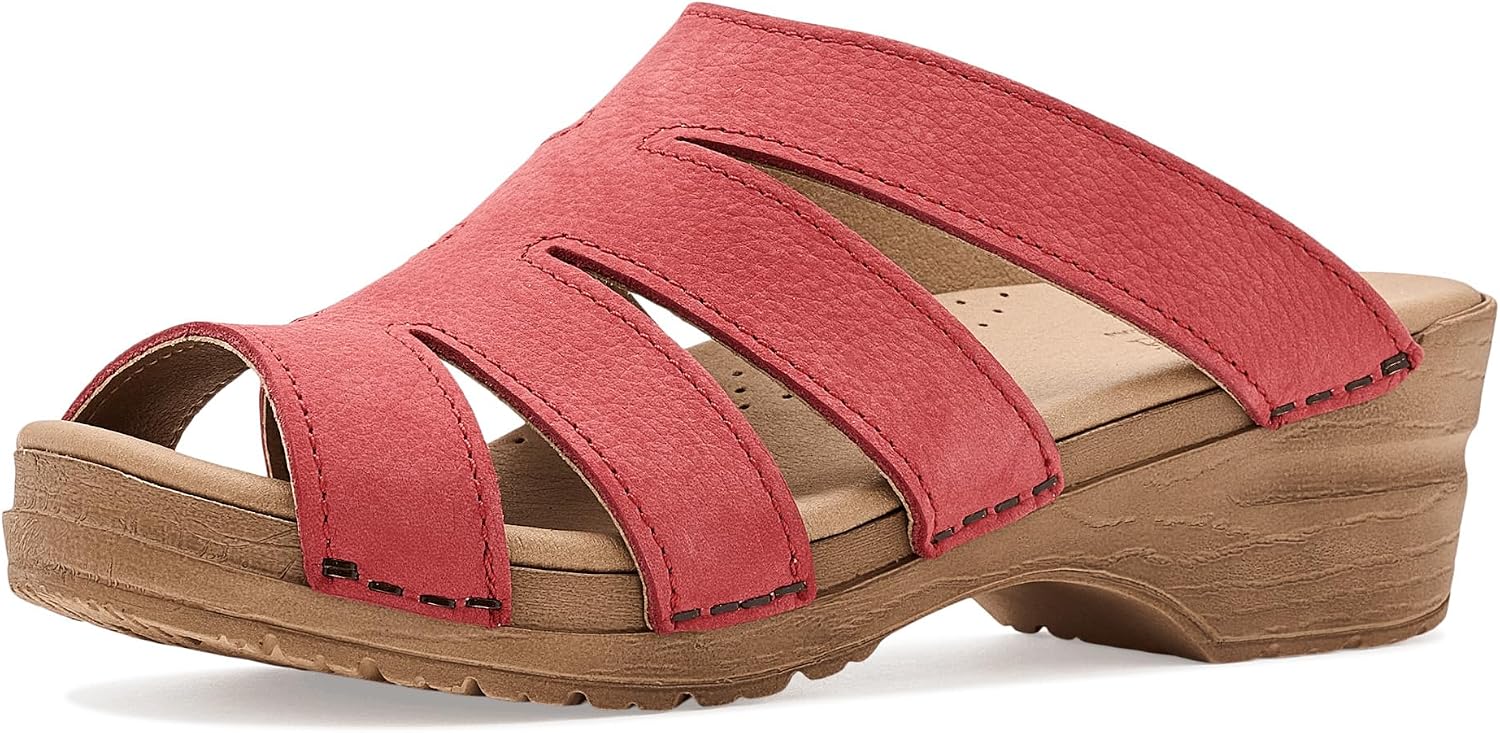
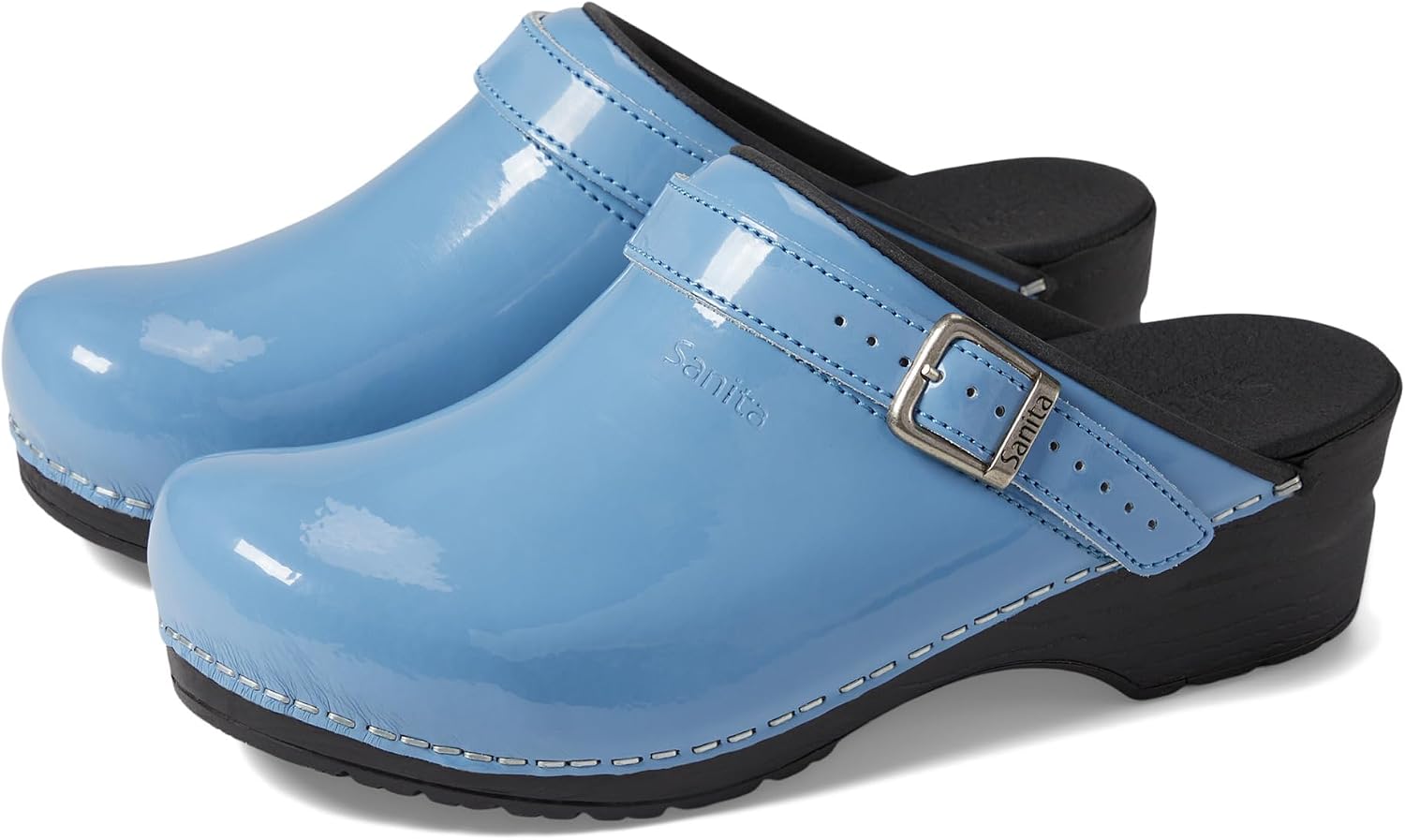
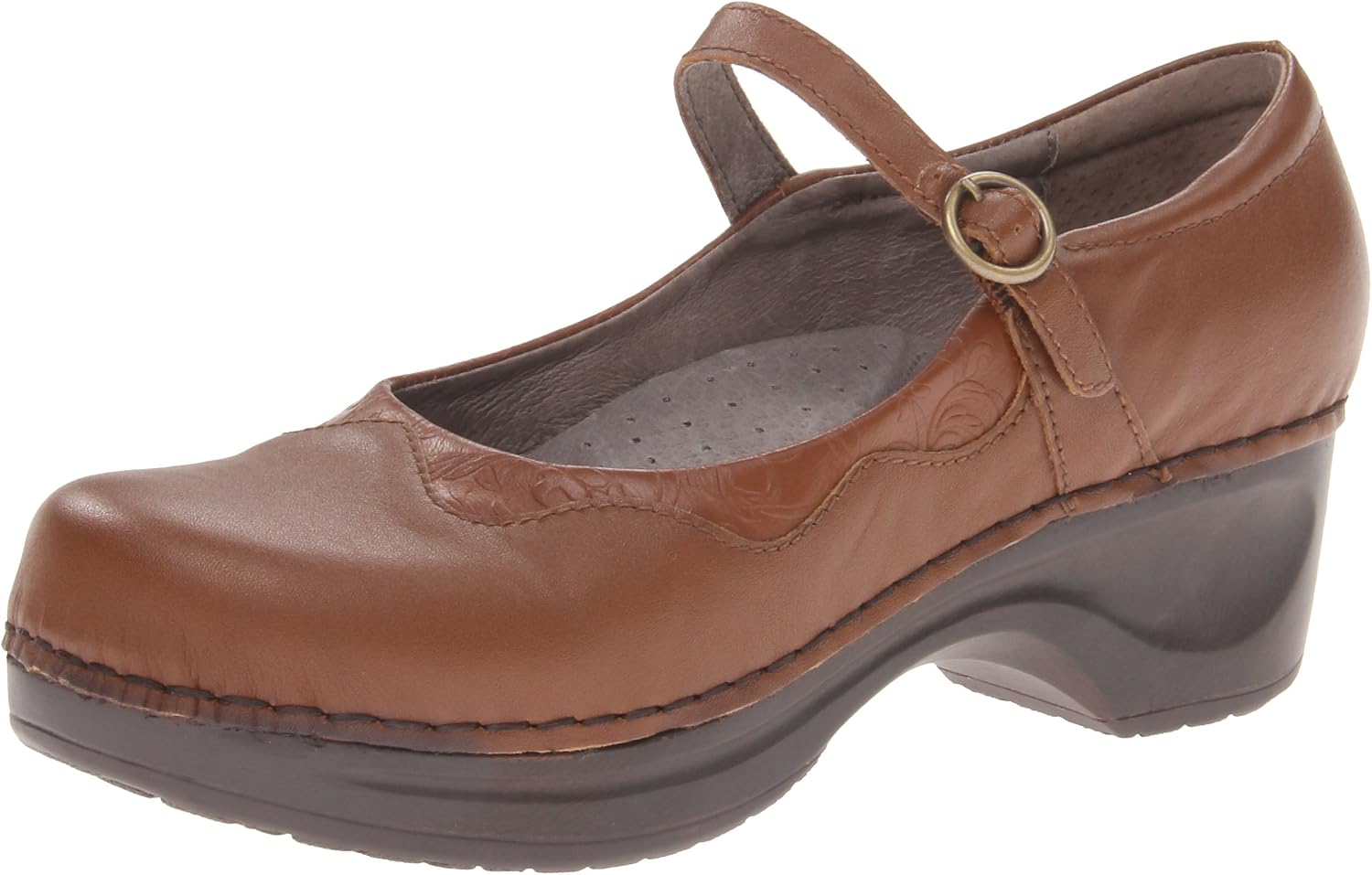
Sanita now makes two families. The Original line keeps the wooden base. The professional and San-Flex lines use a moulded polyurethane sole that is lighter, quieter, slip-resistant and washable.
The wooden ones are better for standing still and for longevity. The PU ones are better for walking distances, wet floors and anywhere noise matters. Neither is the "real" Sanita — the company has made both for decades.
Sanita and Dansko: the history
Sanita manufactured Dansko's clogs until 2007, which is why older pairs of both feel similar and why the sizing conventions still overlap. They separated and now design independently. Sanita kept the wooden-base tradition; Dansko moved fully to its own moulded construction.
If you have an old pair of Danskos that fitted perfectly and the new ones do not, this is usually why.
Sizing
EU sizing, generally roomier through the toe box than Birkenstock and closer to Dansko. The wooden styles have no give at all — leather stretches across the instep over a few weeks, but the base does not change shape. Get the length right at purchase.
Most Sanita open-back clogs are designed with a deliberately loose heel. This is not a fitting error; it is how a traditional clog works.
Break-in and the noise question
Wooden clogs take about a week. The leather softens over the instep and your gait adapts to the roll. They are audible on hard floors — genuinely so — which rules them out of some workplaces and is the most common reason people switch to the PU line.
Care
Leather uppers take normal conditioning. The wooden base needs almost nothing, but should not be soaked or left wet, and a wax or oil once a year keeps it from drying and cracking at the edges. Nailed uppers can be re-nailed by a cobbler; the sole itself outlasts everything else on the shoe.
Common questions
Are Sanita and Dansko the same company?
No, but Sanita manufactured Dansko's clogs until 2007. They now design and produce independently. Sanita kept the traditional wooden-base construction while Dansko moved to its own moulded sole.
Are wooden clogs uncomfortable?
They are rigid, which feels strange for about a week, but the even weight distribution is why people who stand in one place often prefer them. They are less suited to walking long distances or uneven ground.
Are Sanita clogs noisy?
The wooden-base styles are, noticeably so on hard floors. Sanita's polyurethane and San-Flex lines are quiet and are the usual choice where noise matters.
How should Sanita clogs fit?
EU sizing, with a roomier toe box than Birkenstock. The heel is meant to sit loose in open-back styles — that is how a traditional clog works, not a sizing error. The wooden base never changes shape, so get the length right at purchase.
Can wooden clogs be repaired?
Yes. The upper is nailed to the base and a cobbler can re-nail or replace it. The wooden sole typically outlasts every other part of the shoe.