Birkenstock
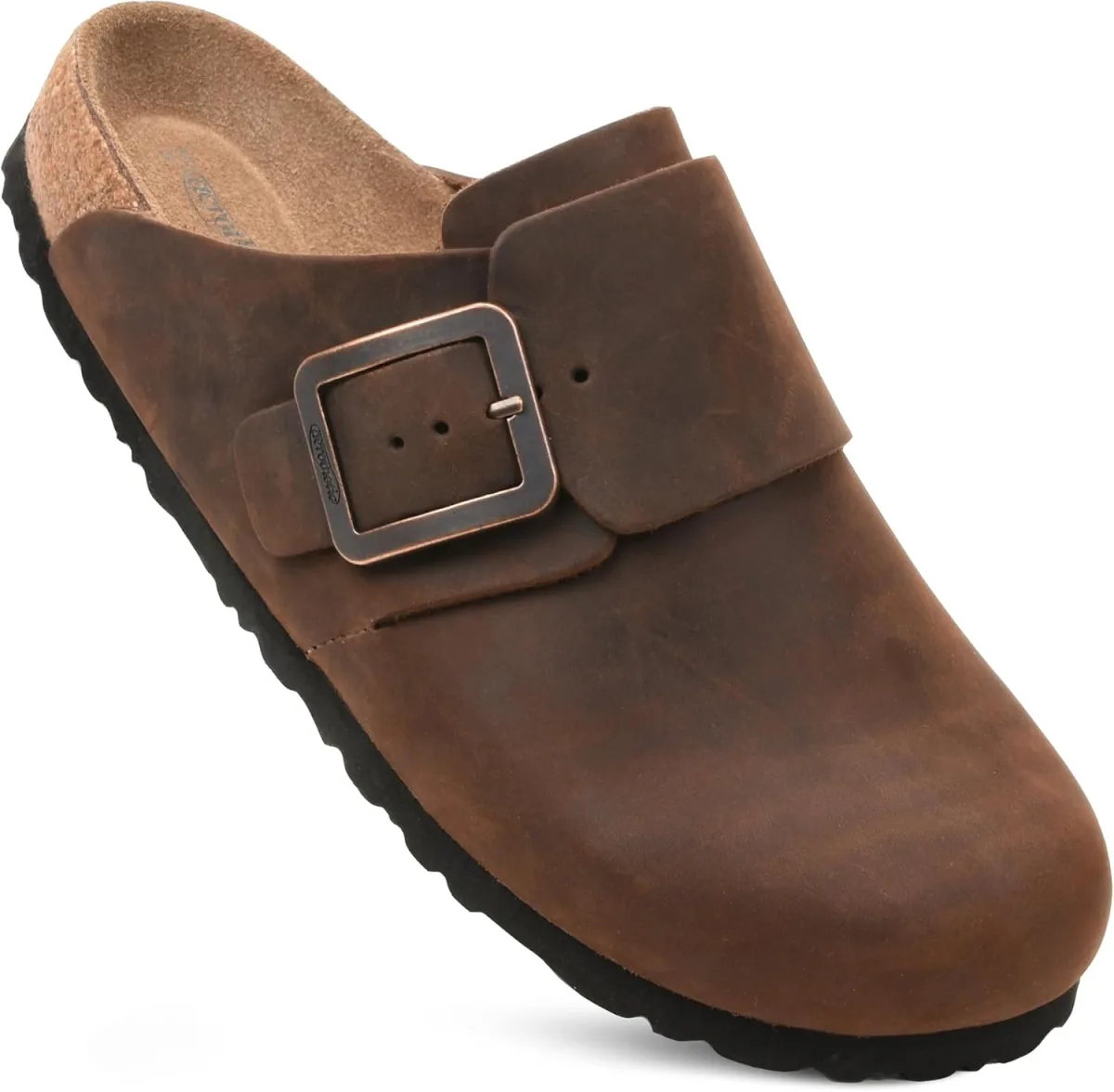
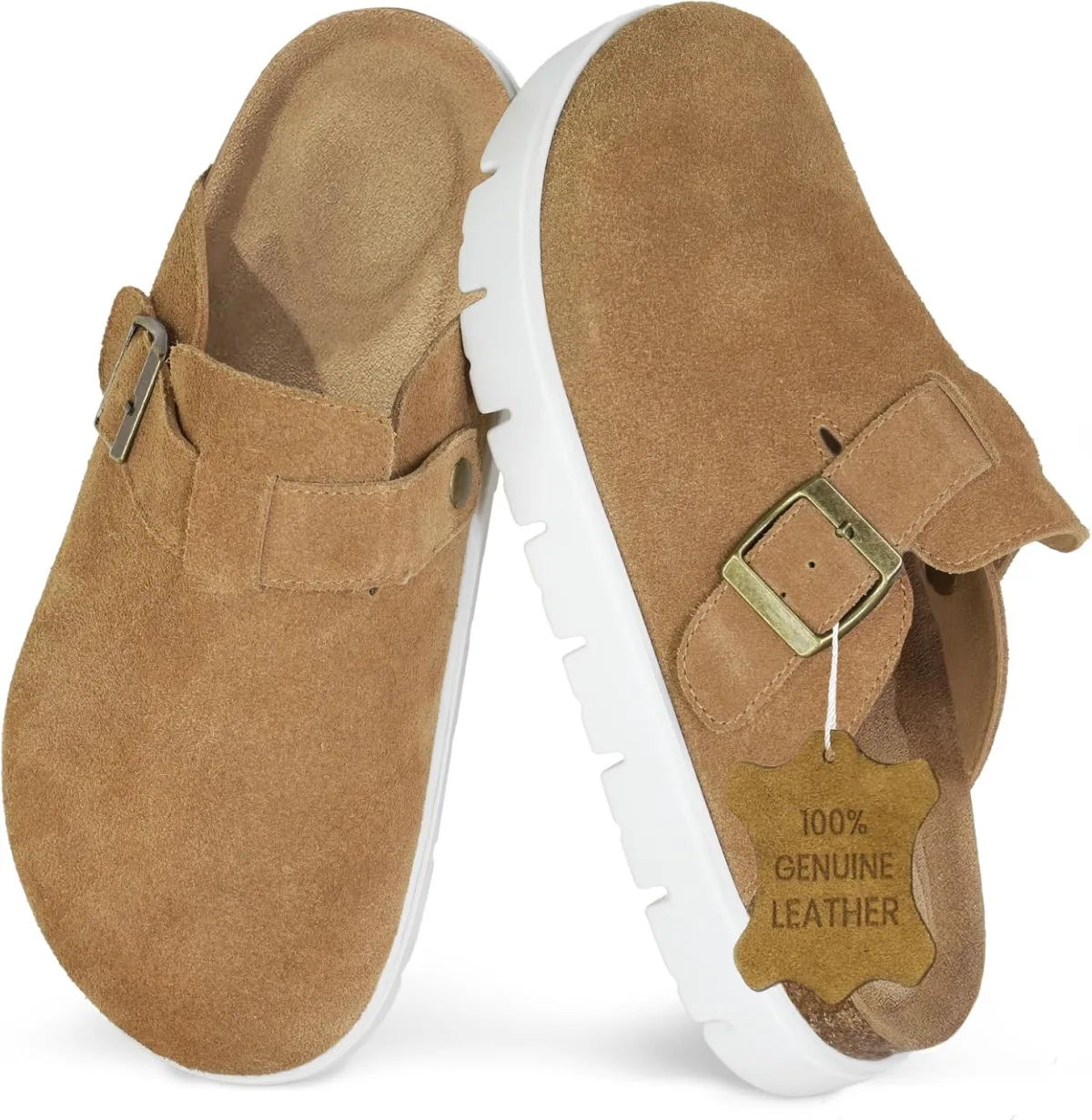
AEROTHOTIC Genuine Leather Clogs for Women with Arch Support Memory Foam Cork
Cork footbedBuckle
59 styles
Birkenstock's whole proposition is one component: a cork and latex footbed that starts firm and slowly becomes a cast of your foot. Everything else — the upper, the sole, the buckle — is built around protecting that idea.
Birkenstock
Birkenstock
Birkenstock
Birkenstock
Birkenstock
Birkenstock
Birkenstock
Birkenstock
Birkenstock
Birkenstock
Birkenstock
Birkenstock
Birkenstock
A Birkenstock footbed is cork granules bound with natural latex, sandwiched between a jute layer and a suede lining. It has four features that are deliberate and worth understanding, because they are also the things people complain about in week one:
Over two to three weeks of regular wear, body heat and pressure compress the cork into the shape of your own foot. After that it holds. This is why a broken-in pair fits you and nobody else, and why buying second-hand Birkenstocks rarely works.
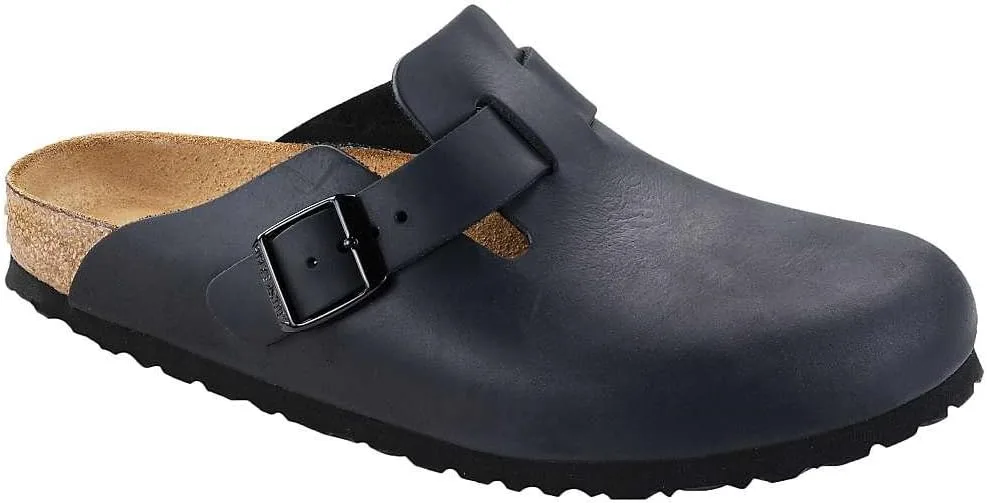
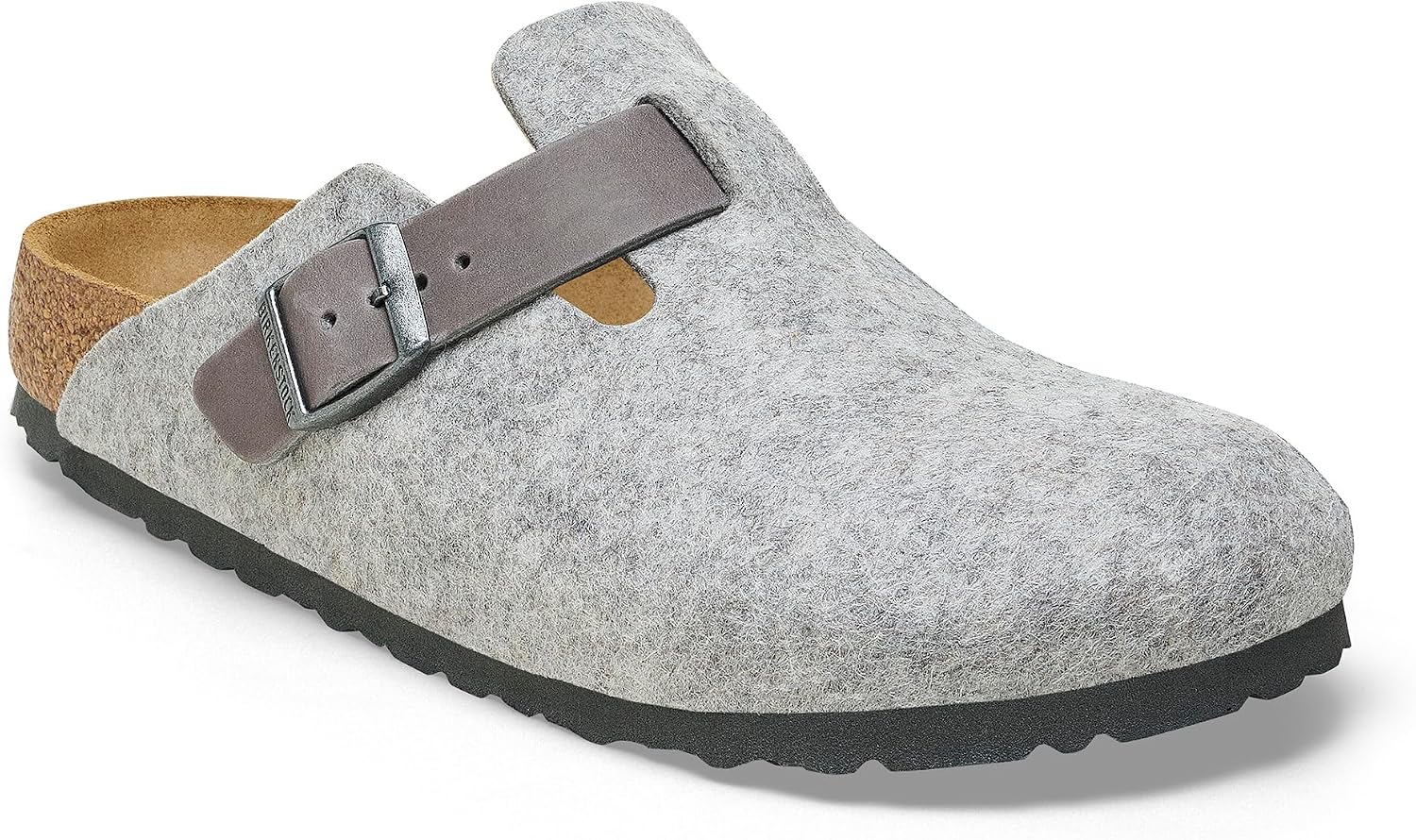
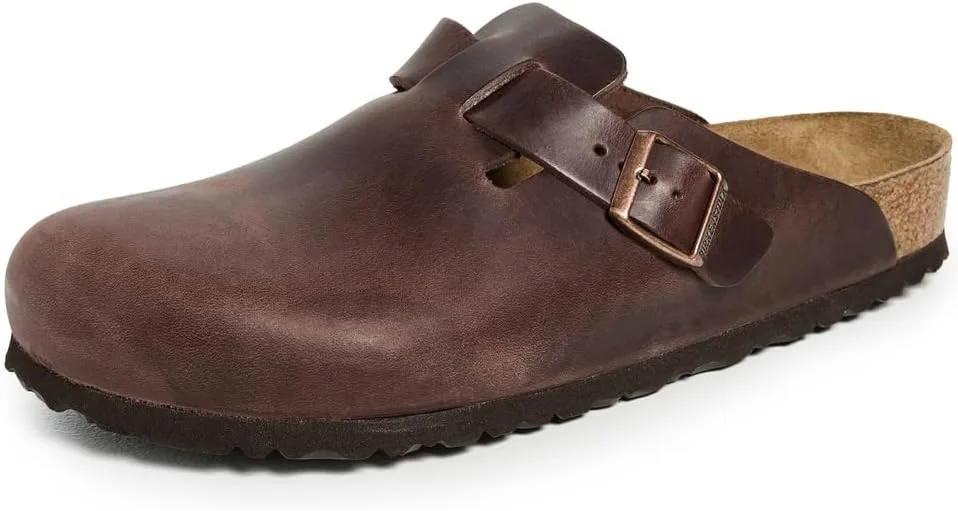
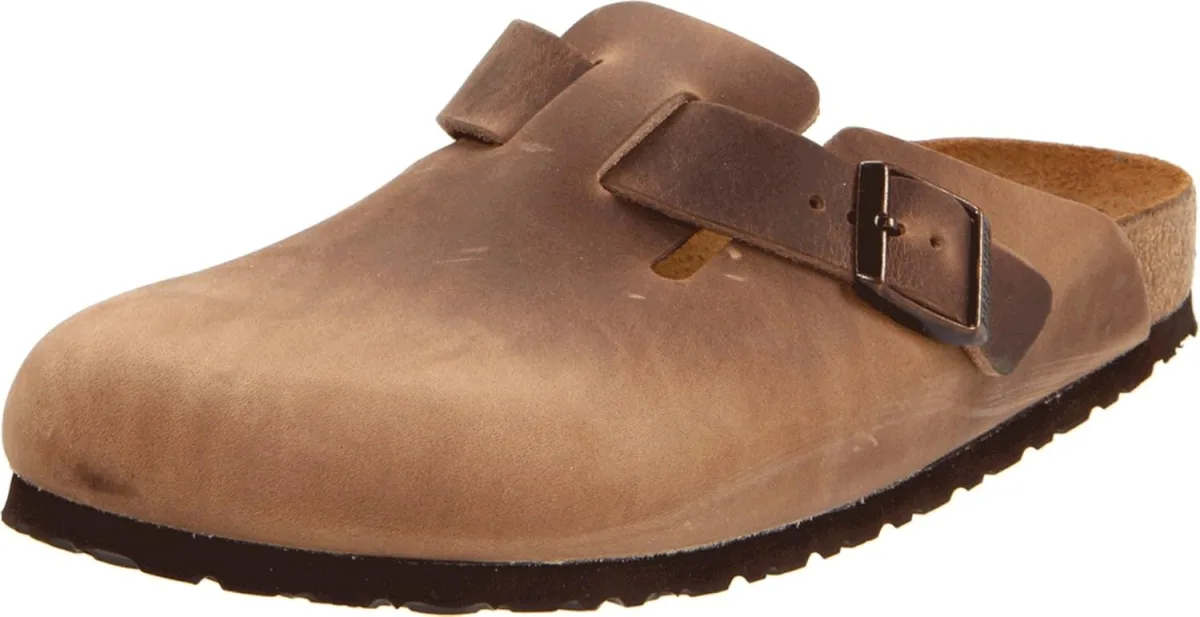
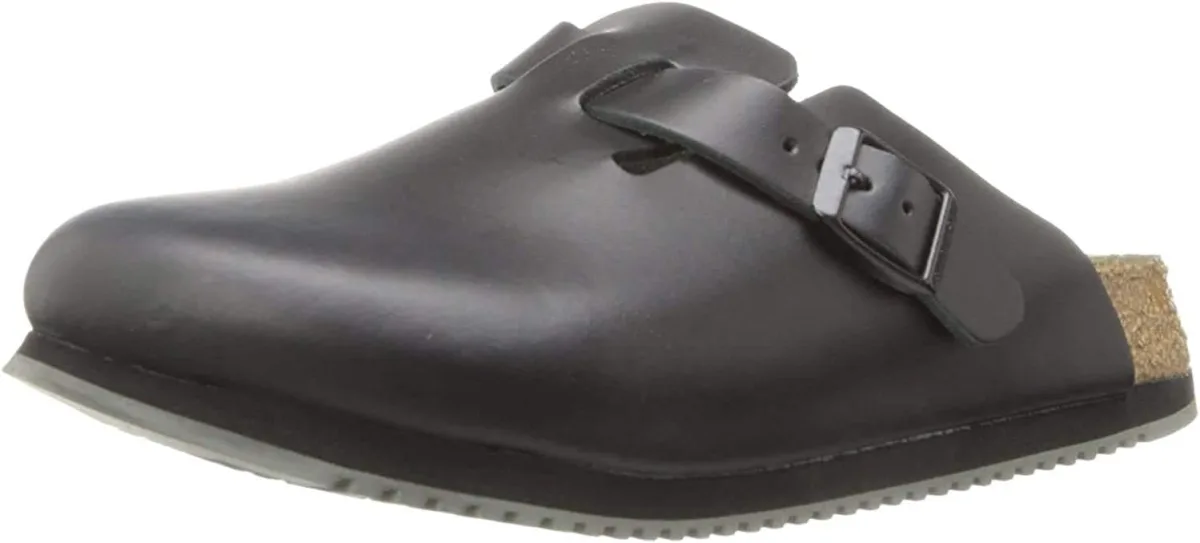
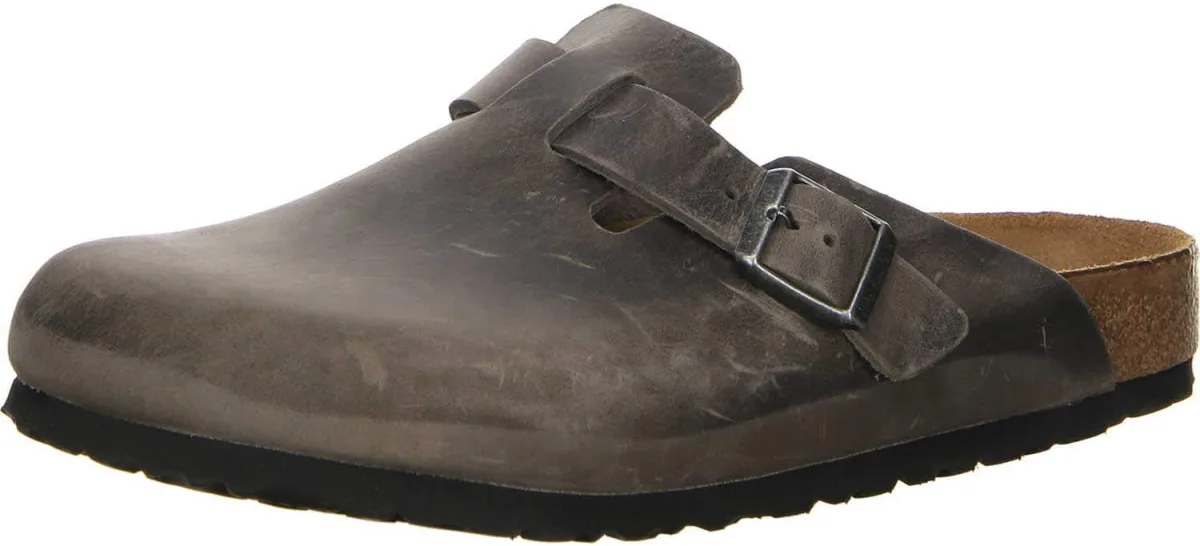
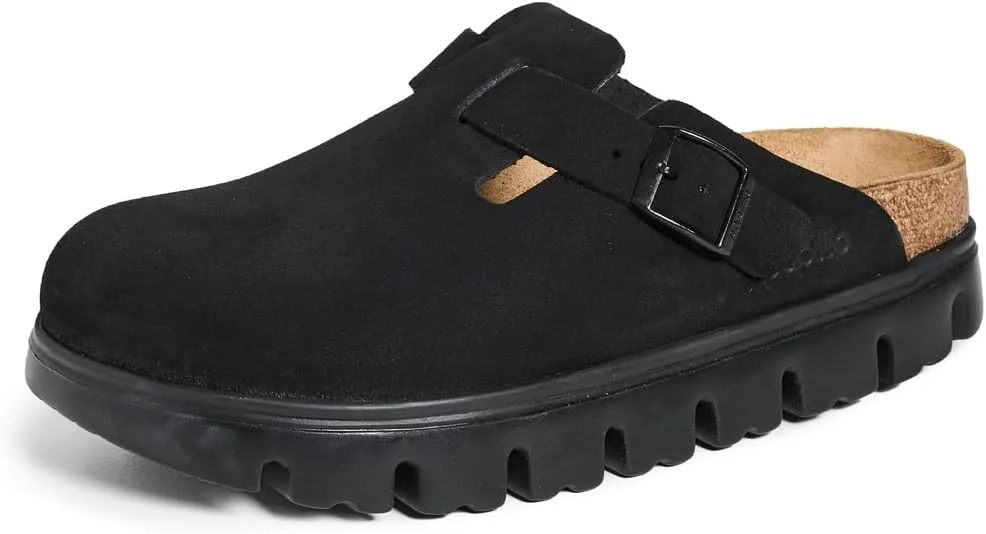
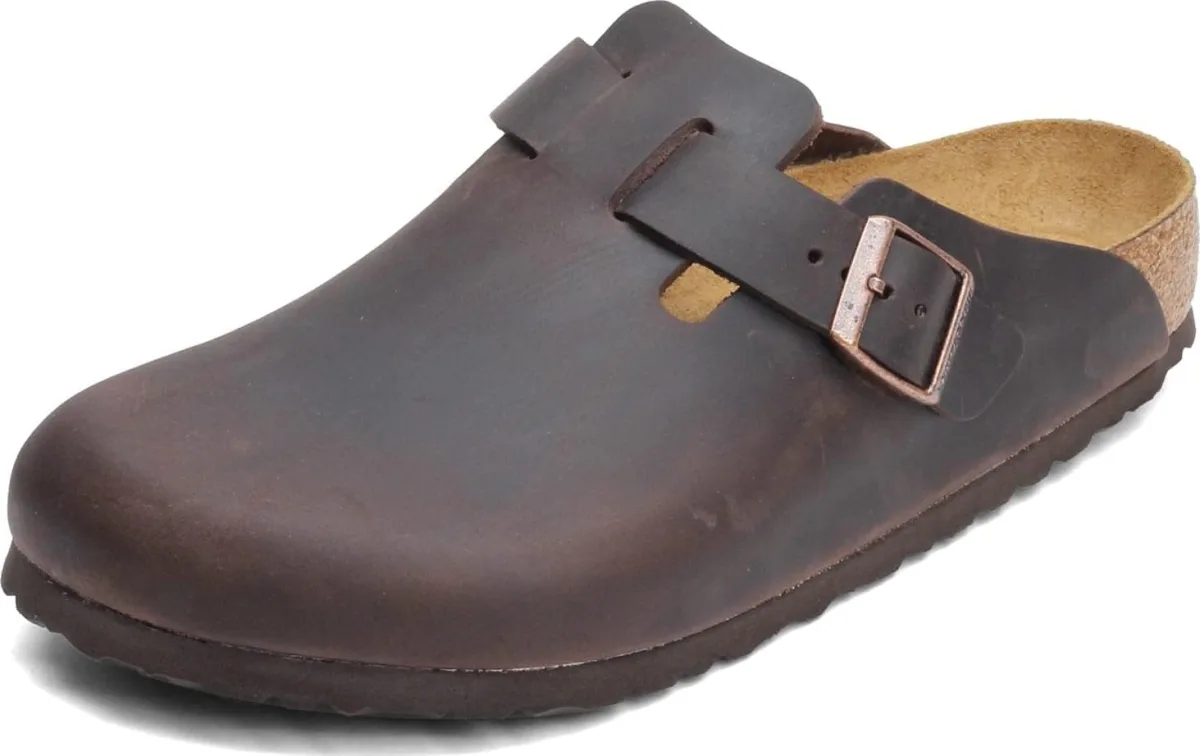
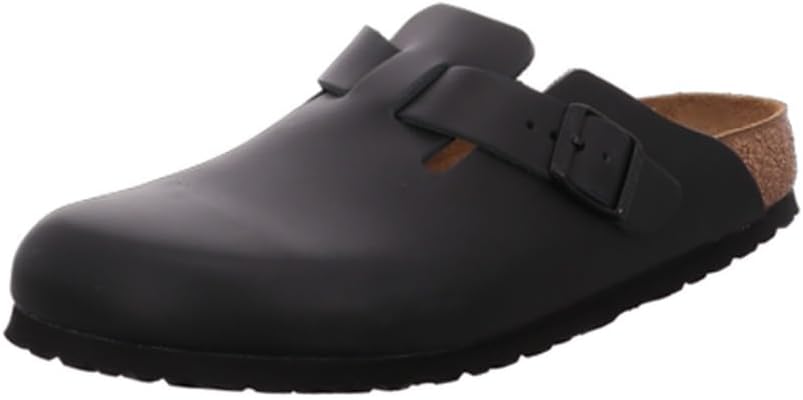
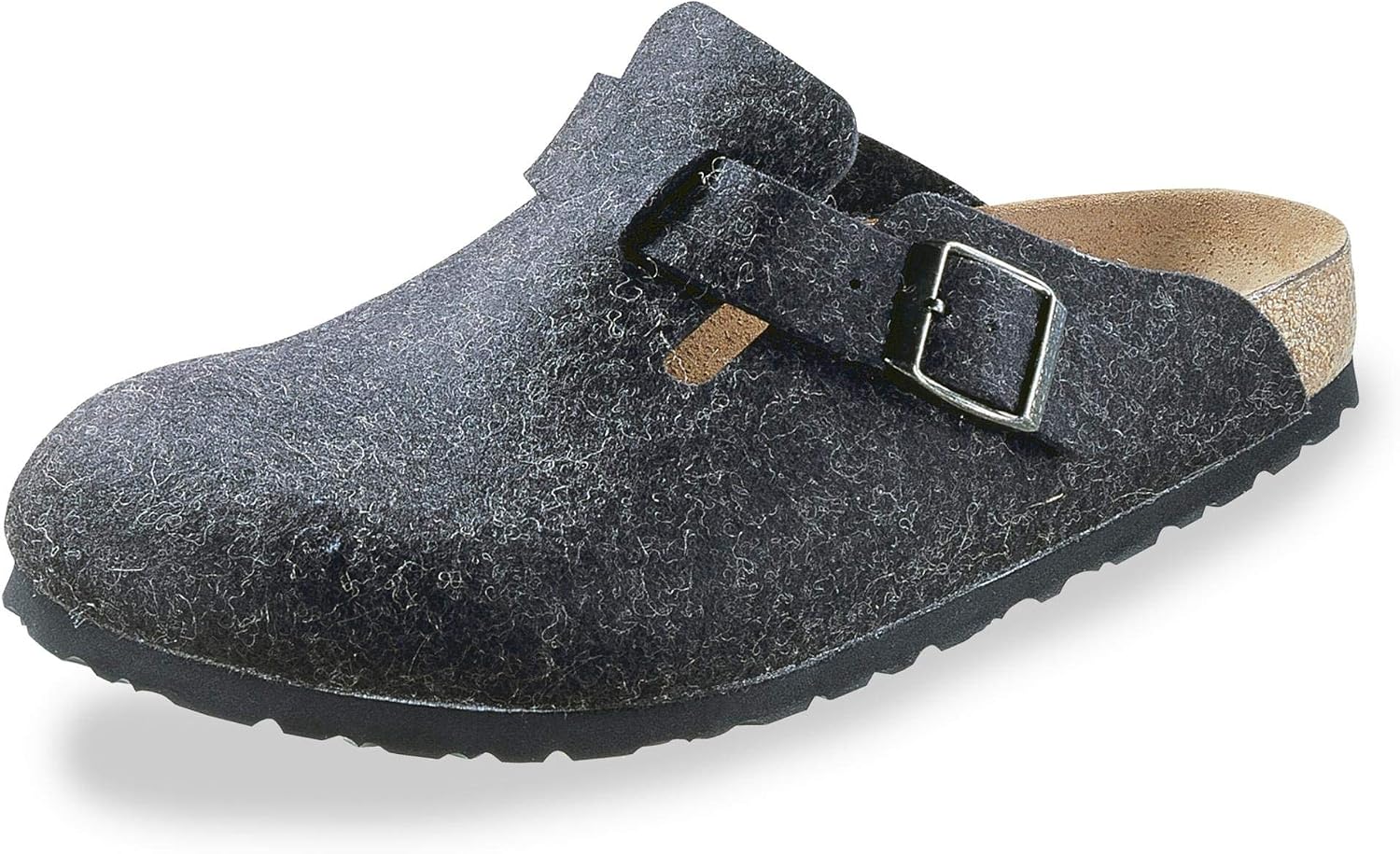
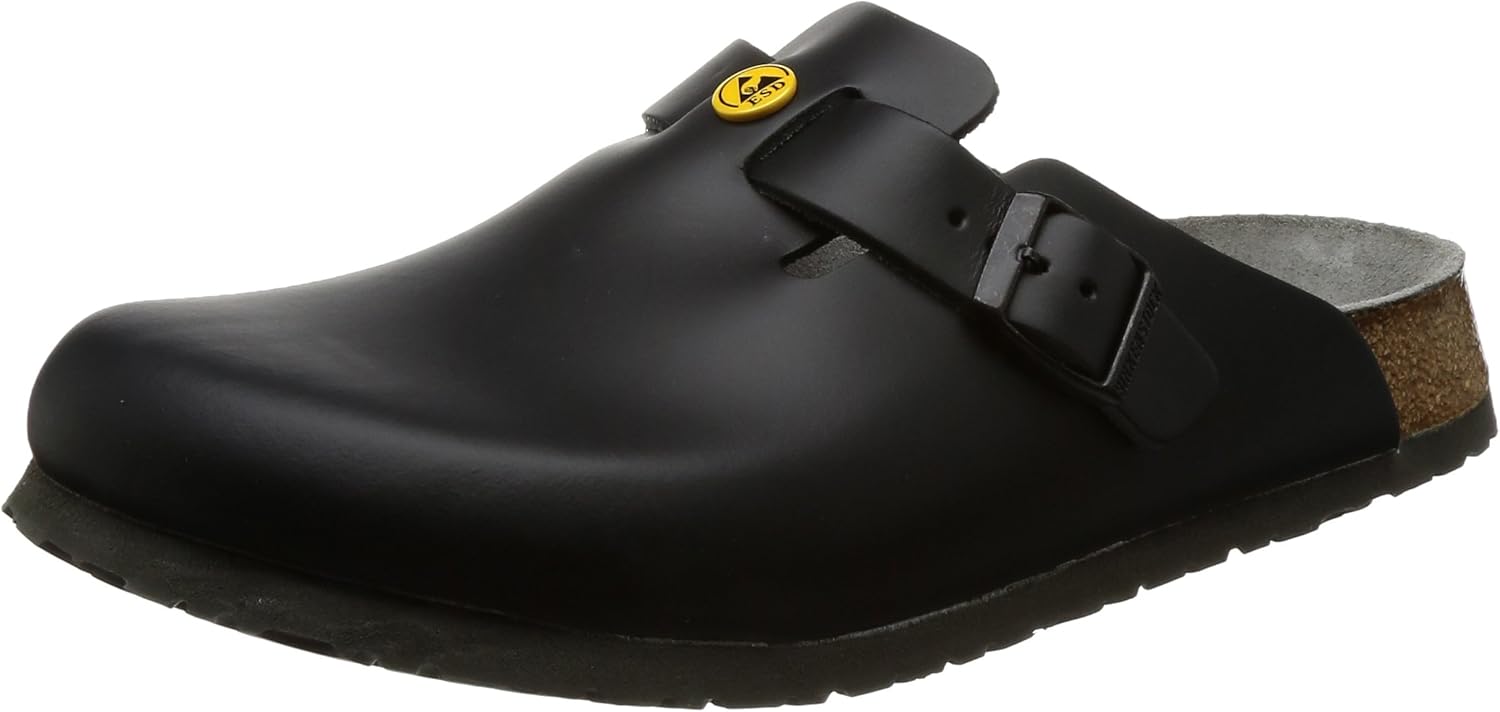
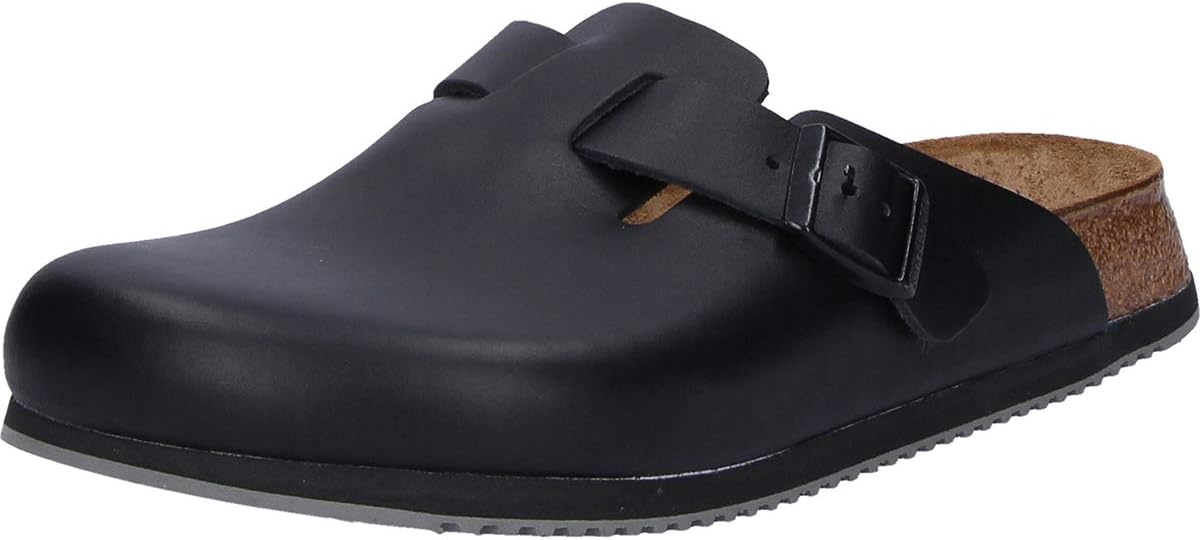
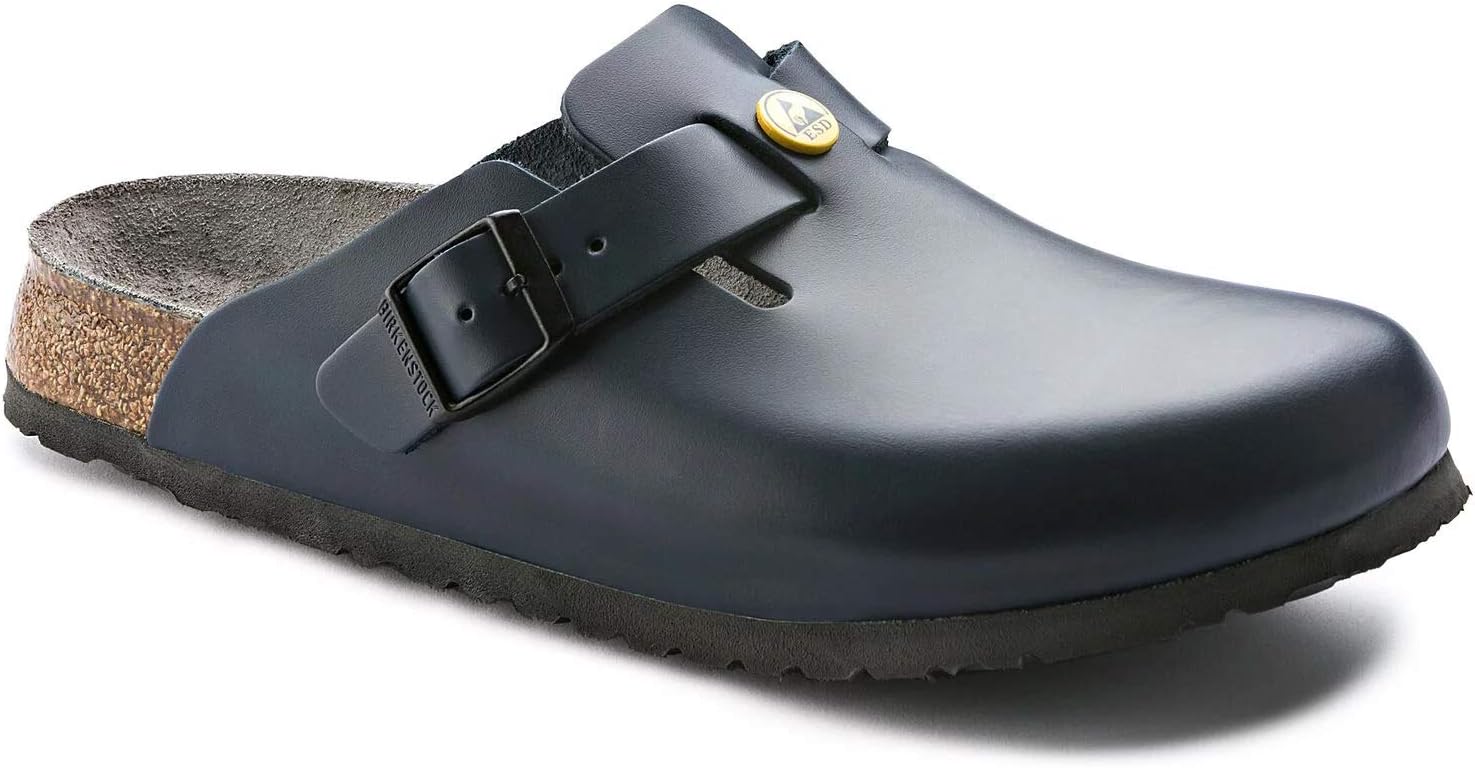
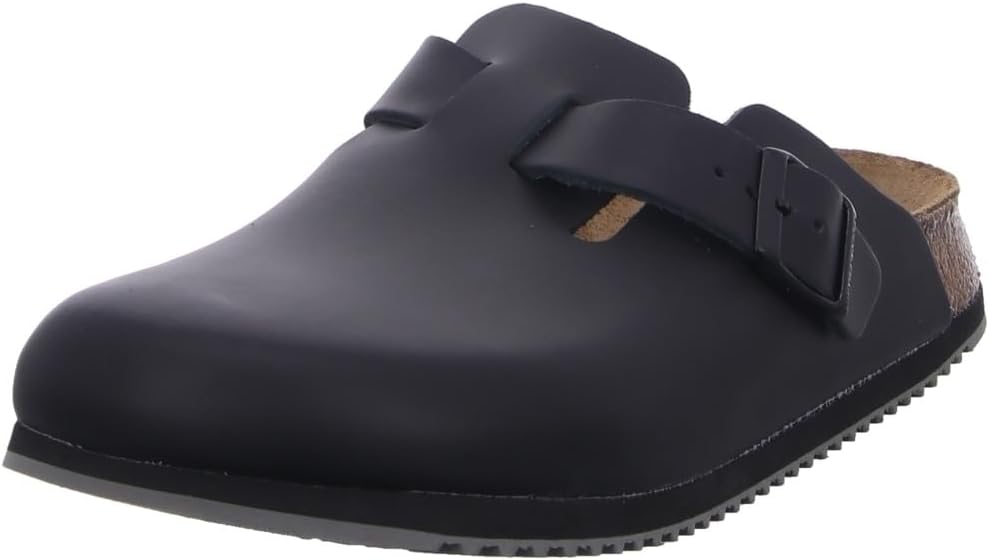
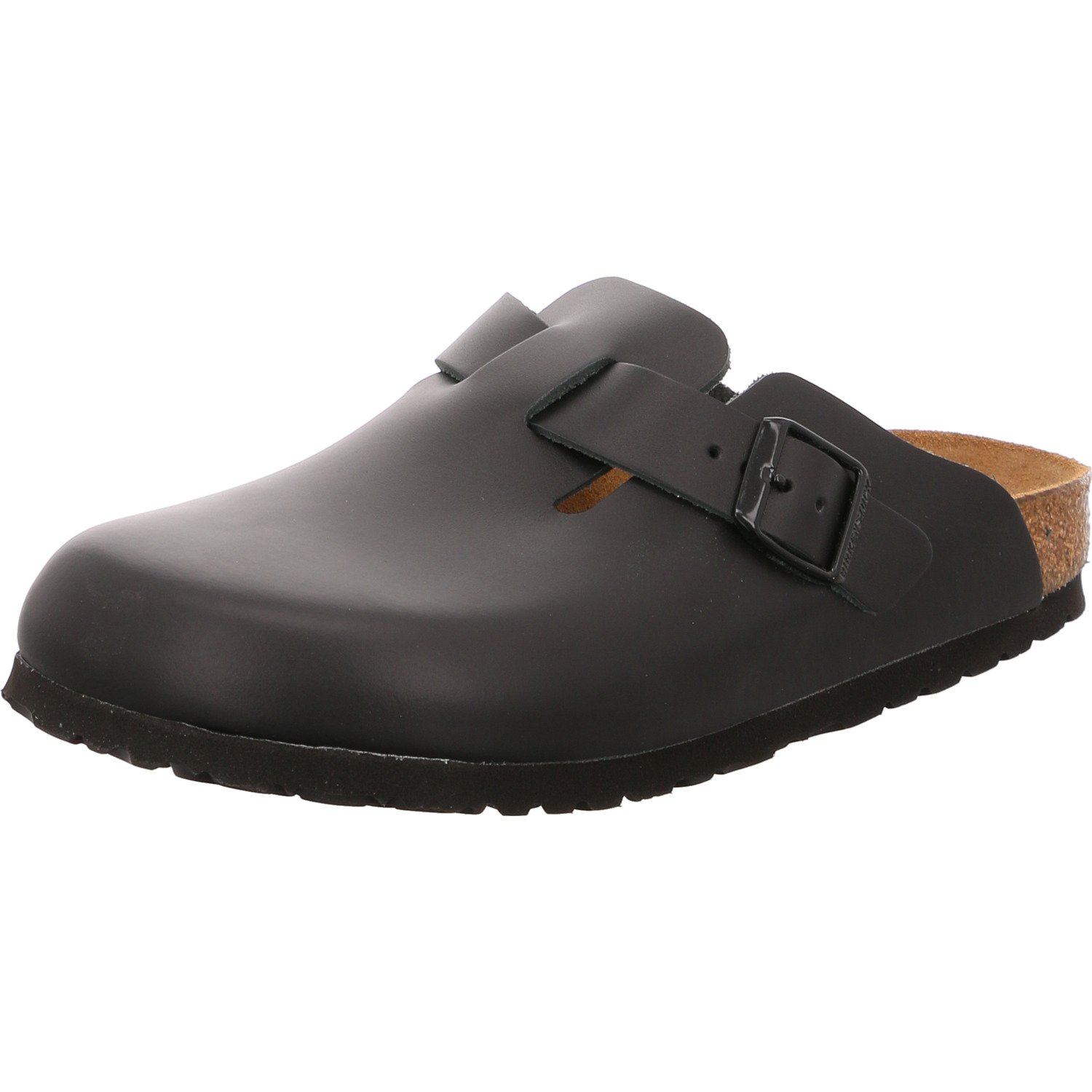
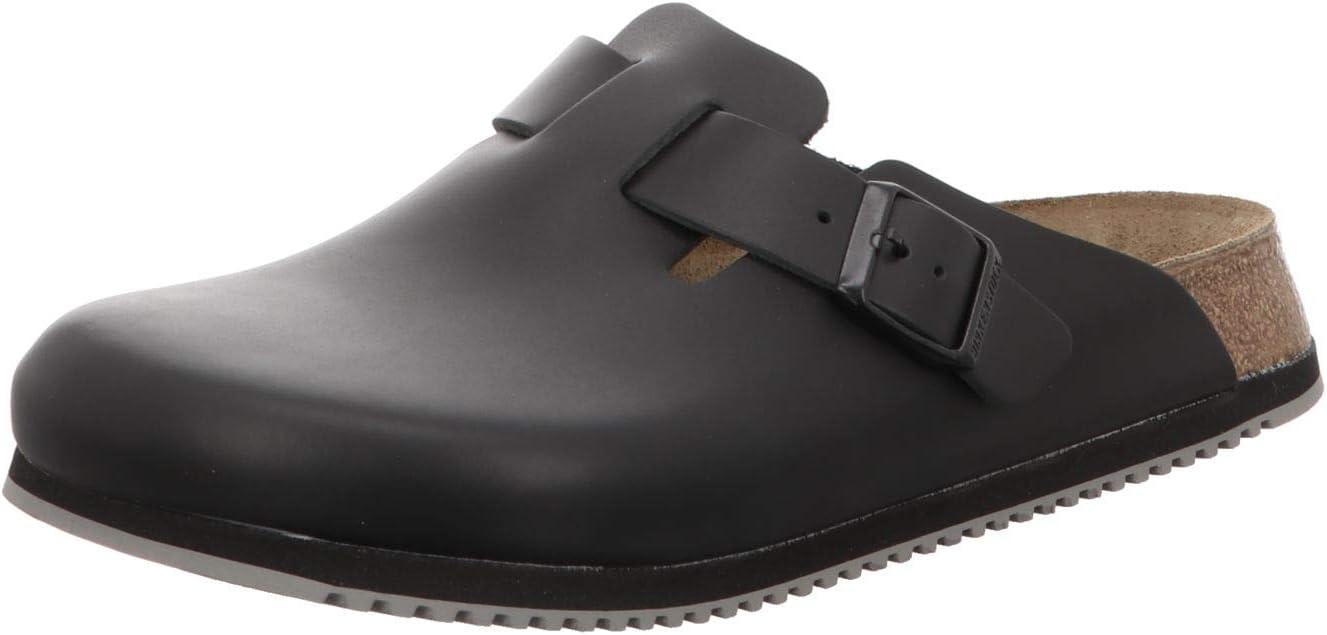
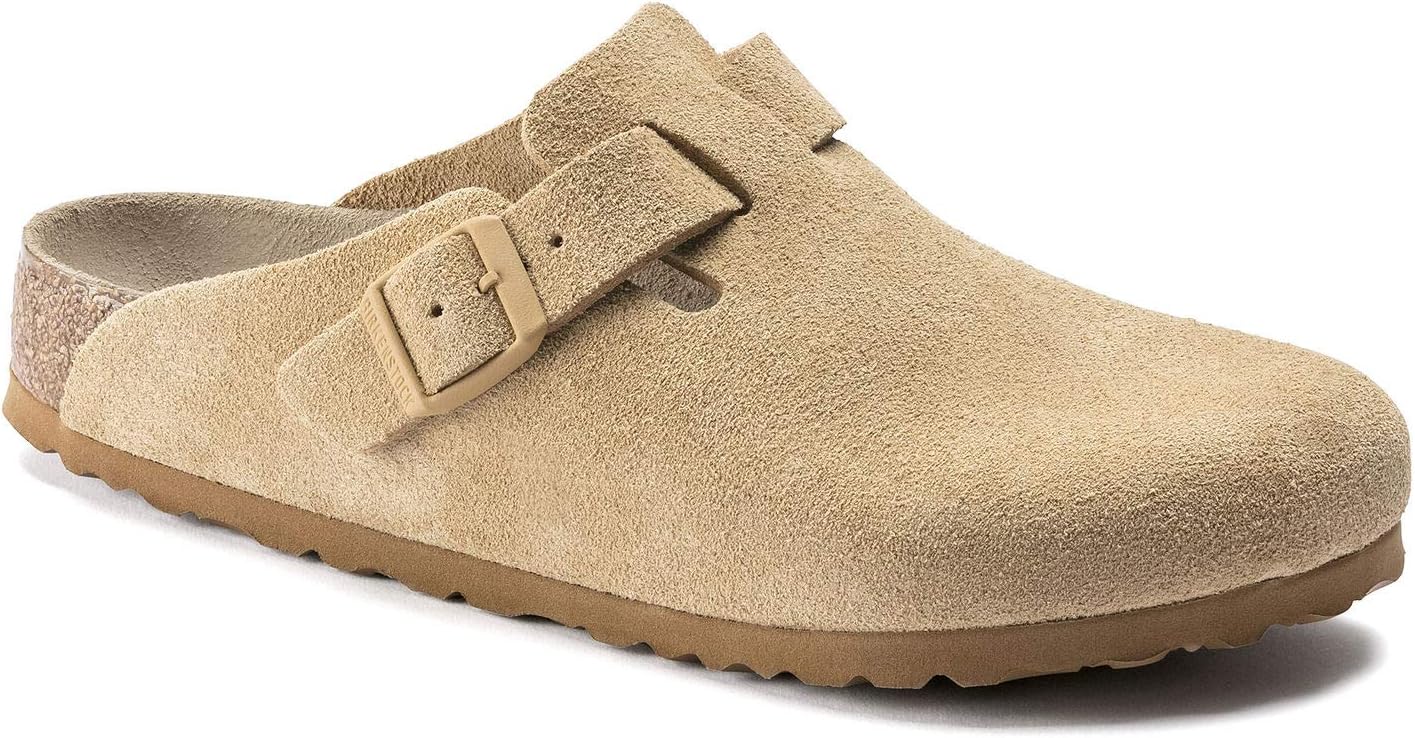
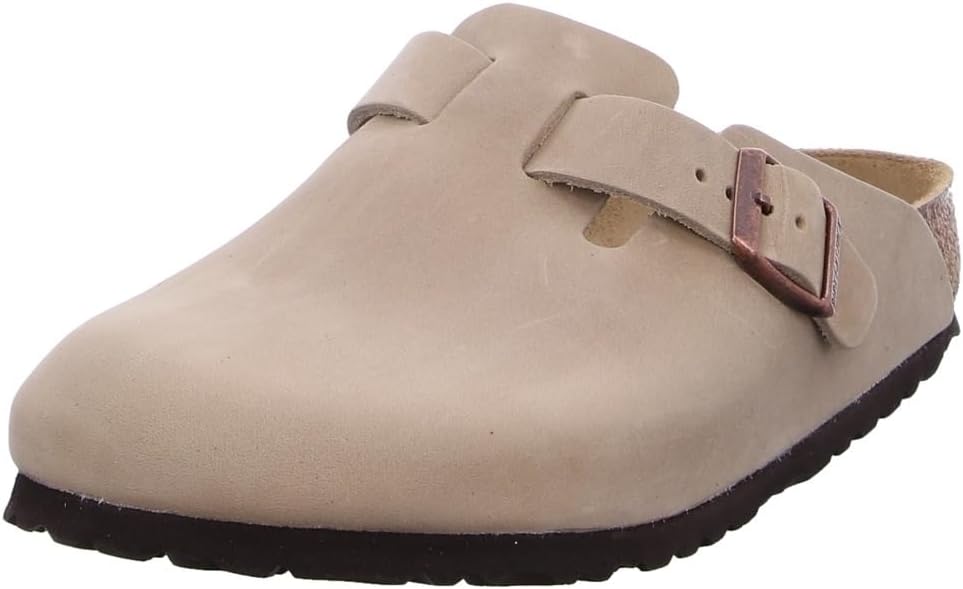
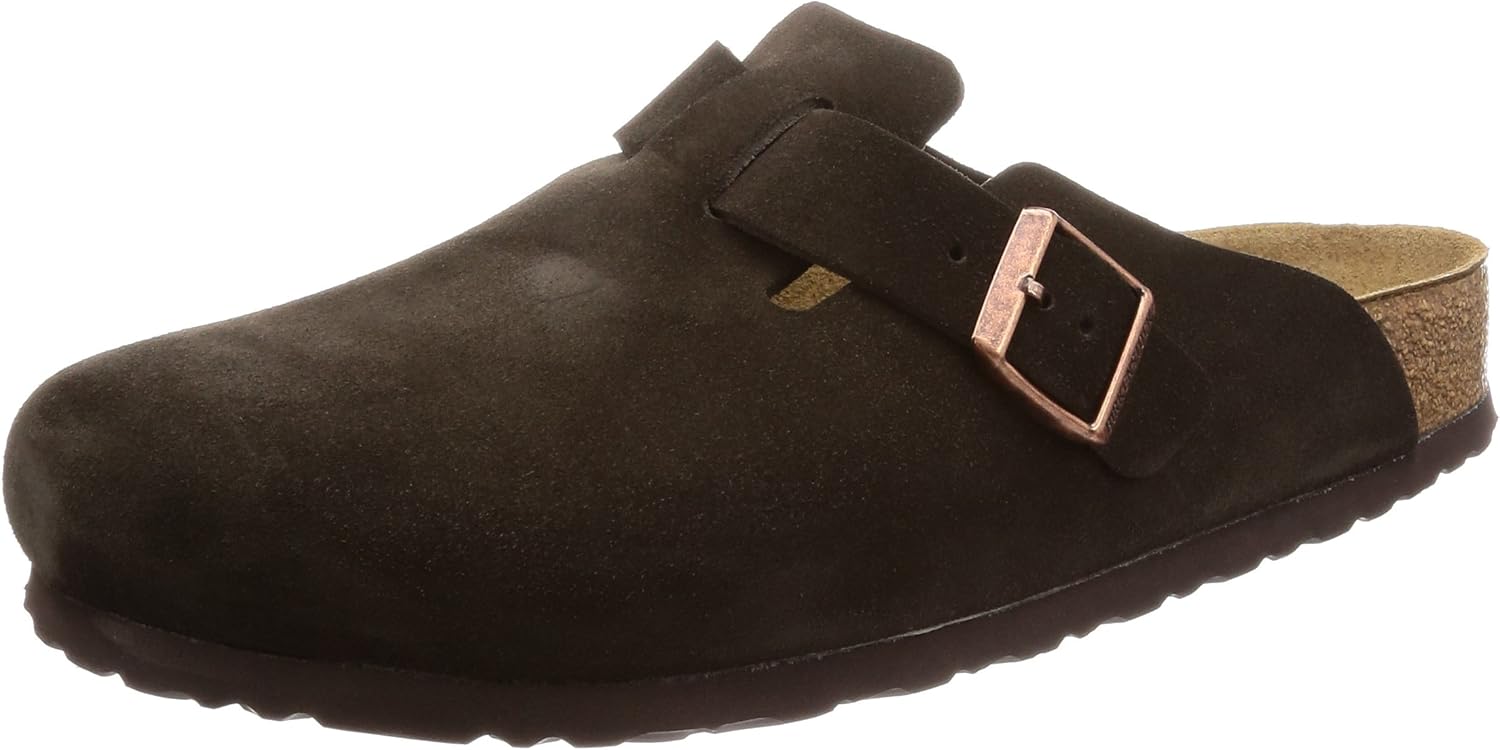
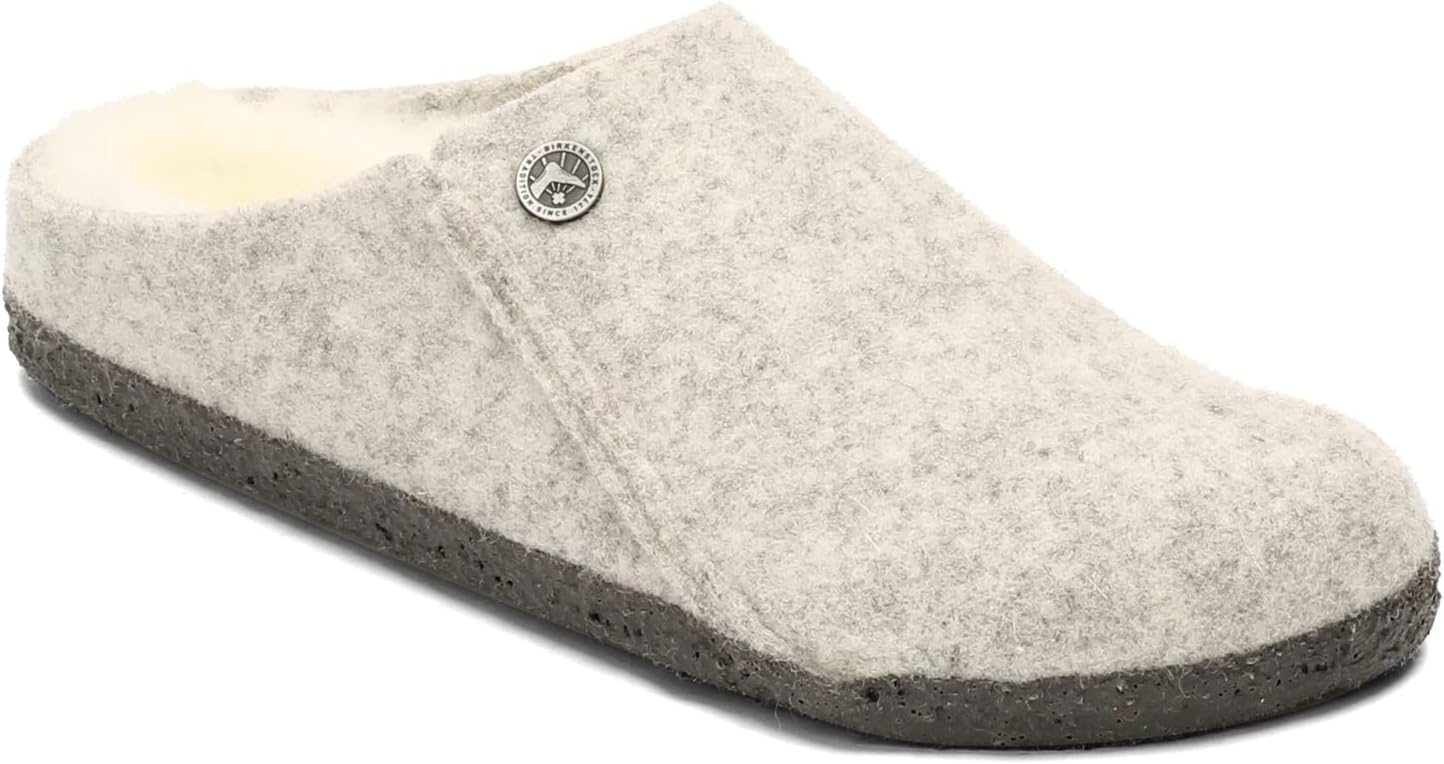
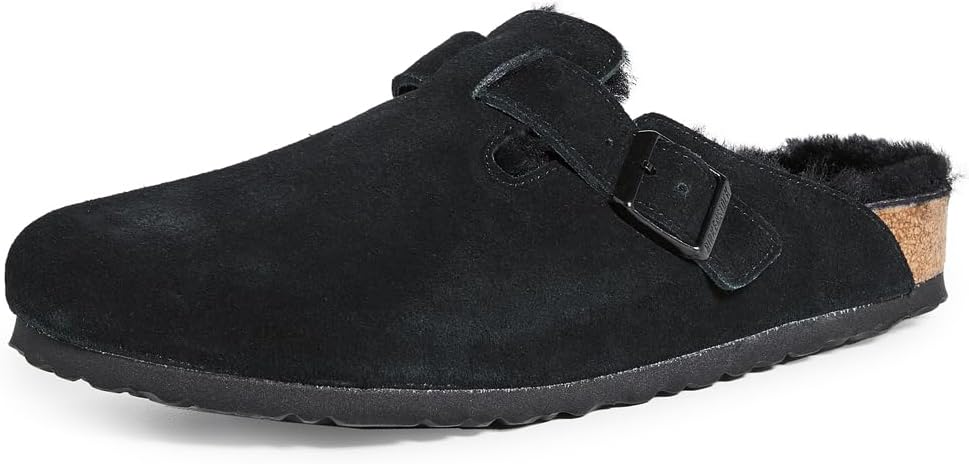
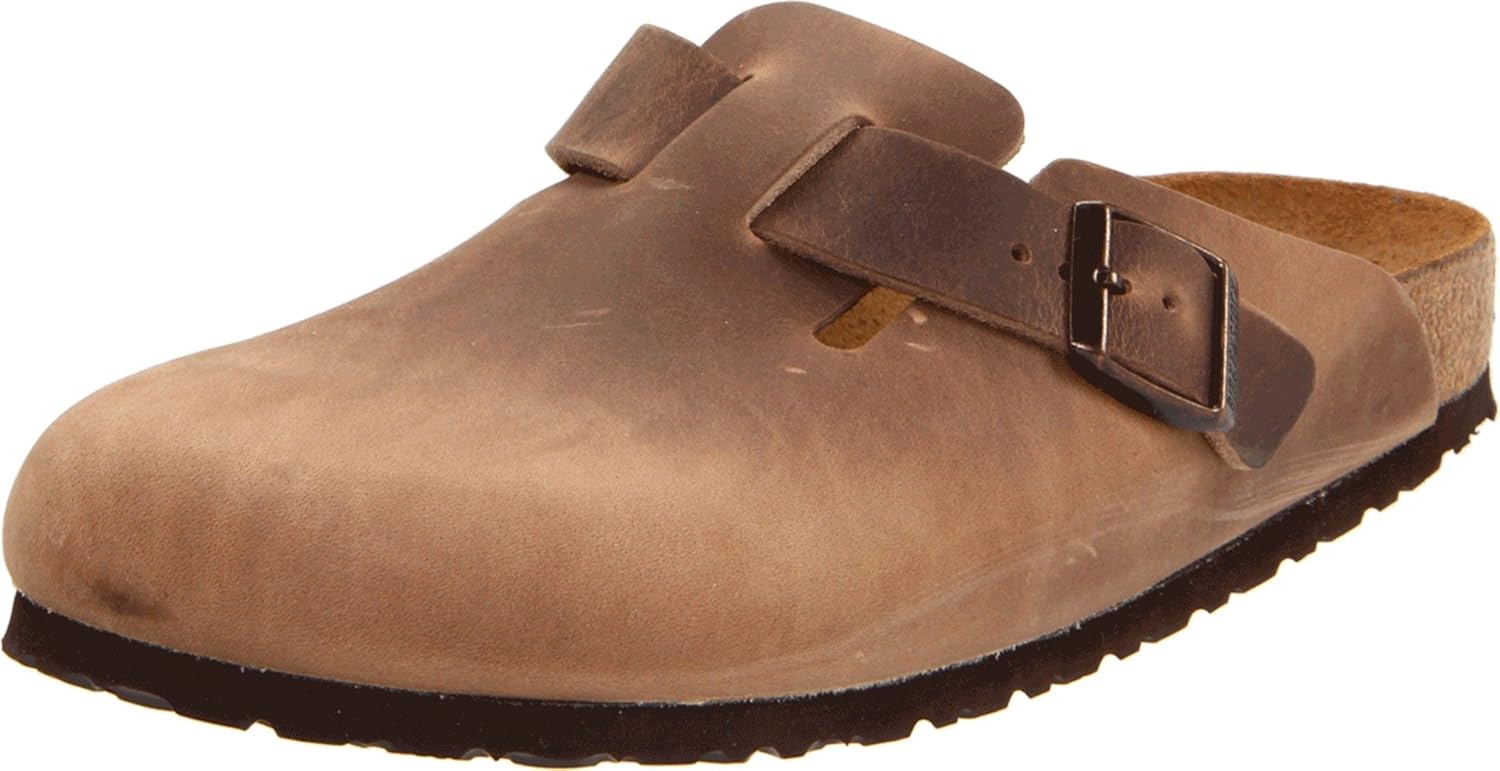
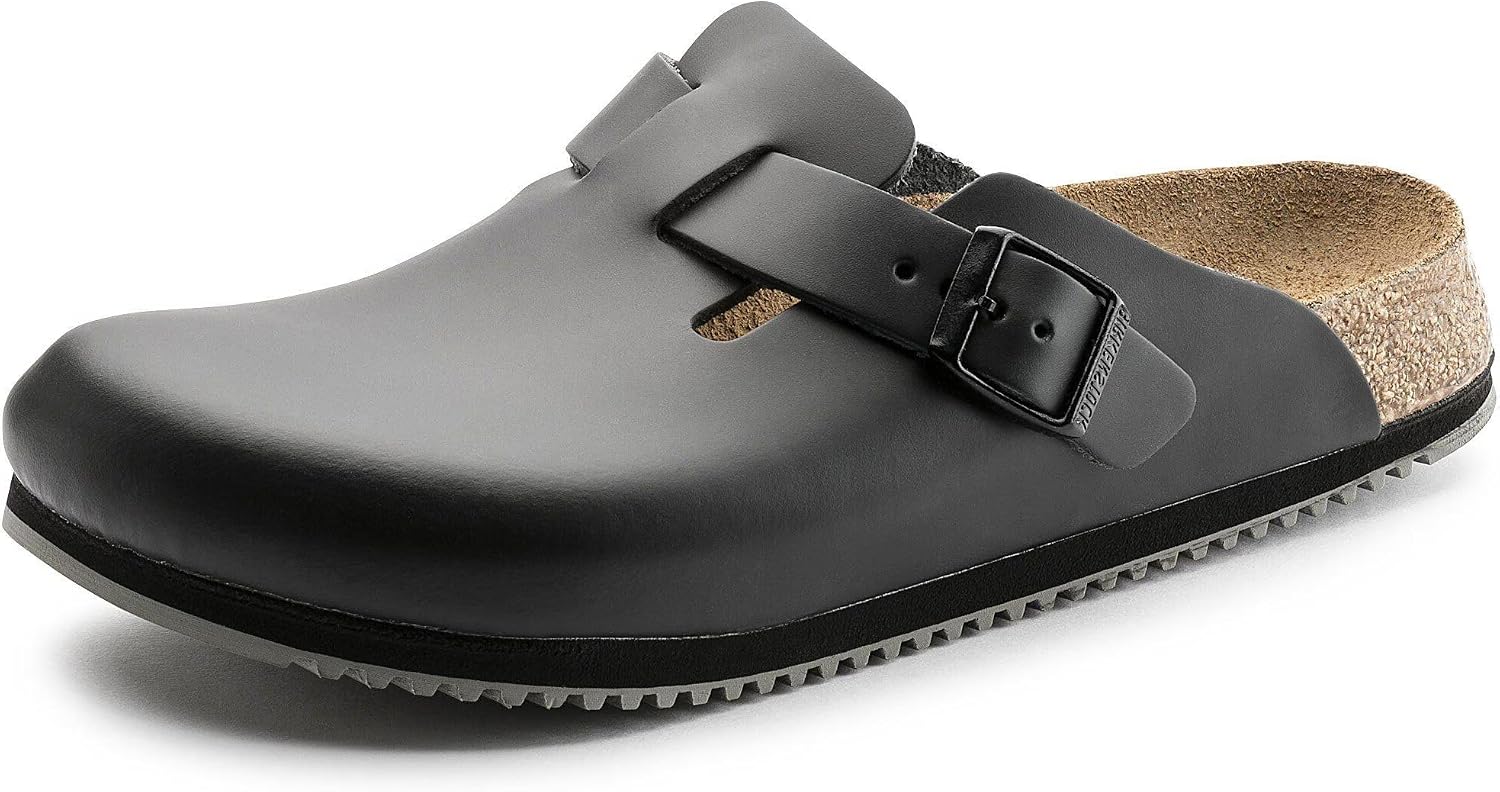
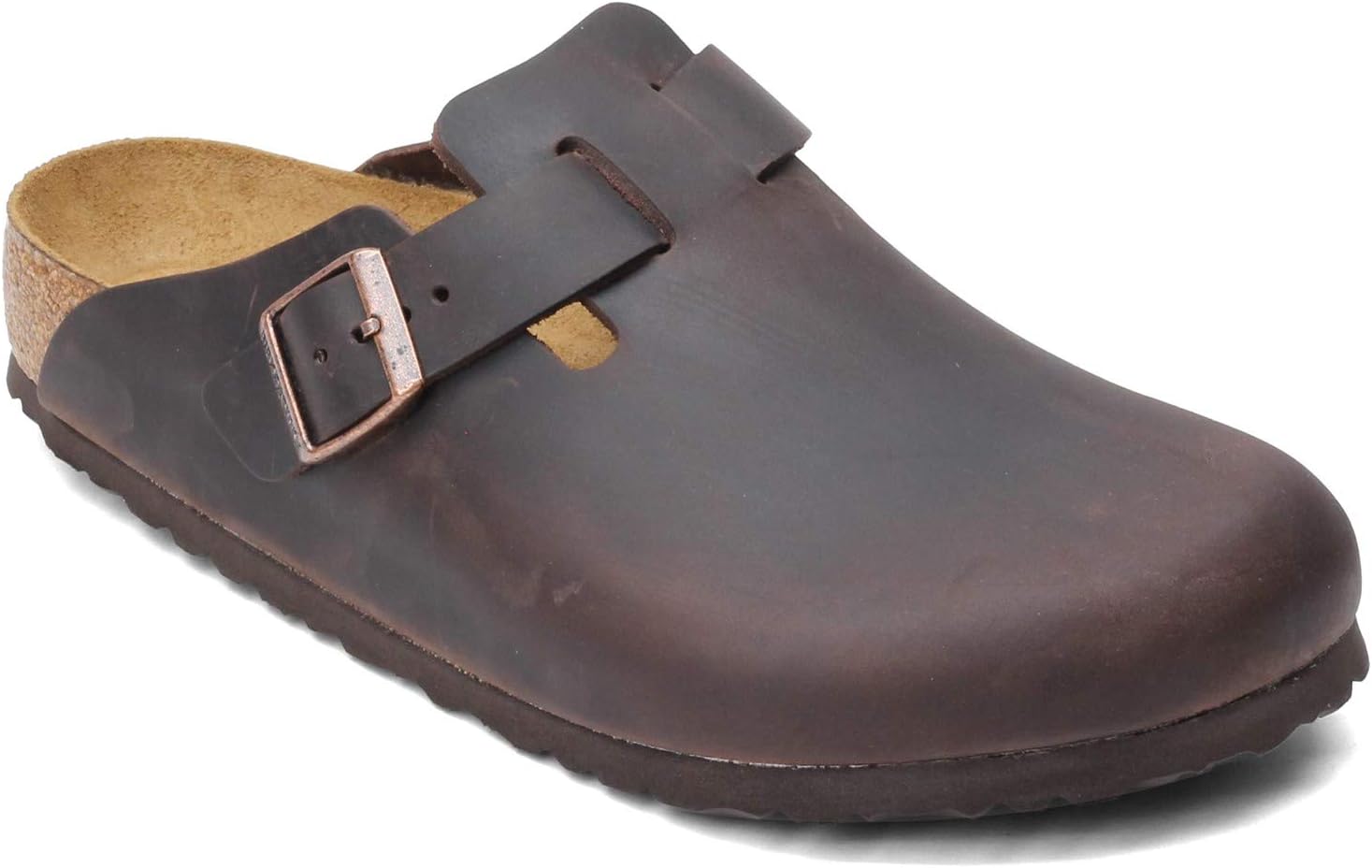
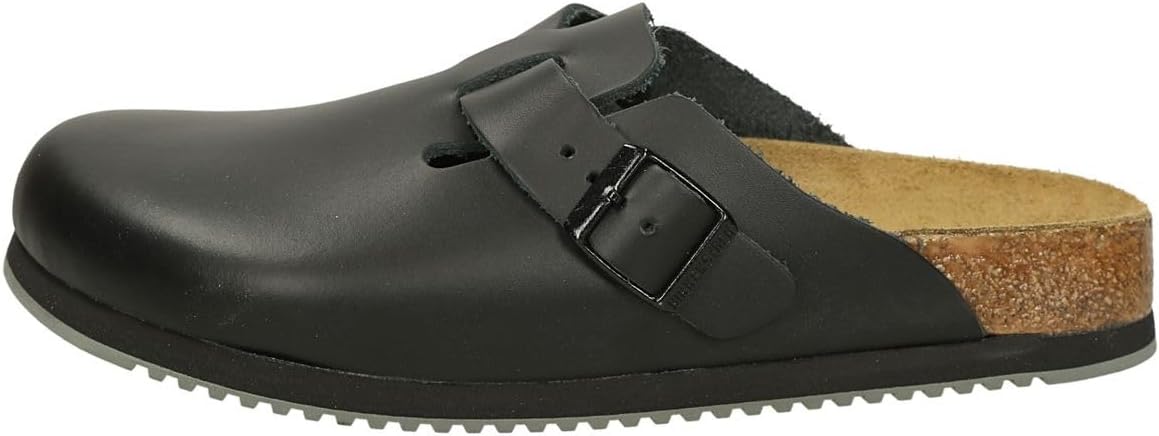
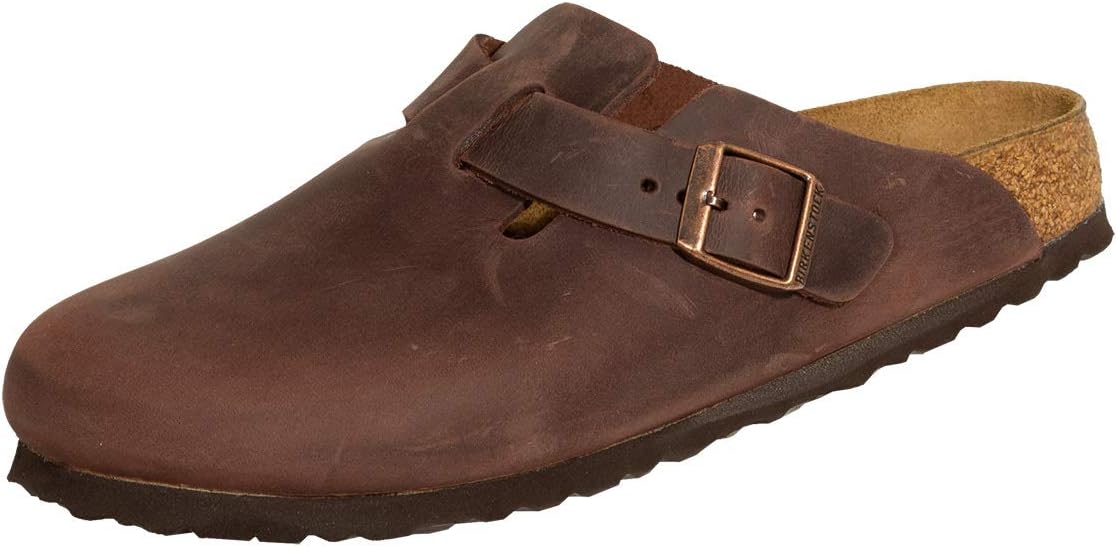
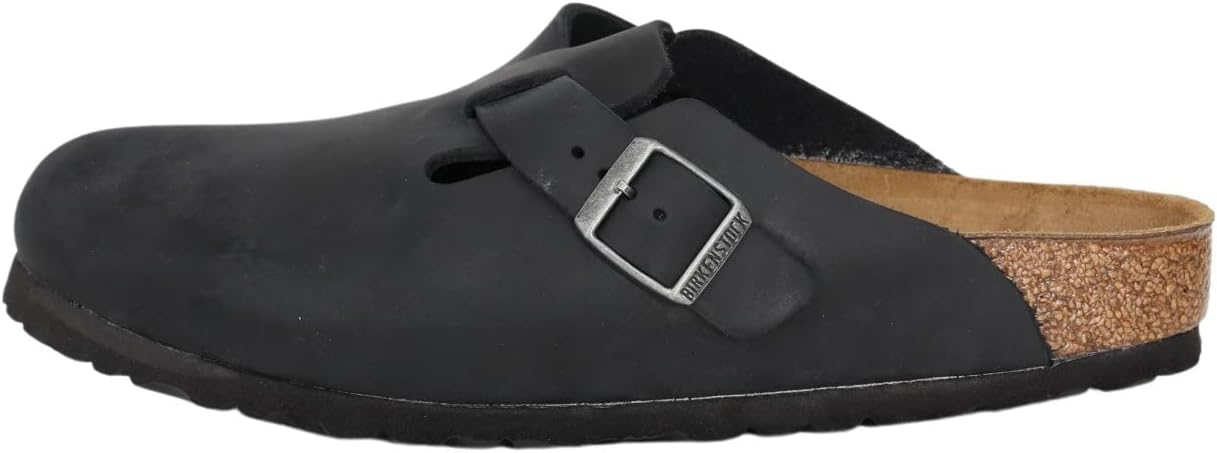
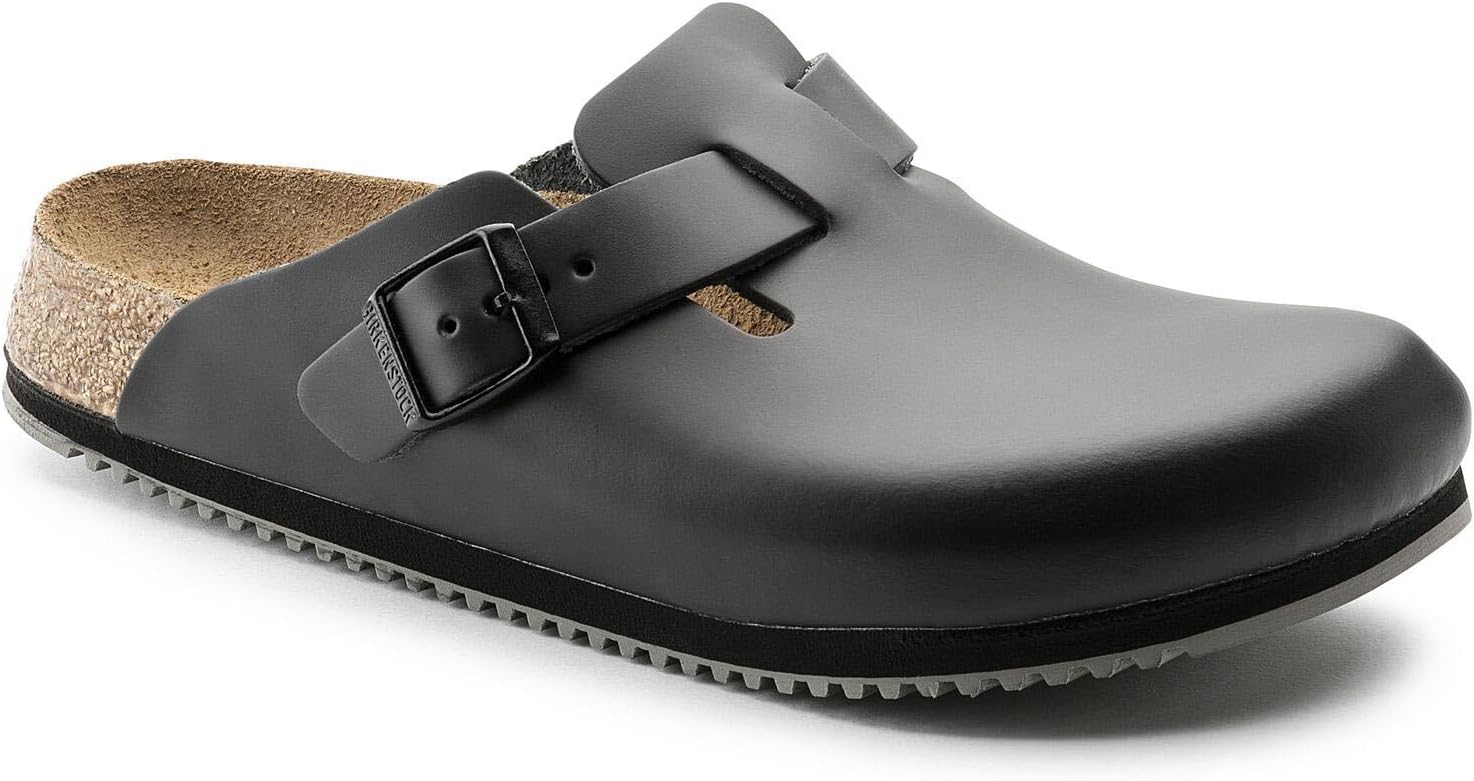
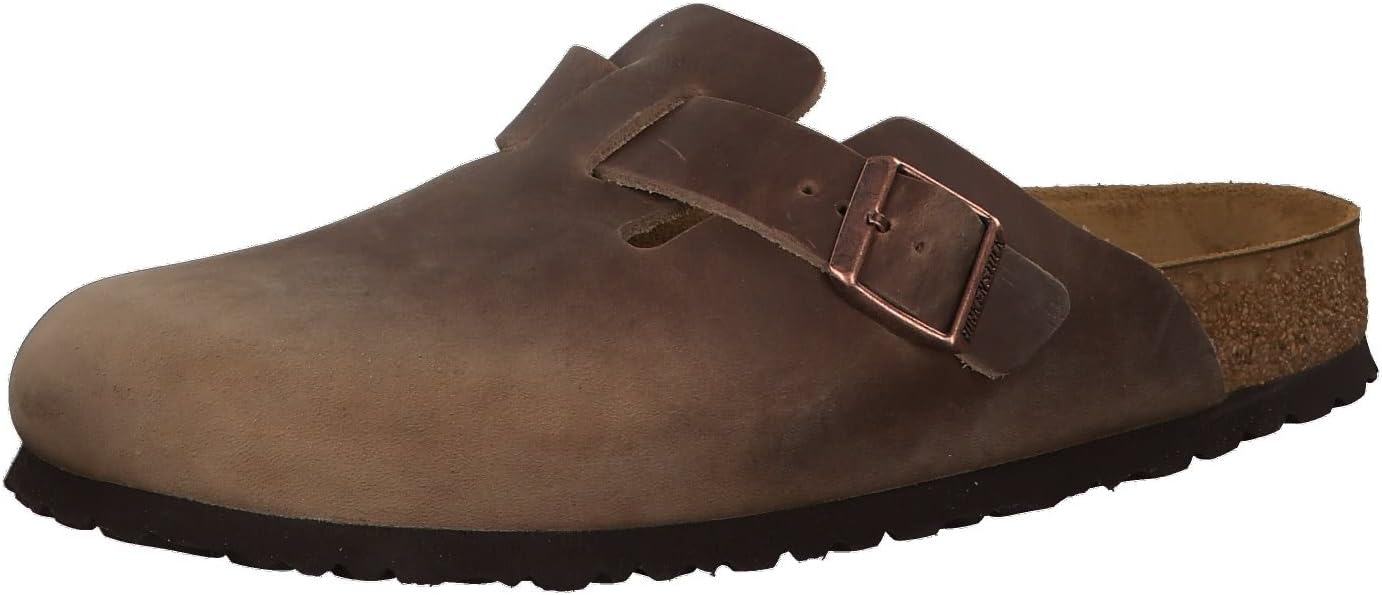
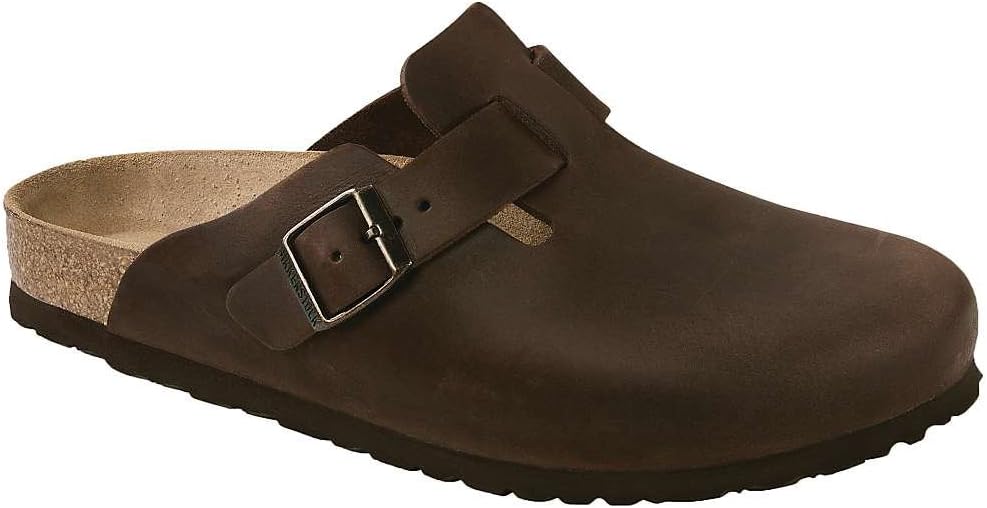
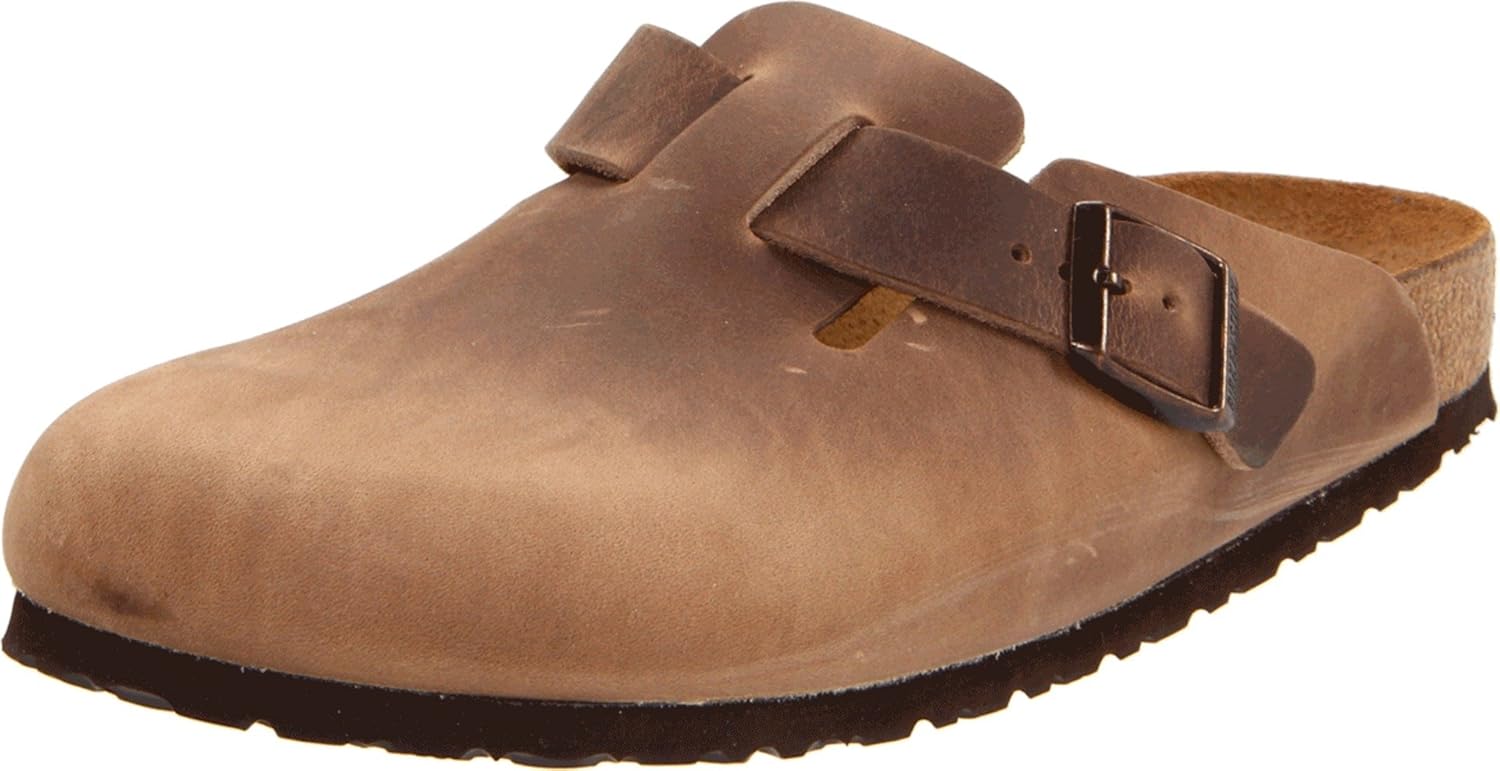
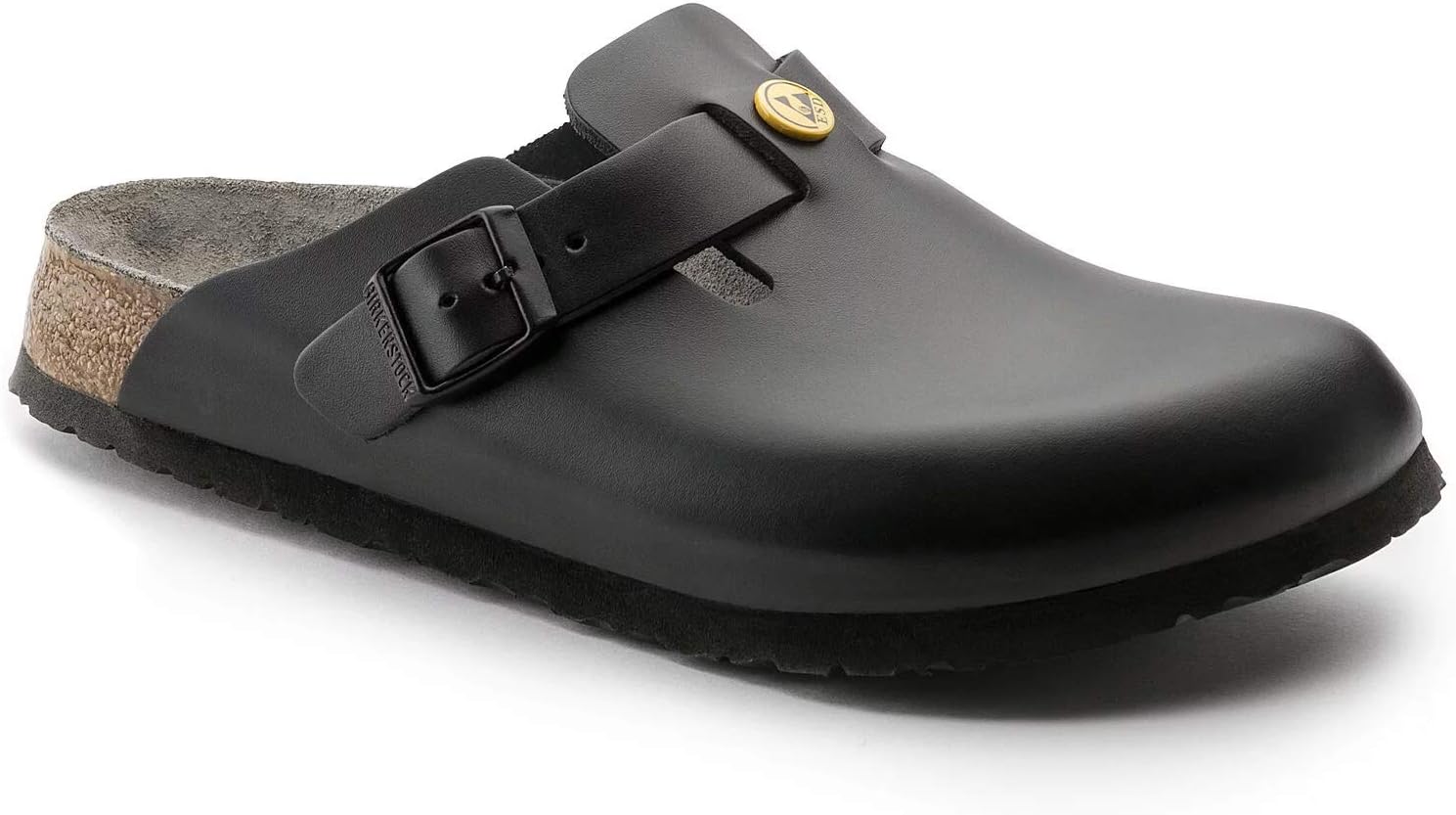
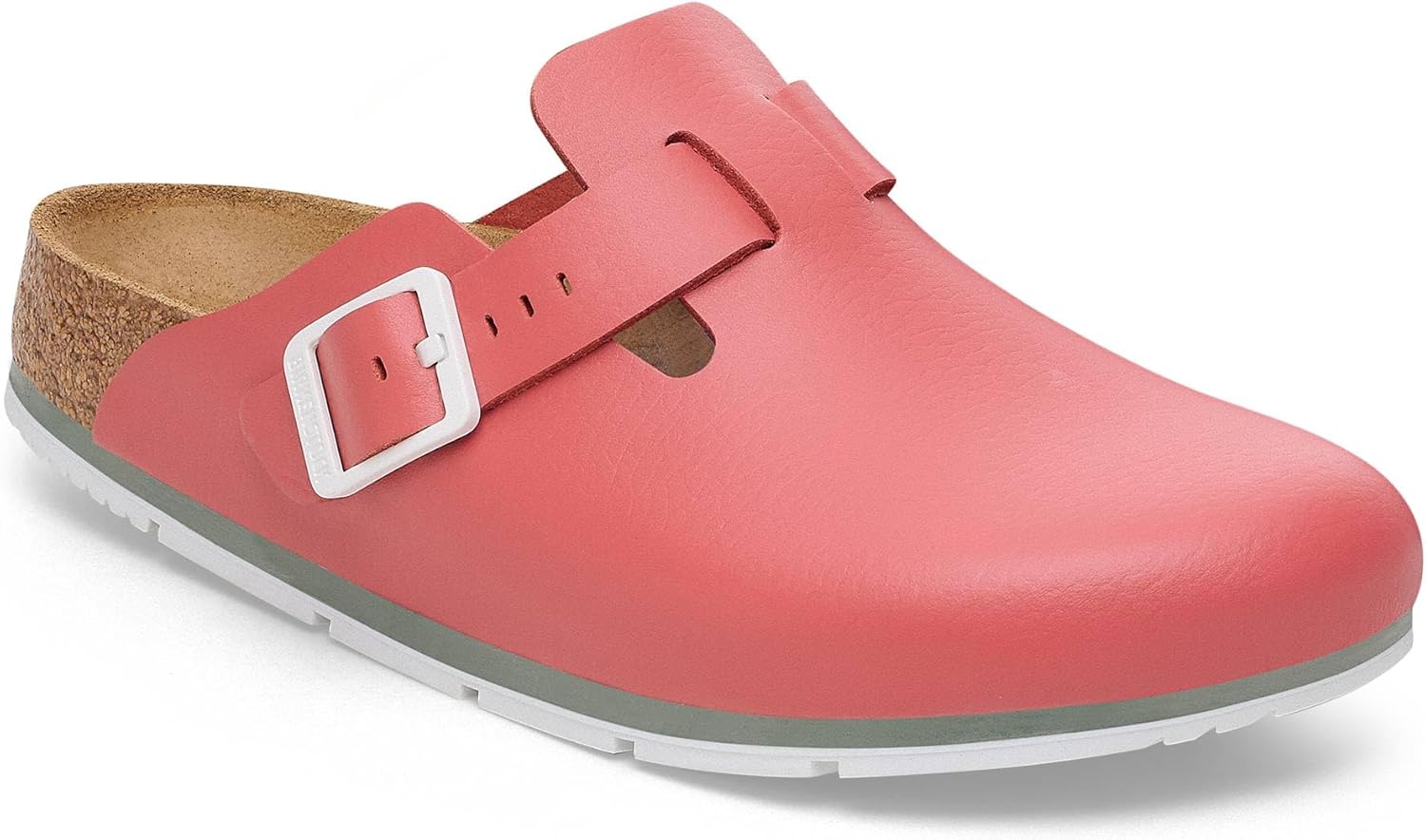
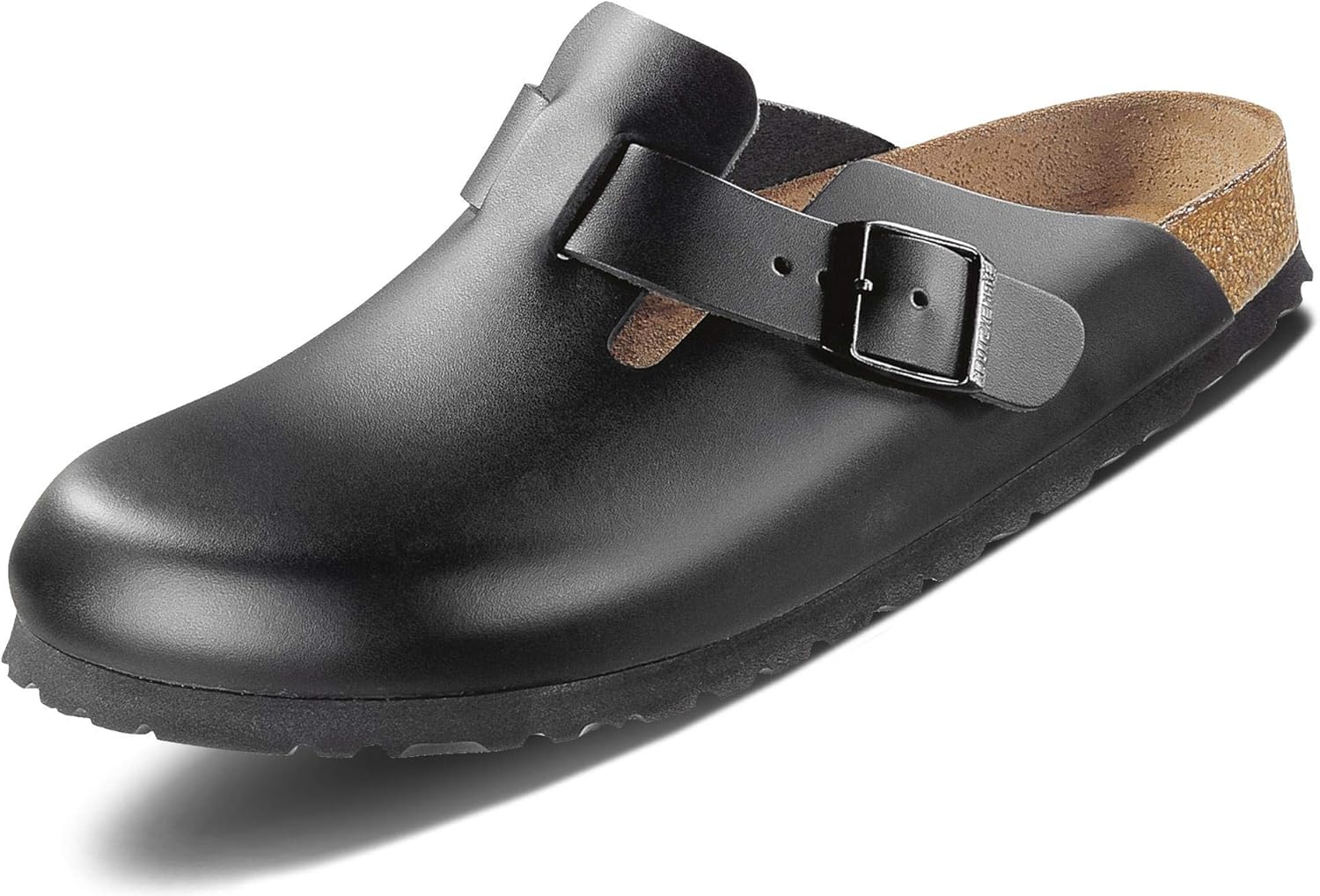
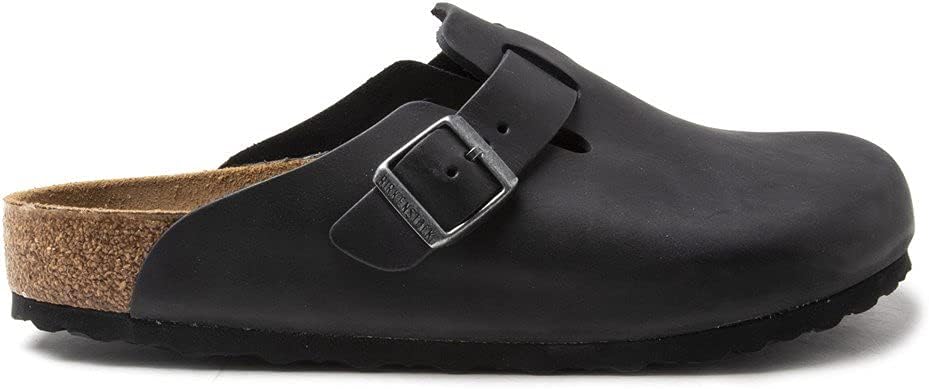
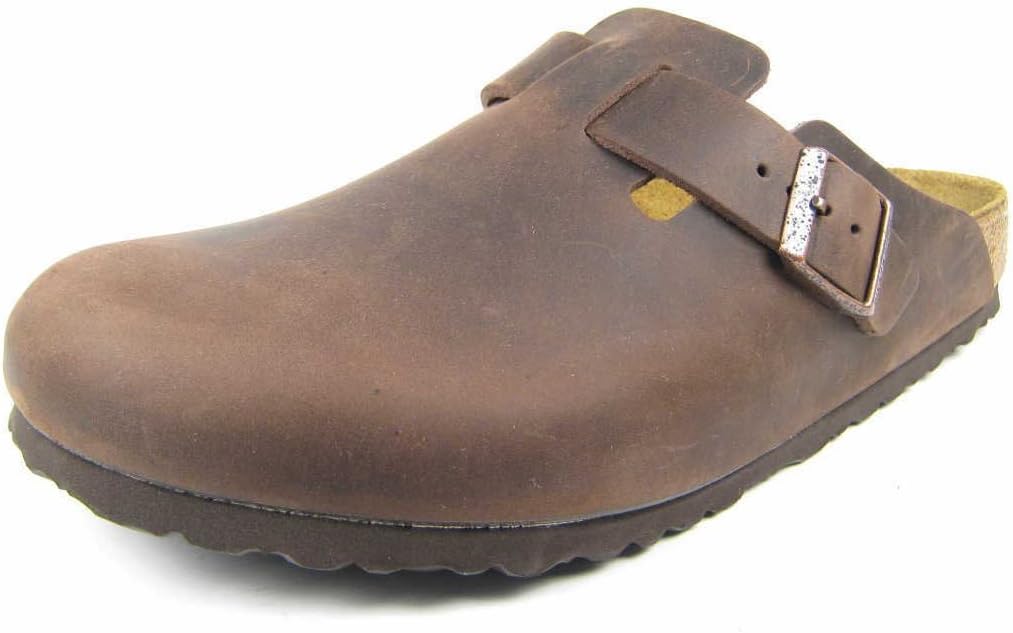
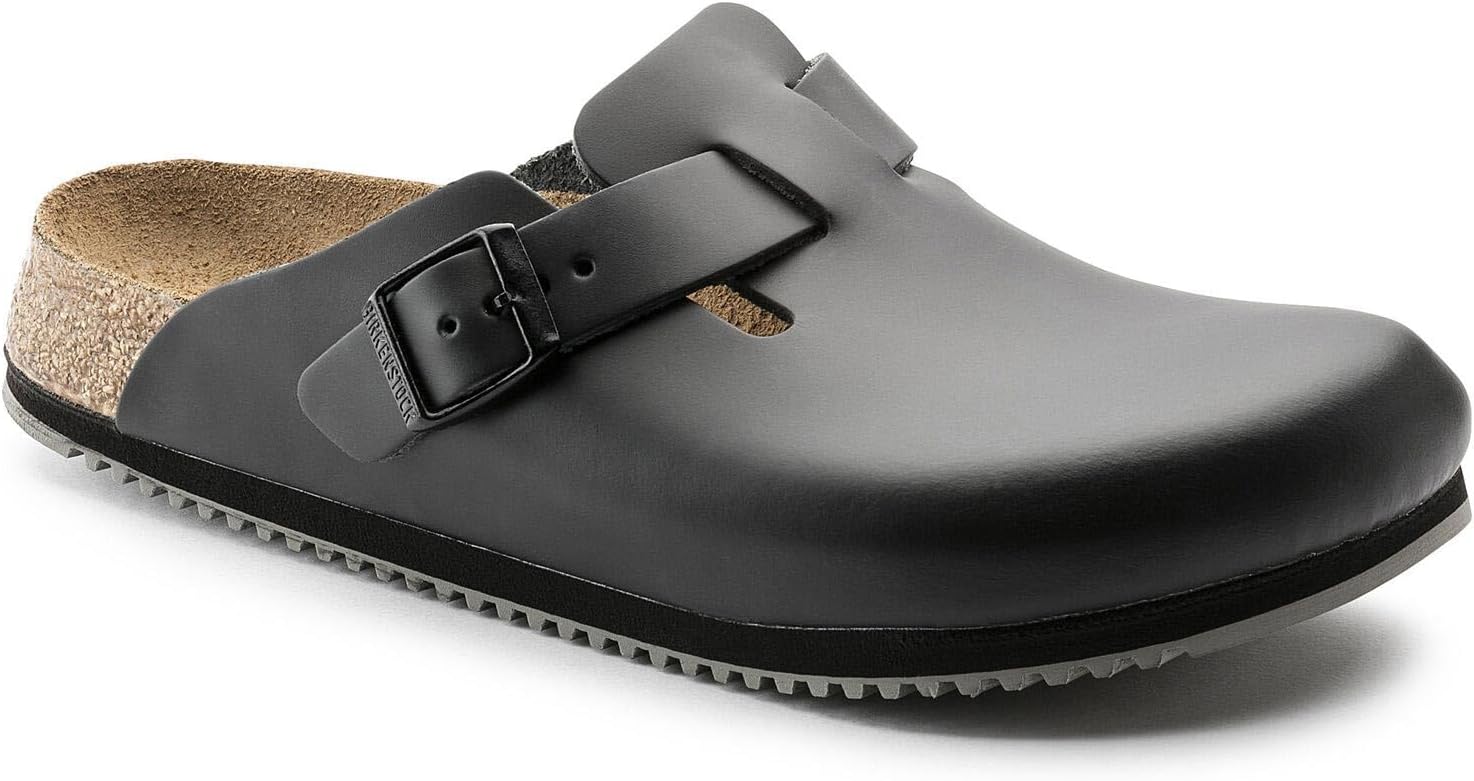
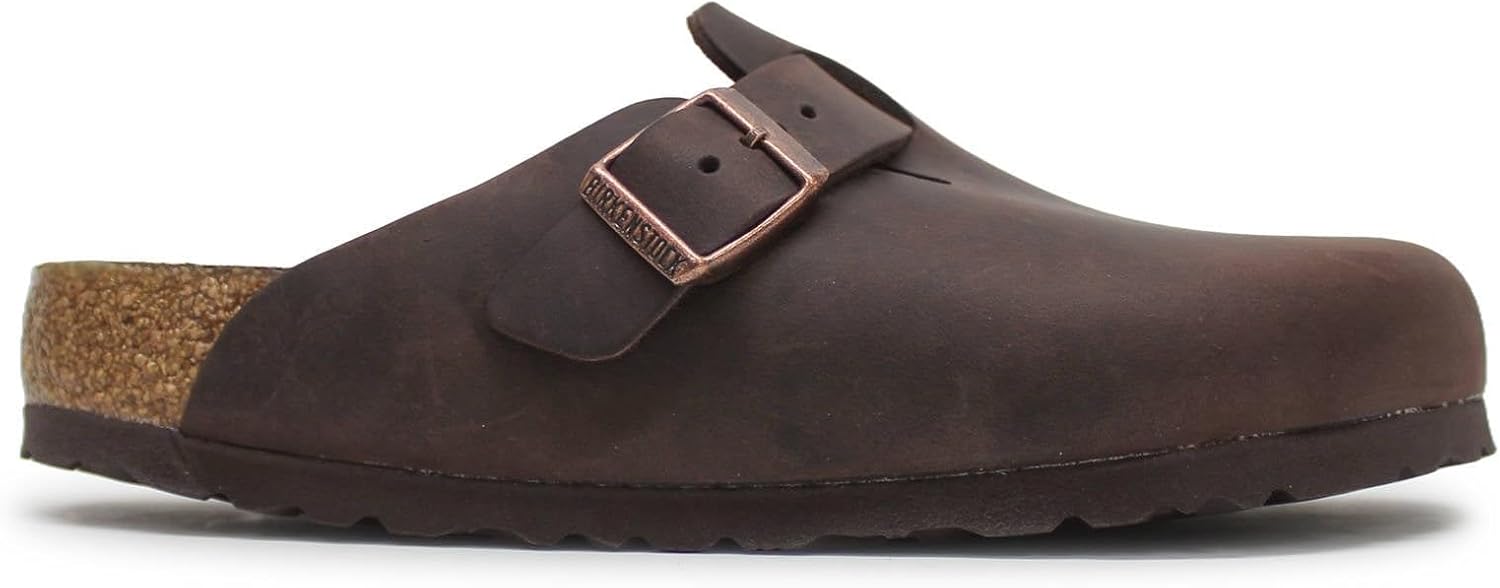
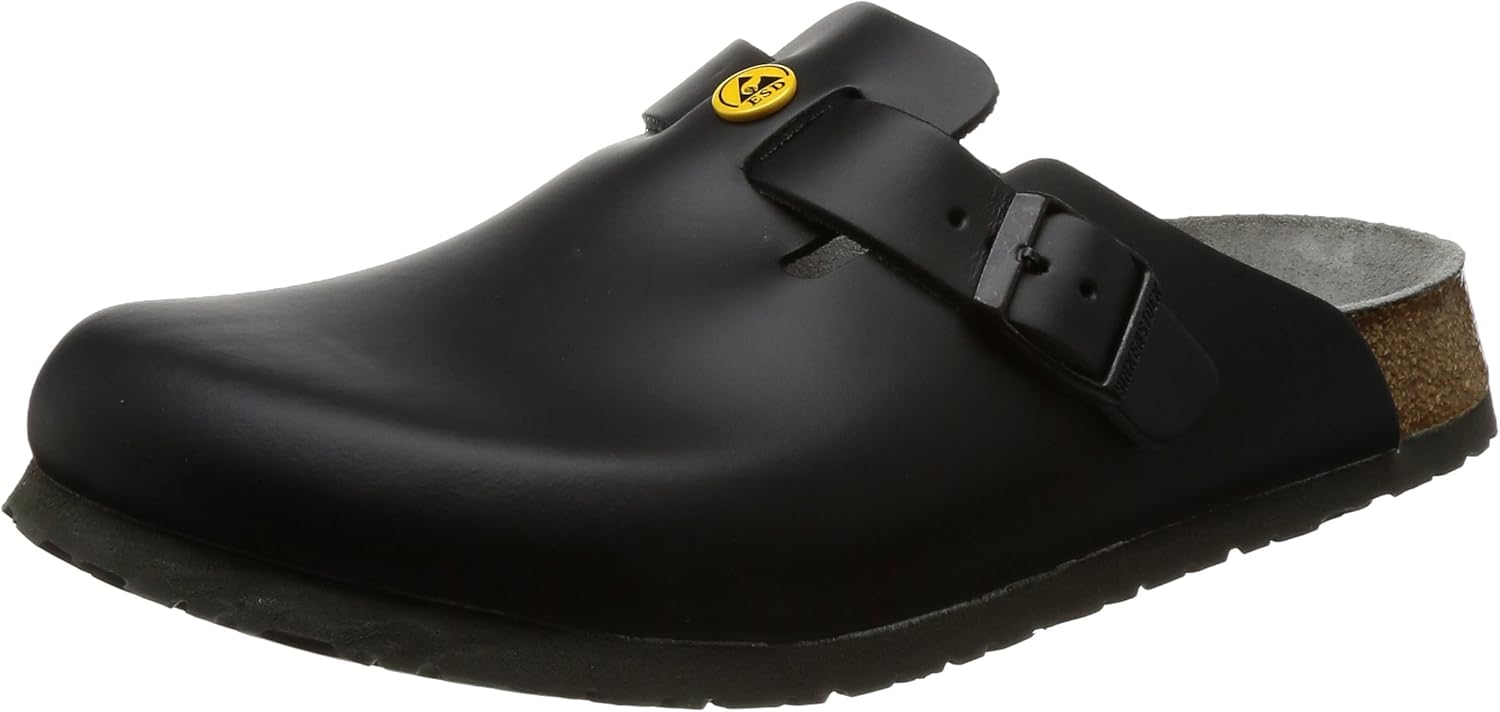
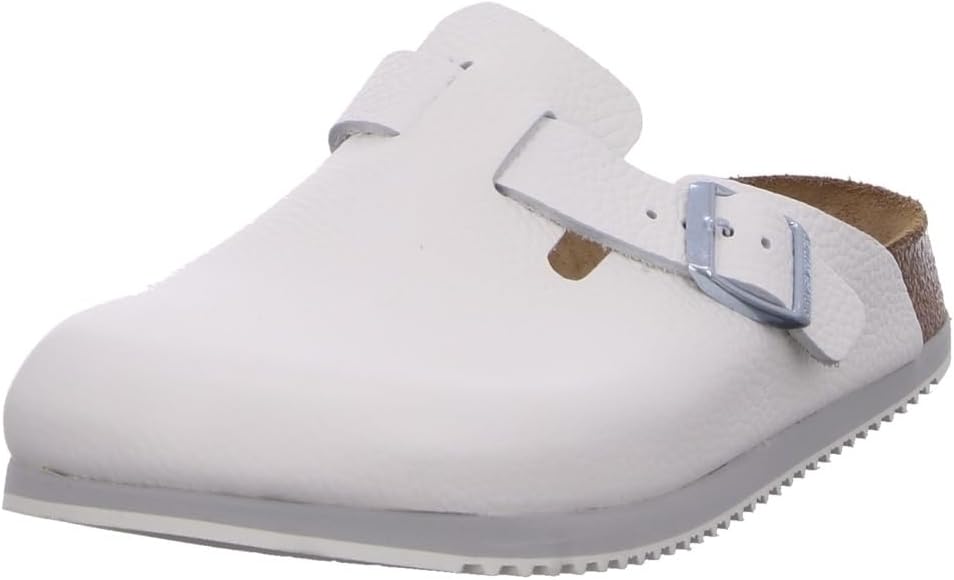
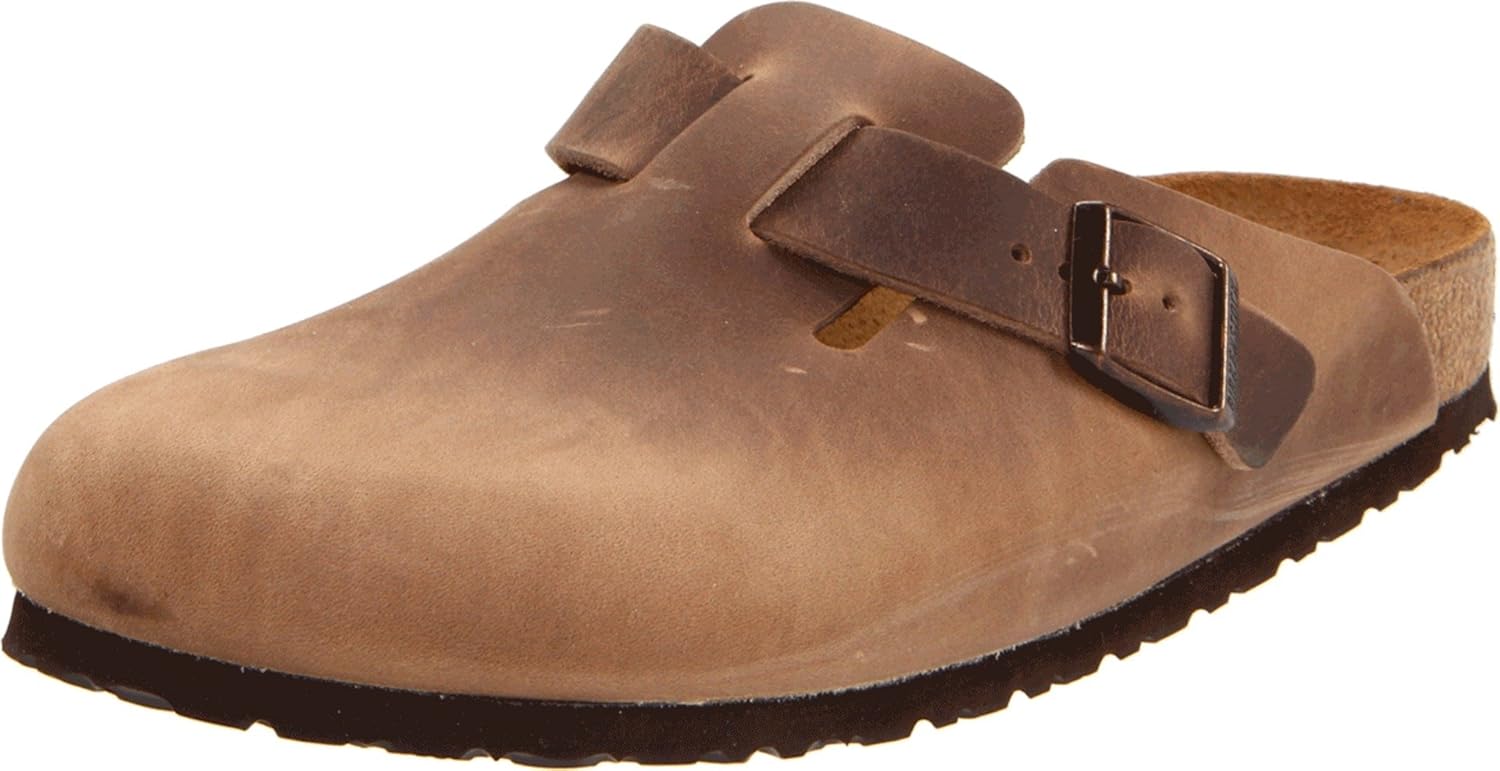
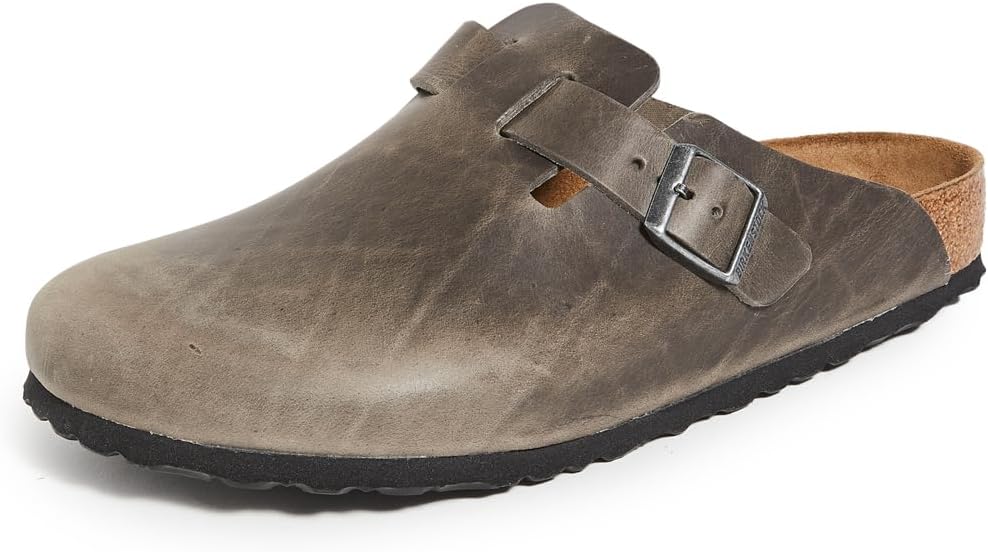
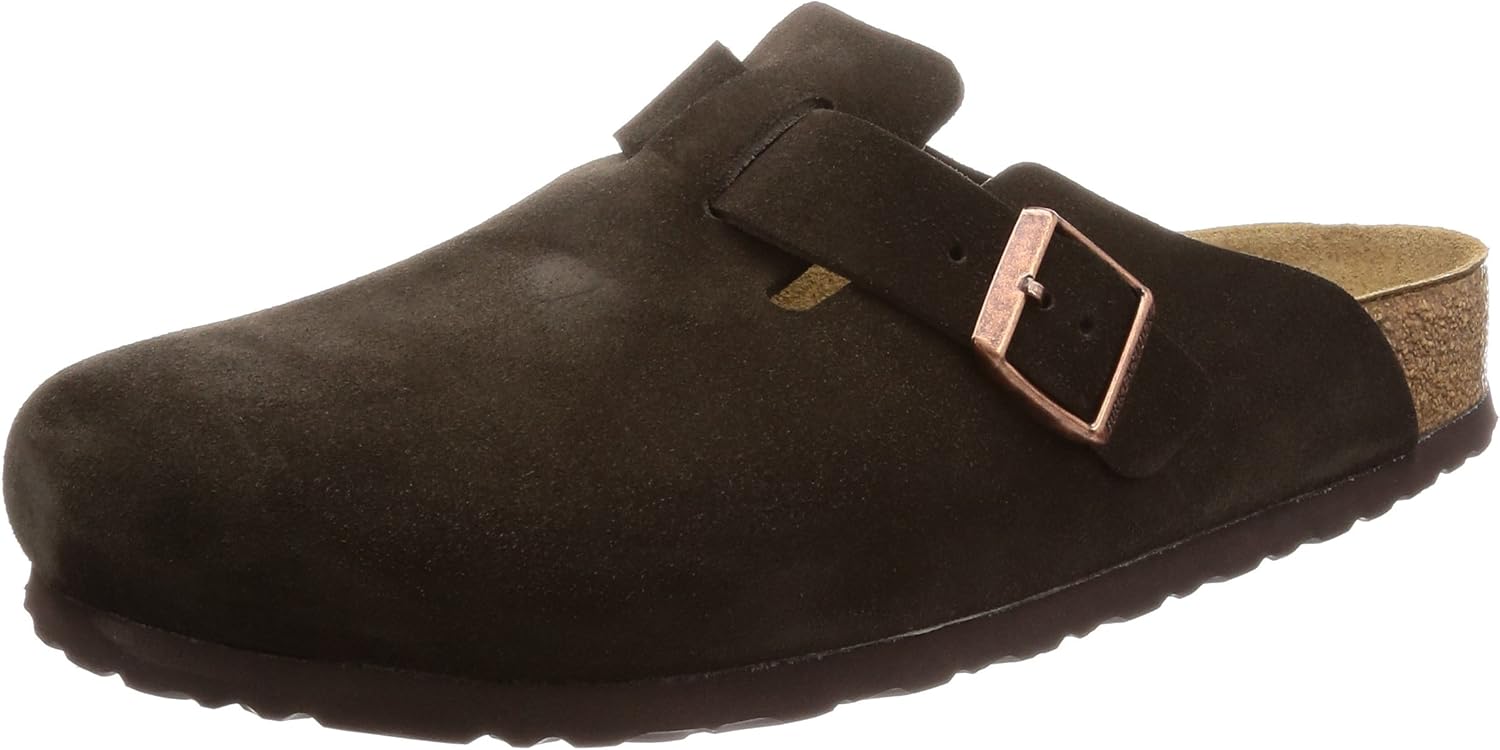
Boston is the closed-toe clog with a single buckle. It is the model most people mean by "Birkenstock clog". Available in oiled leather, suede, felt and synthetic Birko-Flor.
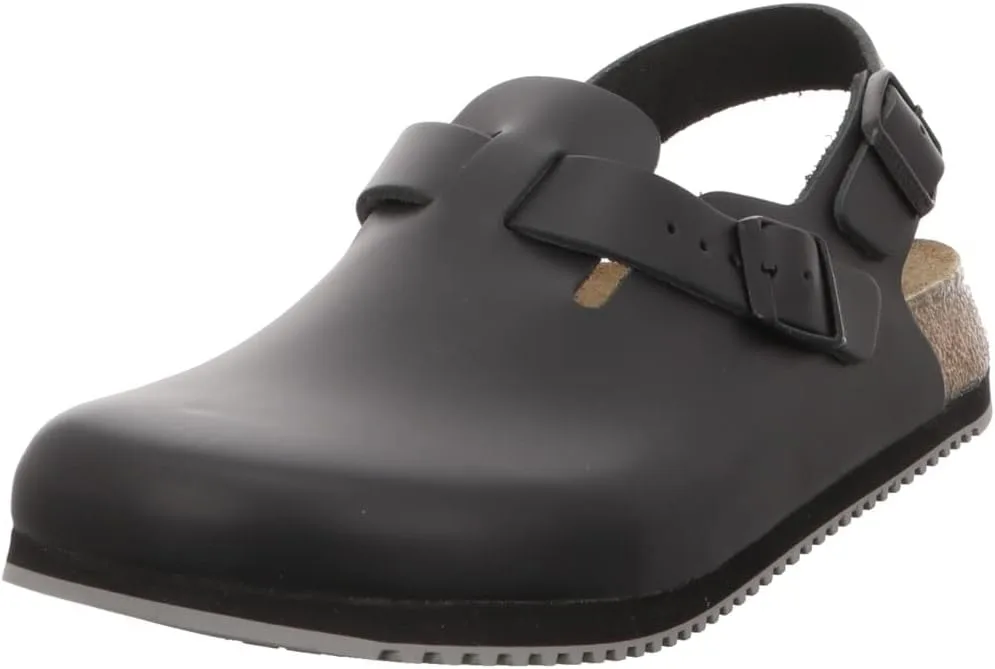
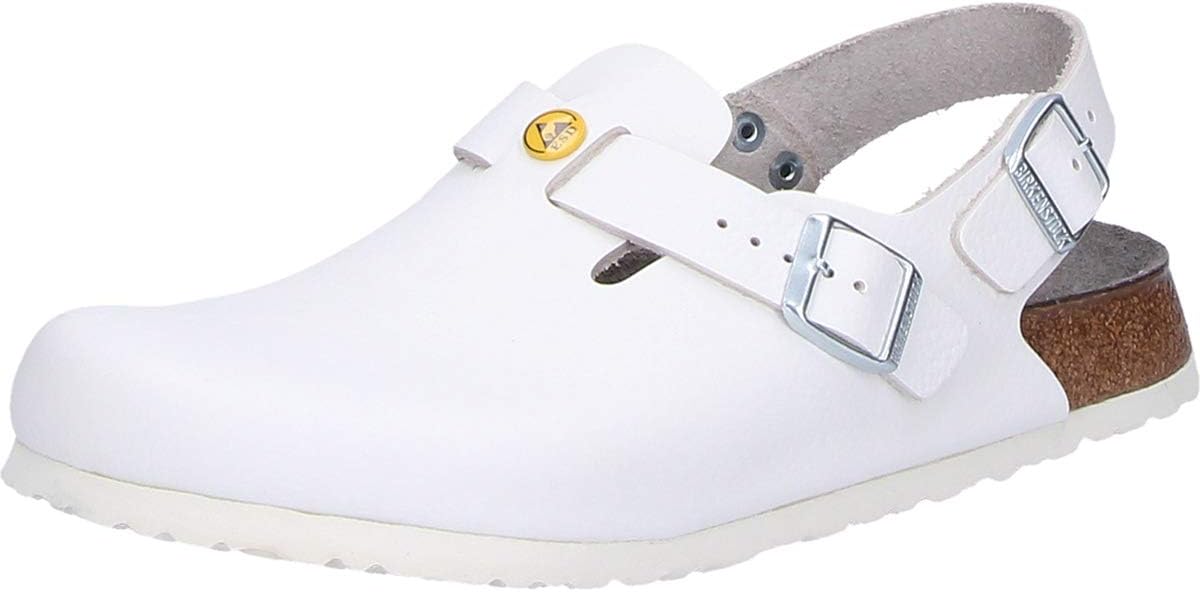
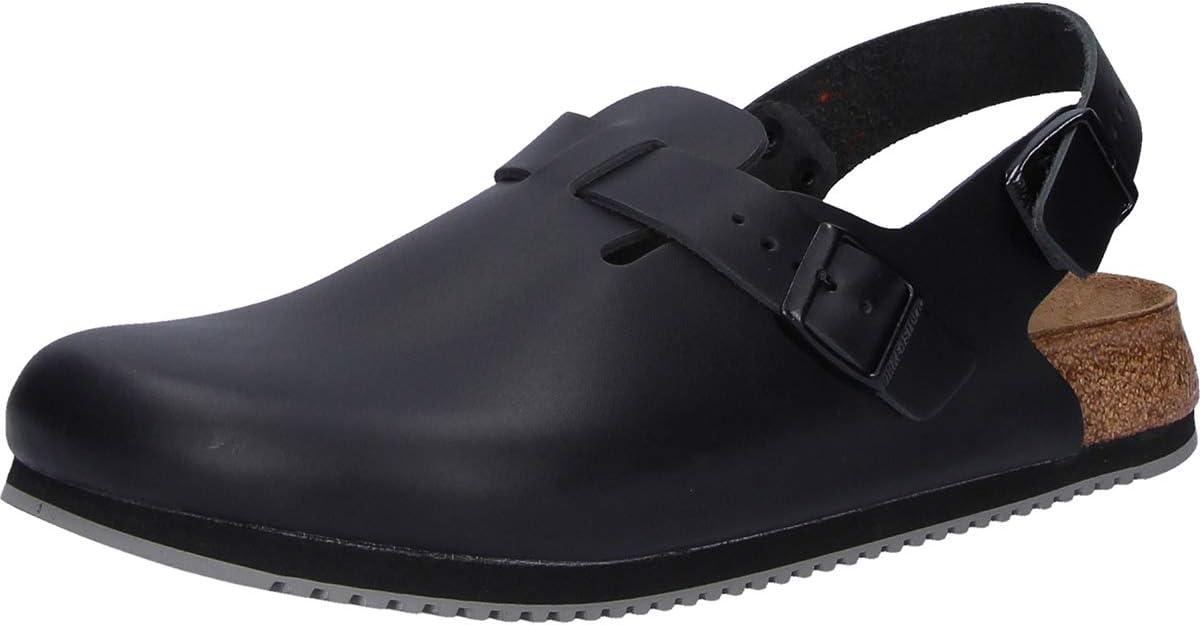
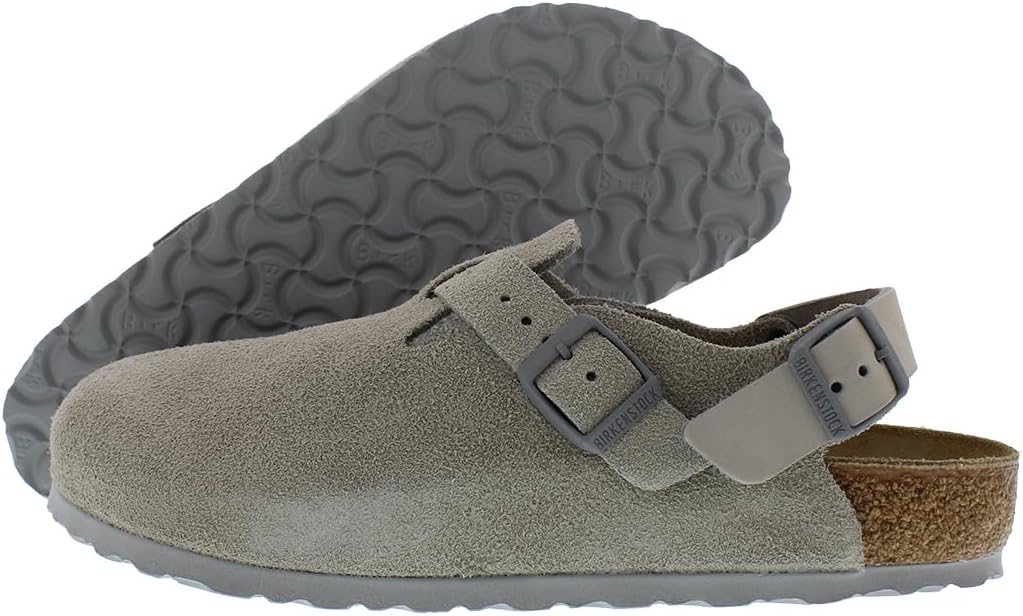
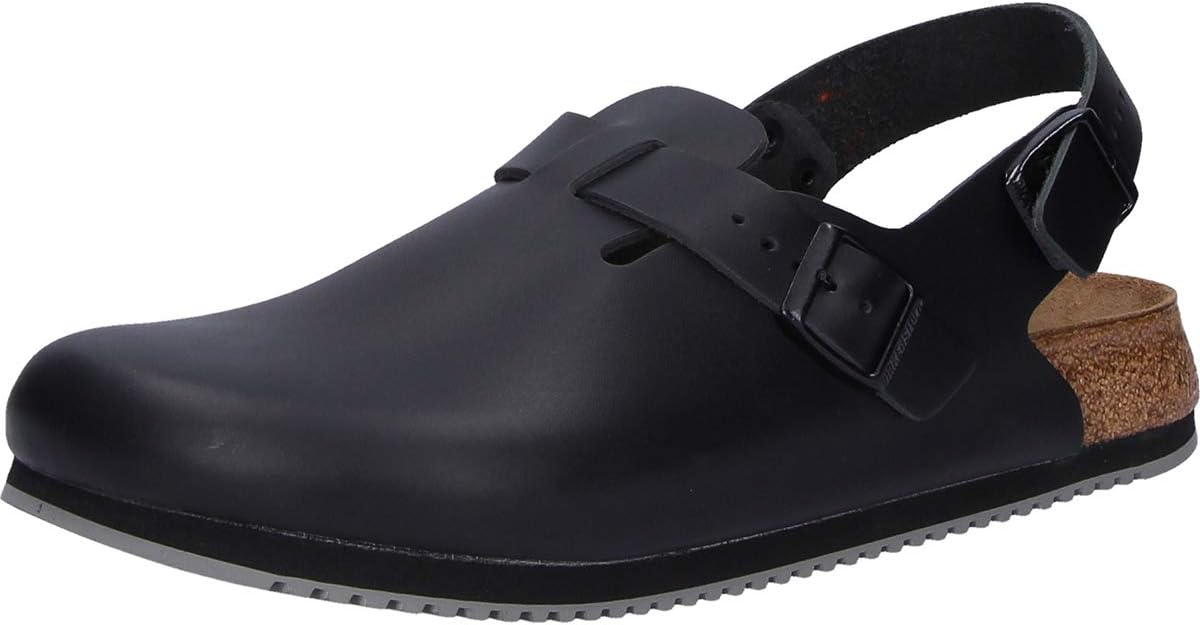
Tokio is the Boston's open-heel cousin with a strap that can be worn up or down. Lighter, less enclosing.
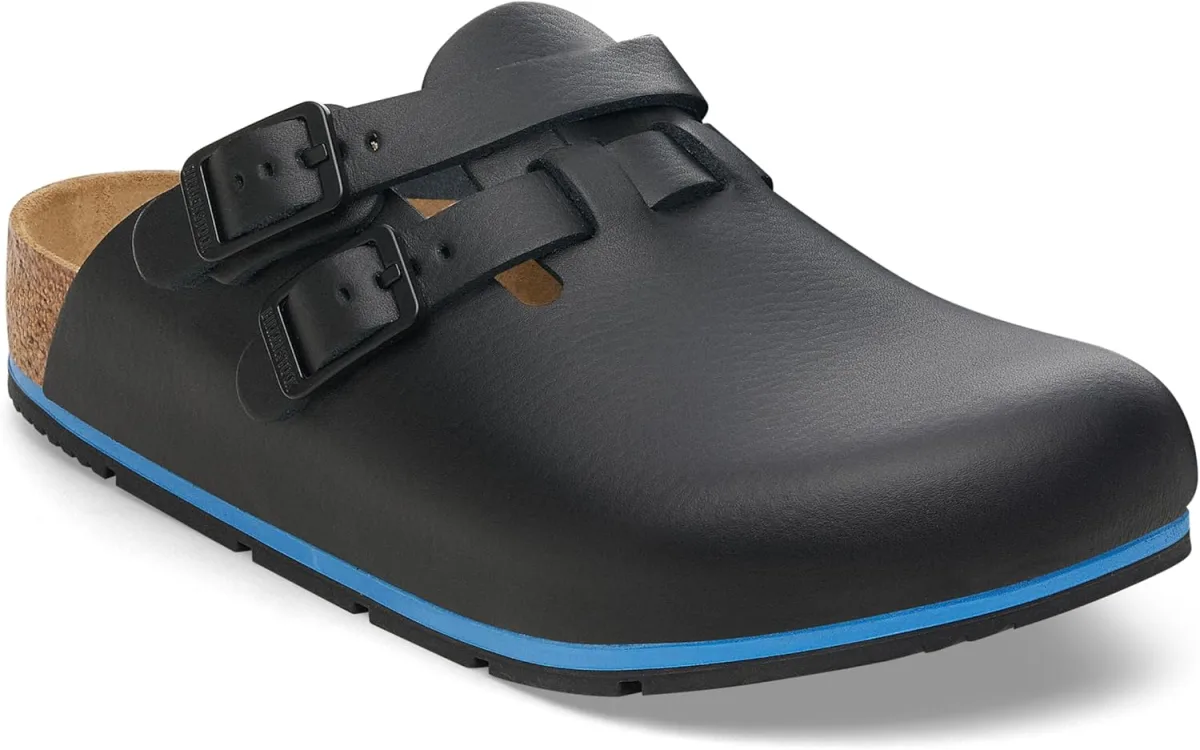
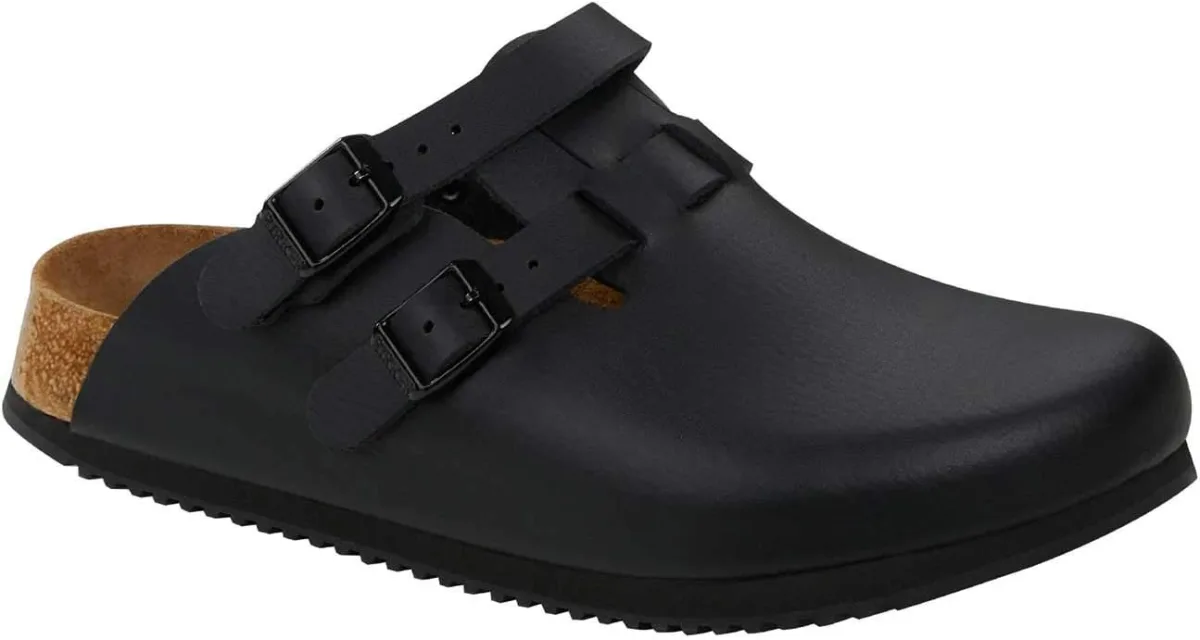
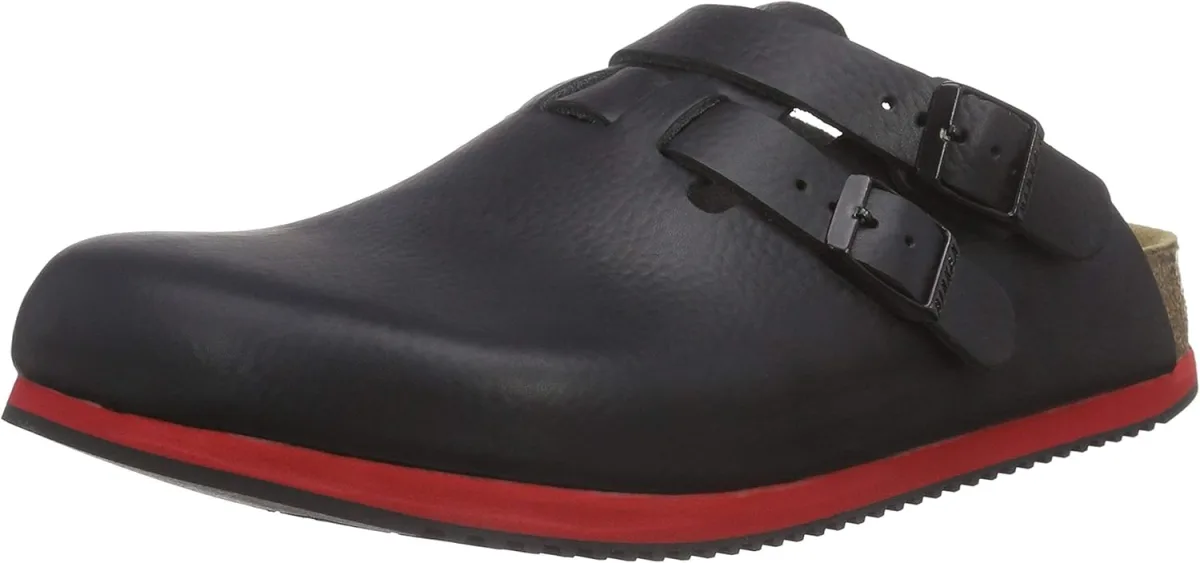
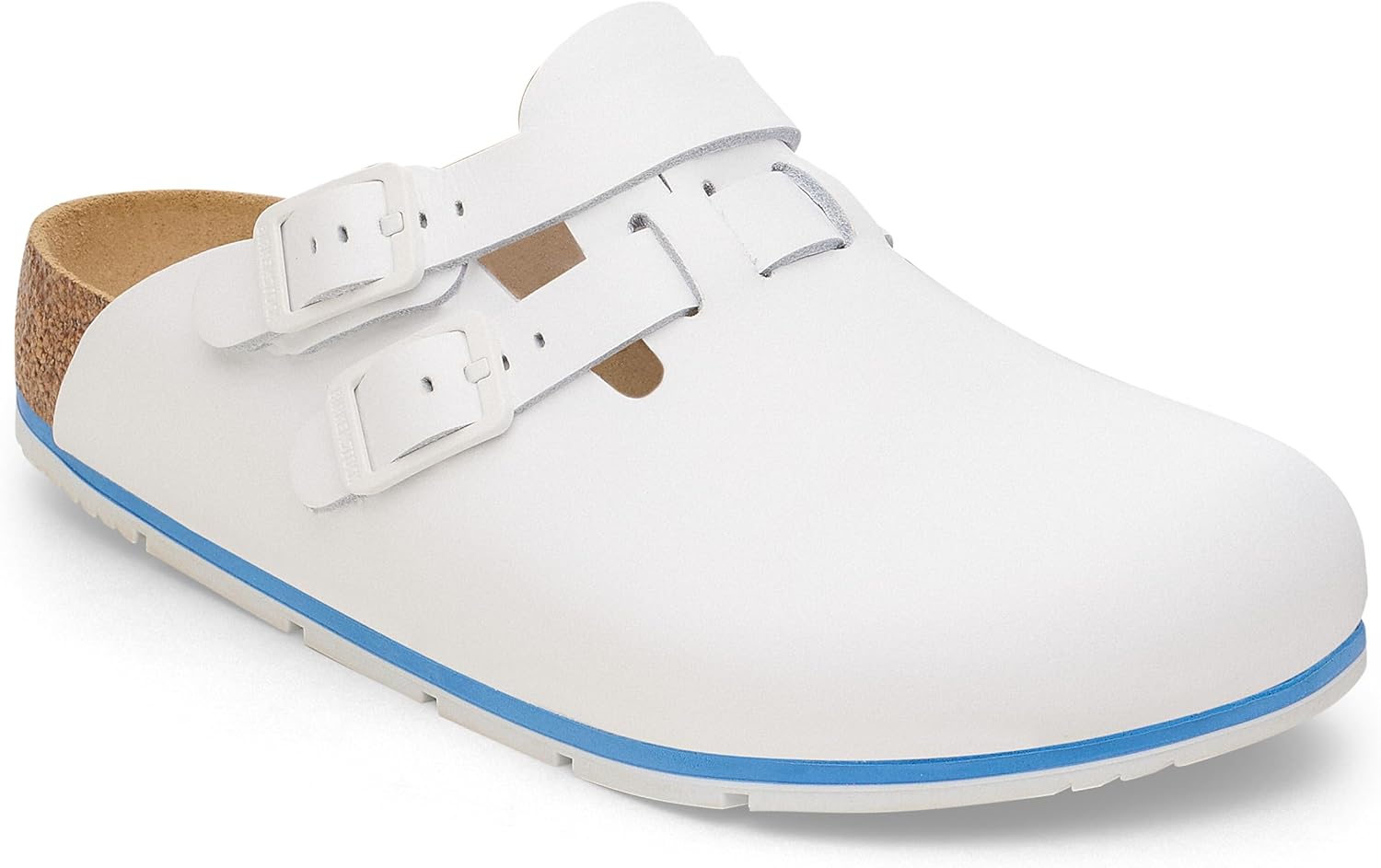
Kay and Kay Pro are the professional line — enclosed uppers, washable, slip-resistant outsoles, built for clinical and kitchen use.
Profi Birki is the fully washable polyurethane version. Not leather, but it is what actually survives a hospital sluice room.
Birkenstock sizes in EU only, and offers two widths. The imprint on the footbed is the guide: your foot should sit inside the moulded contours, with the ball of your foot over the widest part and roughly a centimetre of space at the toe.
The width matters as much as the length. Regular width is marked with a wider footbed outline; narrow is noticeably tighter across the ball. If your foot spills over the edge of the footbed, the shoe is too narrow no matter how the length feels.
Oiled nubuck is the most forgiving. It darkens beautifully, hides scuffs, and takes conditioner well. This is the default recommendation.
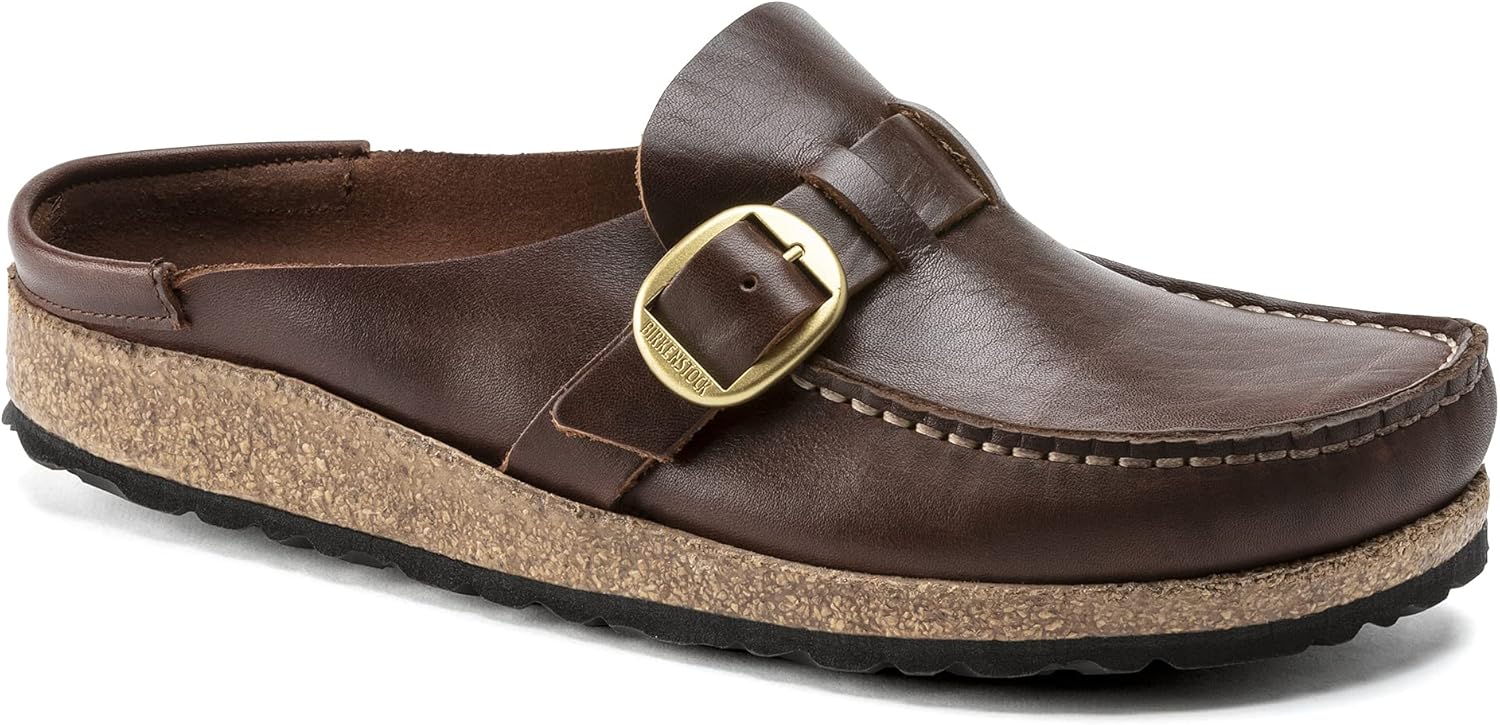
Smooth leather is the most formal and the least forgiving — it creases sharply and shows every mark.
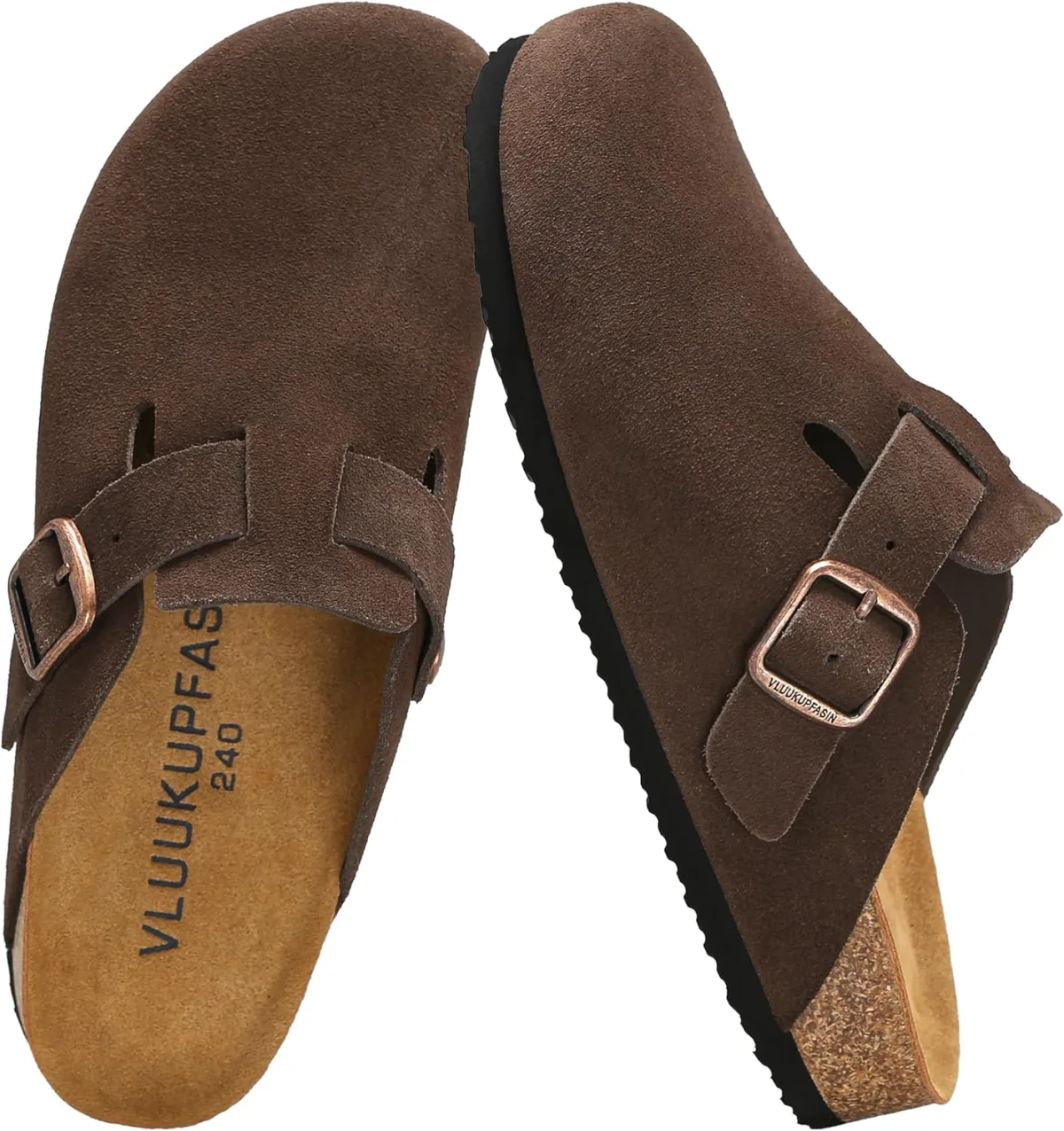
Suede is softest immediately but absorbs water and needs a protector spray from day one.
Habana oiled leather is the darkest of the oiled finishes and the one that ages most dramatically.
The exposed cork rim dries out and starts crumbling after a couple of years. A cork sealer, applied once or twice a year, prevents this completely. It costs very little and it is the single biggest factor in whether a pair lasts three years or fifteen.
Birkenstock footbeds and soles can both be replaced, either by the company's own repair service or a competent cobbler. This makes them effectively renewable, which is the real argument for the price.
Two to three weeks of a few hours a day. The cork footbed compresses into the shape of your foot through heat and pressure. Wearing them all day from the start usually causes arch soreness and makes people give up before the moulding happens.
Fit by the footbed imprint rather than the size label. Your foot should sit inside the moulded contours with about a centimetre at the toe, and should not spill over the edges. Width matters as much as length — regular and narrow are genuinely different lasts.
The Boston is a closed-toe clog with a fixed heel. The Tokio has an open heel with a strap that can be worn up or folded down. The Boston encloses more of the foot; the Tokio is lighter and easier to get on and off.
Yes. Both the footbed and the sole can be replaced, either through Birkenstock's own repair service or by a cobbler. This is the main reason a pair can last well over a decade.
Apply a cork sealer to the exposed rim once or twice a year. Untreated cork dries out and breaks away at the edges after a couple of years; sealed cork does not.