Aetrex
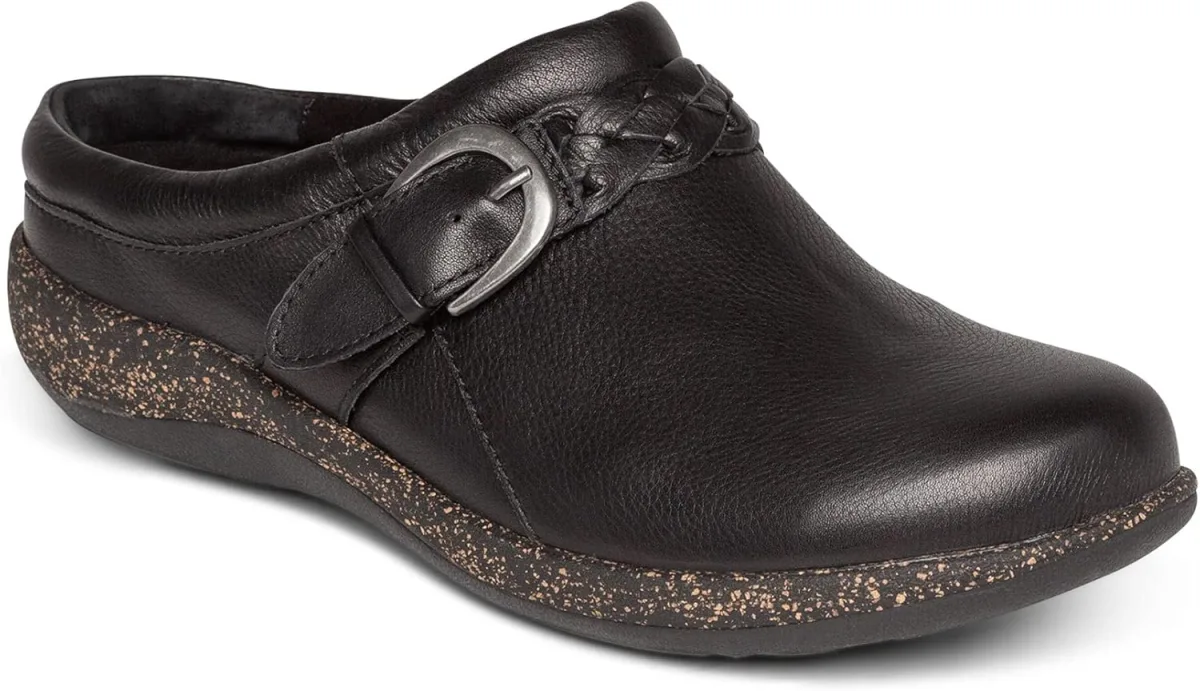
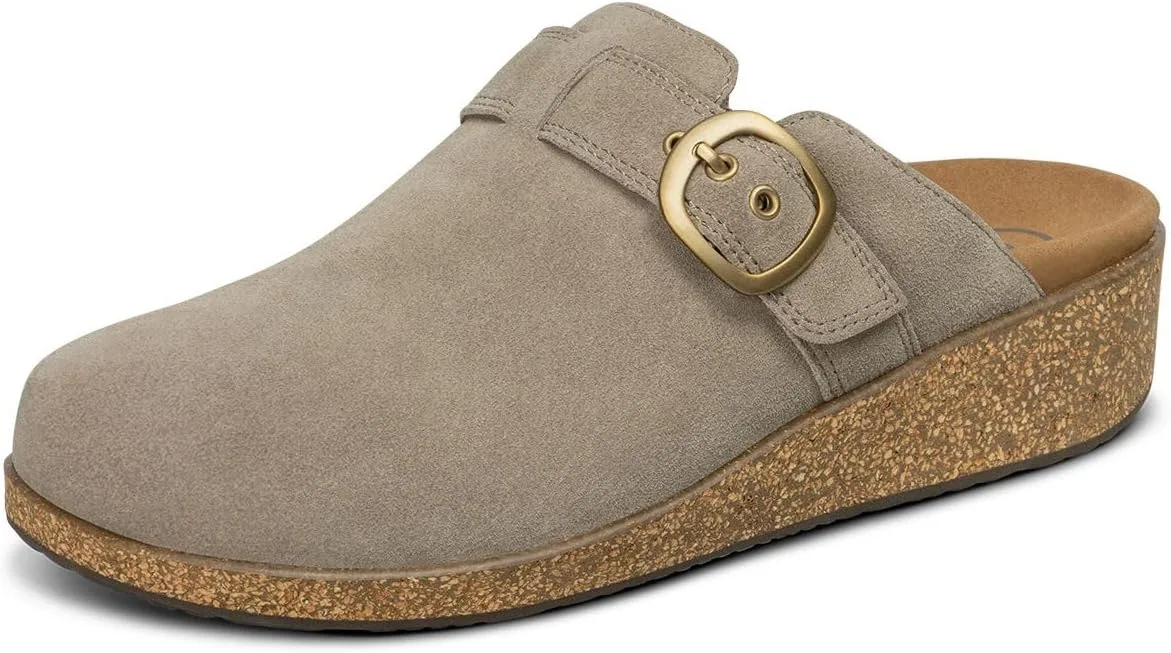
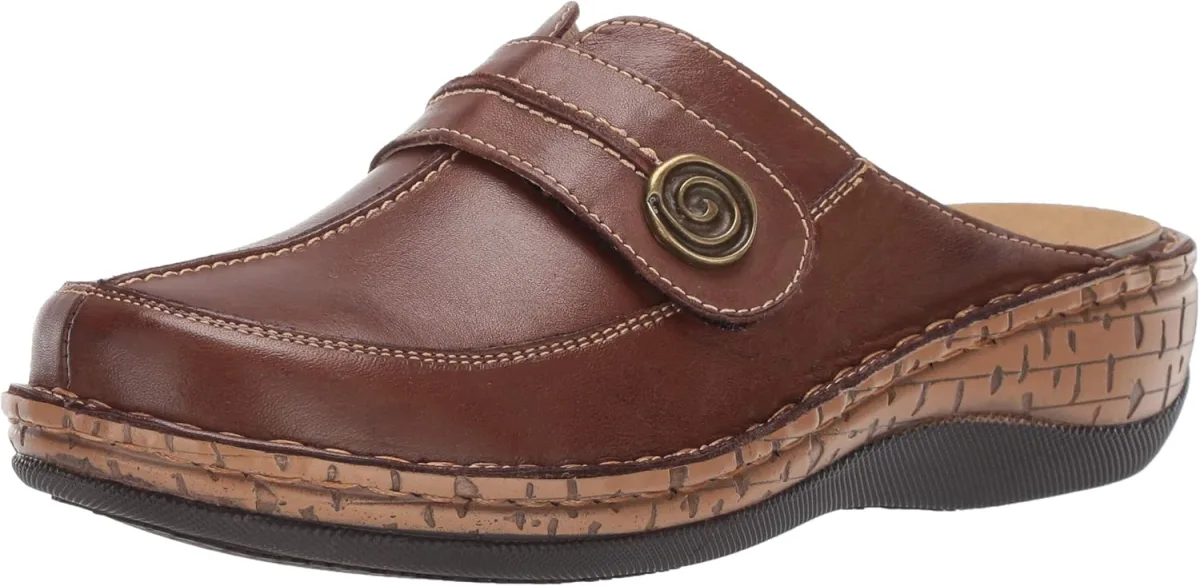
Aetrex Libby Orthopedic Arch Support Comfort Leather Clogs for Women
Cork footbedRubber outsoleBuckle
189 styles
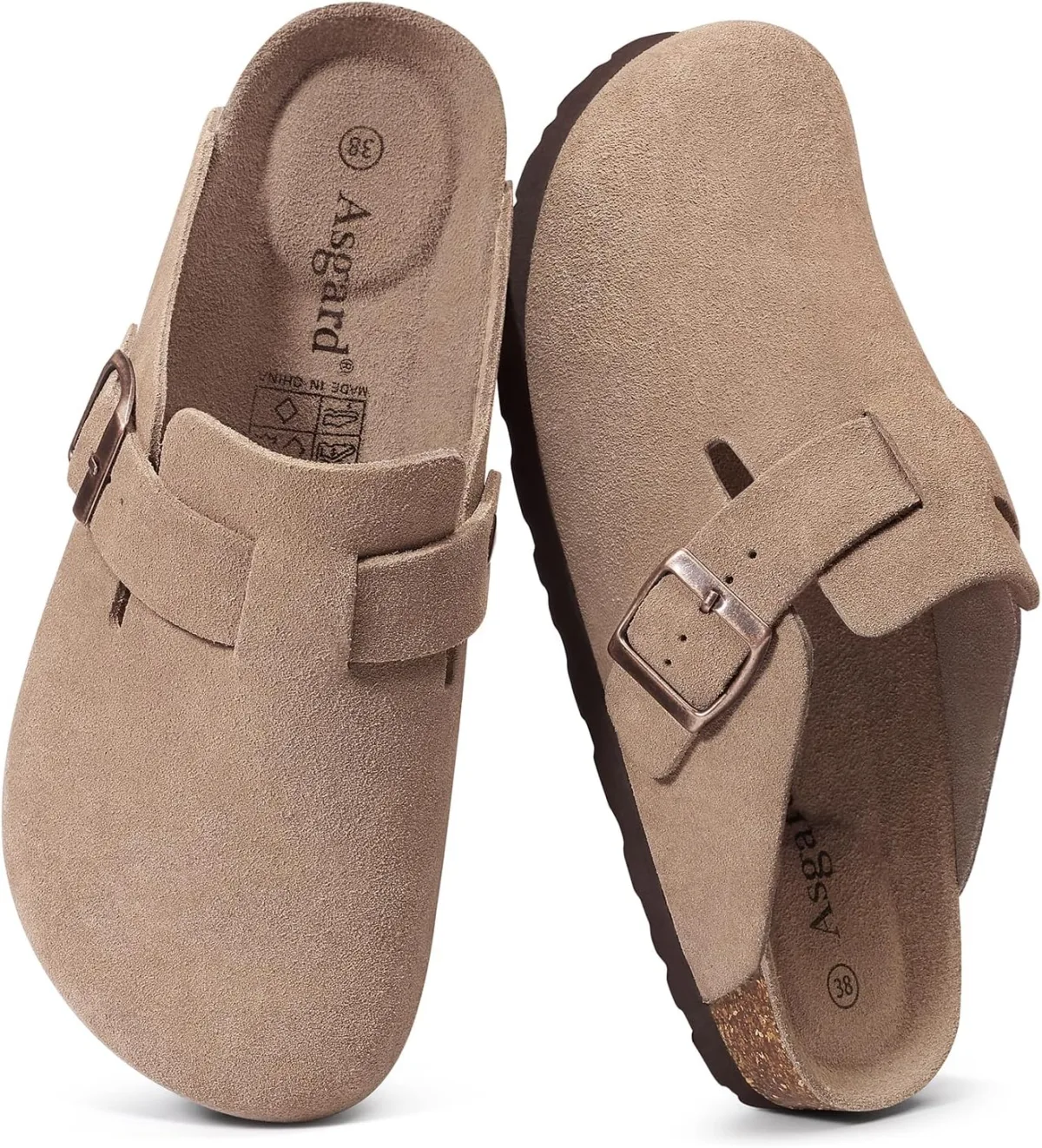
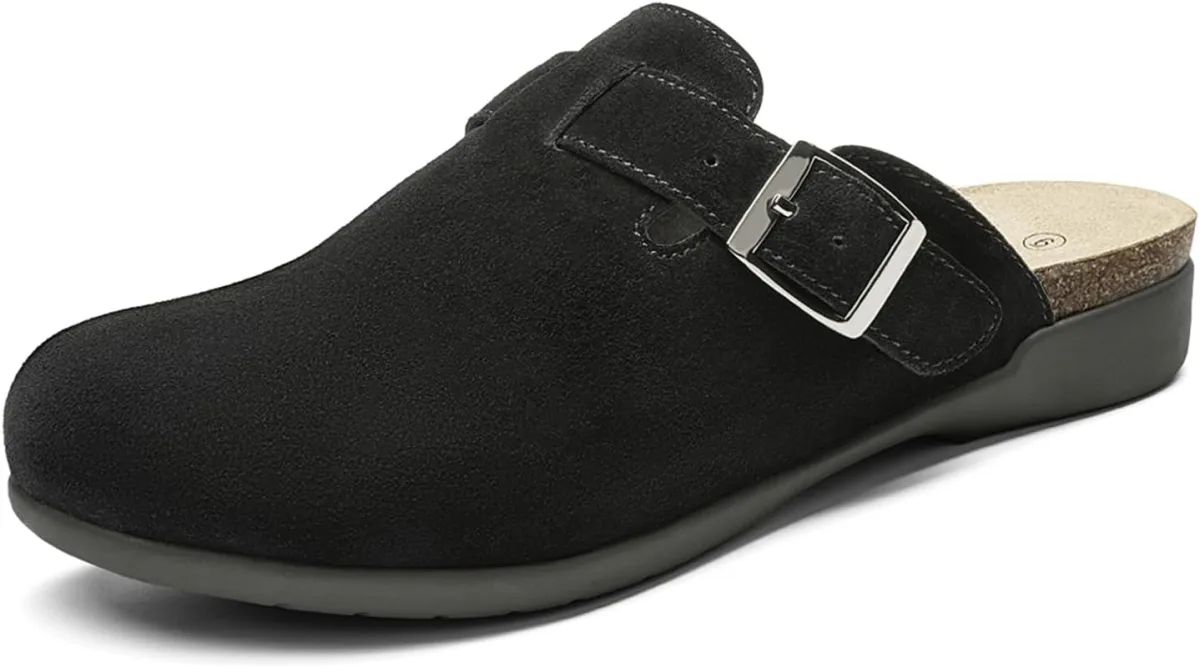
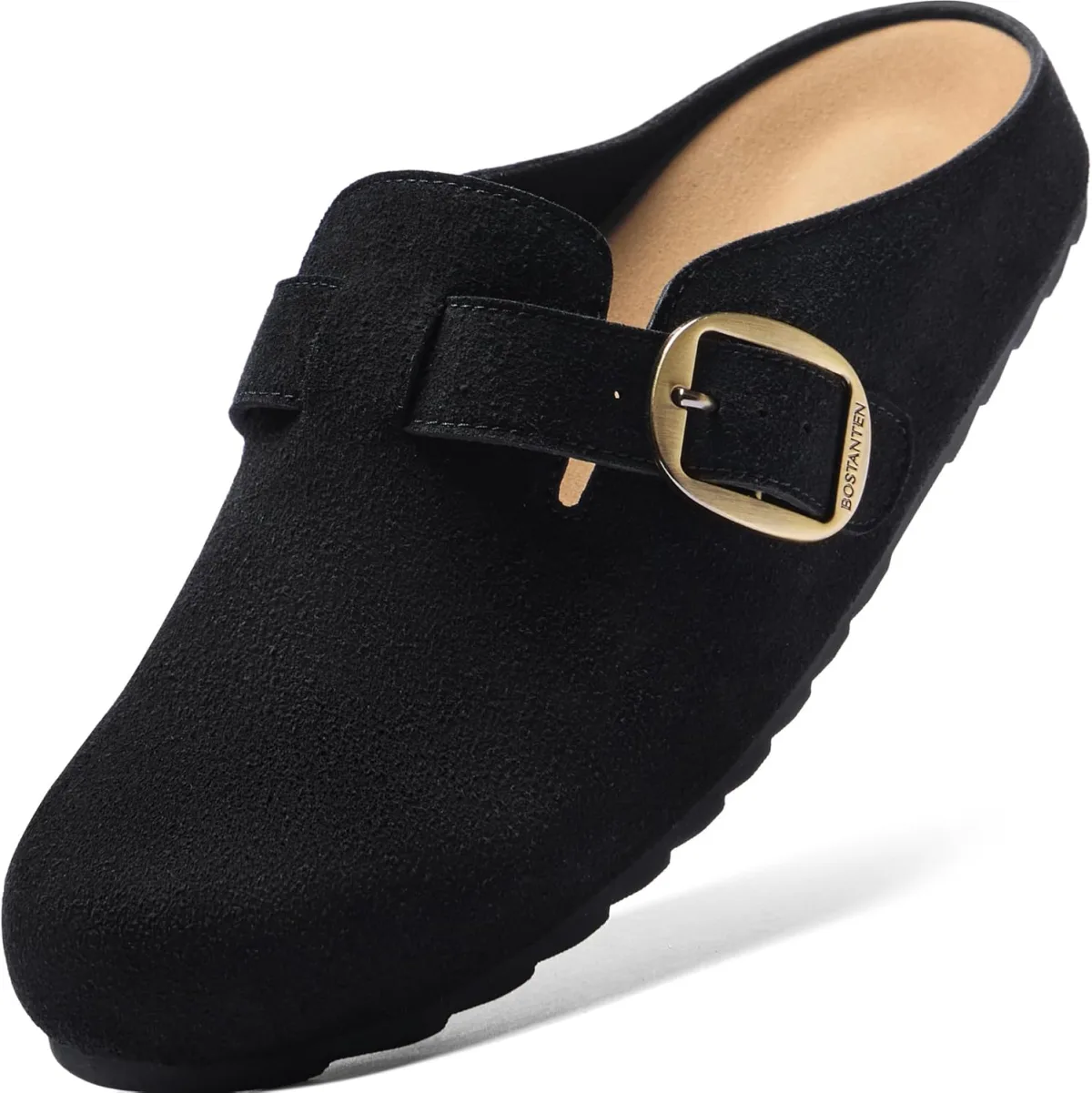
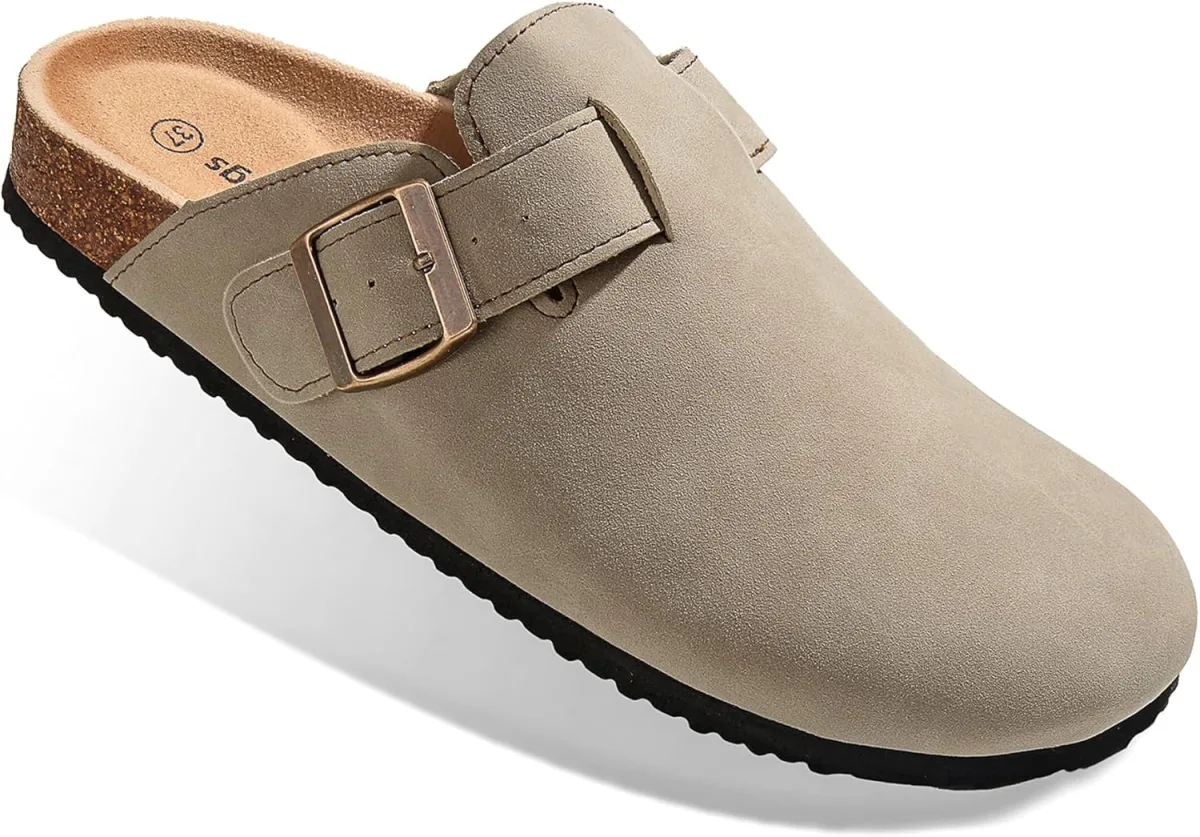
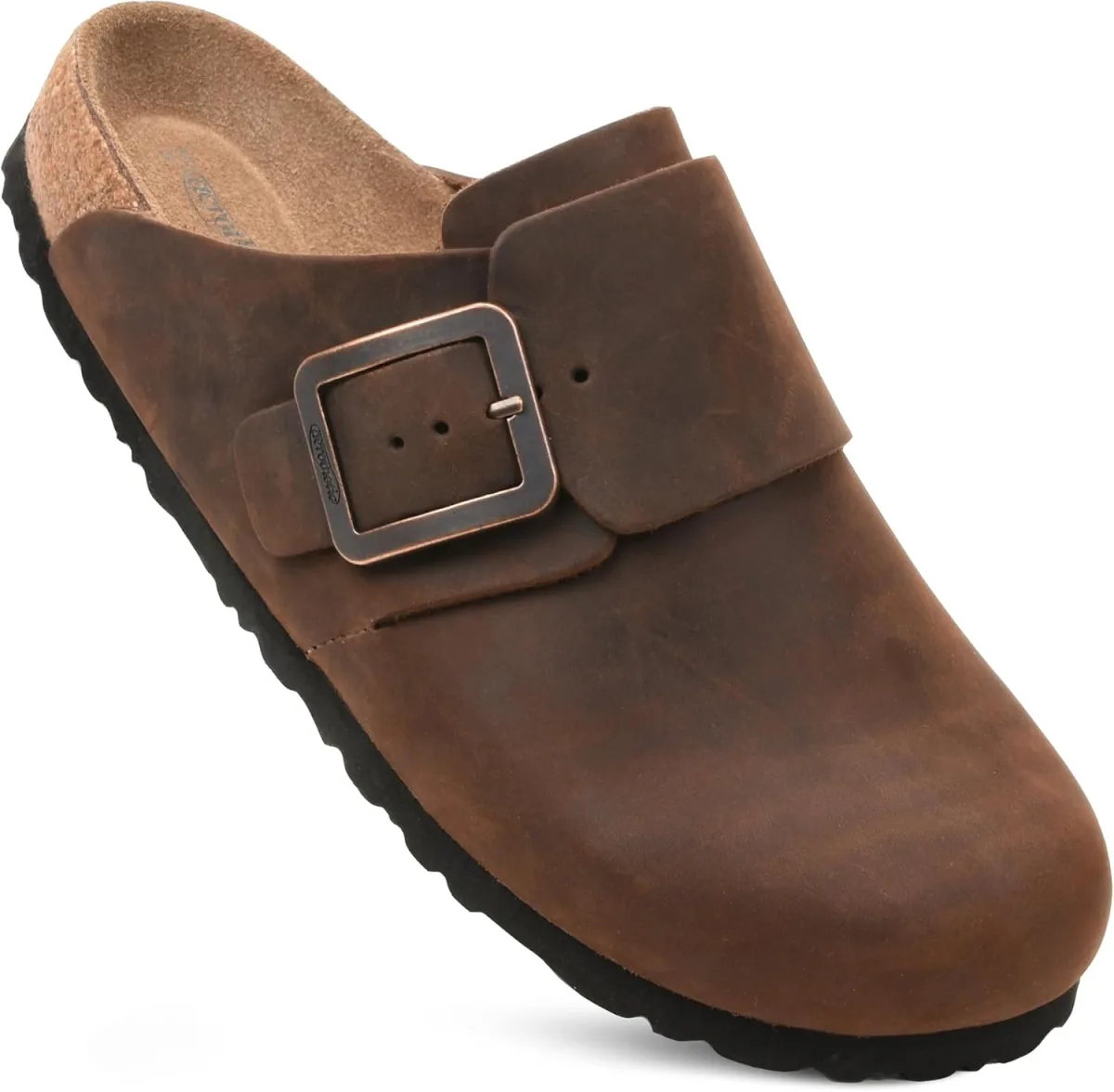
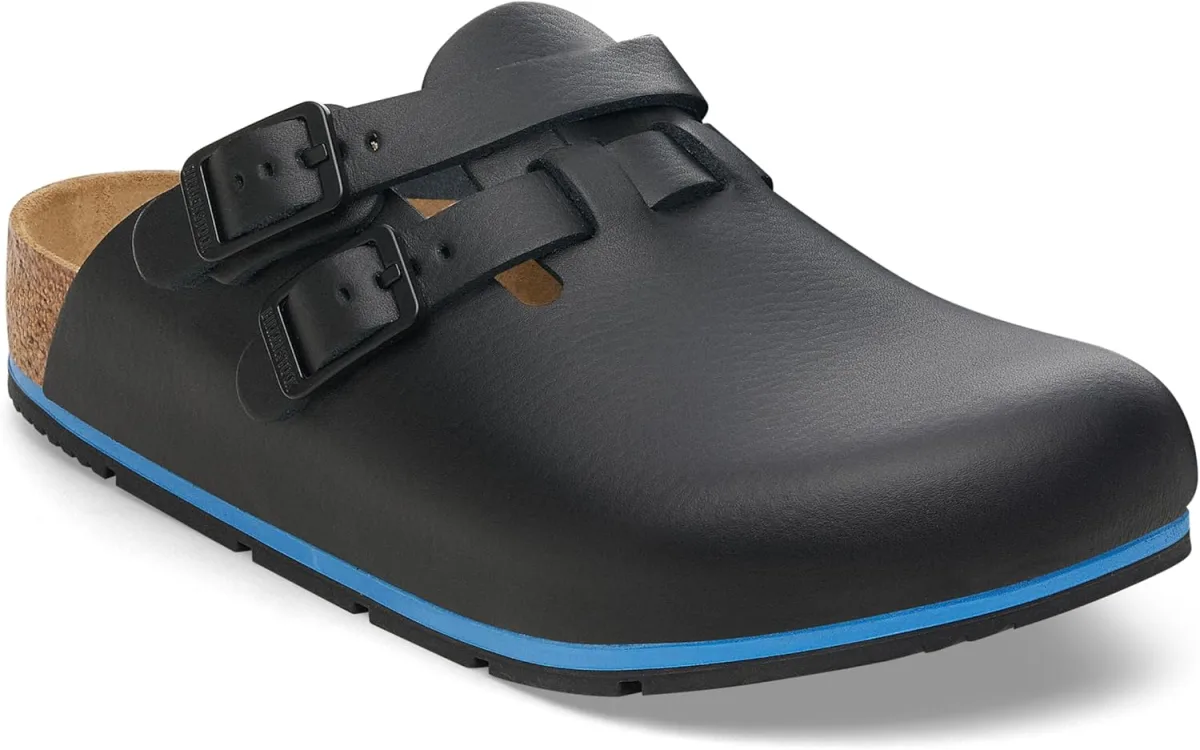
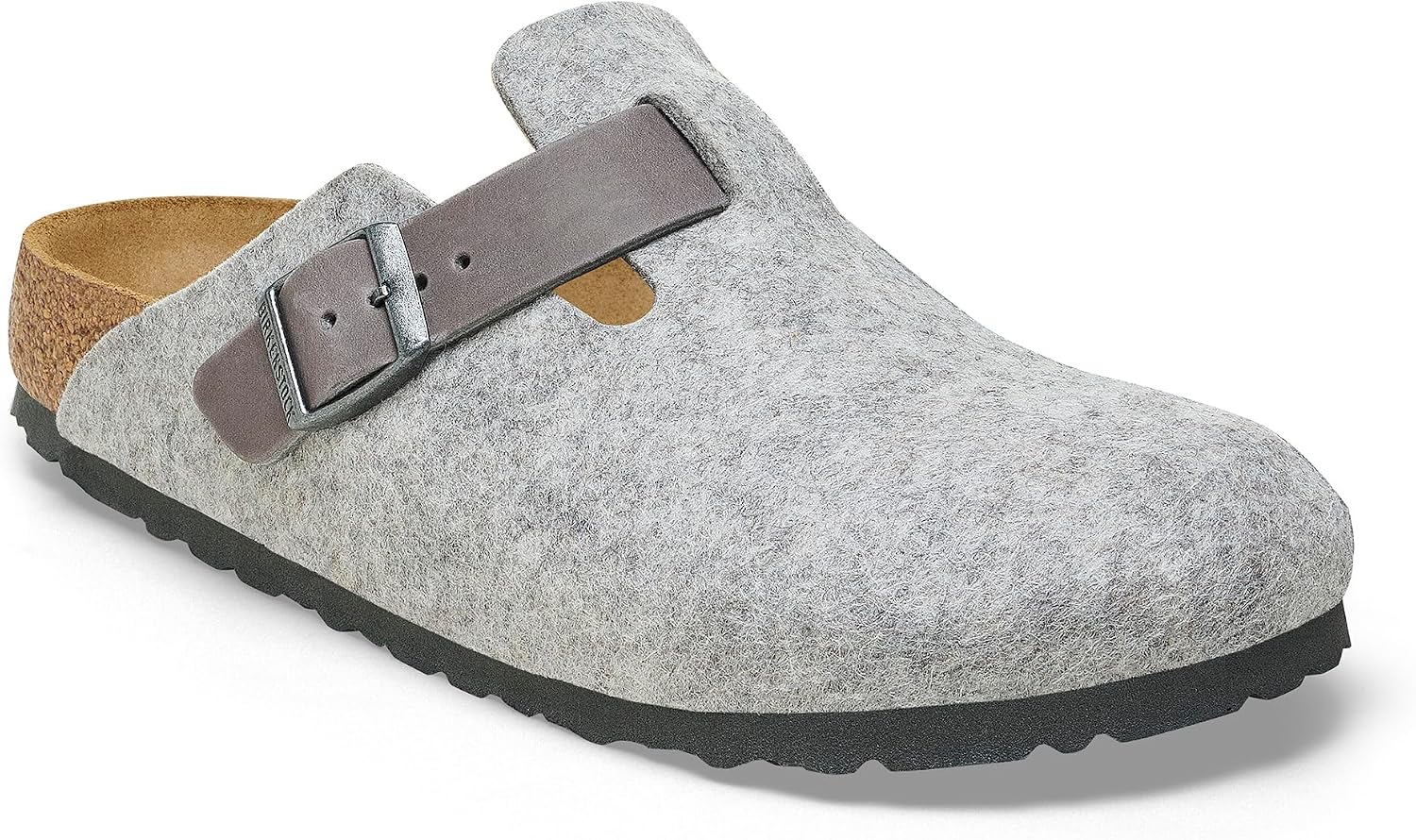
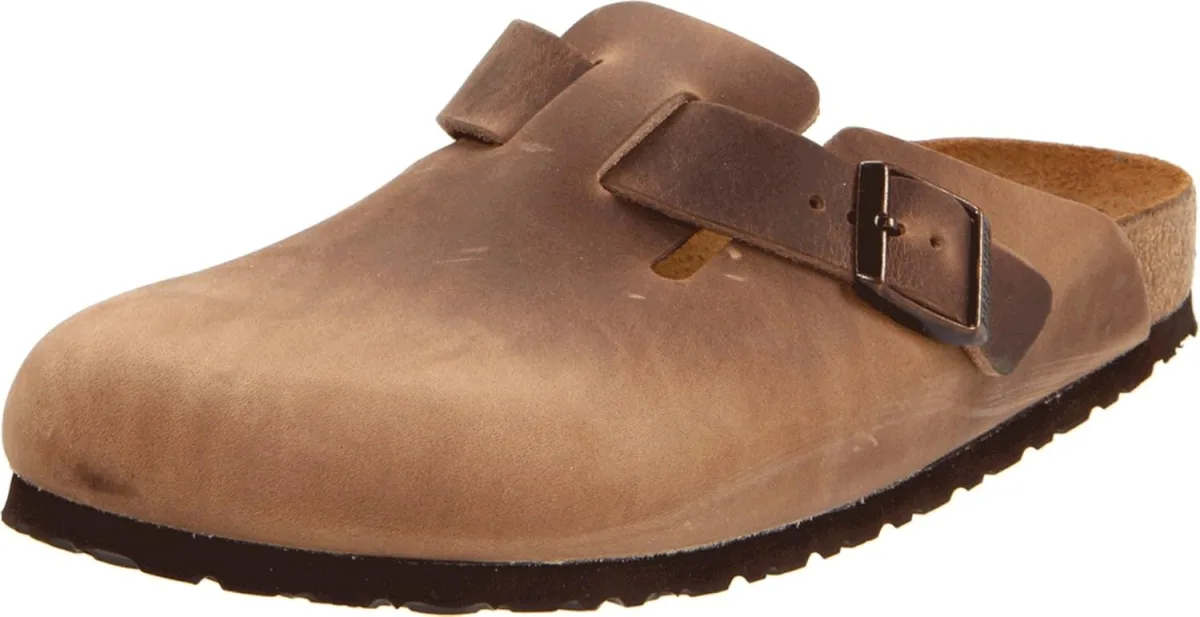
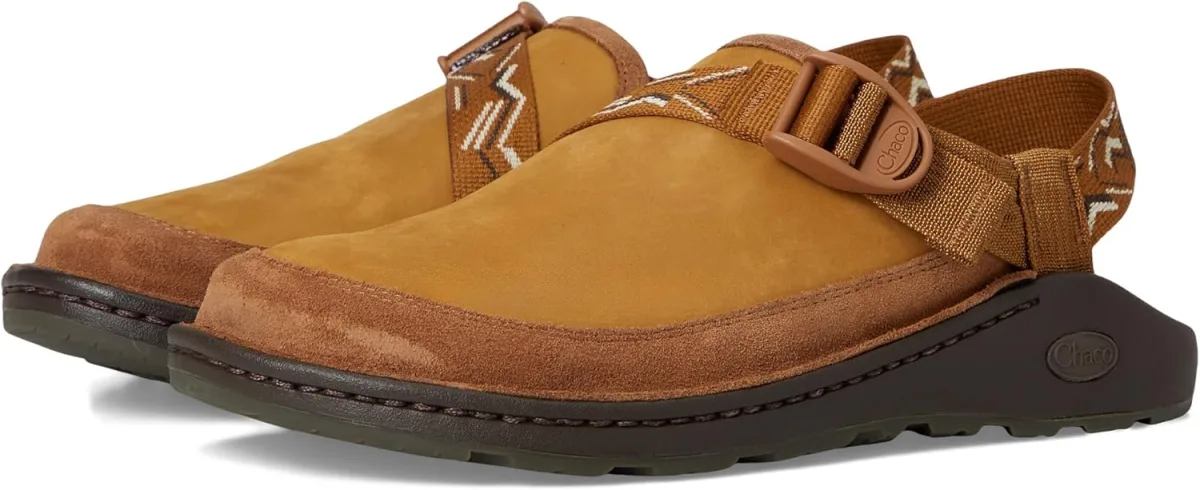
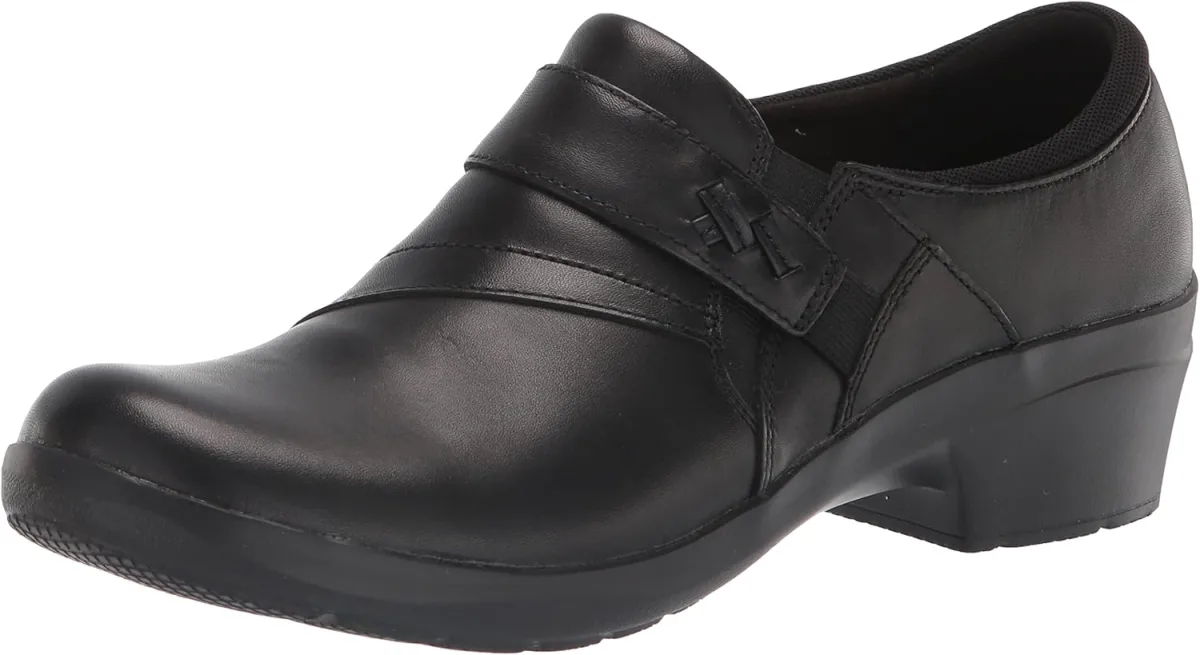
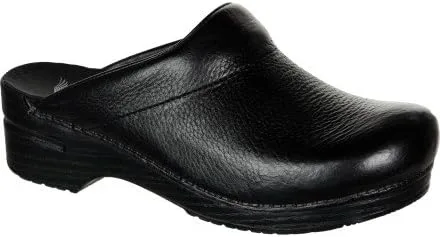
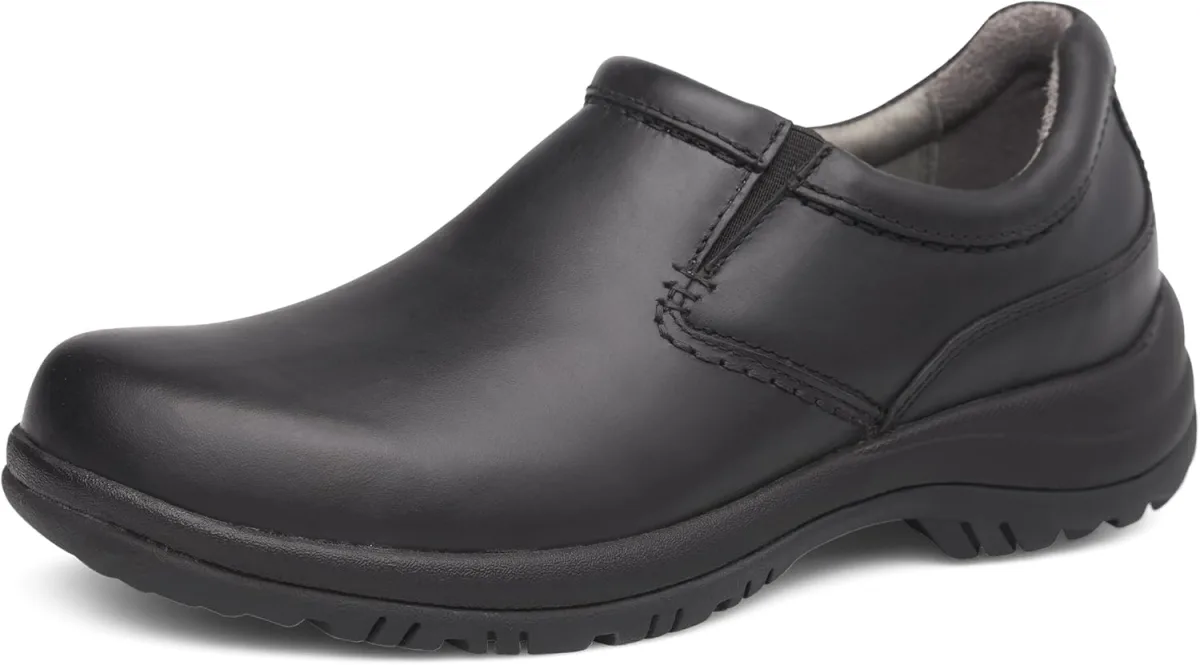
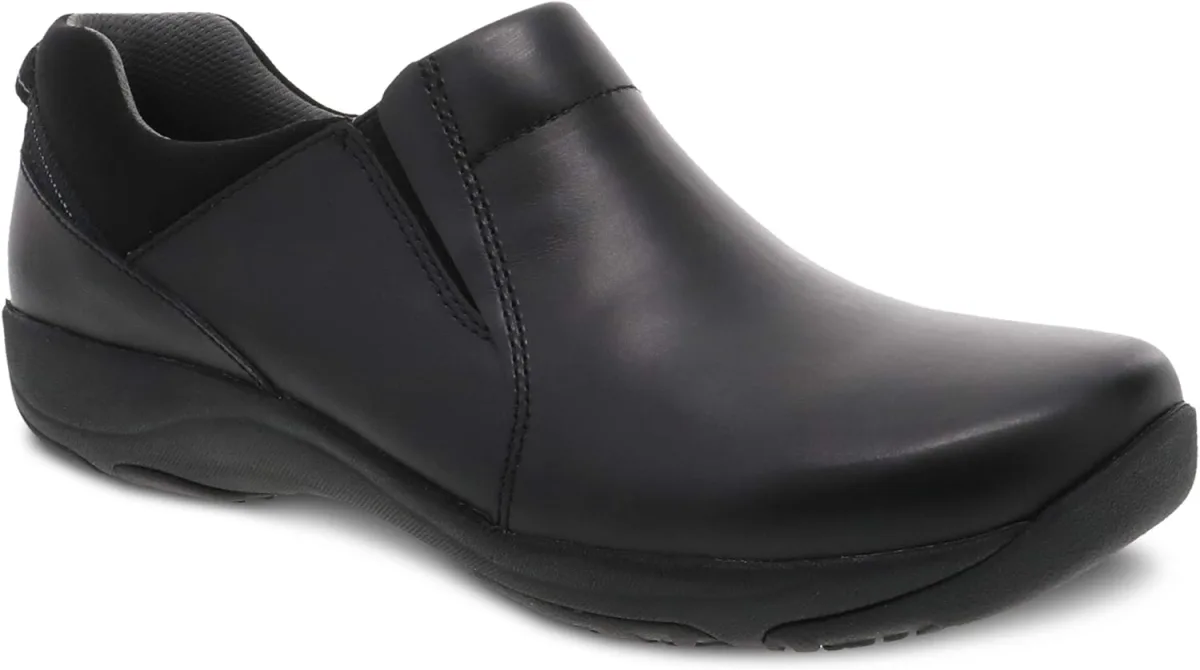
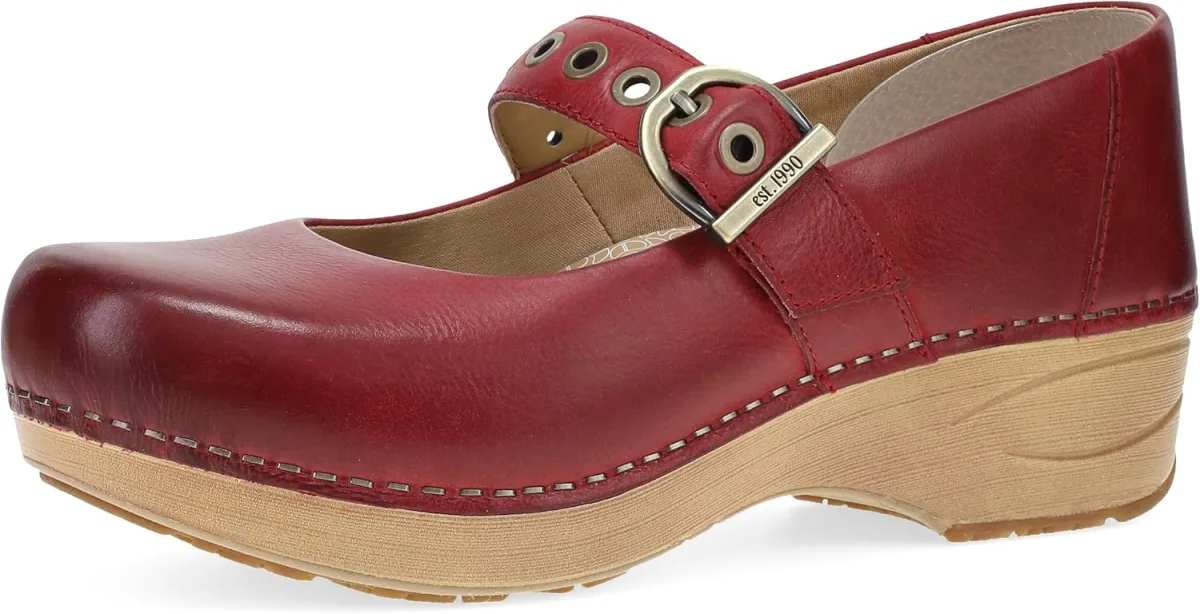
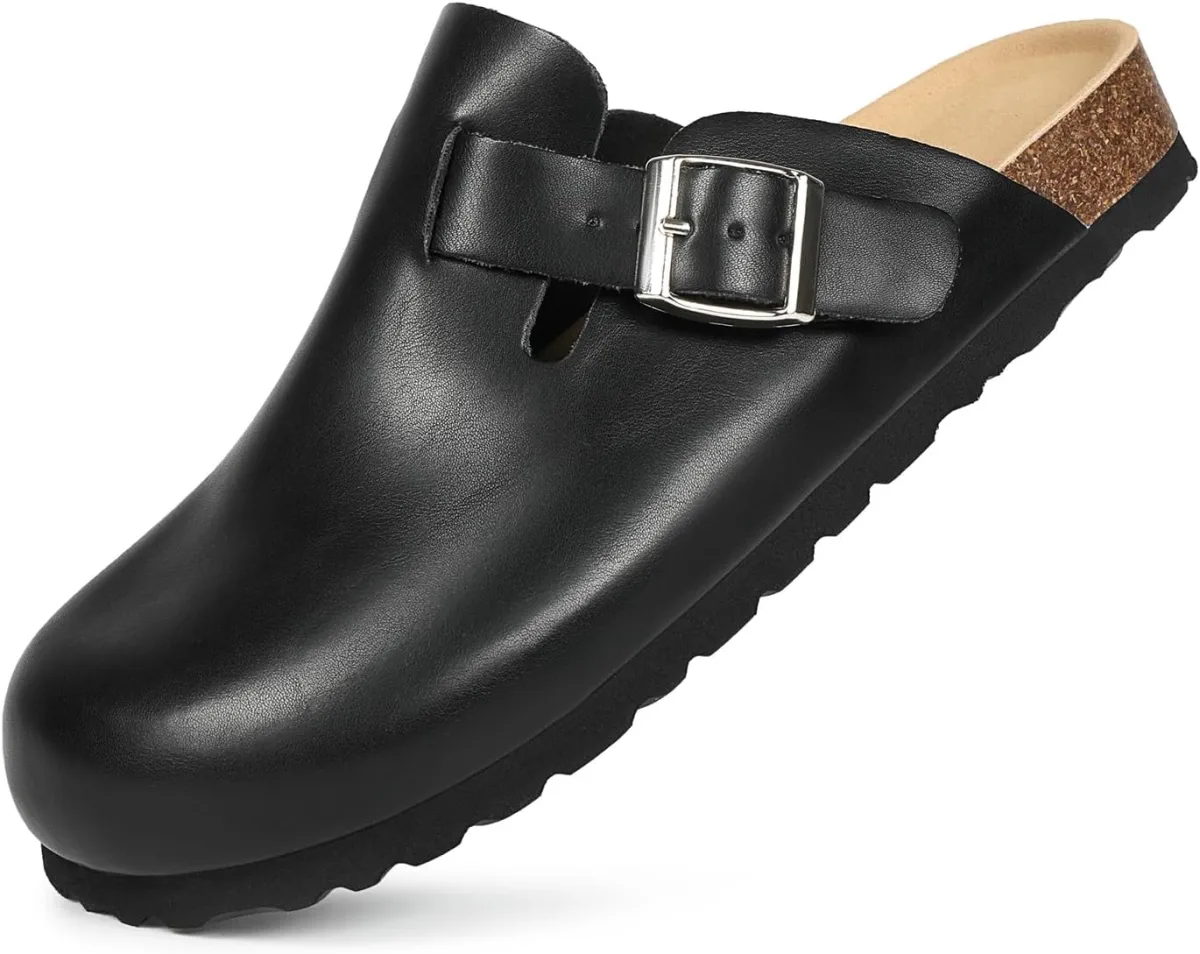
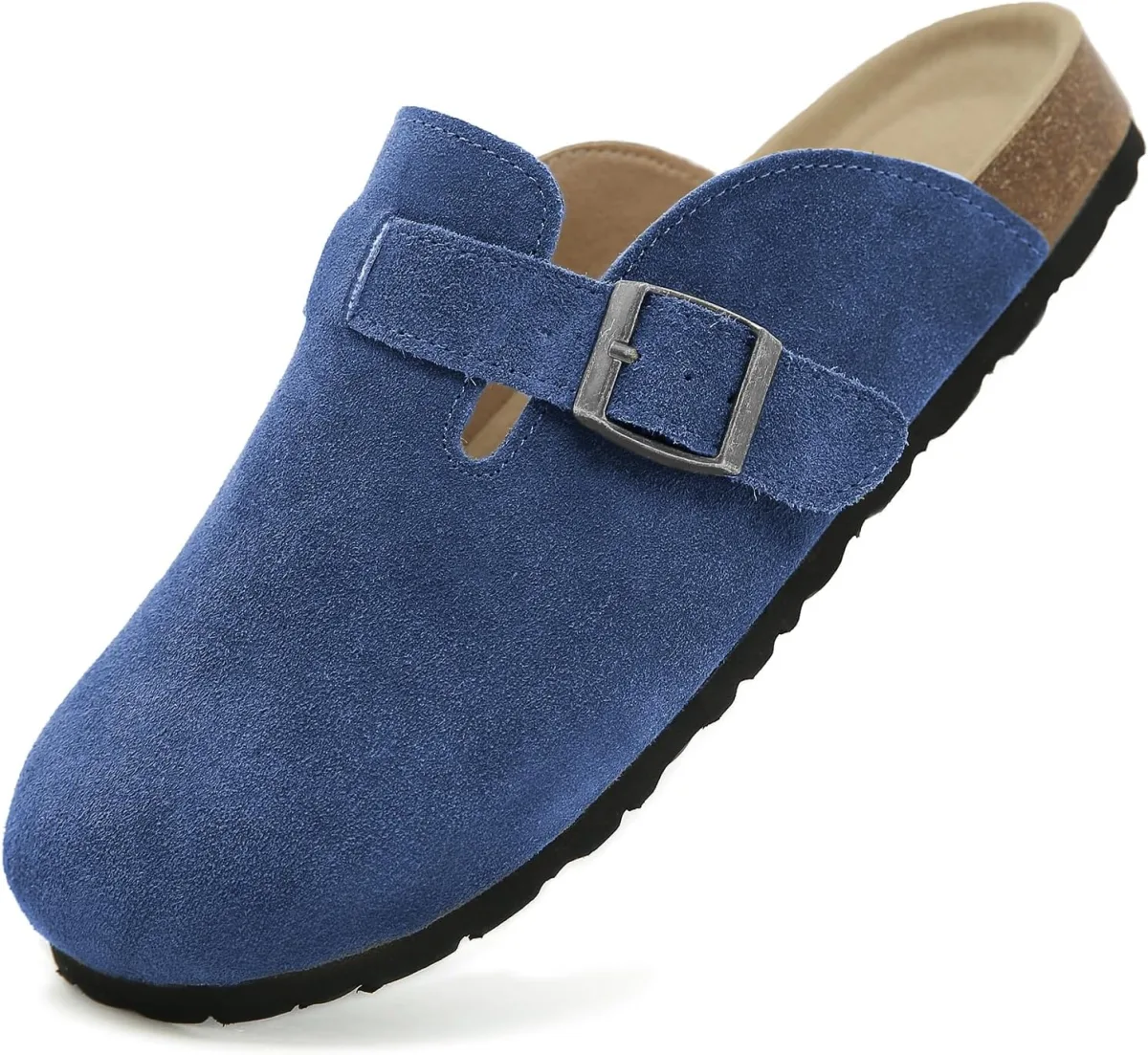
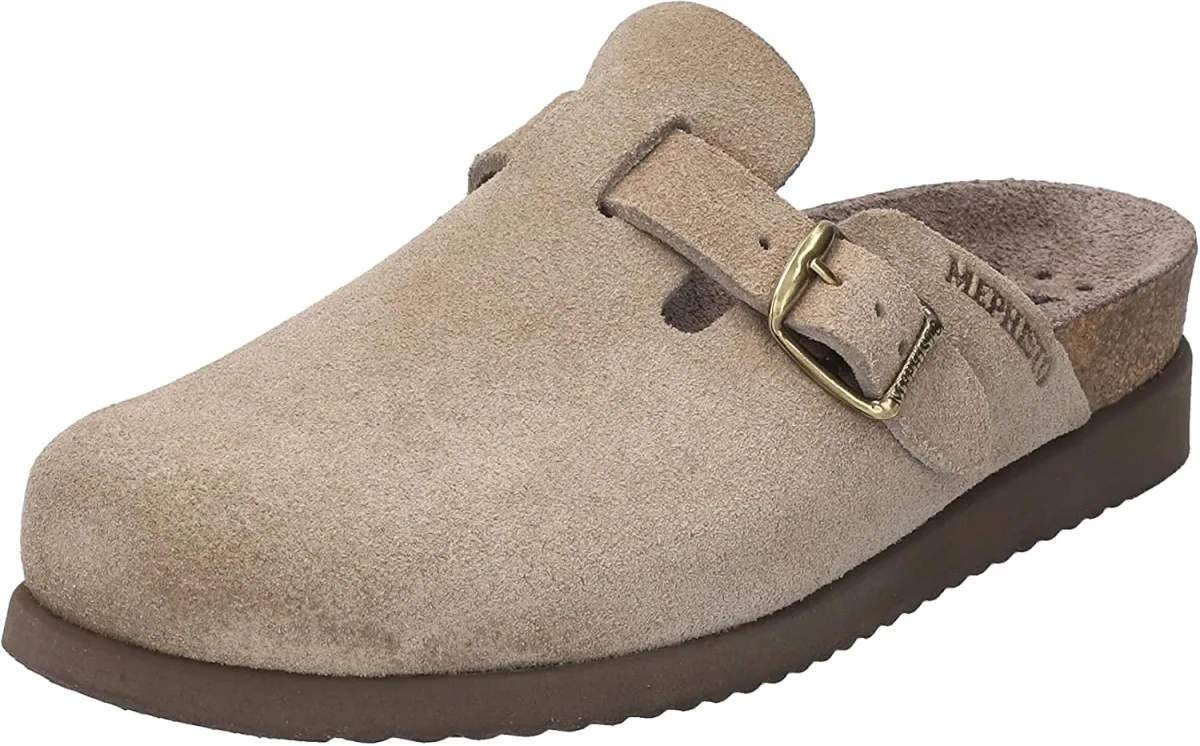
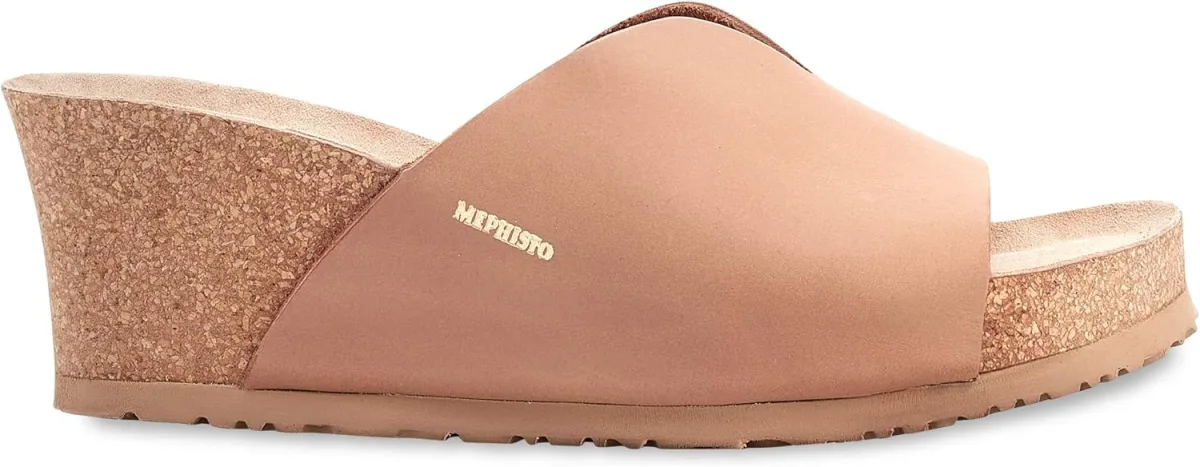
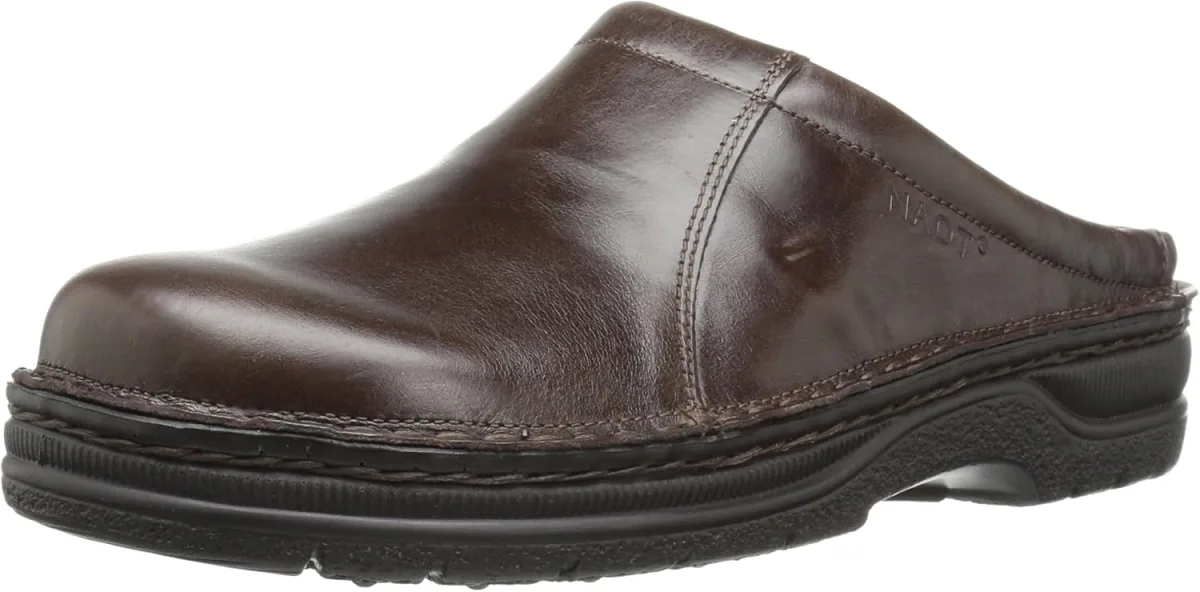
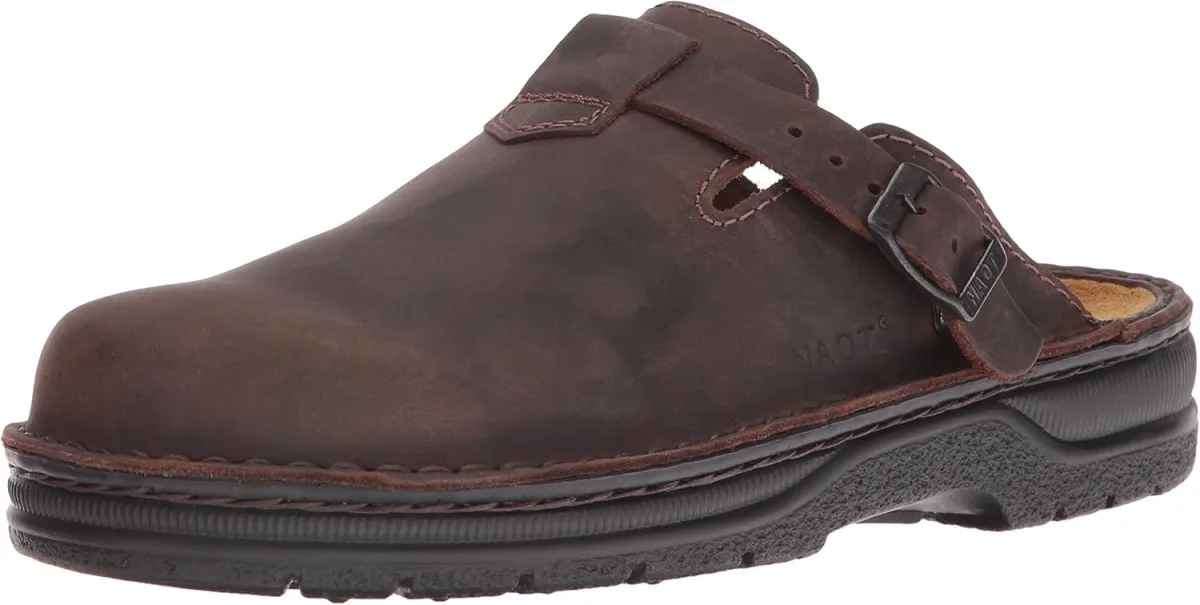
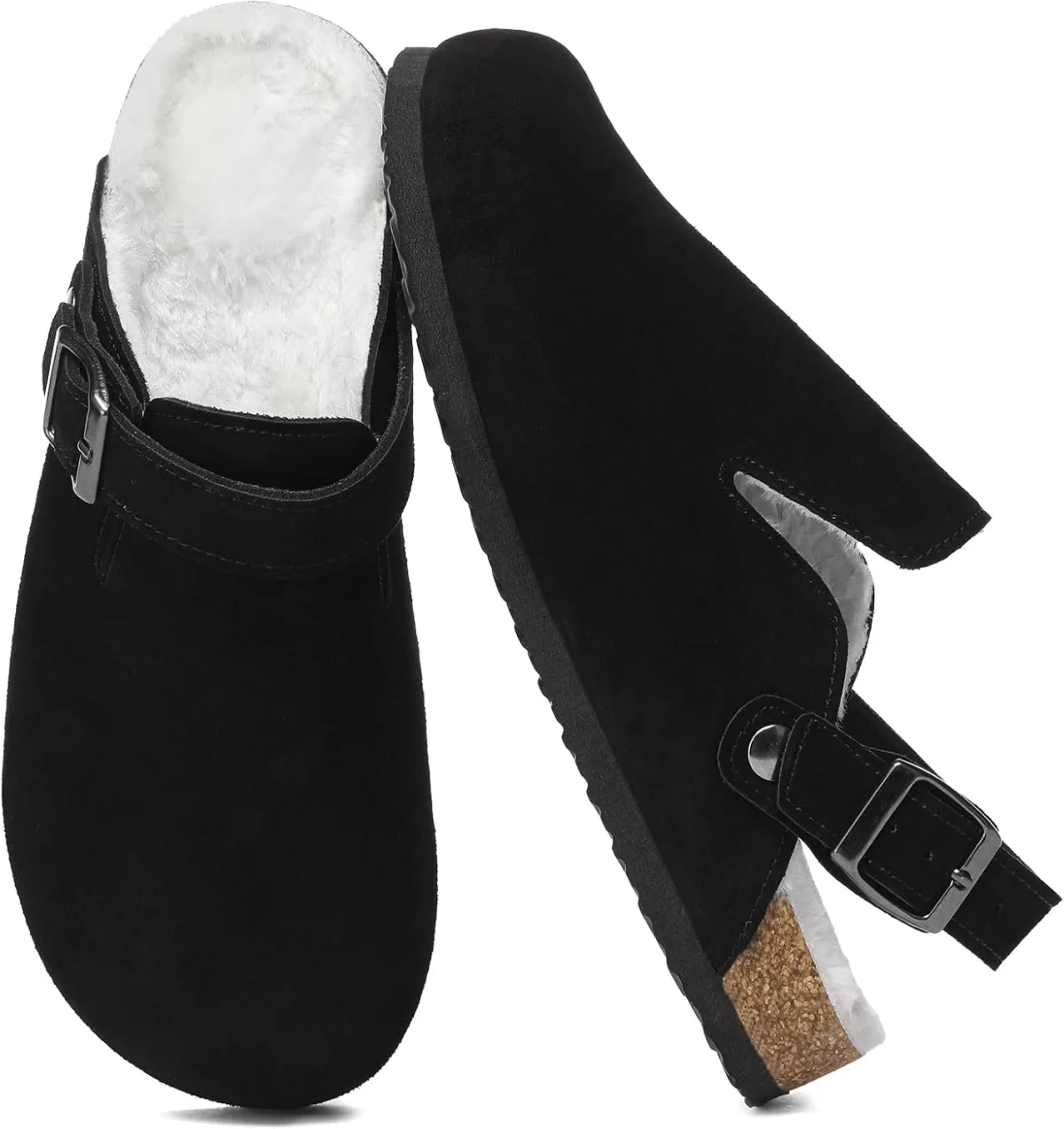
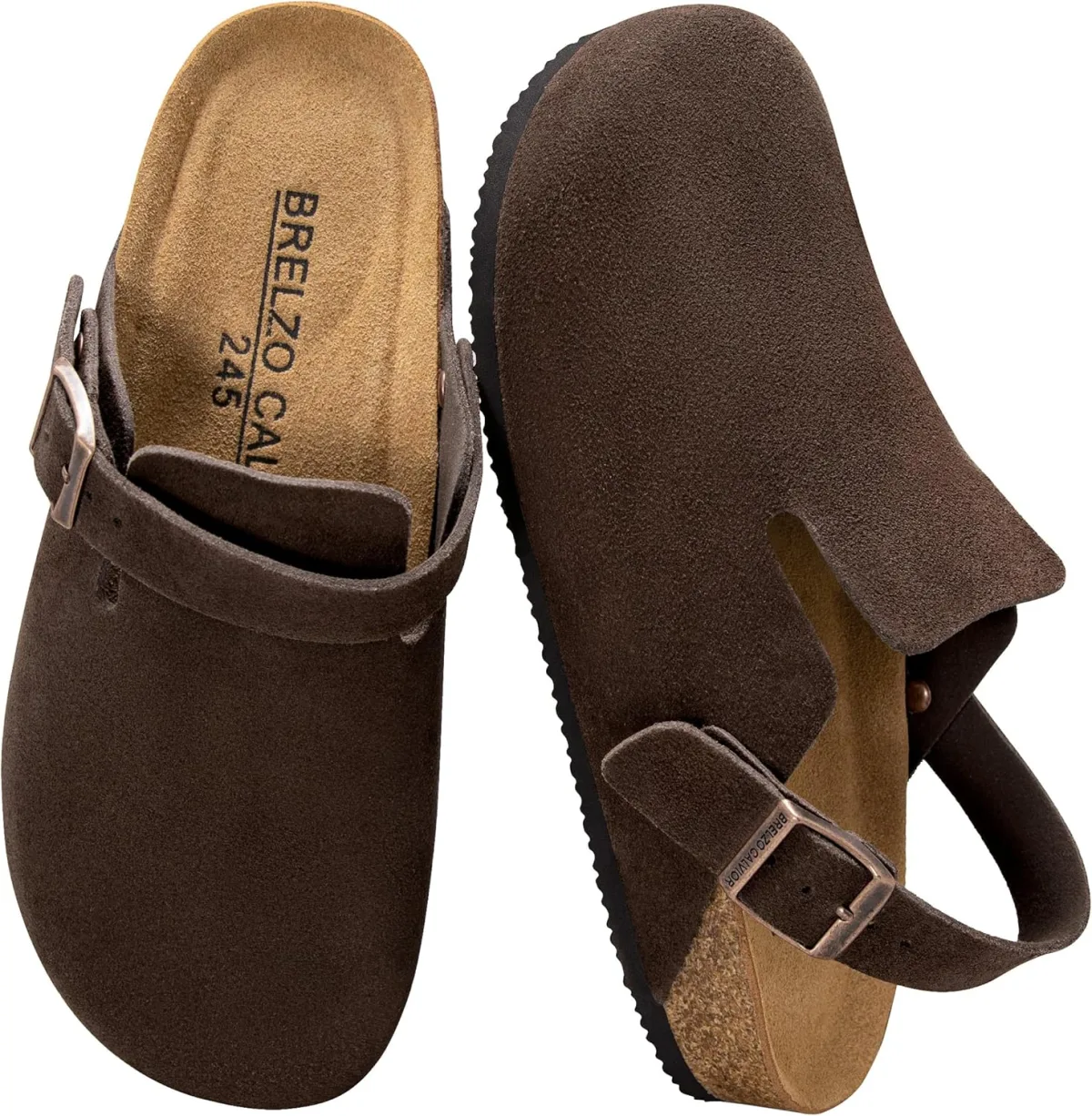
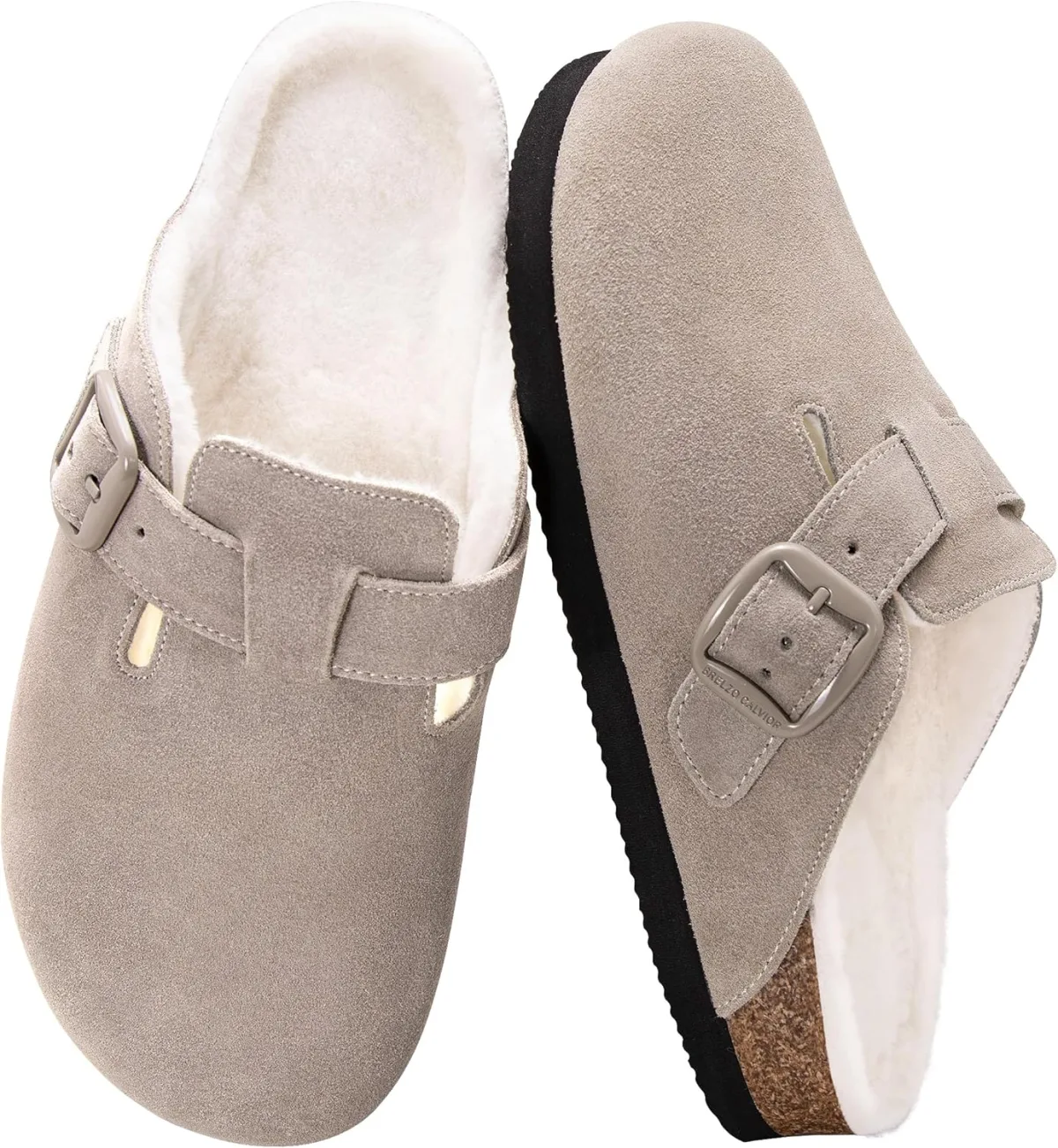
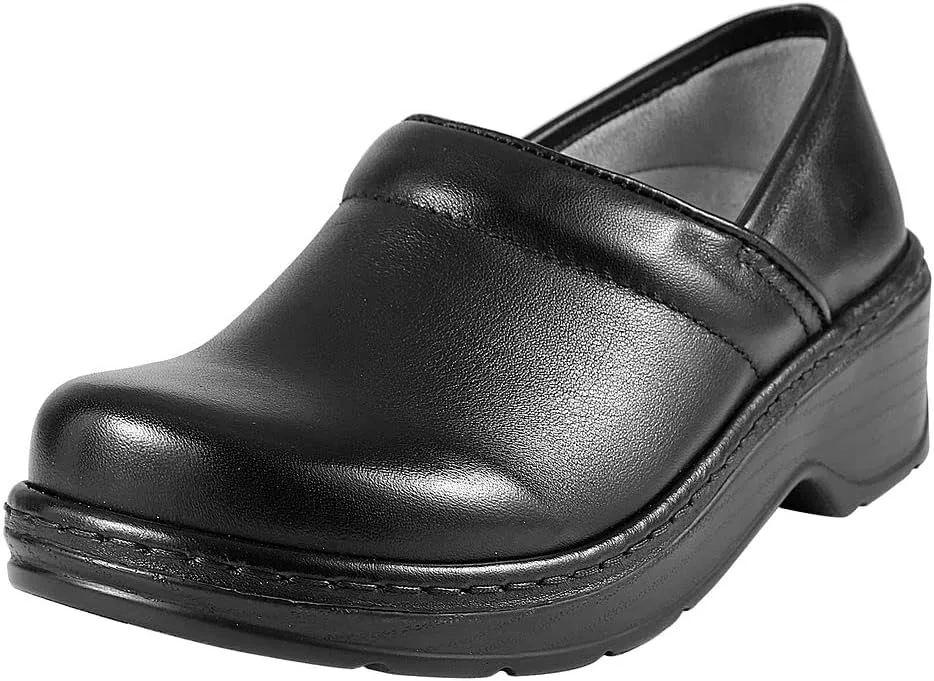
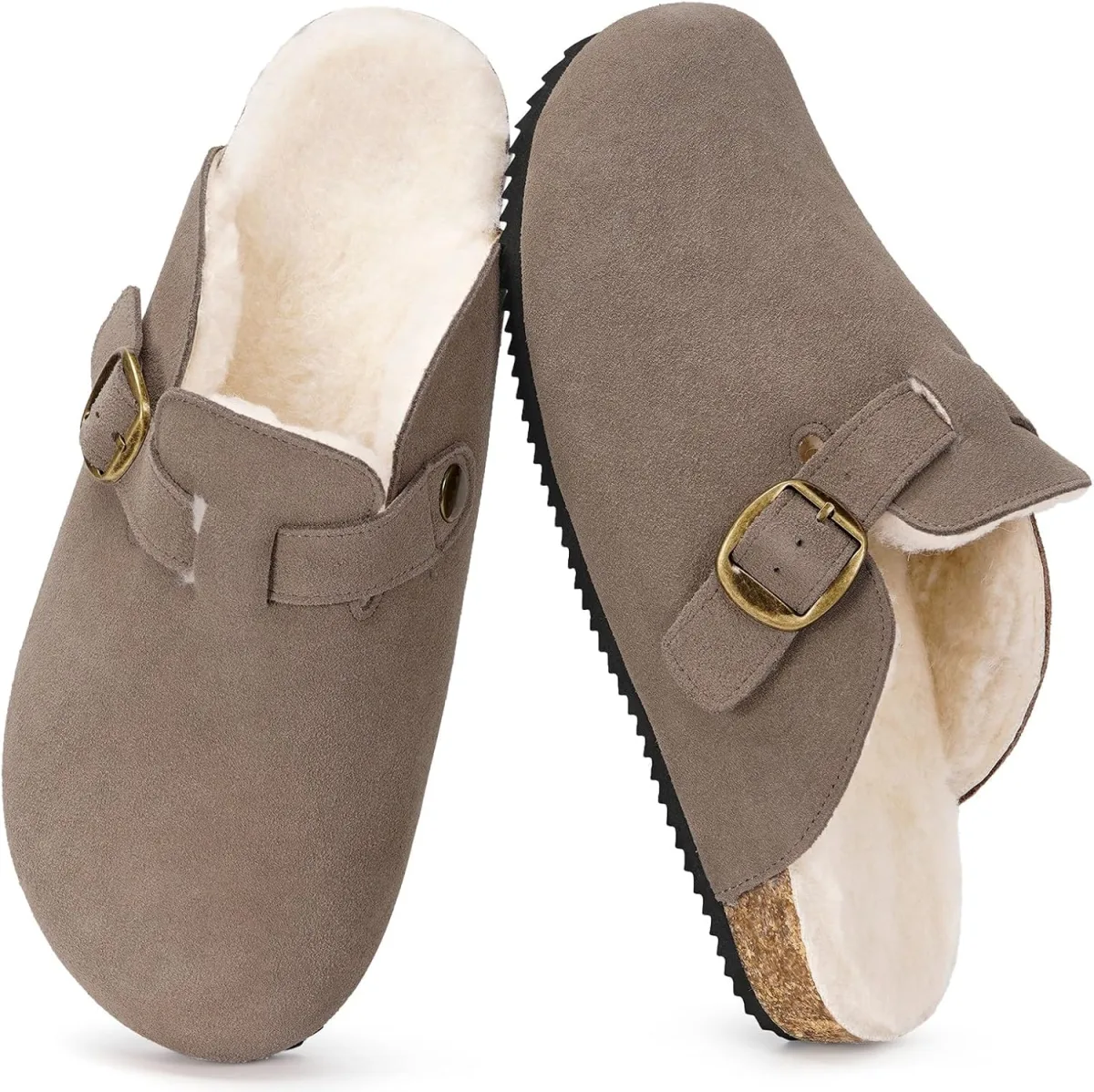
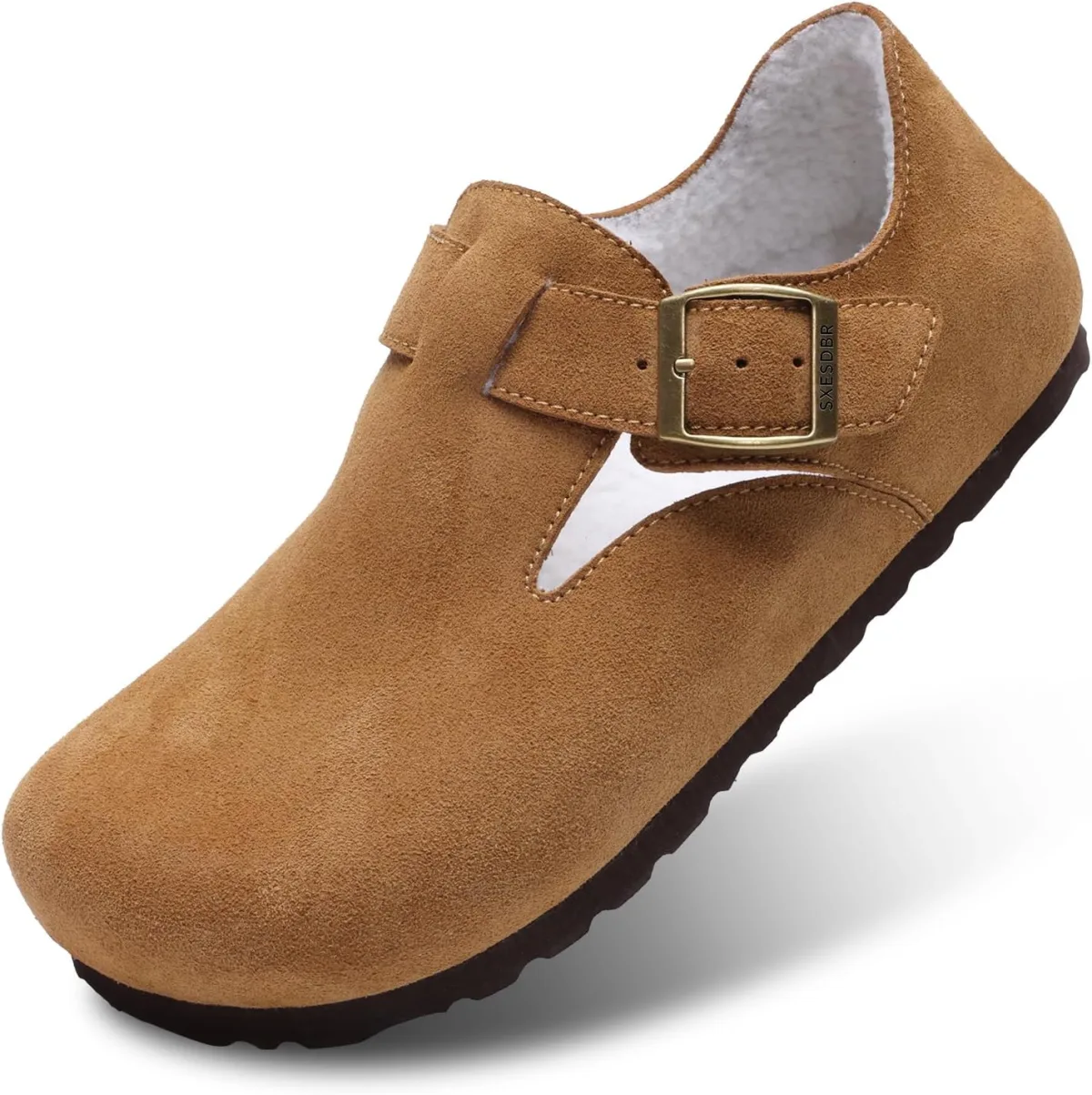
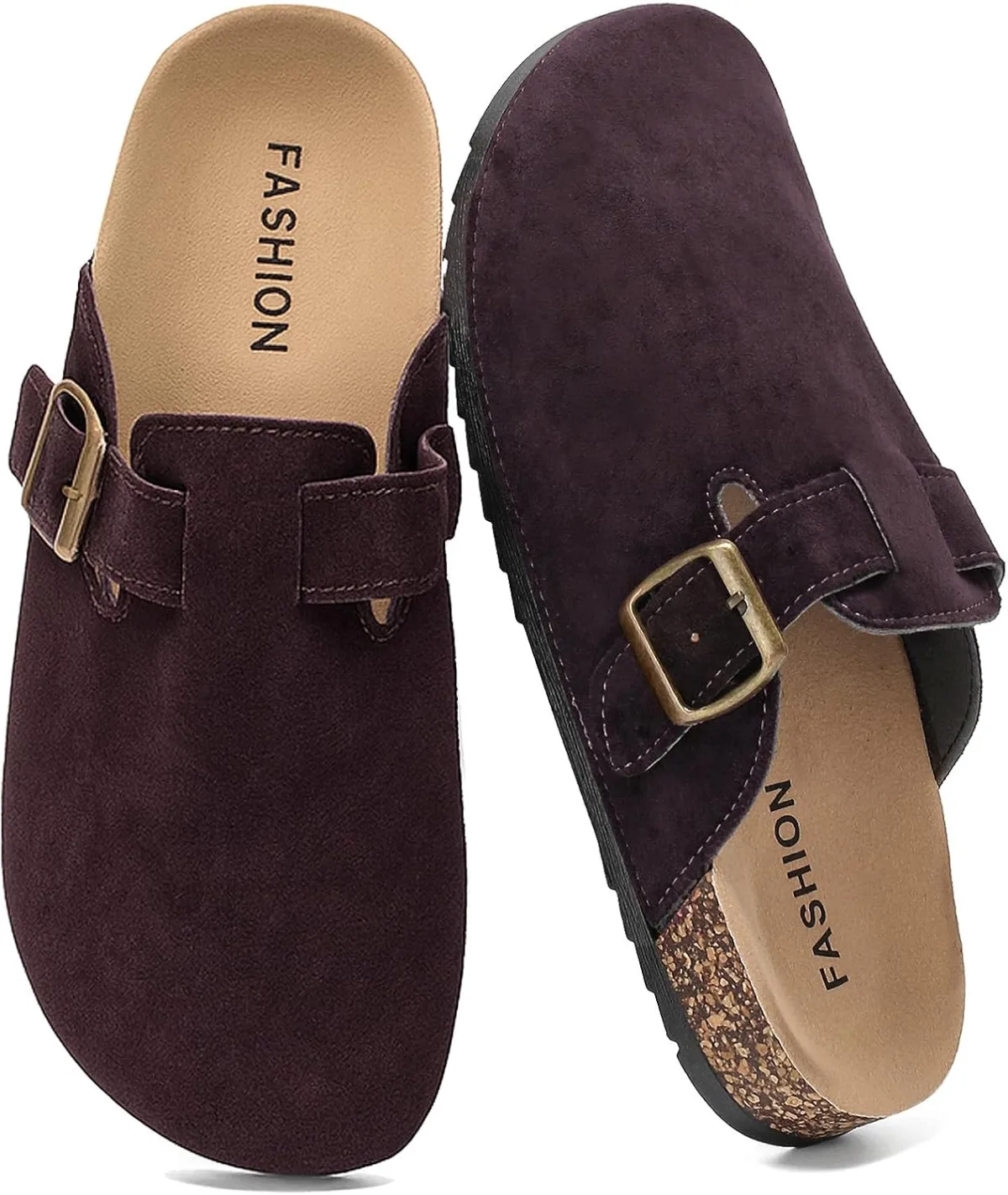
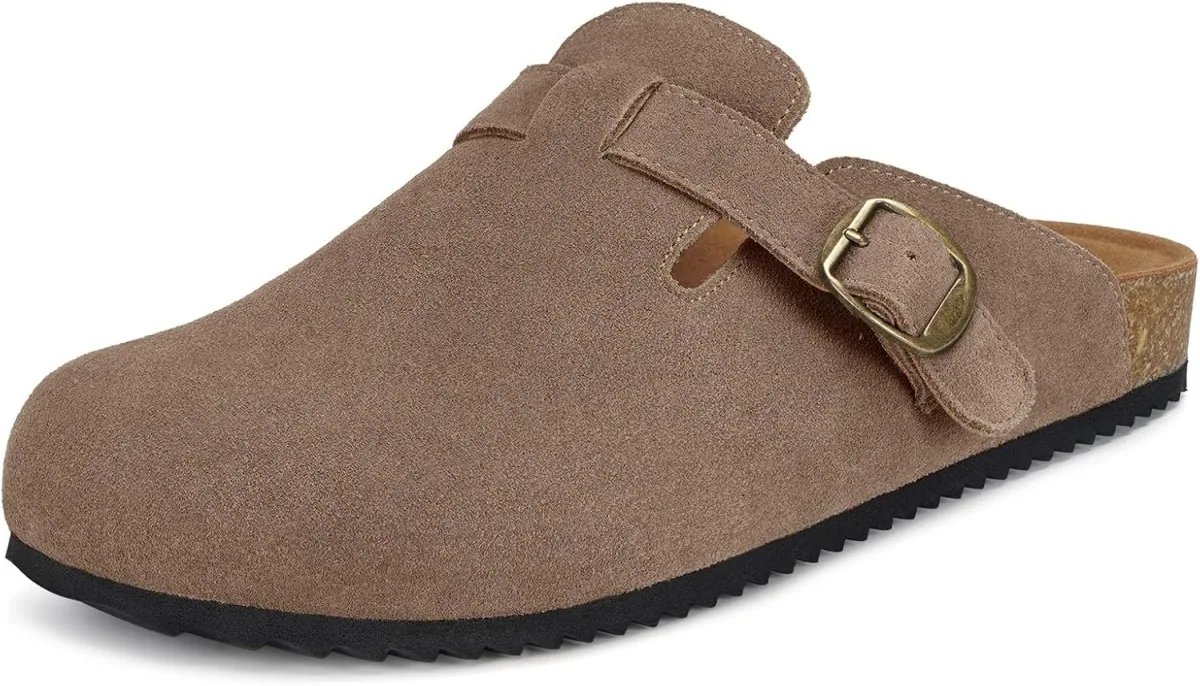
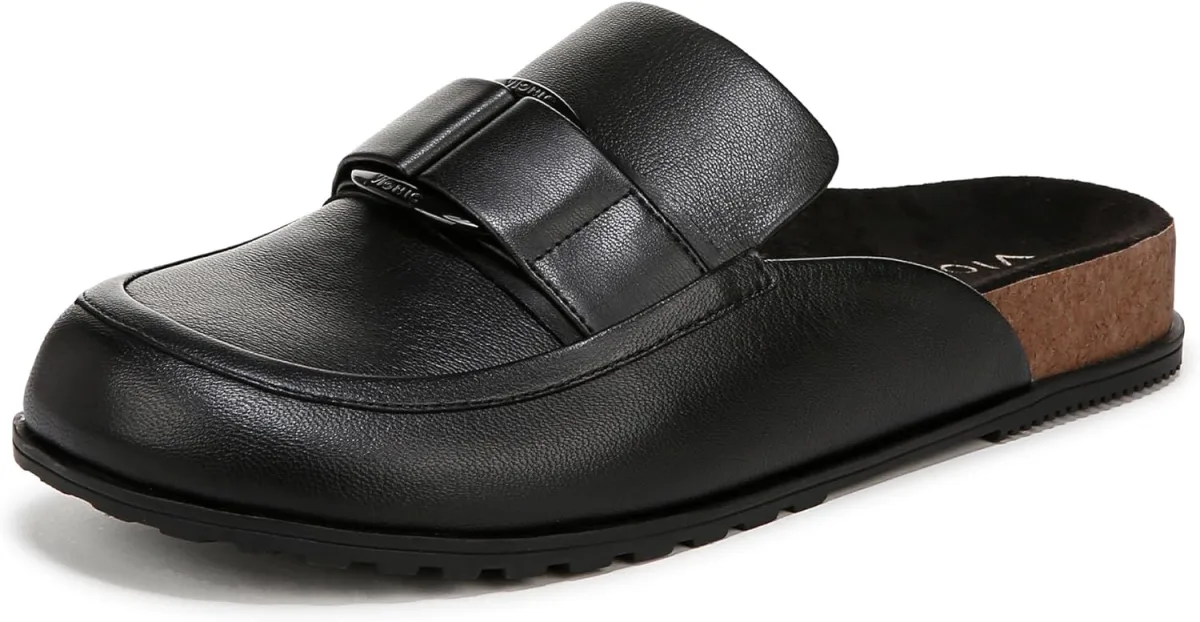
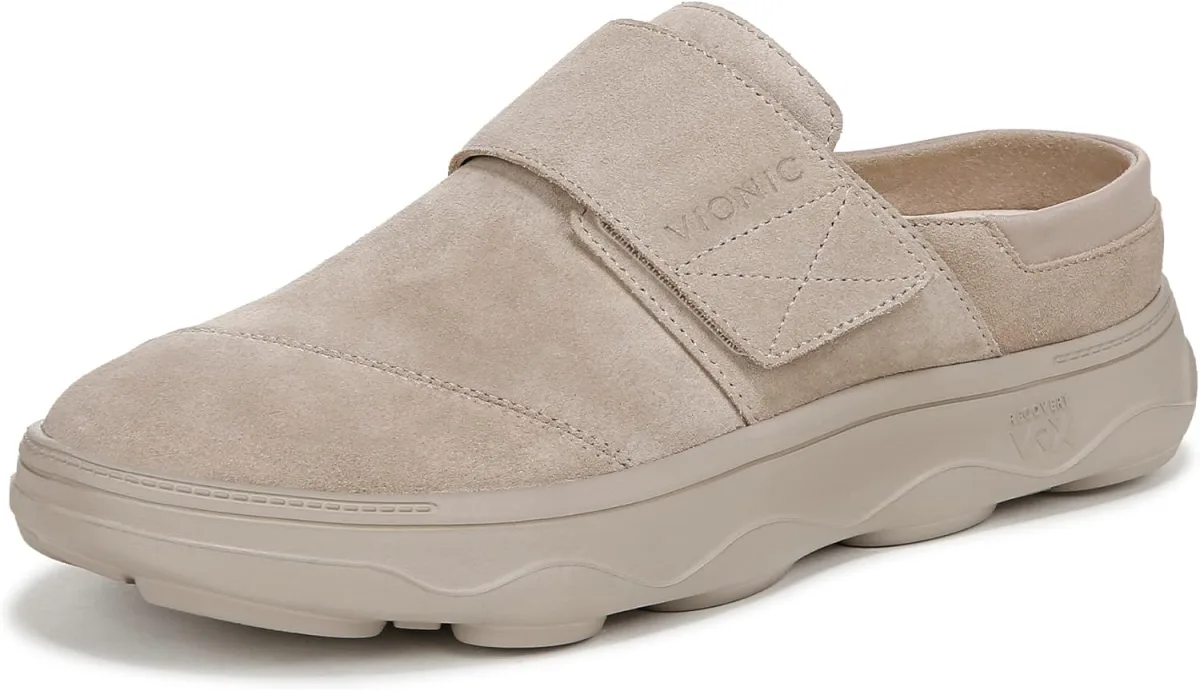
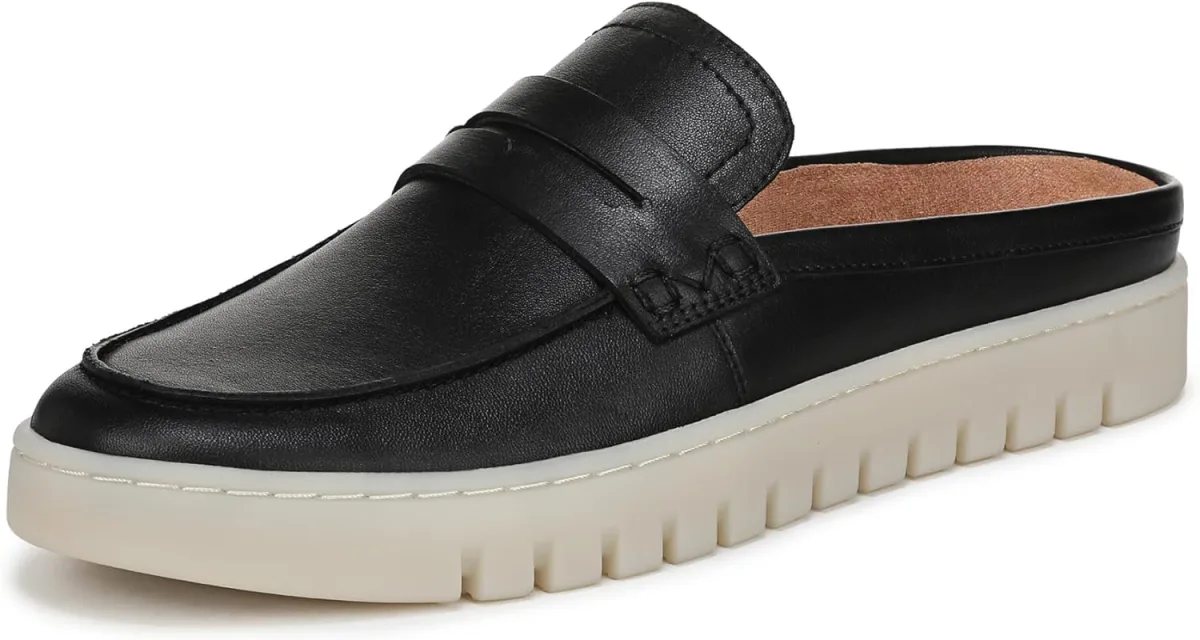
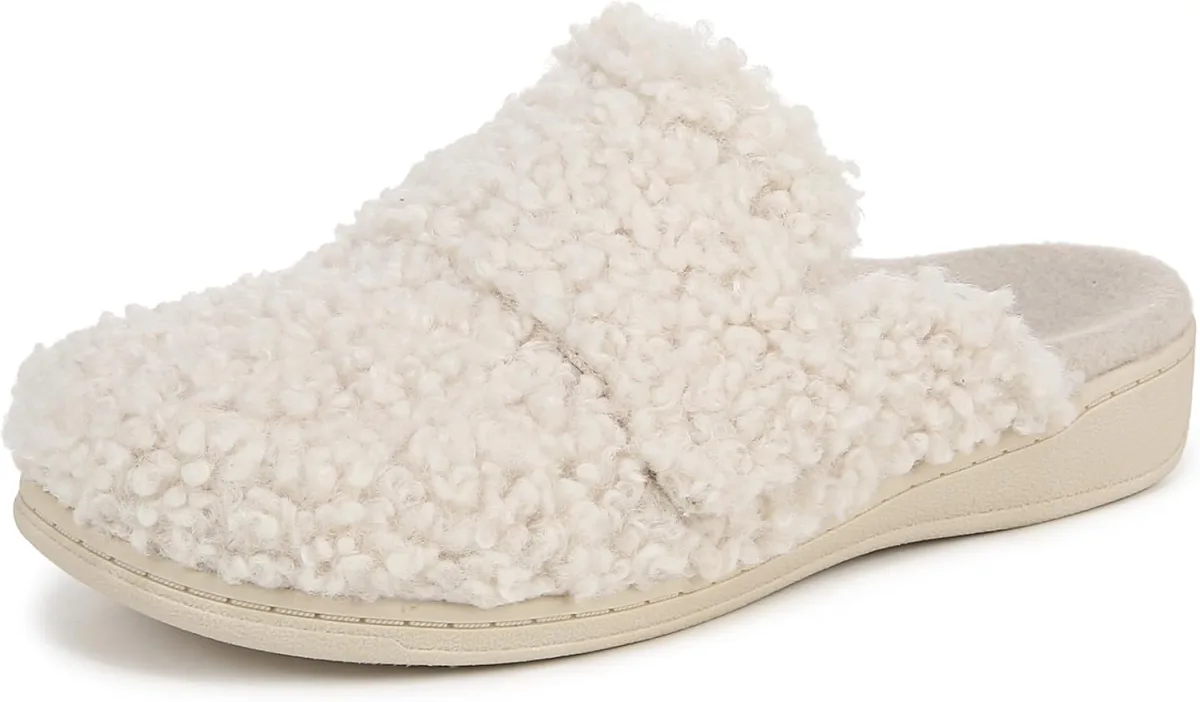
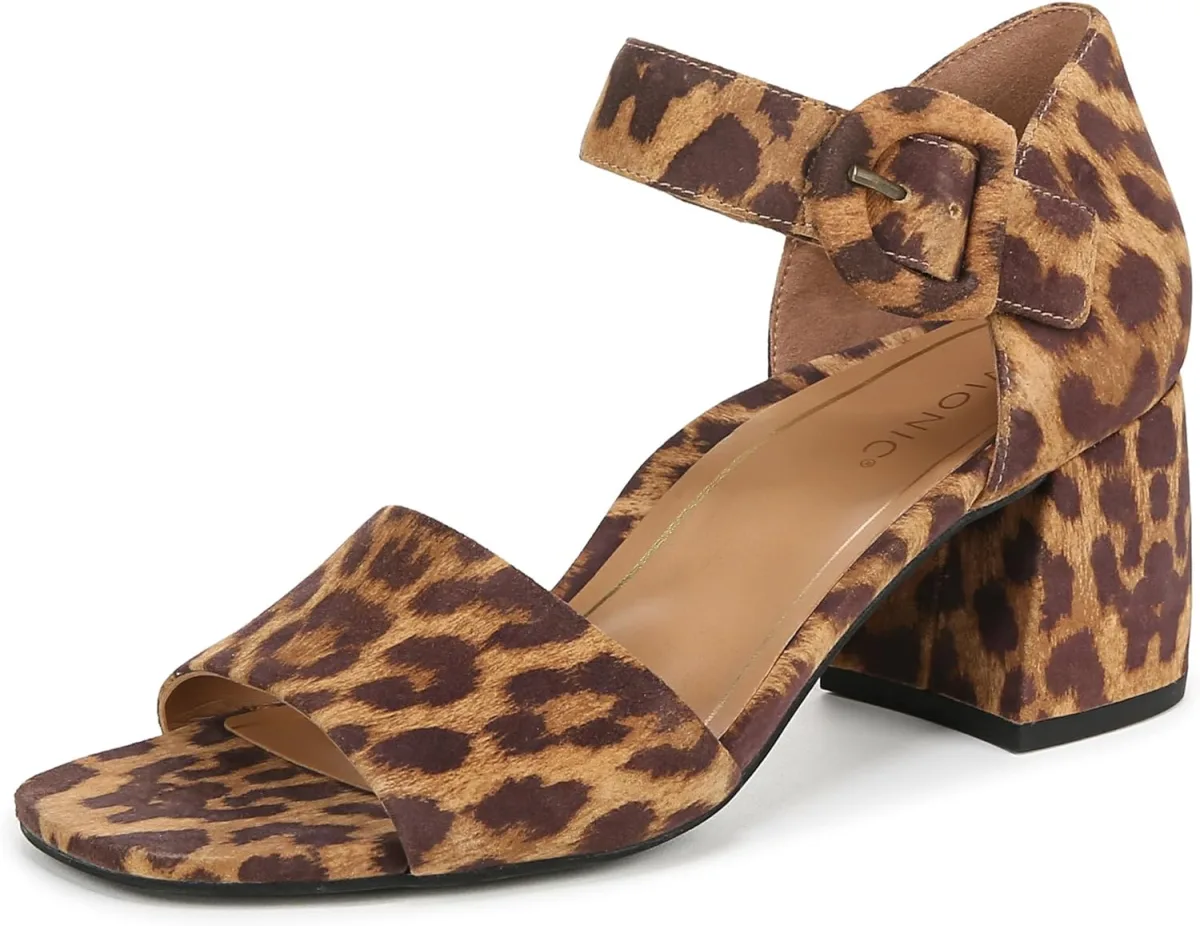
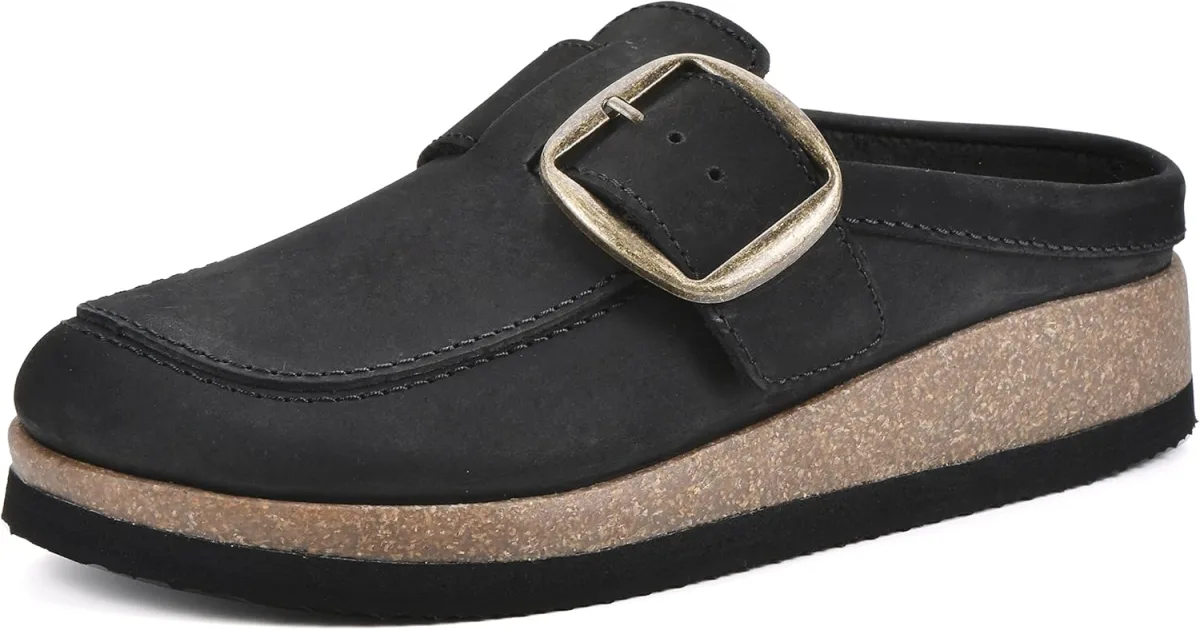
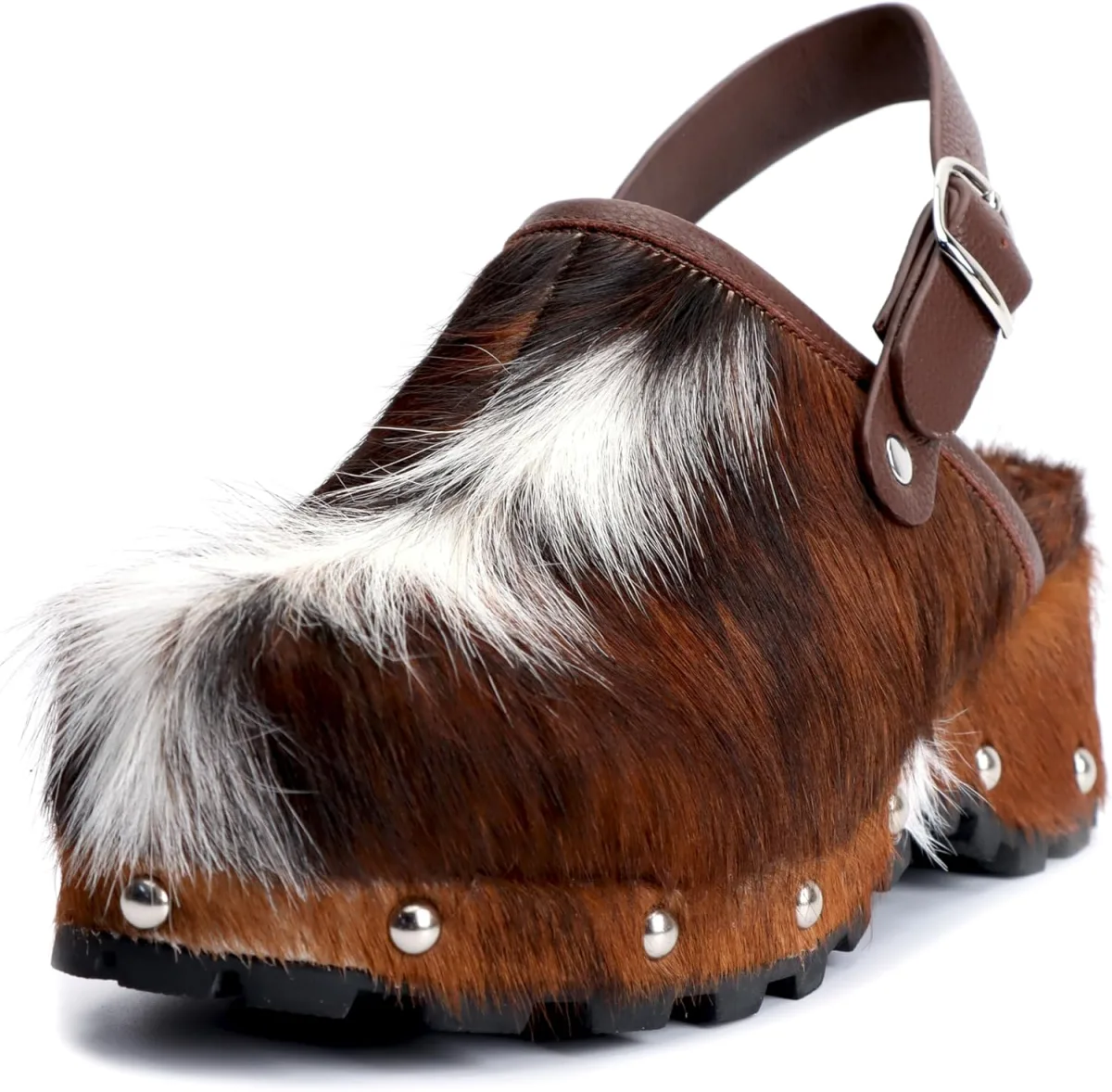
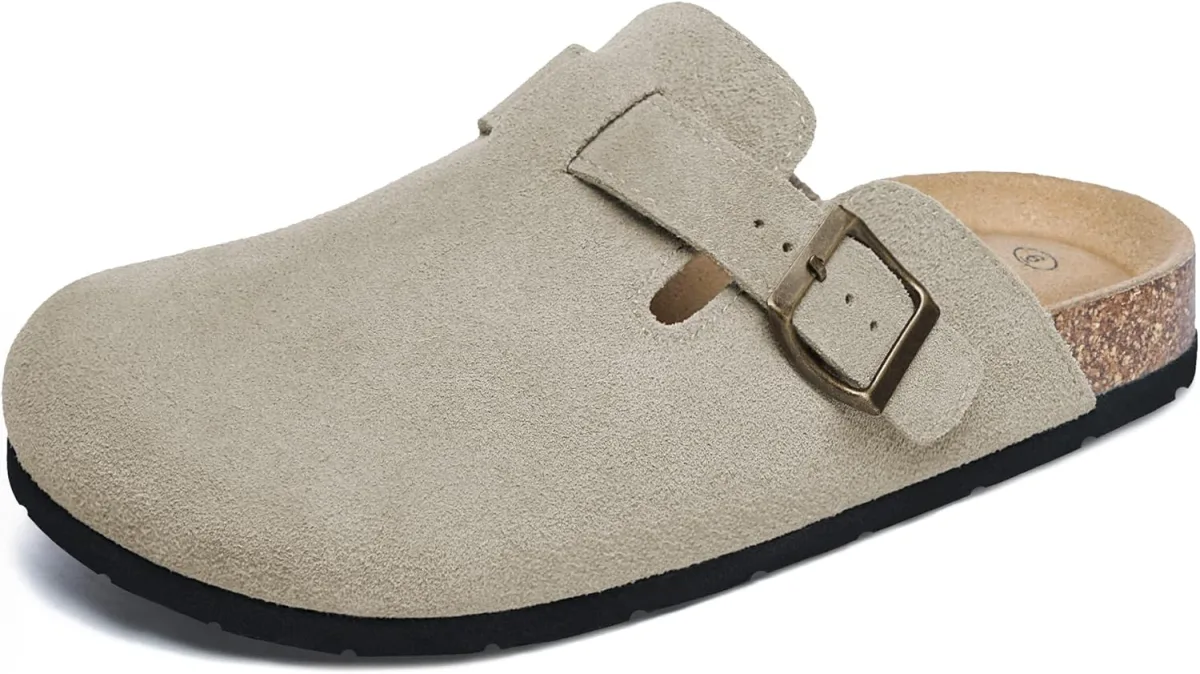
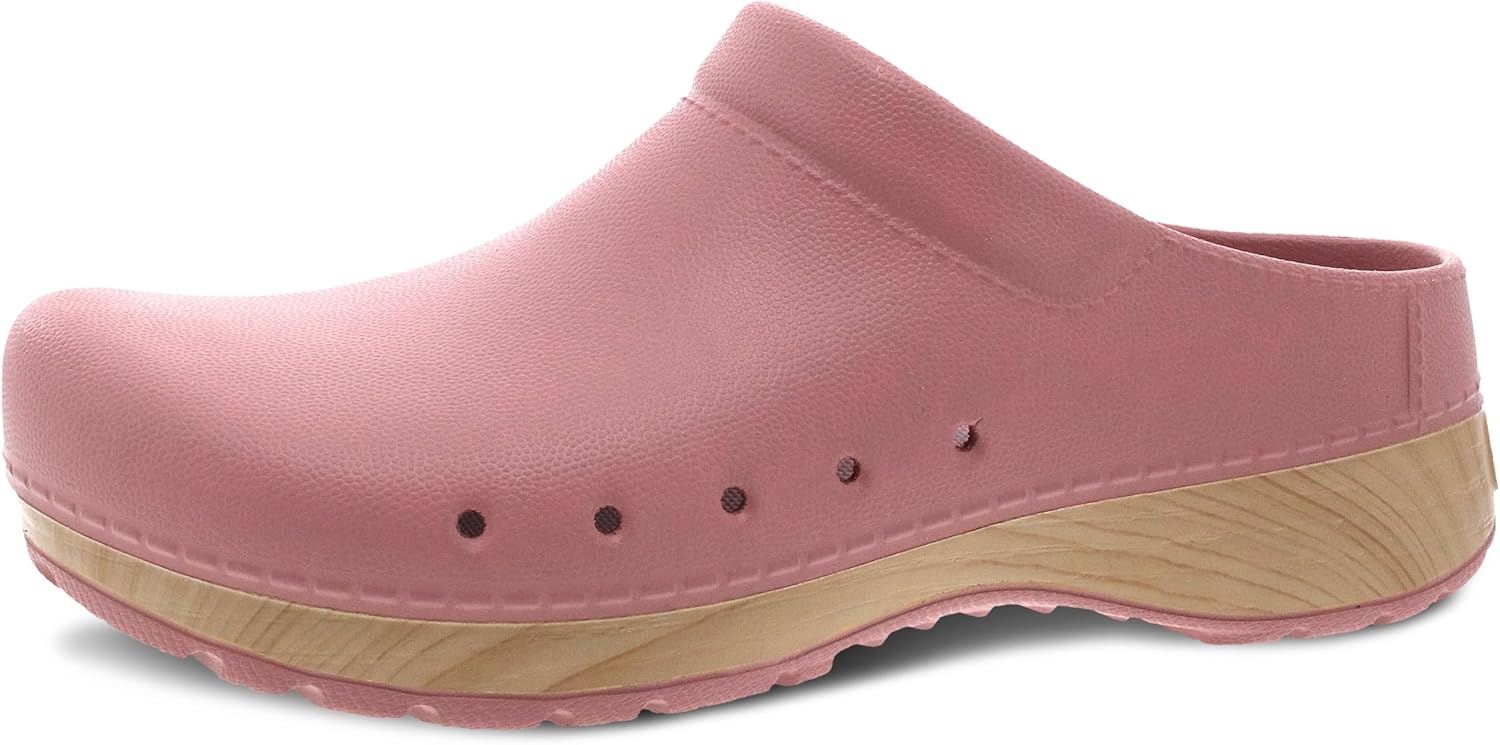
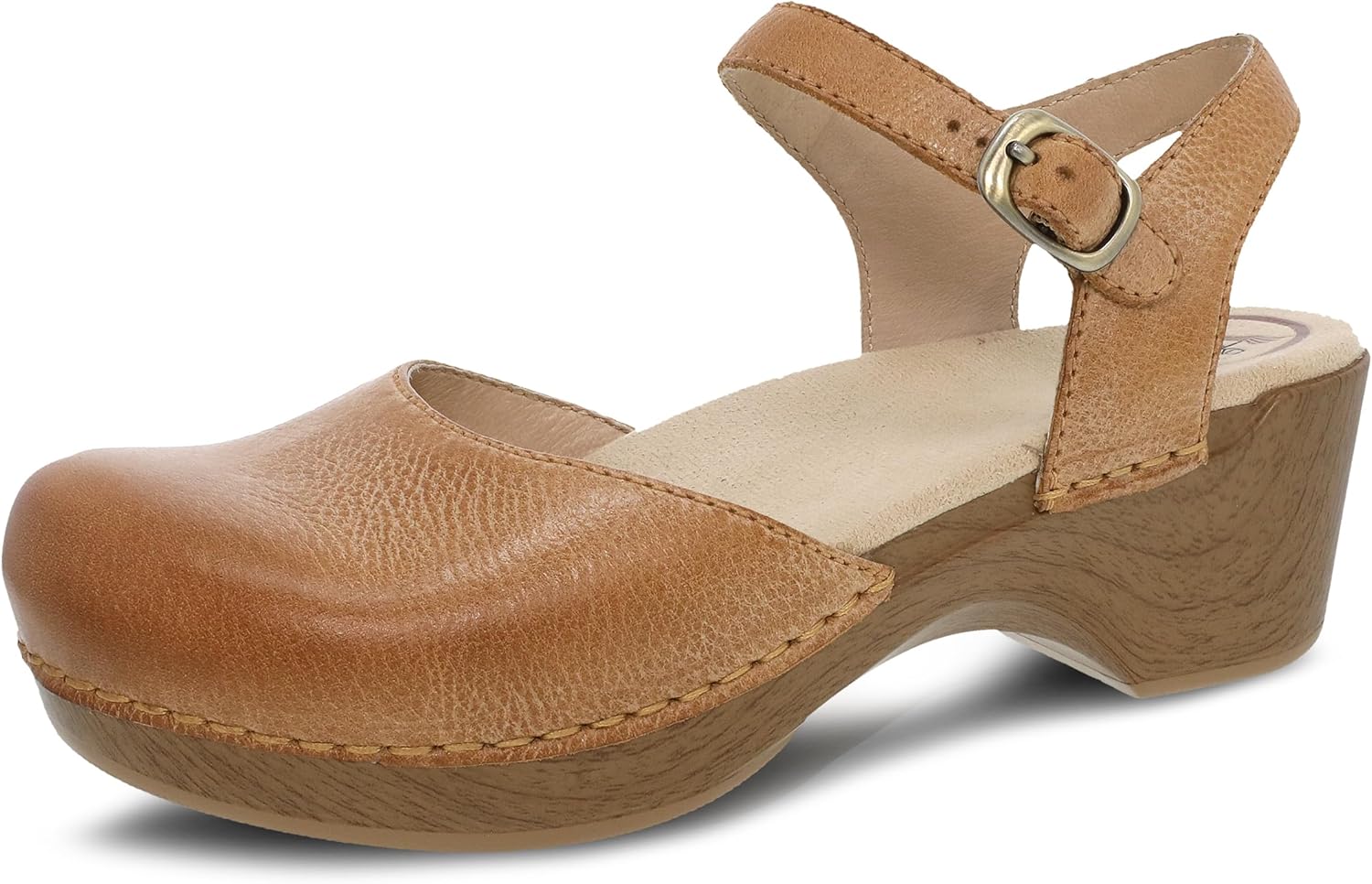
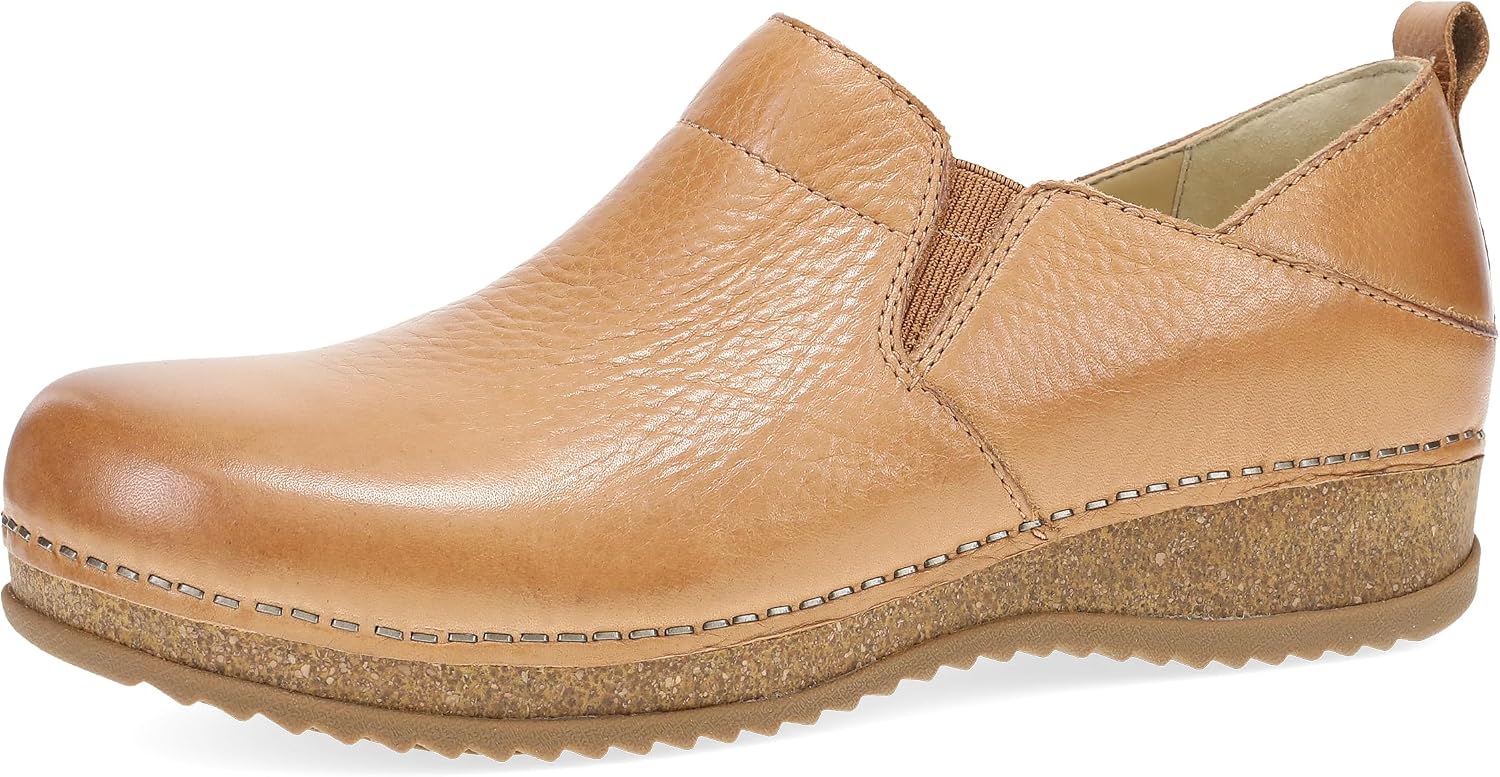
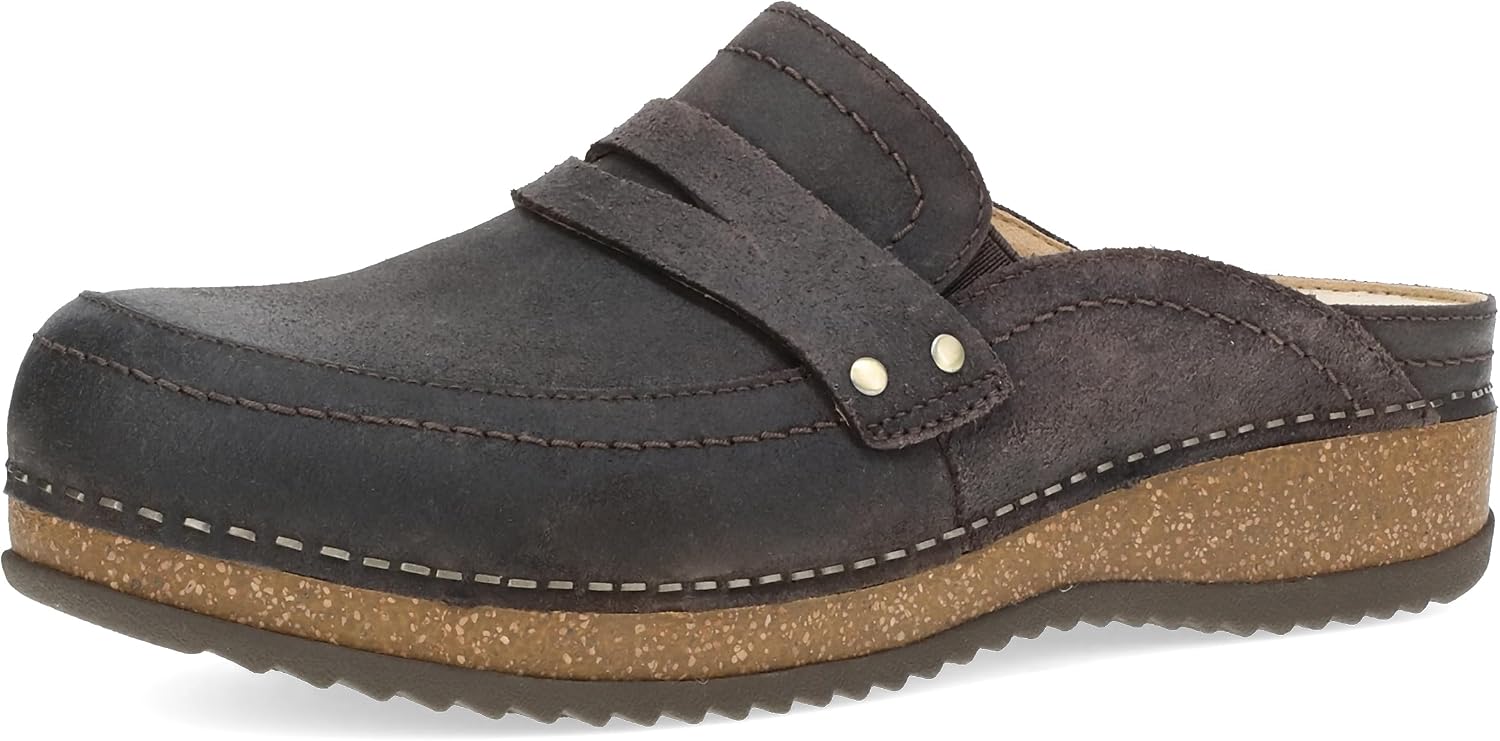
The mechanism that aggravates plantar fasciitis is the fascia being stretched and loaded repeatedly at the ball of the foot. A rigid or rocker sole reduces that cycle, and a deep heel cup limits heel splay. These are the styles with arch support, a cork footbed or a rocker sole. This is not medical advice — confirm with a podiatrist.
Aetrex
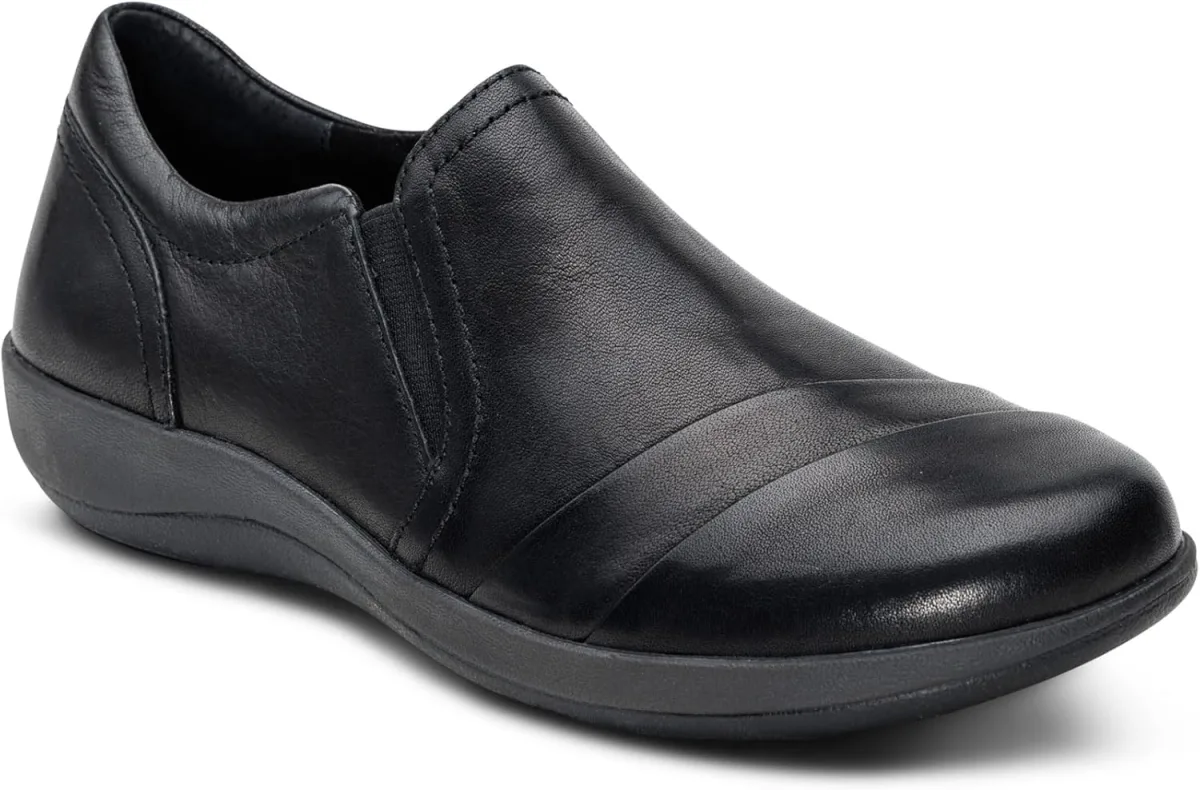
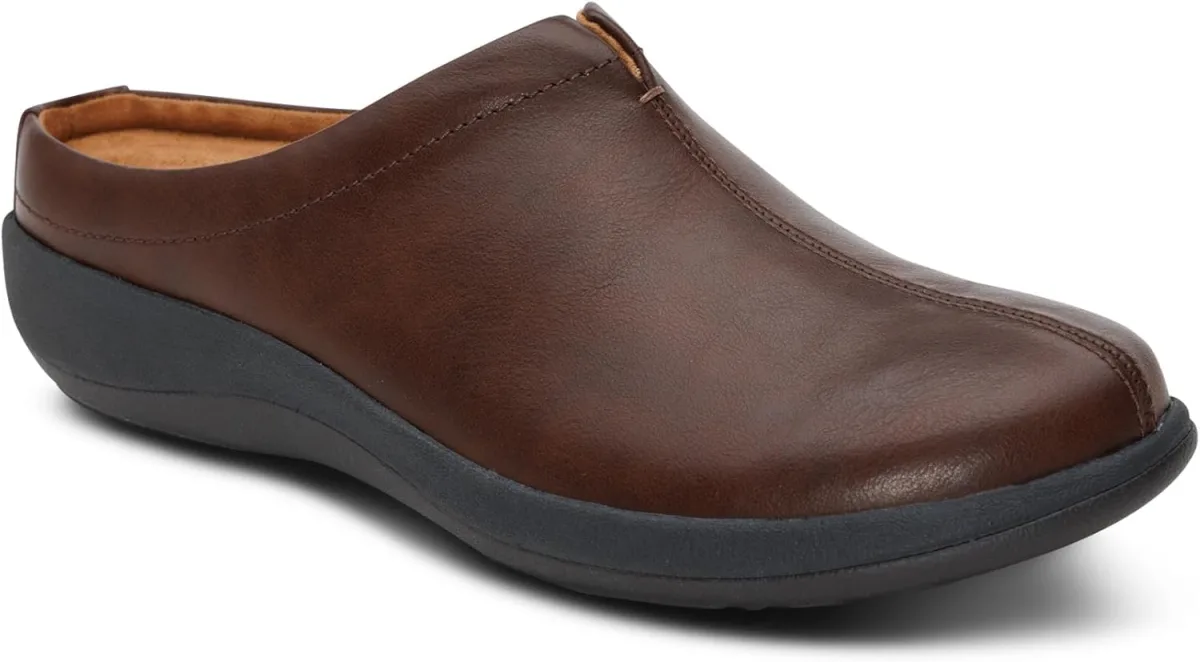
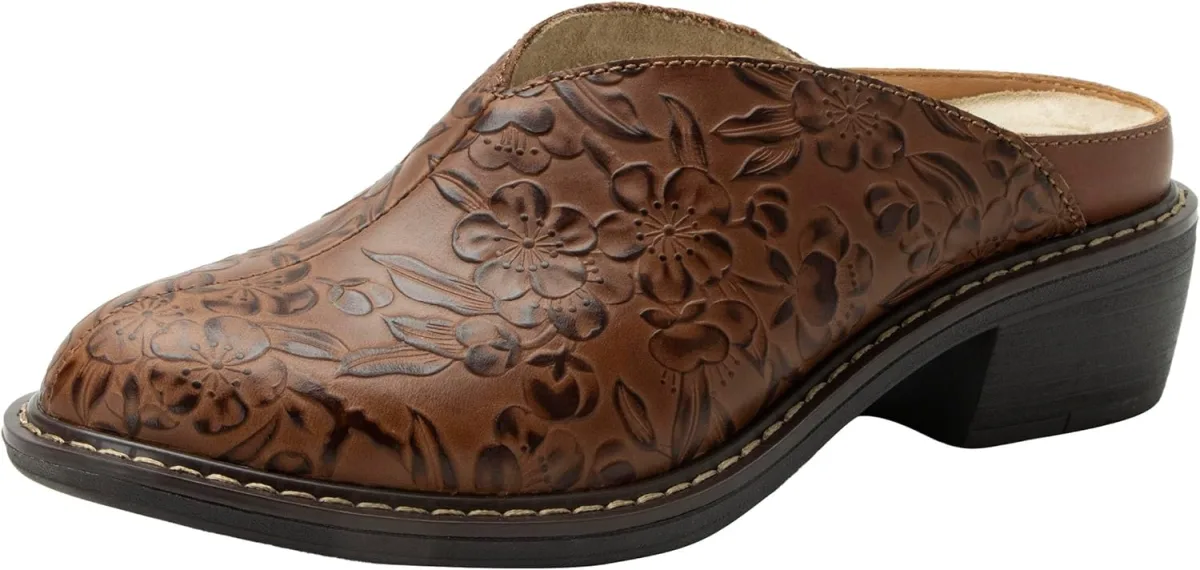
Alegria
Alegria
Athlefit
BULLIANT
Birkenstock
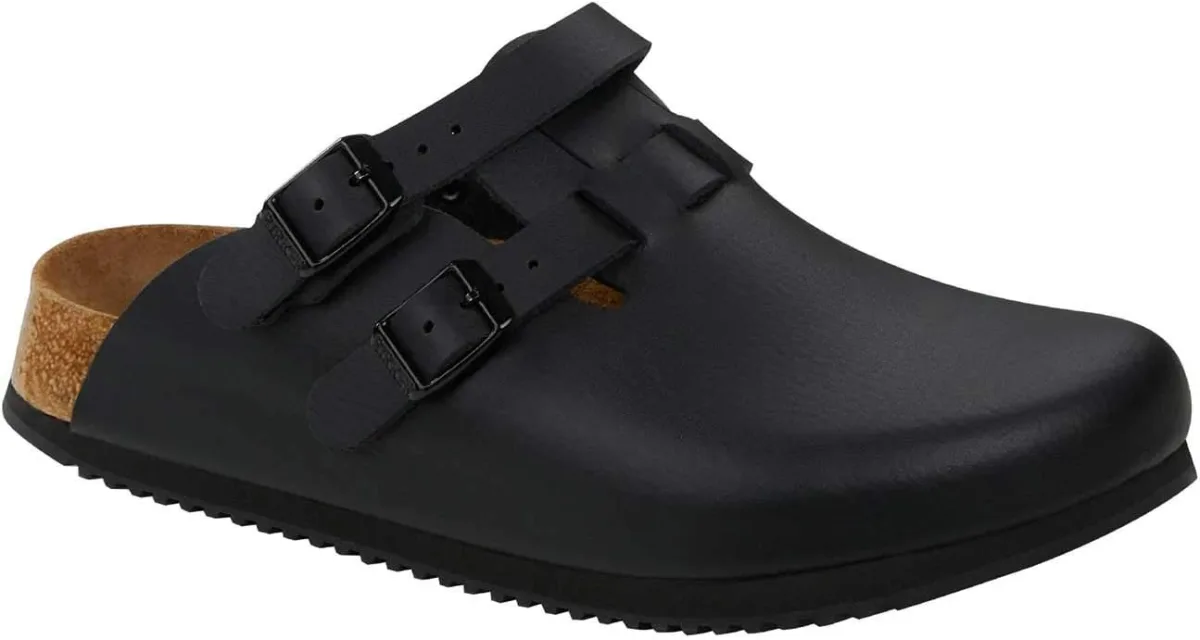
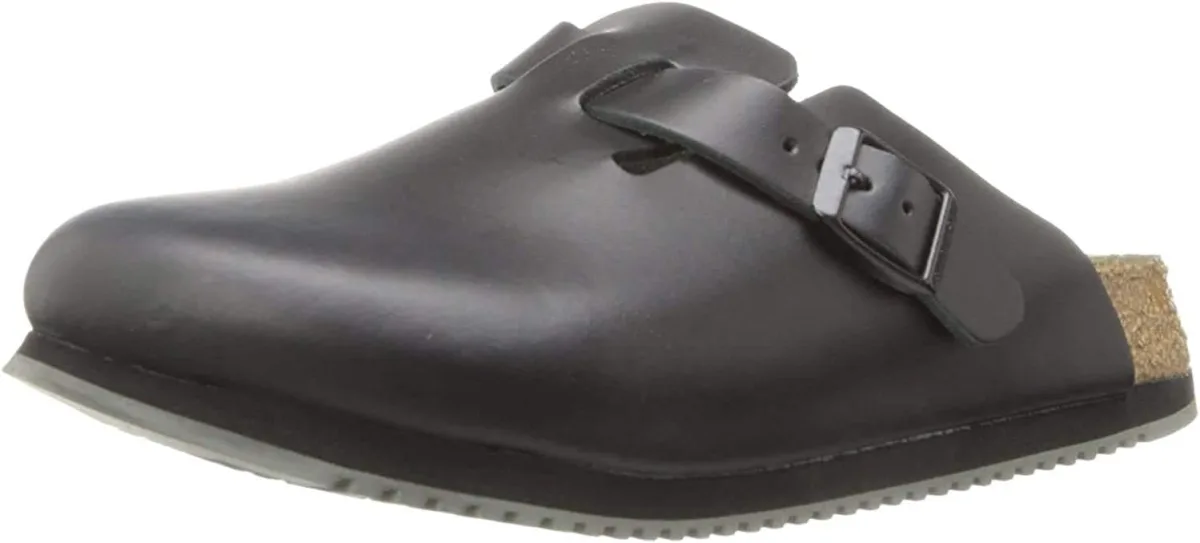
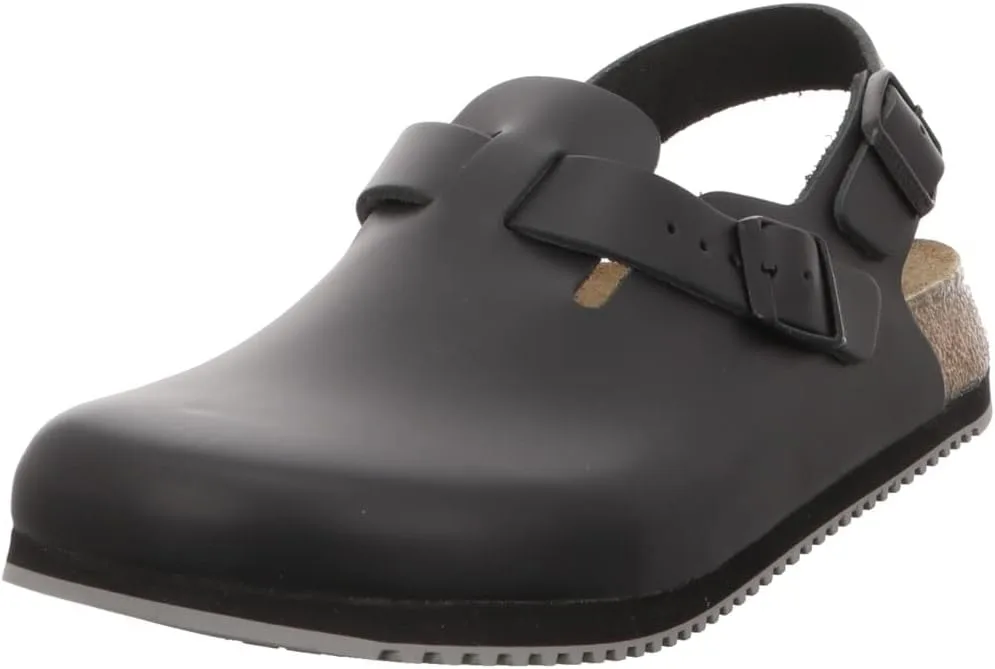
Birkenstock
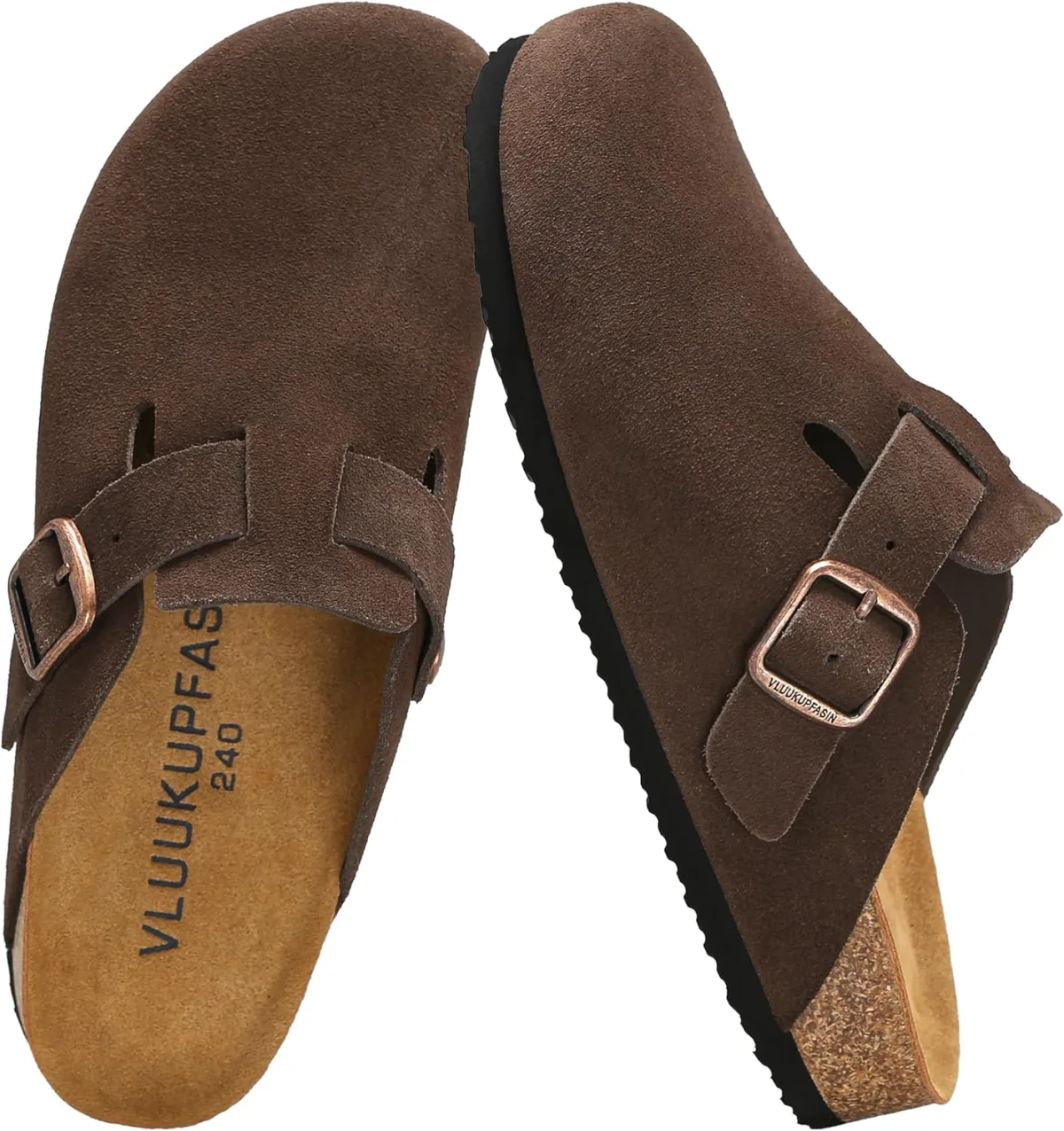
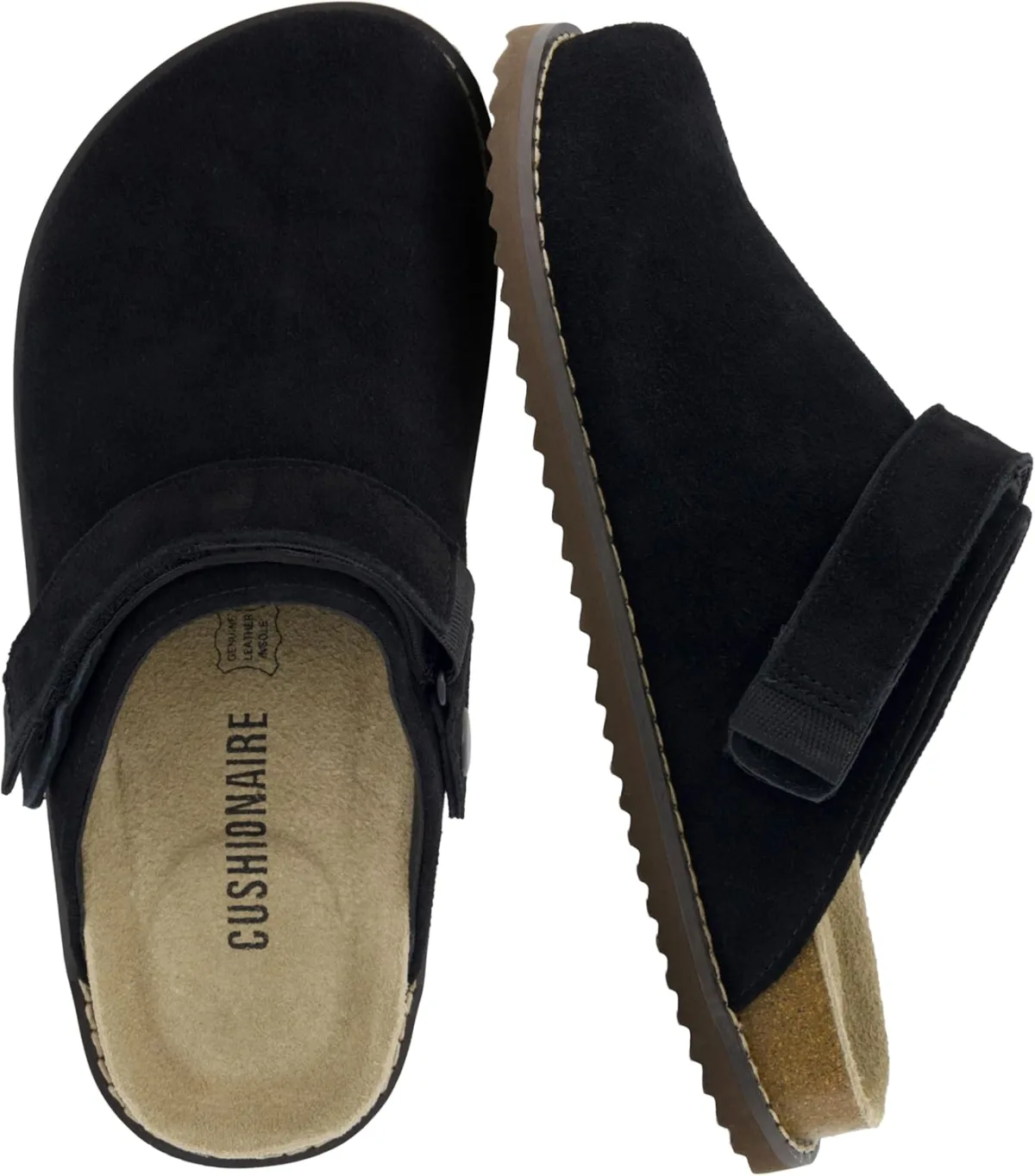
CUSHIONAIRE
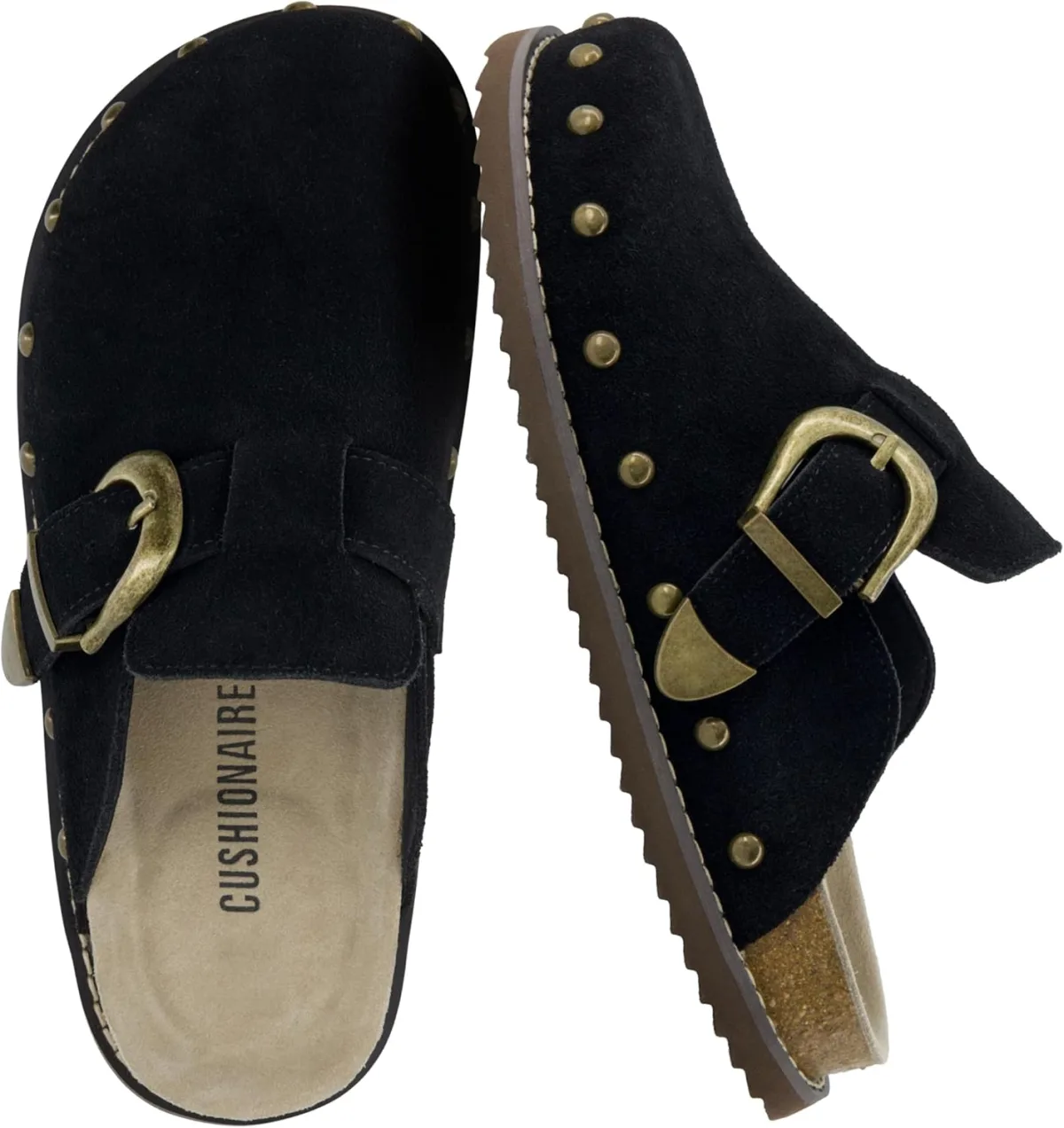
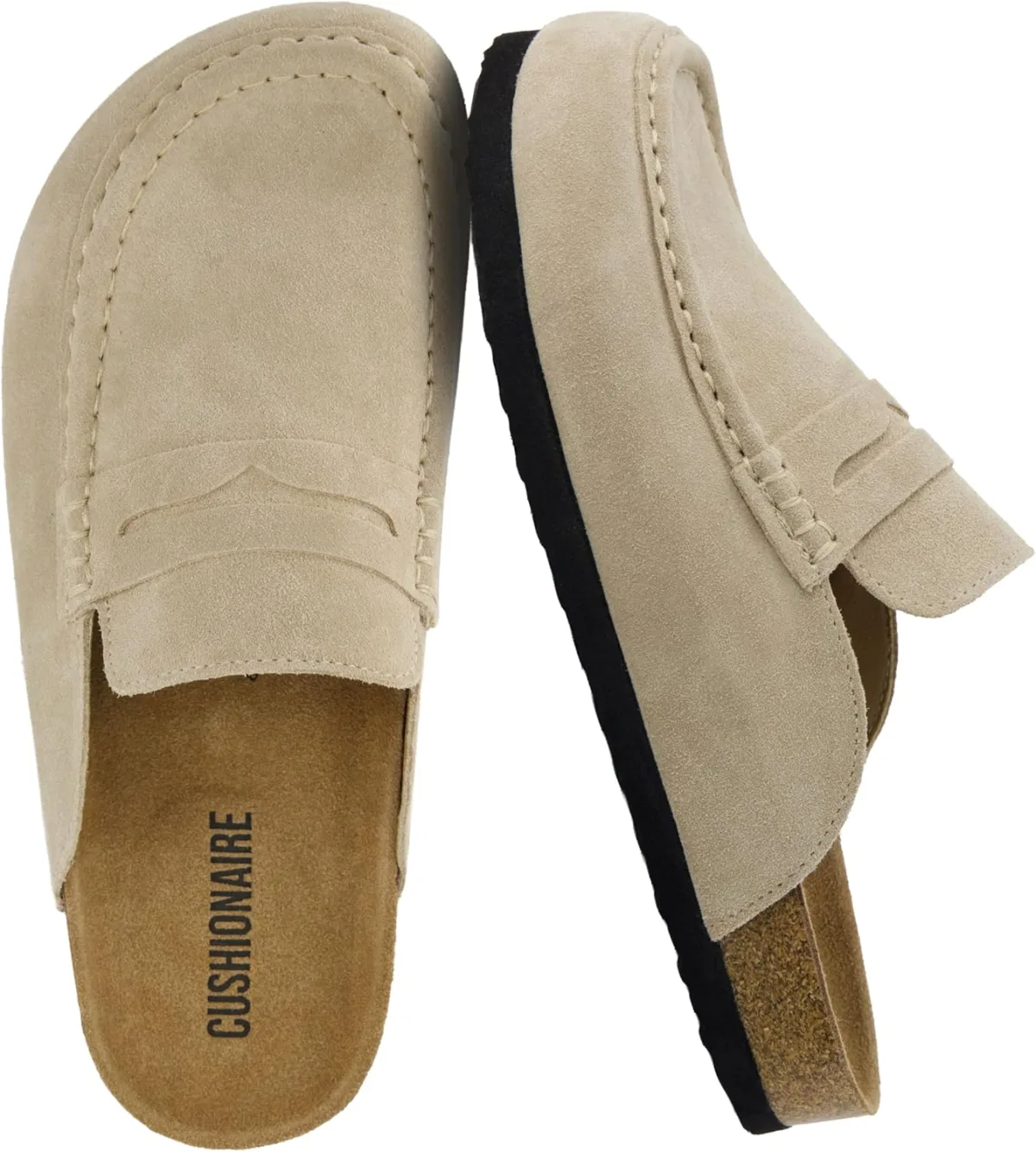
CUSHIONAIRE
CUSHIONAIRE
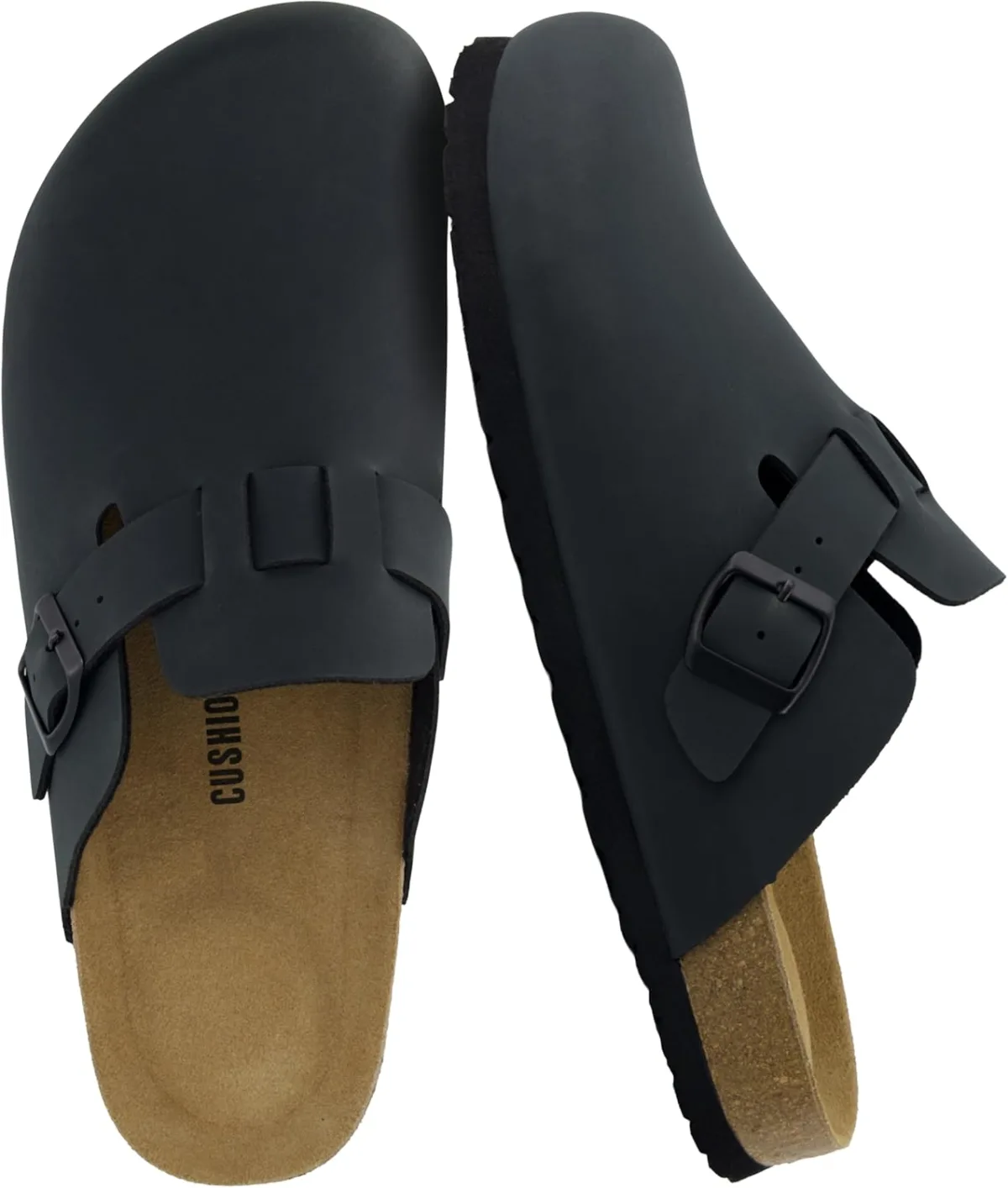
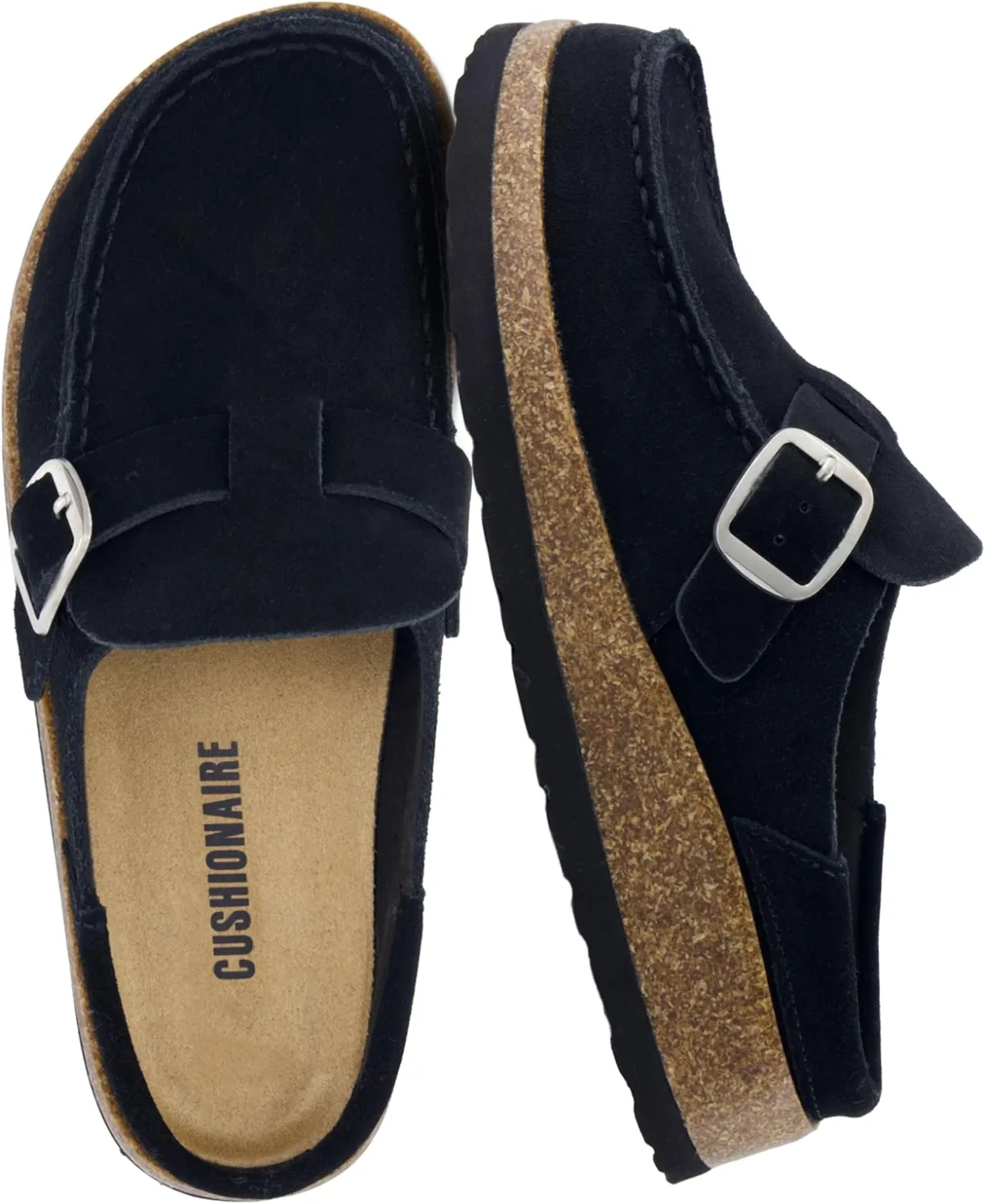
CUSHIONAIRE
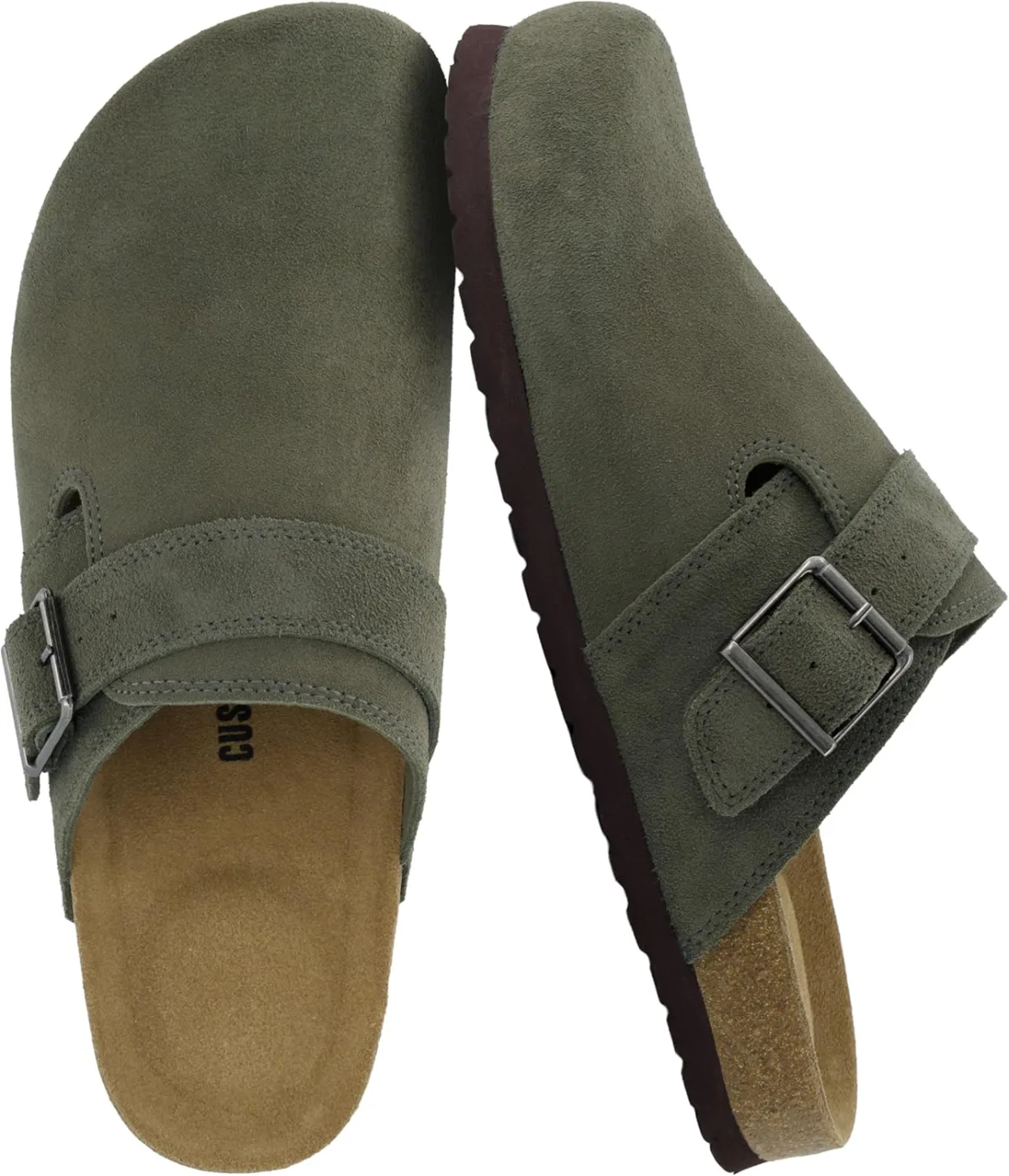
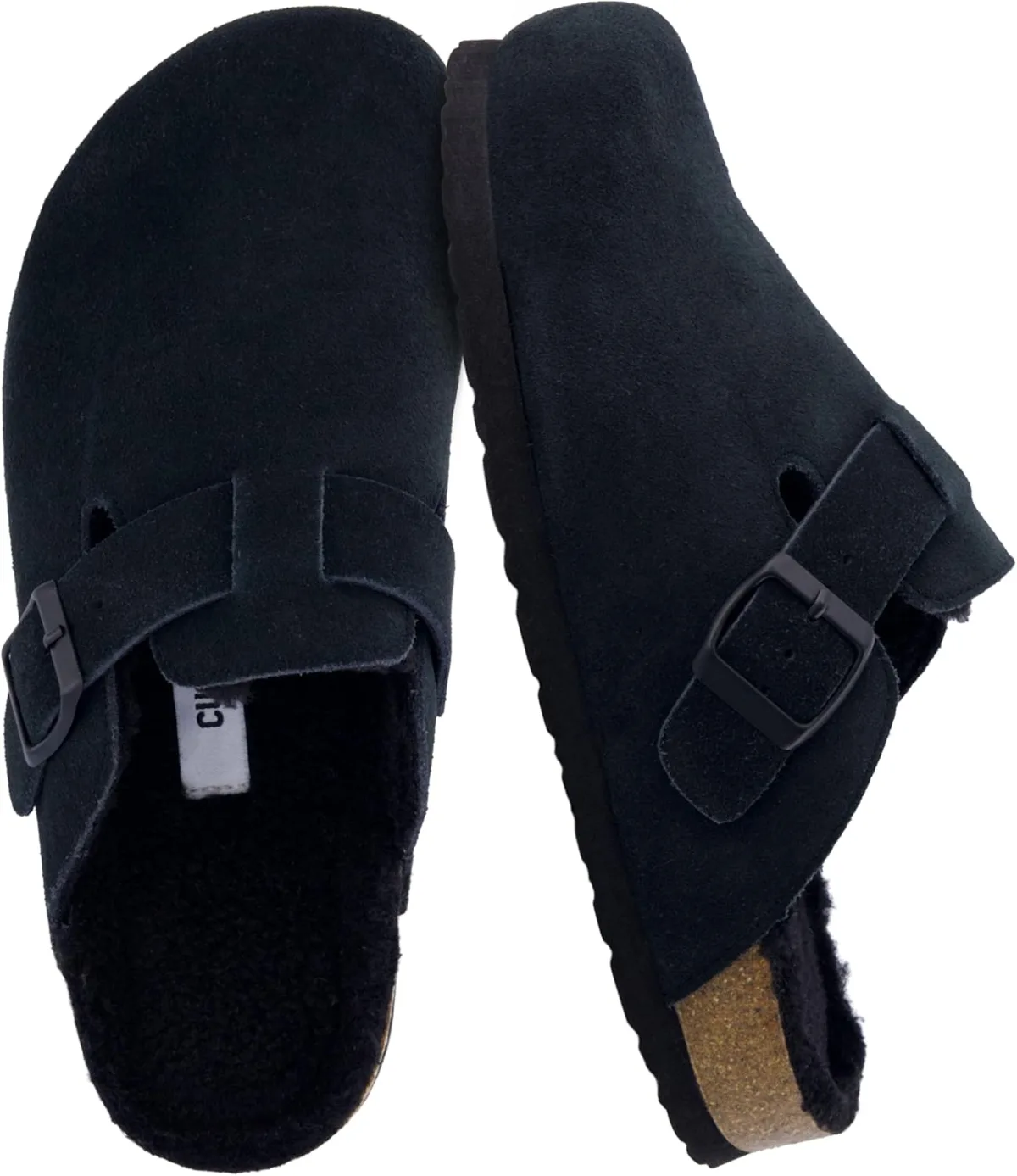
CUSHIONAIRE
Dansko
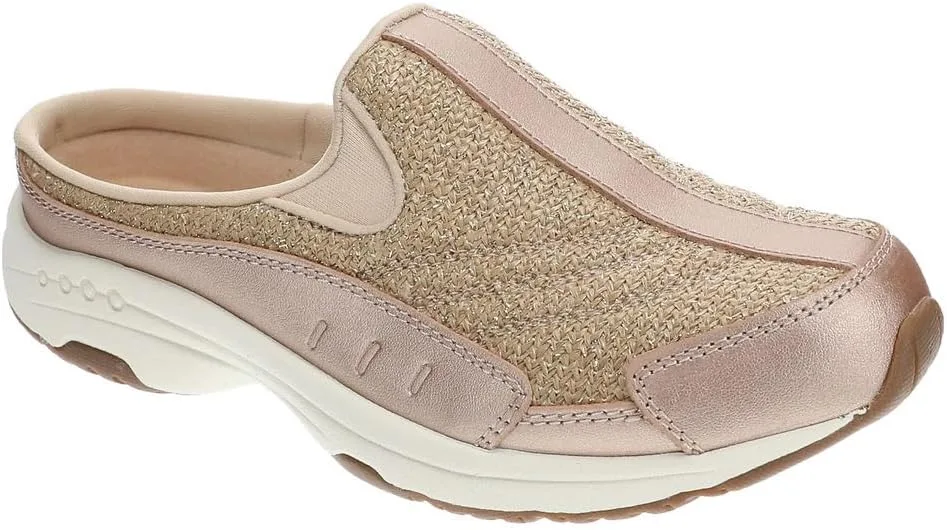
Easy Spirit
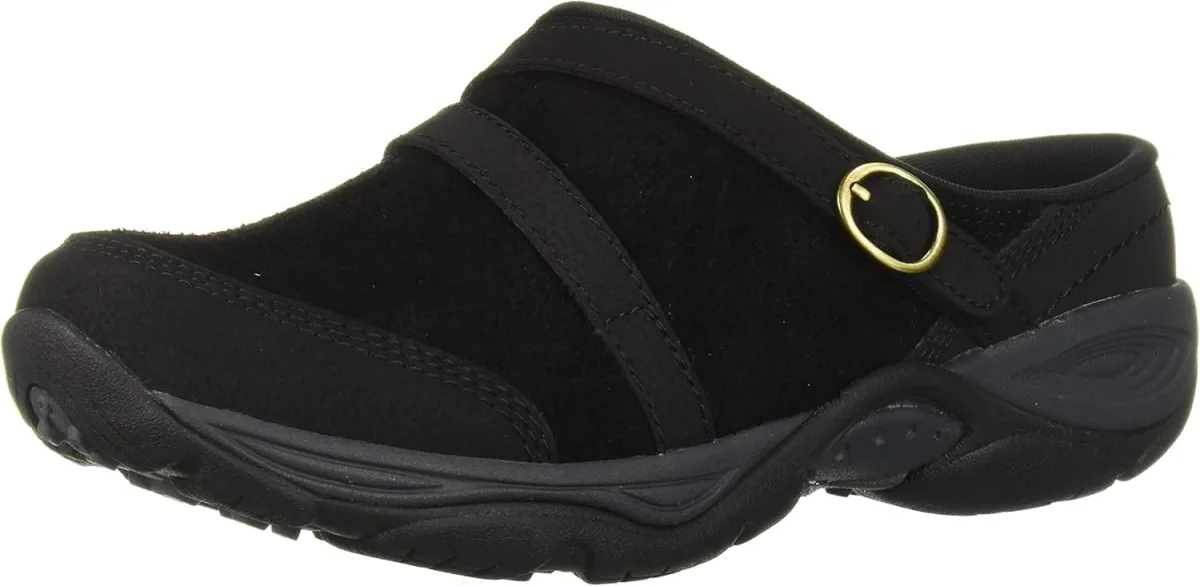
Easy Spirit
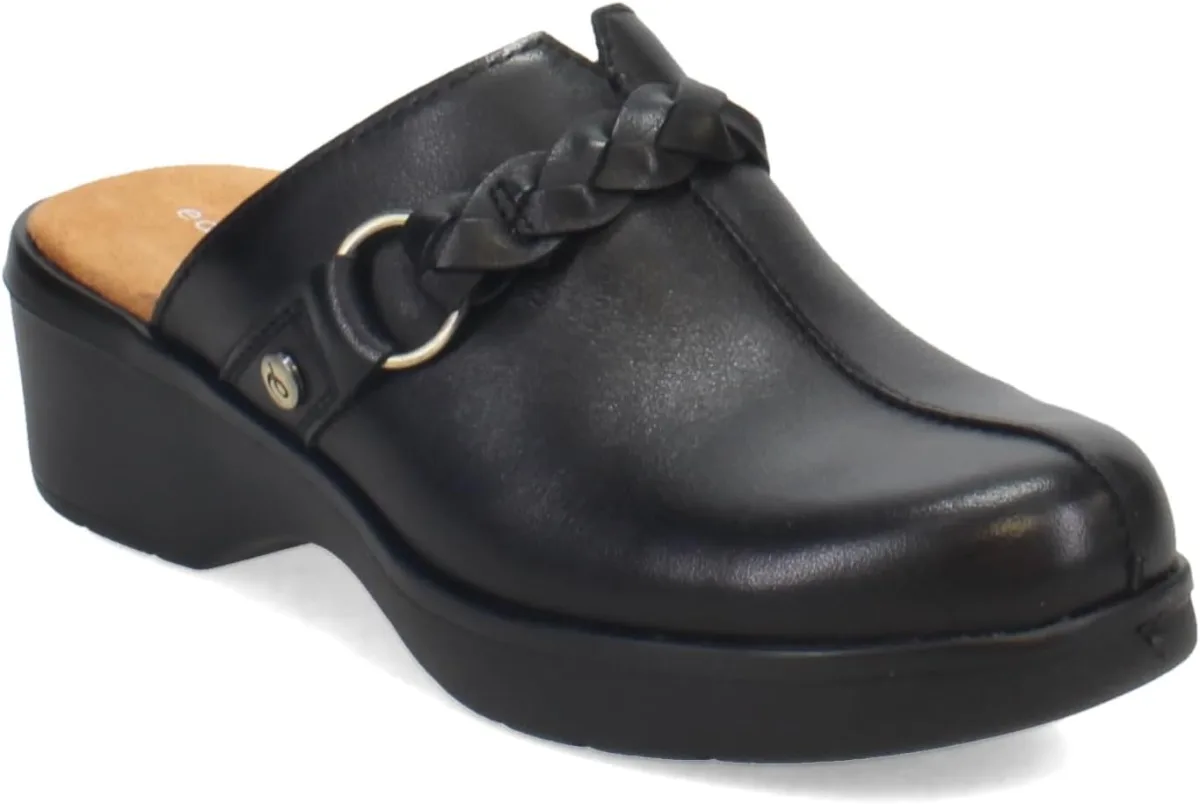
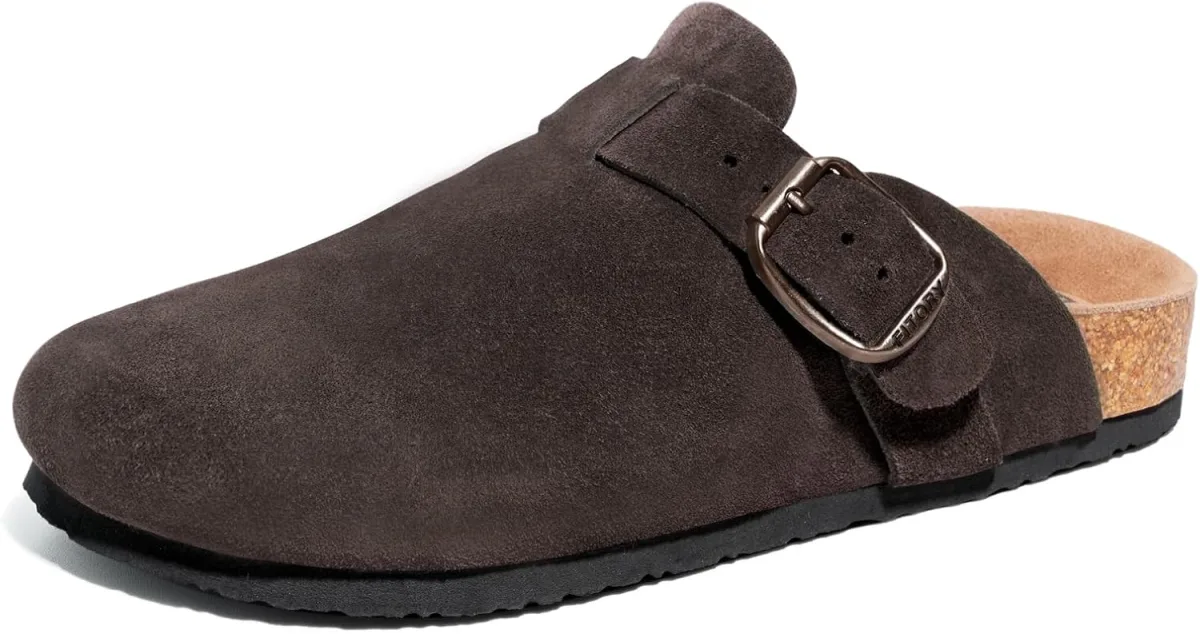
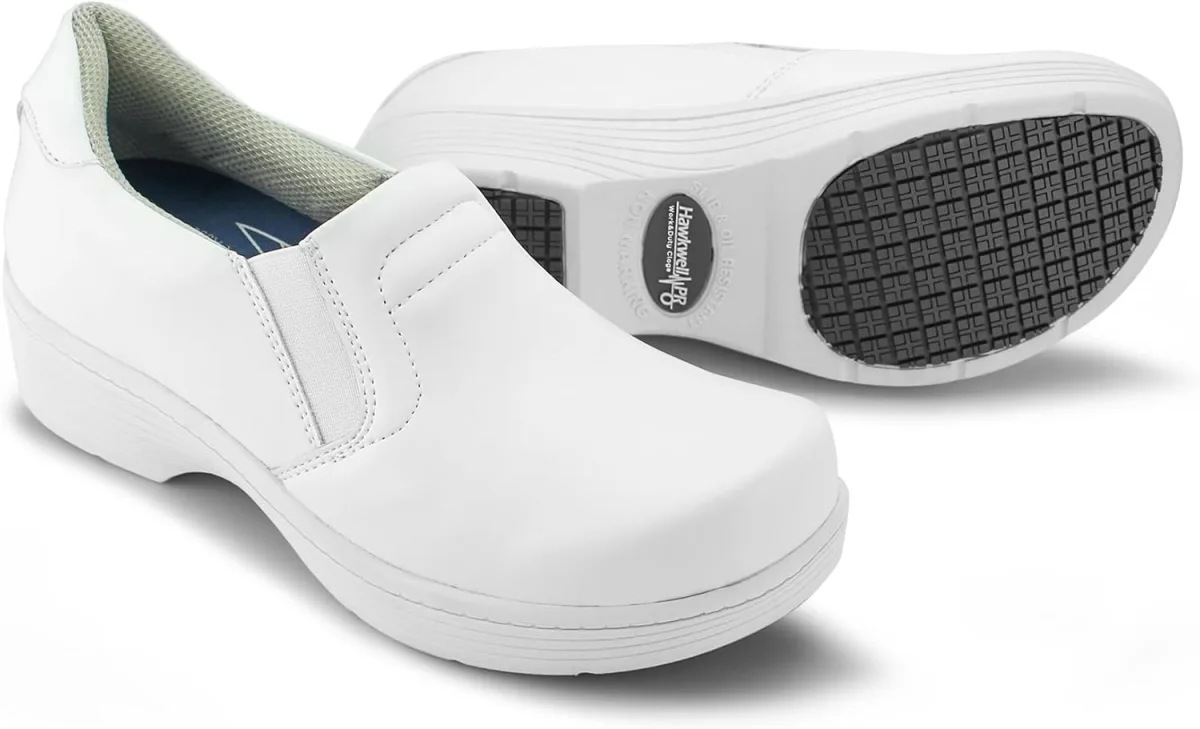
Hawkwell
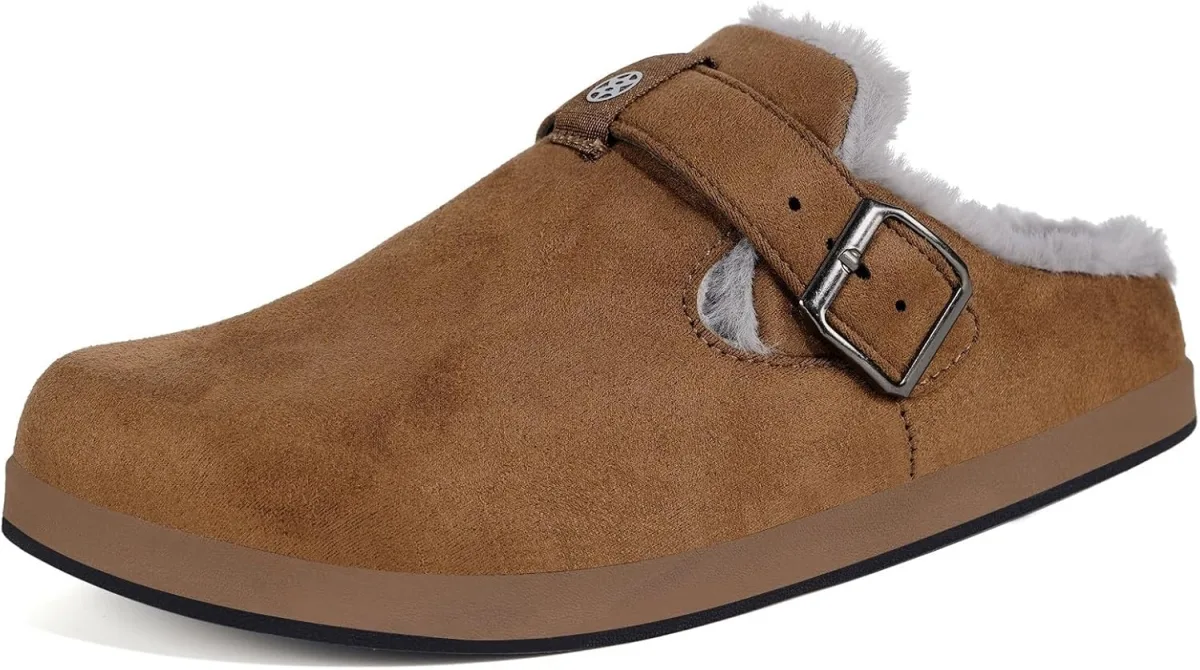
Hsyooes
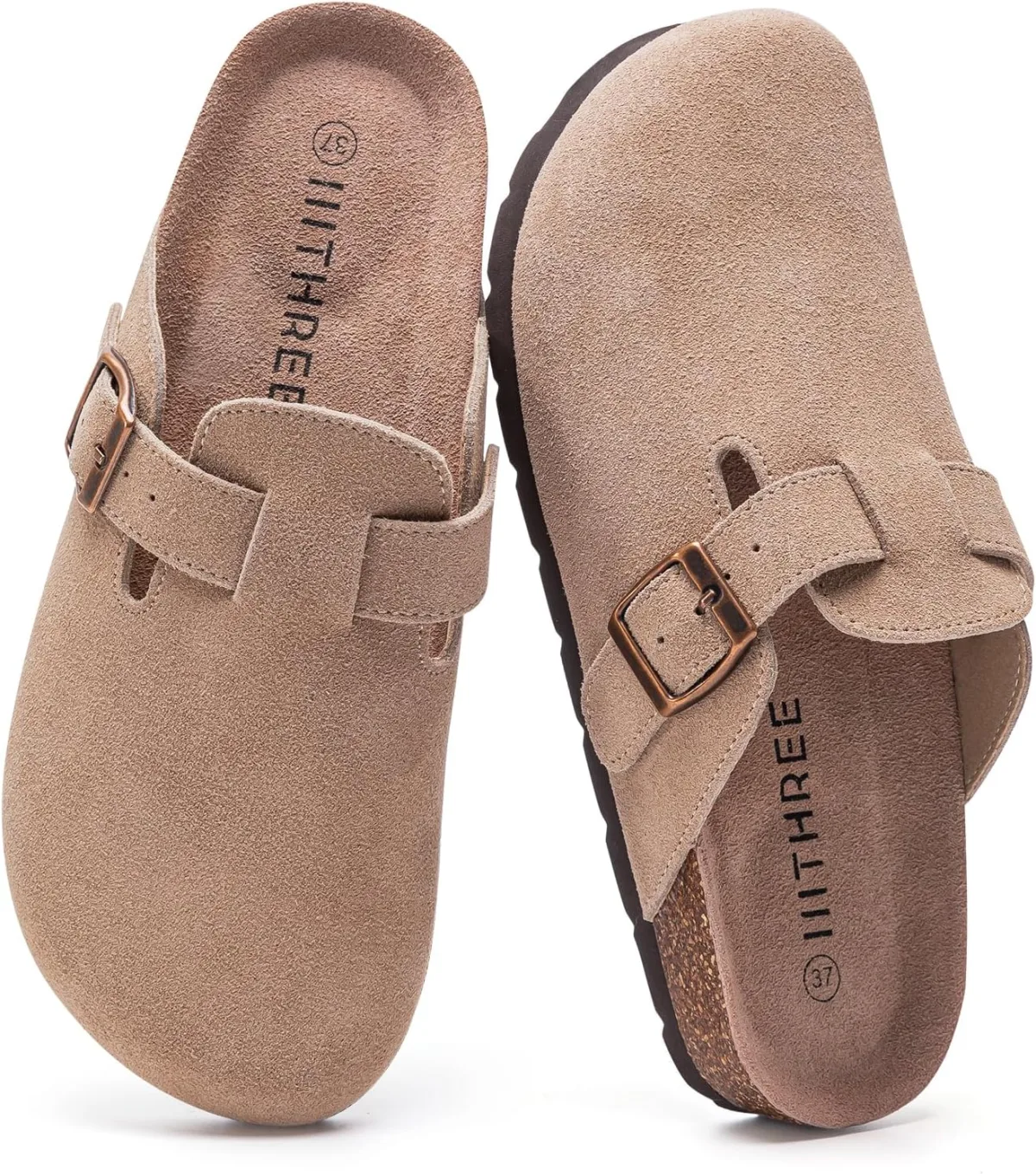
IIITHREE
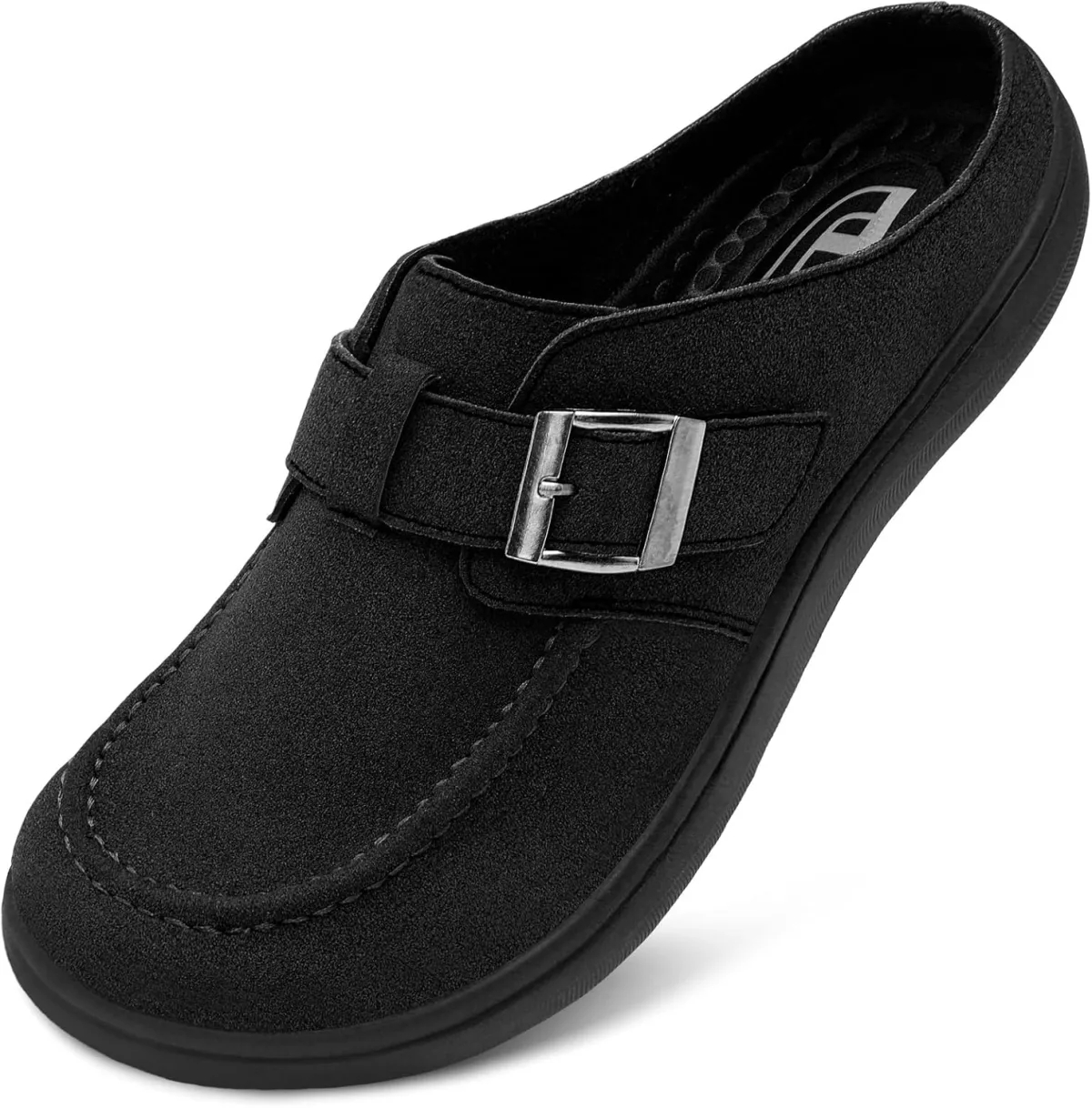
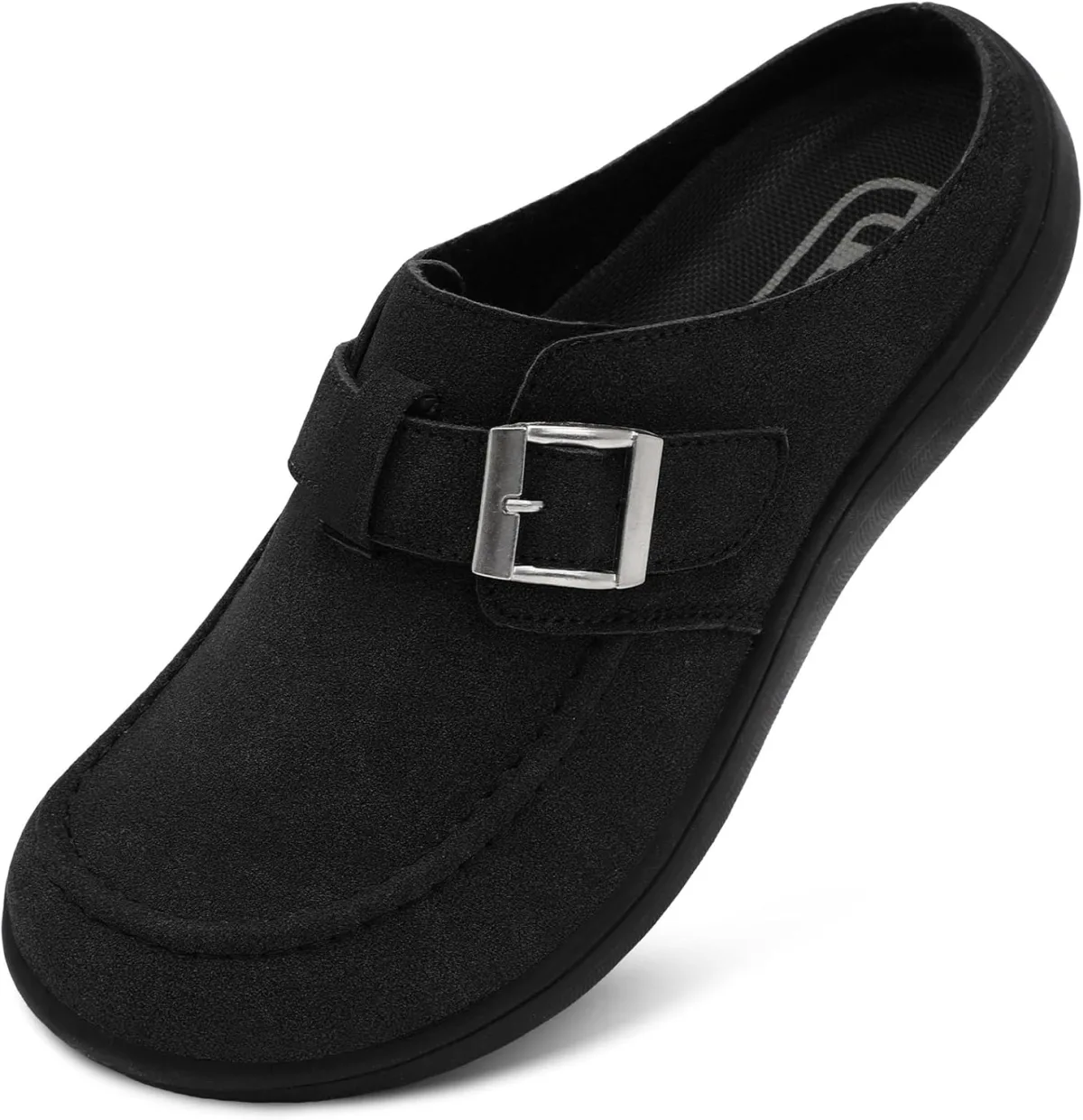
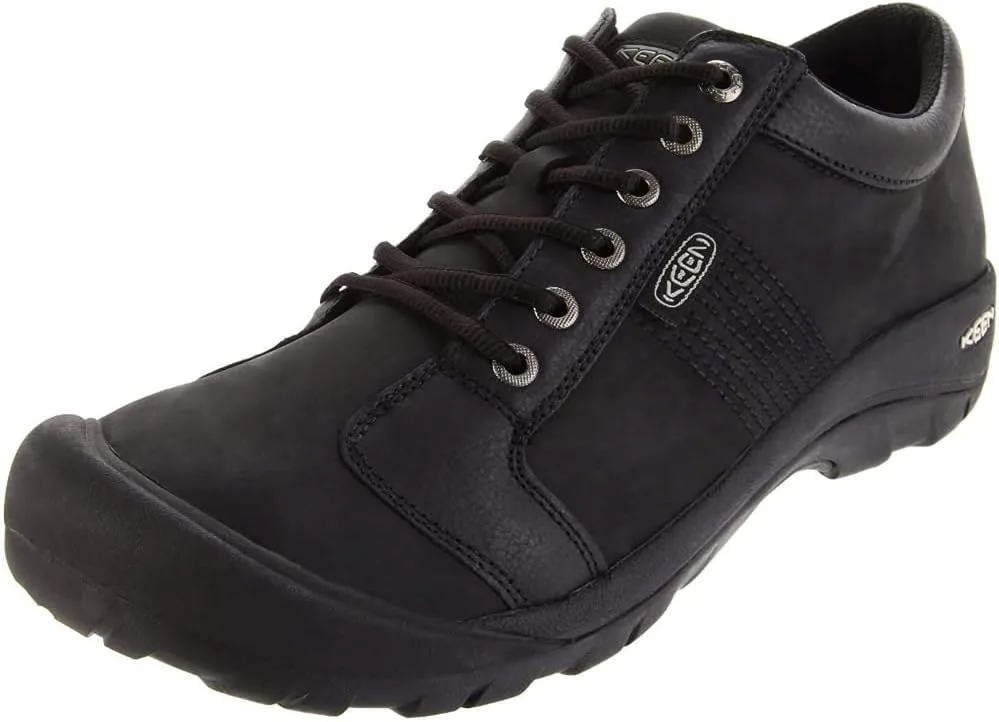
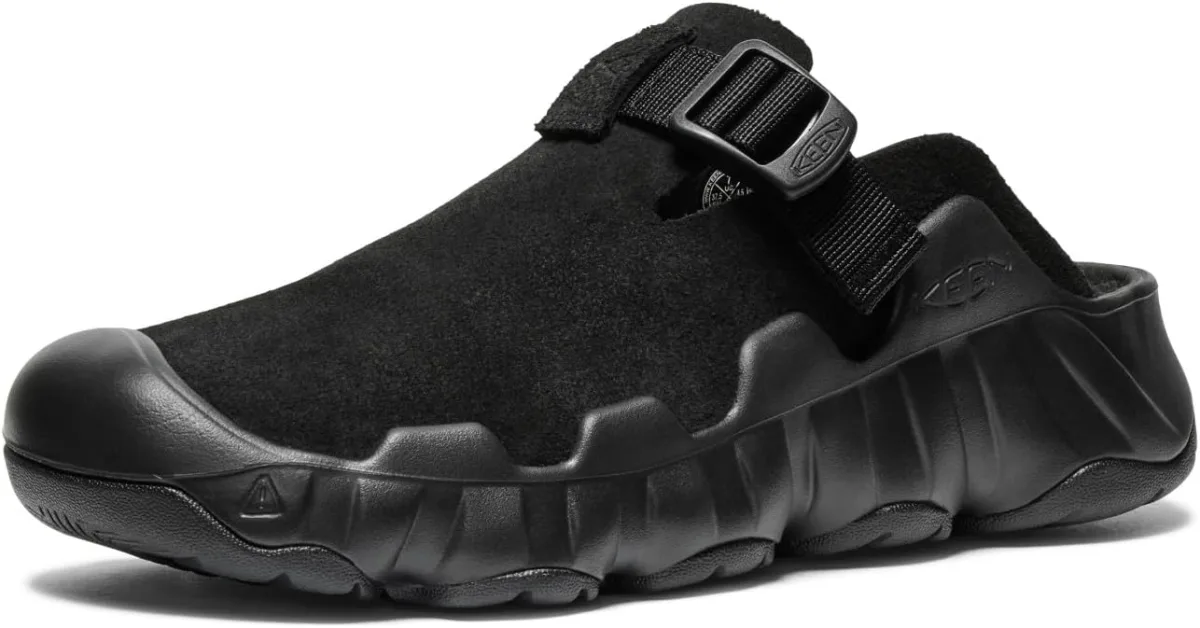
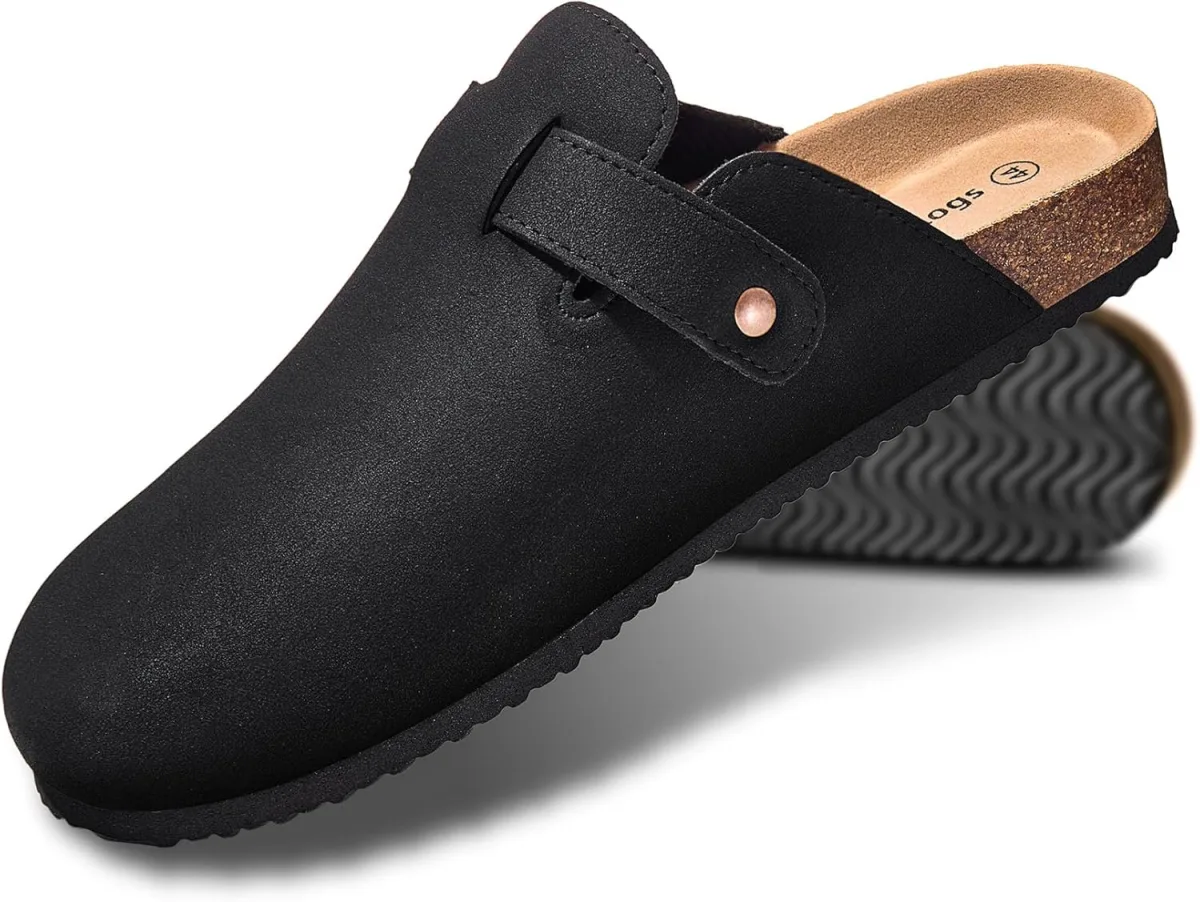
KEMISANT
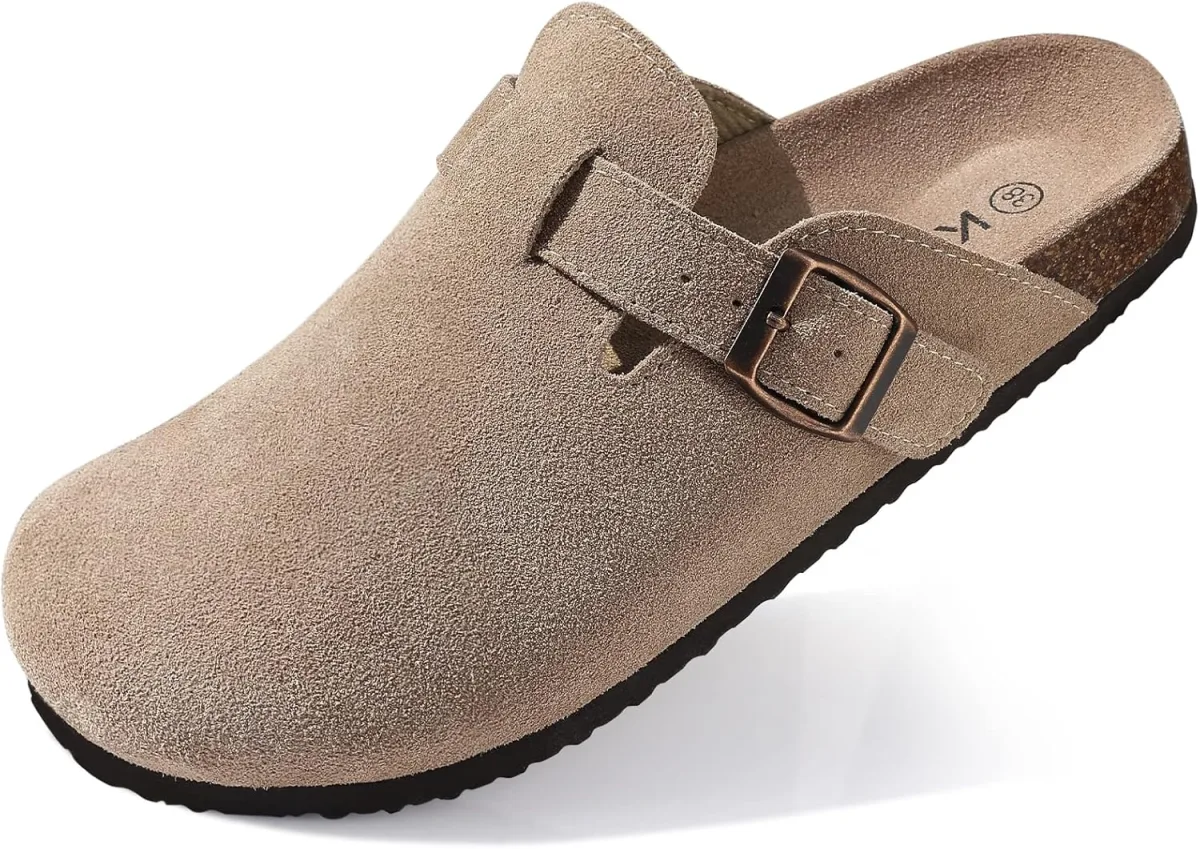
KIDMI
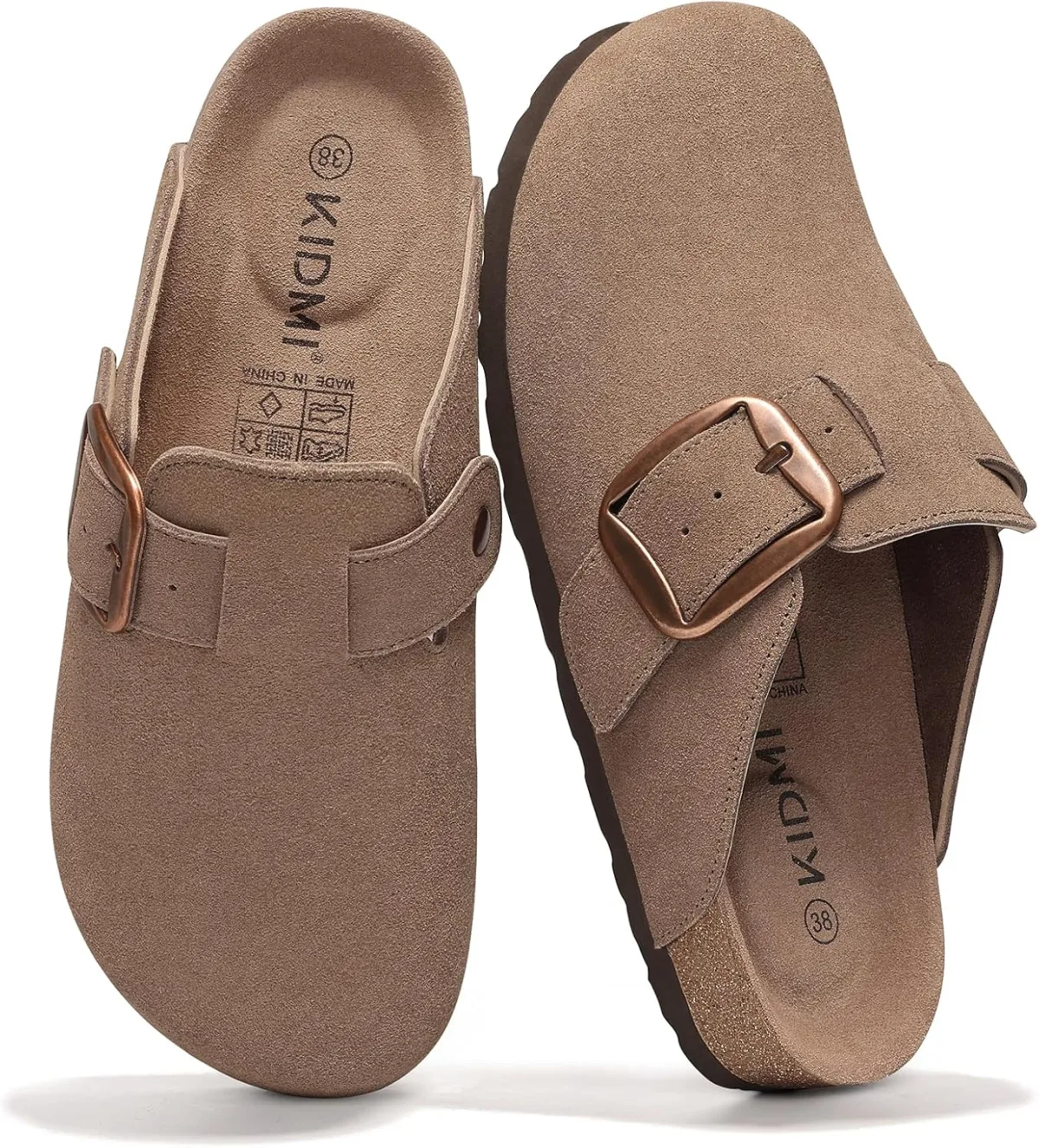
KIDMI
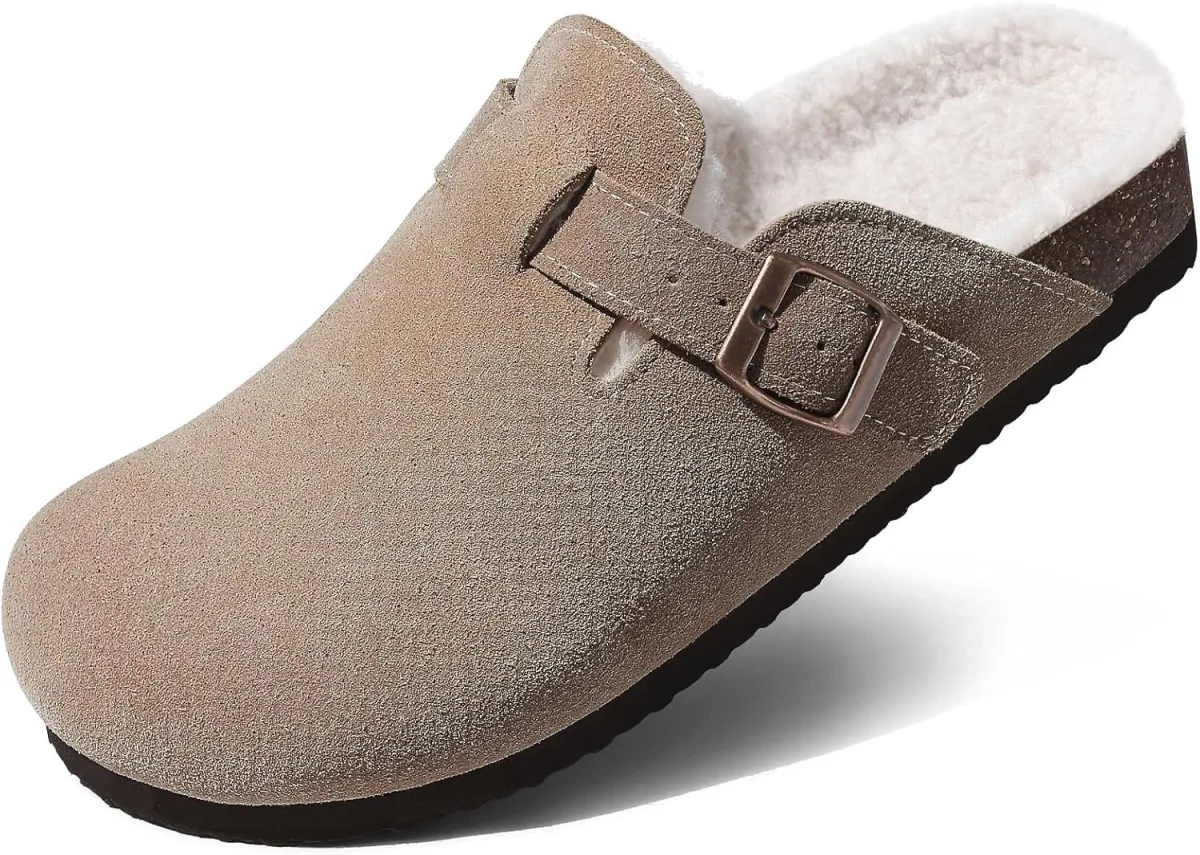
KIDMI
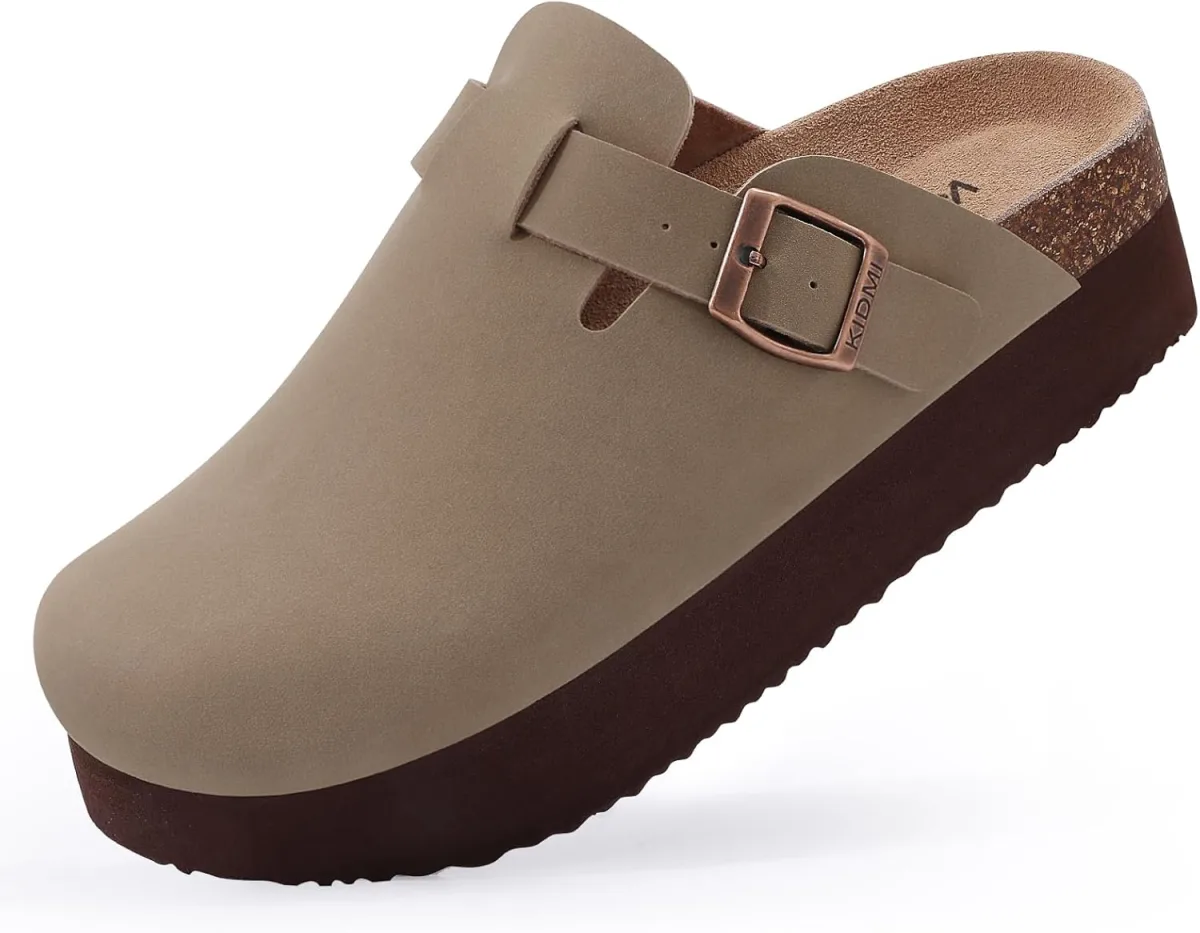
KIDMI
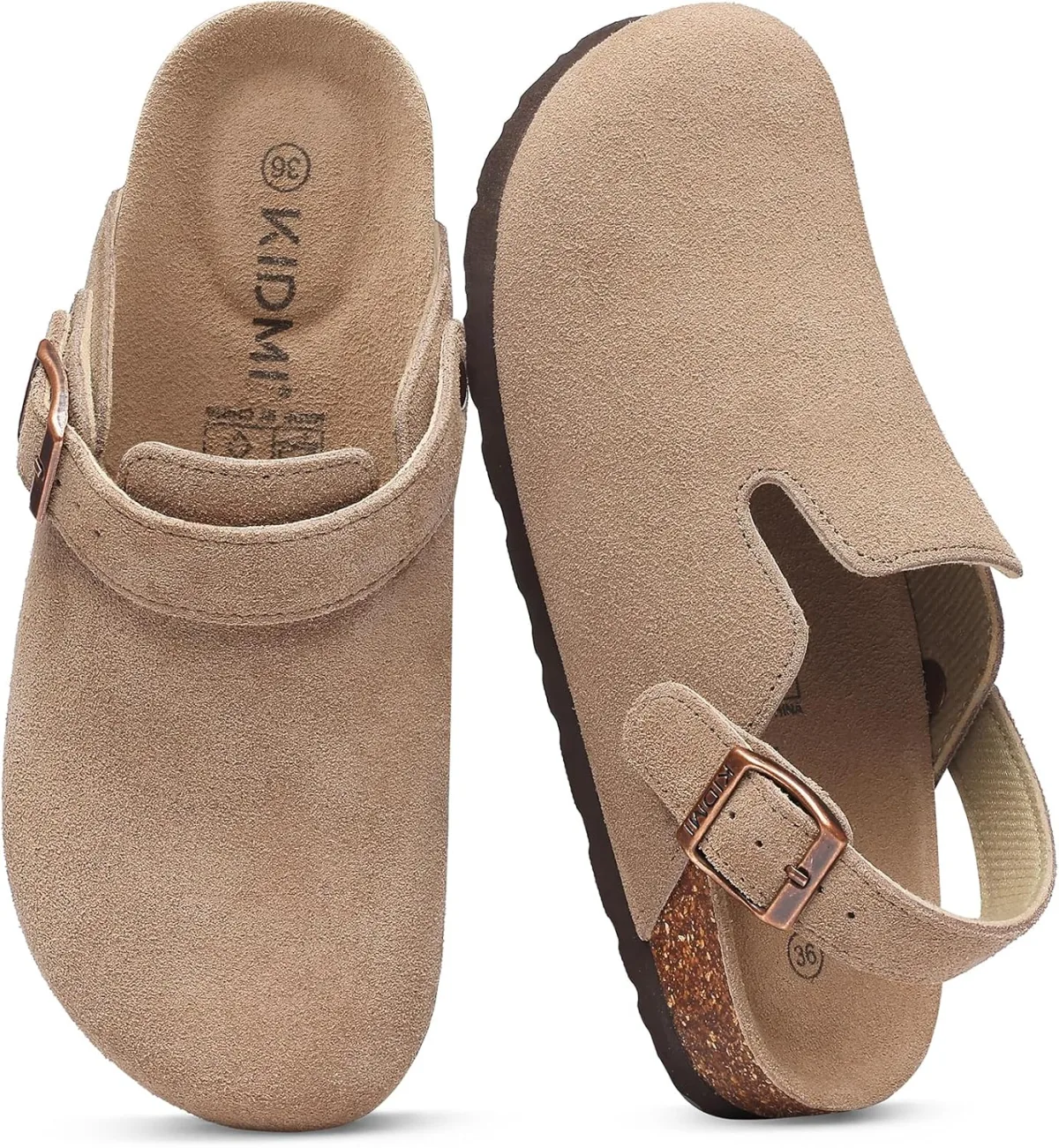
KIDMI
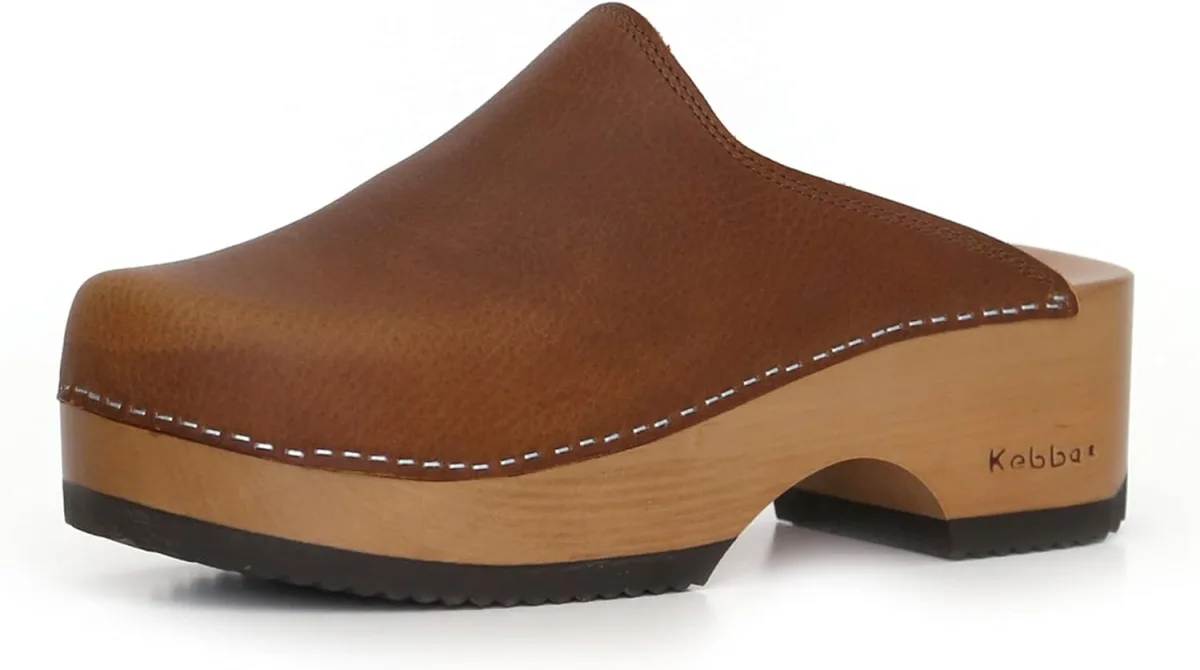
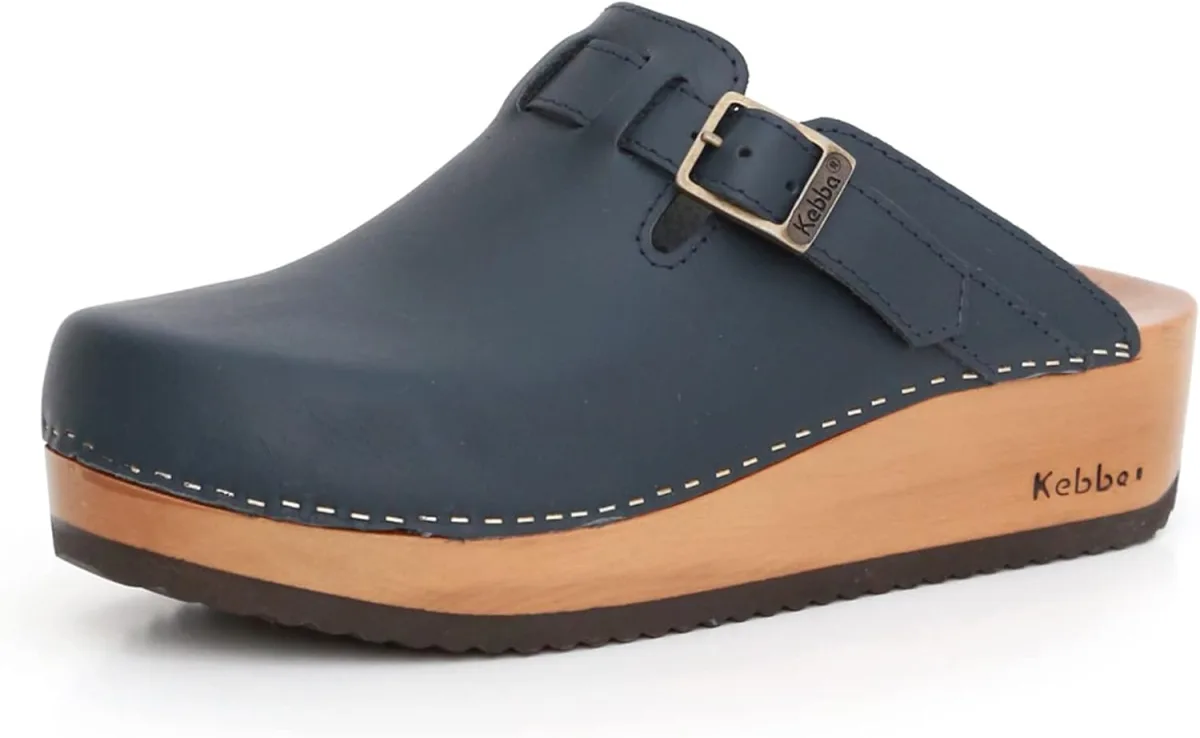

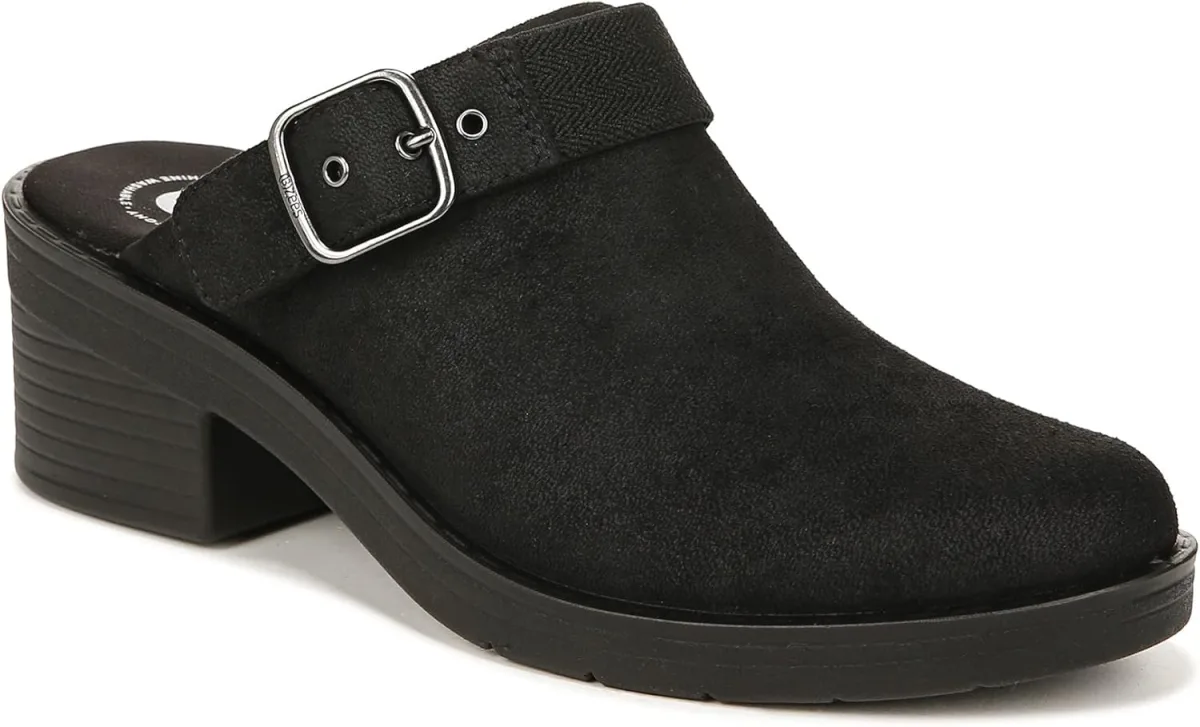
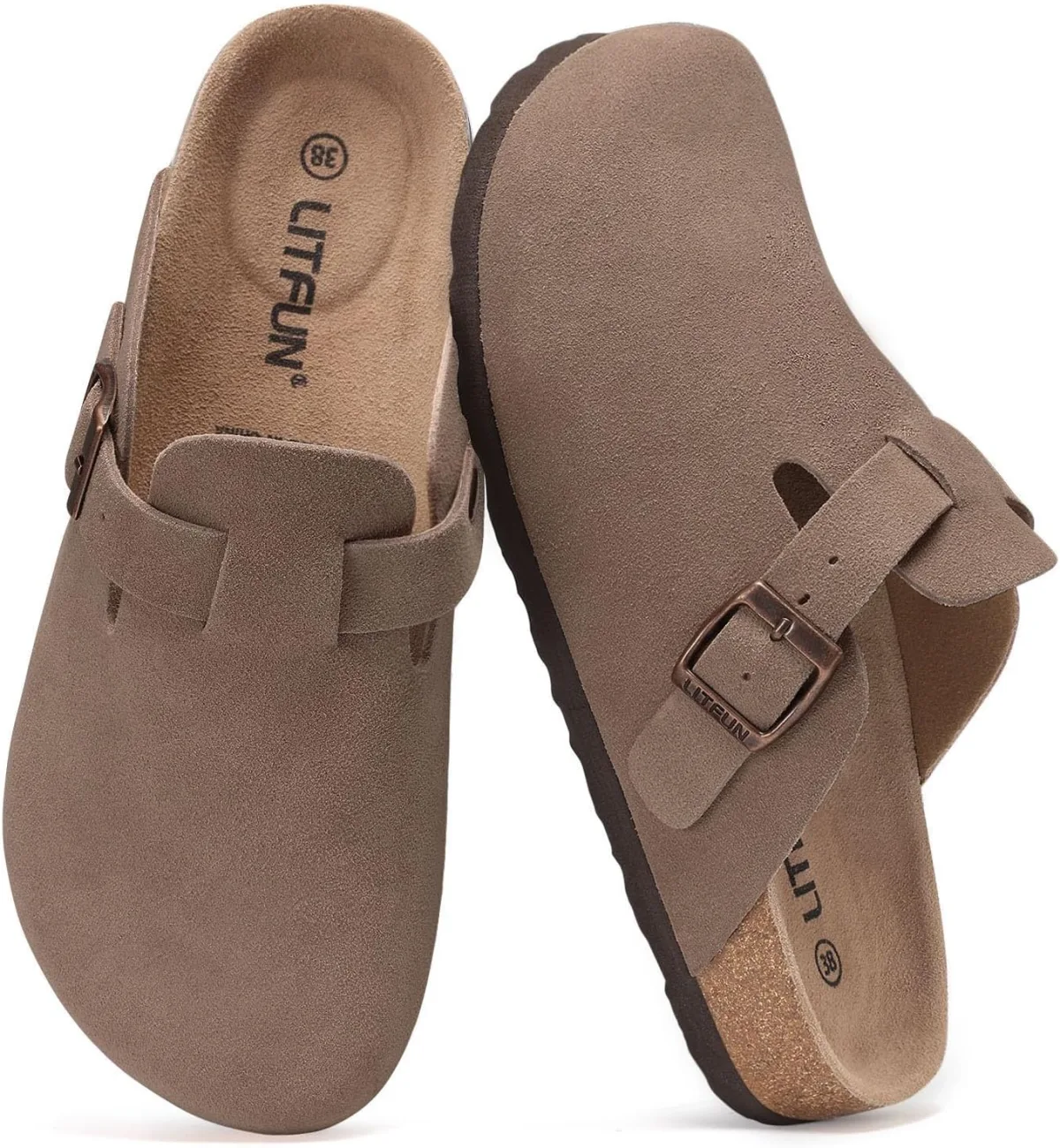
Litfun
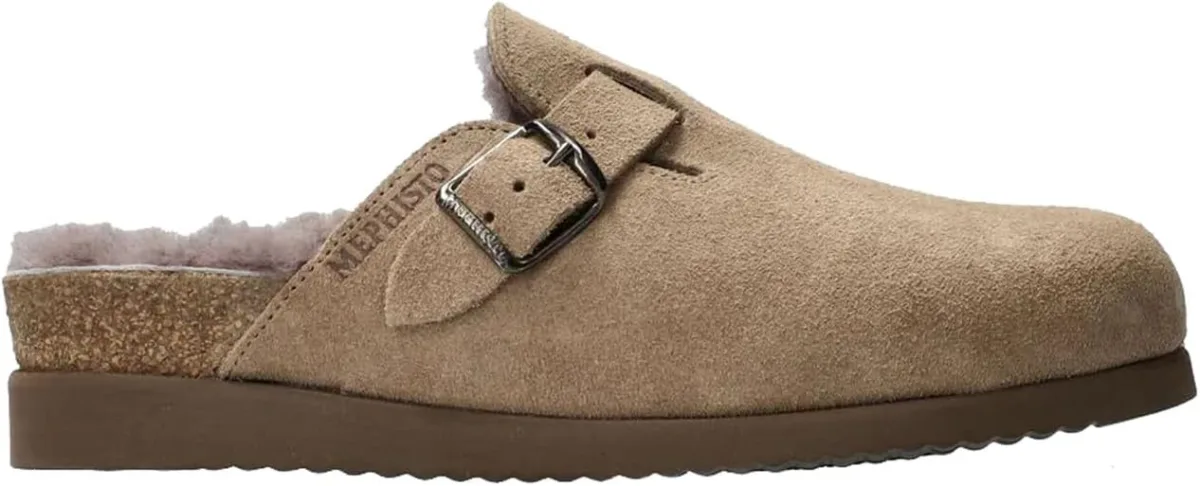
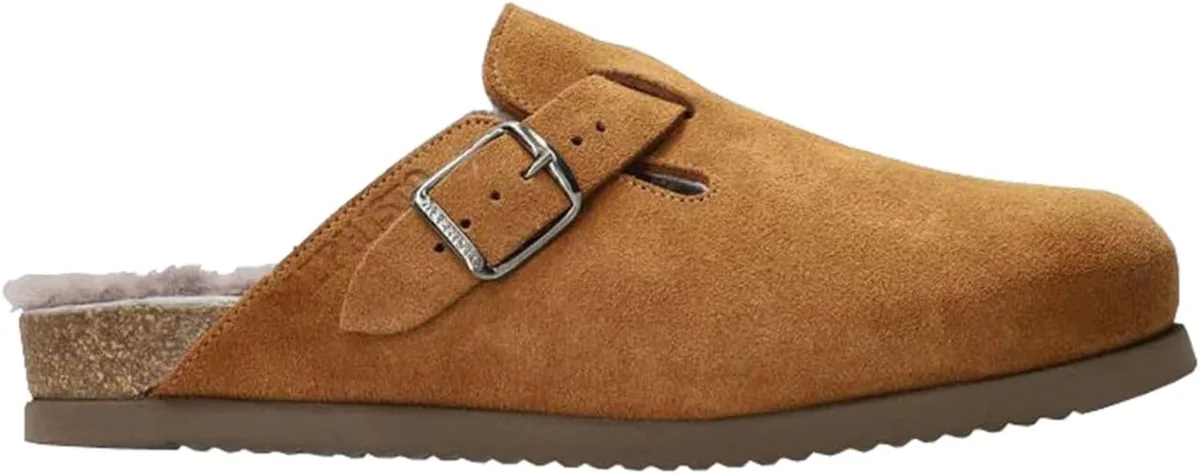
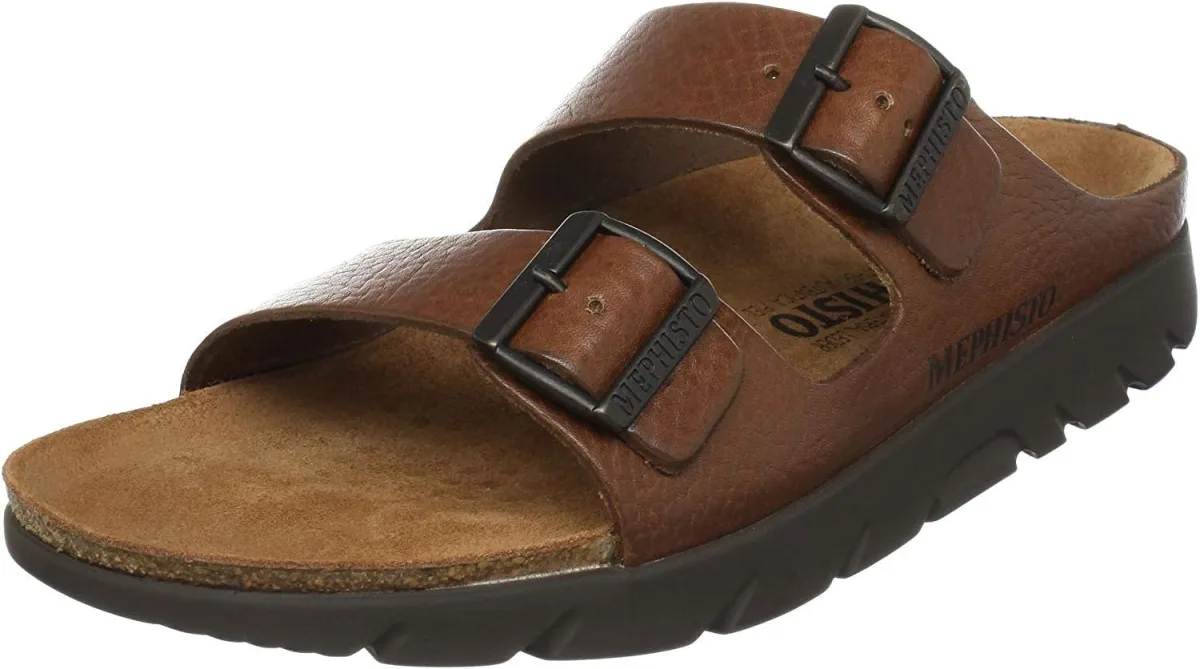
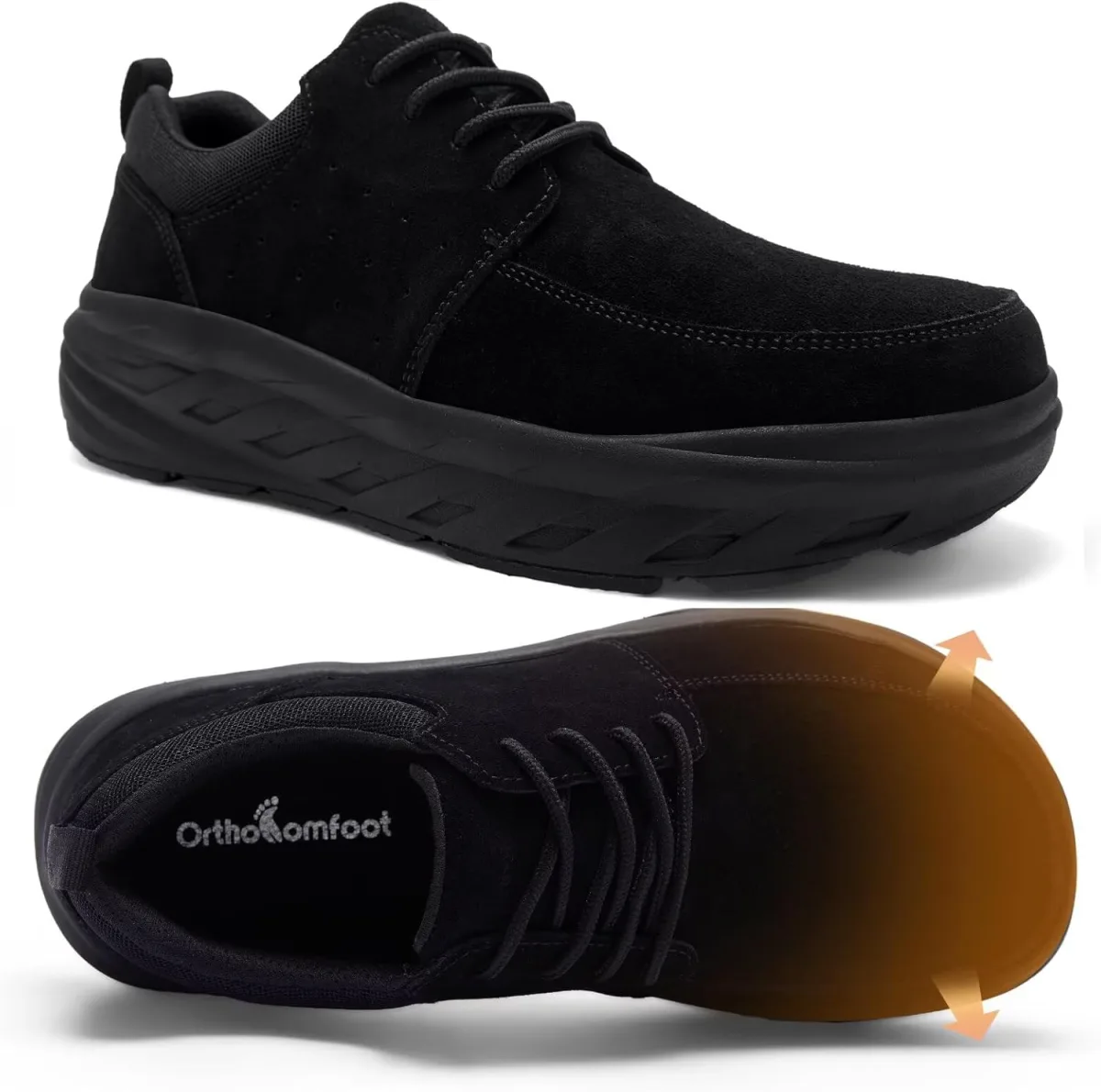
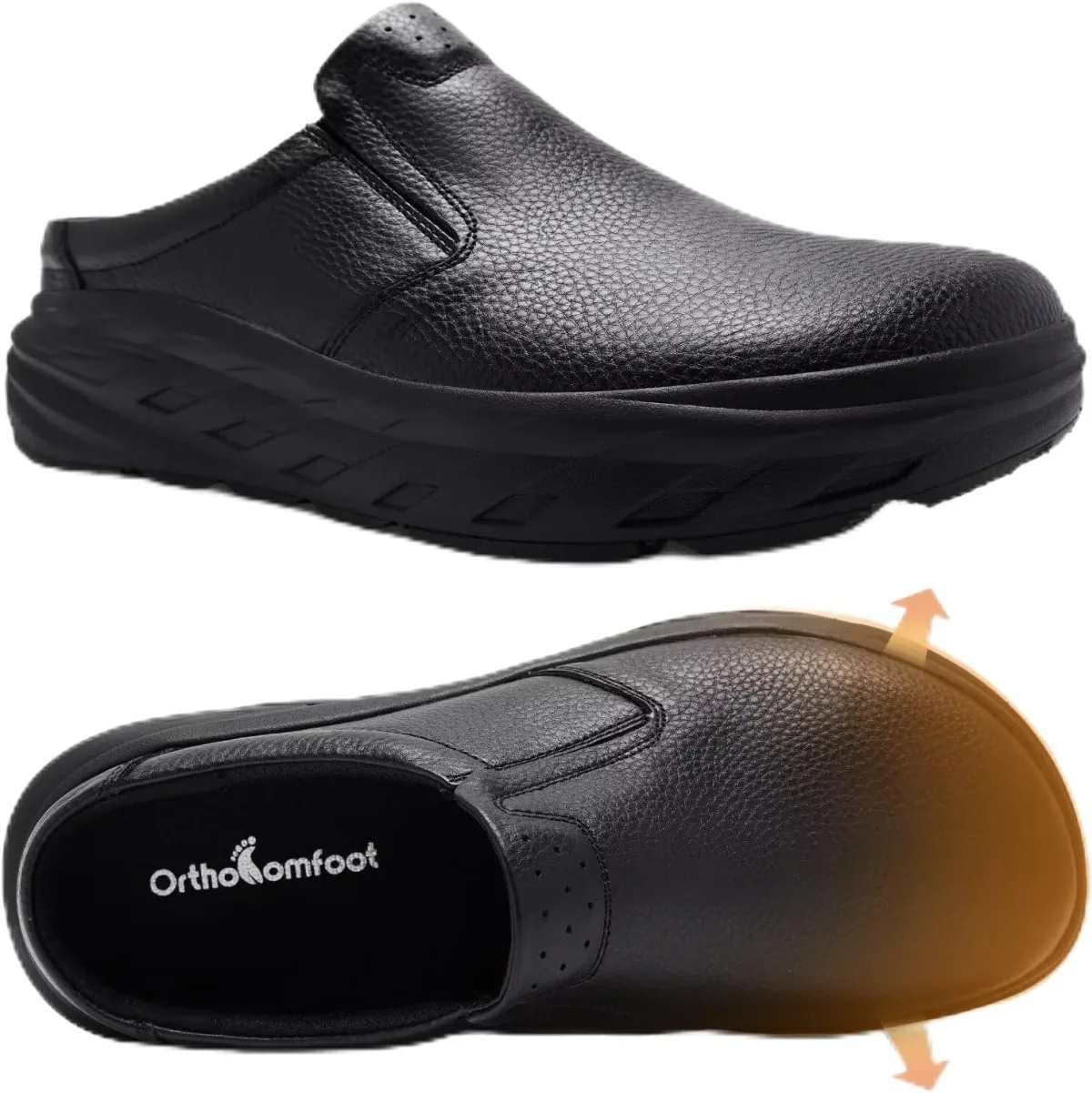
OrthoComfoot
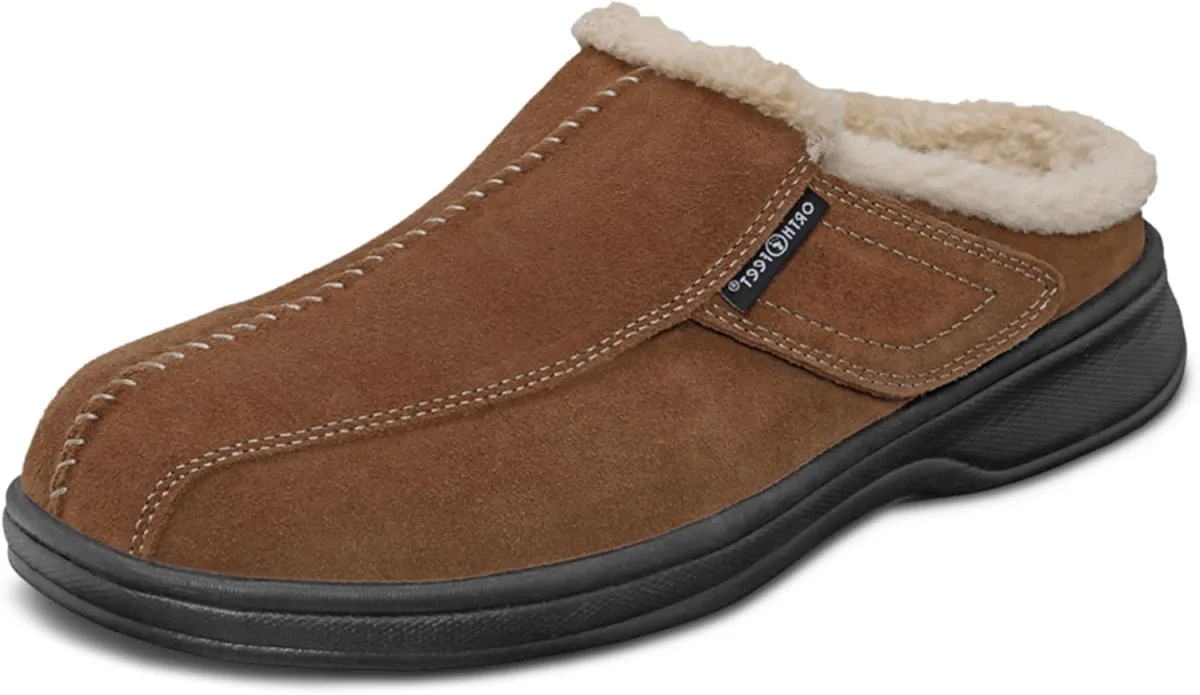
Orthofeet
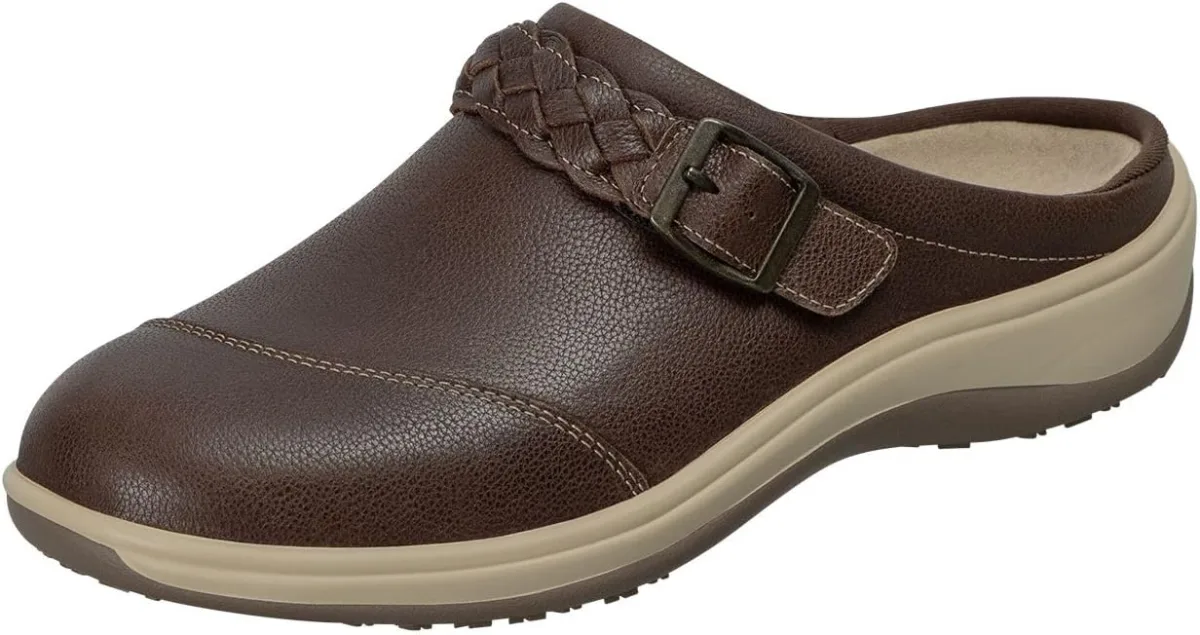
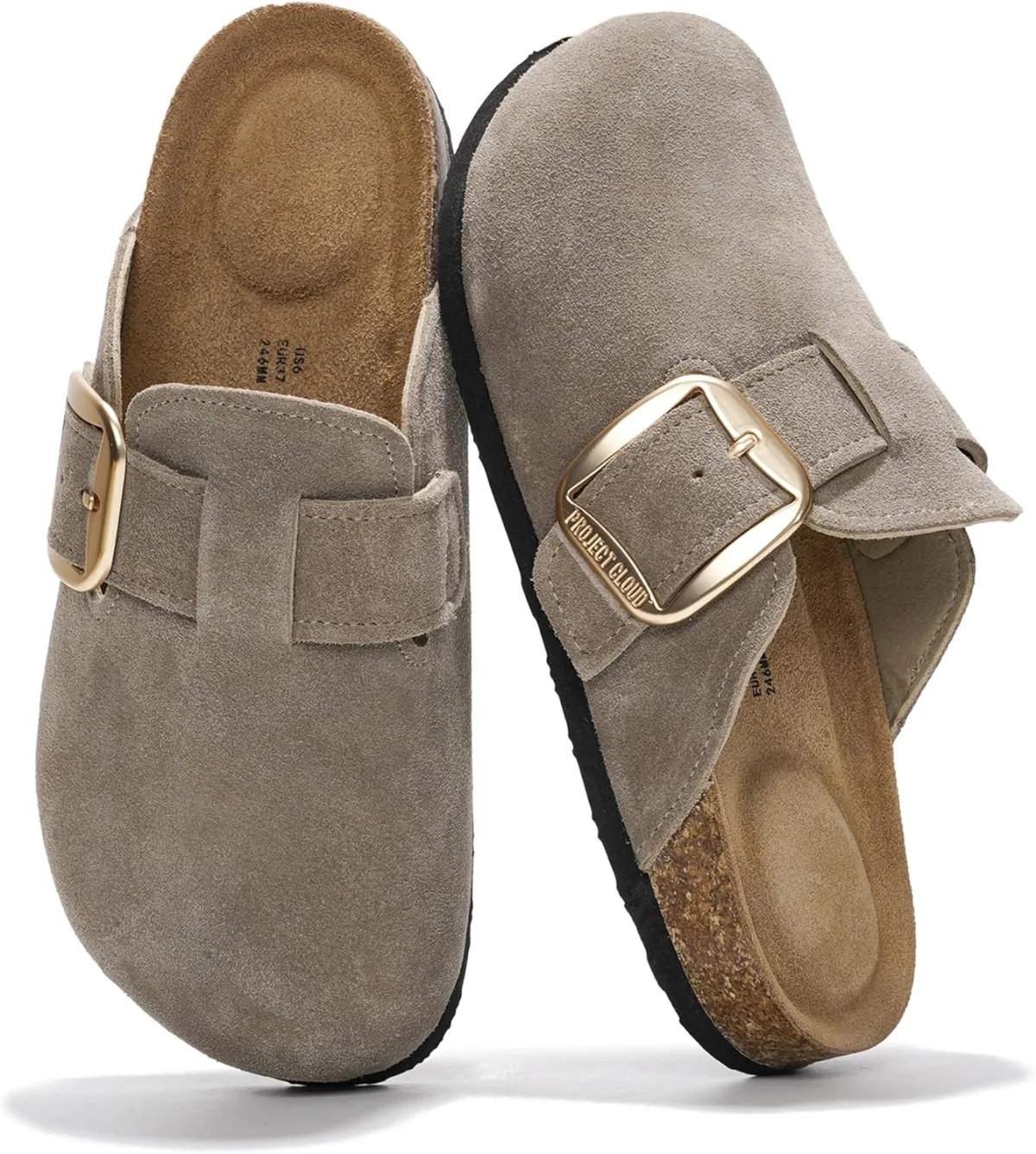
Project Cloud
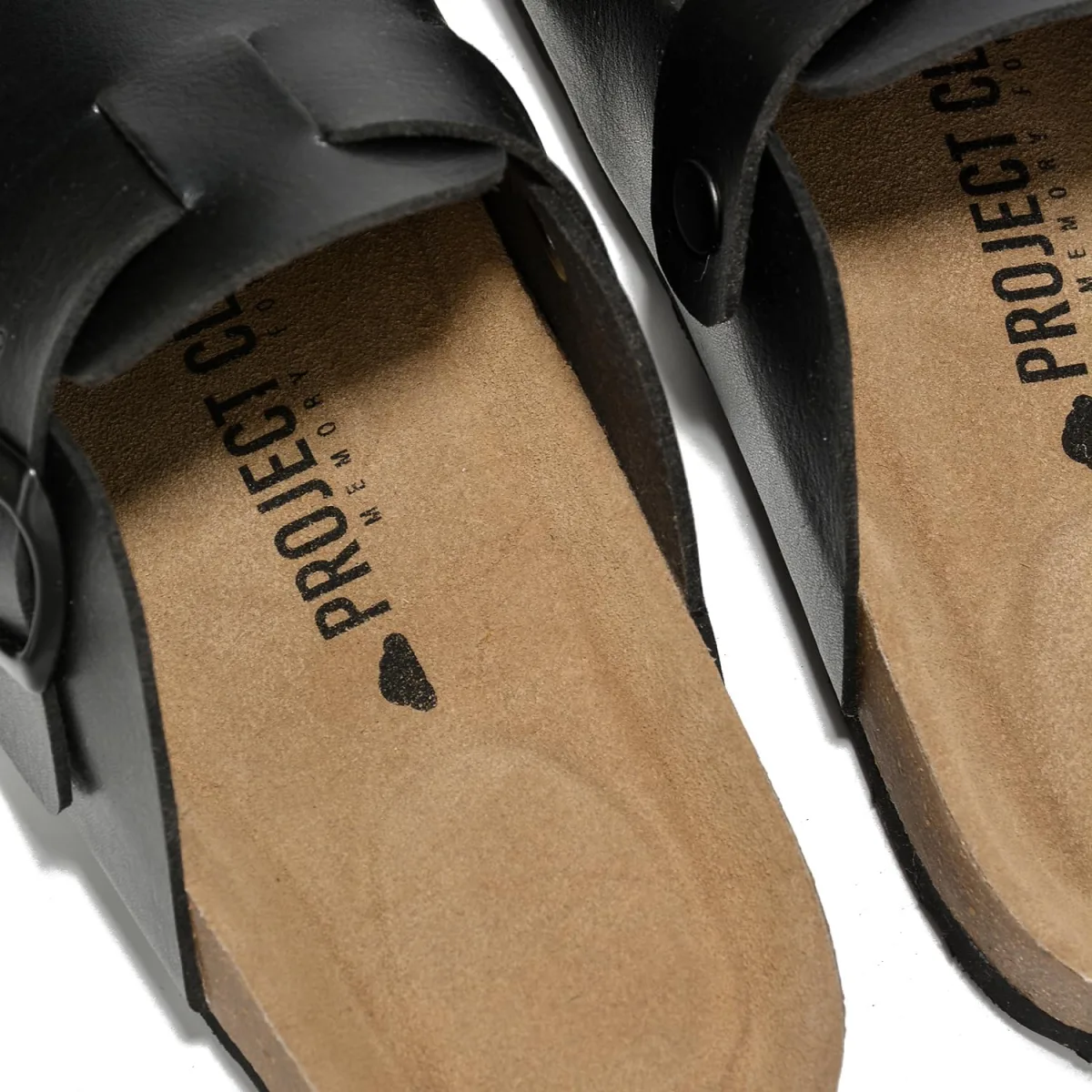
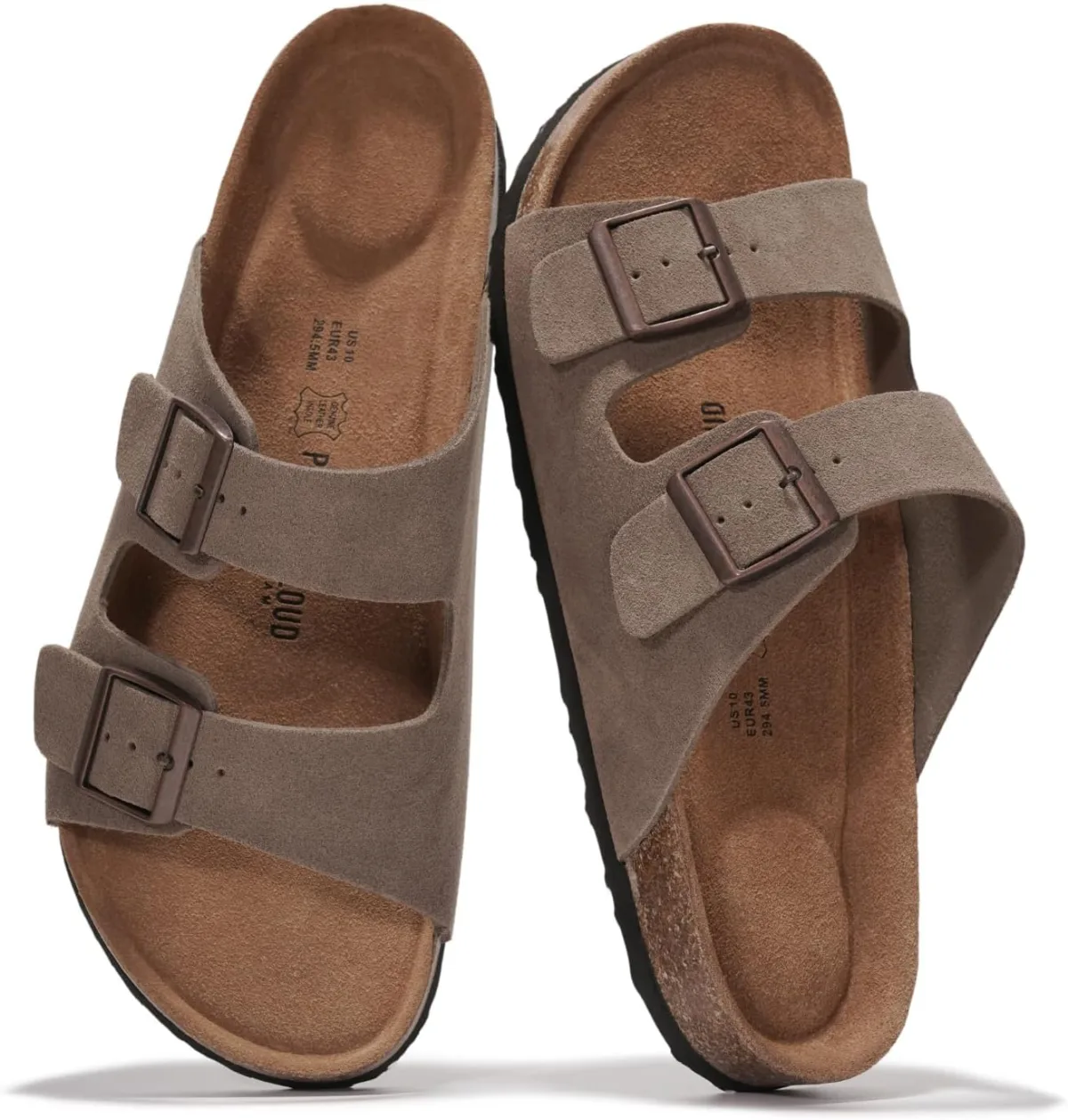
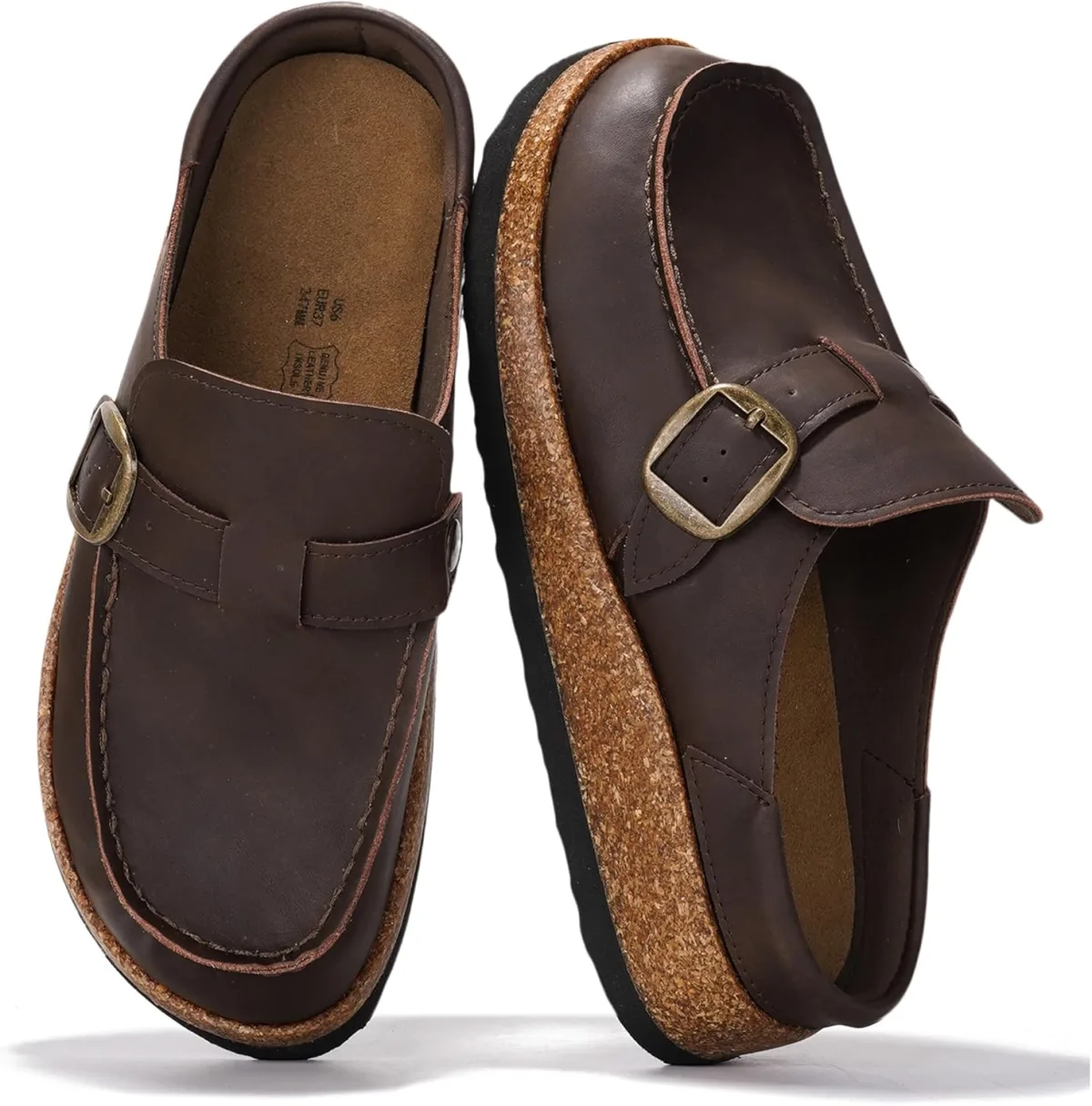
Project Cloud
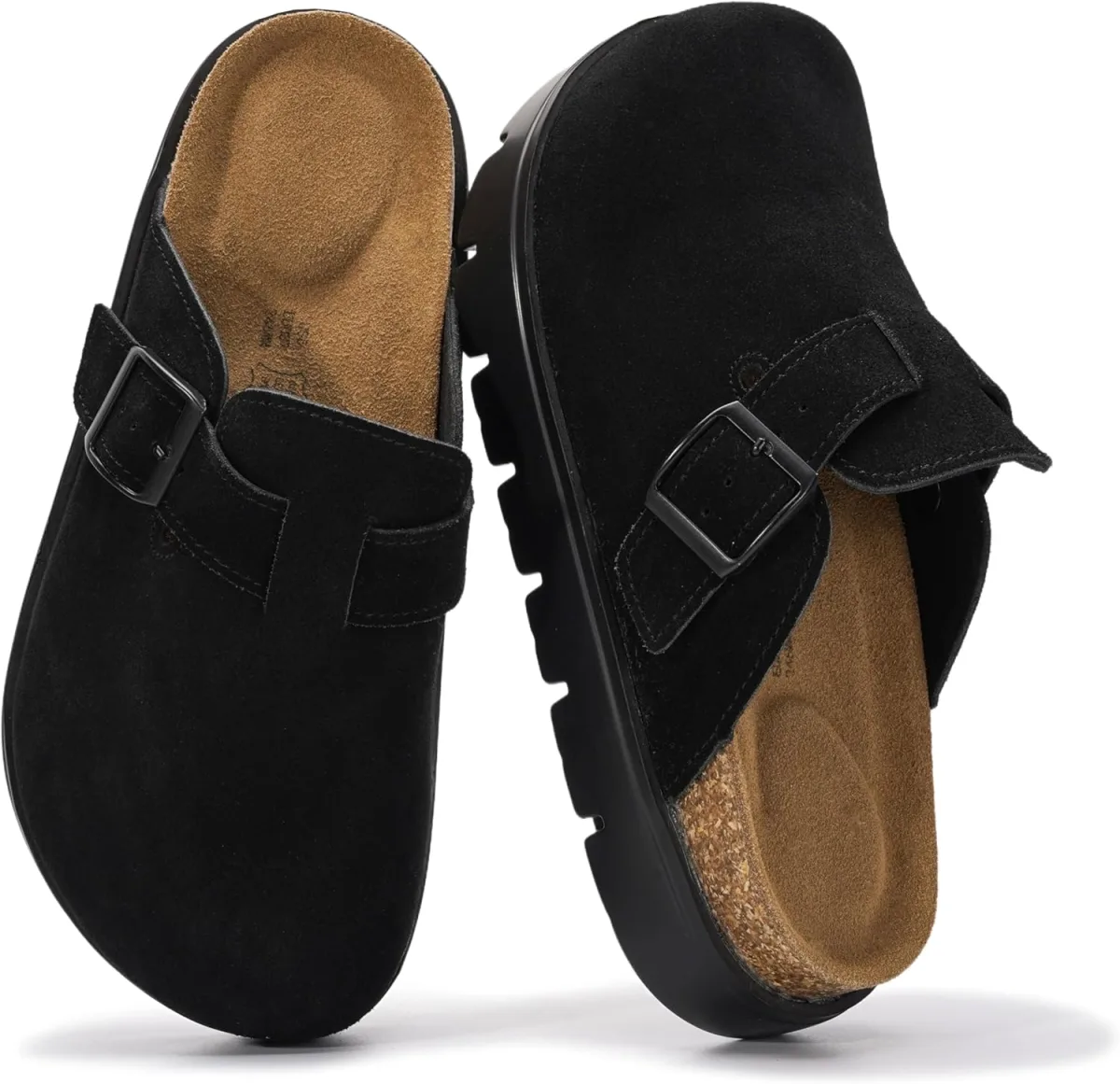
Project Cloud
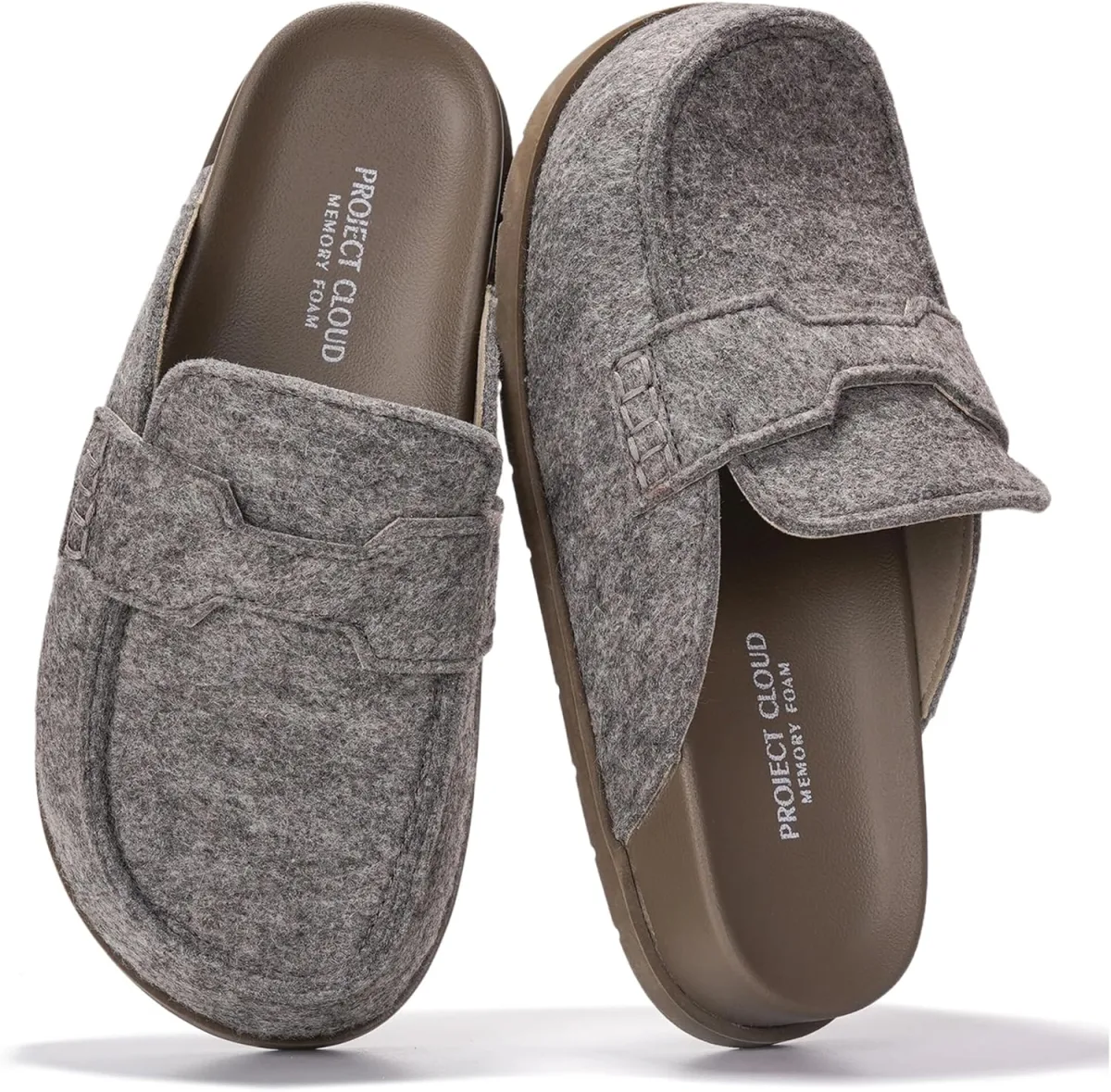
Project Cloud
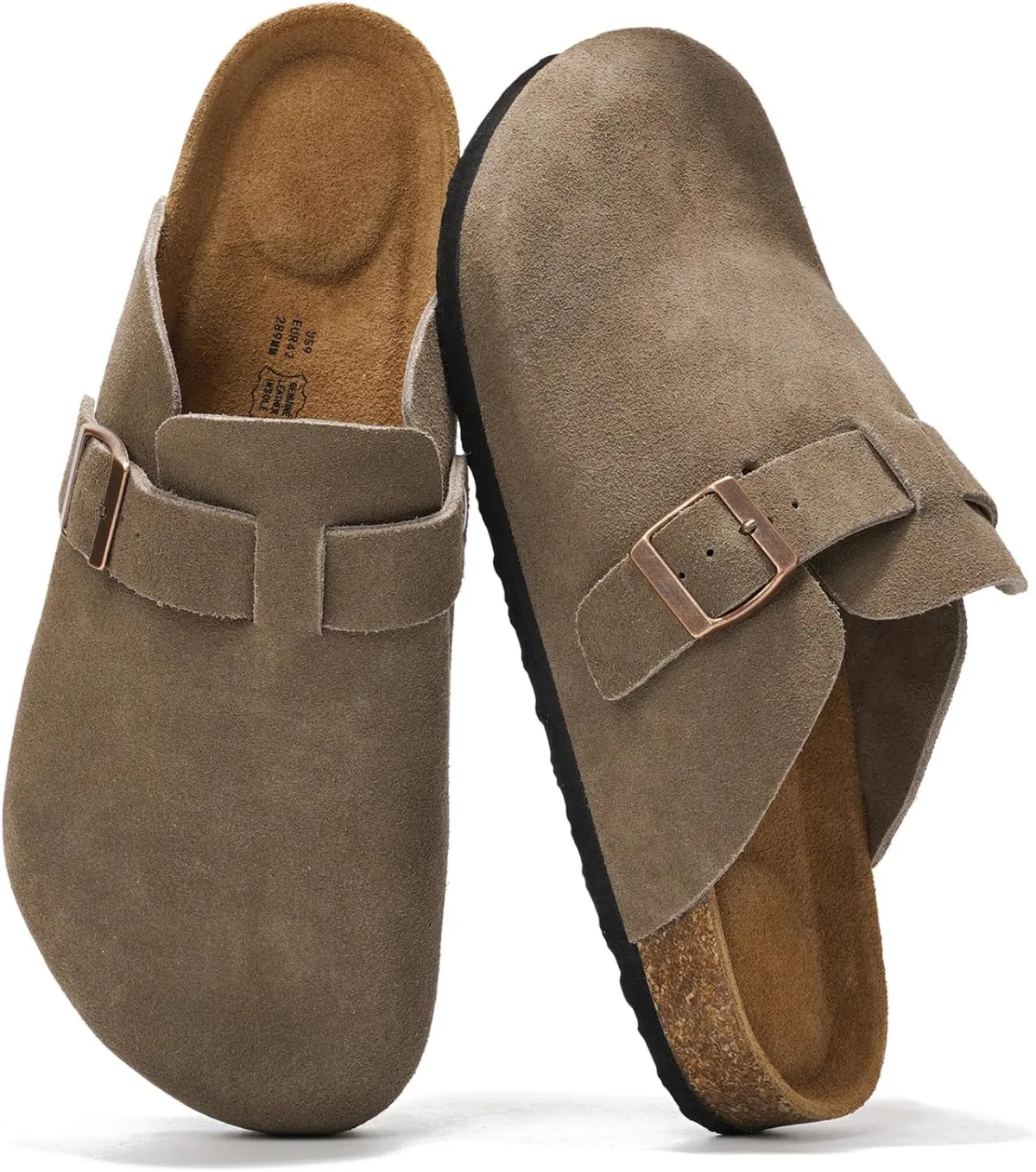
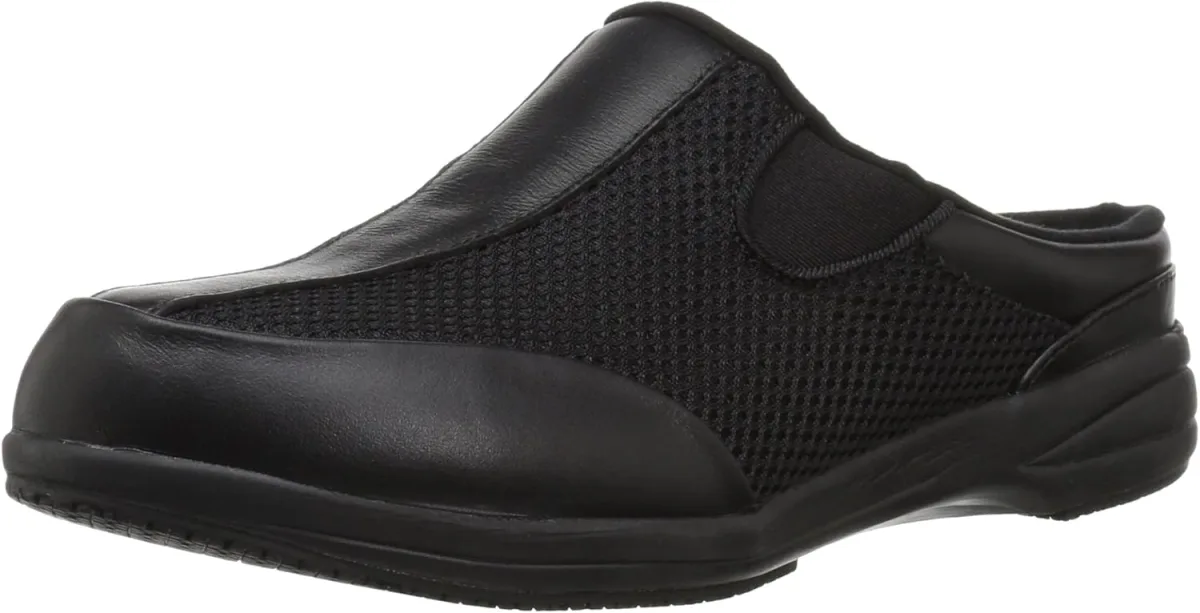
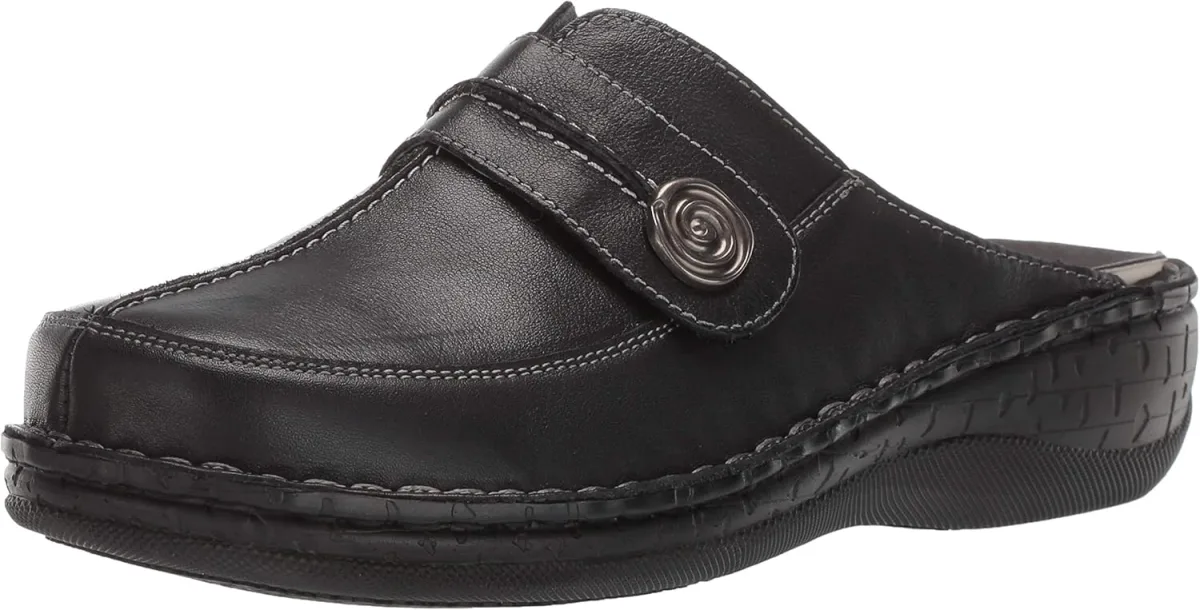
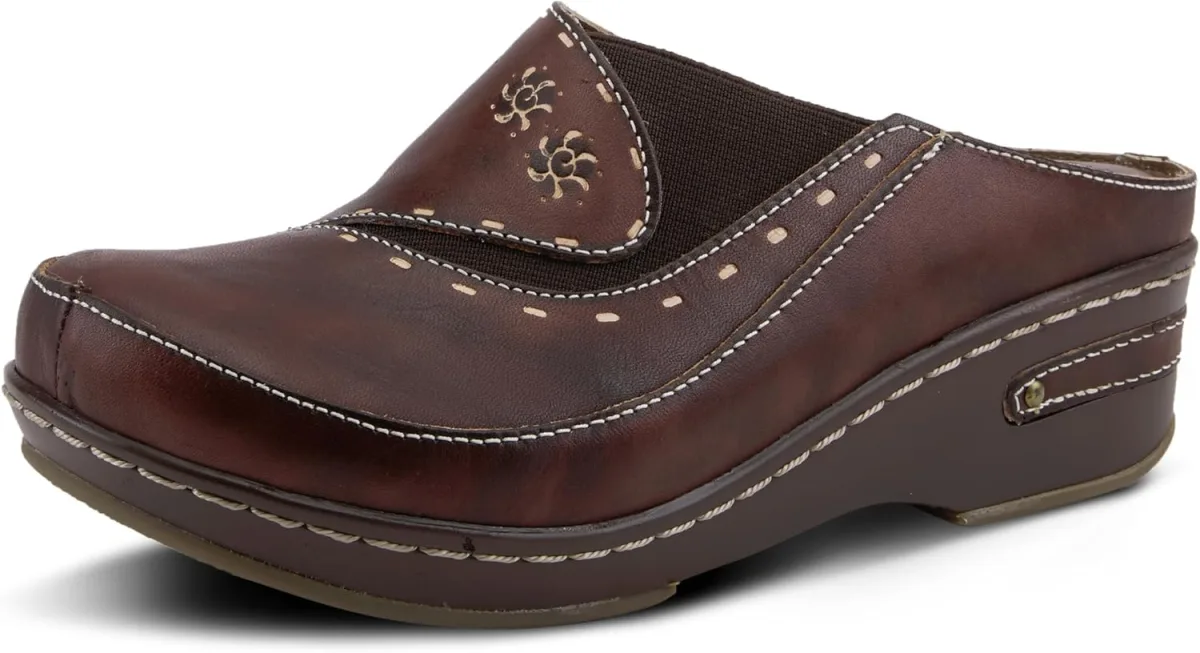
Spring Step
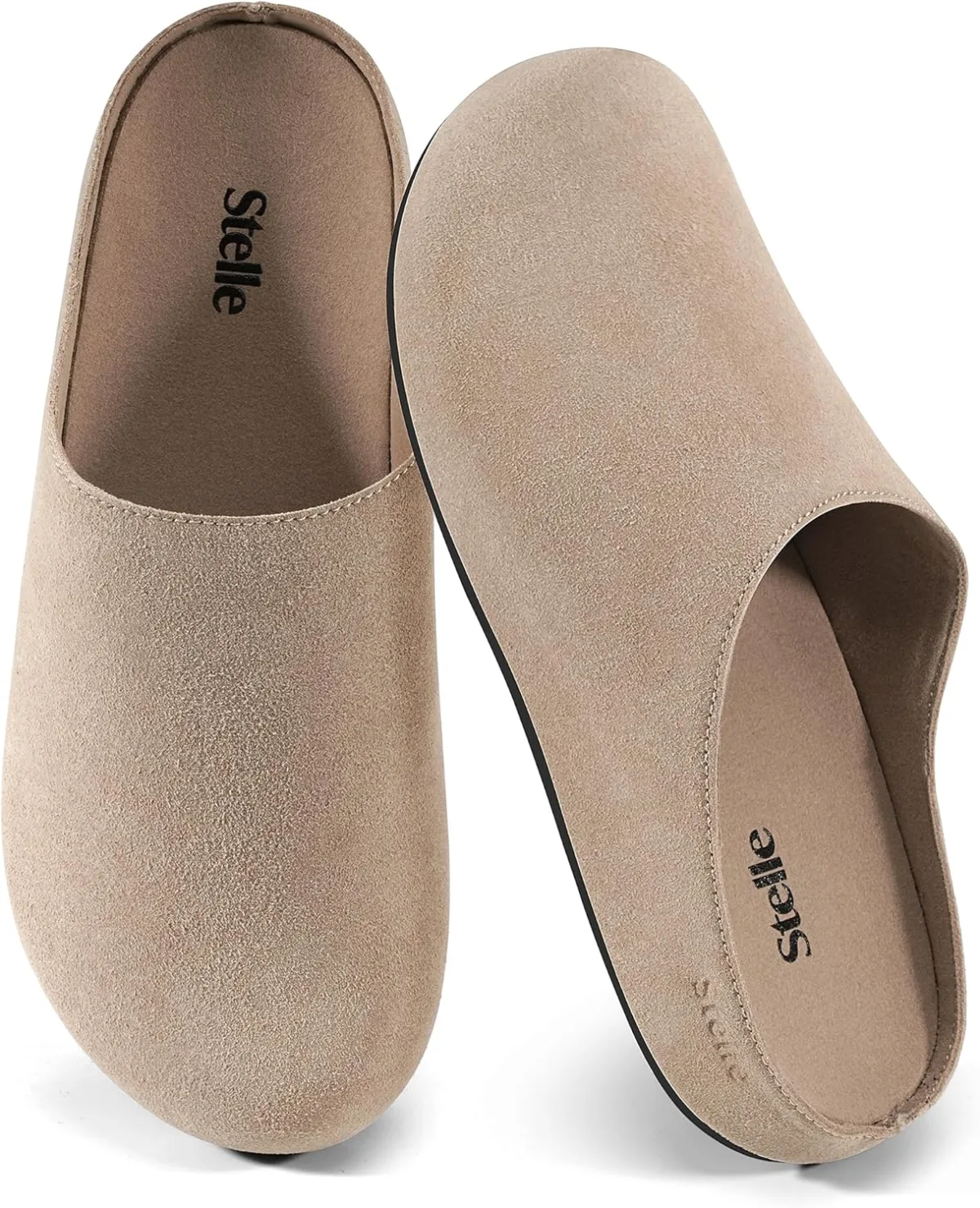
Stelle
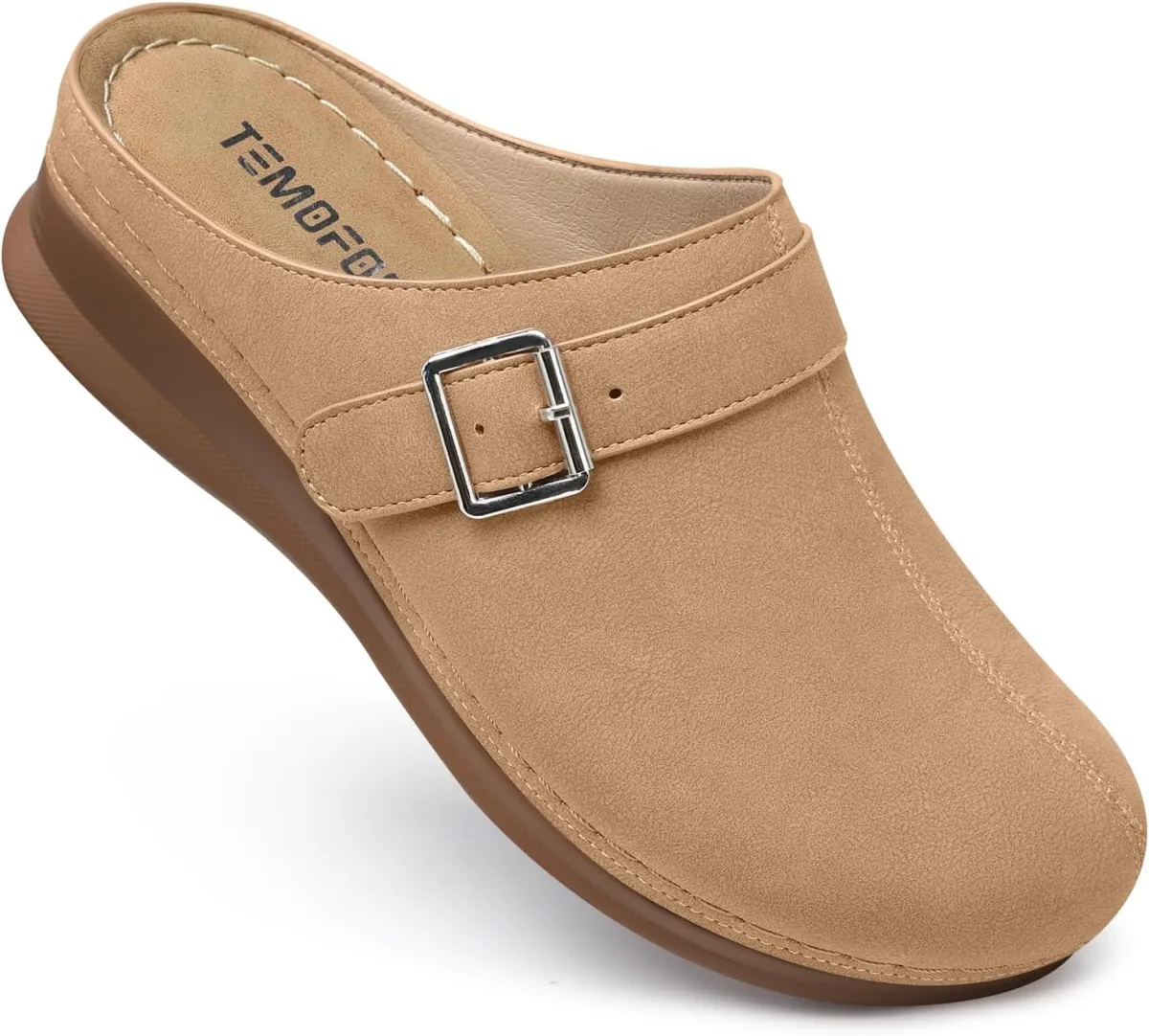
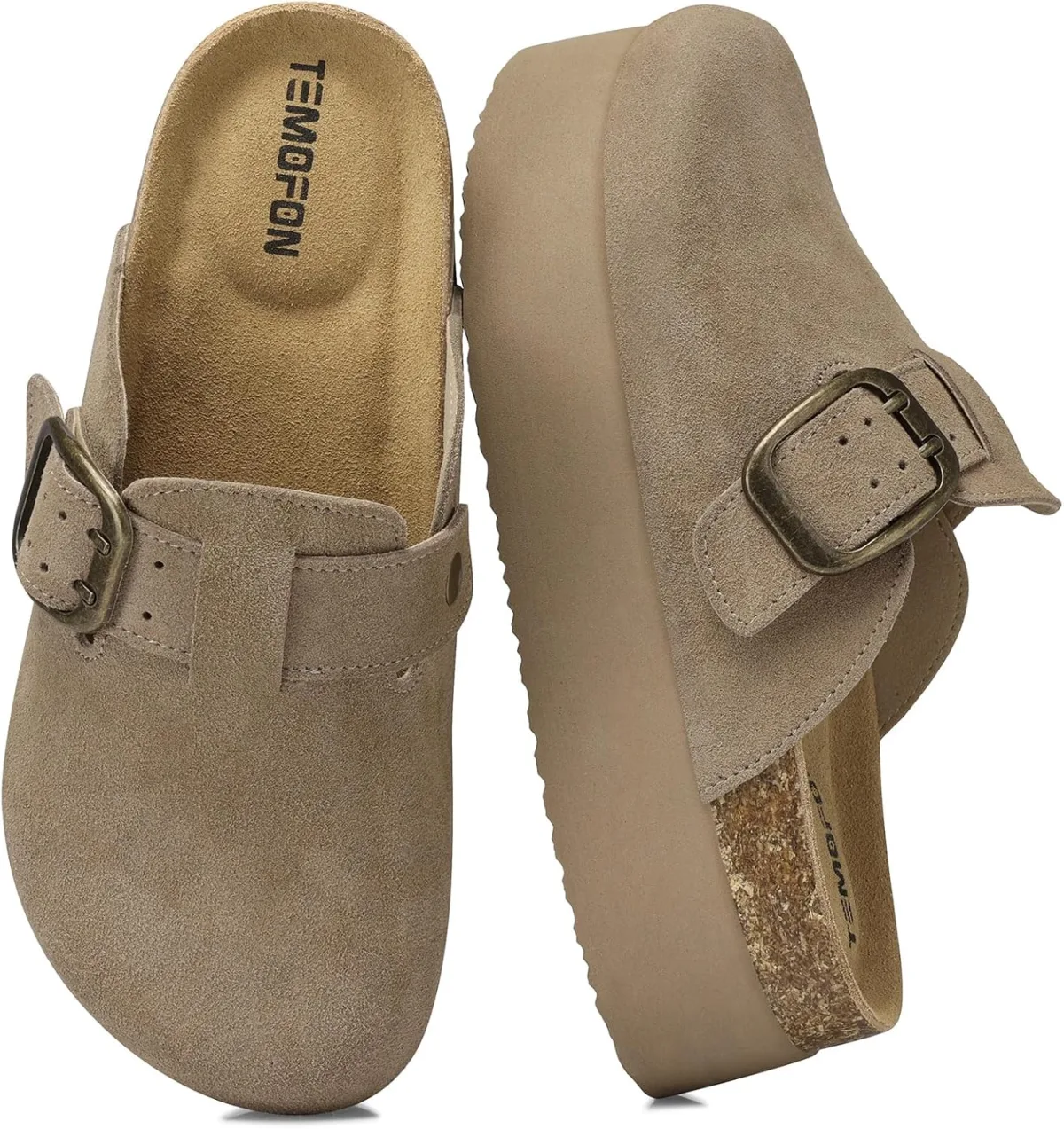
Unbranded
Unbranded
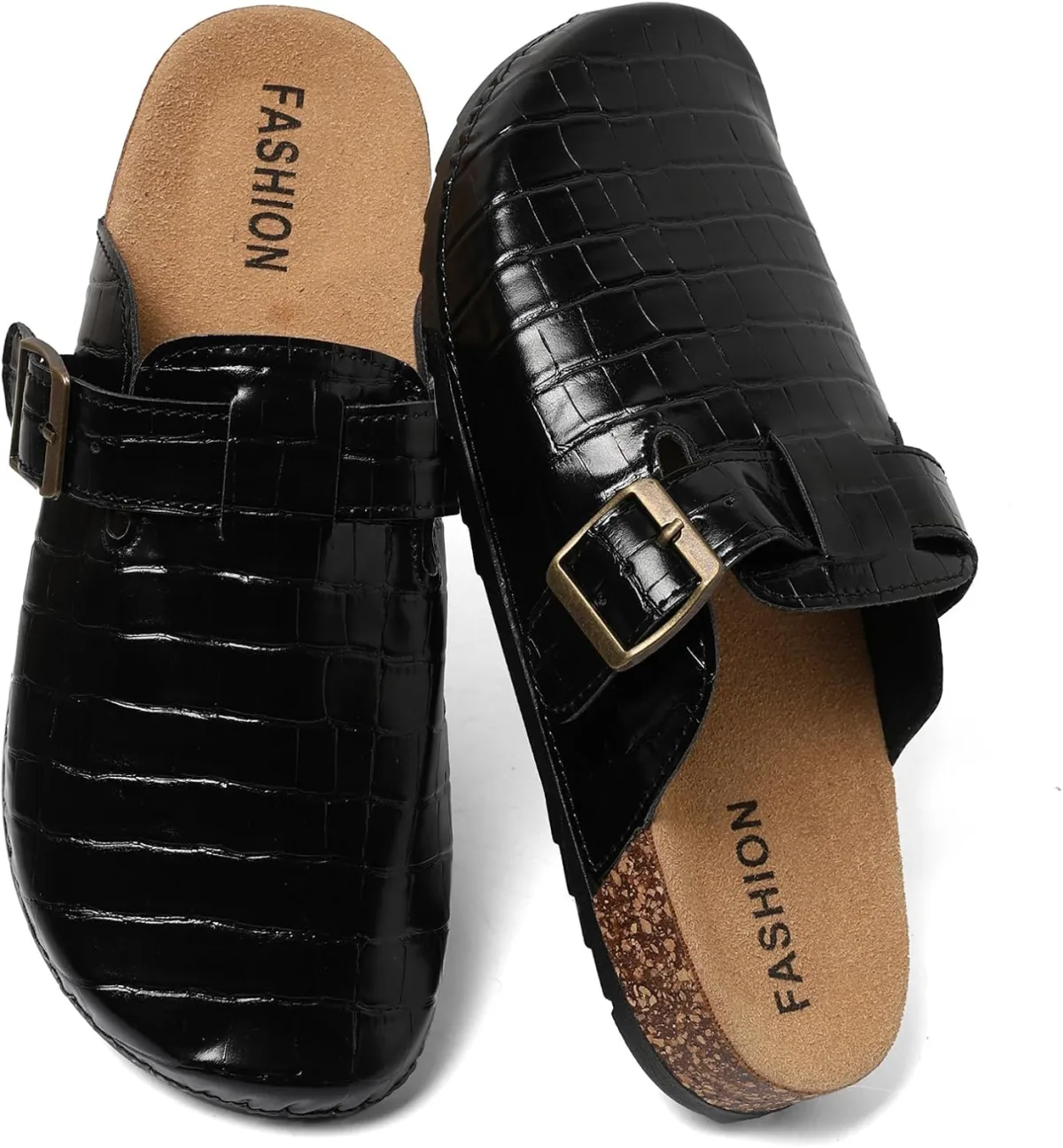
Unbranded
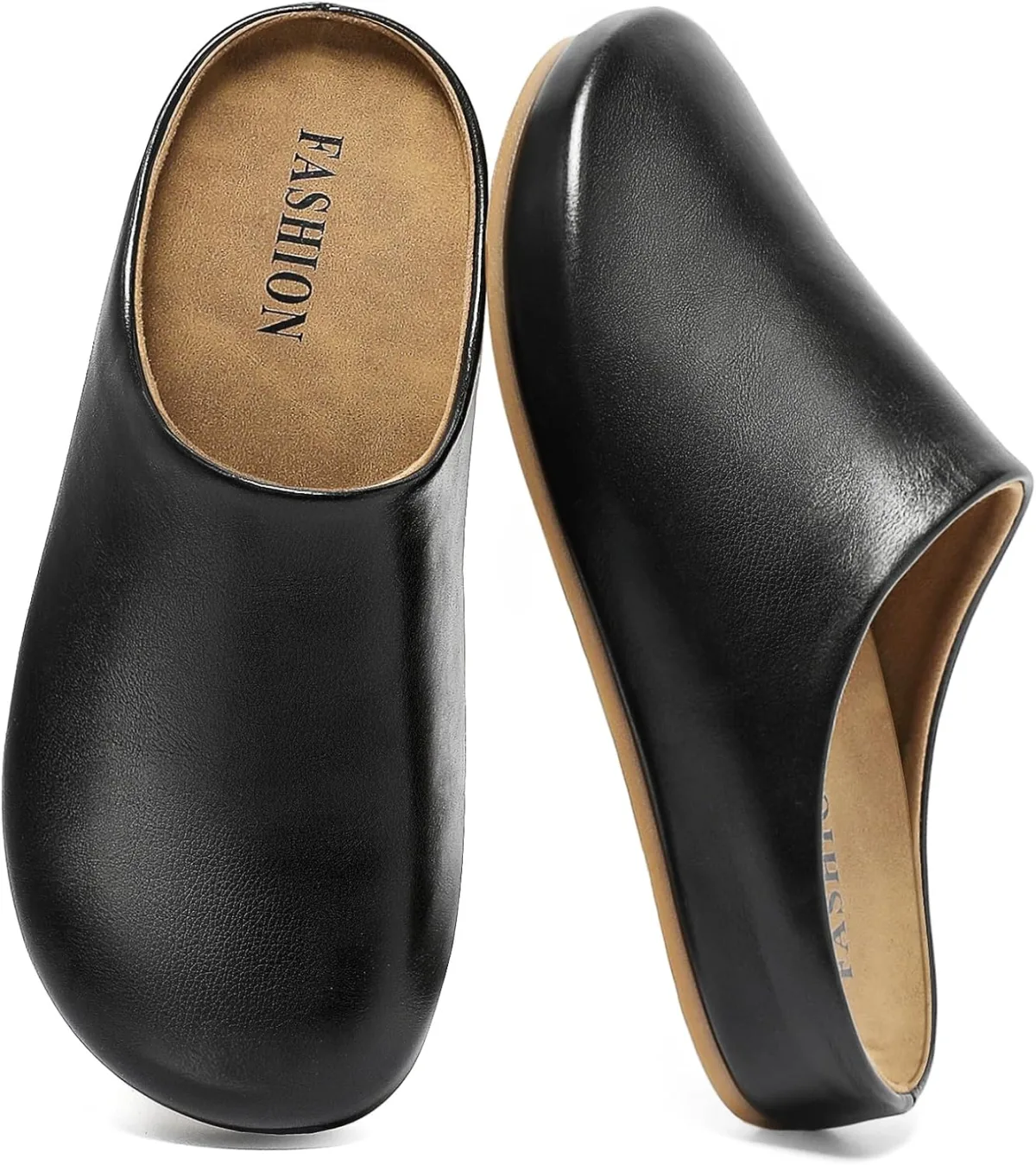
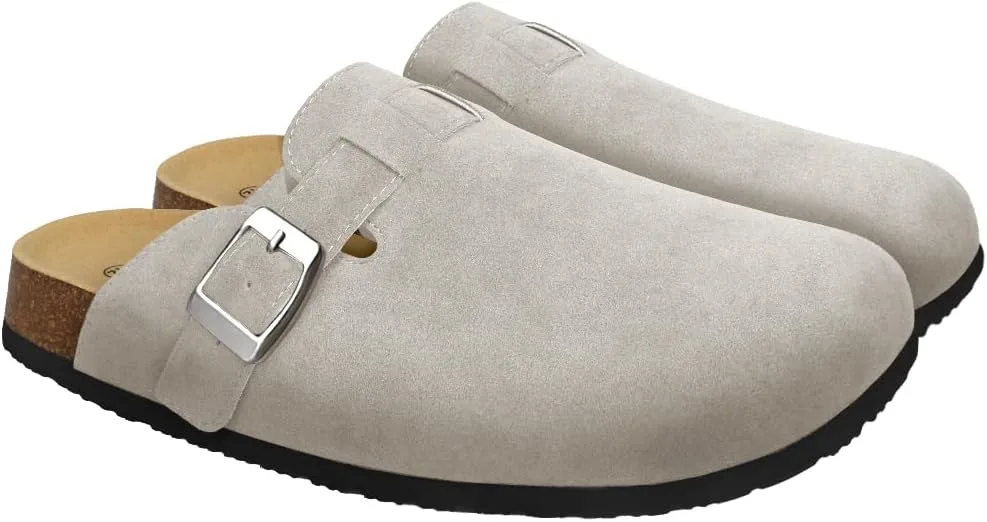
Unbranded
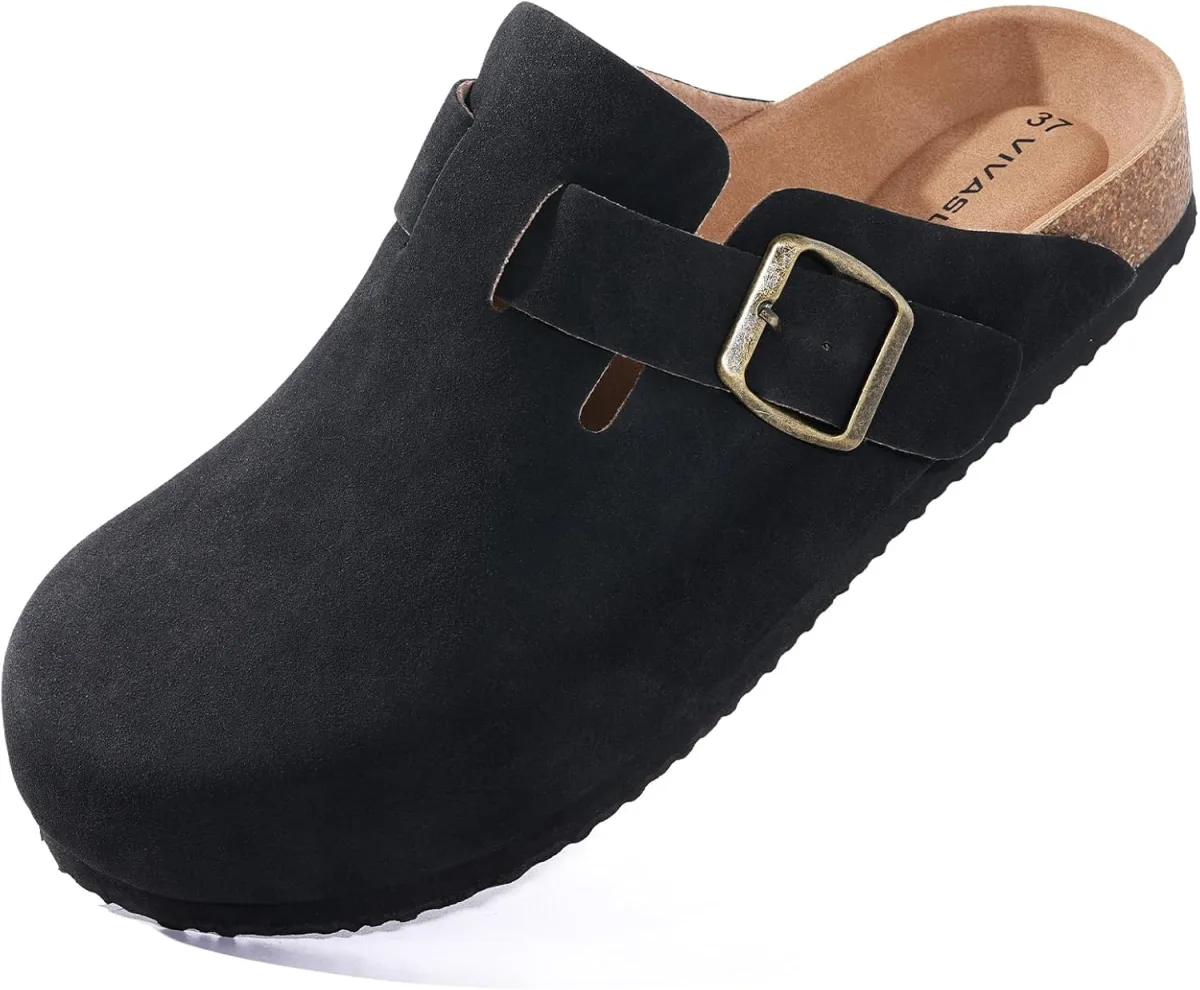
Unbranded
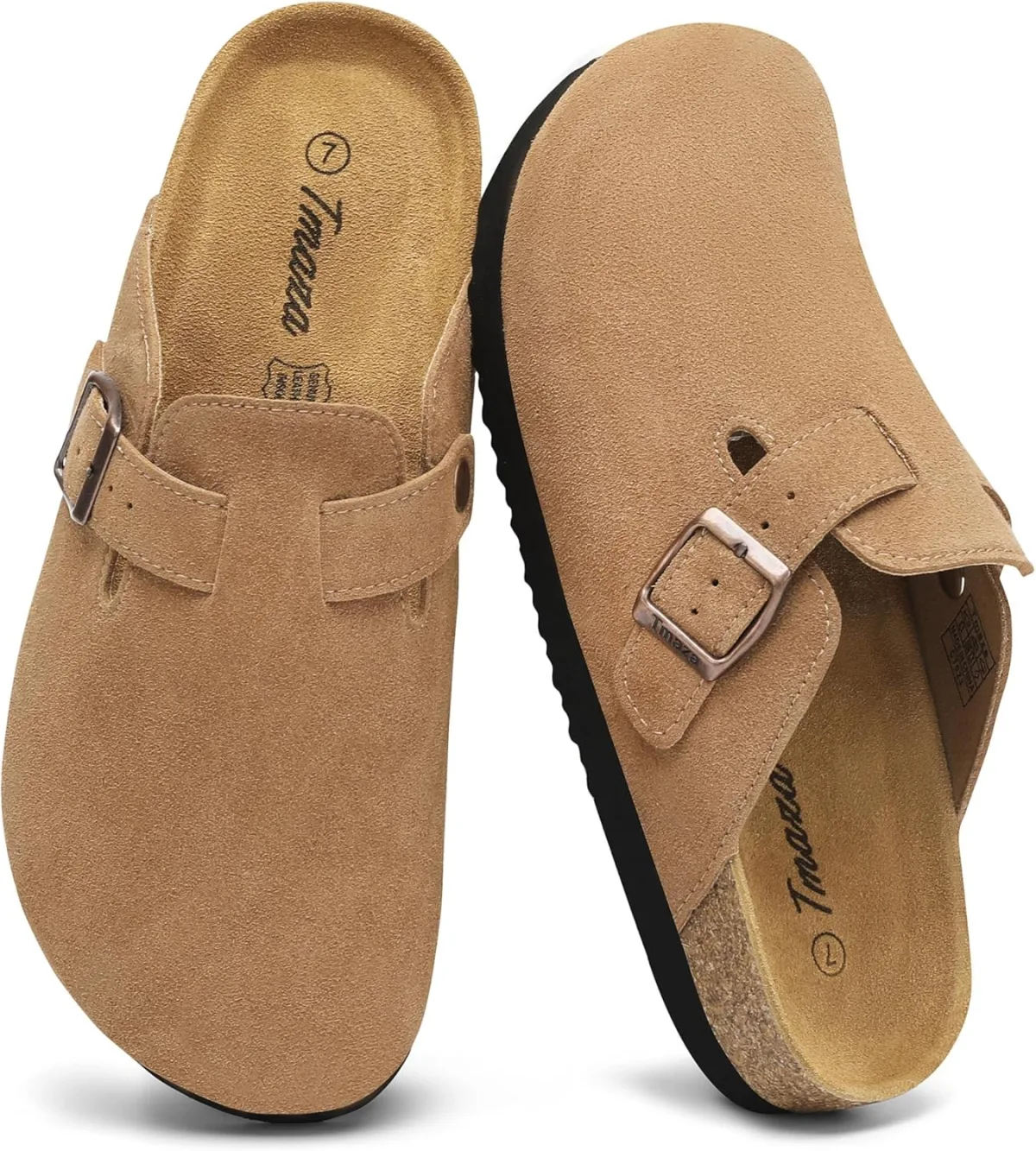
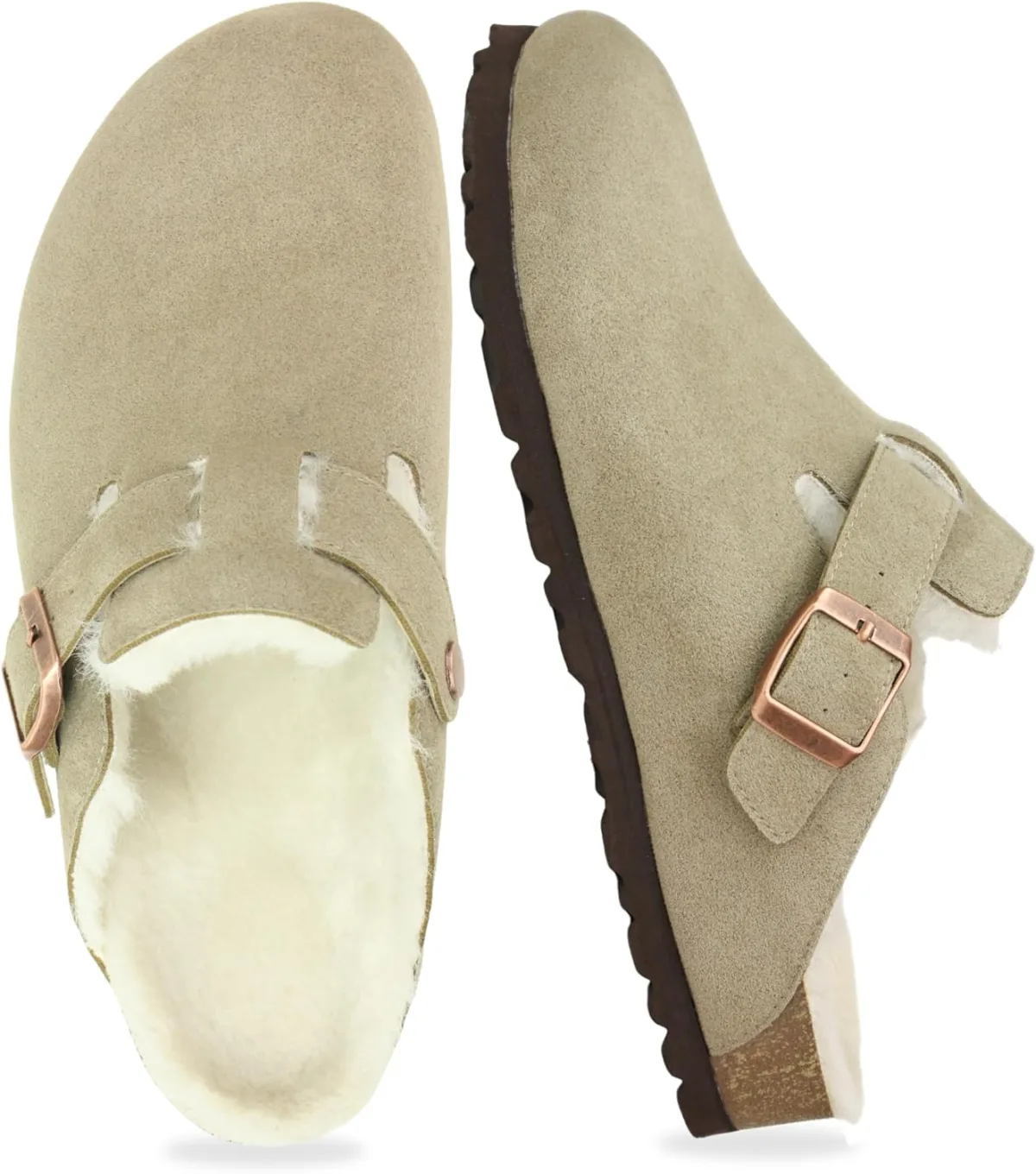
Unbranded
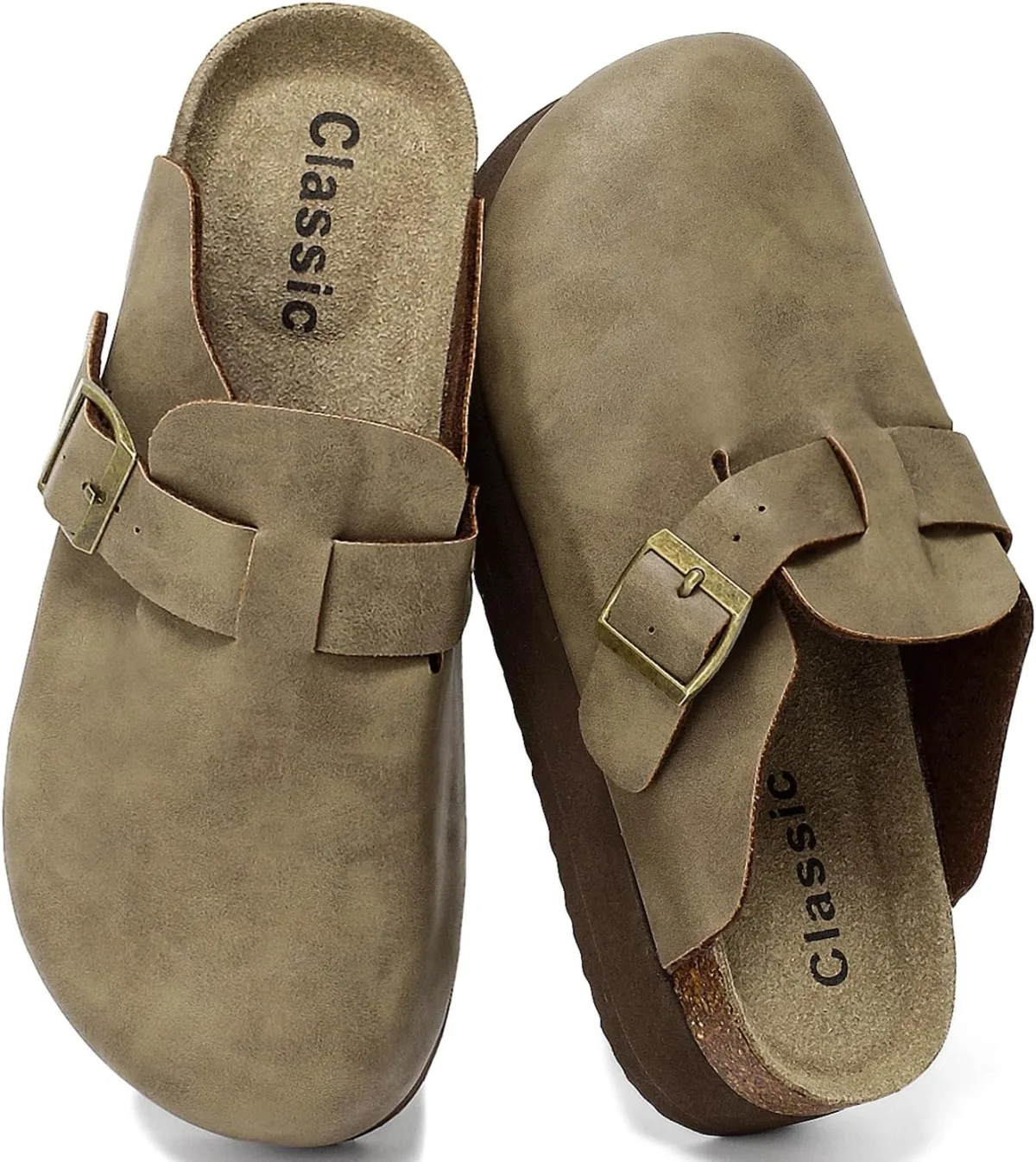
Unbranded
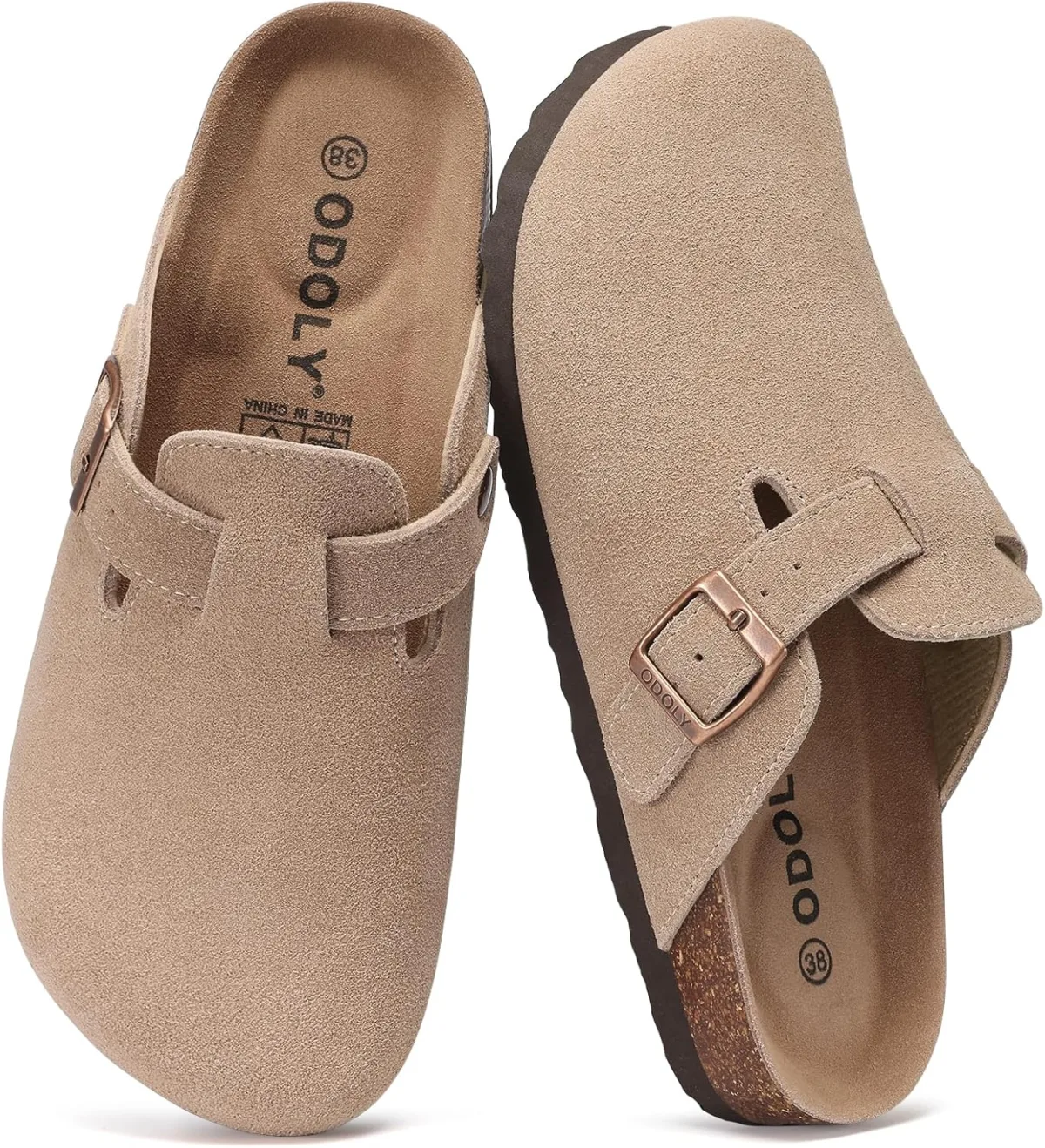
Unbranded
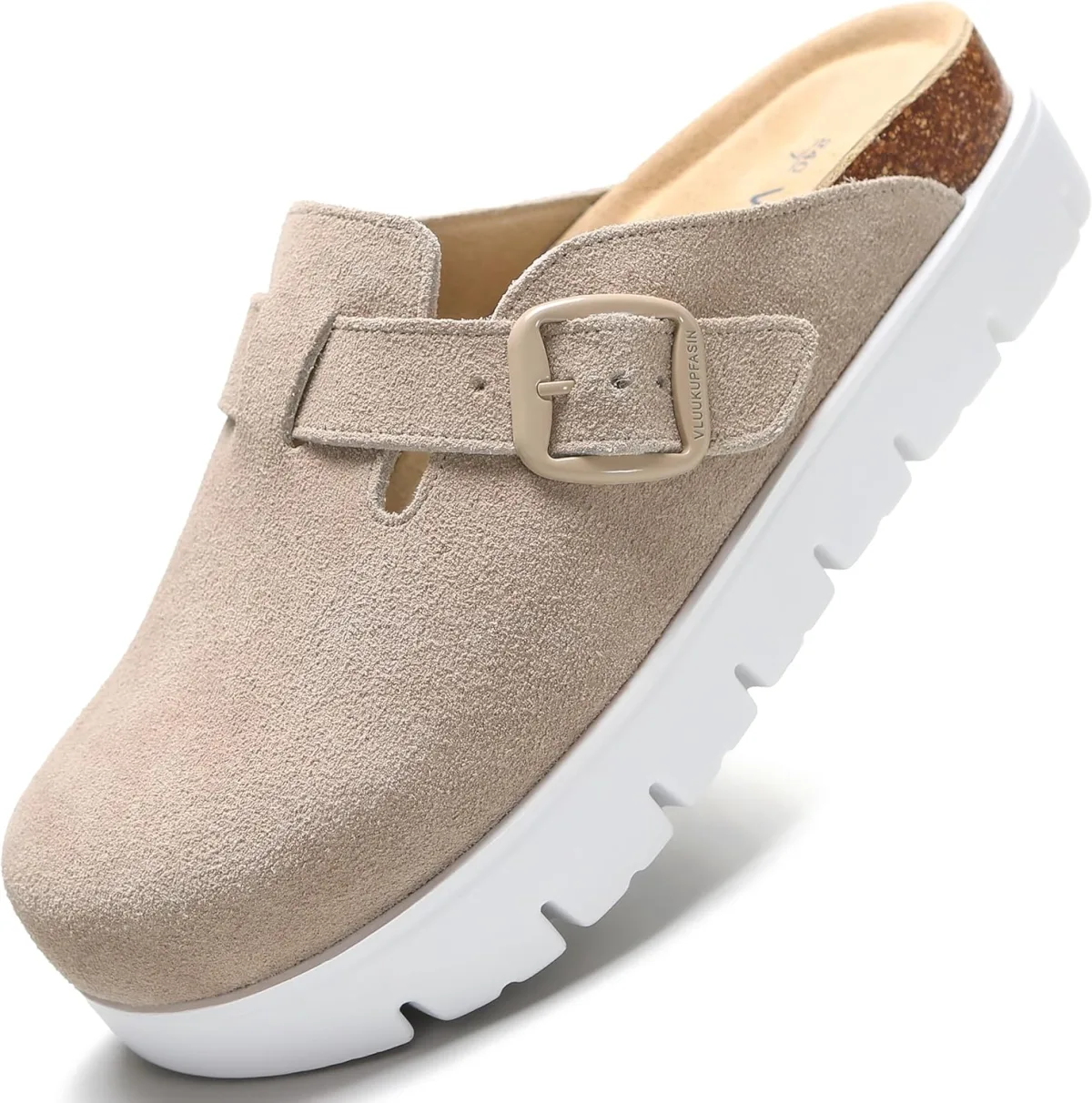
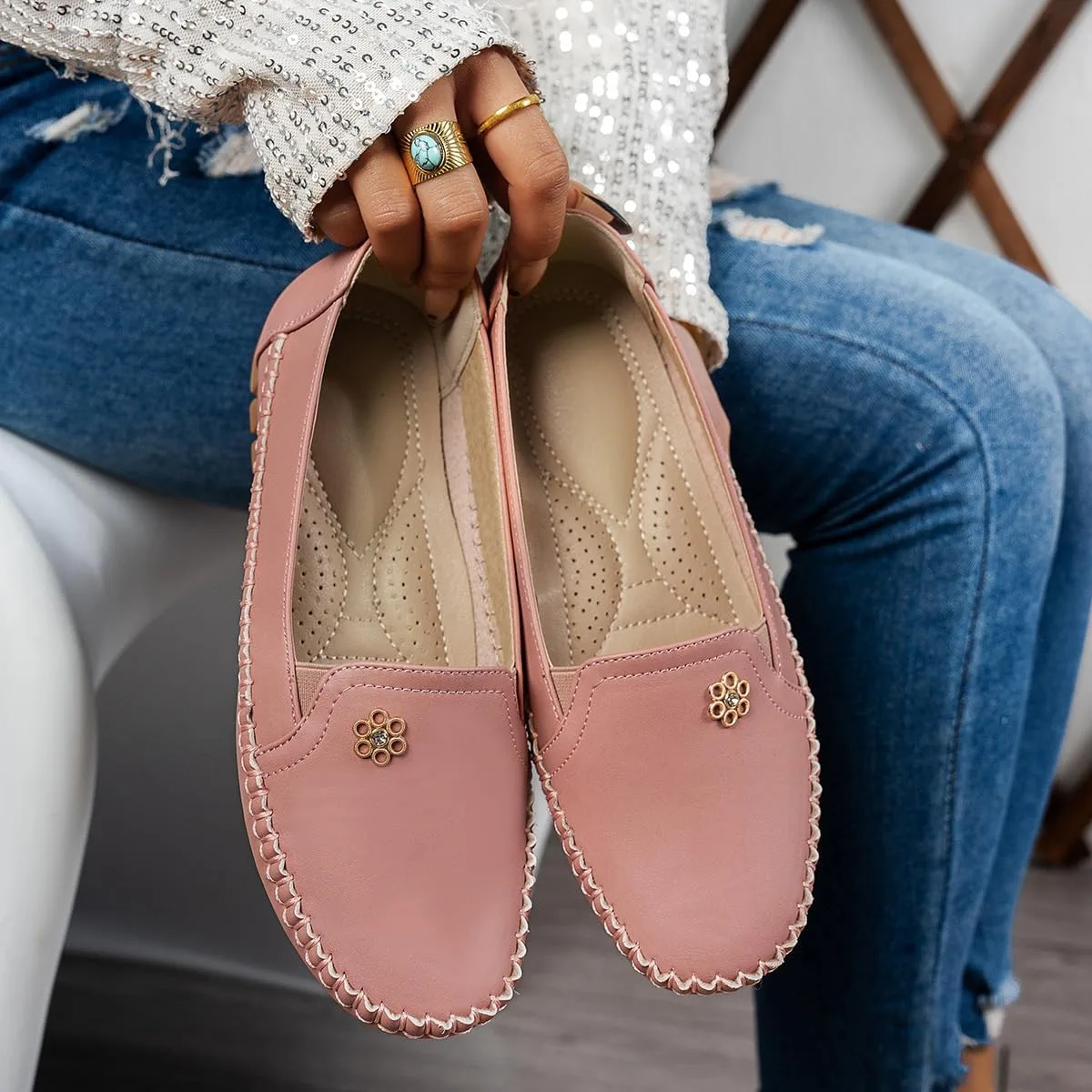
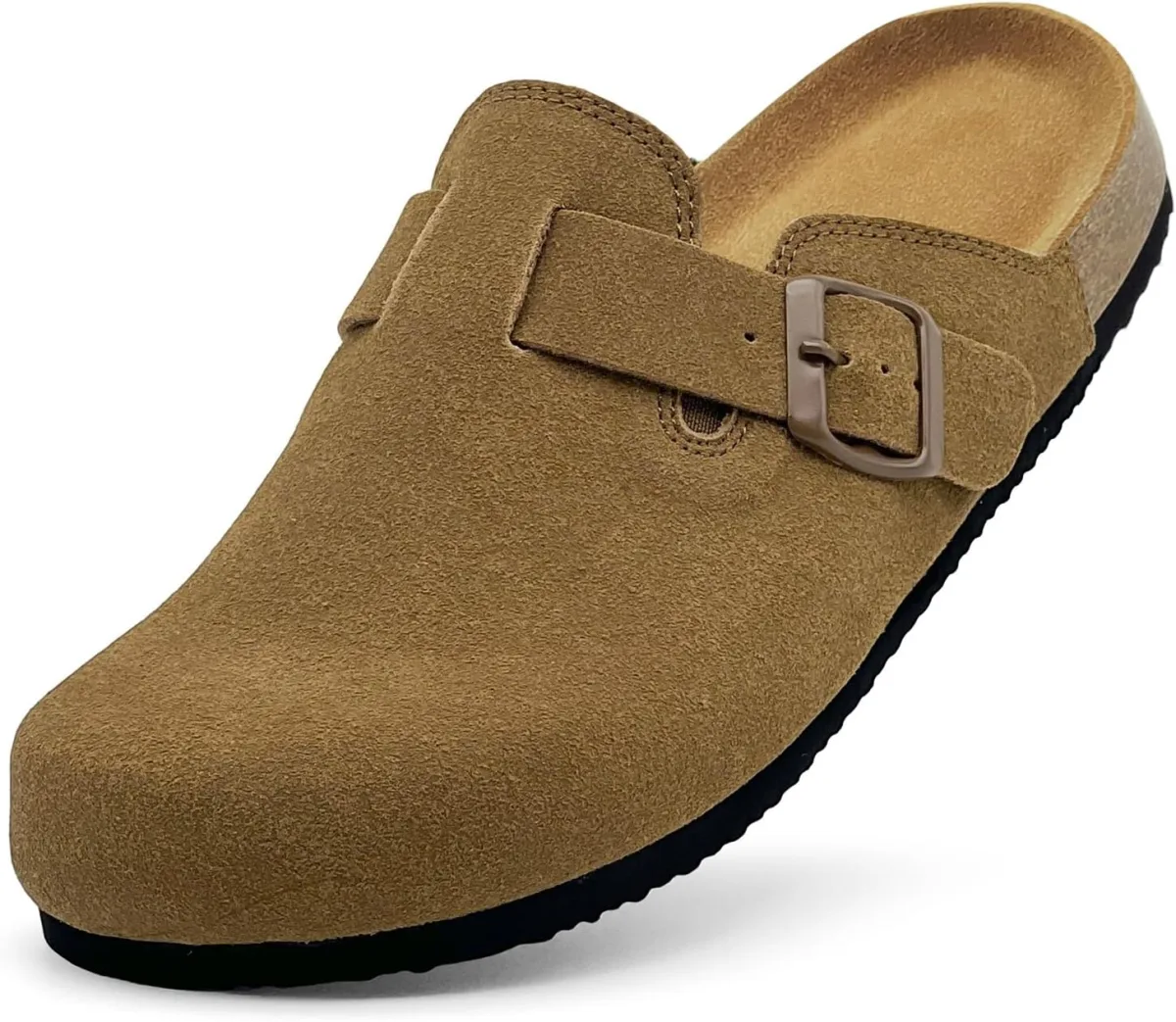
Unbranded
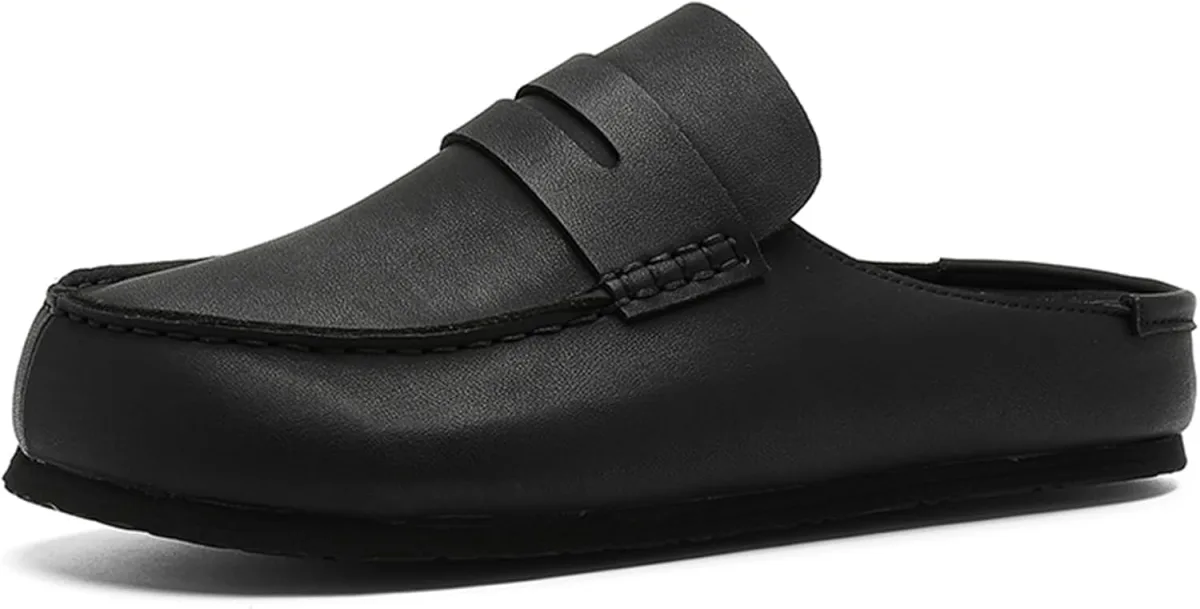
Unbranded
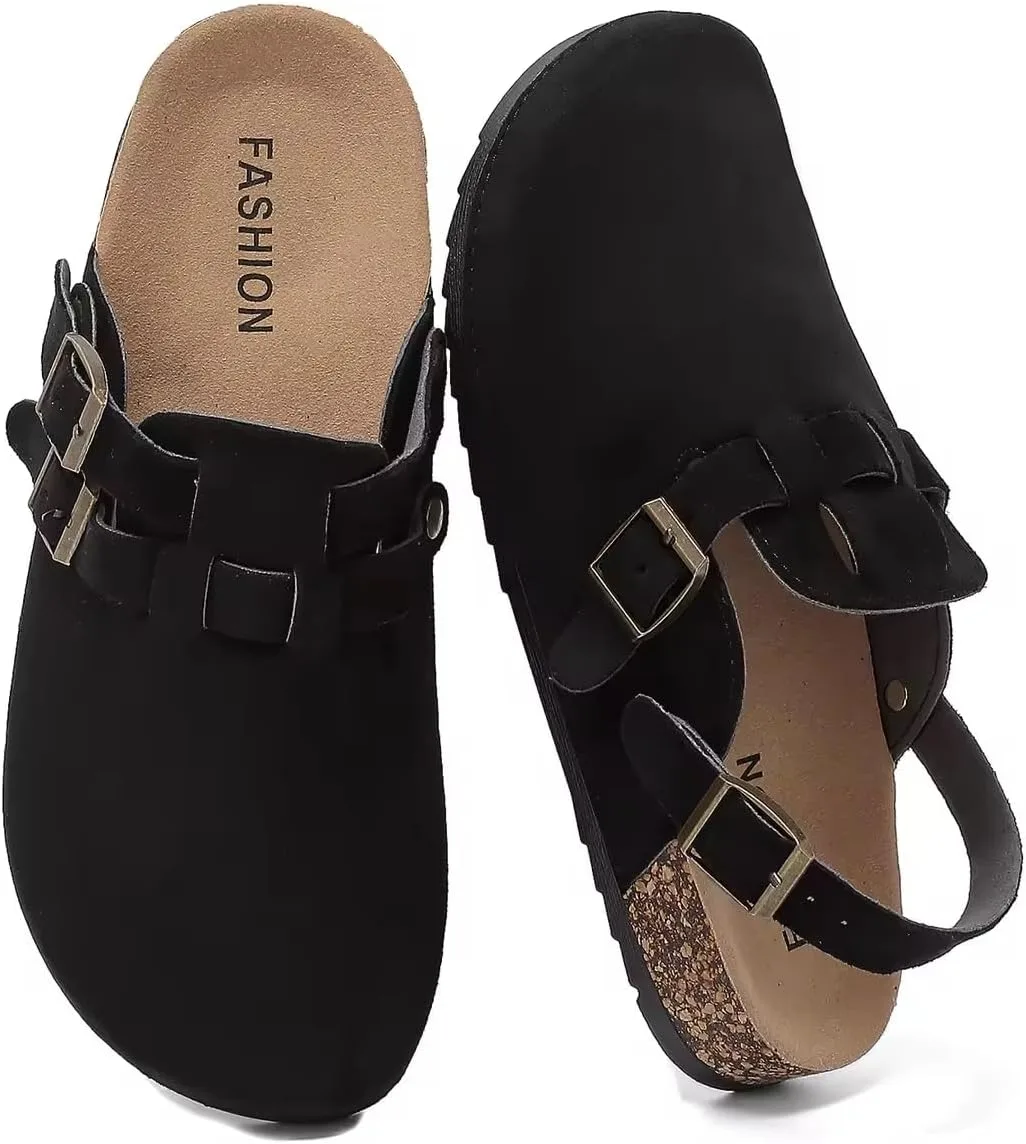
Unbranded
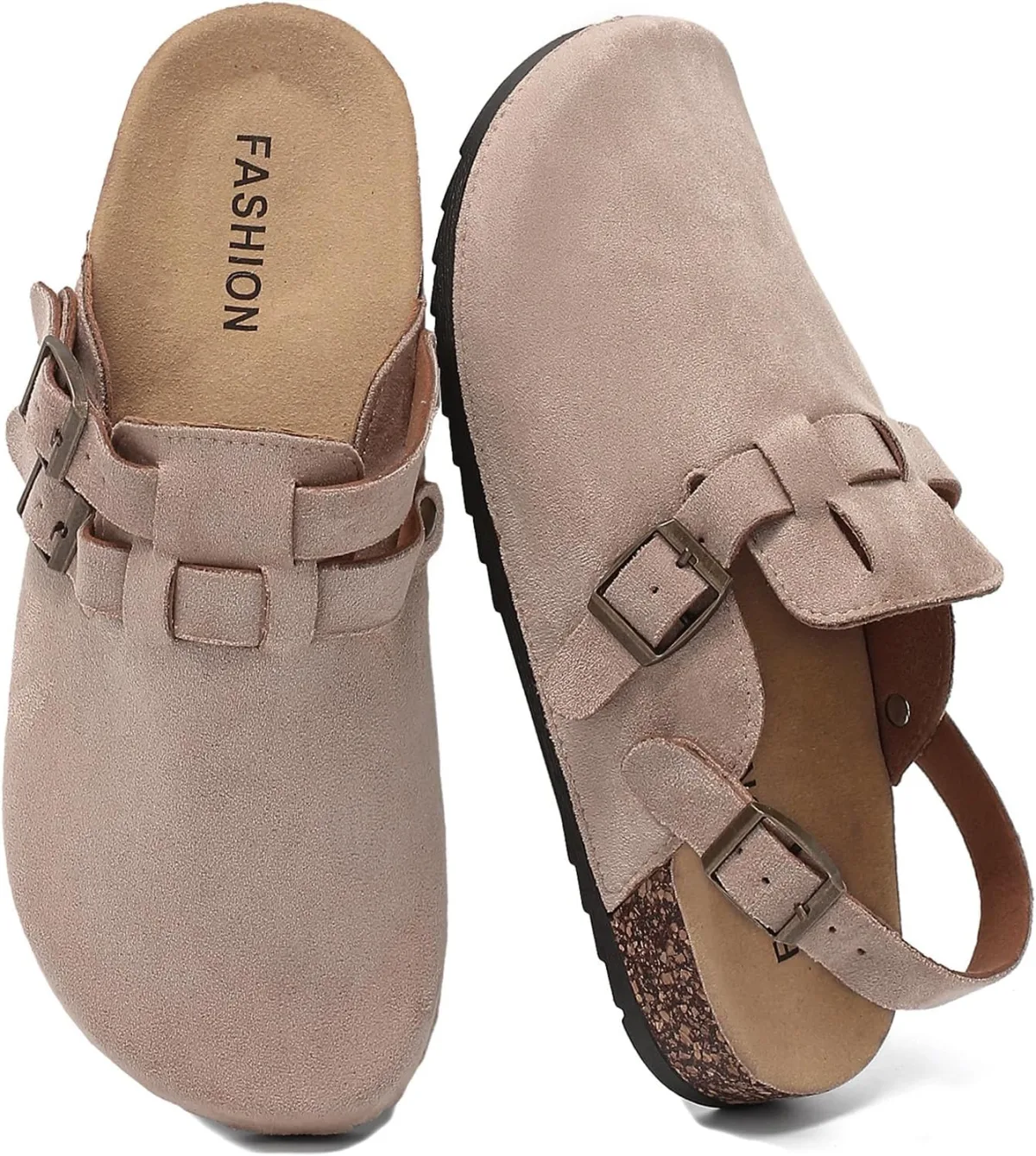
Unbranded
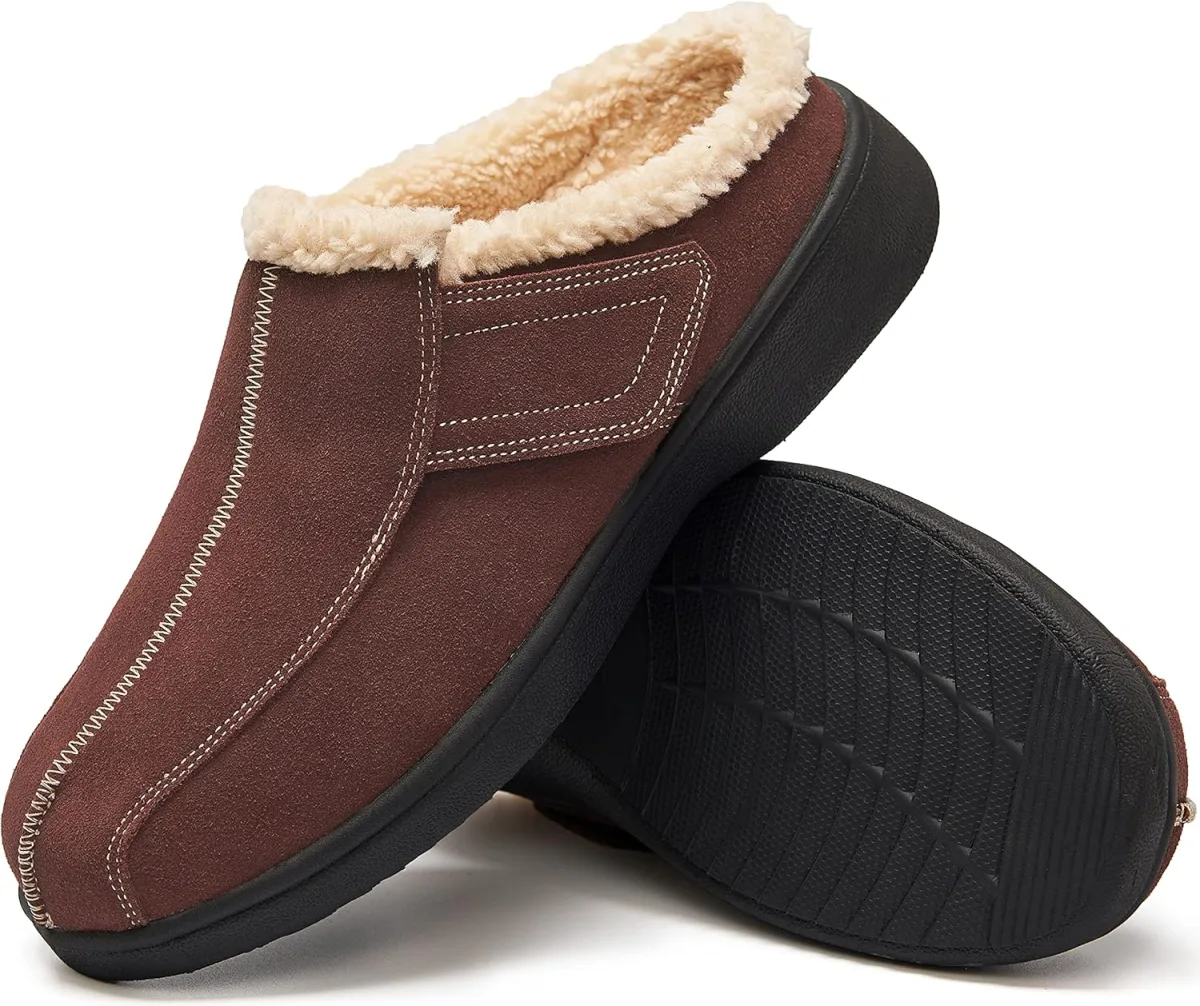
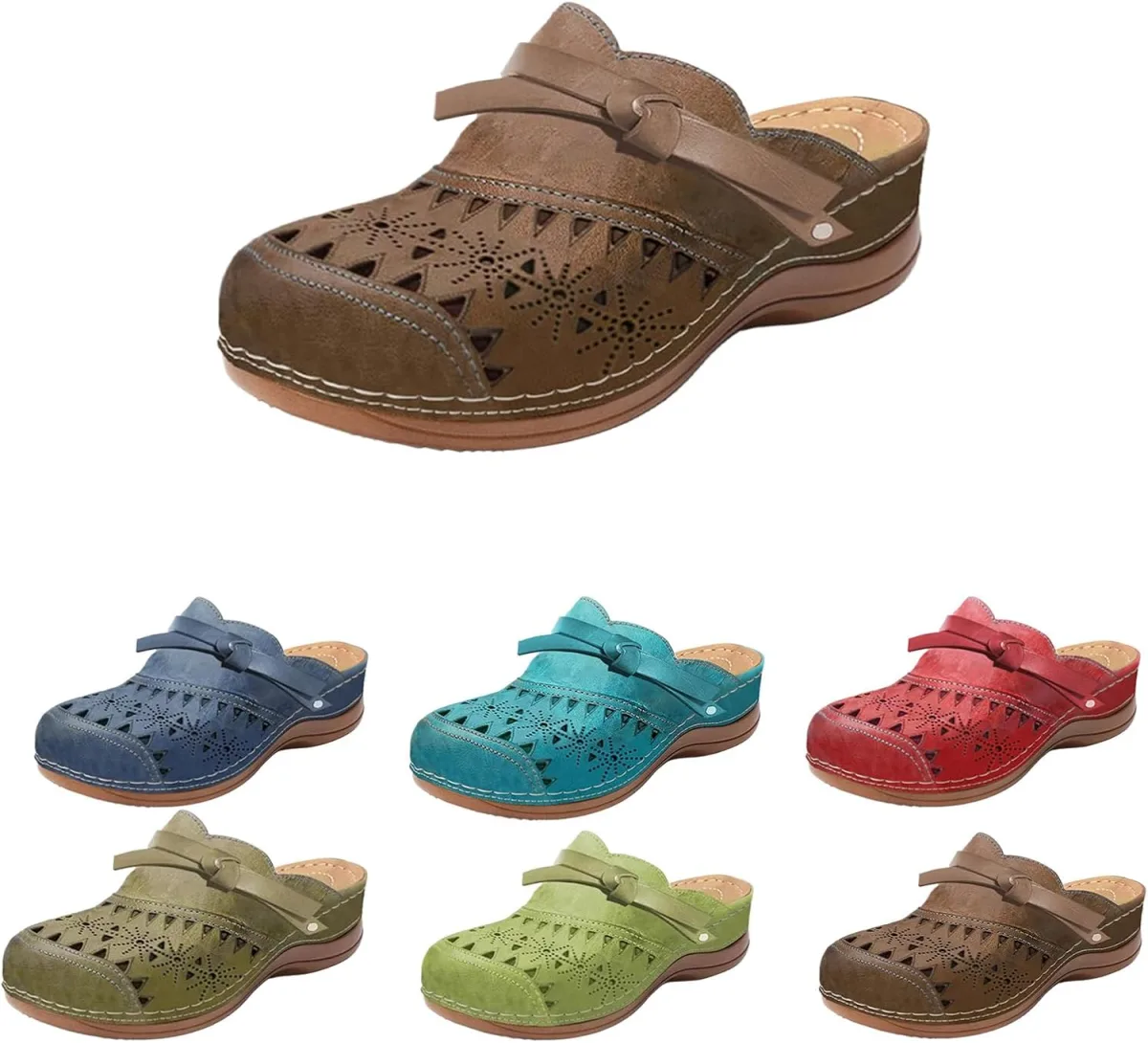
Unbranded
Unbranded
Unbranded
Unbranded
Unbranded
Unbranded
Unbranded
Unbranded
Unbranded
Unbranded
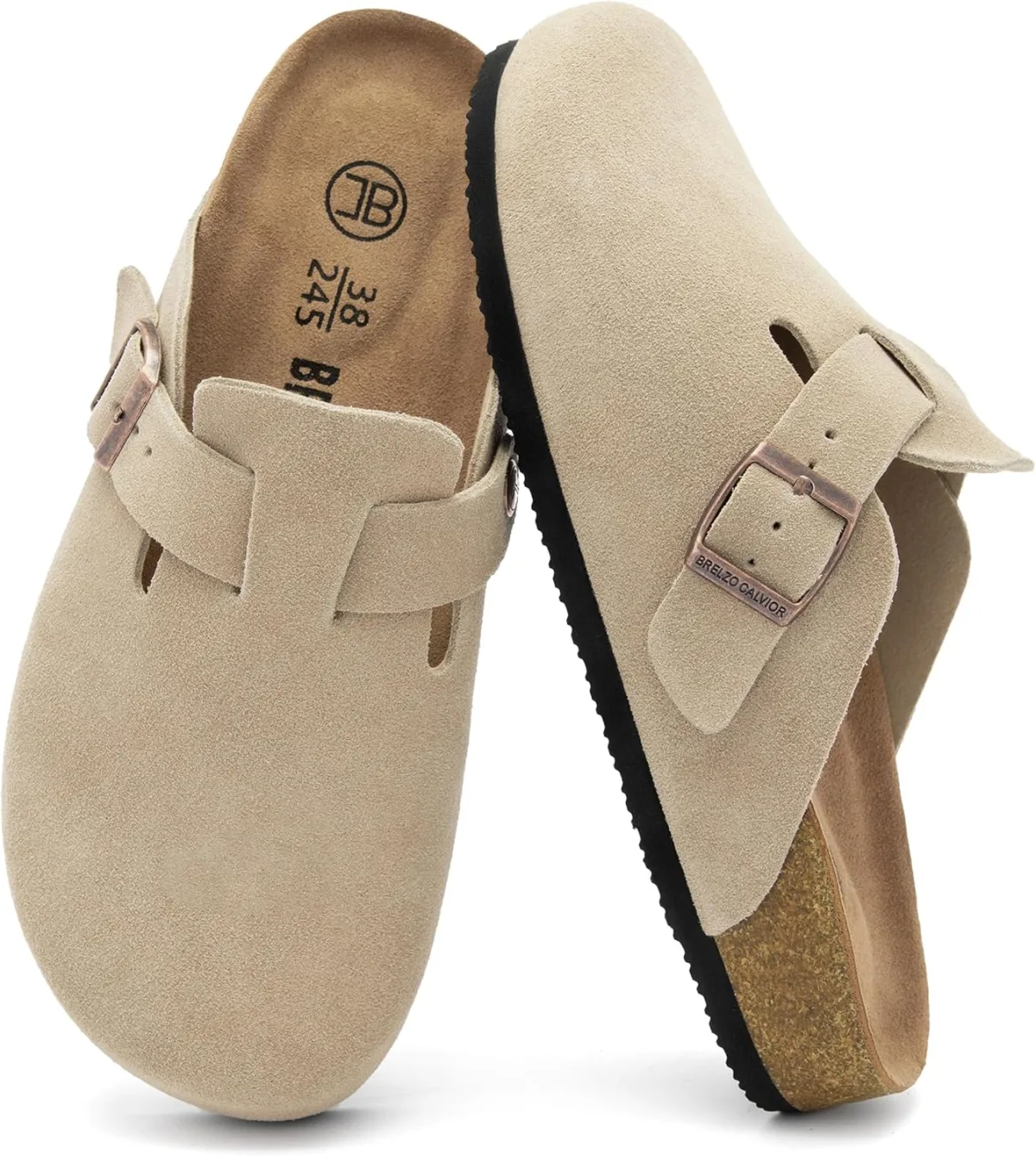
Unbranded
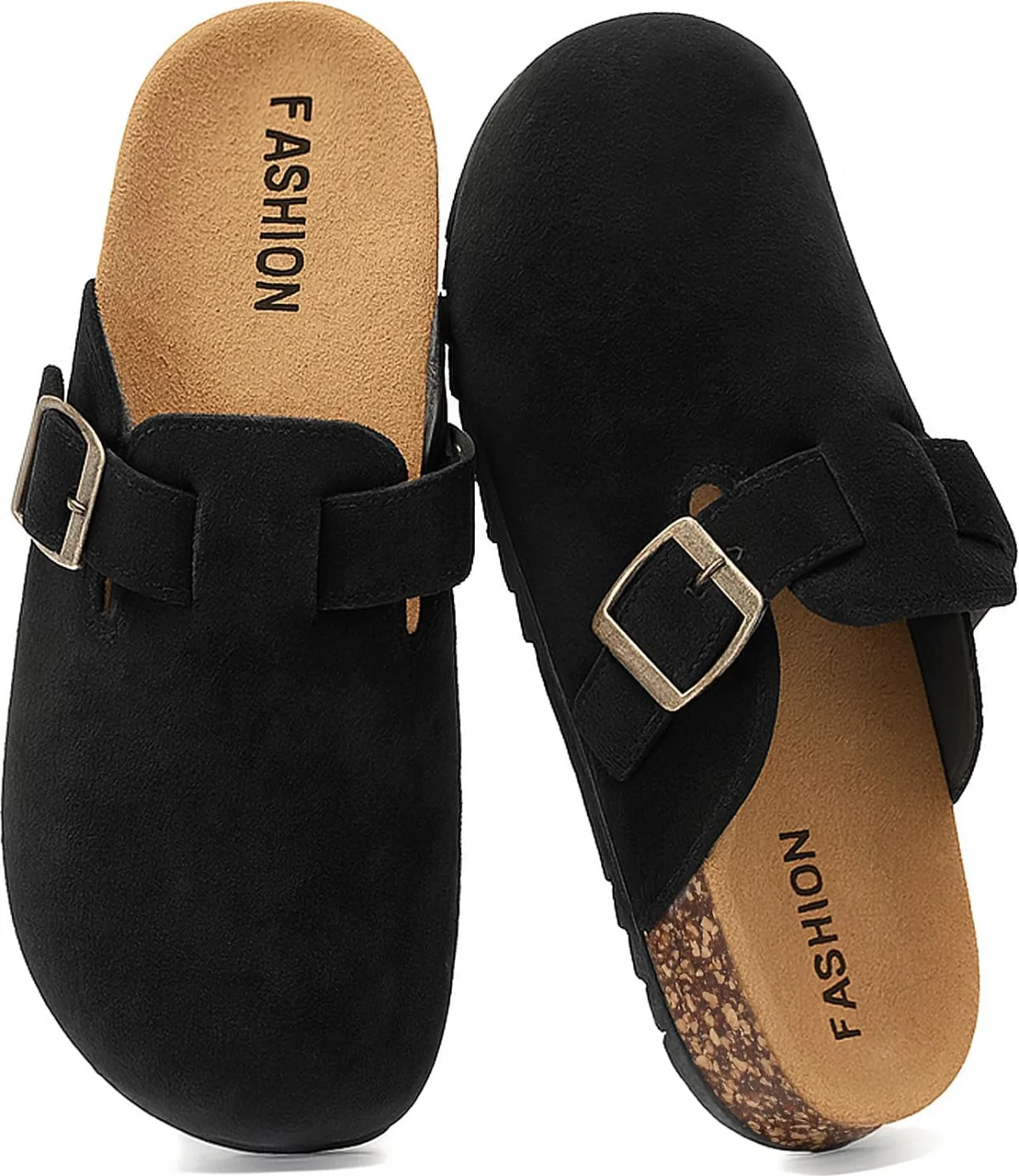
Unbranded
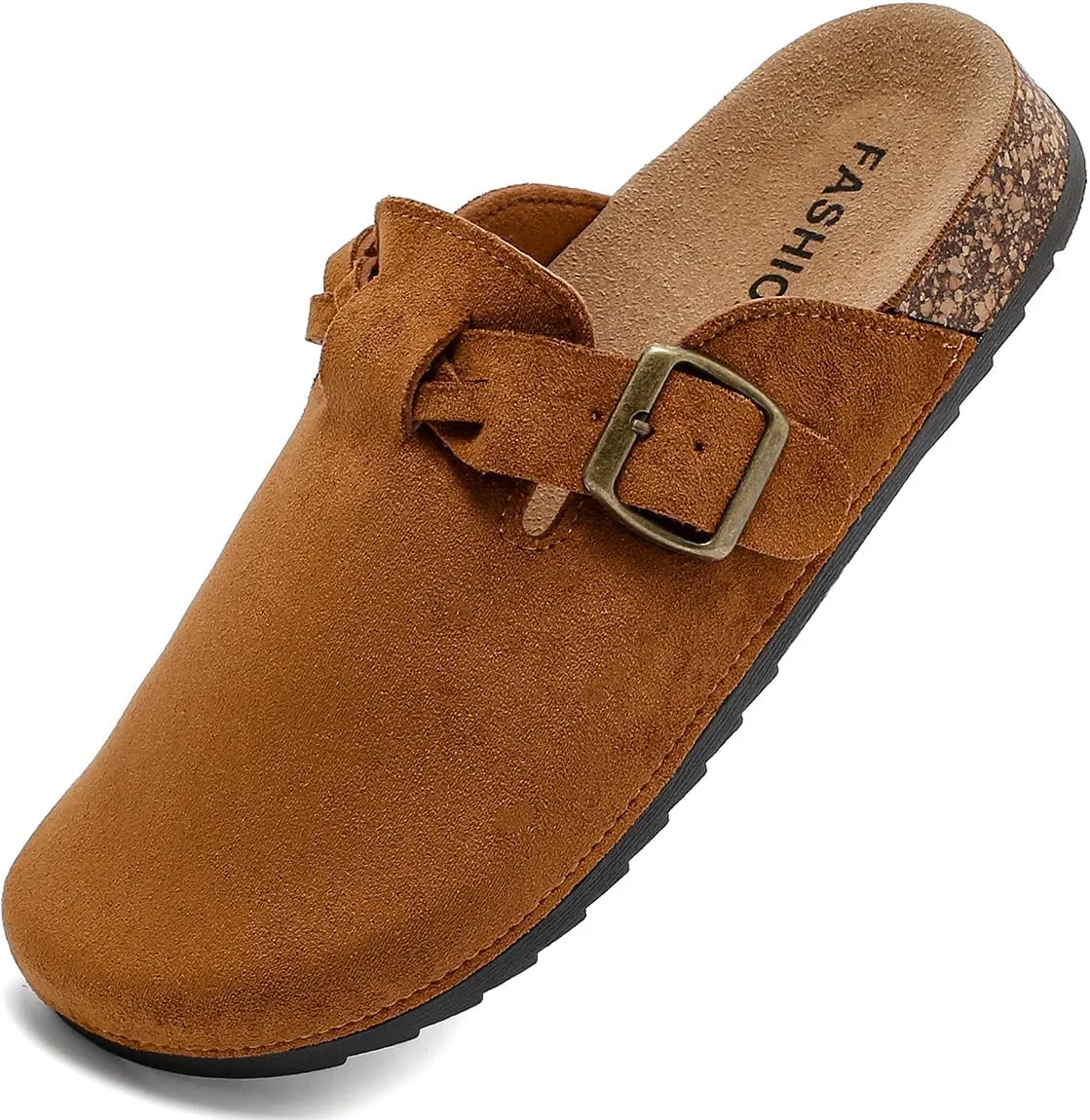
Unbranded
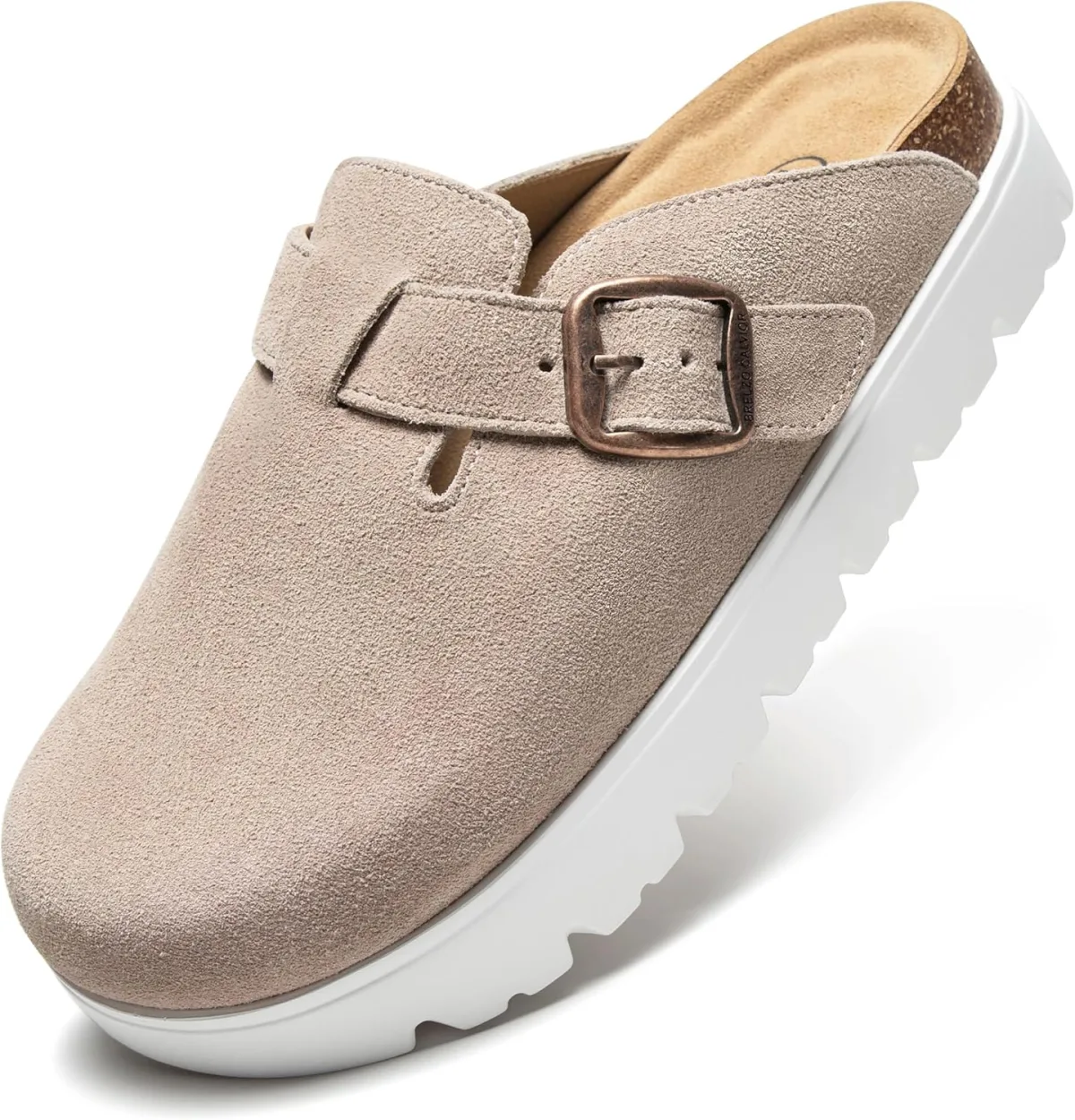
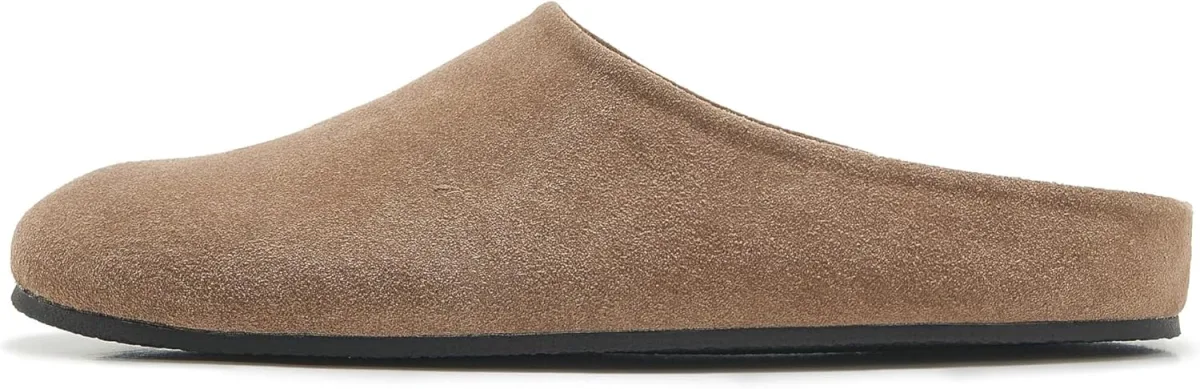
Unbranded
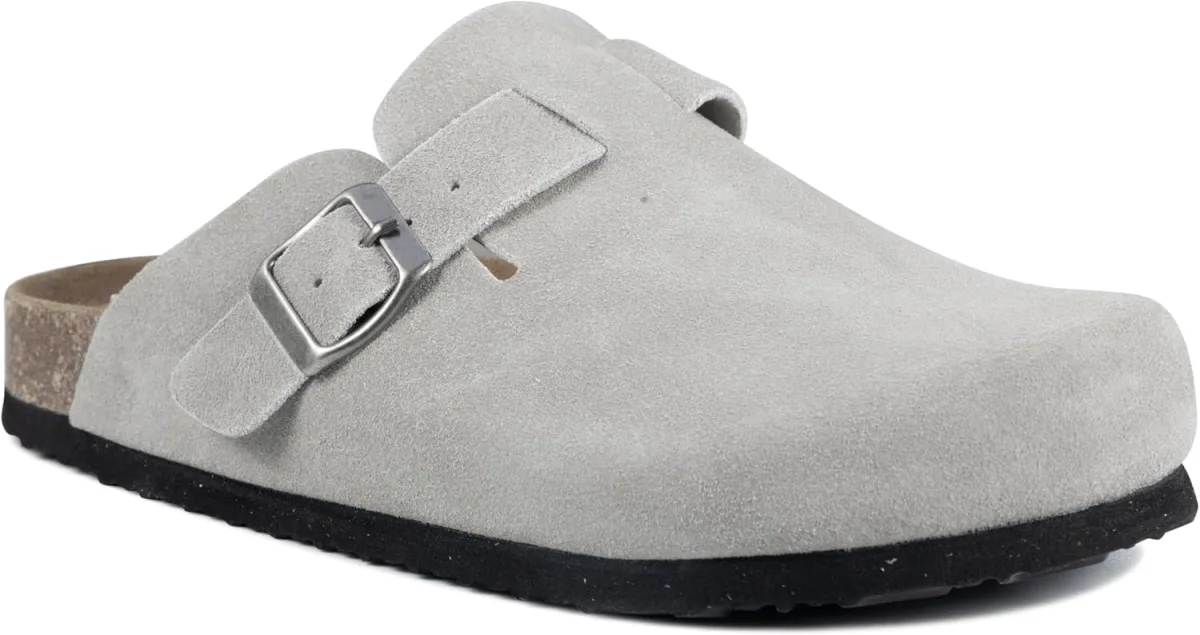
Unbranded
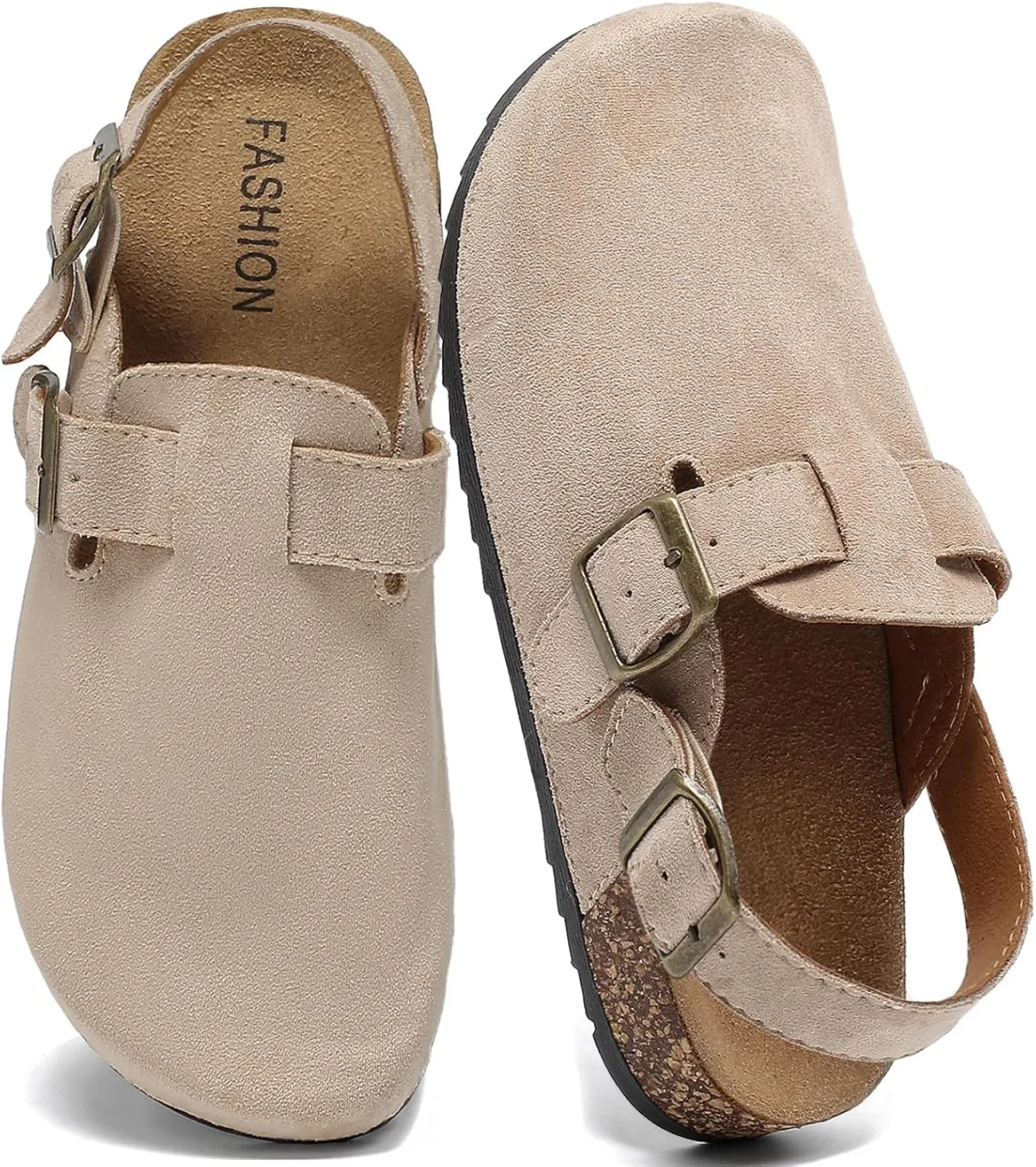
Unbranded
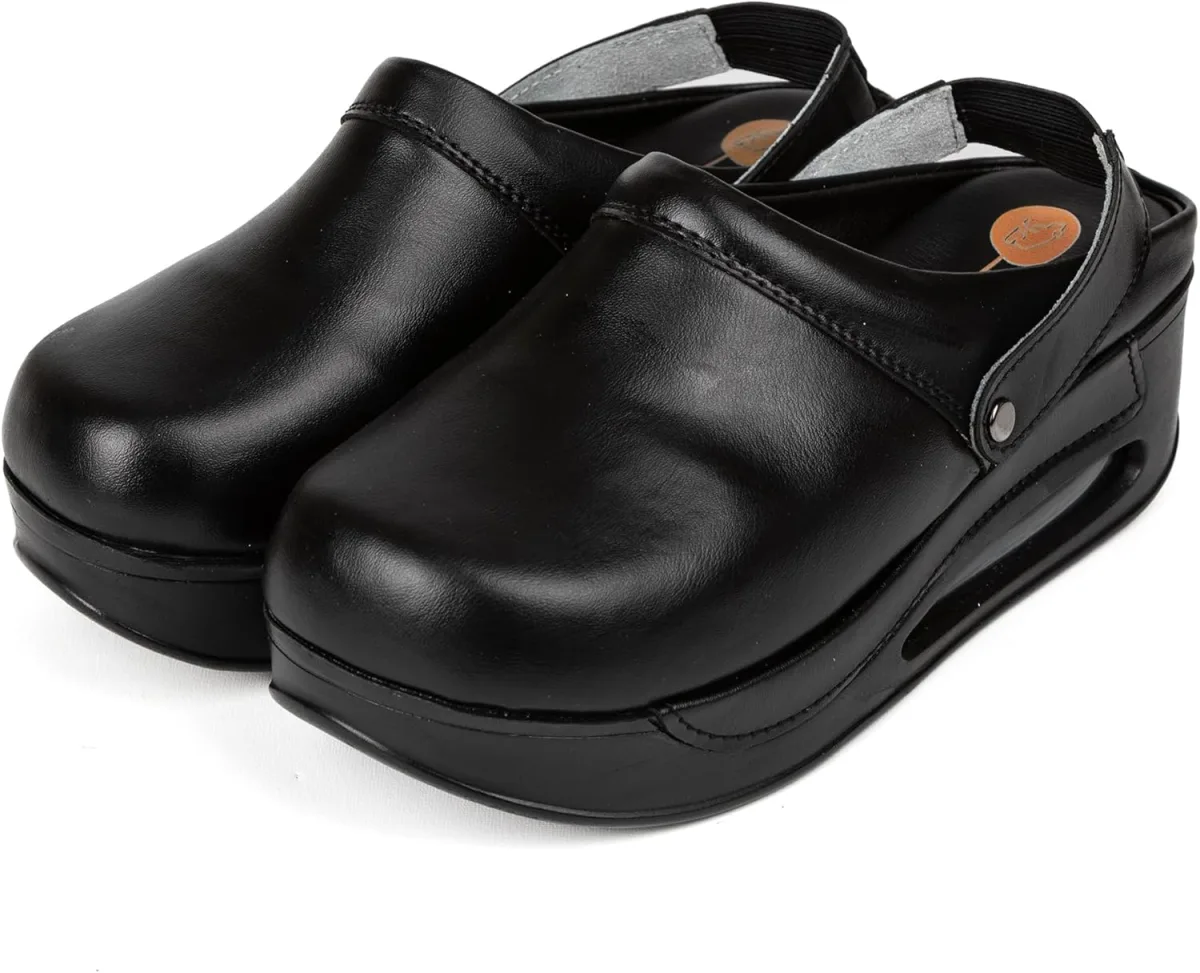
Unbranded
Unbranded
Unbranded
Unbranded
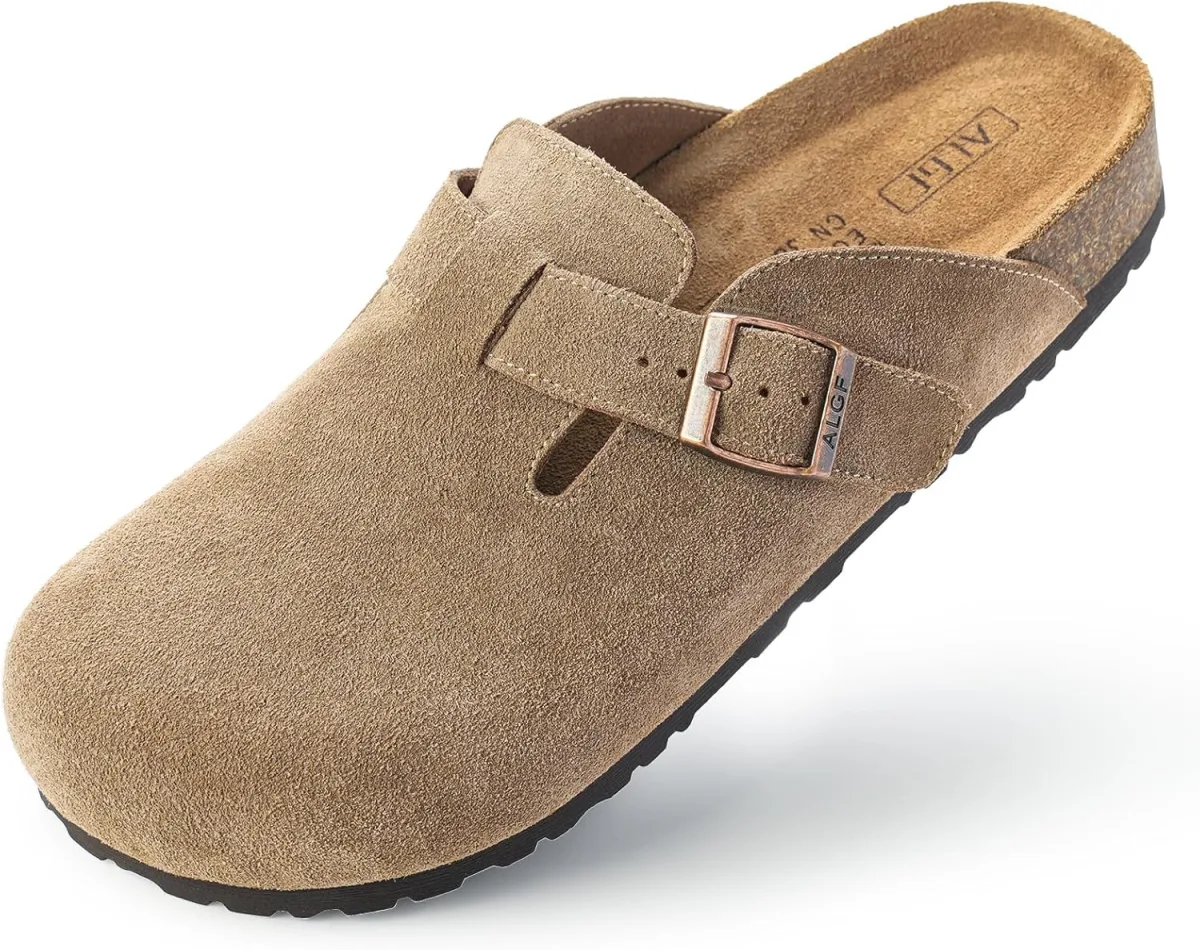
Unbranded
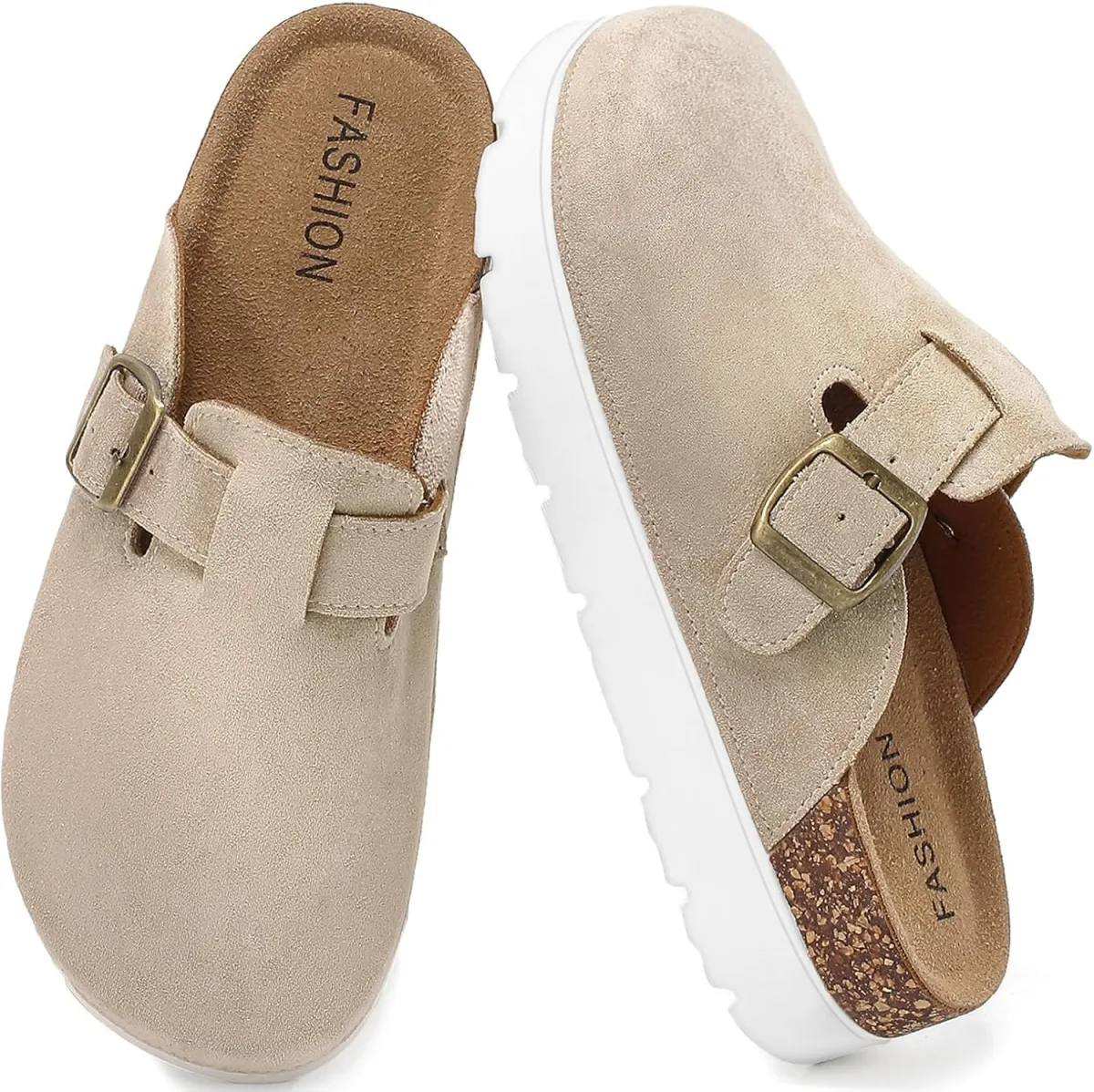
Unbranded
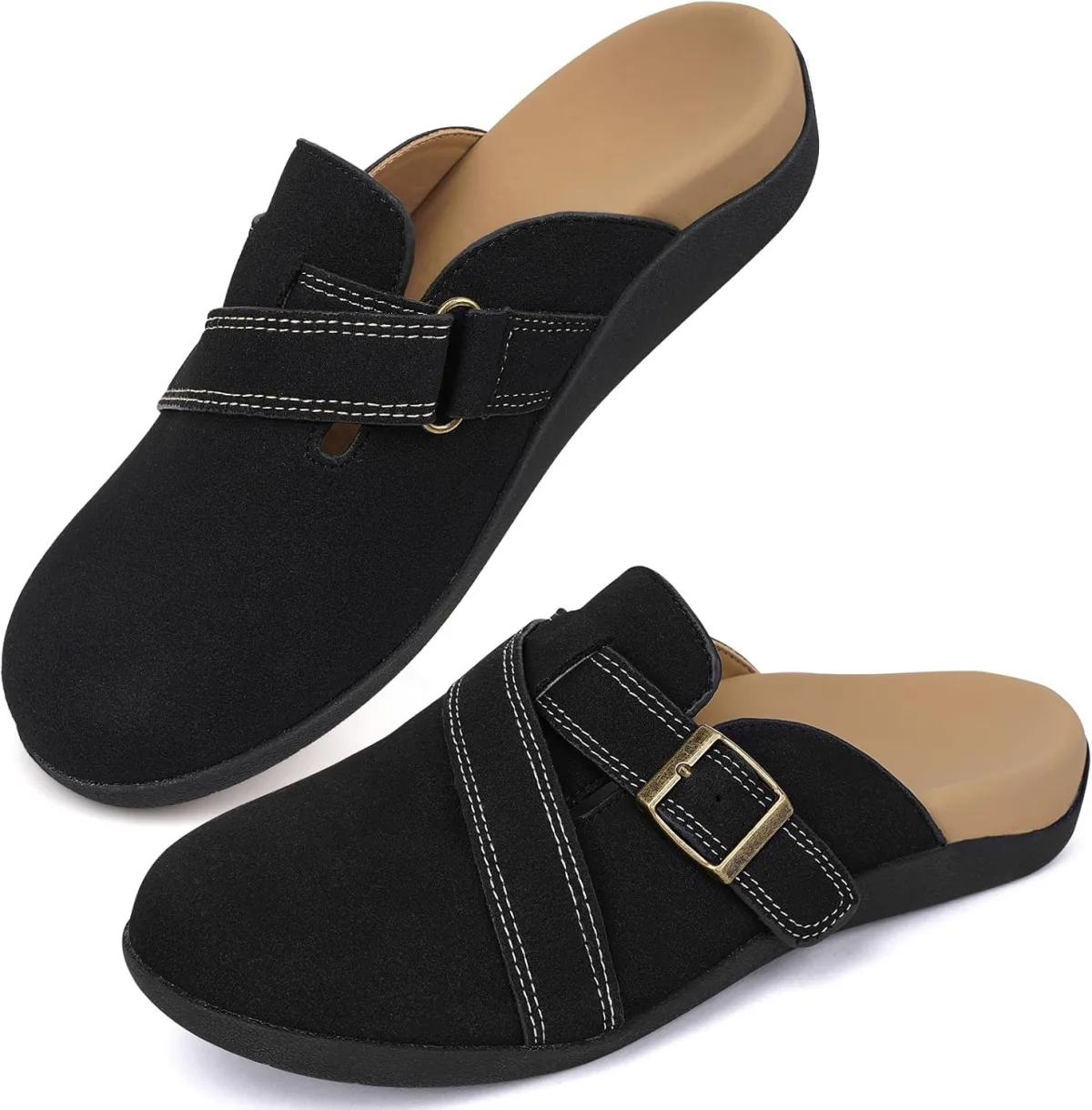
V.Step
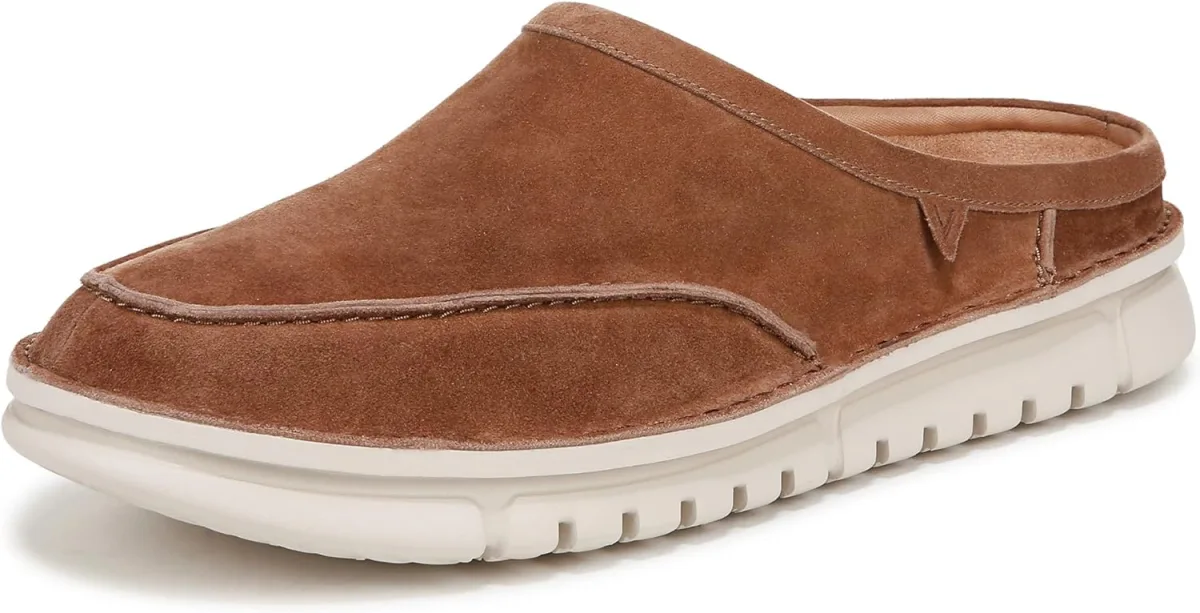
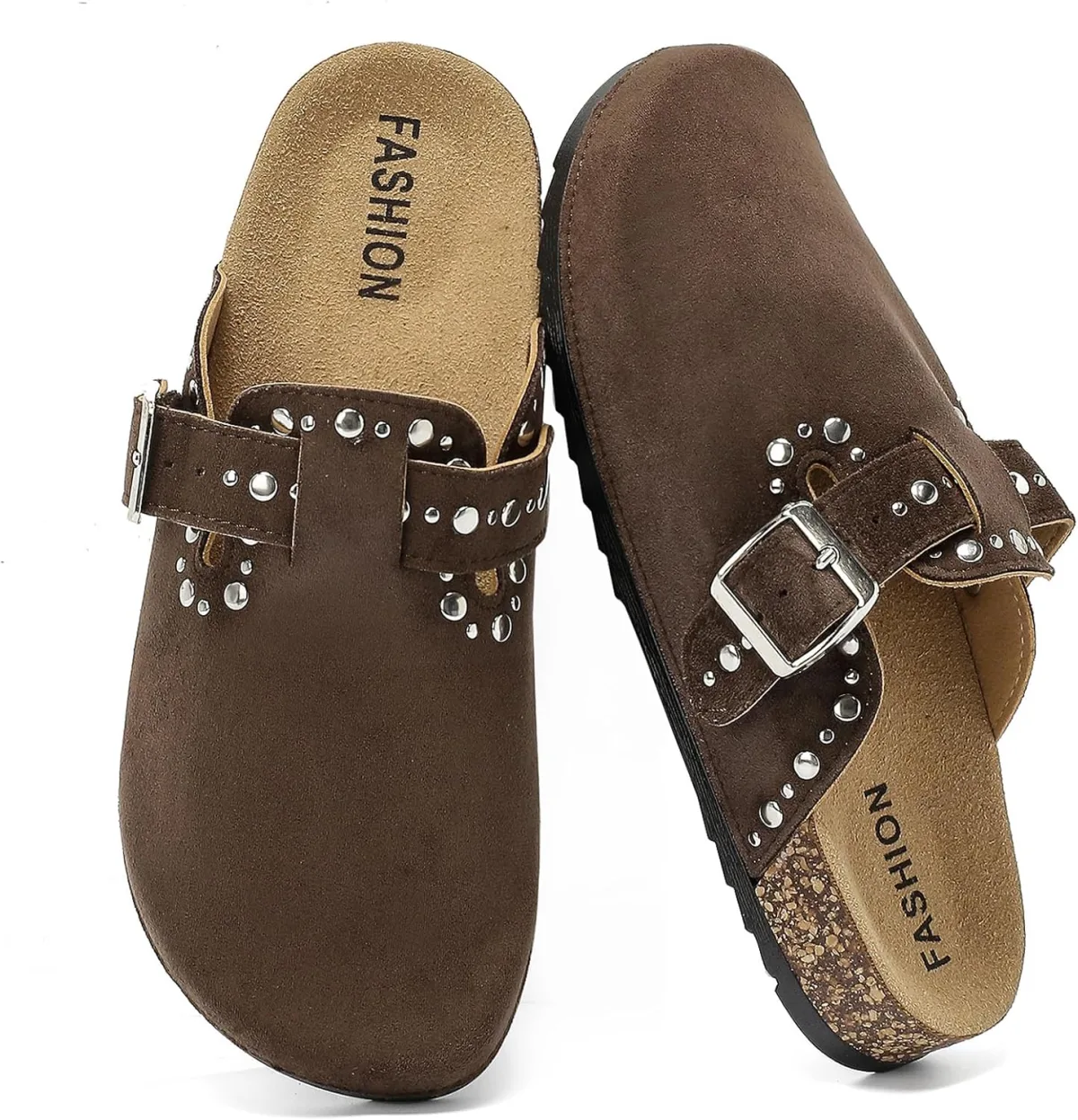
YorFotMae
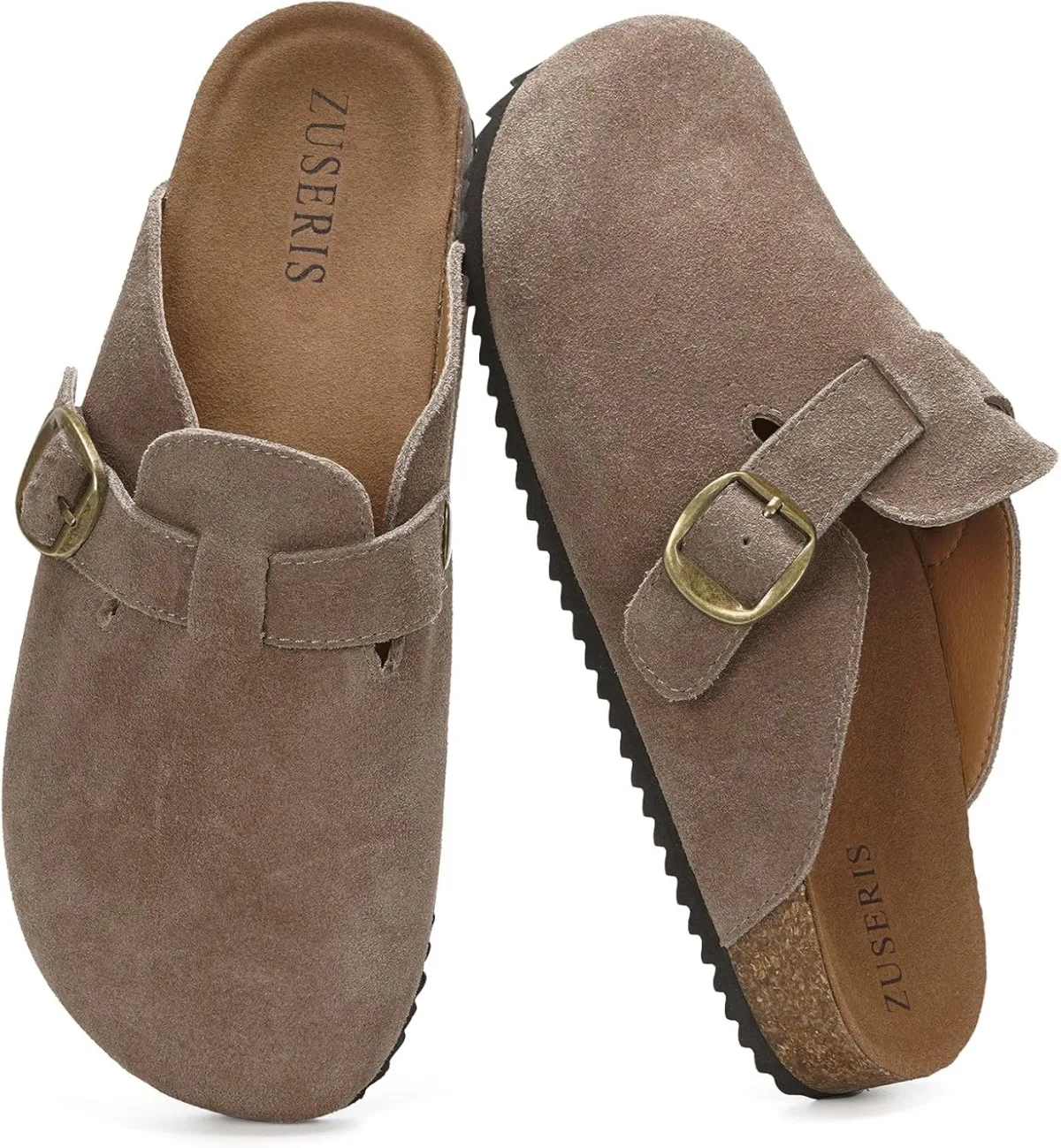
ZUSERIS
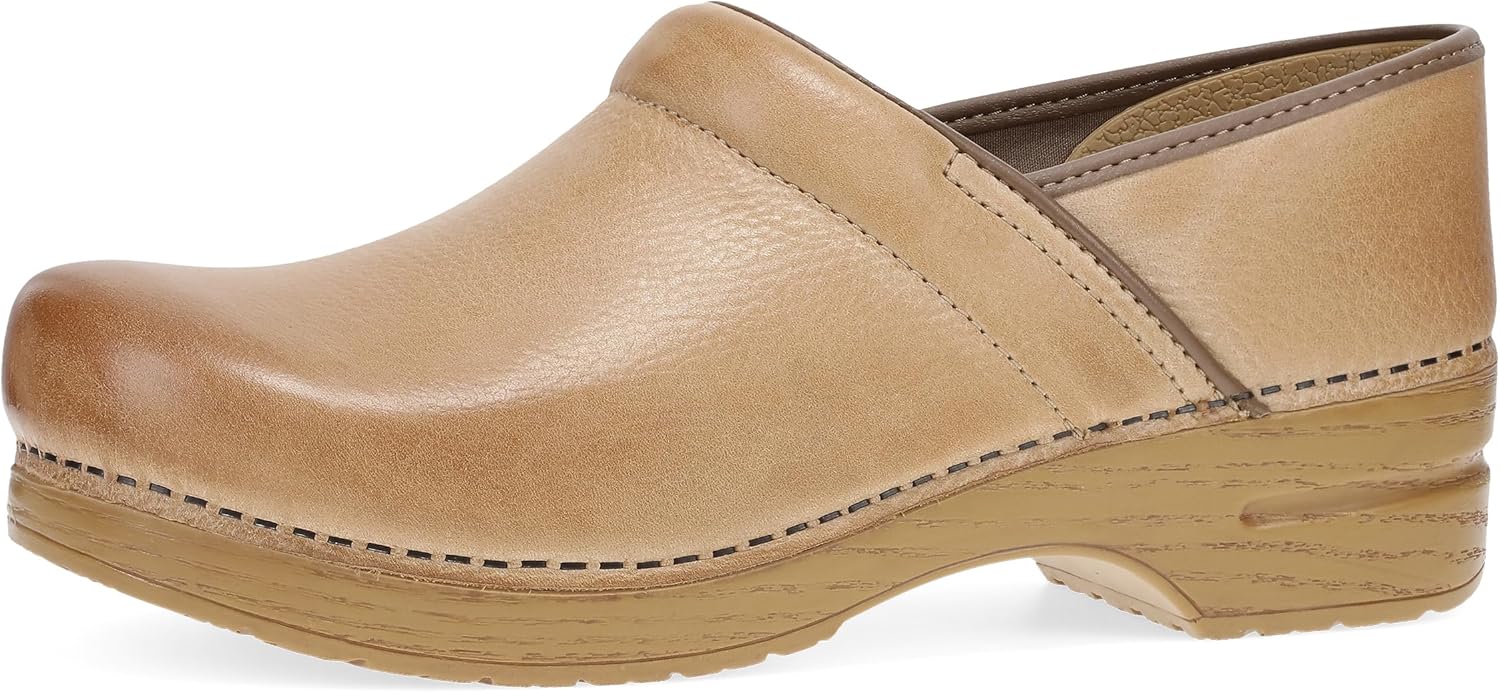
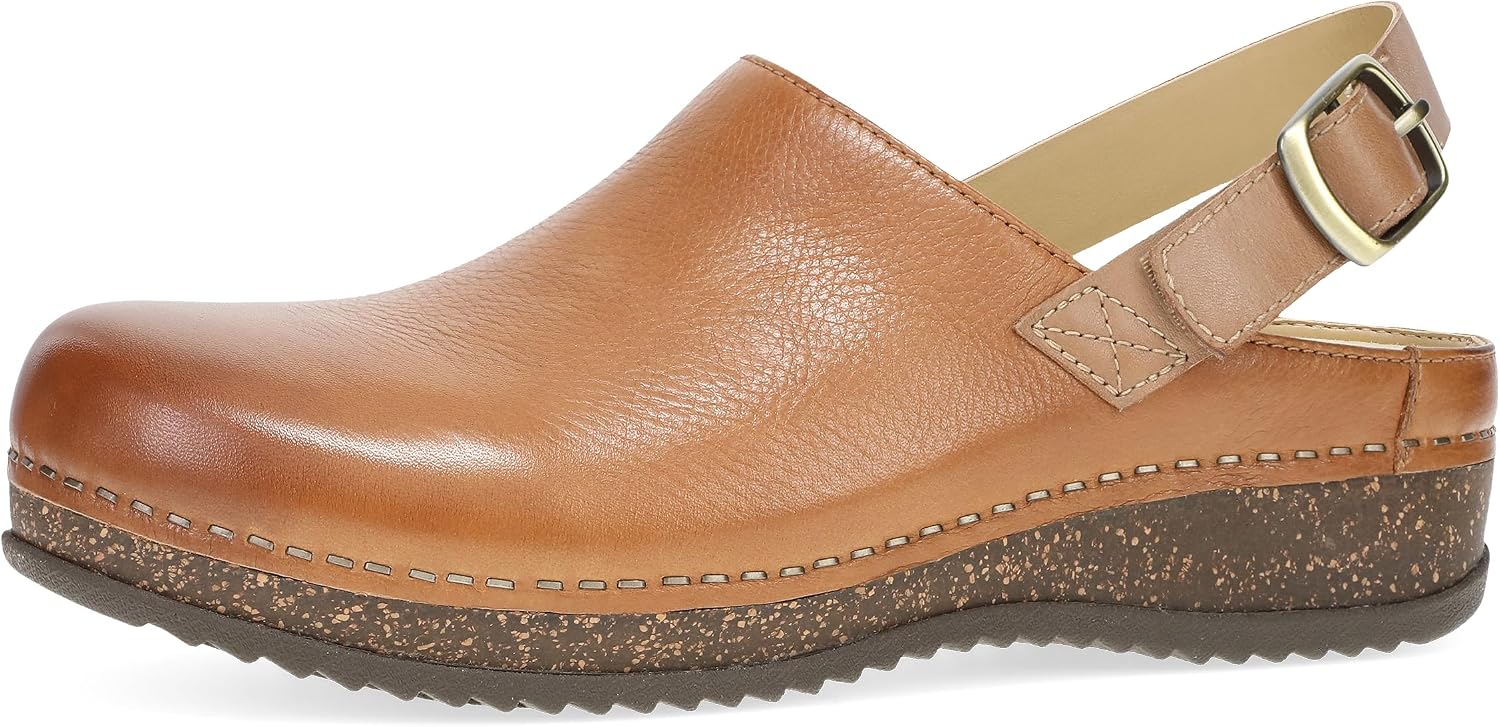
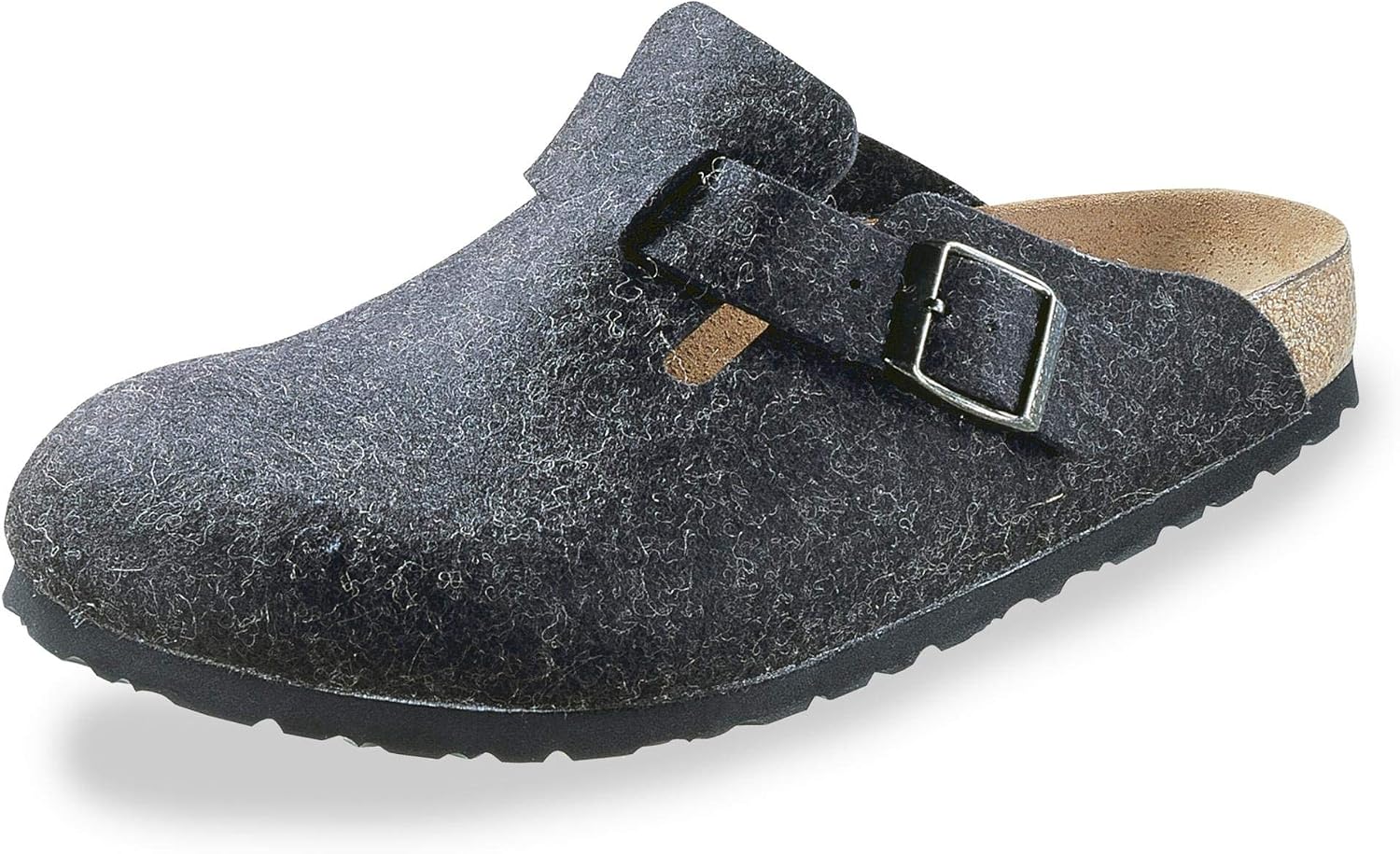
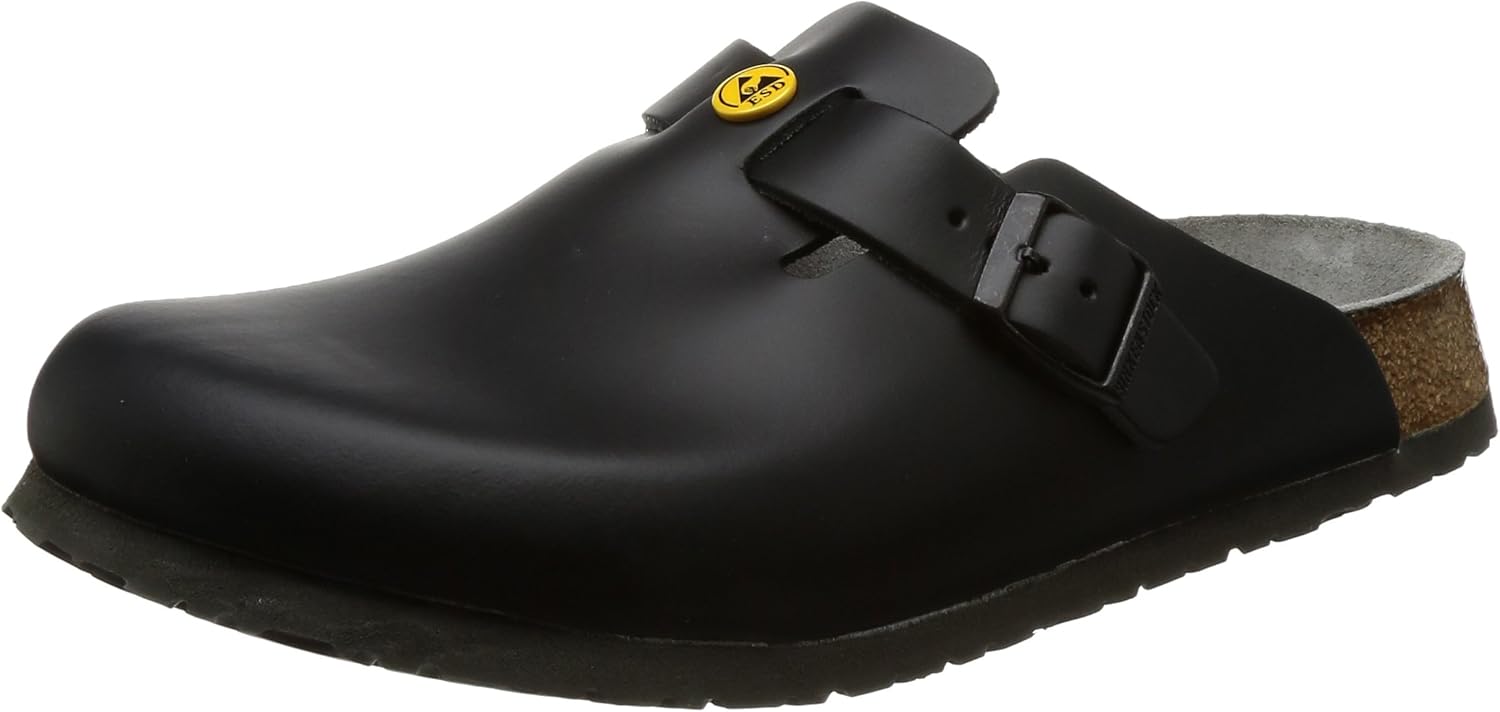
Birkenstock
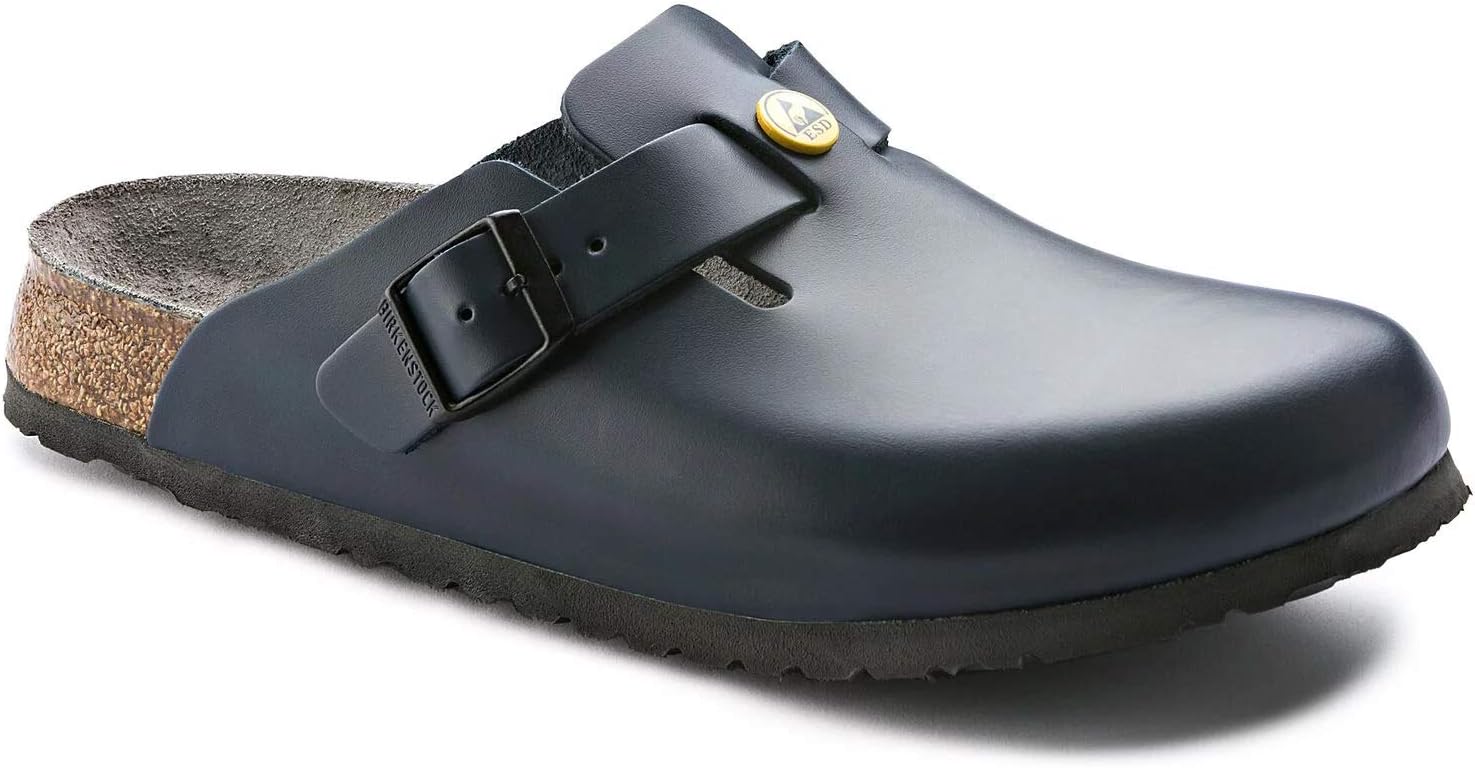
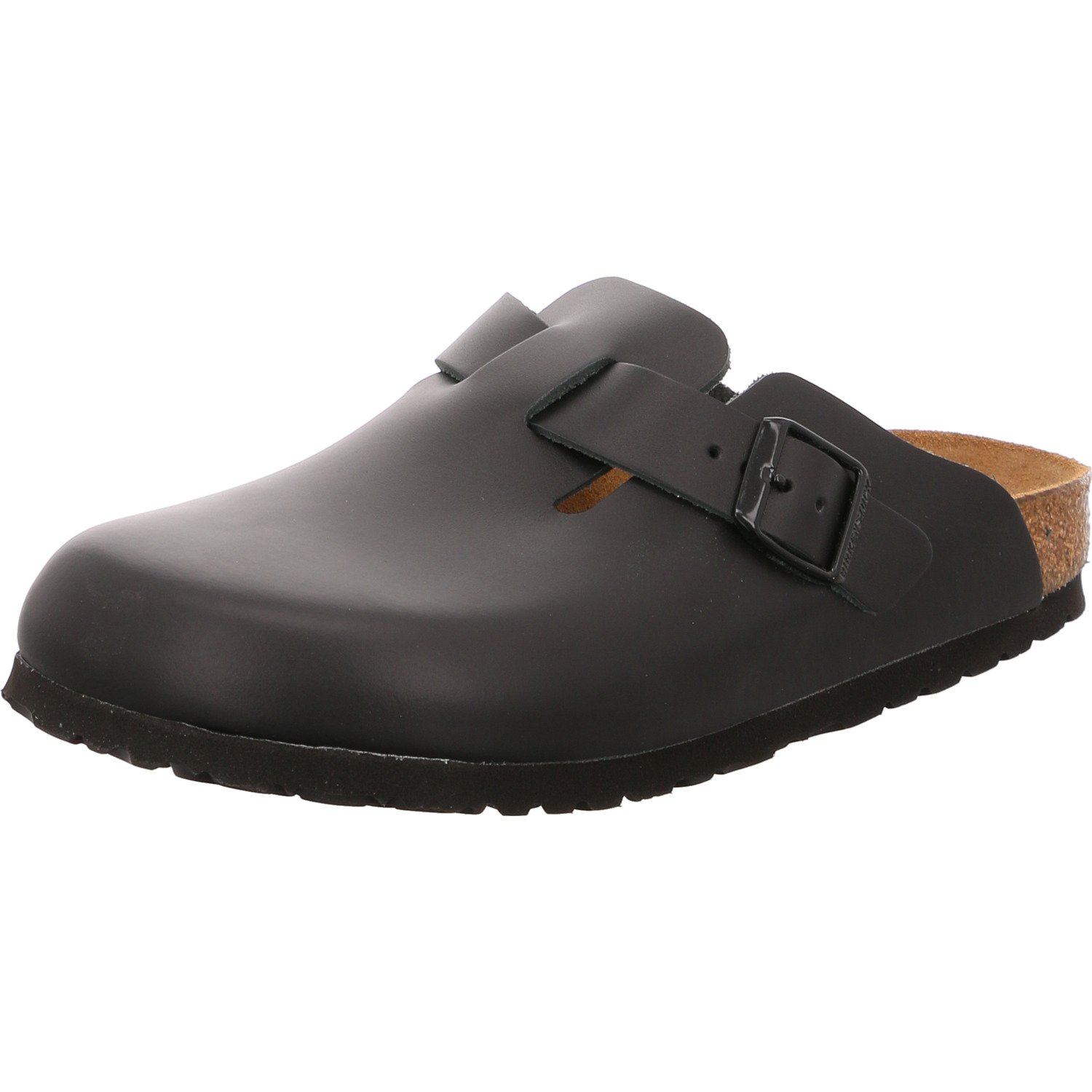
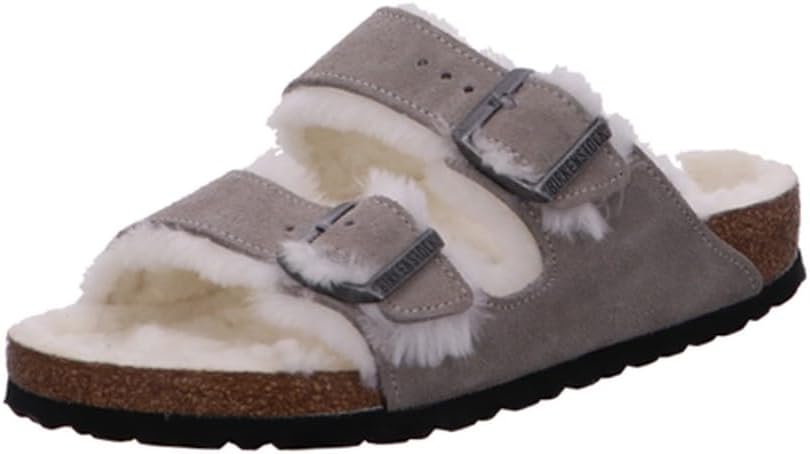
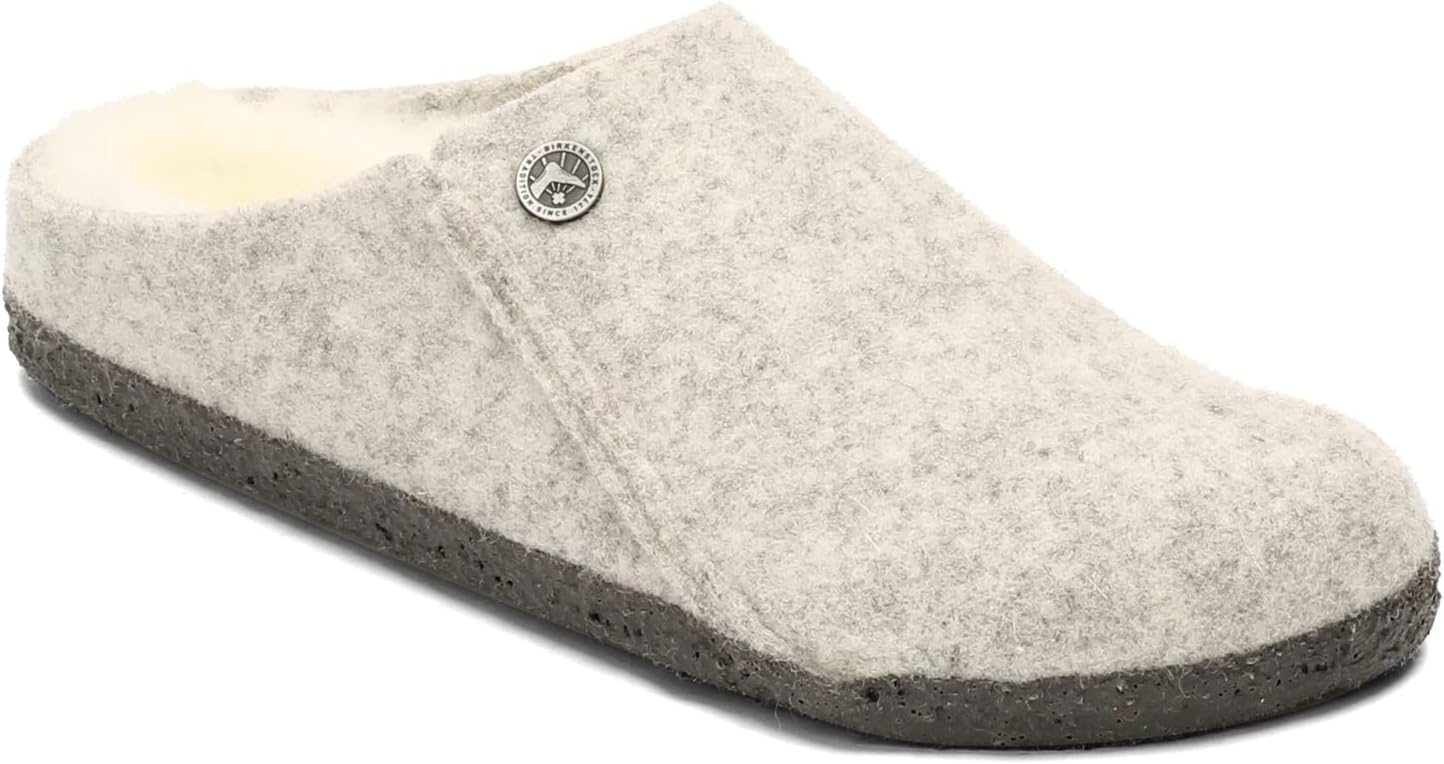
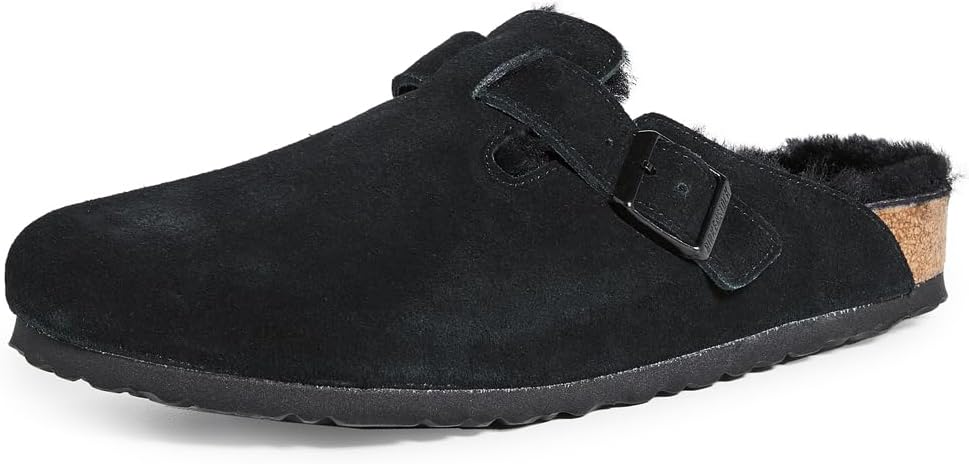
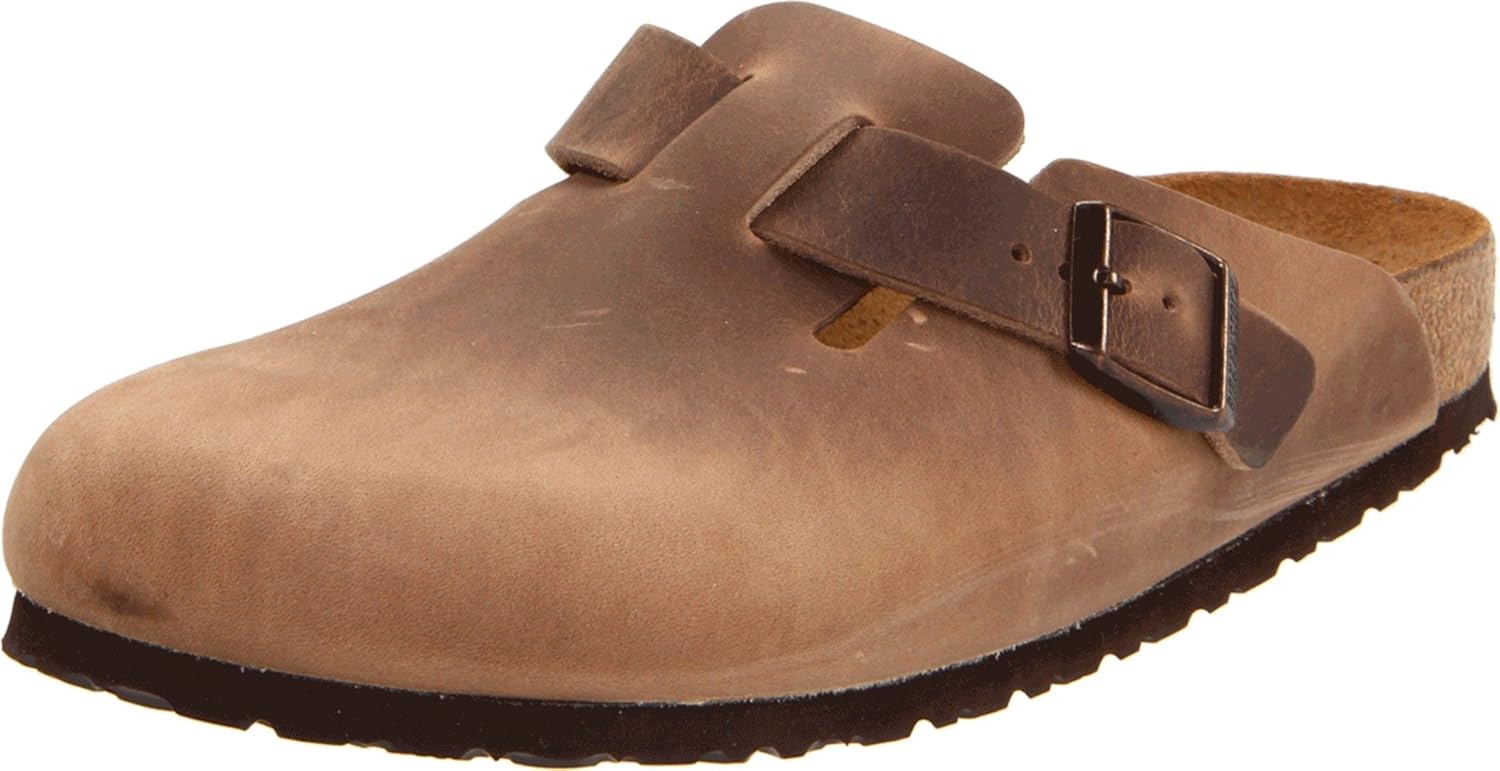
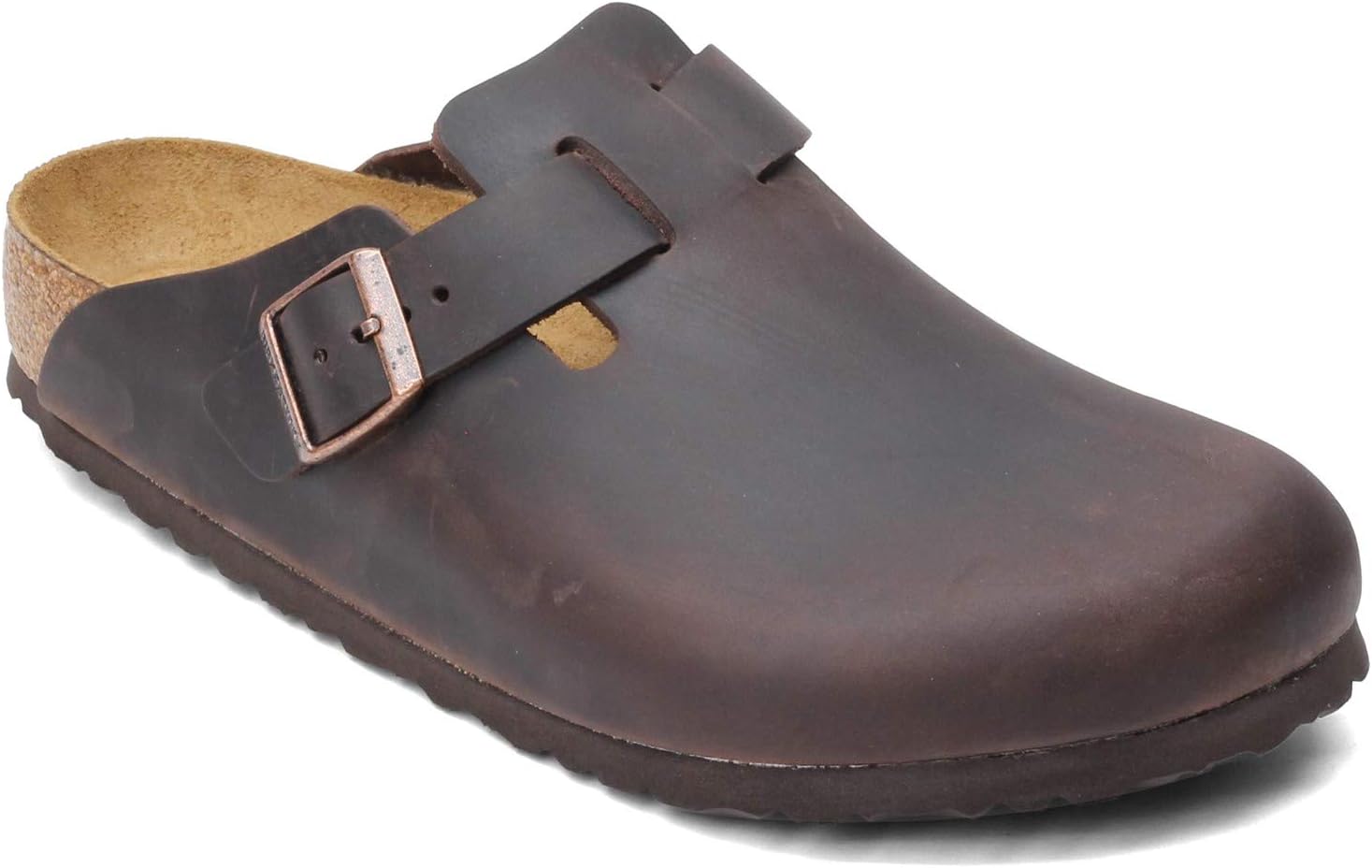
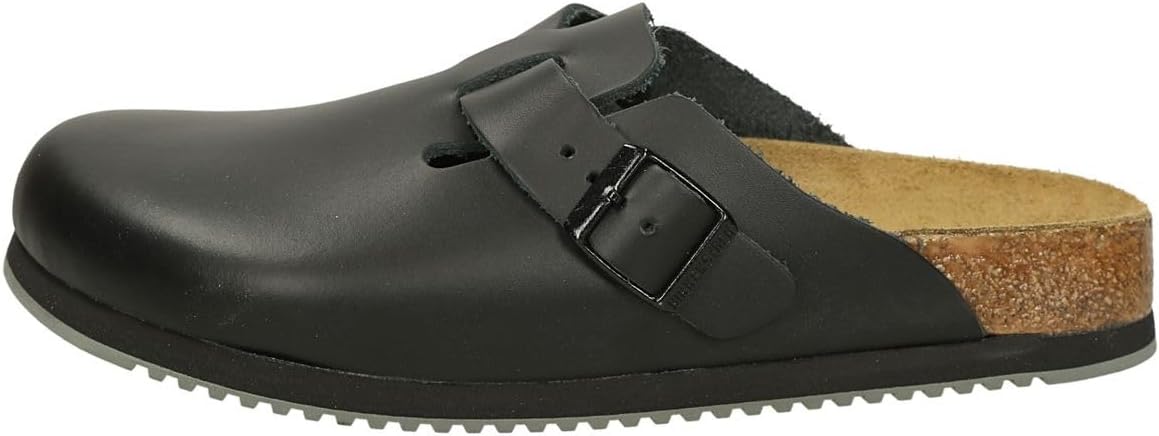
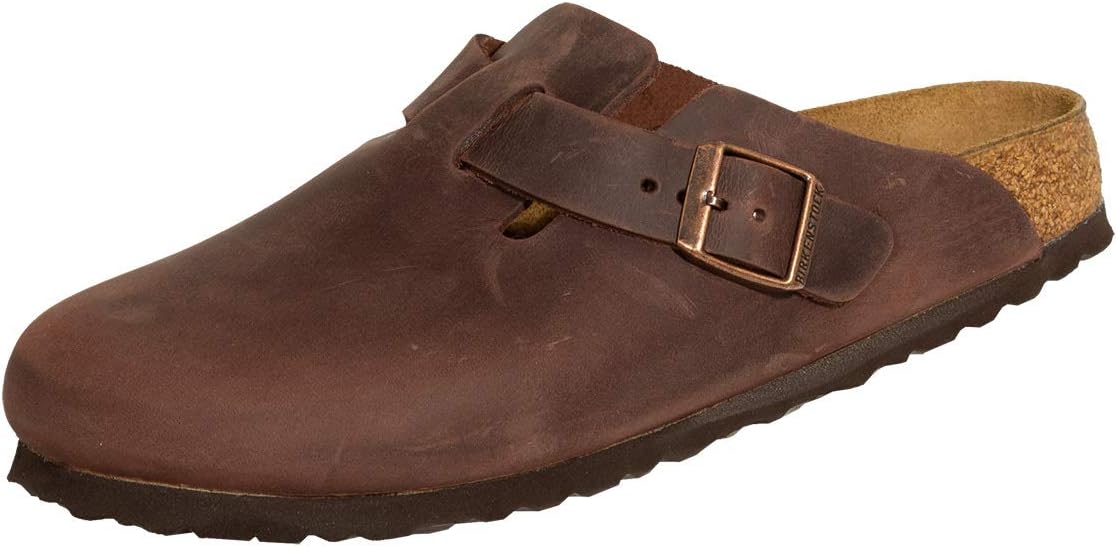
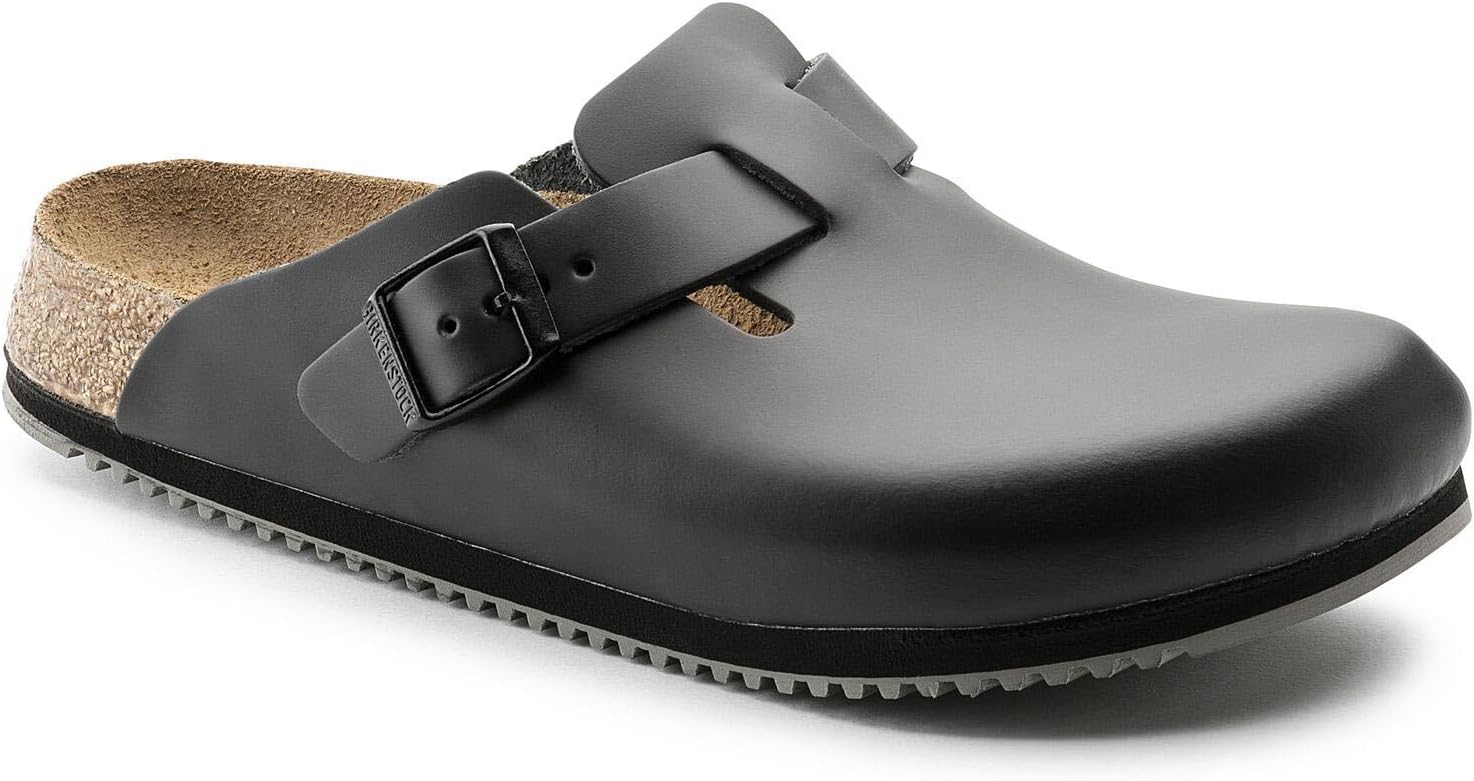
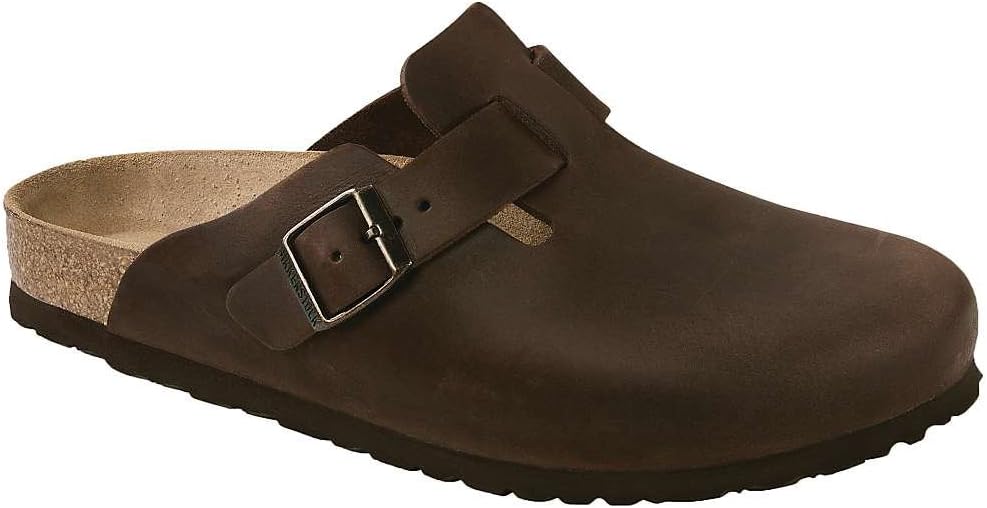
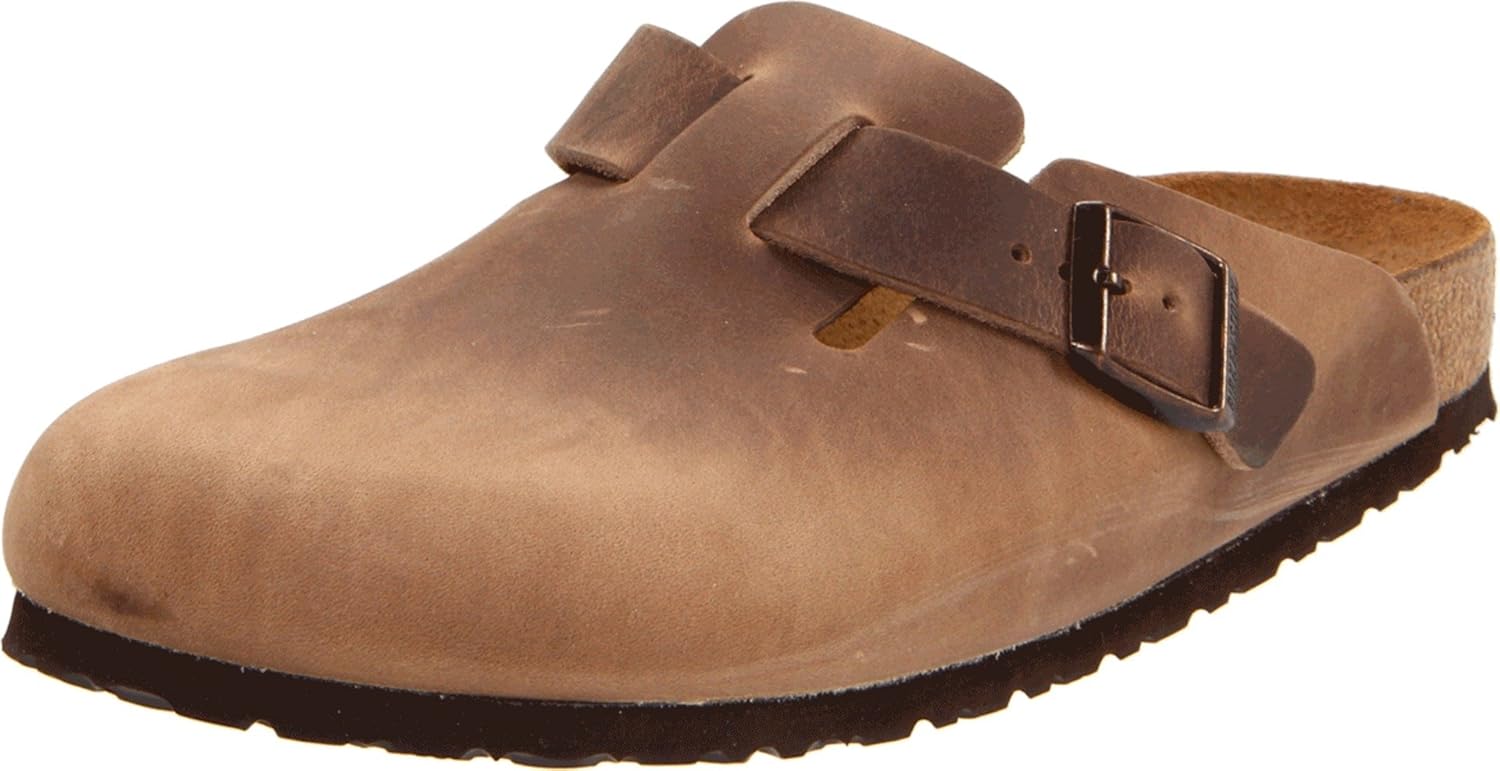
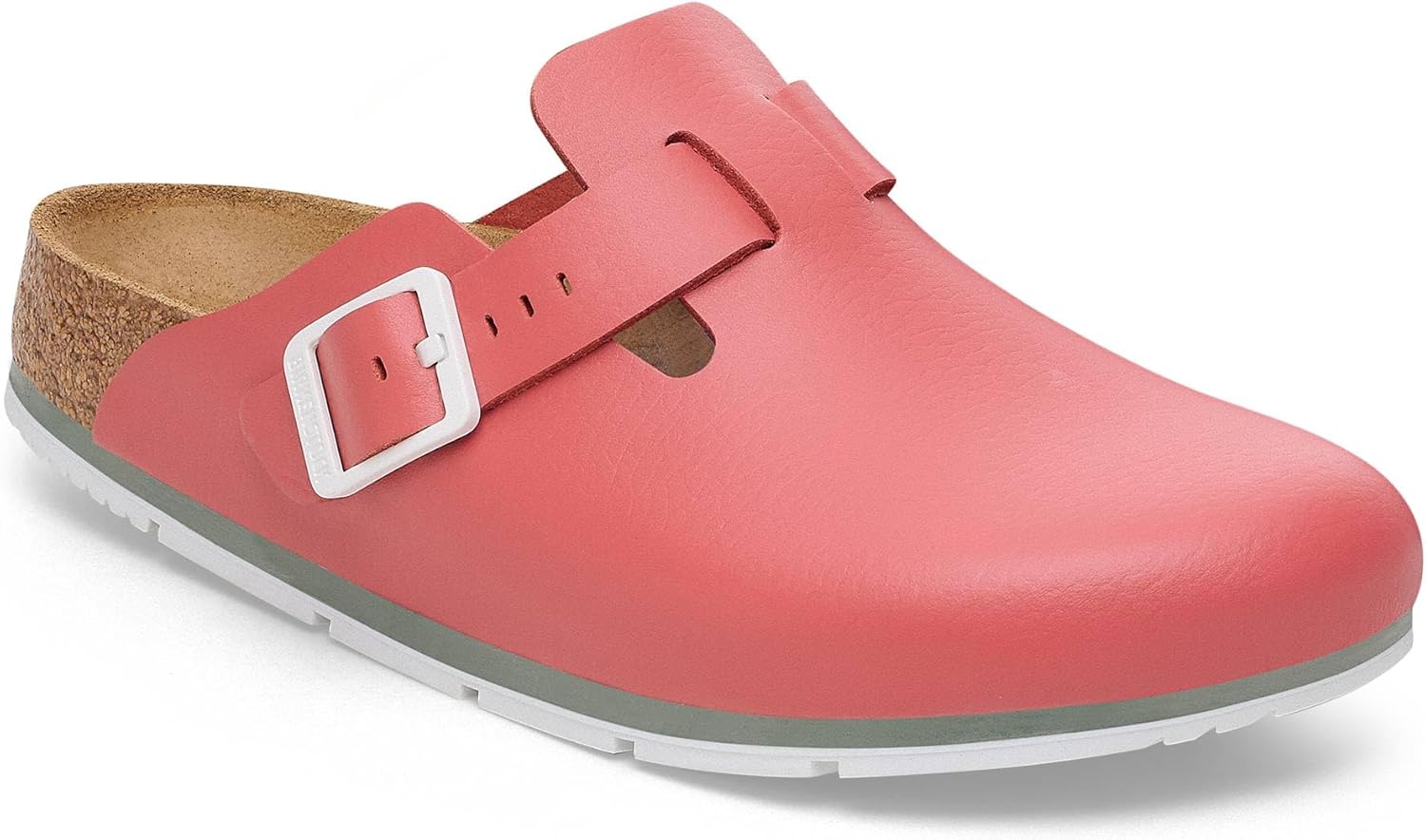
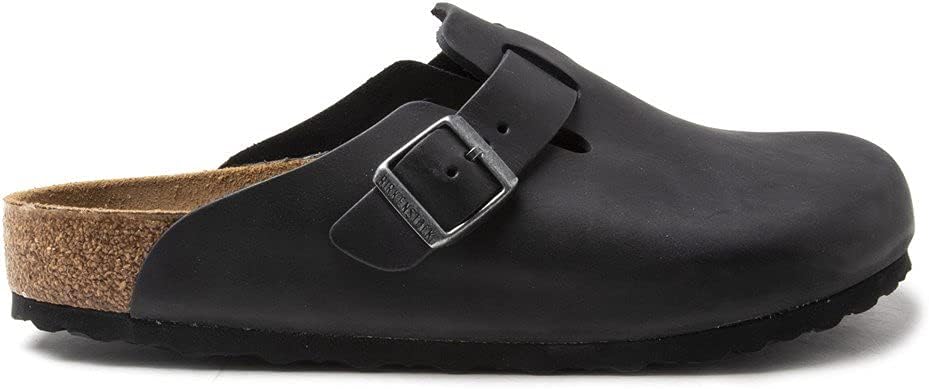
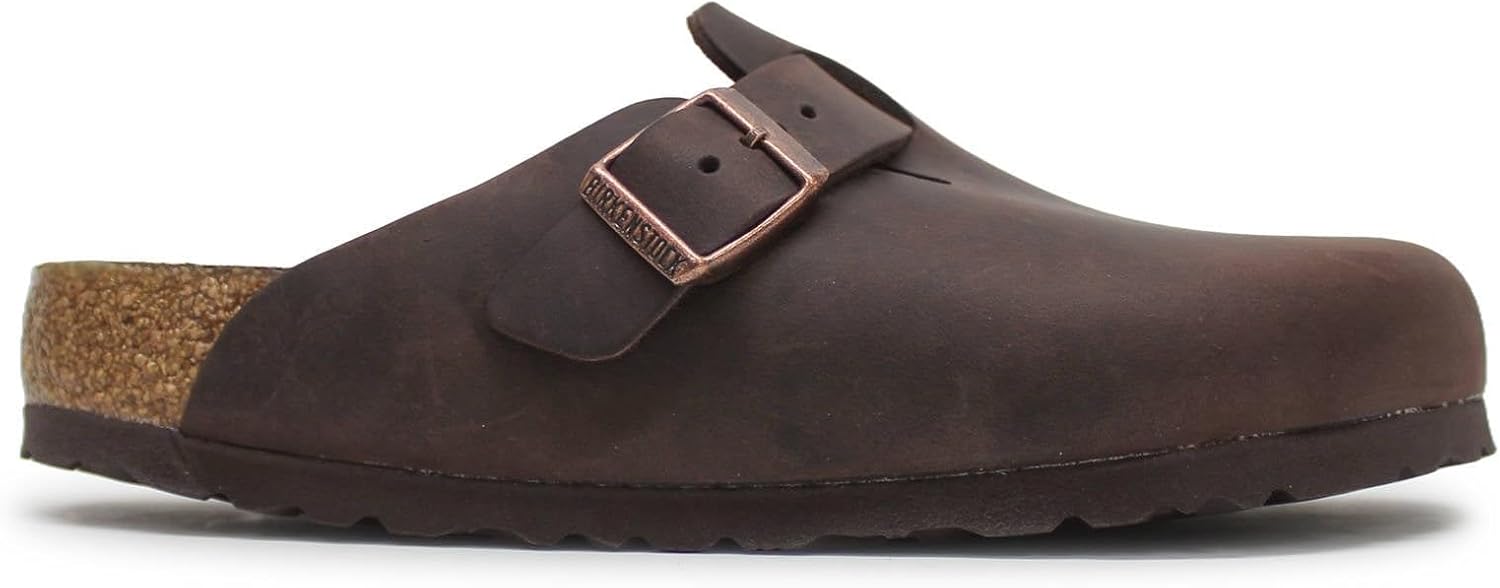
Birkenstock
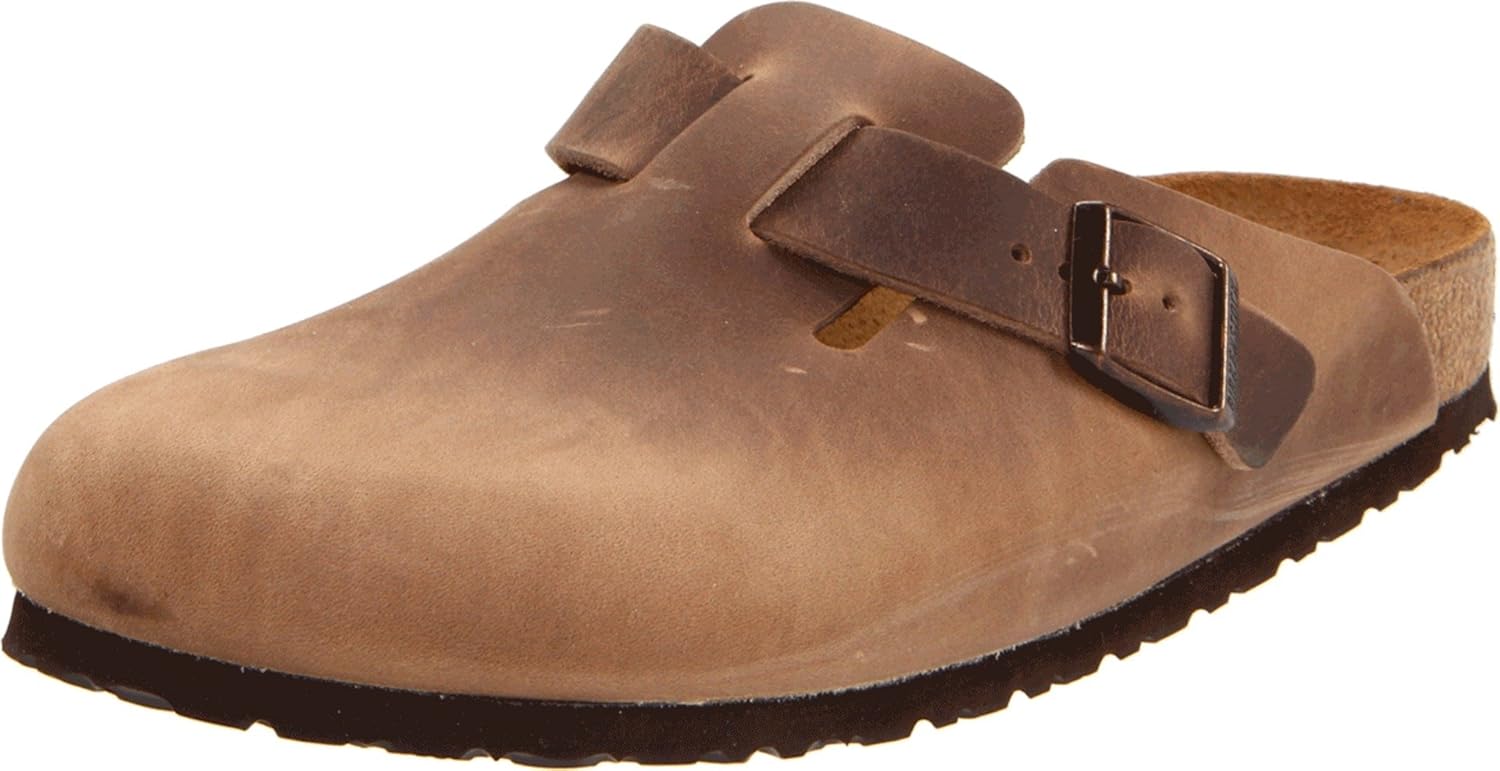
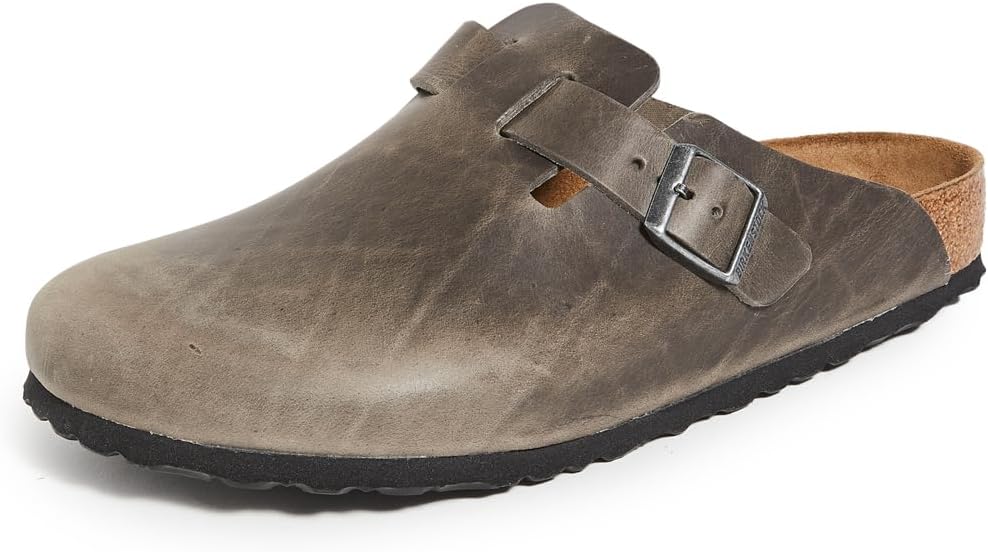
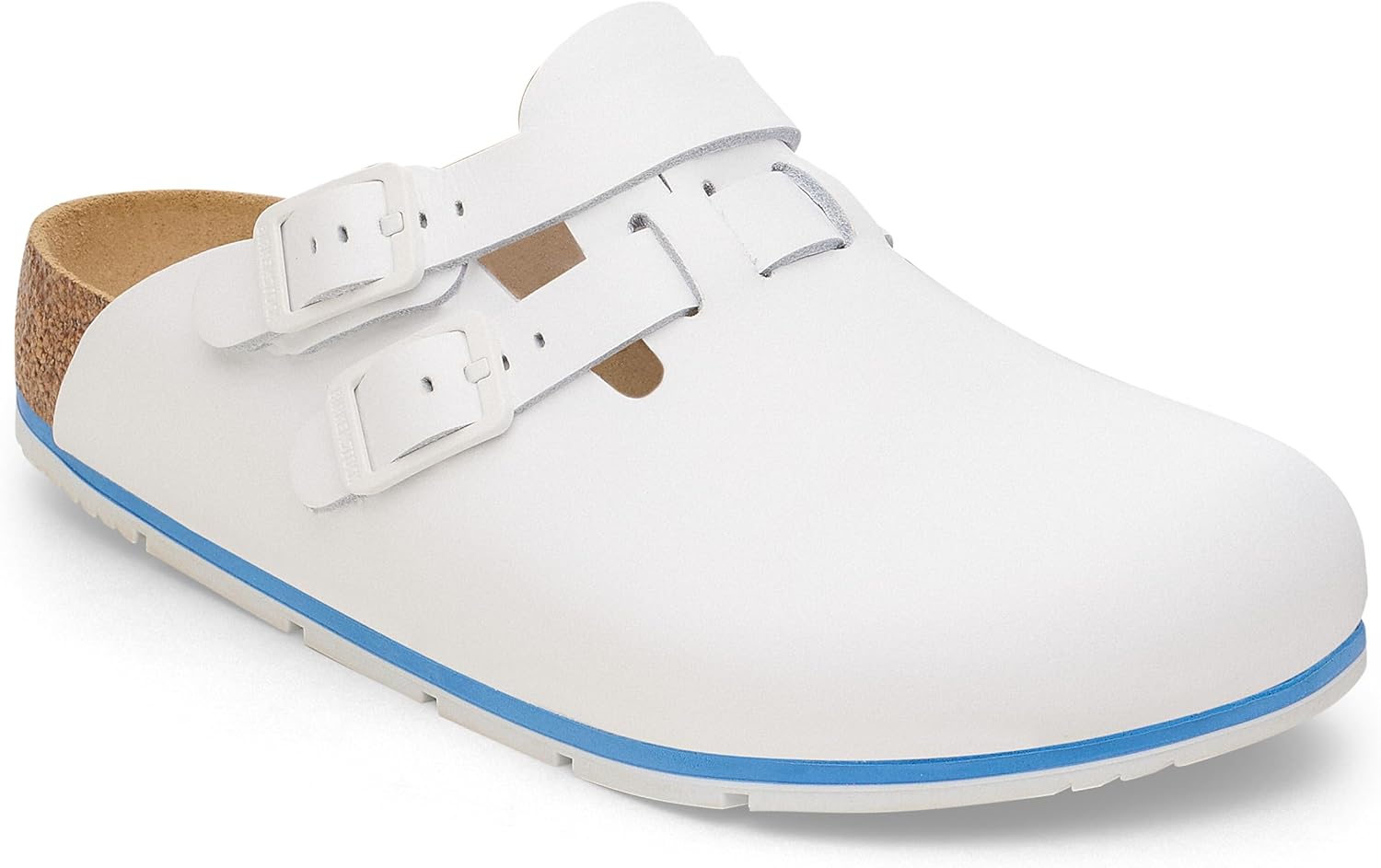
Birkenstock
The plantar fascia is a band of tissue running from the heel to the ball of the foot. It tightens and loads every time the foot flexes at the toes. Inflammation comes from that cycle repeating under load — which is why it is worst in people who stand and walk on hard floors for a living, and why the first steps in the morning hurt most.
A sole that does not bend at the ball of the foot removes most of that flex cycle. The foot rolls over a curved sole instead of hinging. This is the mechanism behind rocker-soled clogs, and it is the most consistently reported relief in this category.
It is also why a soft, flexible shoe can feel comfortable and still make the condition worse — comfort and mechanical load are not the same thing.
A supportive arch reduces the distance the fascia has to stretch. A deep heel cup keeps the heel pad under the calcaneus, where it cushions the point that hurts most.
Cork footbeds do both, and they personalise over two to three weeks. Moulded orthotic footbeds do both from a fixed shape, with no break-in and no personalisation — better if you need relief now.
If a podiatrist has prescribed orthotics, the shoe has to take them. Look for a removable footbed and enough depth that the orthotic does not push your foot up into the vamp.
The best clog in the world does nothing for the hours you spend barefoot on a hard floor at home, and for many people that is where most of the damage happens. A supportive indoor pair matters as much as the work pair.
Footwear changes are one part of managing this, alongside stretching, load management and whatever your clinician recommends. Improvement is usually gradual over weeks rather than immediate, and a shoe that hurts in a specific spot is the wrong shoe regardless of its specifications.