Aetrex
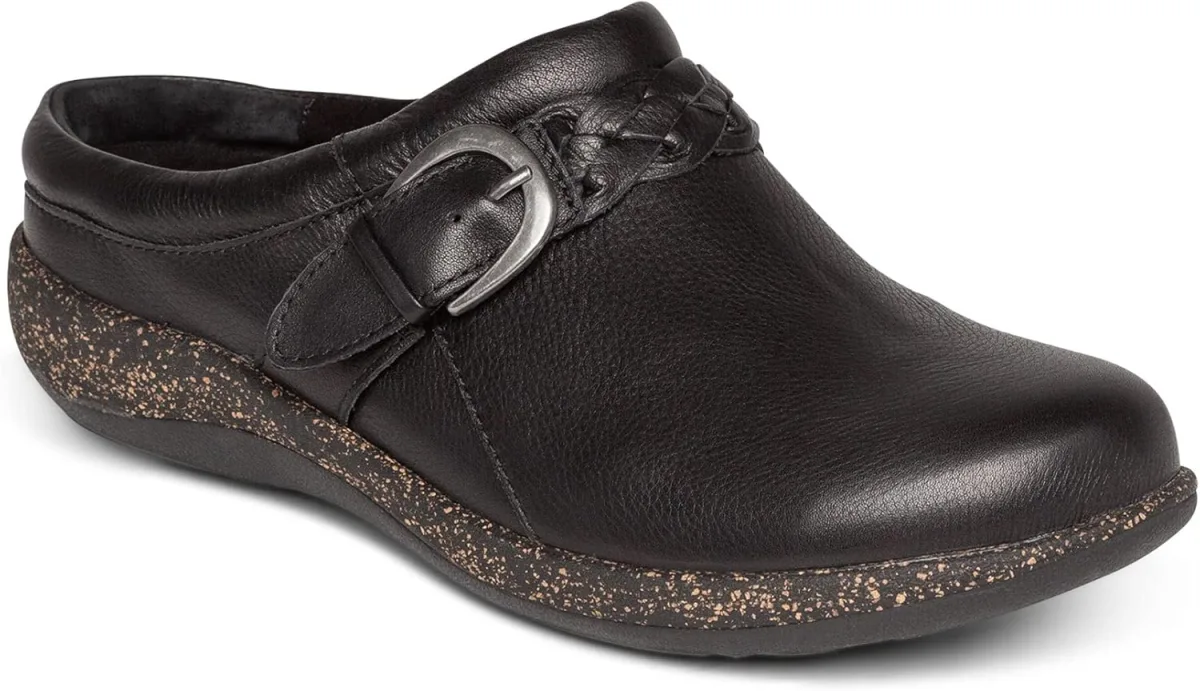
Aetrex Libby Orthopedic Arch Support Comfort Leather Clogs for Women
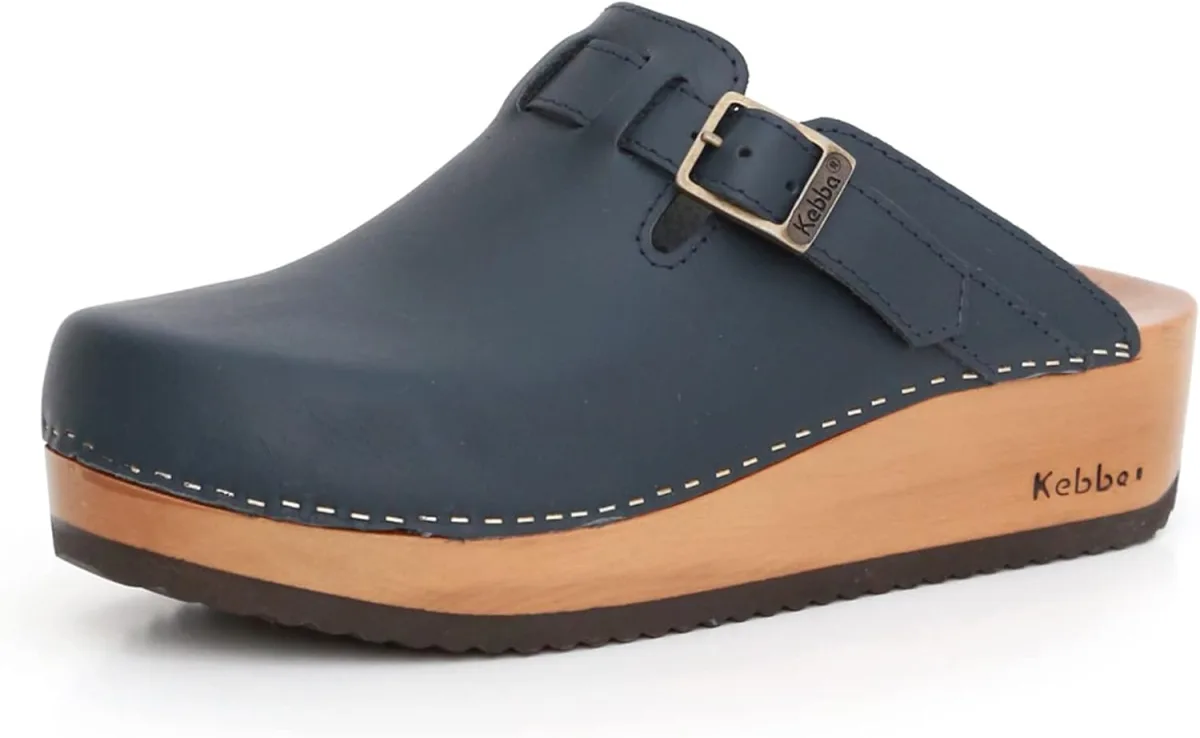
Cork footbedRubber outsoleBuckle
151 styles
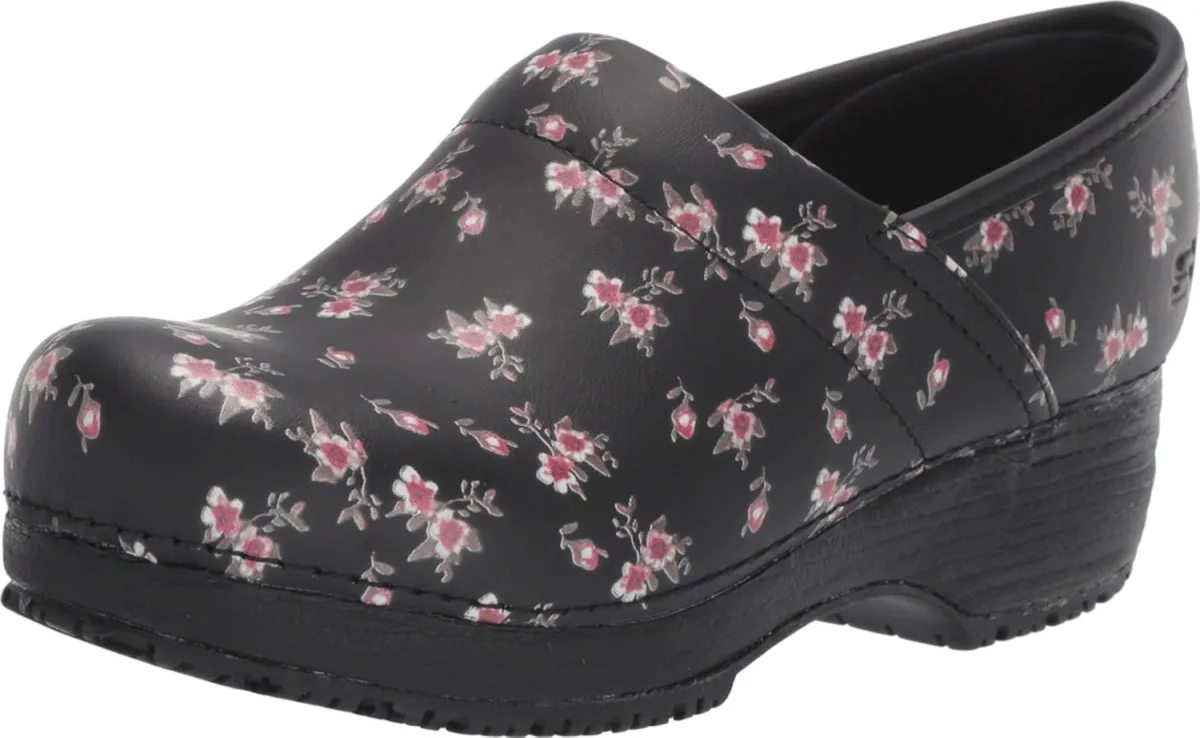
Twelve-hour shifts on hard flooring, wet floors and unit dress codes. These are the clogs specified for nursing work, and the three specs that actually decide a shift.
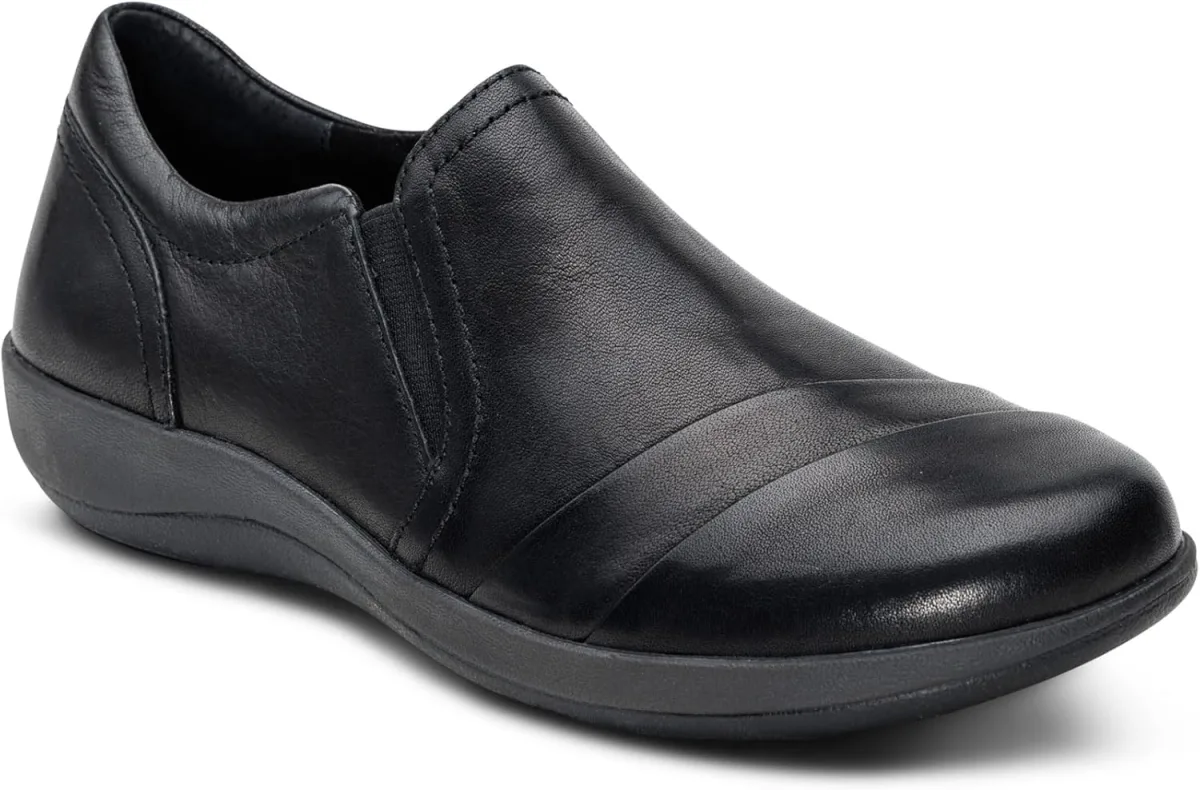
Aetrex
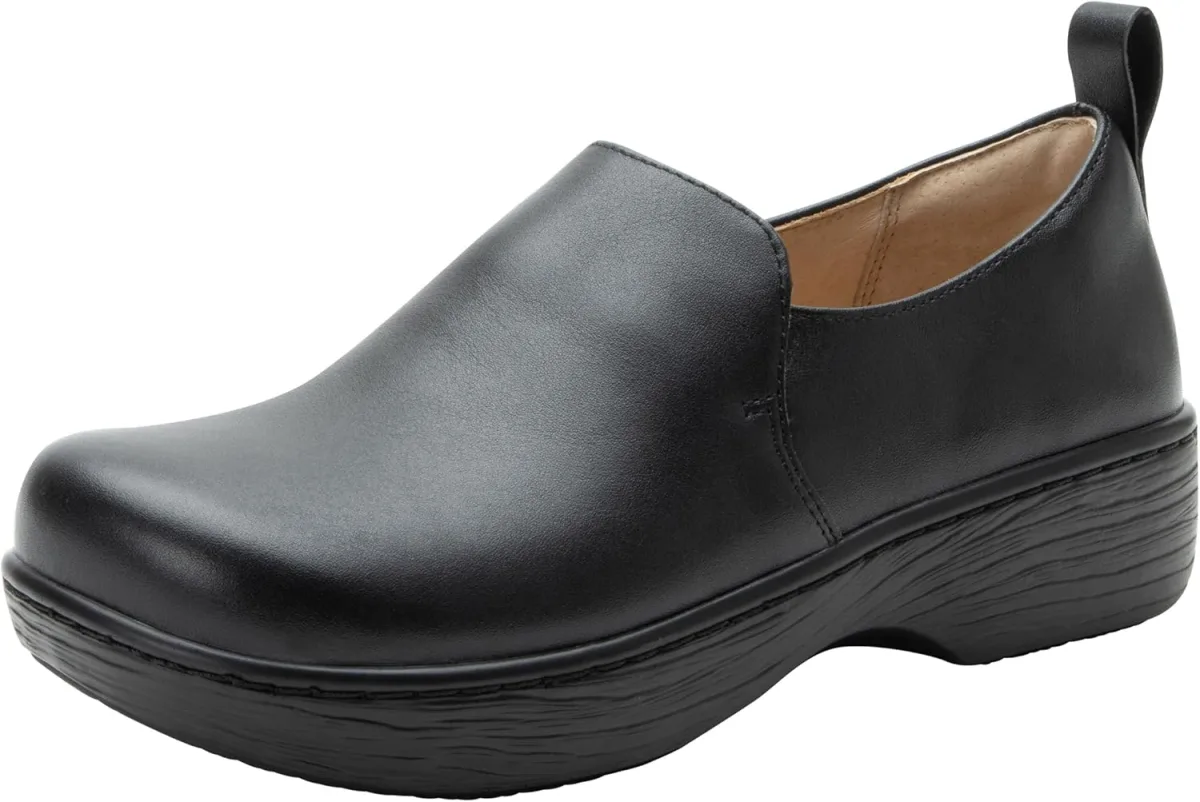
Alegria
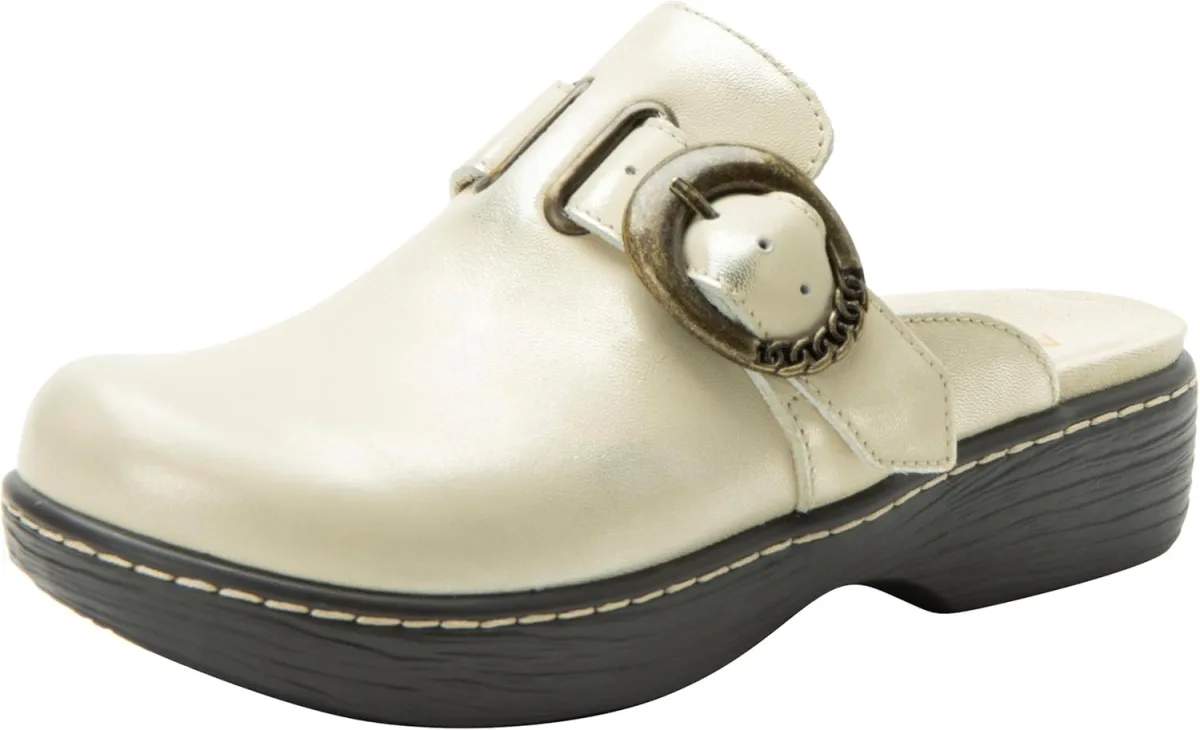
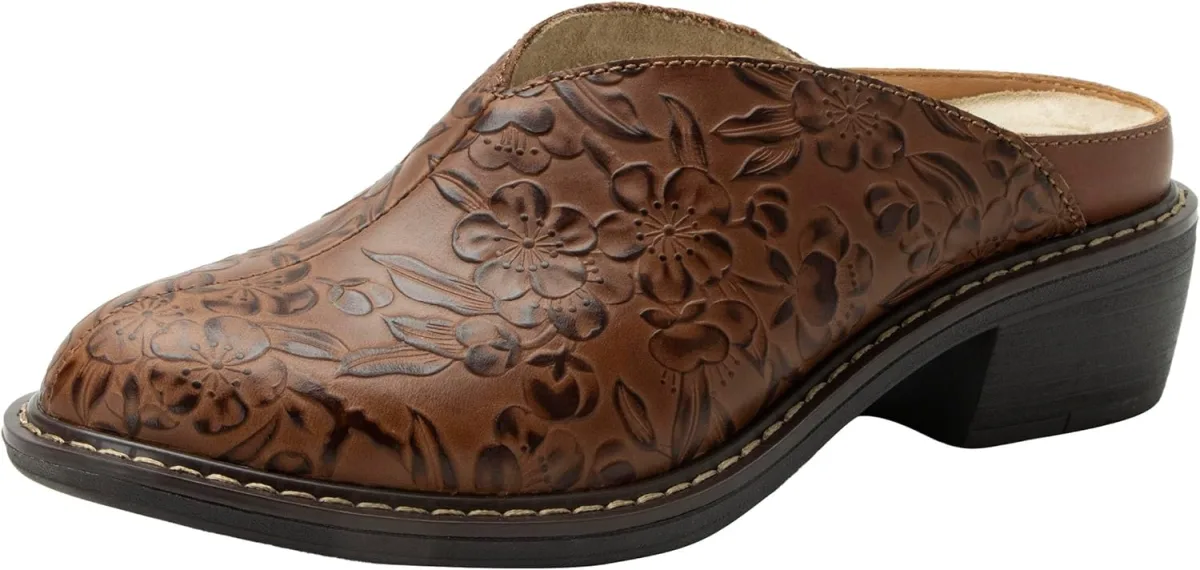
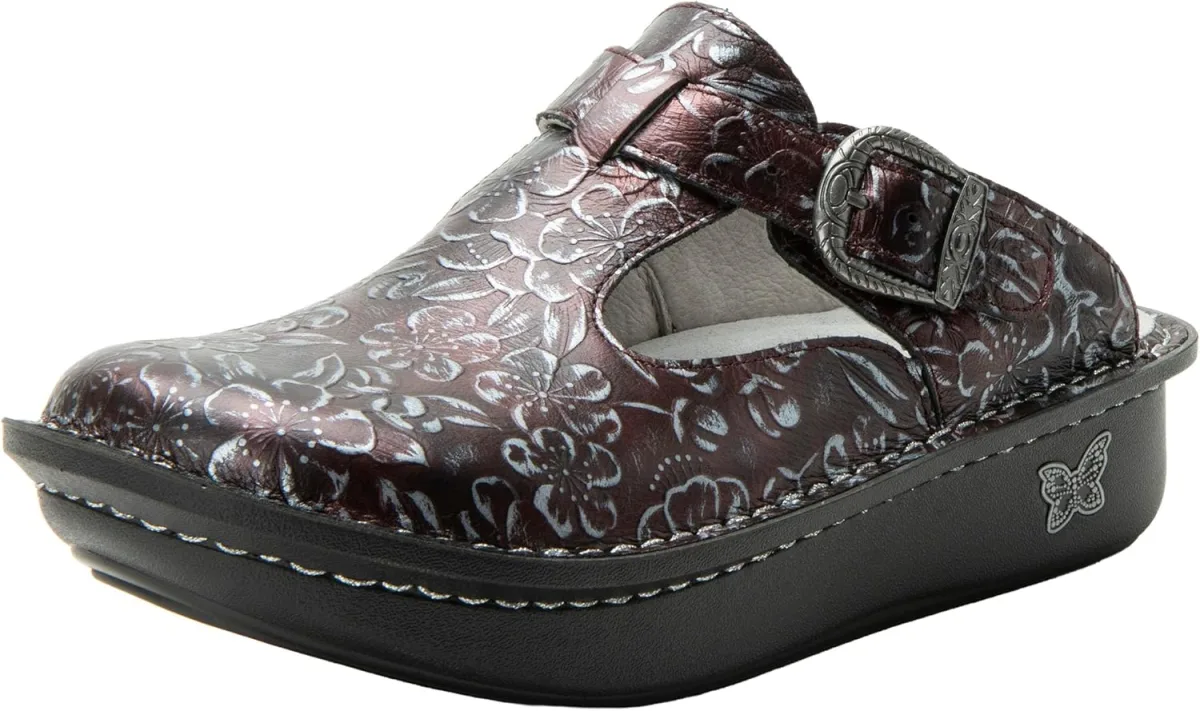
Alegria
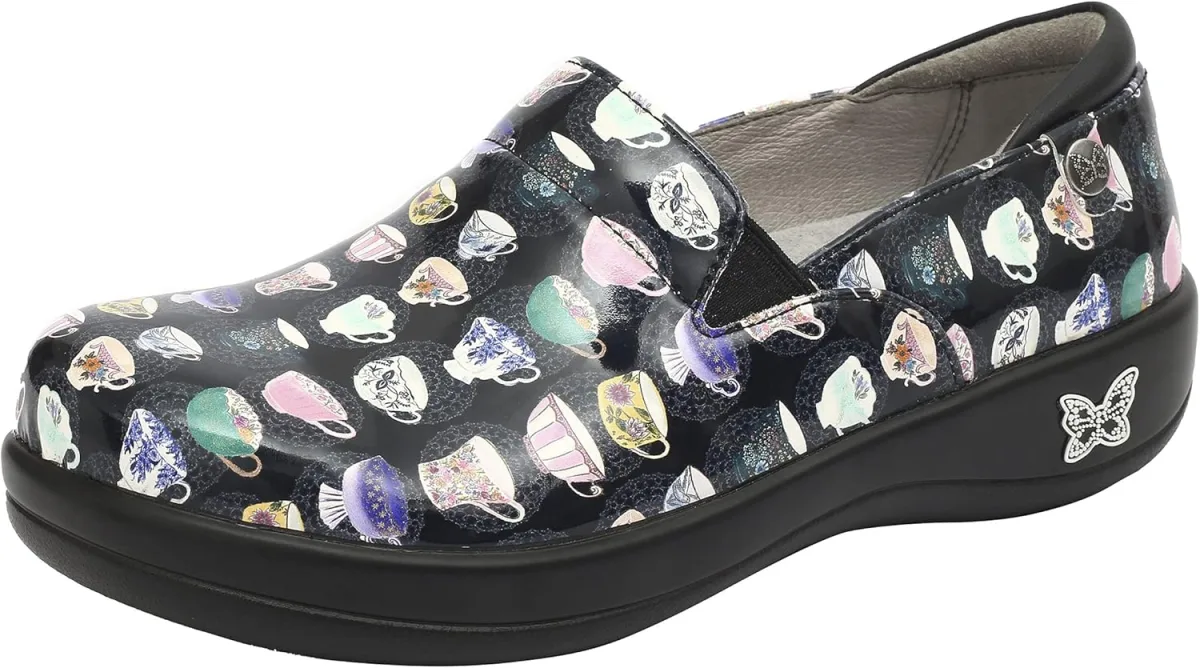
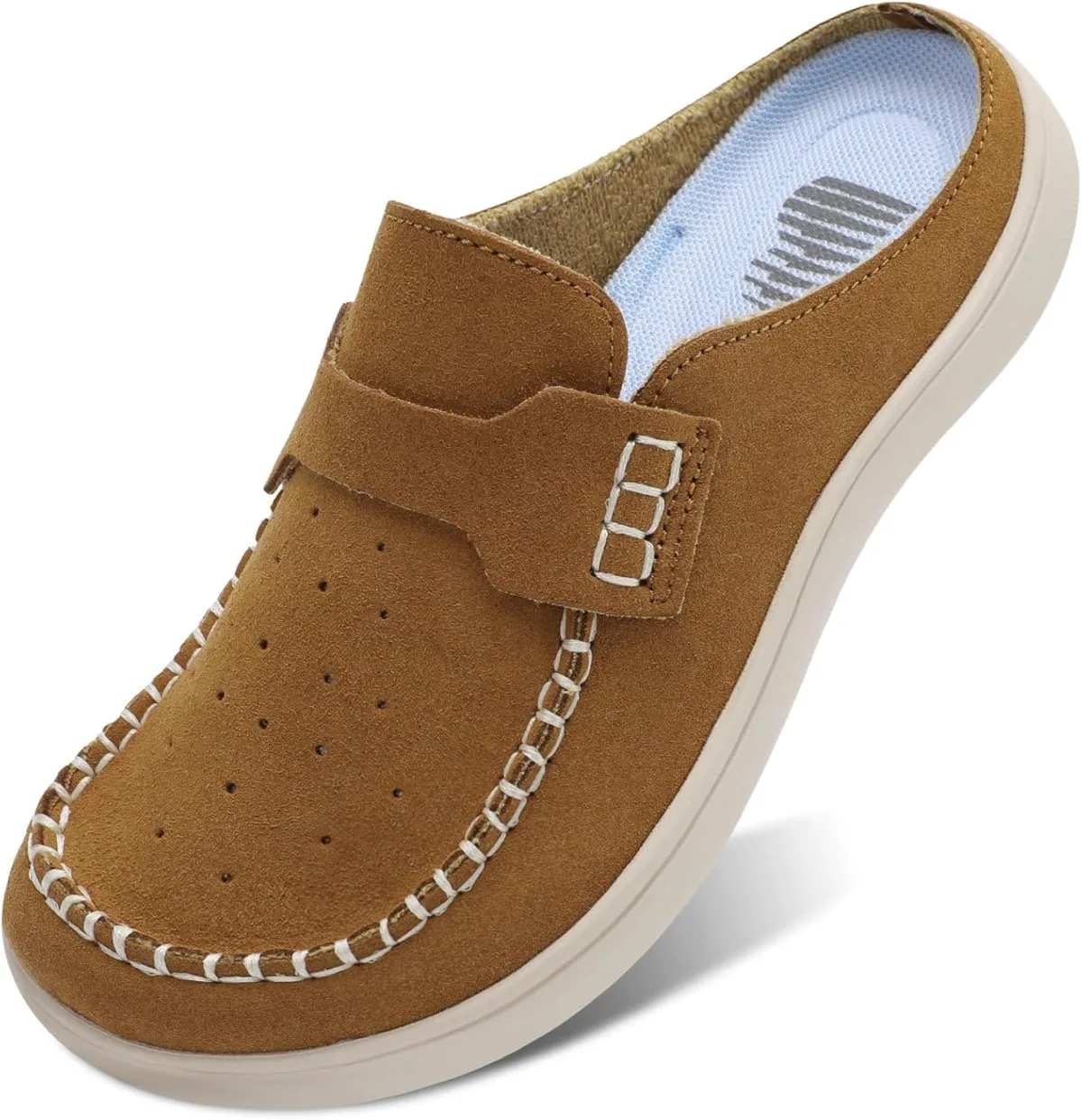
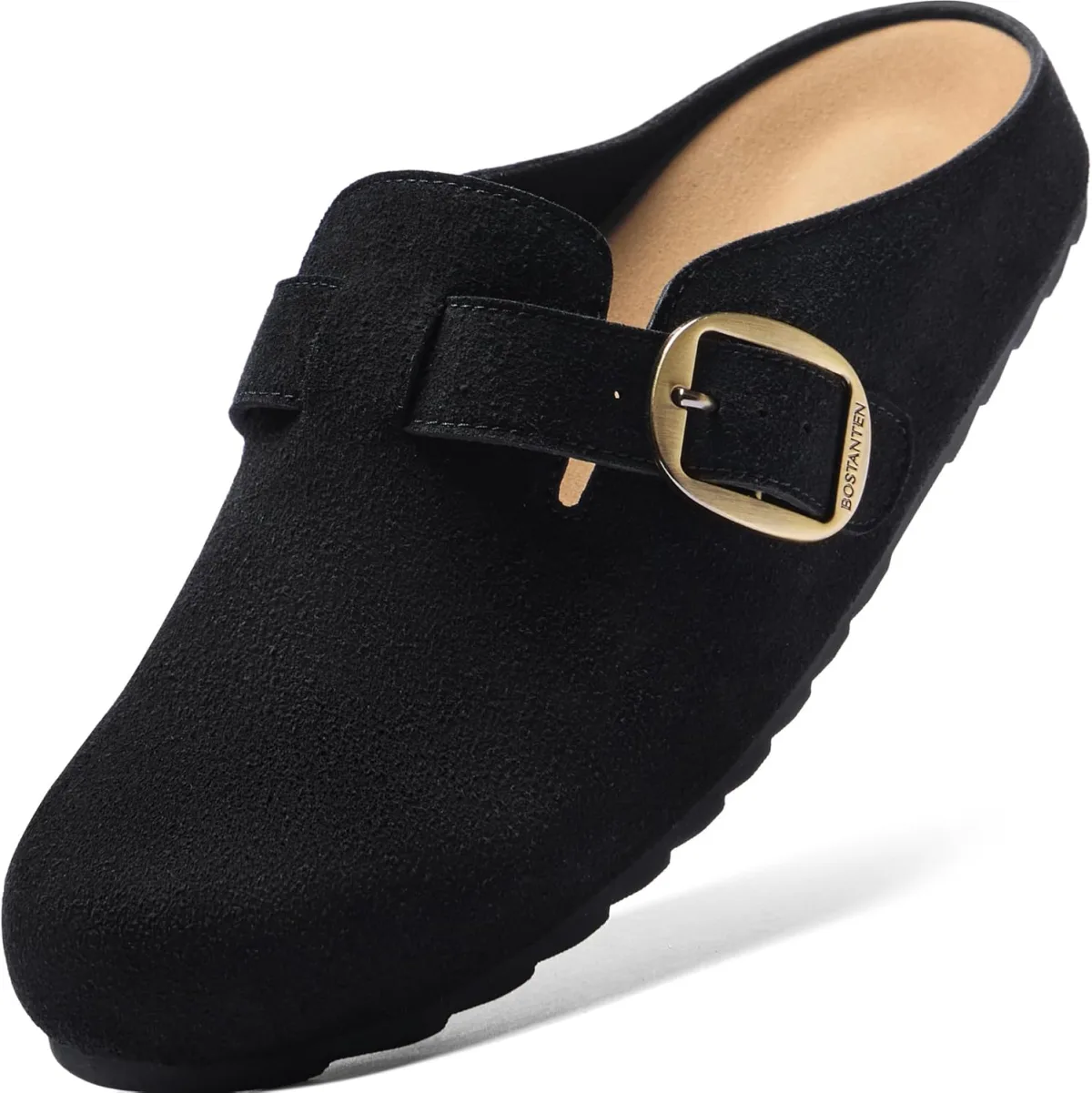
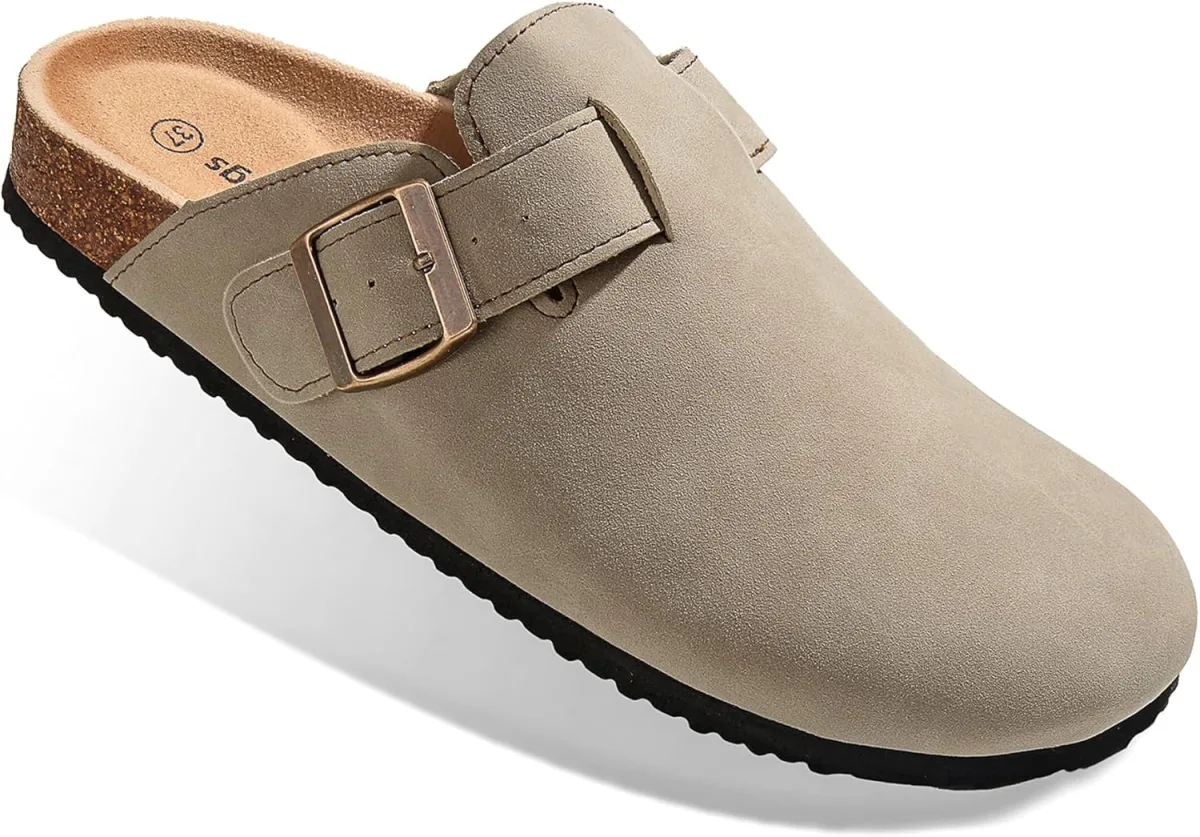
BULLIANT
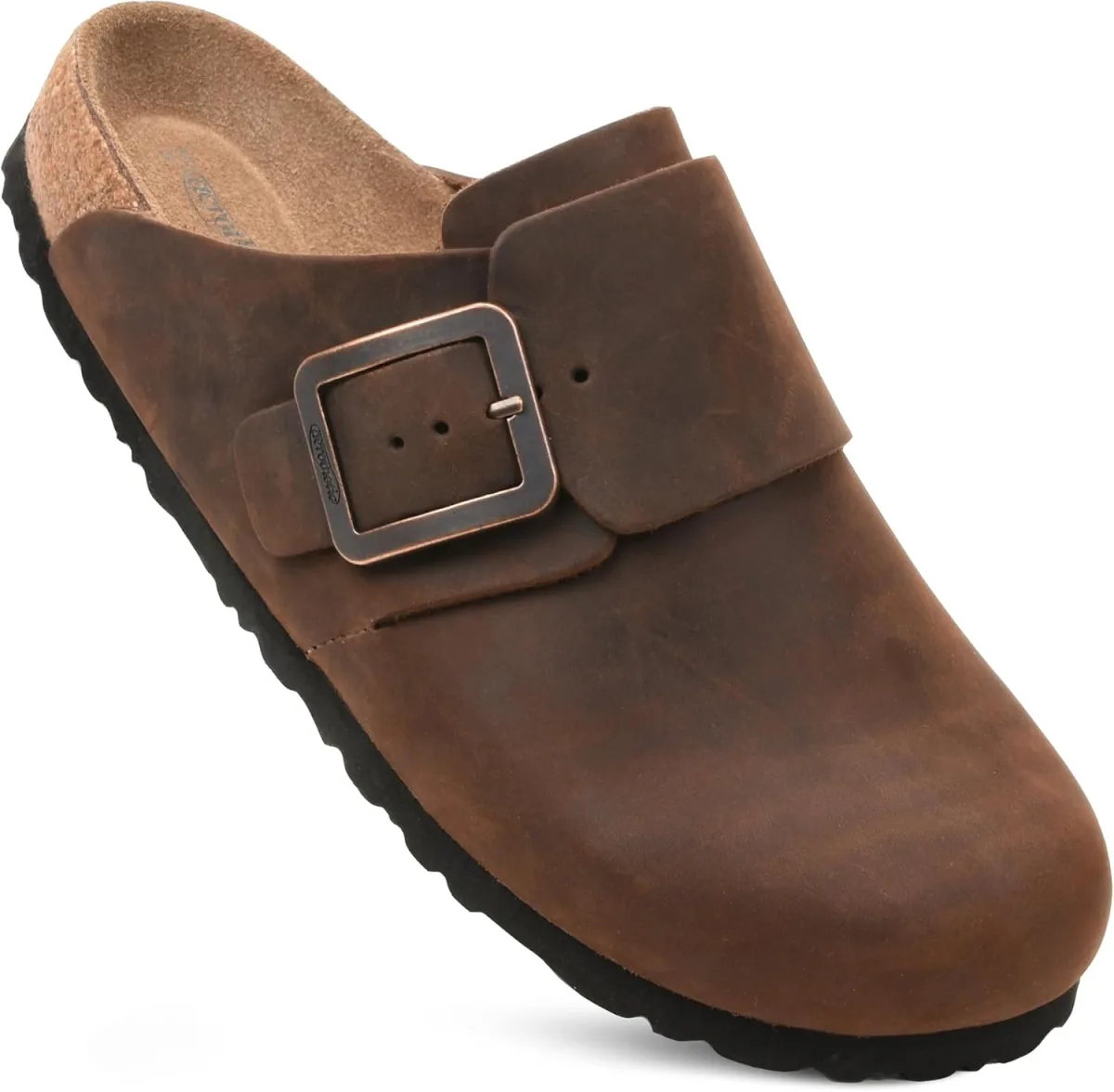
Birkenstock
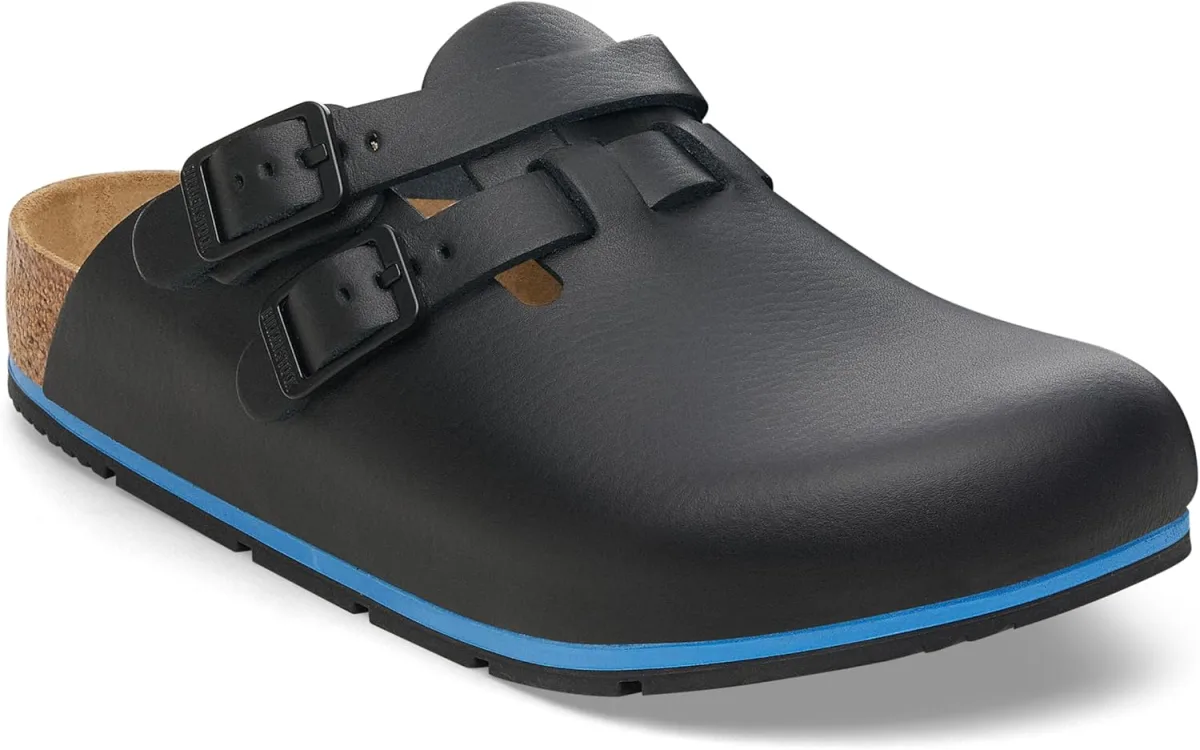
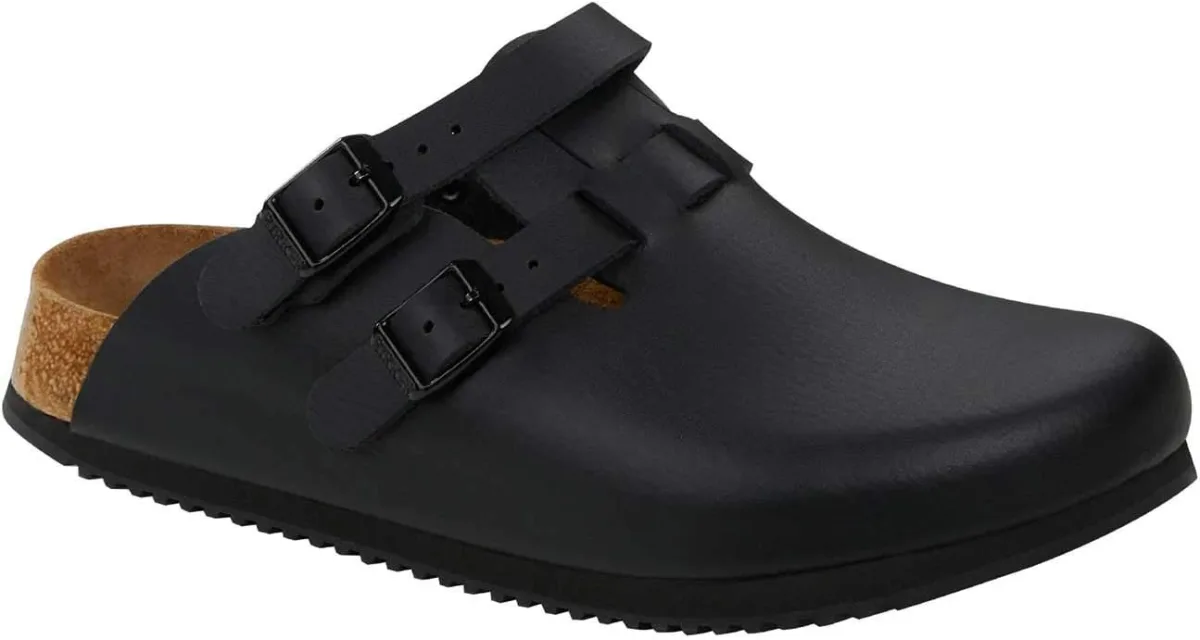
Birkenstock
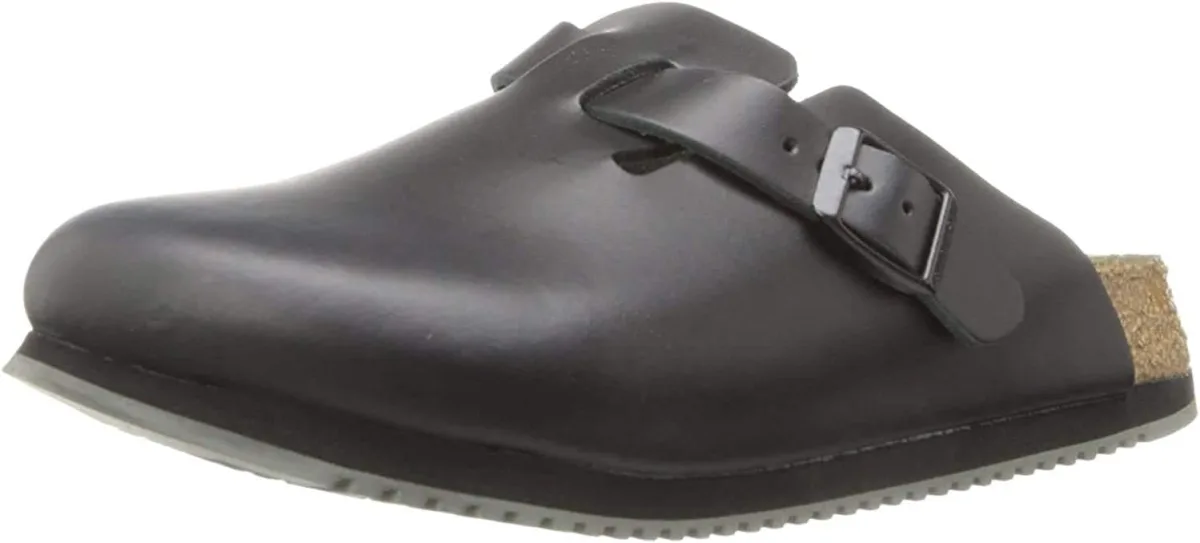
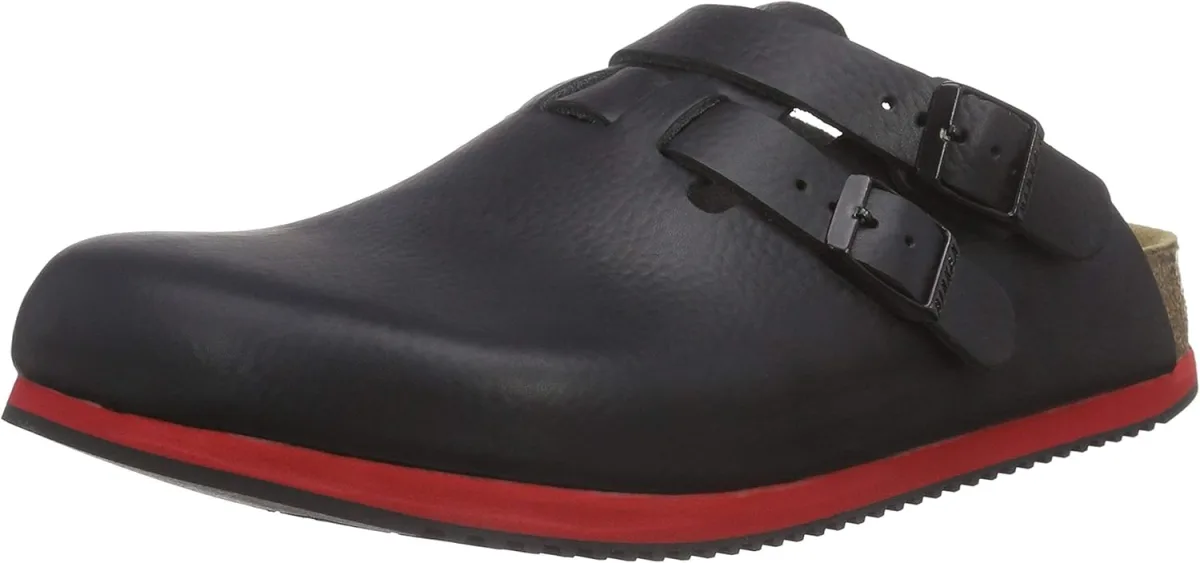
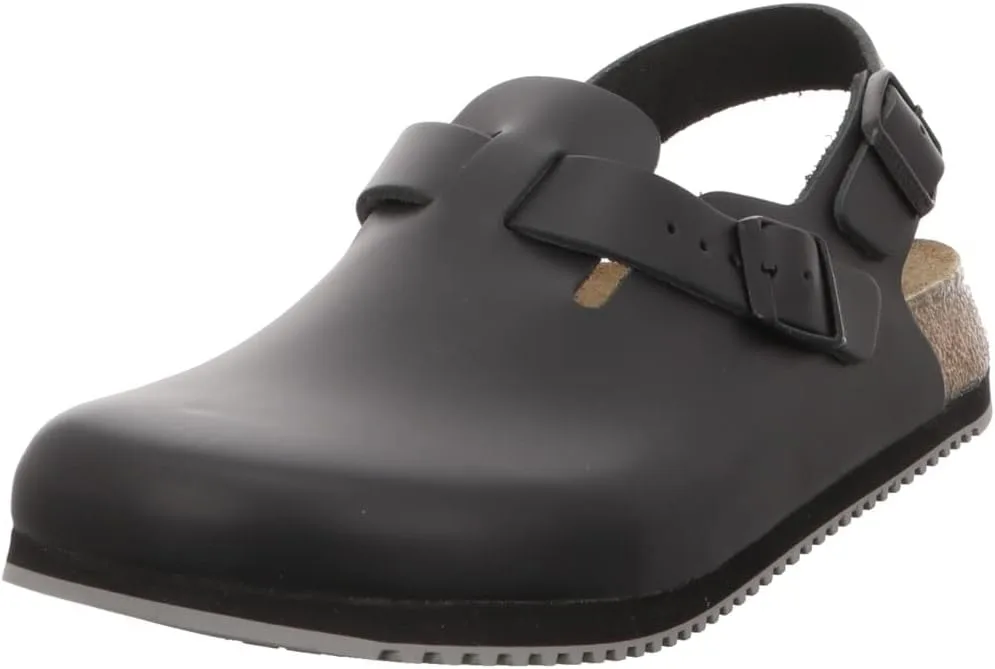
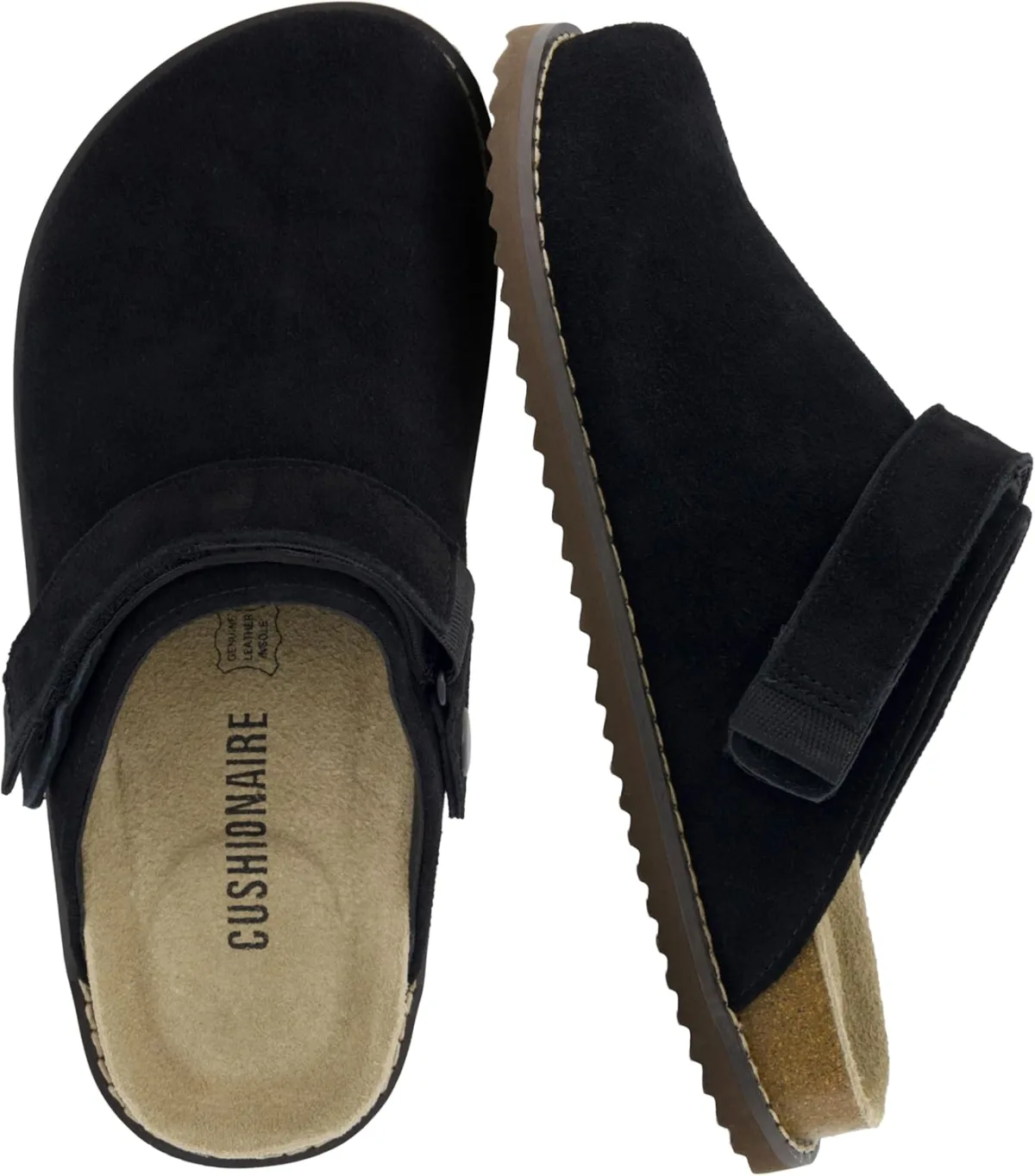
CUSHIONAIRE
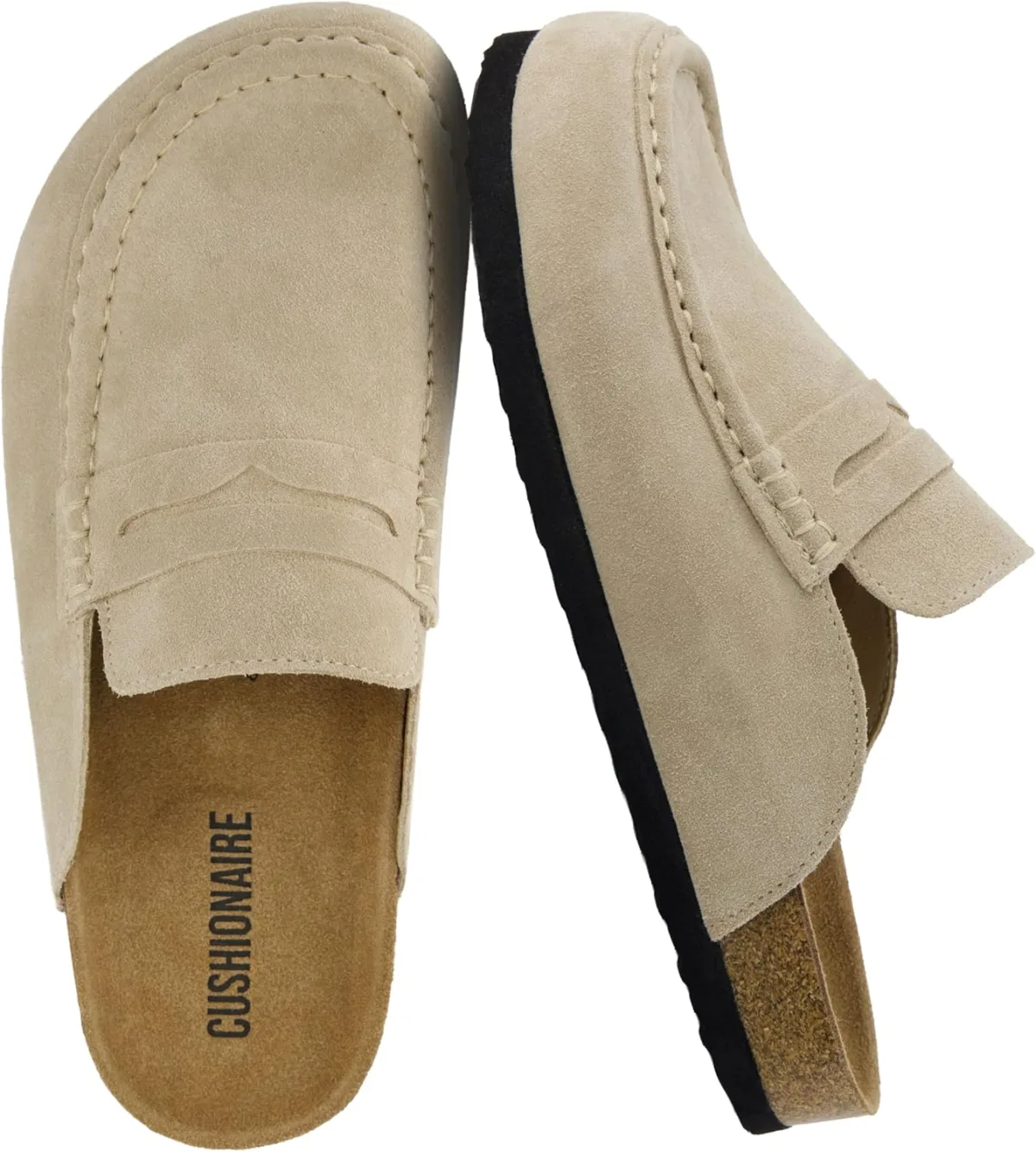
CUSHIONAIRE
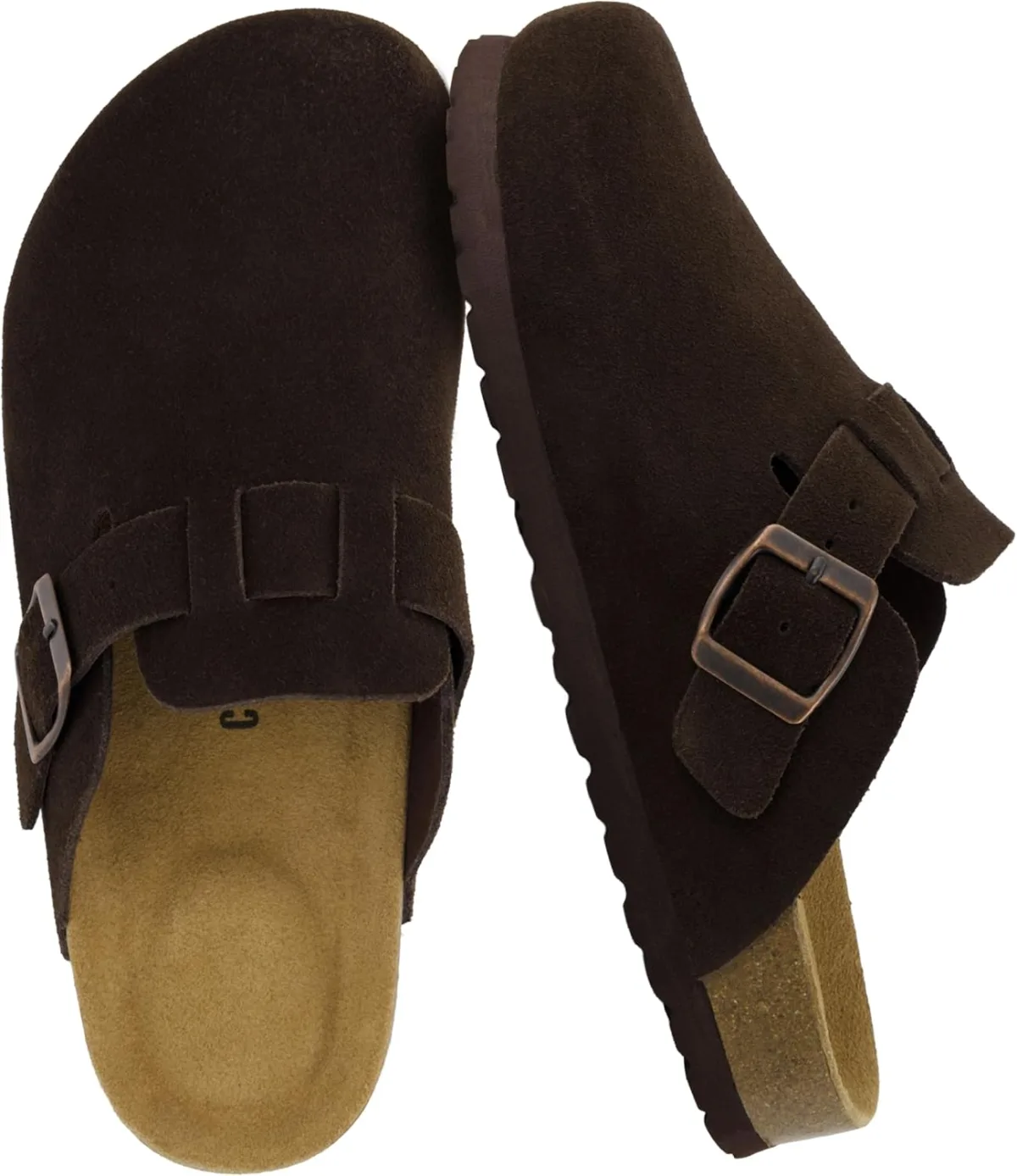
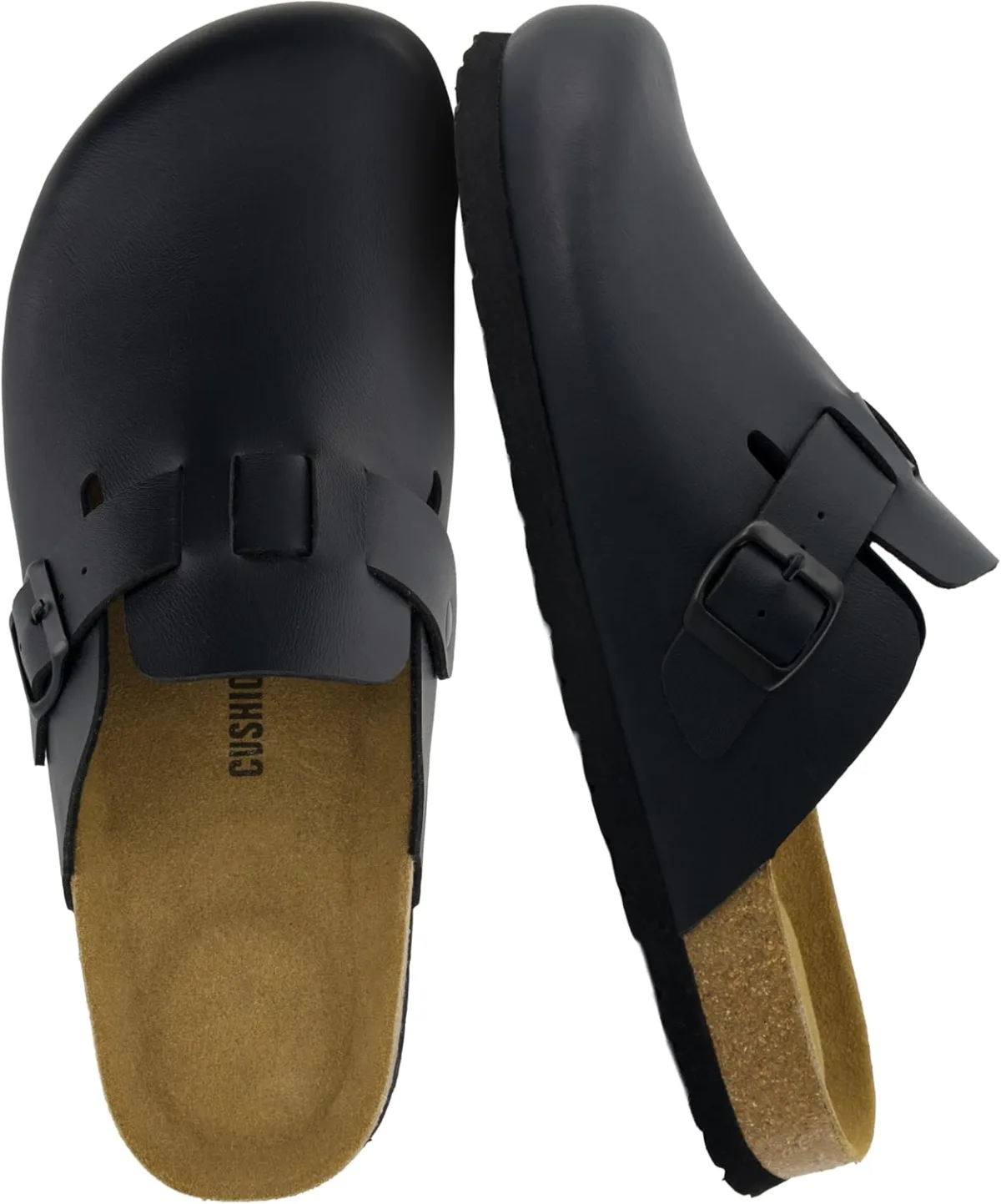
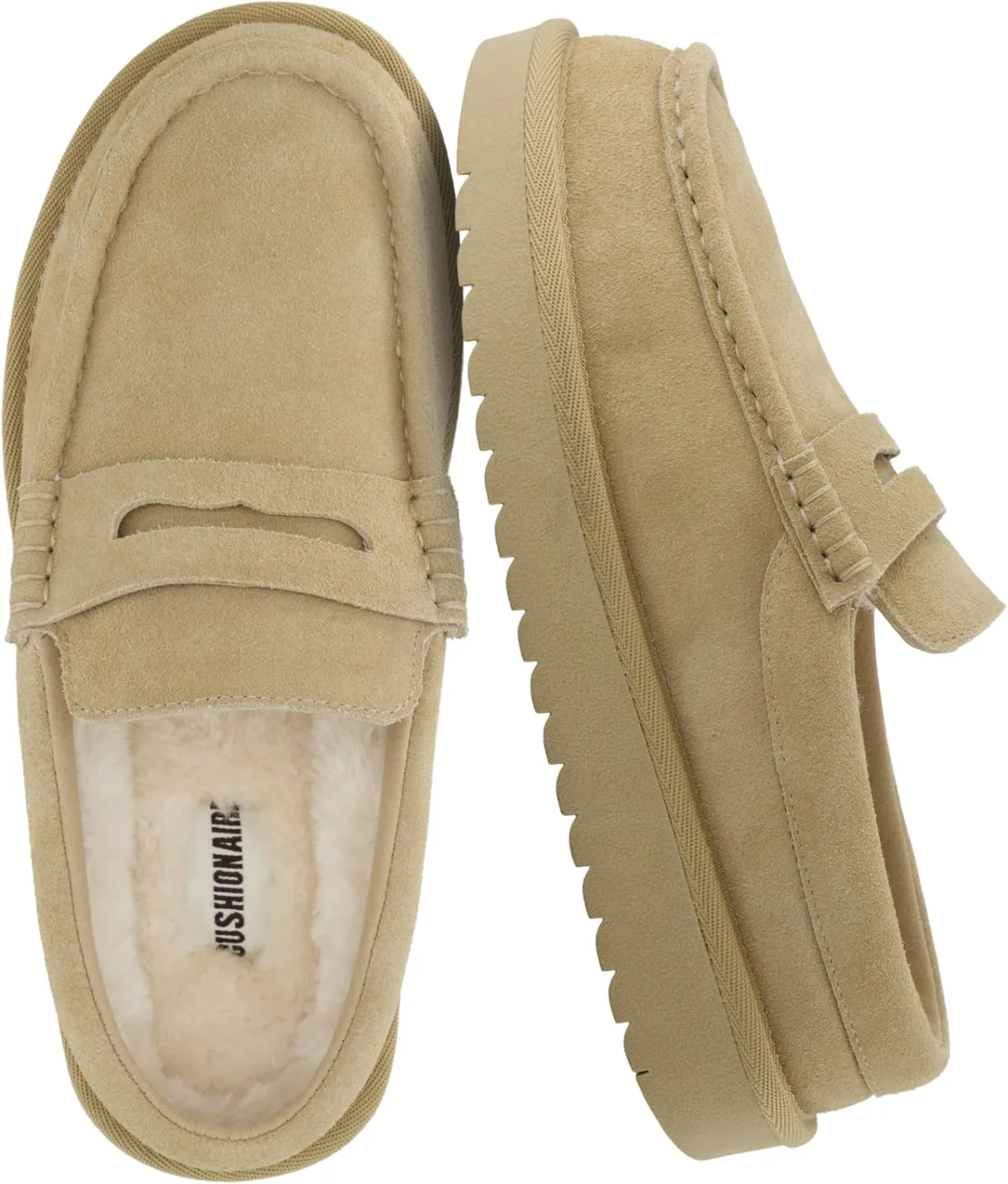
CUSHIONAIRE
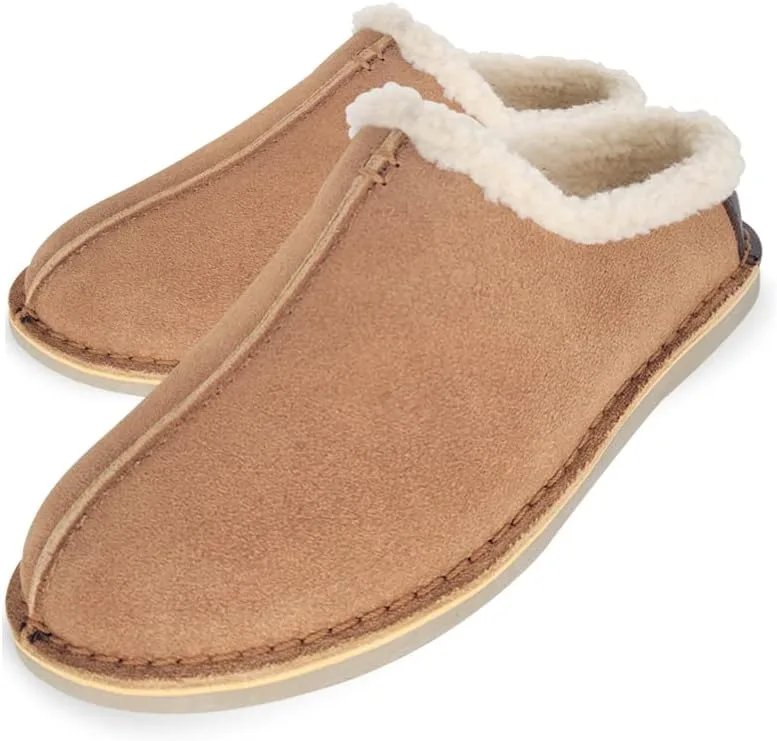
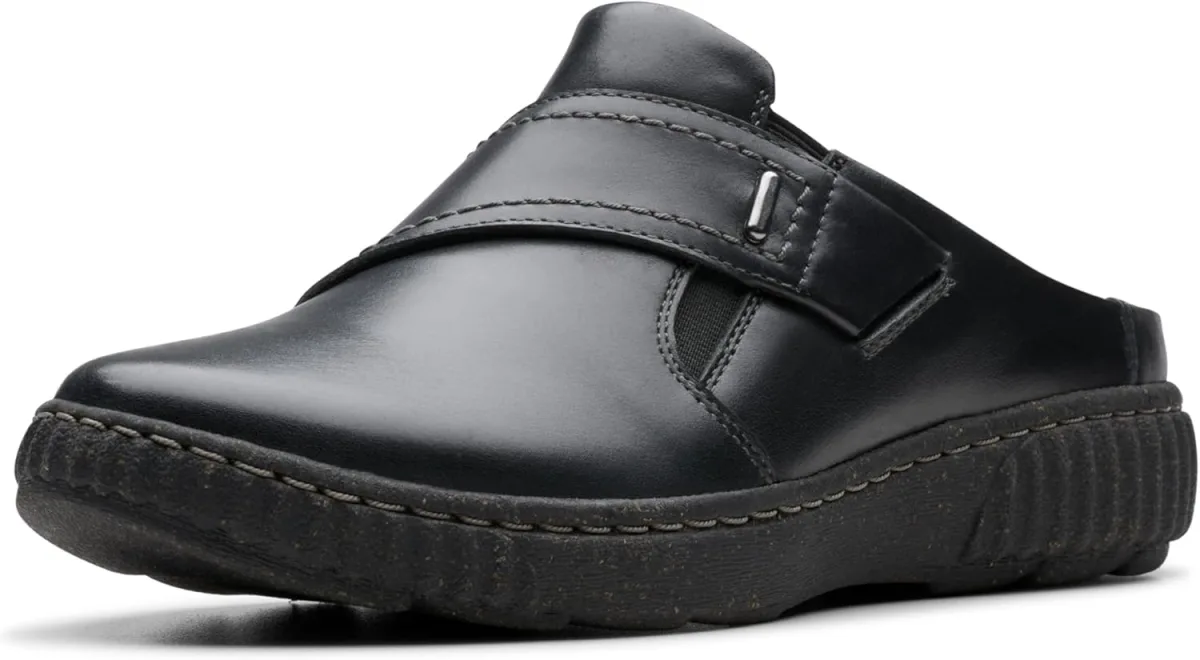
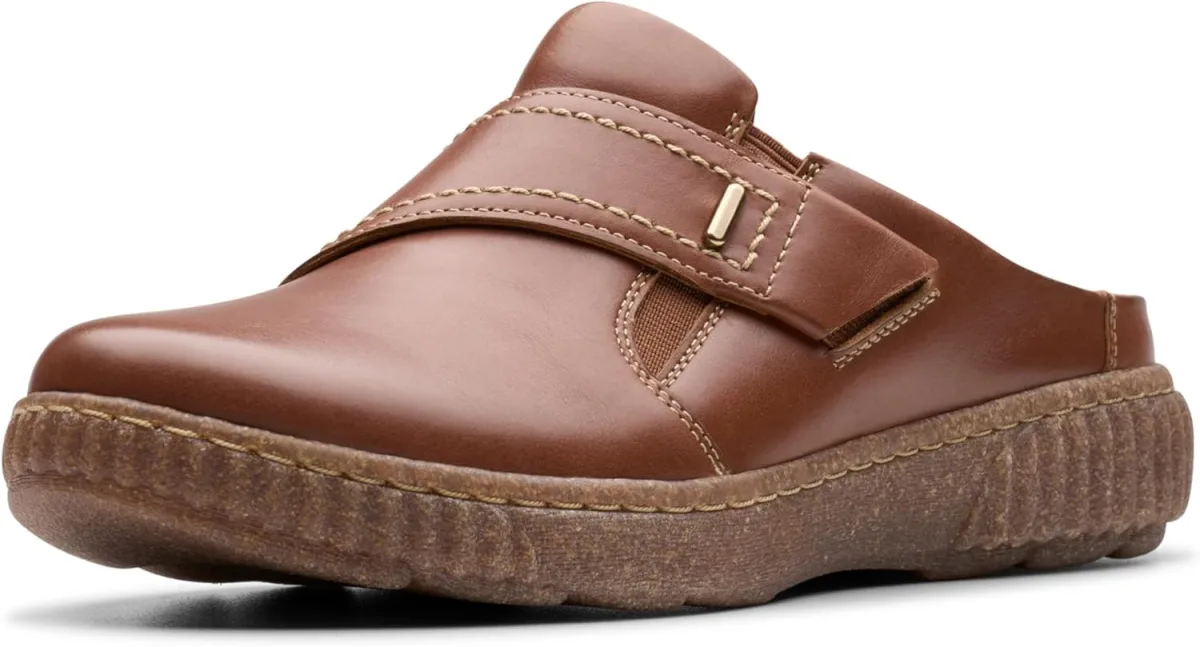
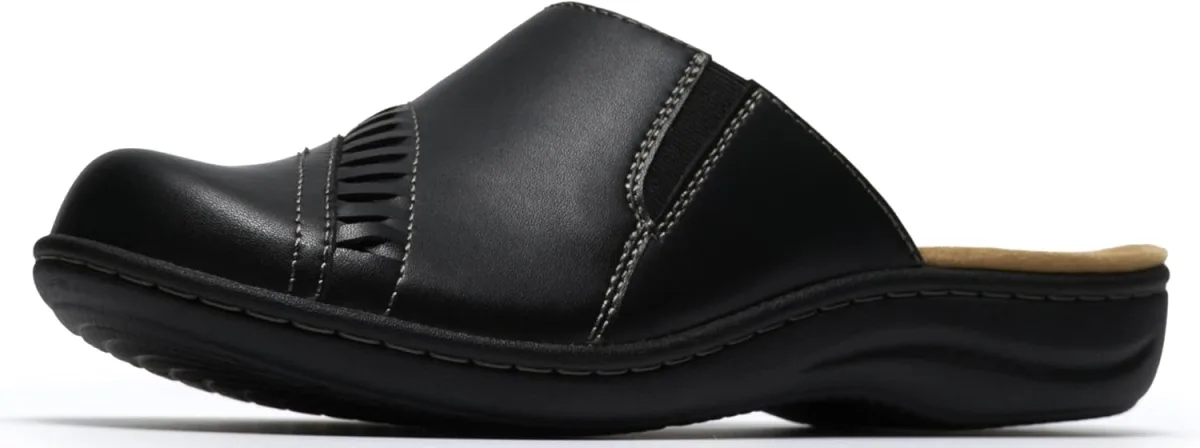
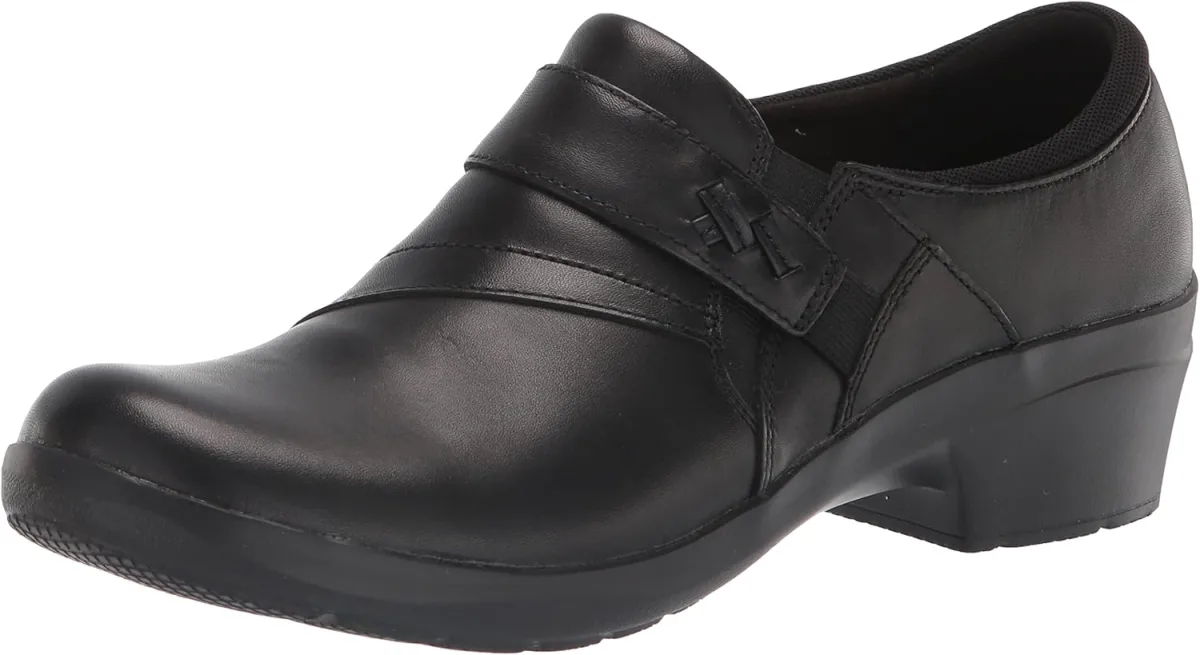
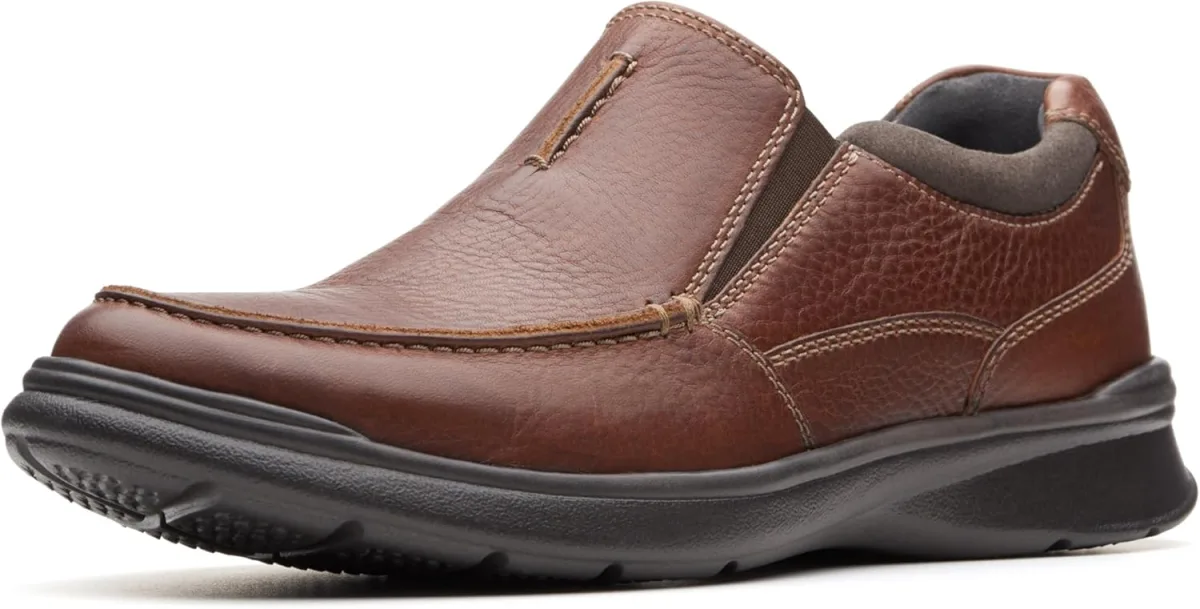
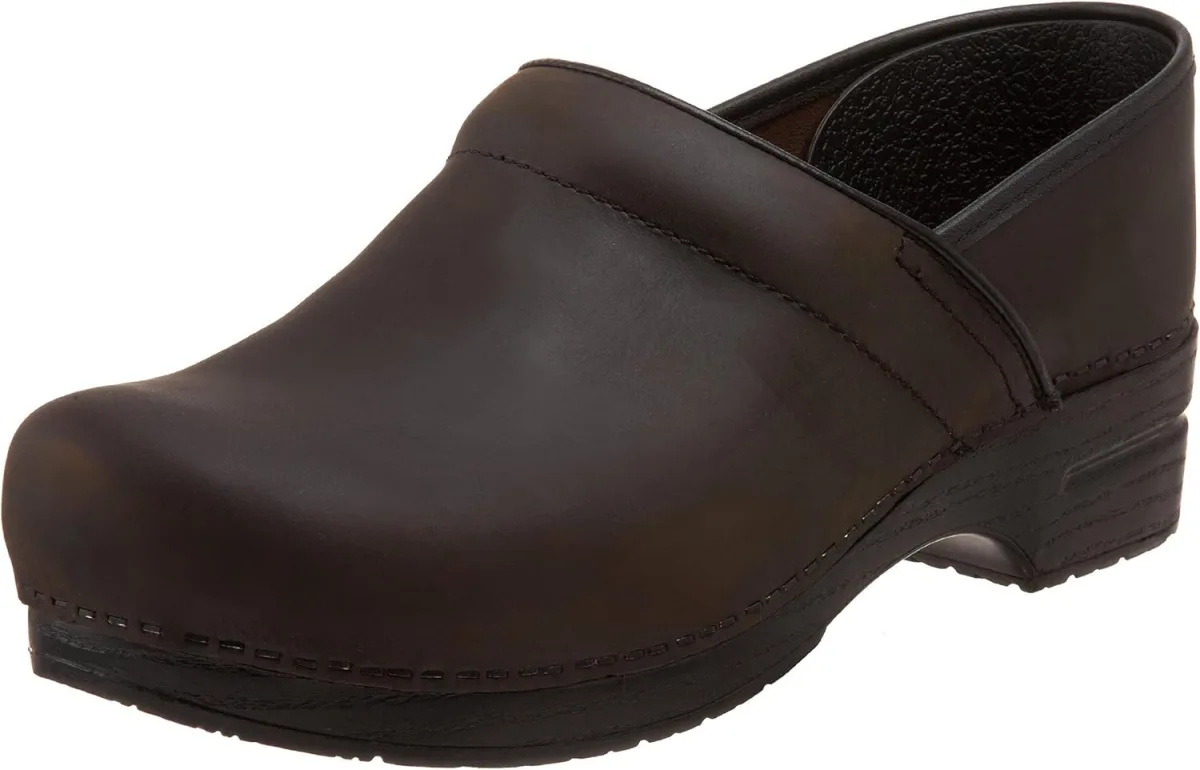
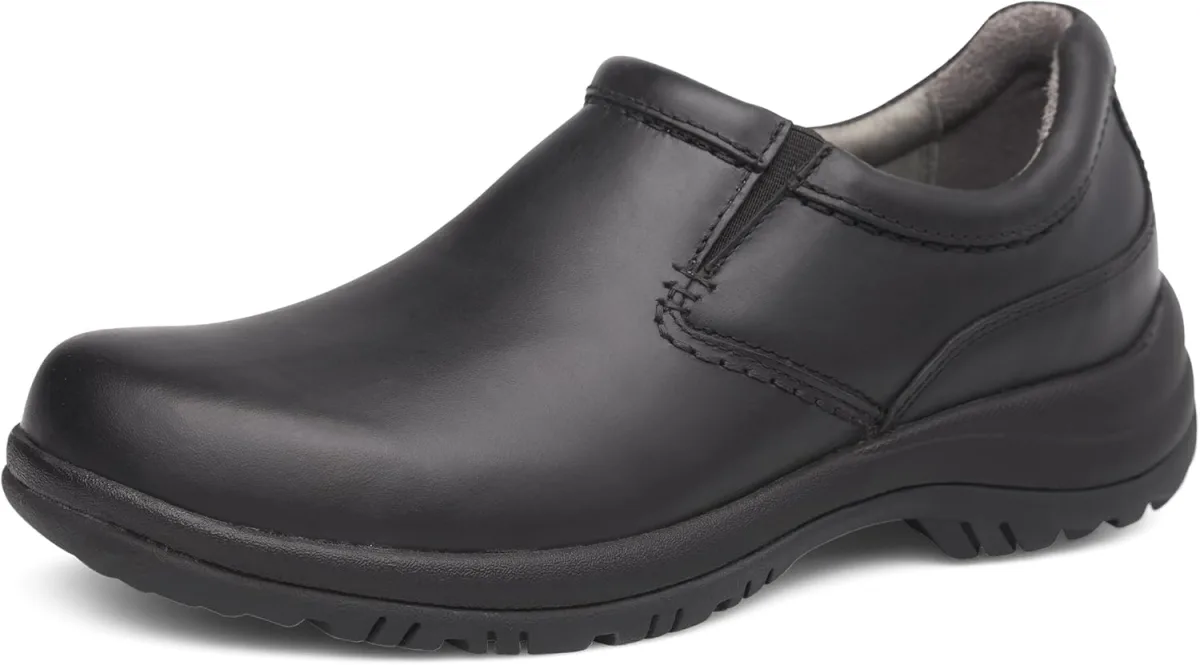
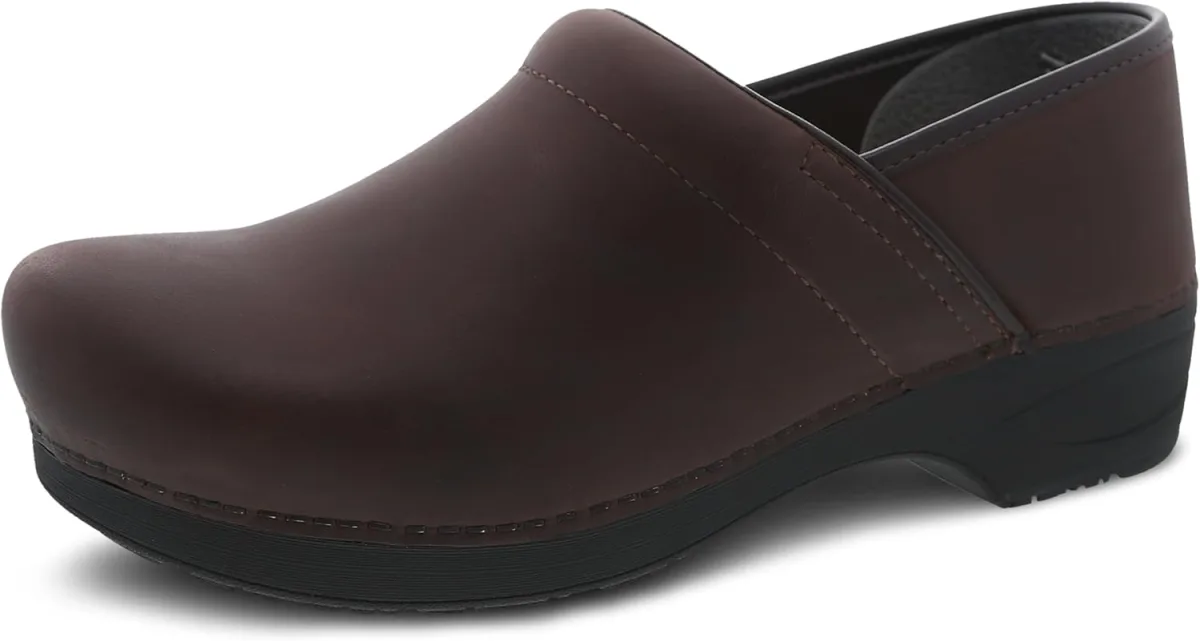
Dansko
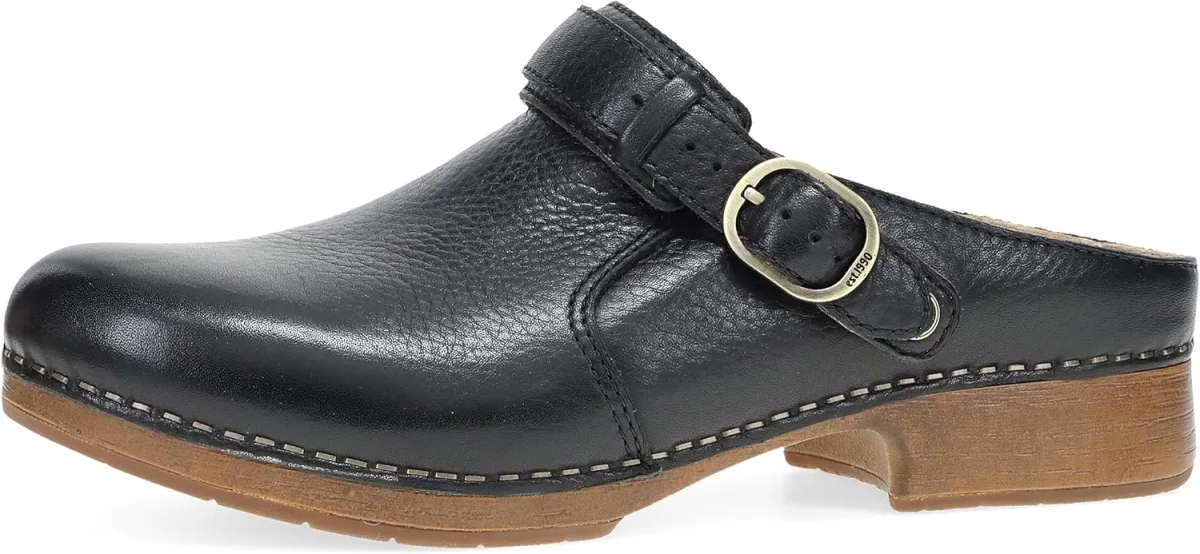
Dansko
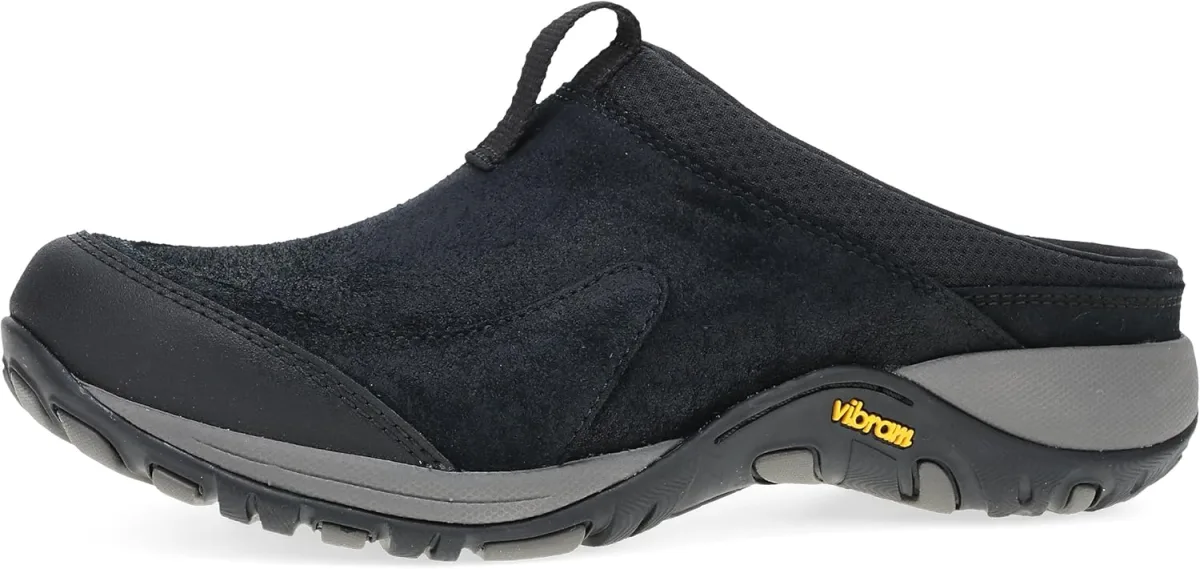
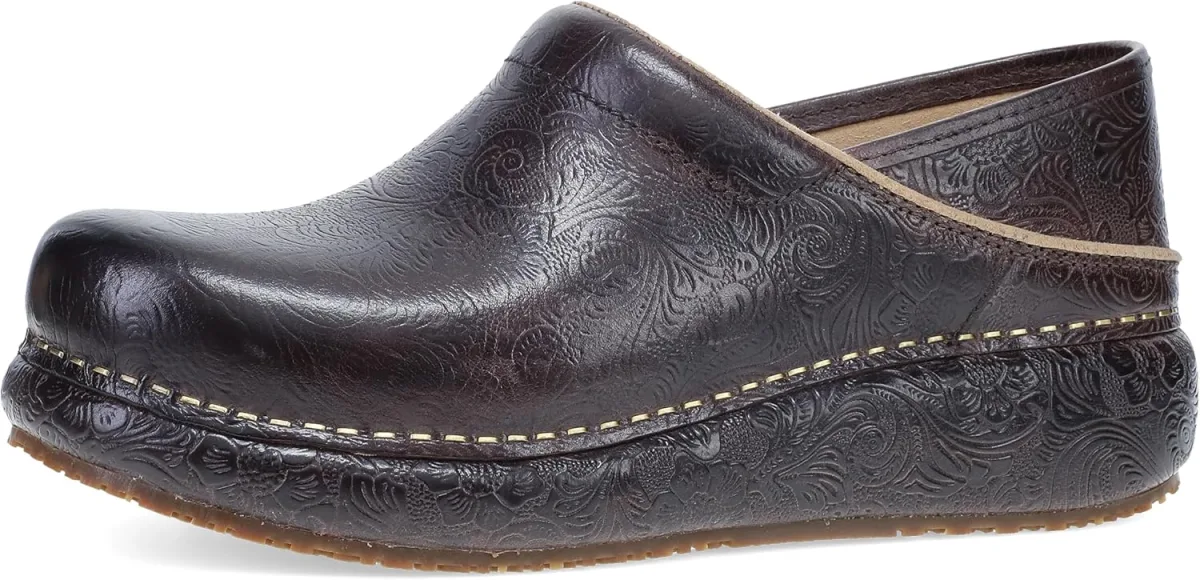
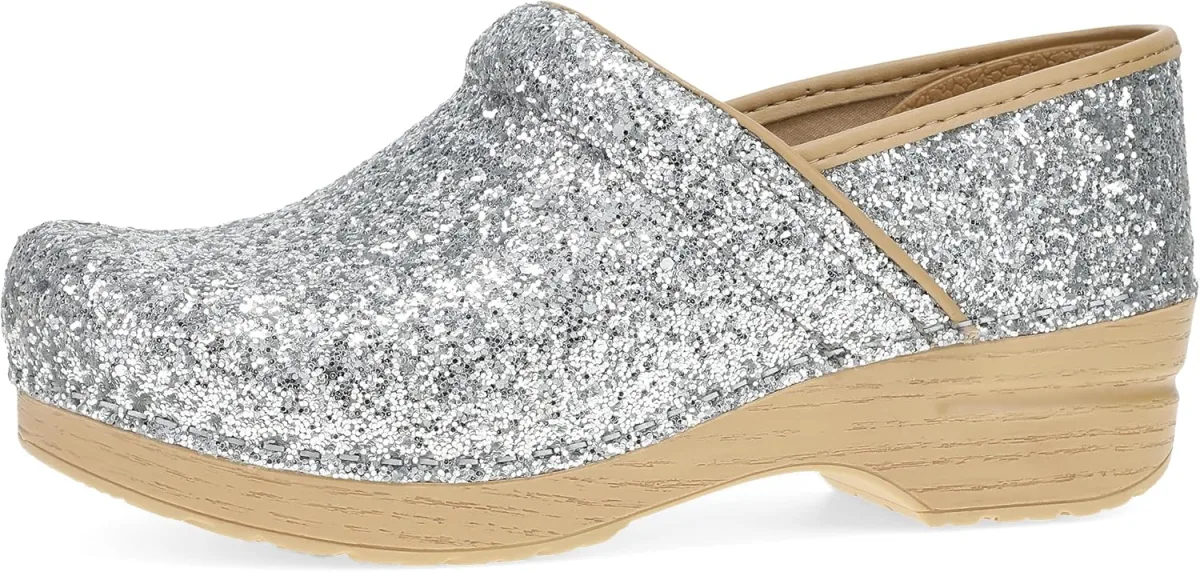
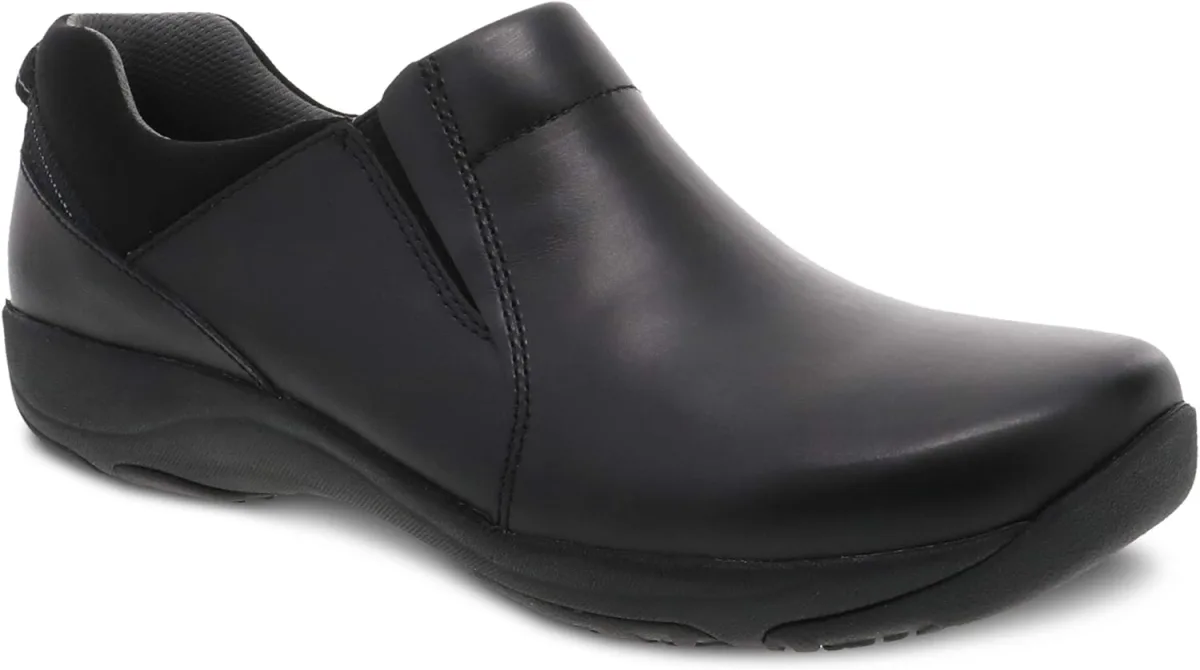
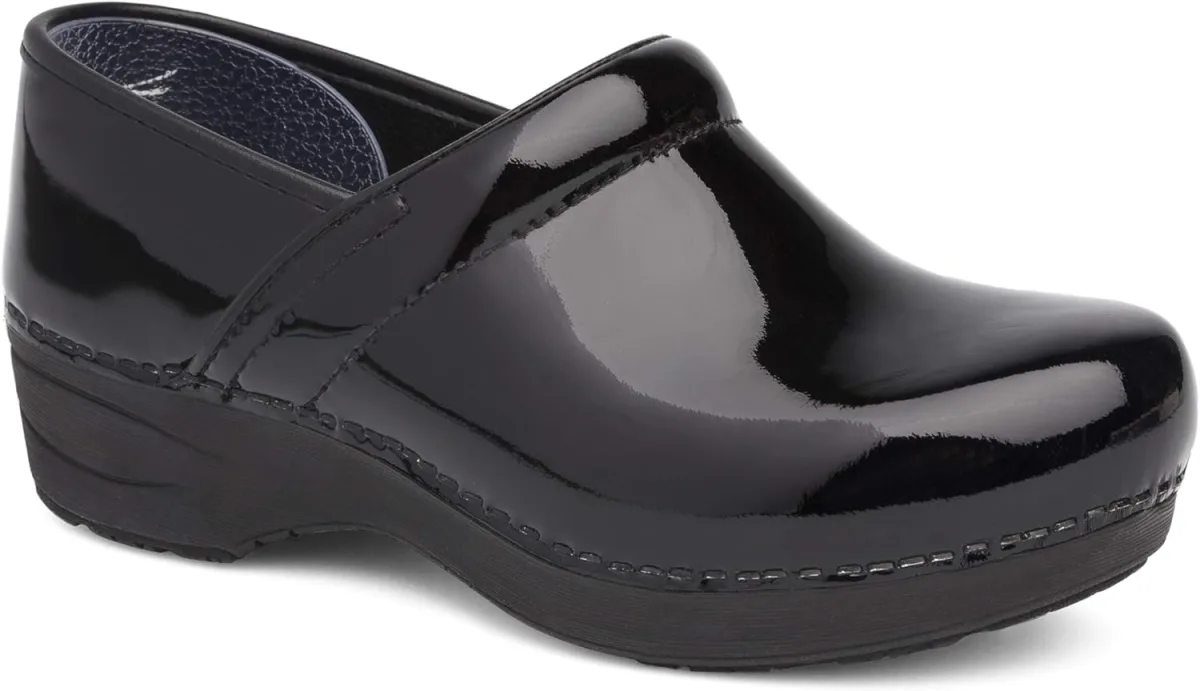
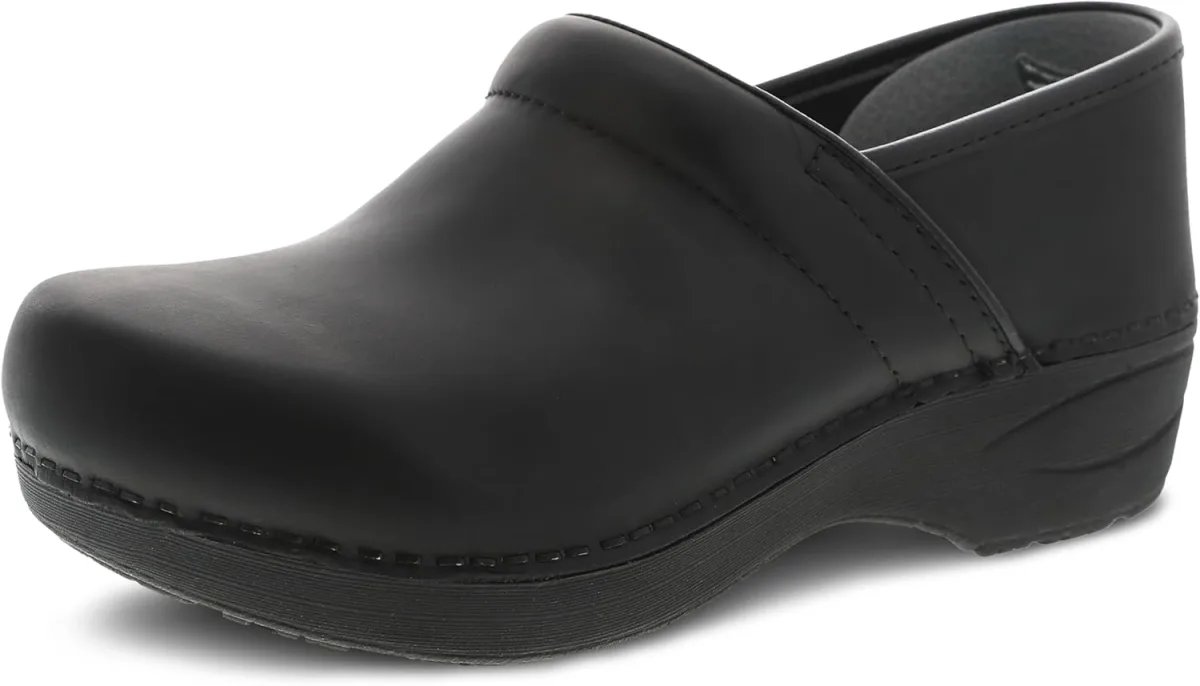
Dansko
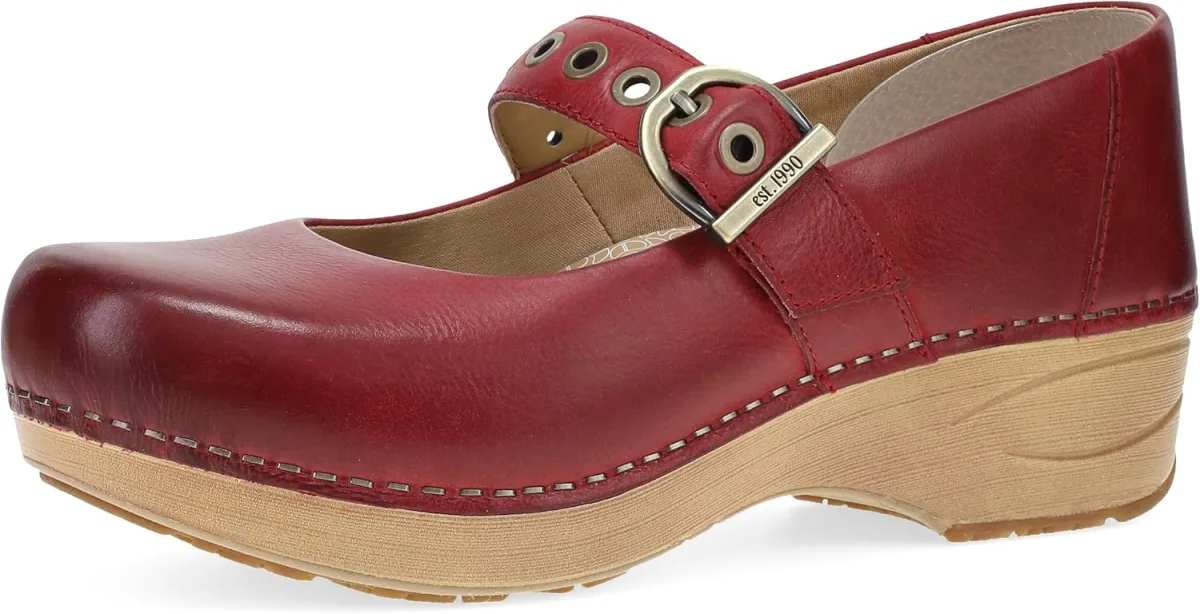
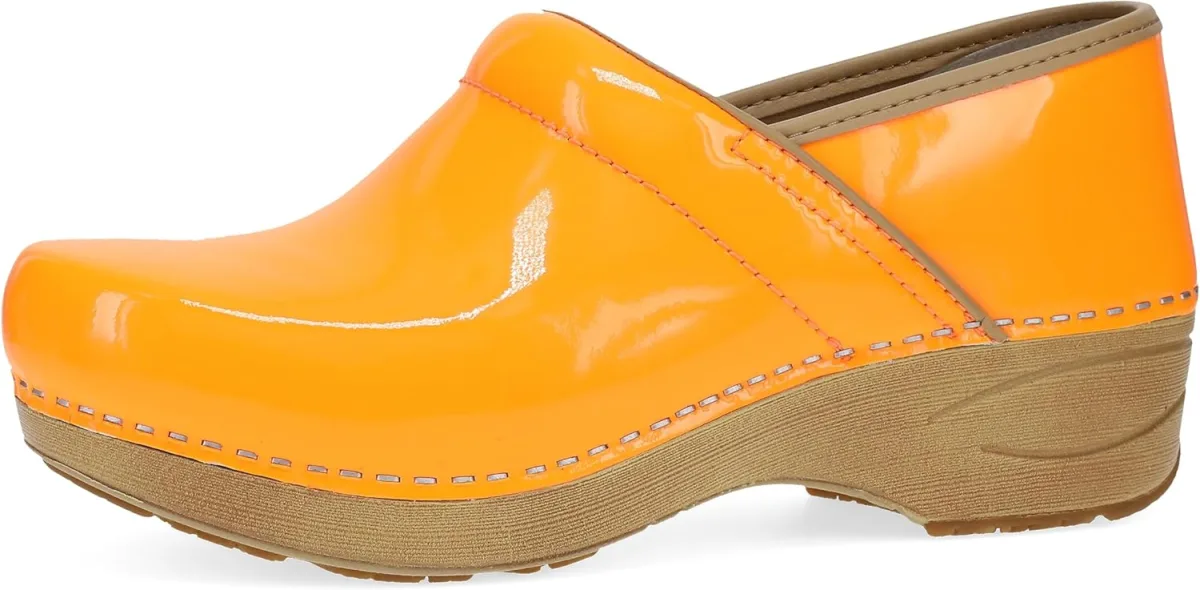
Dansko
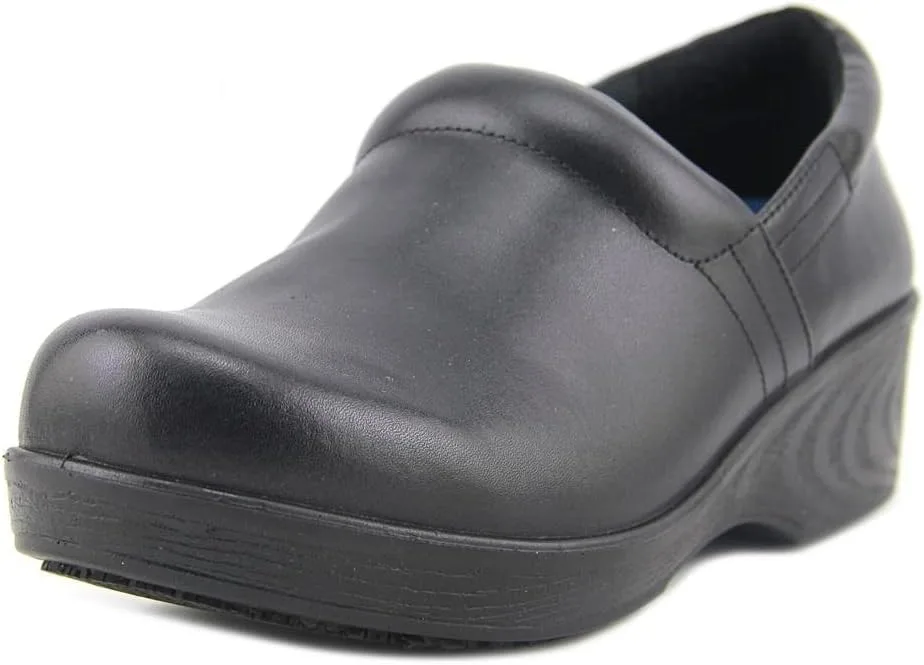
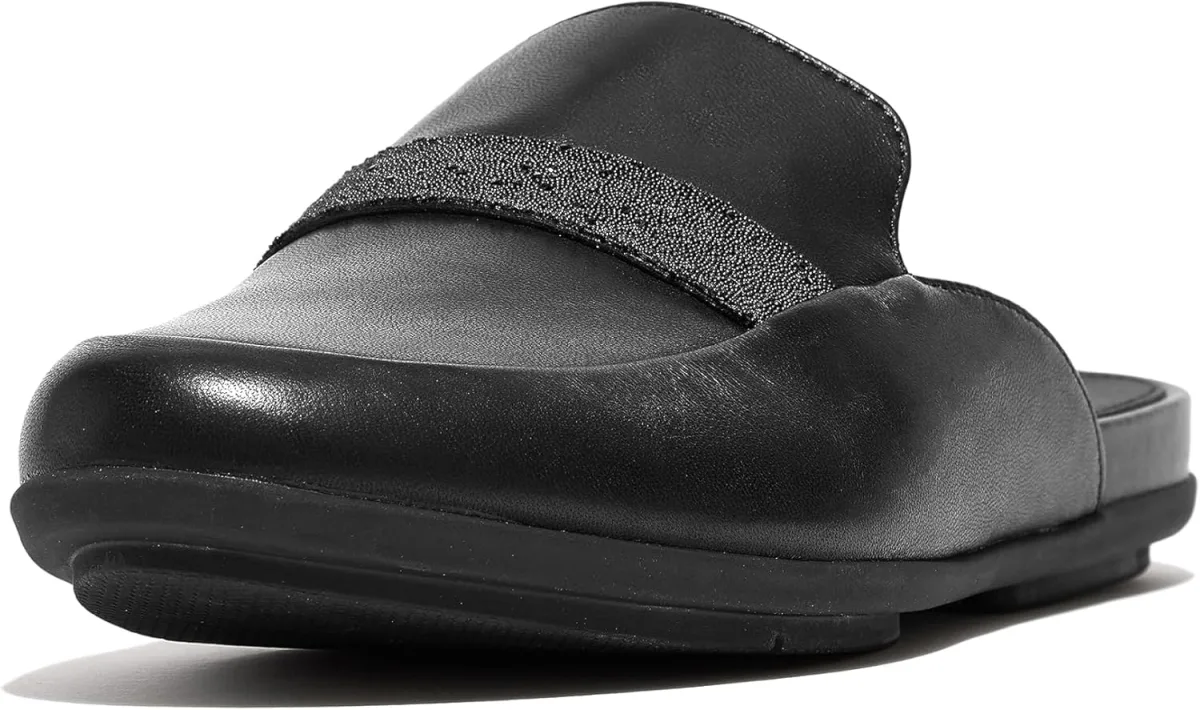
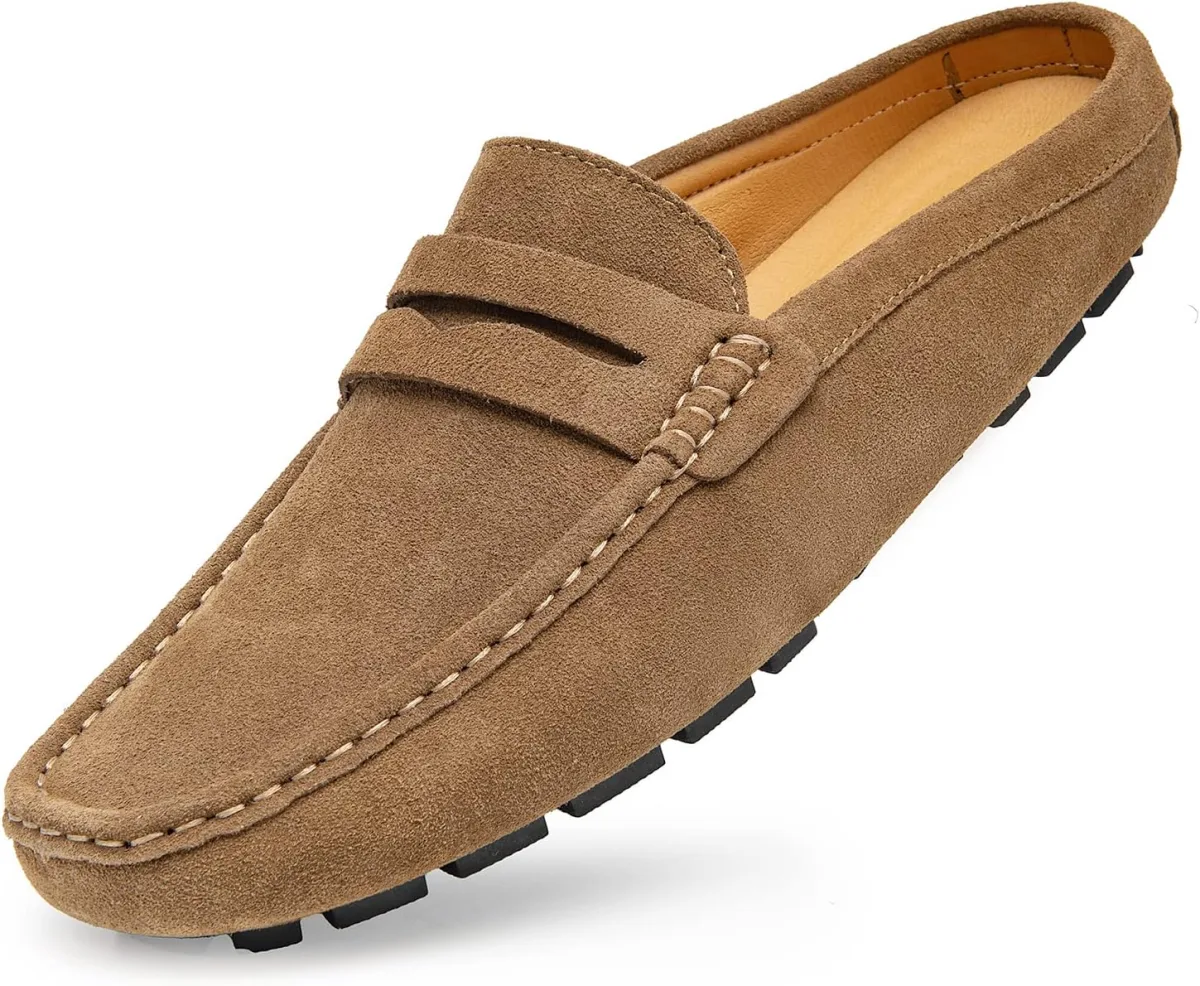
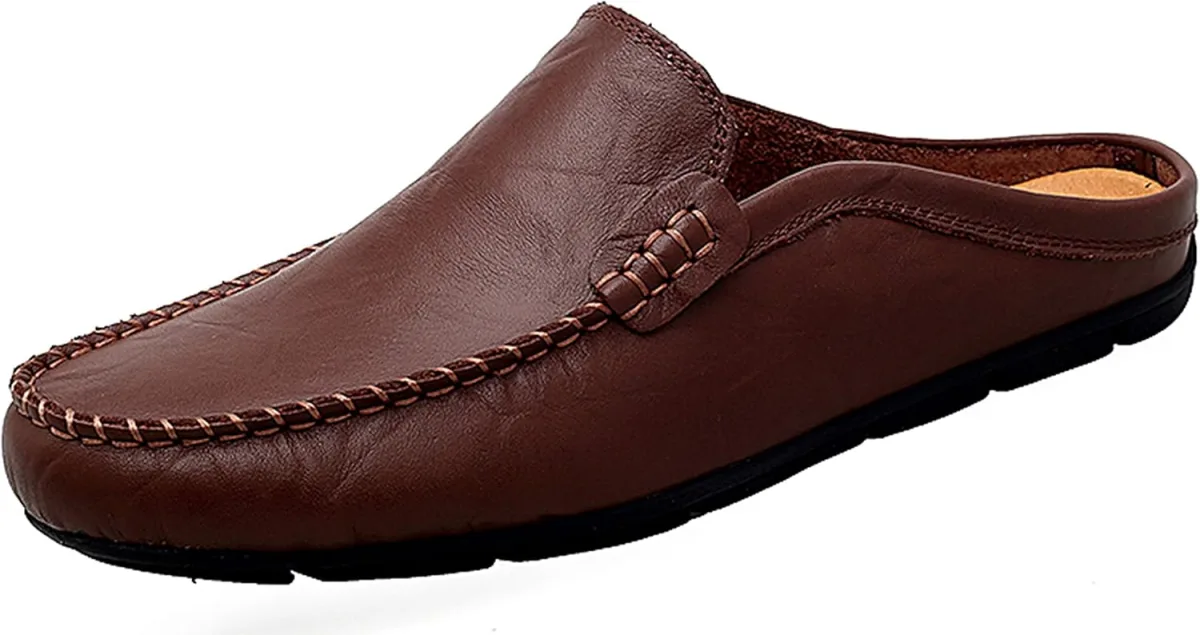
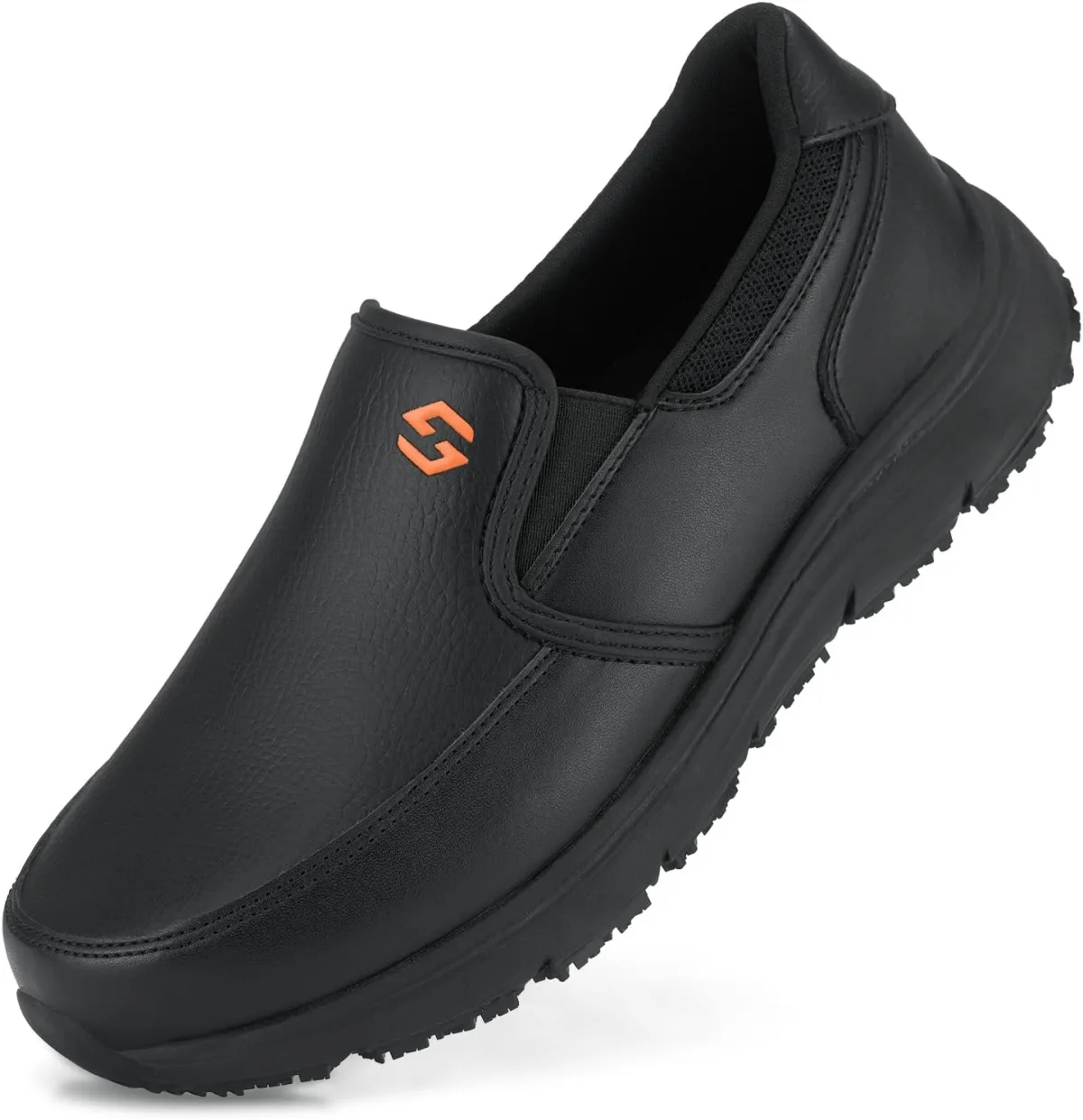
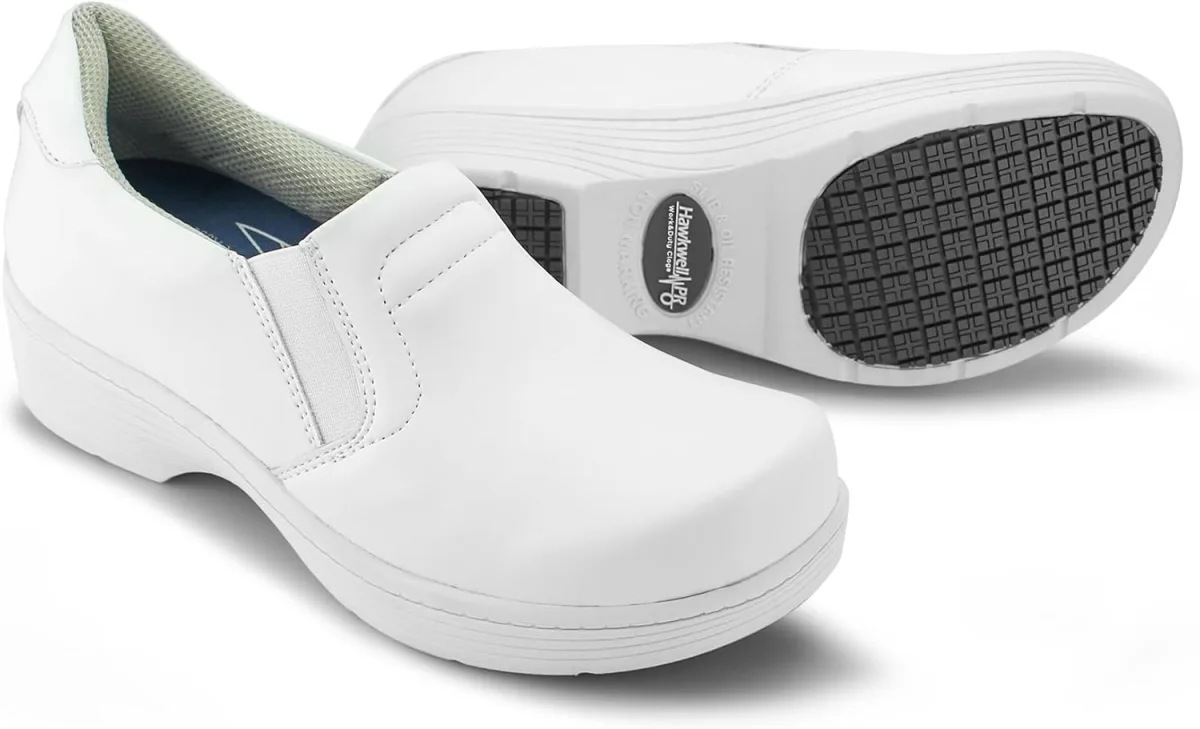
Hawkwell
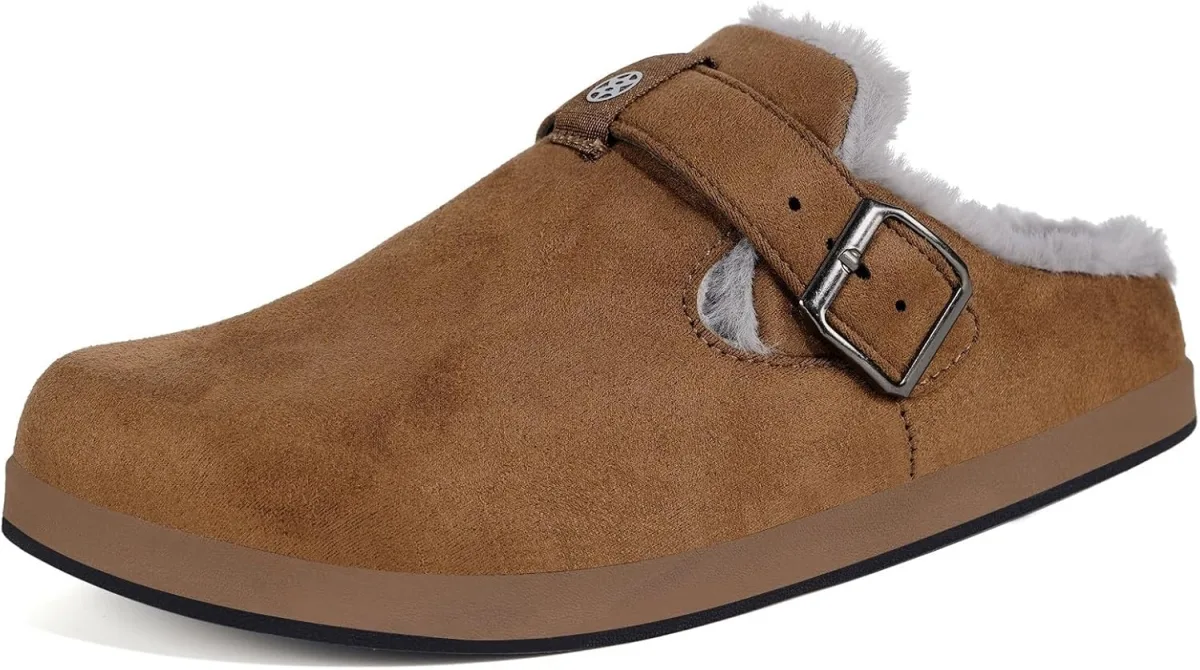
Hsyooes
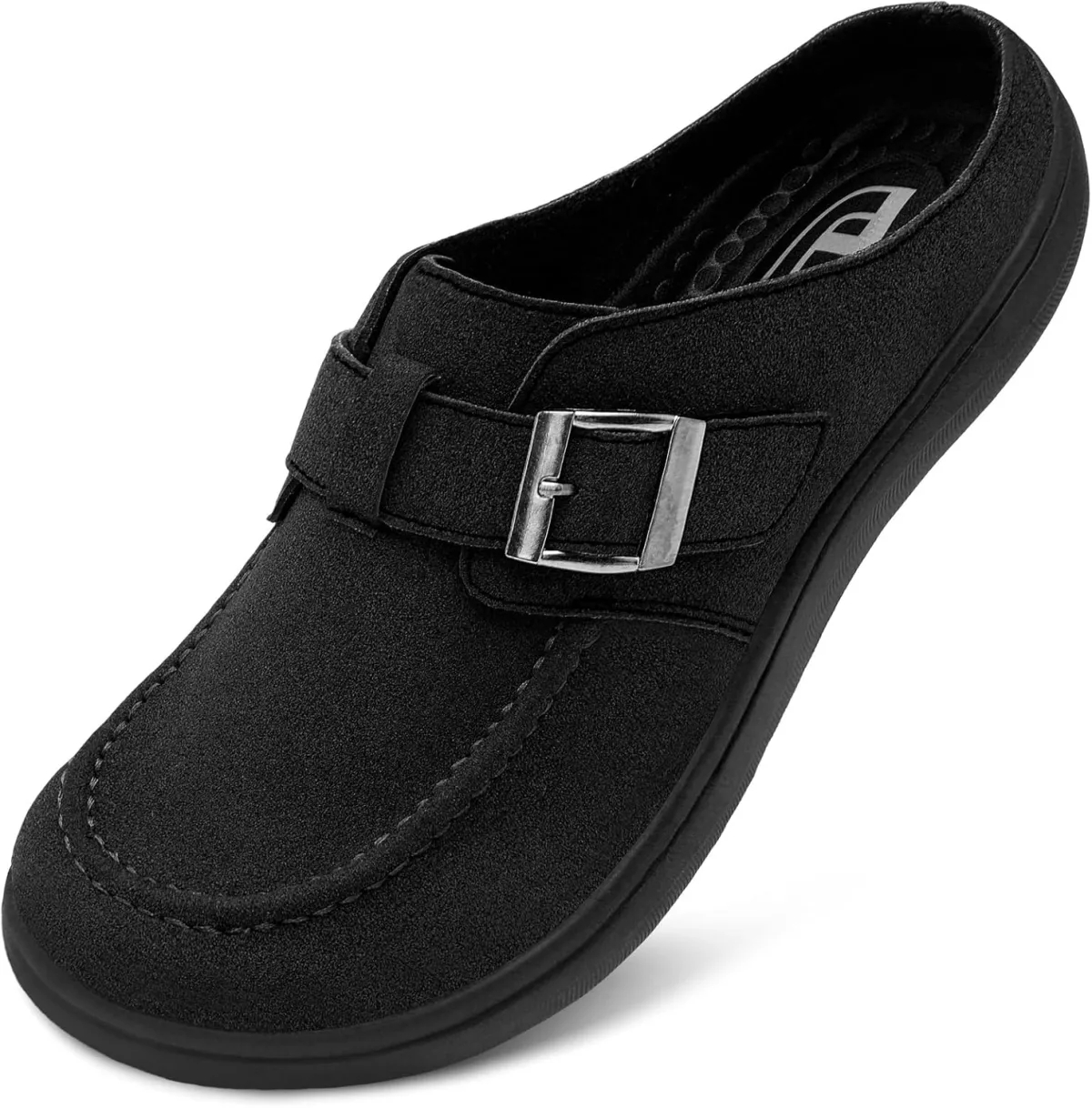
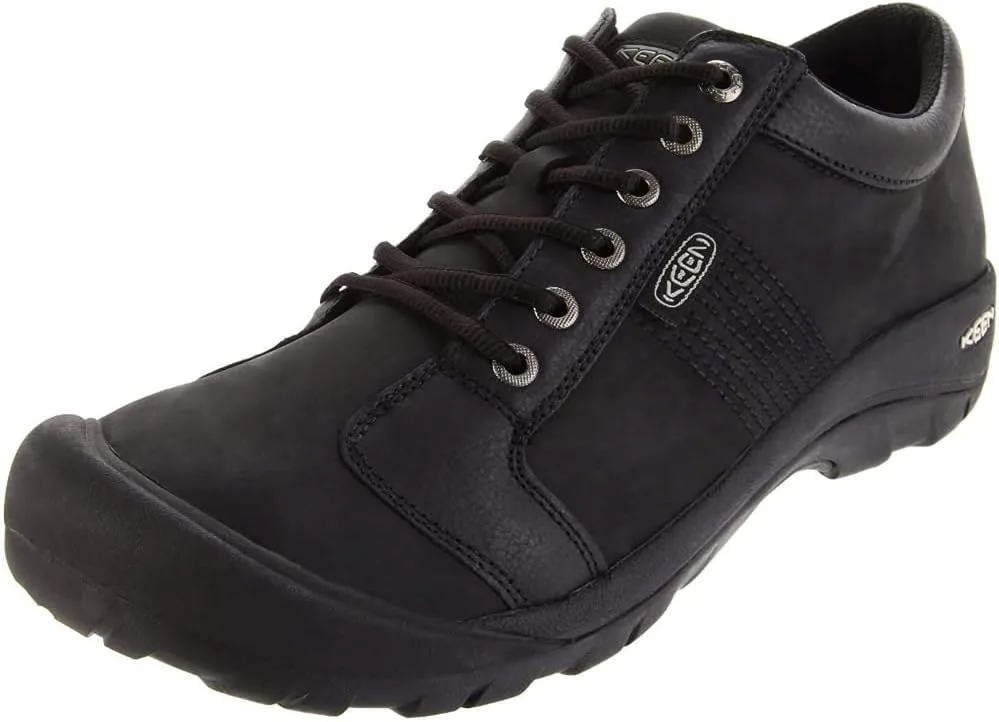
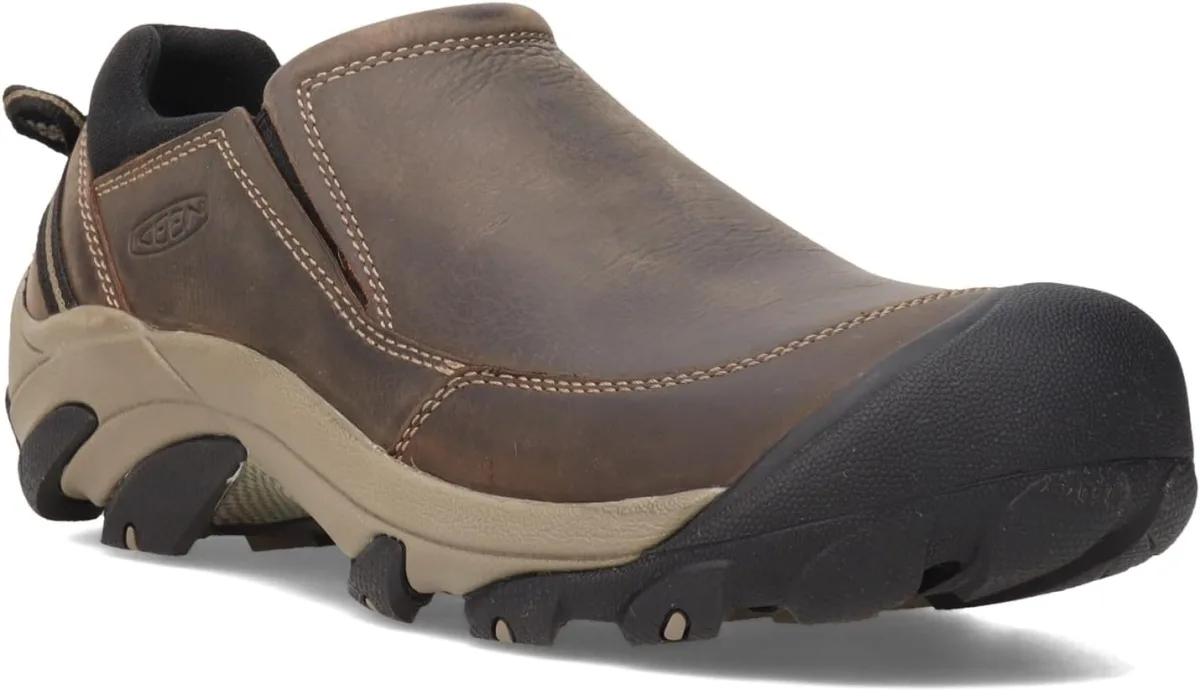
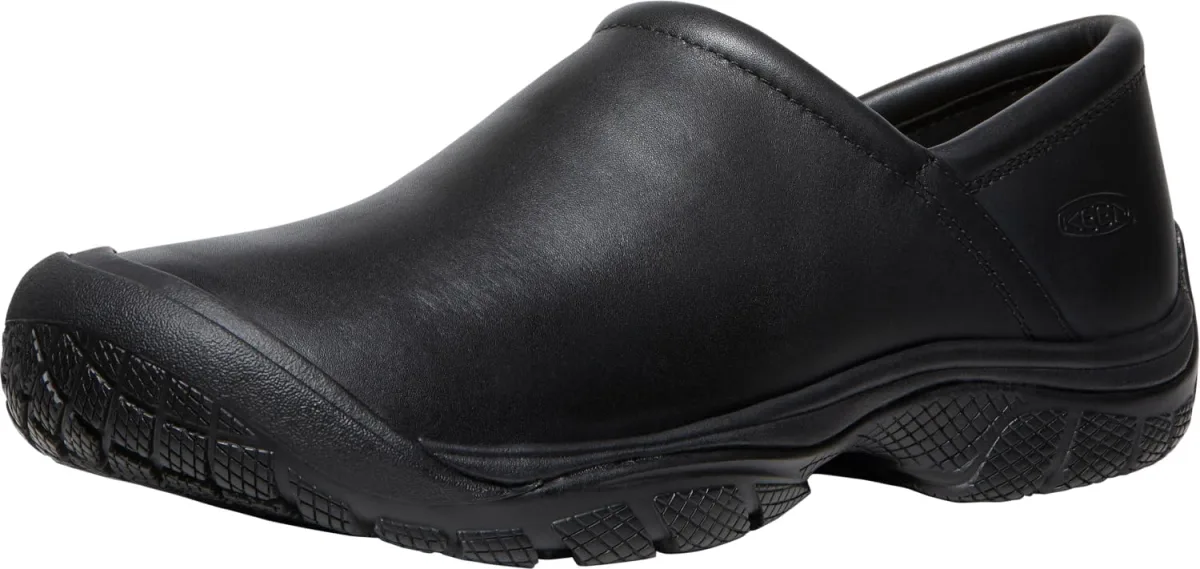
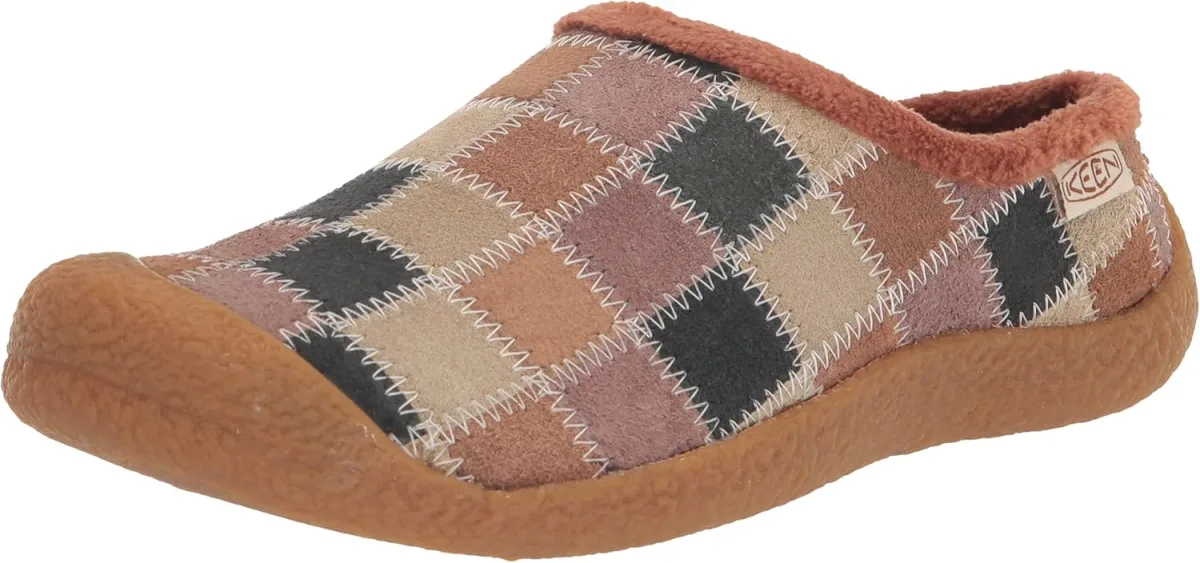
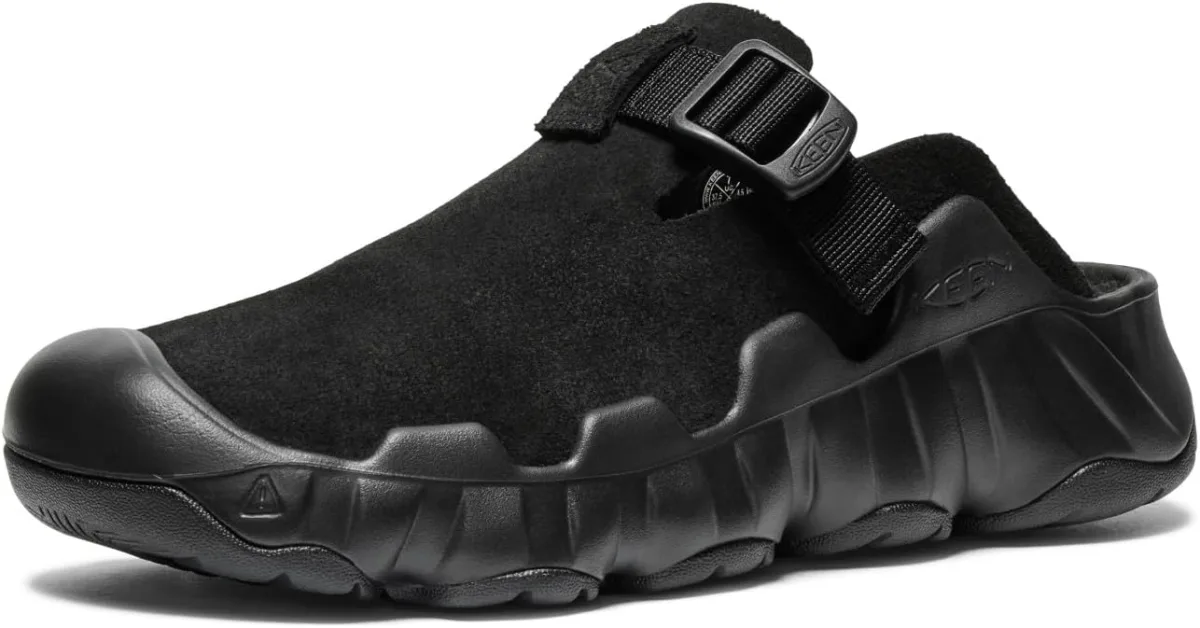
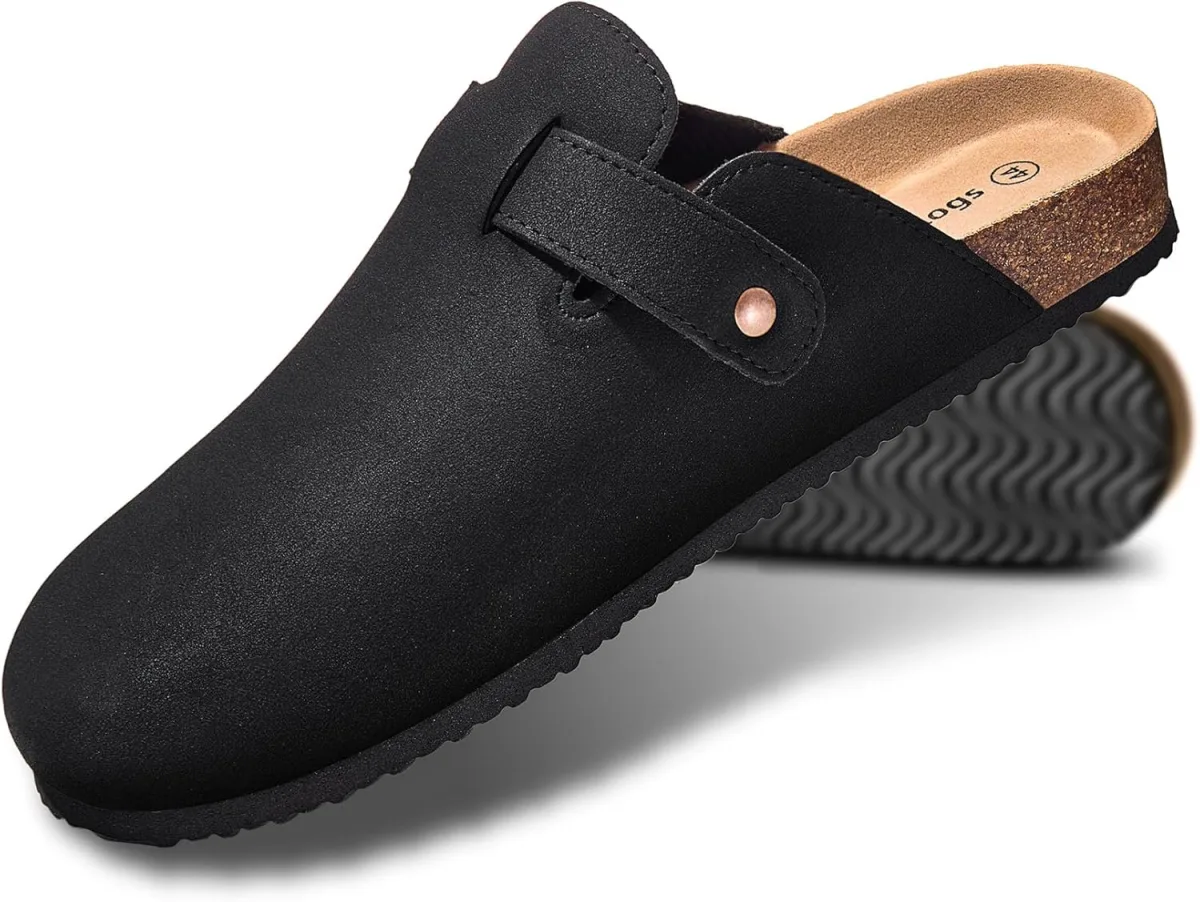
KEMISANT
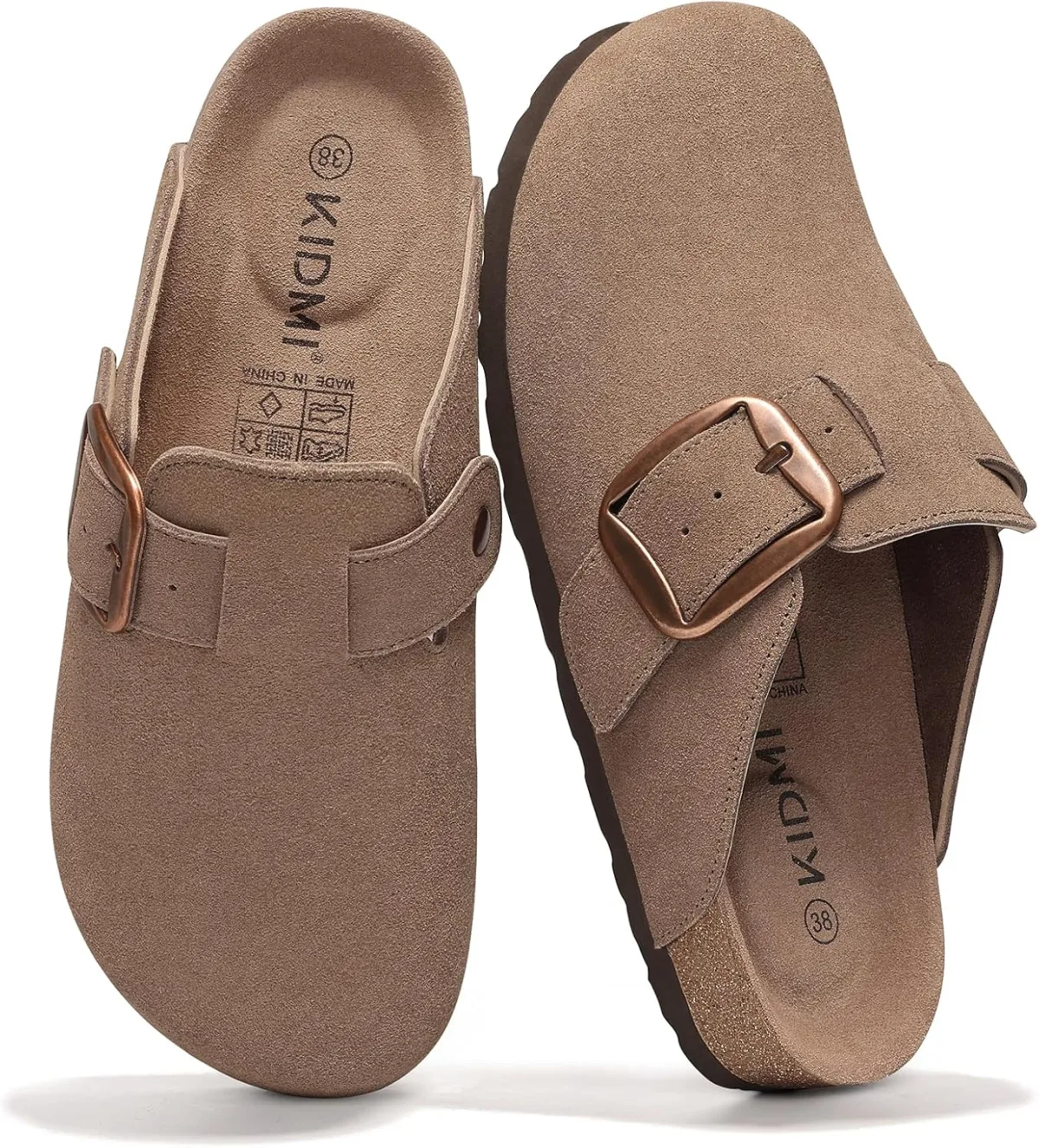
KIDMI
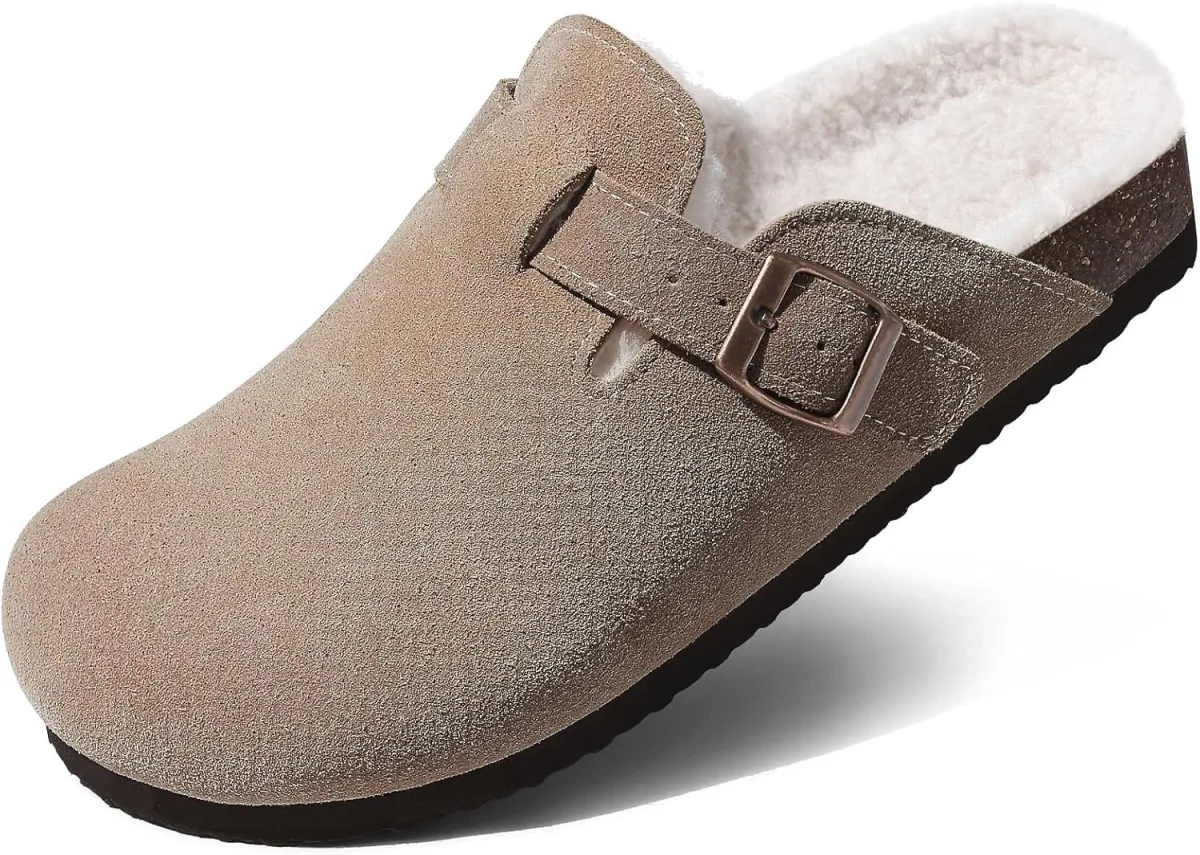
KIDMI
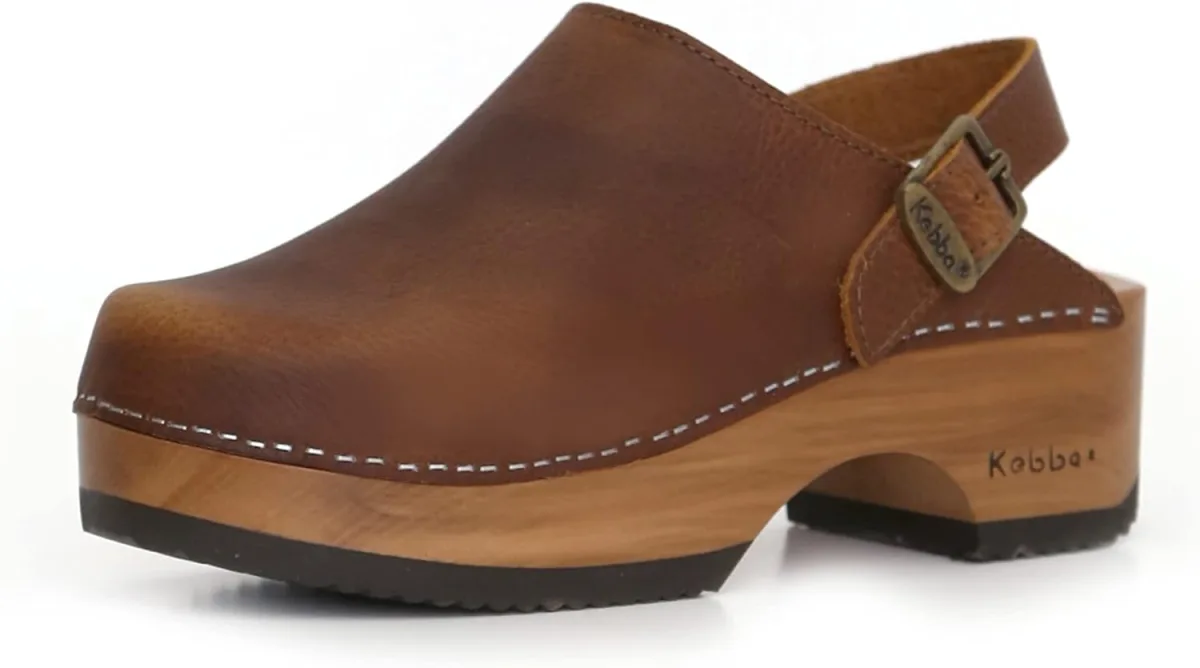
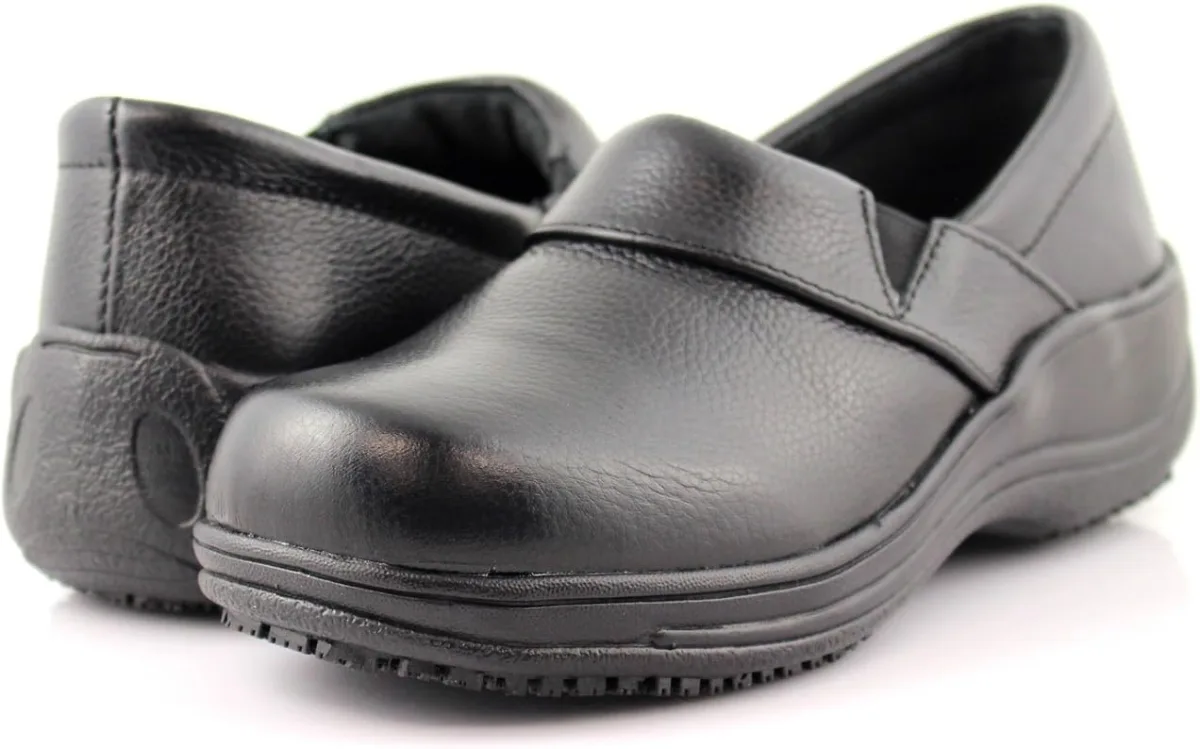
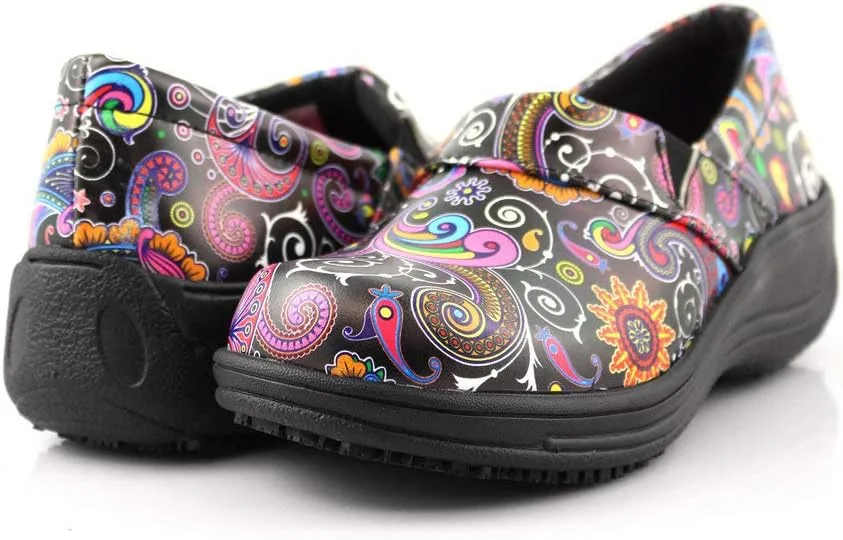
Laforst
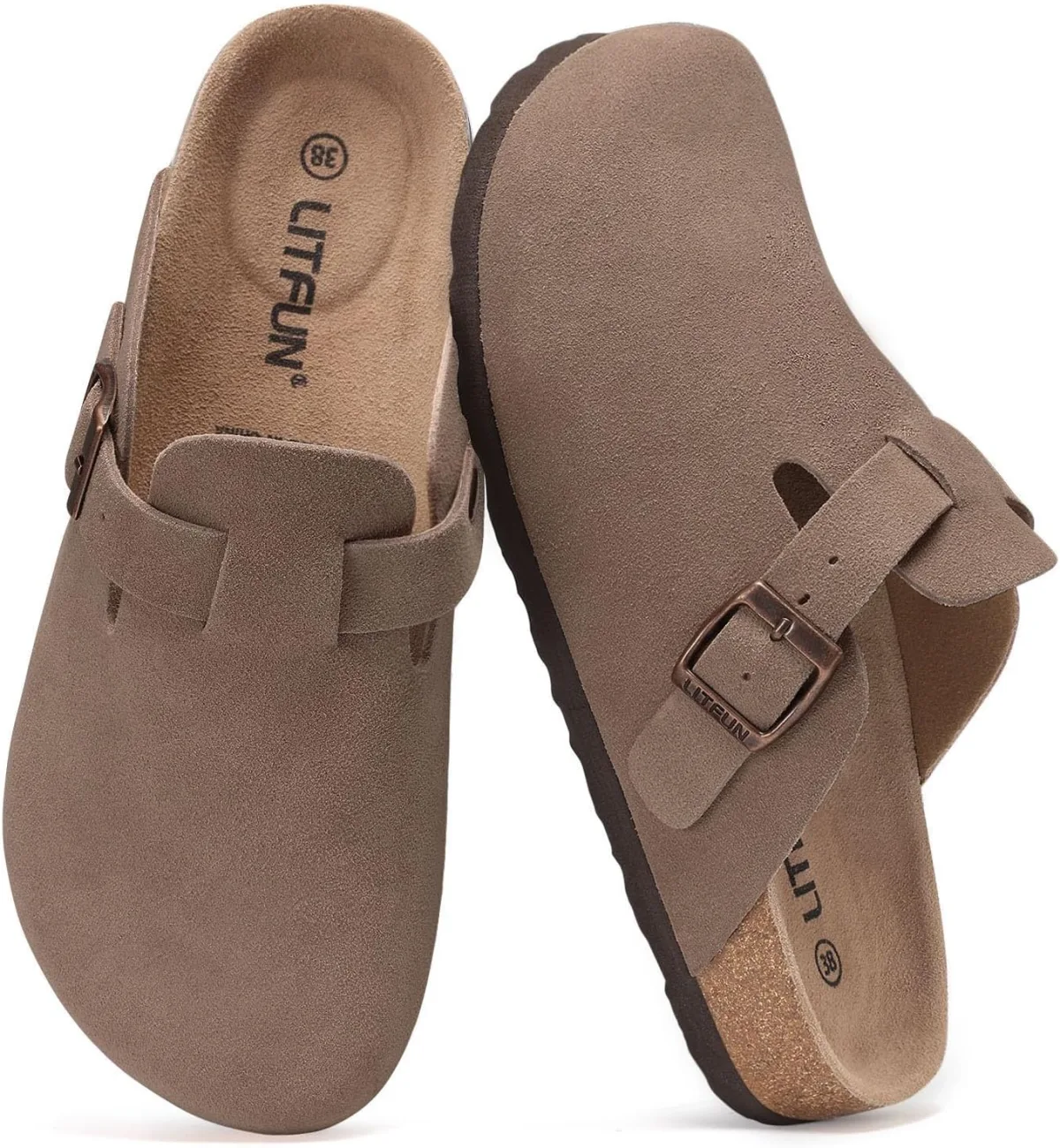
Litfun
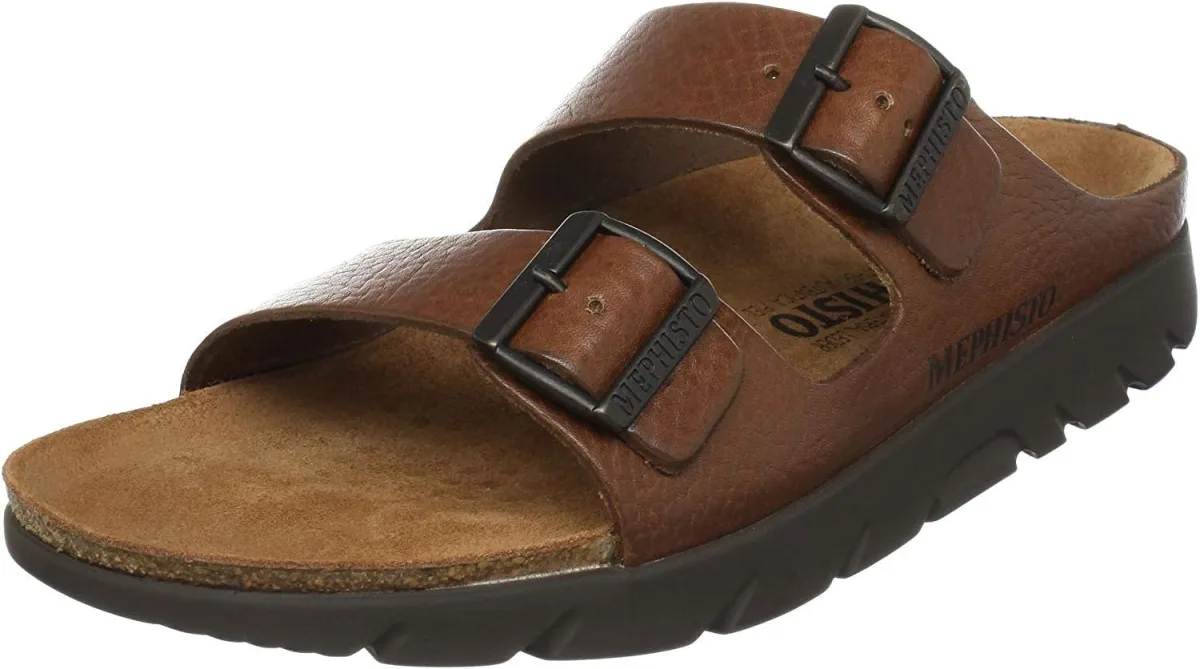
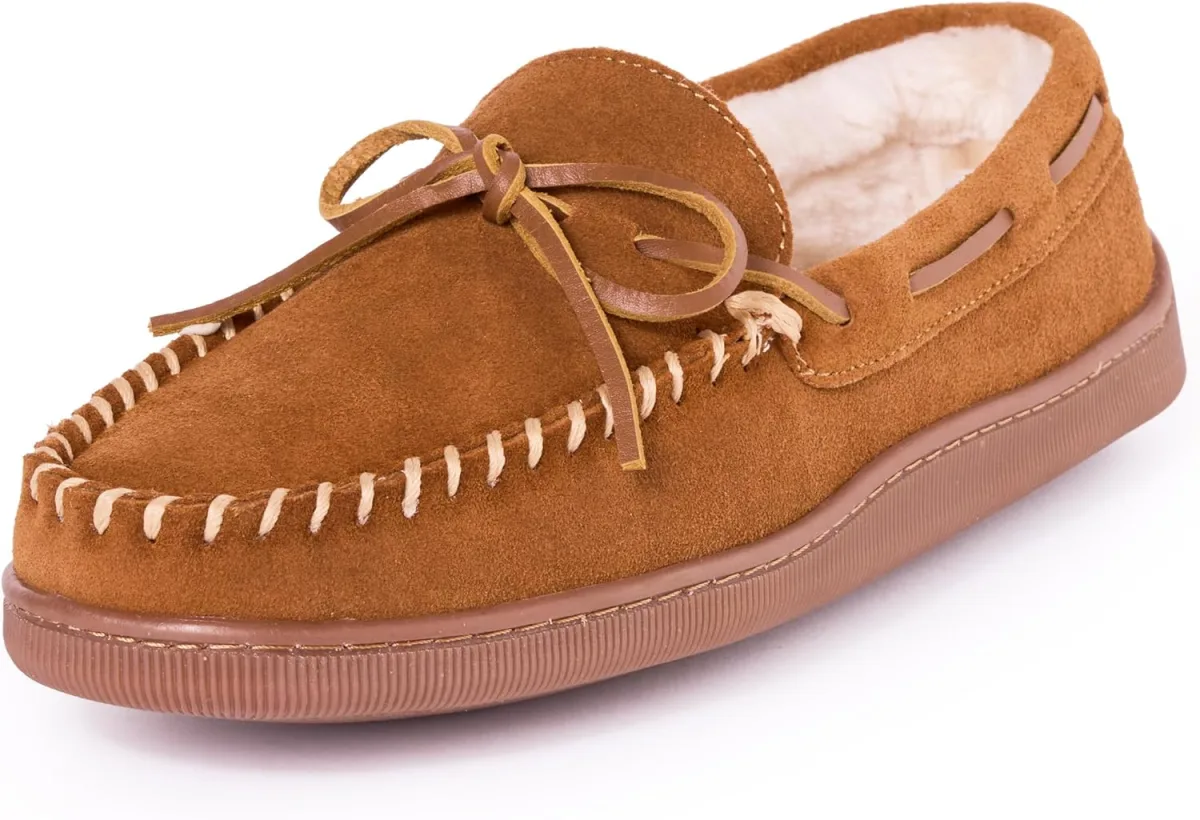
Minnetonka
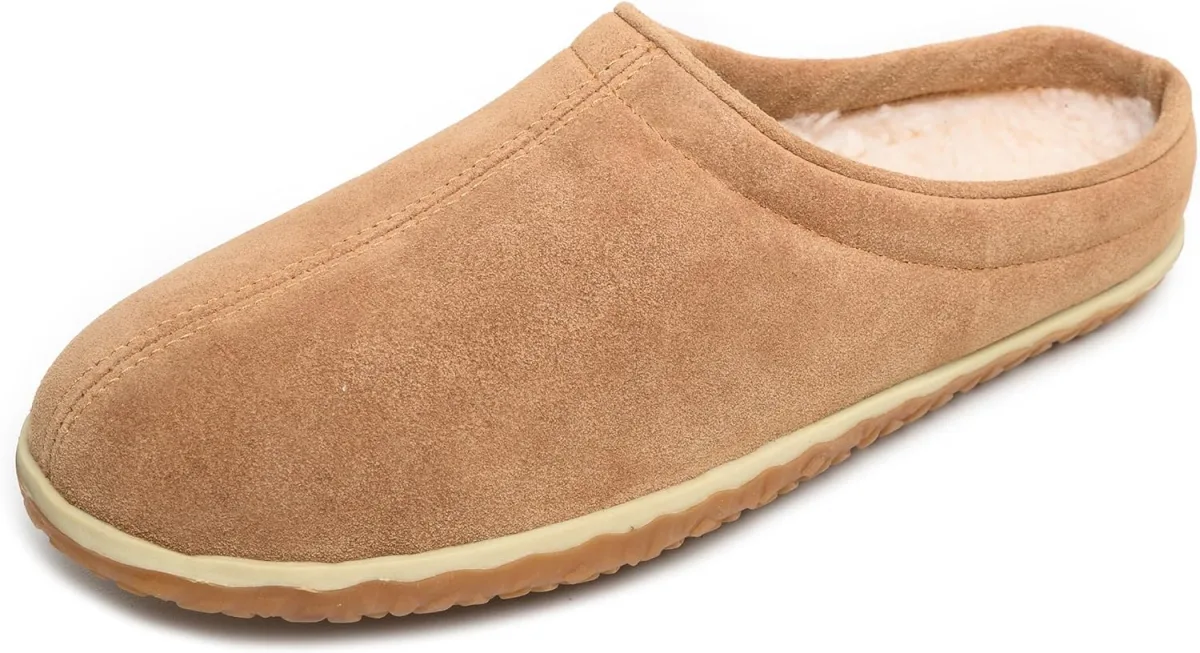
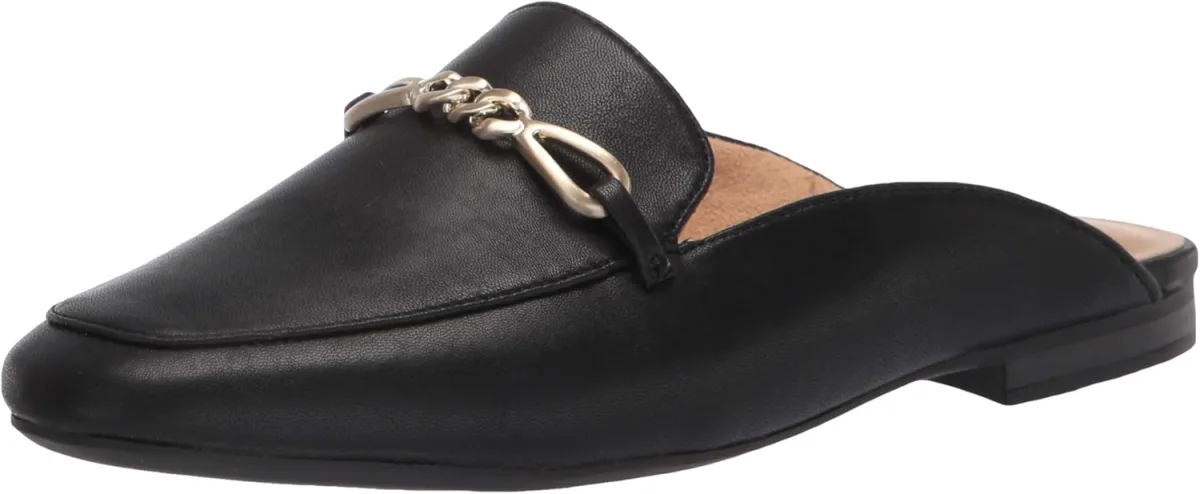
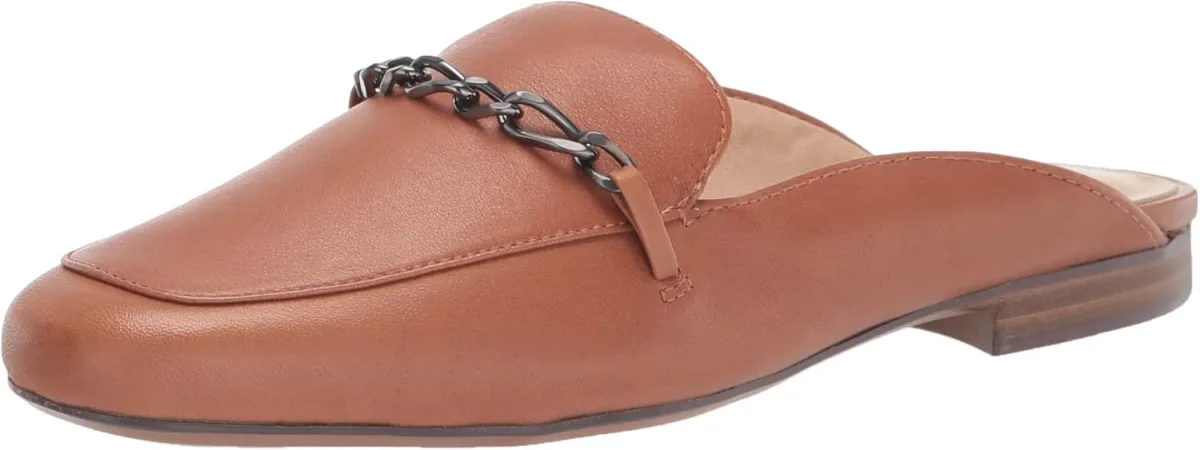
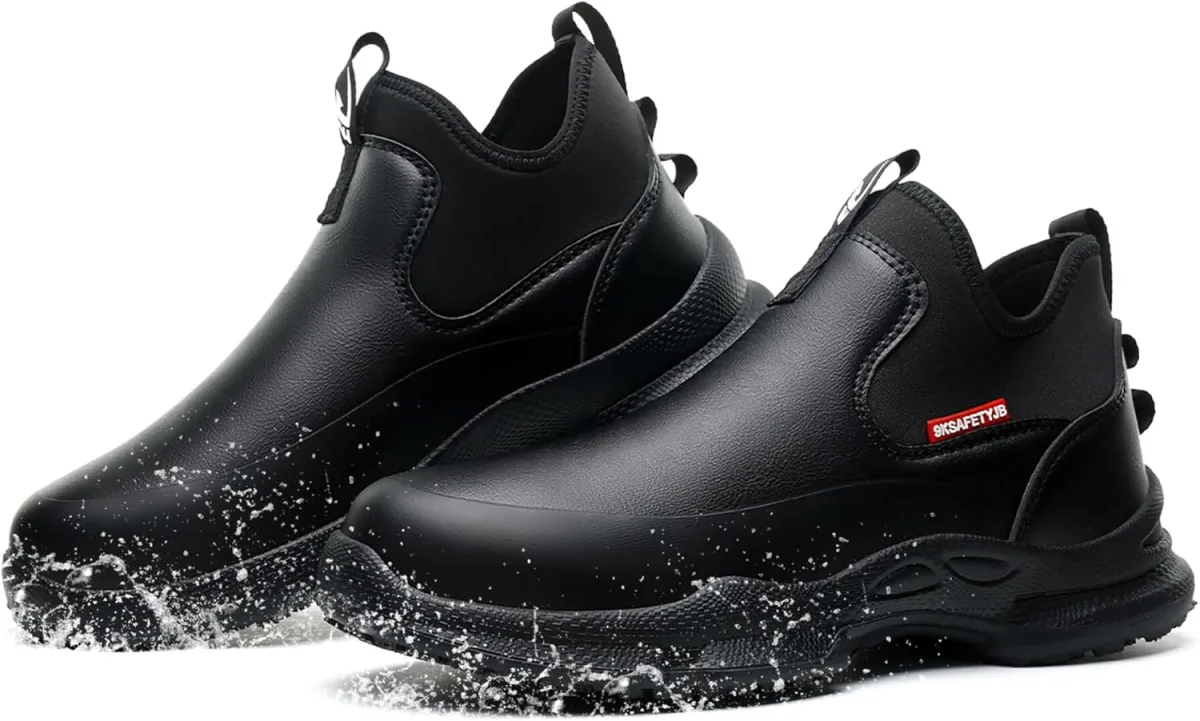
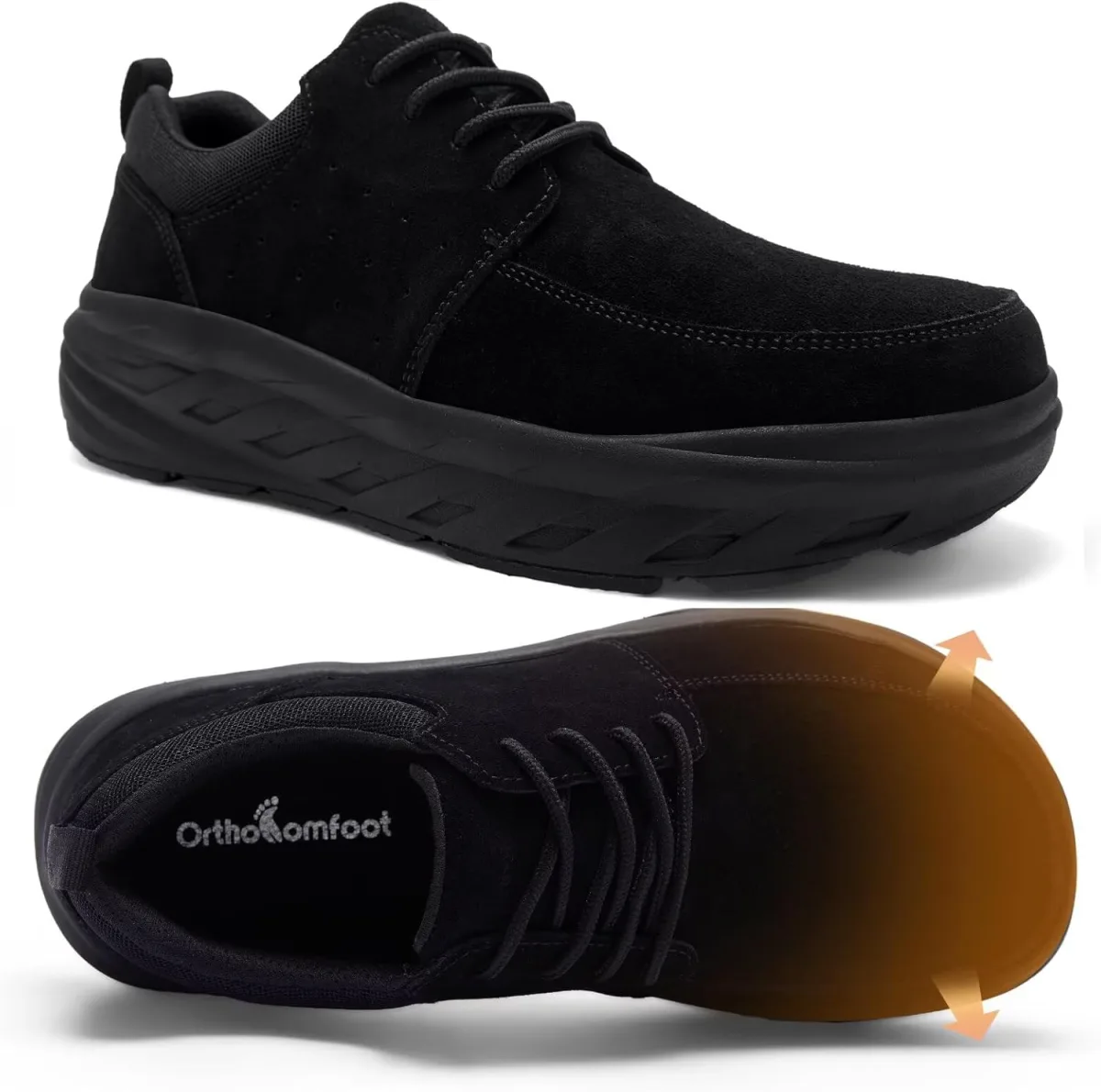
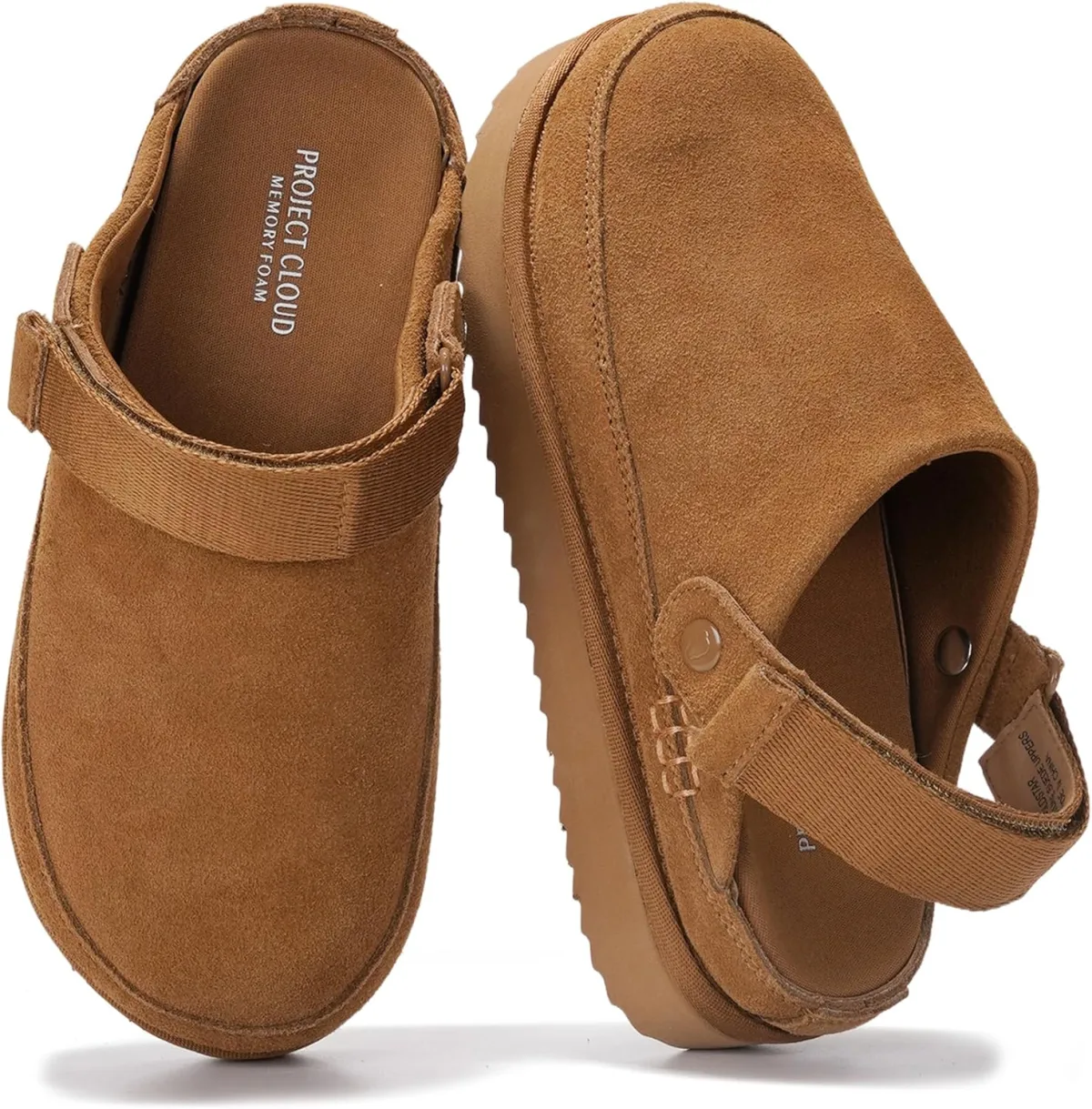
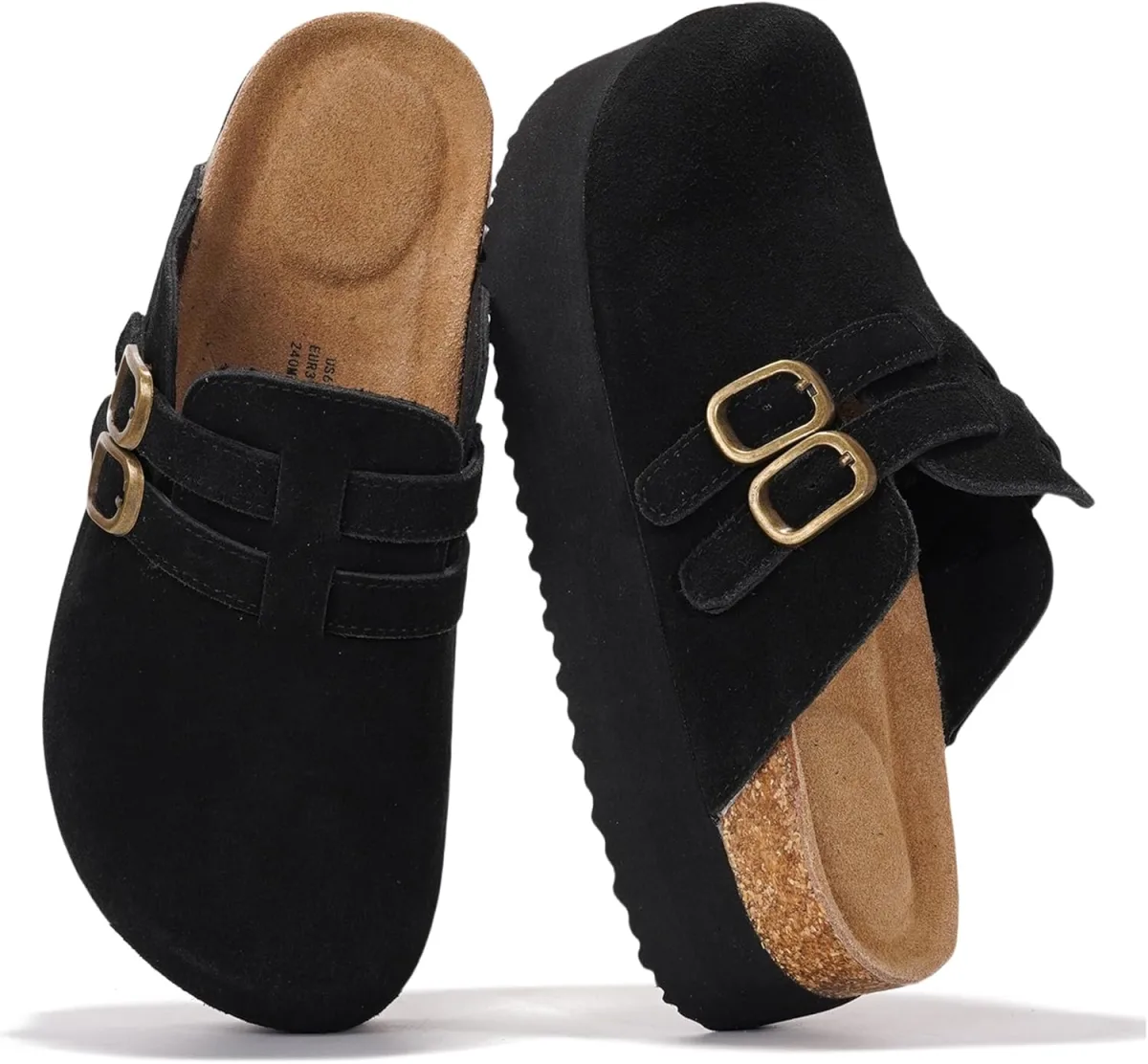
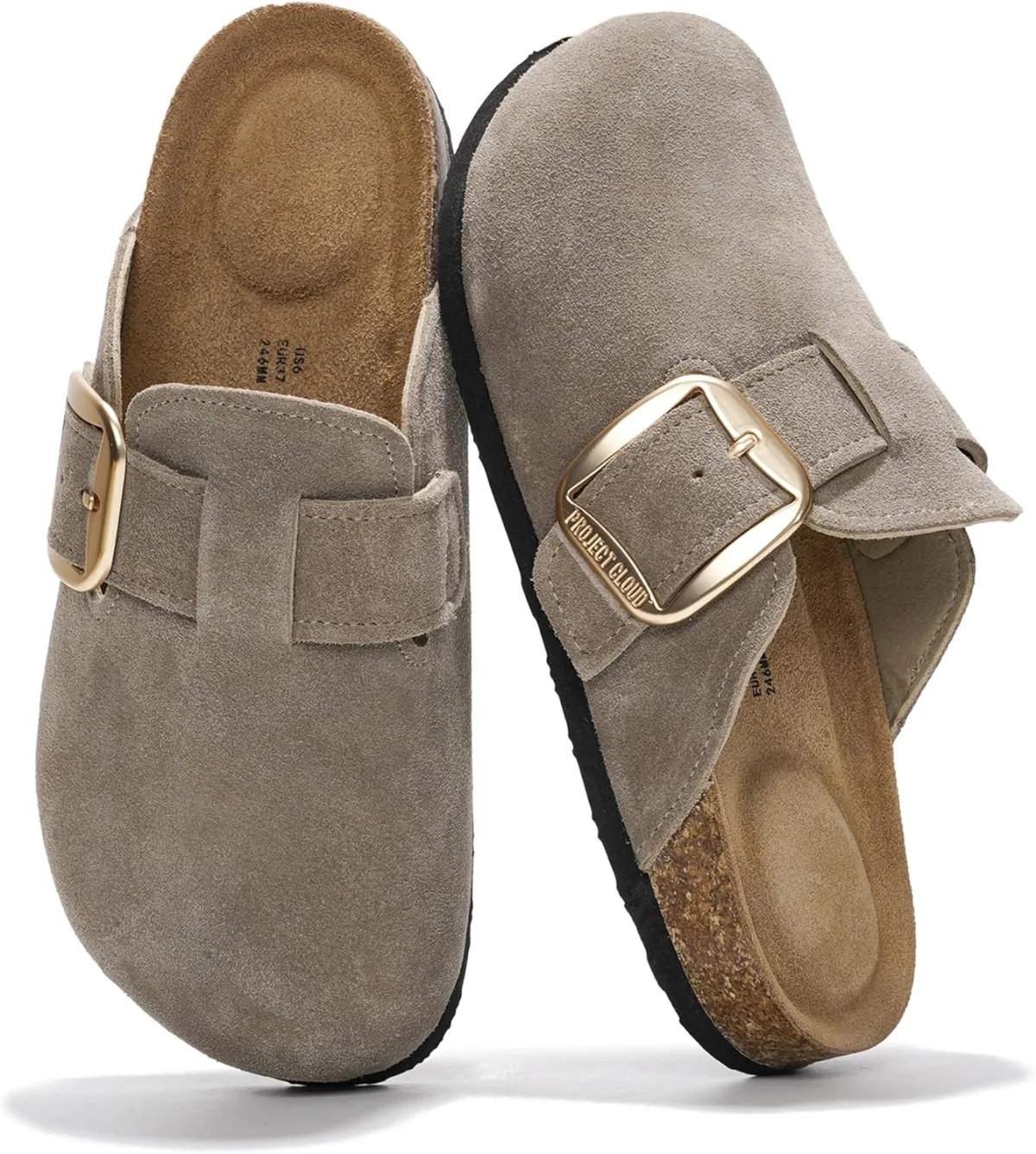
Project Cloud
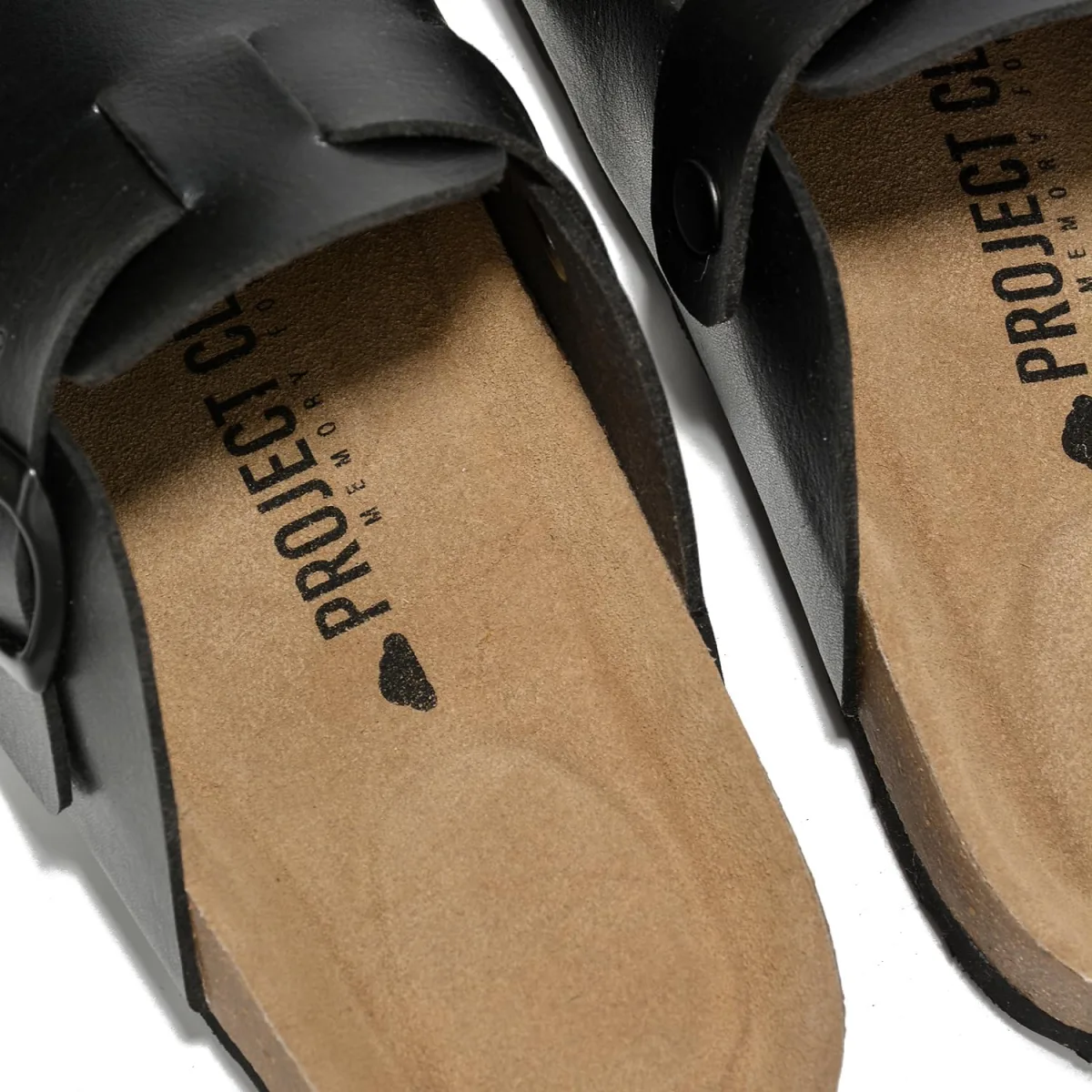
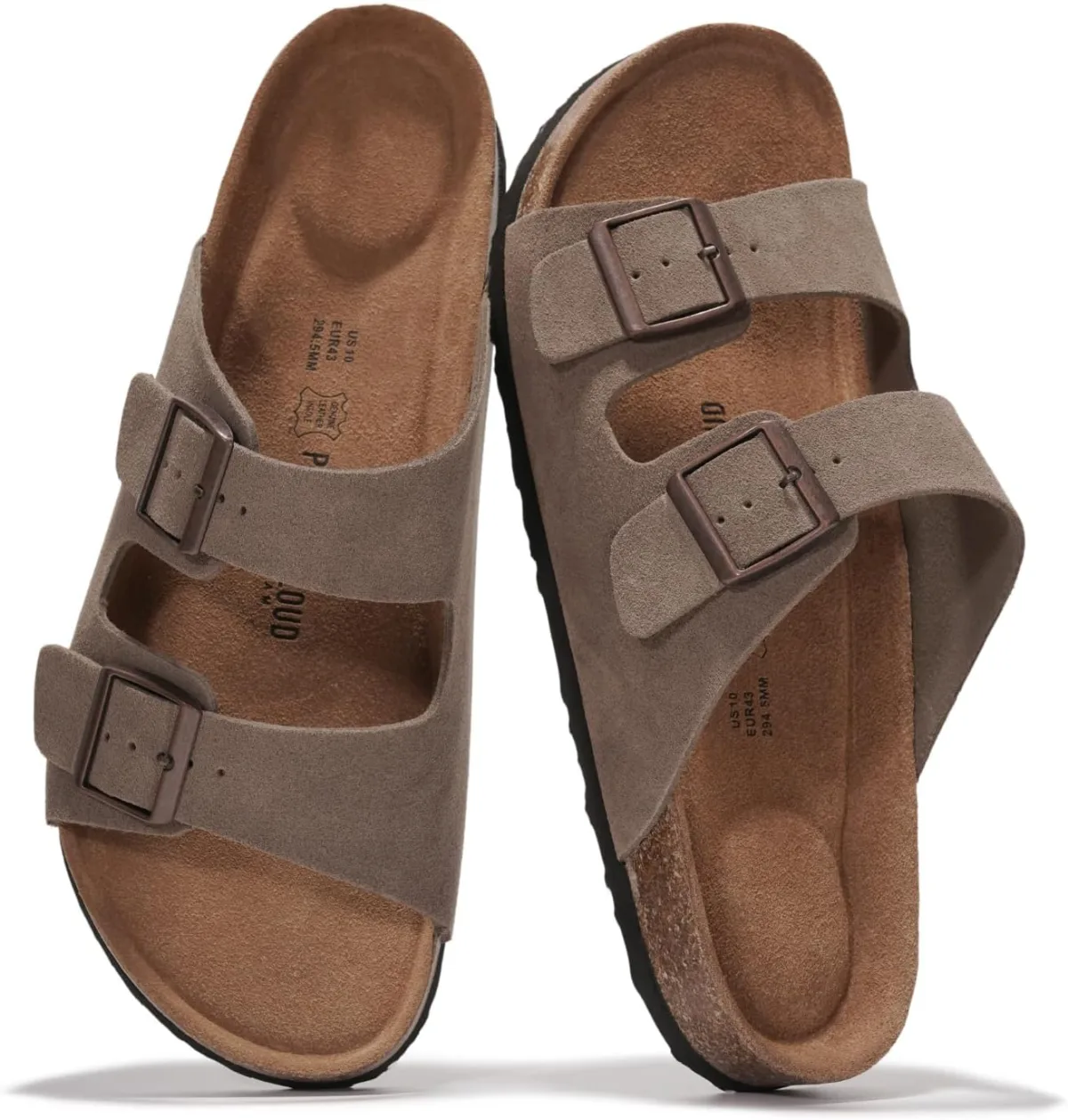
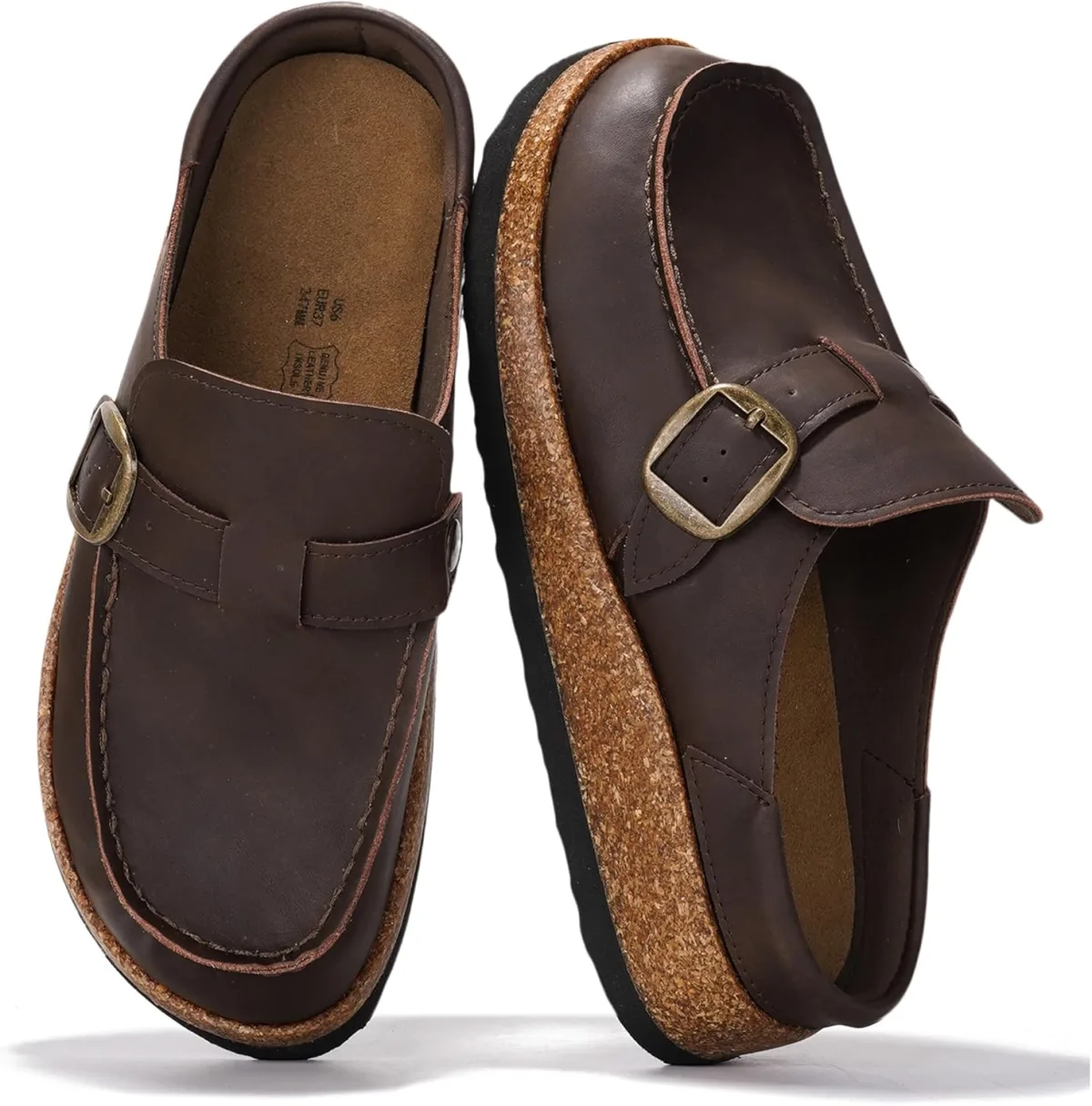
Project Cloud
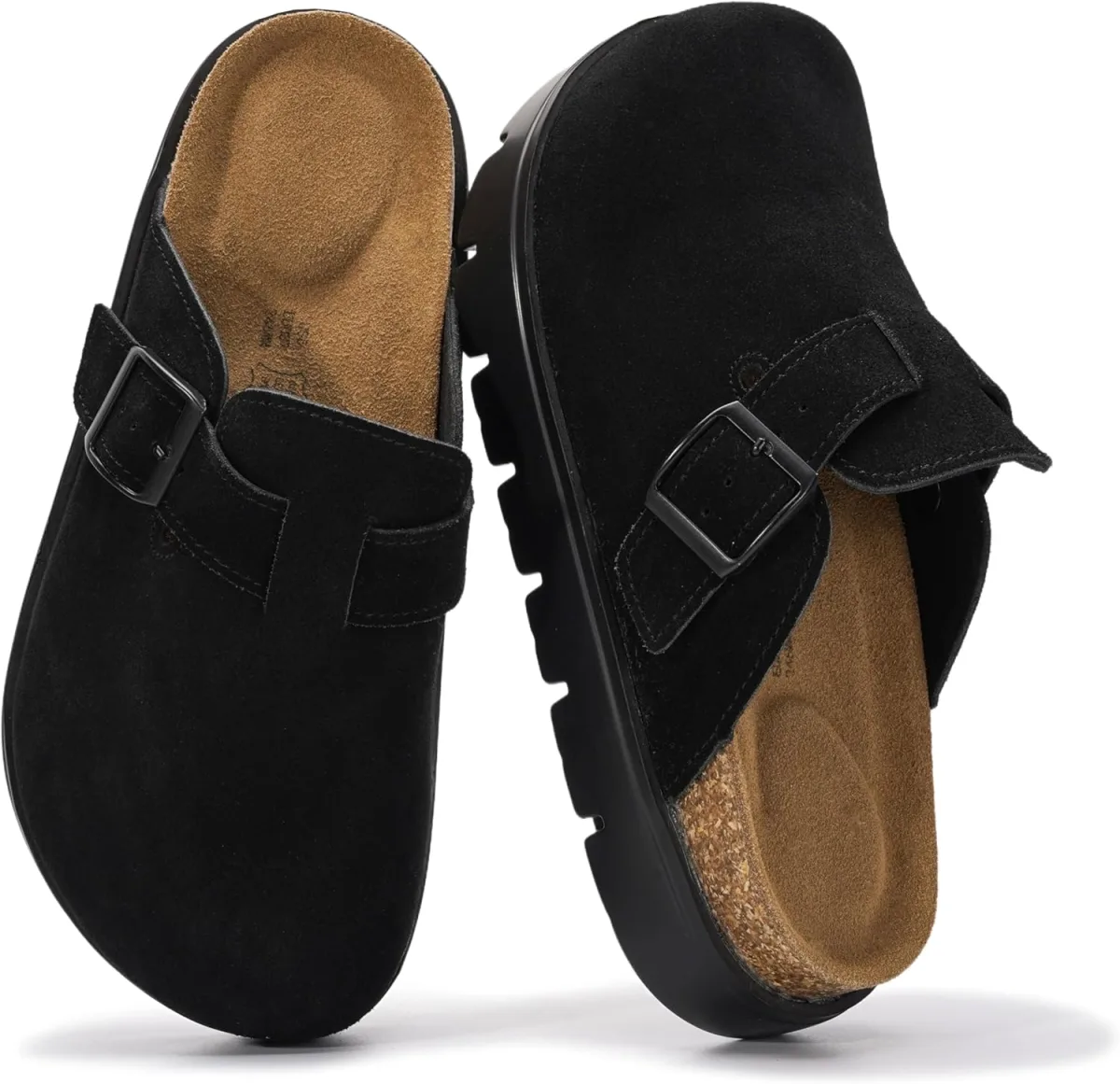
Project Cloud
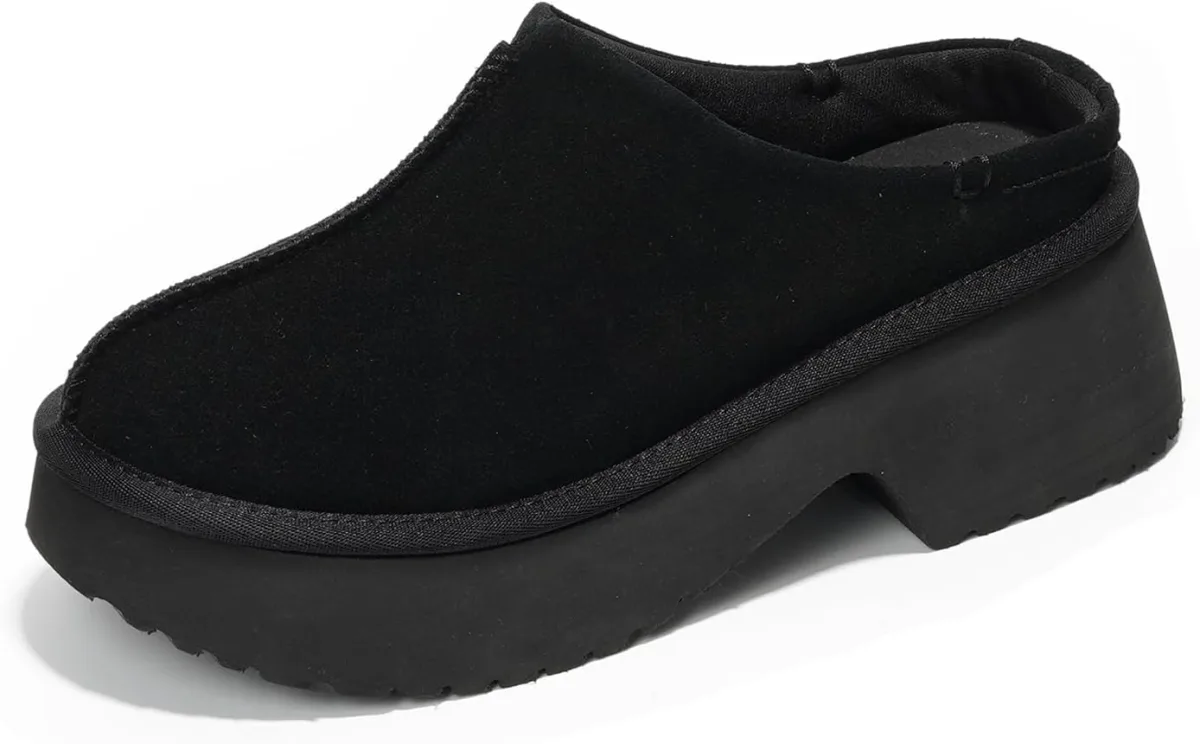
Project Cloud
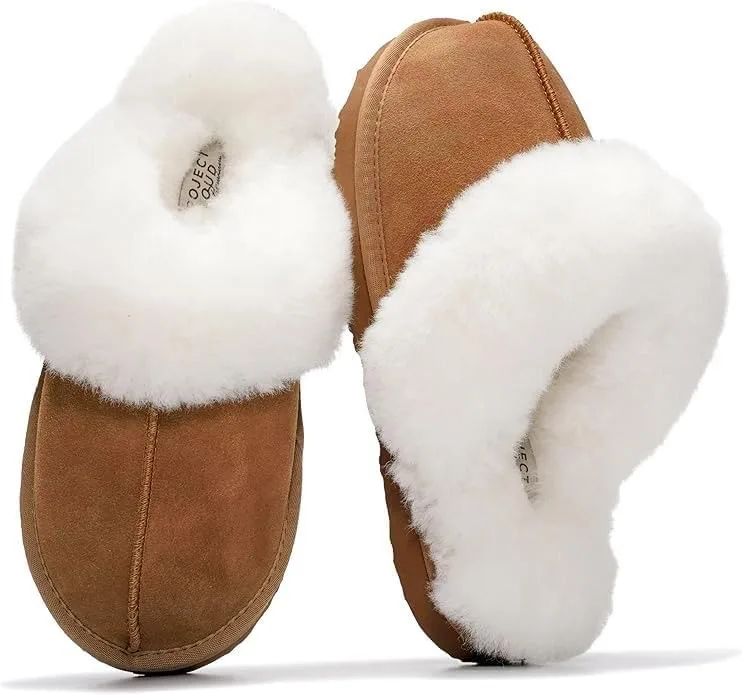
Project Cloud
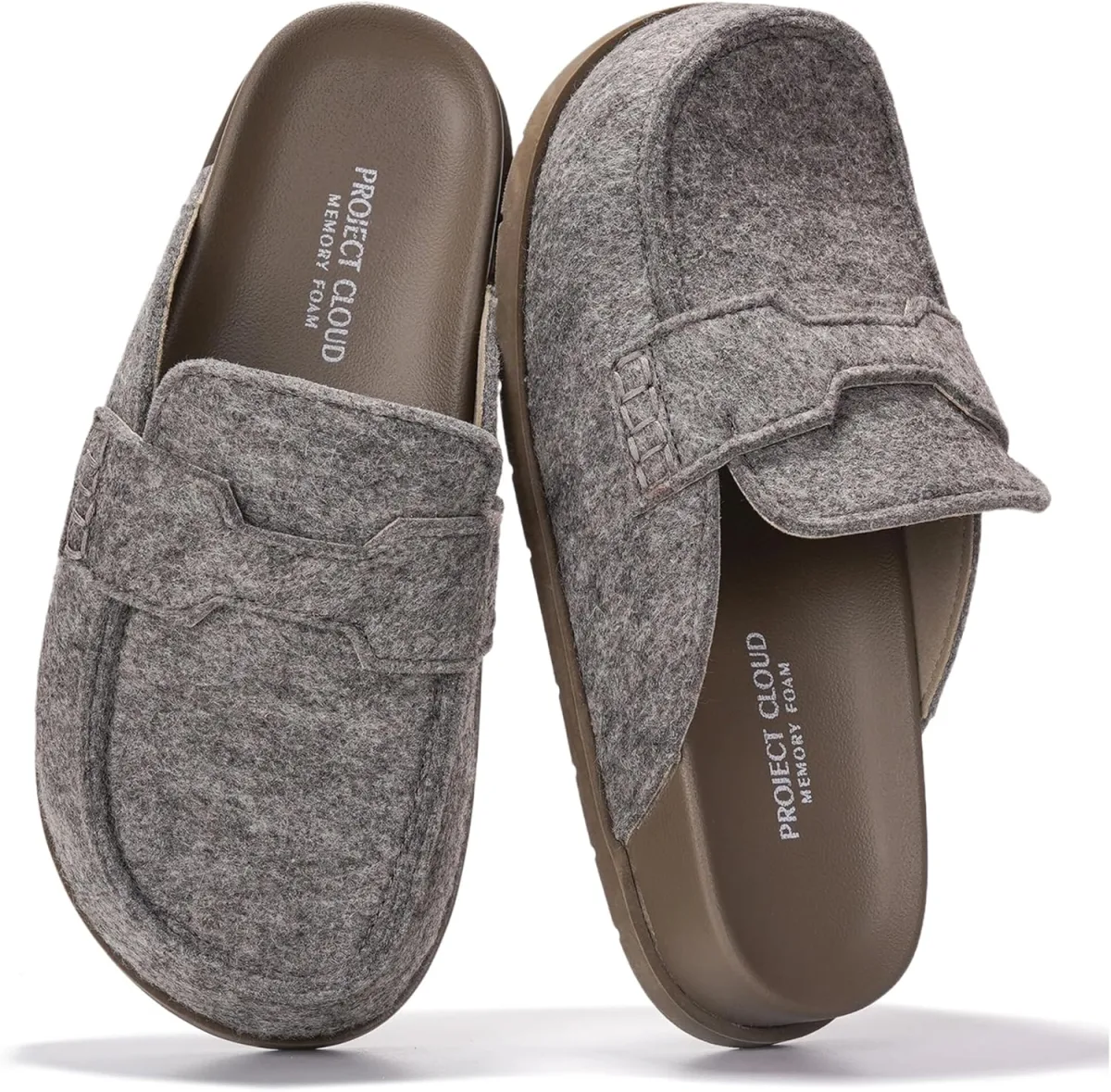
Project Cloud
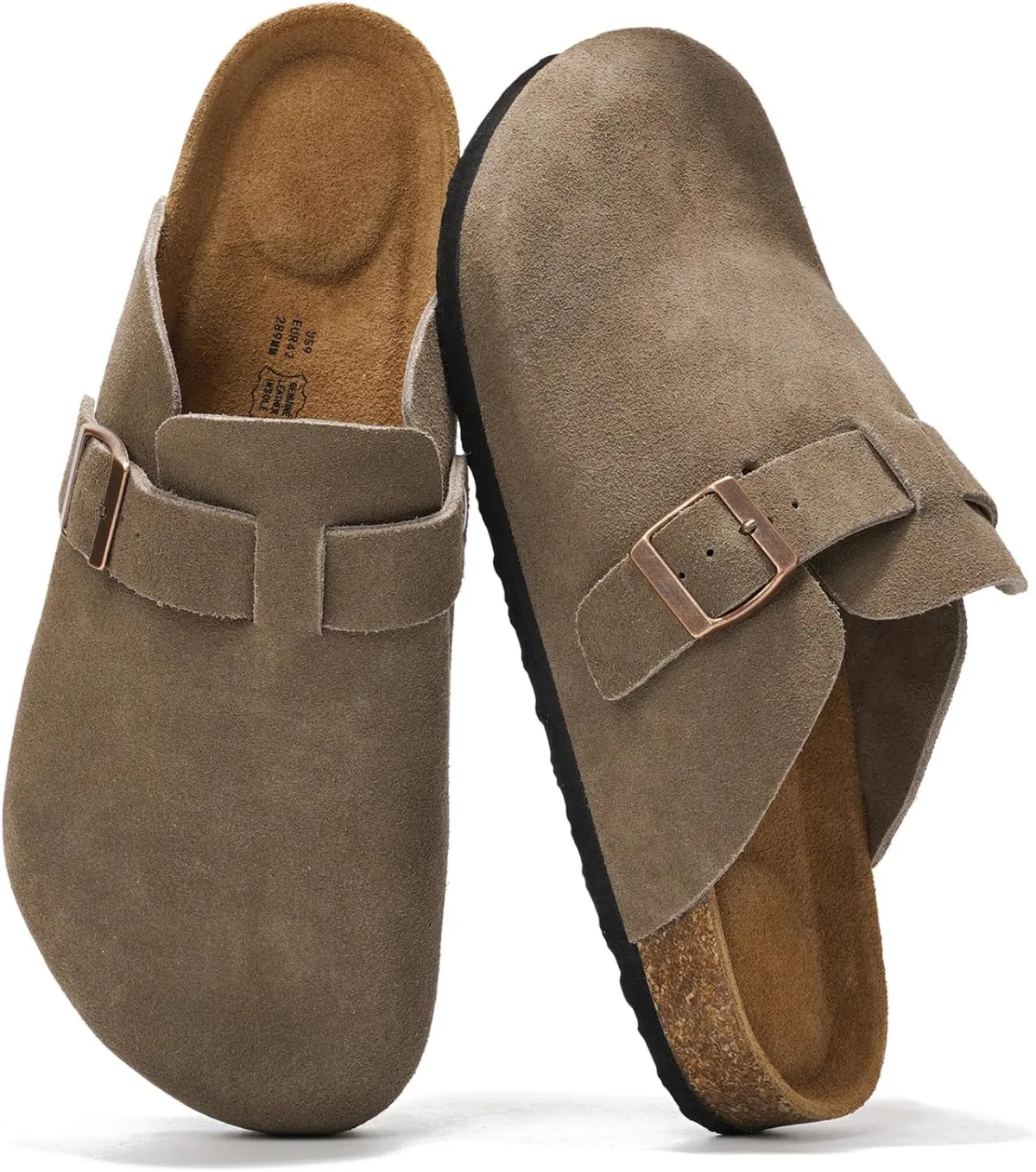
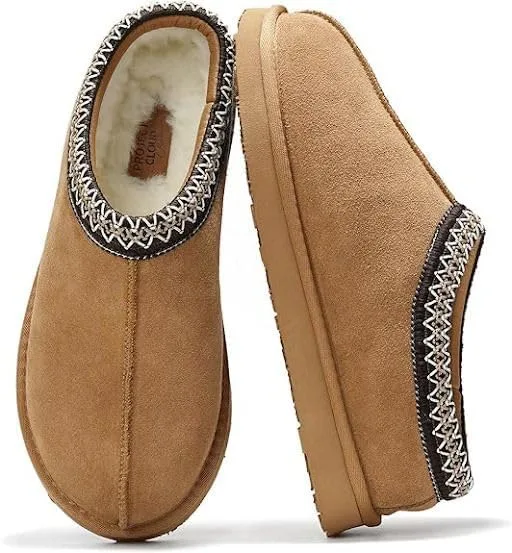
Project Cloud
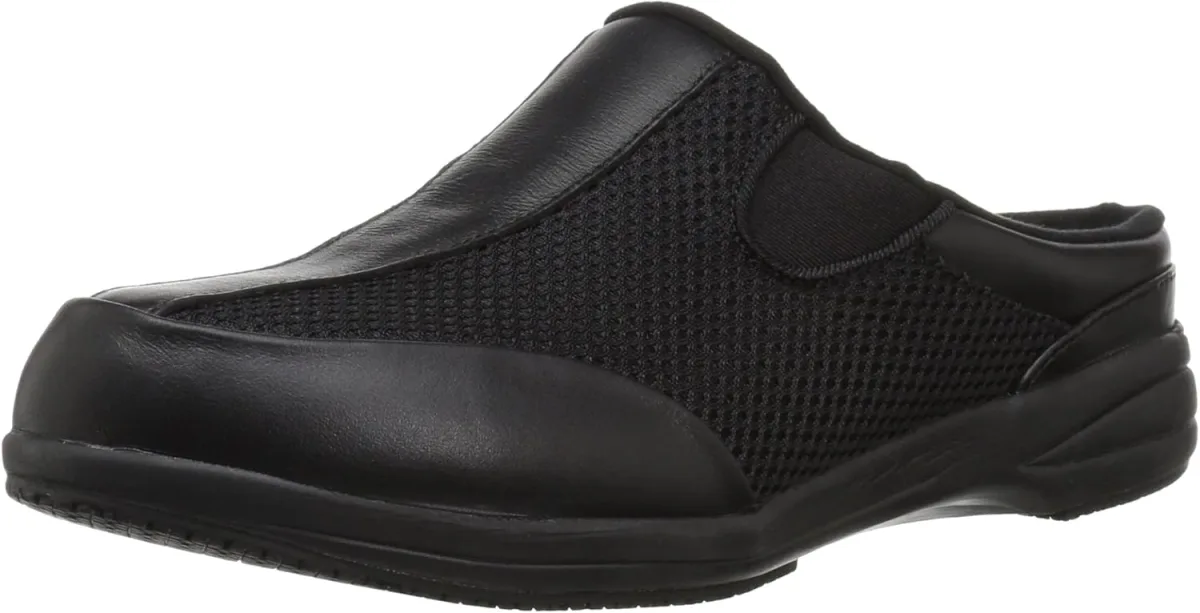
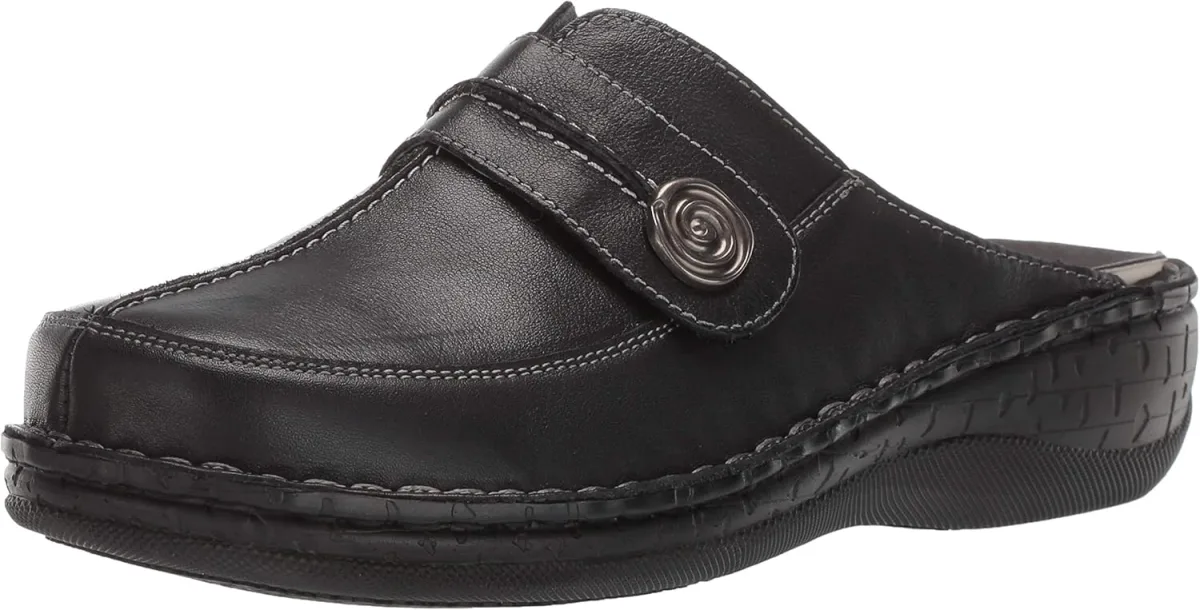
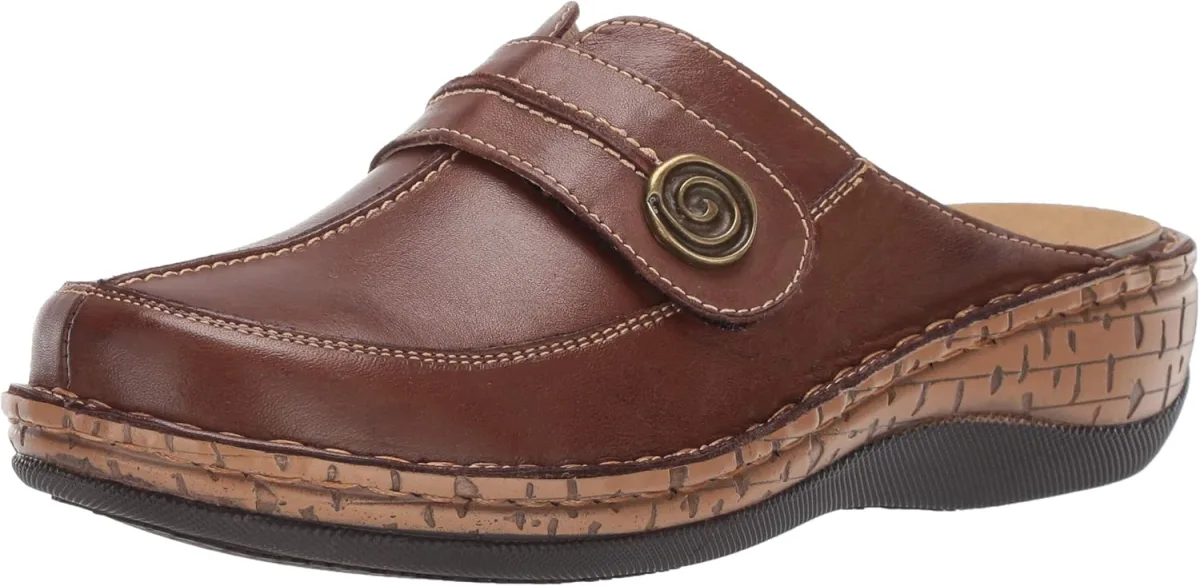
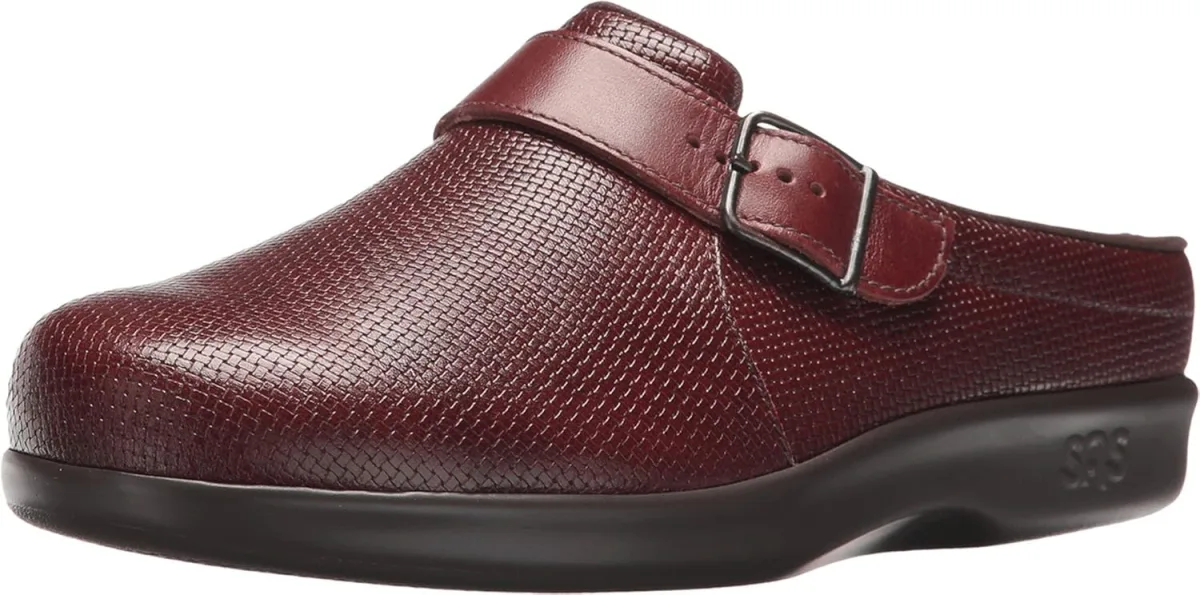
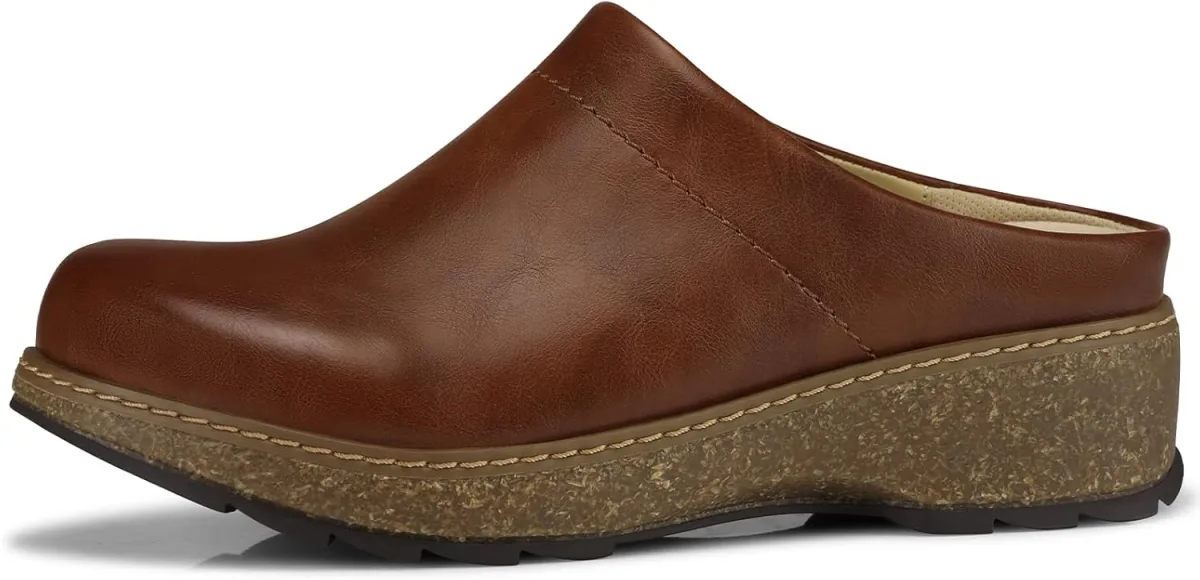
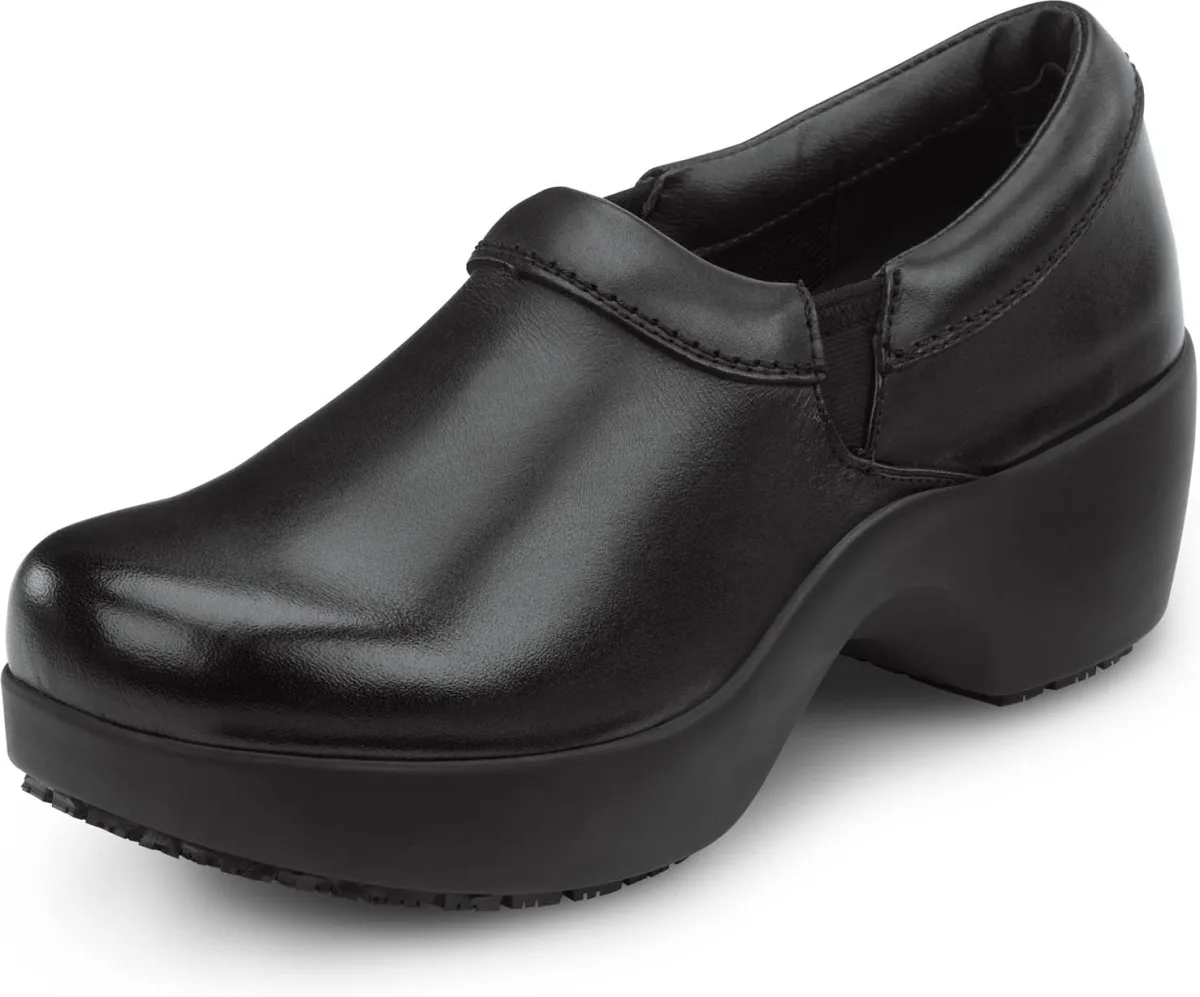
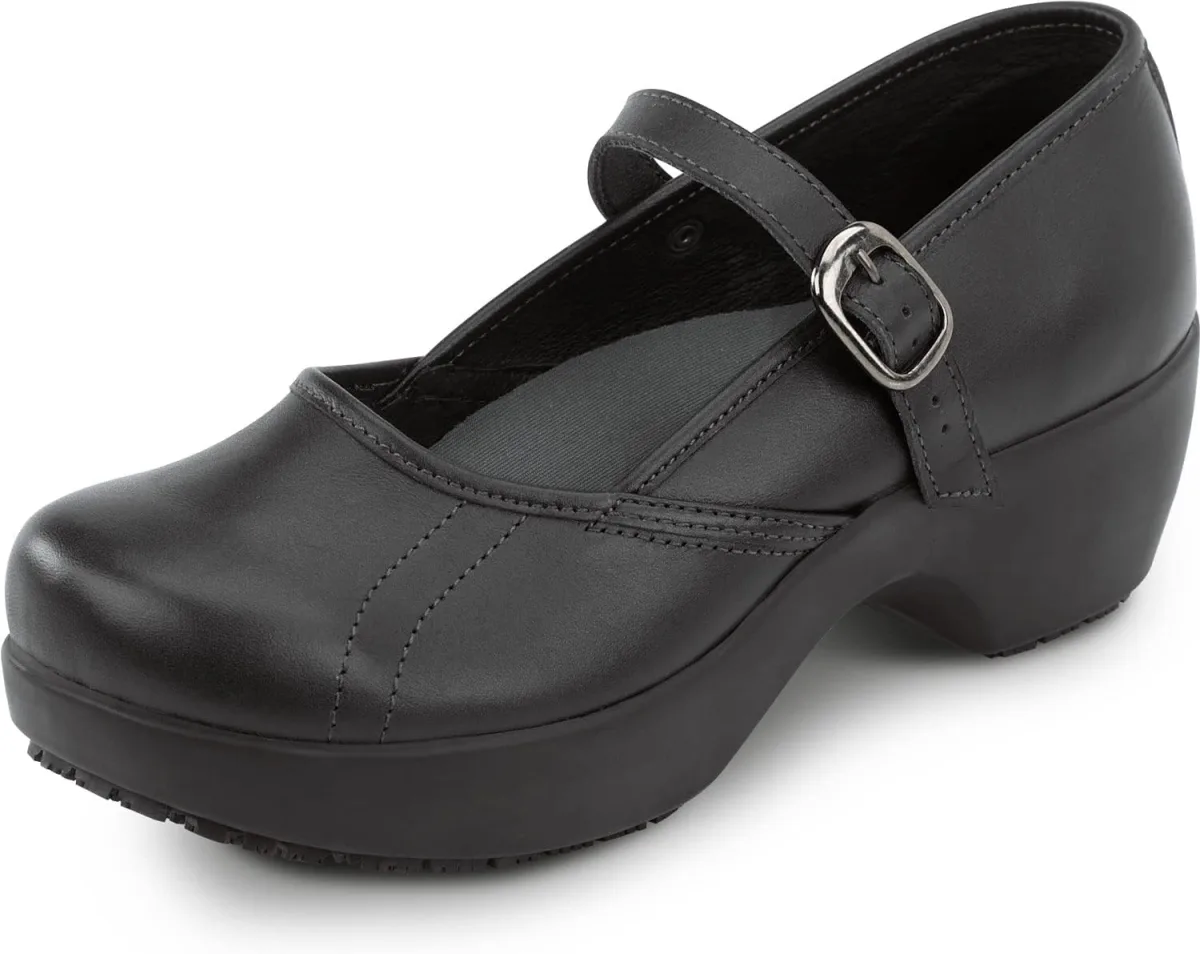
SR
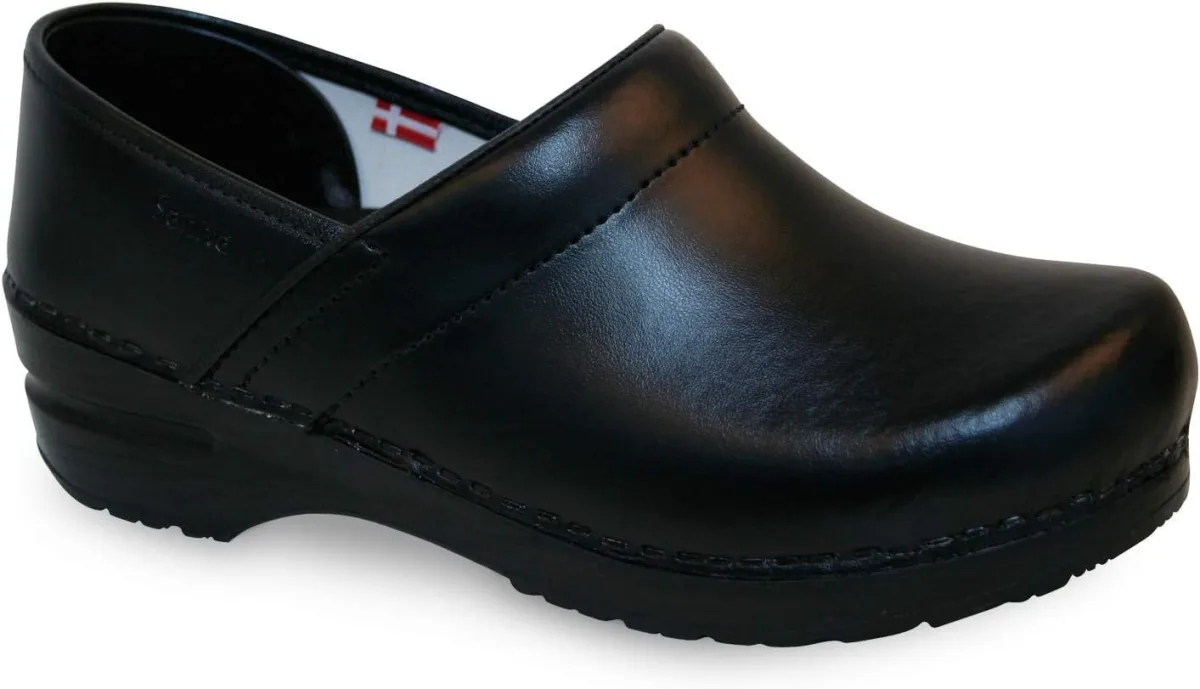
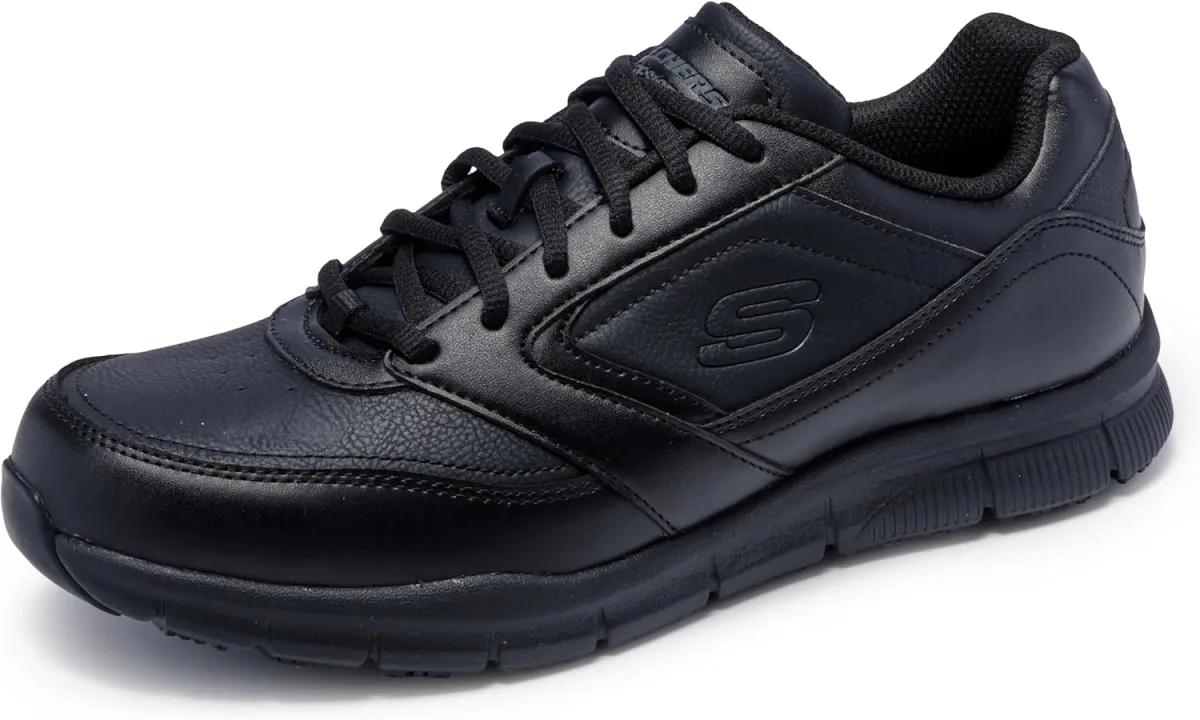
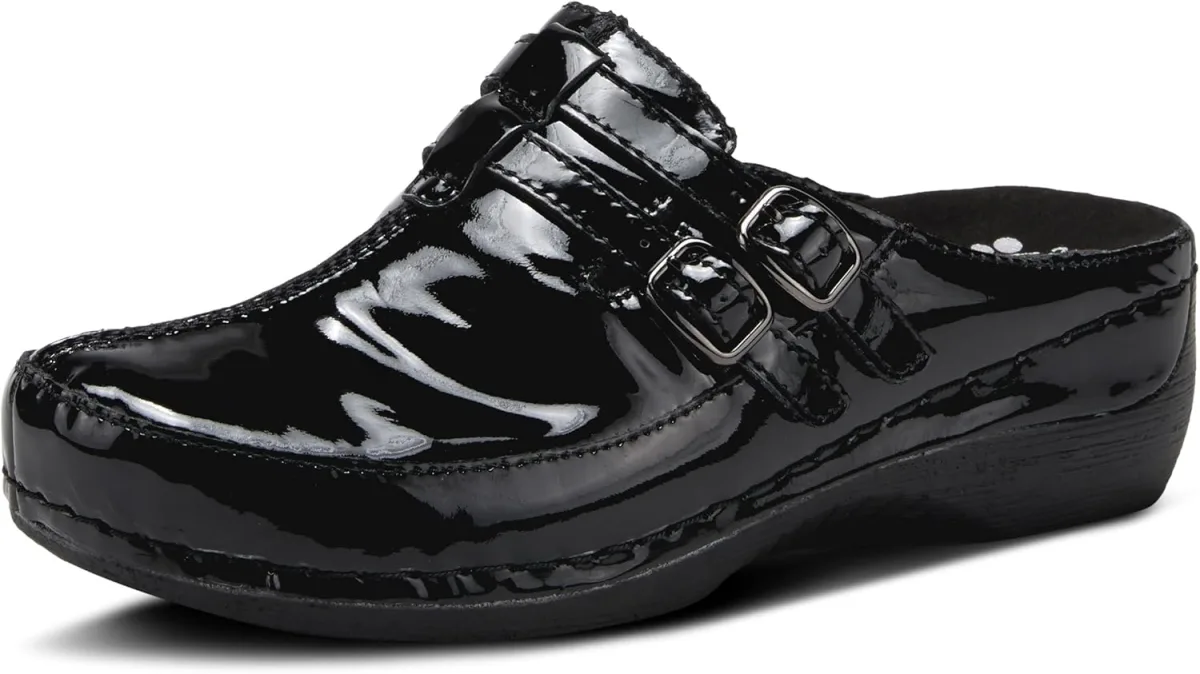
Spring Step
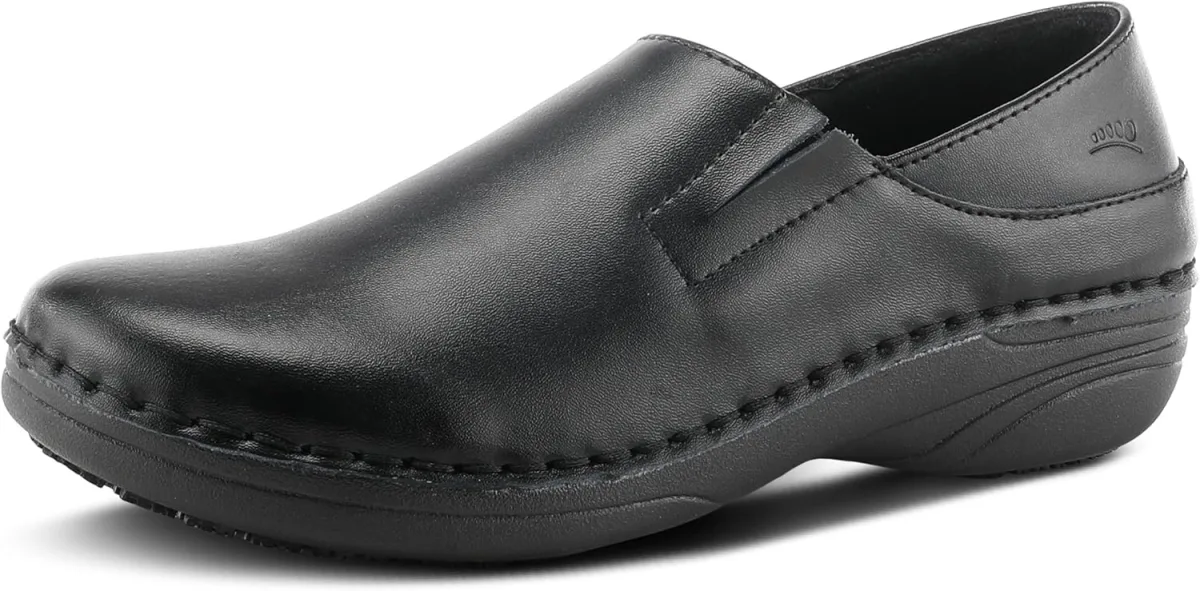
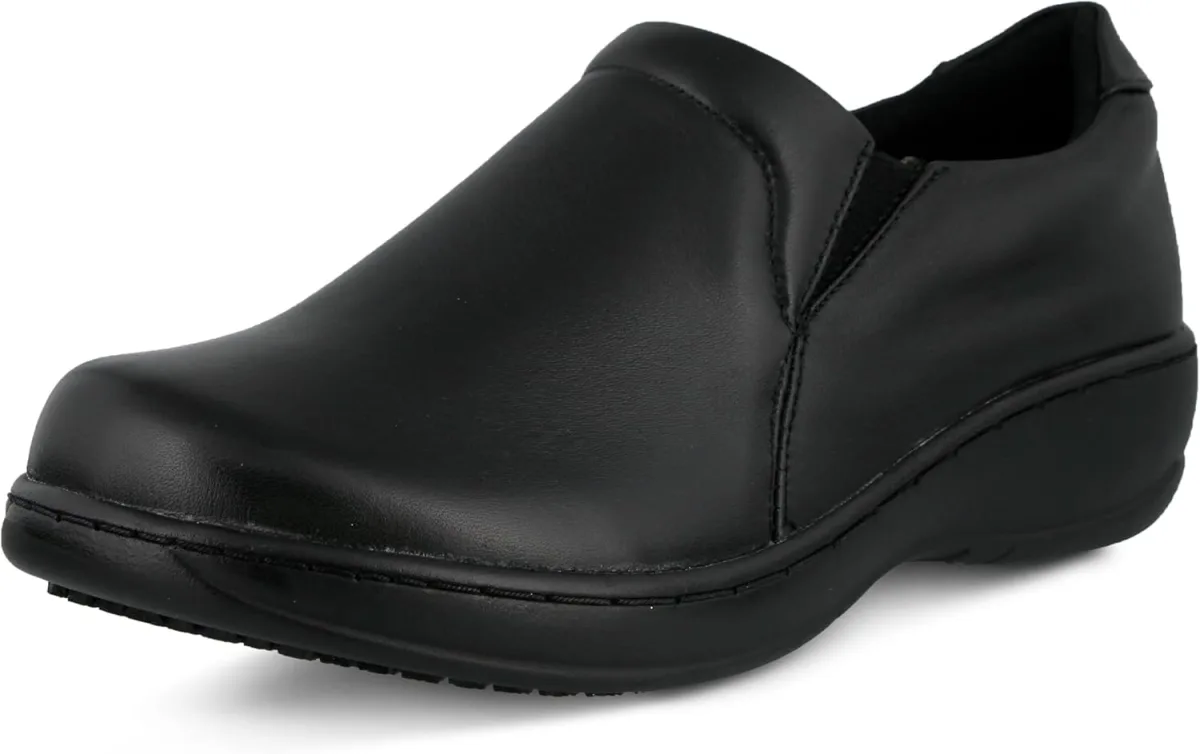
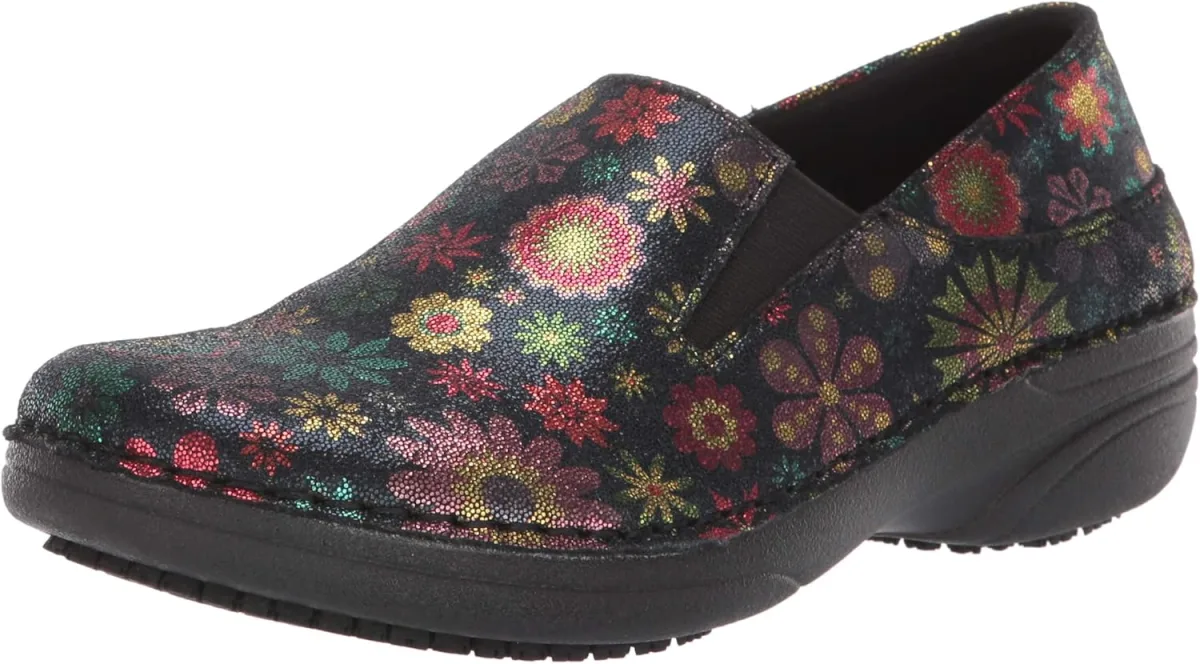
Spring Step
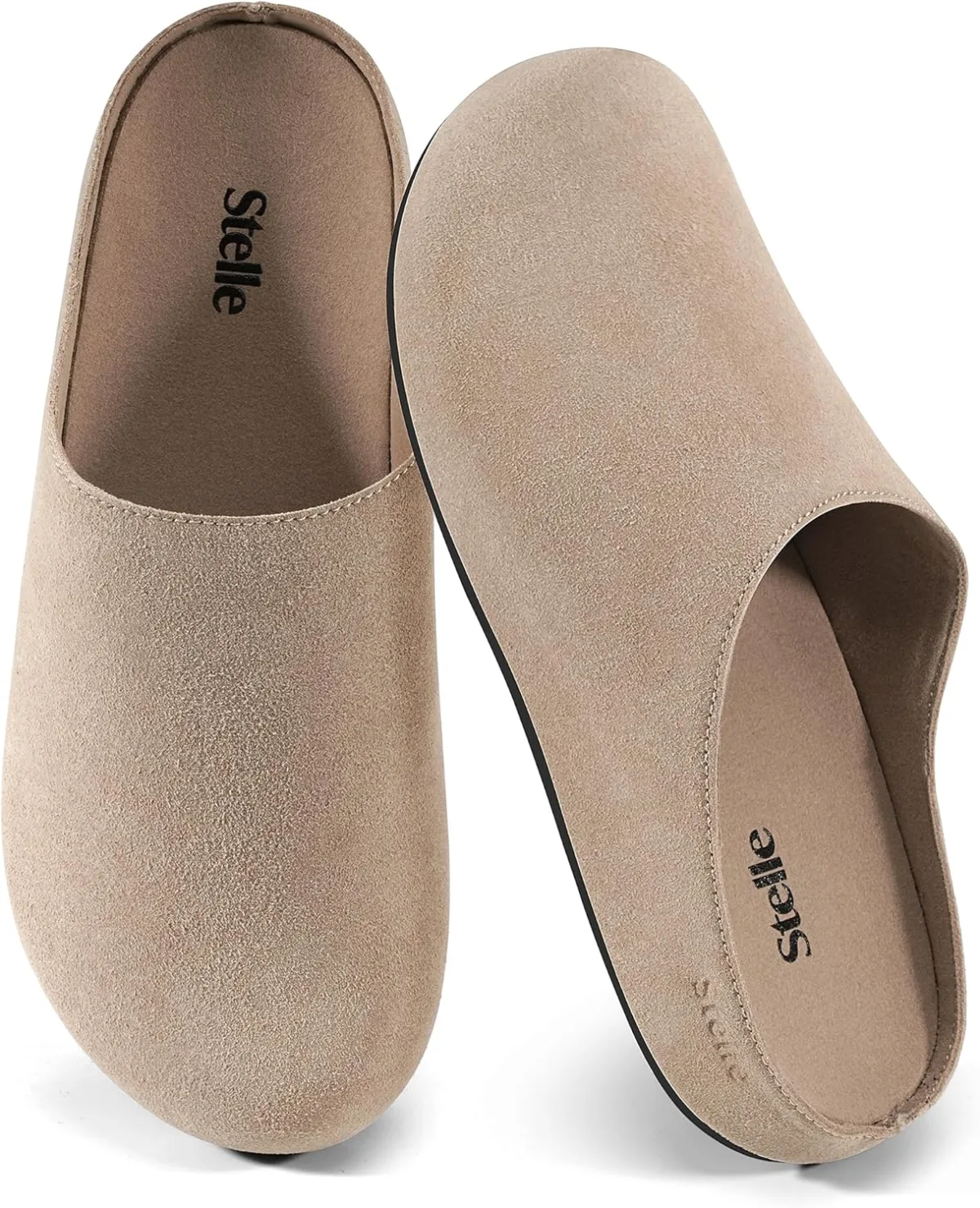
Stelle
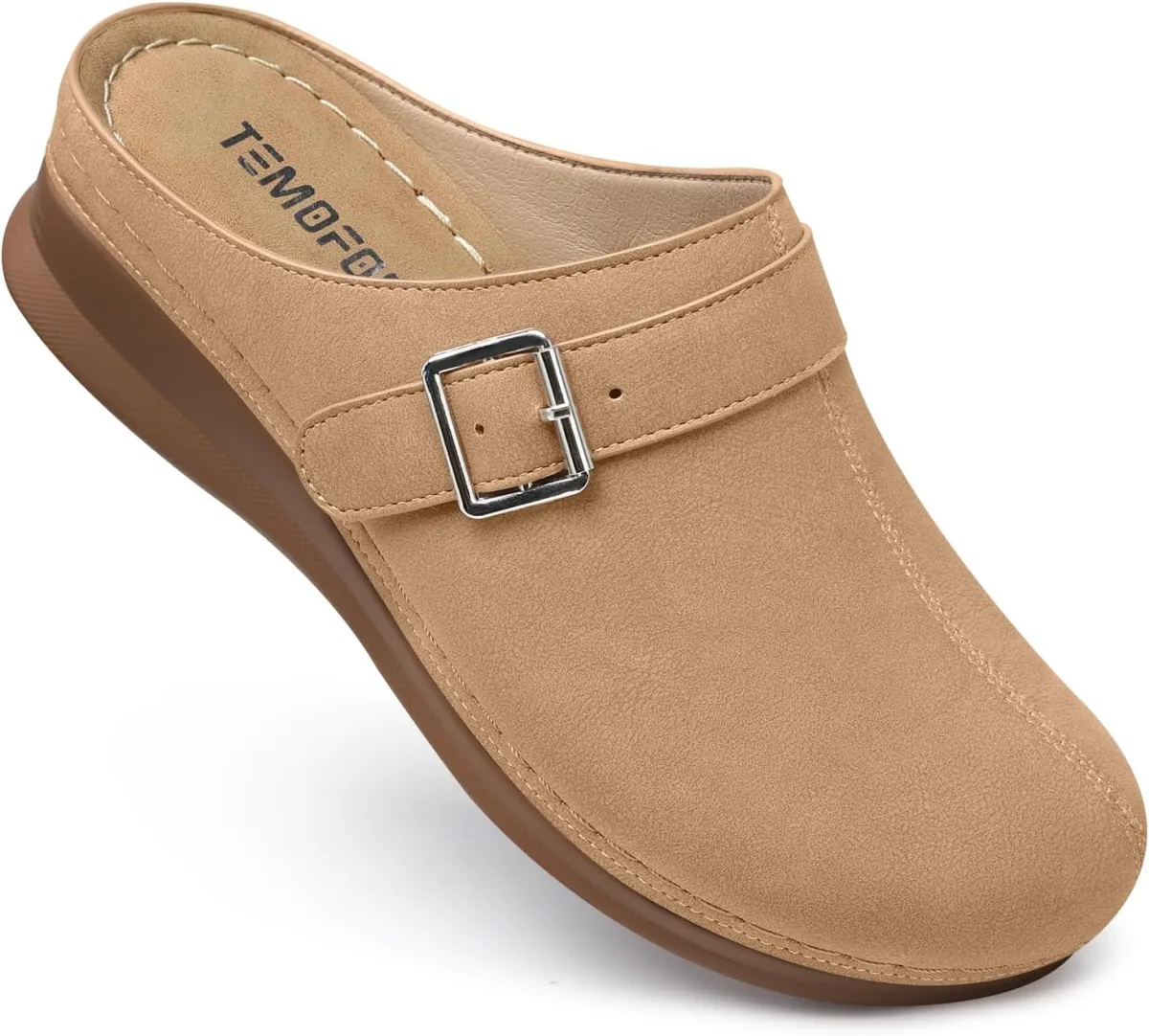
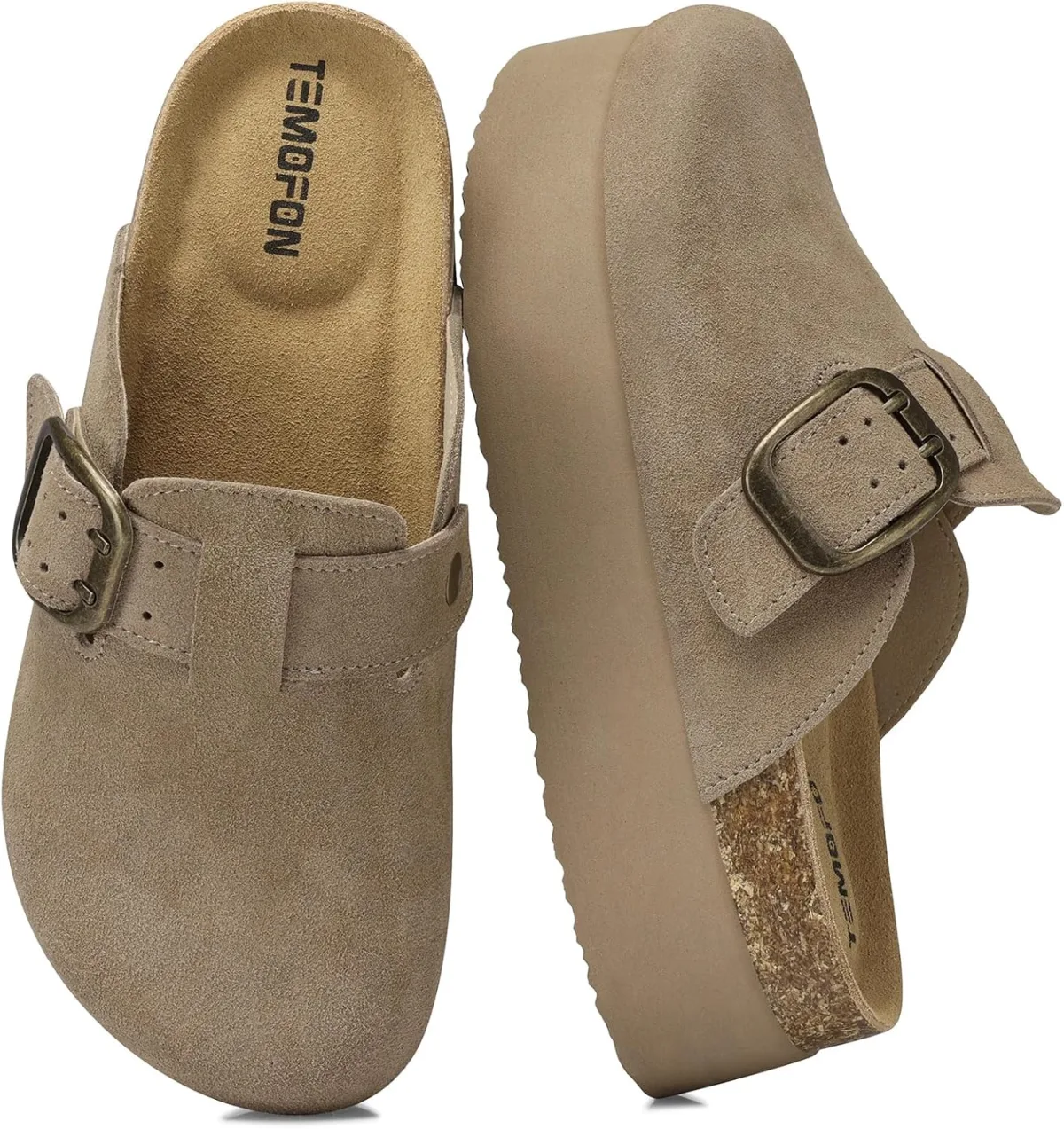

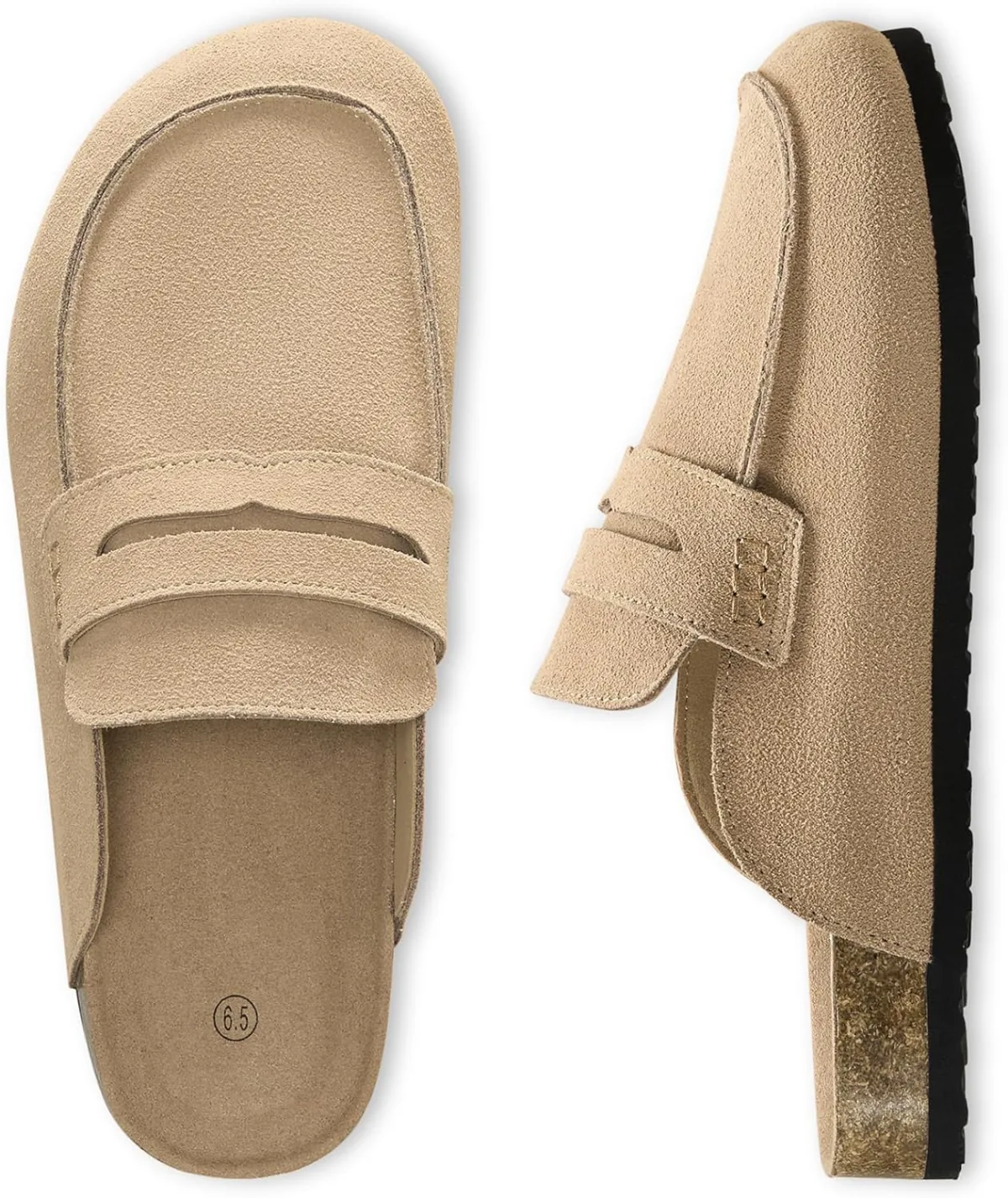
Unbranded
Unbranded
Unbranded
Unbranded
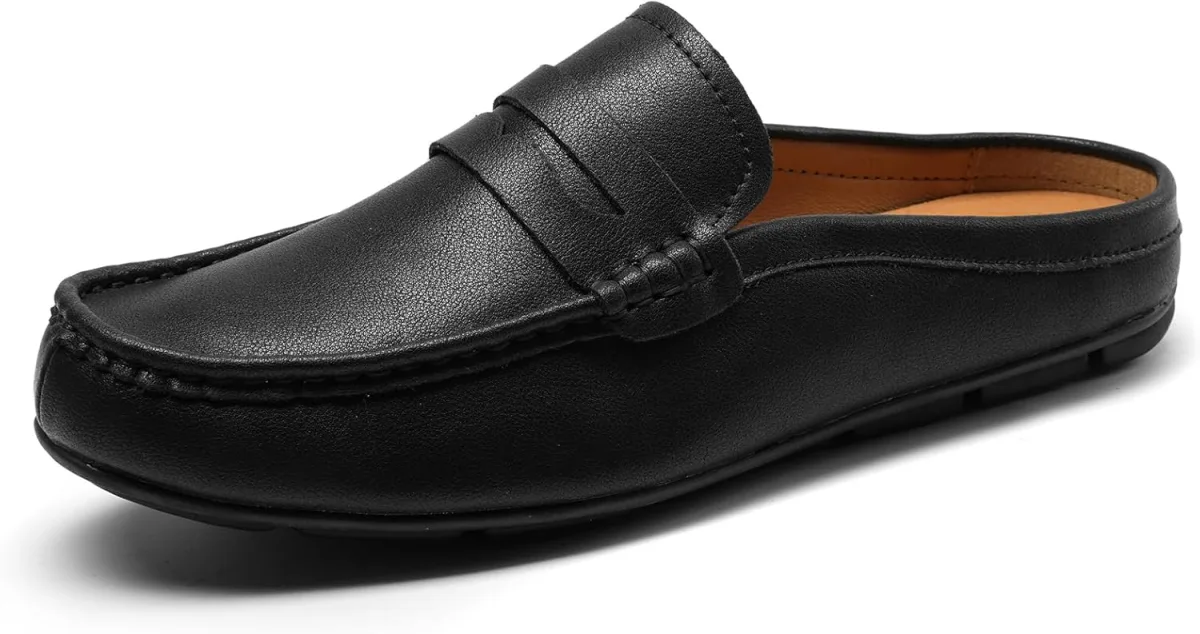
Unbranded
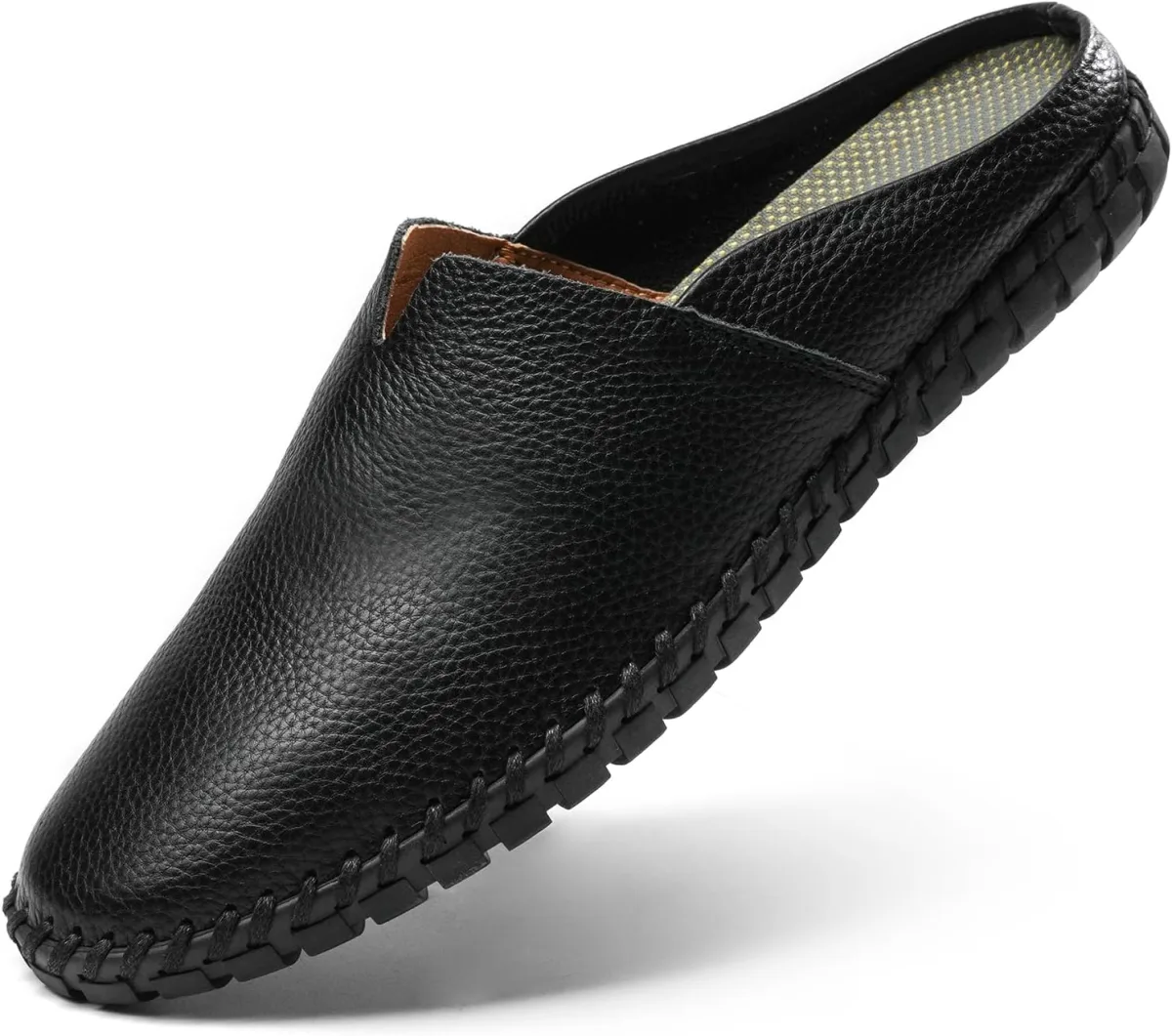
Unbranded
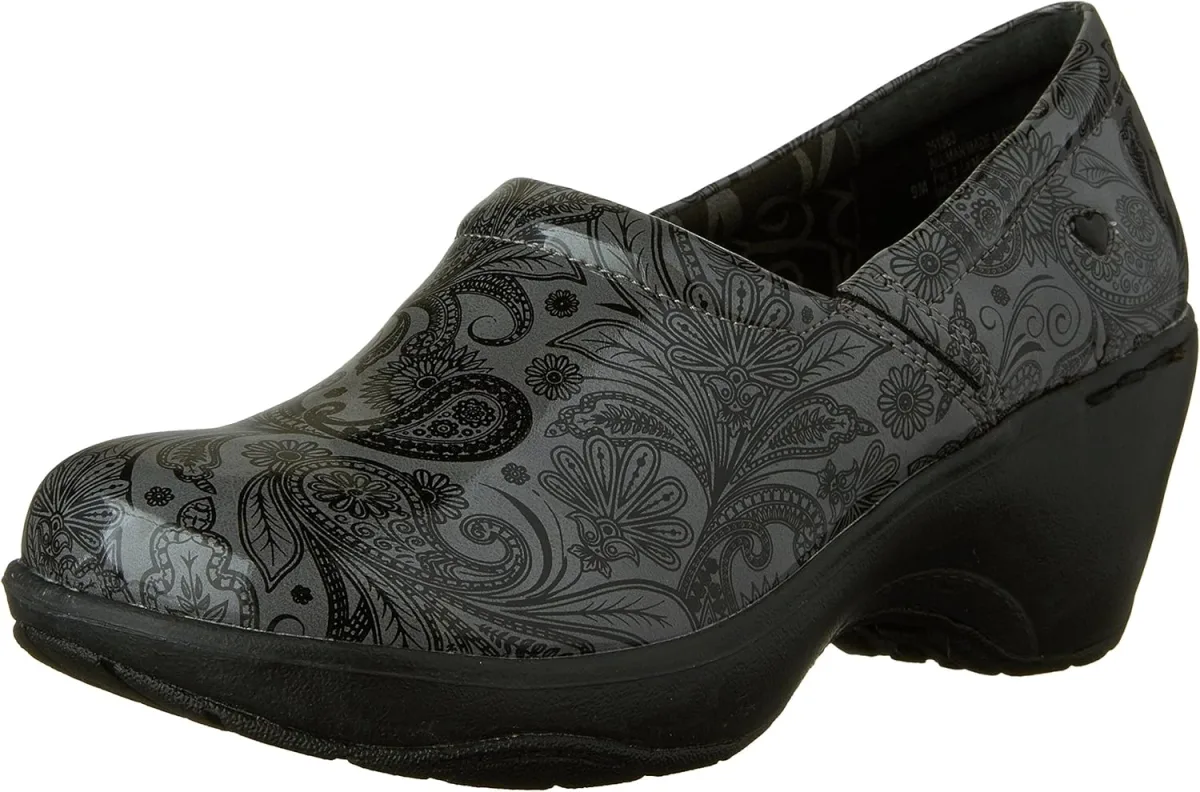
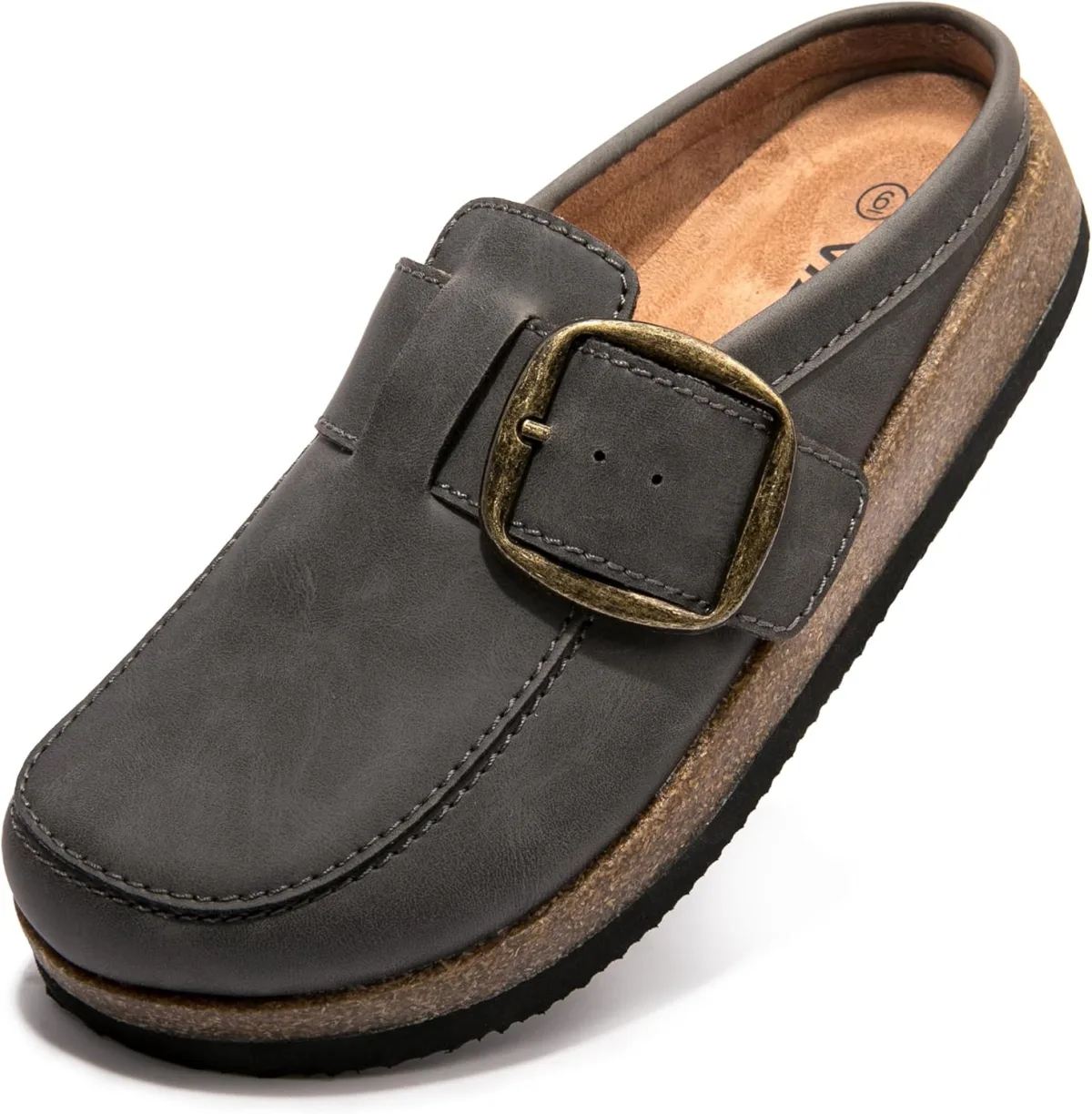
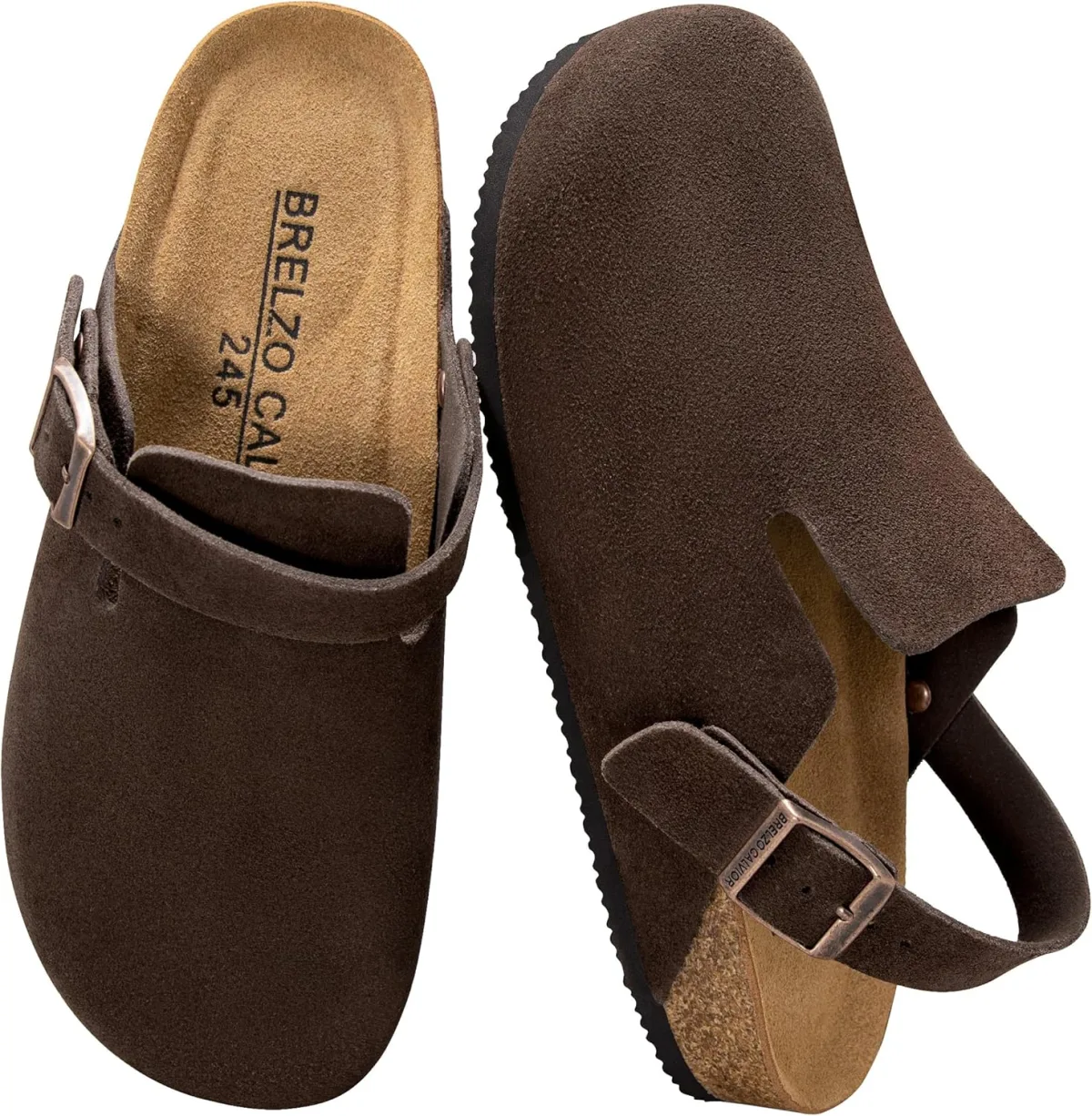
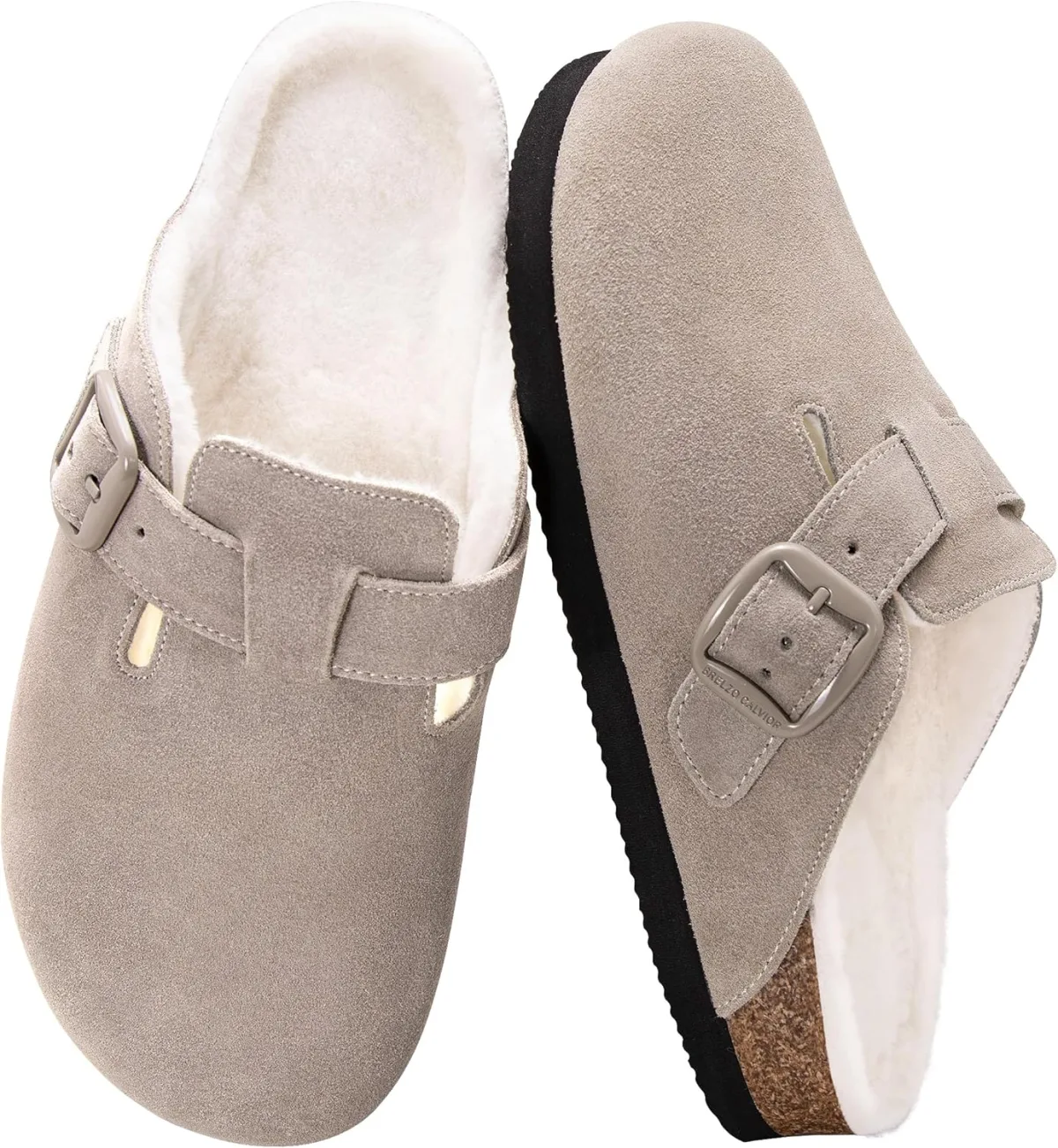
Unbranded
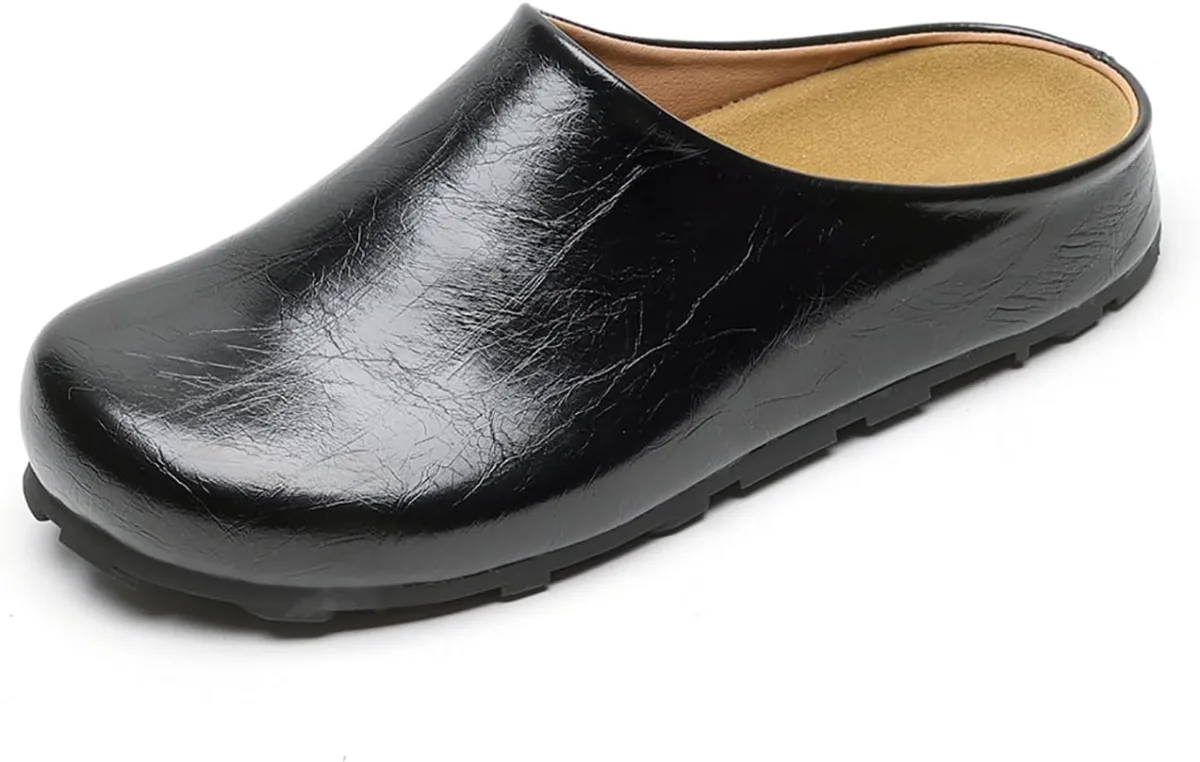
Unbranded
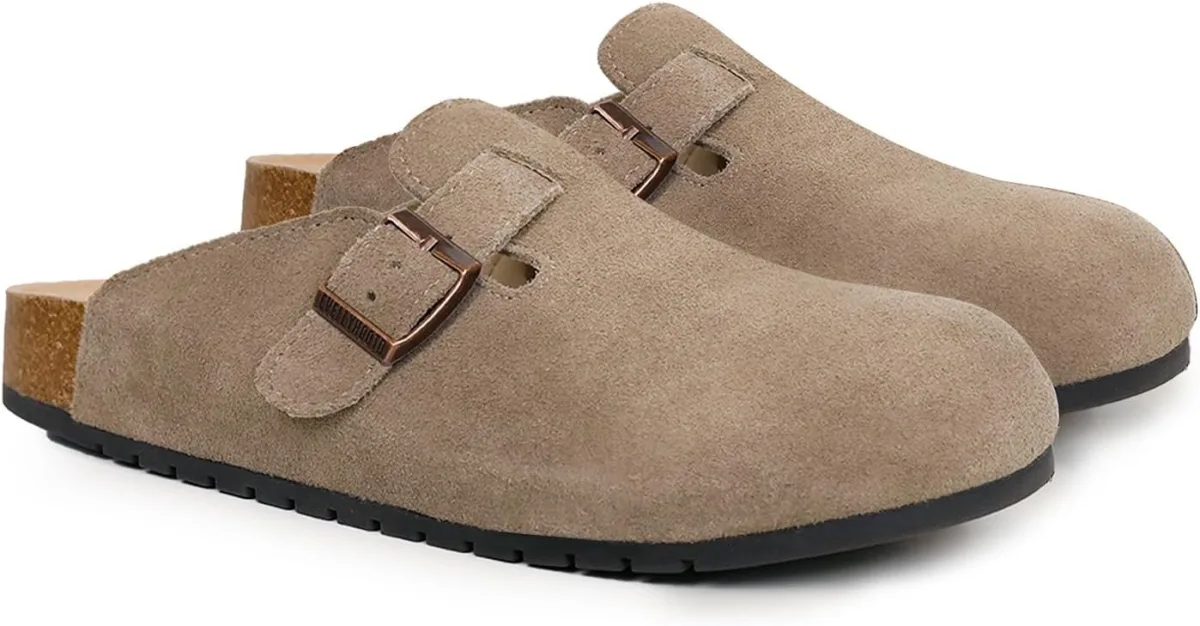
Unbranded
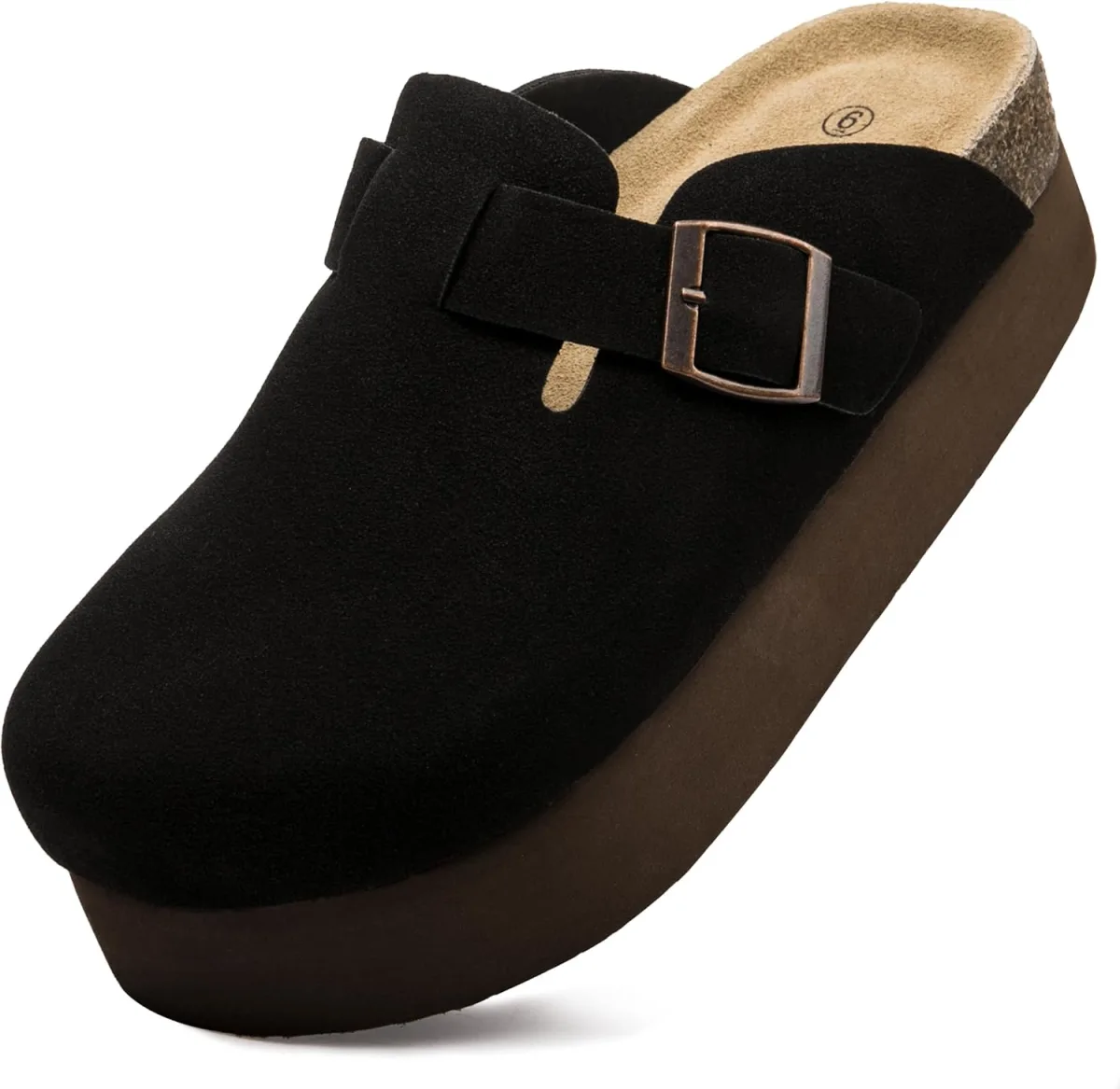
Unbranded
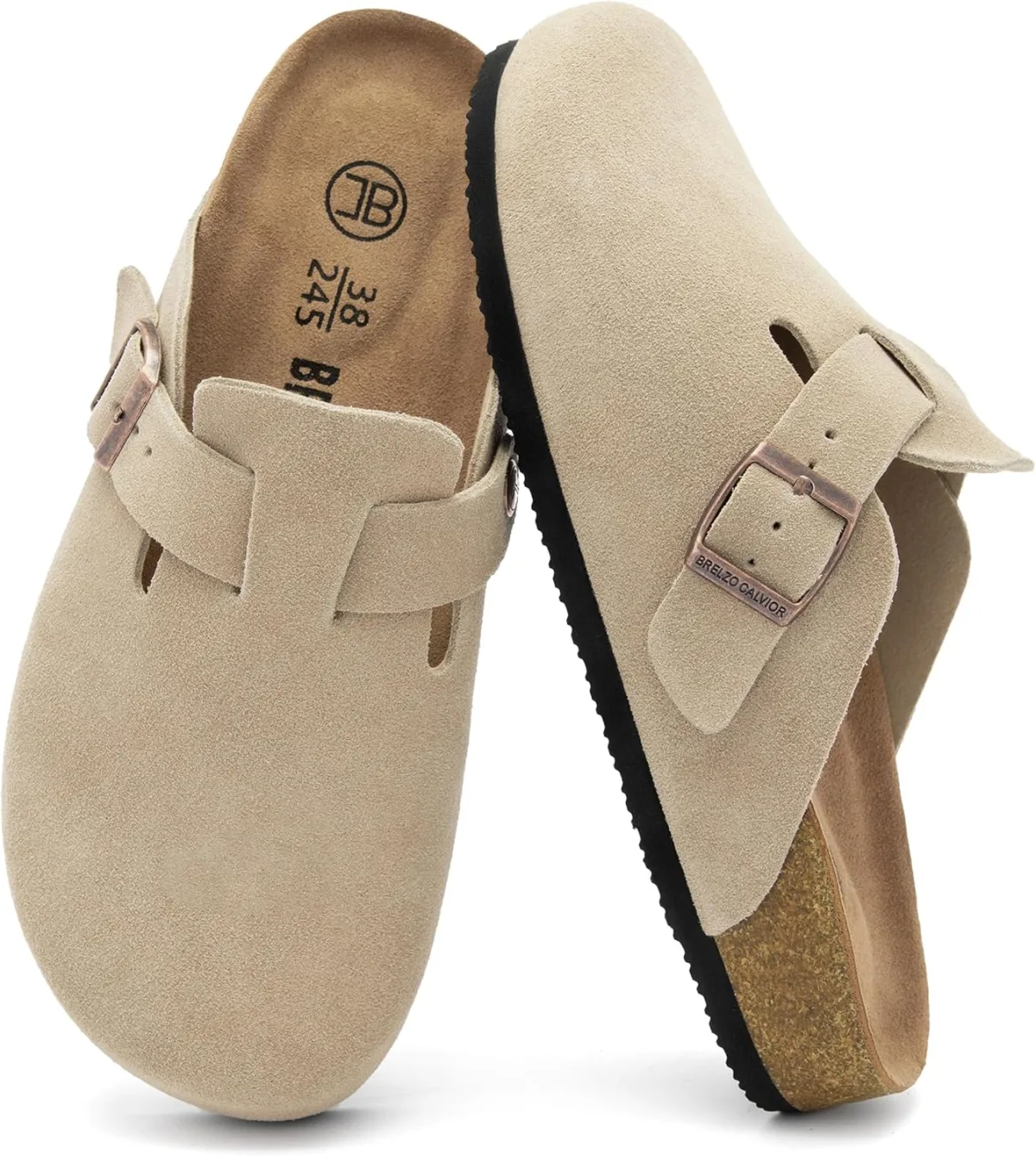
Unbranded
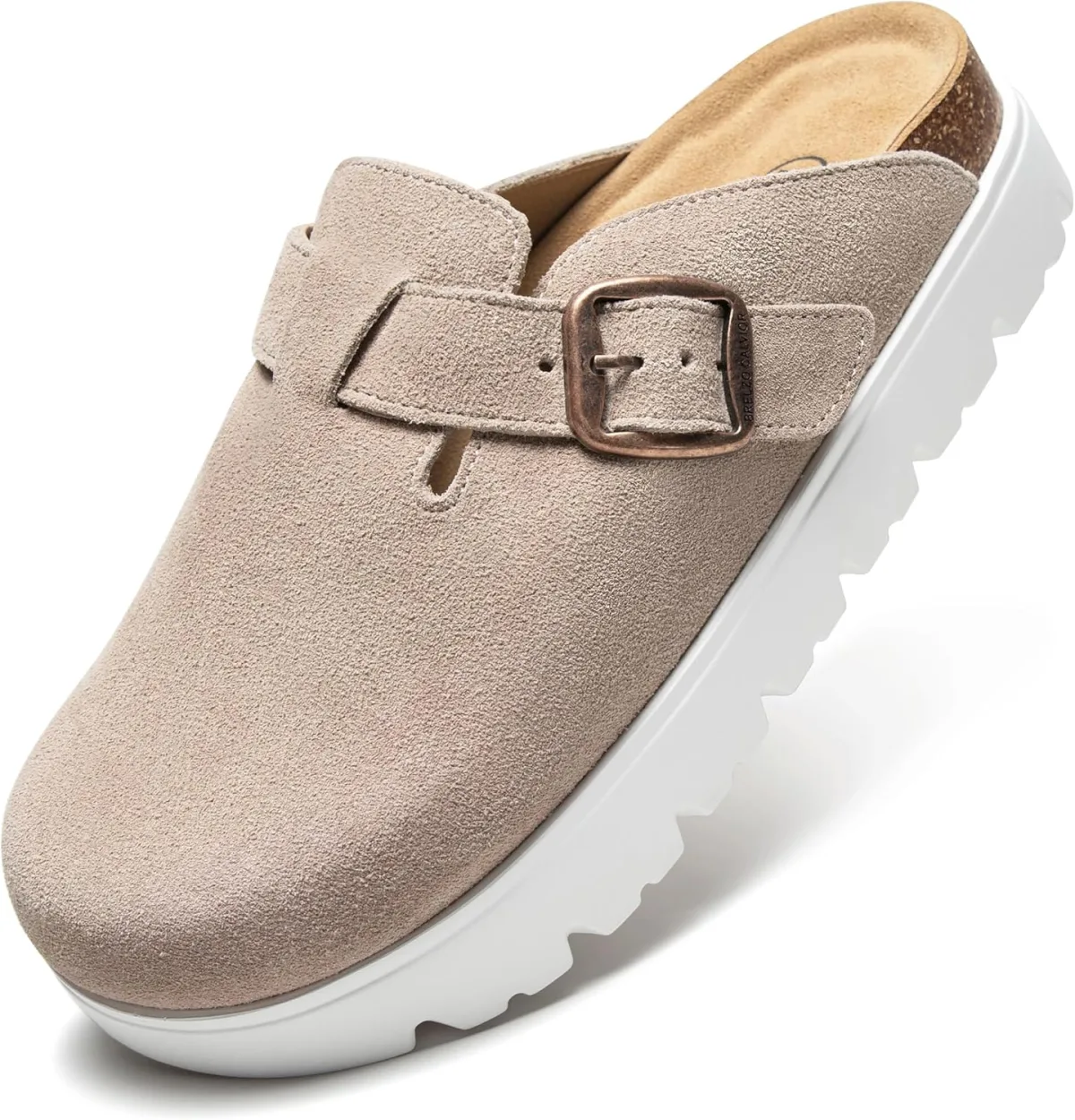
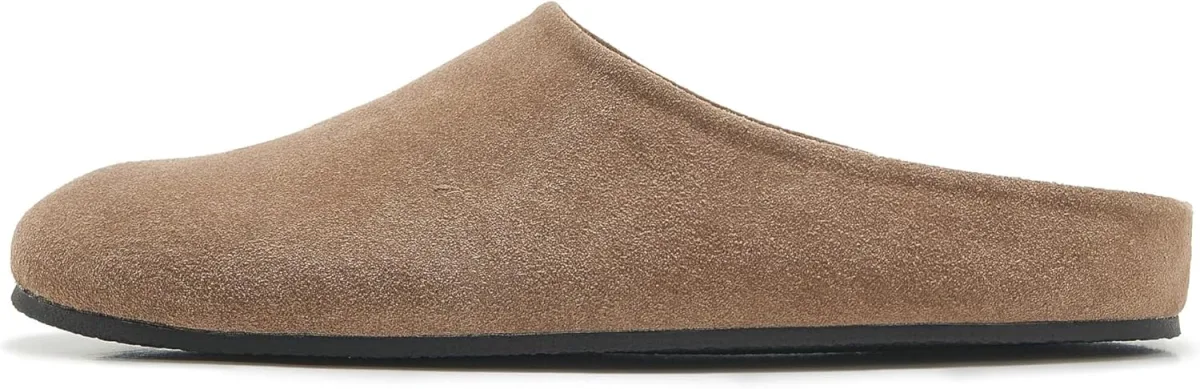
Unbranded
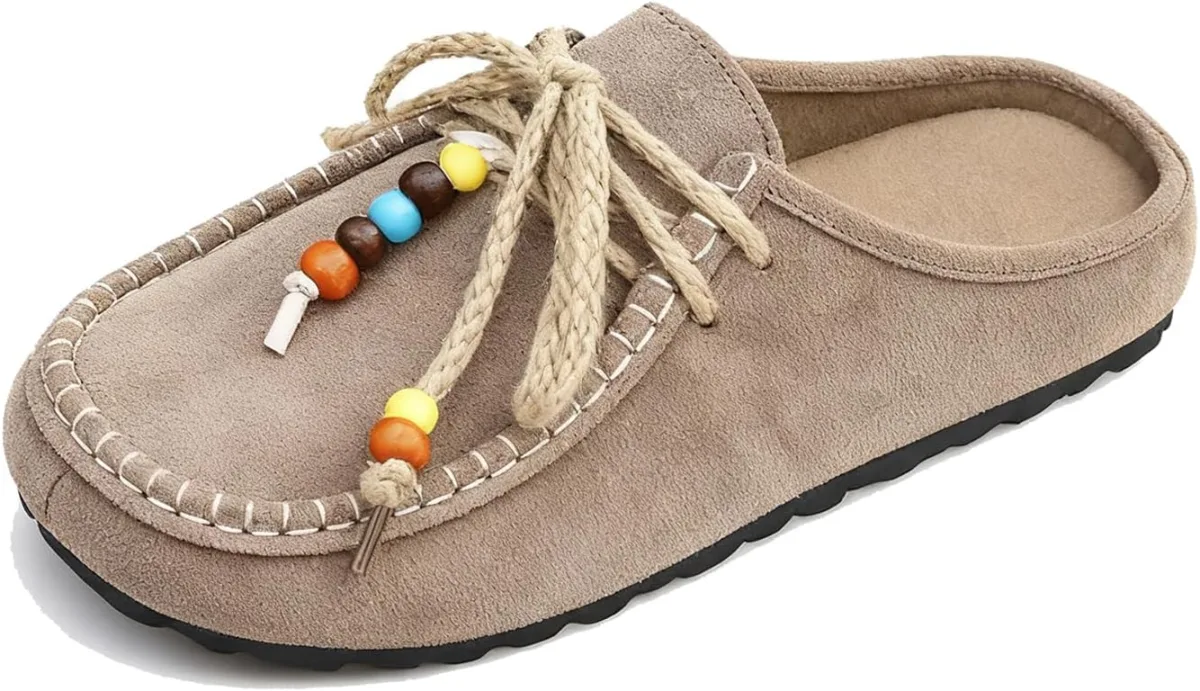
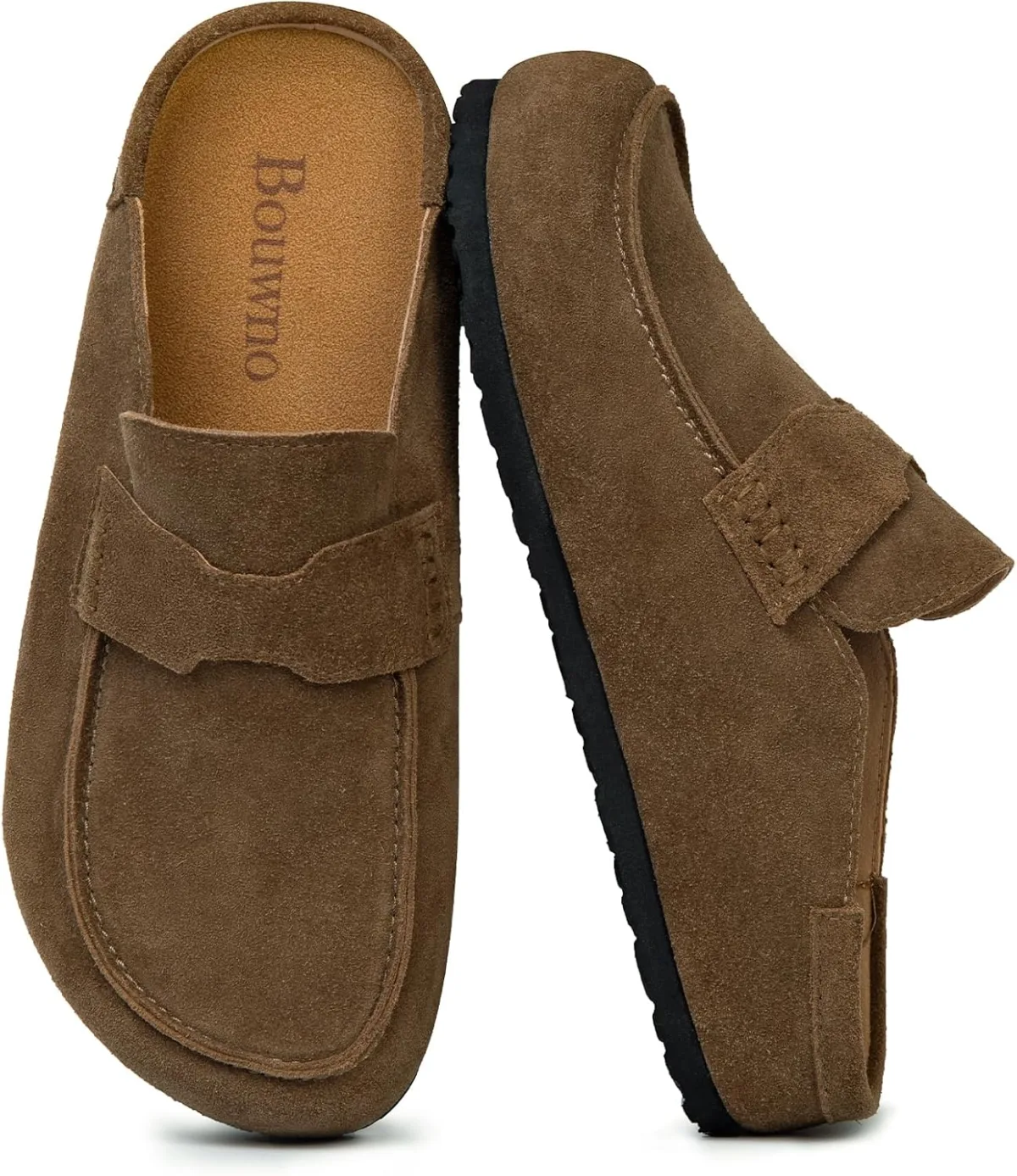
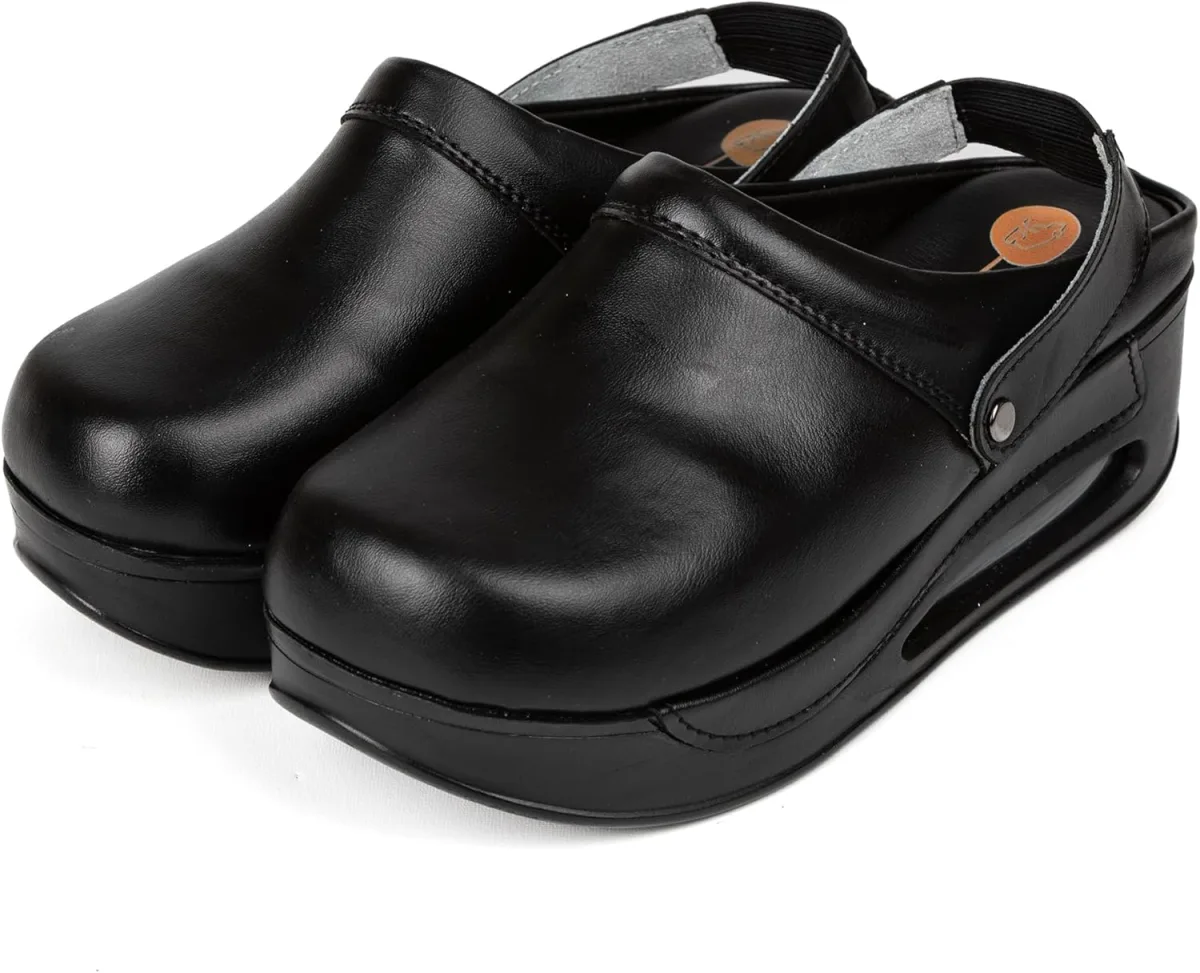
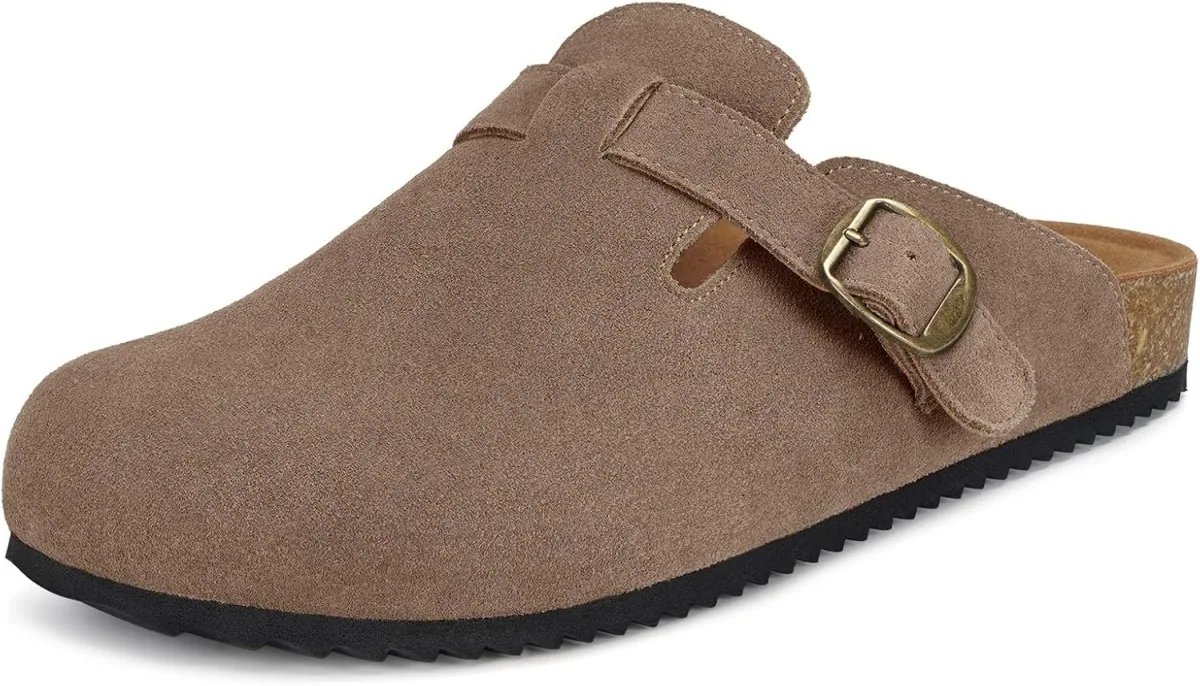
Unbranded
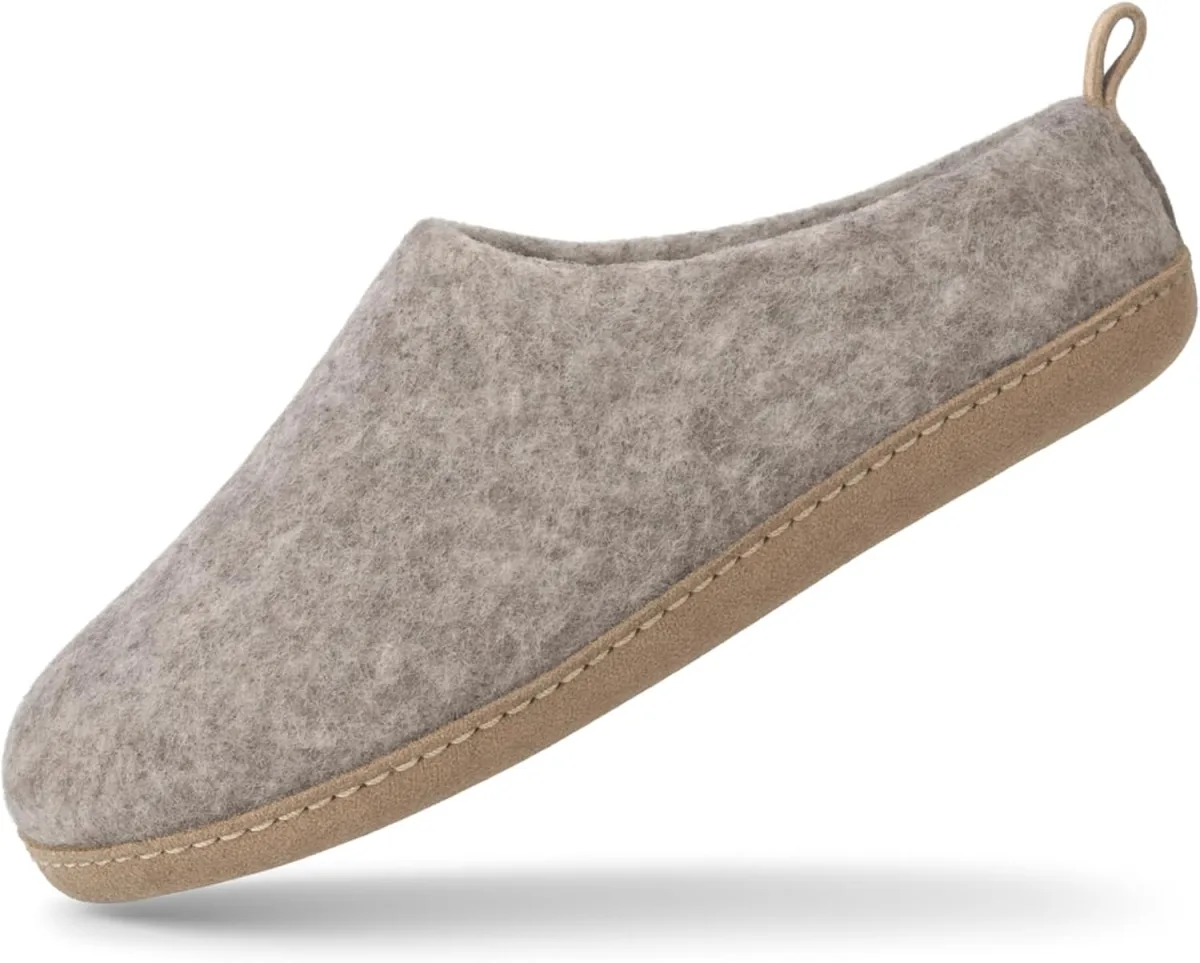
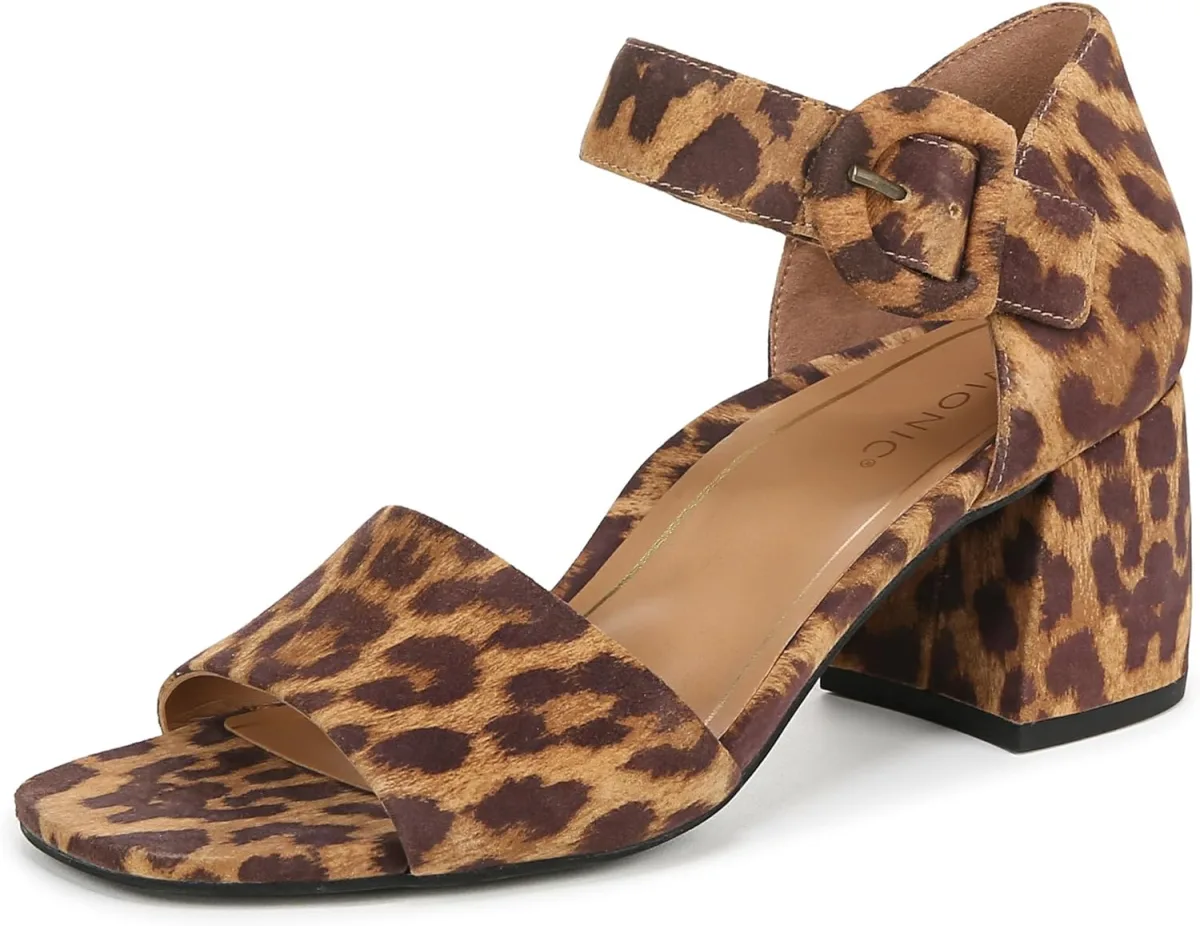
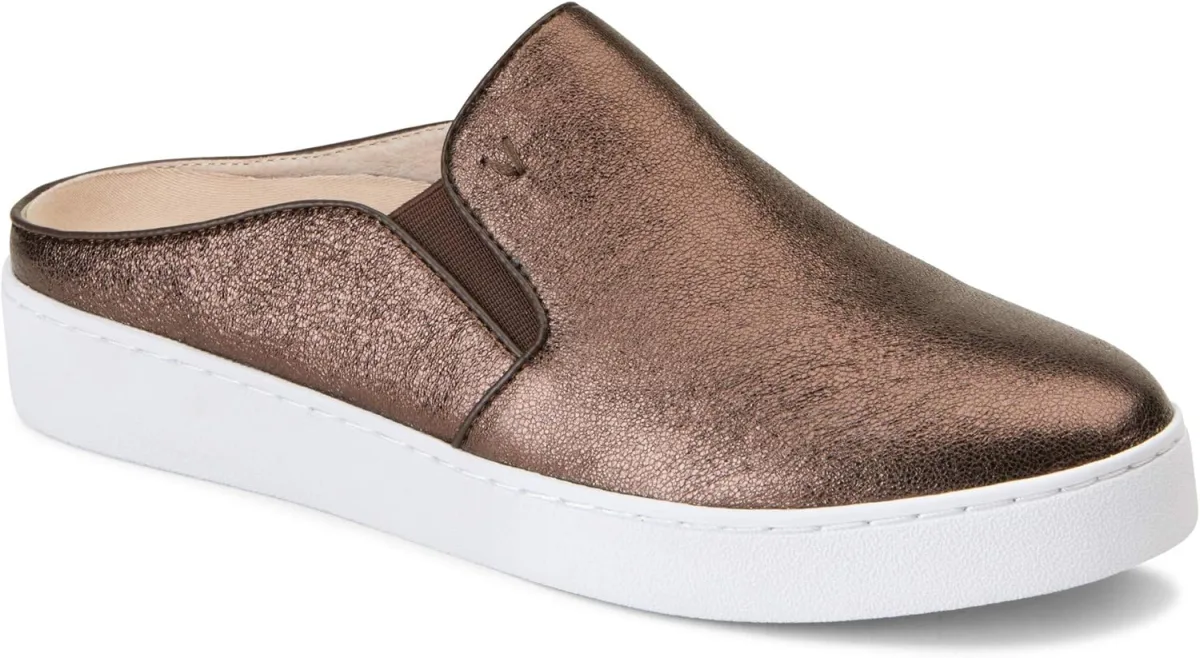
Vionic
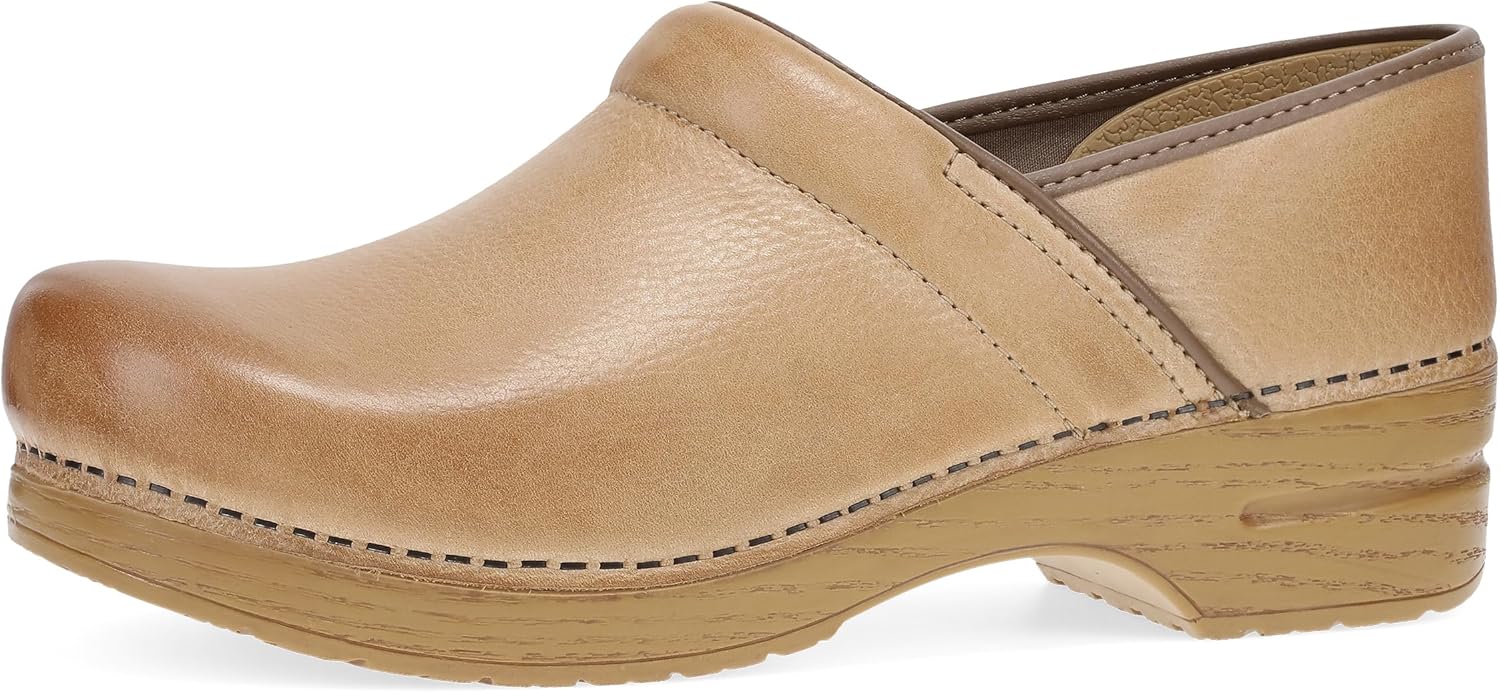
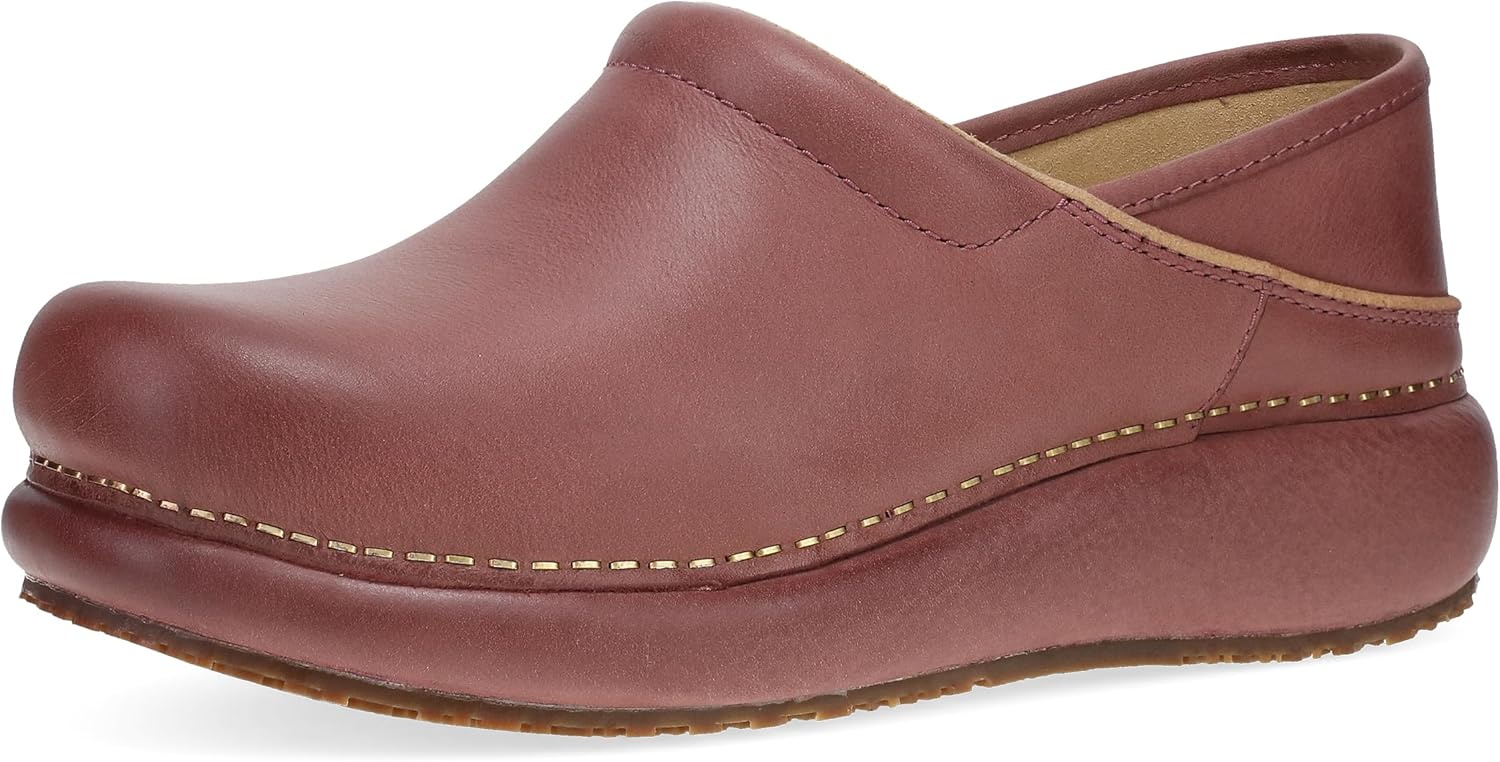
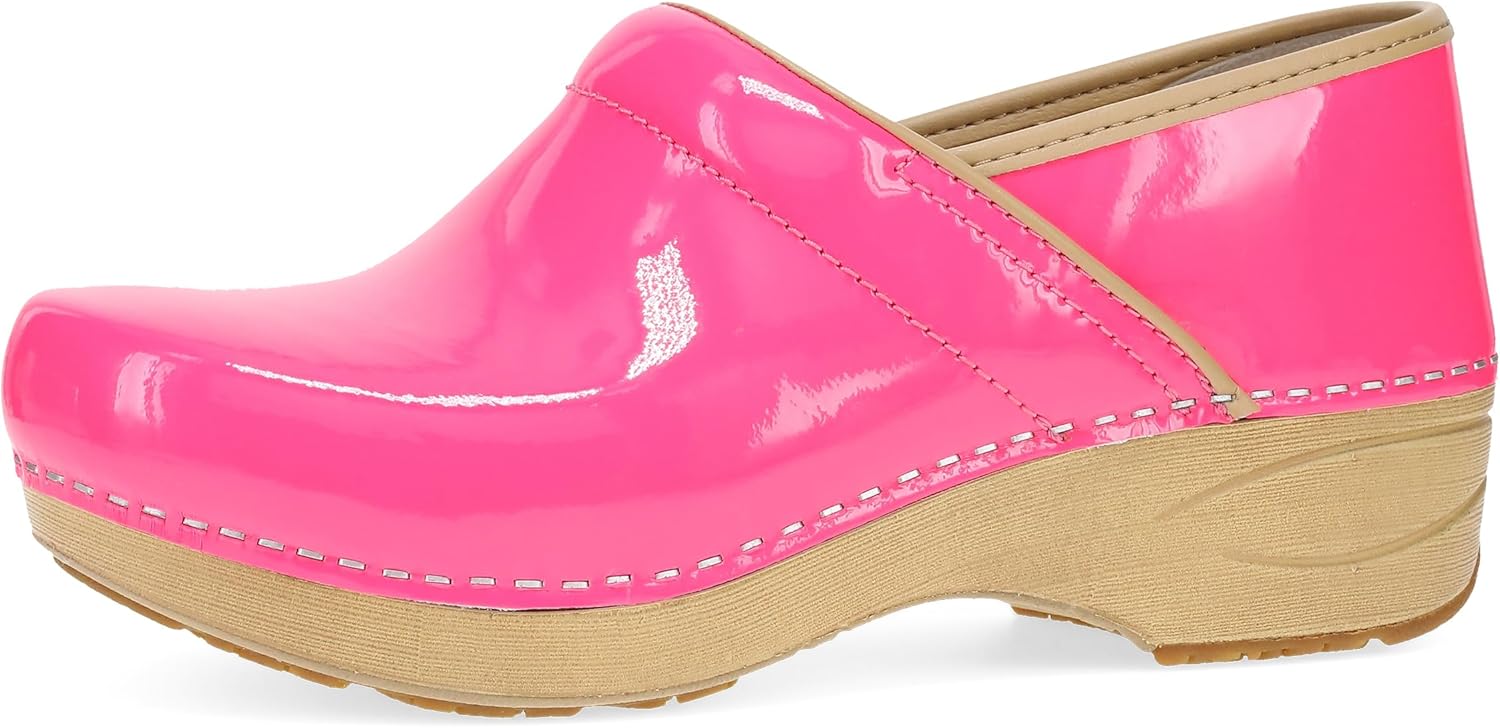
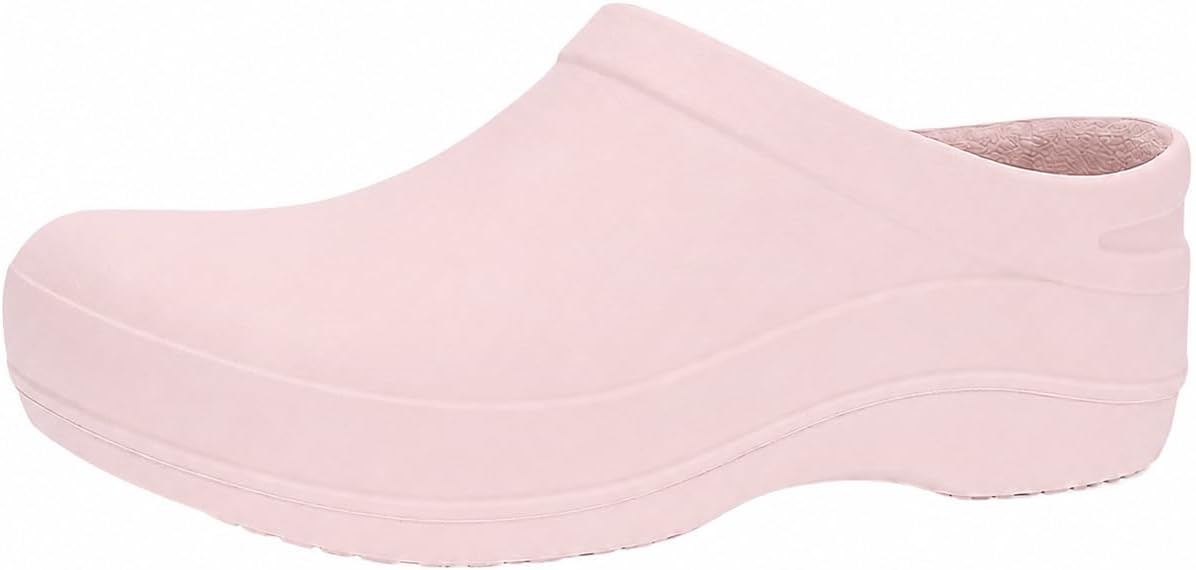
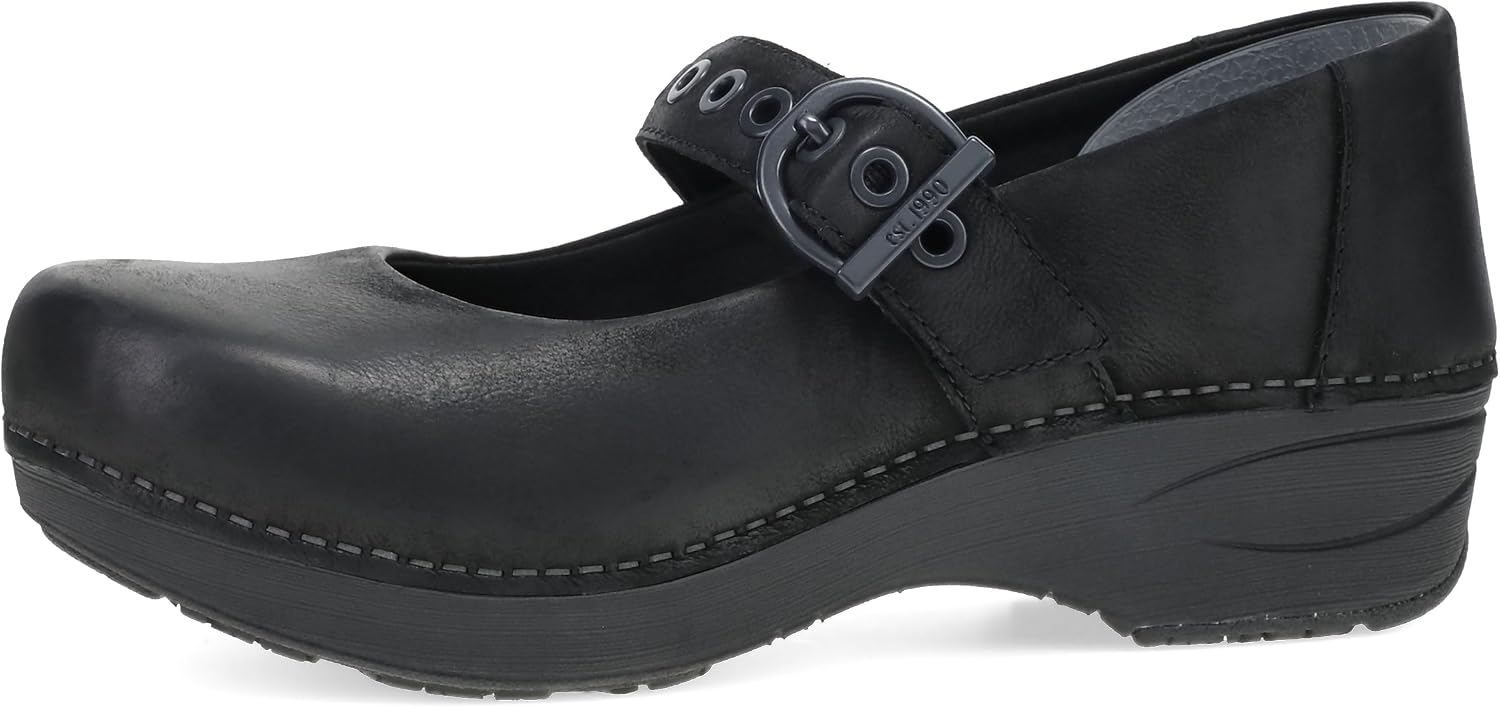
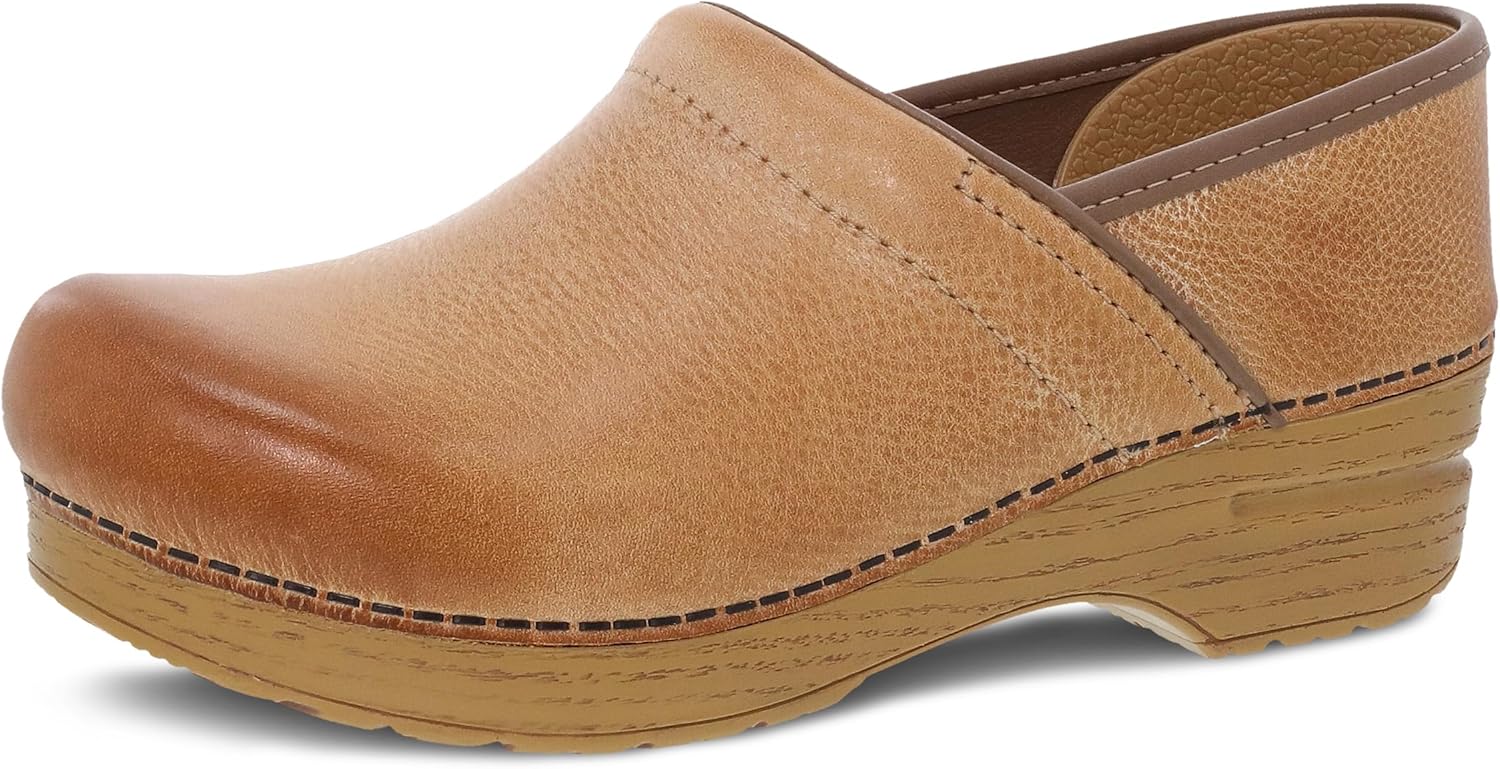
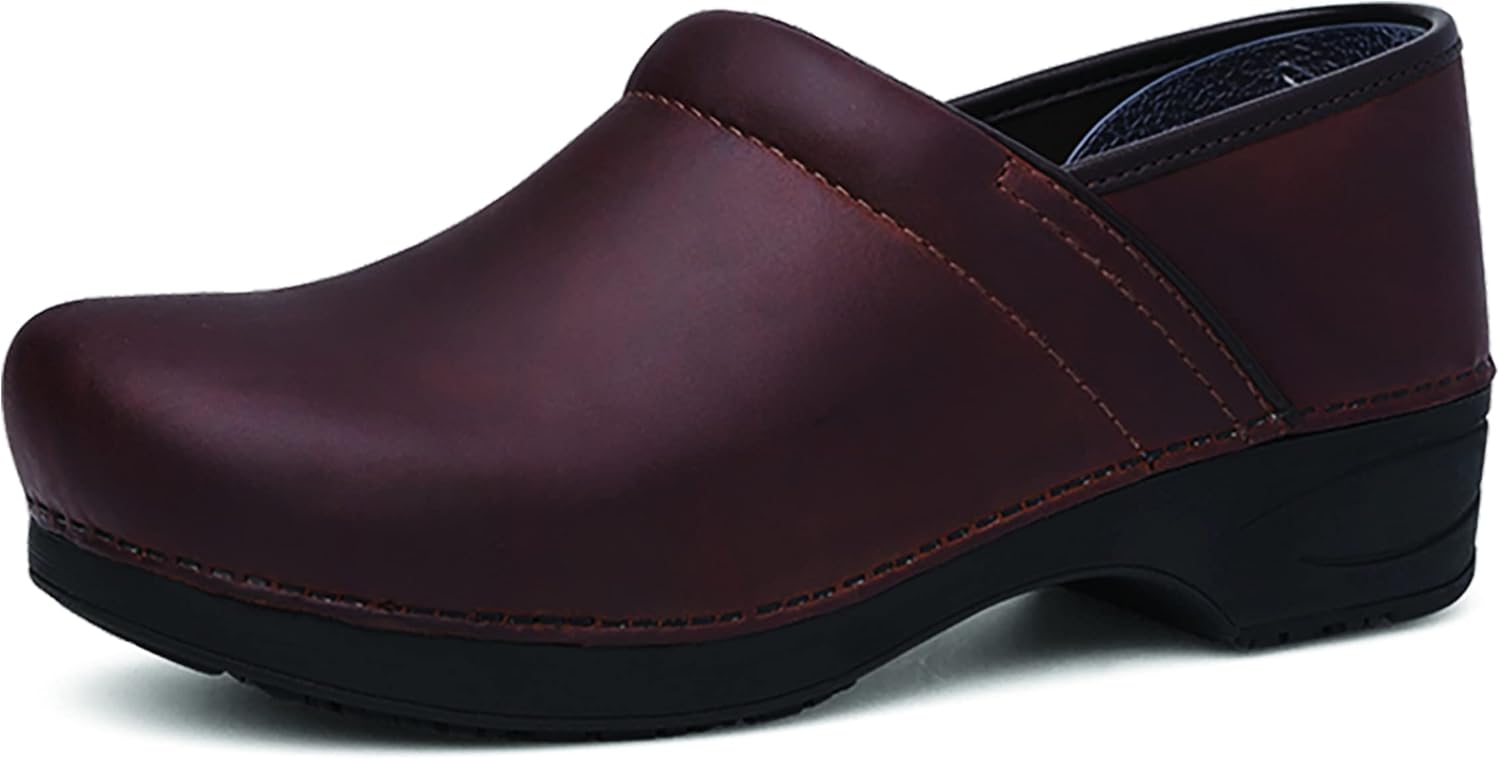
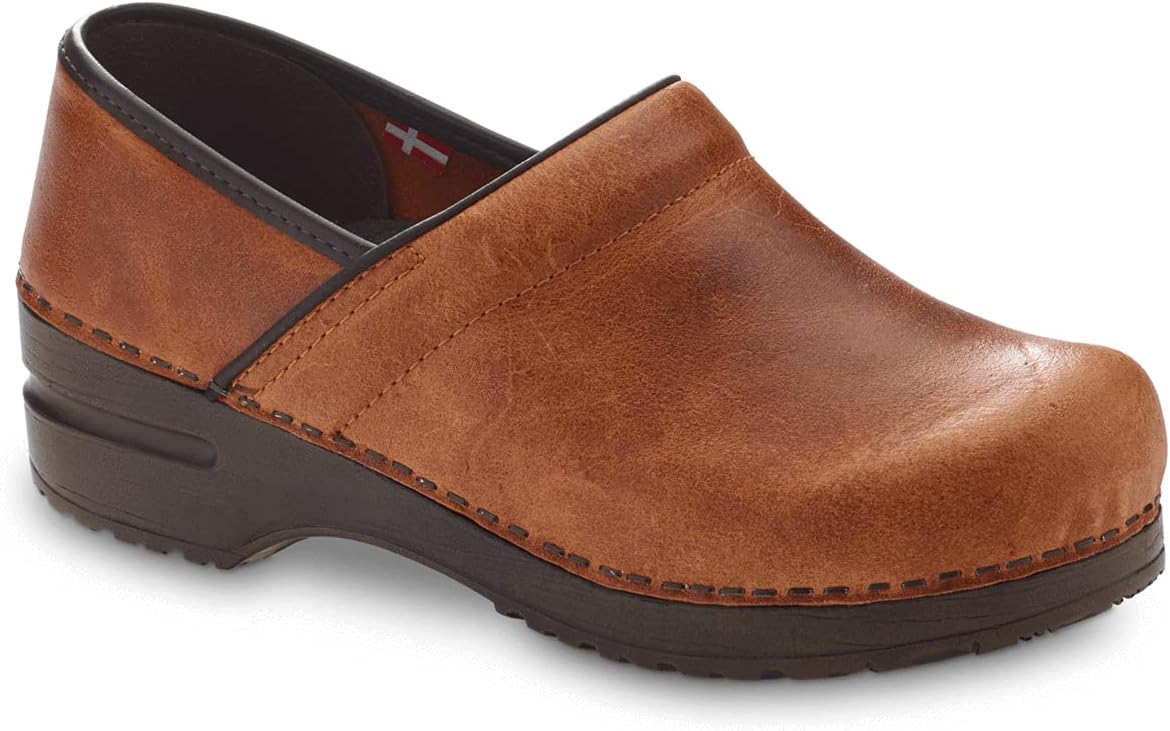
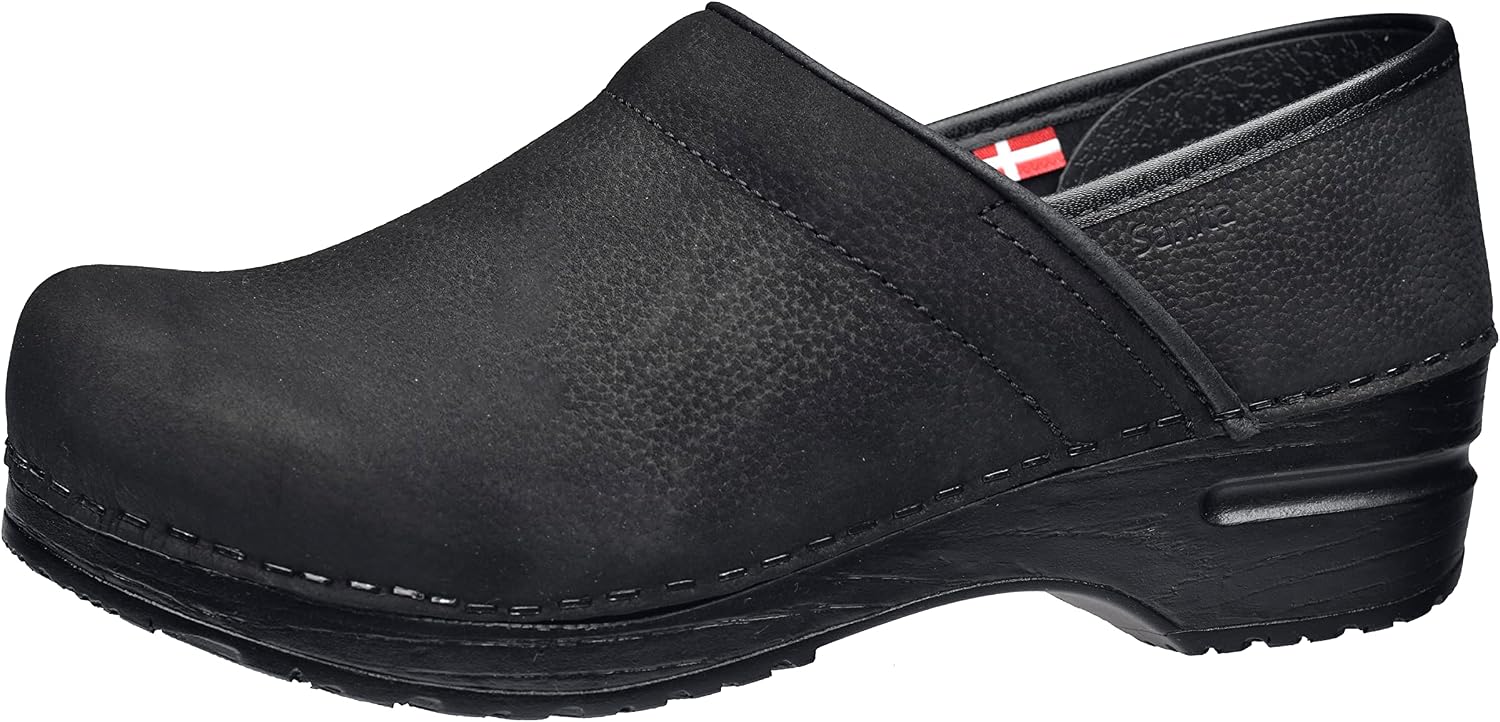
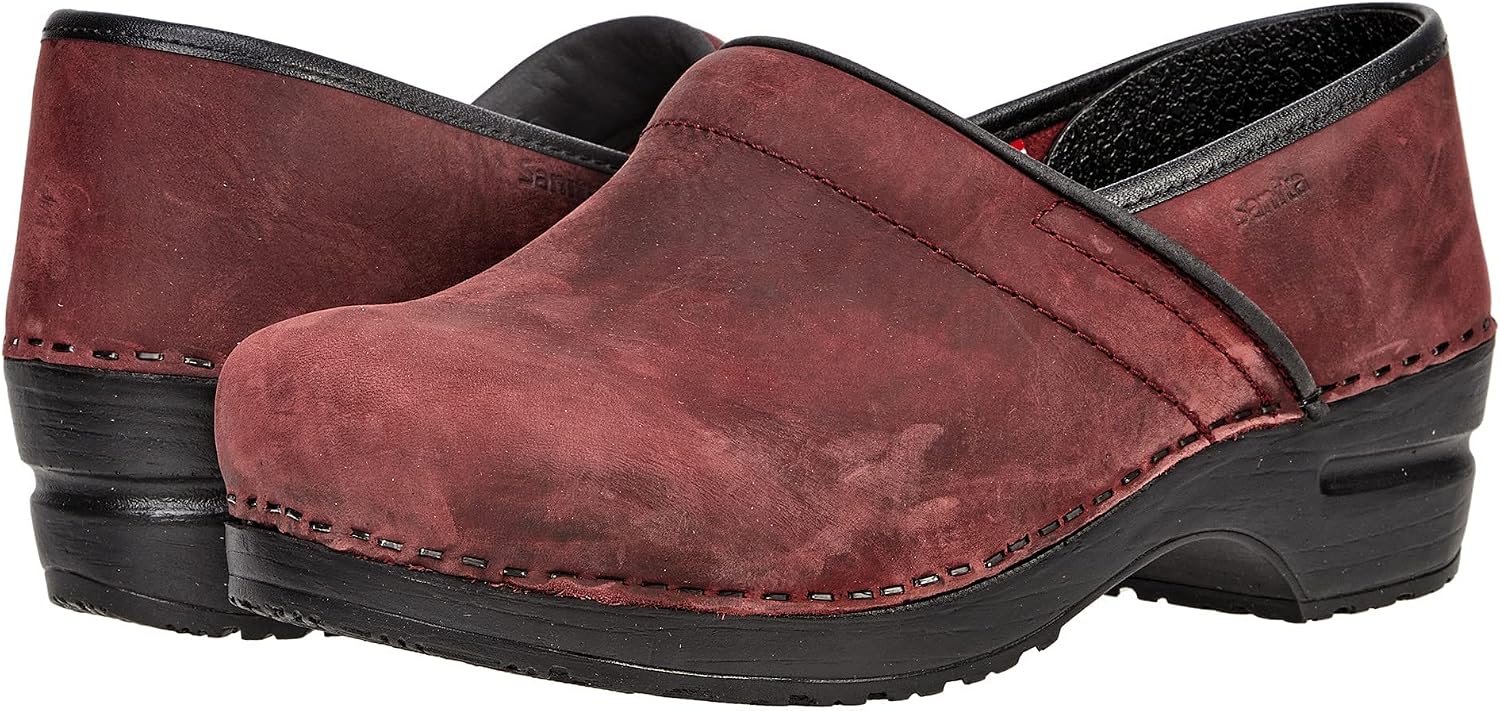
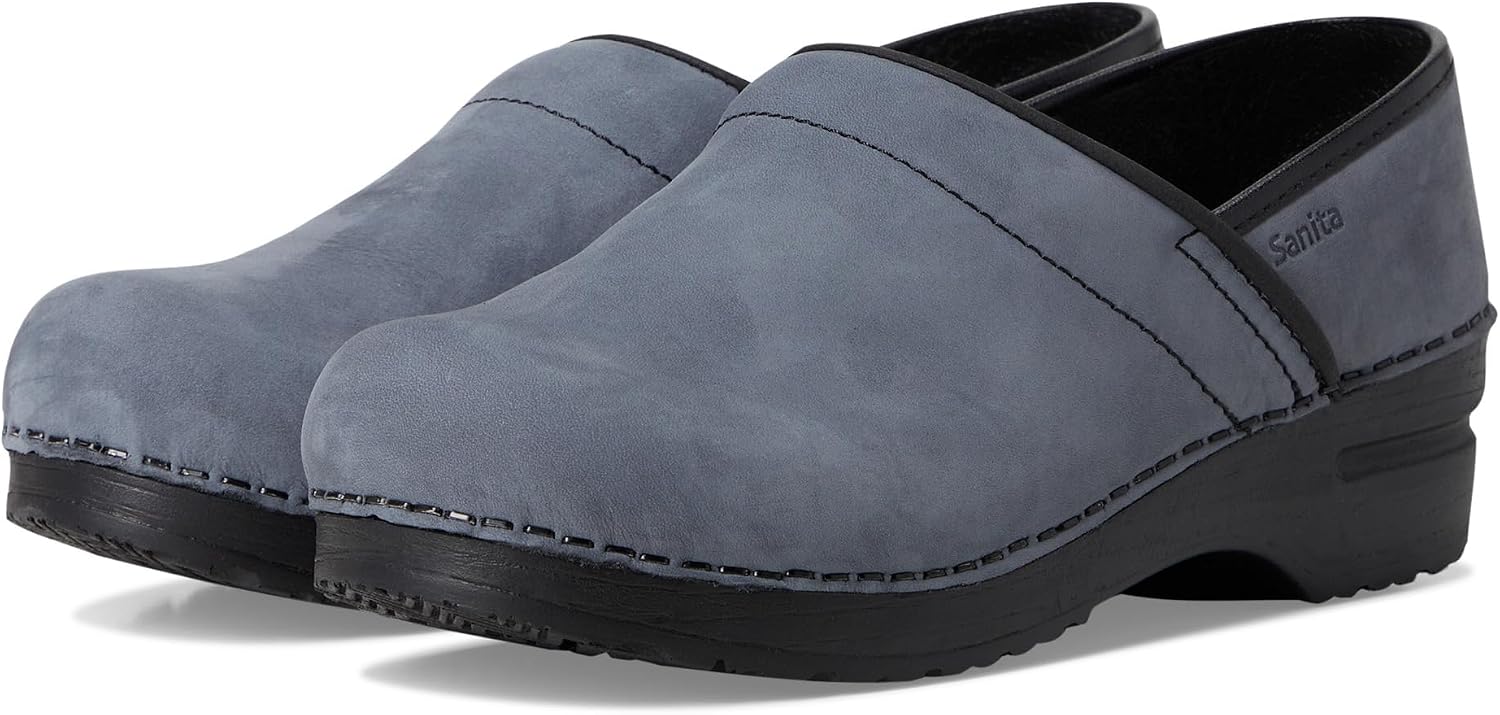
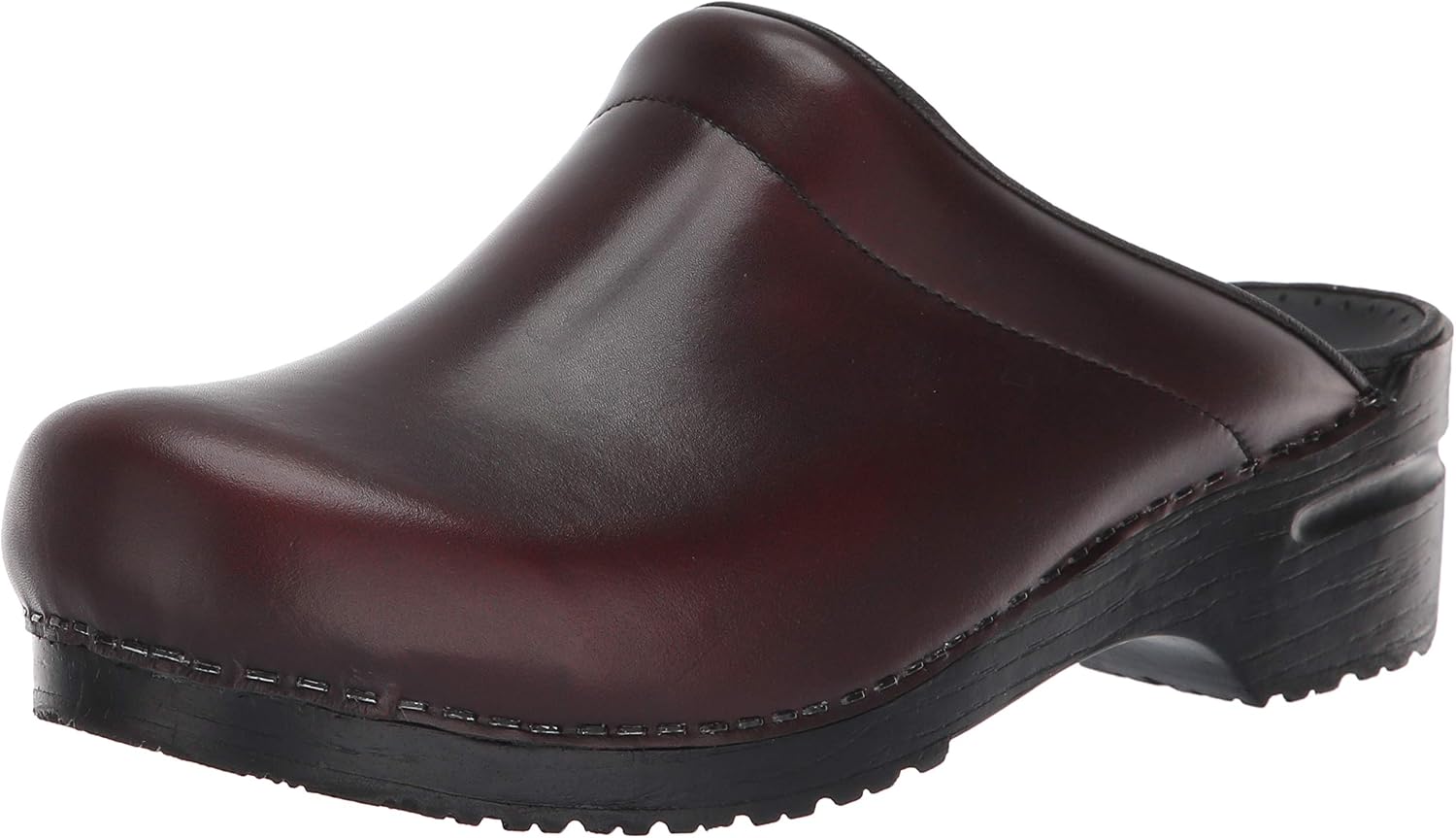
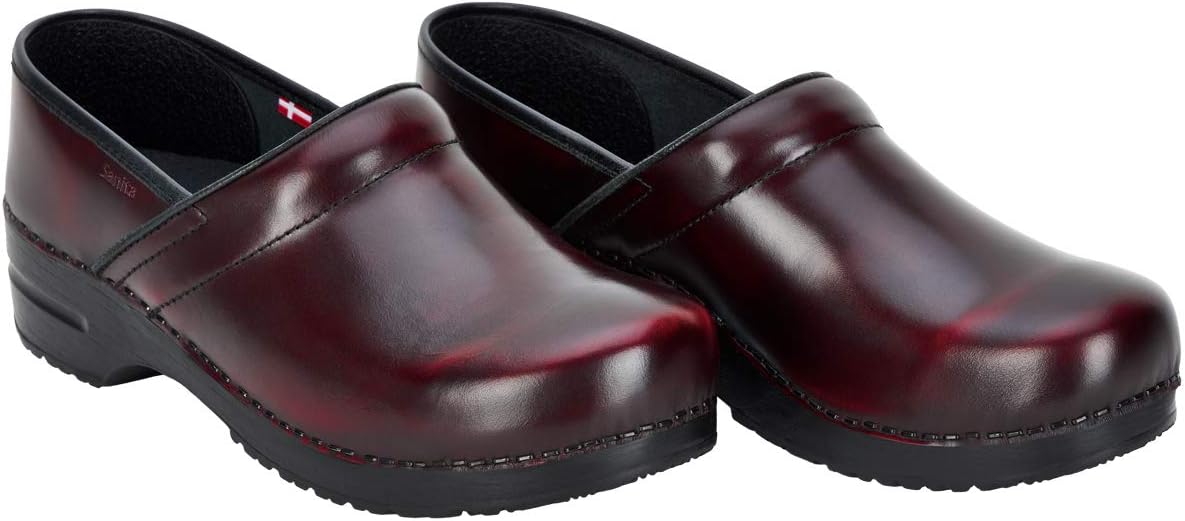
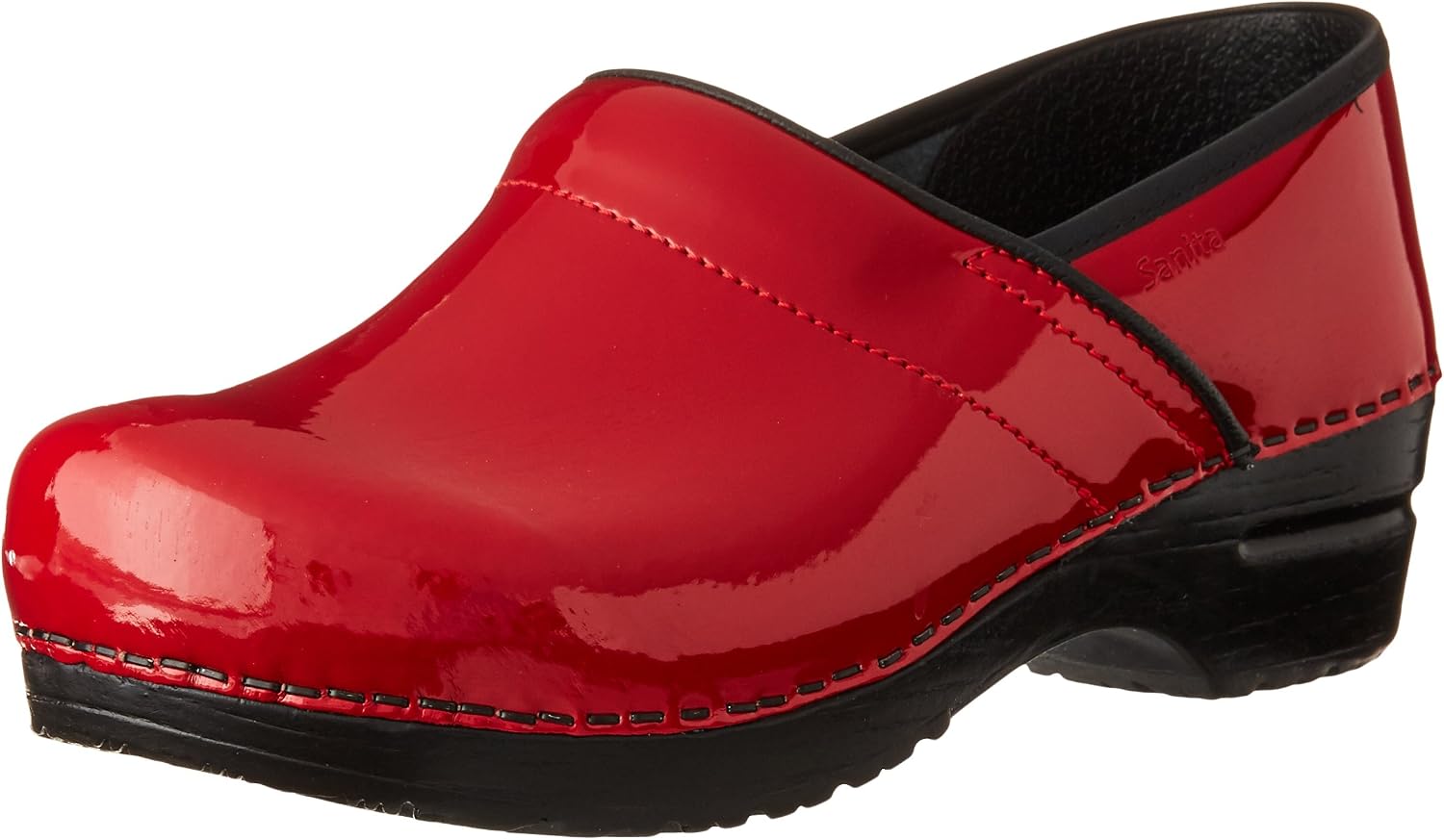
Sanita
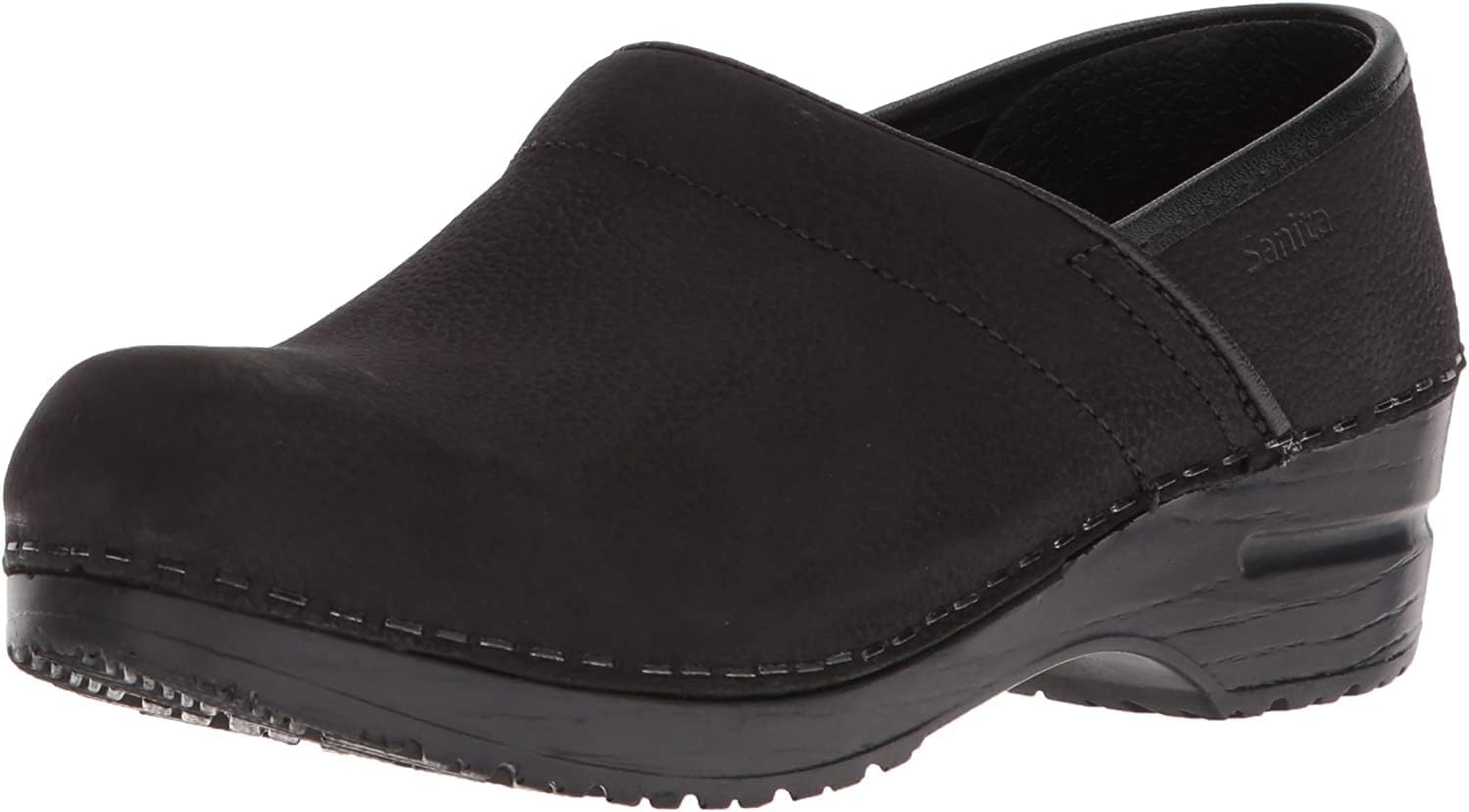
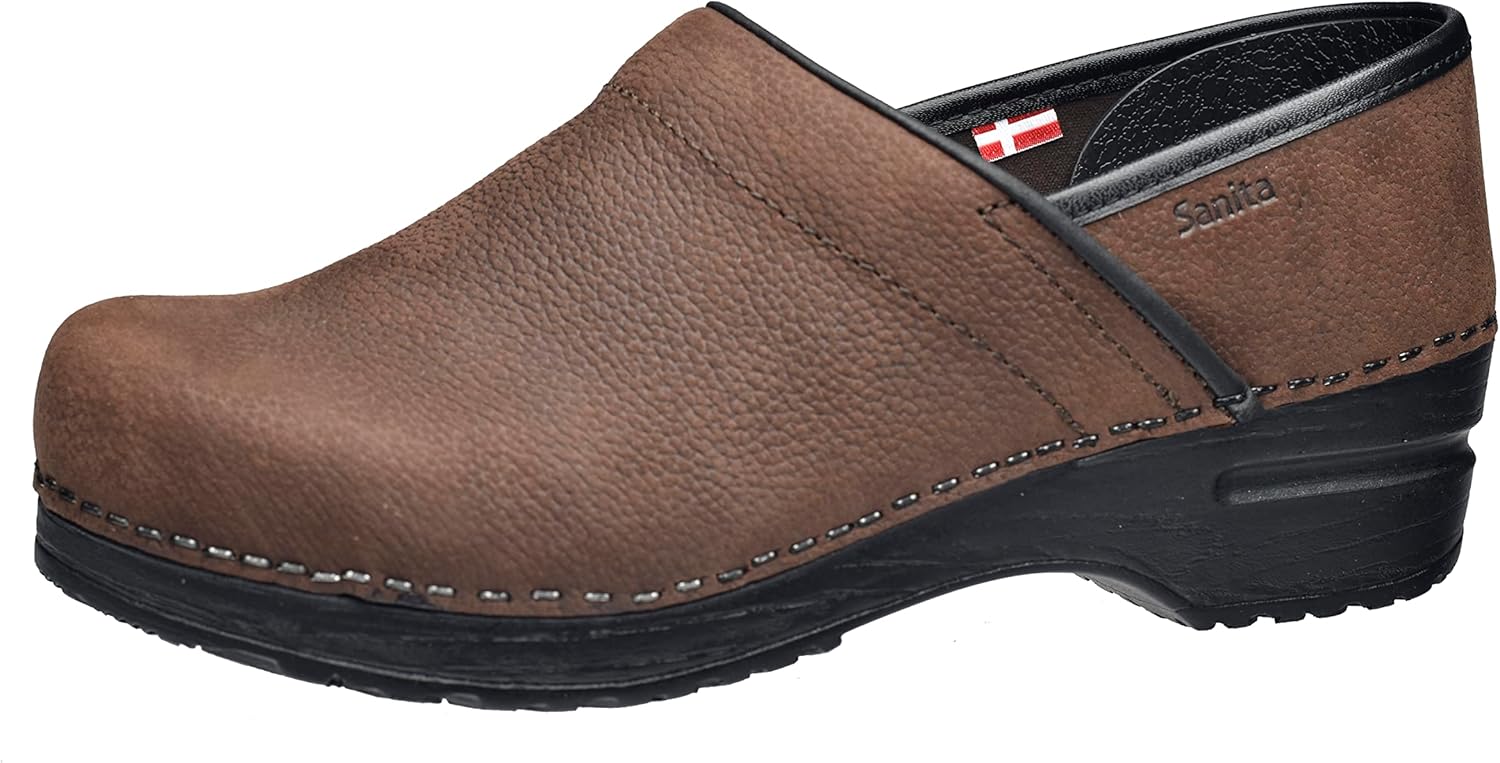
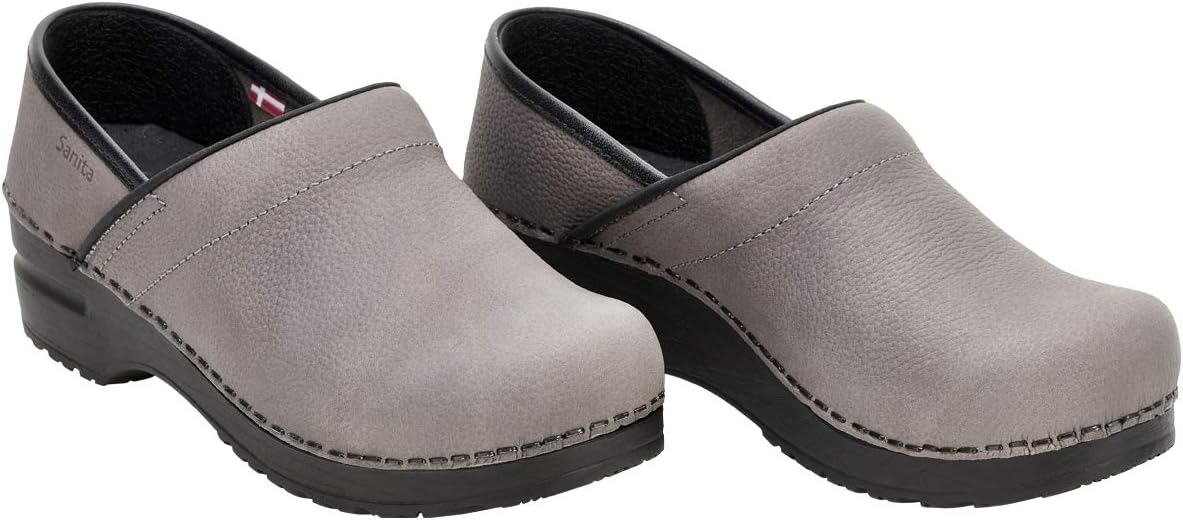
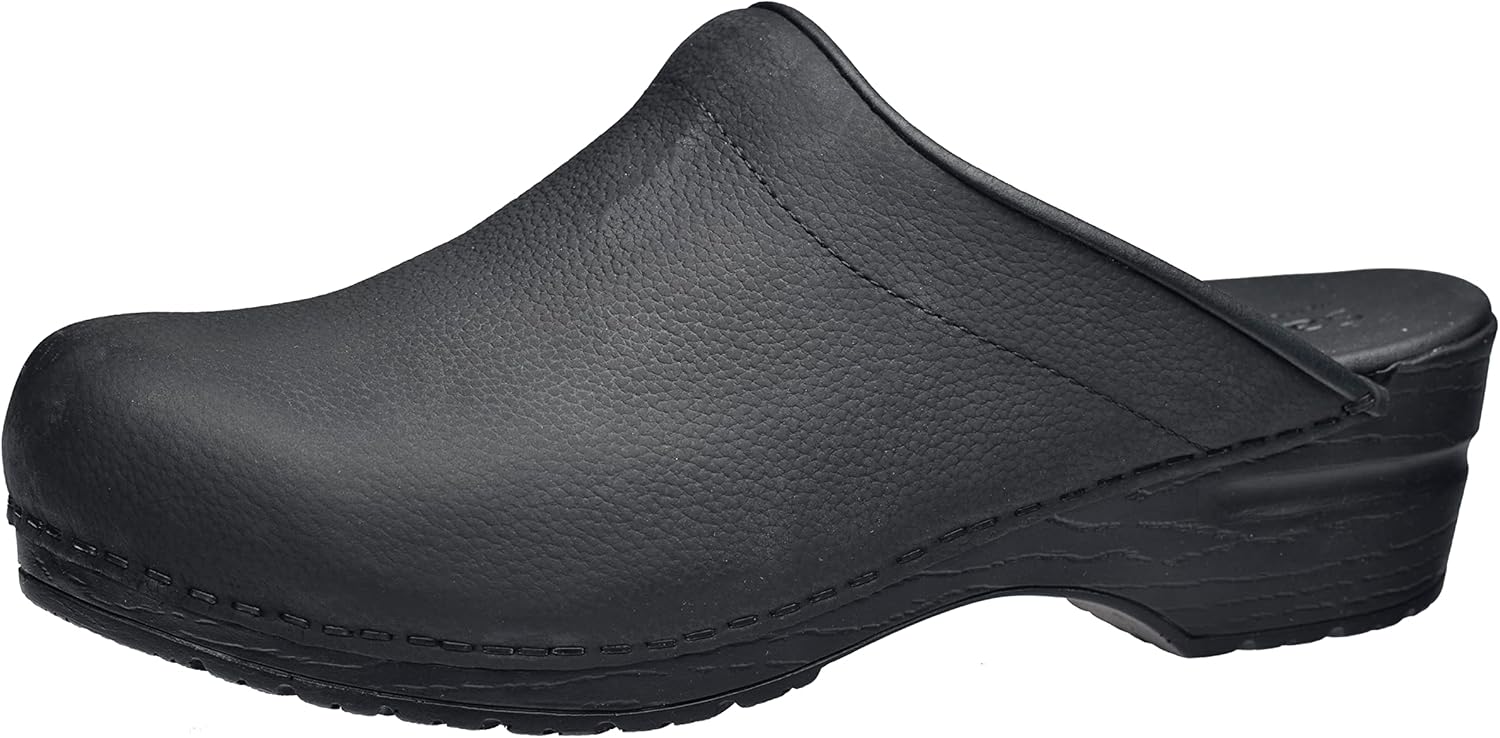
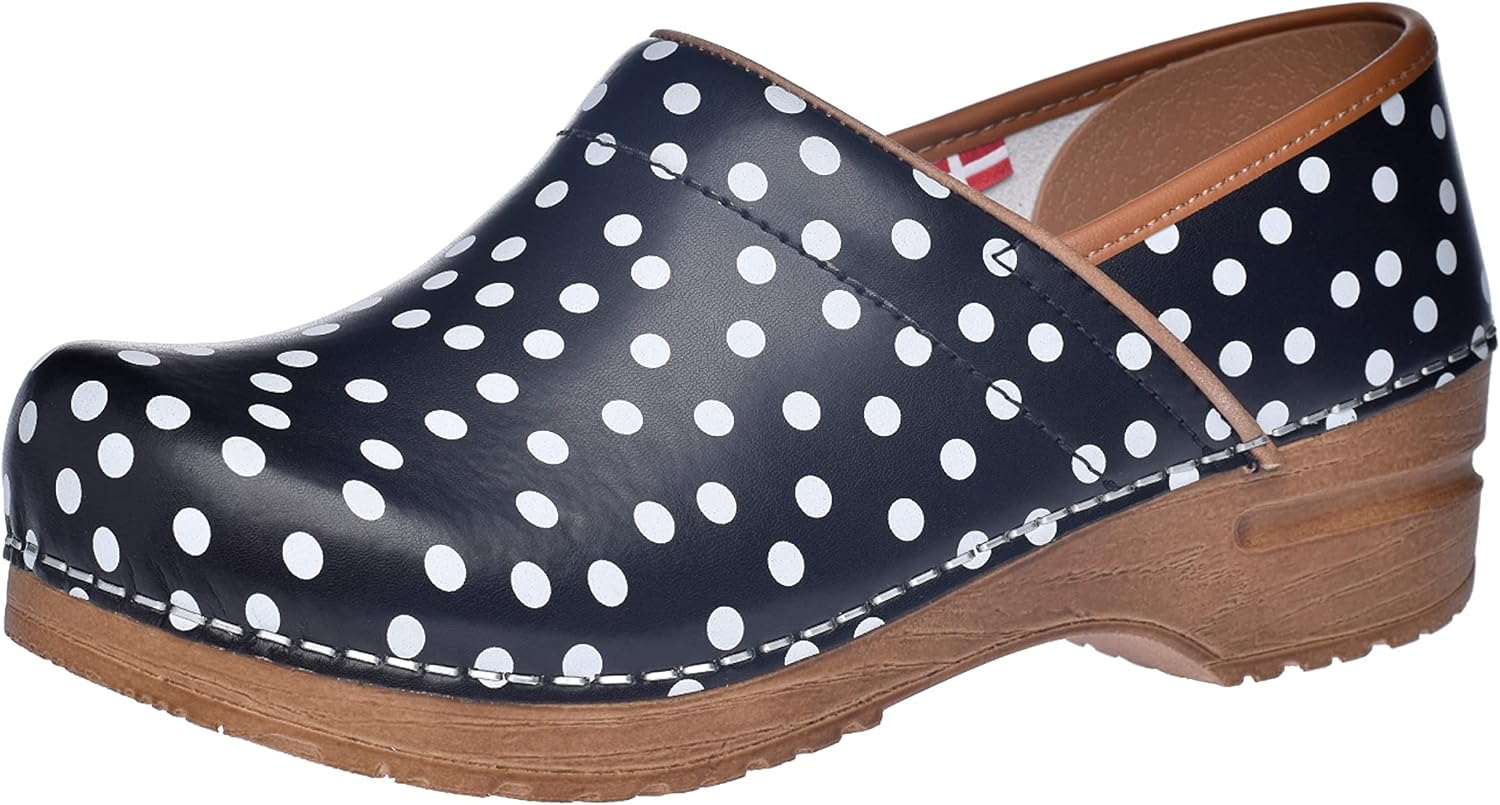
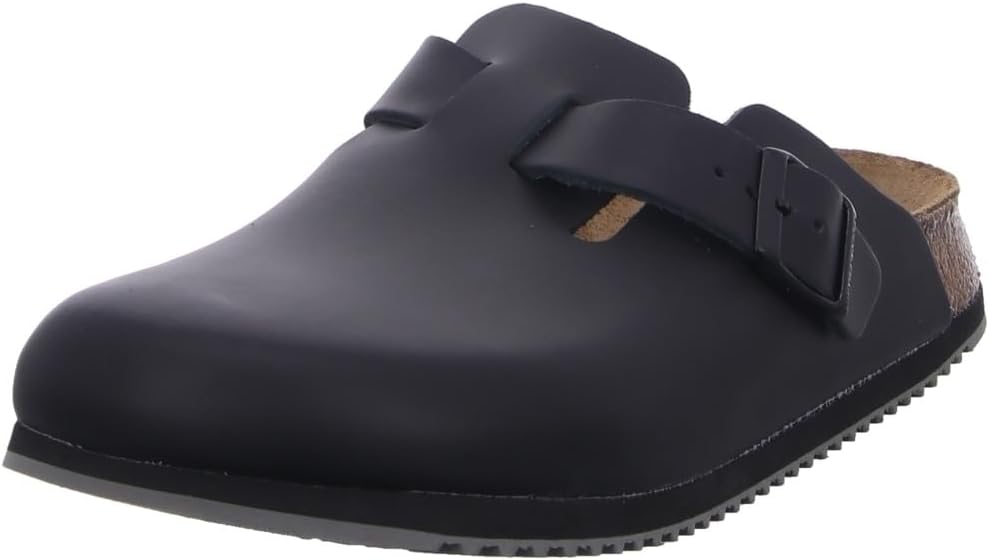
Birkenstock
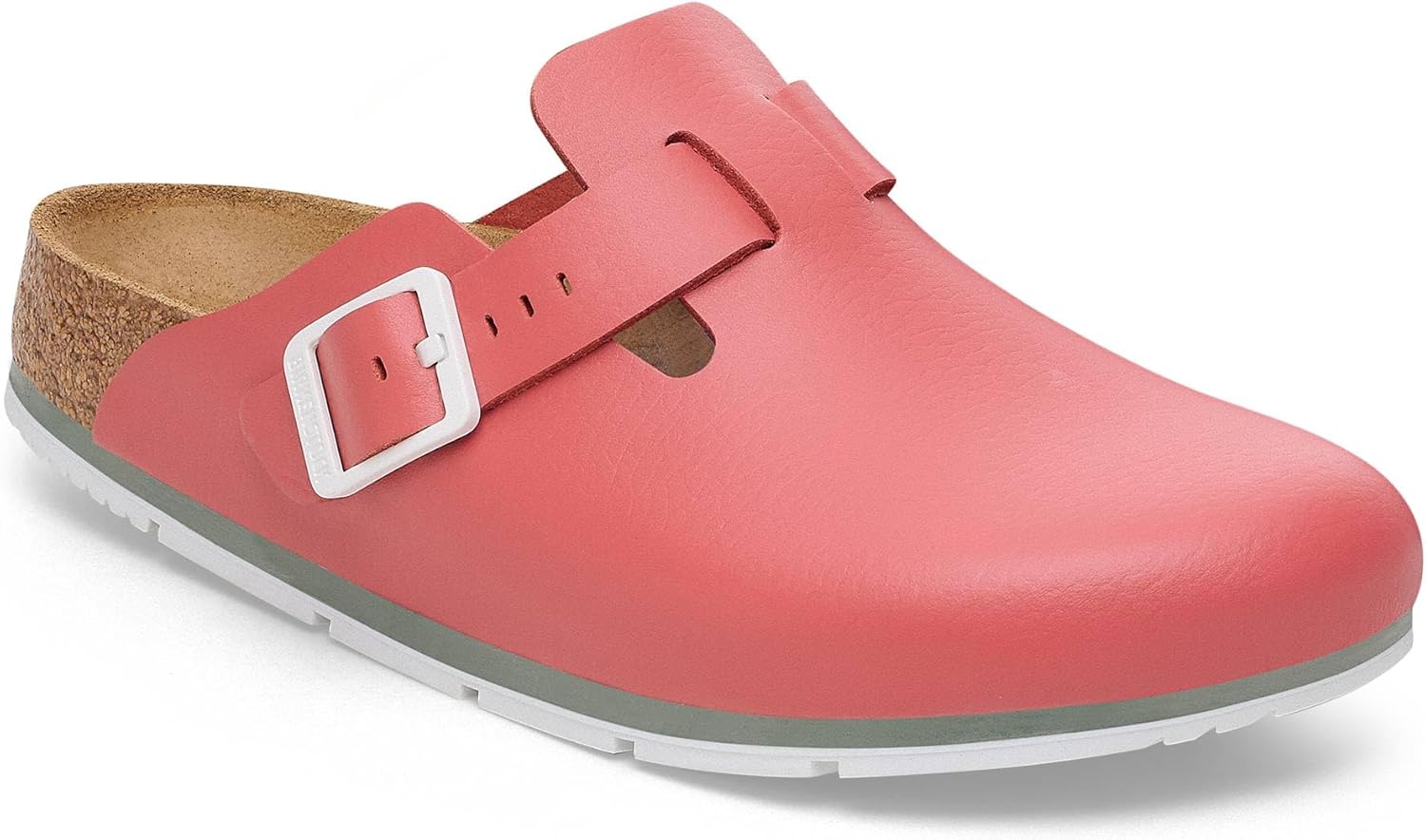
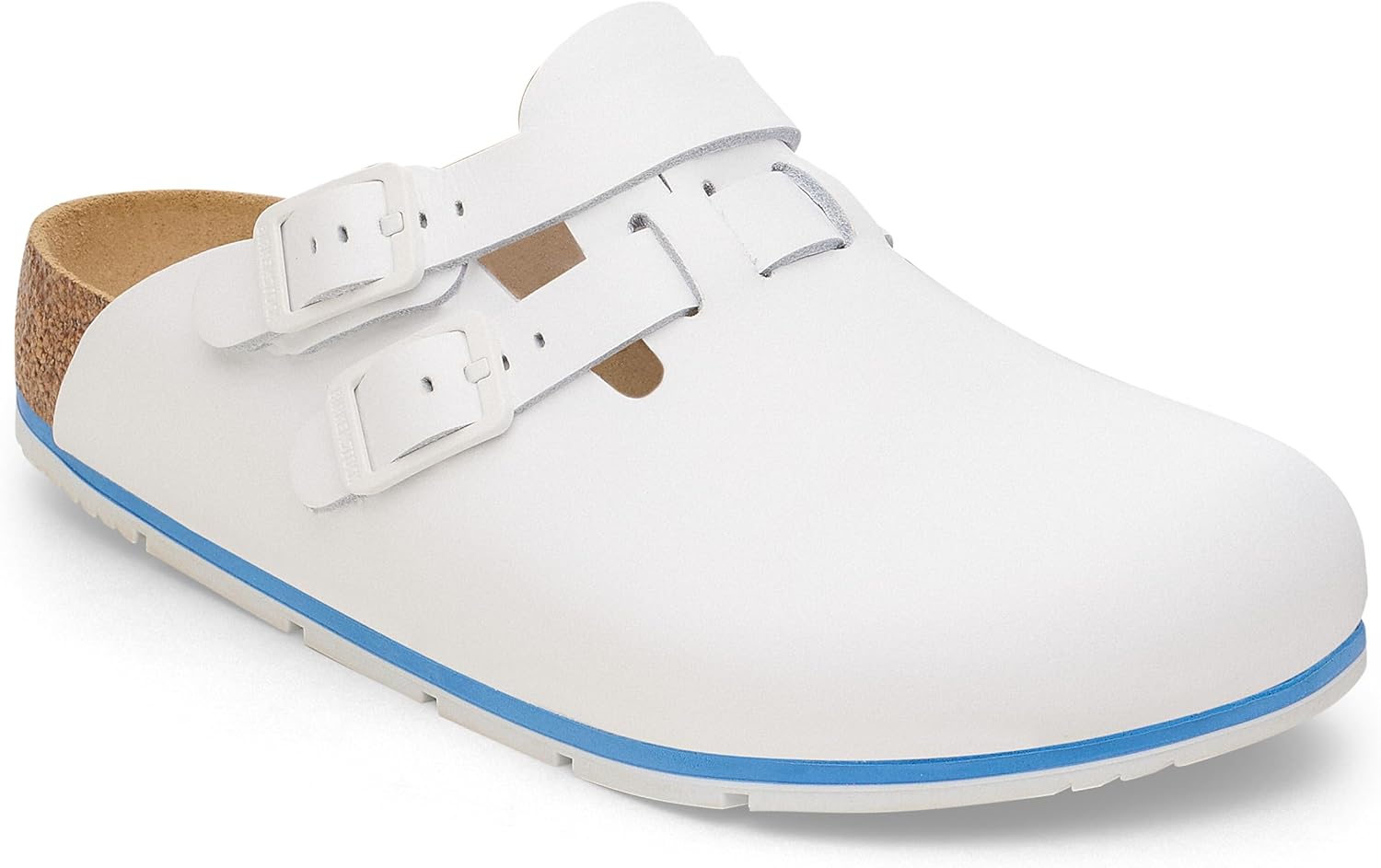
Nobody designed the clog for hospital work. It arrived there because it happened to solve the specific problem of a twelve-hour shift on vinyl over concrete: a stiff sole that does not flex a few thousand times a day, a closed upper that keeps fluids off skin, and a shape you can kick off in a break room without bending down.
That is the whole case, and it is worth being clear about because a lot of shoes marketed to nurses do none of it.
Standing and walking on hard flooring loads the plantar fascia and the small muscles of the foot every time the shoe bends at the ball. A rigid or rocker sole removes most of that cycle. Your leg muscles do slightly more work; your feet do considerably less. This is why people come off a shift in Danskos less sore than in running shoes, even though a running shoe feels better in the shop.
Hospital floors get wet in ways that are hard to predict. A smooth wooden or leather sole is genuinely dangerous on a spill. Look for a rated slip-resistant outsole — most professional lines have one, and it is usually stated plainly because it is a selling point.
Most units require the top of the foot to be covered, for exposure reasons rather than comfort. Open-back clogs are usually fine; open-toe is usually not. Check your own policy before you buy, because this is the single most common reason a pair gets returned.
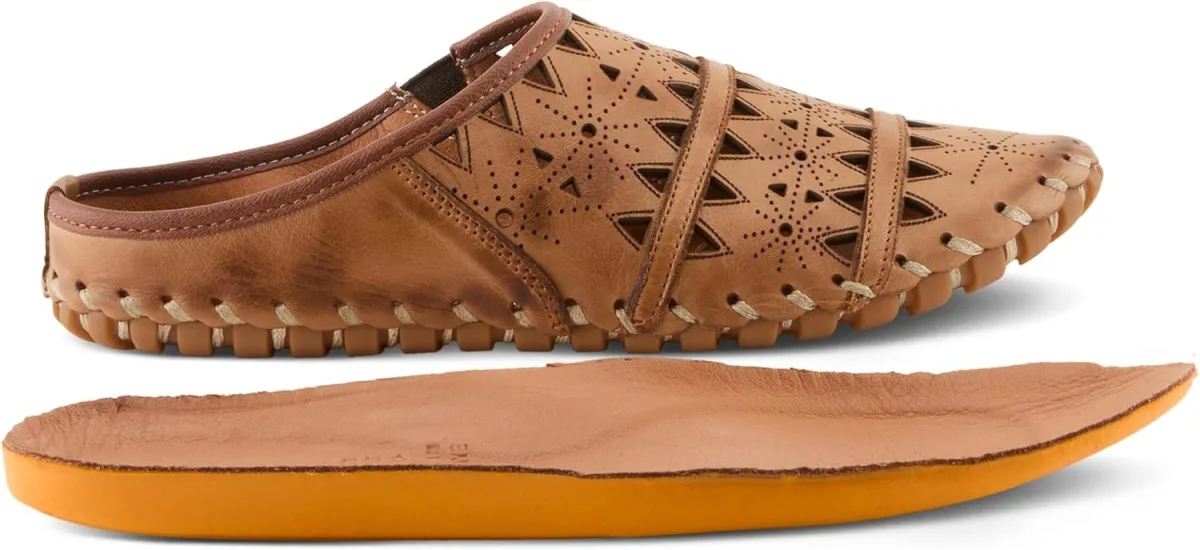
Leather breathes, moulds to your foot, and lasts years. It also absorbs, which means a serious spill soaks in and a leather clog worn in a sluice room ages badly.
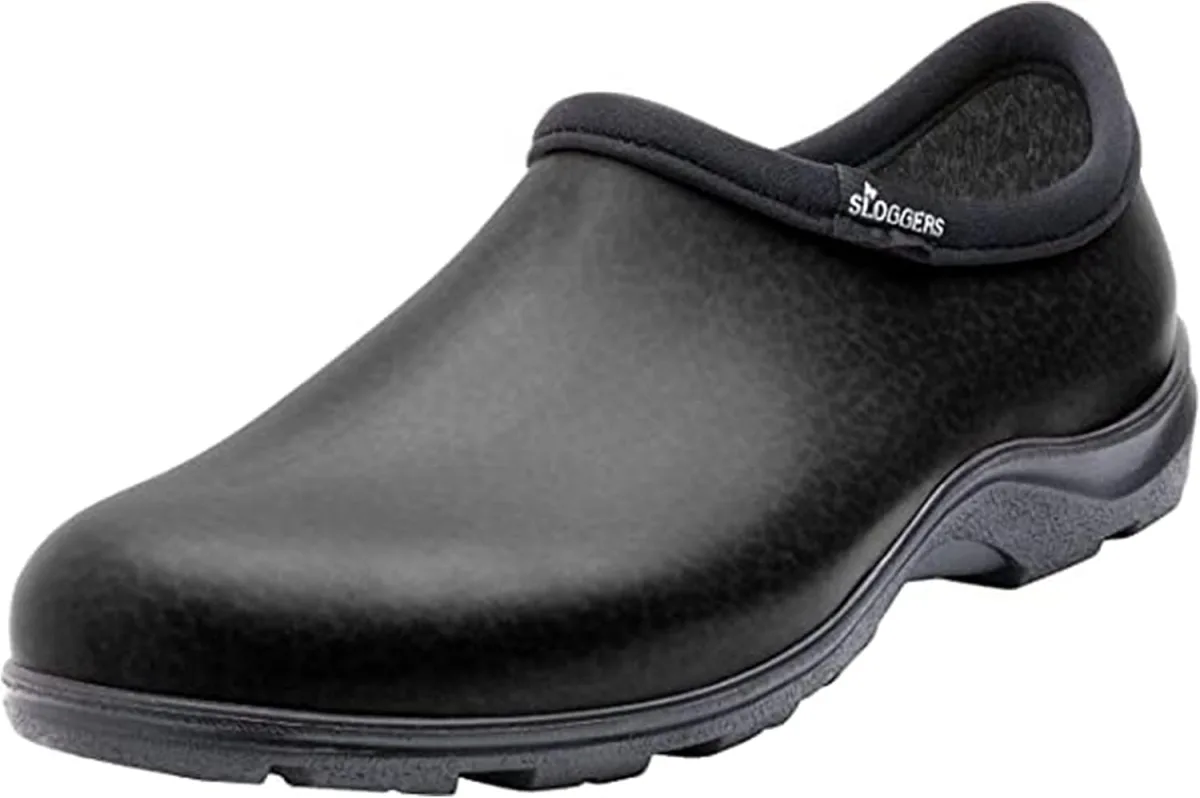
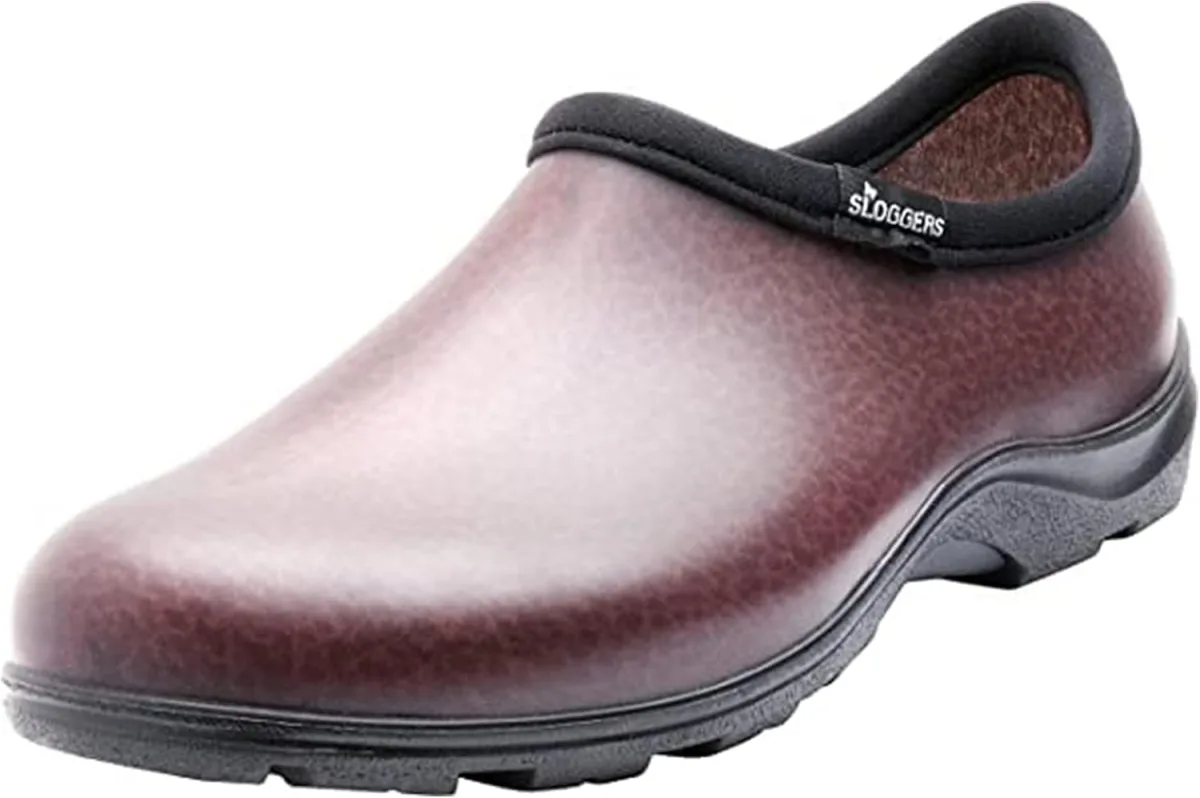
Sealed leather and treated finishes sit in between. Fully washable polyurethane — Birkenstock's Profi Birki, Sanita's professional line — is what people actually wear on the wards where spills are routine, and nobody pretends it is as comfortable as broken-in leather.
The honest answer for most nurses is leather for floor and clinic work, and a washable pair kept for anything messier.
Closed-back clogs hold the heel, which is steadier on stairs and required in some units. Open-back clogs are faster to get on and off and let heat out, which matters more than people expect over twelve hours.
If you take stairs constantly or run to codes, closed back. Otherwise open back is the more comfortable shoe and it is what most floor nurses end up in.
Feet swell measurably over a long shift. Fit clogs at the end of a day, not the start, and leave about a centimetre at the toe. In an open-back clog your heel should sit roughly a centimetre inside the back edge — if you are gripping with your toes to keep it on, it is too big and you will get cramp by hour eight.
Rocker soles take three to five days before the roll feels natural. Cork footbeds take two to three weeks to mould. Neither is comfortable on day one, and both are worth the wait.
The thing that will not resolve is a specific pressure point. Generalised stiffness breaks in. A spot that hurts does not. Return it.
Leather needs about a day to release the moisture it absorbed from your foot. Two pairs alternated will each outlast one pair worn daily by more than double, and your feet will be noticeably better for it. For anyone working four or more shifts a week this is the single highest-value thing on this page.
A clog solves the specific problem of long shifts on hard flooring: a rigid sole that does not flex thousands of times a day, a closed upper that keeps spills off skin, and a shape that comes off easily. Most nursing clogs also have rated slip-resistant outsoles.
They are the most widely worn clog in American hospitals, largely because of the rocker sole and the depth of the heel cup. The XP 2.0 line adds a slip-resistant outsole rated for wet floors, which is the version most floor nurses want. Fit is the limiting factor — the vamp is fixed, so a high instep is uncomfortable and will not stretch out.
There is no single answer, because it depends on your arch and how much you walk versus stand. As a rule: a high or well-defined arch does well in a cork footbed, a flatter or wider foot does better in a moulded rocker shoe, and anyone with plantar fasciitis usually prefers a rigid rocker sole.
Closed back is steadier on stairs and required in some units. Open back is cooler and faster to get on and off, and is what most floor nurses end up preferring. Check your unit's policy first — open toe is usually prohibited, open heel usually is not.
Alternate two pairs so each gets a full day to dry, and leave bicarbonate of soda in them overnight when needed. Sprays mask rather than fix. Suede-lined footbeds darken with wear — that is normal, and a soft brush with mild soap cleans them.
Three to five years worn daily for a good leather pair, and roughly double that if you alternate two pairs. The outsole usually wears through at the outer heel first and can often be replaced by a cobbler for a fraction of a new pair.