Guide
Dansko Clogs for Nurses
Which Dansko suits ward work, why the XP 2.0 exists, how to size the fixed vamp, and the honest case against them.
Why Dansko became the hospital default
Dansko did not set out to make a nursing shoe. It made a Danish-style stapled clog on a rigid rocker sole, and American nurses found it in the 1990s and never really left.
The reason is mechanical. The sole does not bend at the ball of the foot. Over a twelve-hour shift on vinyl-over-concrete, that removes several thousand flex cycles from your plantar fascia and the small muscles of the foot. You notice it not during the shift but at the end of it.
Which Dansko for ward work
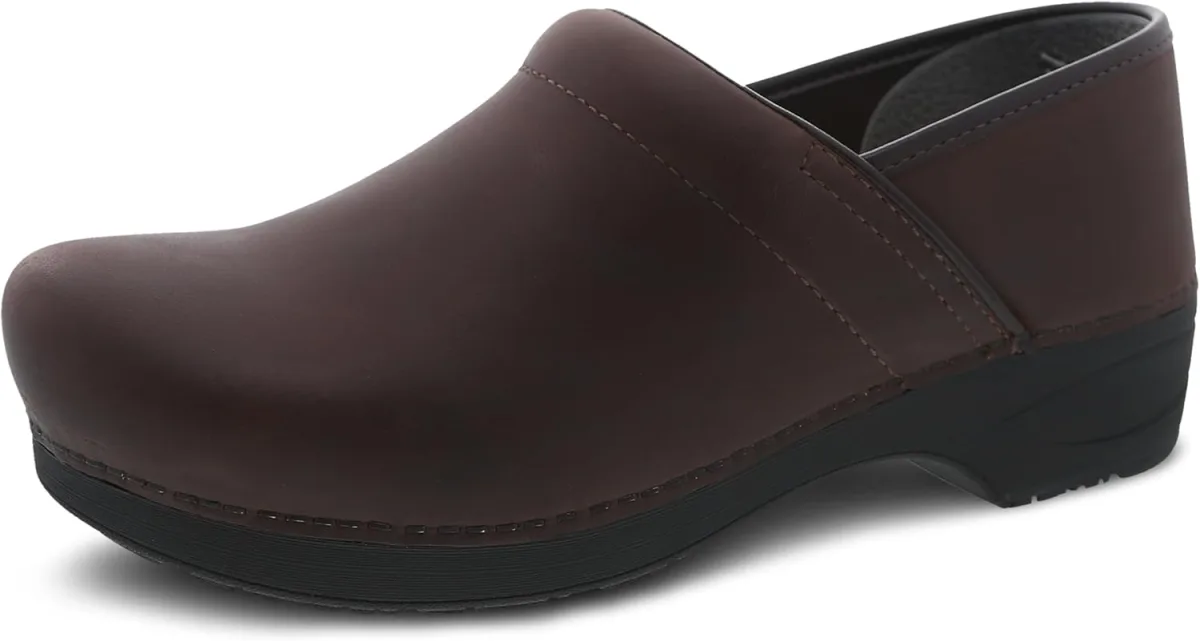
XP 2.0 — the one most floor nurses want
Slip-resistant outsole rated for commercial wet floors, lighter than the Professional, and a moisture-wicking lining. If your floor gets wet — and hospital floors do — this is the version to buy. The trade is slightly less shock absorption.
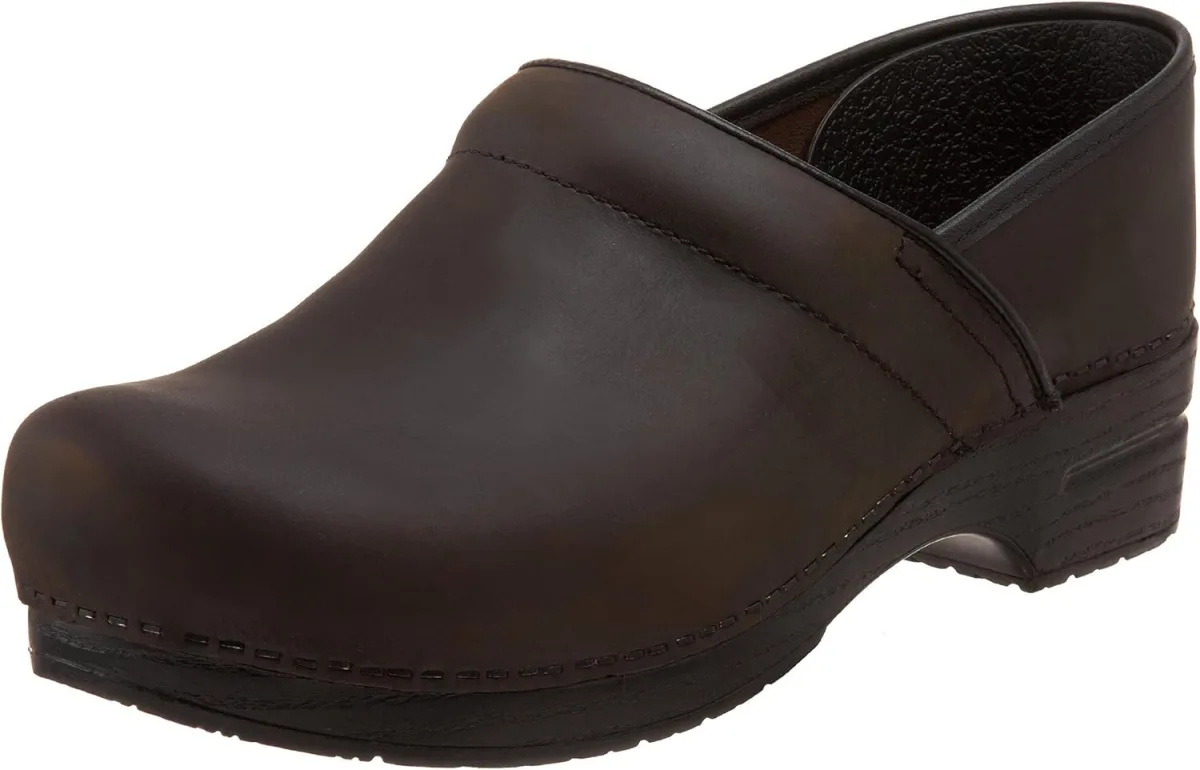
Professional — the original
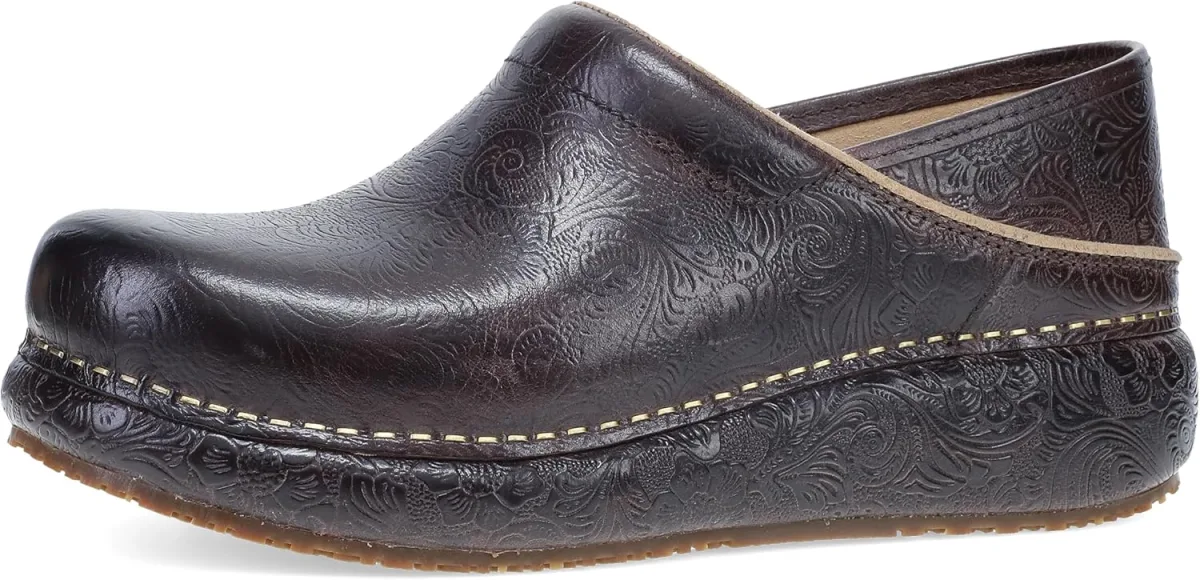
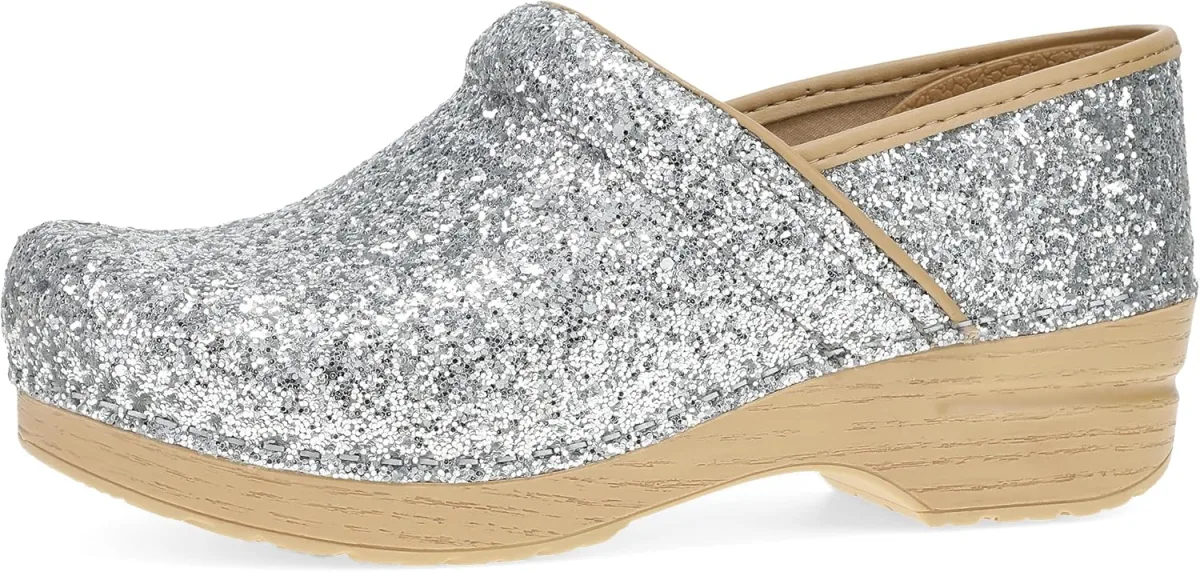
Heavier, taller rocker, more cushioning. Better for dry floors and for people who stand in one place more than they walk. This is the shoe people mean when they say "Danskos".
Kane and the lighter slip-ons
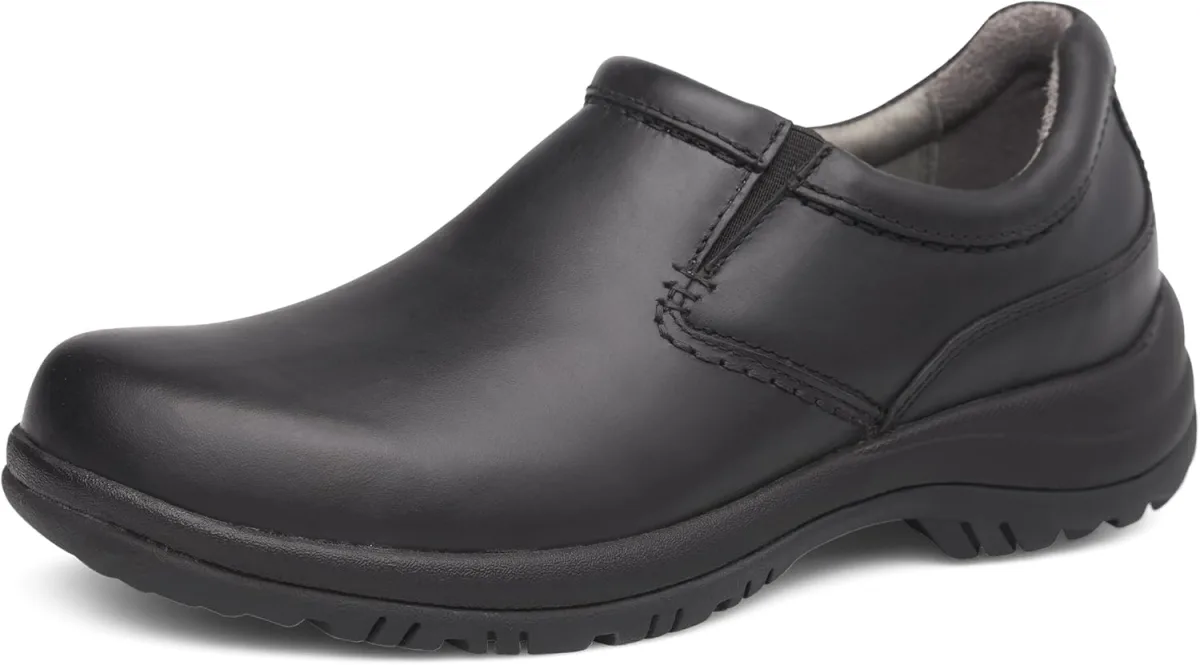
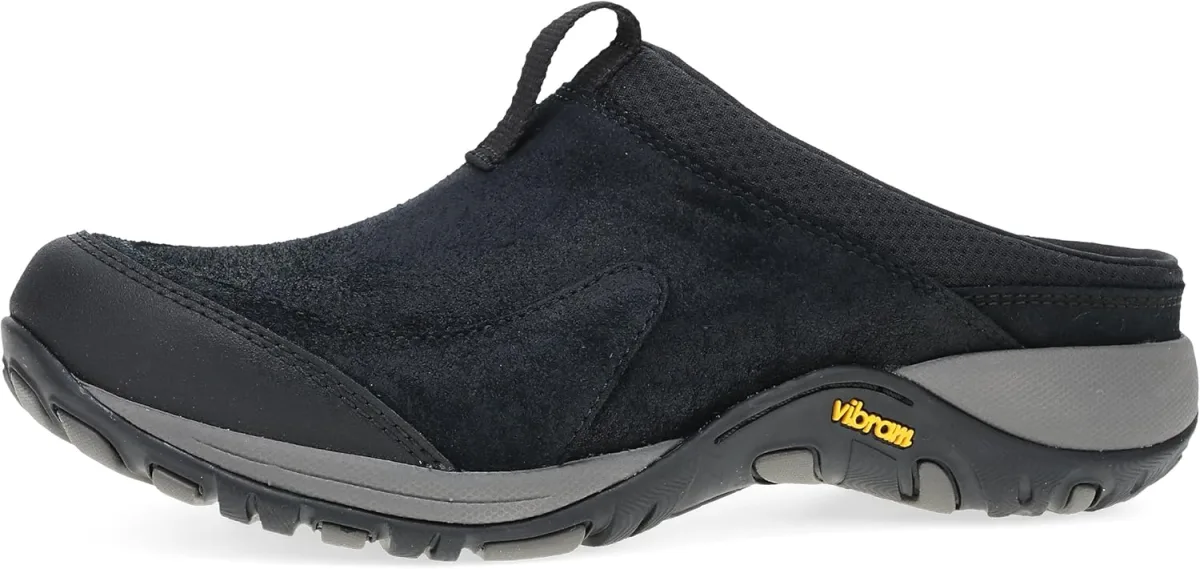
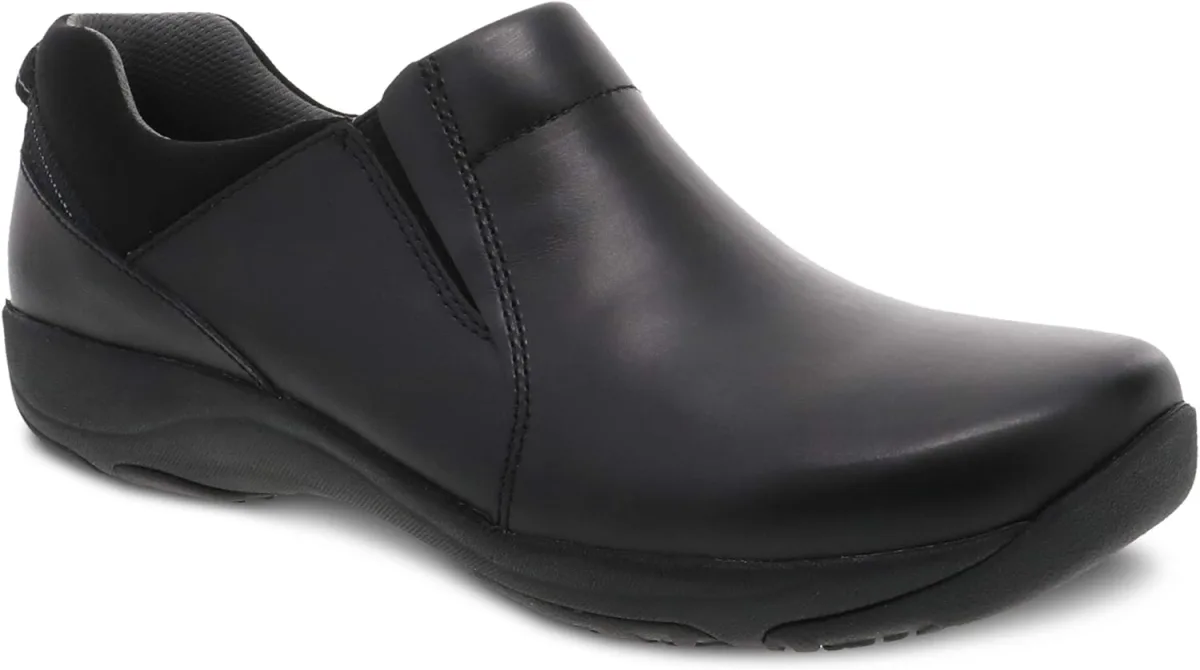
Lower, lighter, more flexible. Easier to wear off shift, less of the rocker benefit. Reasonable for clinic and office work, less so for twelve hours on a ward.
Sizing: the vamp is the problem, not the length
Dansko sizes in EU whole sizes and the US conversion drifts between styles. Most returns are not about length — they are about instep height.
The vamp is fixed. There is no lace, no strap, nothing to let out. If you have a high instep, a standard Dansko feels like a band across the top of your foot and it will not stretch enough to fix. Try before committing, or buy from somewhere with free returns.
For length: your heel should sit about a centimetre inside the back edge of the footbed. Fit them at the end of a day, when your feet have already swollen.
The honest case against
They are heavy. They are tall, which some people find unstable on stairs and in a hurry. The rocker feels genuinely wrong for the first few days. And they do not suit a high instep at all.
If any of that describes you, a cork-footbed clog or a lighter professional clog will serve you better, and there is no prize for persisting with a shoe that does not fit.
Making a pair last
Alternate two pairs. The PU outsole wears at the outer heel first, usually after eighteen months to three years of daily wear, and a cobbler can replace it. Condition the leather every couple of months. Keep them out of direct heat — a radiator will crack the upper and can delaminate the sole.
Dansko clogs specified for nursing and work
Dansko
Dansko Men's XP 2.0 Clog
Dansko
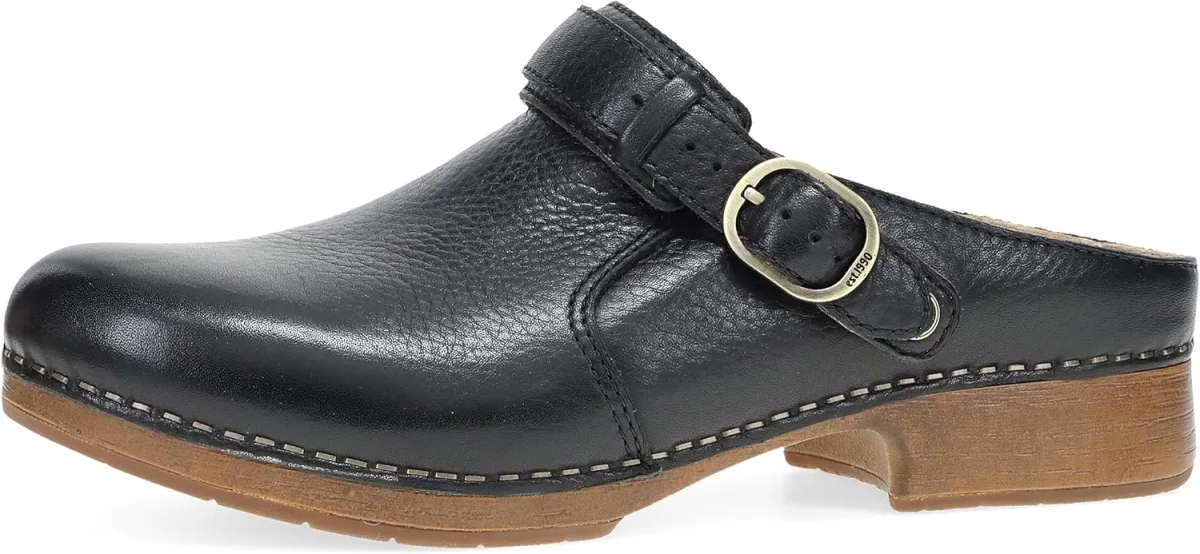
Dansko Millie Women’s Slingback Swivel Strap Leather Clogs –Slip-Resistant Wor
Leather-linedRubber outsoleClosed back
Common questions
Are Dansko clogs worth it for nurses?
For most people on long shifts, yes — the rigid rocker sole measurably reduces end-of-shift foot fatigue, and a pair lasts three to five years. The exception is a high instep: the vamp is fixed and will not stretch, and no amount of break-in fixes it.
What is the difference between the Dansko Professional and the XP 2.0?
The XP 2.0 is lighter, has a slip-resistant outsole certified for wet commercial floors, and a moisture-wicking lining. The Professional is heavier with more shock absorption. For hospital floors the XP 2.0 is usually the better choice.
Do Dansko clogs run big or small?
They run true to EU sizing but the US conversion varies by style. Fit by heel position — about a centimetre of footbed behind your heel — and fit at the end of the day when your feet have swollen.
How long do Dansko clogs last for a nurse?
Three to five years worn daily, roughly double that if you alternate two pairs. The outsole wears first at the outer heel and can be replaced by a cobbler.
Are Dansko clogs slip resistant?
The XP 2.0 and the professional lines have outsoles rated for slip resistance on wet commercial floors. The standard Professional is less so. Check the specific model, because it is not true of the whole range.