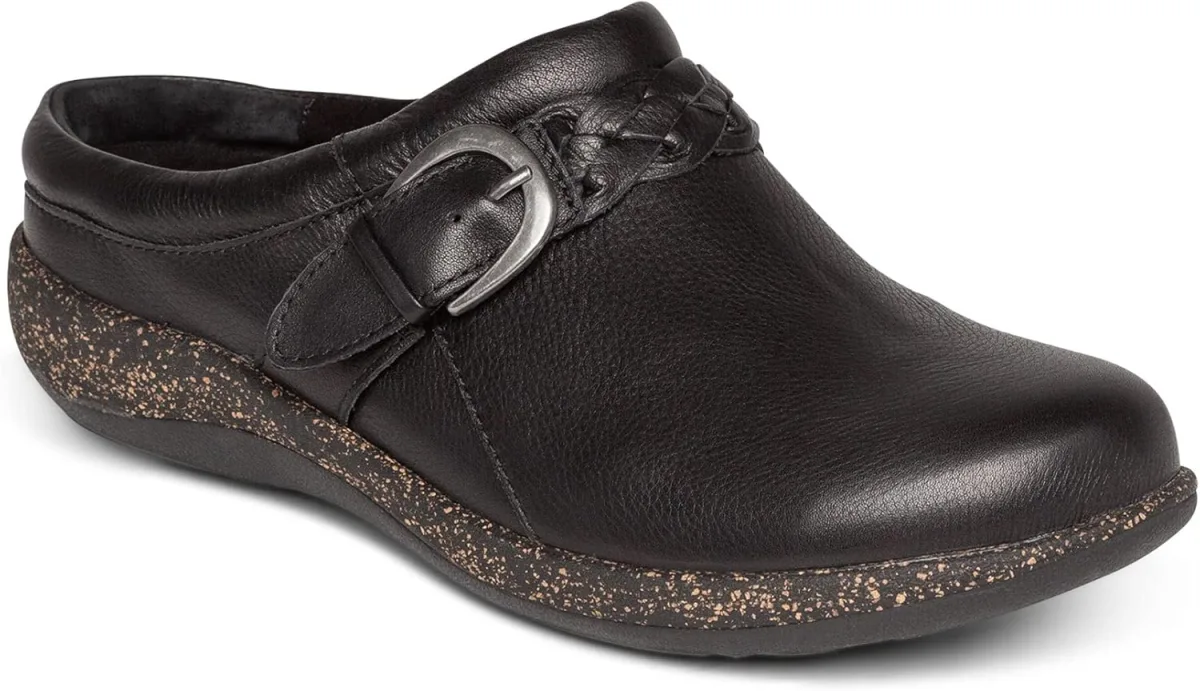
Aetrex
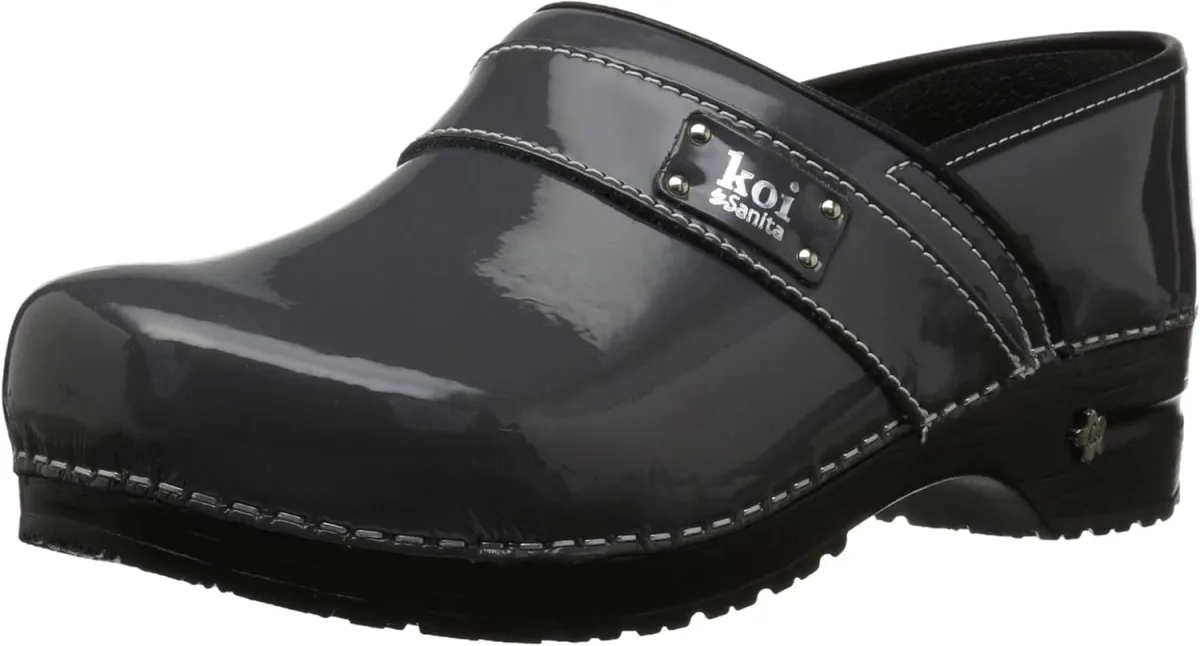
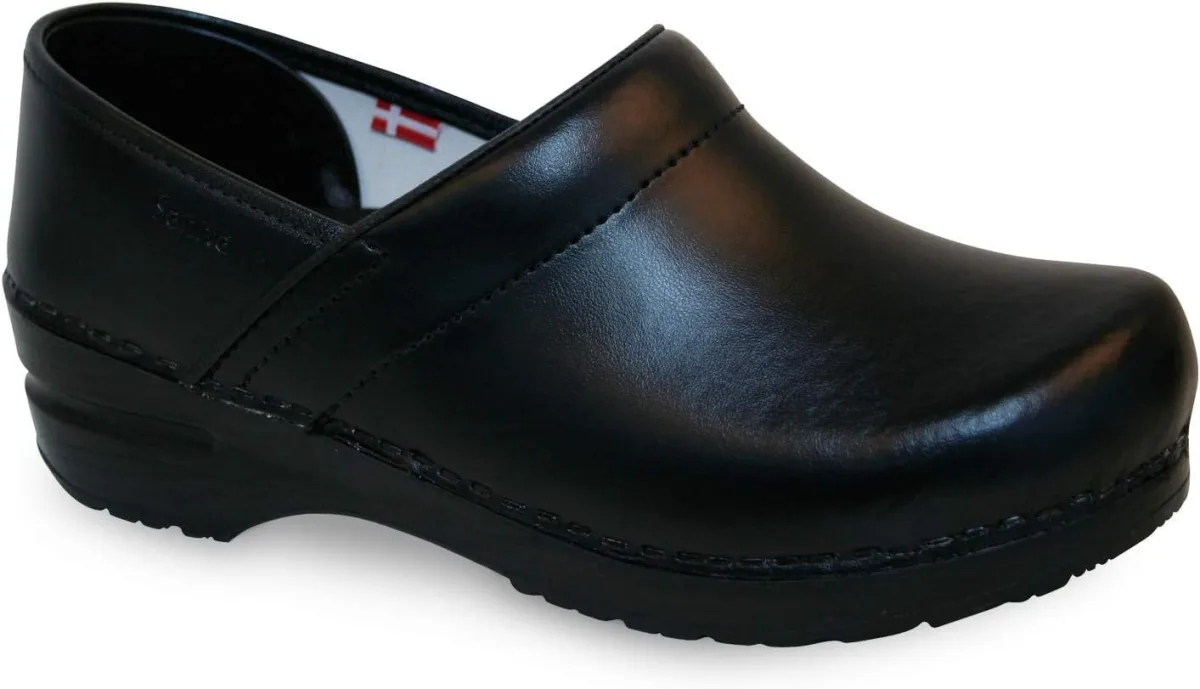
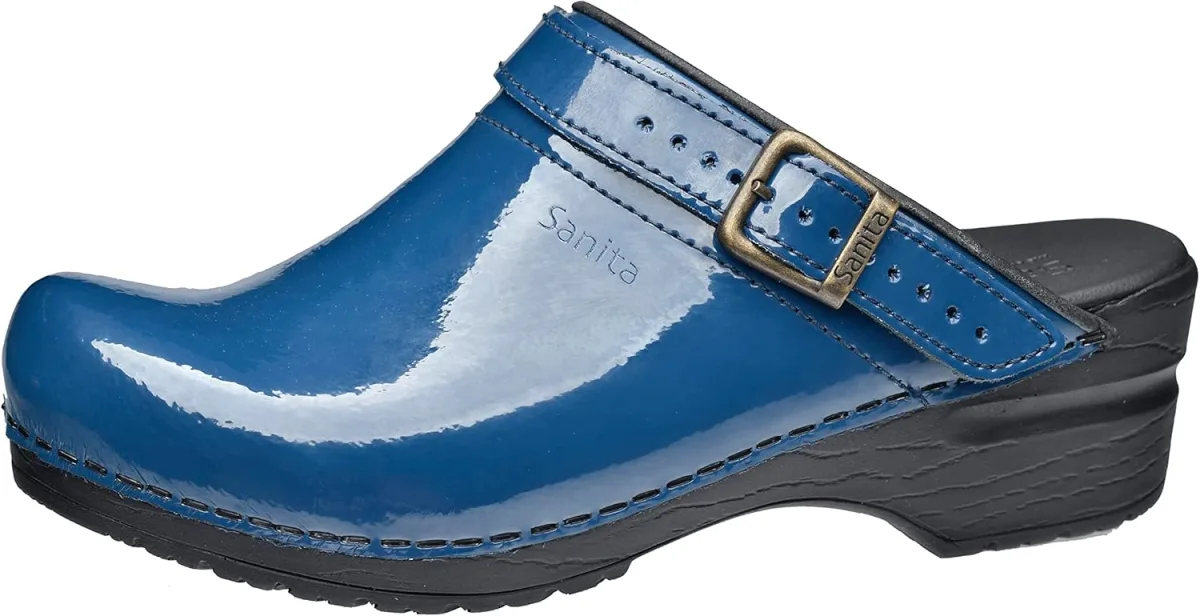
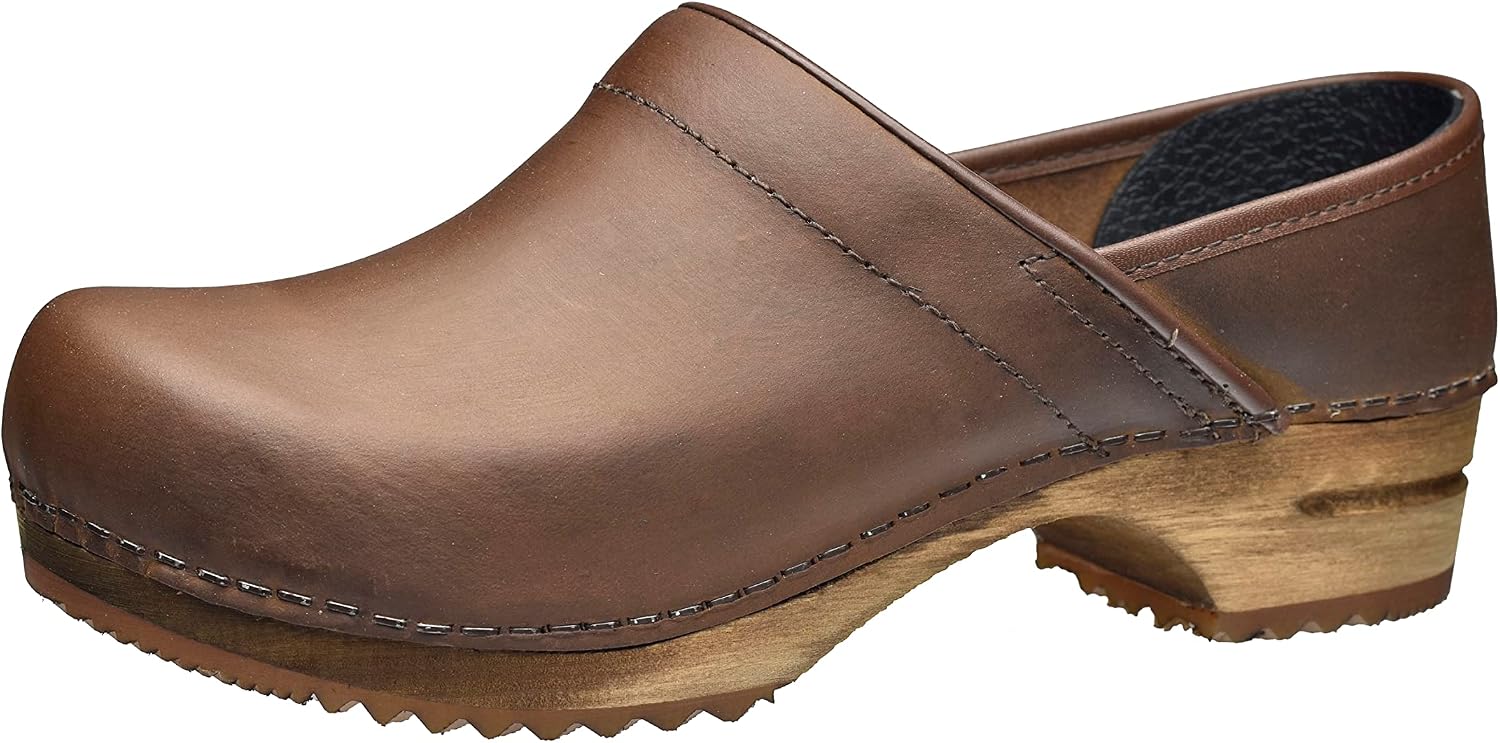
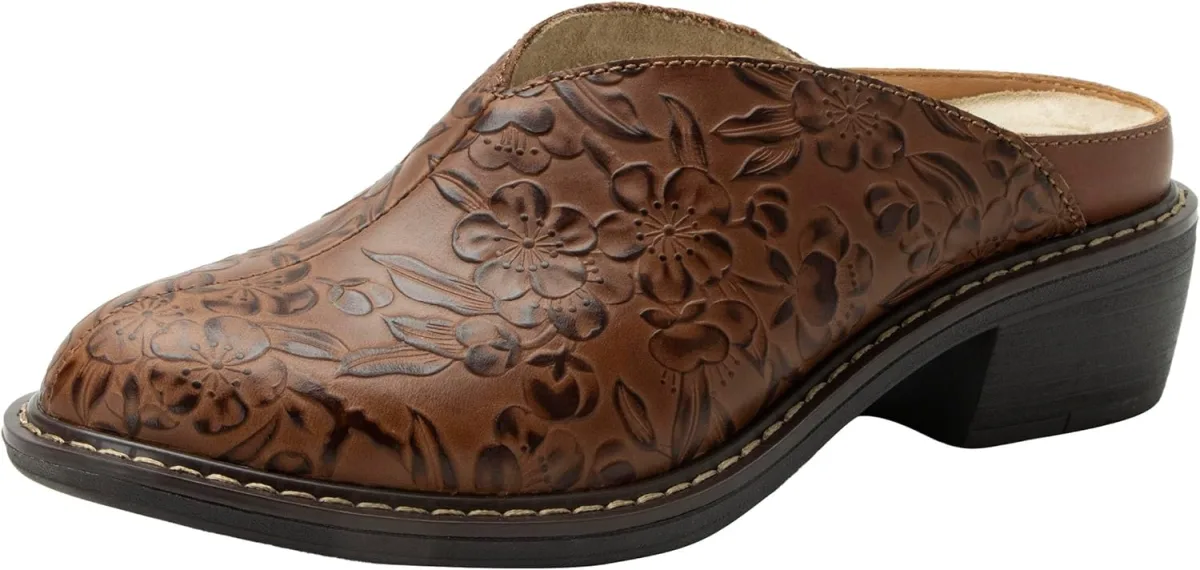
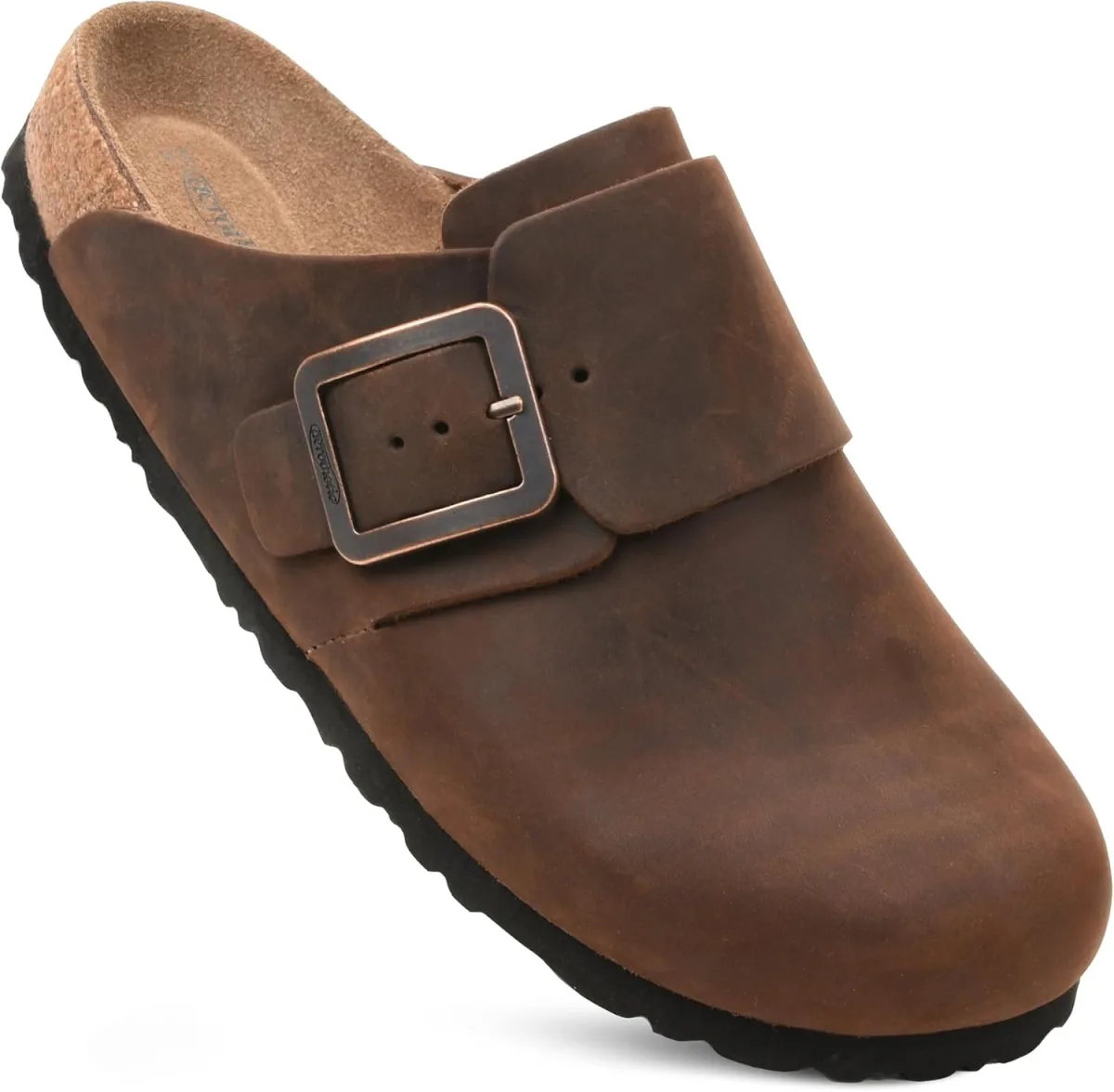
Aetrex Libby Orthopedic Arch Support Comfort Leather Clogs for Women
Cork footbedRubber outsoleBuckle
Independent comparison site
Not a shop — a reference. 538 leather clogs and mules from 33 brands, each one listed with the things that actually decide whether you can stand in it for nine hours: the footbed, the sole, and how it holds your heel. When you've picked one, the link takes you to its Amazon listing.
Aetrex
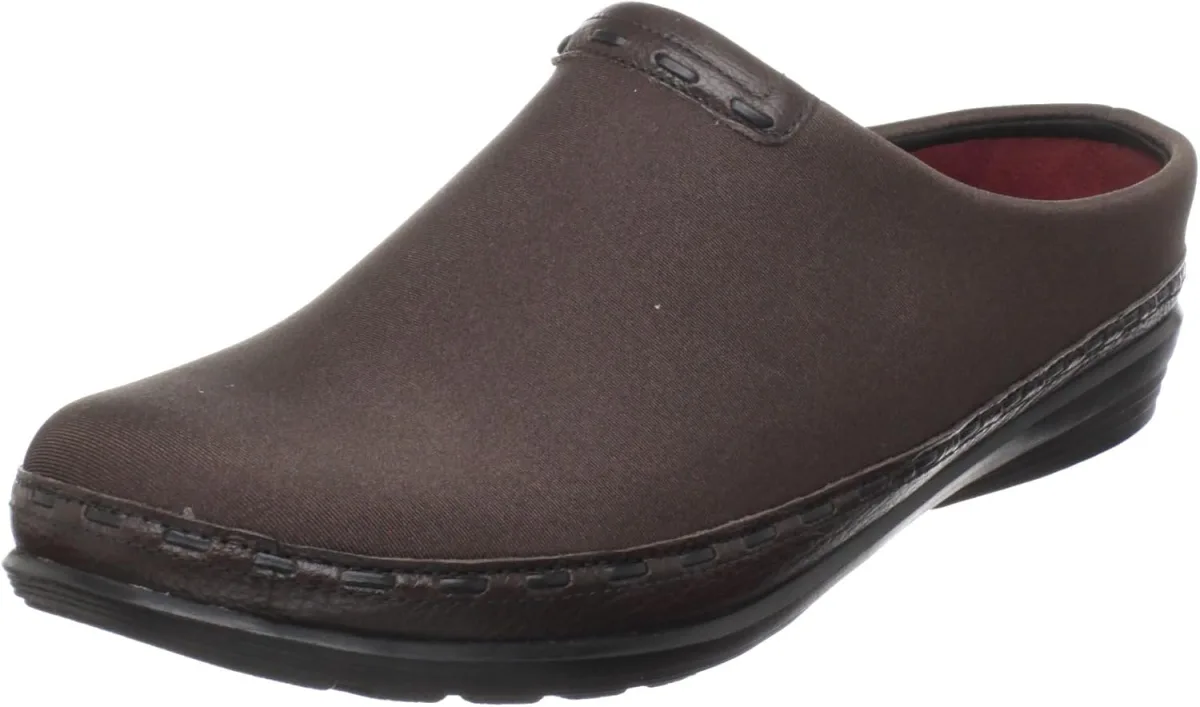
Aetrex
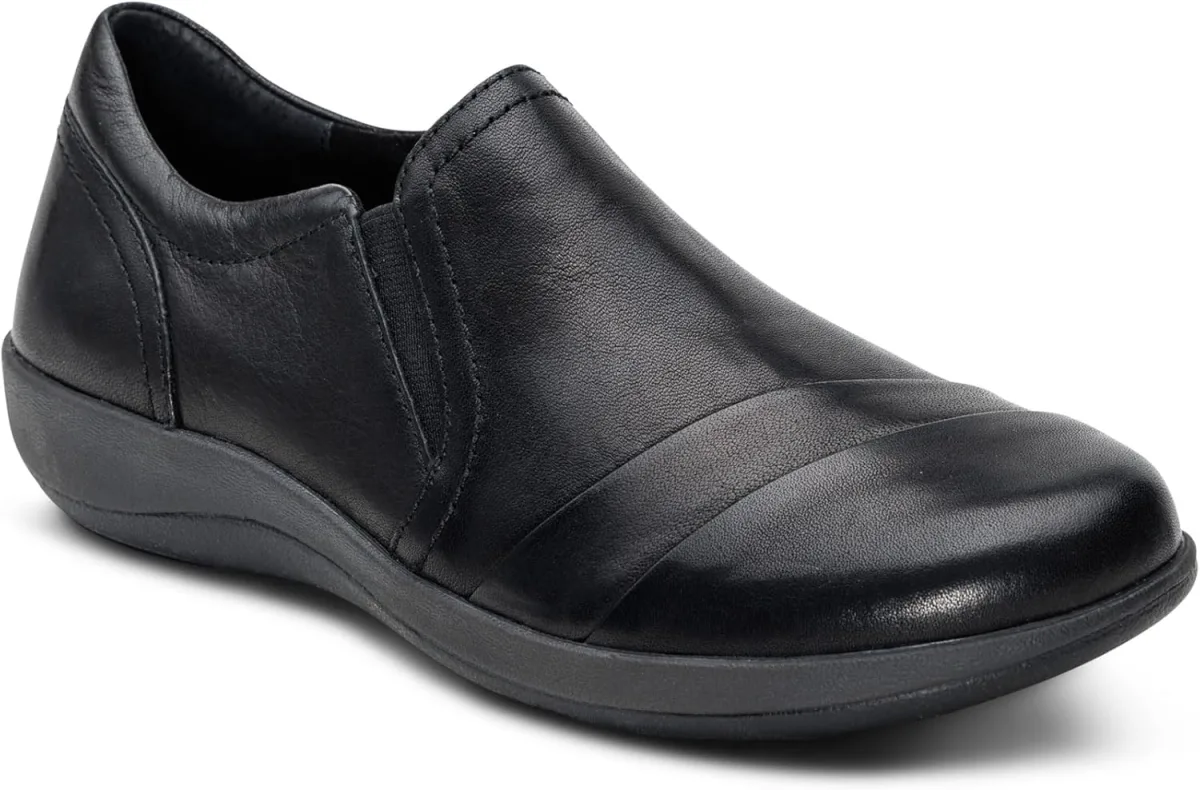
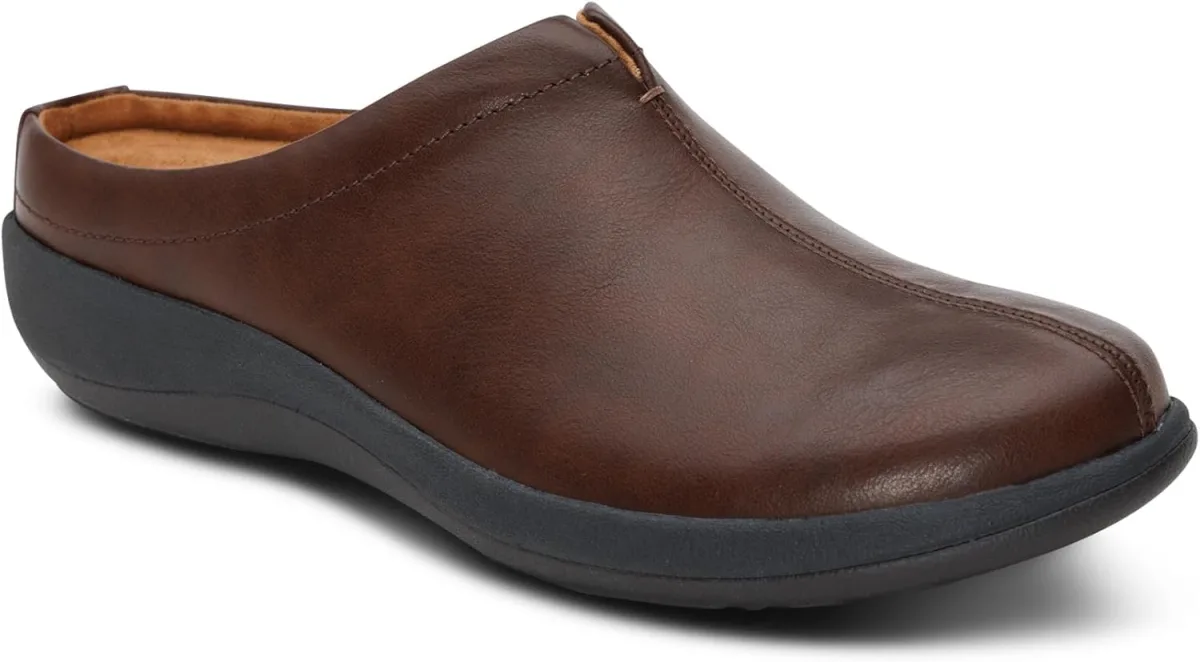
Alegria
Alegria
Dansko, Birkenstock and Sanita account for most of what people actually buy in this category, and they disagree about almost everything. Each has a full guide below — construction, model lineup, sizing, break-in and repair.
Rigid rocker sole. The American hospital and kitchen default.
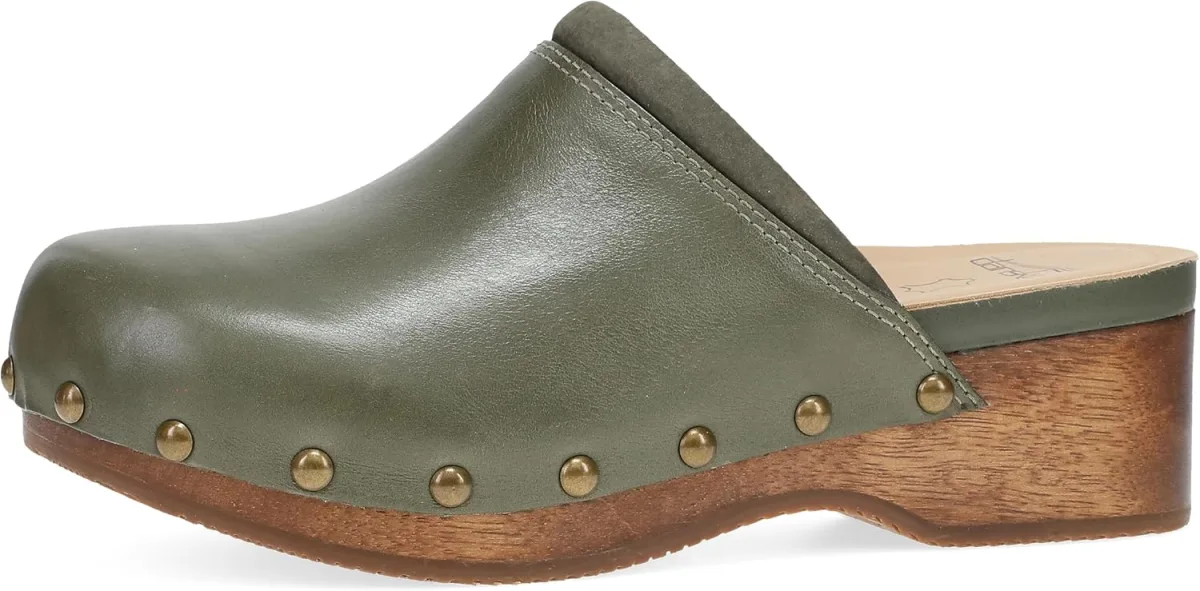
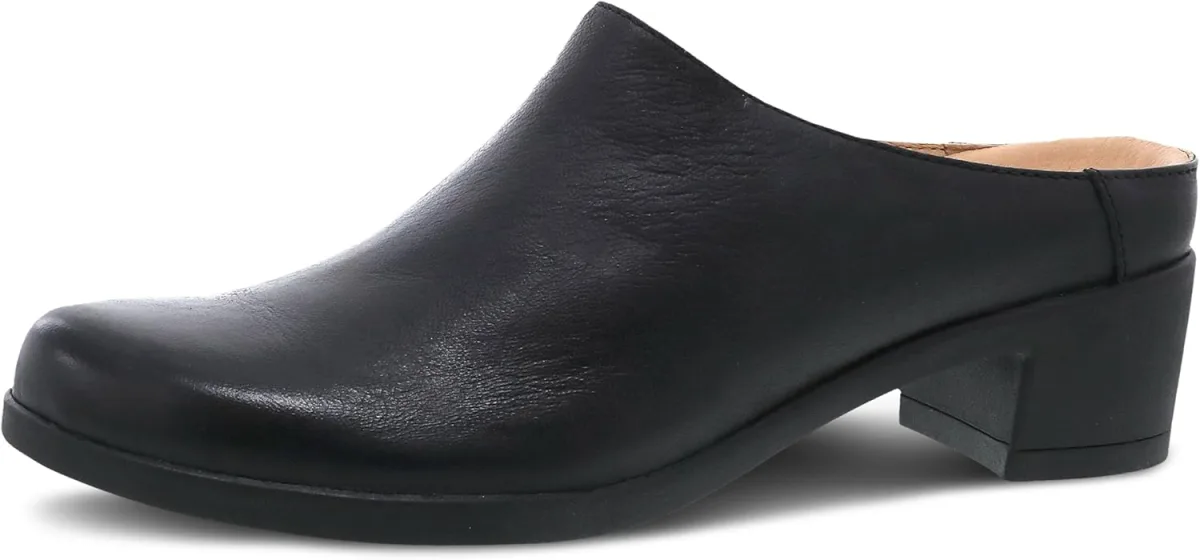
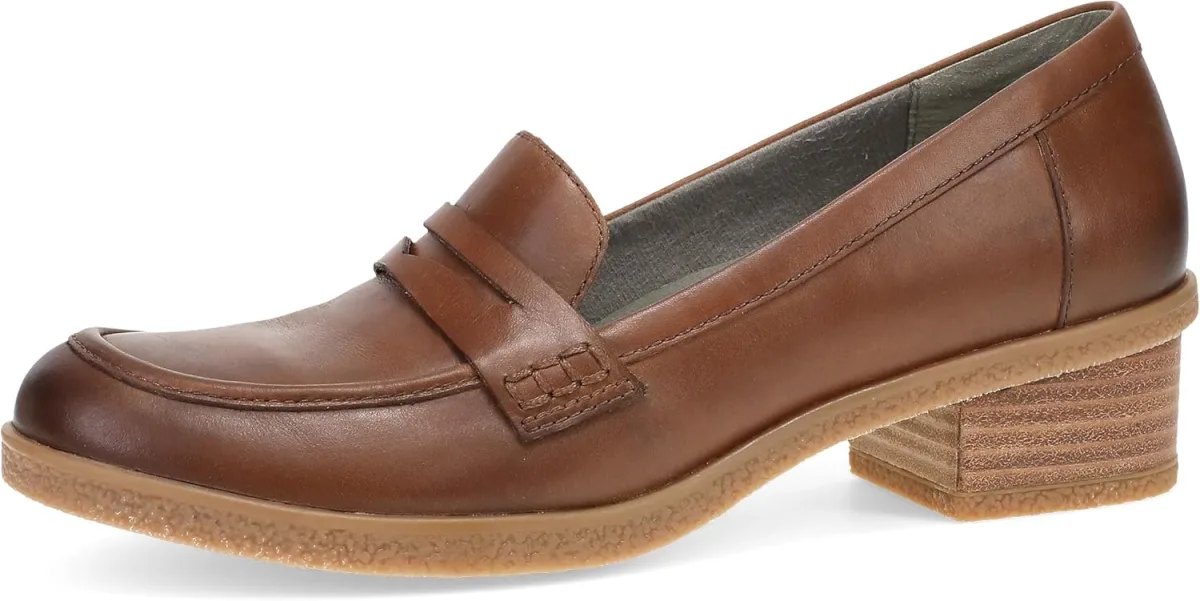
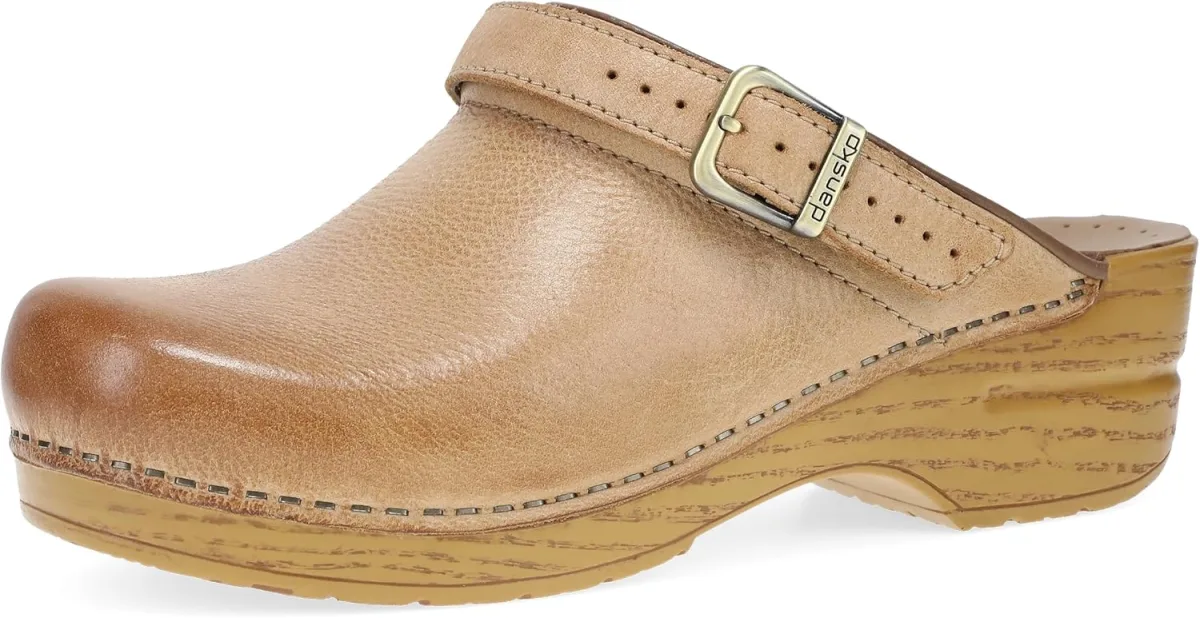
Cork footbed that moulds to your foot over two to three weeks.
Birkenstock
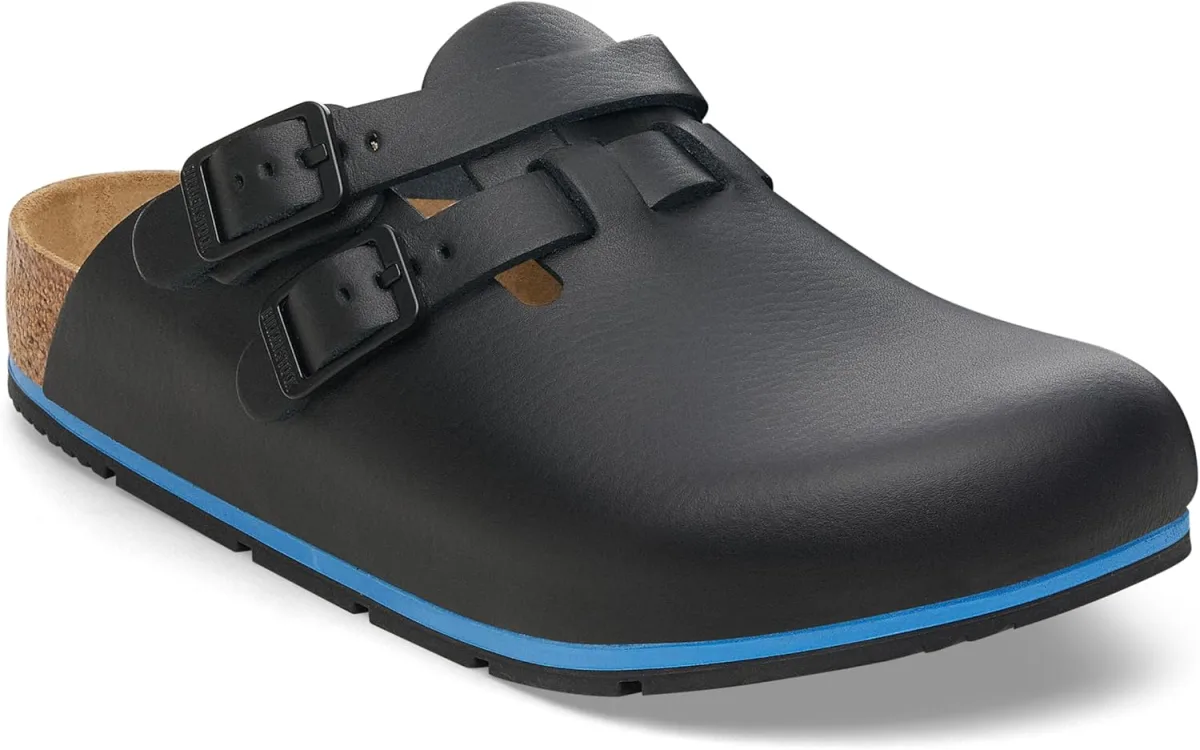
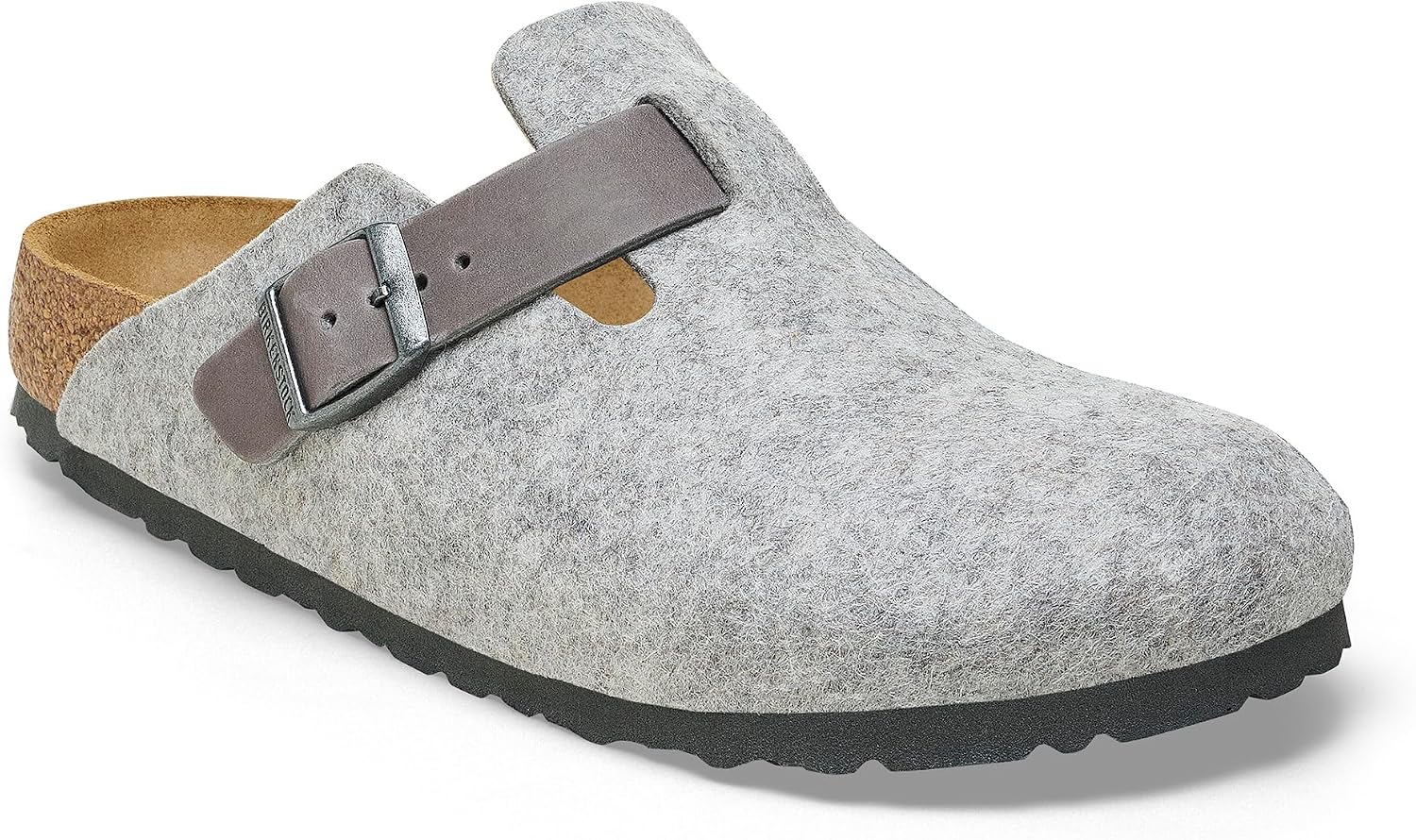
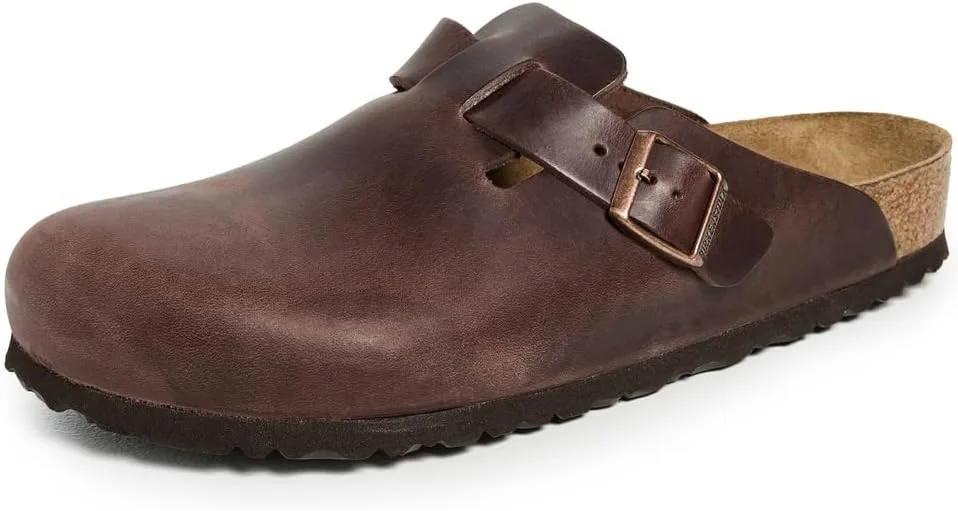
Every maker solves the same problem differently. Birkenstock builds around a cork-and-latex footbed that moulds to your foot over a few weeks. Dansko builds around a rigid rocker sole that rolls you forward instead of flexing. Sanita still uses a wooden base. None of these is better in the abstract — they suit different feet and different floors.
Aetrex
Aetrex
Alegria
Alegria
Three things, in this order.
The footbed. A cork footbed starts firm and takes two to three weeks to mould to your arch, after which it holds that shape. Memory foam feels better on day one and worse on day two hundred, because it compresses and doesn't spring back. If you stand for a living, cork or a moulded EVA footbed will outlast foam by years.
The sole. A wooden sole is rigid by design — it doesn't flex at the ball of the foot, so your foot muscles do less work over a shift. That rigidity is exactly what people either love or can't tolerate. Rubber outsoles flex more and grip wet floors better, which is why kitchen and hospital clogs mostly use them.
The upper. Full-grain leather is the outermost layer of the hide, scars and all, and it stretches to your foot then stops. Corrected-grain and "genuine leather" are lower layers, sanded and coated; they crease rather than mould. Suede and nubuck are split or buffed leather — softer immediately, thirstier in rain.
Everything else — the buckle, the strap, the colour — is preference. These three decide whether the shoe still works in year three.