Aetrex
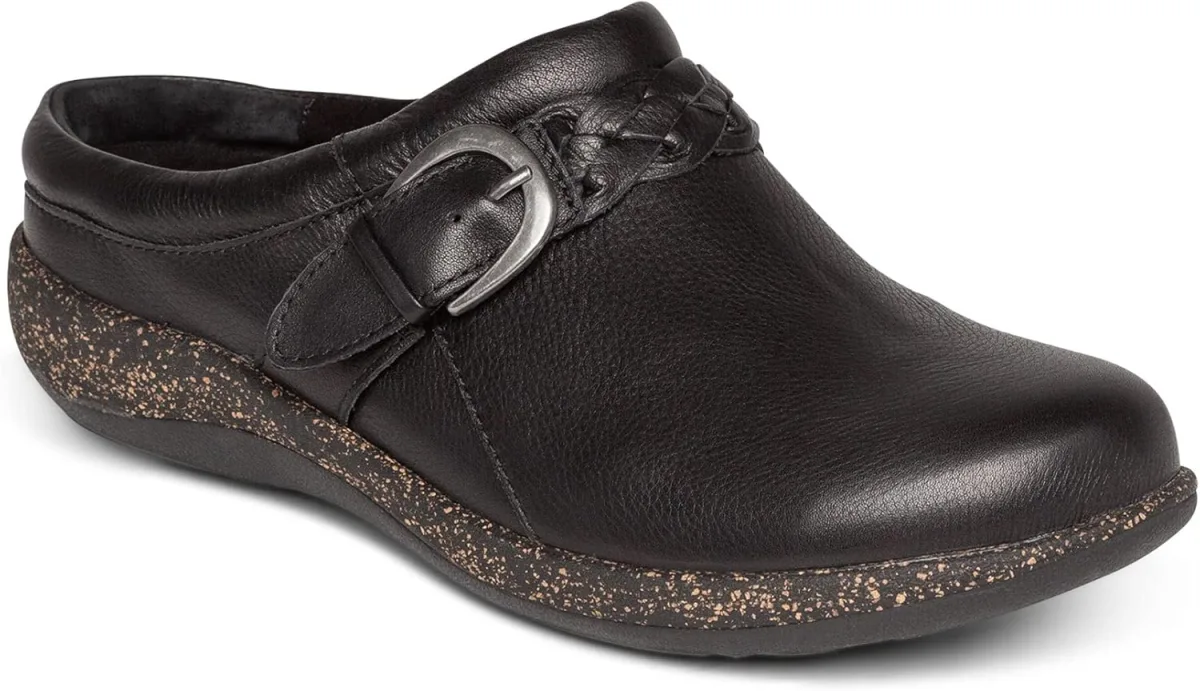
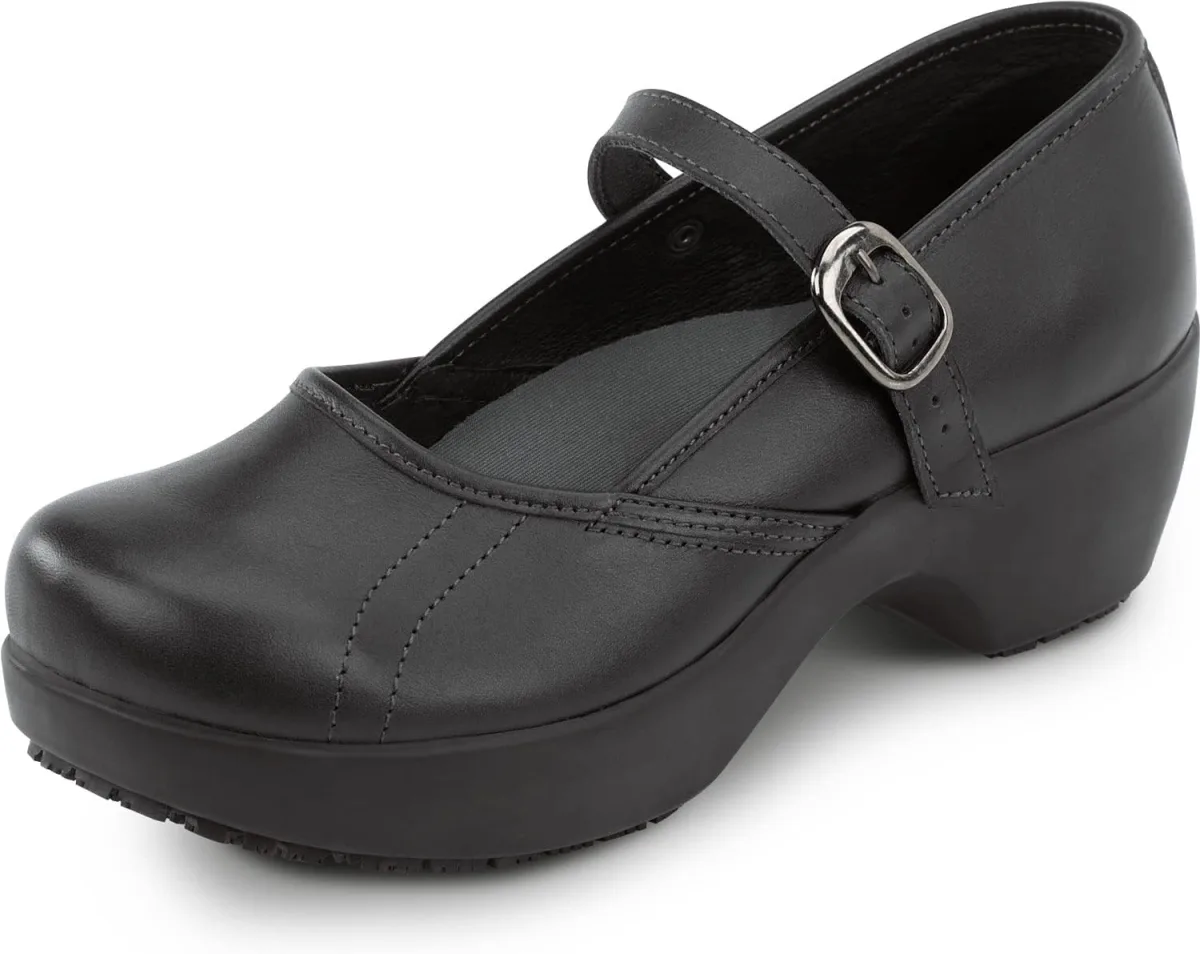
Aetrex Libby Orthopedic Arch Support Comfort Leather Clogs for Women
Cork footbedRubber outsoleBuckle
138 styles
Leather clogs for jobs that keep you upright all day — slip resistance, supportive footbeds and uppers that survive the abuse.
Aetrex
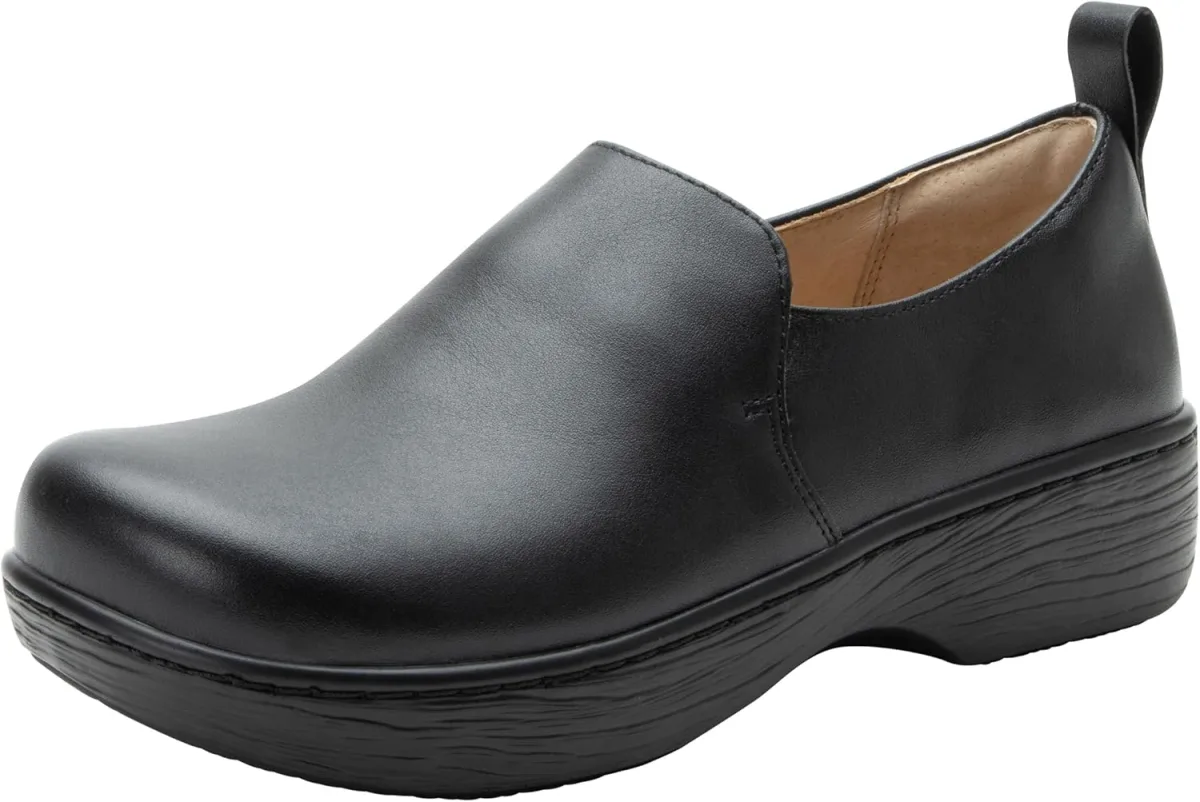
Alegria
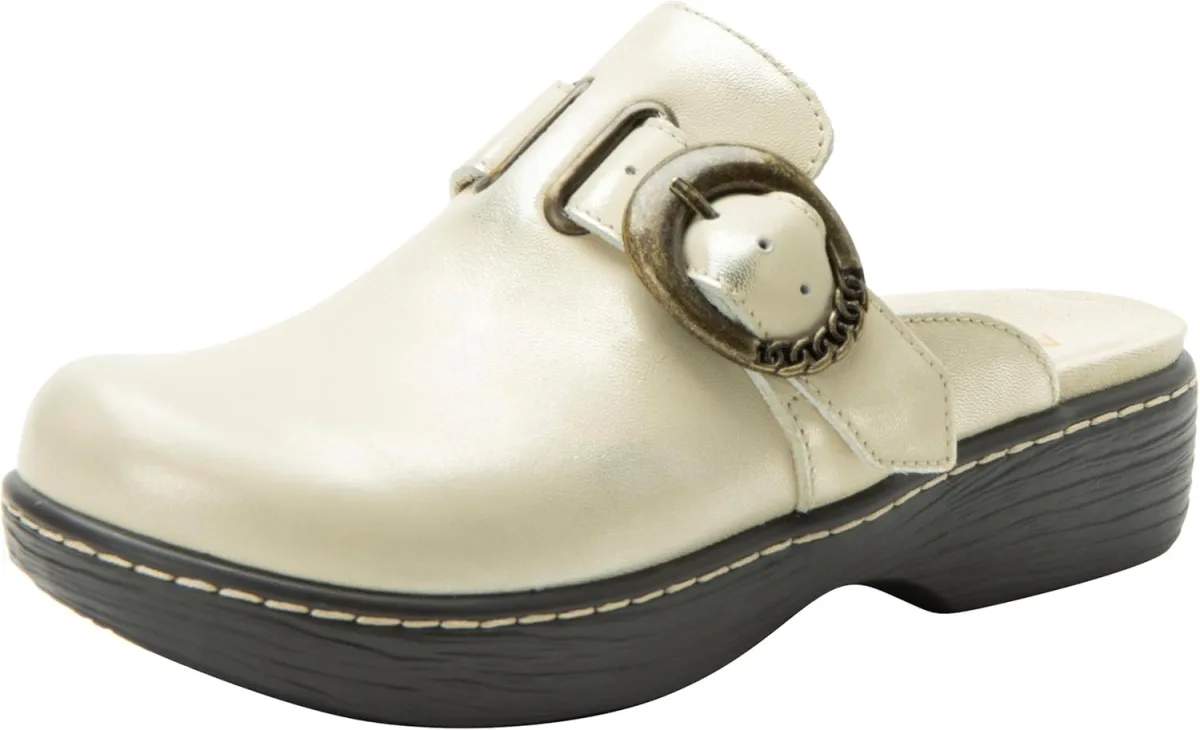
Alegria
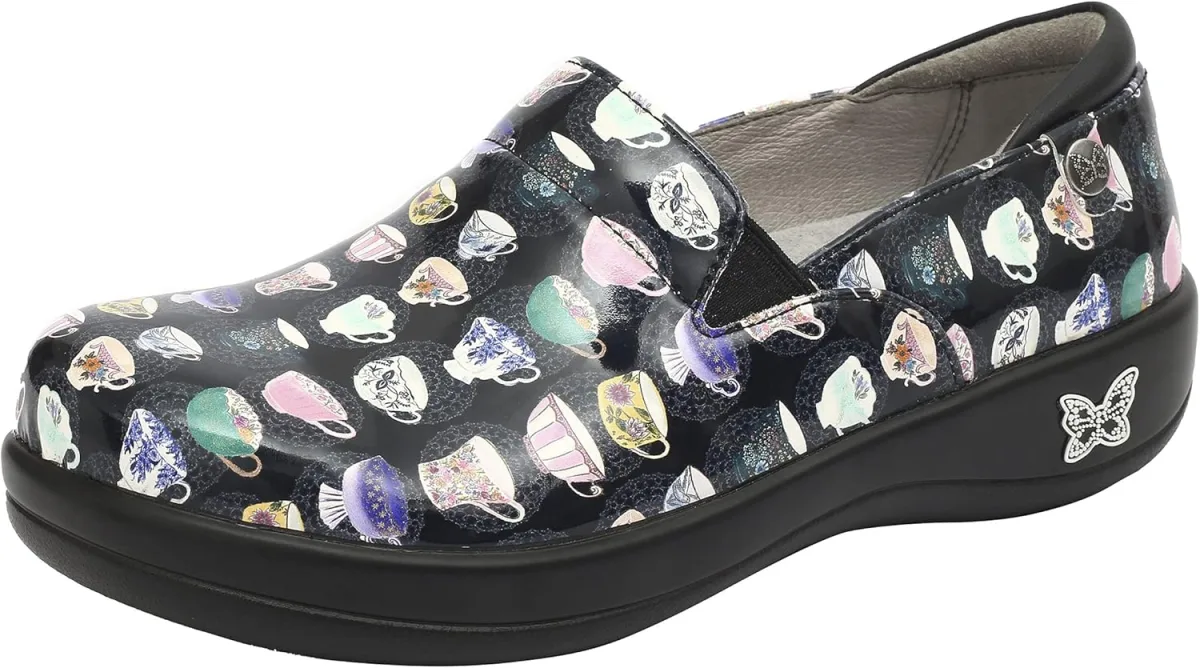
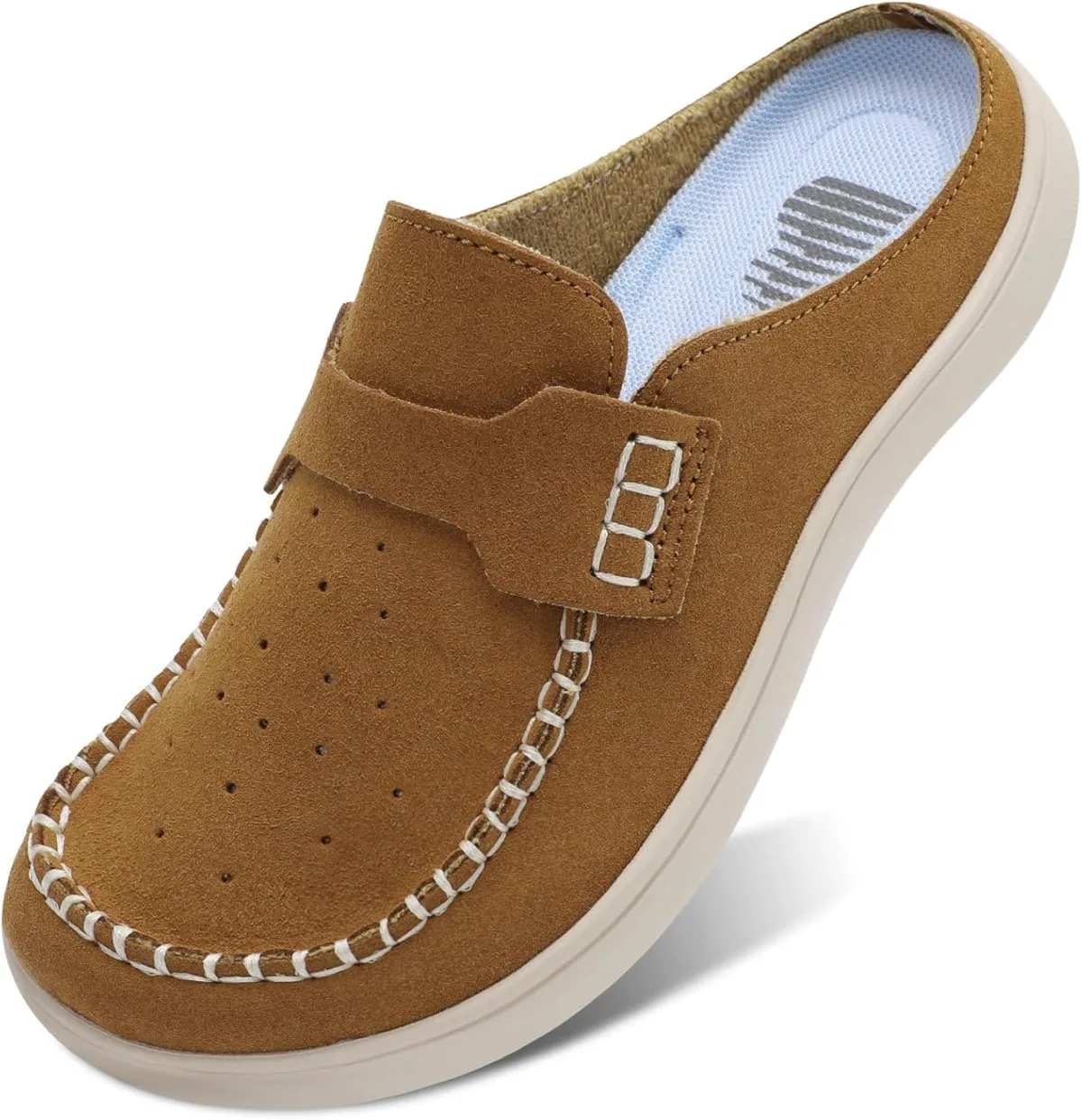
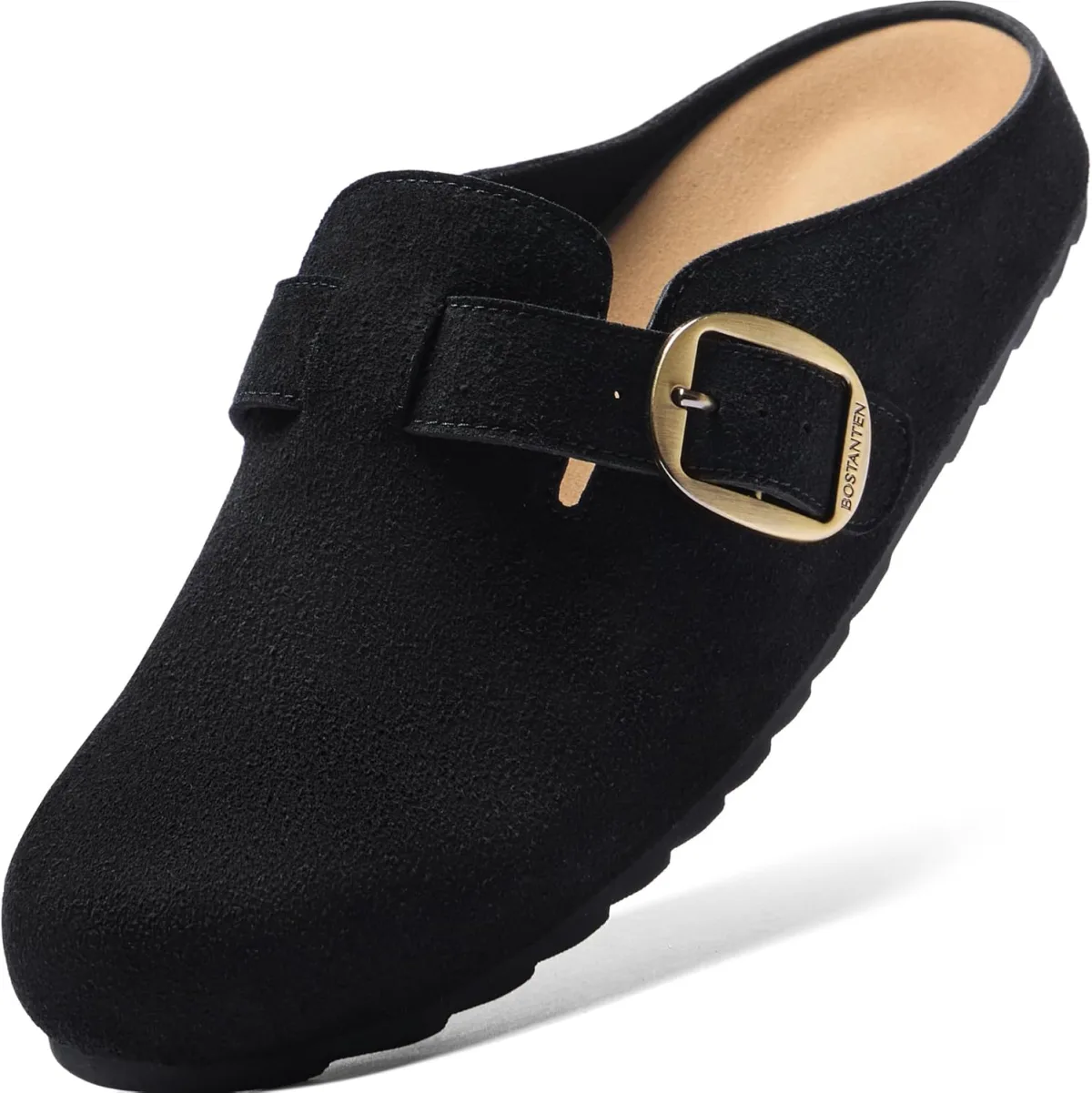
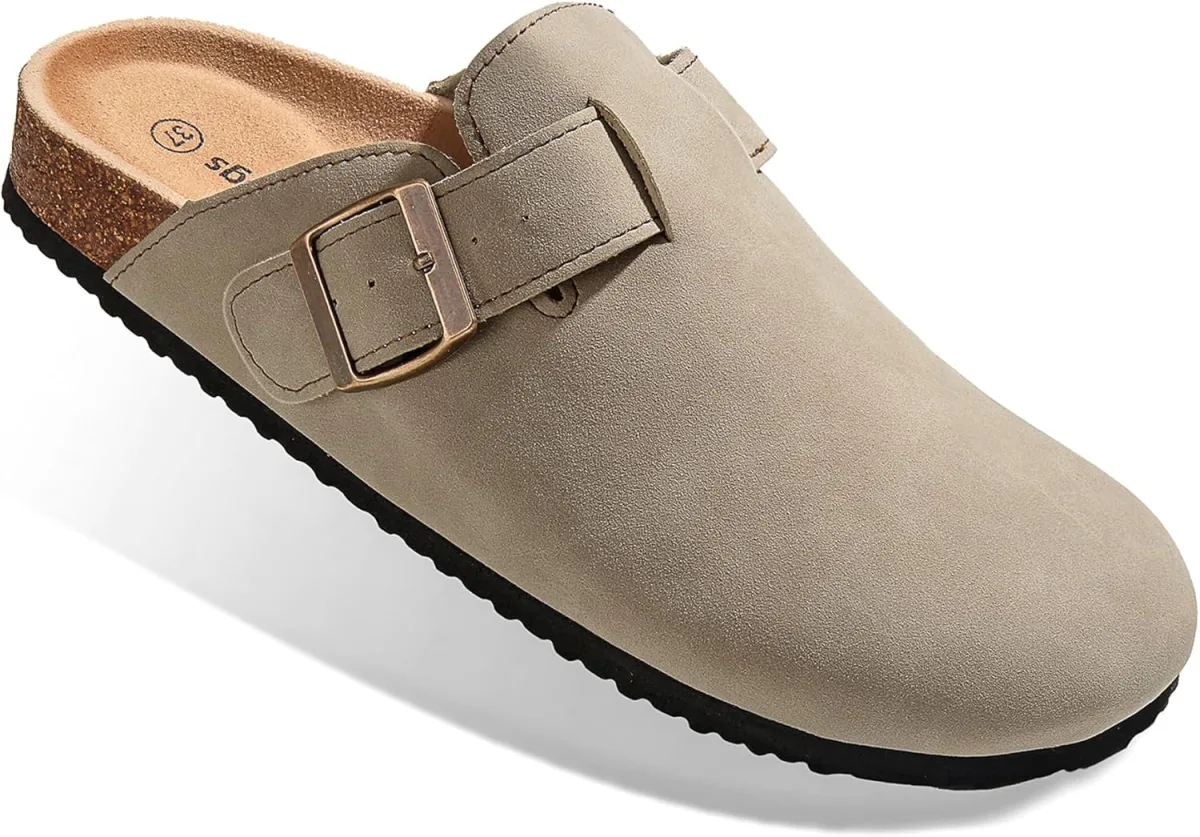
BULLIANT
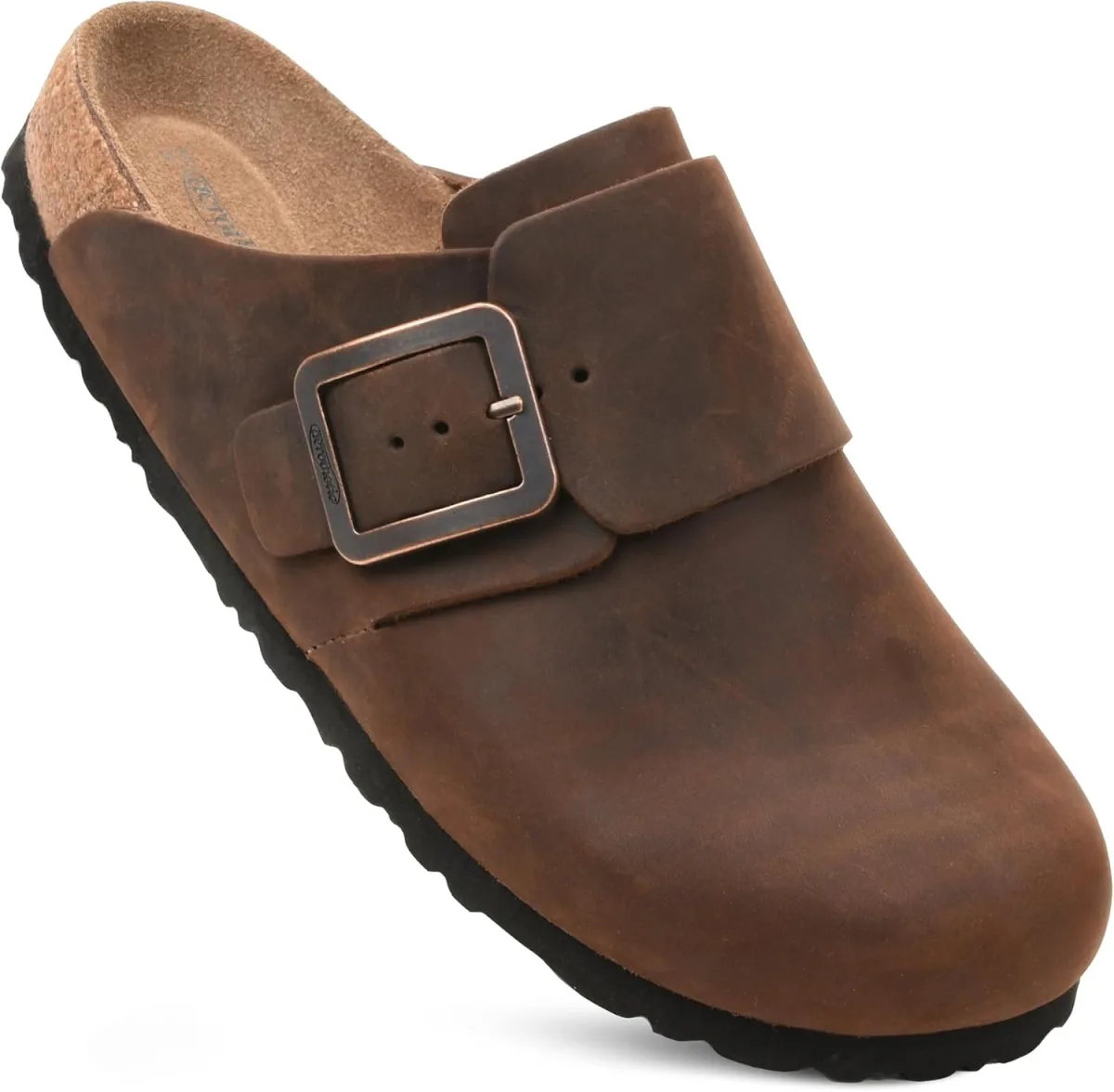
Birkenstock
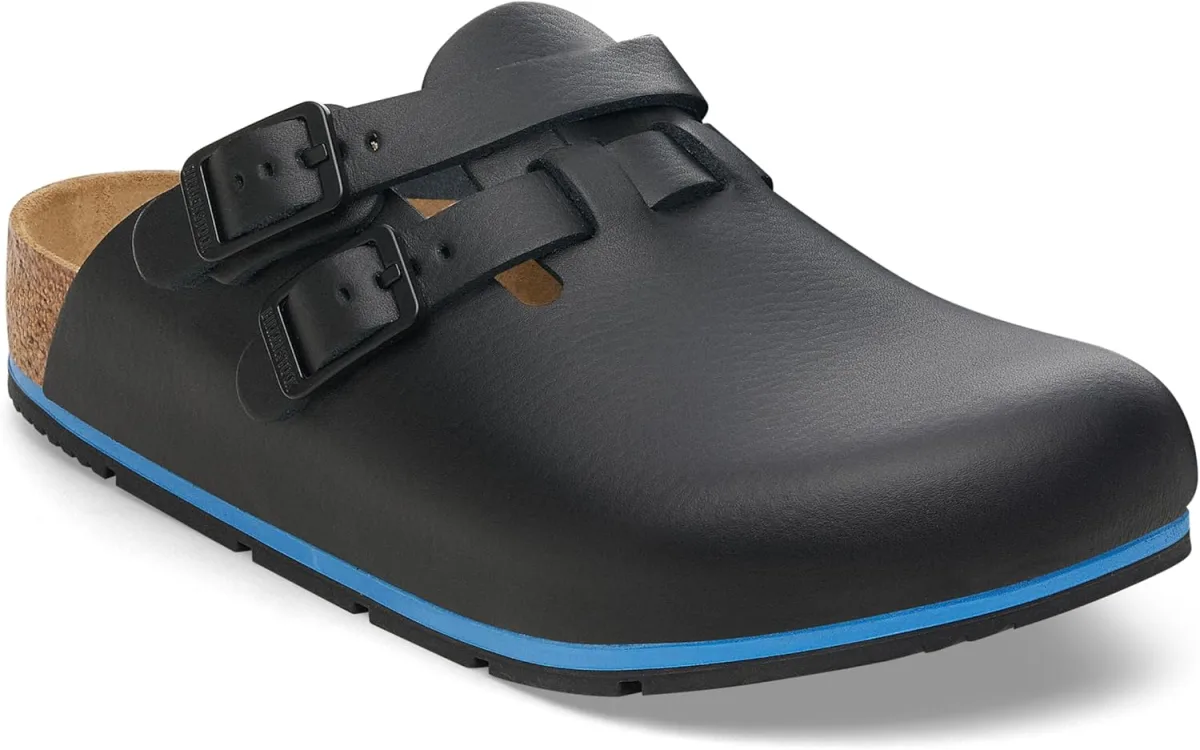
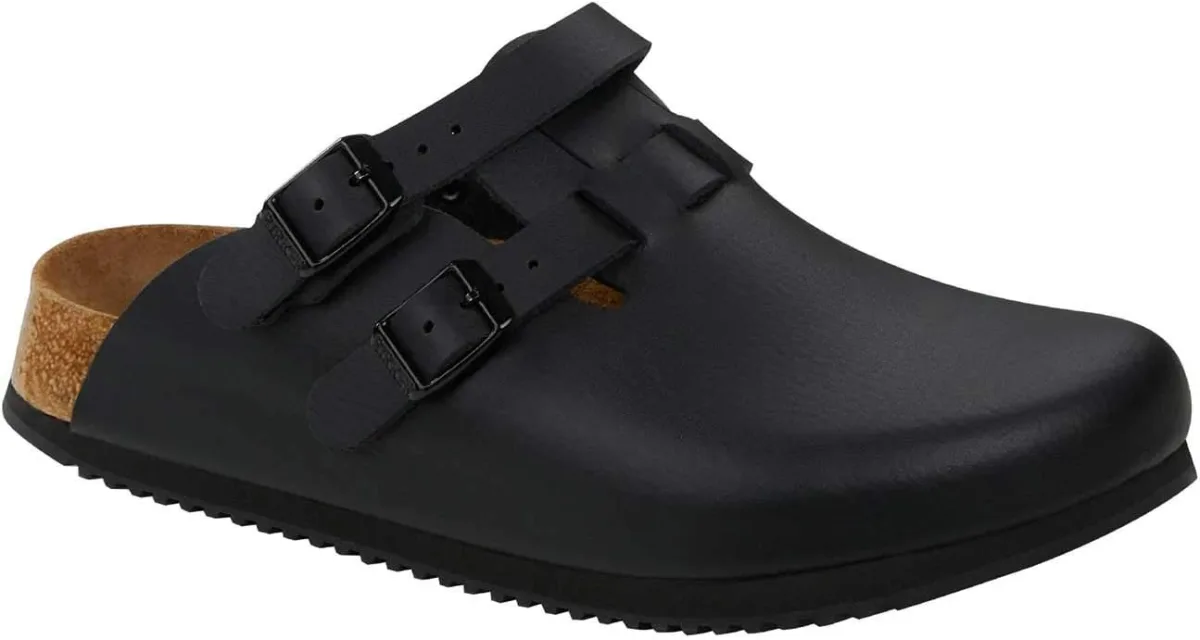
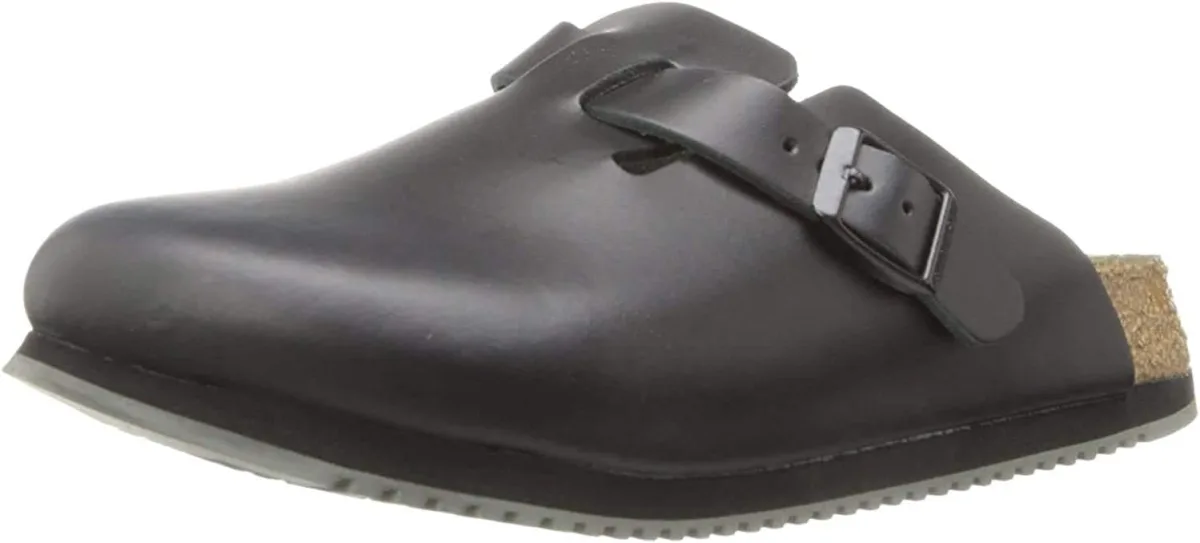
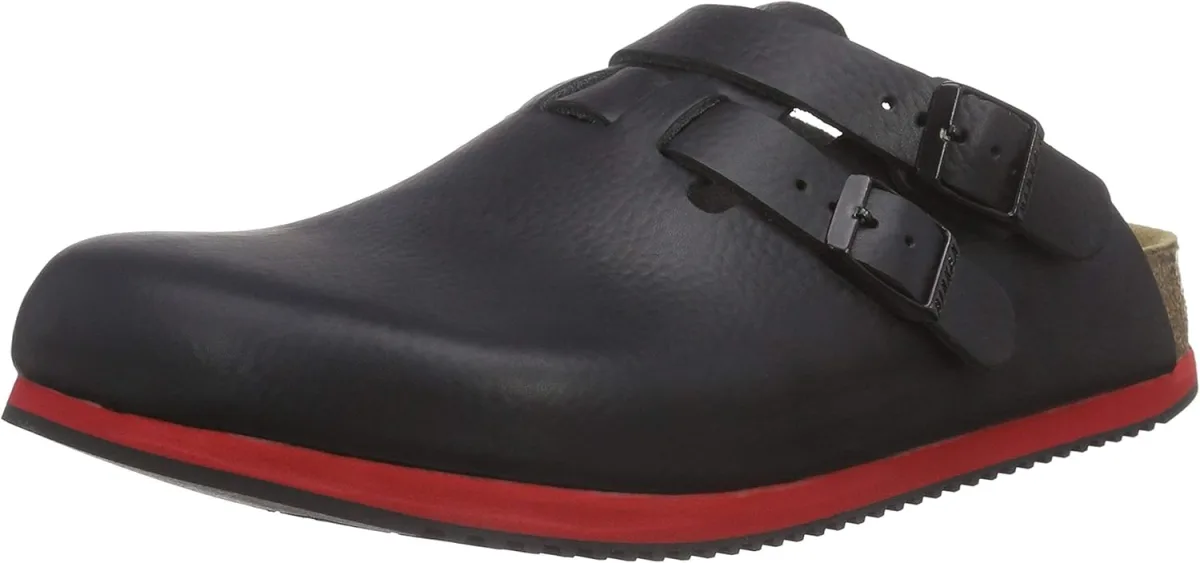
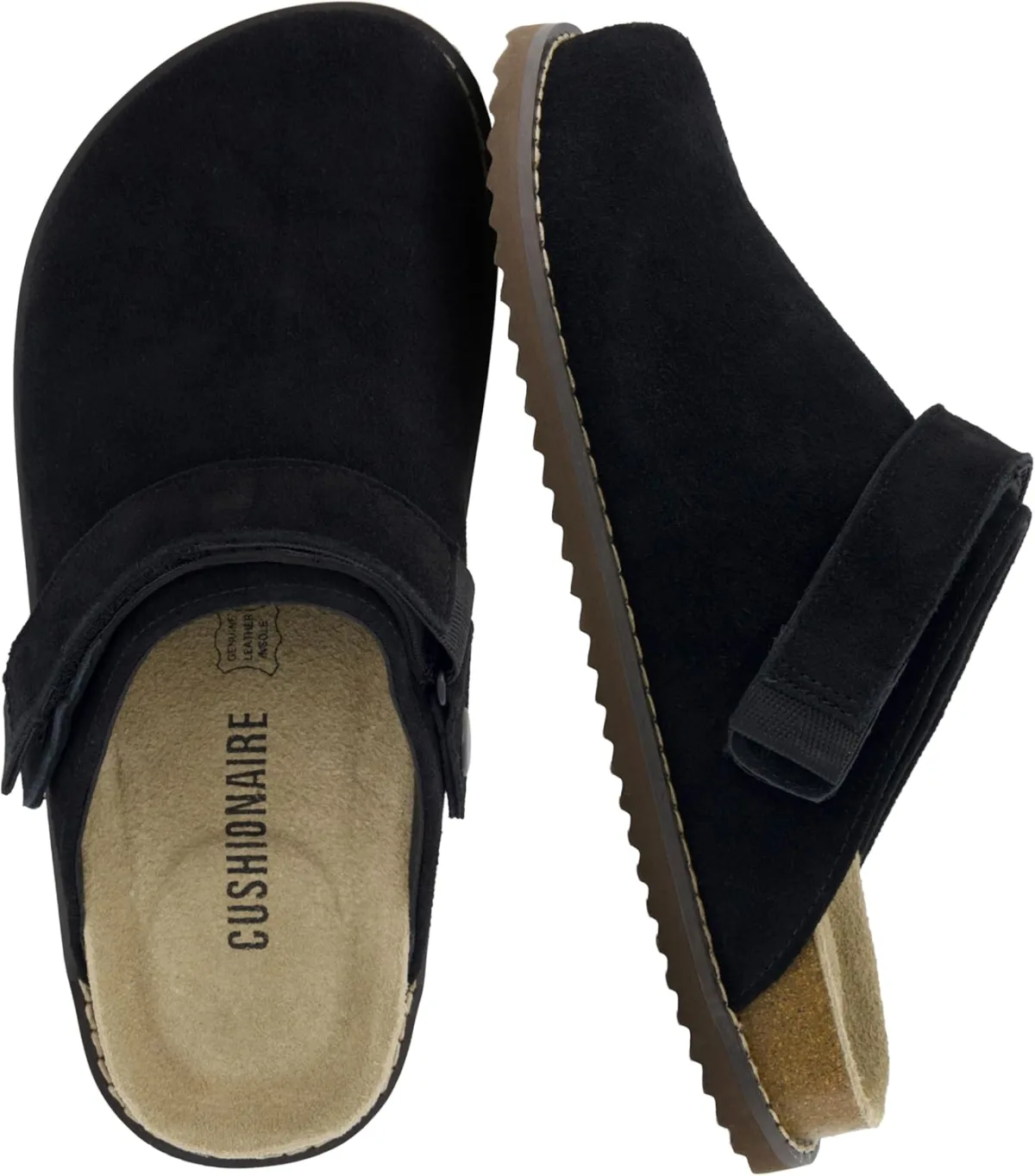
CUSHIONAIRE
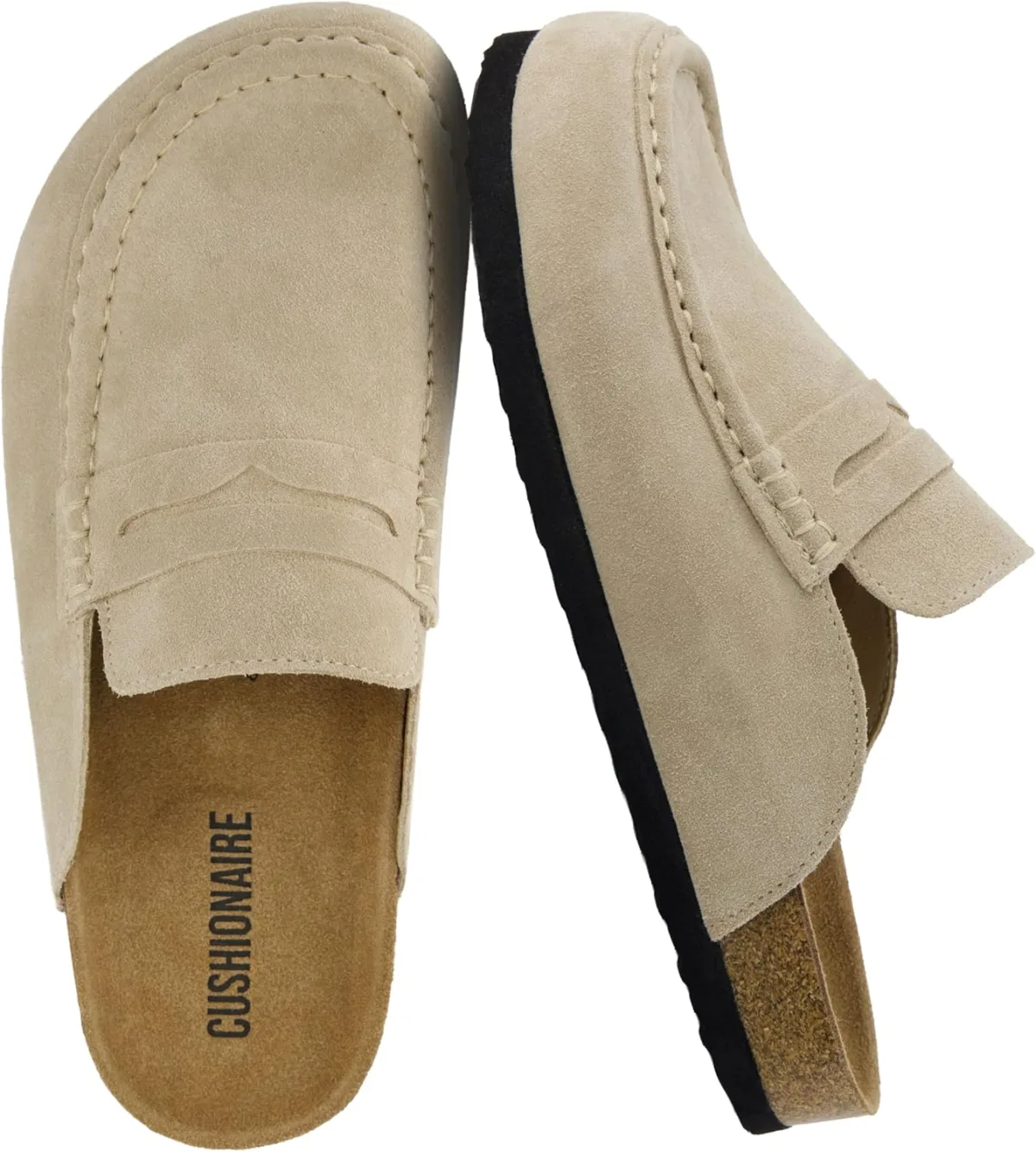
CUSHIONAIRE
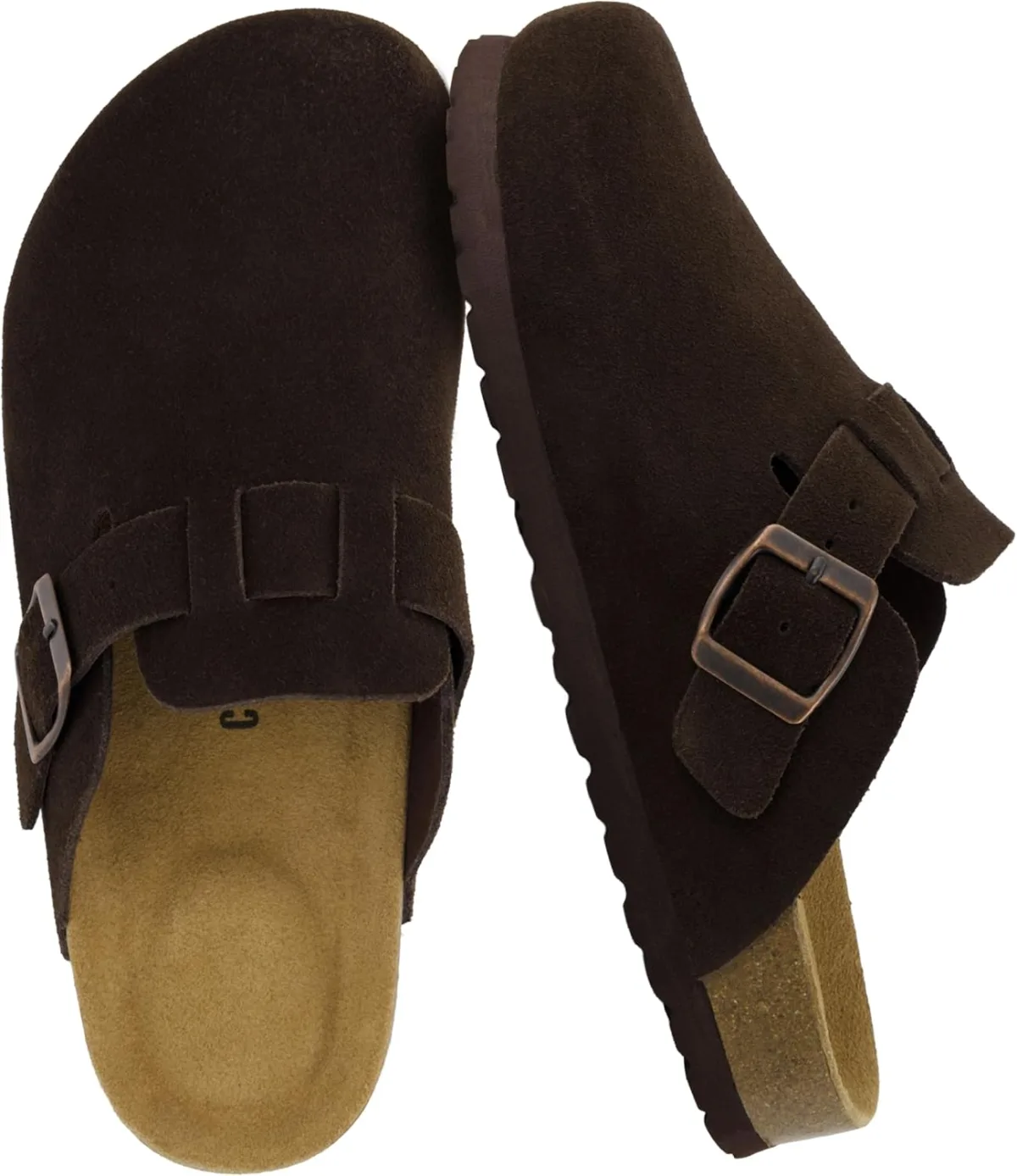
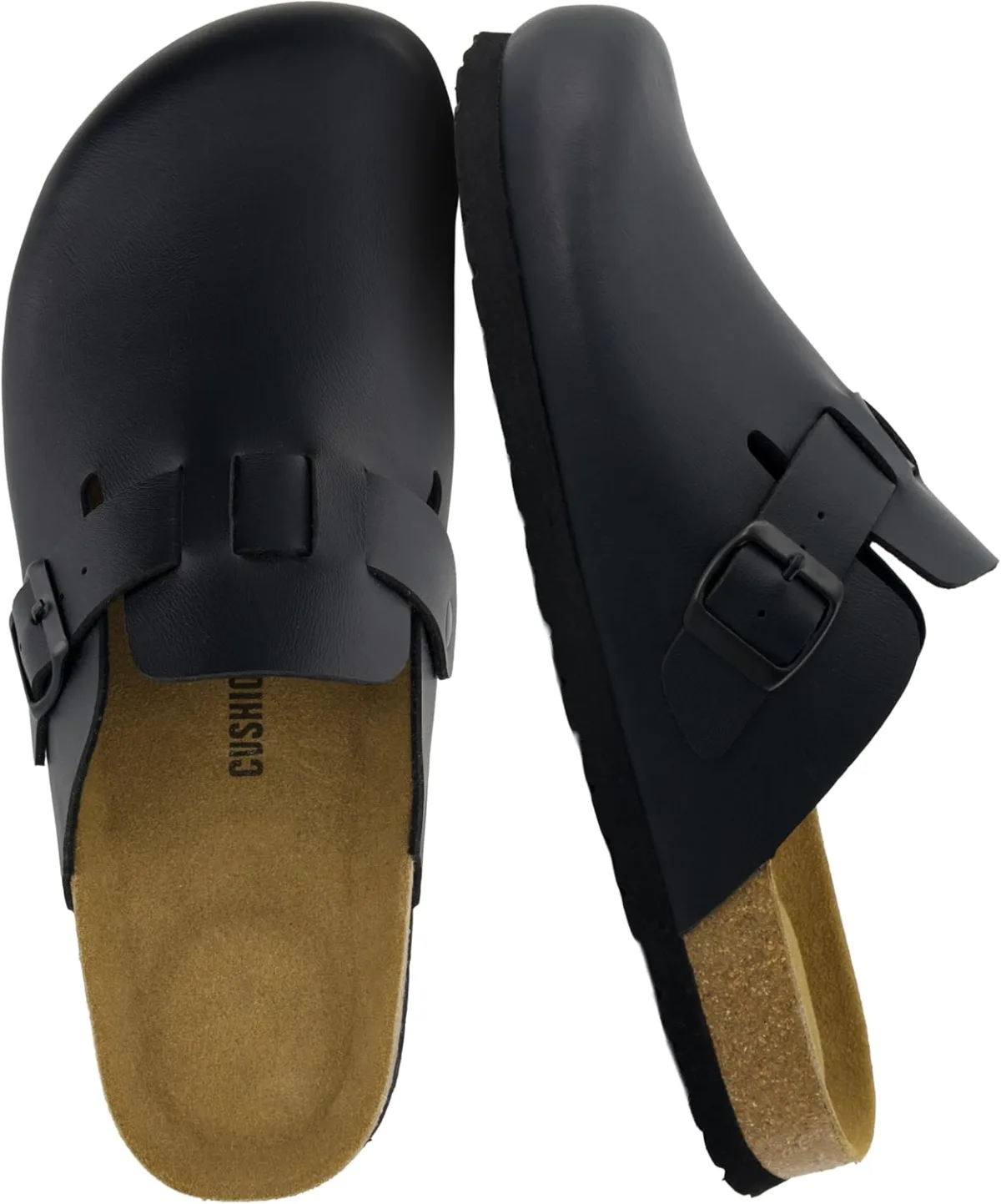
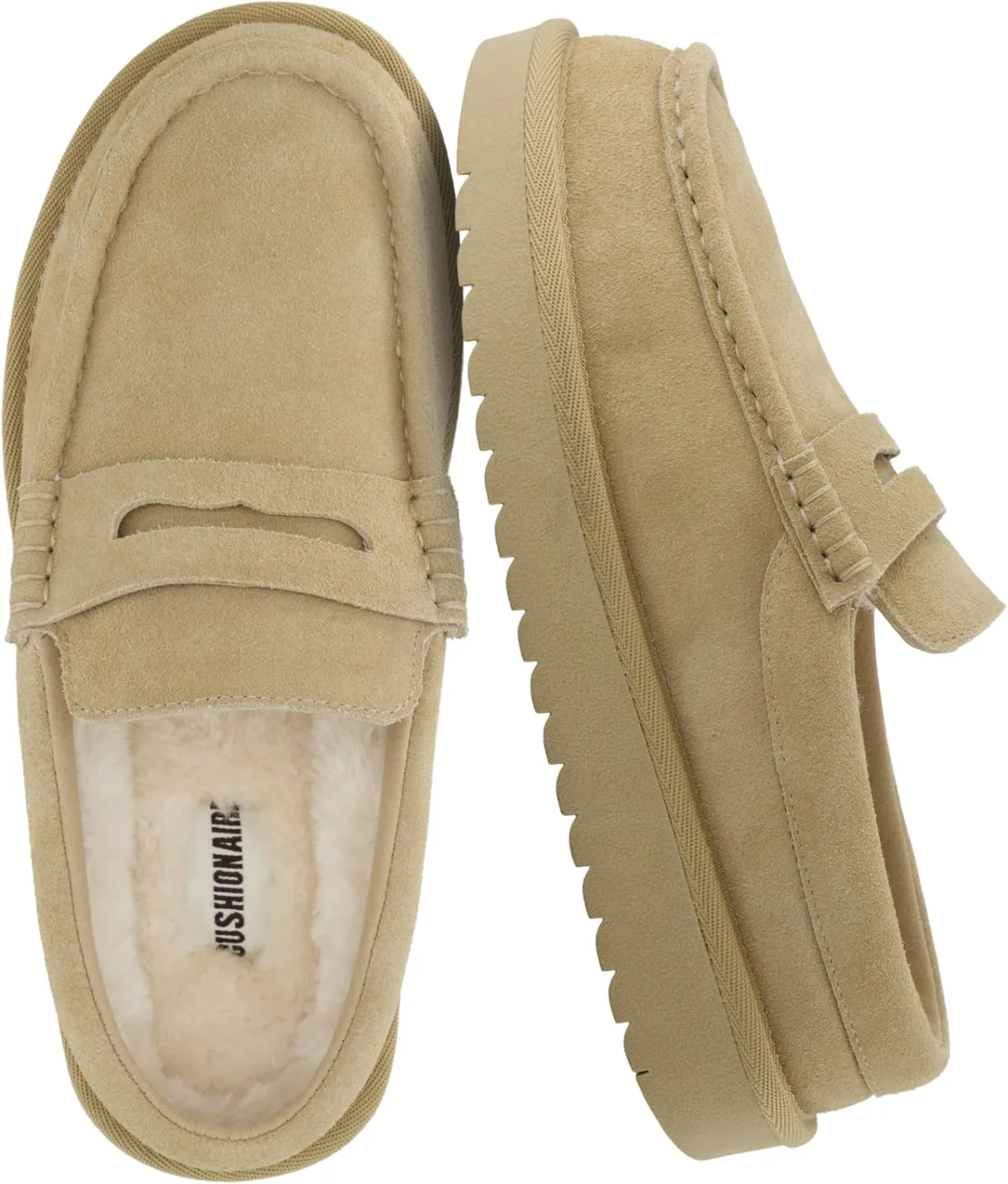
CUSHIONAIRE
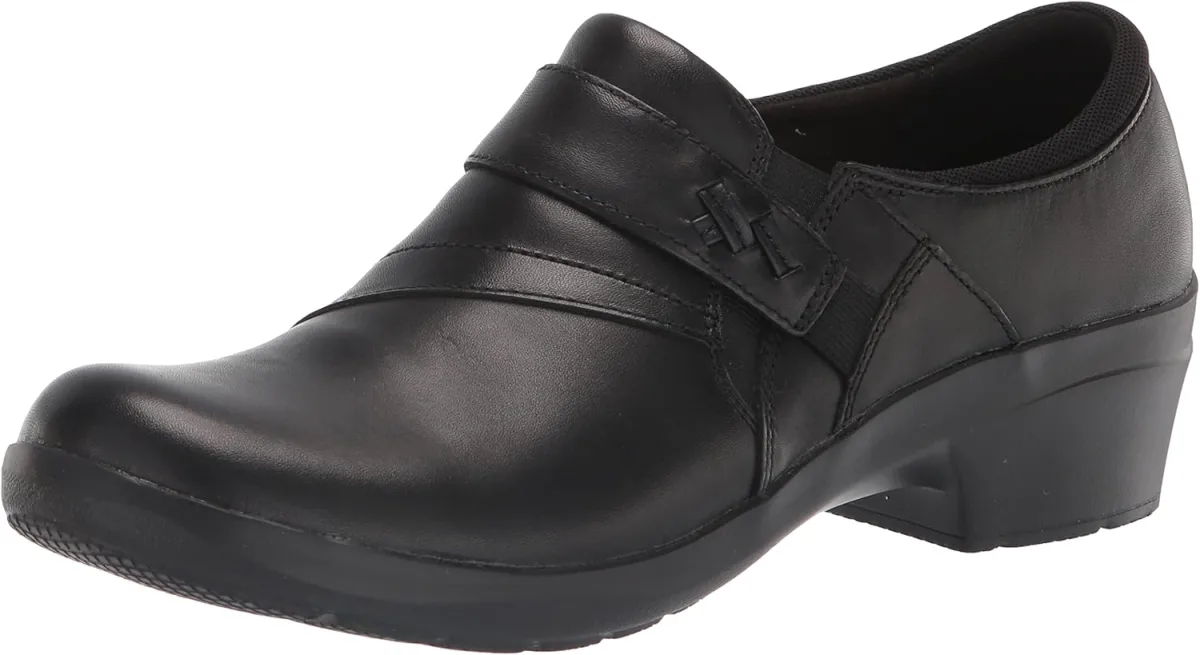
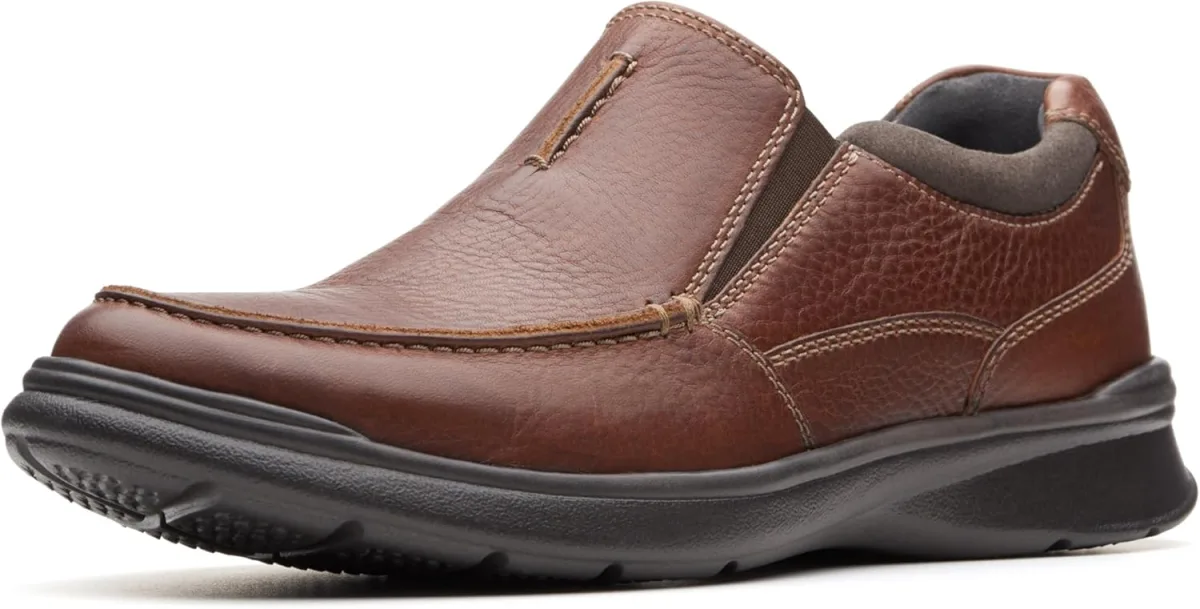
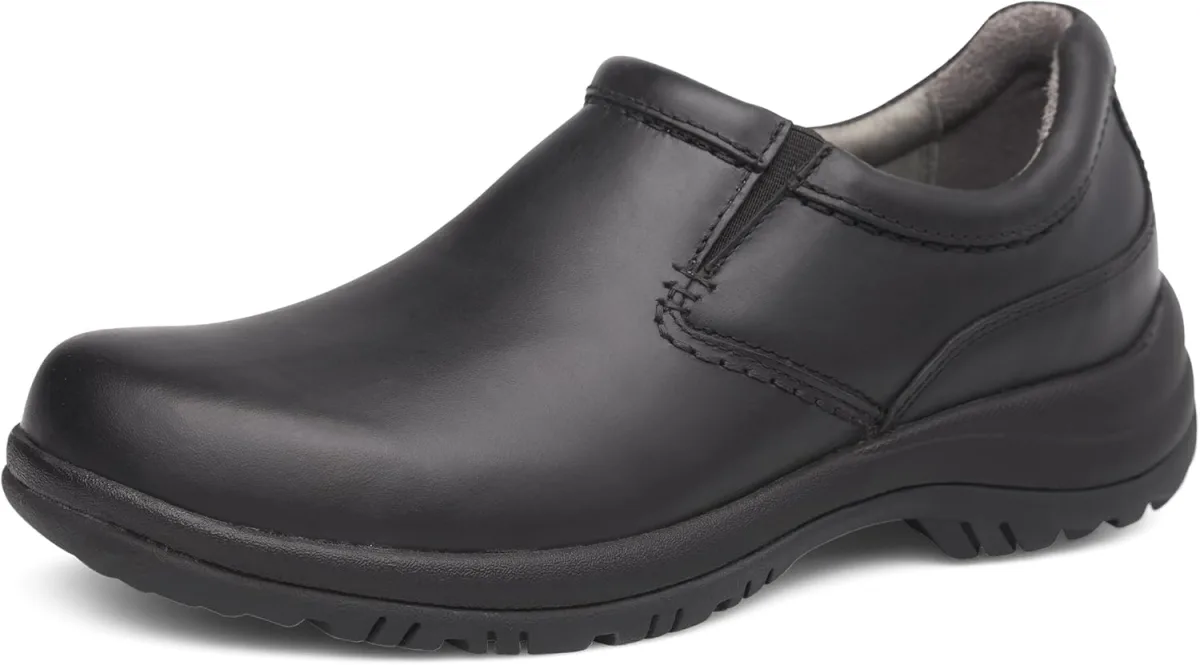
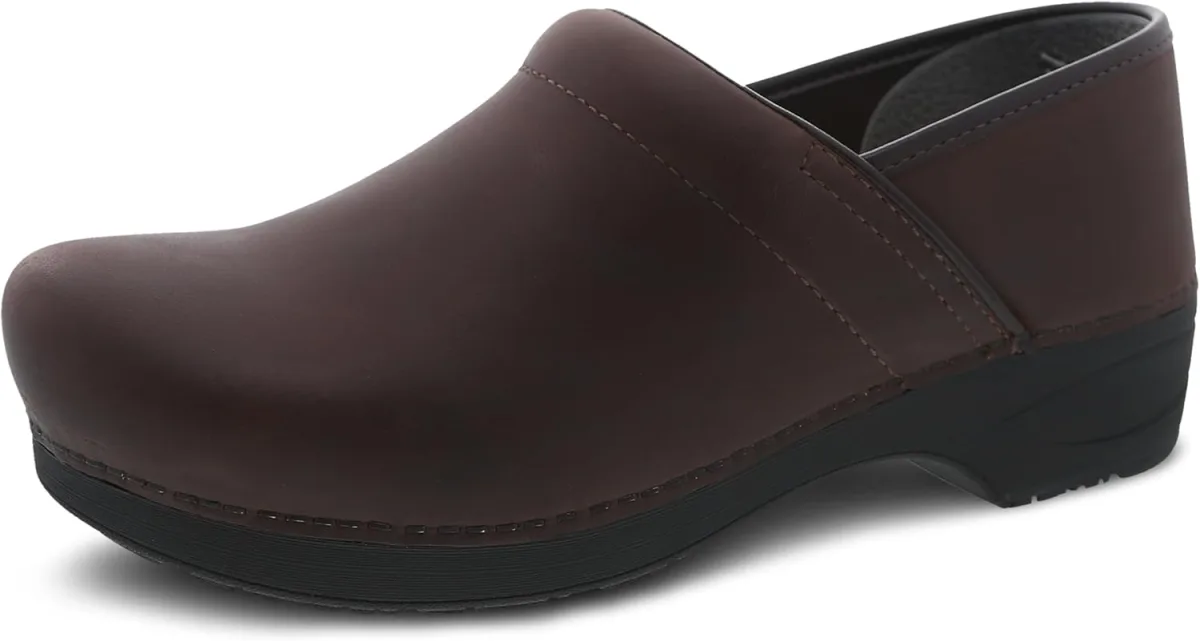
Dansko
Dansko
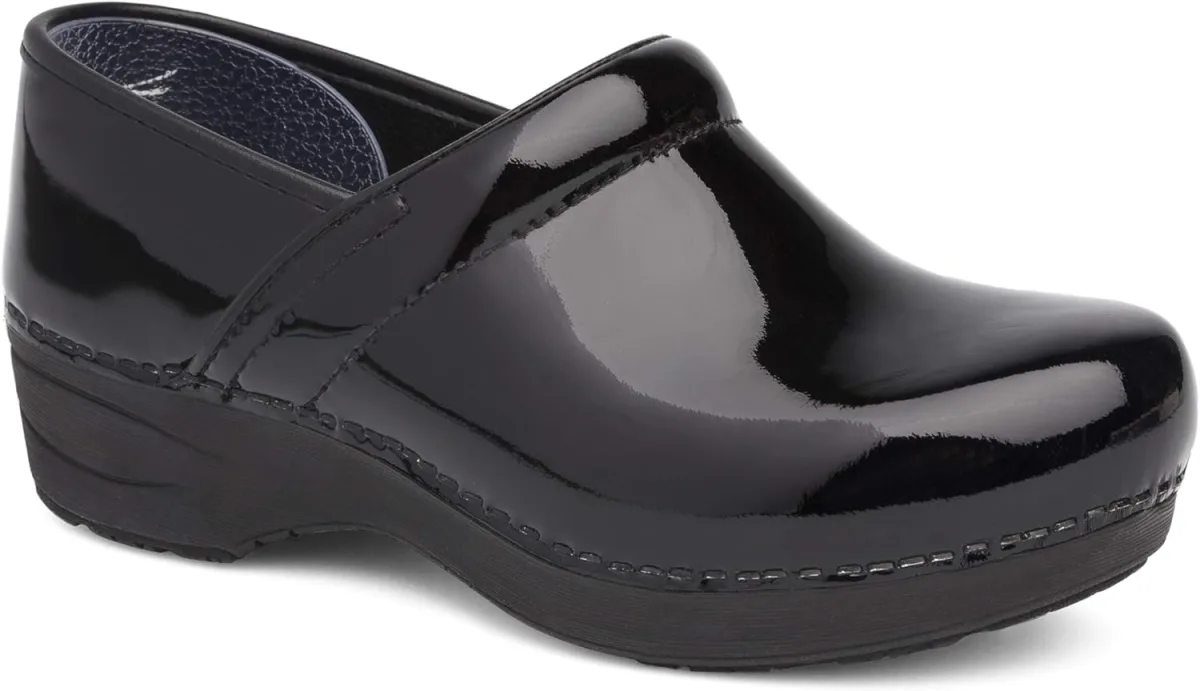
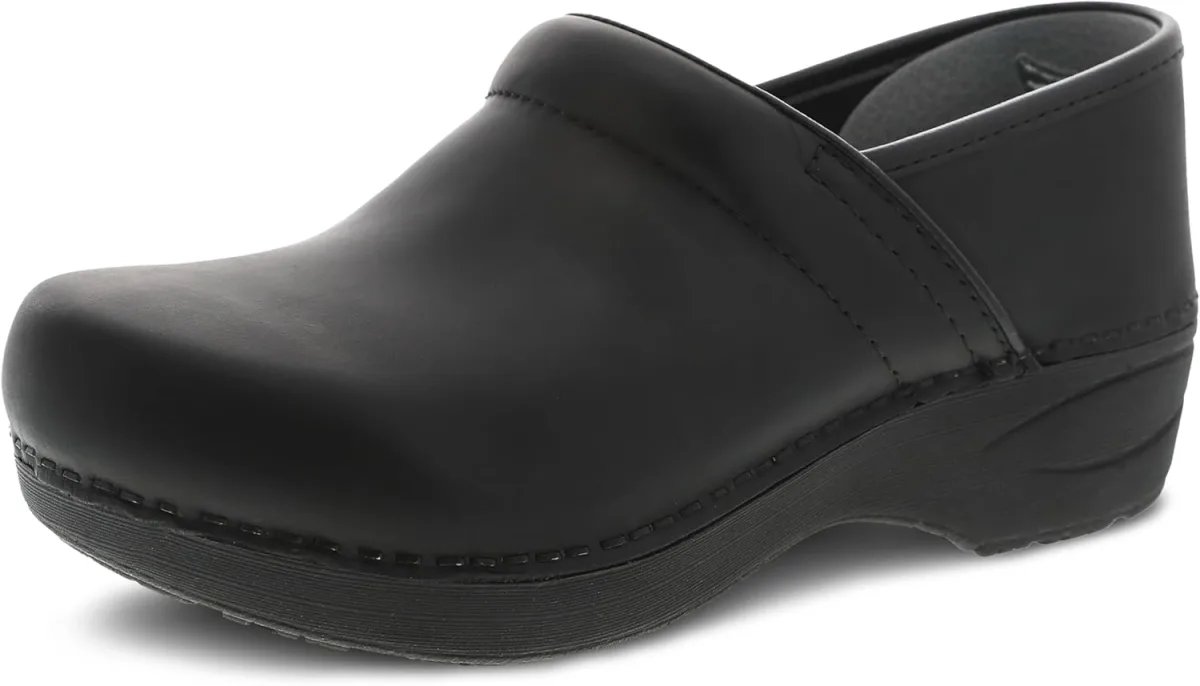
Dansko
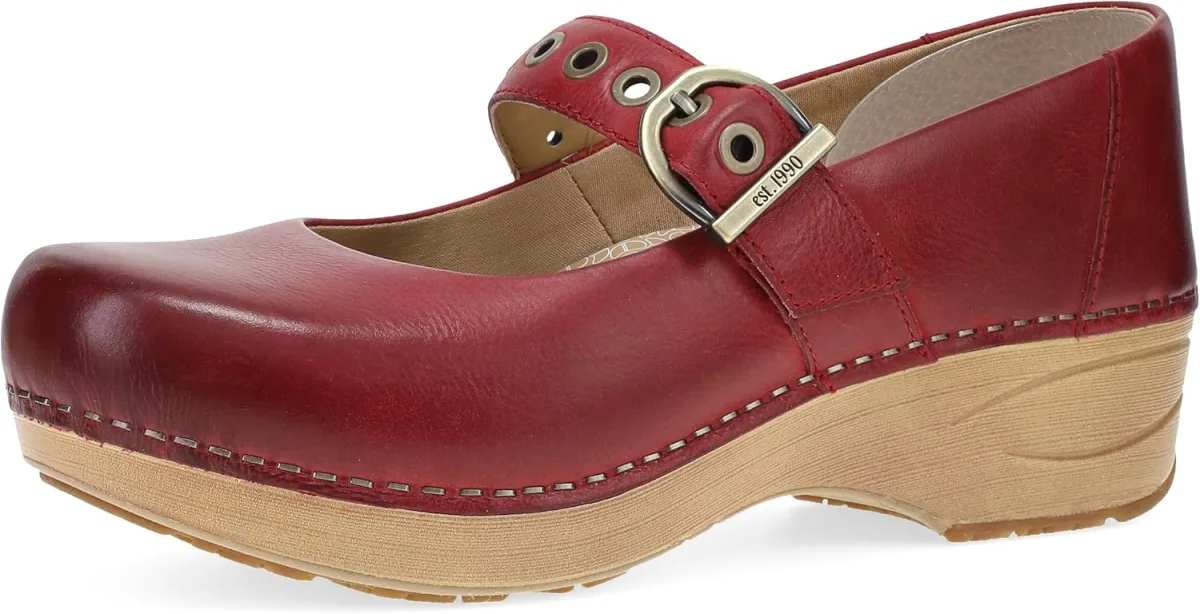
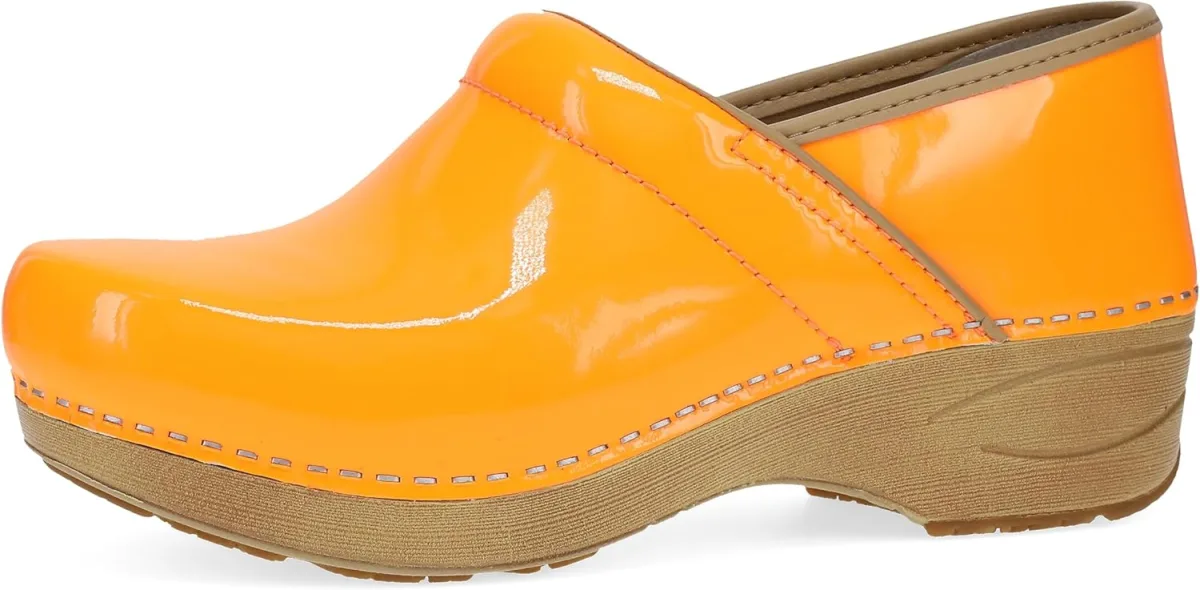
Dansko
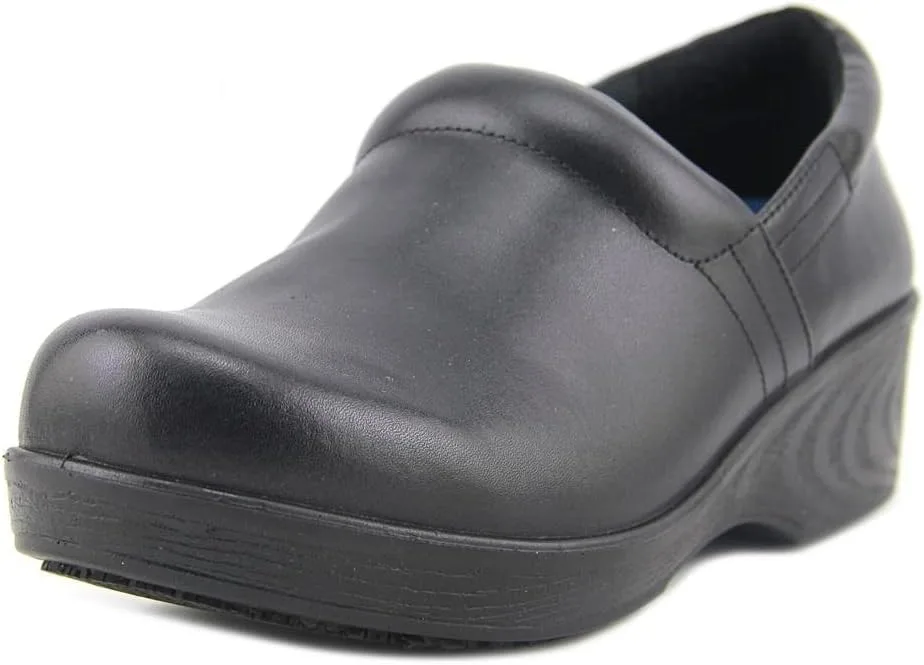
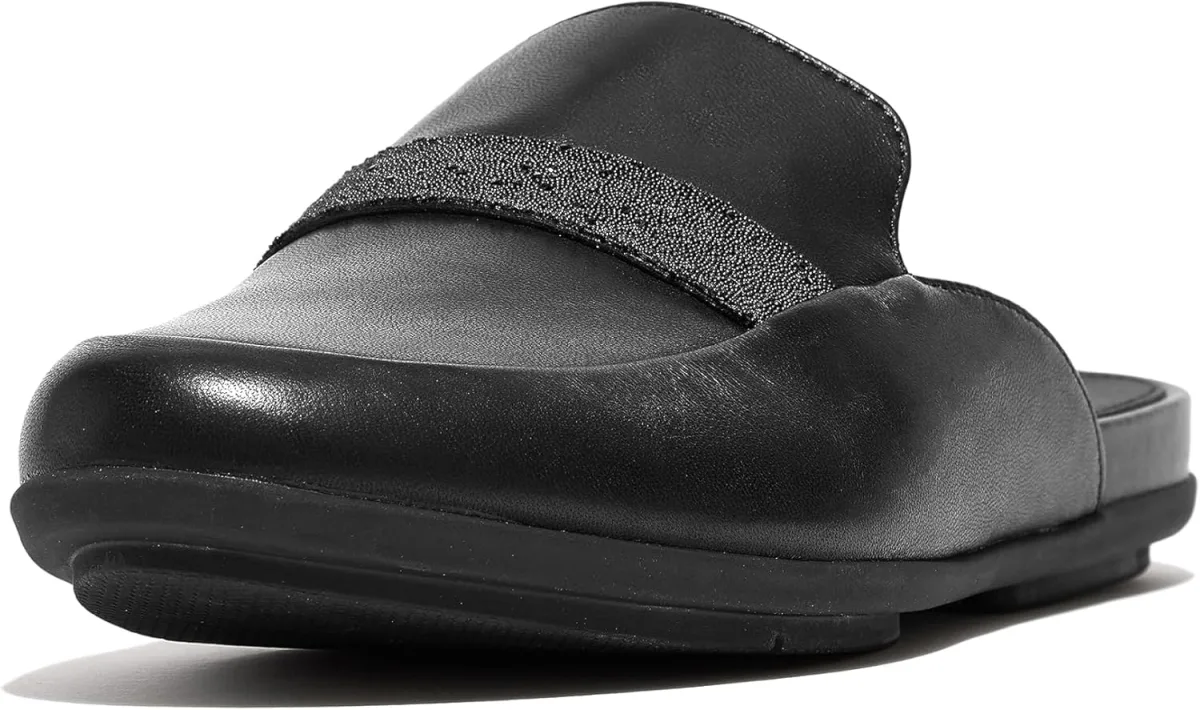
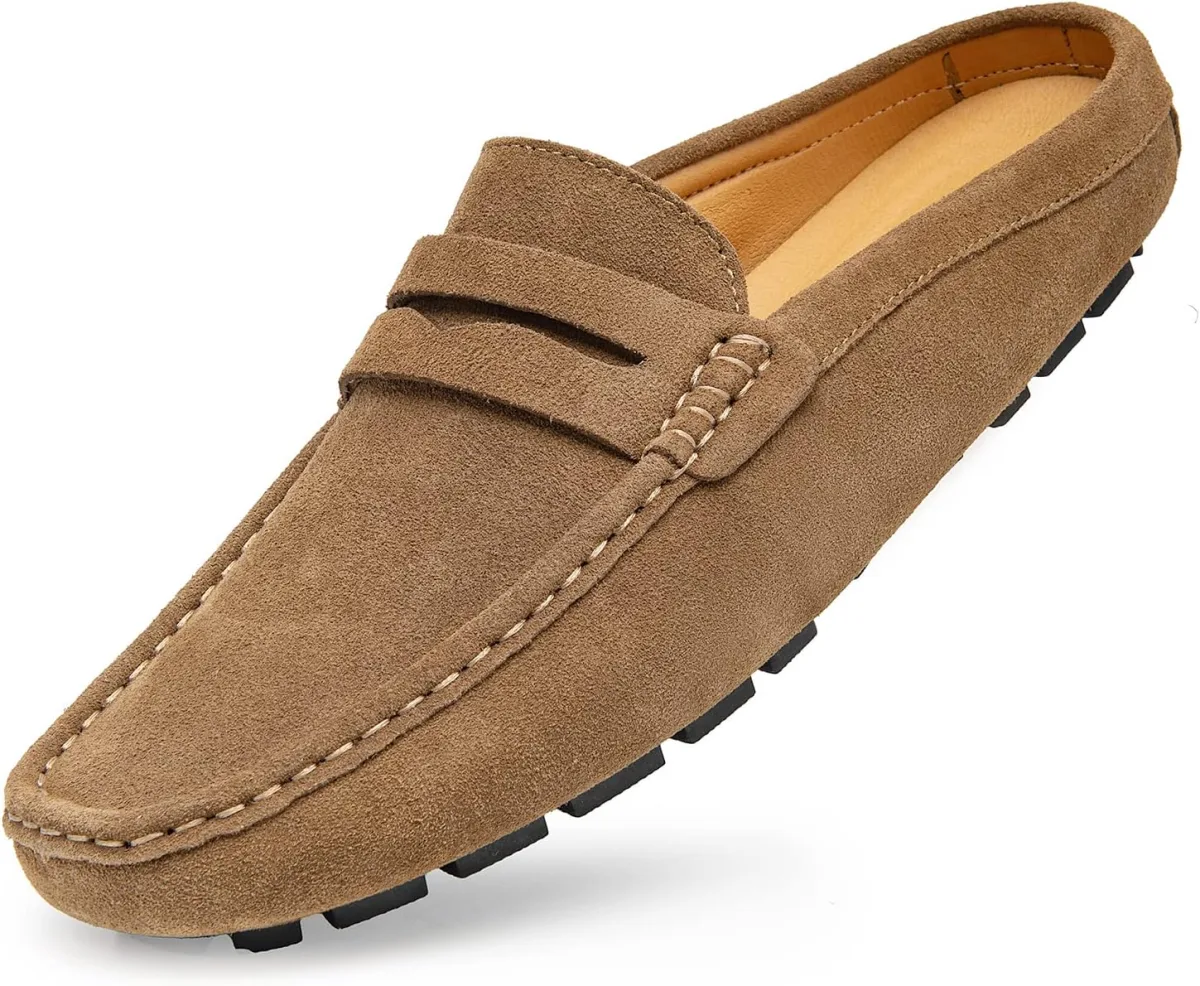
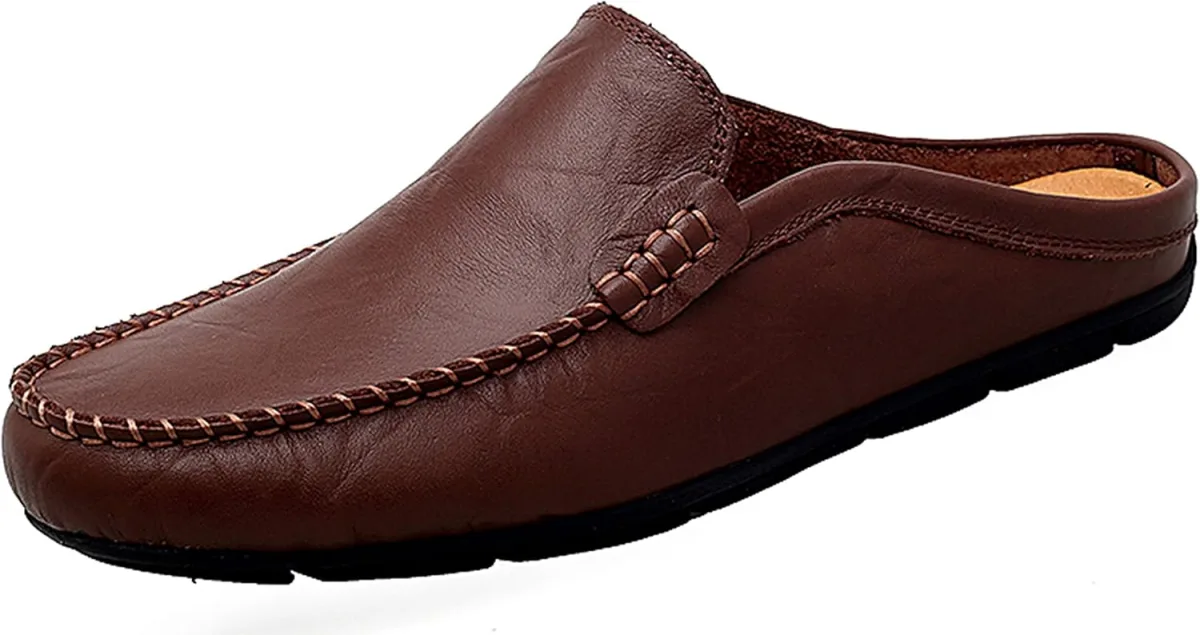
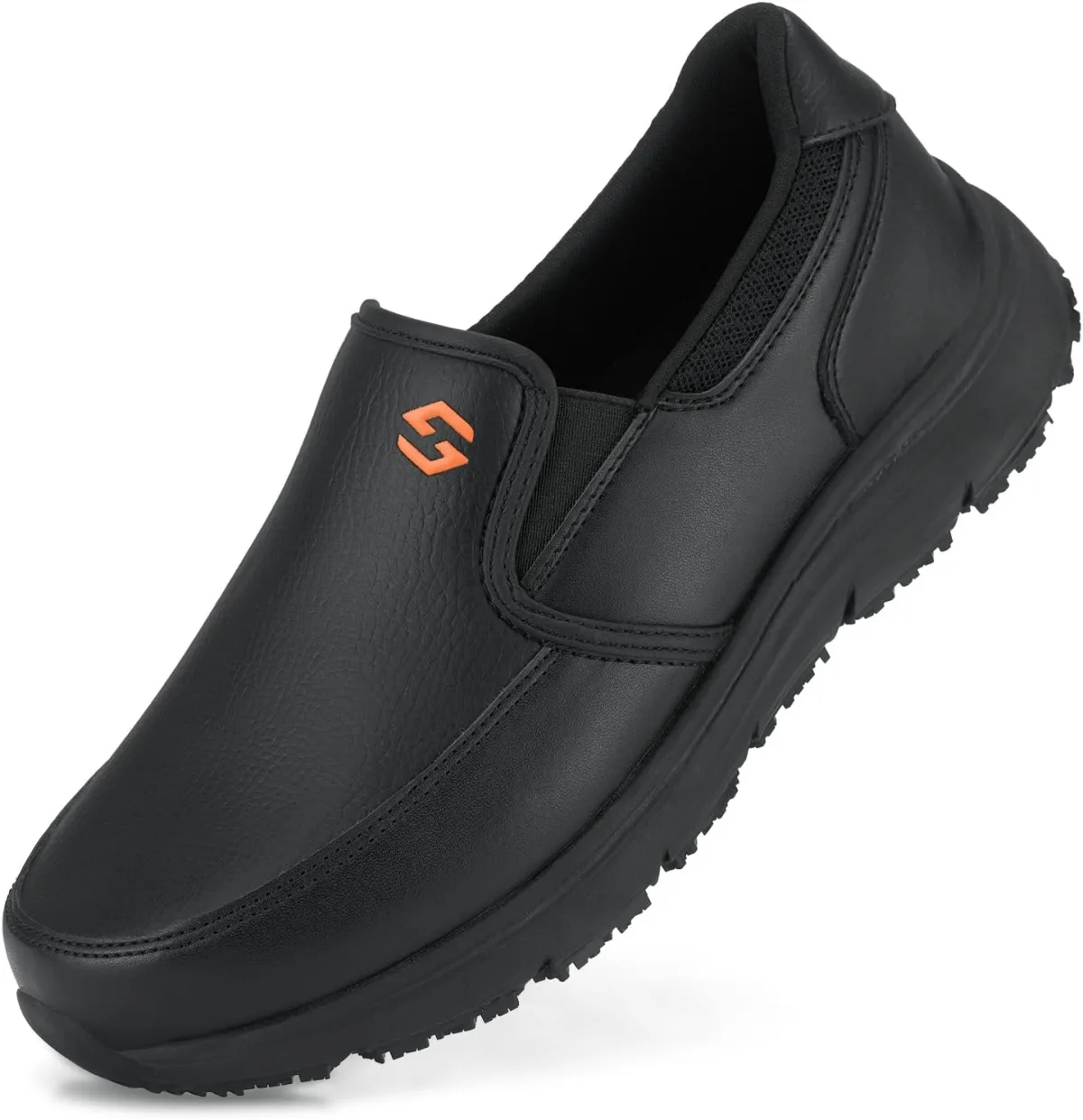
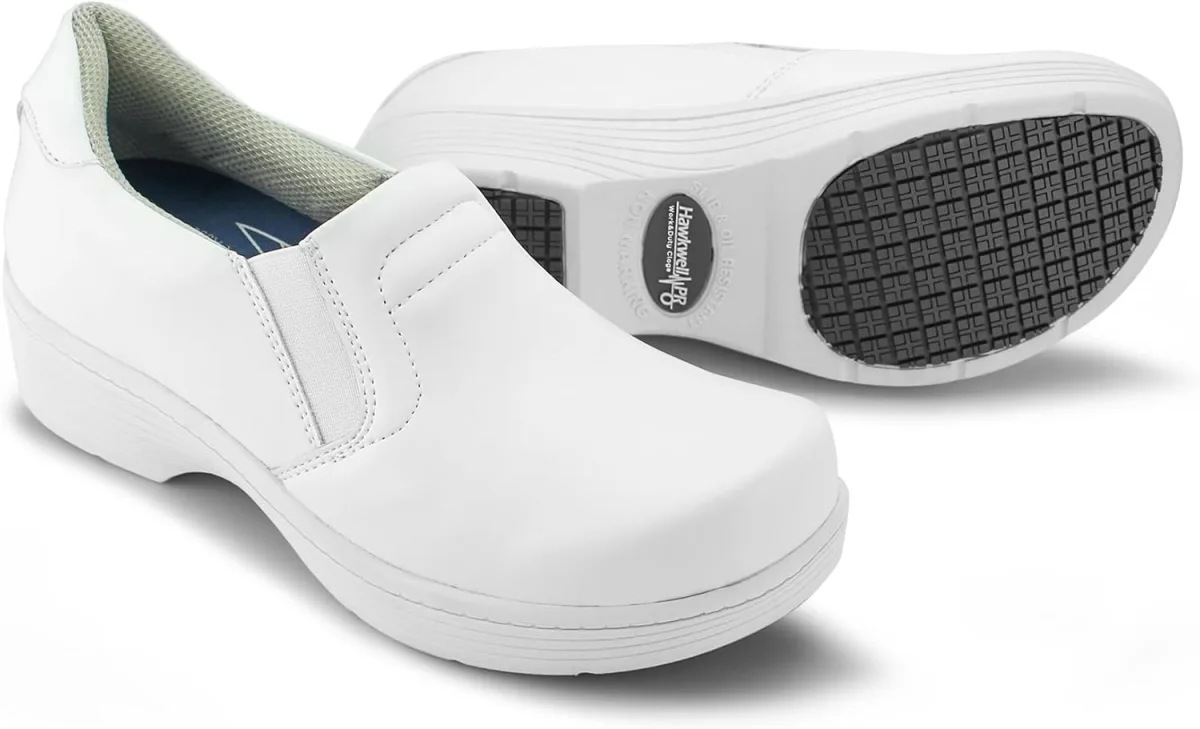
Hawkwell
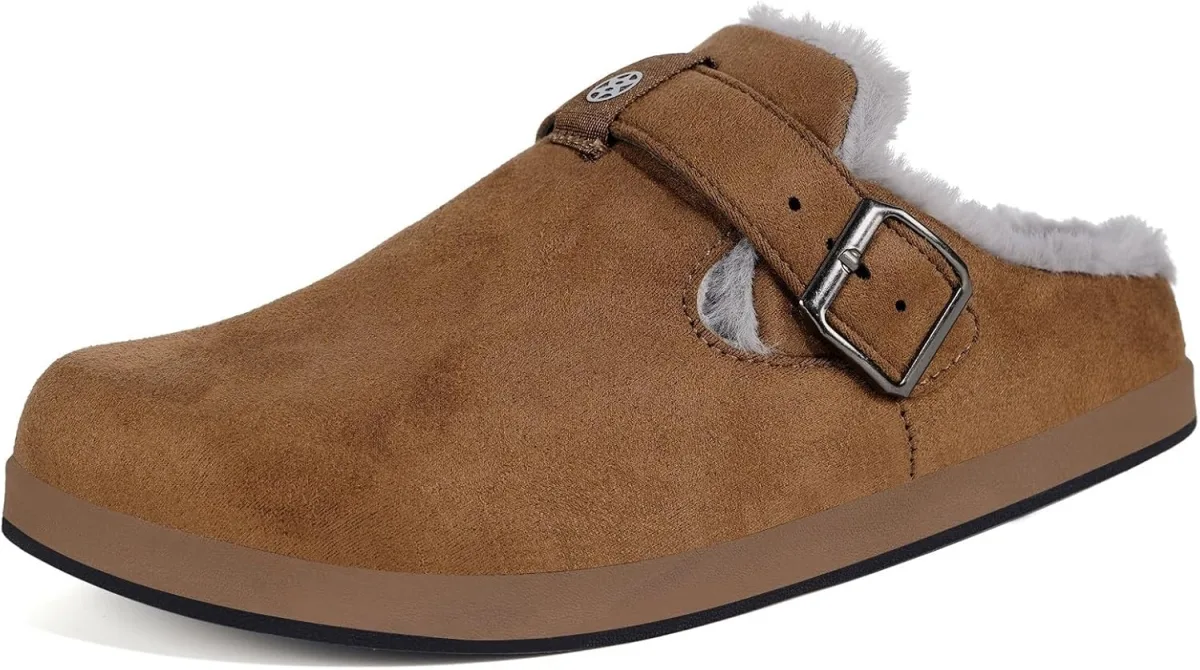
Hsyooes
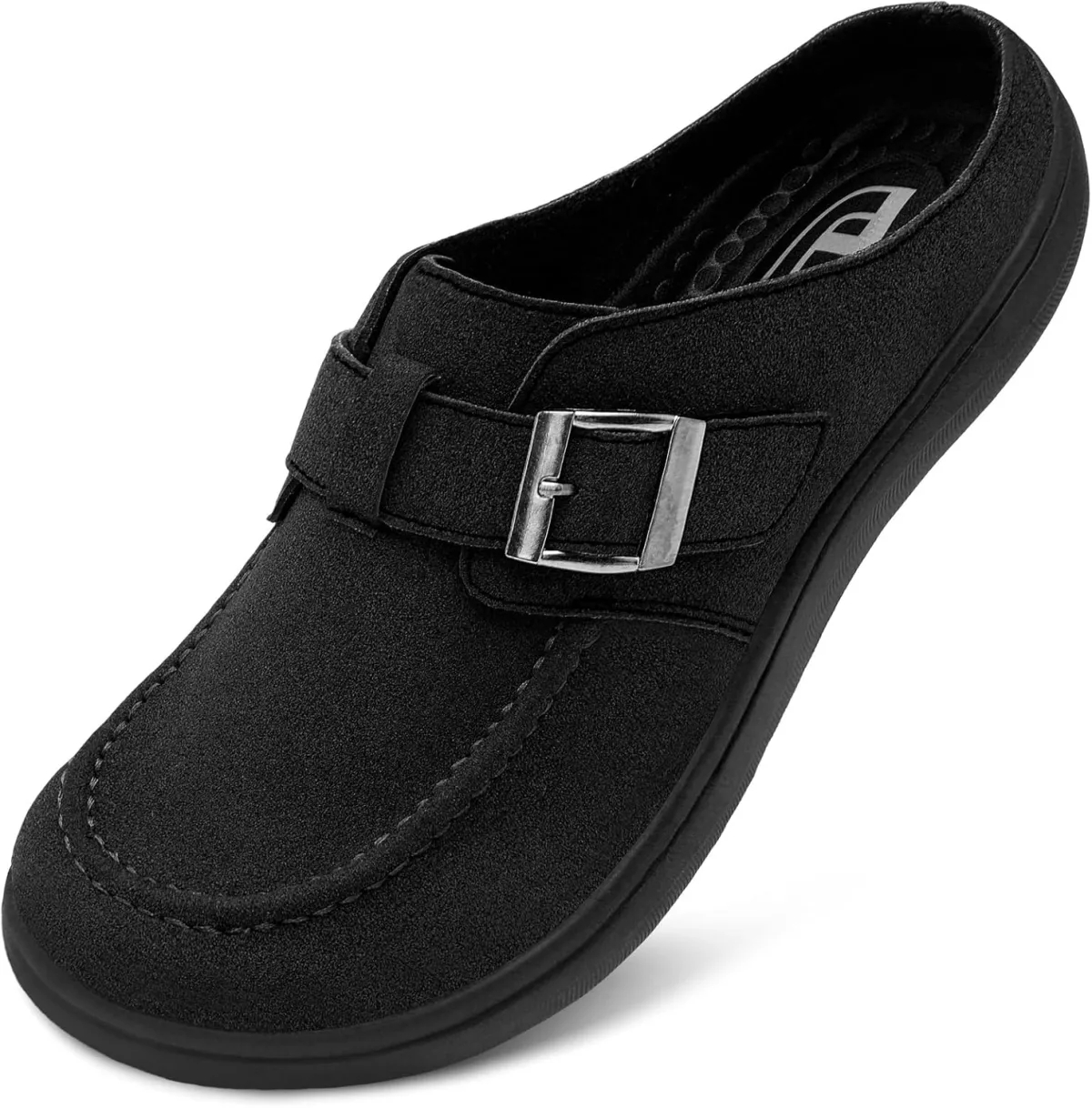
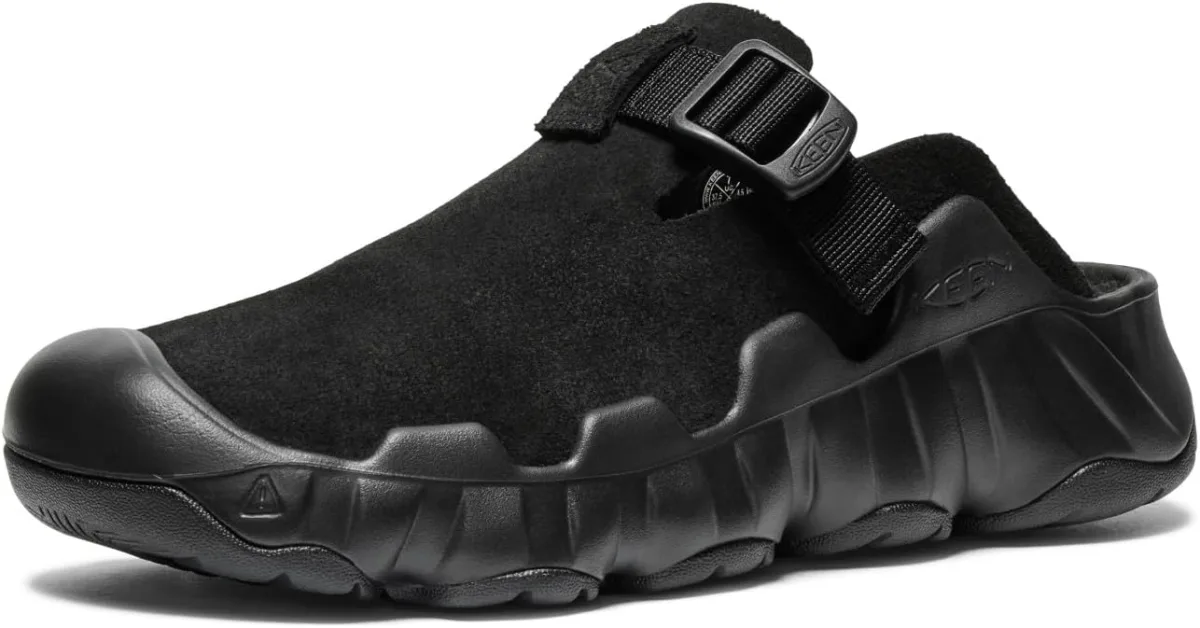
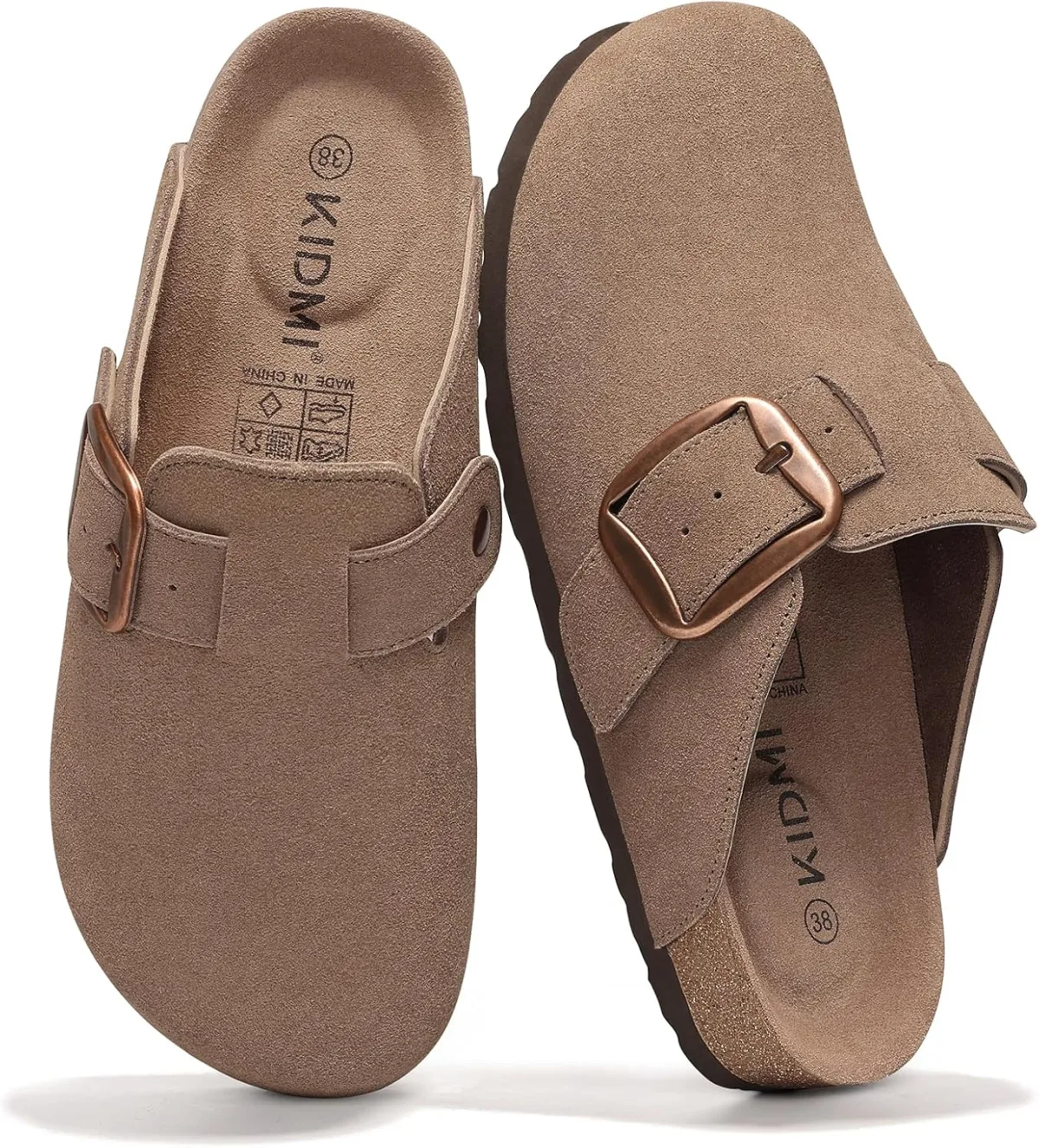
KIDMI
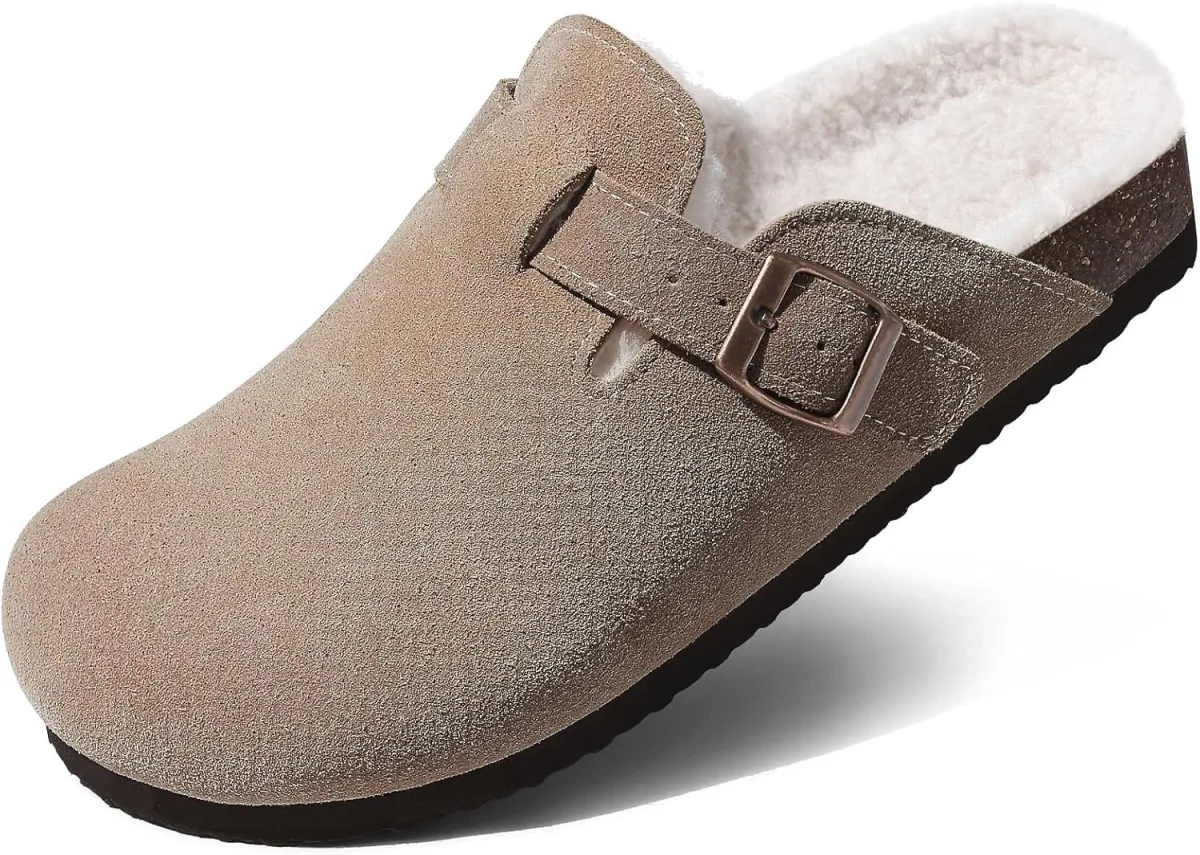
KIDMI
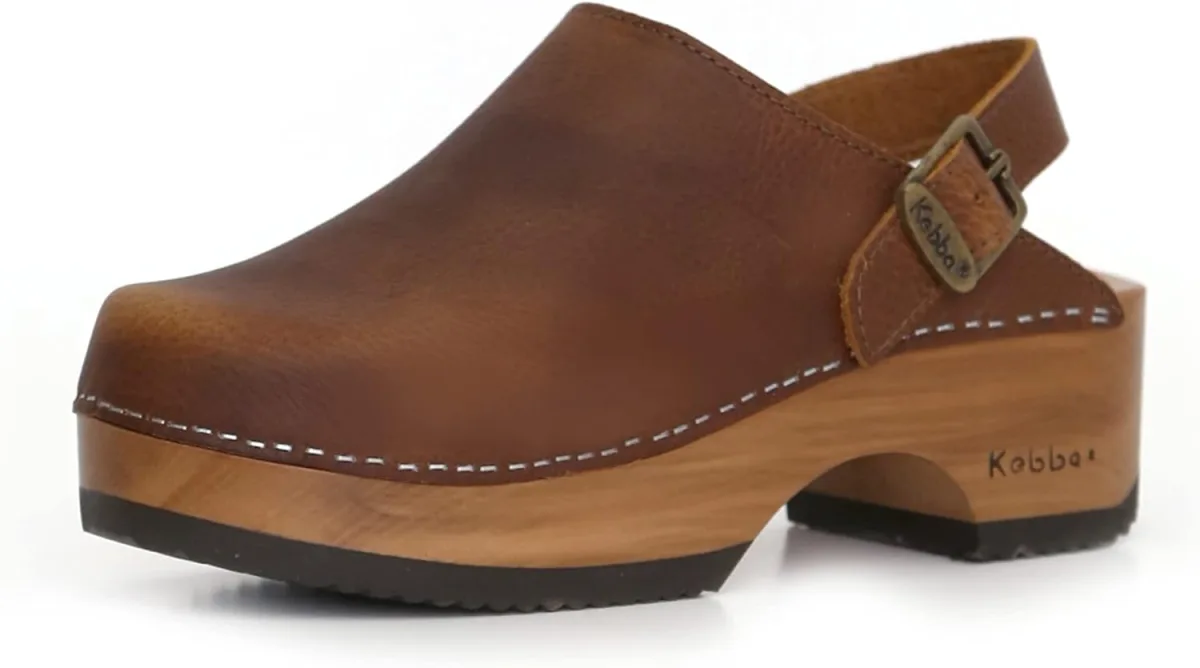
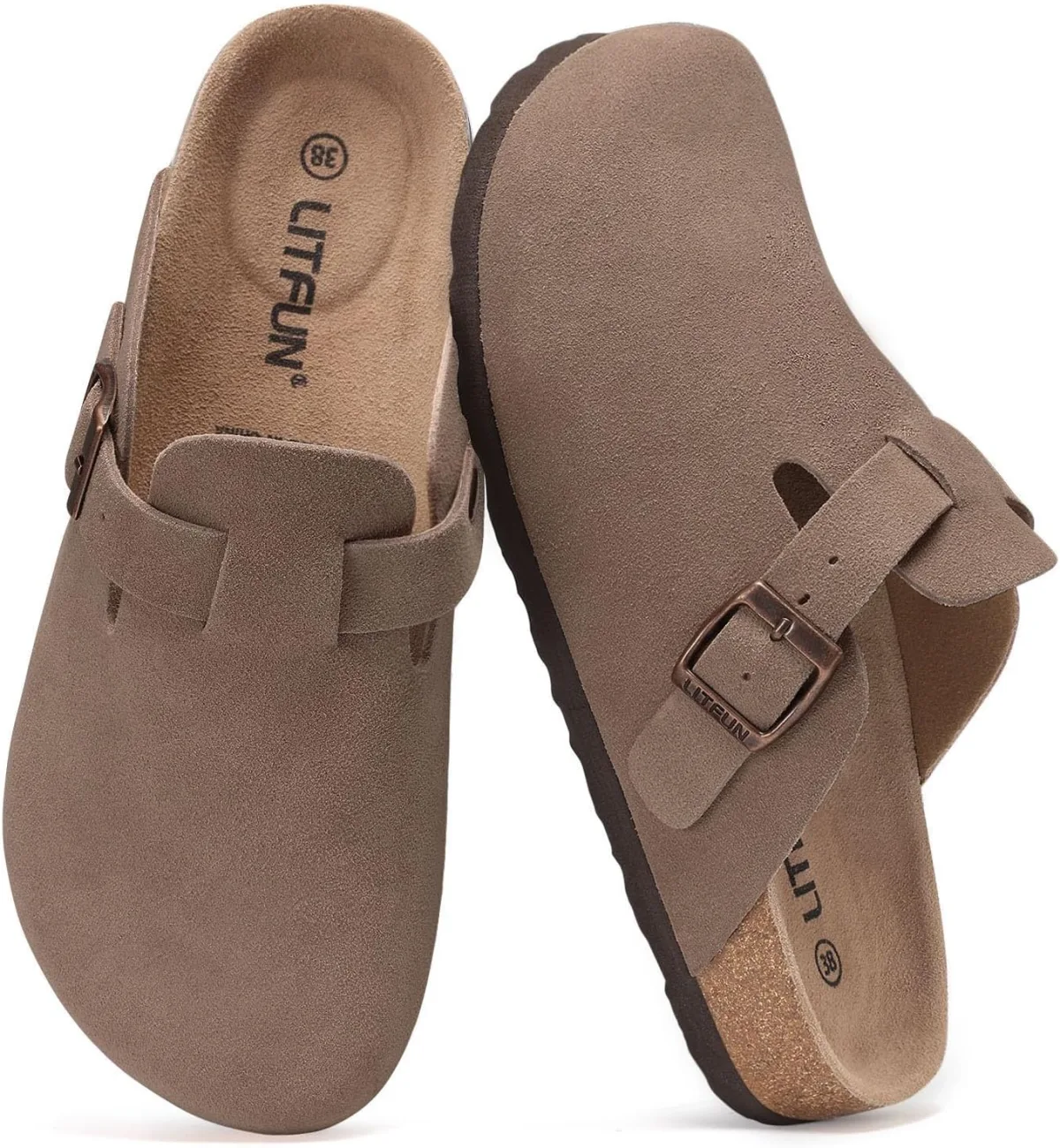
Litfun
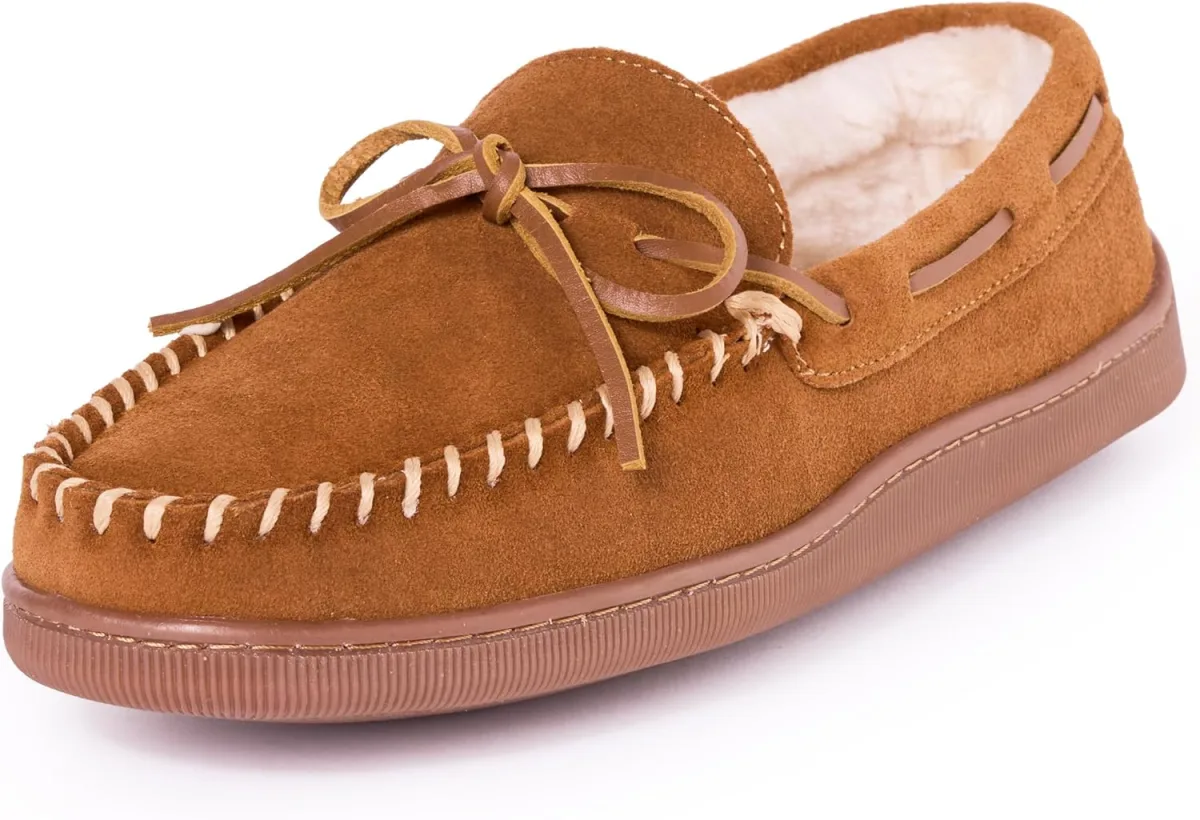
Minnetonka
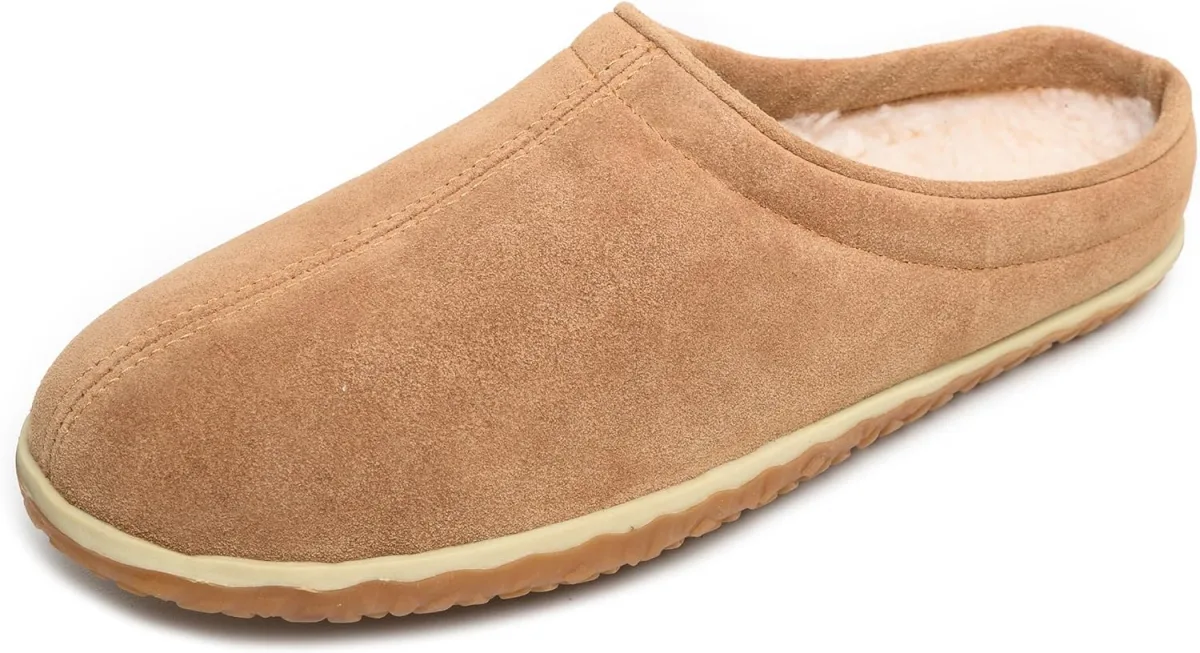
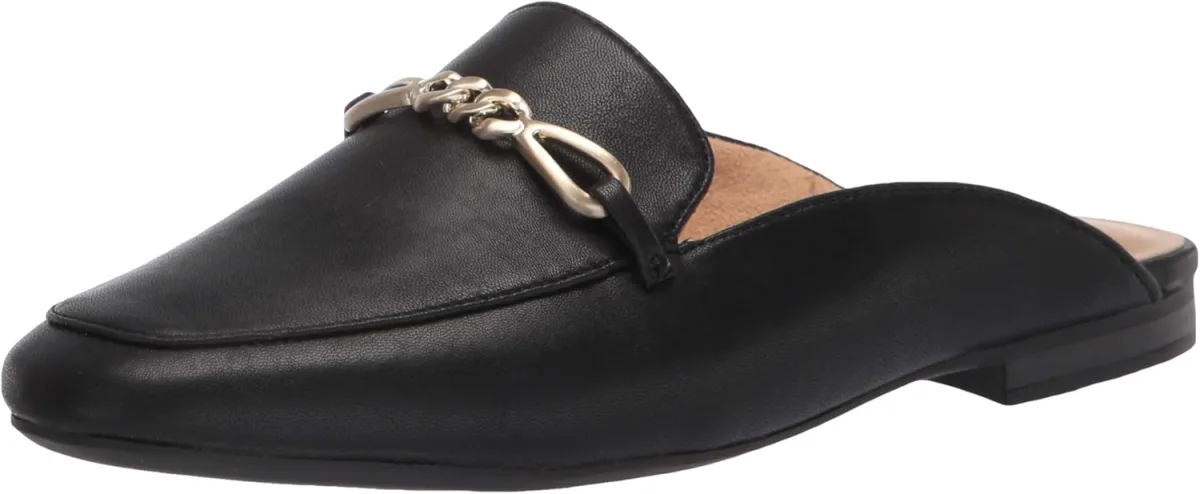
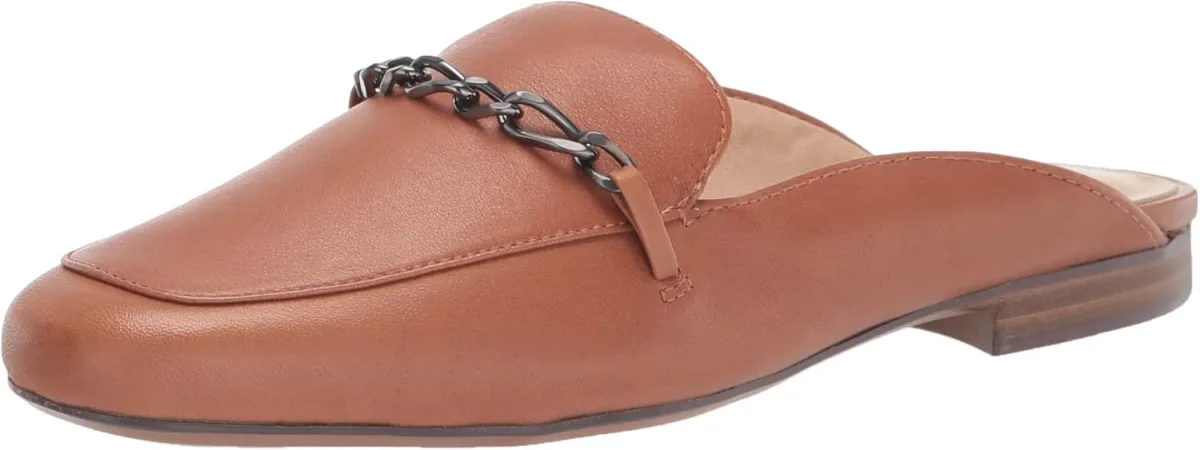
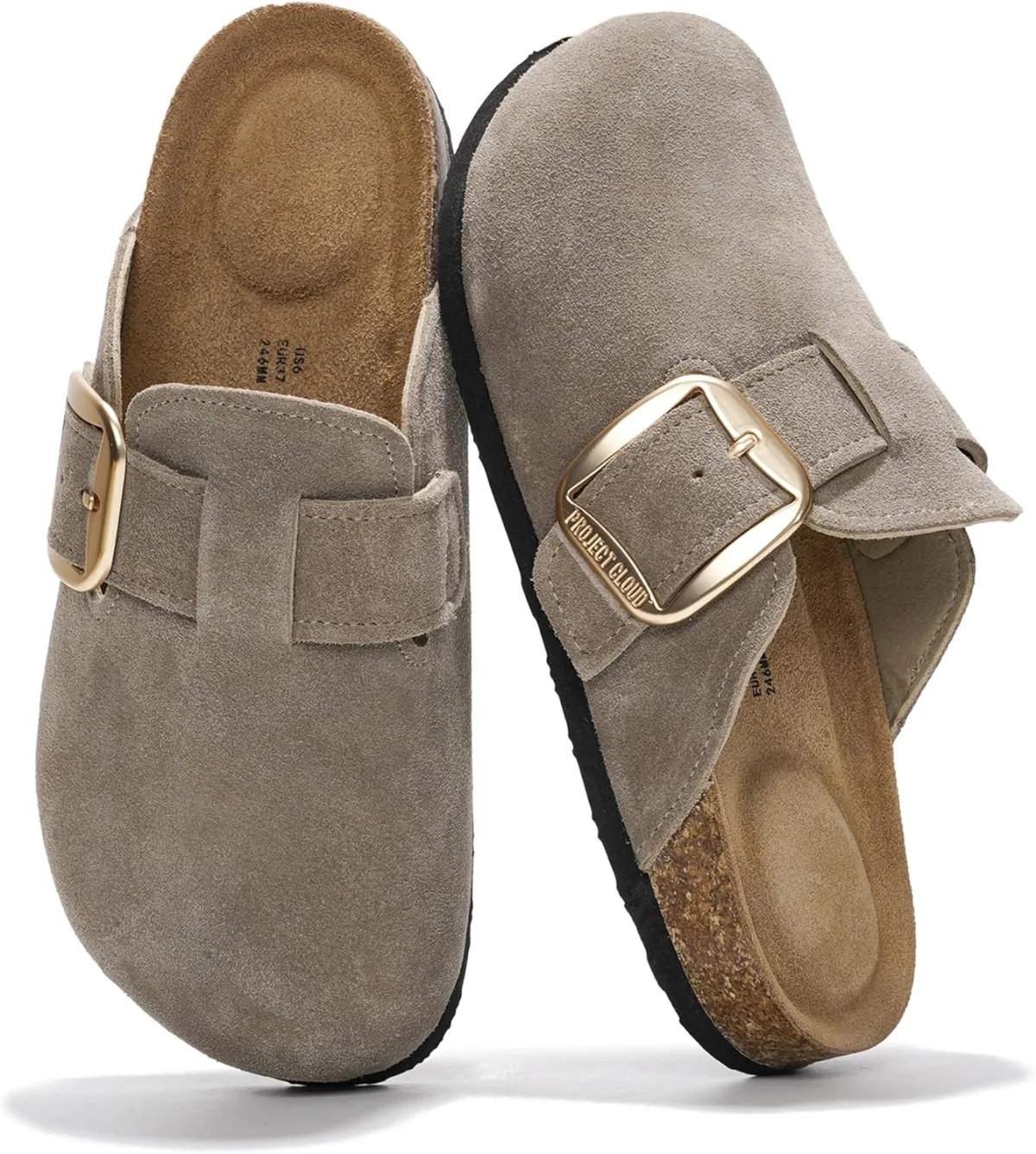
Project Cloud
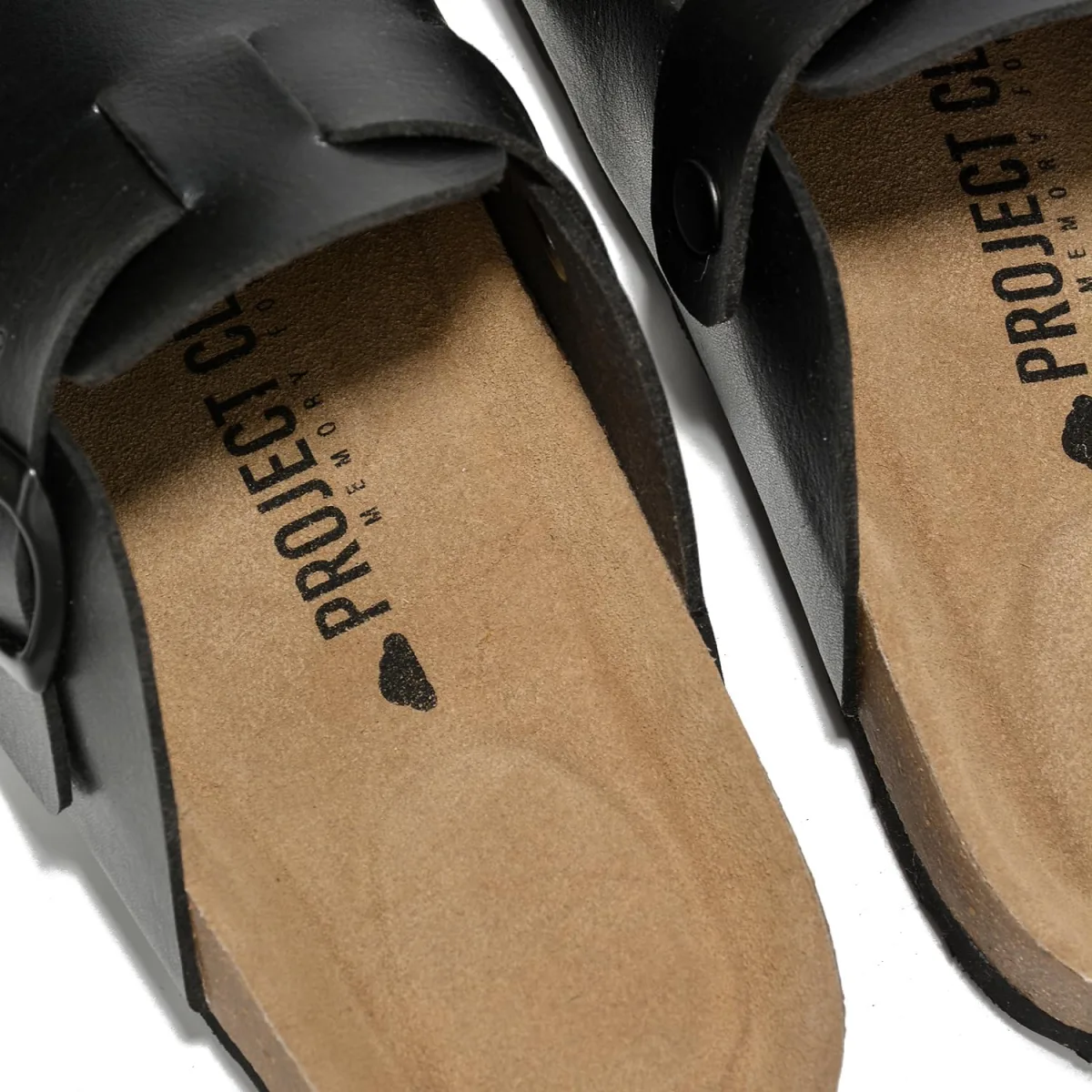
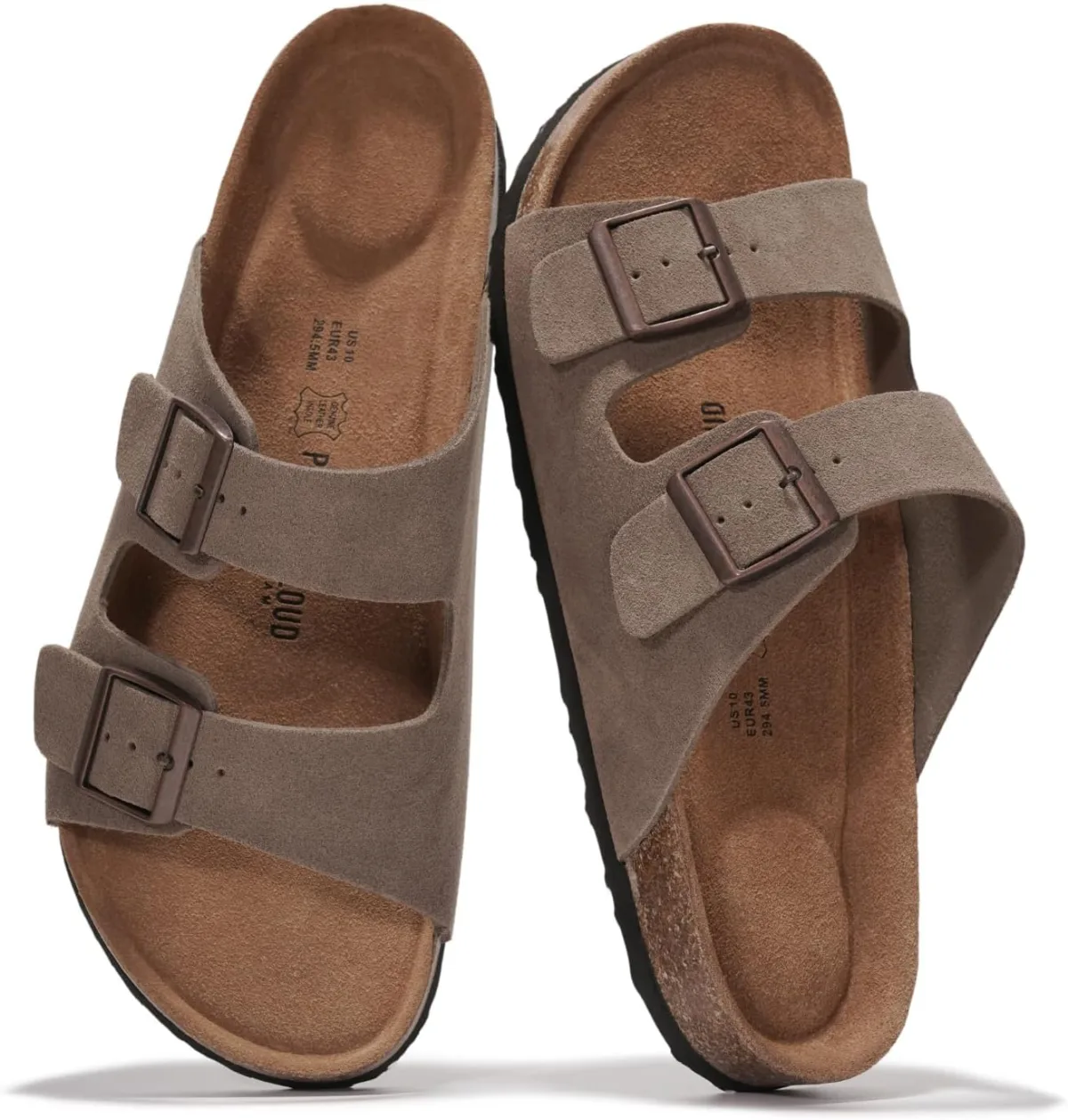
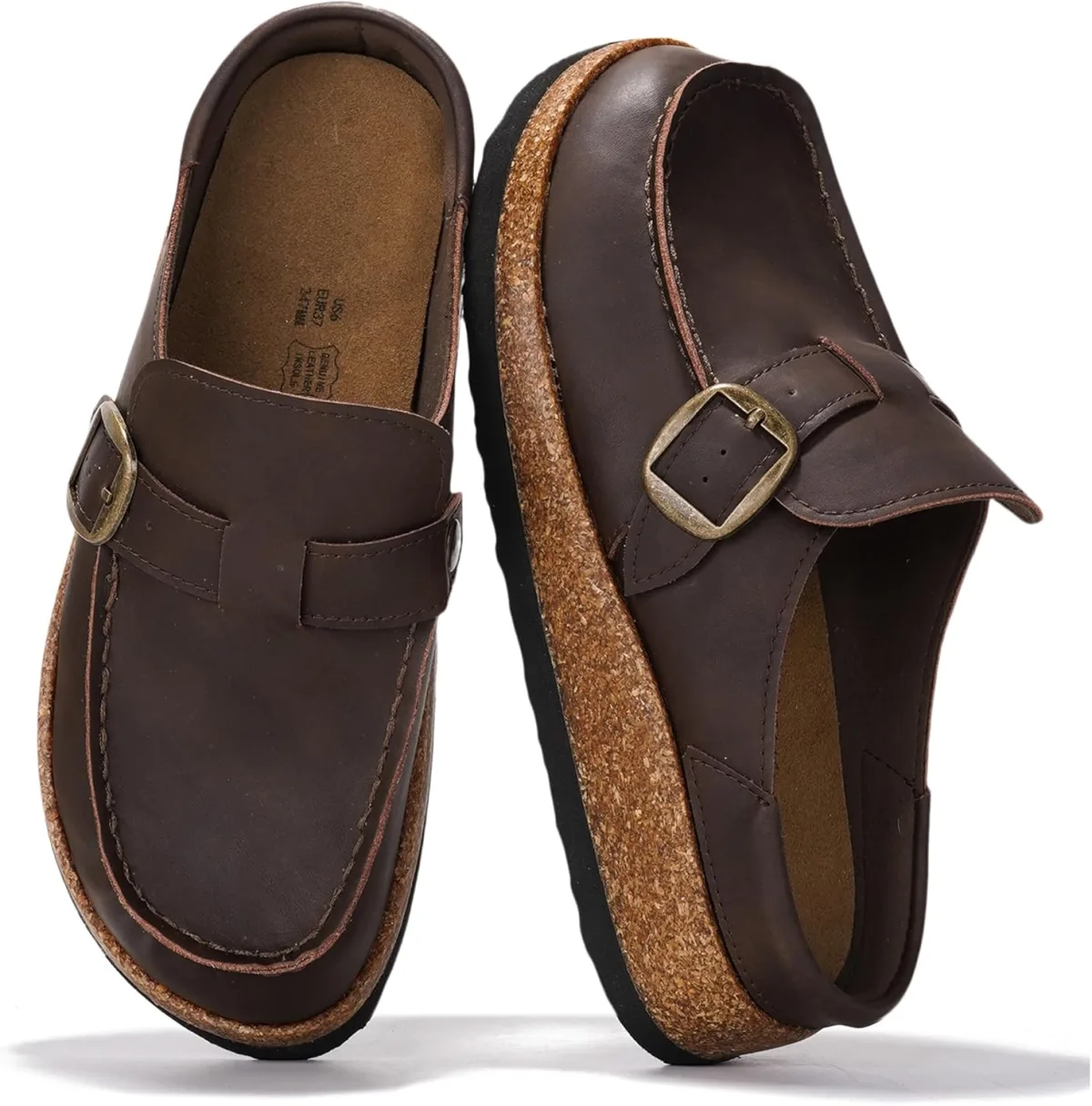
Project Cloud
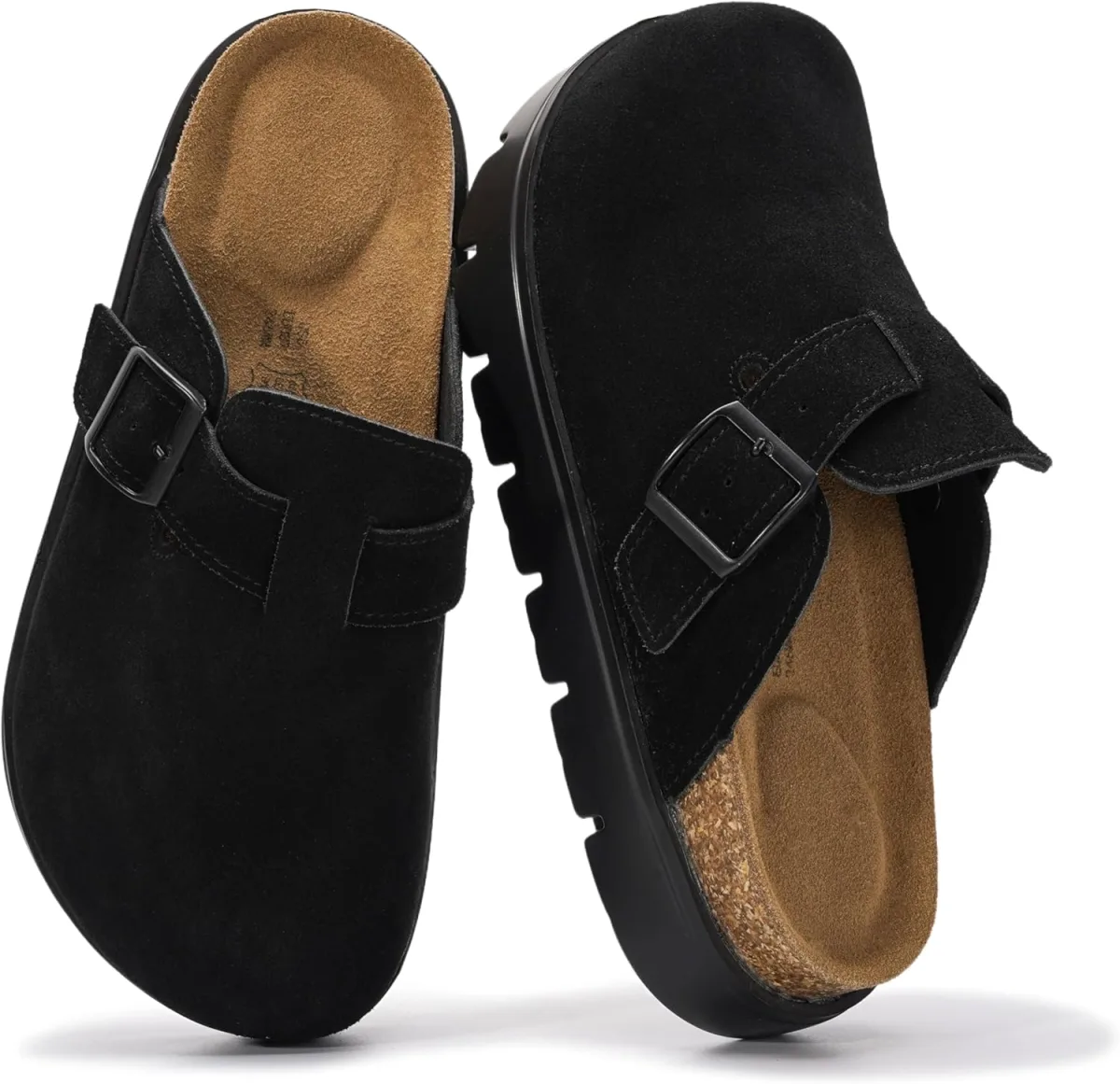
Project Cloud
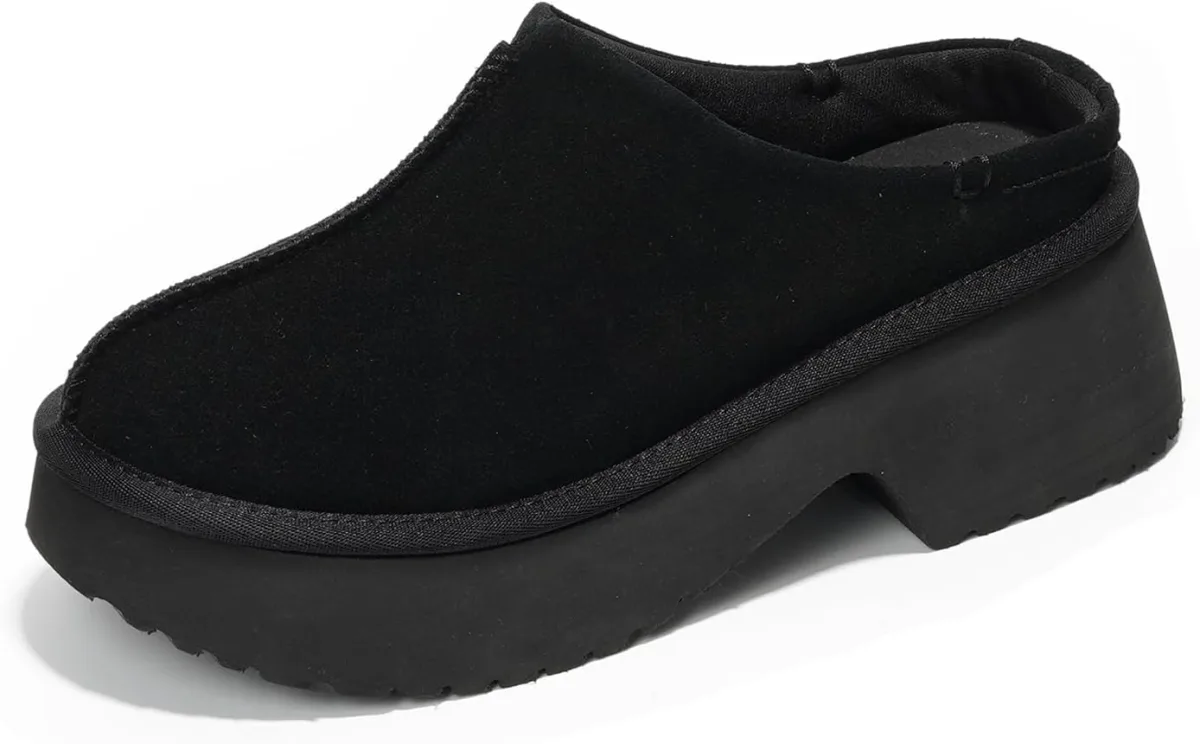
Project Cloud
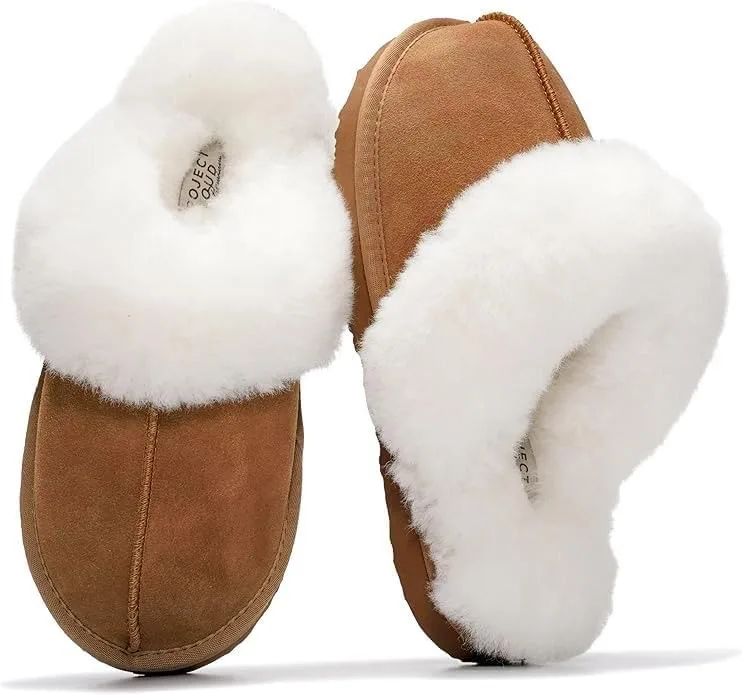
Project Cloud
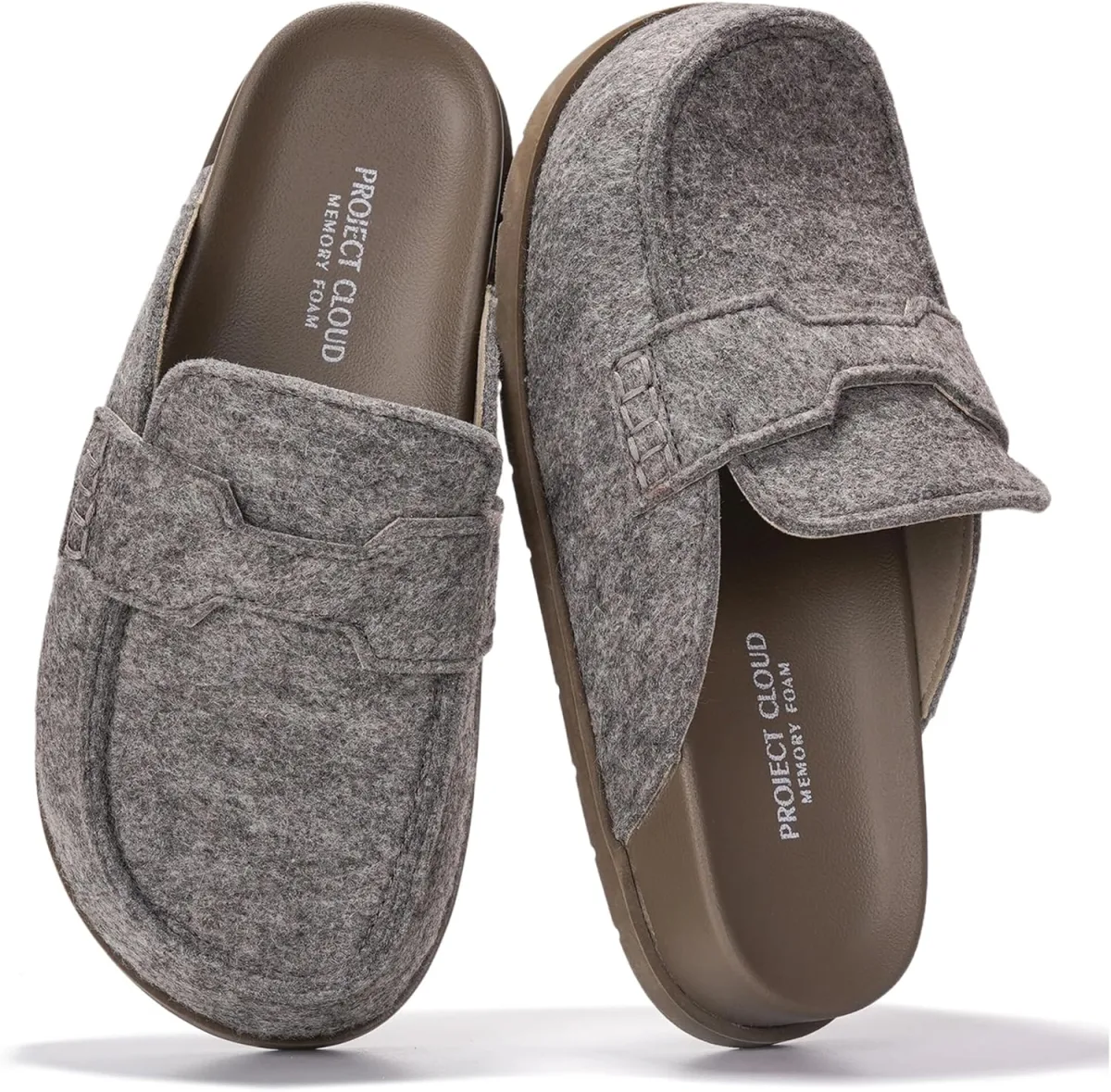
Project Cloud
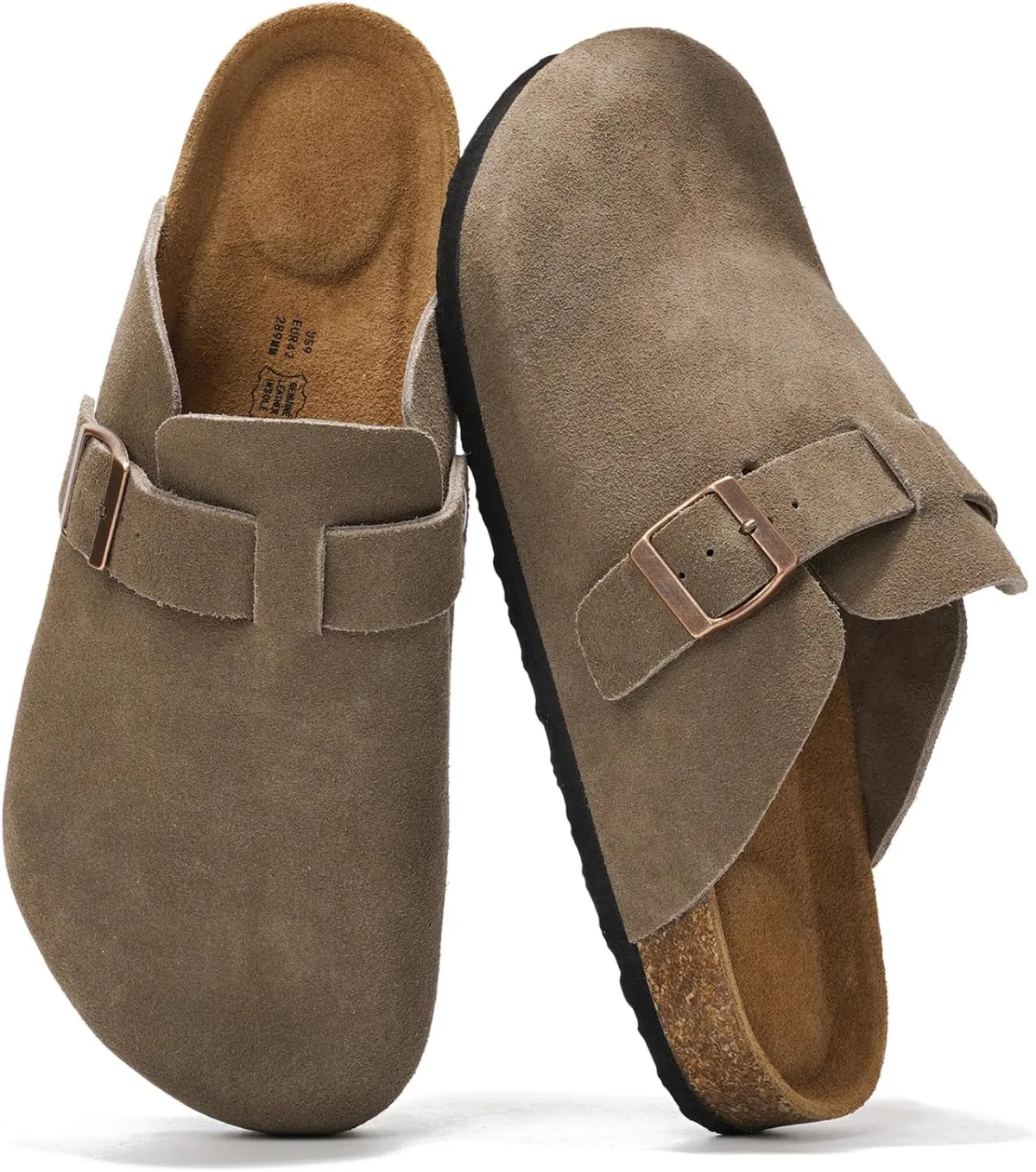
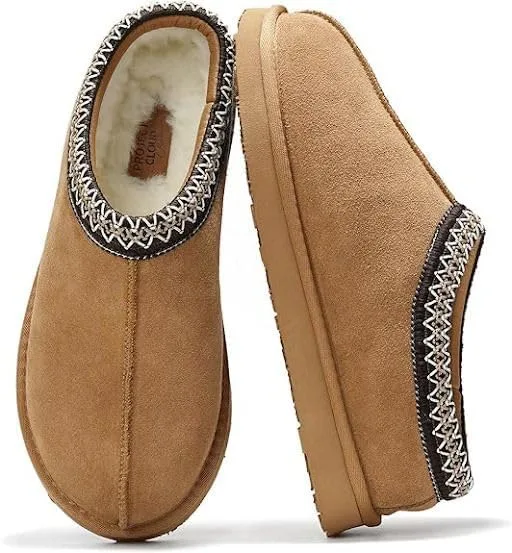
Project Cloud
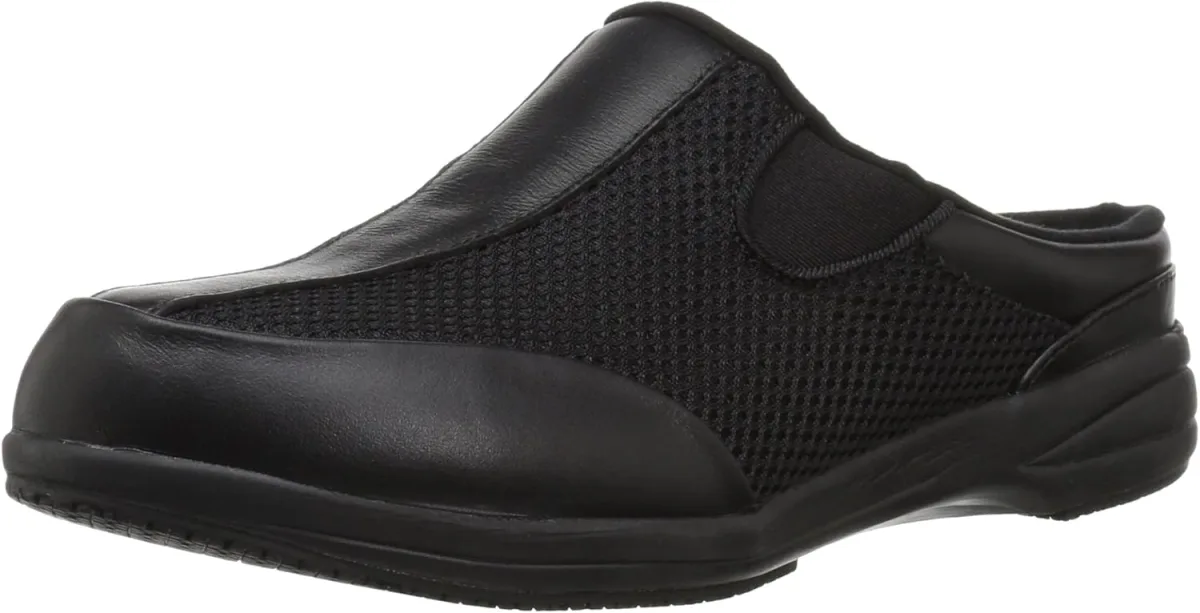
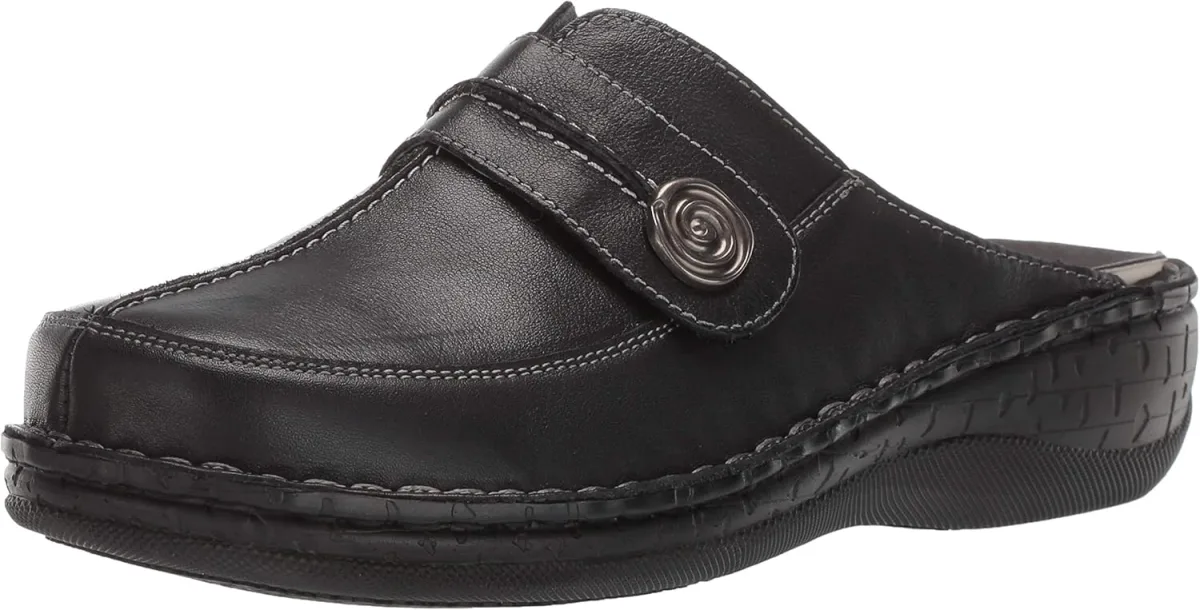
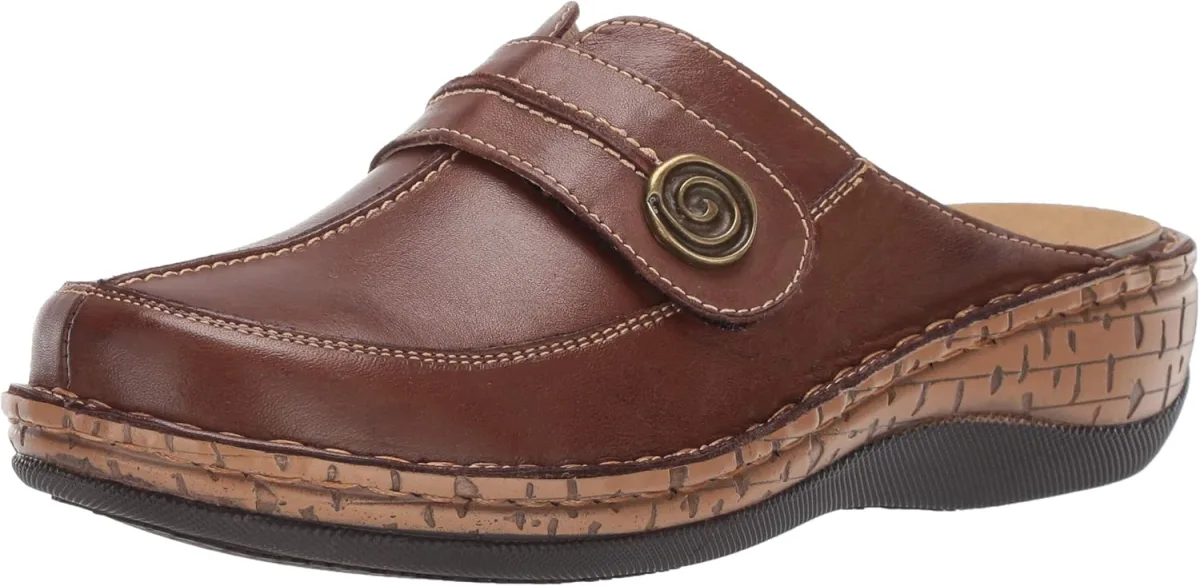
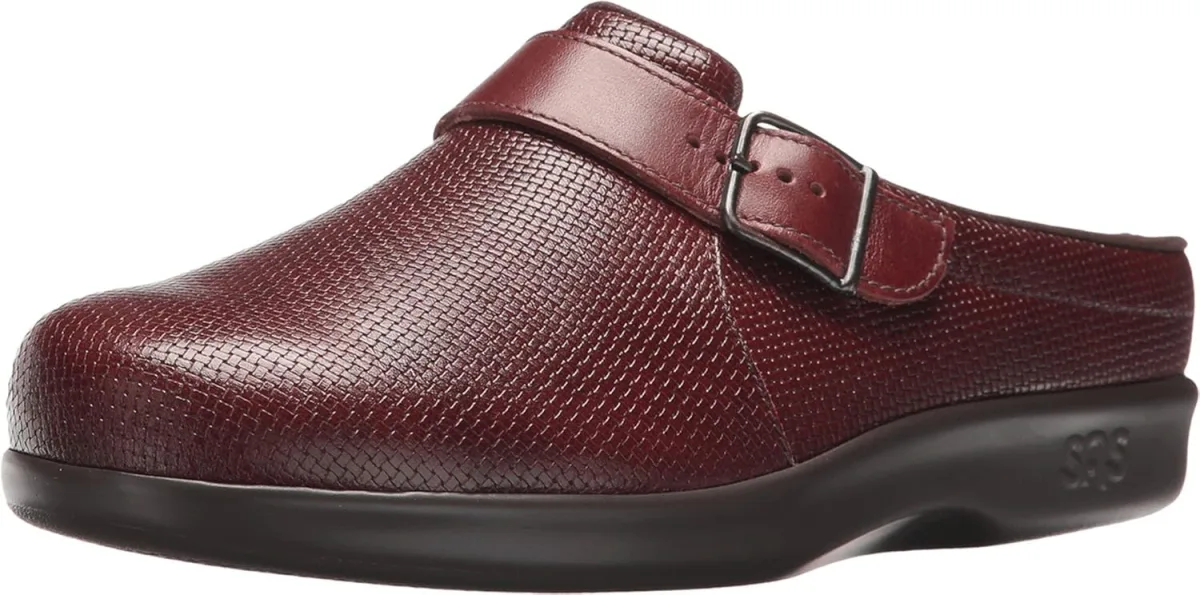
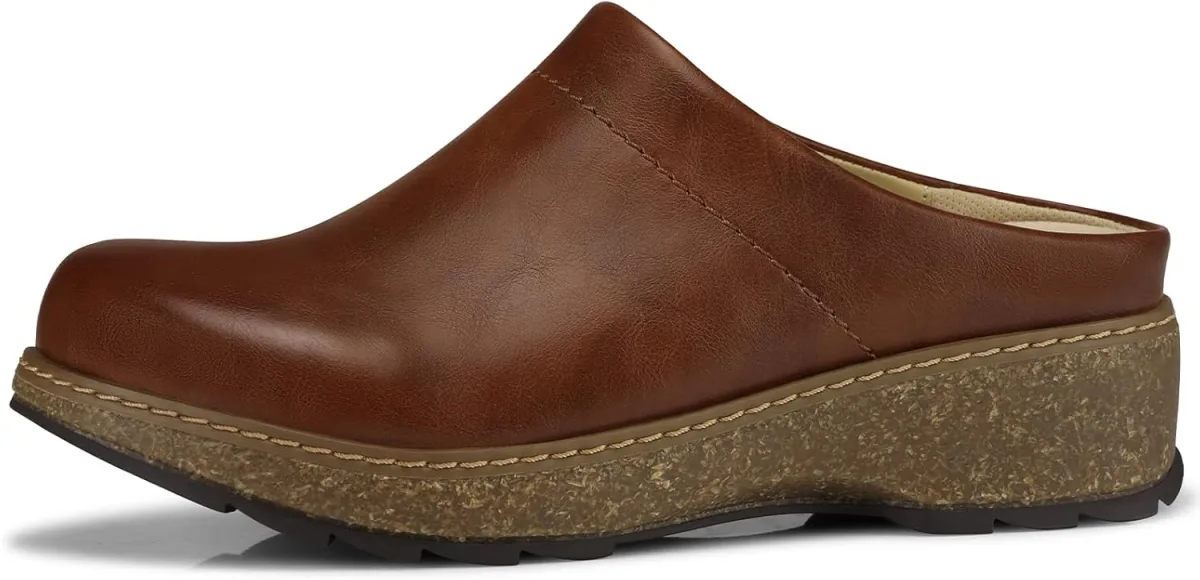
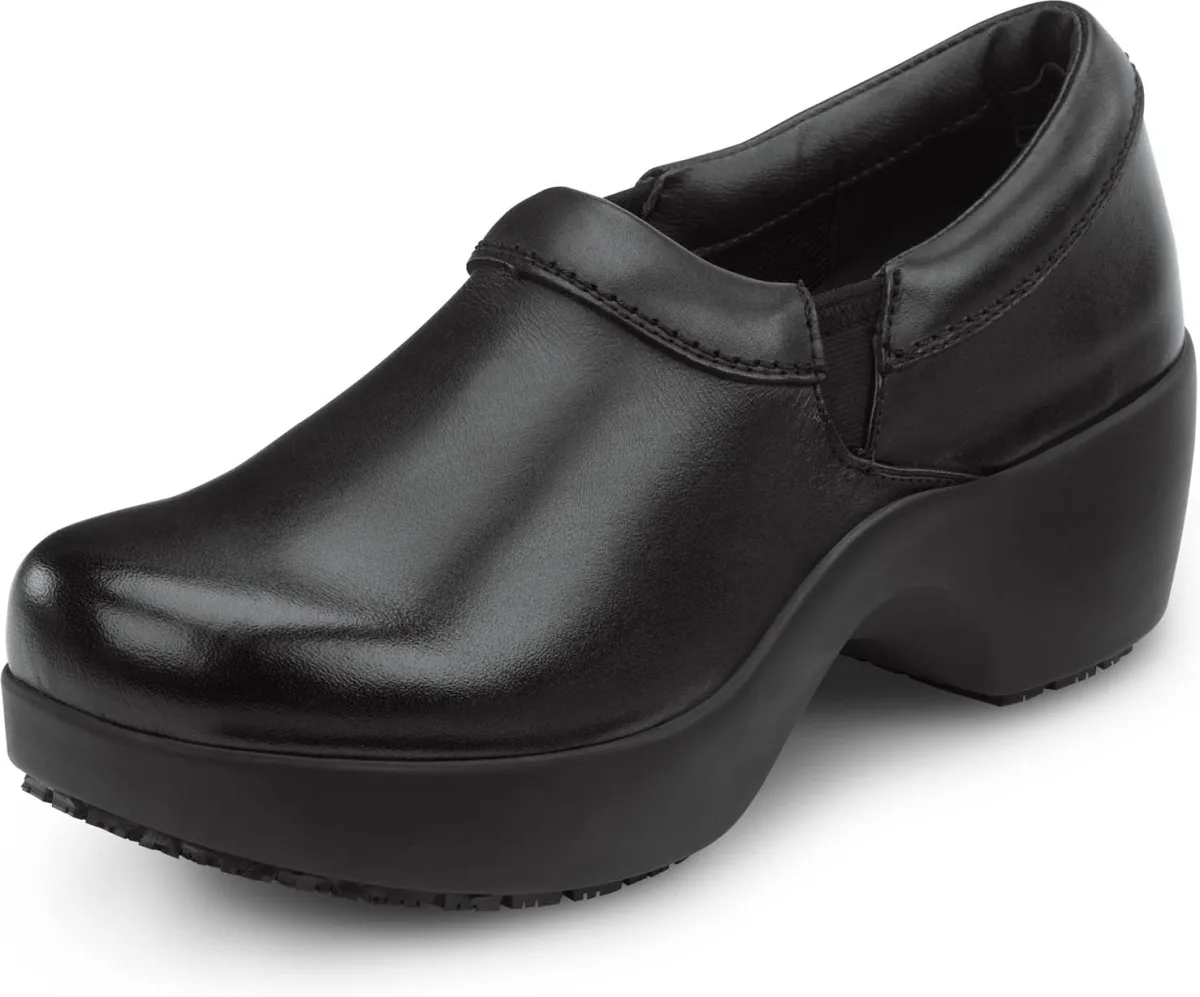
SR
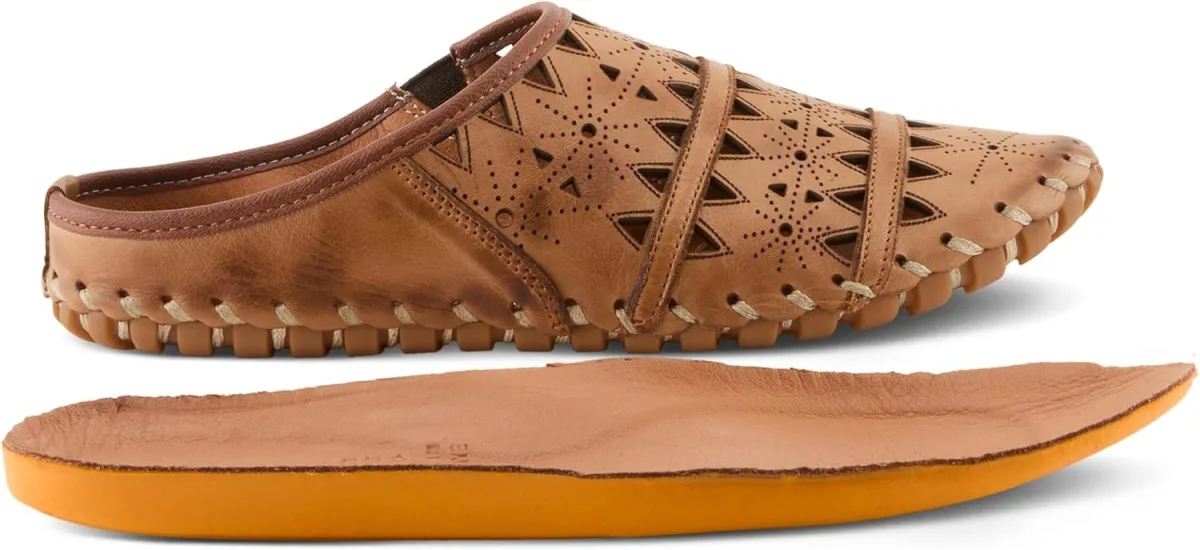
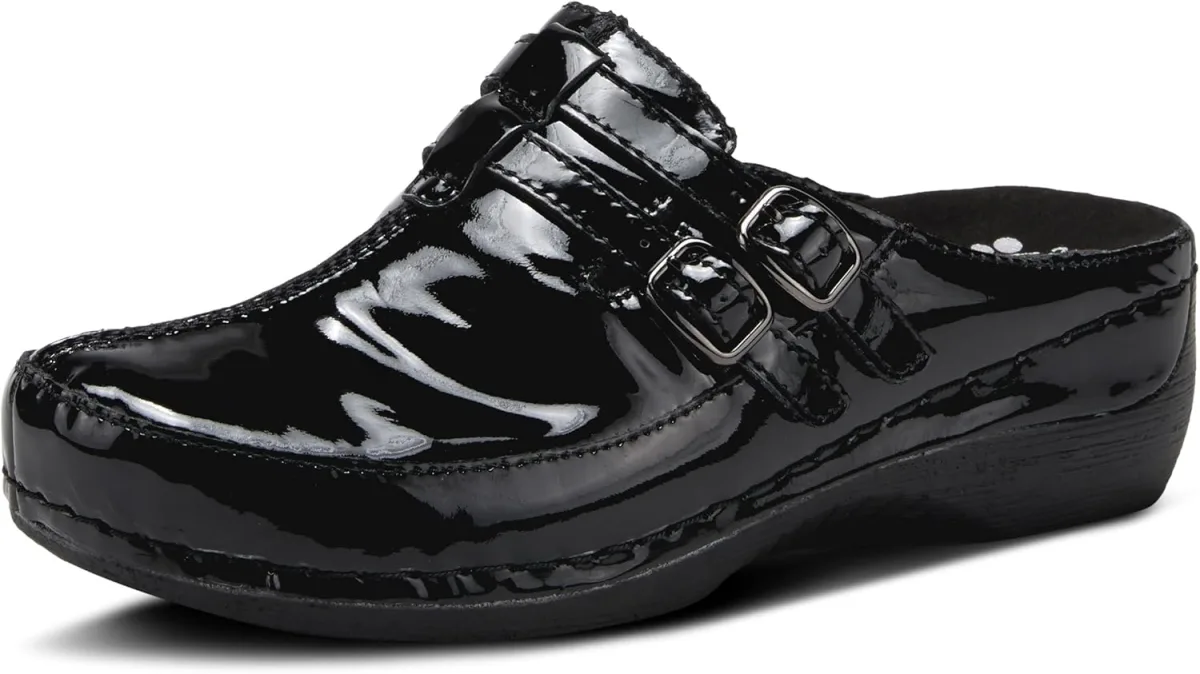
Spring Step
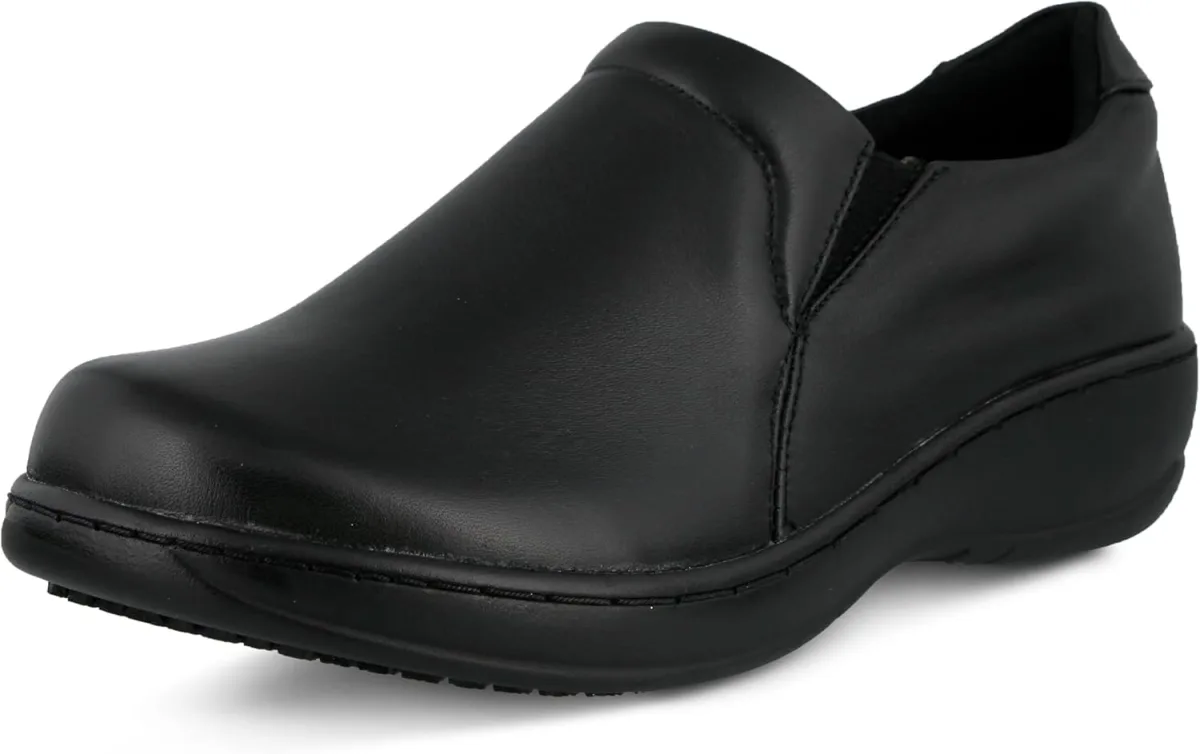
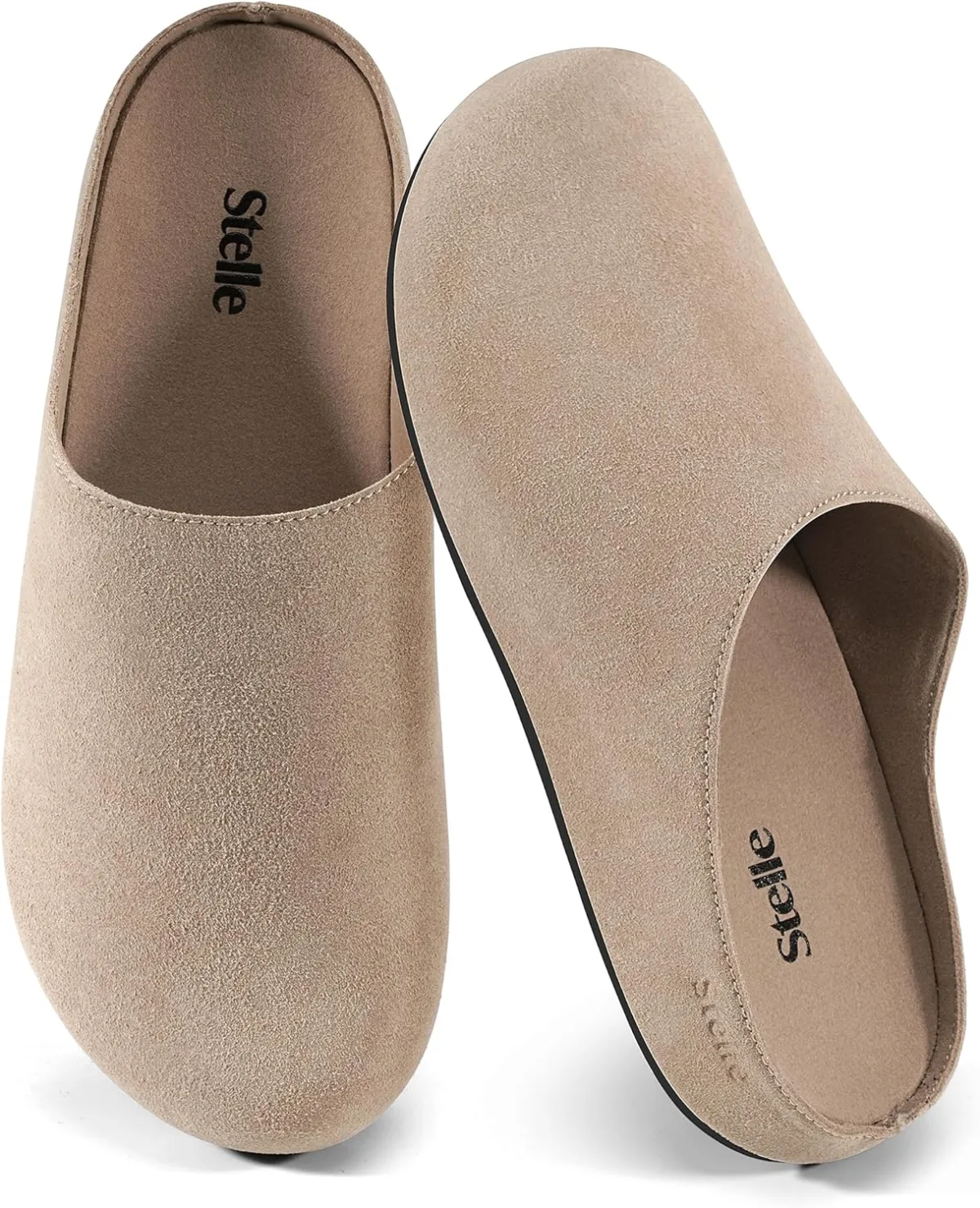
Stelle
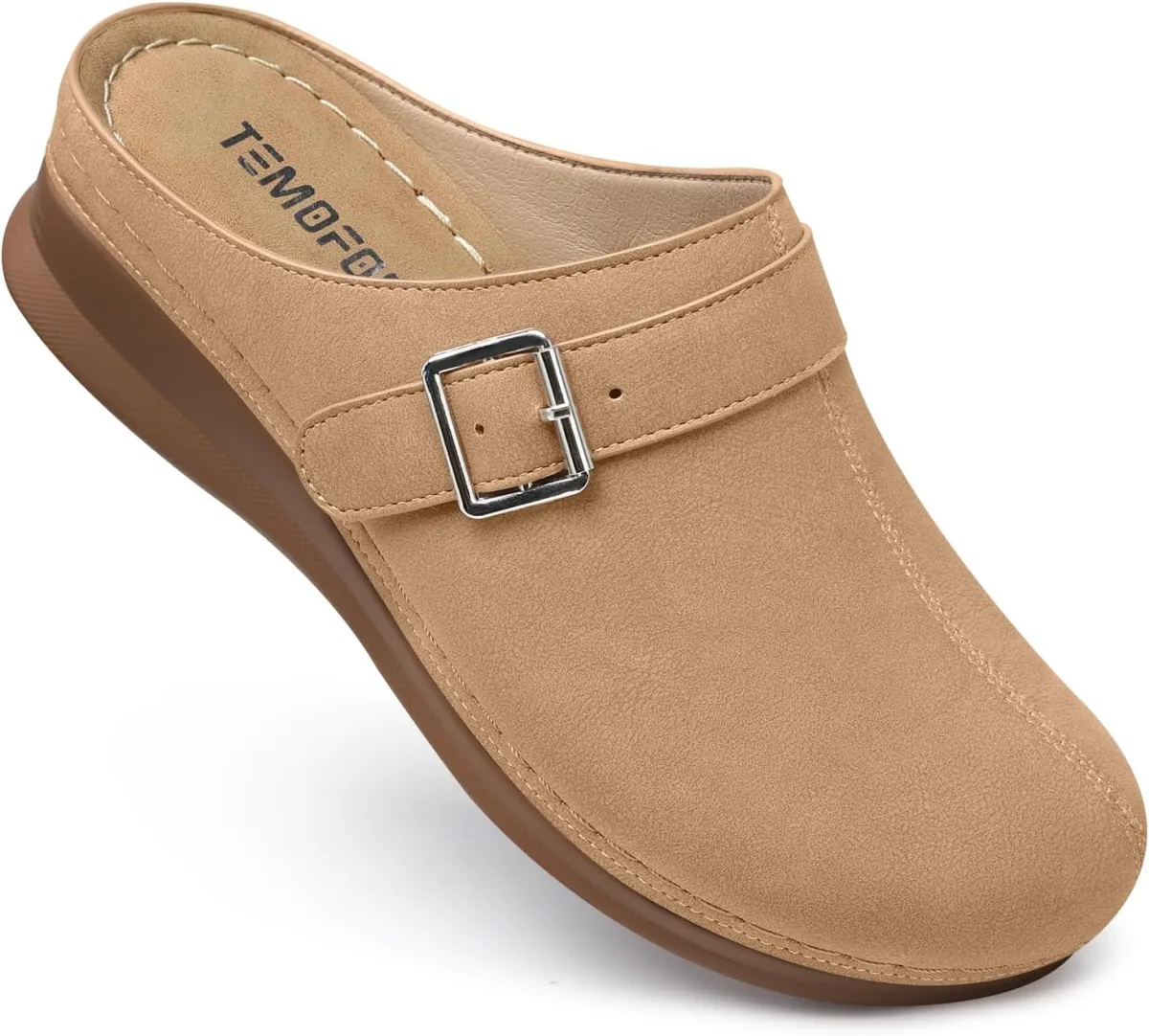
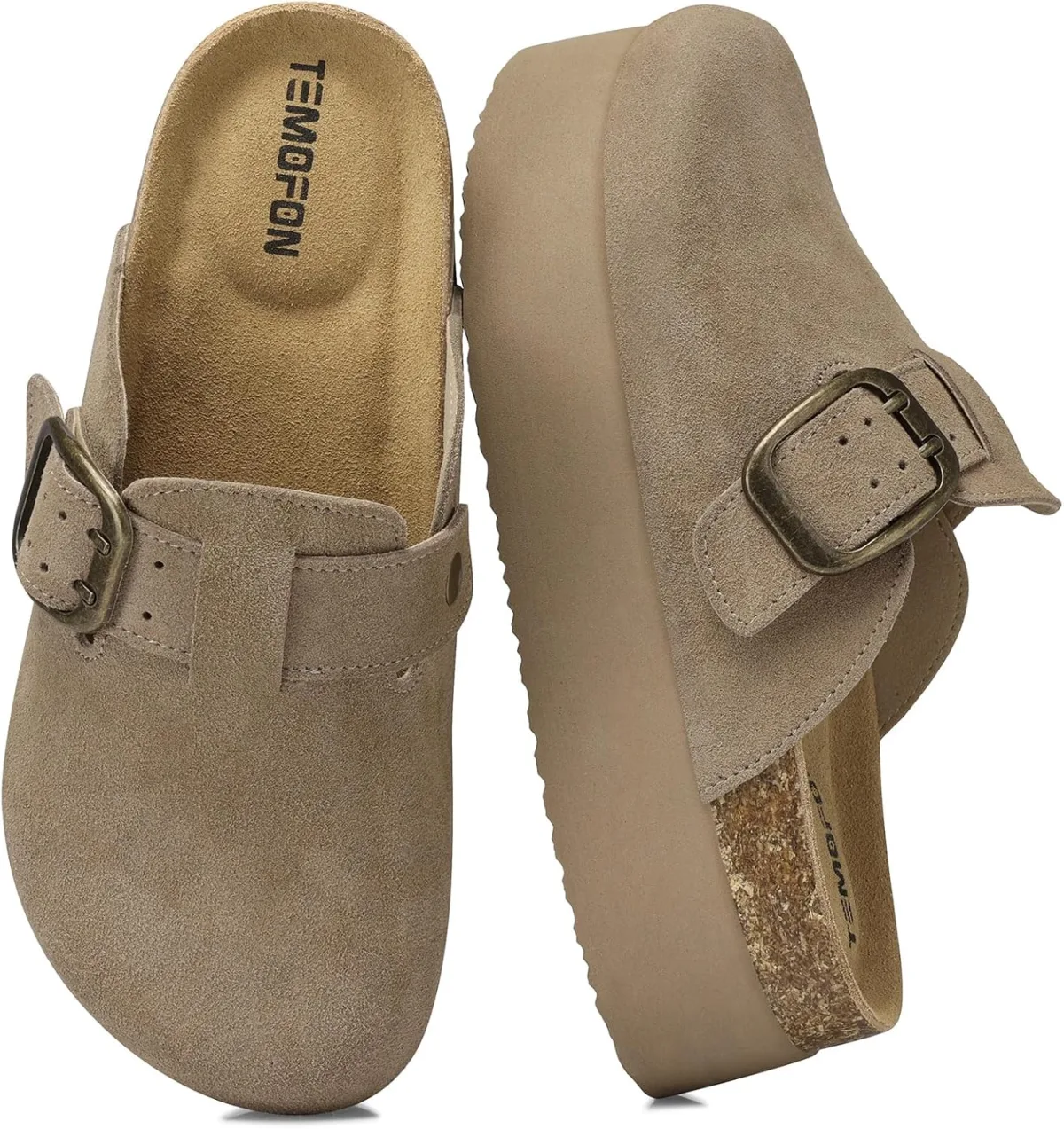

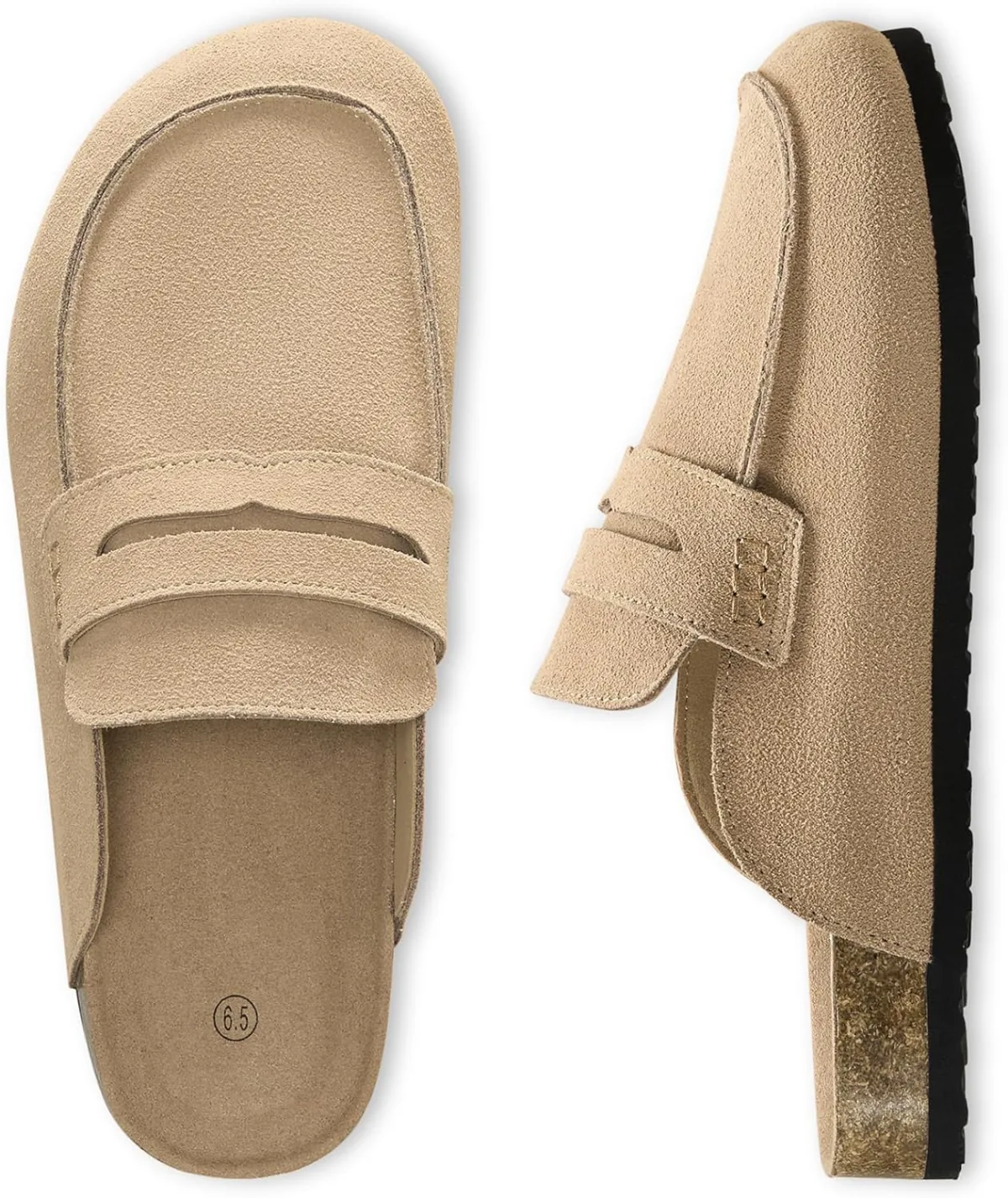
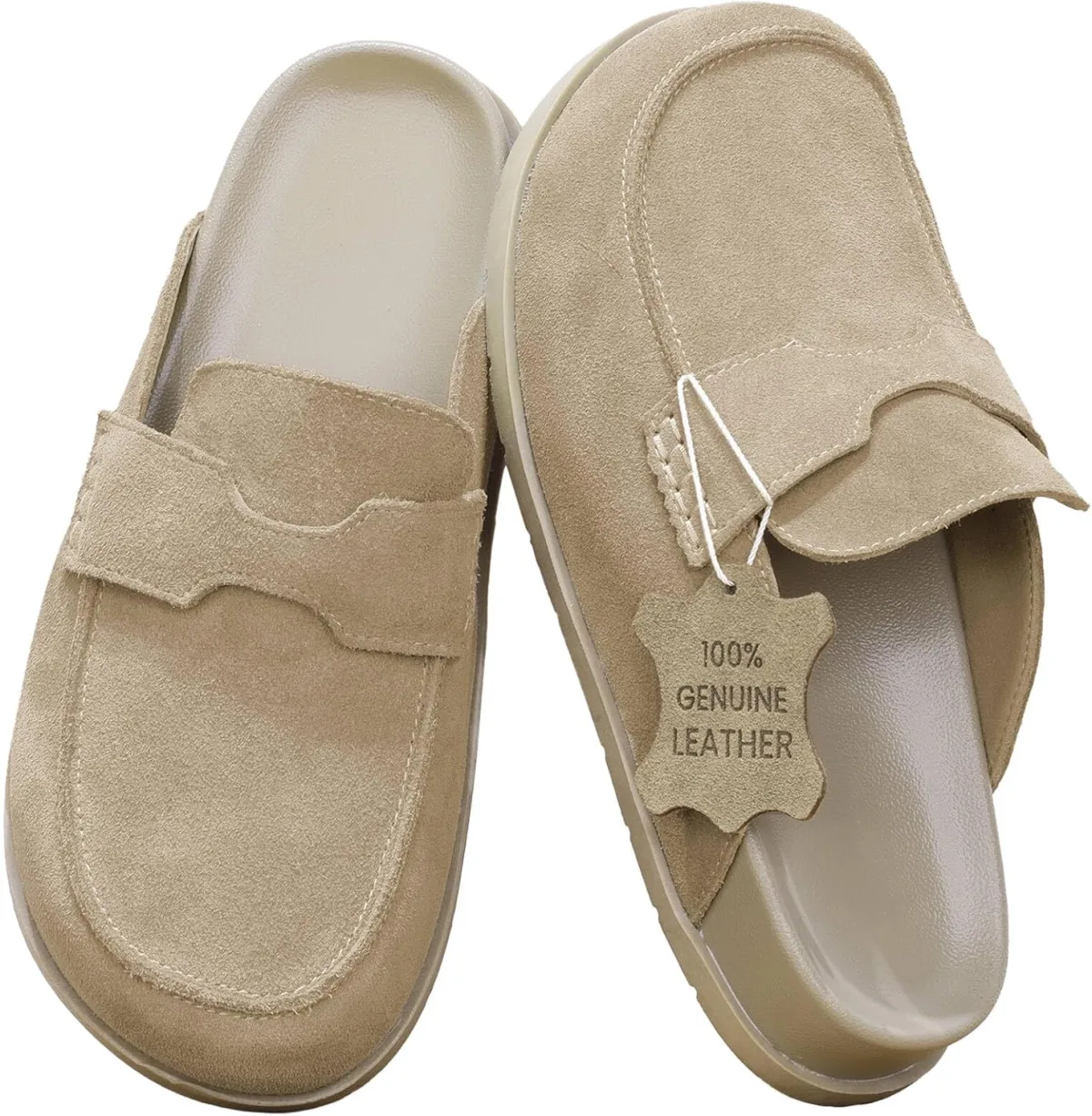
Unbranded
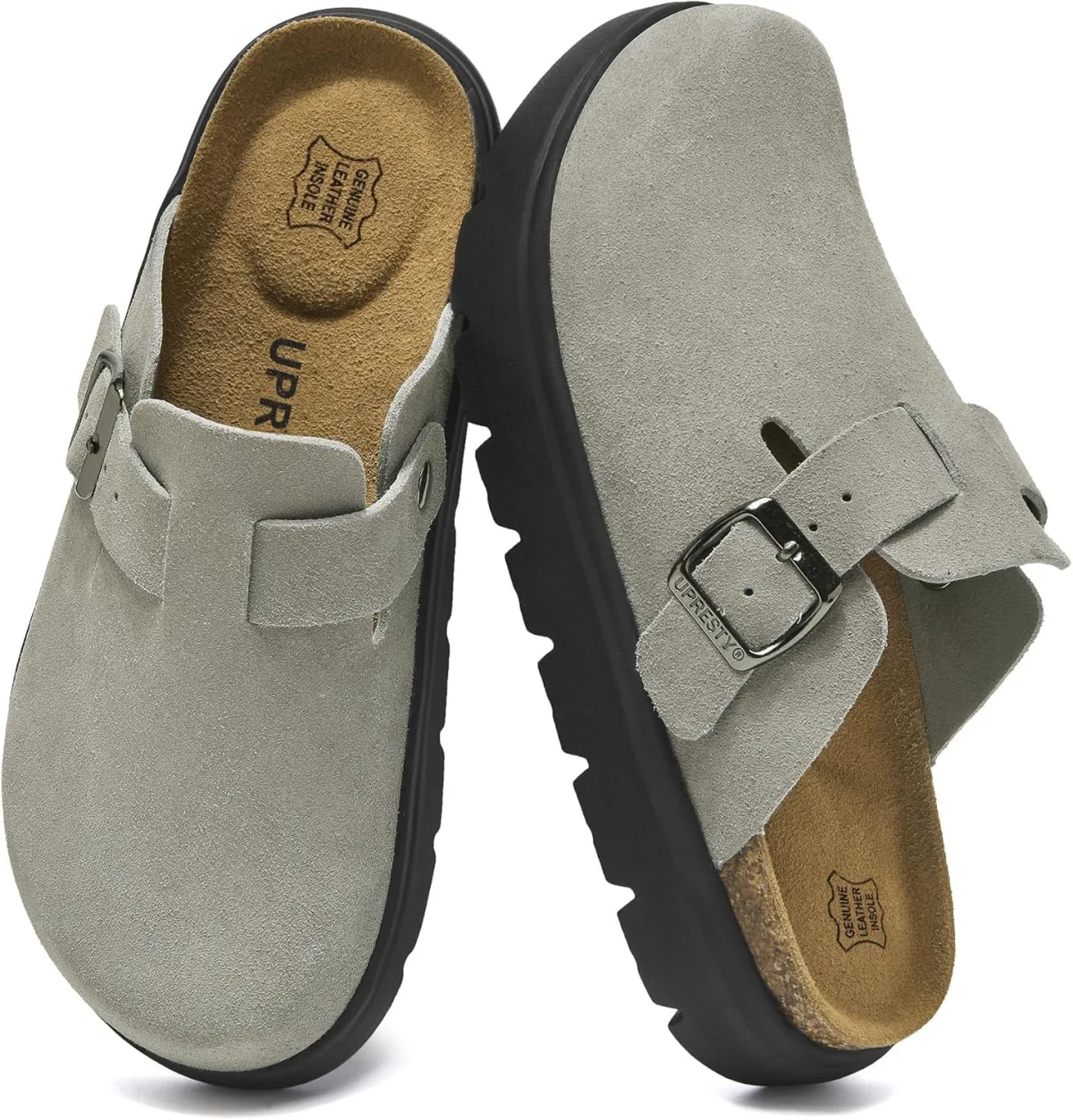
Unbranded
Unbranded
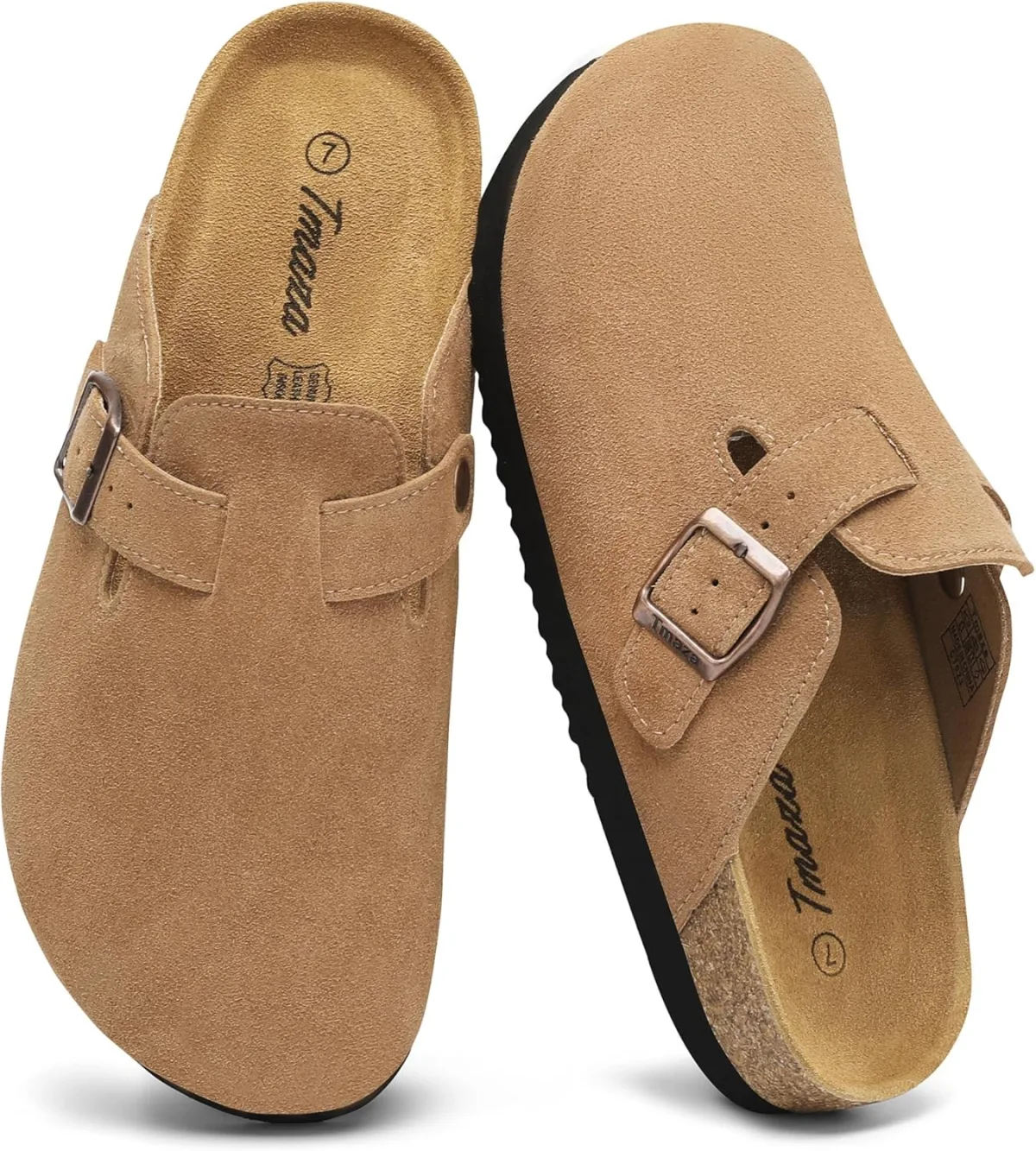
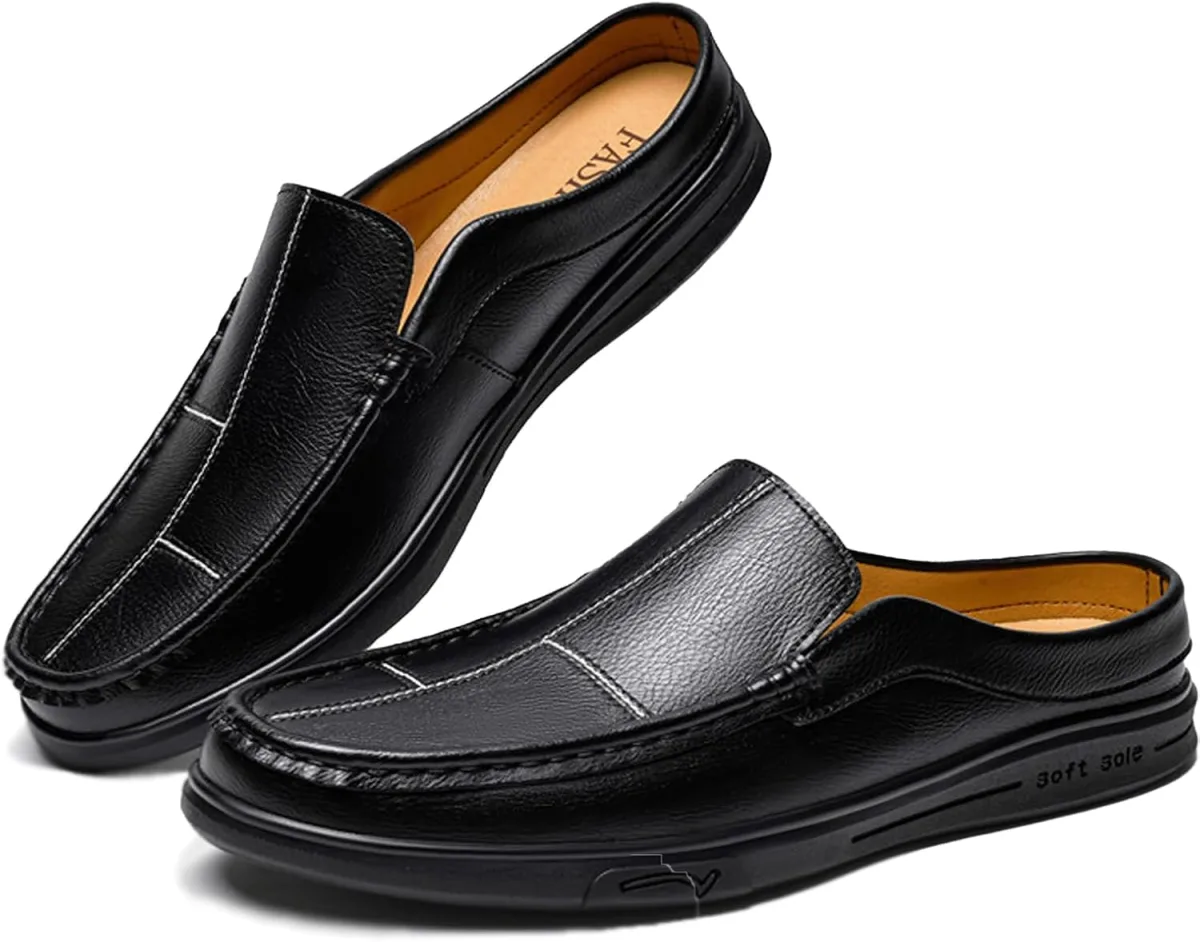
Unbranded
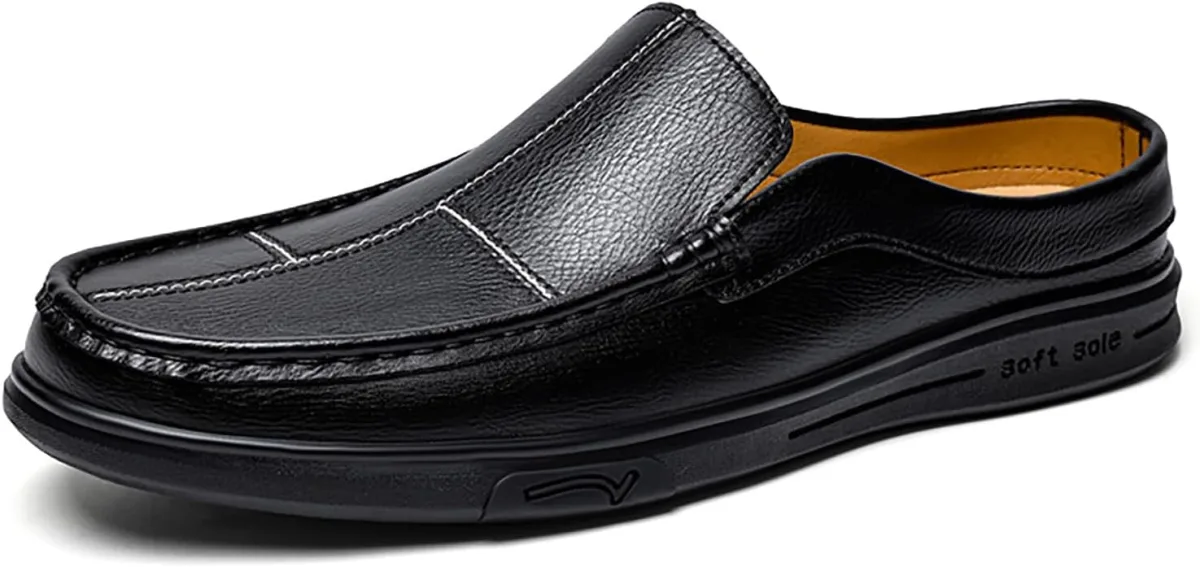
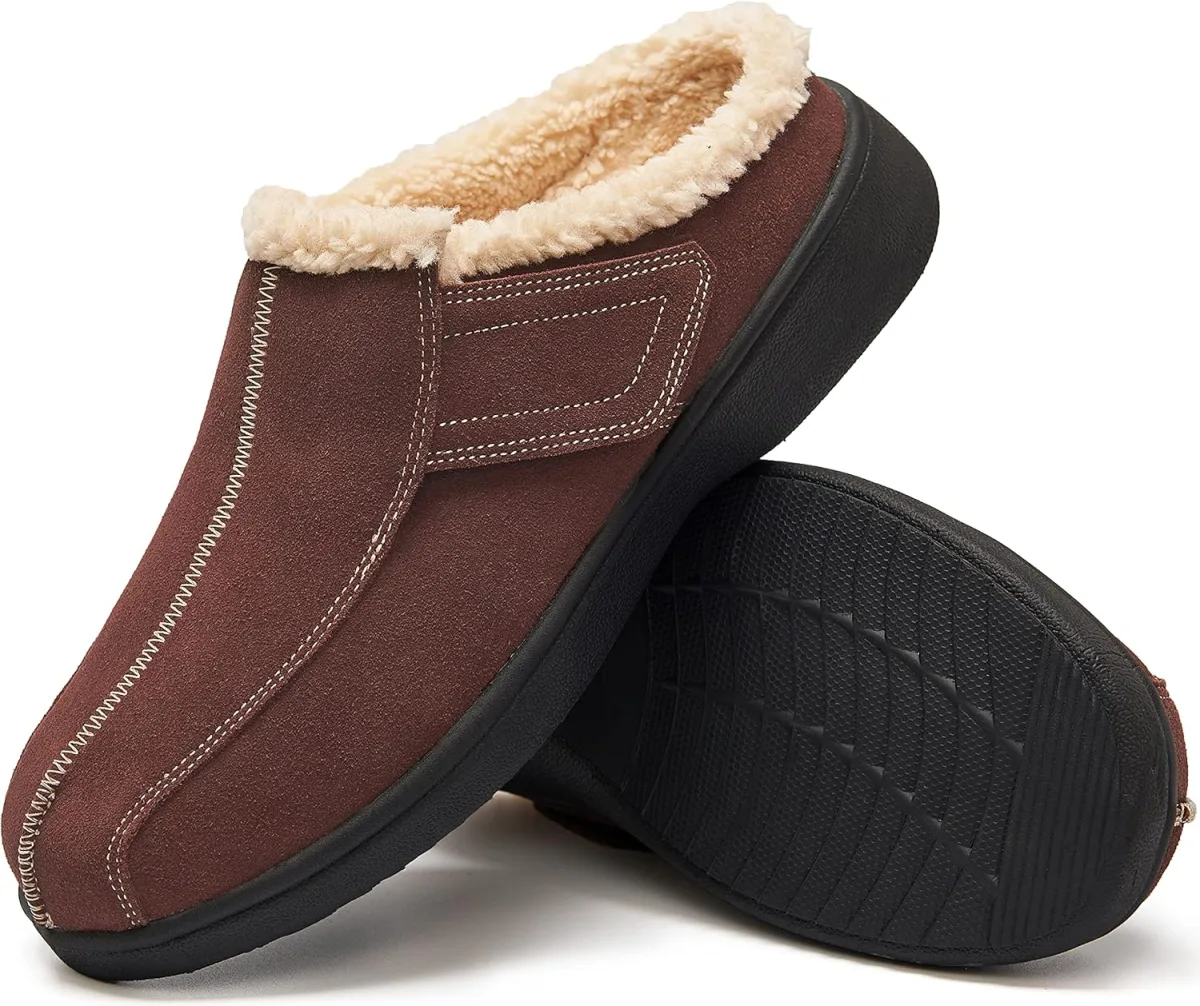
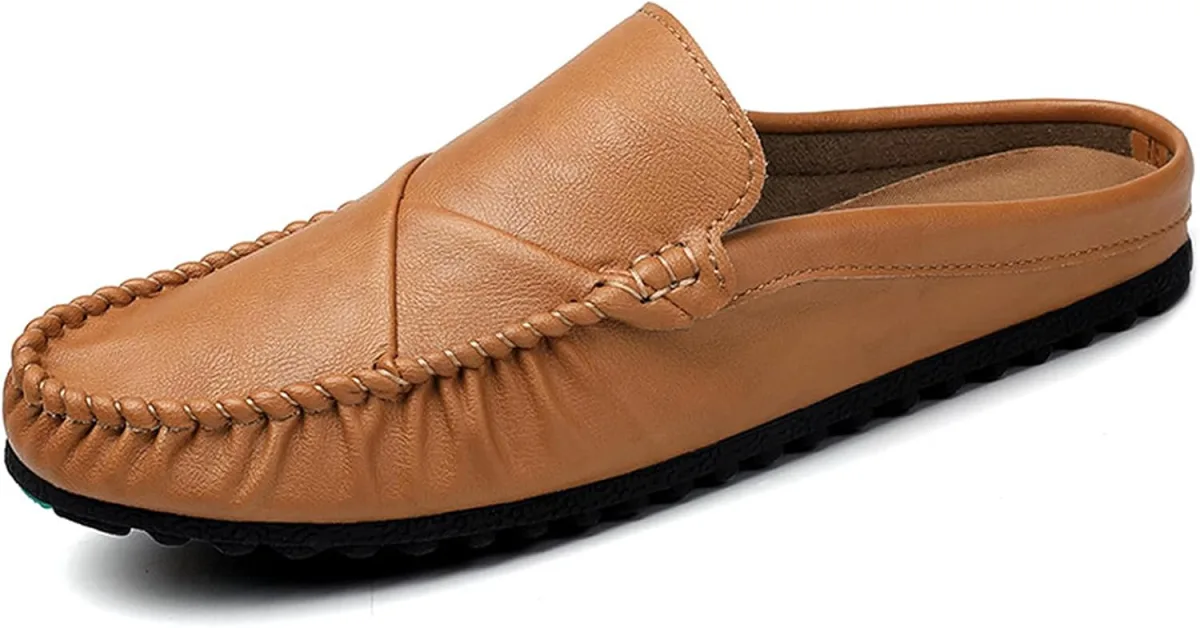
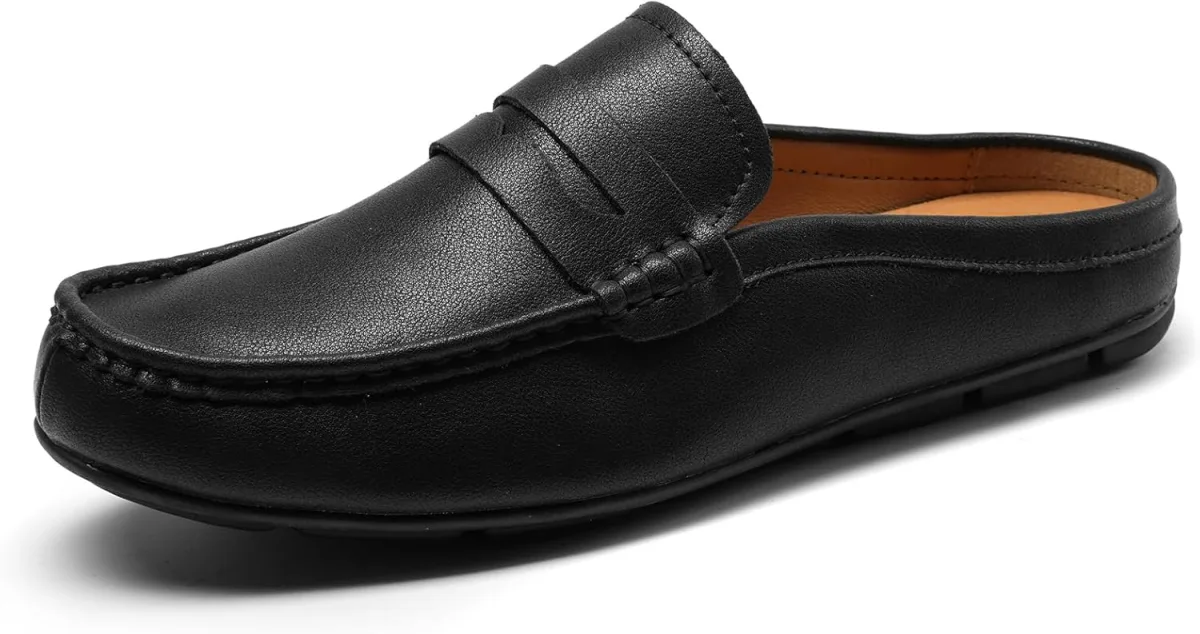
Unbranded
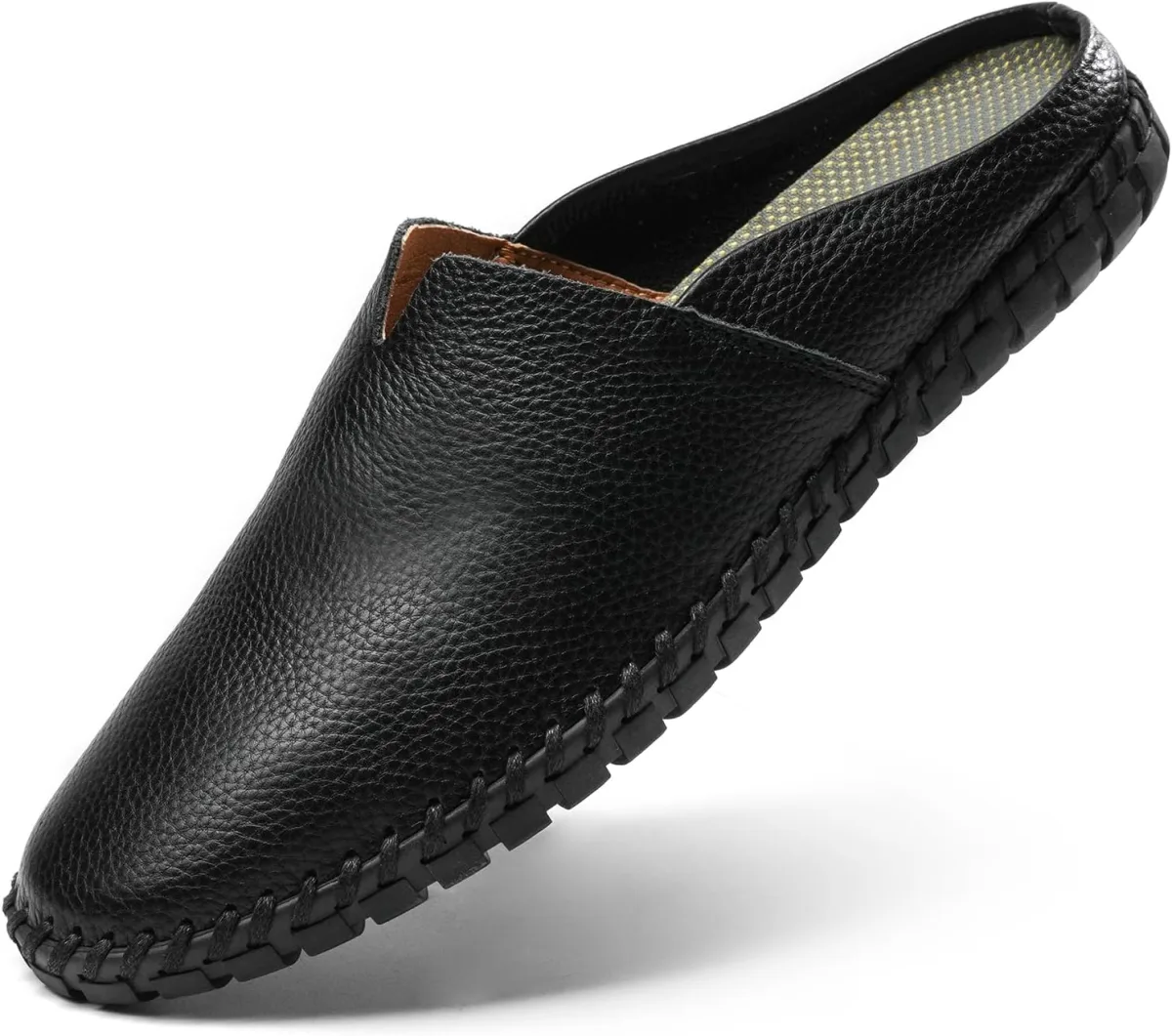
Unbranded
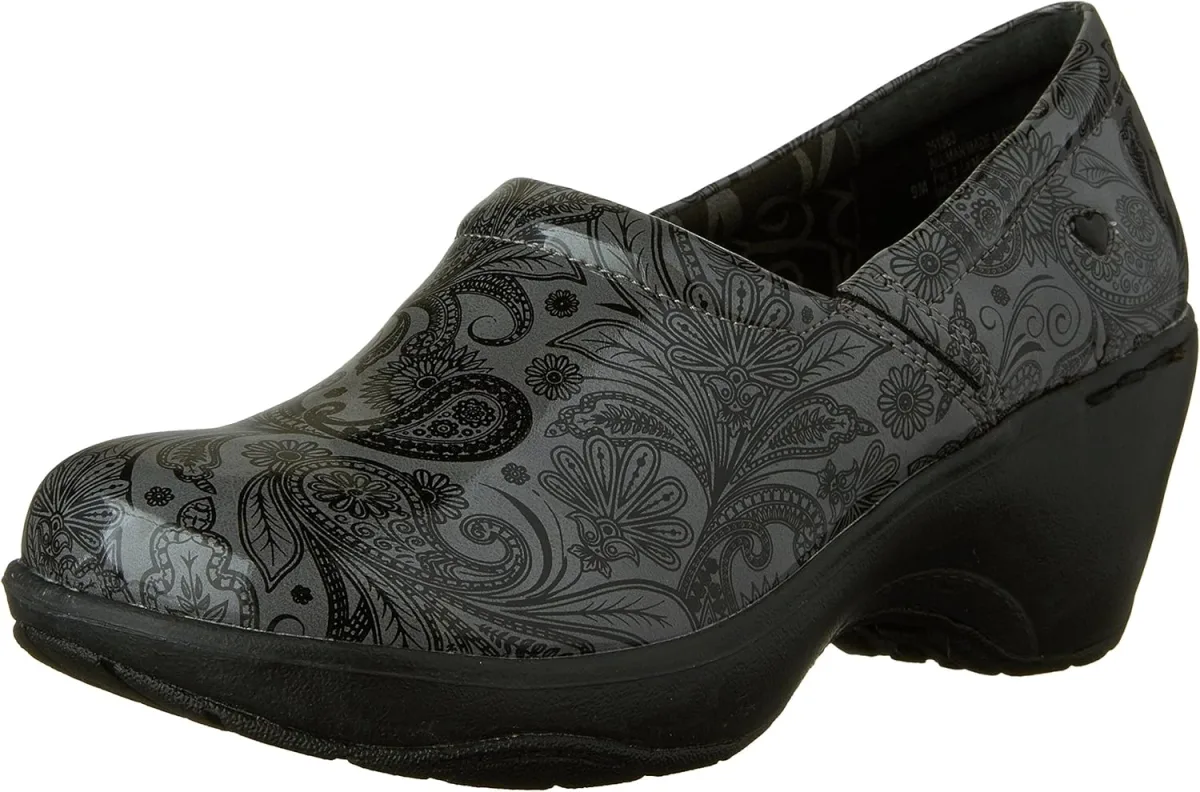
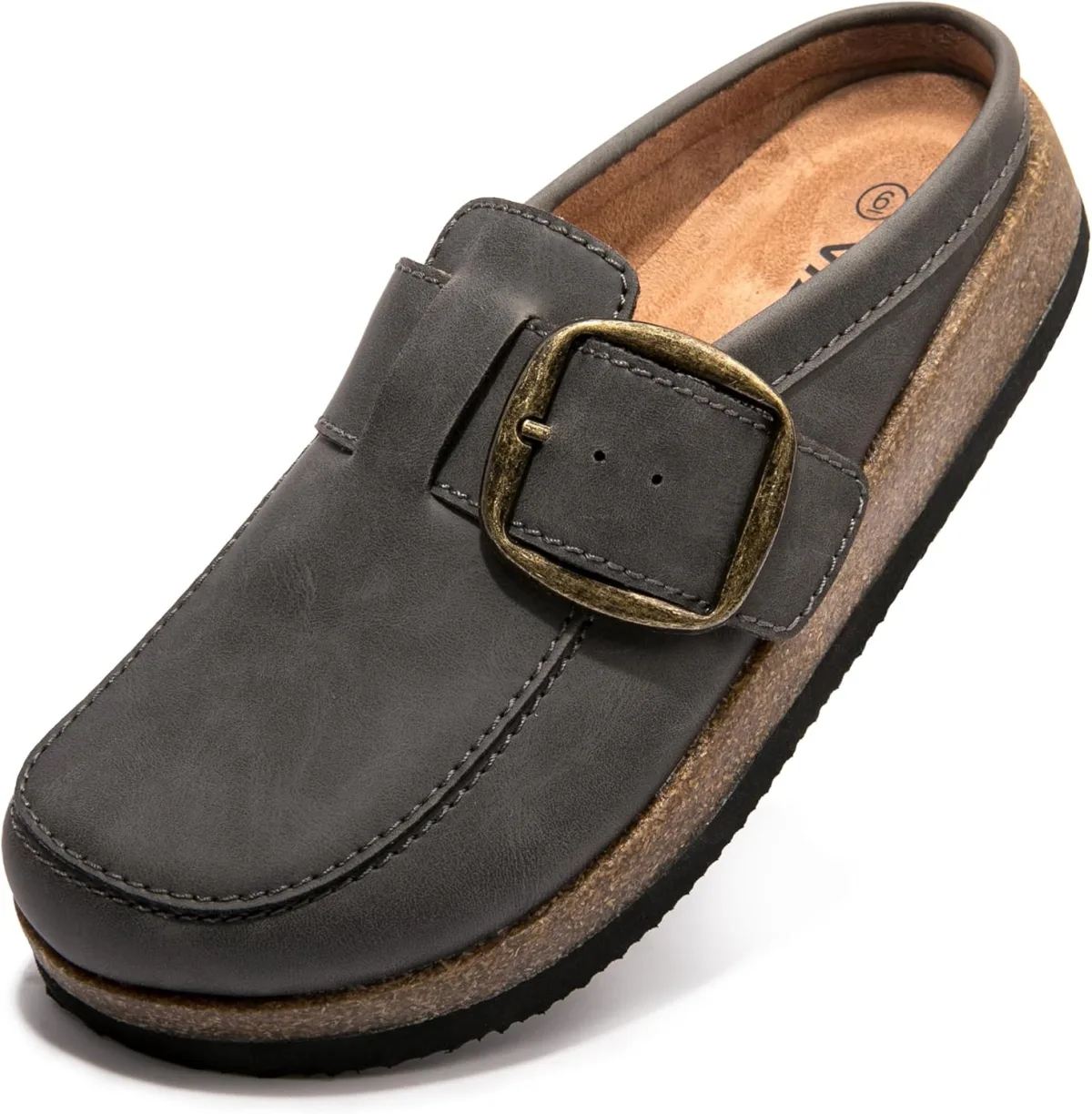
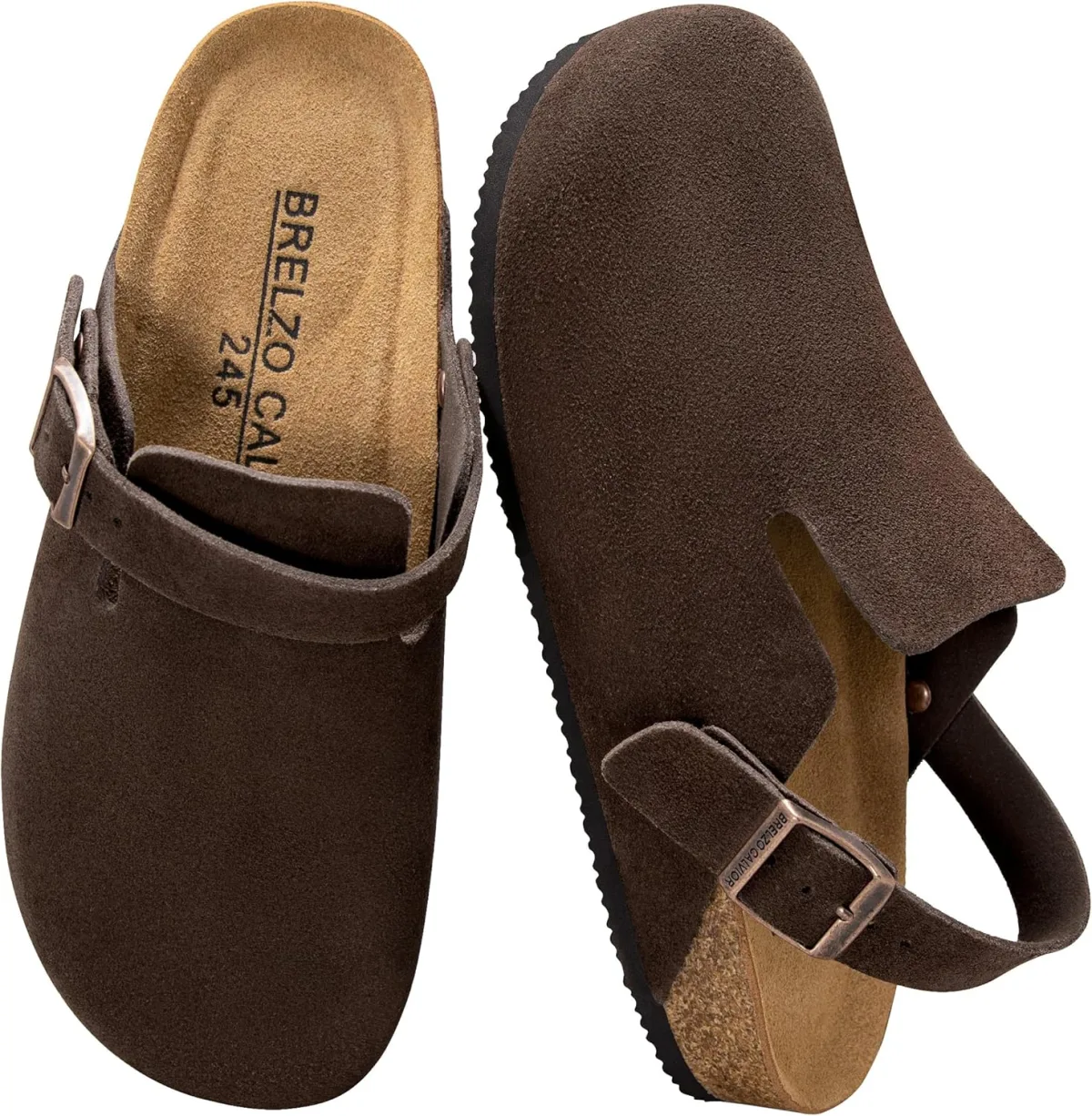
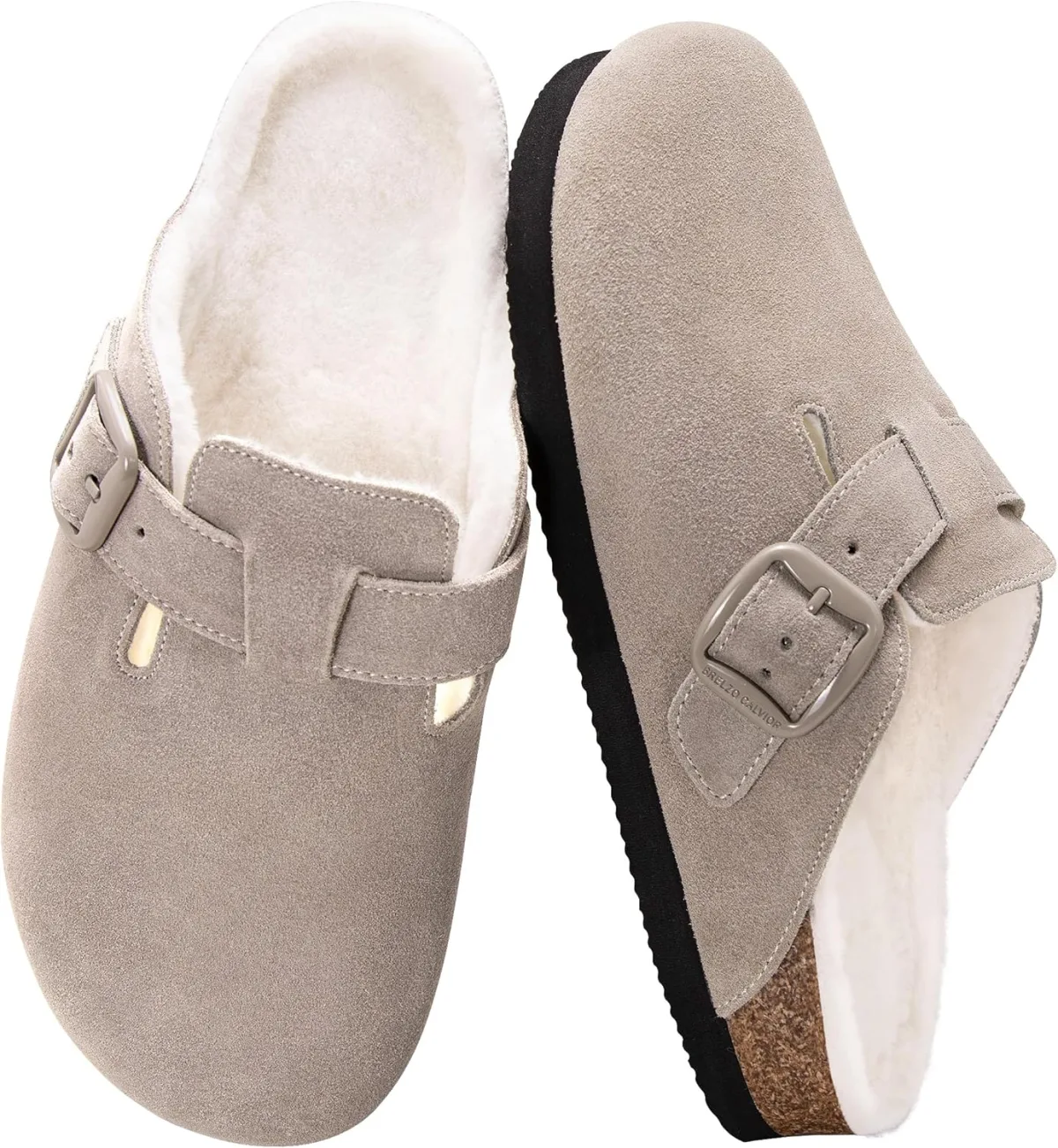
Unbranded
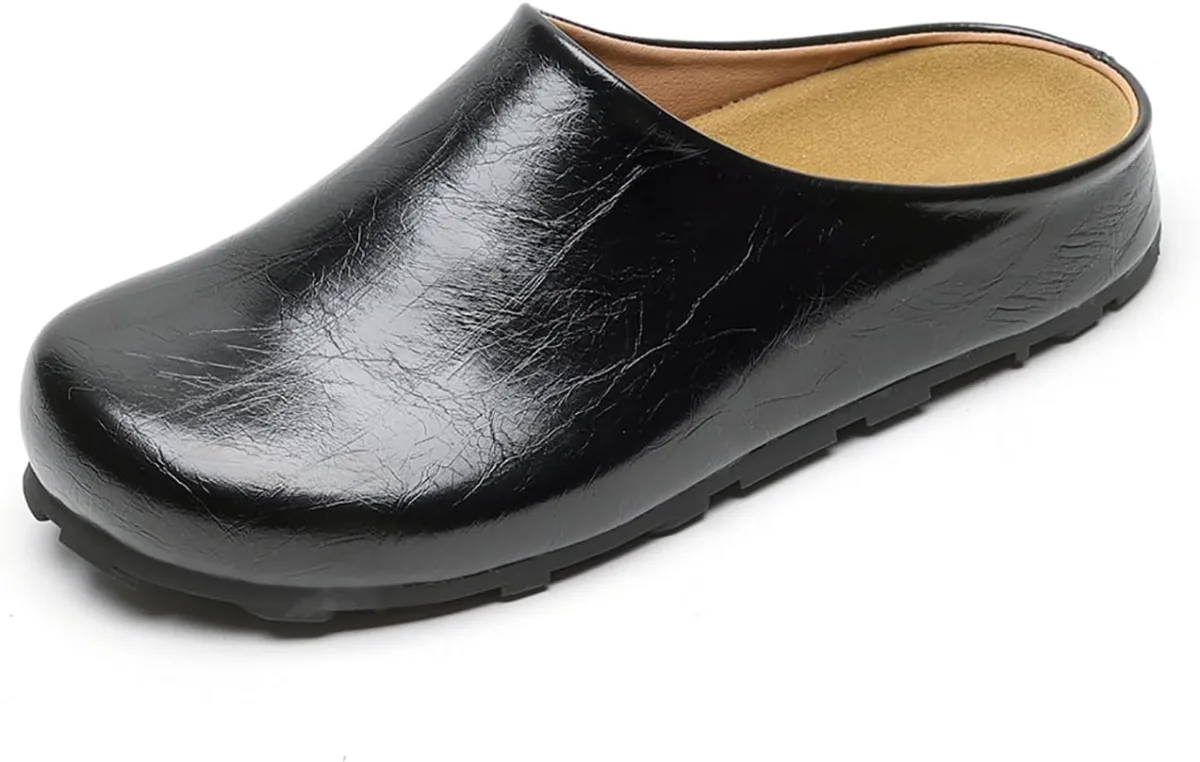
Unbranded
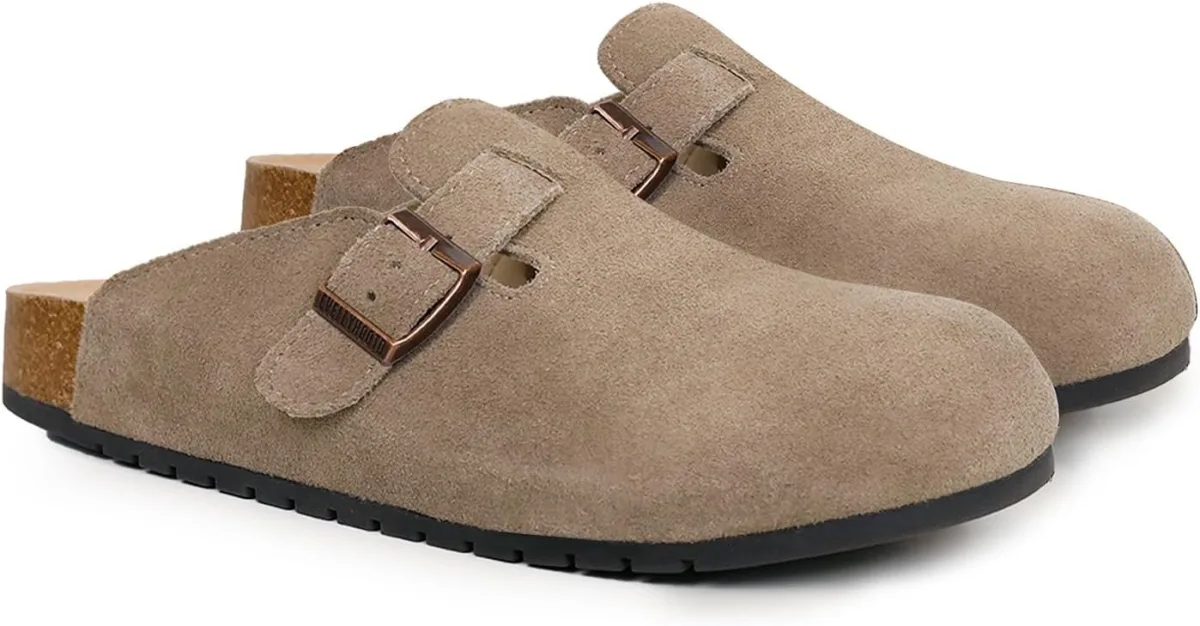
Unbranded
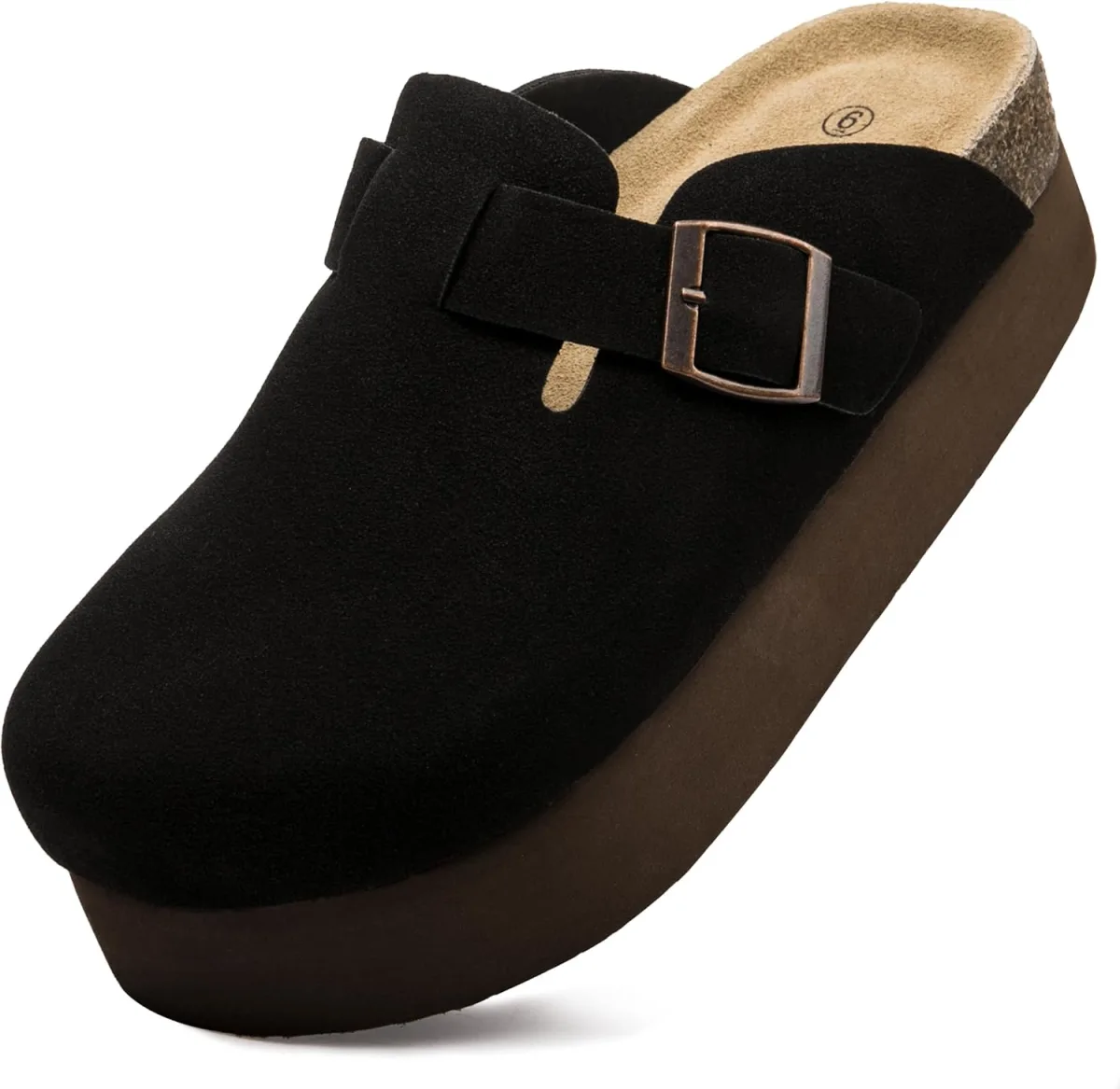
Unbranded
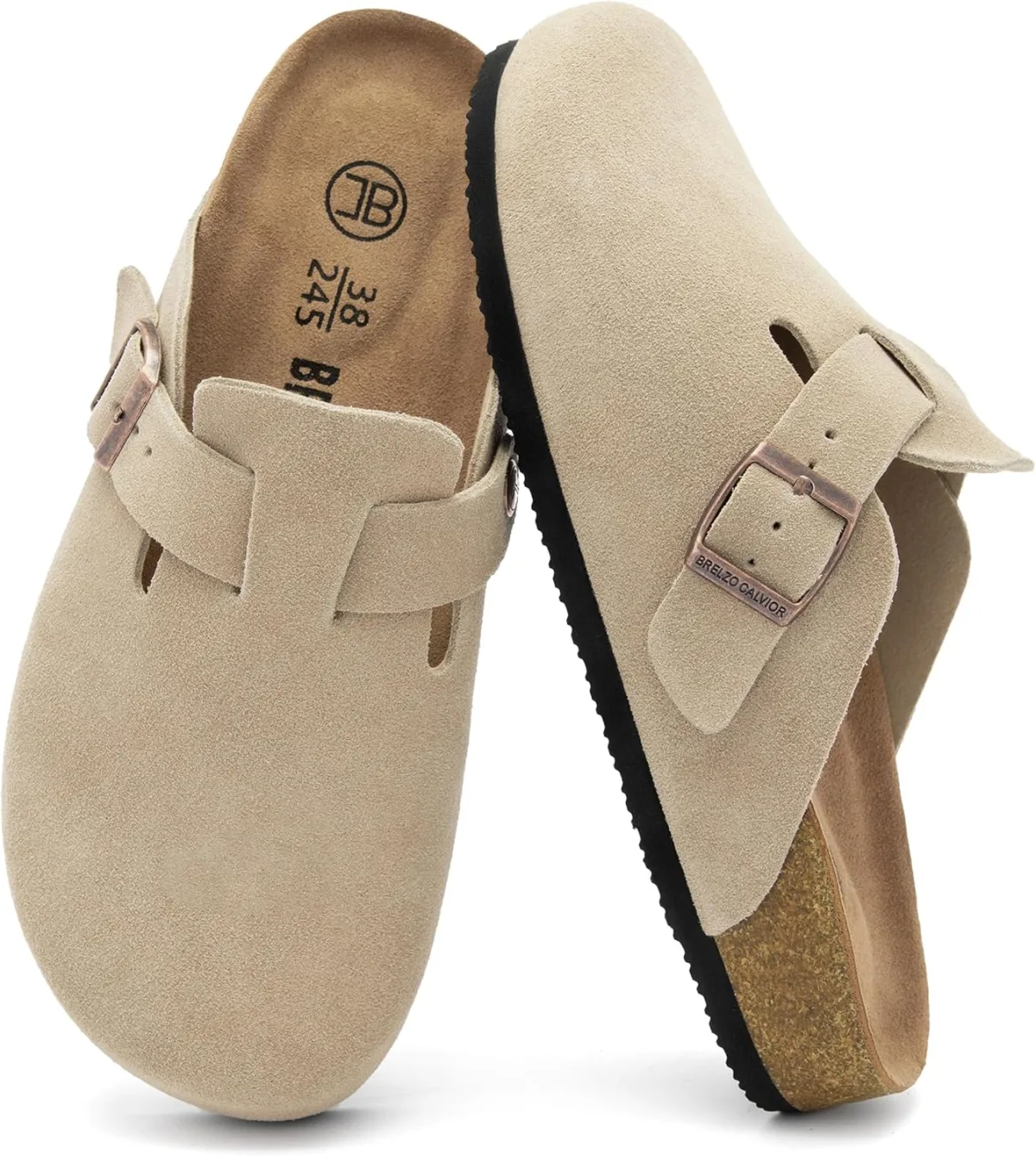
Unbranded
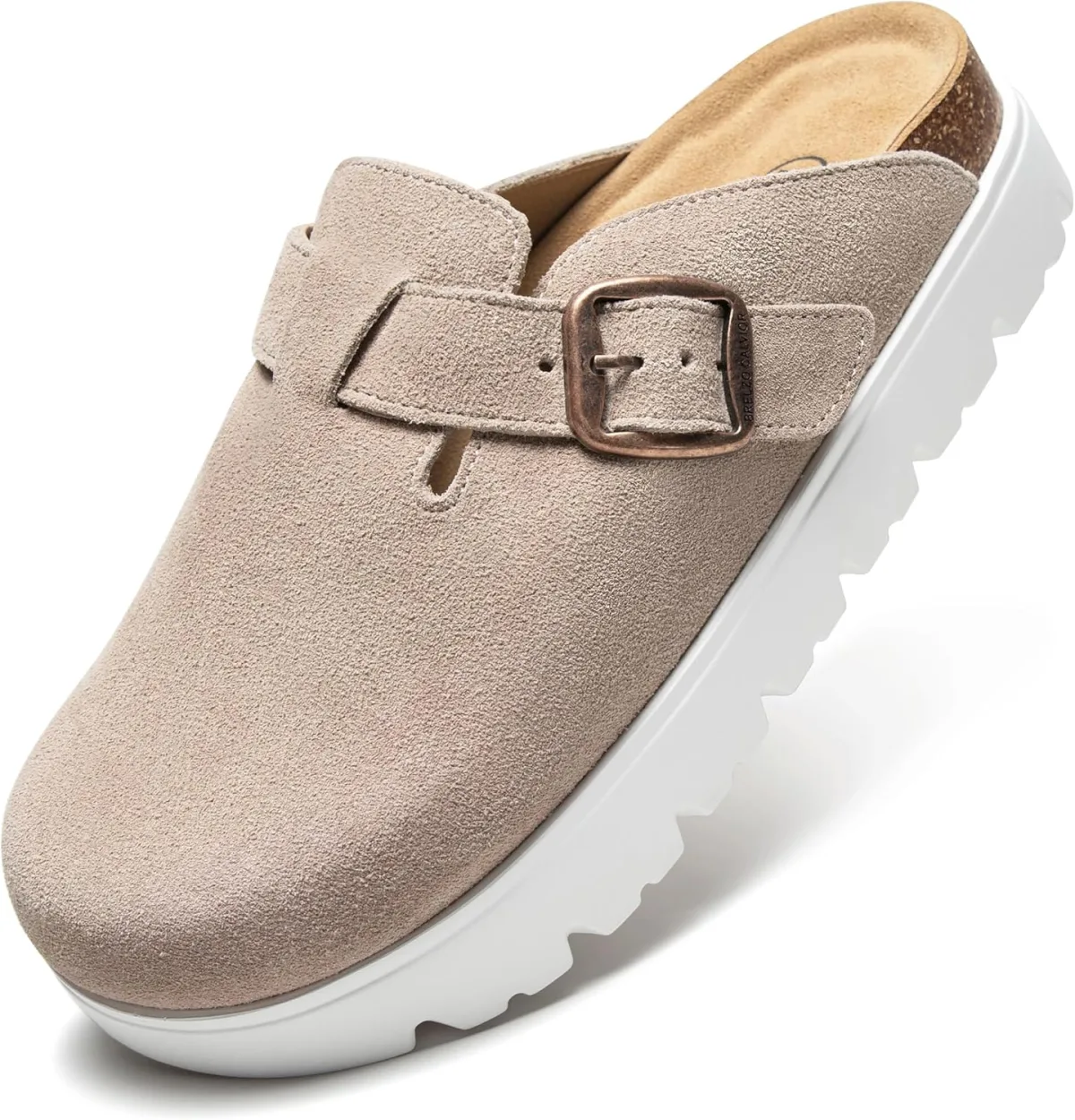
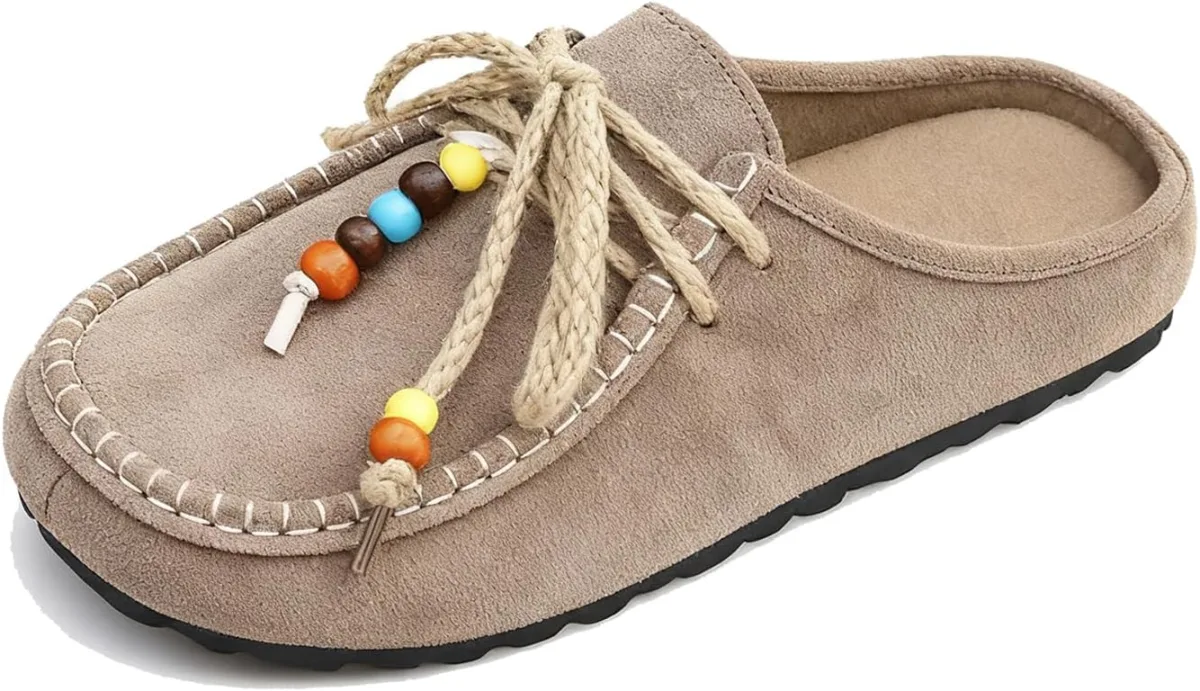
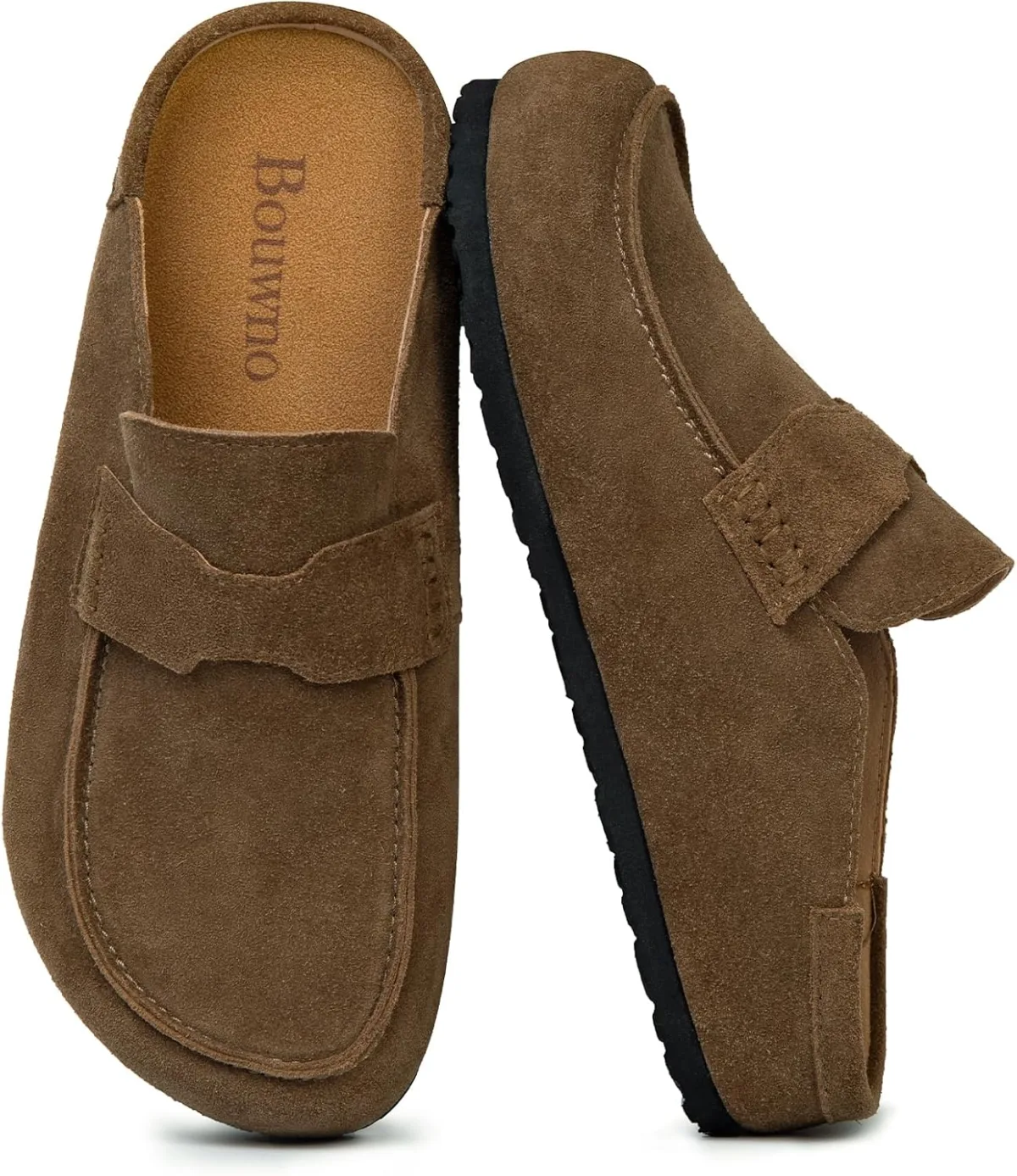
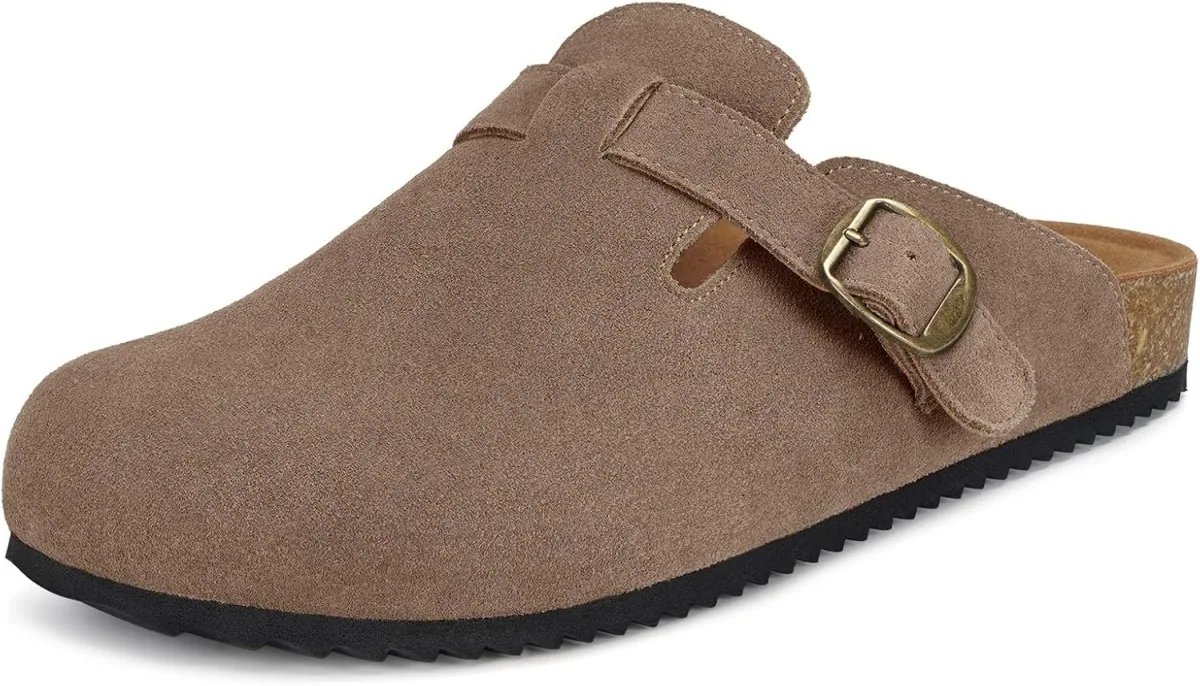
Unbranded
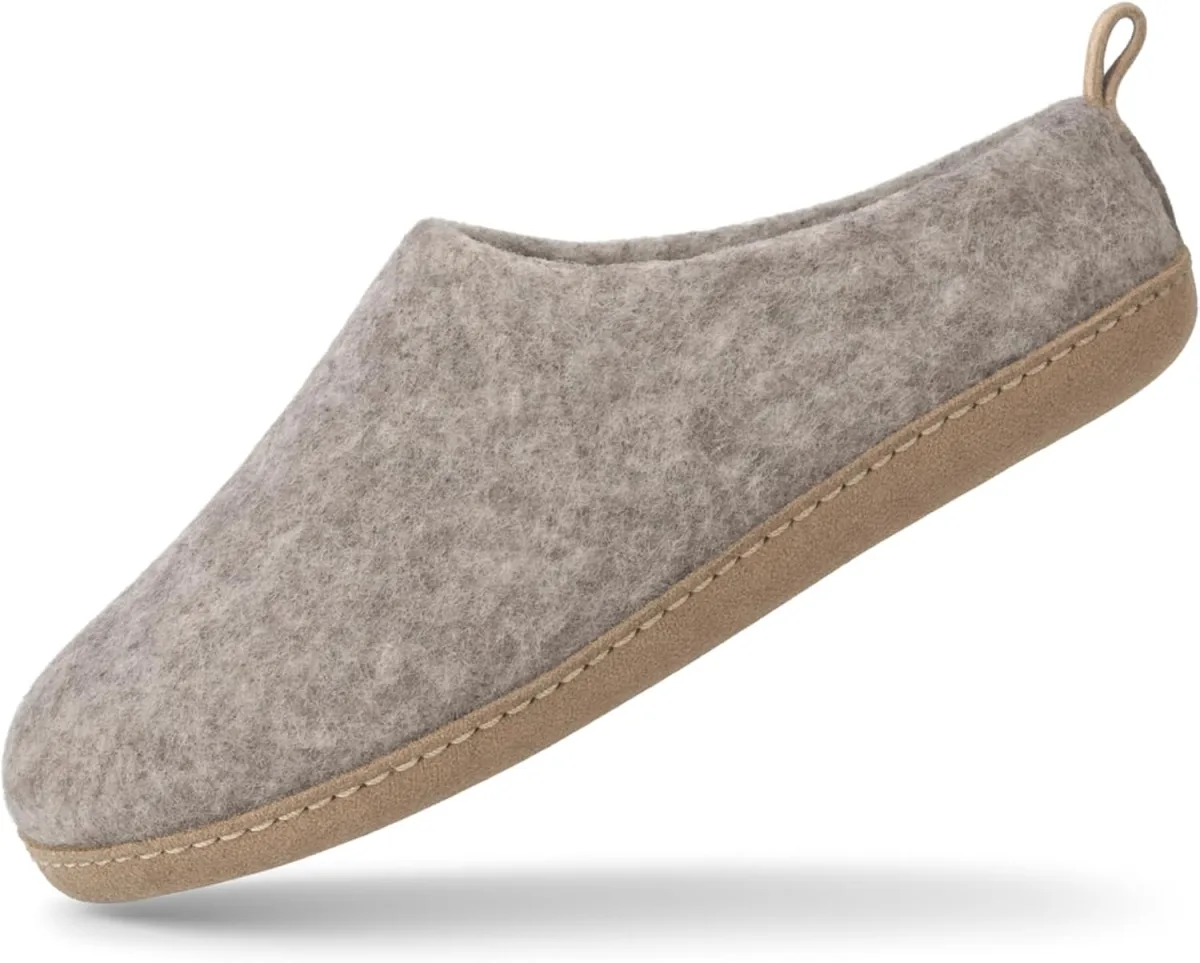
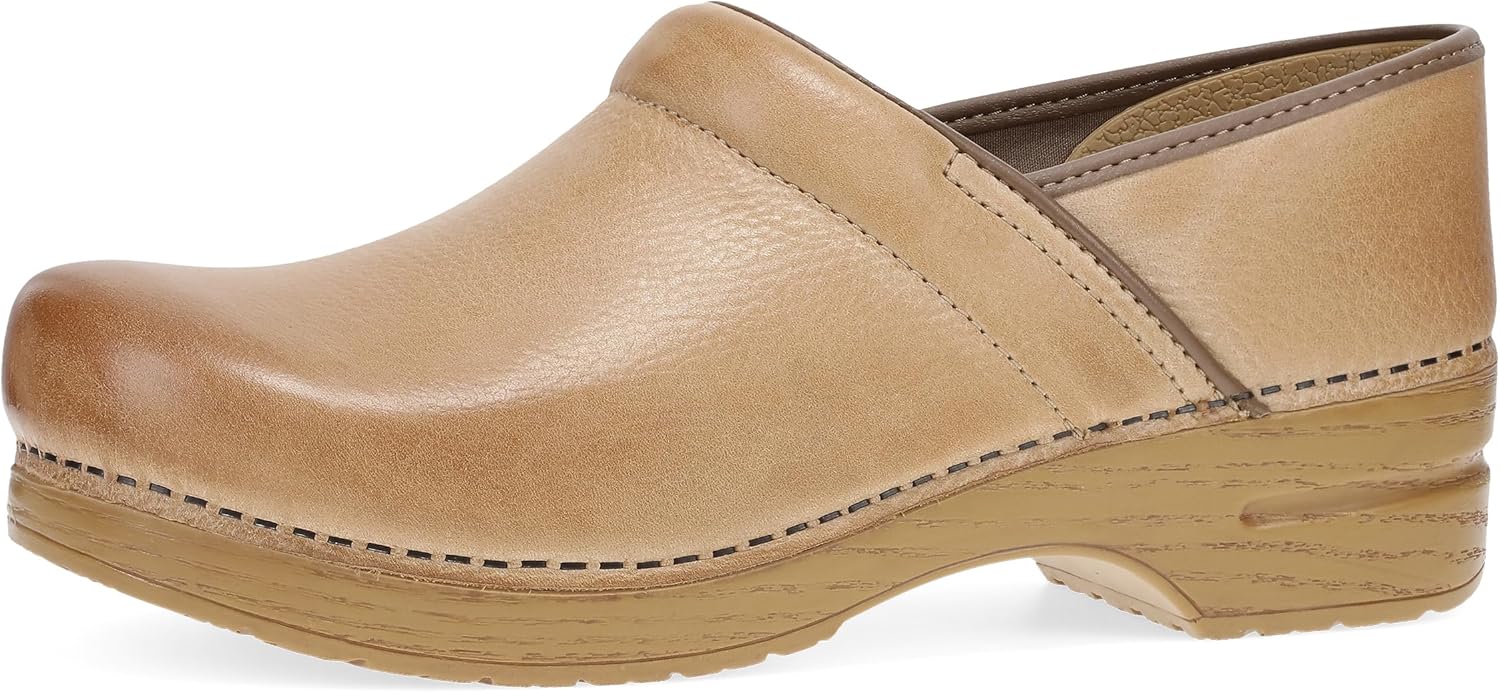
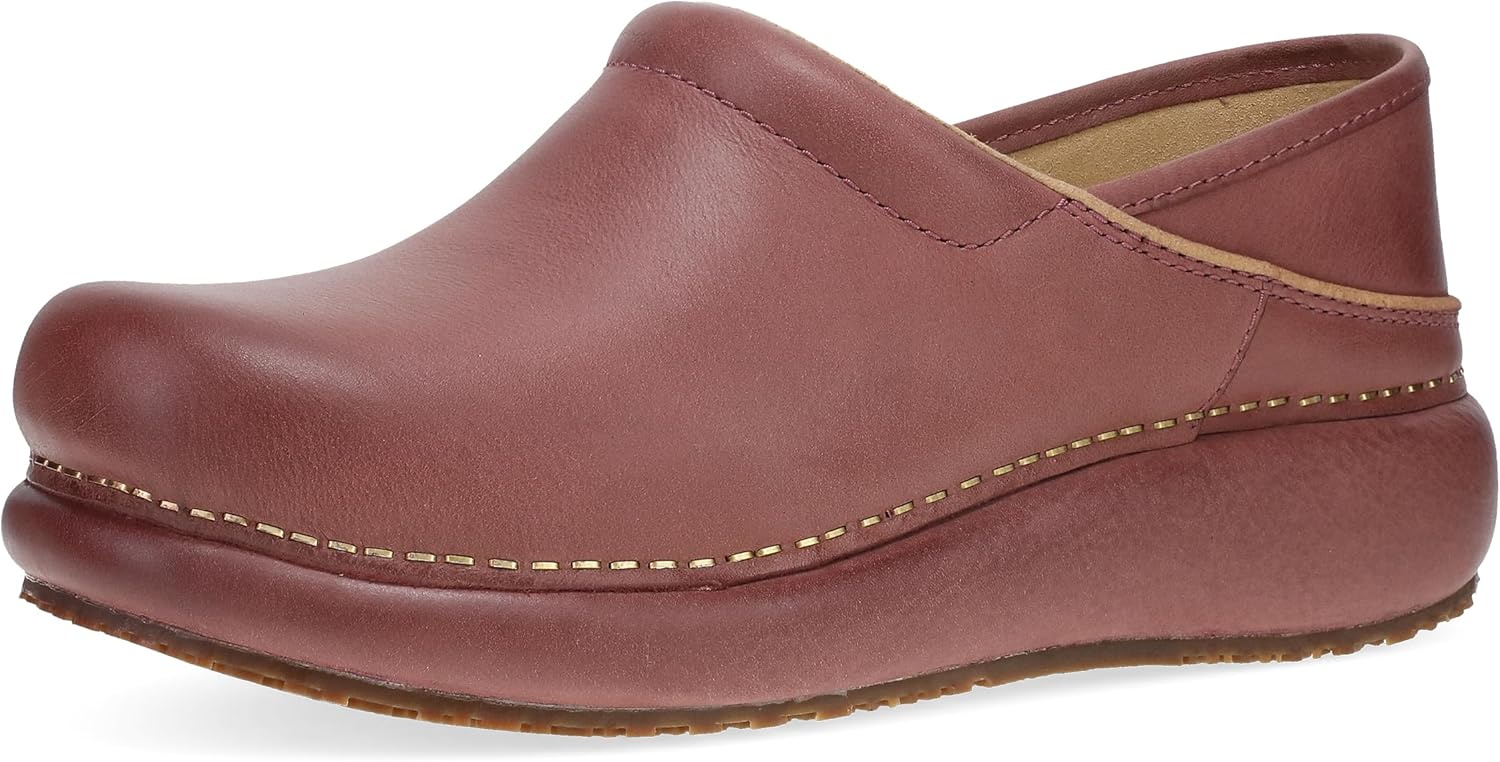
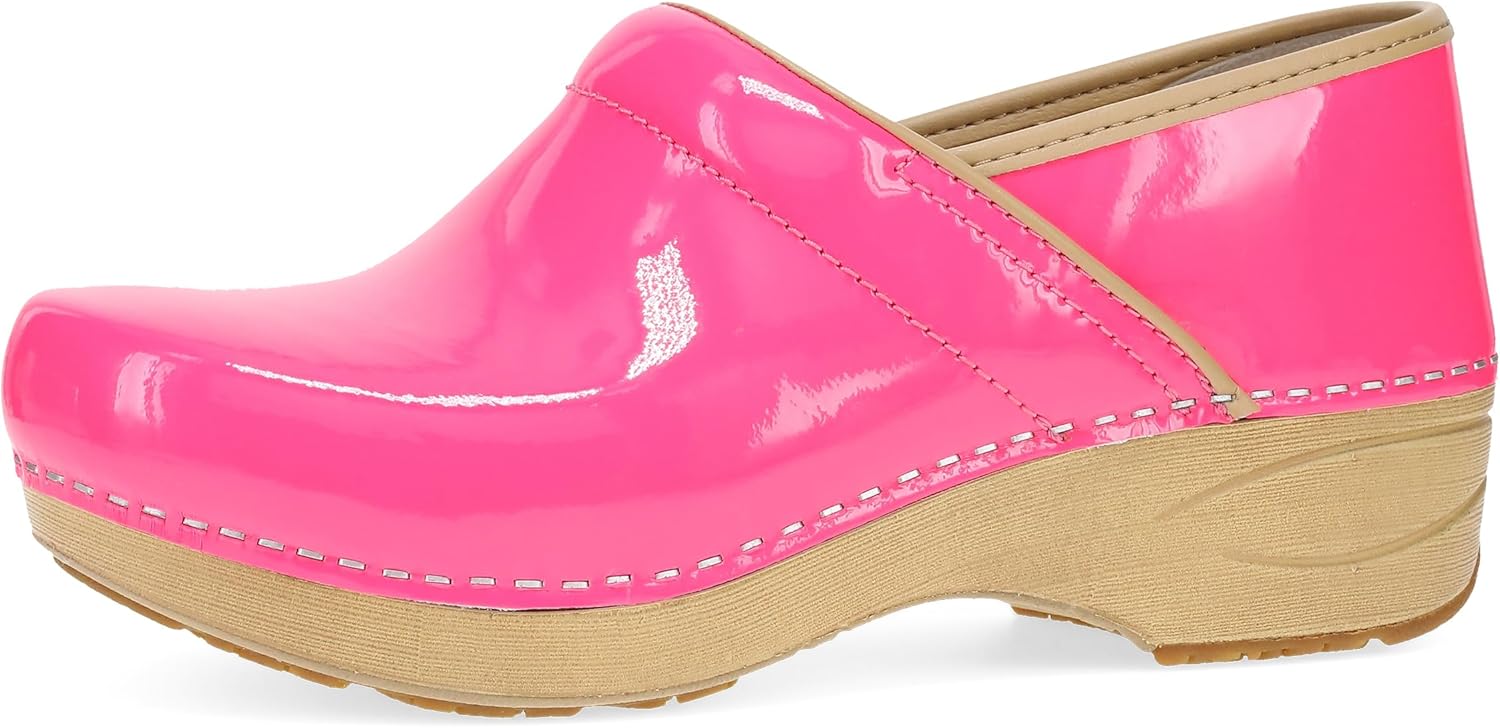
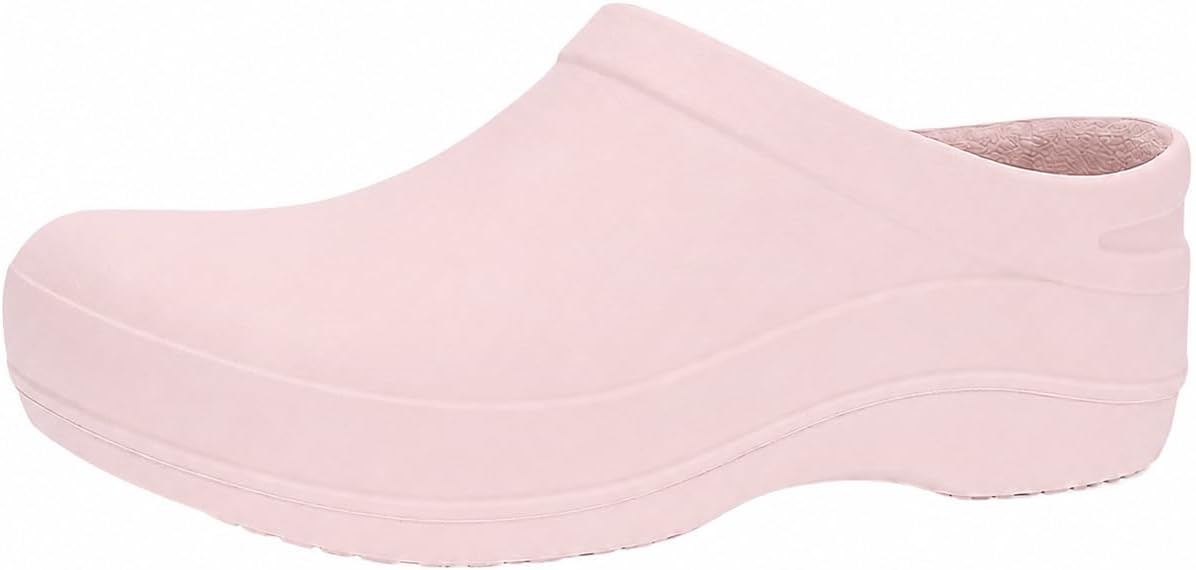
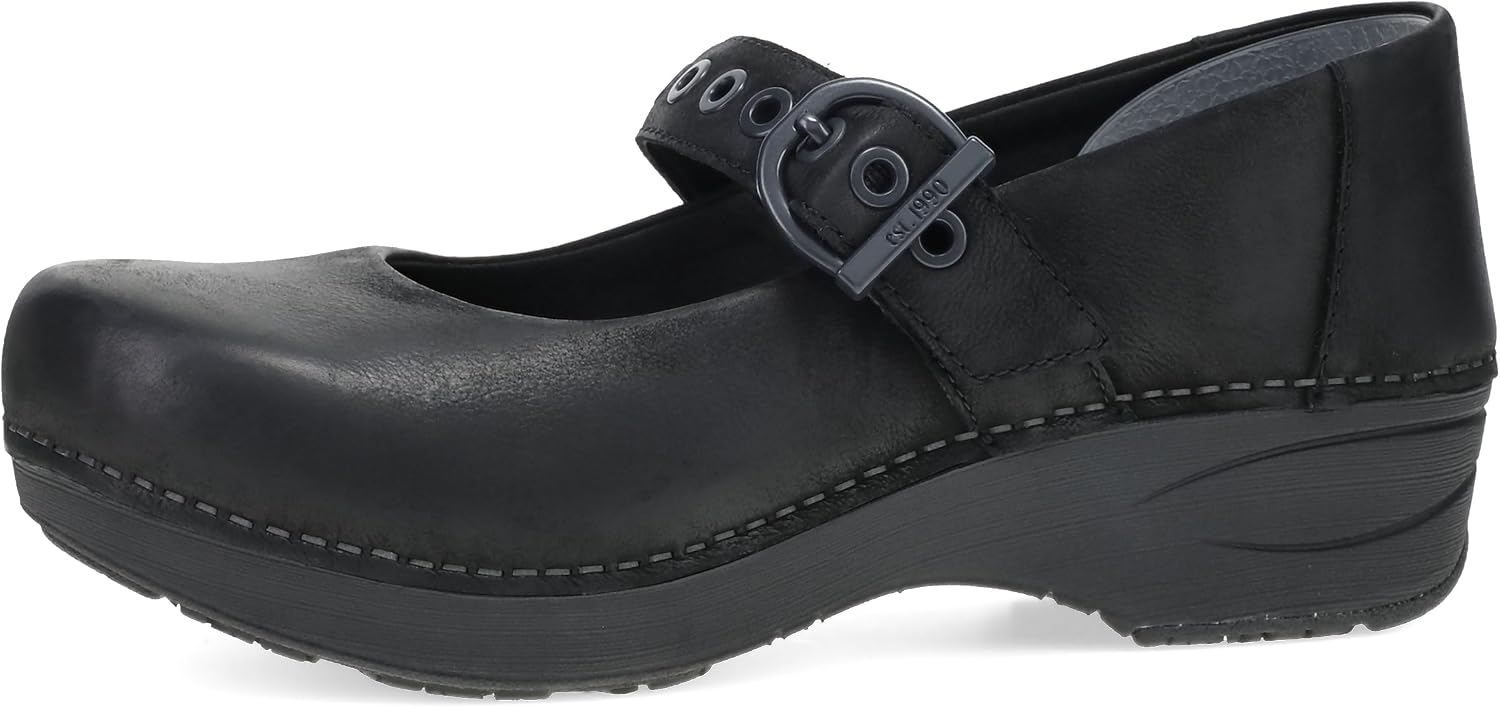
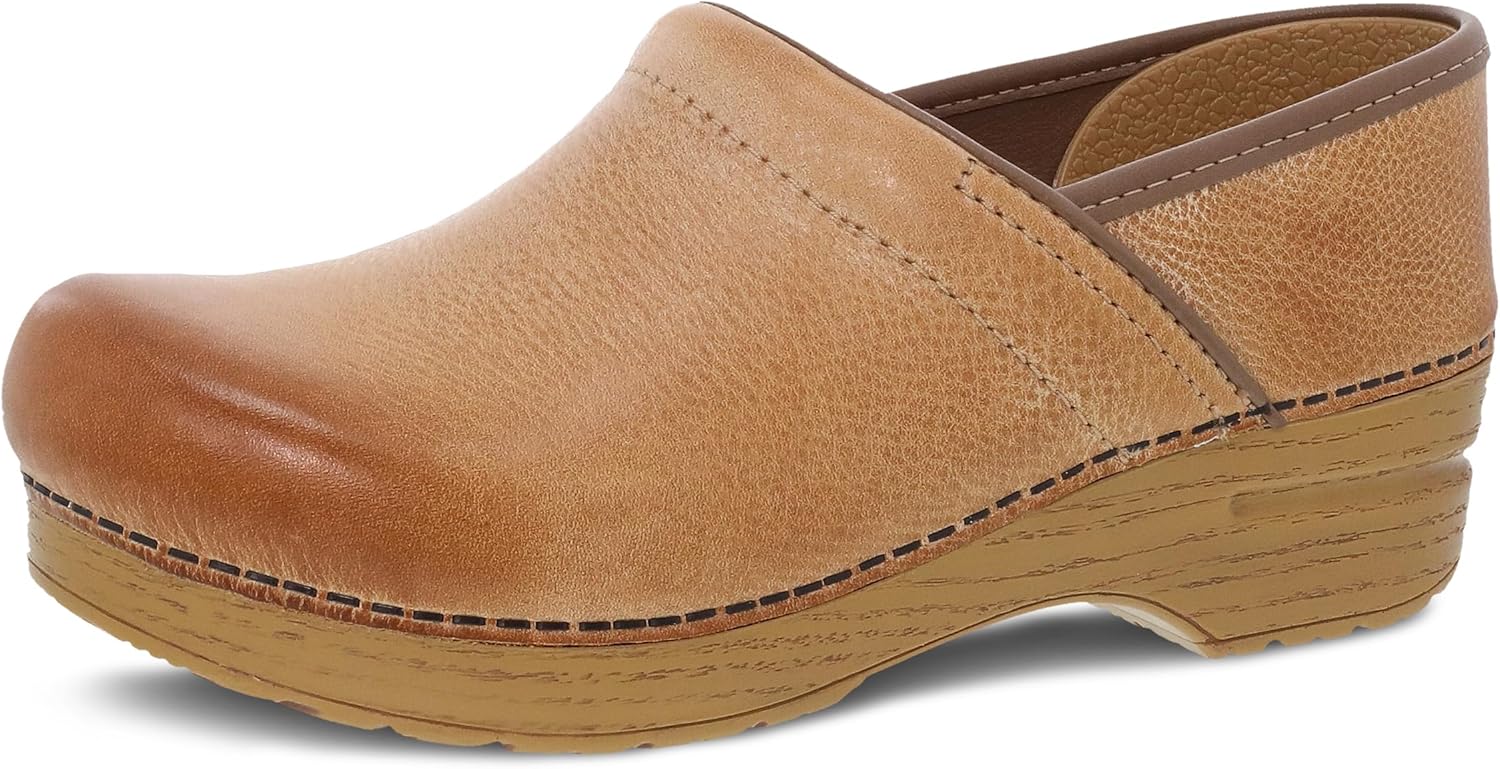
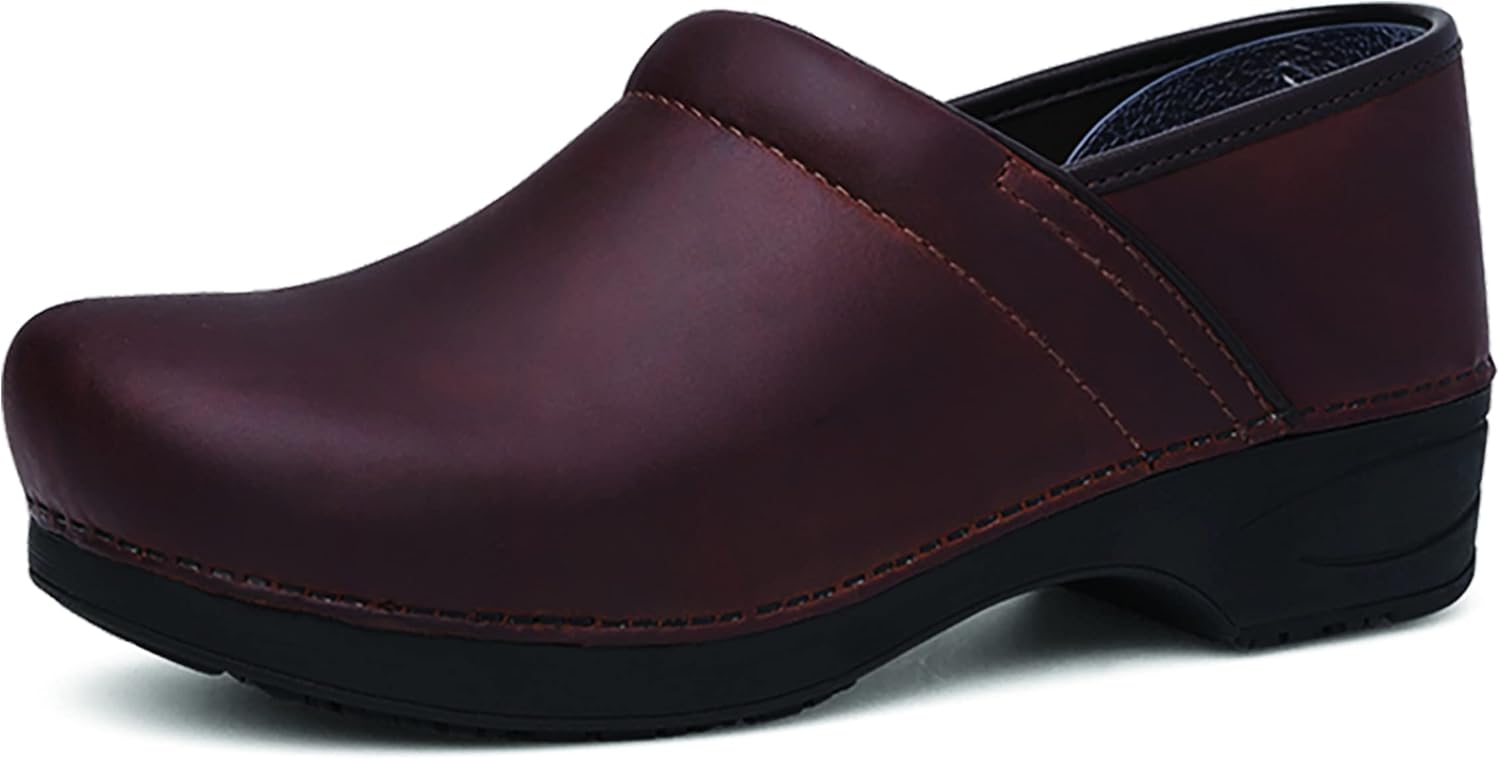
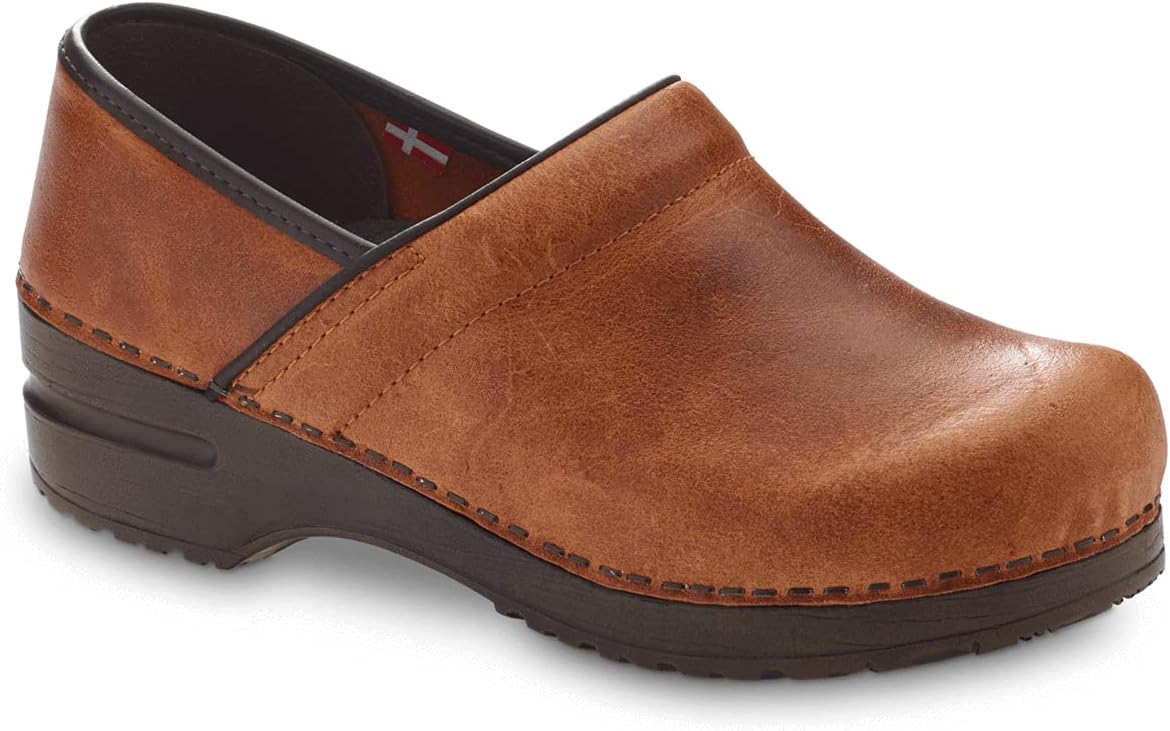
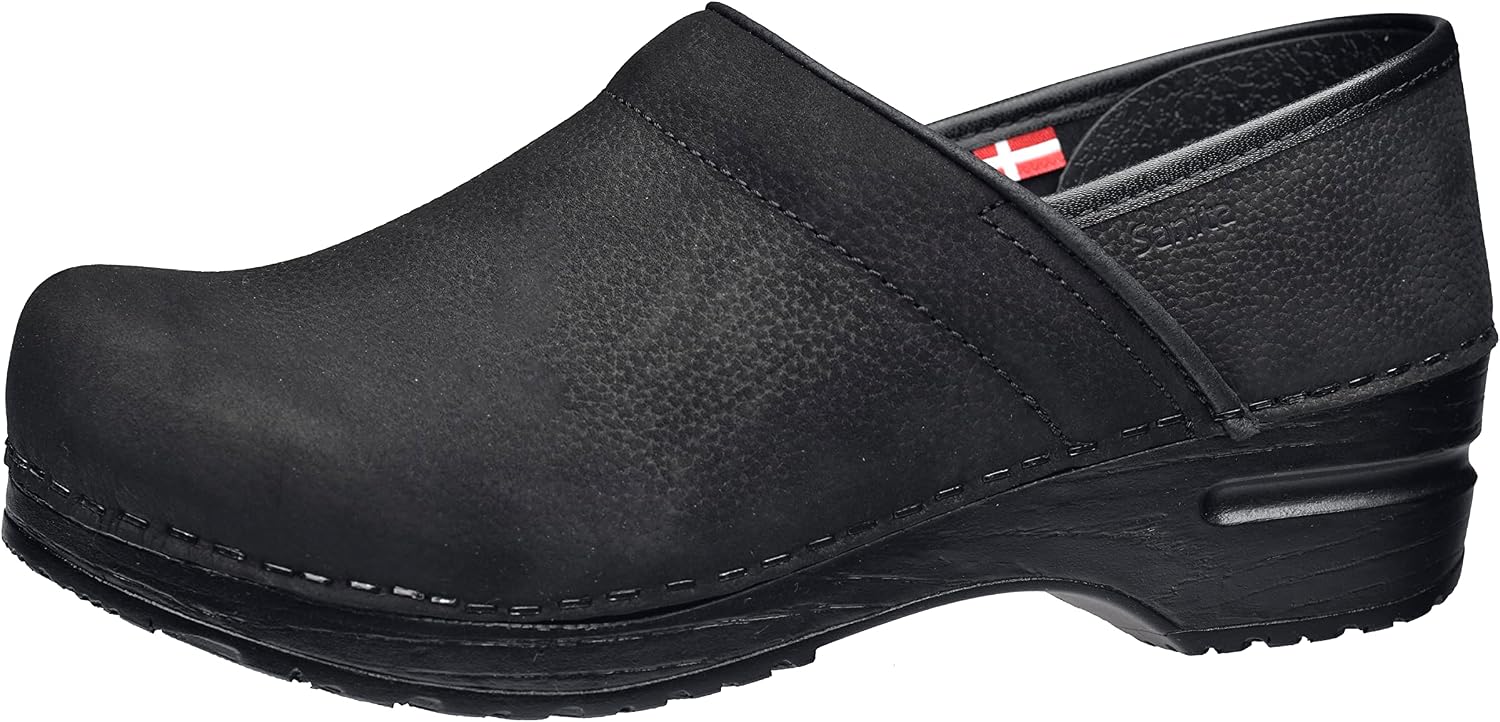
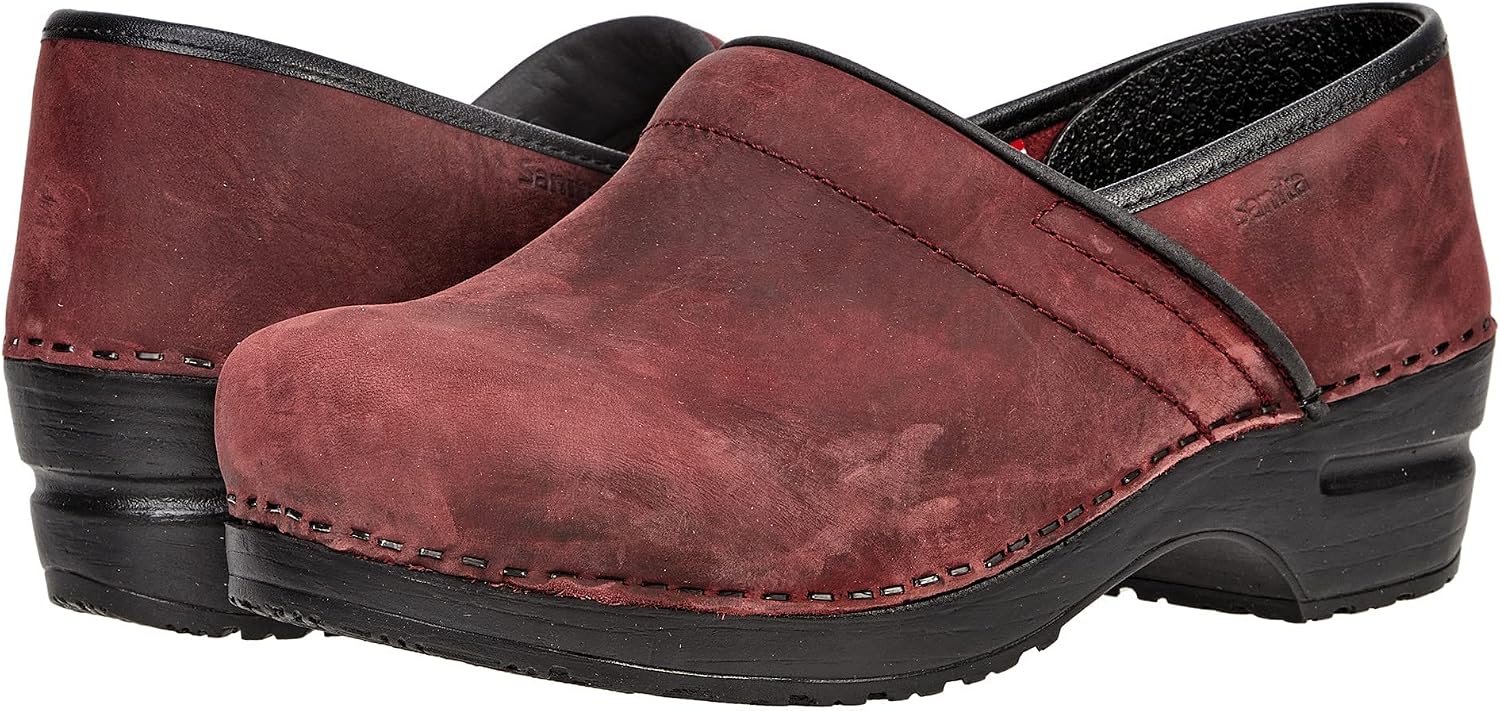
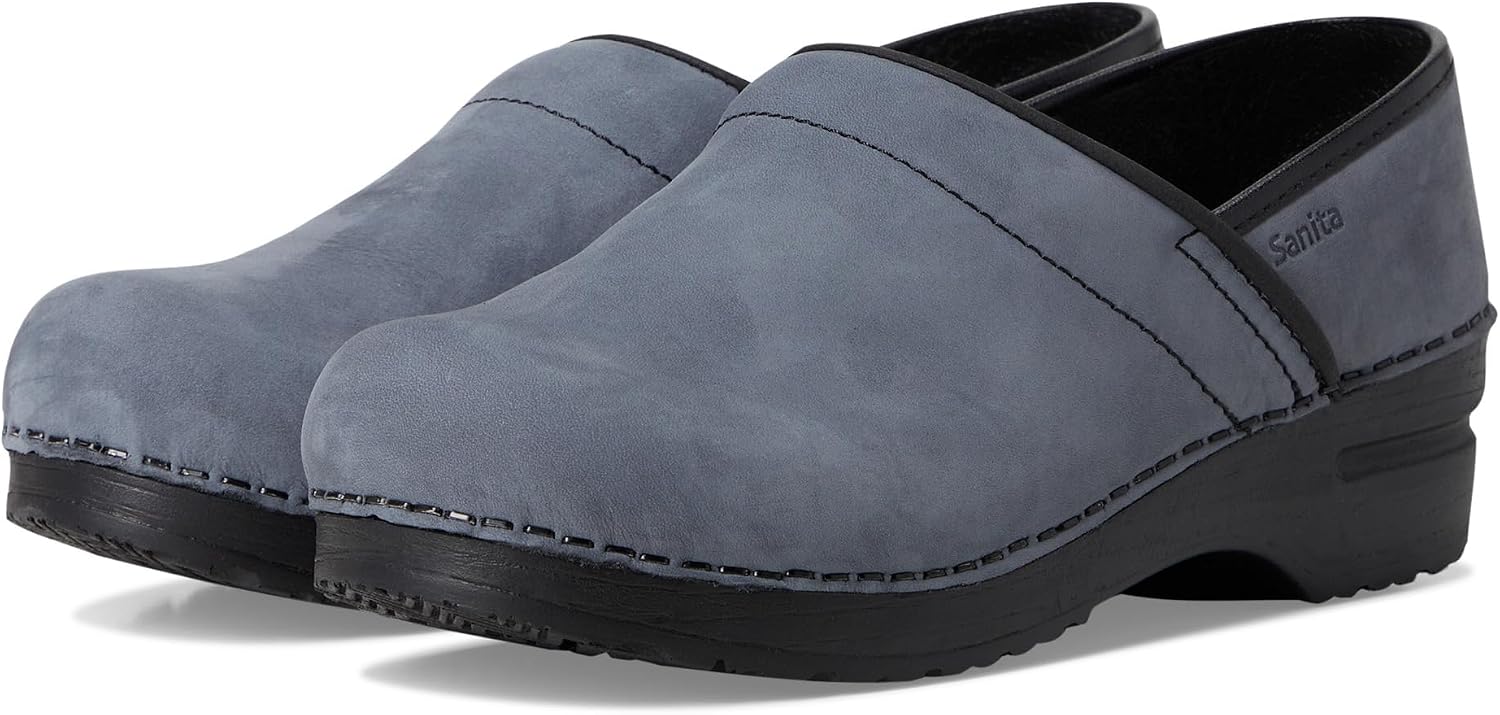
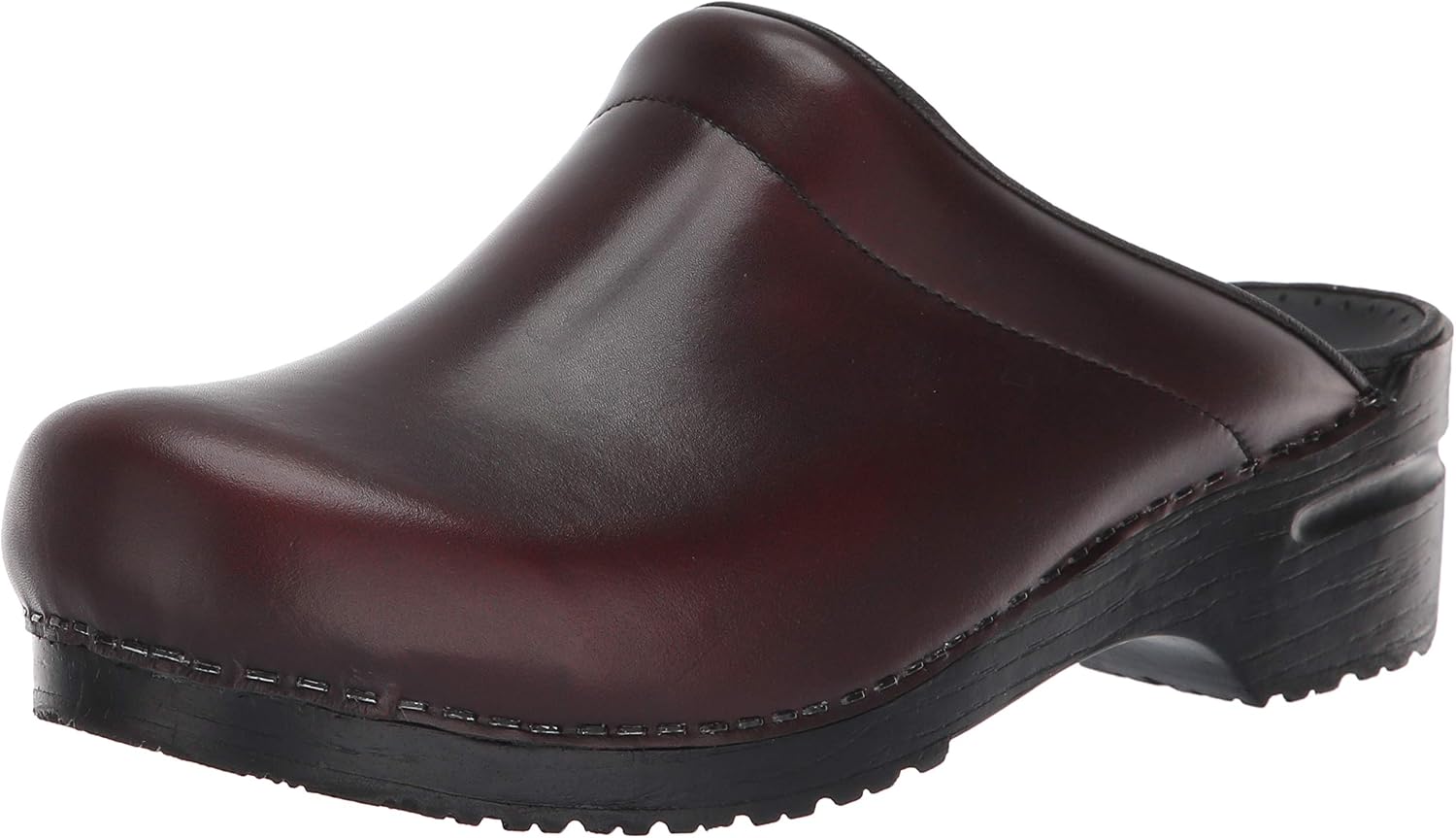
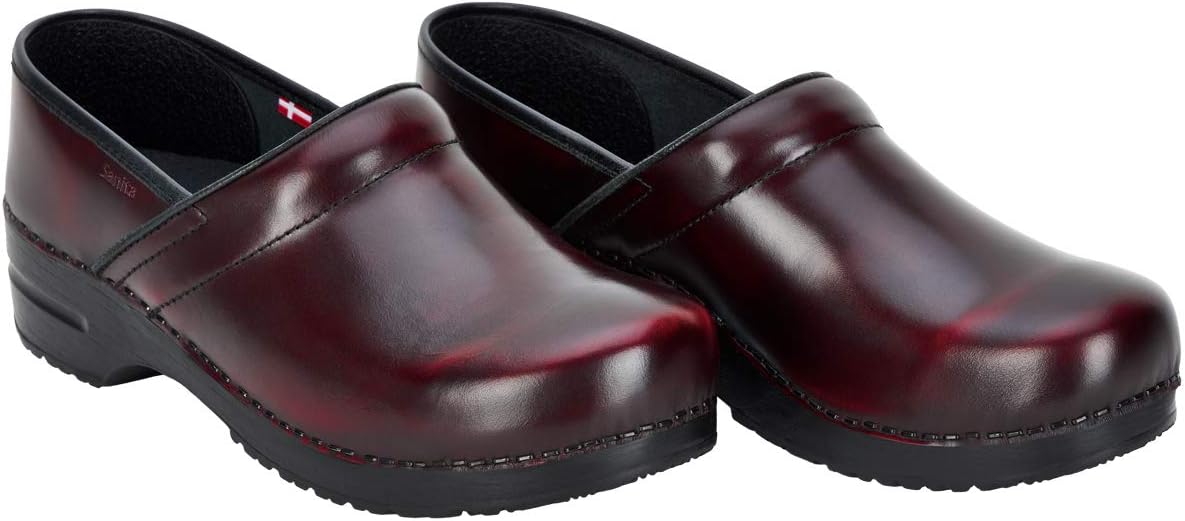
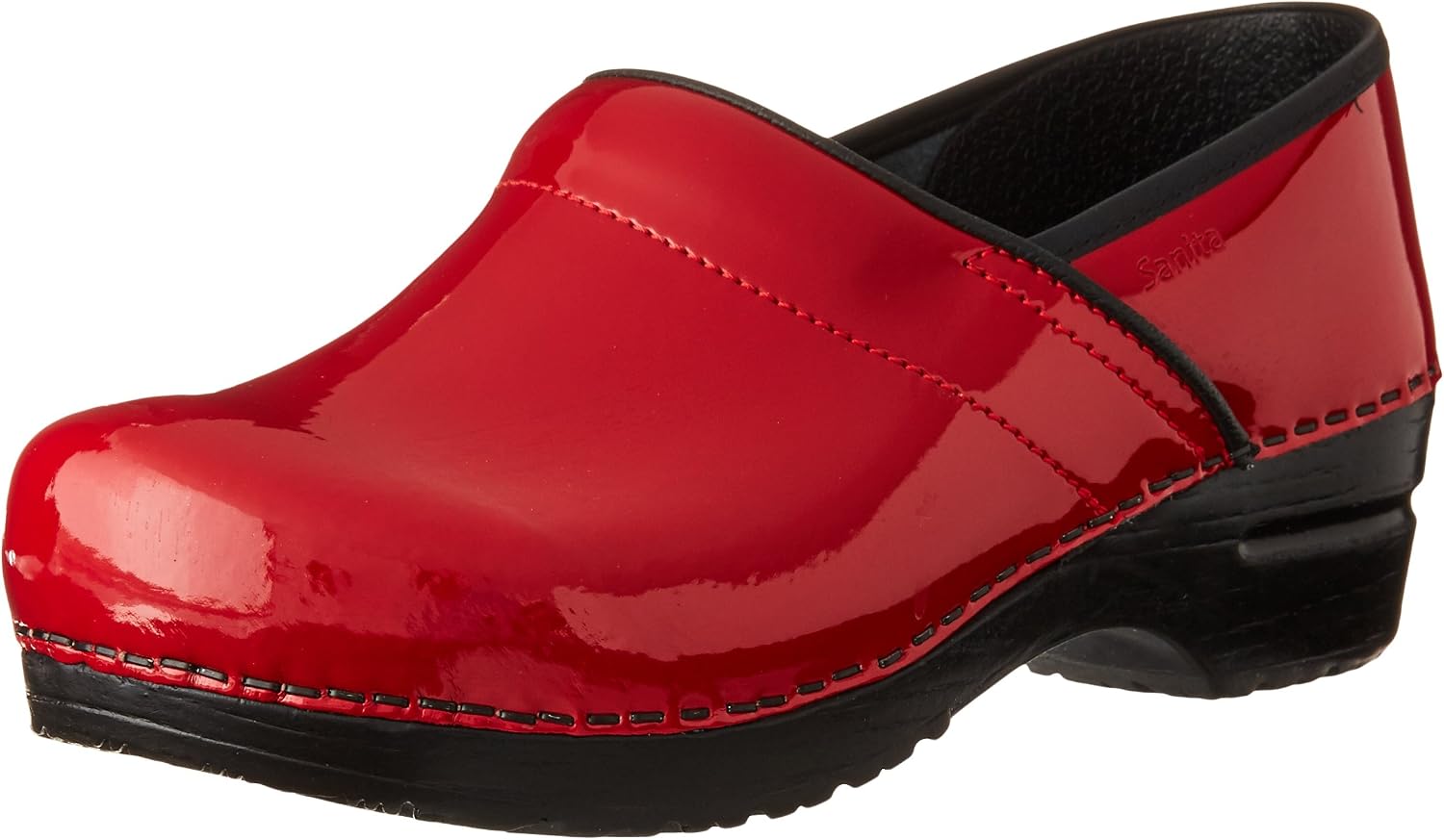
Sanita
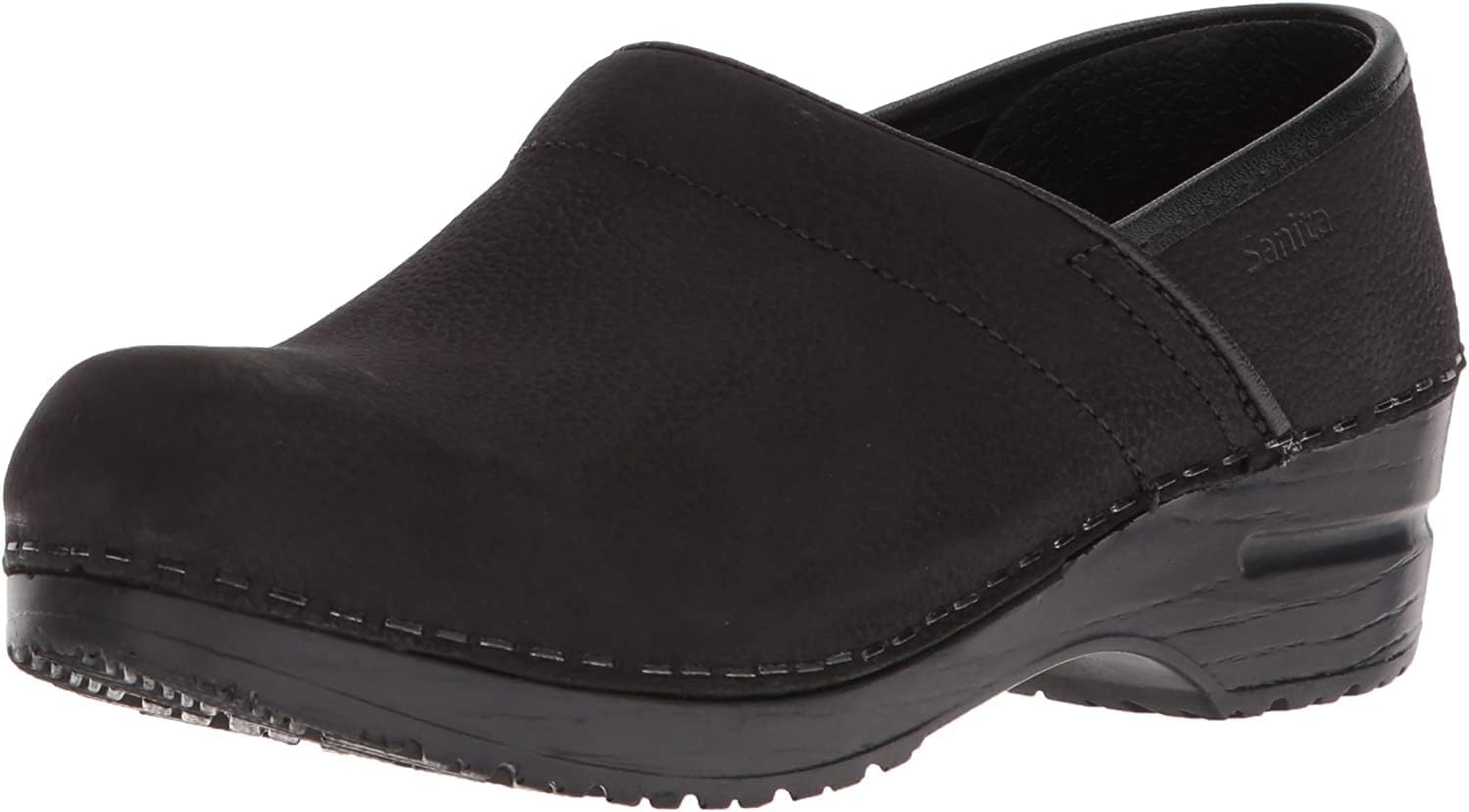
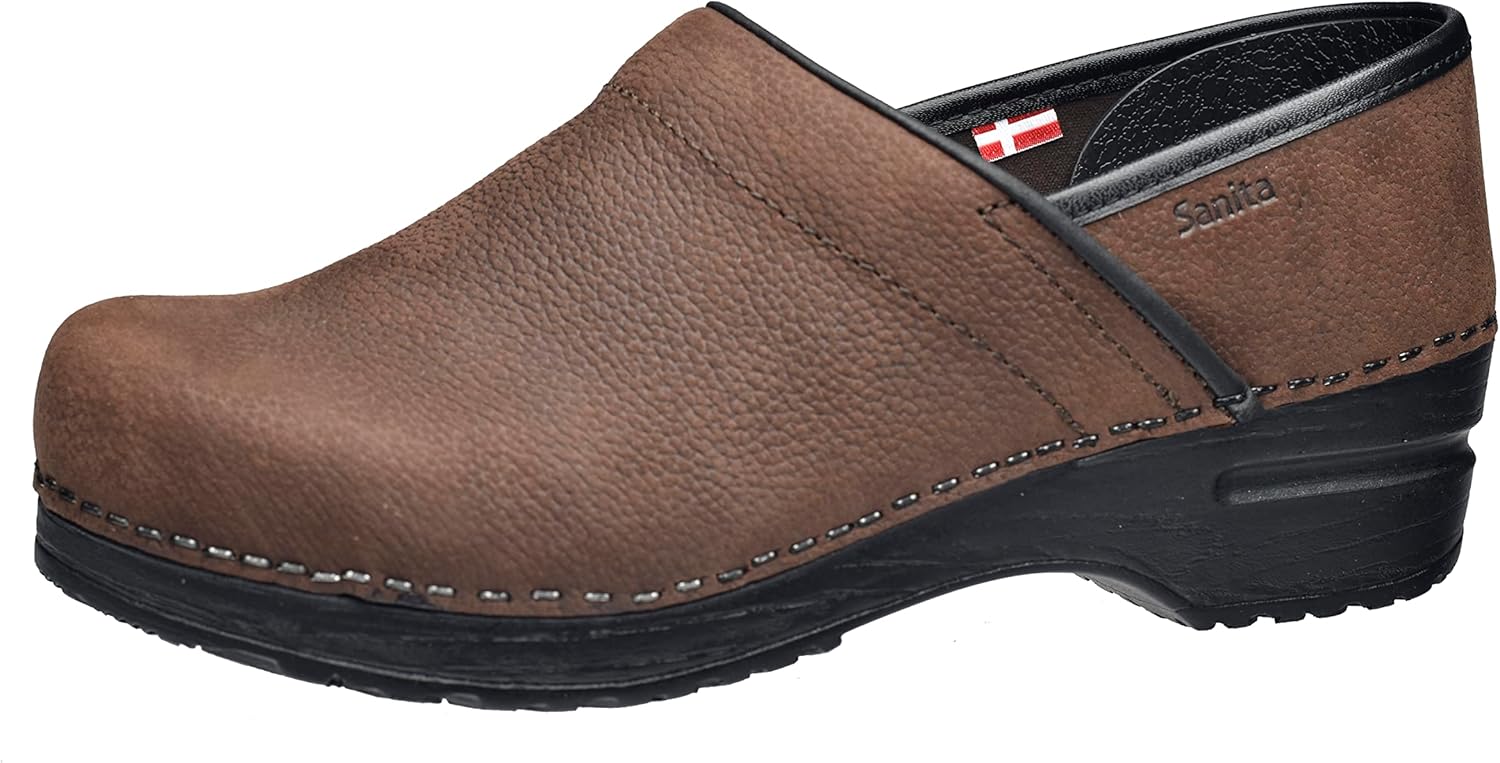
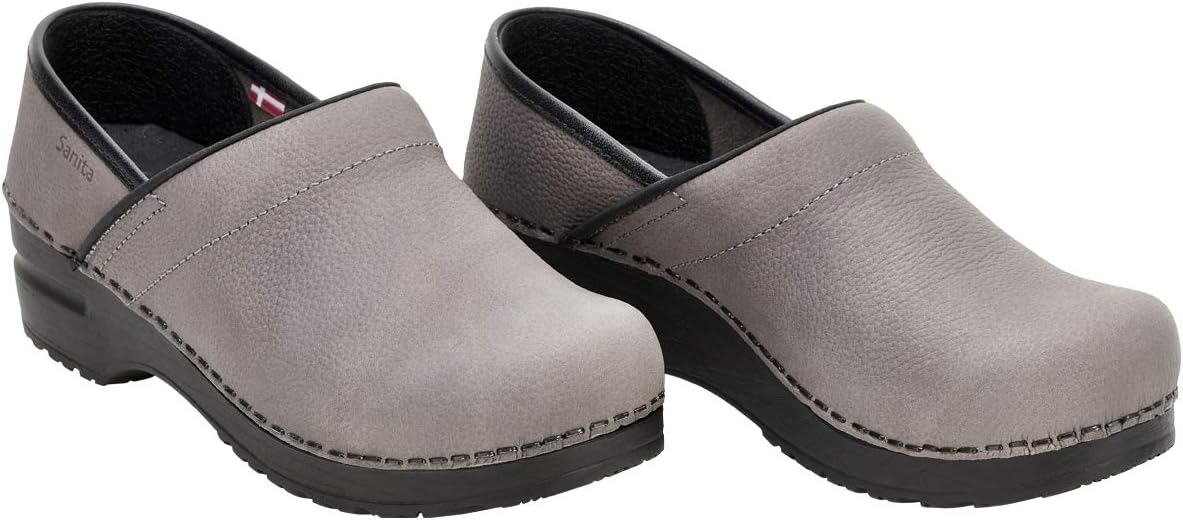
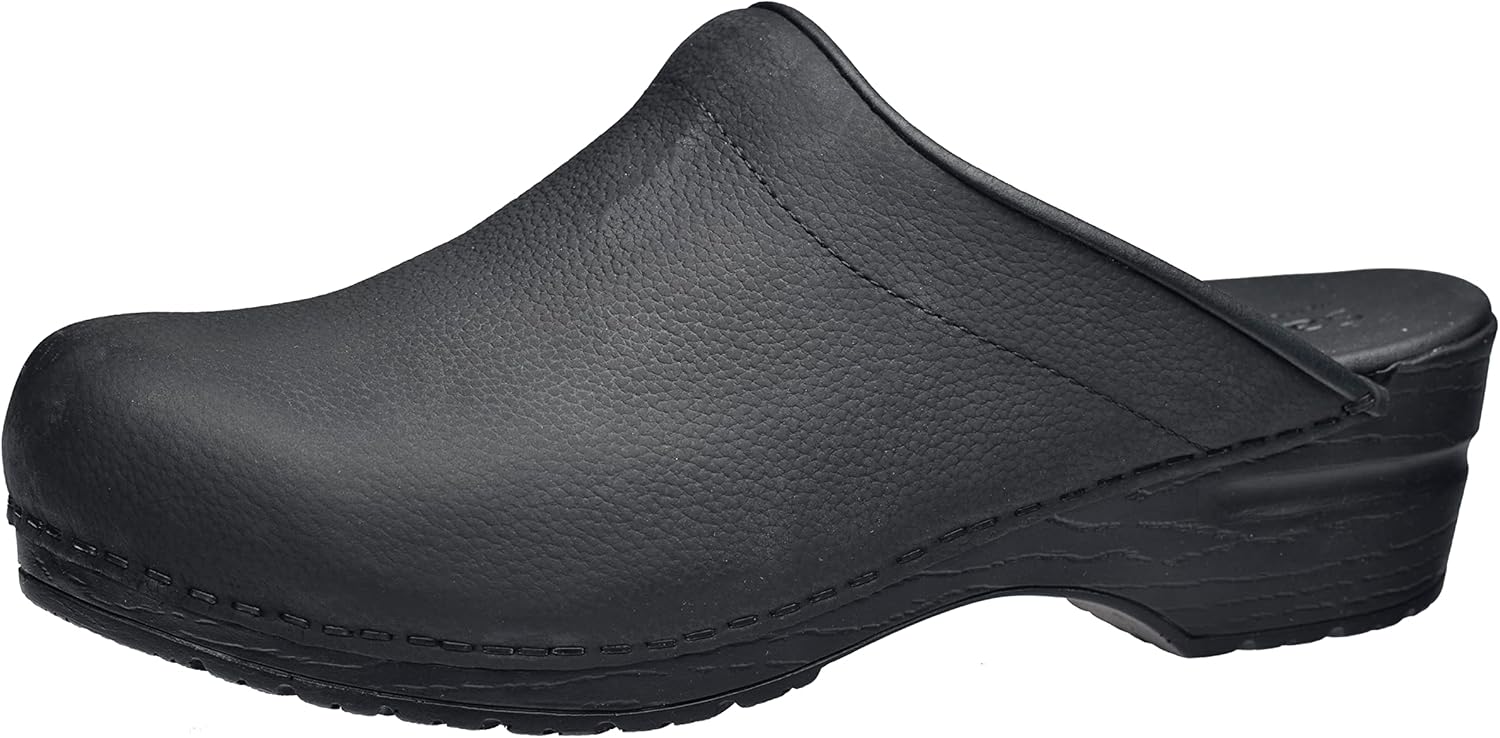
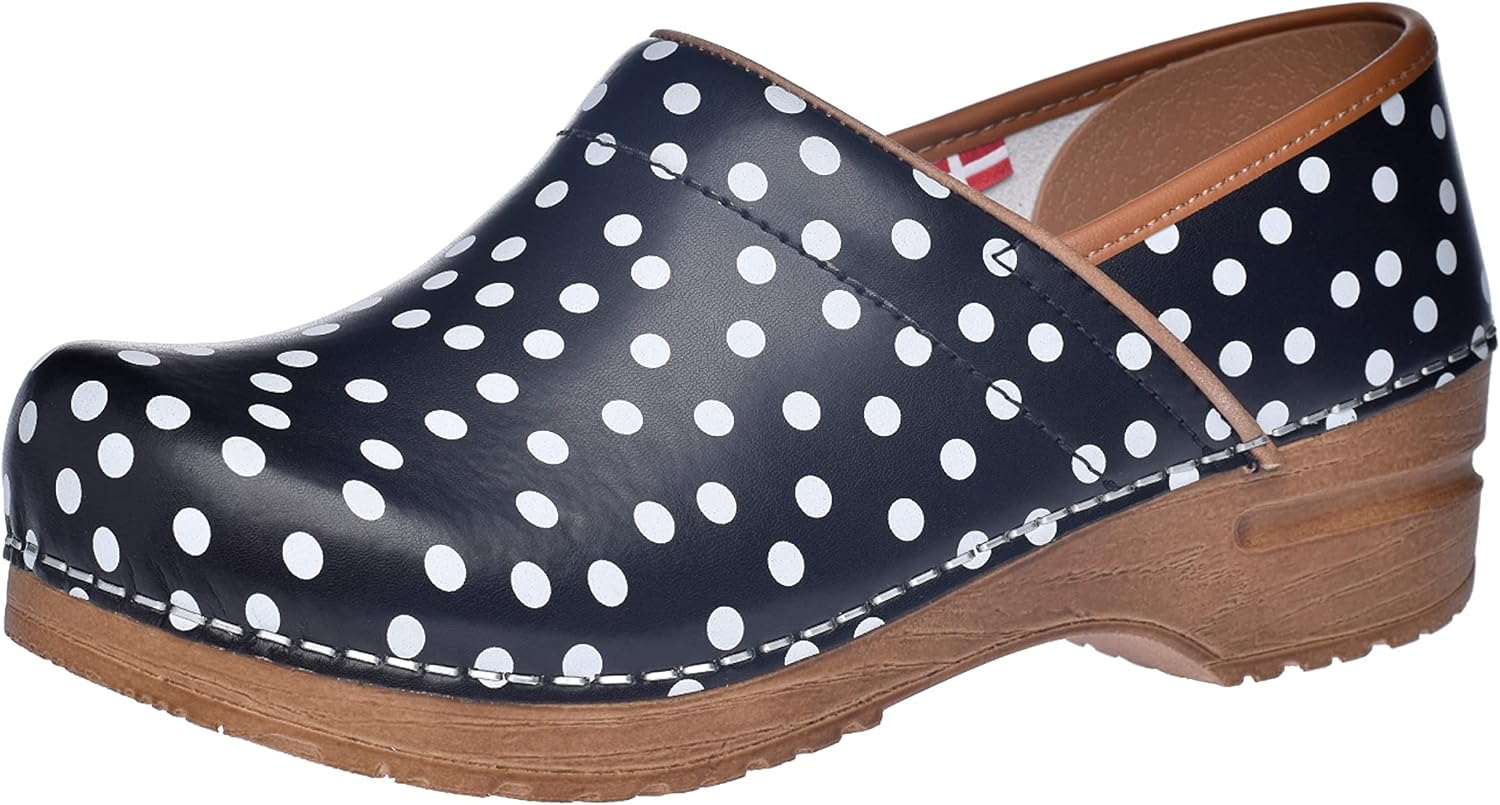
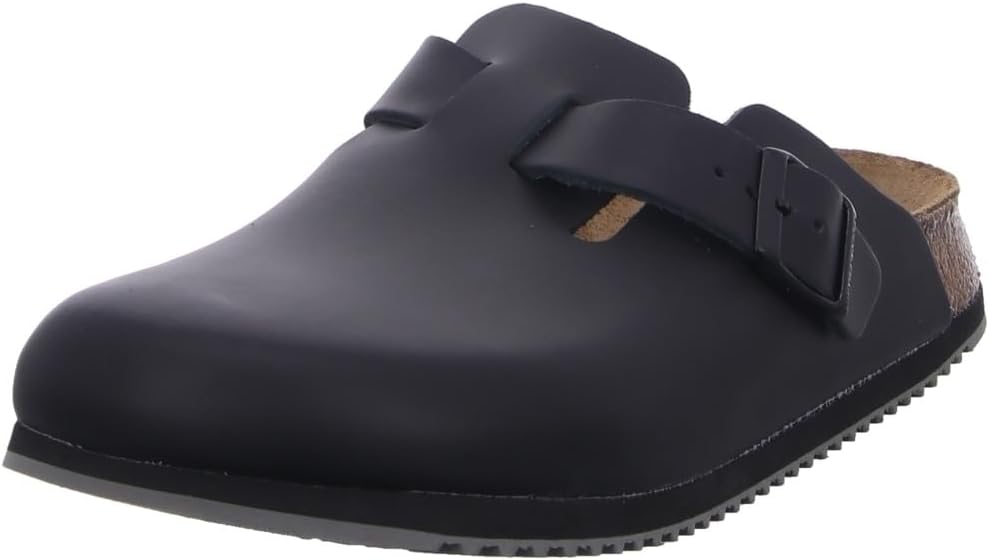
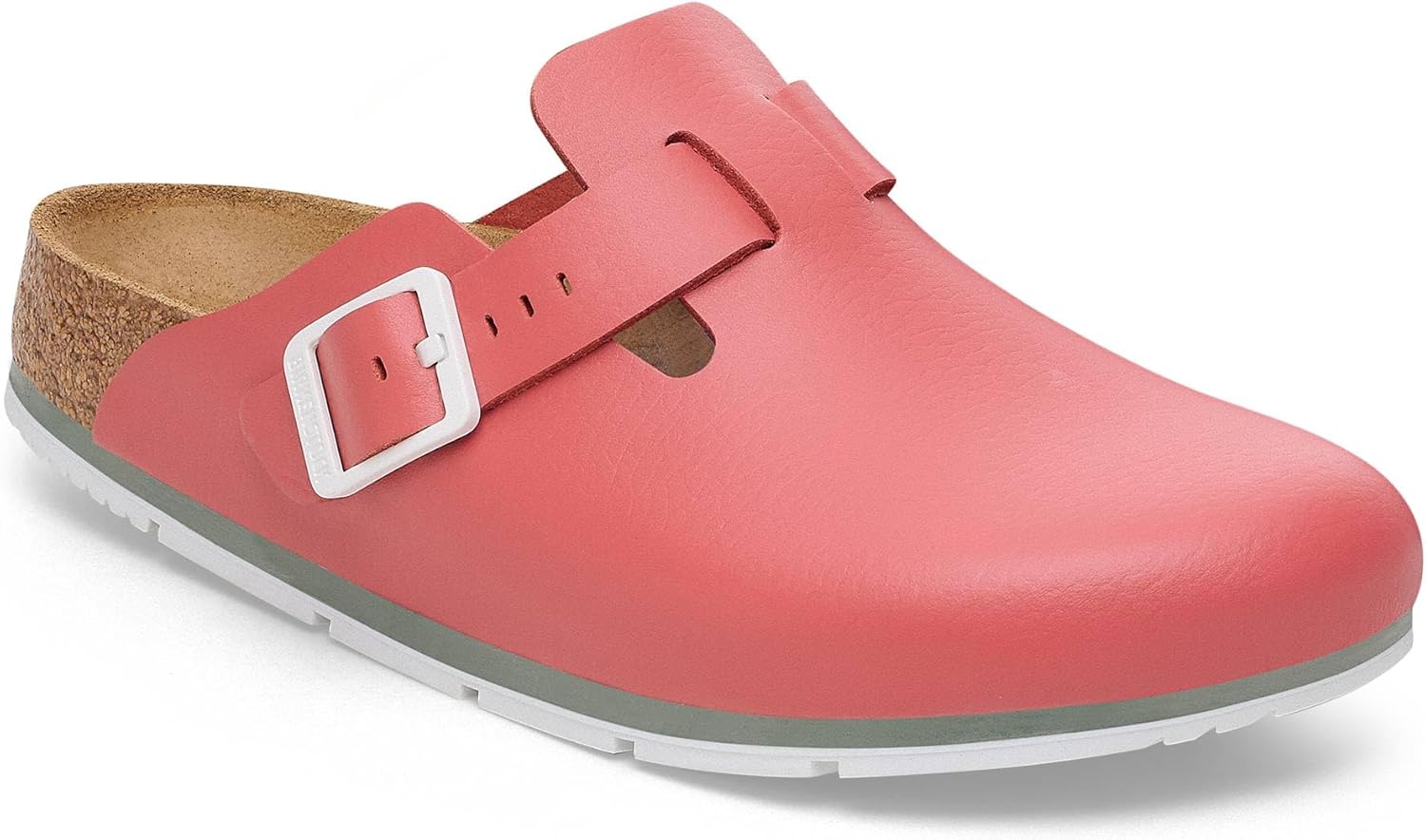
Birkenstock
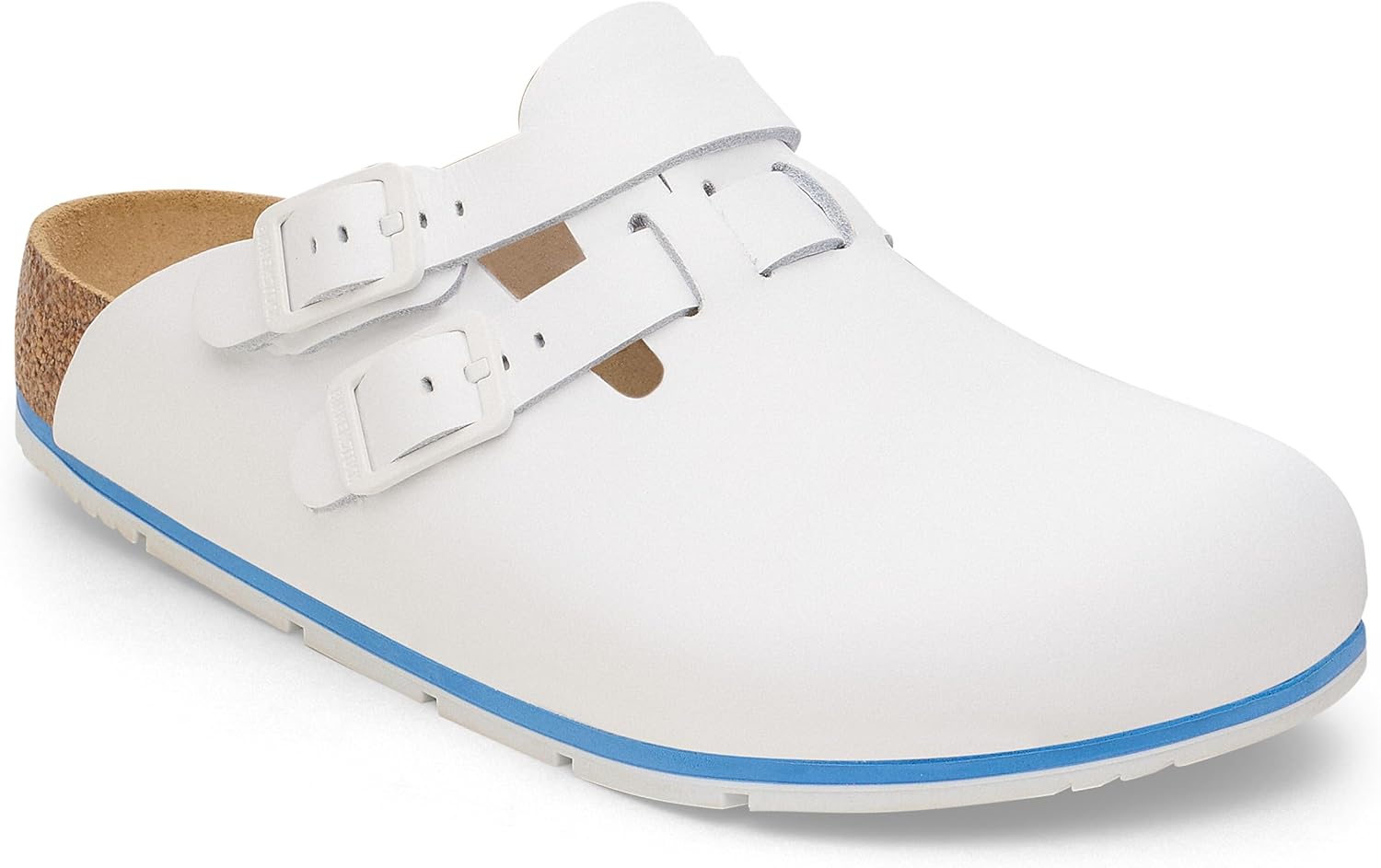
Three things, and the order depends on your floor. Grip on whatever you are standing on. Support that lasts a full shift rather than an hour. And an upper that survives what gets spilled on it.
Almost everything else marketed at people who stand for a living is cushioning, and cushioning is the least durable answer to the problem.
A rated slip-resistant outsole is tested on wet and oily surfaces. A smooth leather or wooden base is not, and on a wet floor it is genuinely dangerous. If the listing does not say slip-resistant, assume it is not.
Rubber and polyurethane outsoles do this well. Wood does not, which is why traditional Scandinavian clogs belong on dry workshop floors rather than in kitchens.
Standing still rewards even pressure distribution and a supportive shape. Walking rewards flex and shock absorption. Most jobs are one or the other, and buying for the wrong one is why people end up with shoes that feel fine in the shop and awful by hour eight.
If you are largely stationary, look for a rigid or rocker sole. If you cover distance, look for something lighter with more give.
The outer heel edge, usually after eighteen months to three years of daily wear. That is replaceable at a cobbler for a fraction of a new pair, and worth doing on a well-made clog.
The footbed goes second, and on the makers that offer replaceable footbeds that is worth doing too. When the upper separates from the sole, the shoe is finished.
Leather needs about a day to dry out properly between wears. Two pairs alternated will each outlast one pair worn daily by more than double, and your feet will be noticeably better for it. For anyone working four or more shifts a week this is the cheapest improvement available.