Aetrex
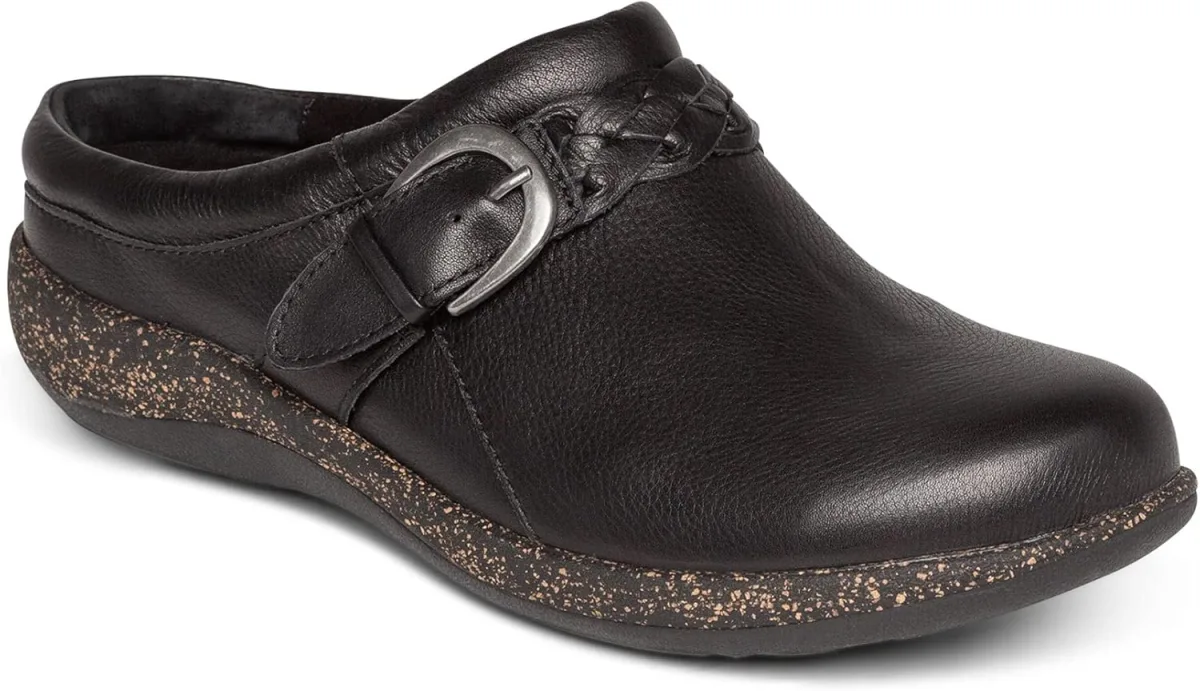
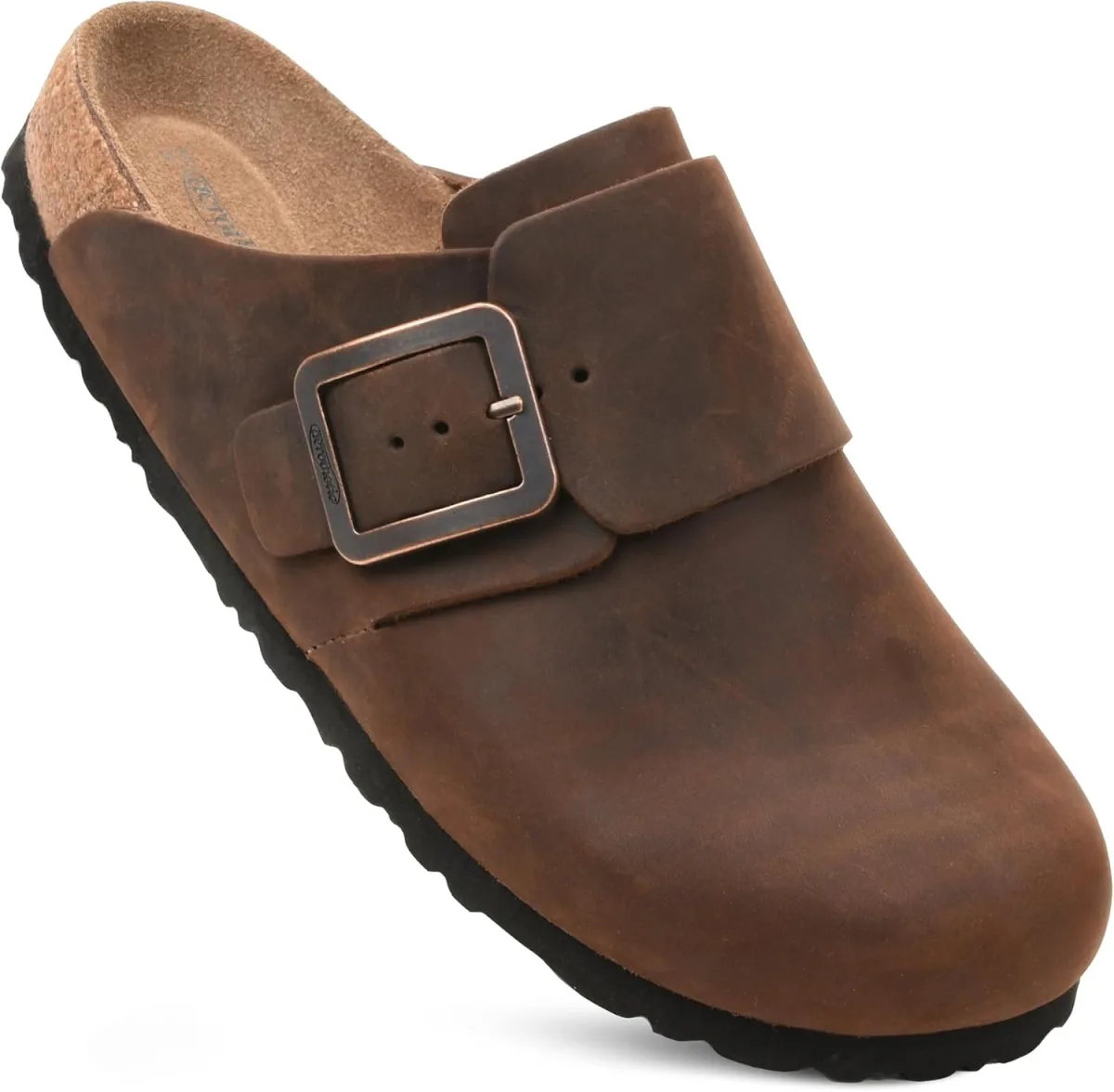
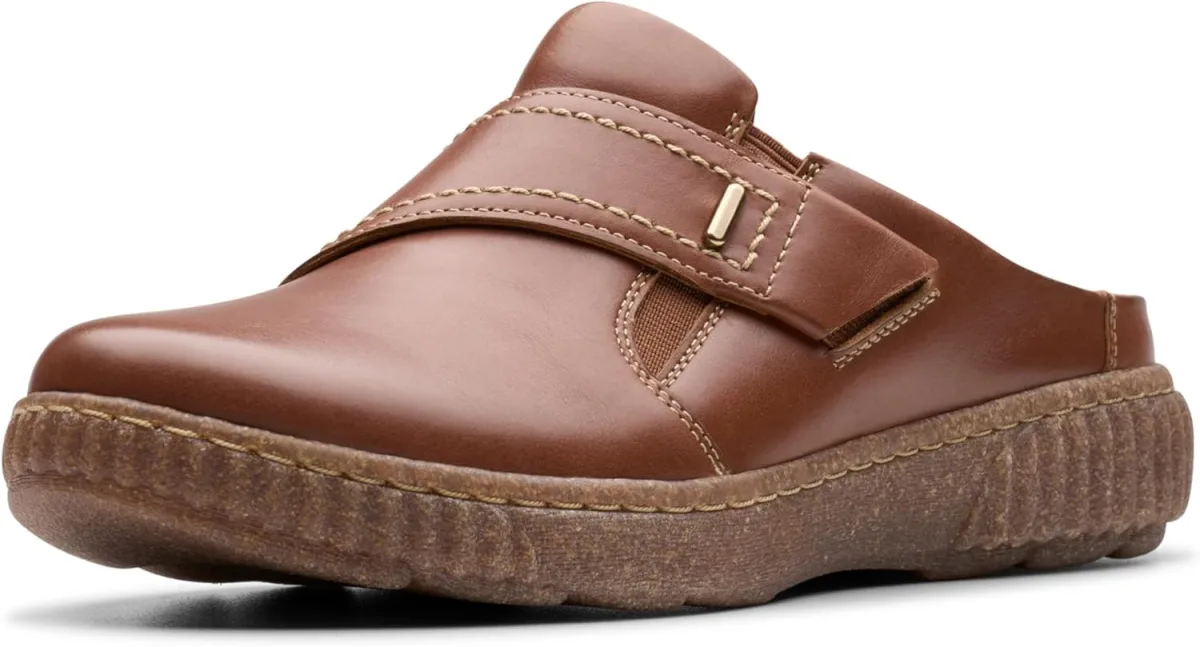
Aetrex Libby Orthopedic Arch Support Comfort Leather Clogs for Women
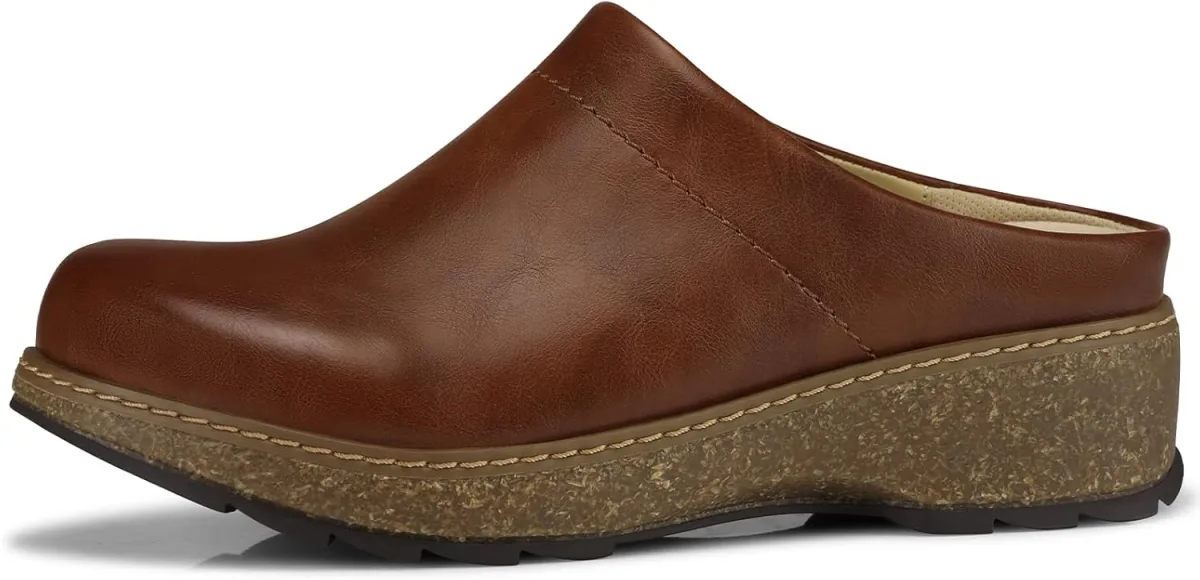
Cork footbedRubber outsoleBuckle
178 styles
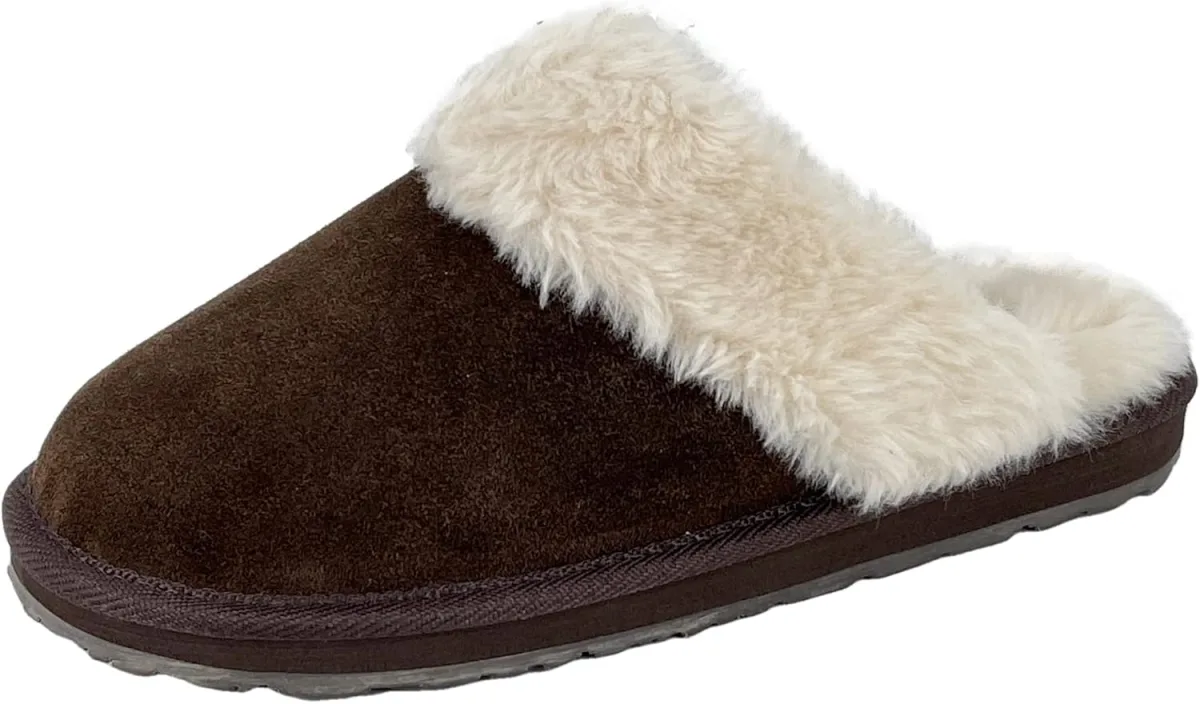
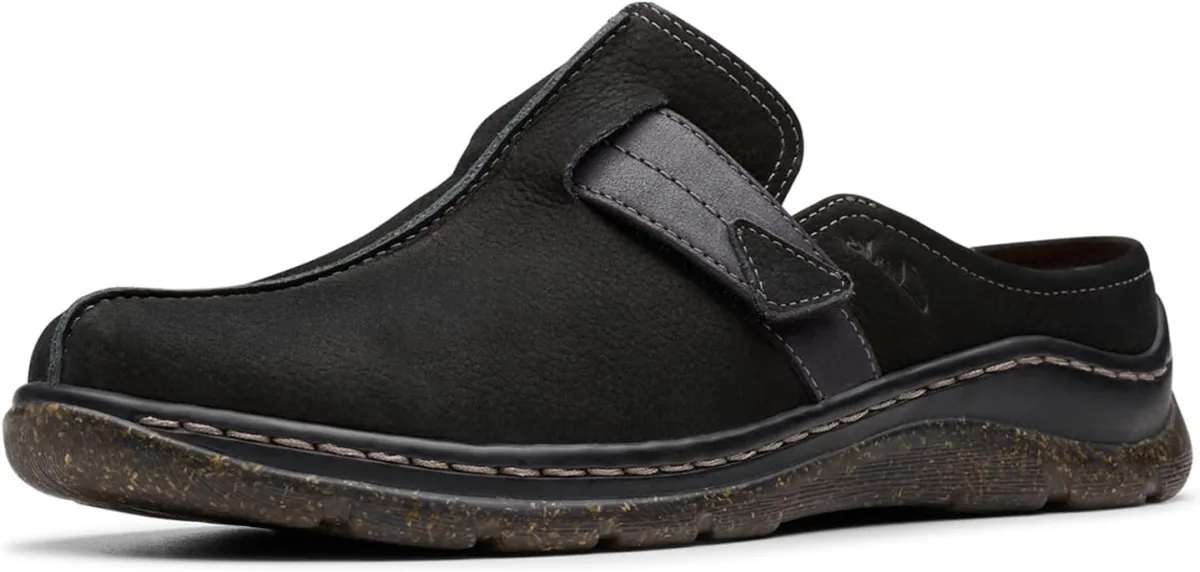
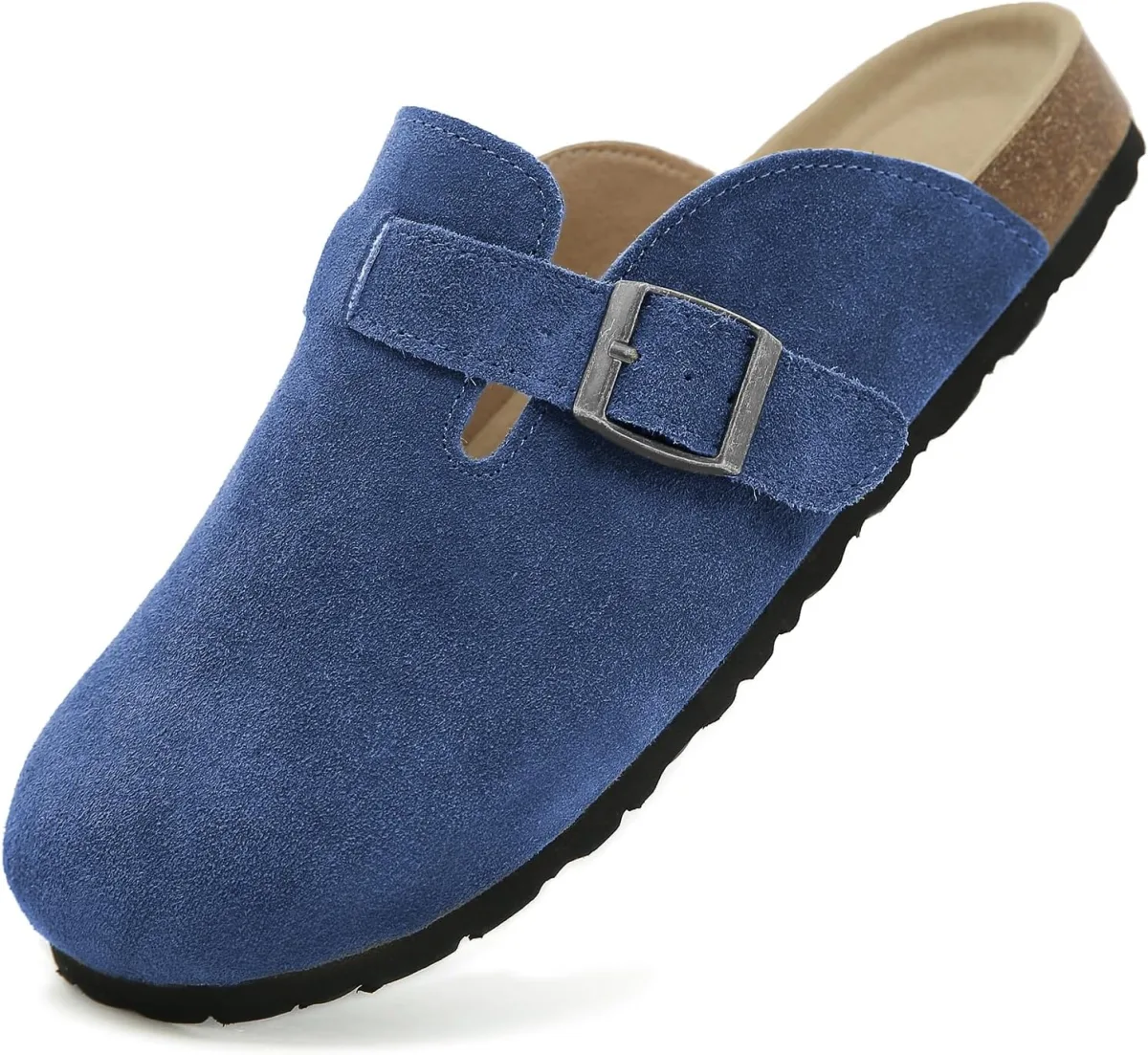
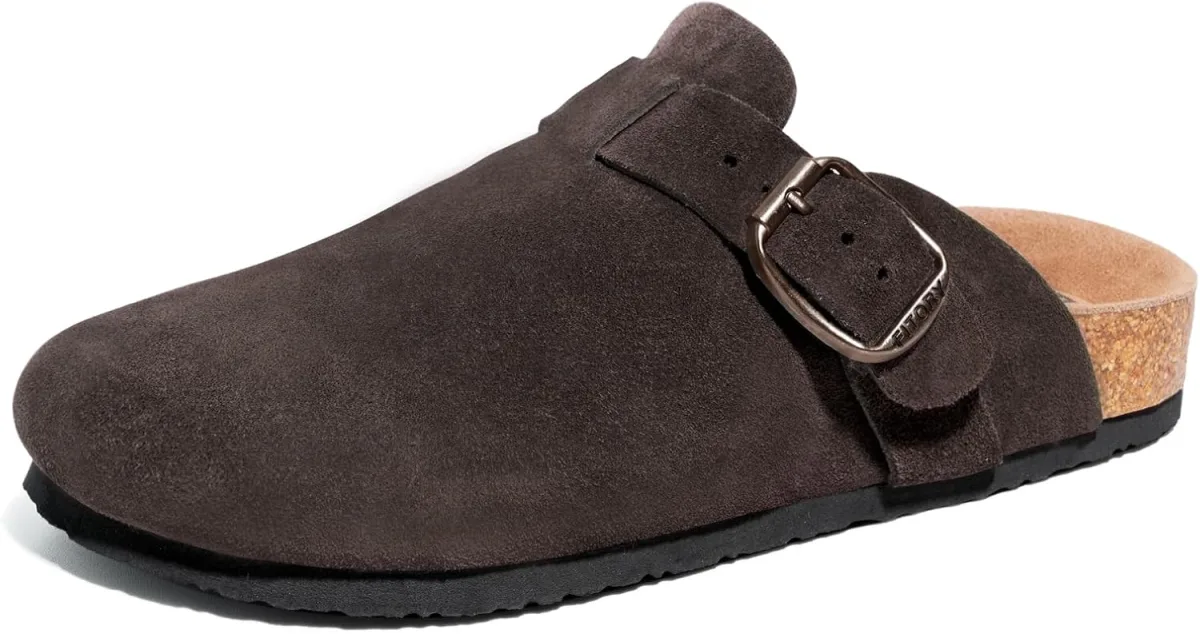
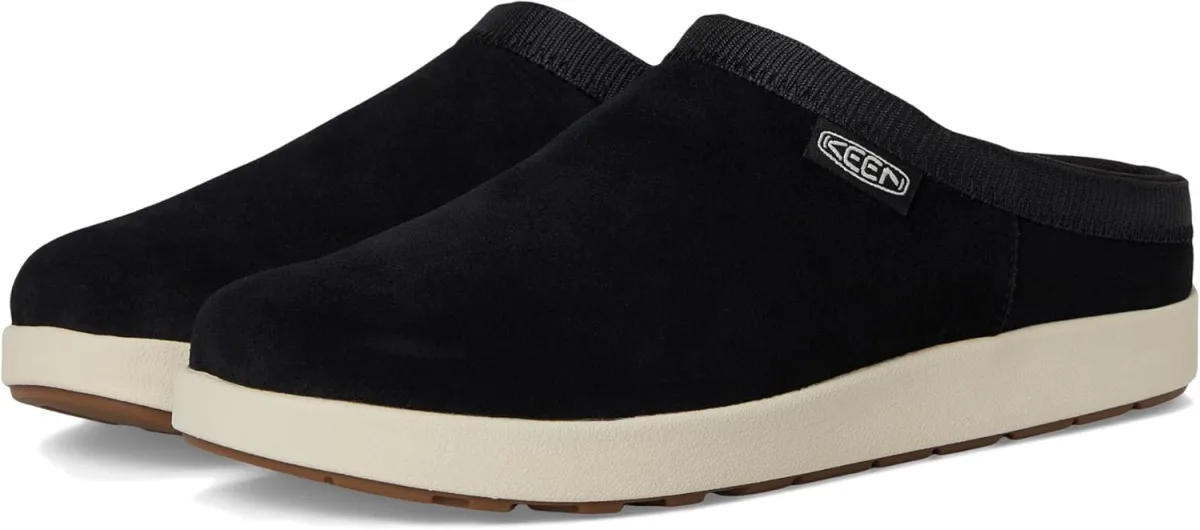
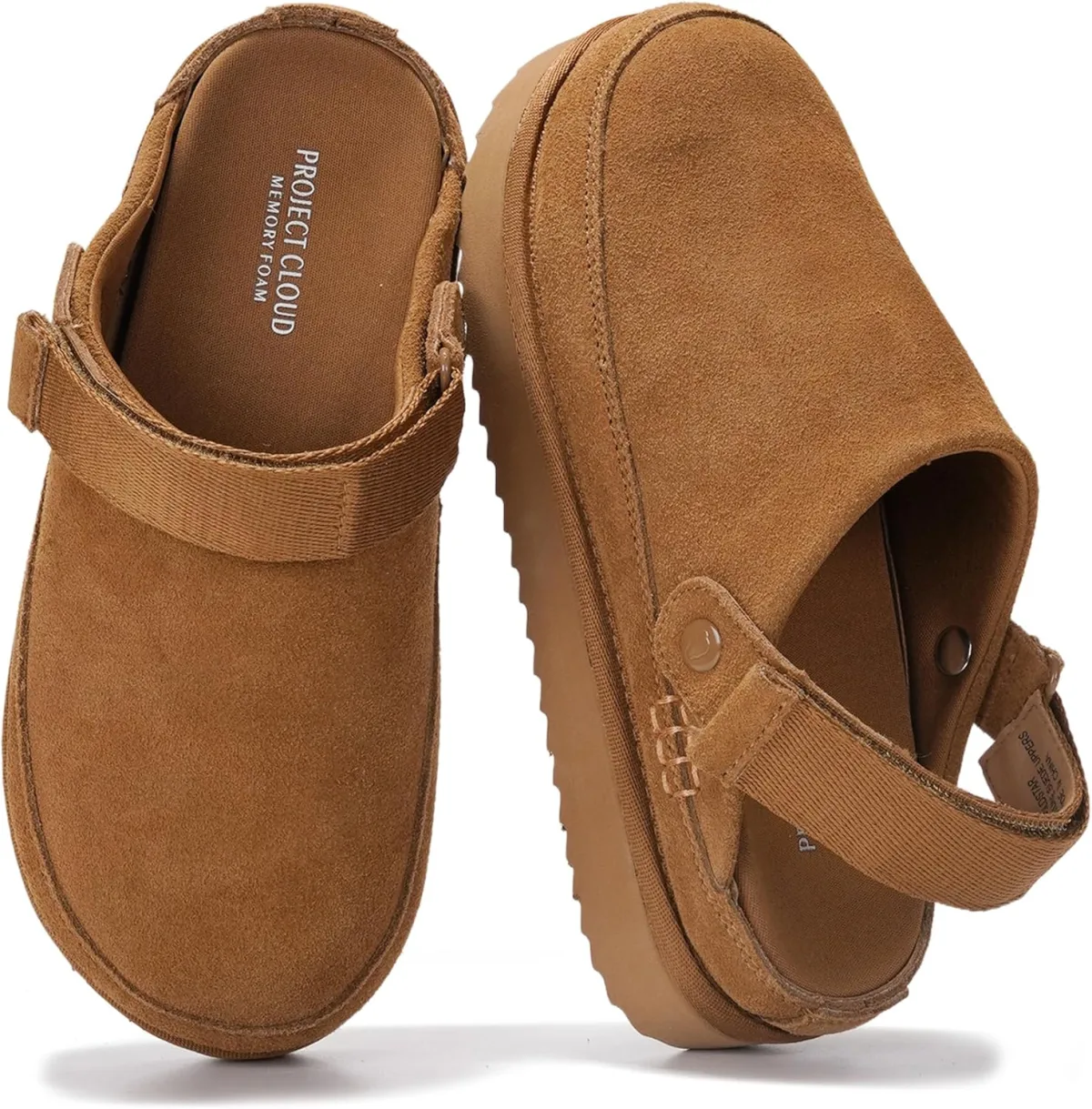
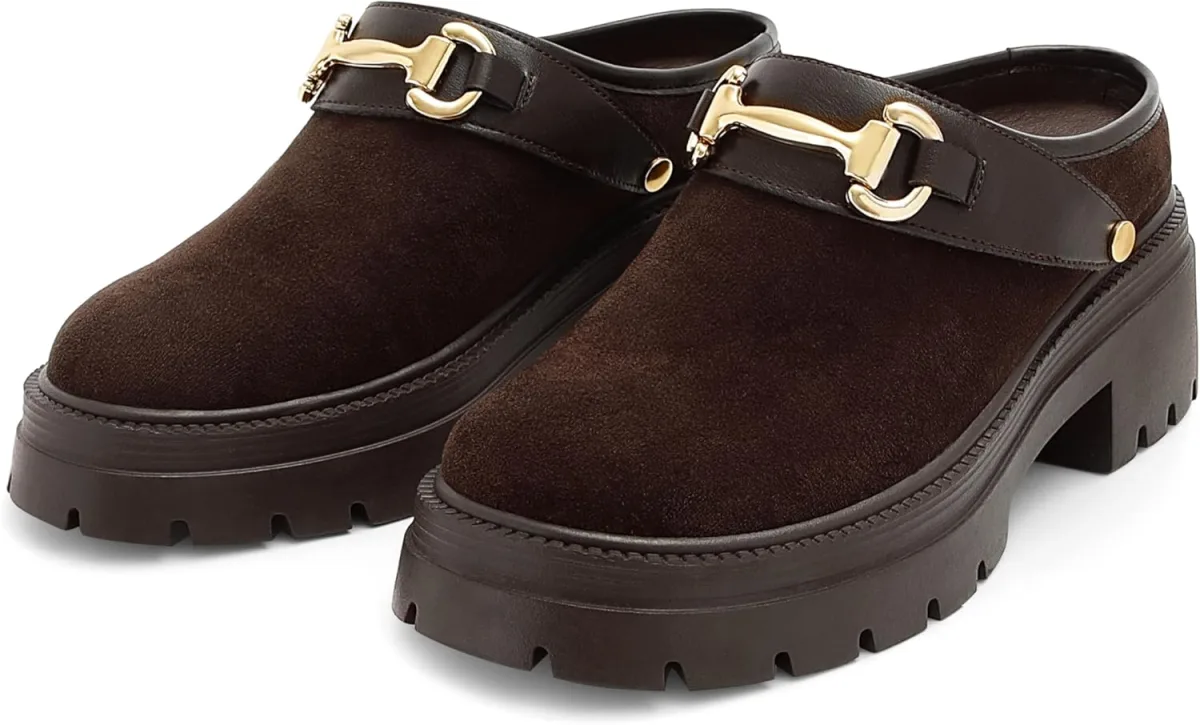
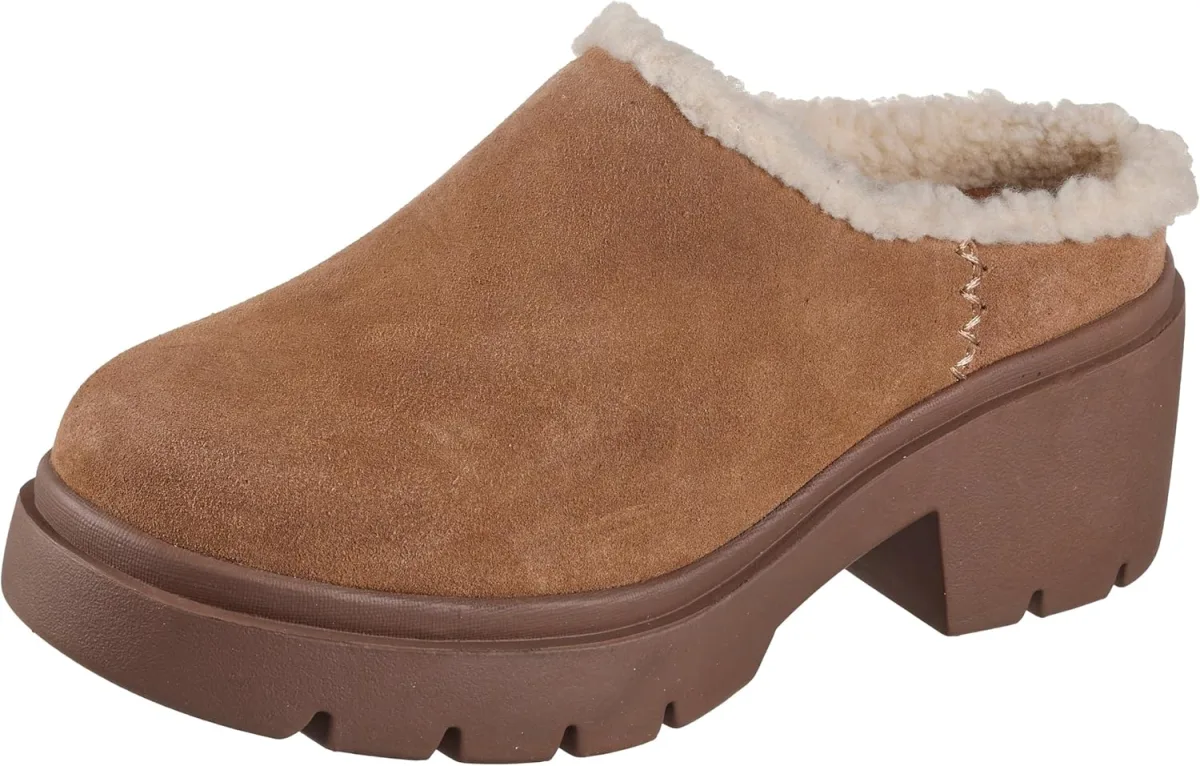
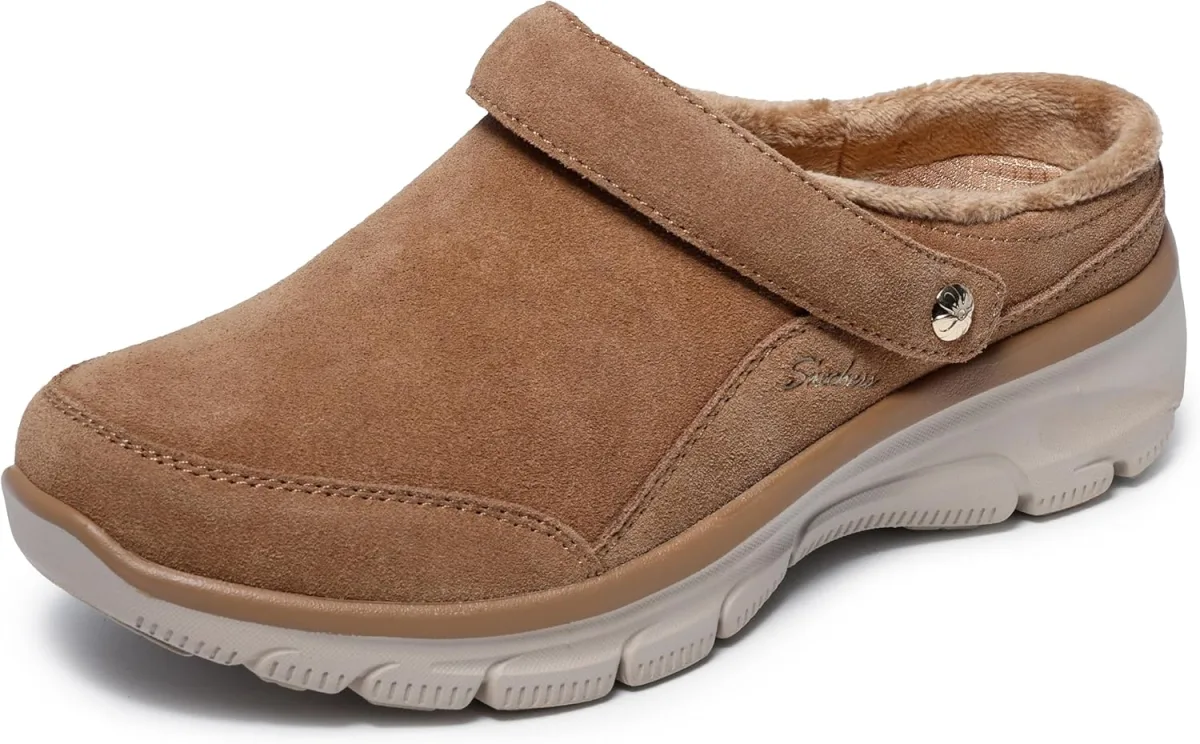
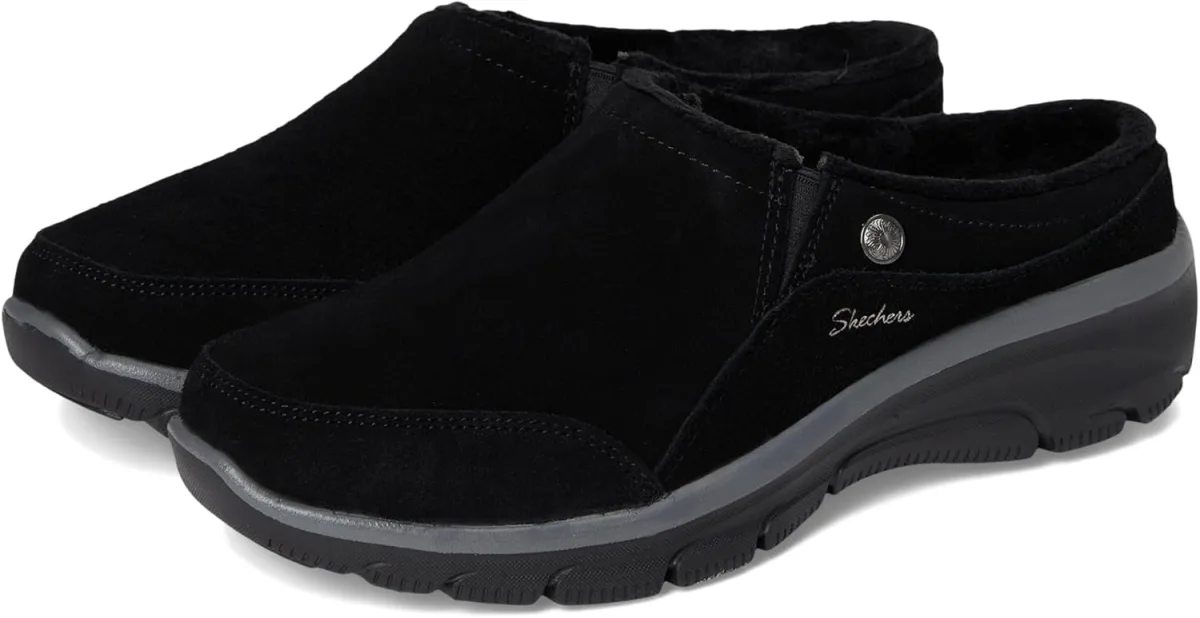
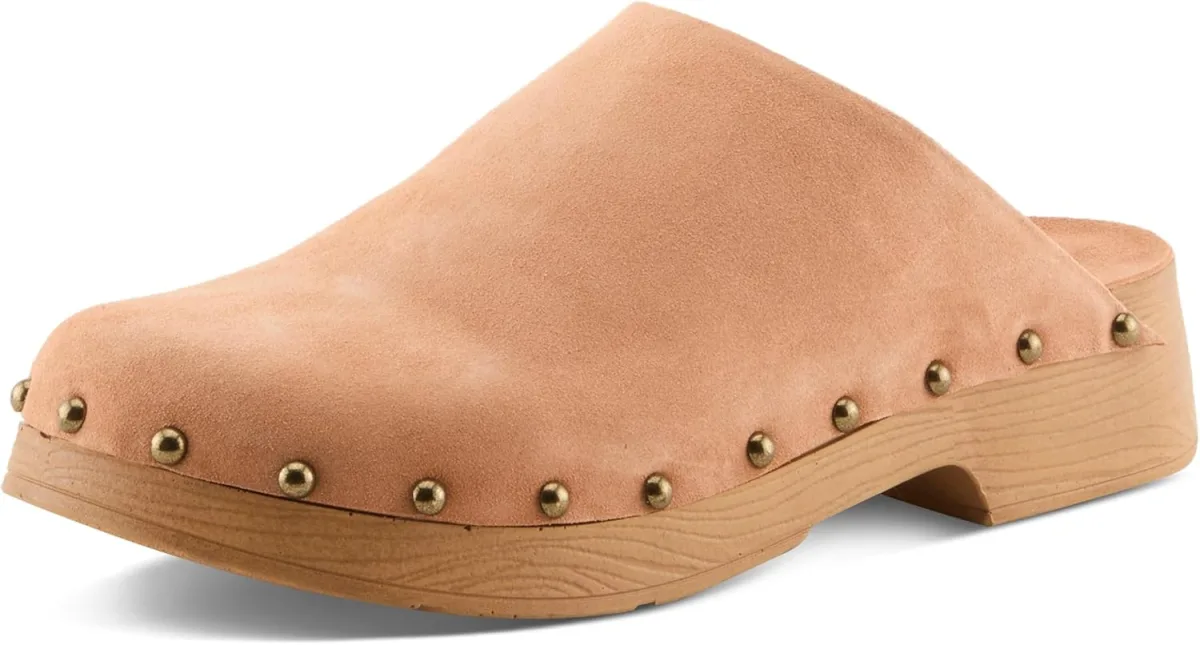
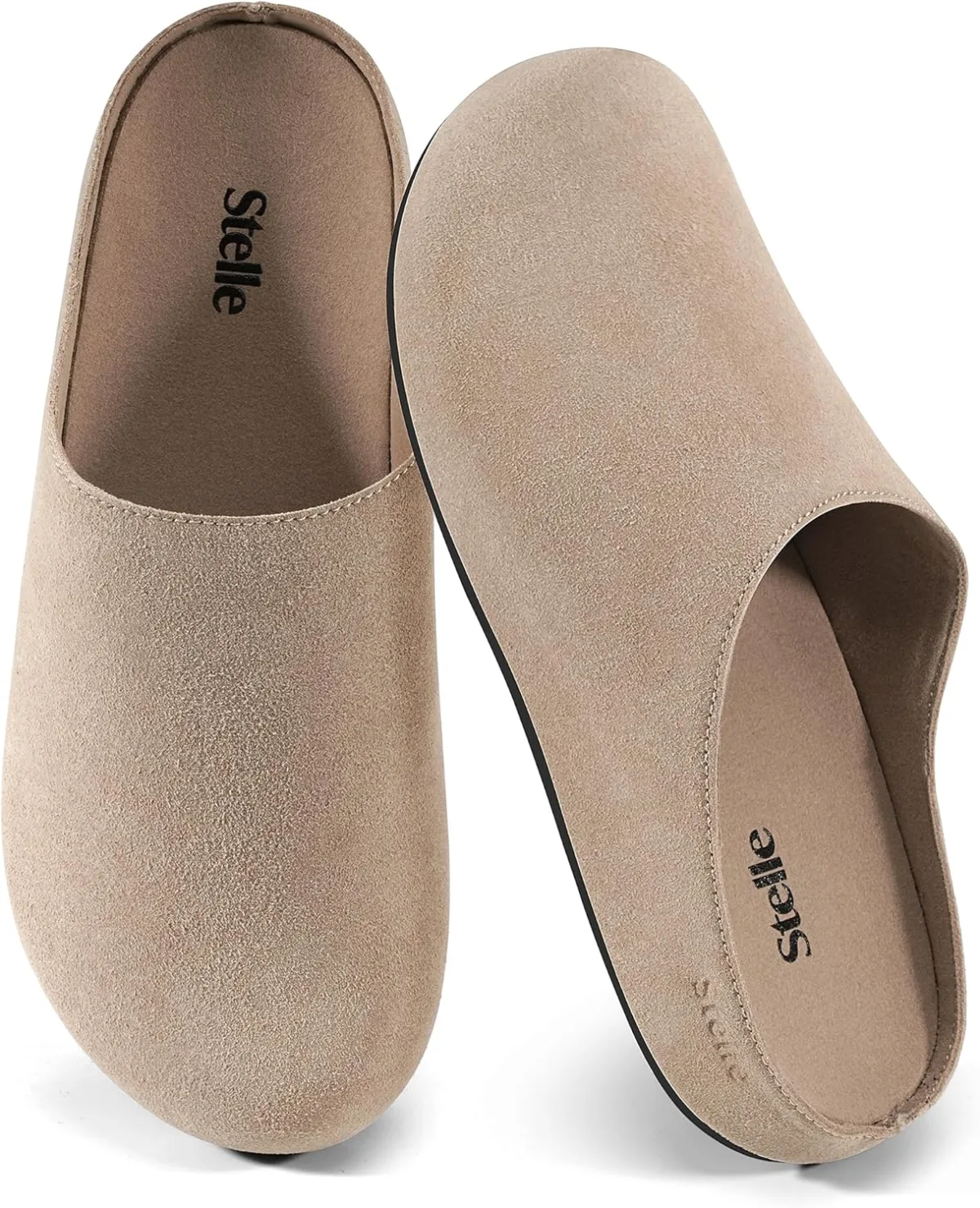
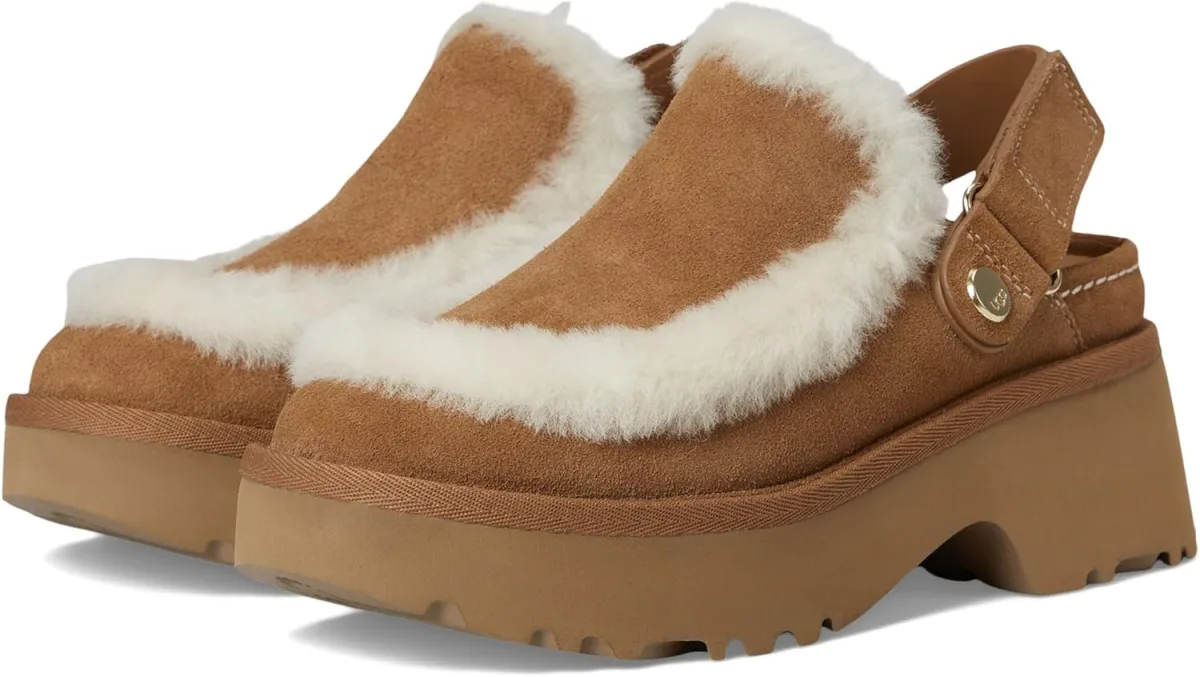
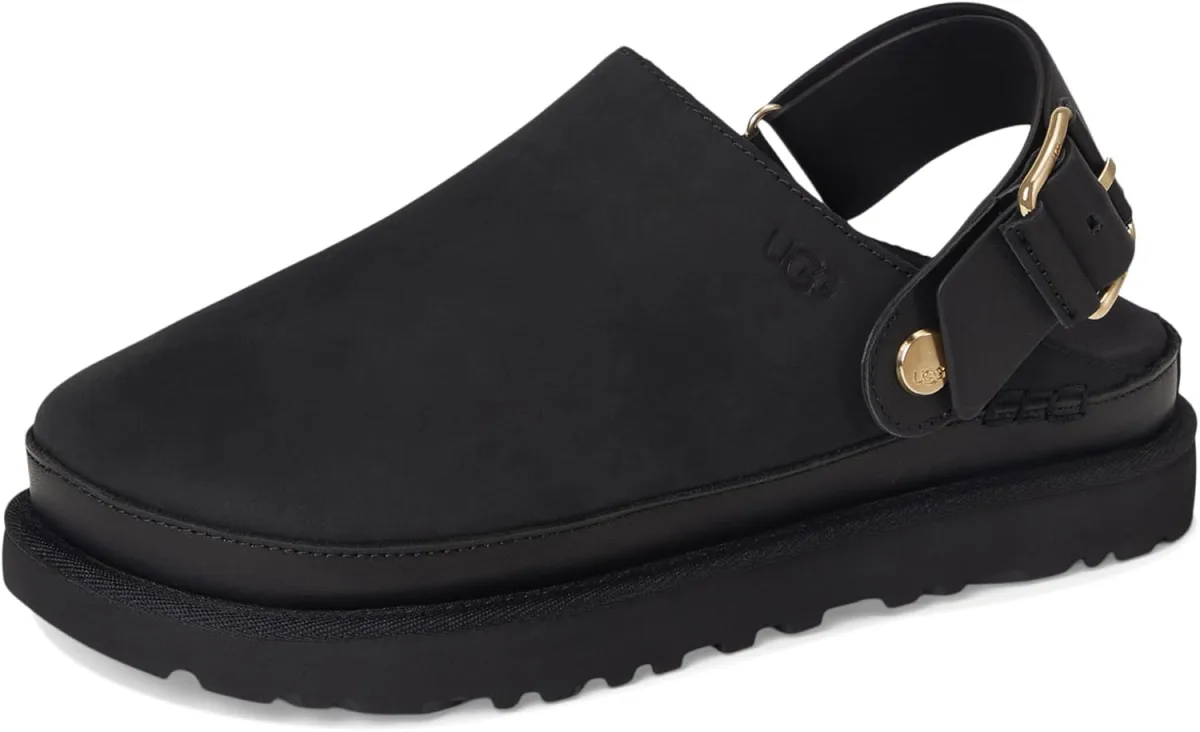
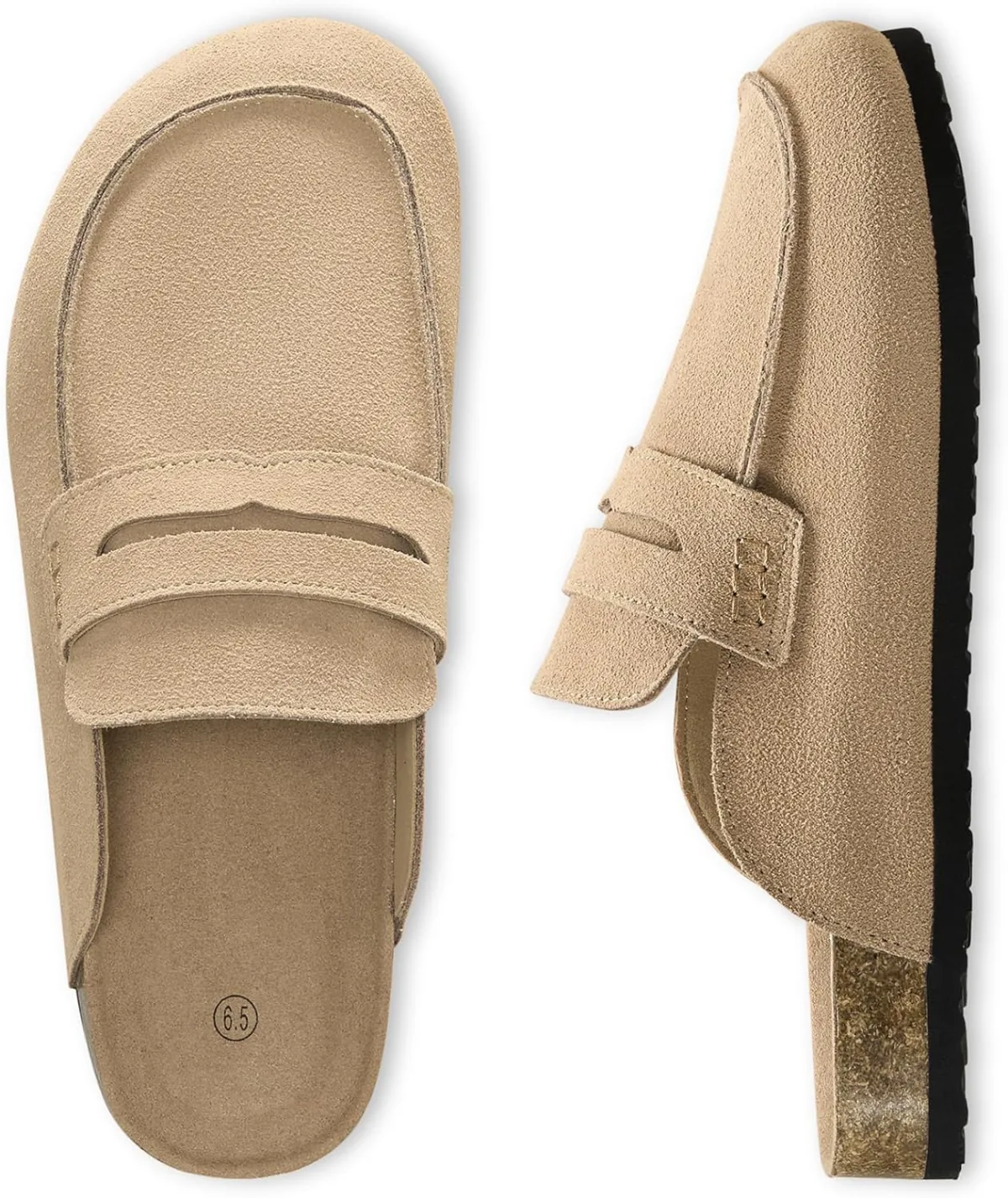
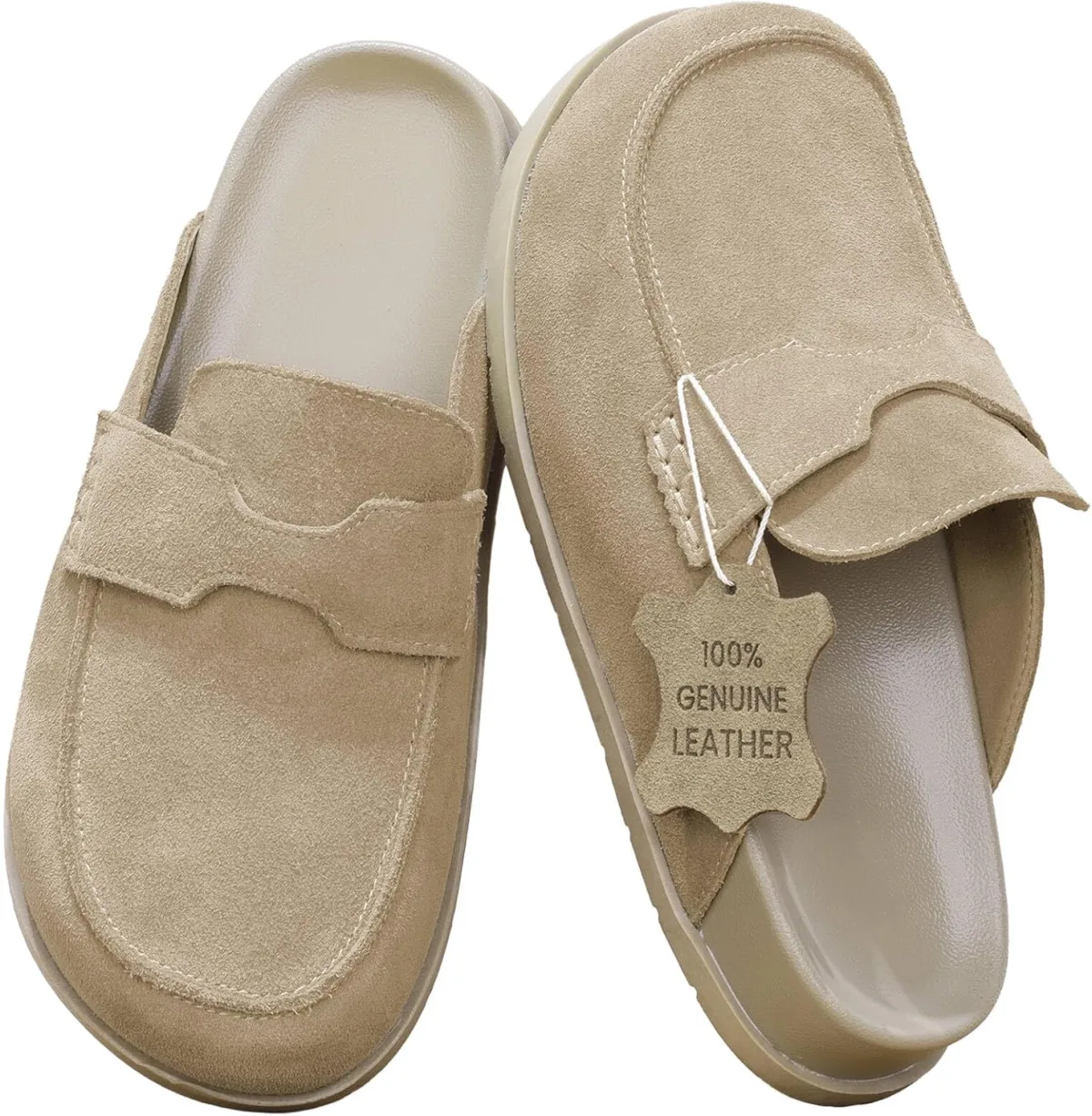
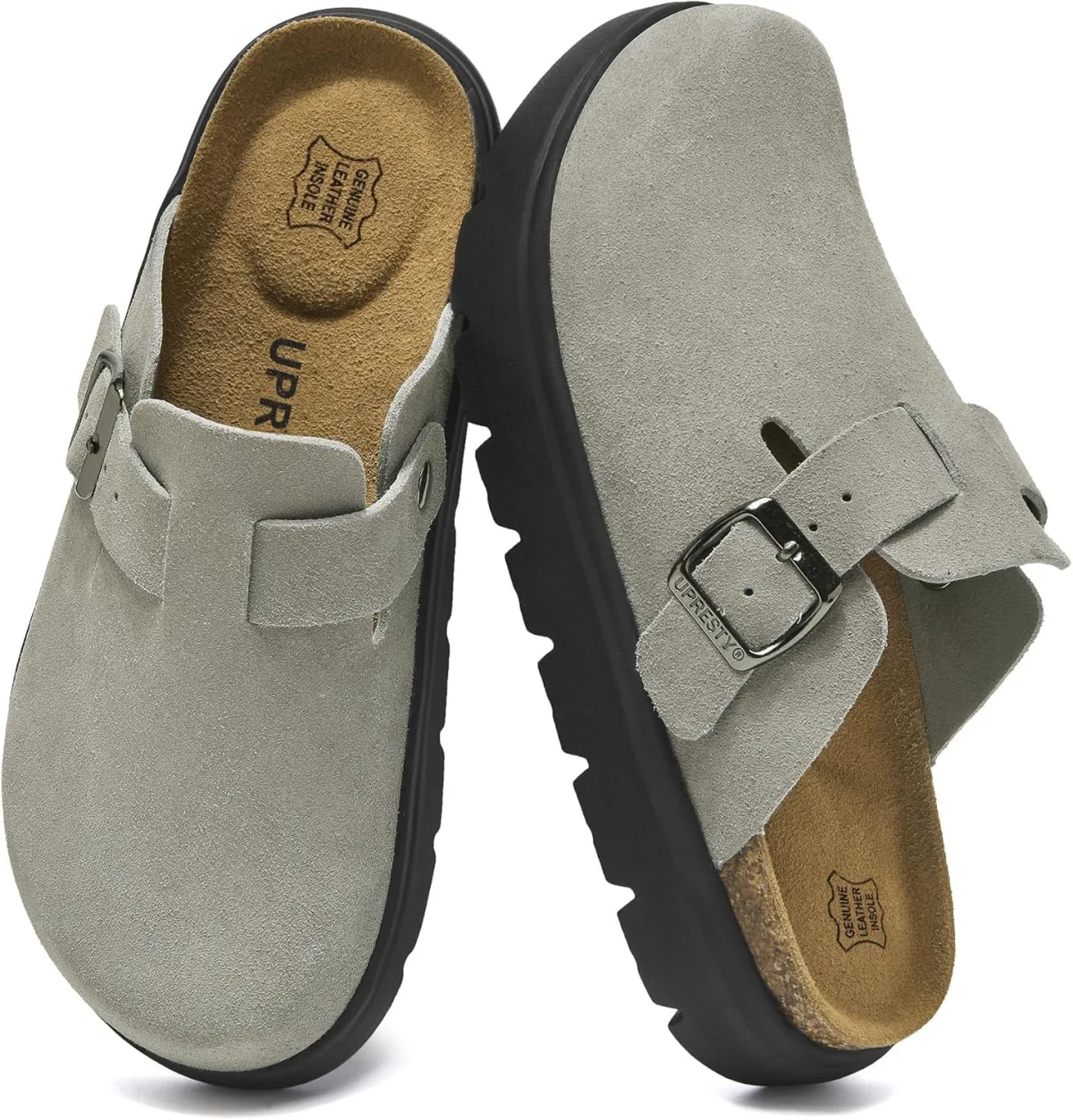
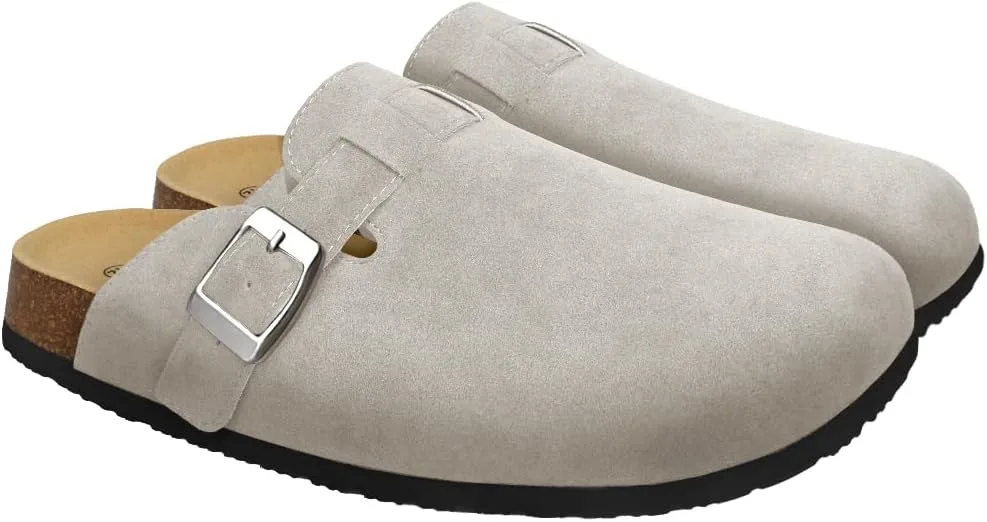
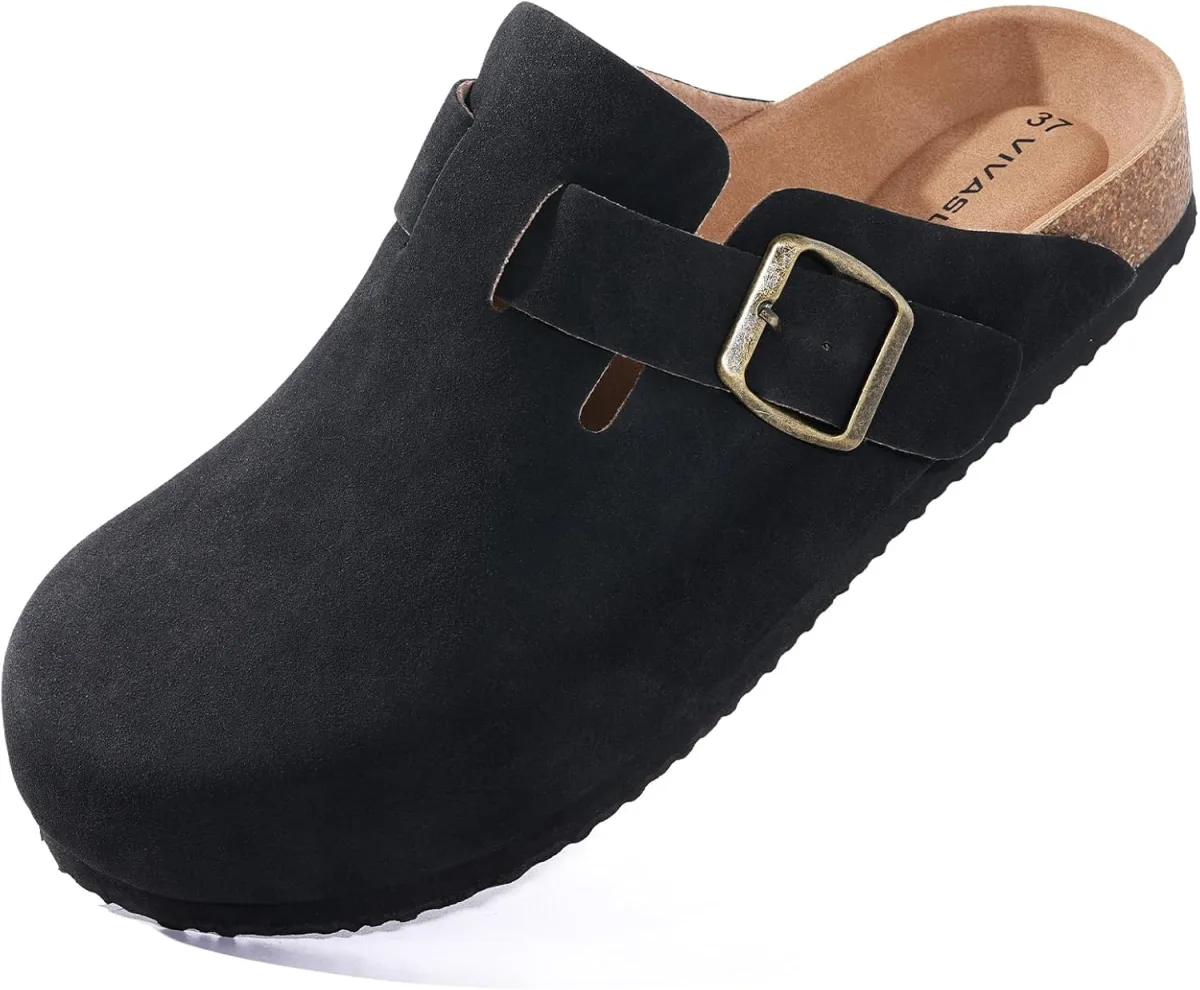
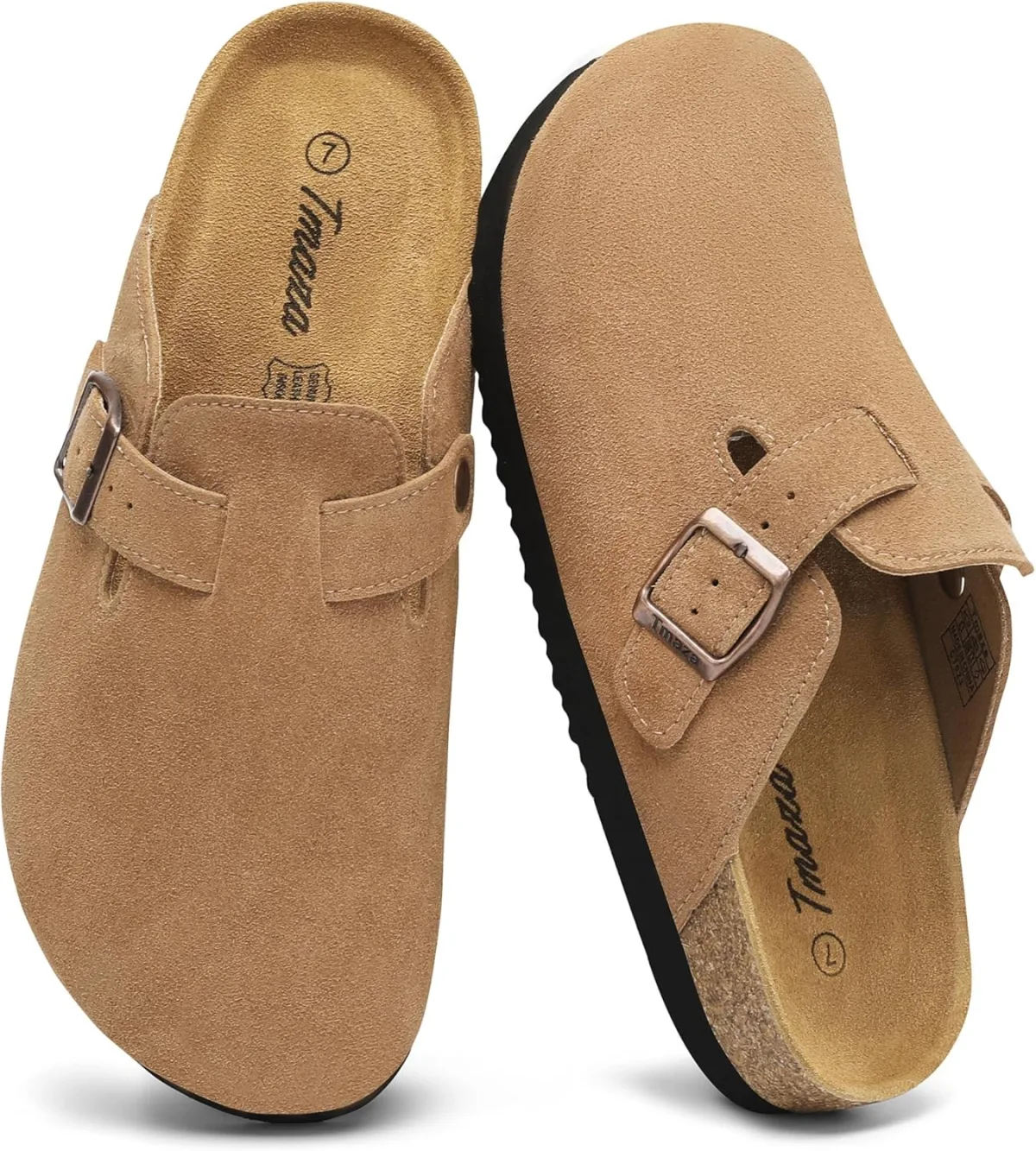
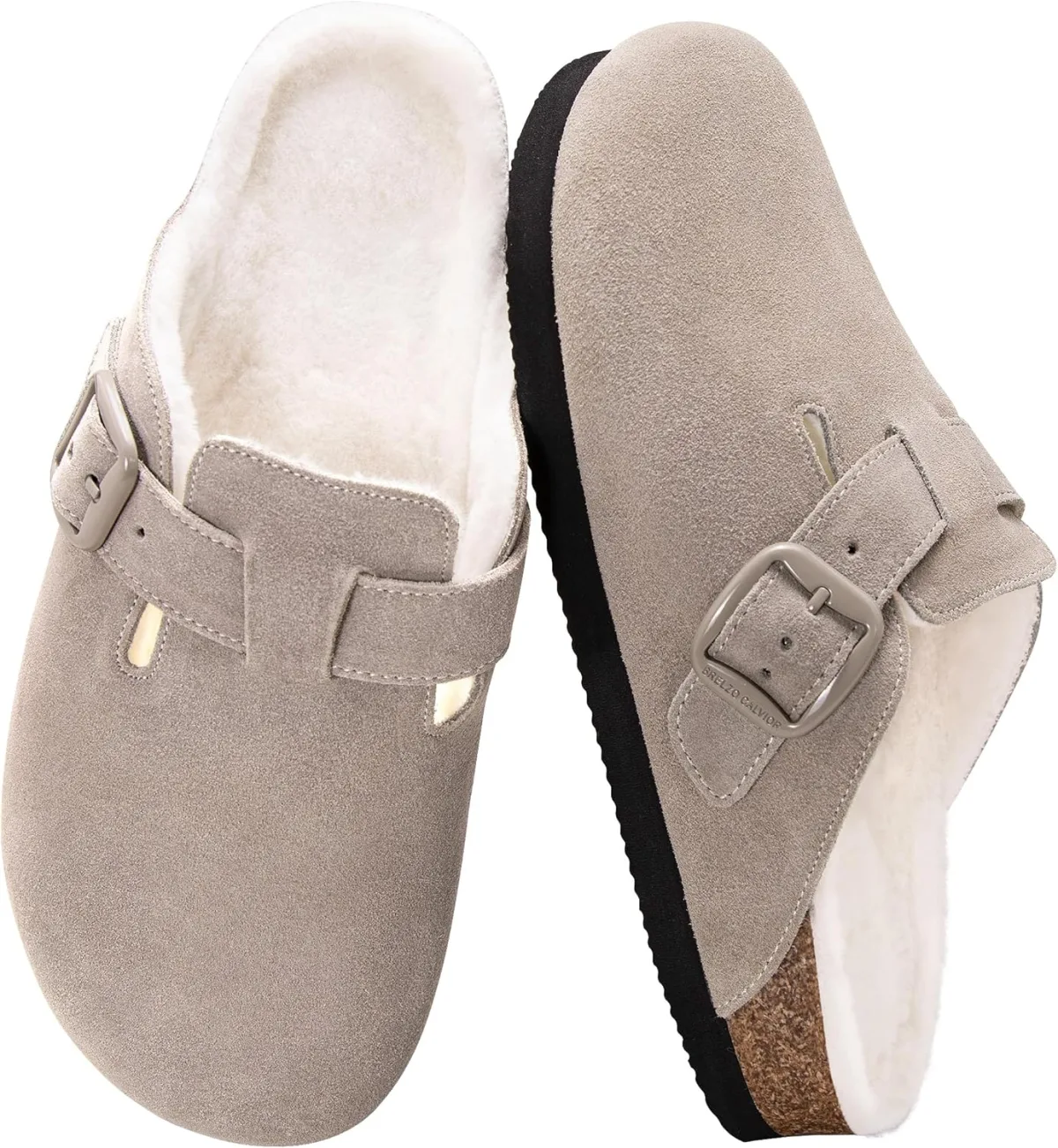
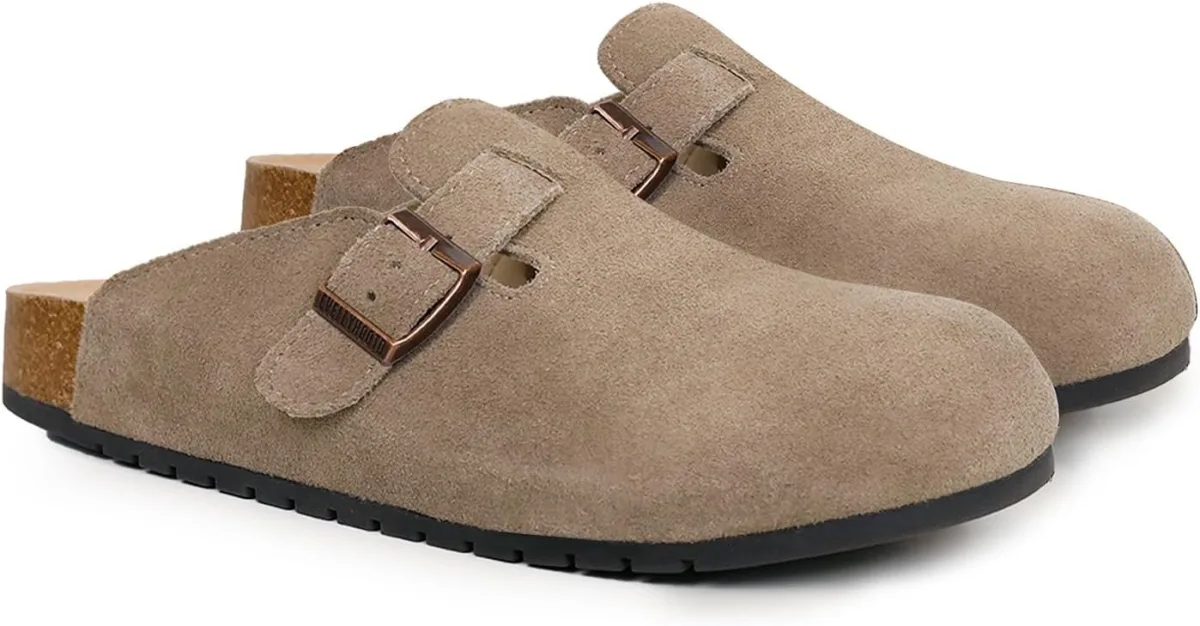
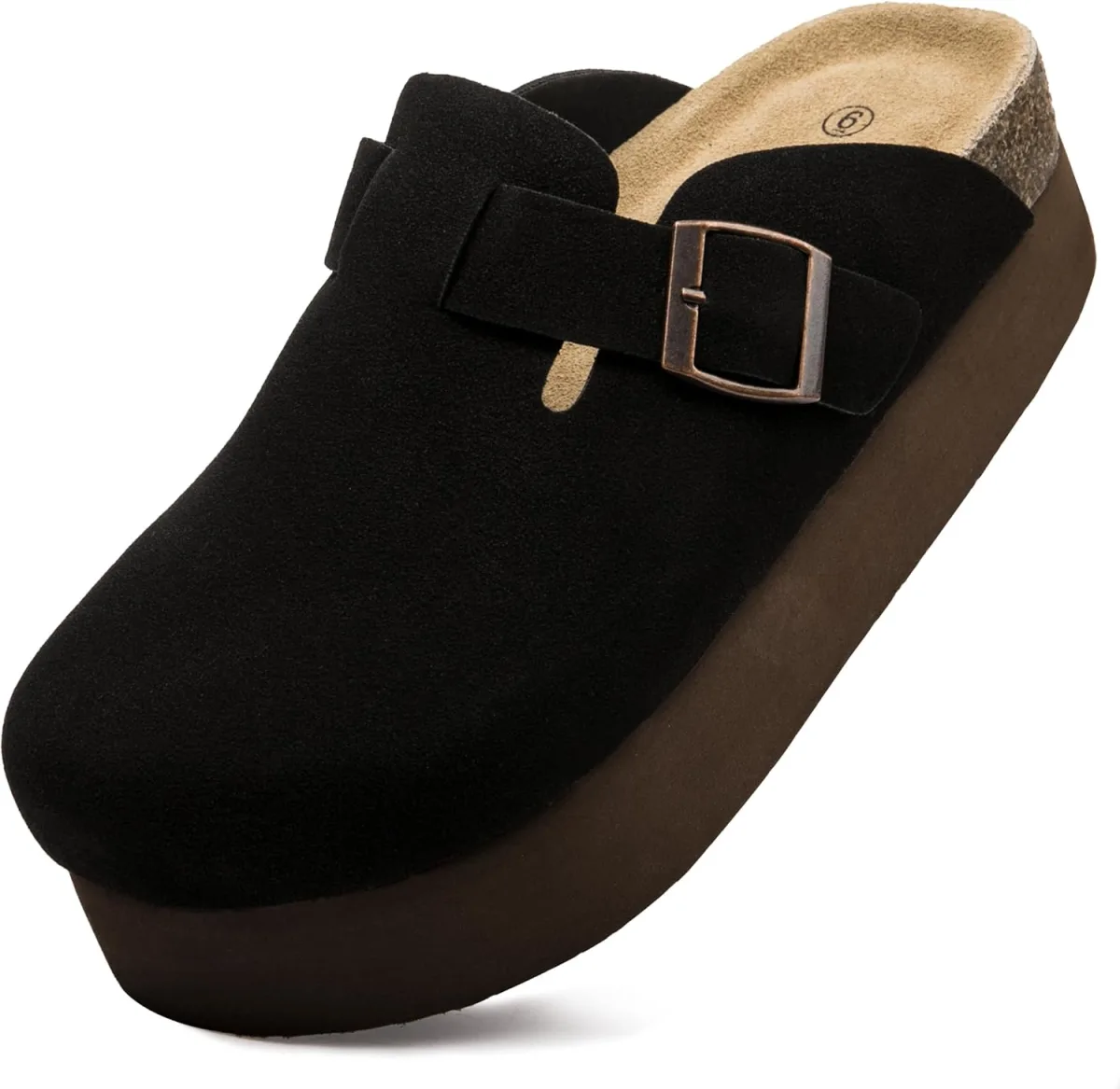
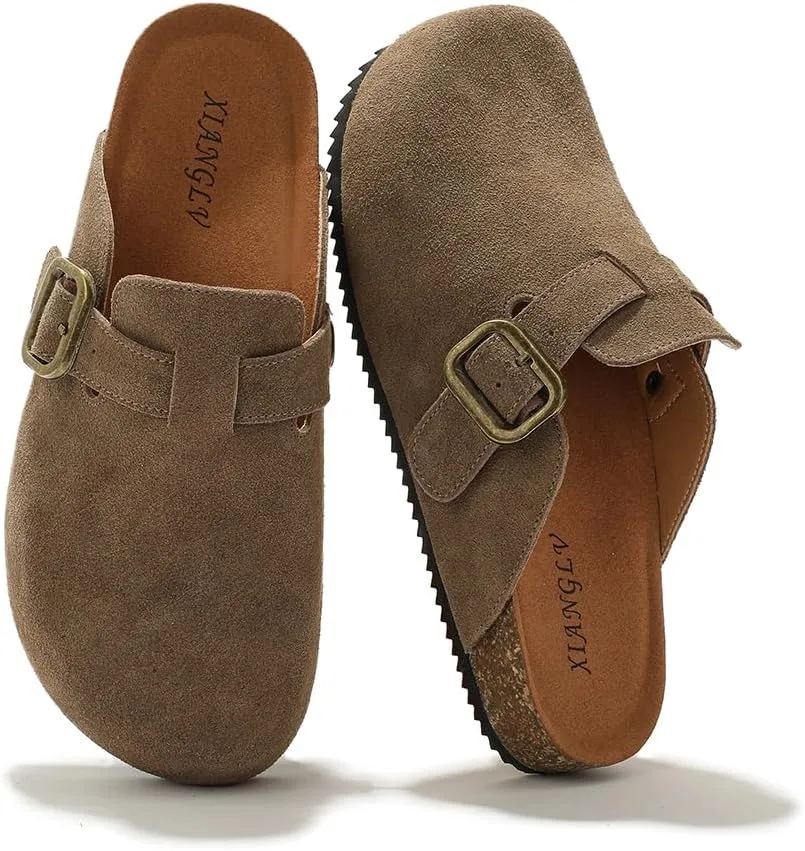
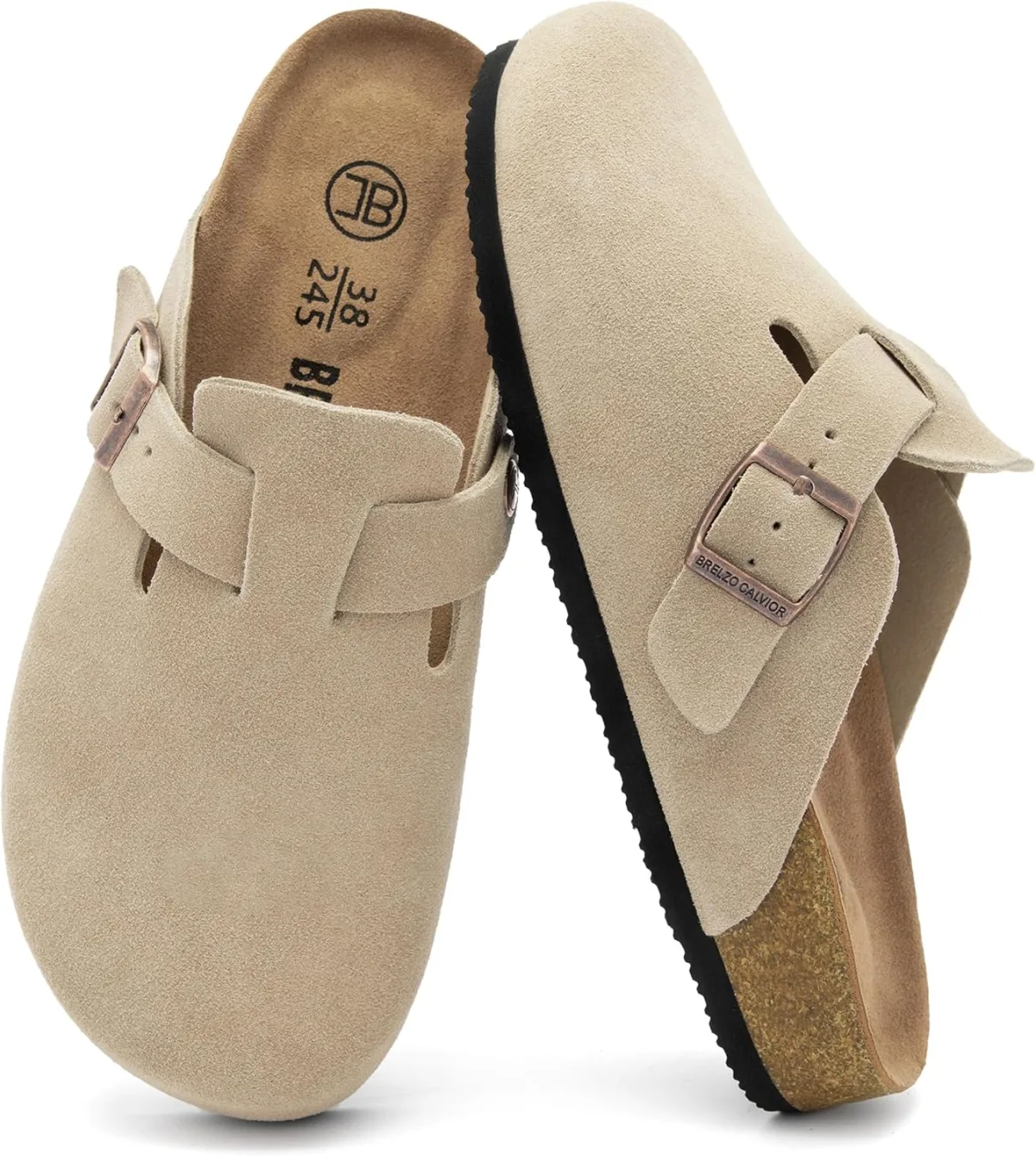
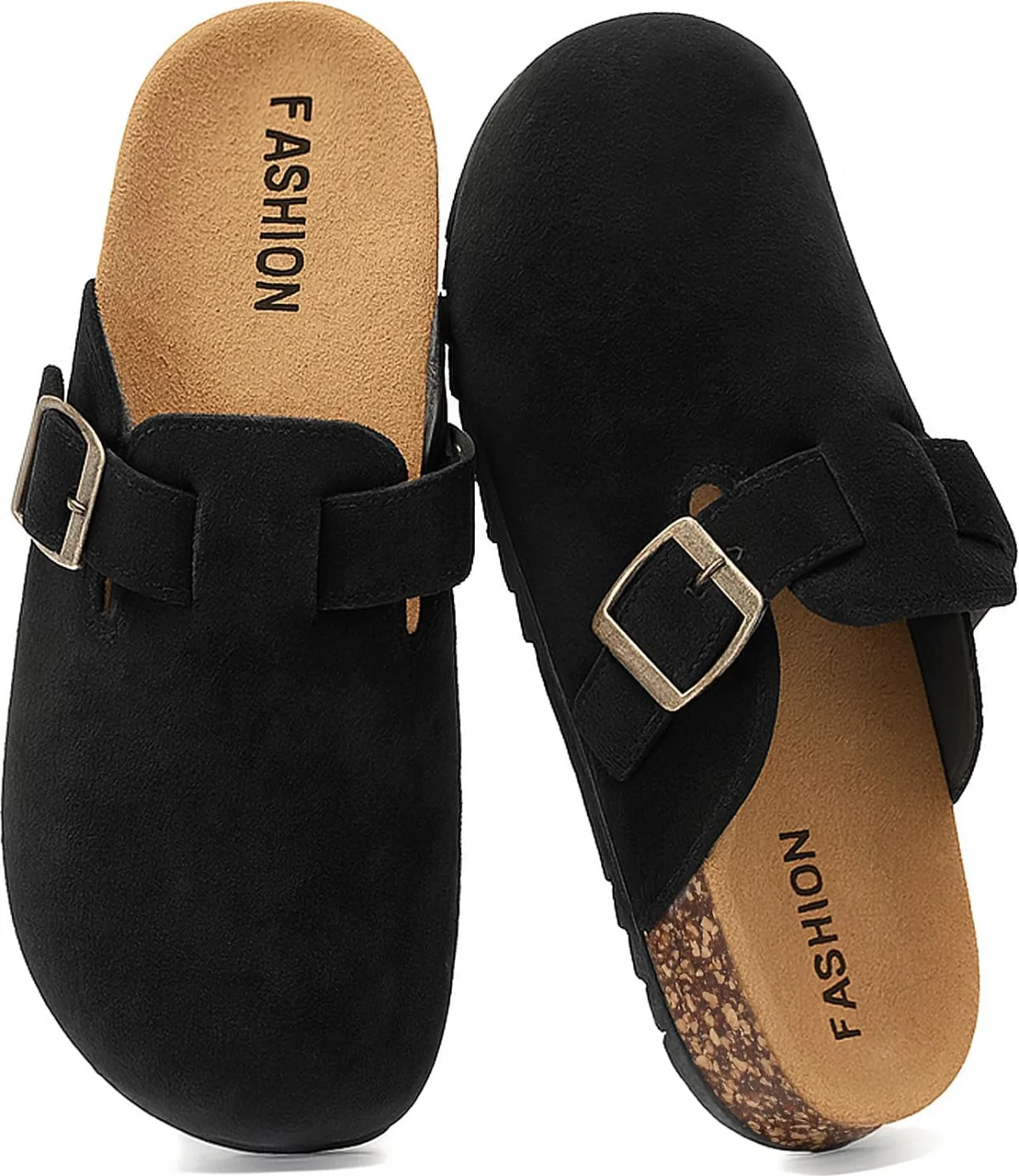
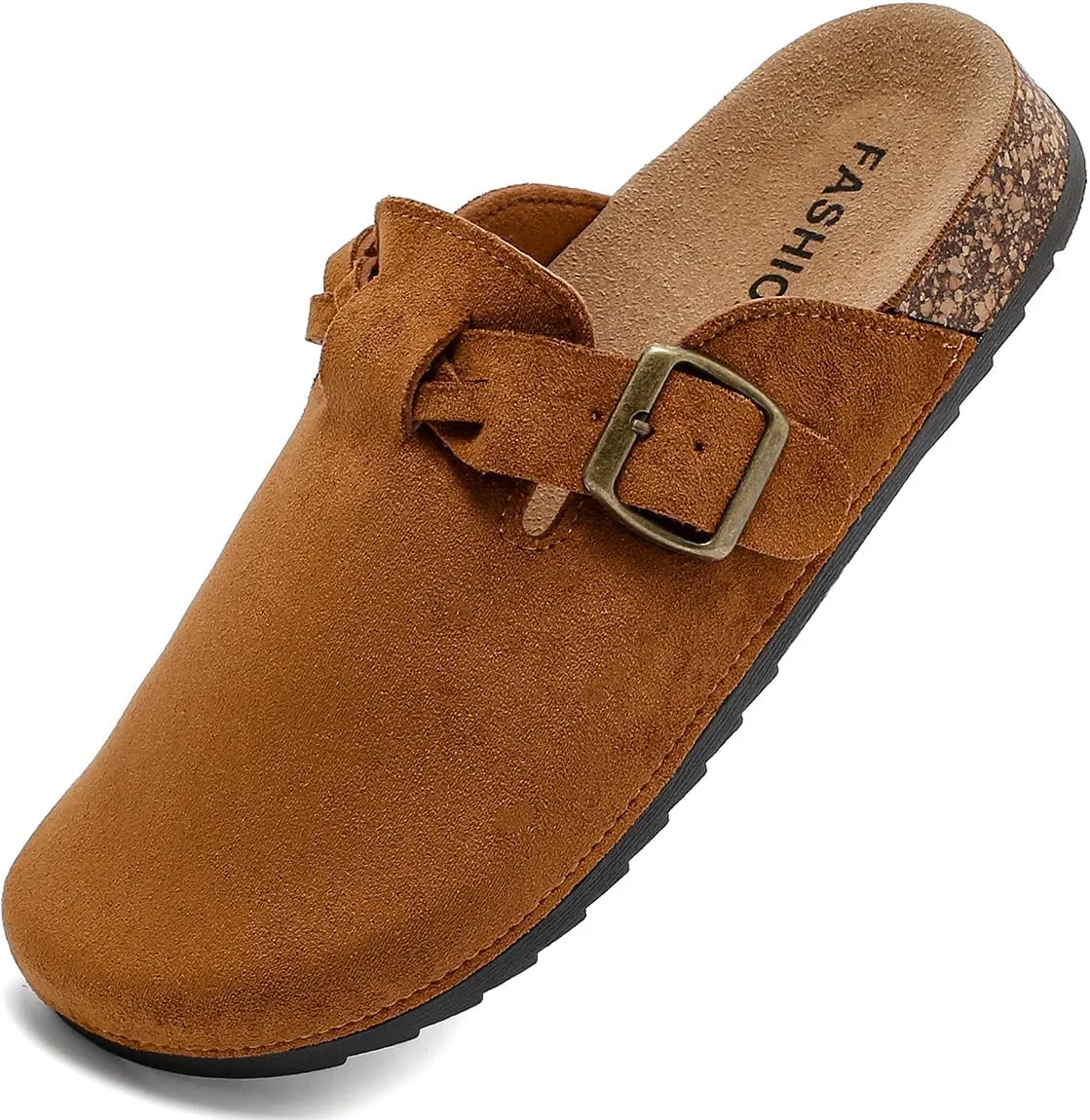
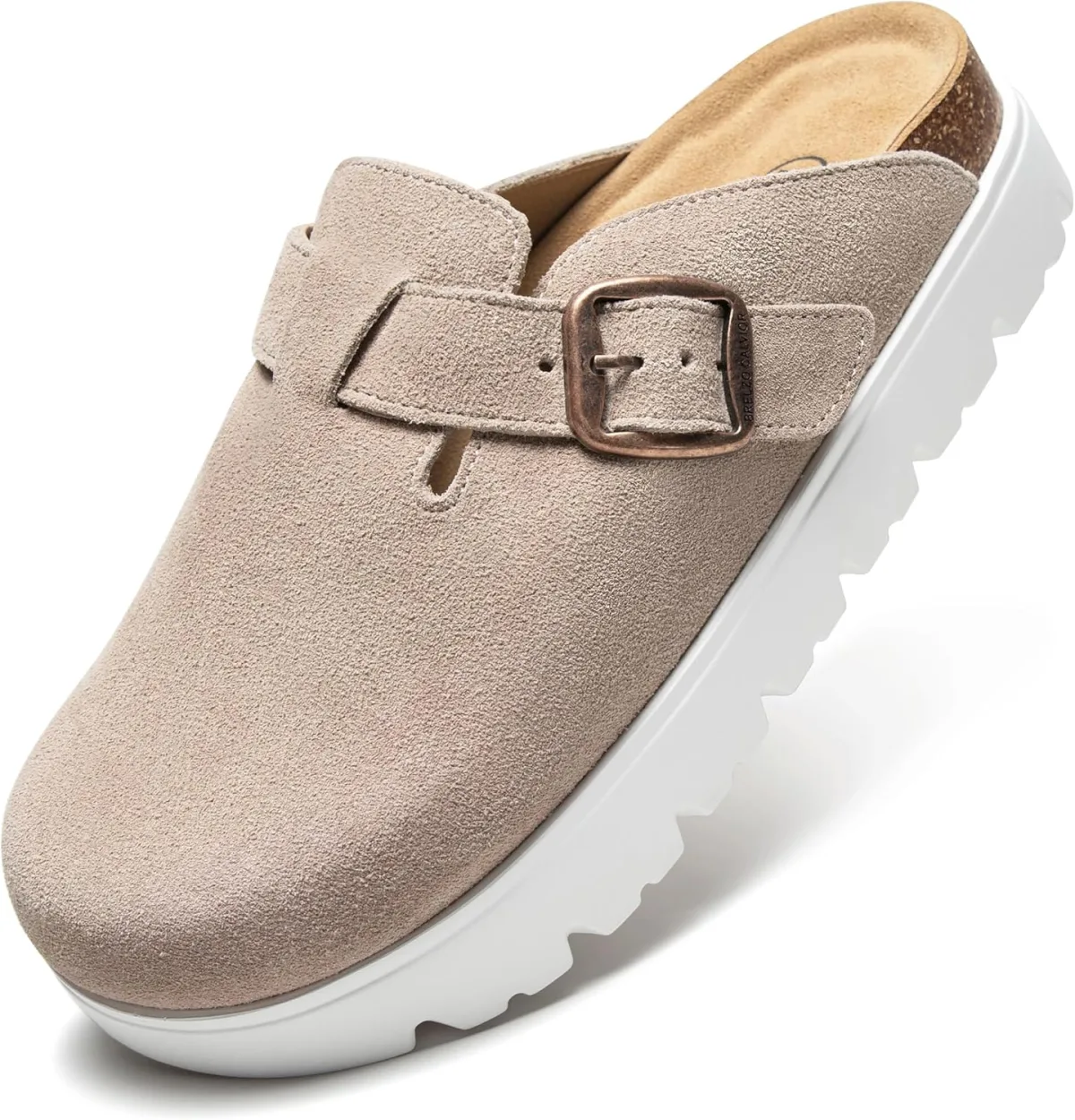
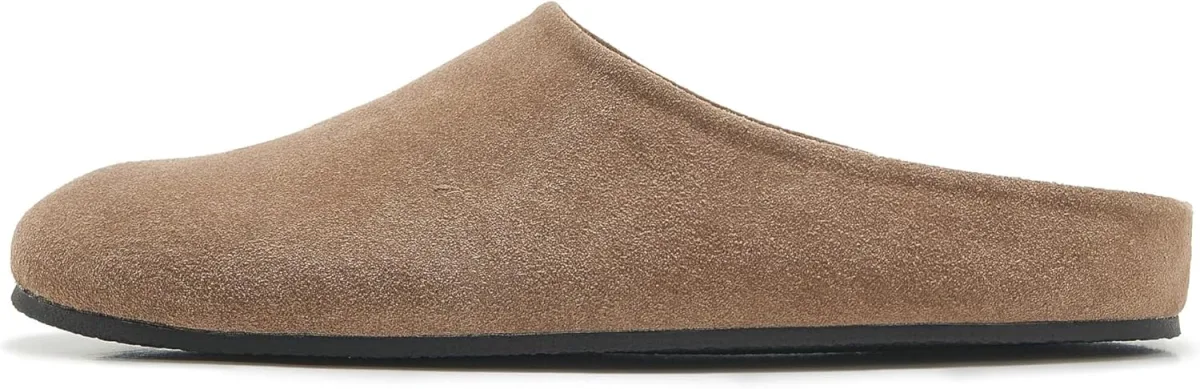
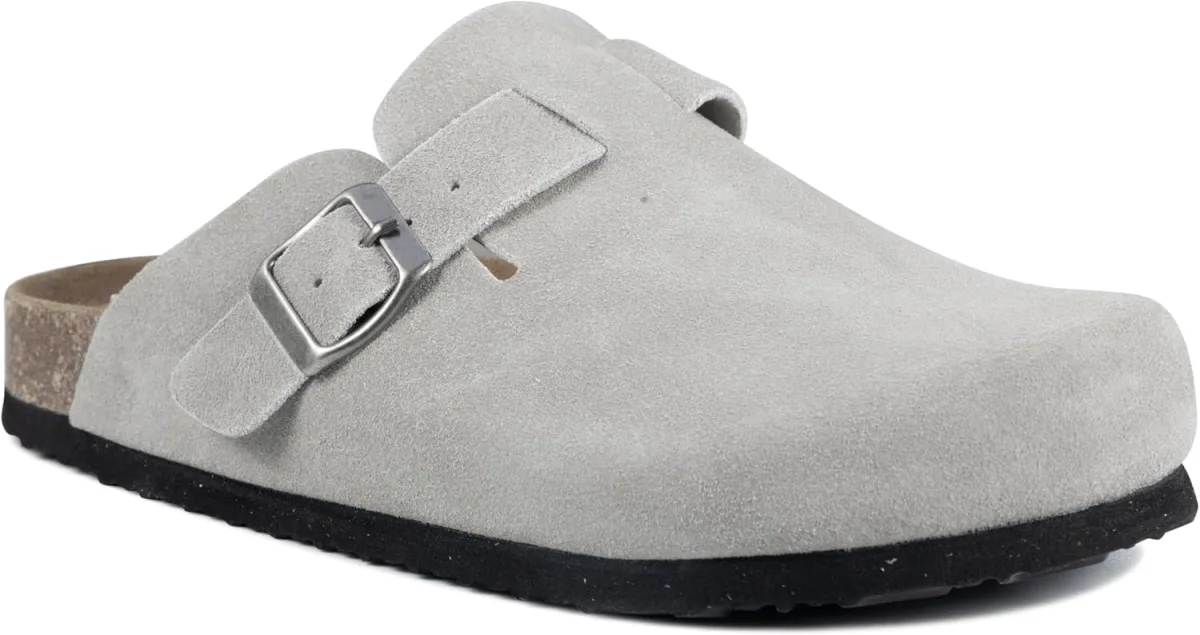
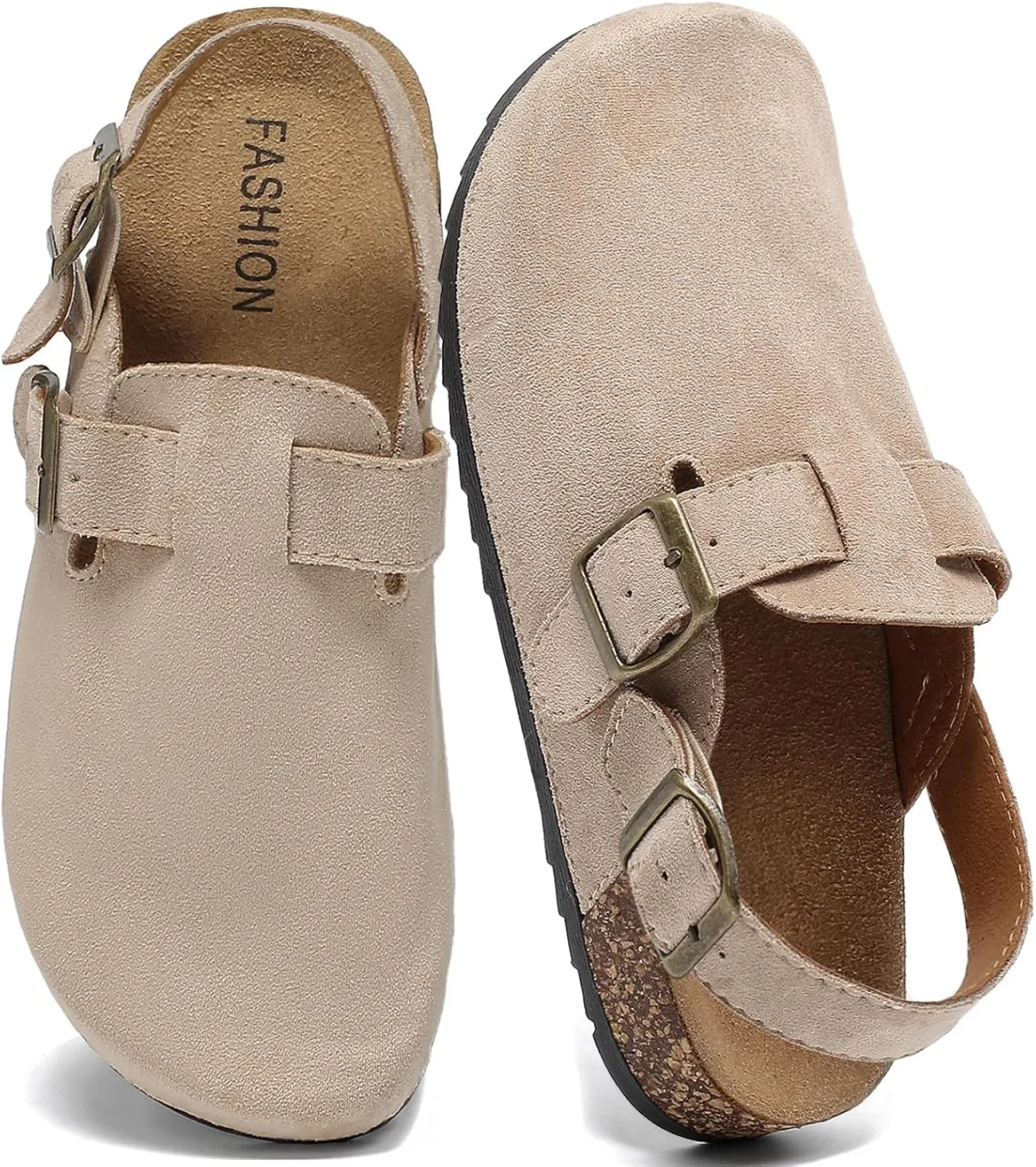
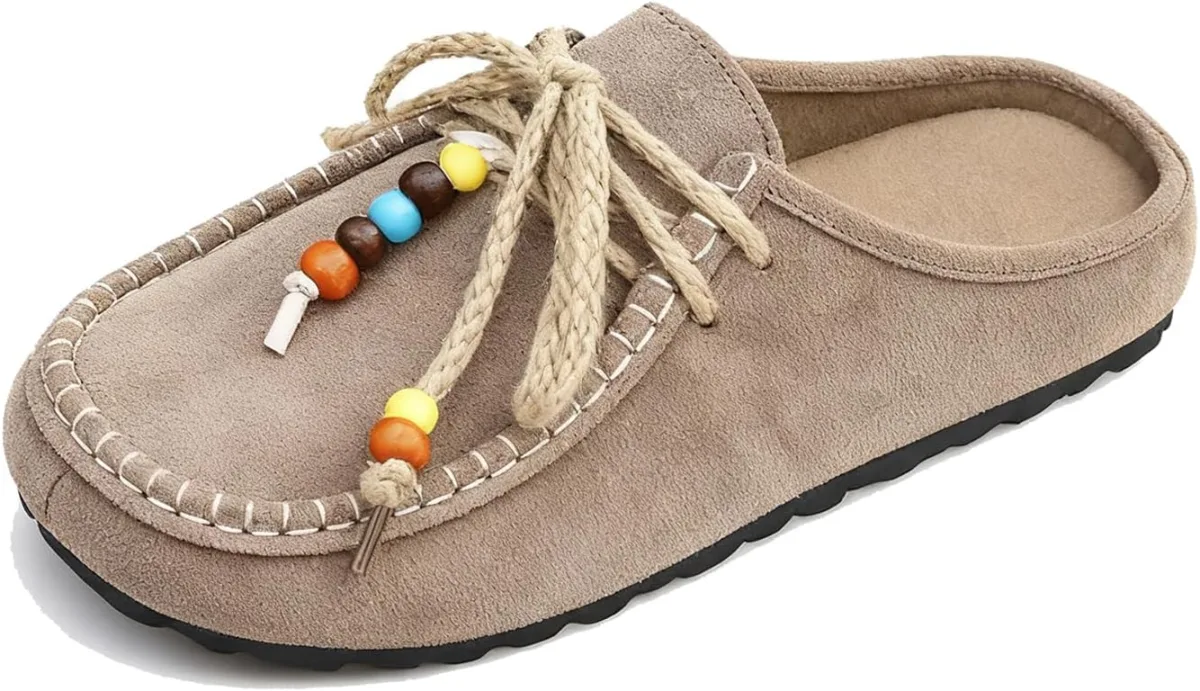
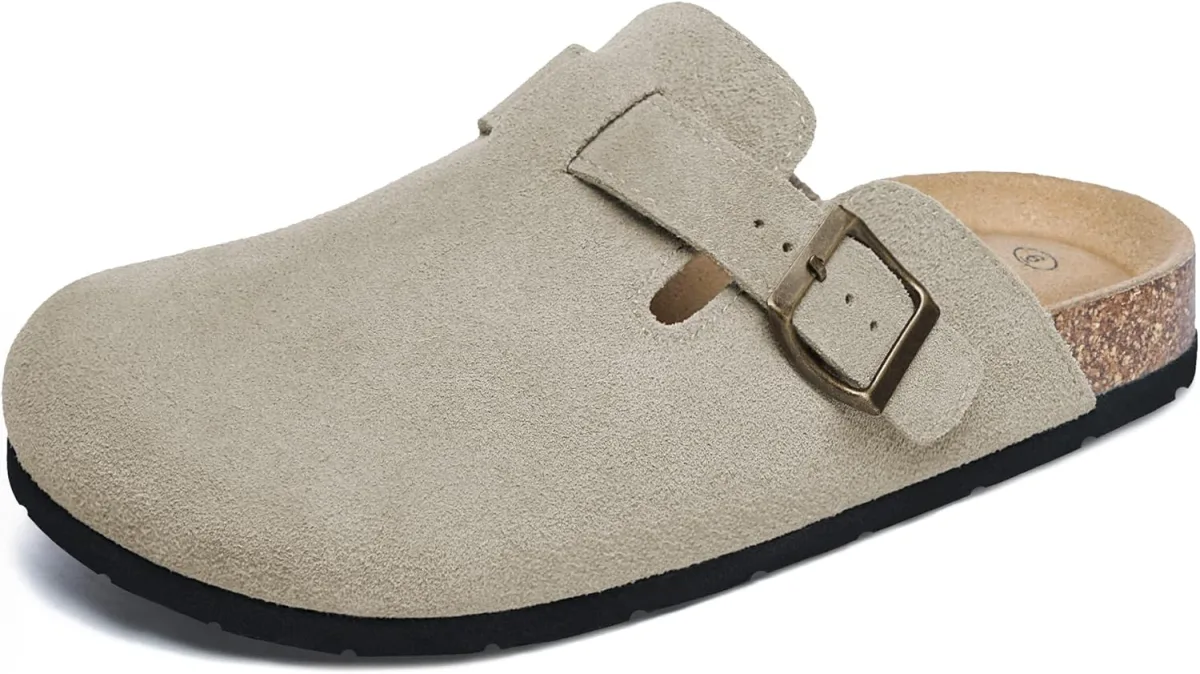
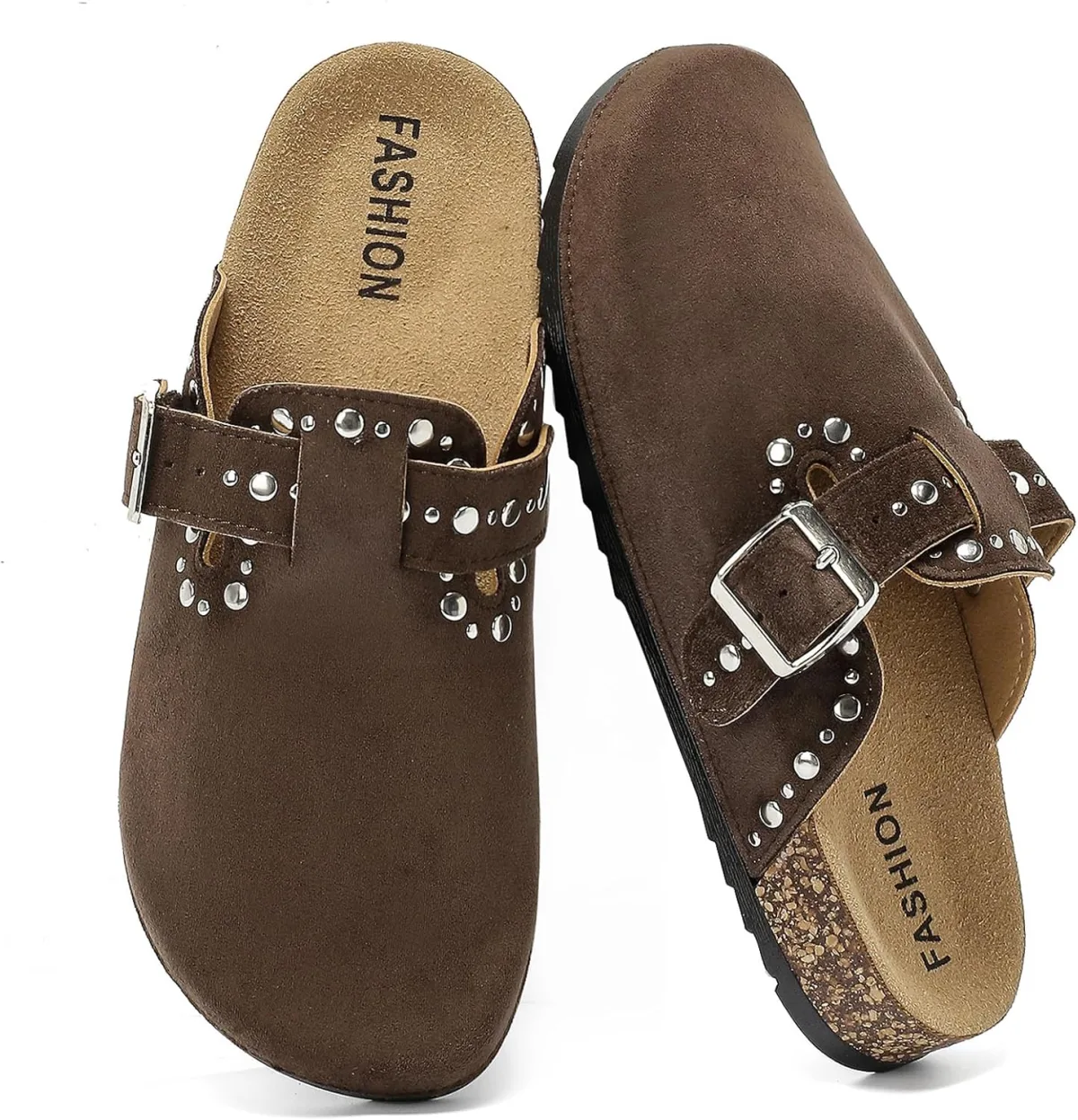
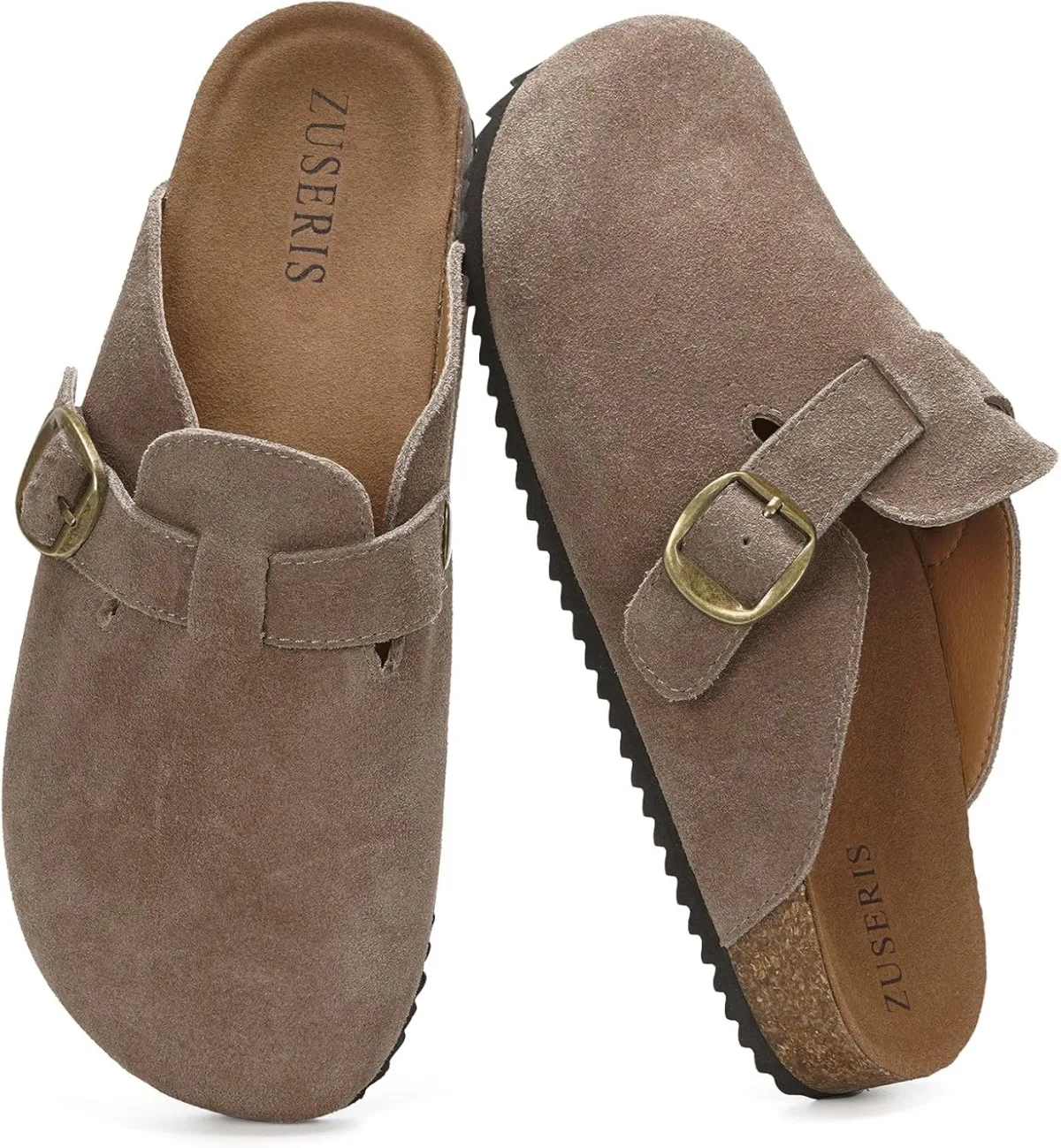
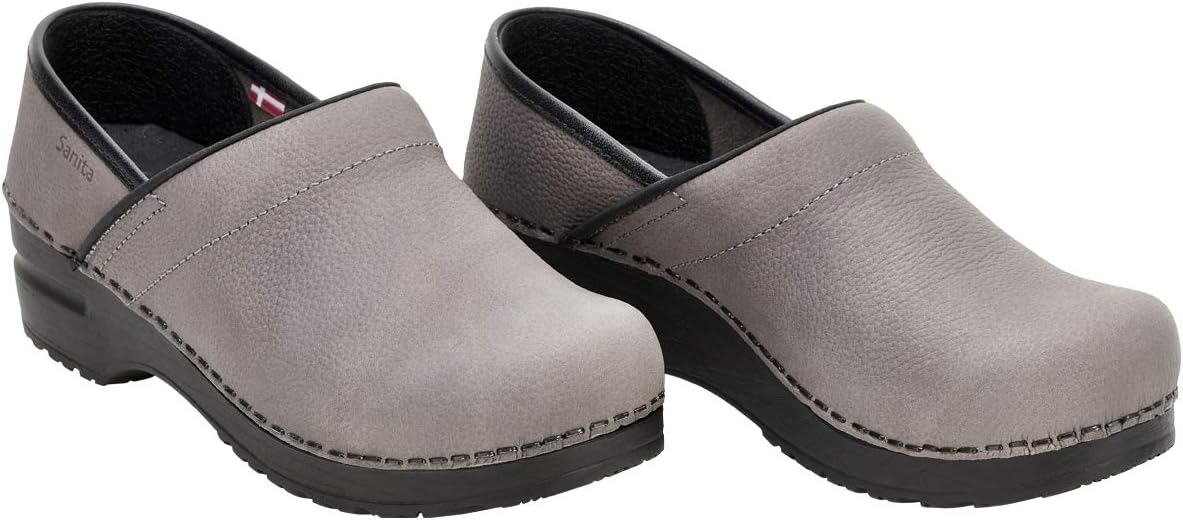
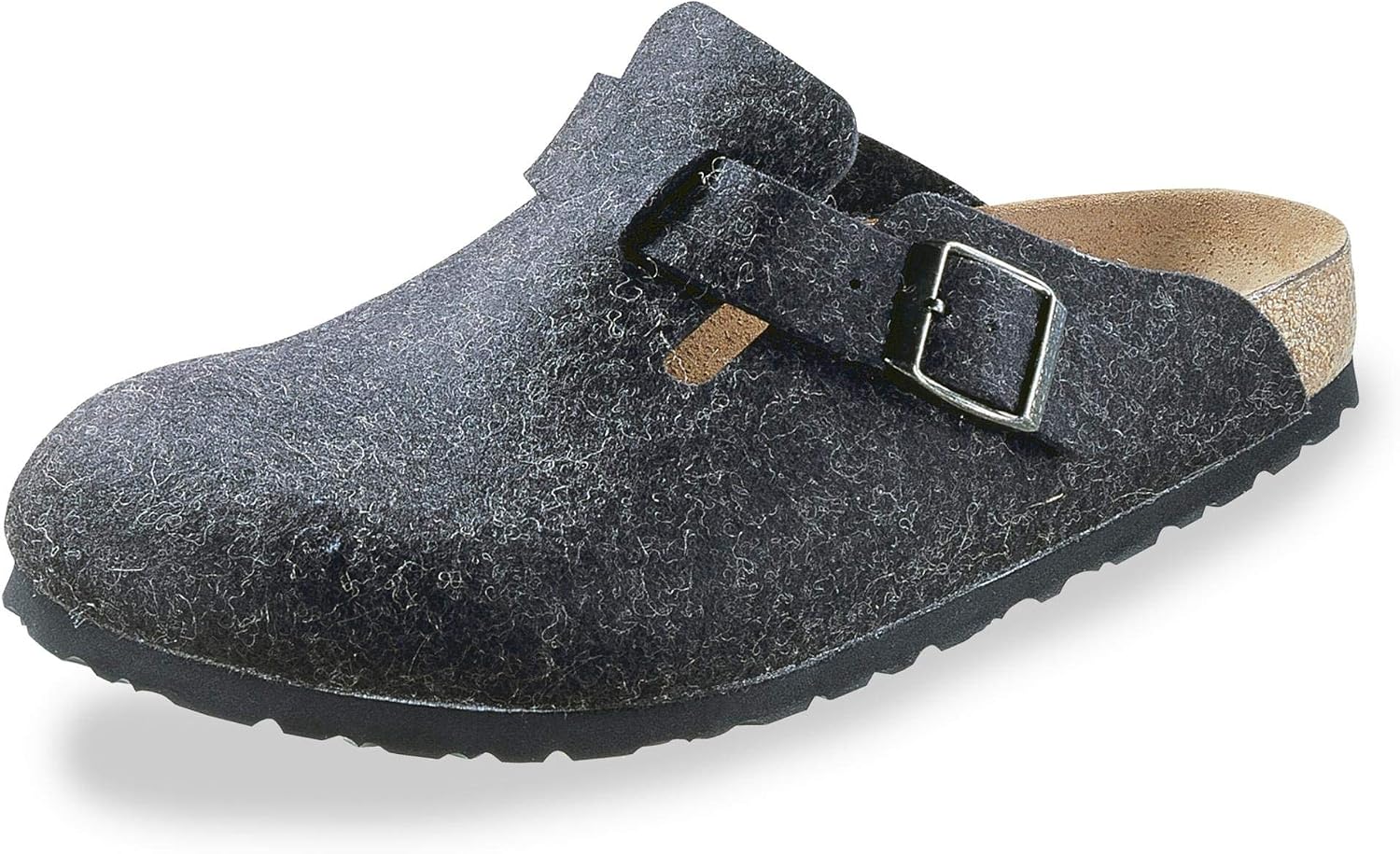
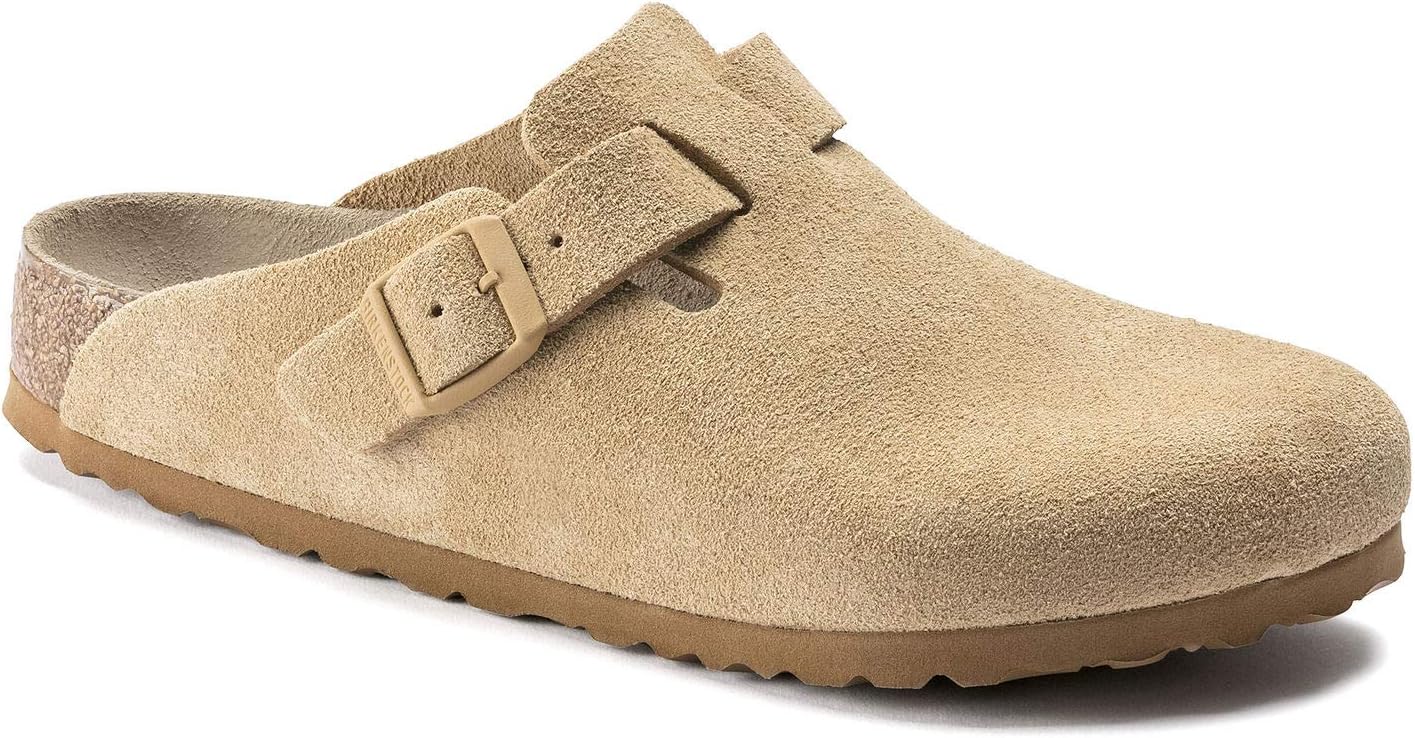
Suede and nubuck clogs. Soft underfoot from the first wear, and the material that asks for the most care in return.
Aetrex
Birkenstock
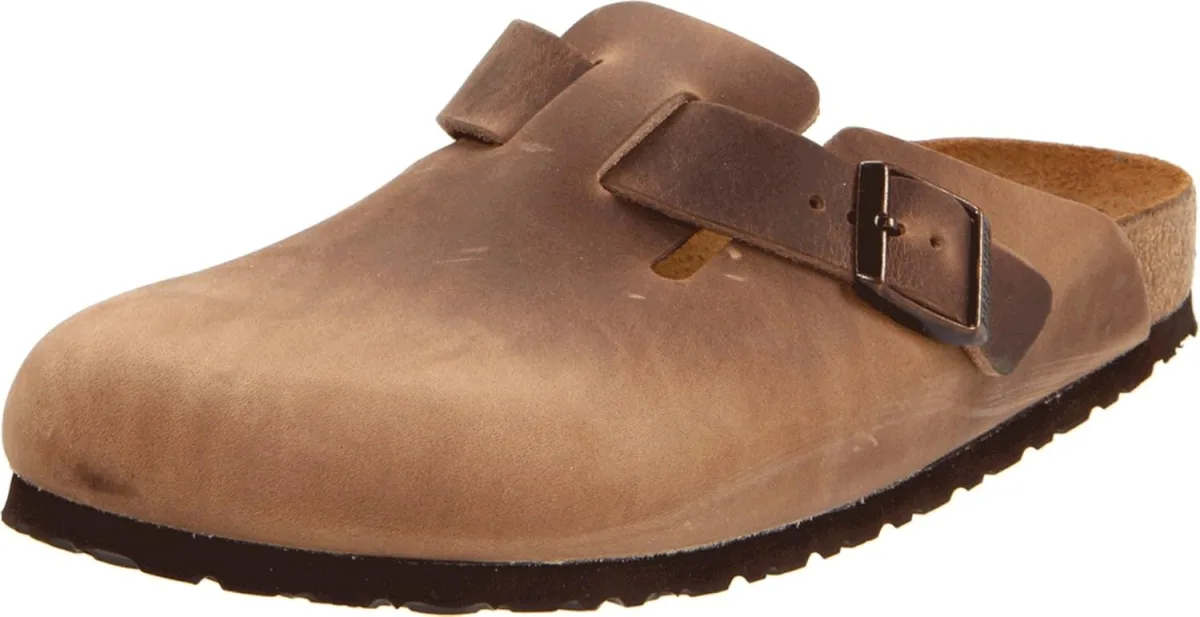
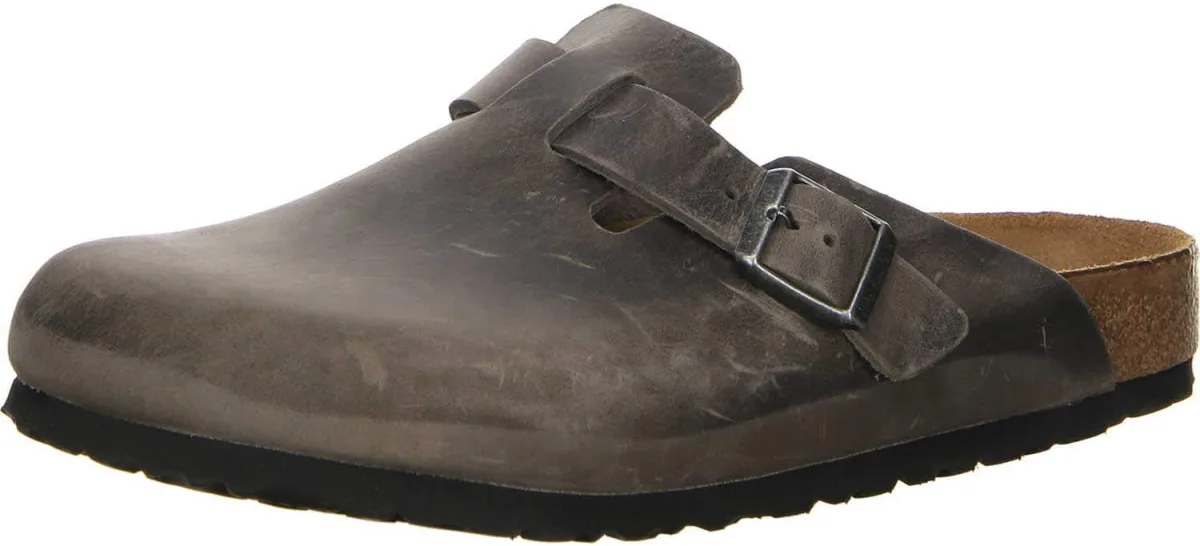
Birkenstock
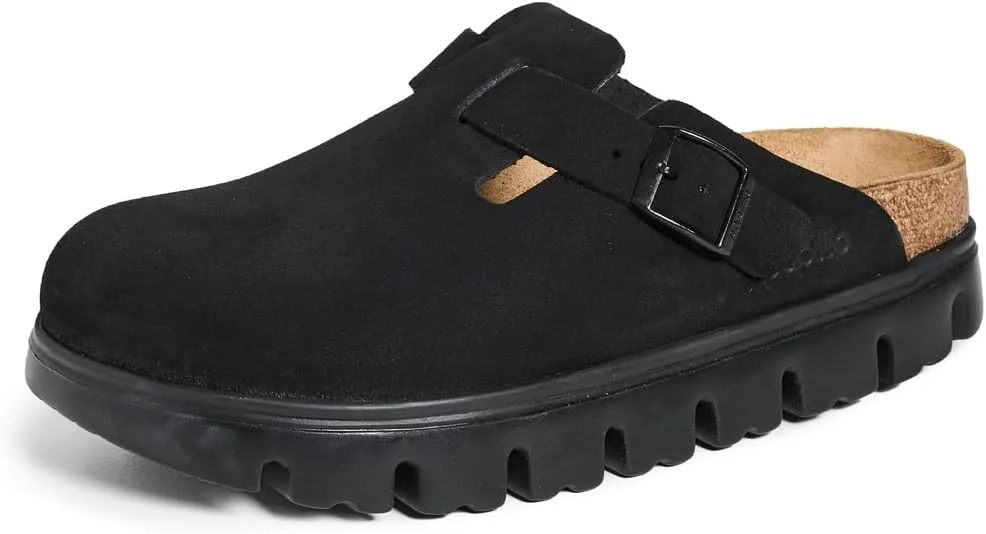
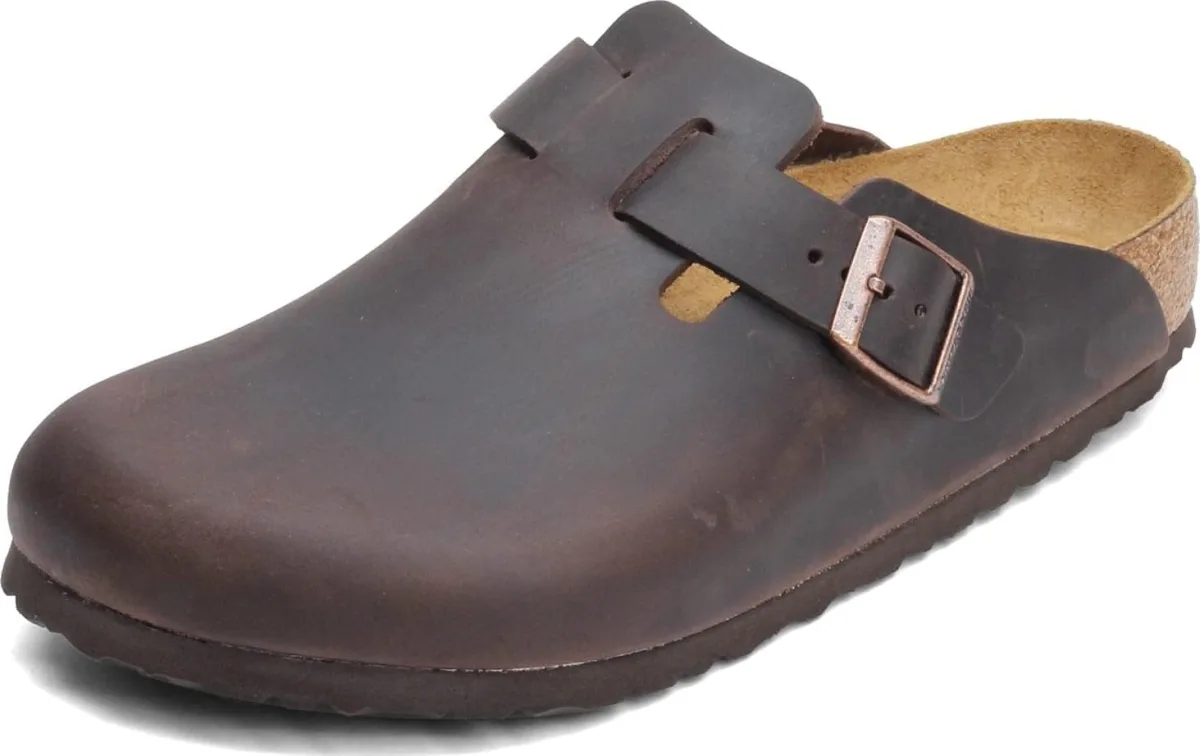
Birkenstock
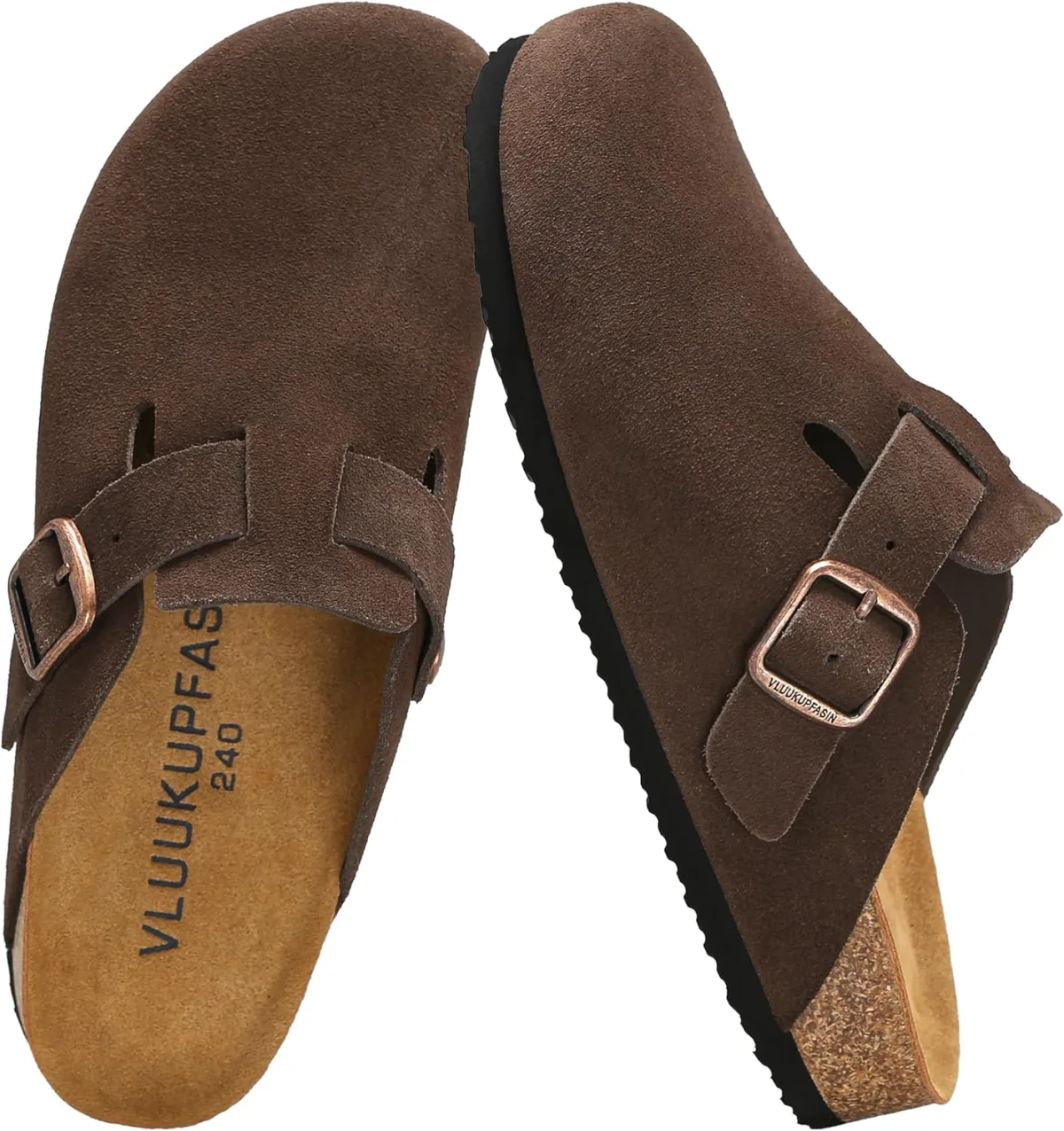
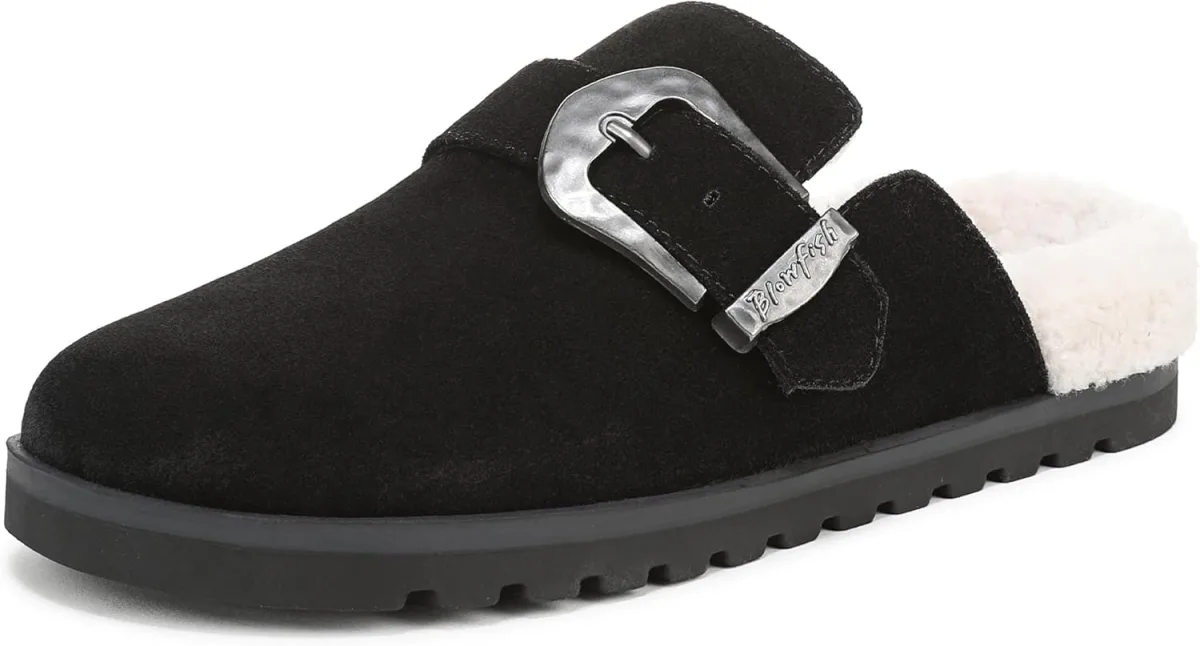
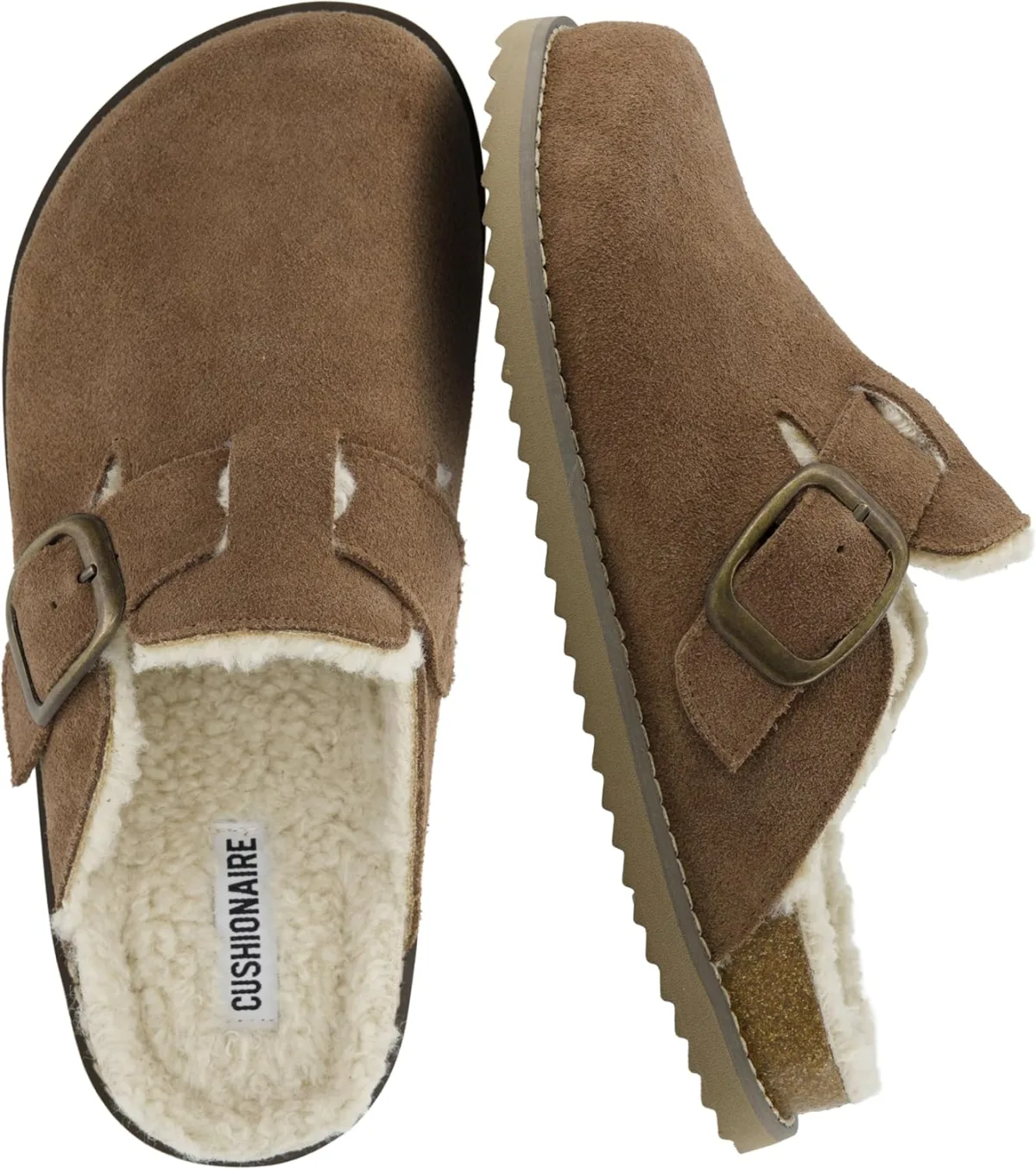
CUSHIONAIRE
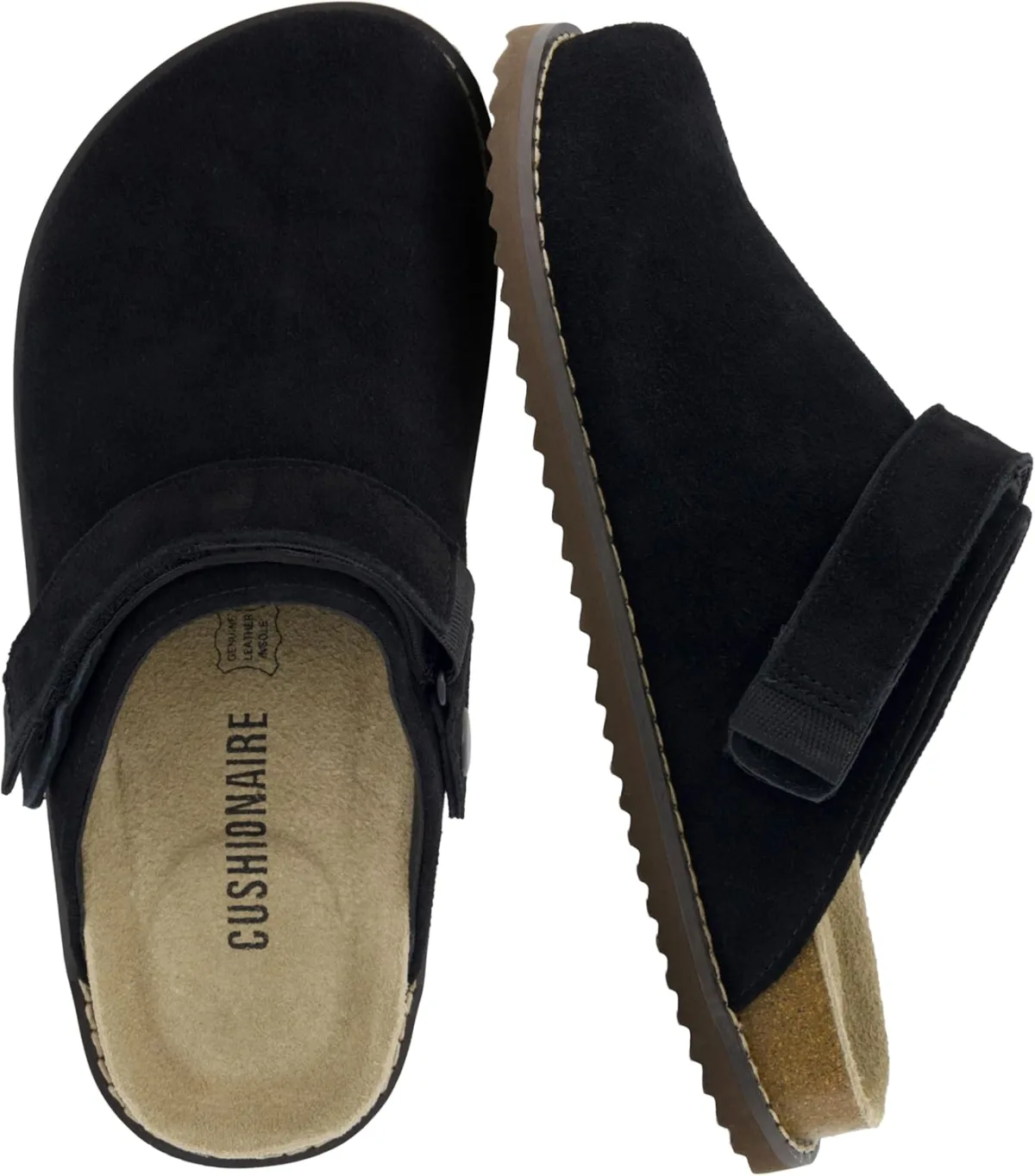
CUSHIONAIRE
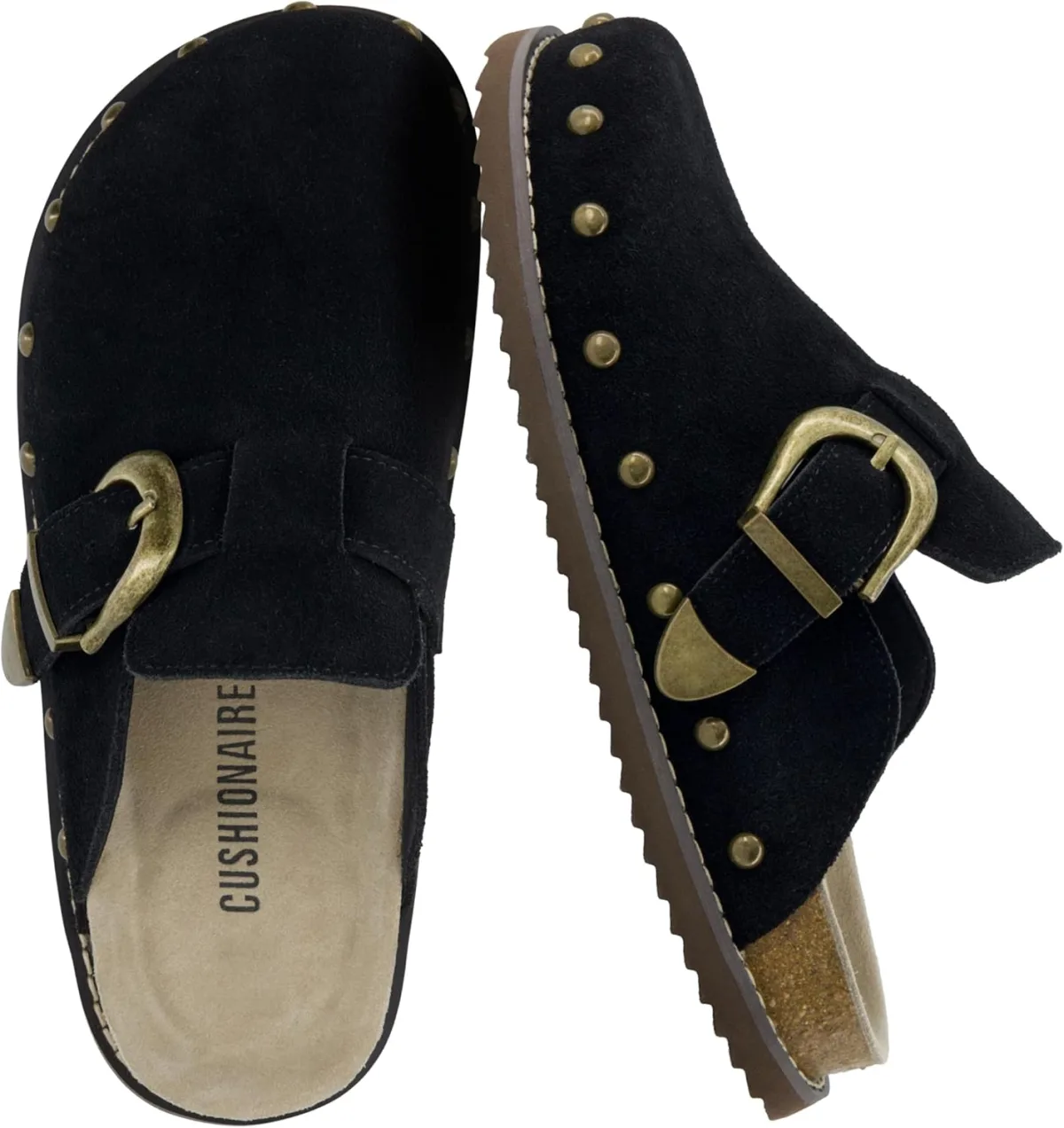
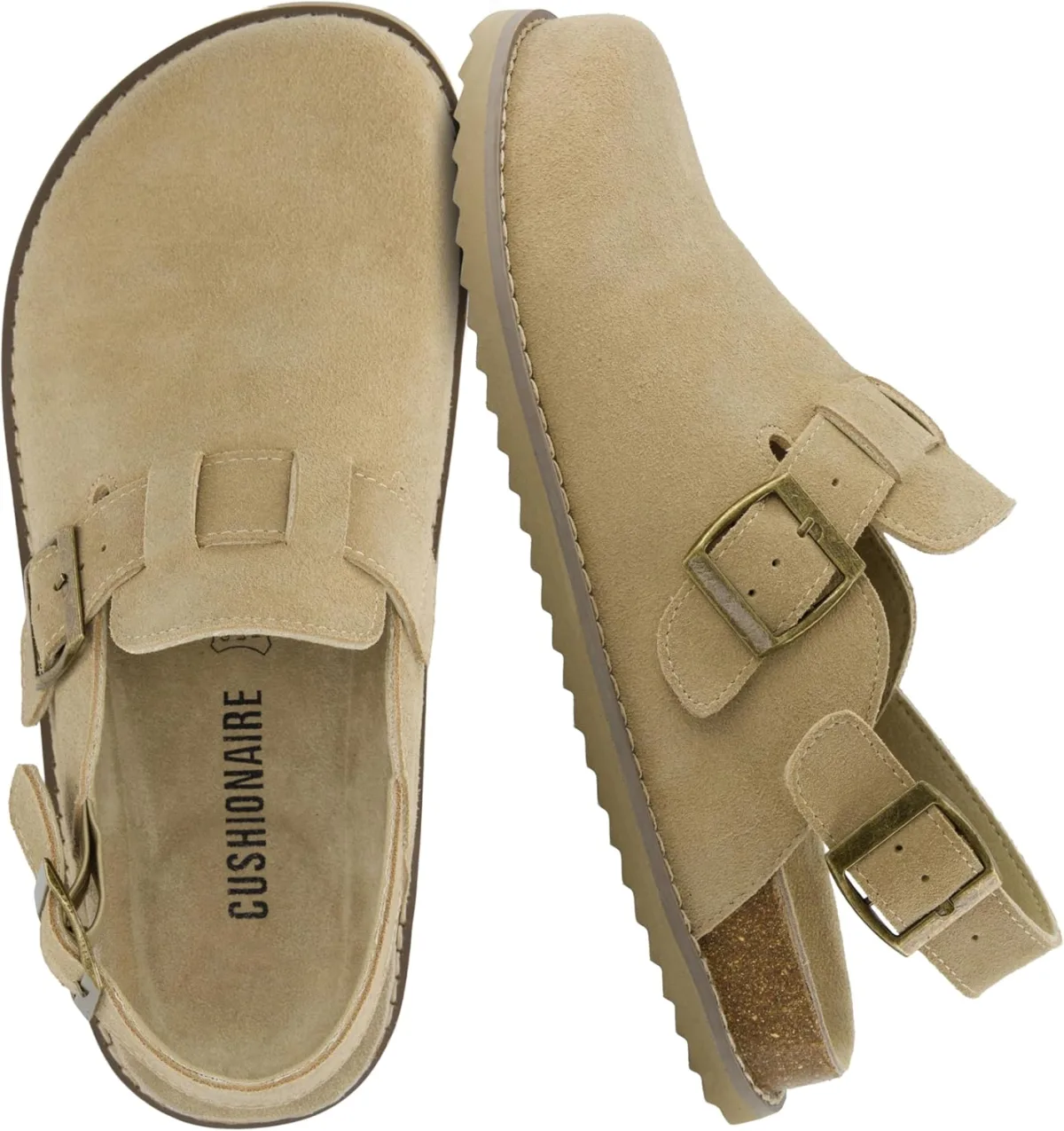
CUSHIONAIRE
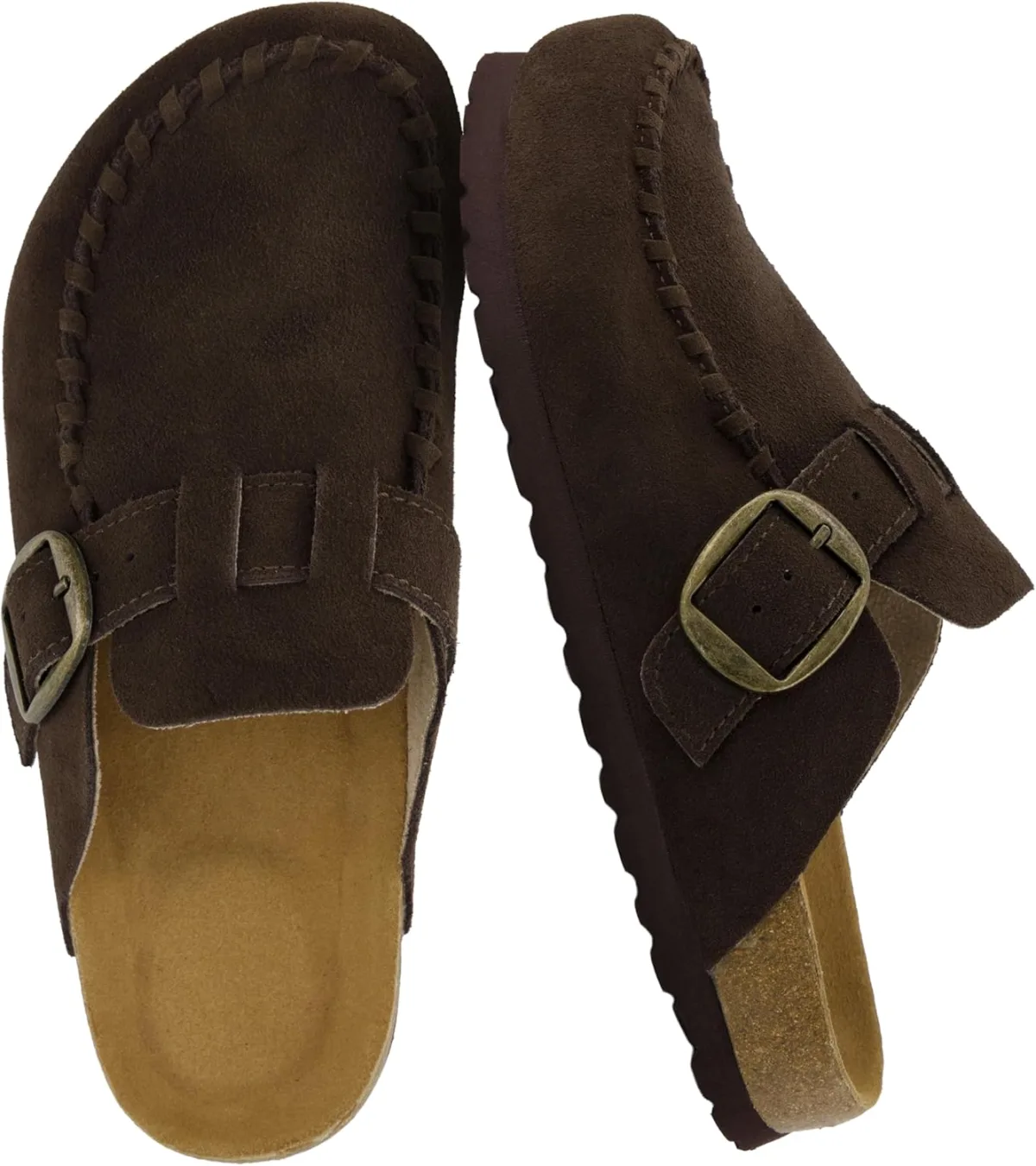
CUSHIONAIRE
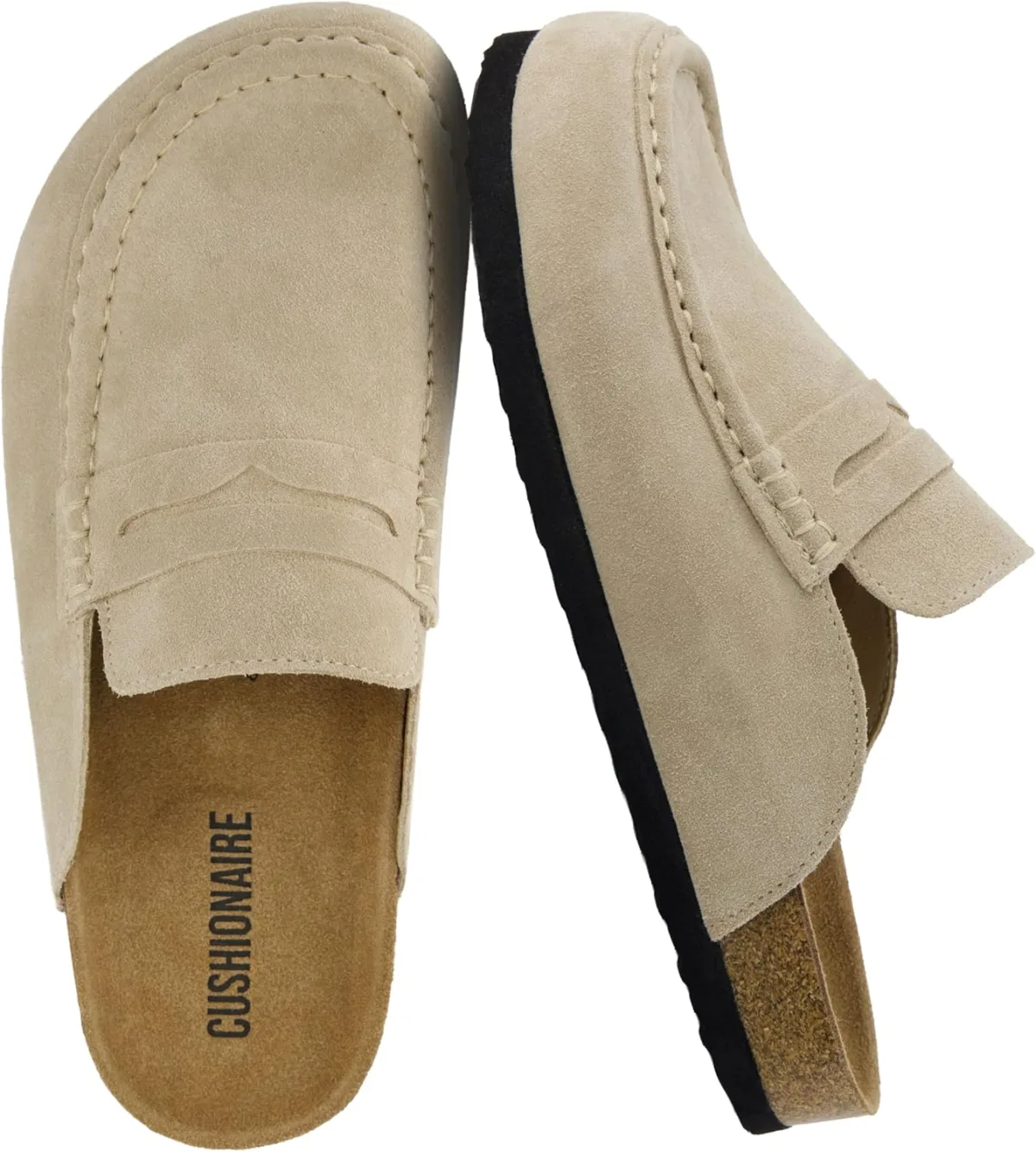
CUSHIONAIRE
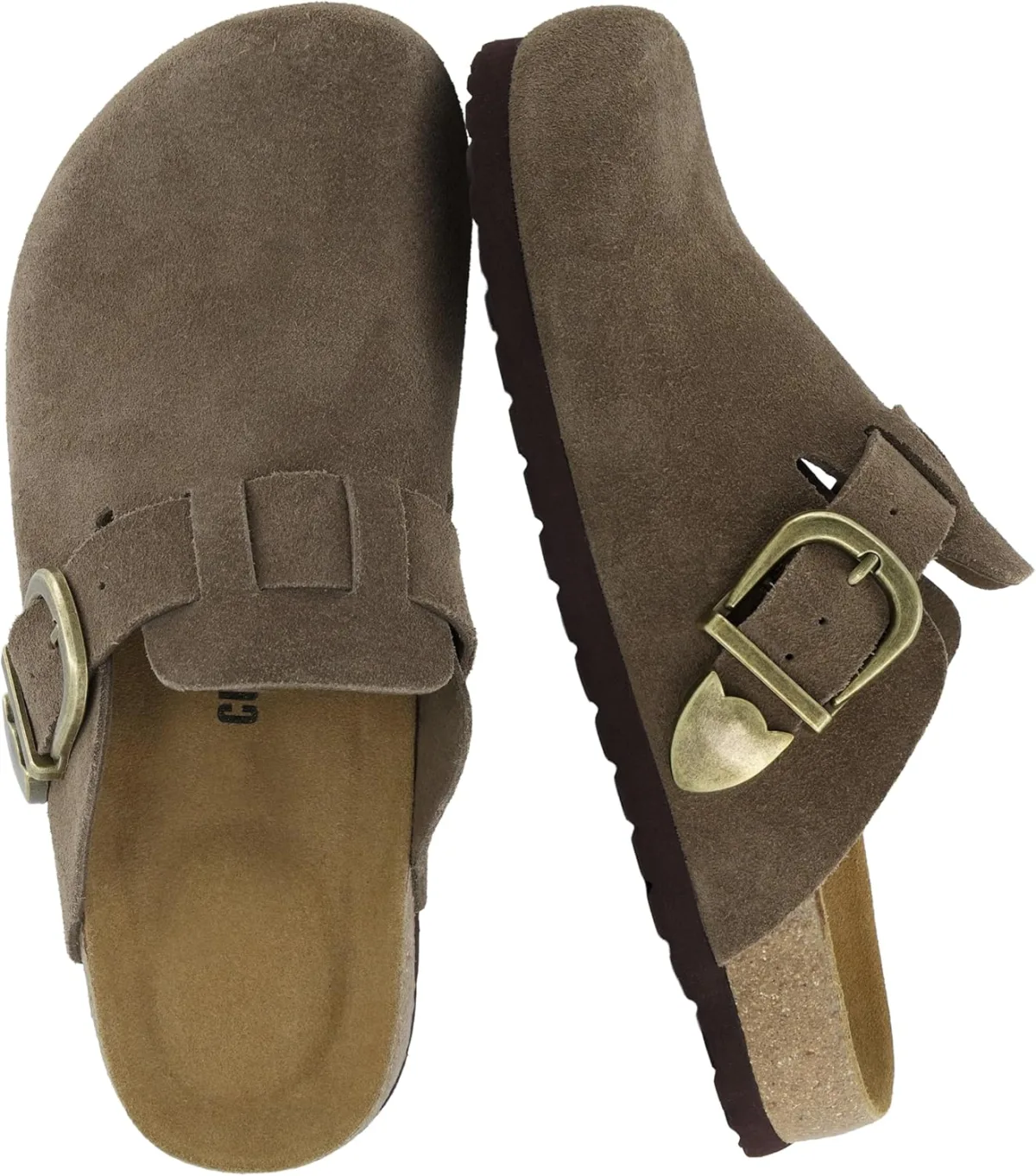
CUSHIONAIRE
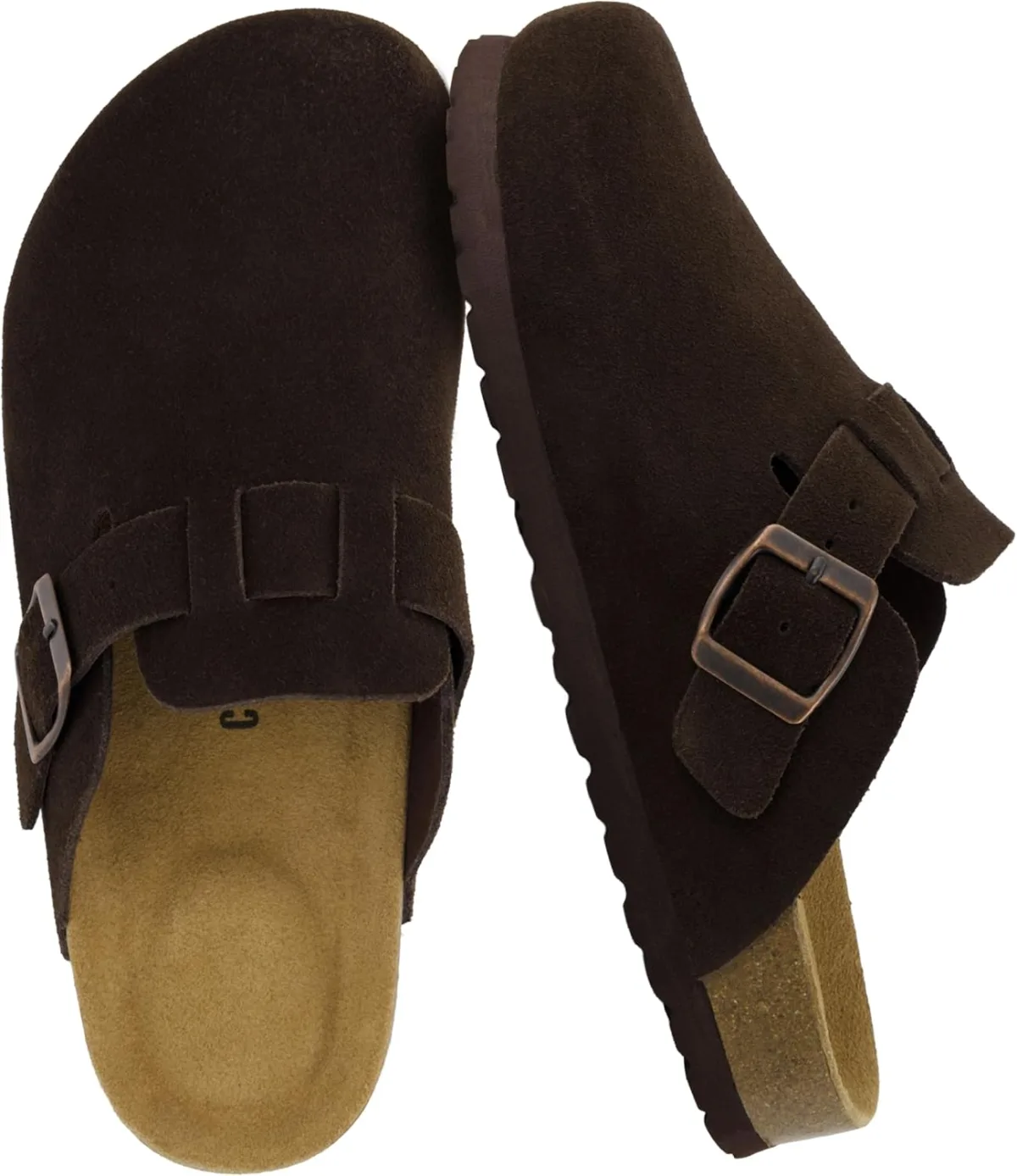
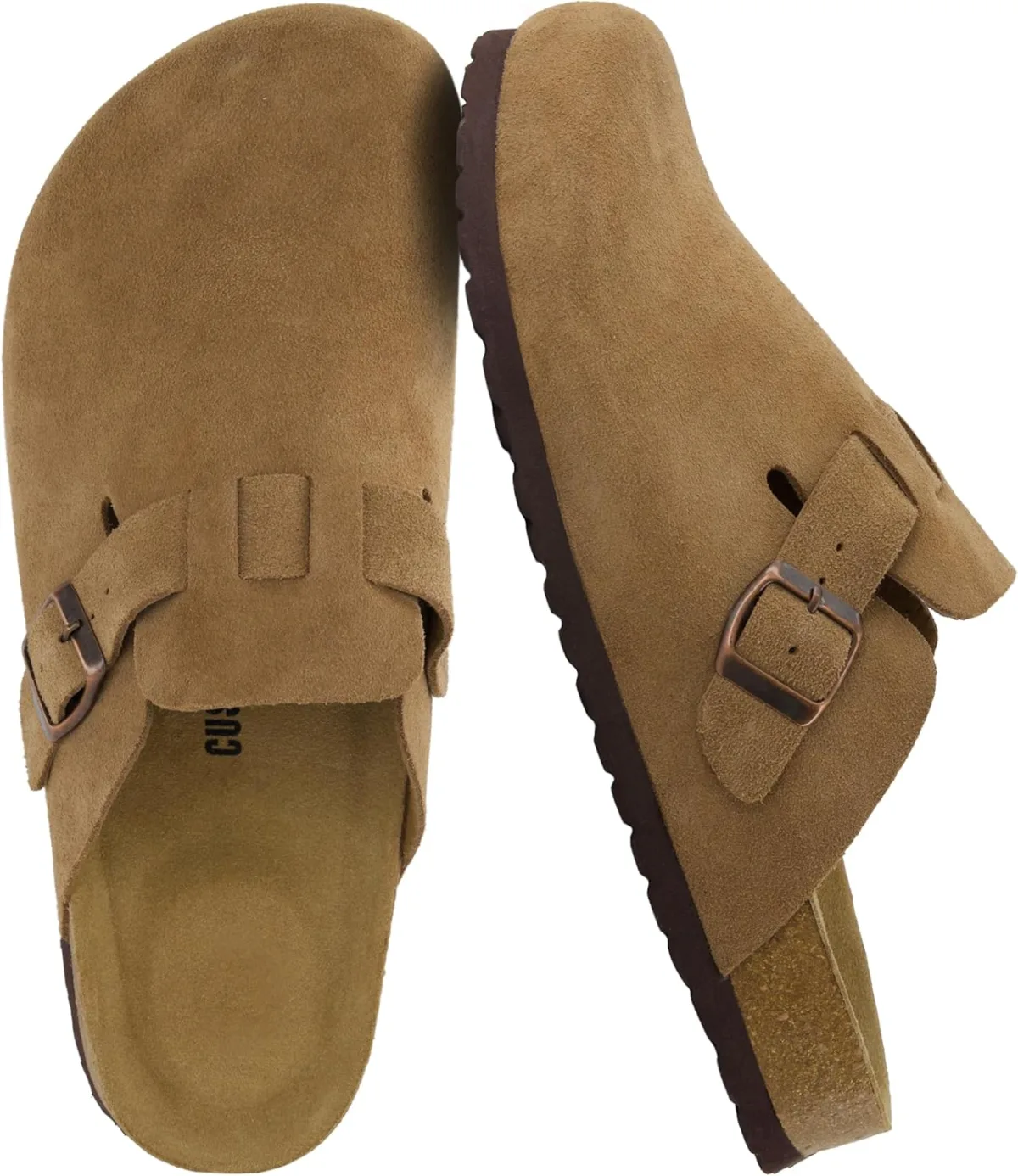
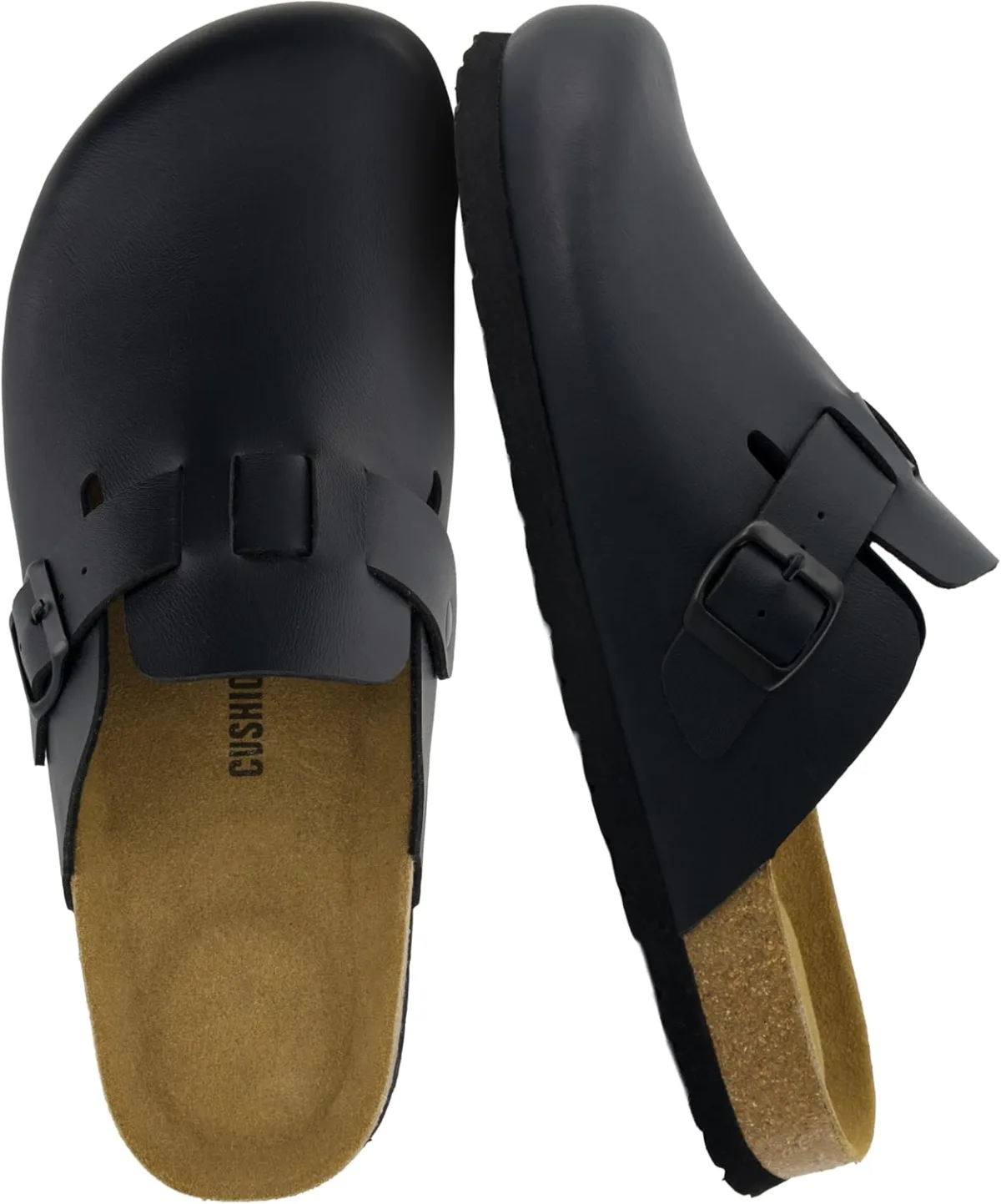
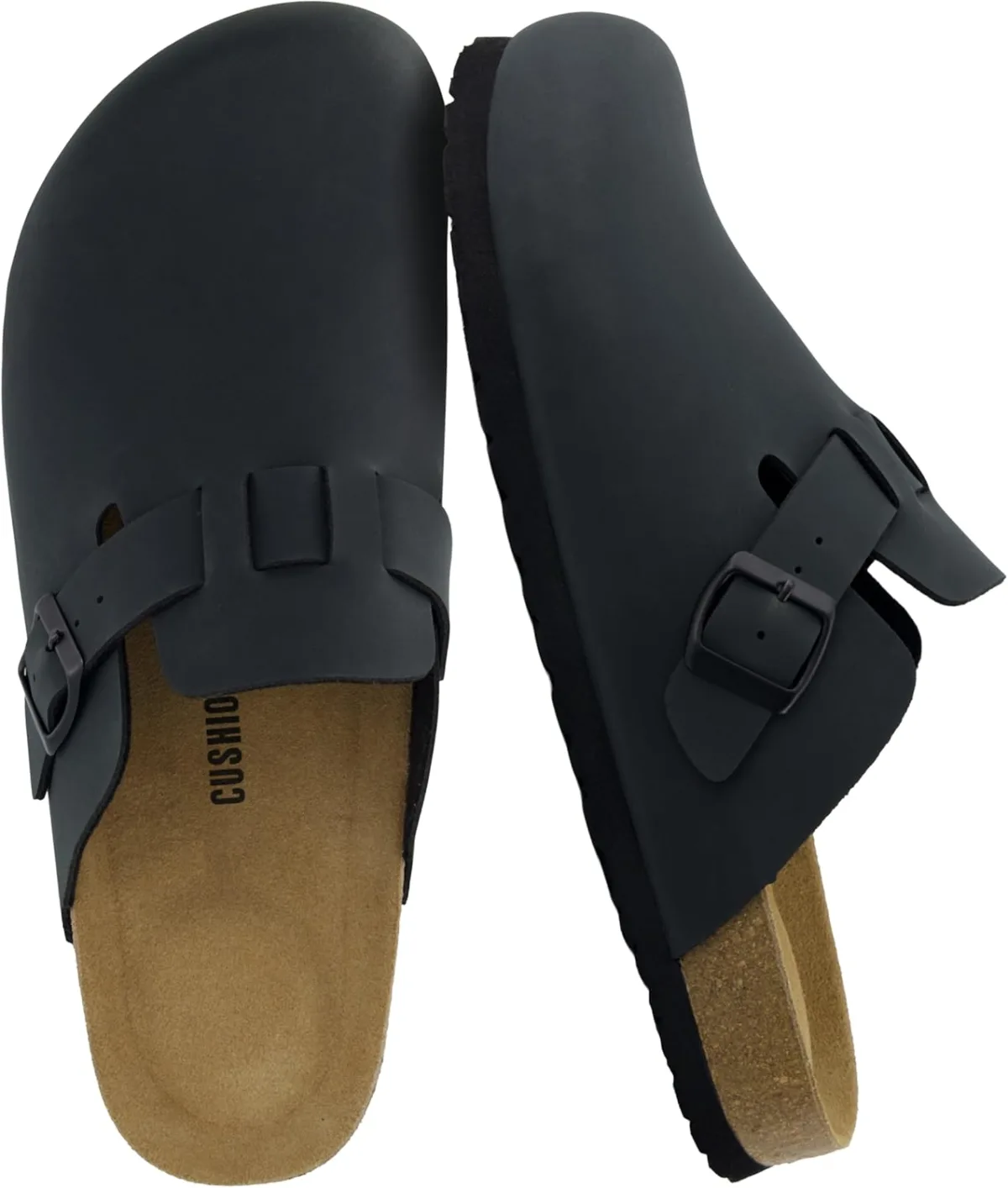
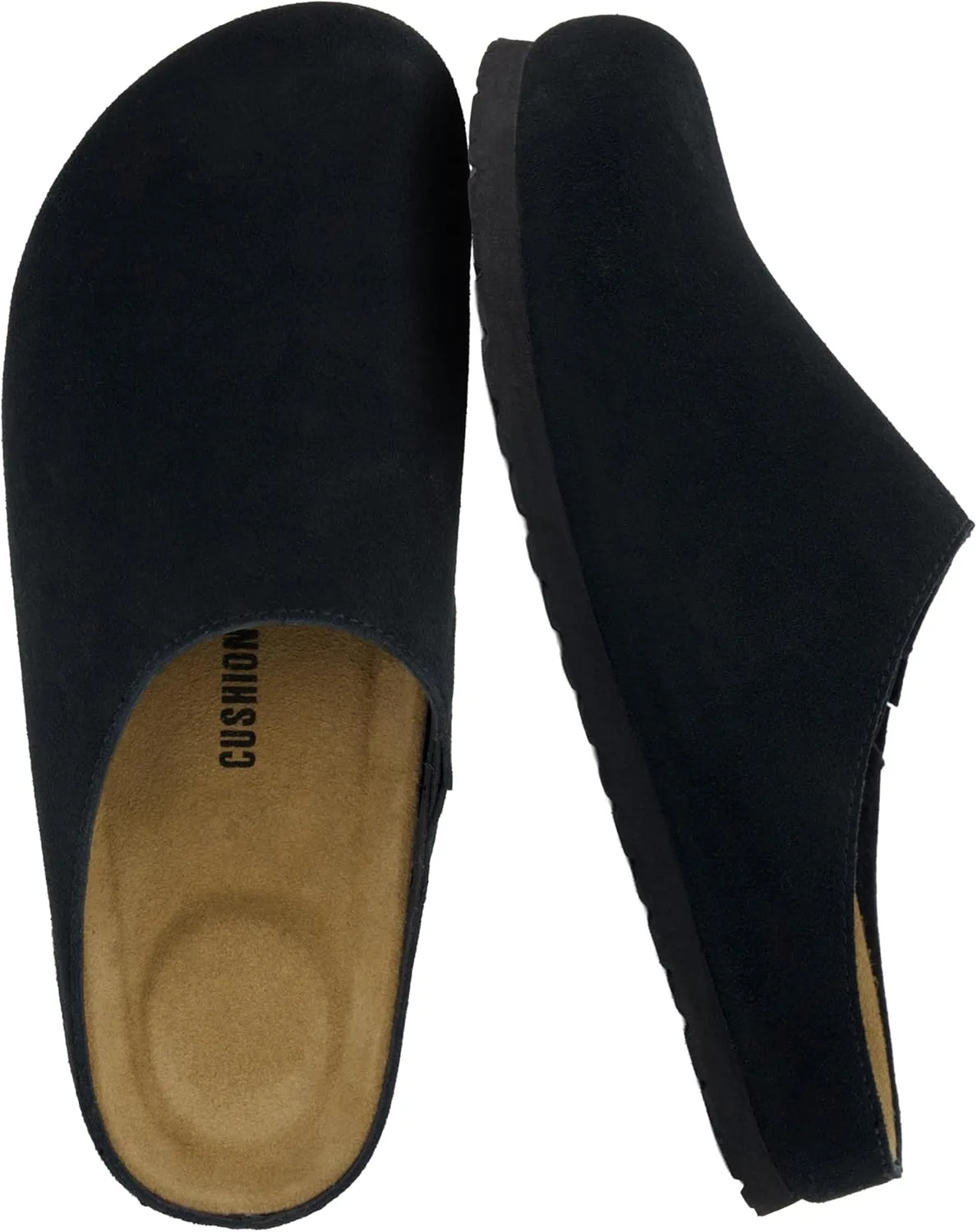
CUSHIONAIRE
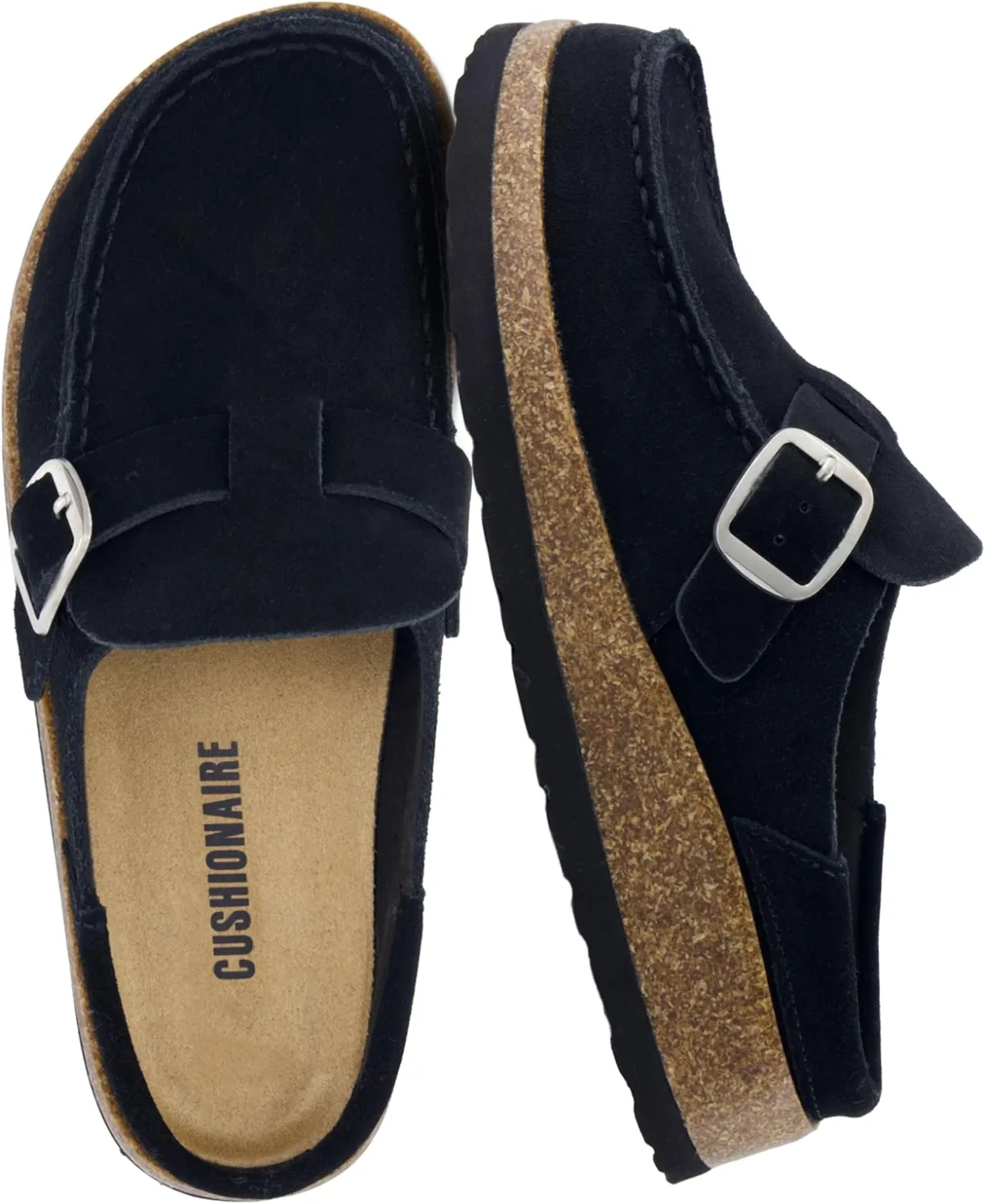
CUSHIONAIRE
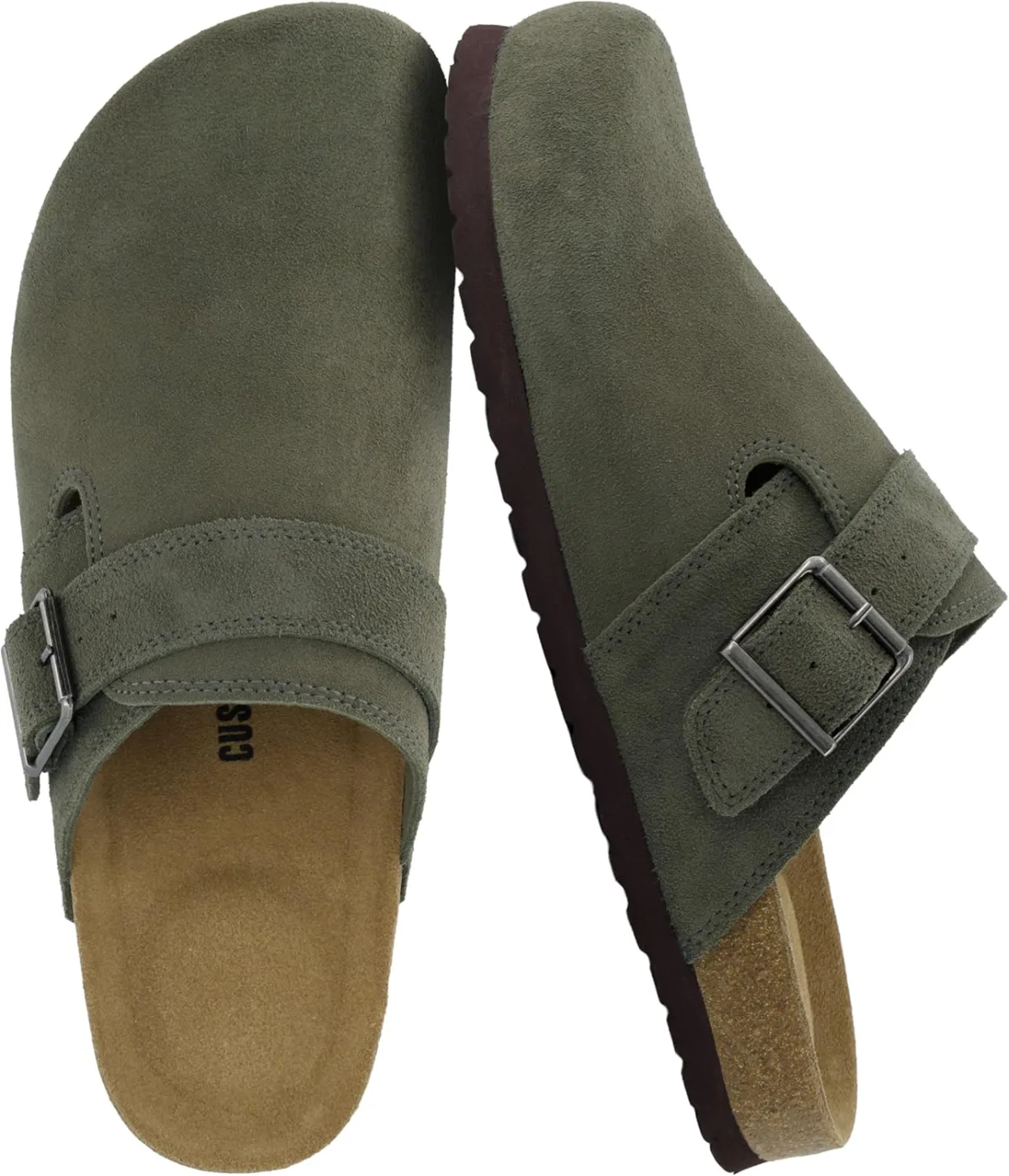
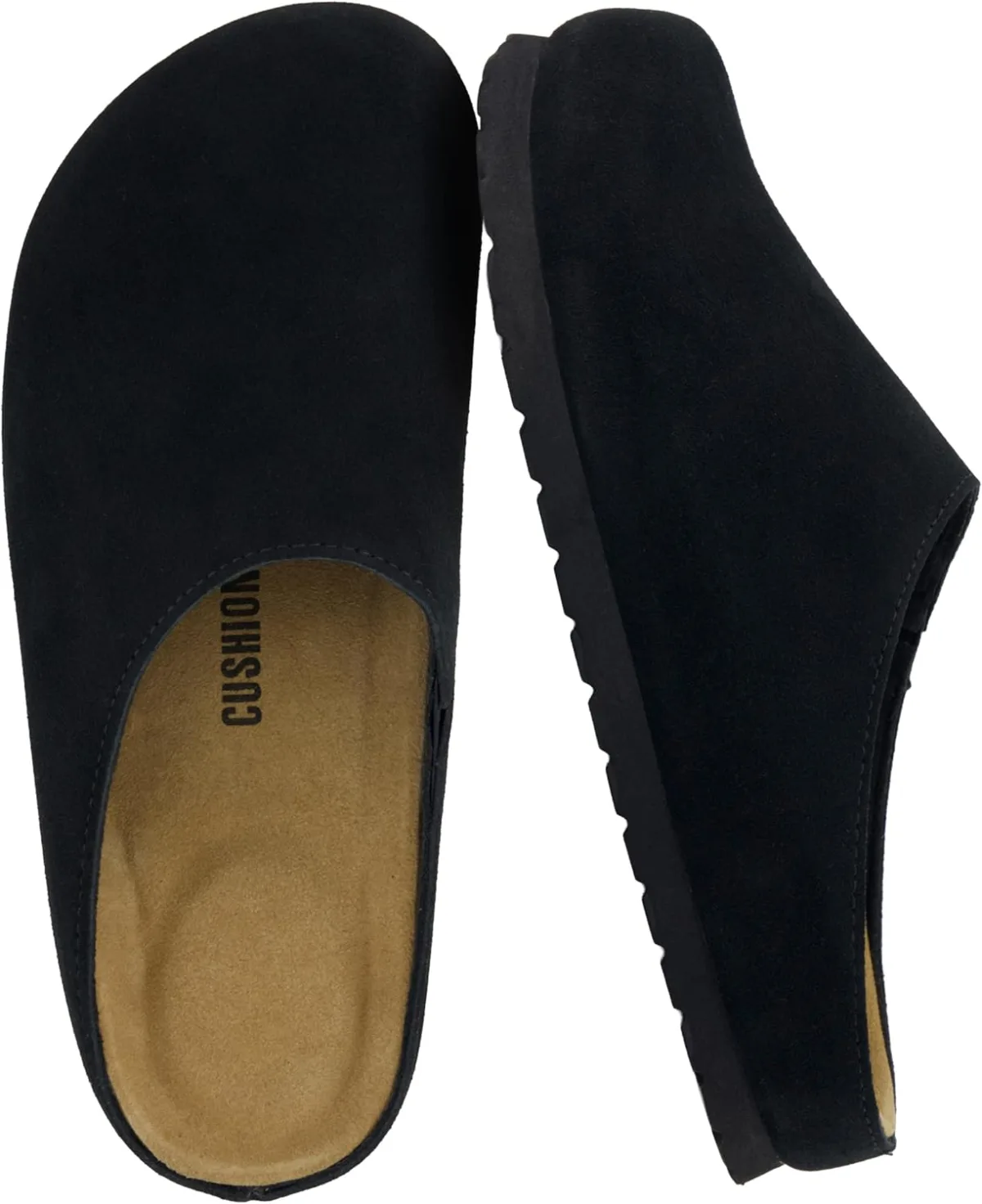
CUSHIONAIRE
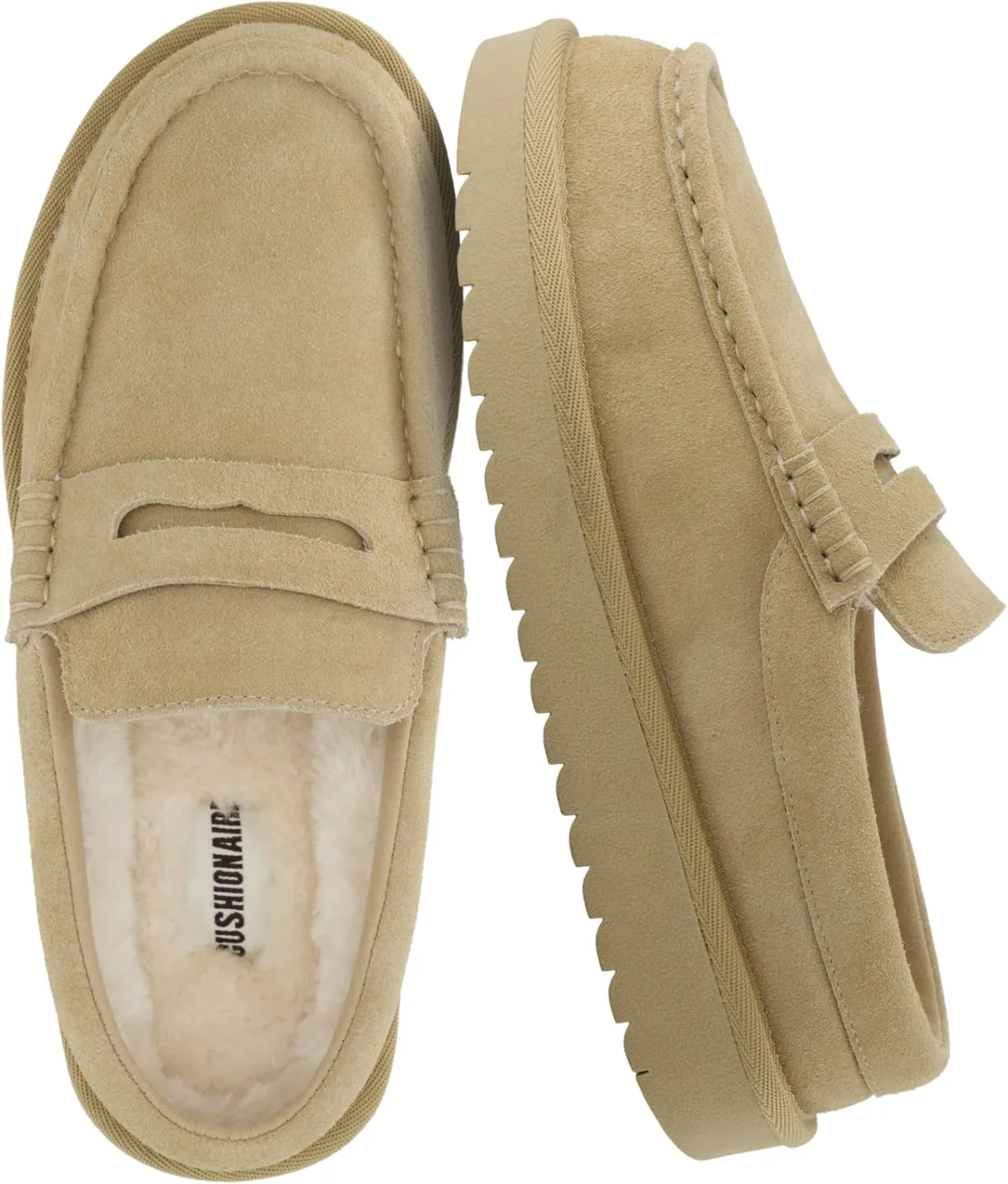
CUSHIONAIRE
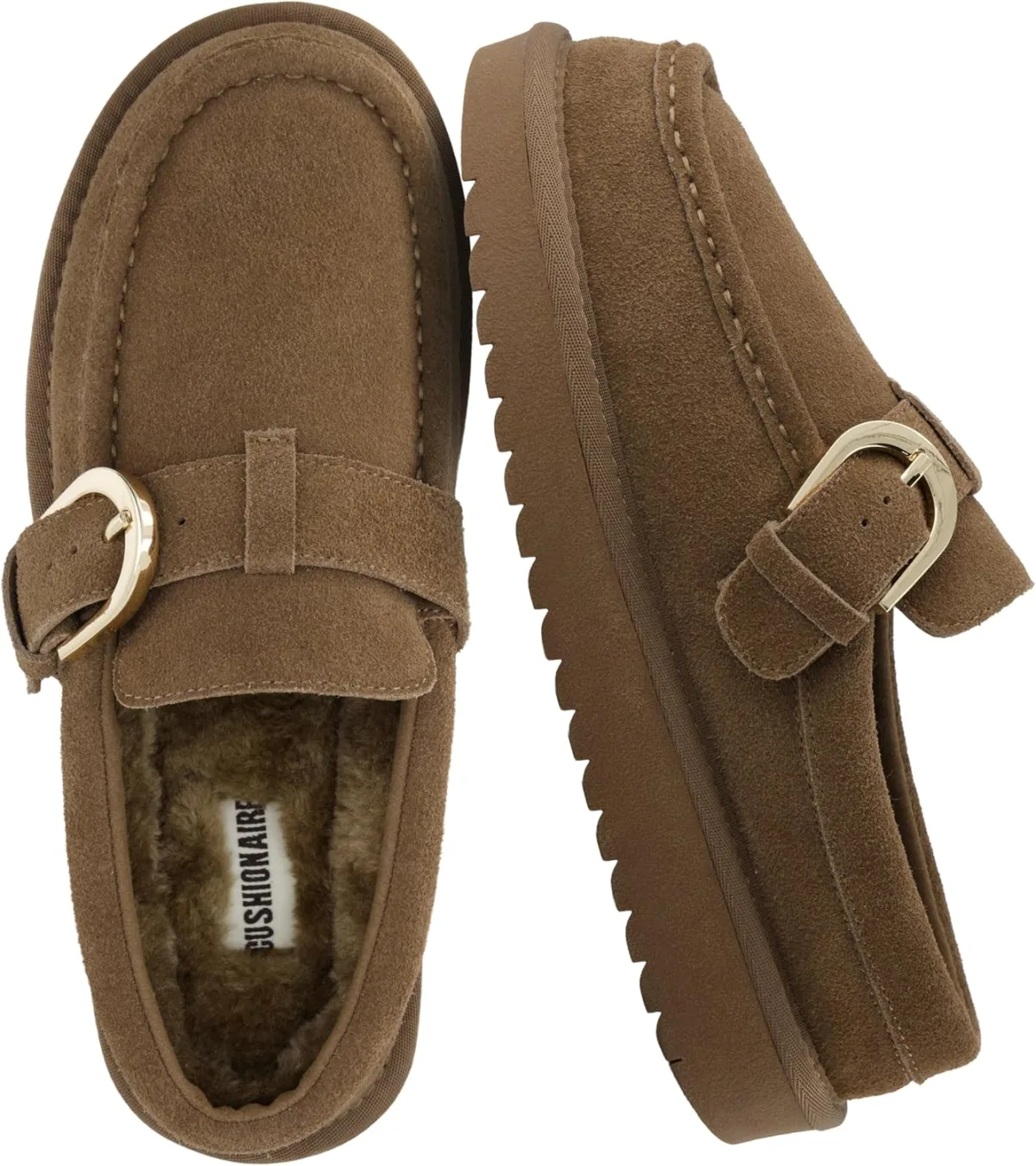
CUSHIONAIRE
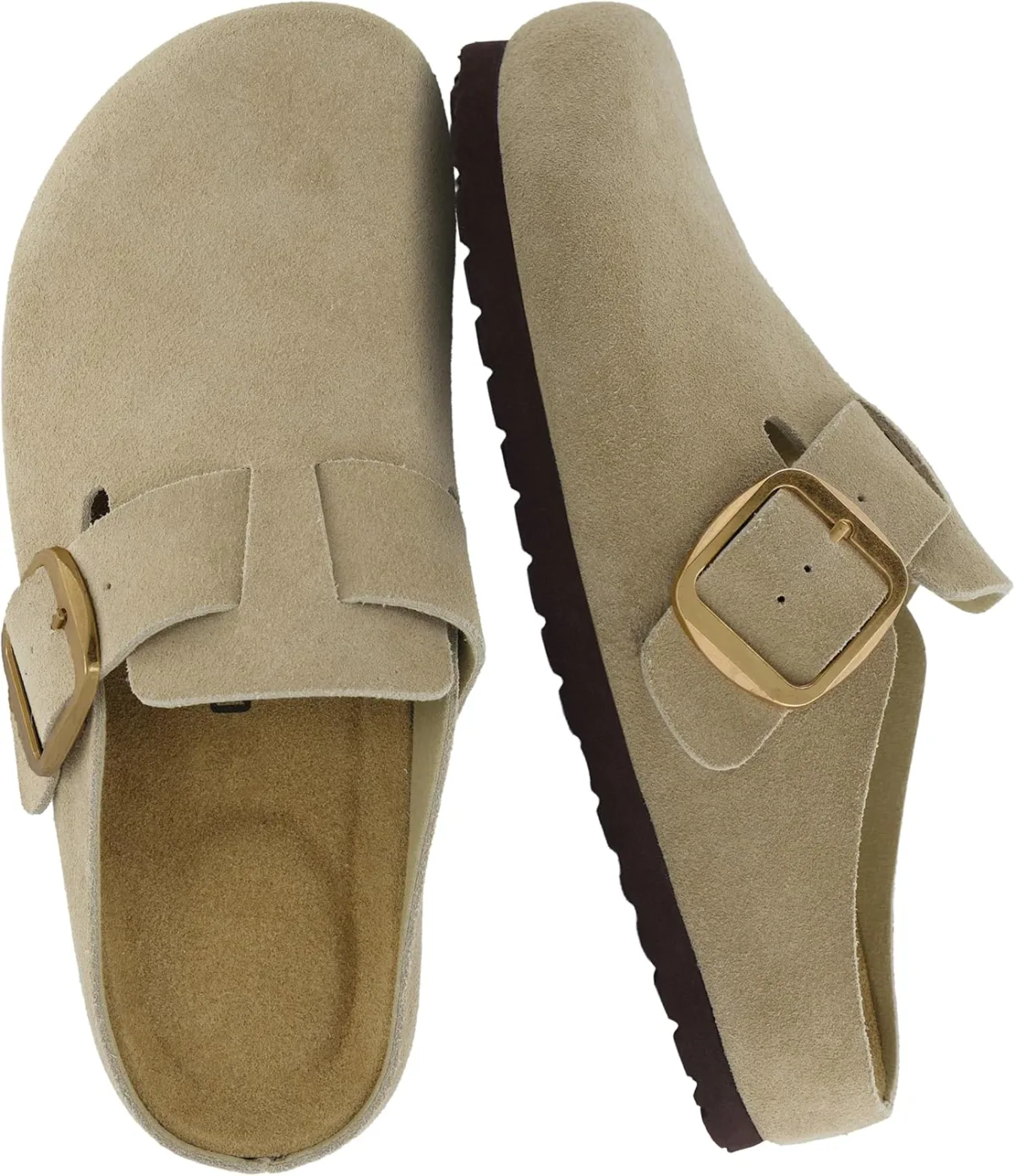
CUSHIONAIRE
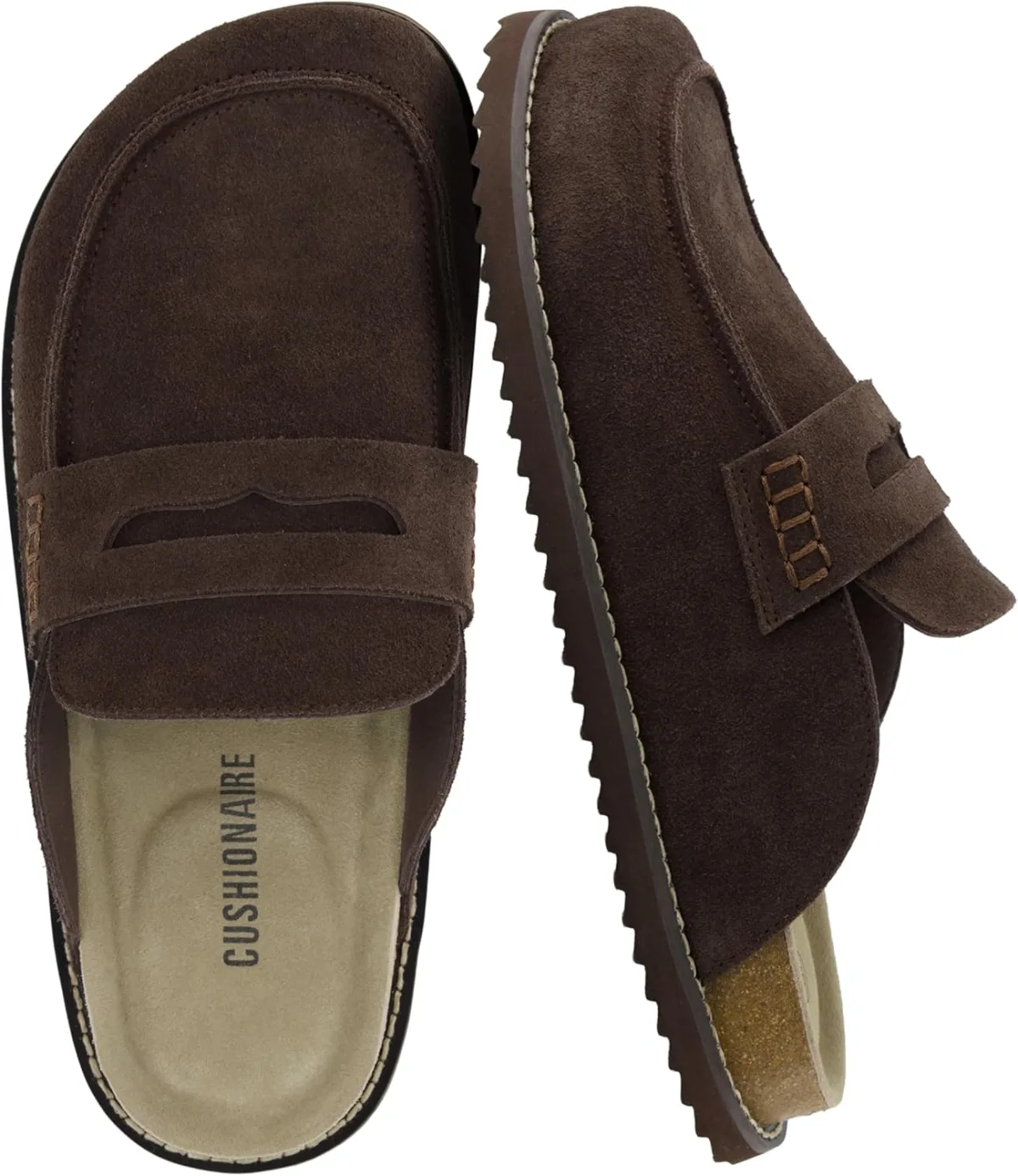
CUSHIONAIRE
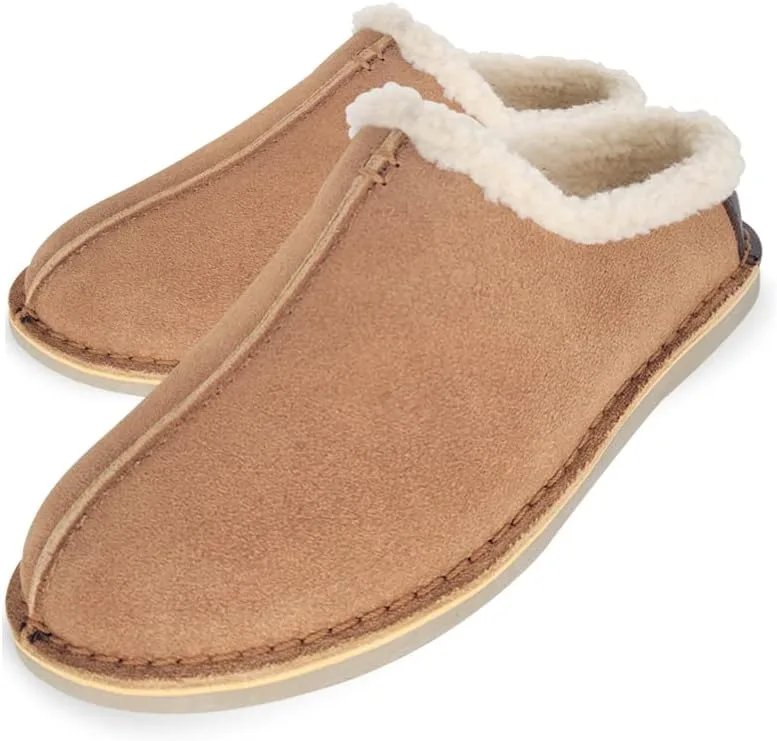
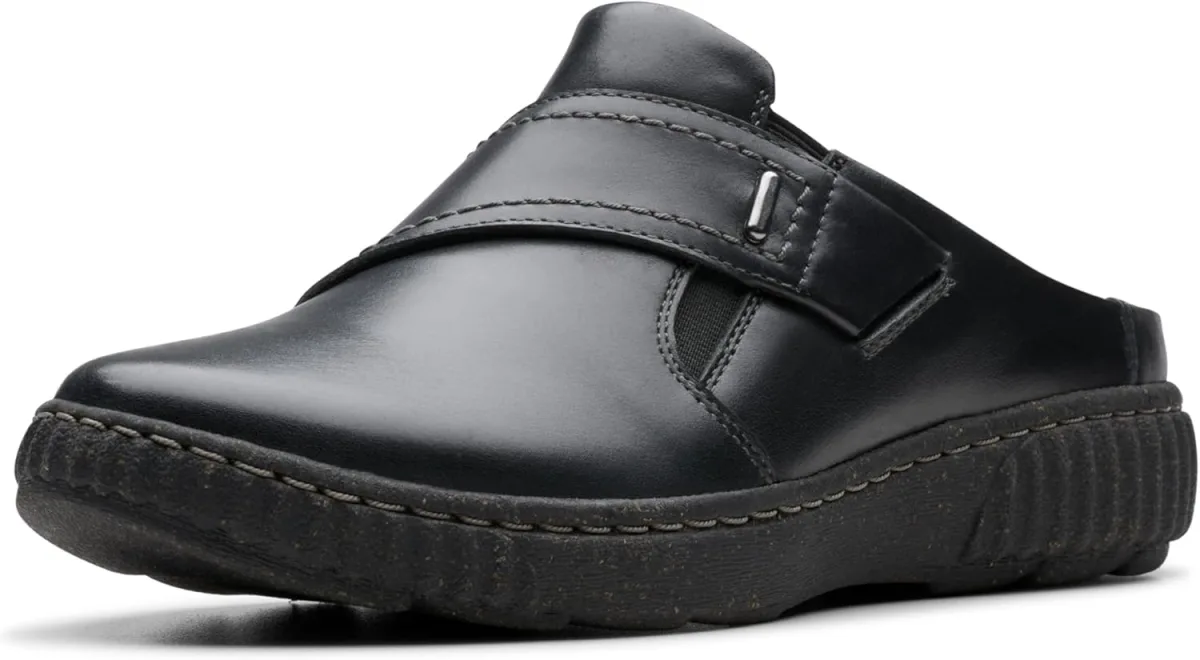
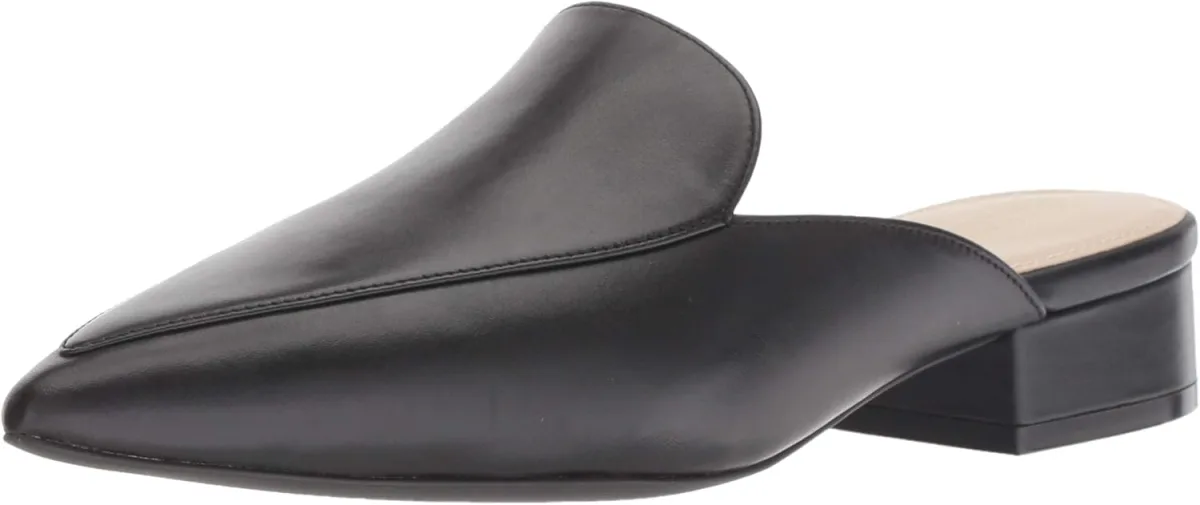
Cole Haan
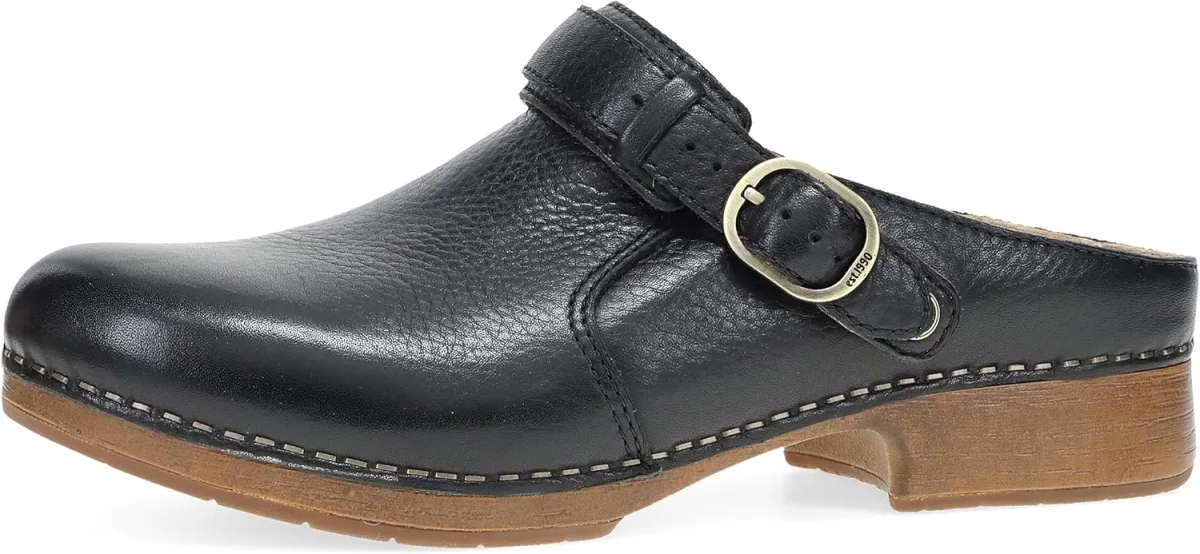
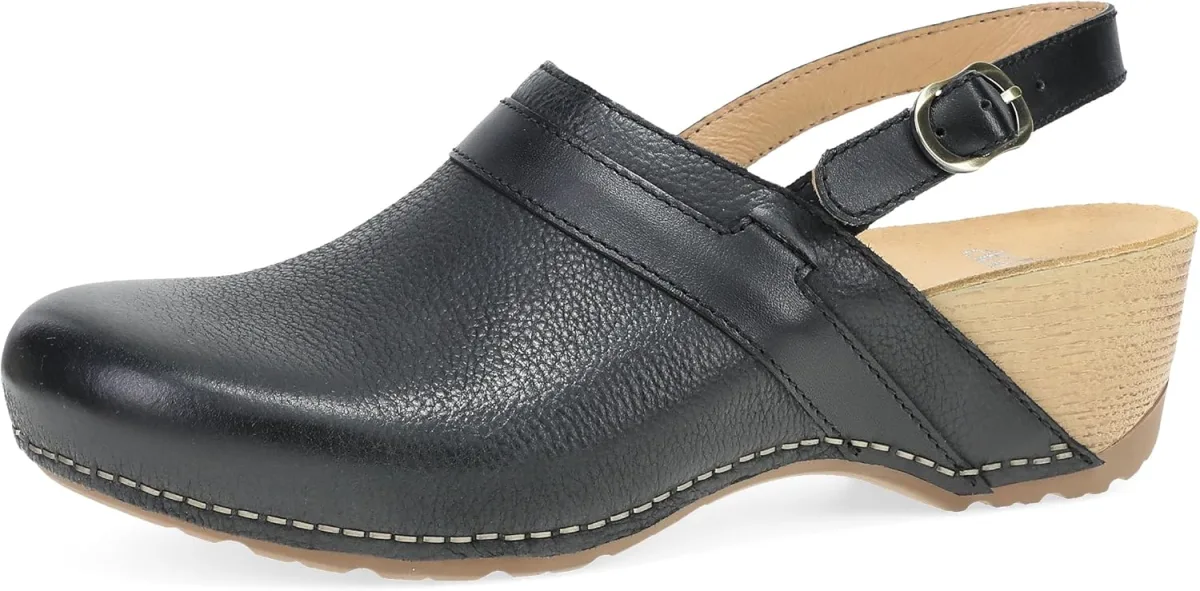
Dansko
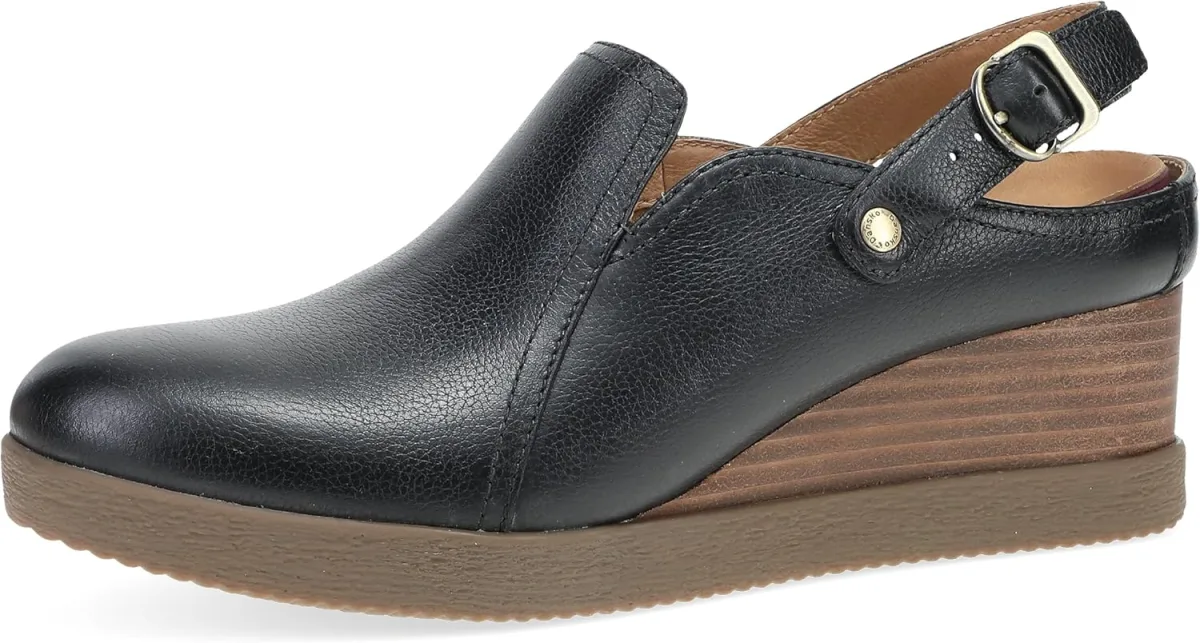
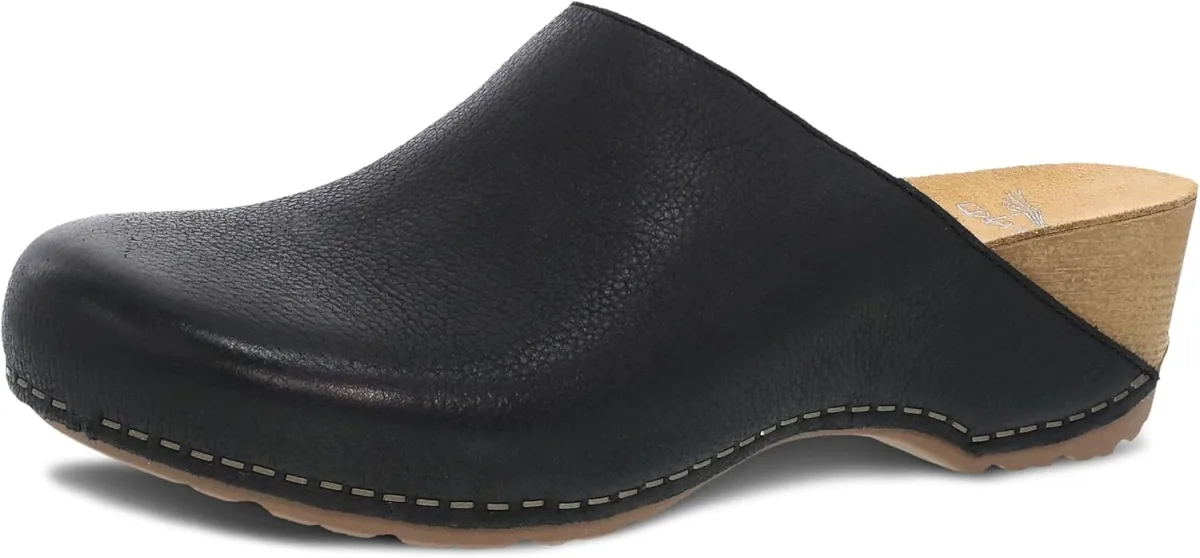
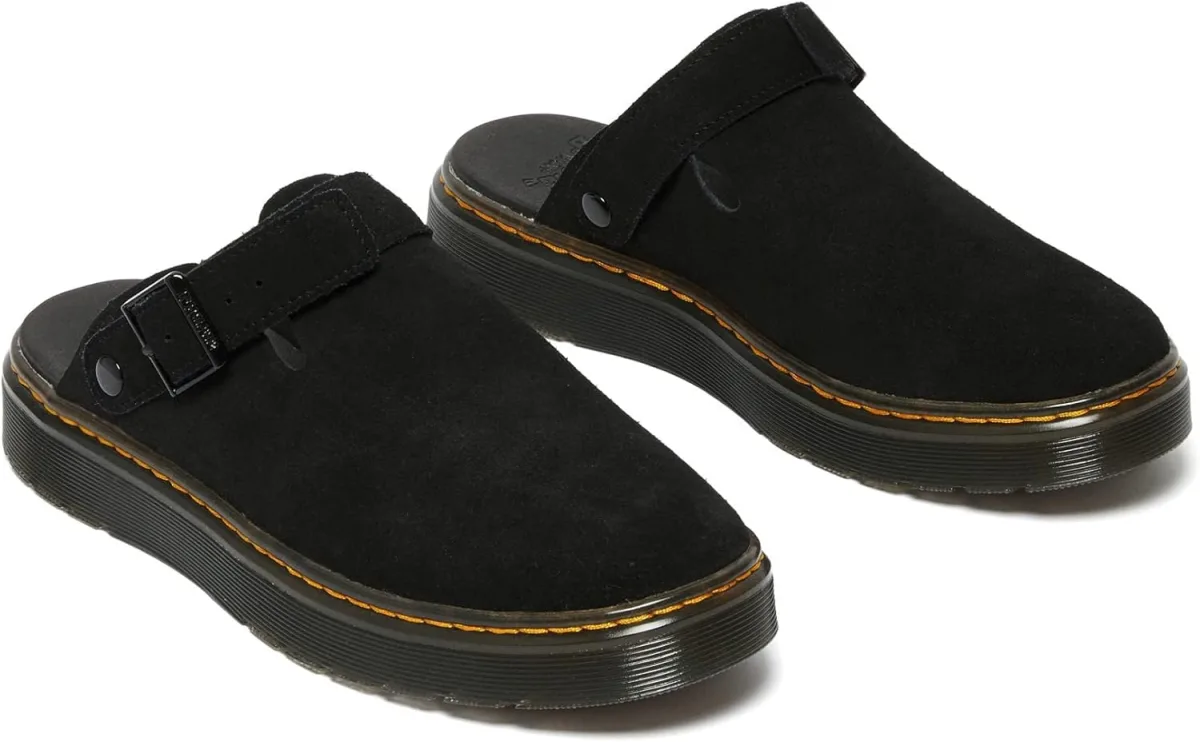
Dr. Martens
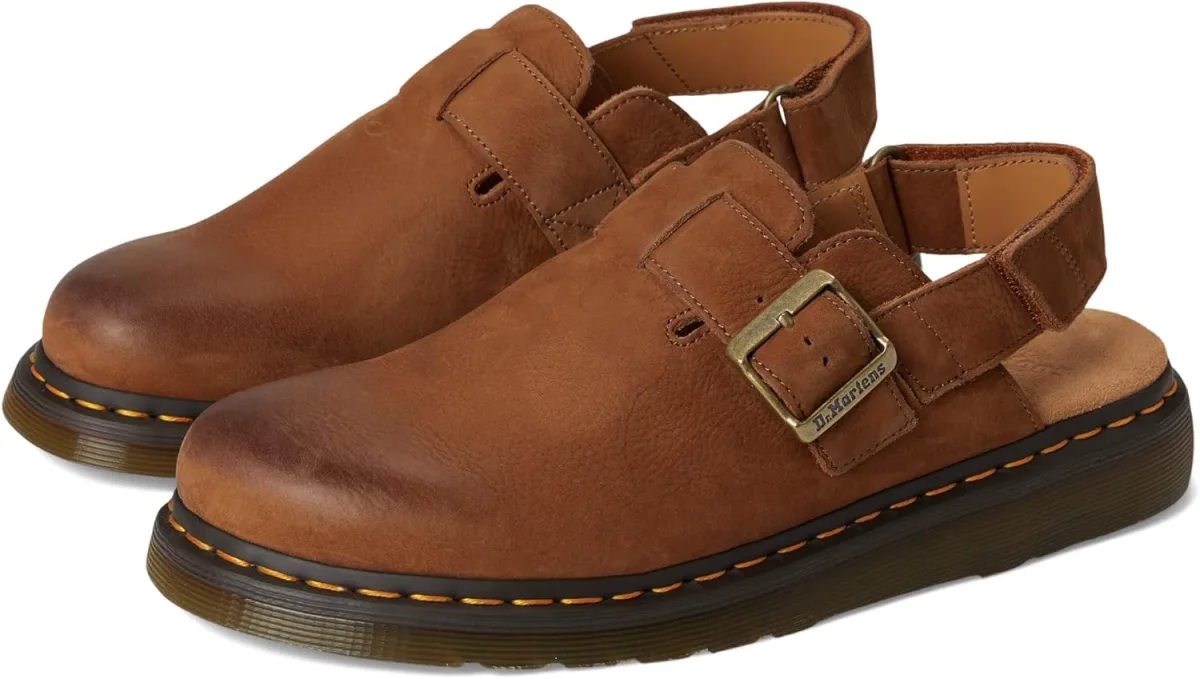
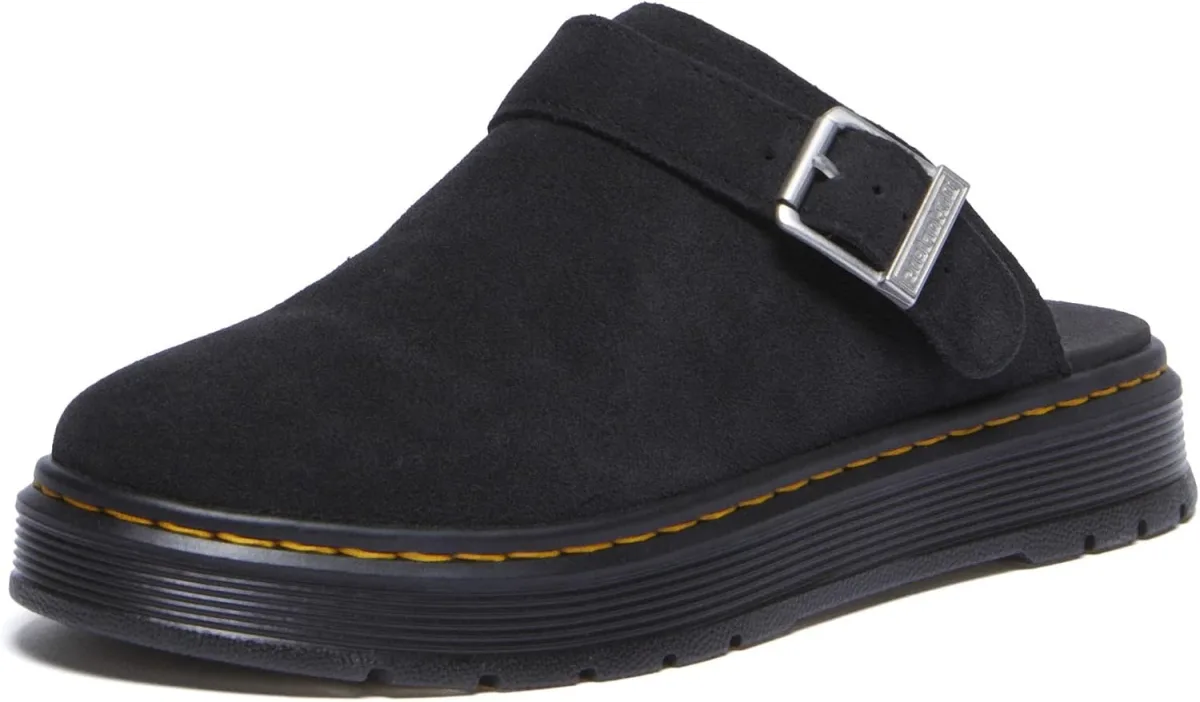
Dr. Martens
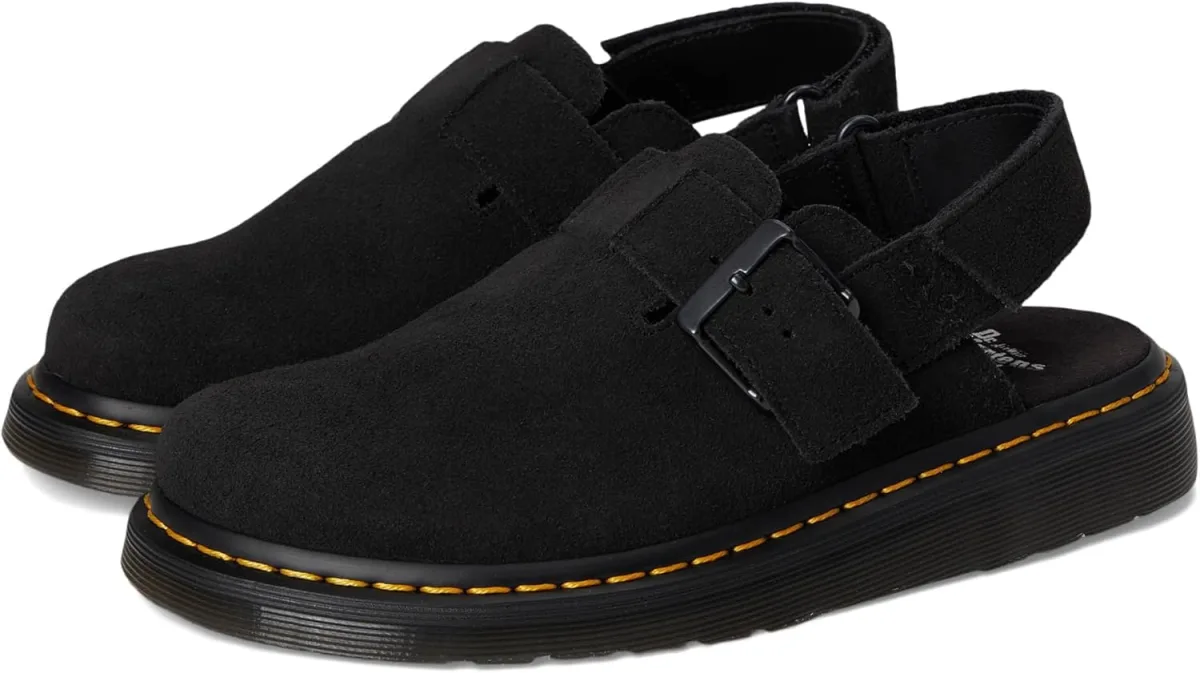
Dr. Martens
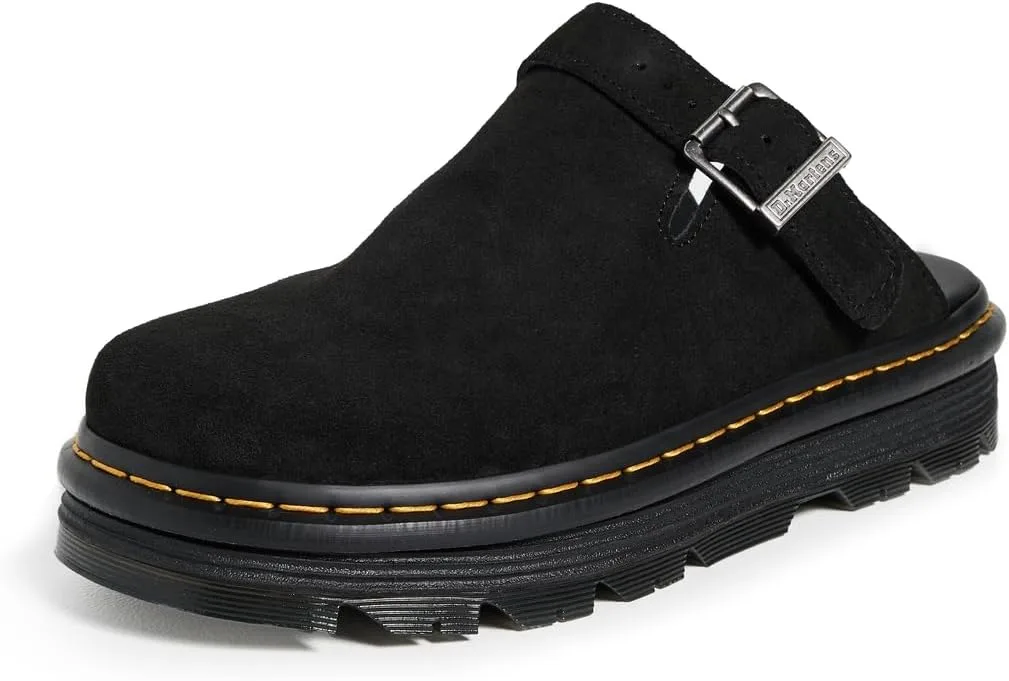
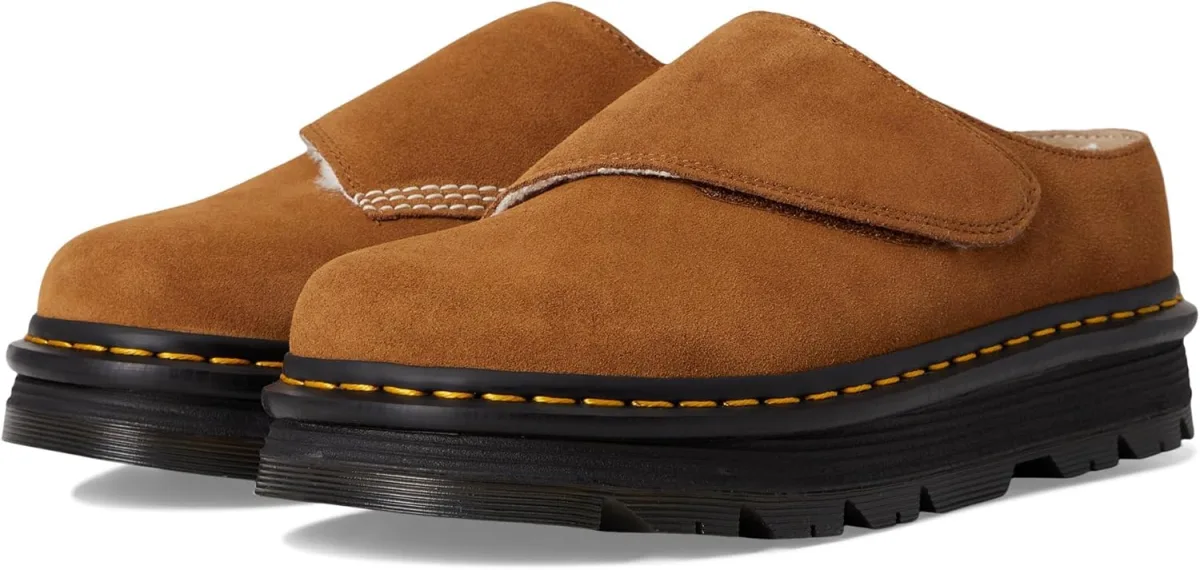
Dr. Martens
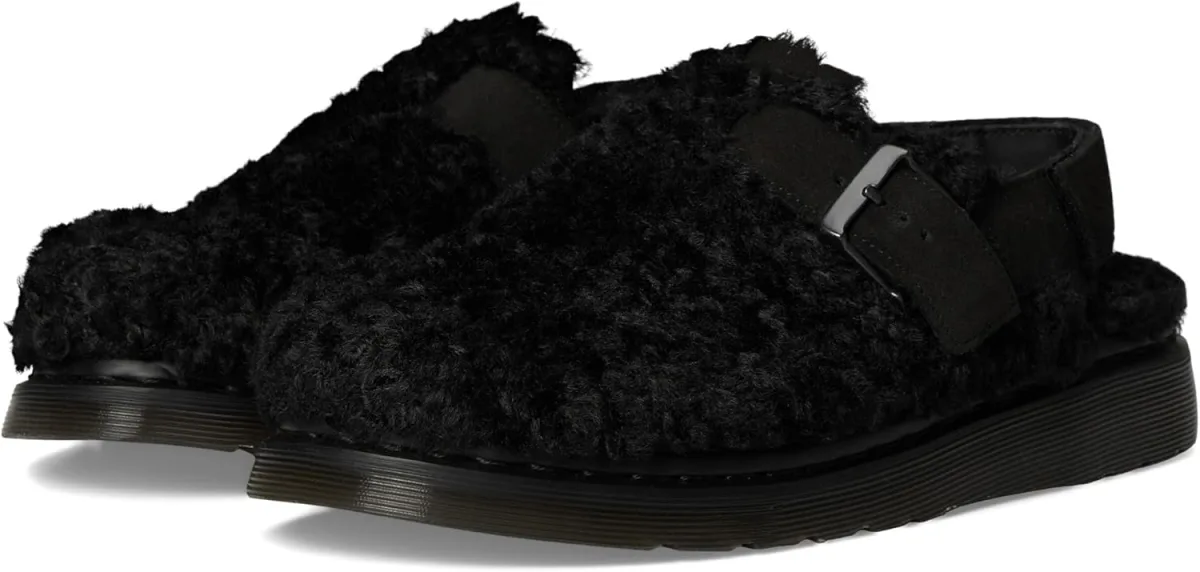
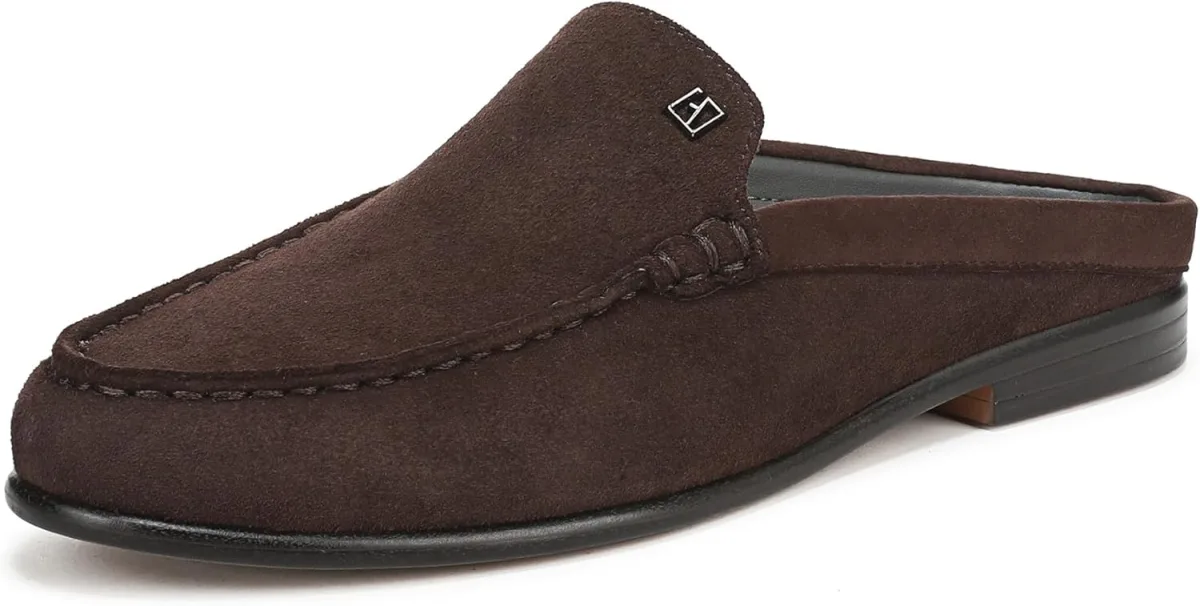
Franco Sarto
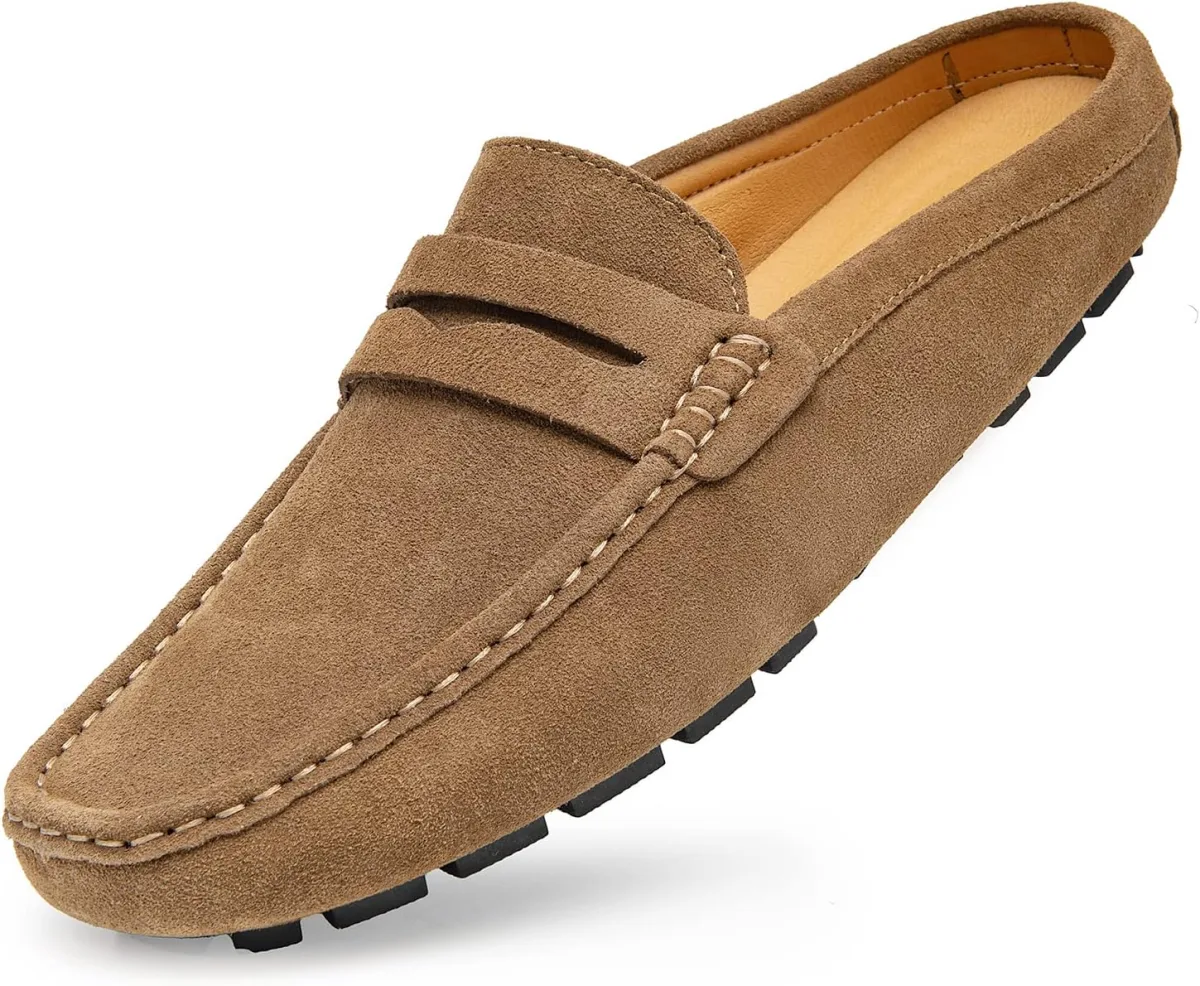
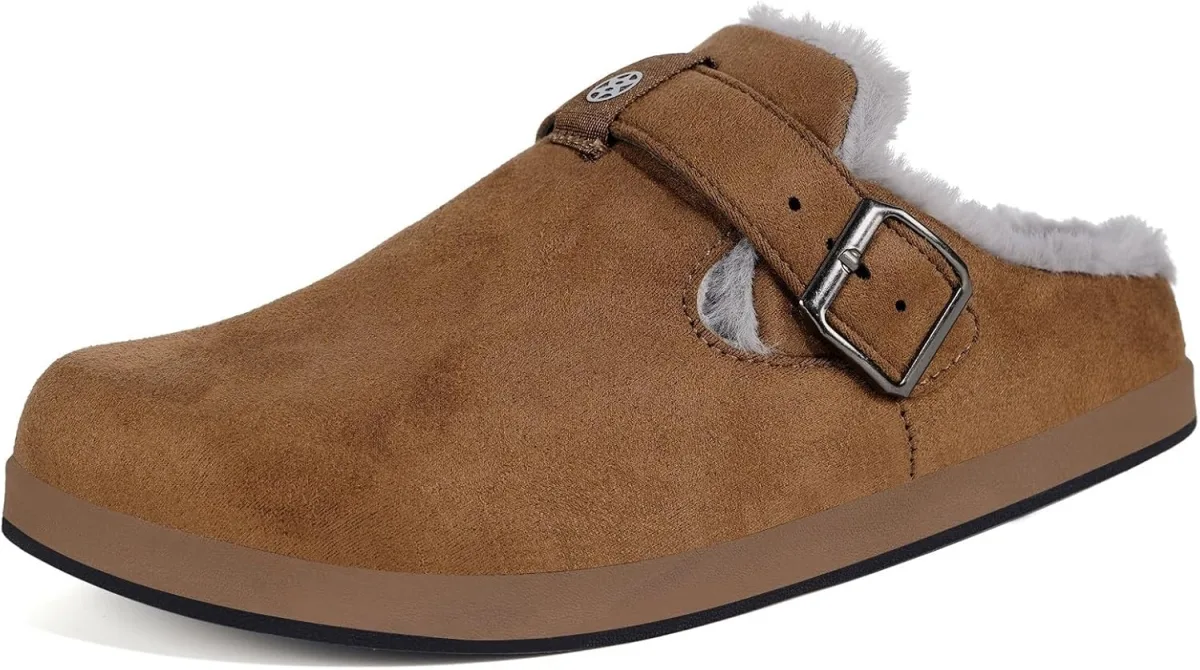
Hsyooes
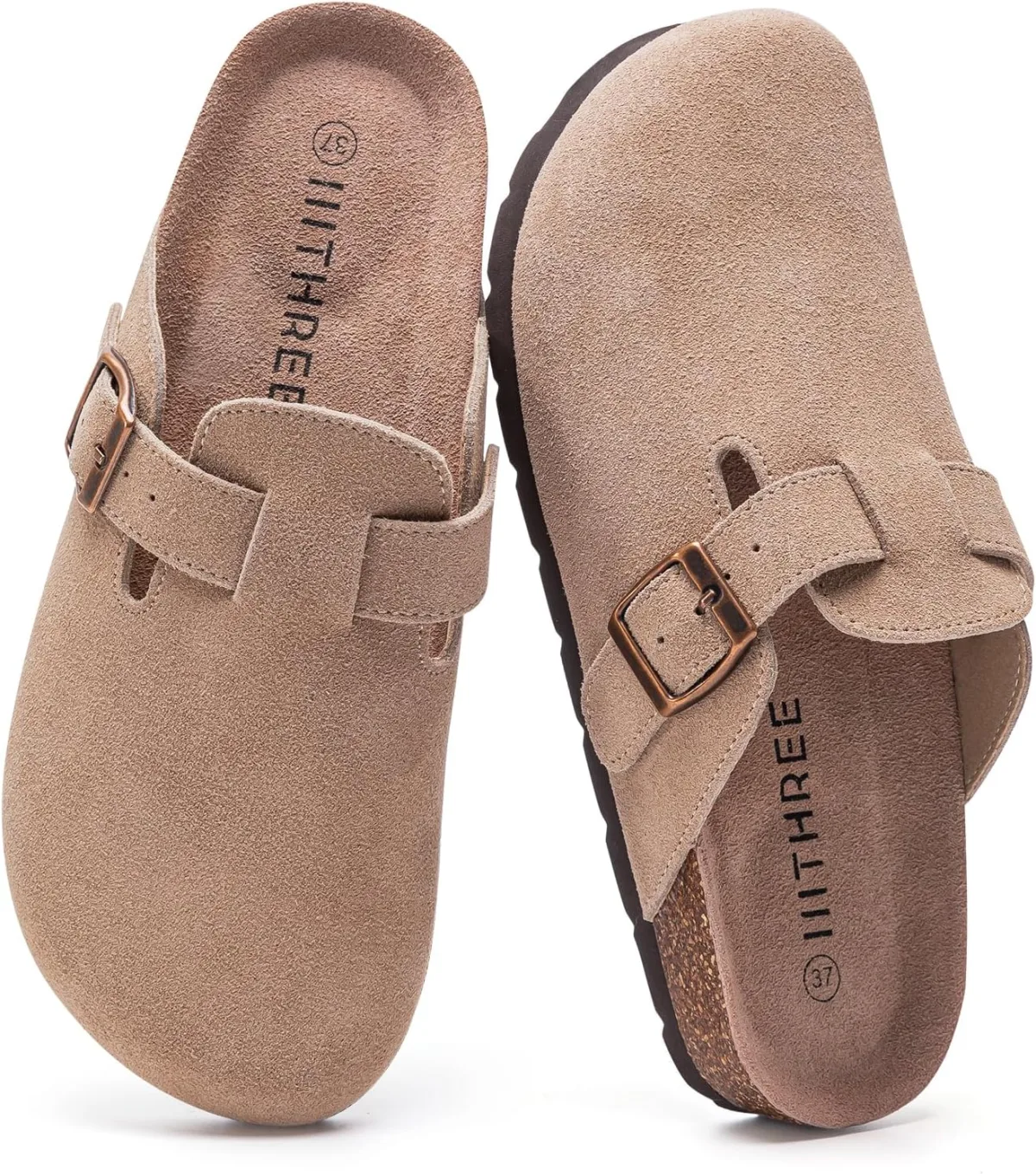
IIITHREE
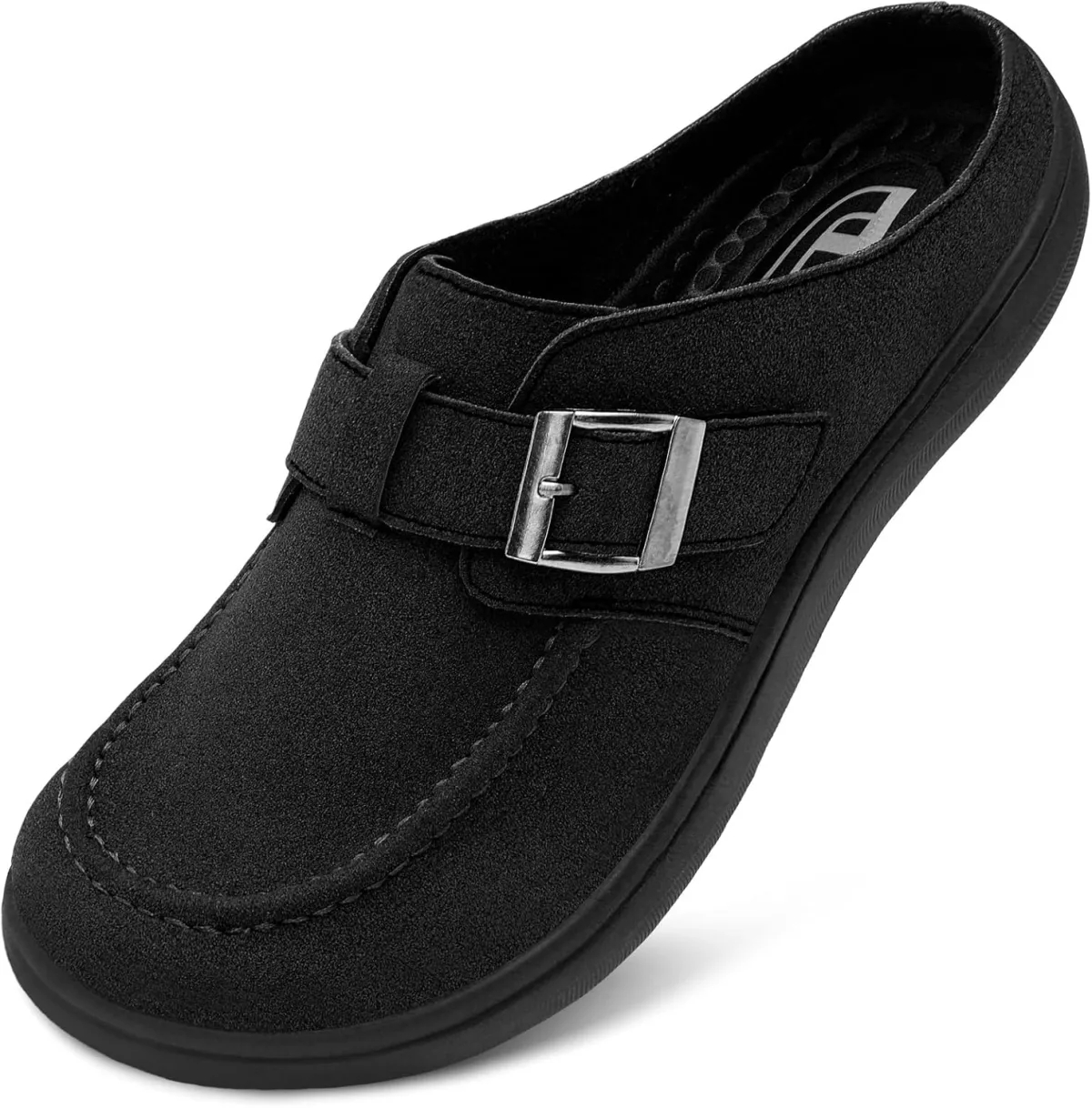
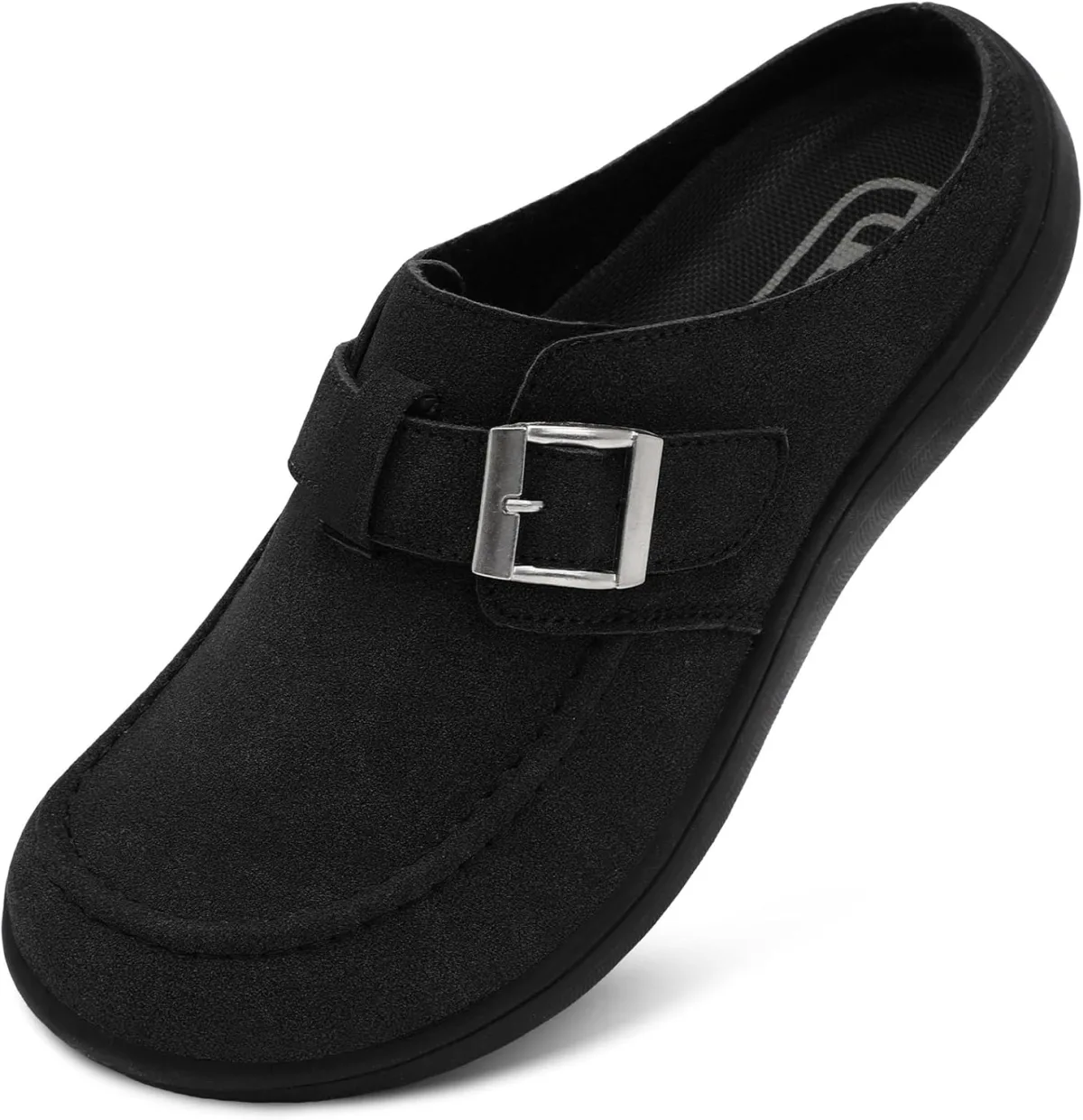
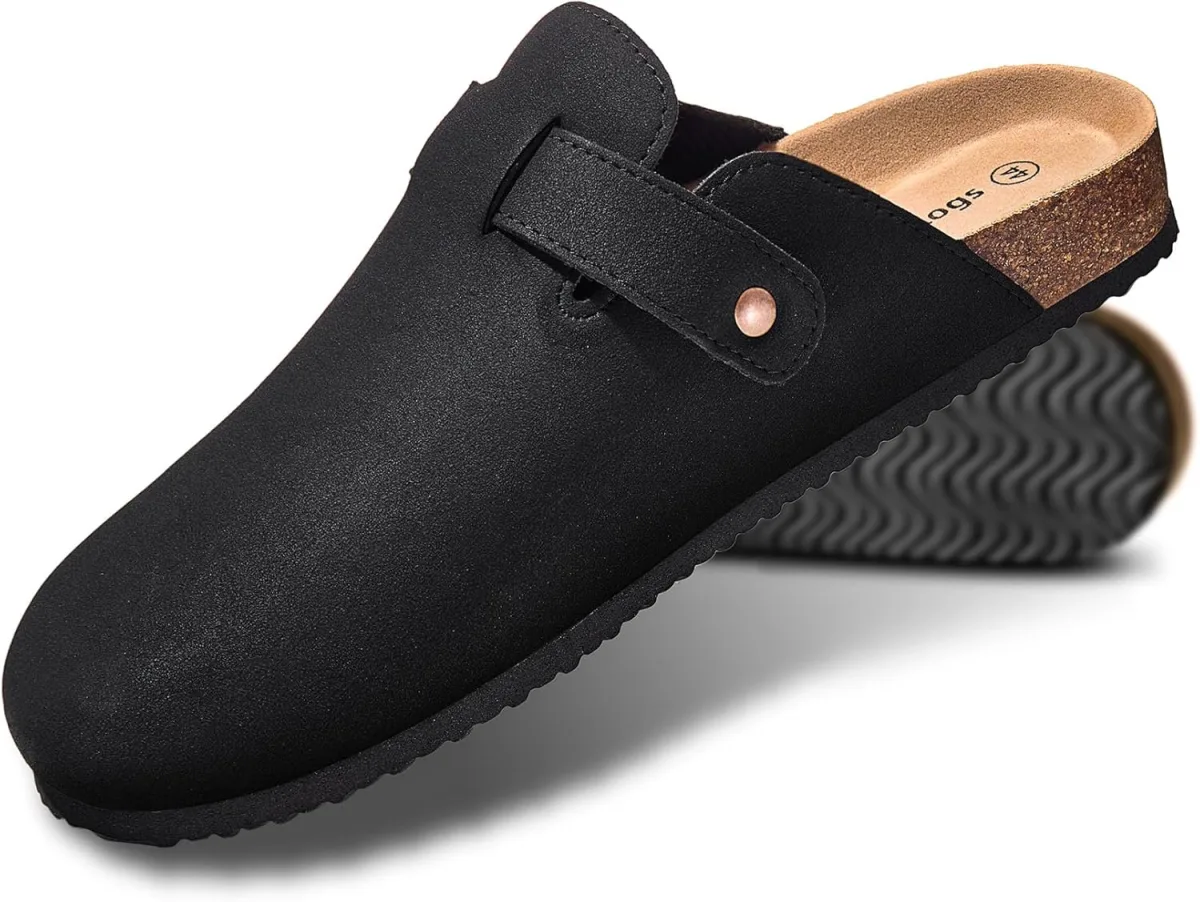
KEMISANT
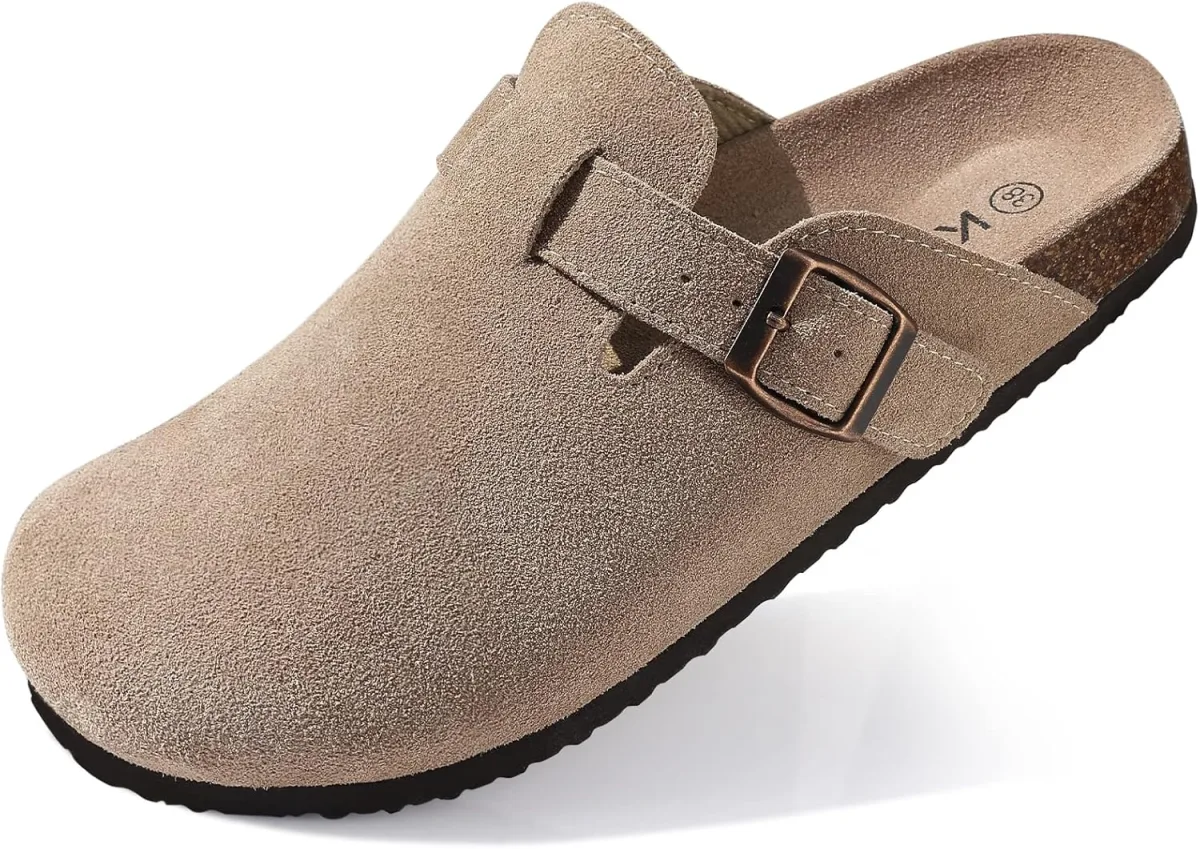
KIDMI
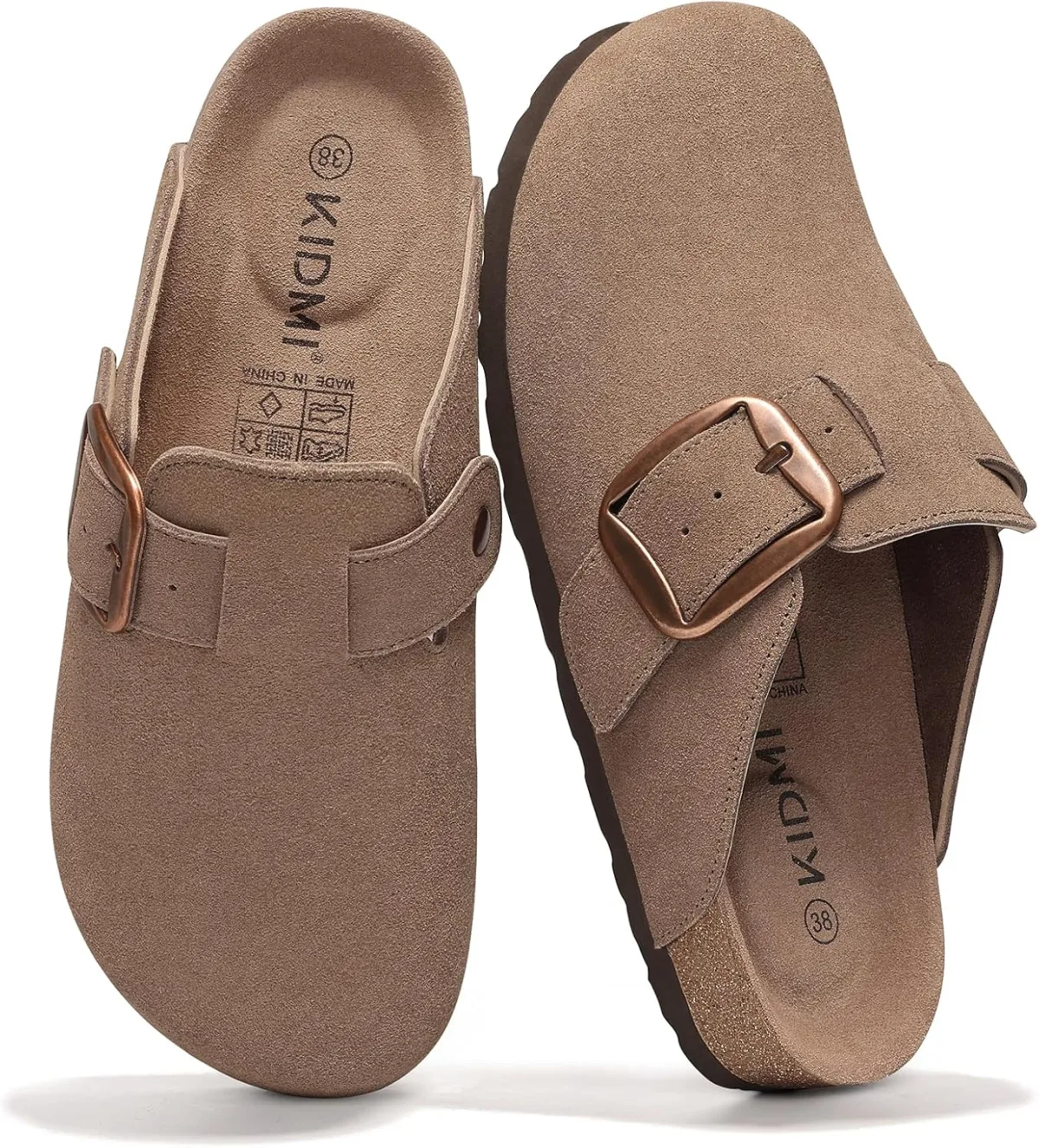
KIDMI
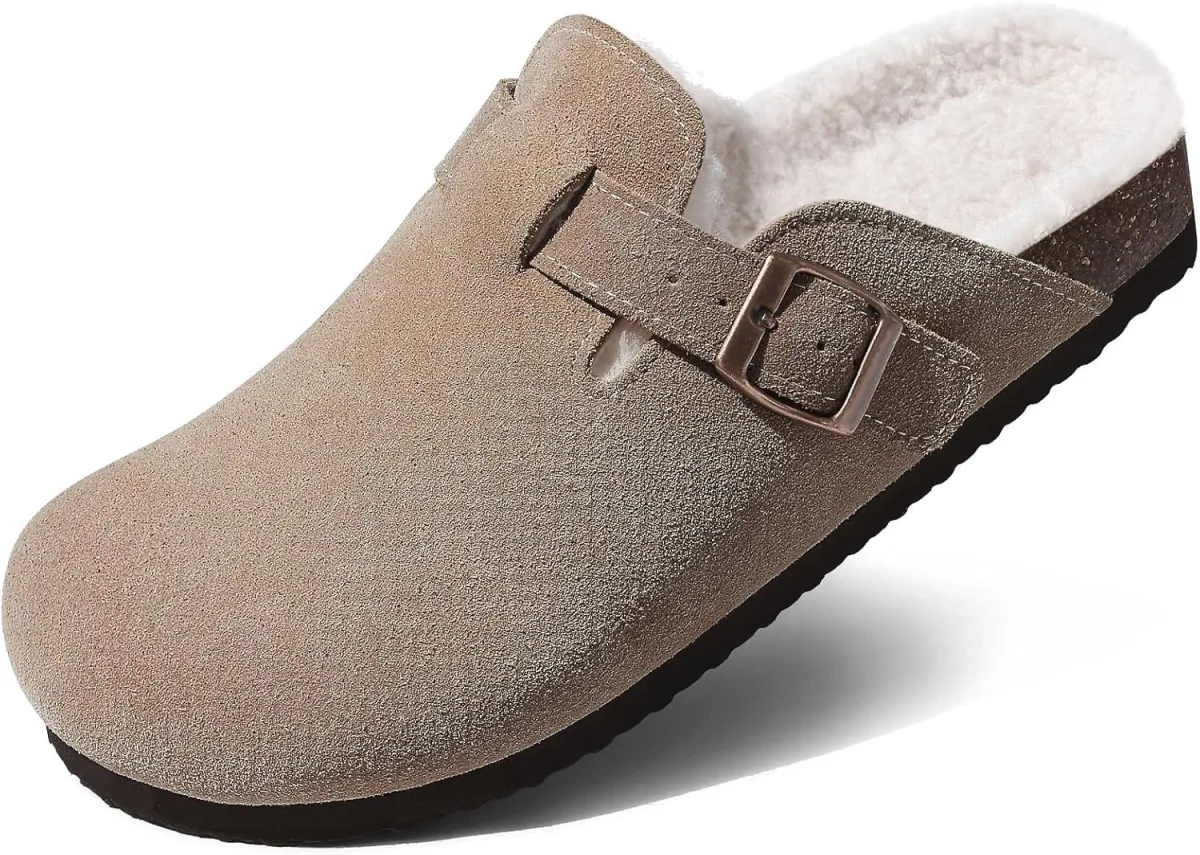
KIDMI
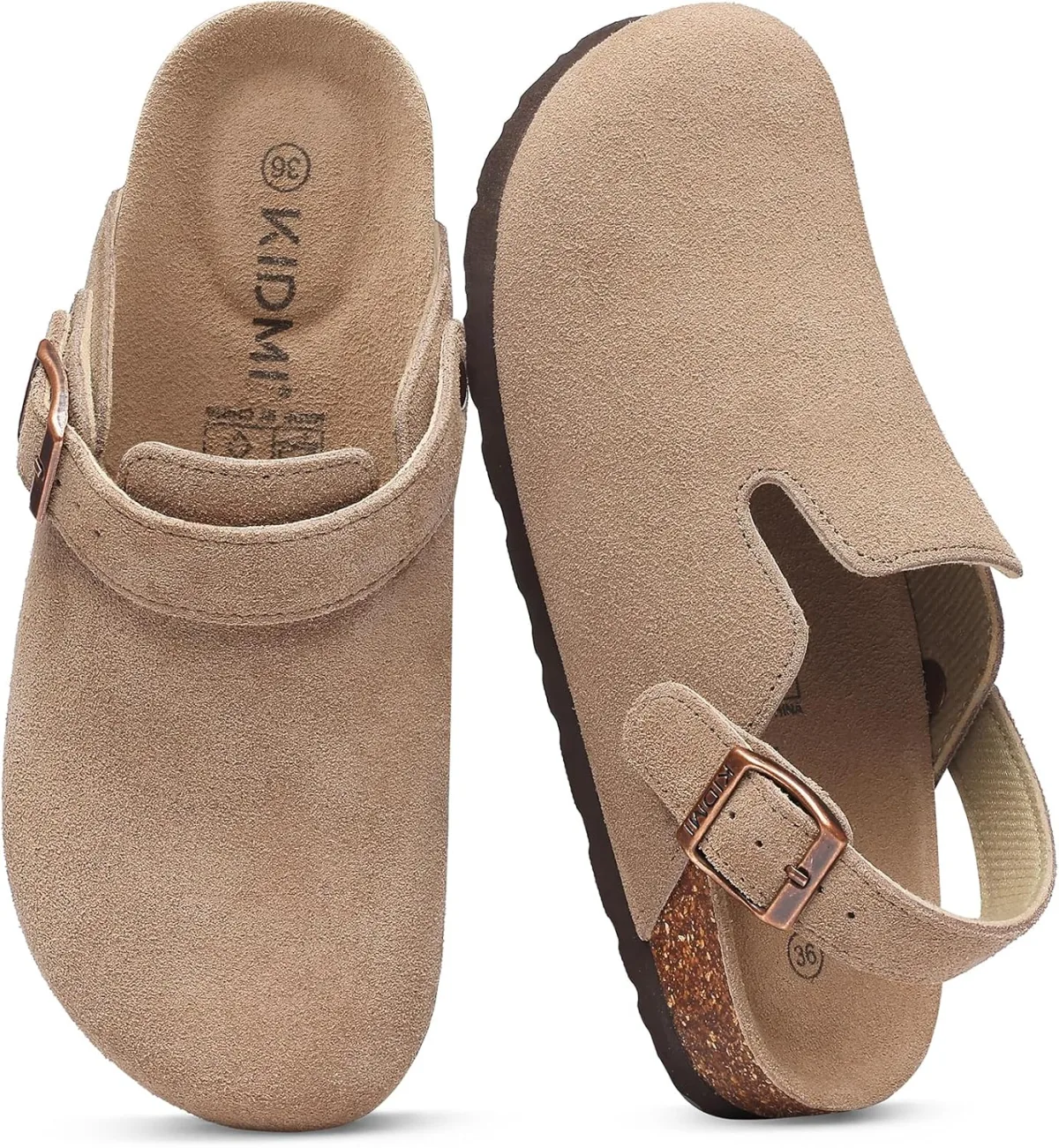
KIDMI
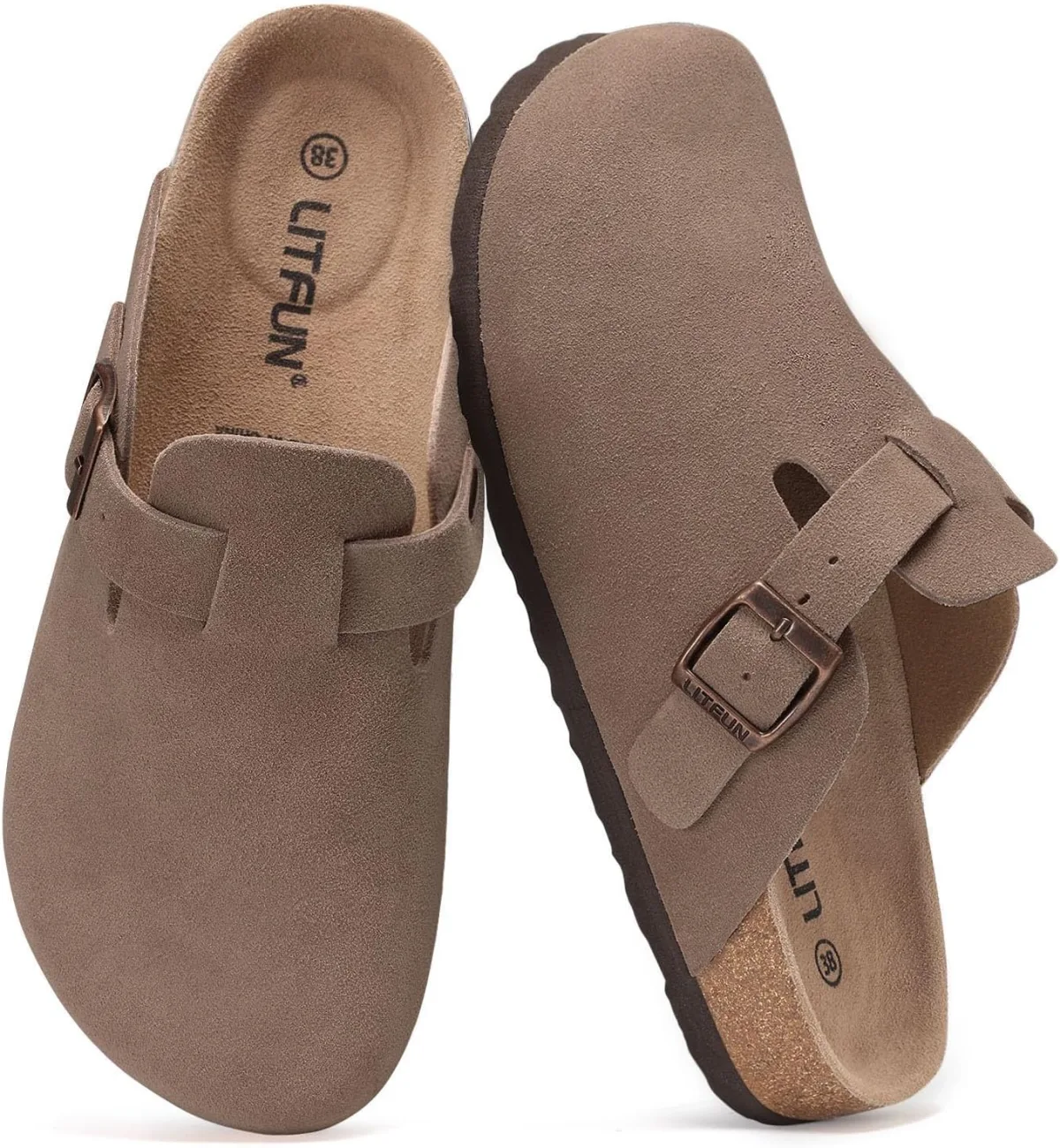
Litfun
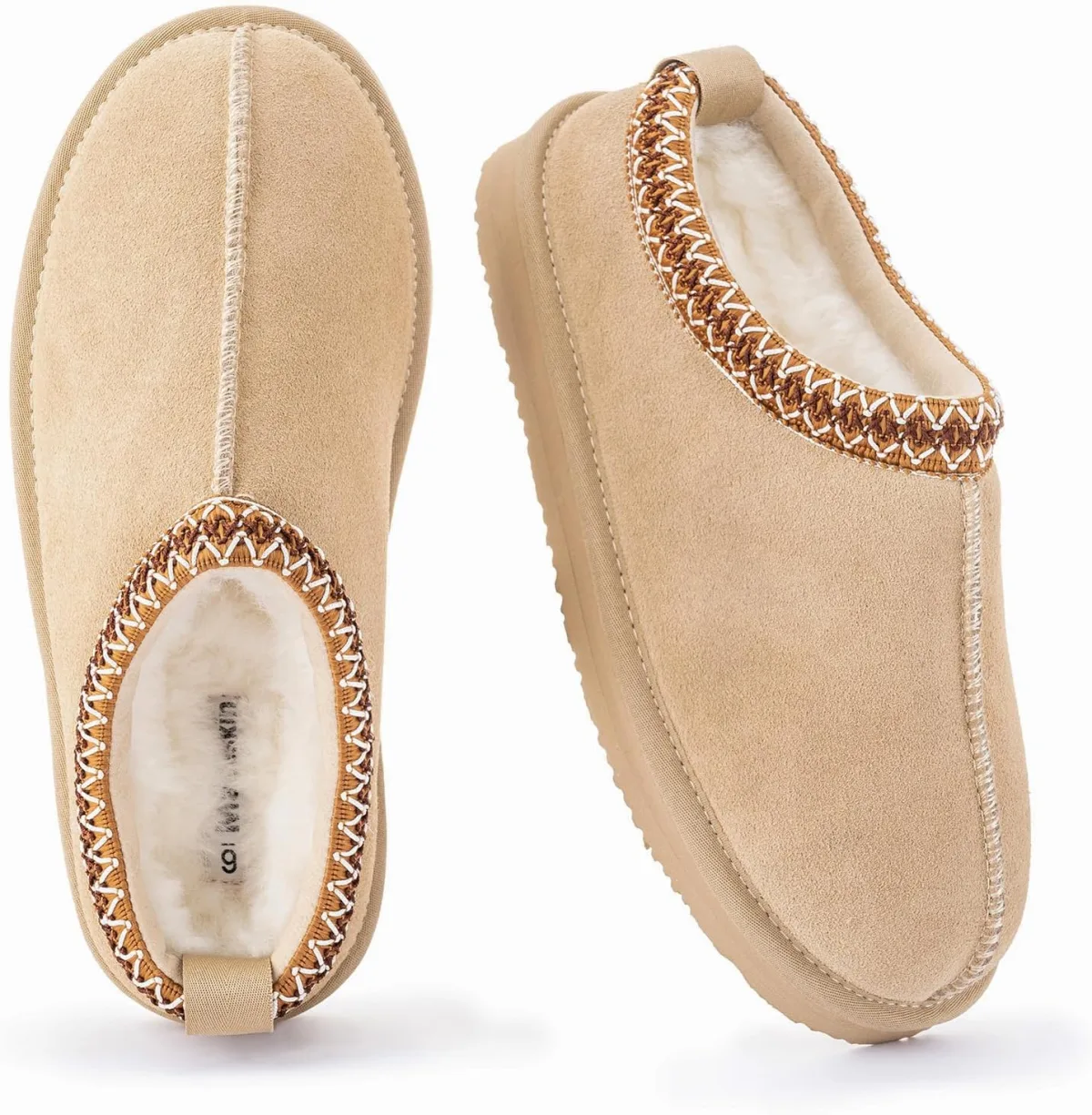
Mazeskin
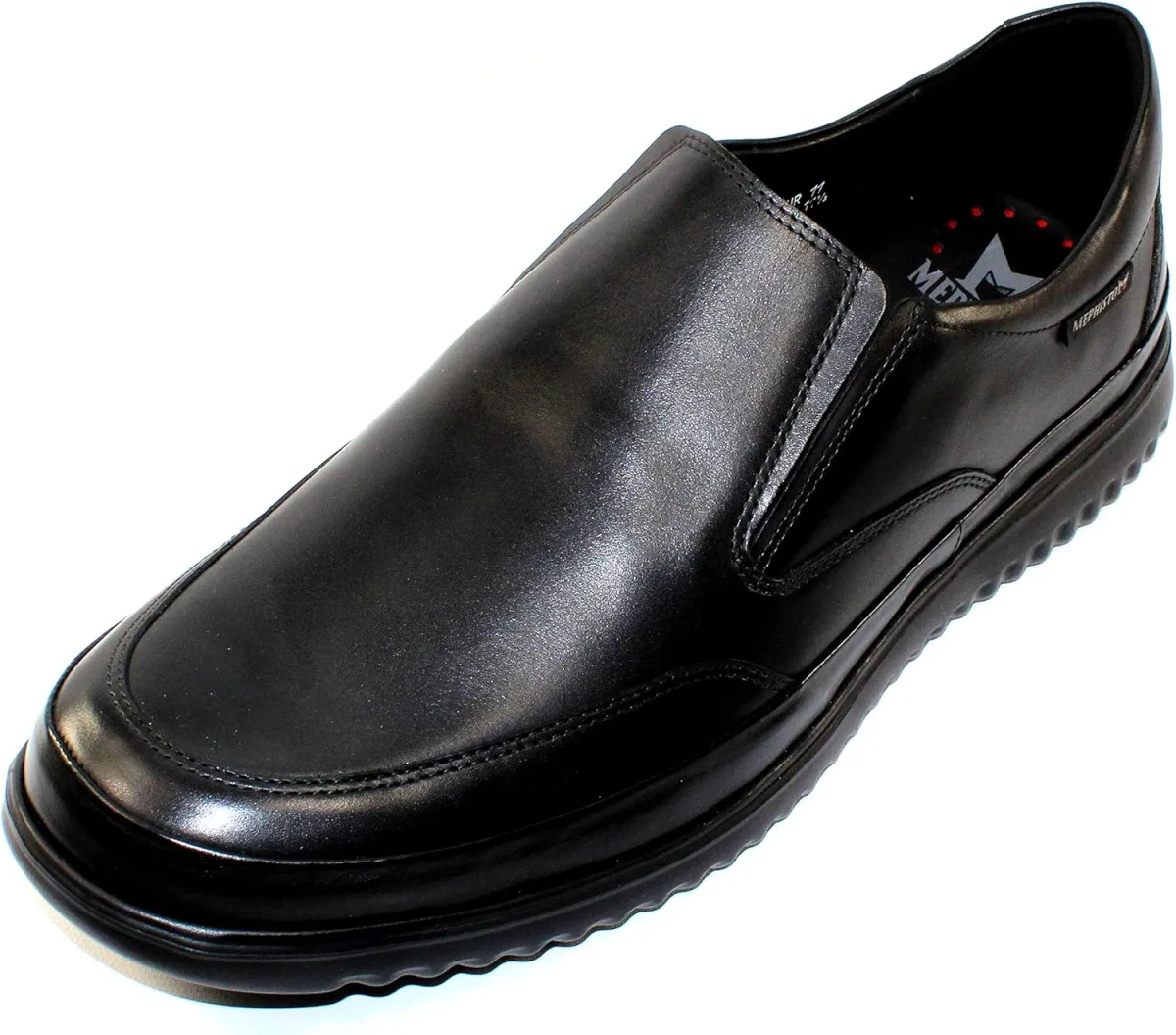
Mephisto
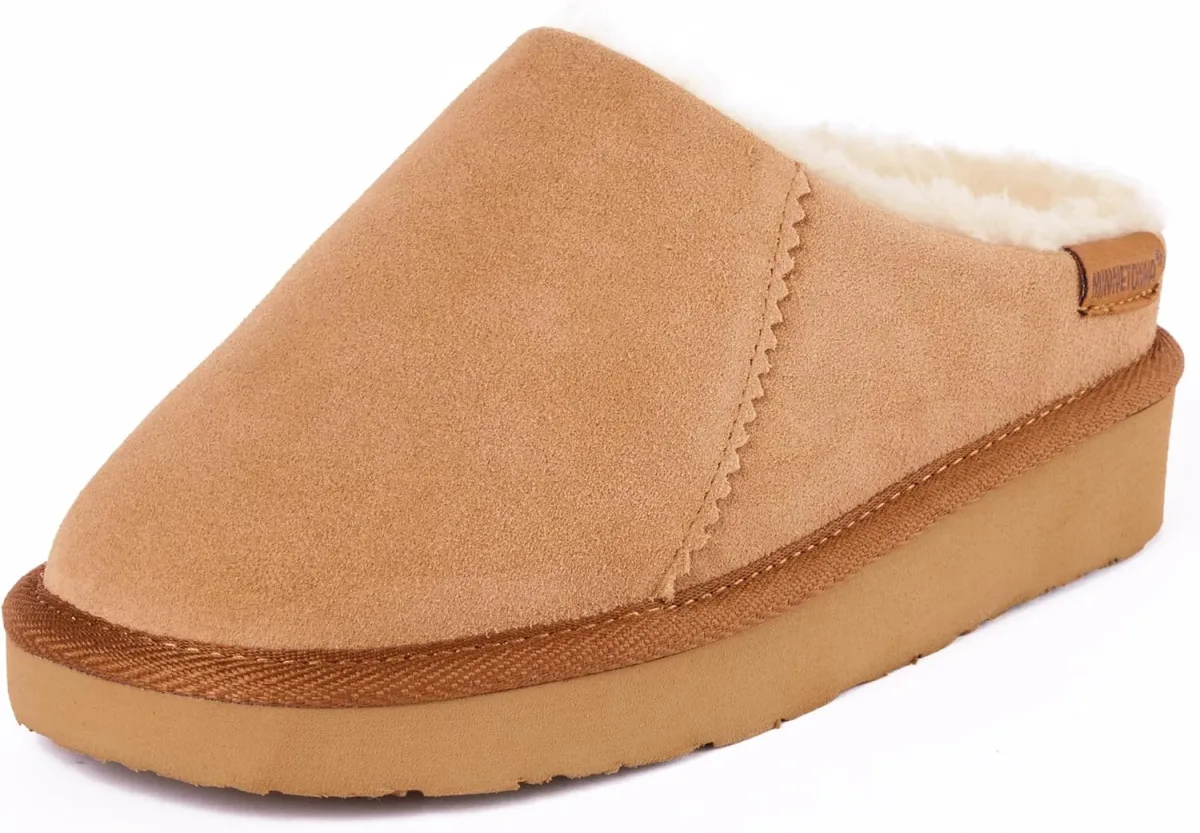
Minnetonka
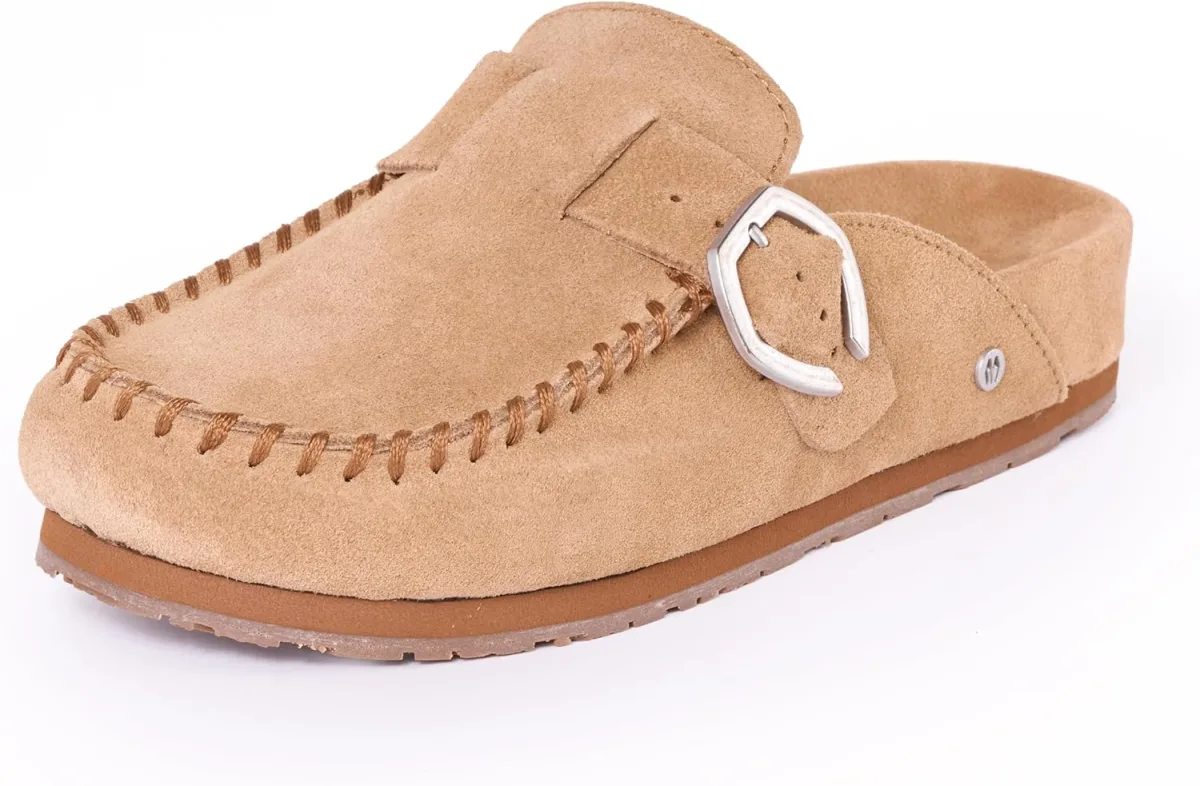
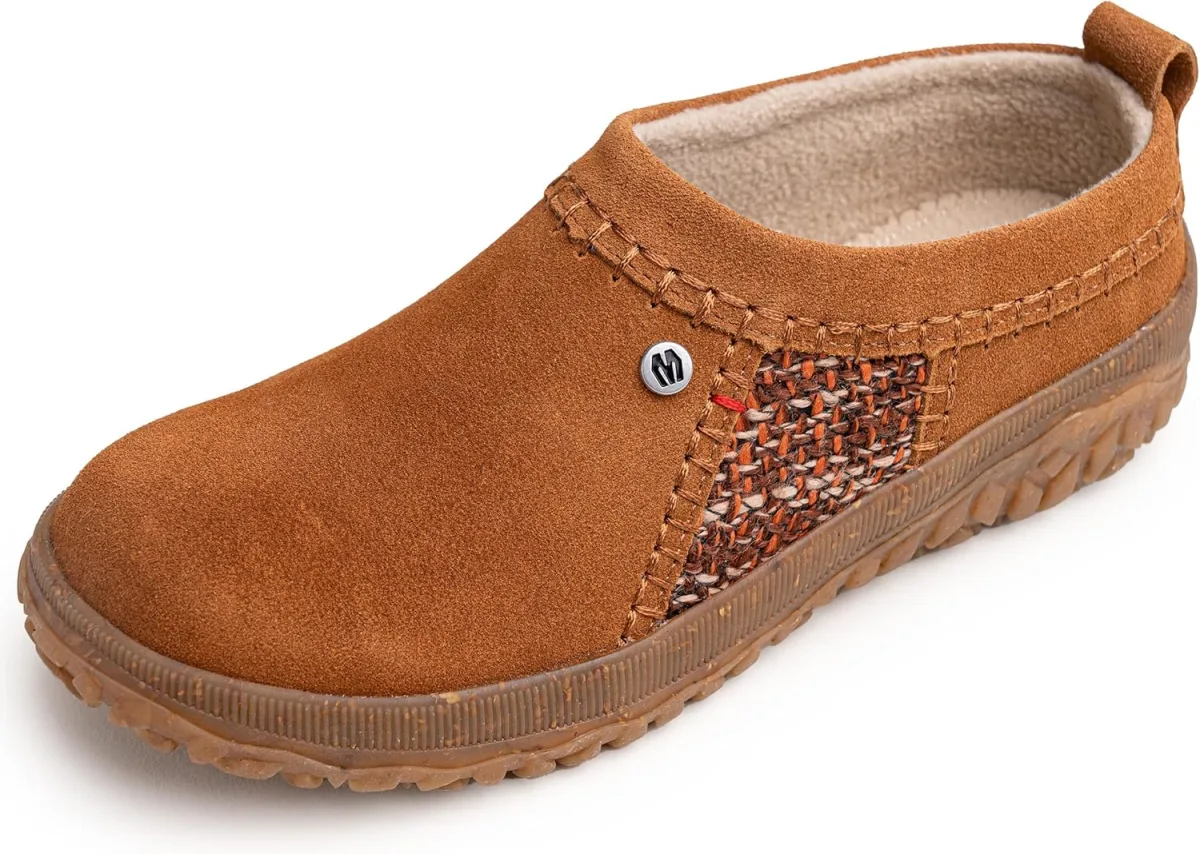
Minnetonka
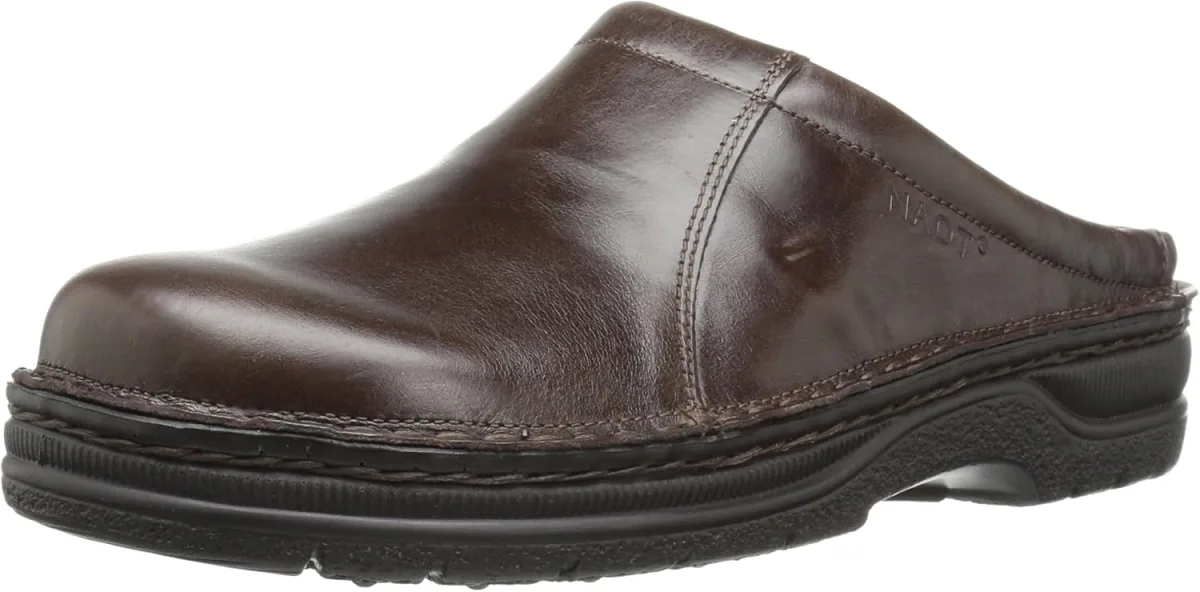
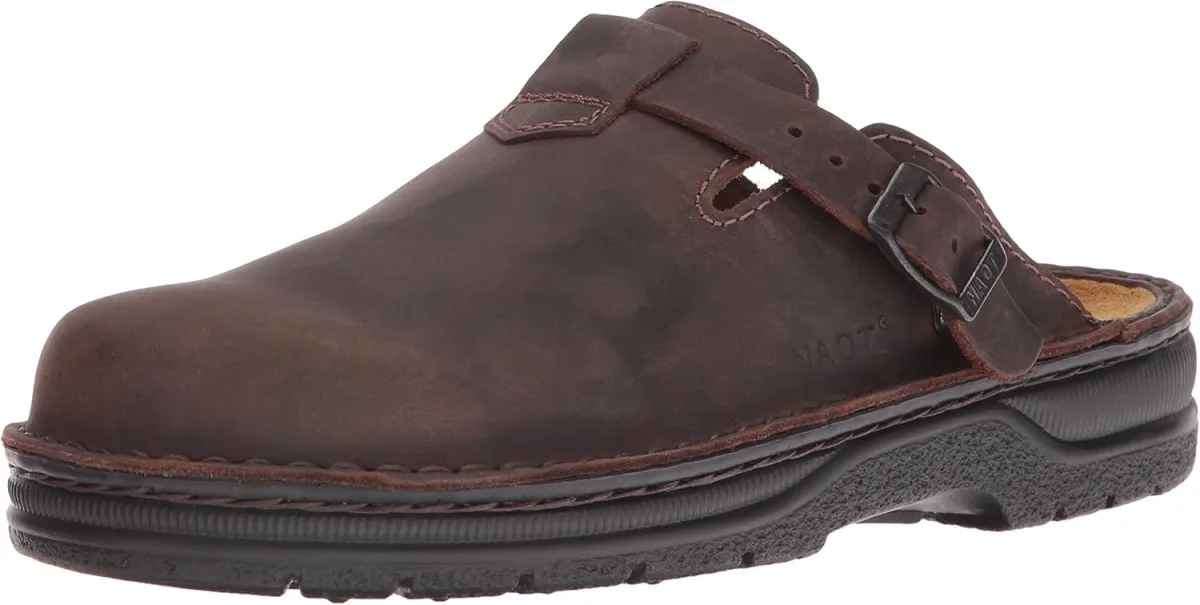
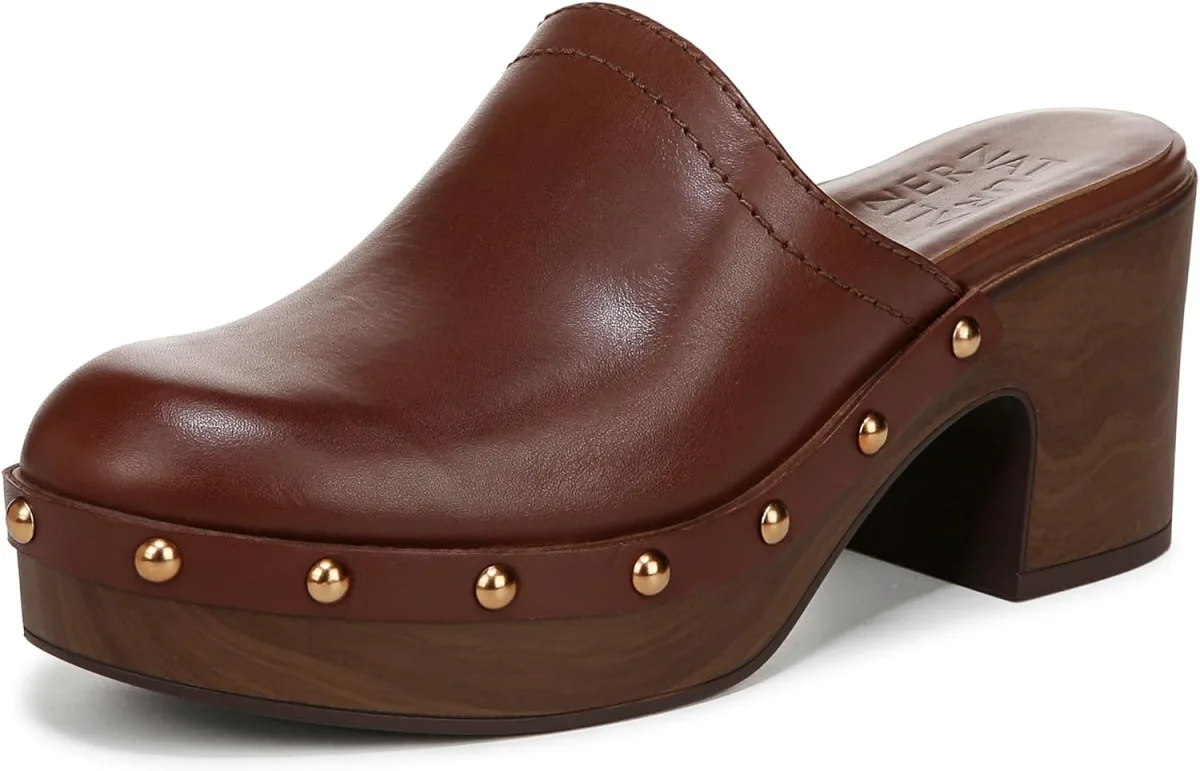
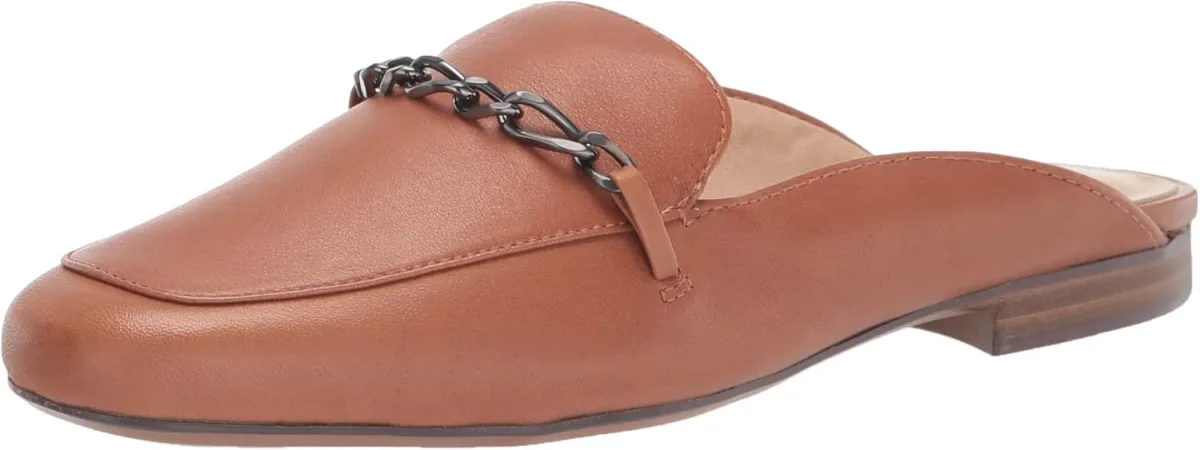
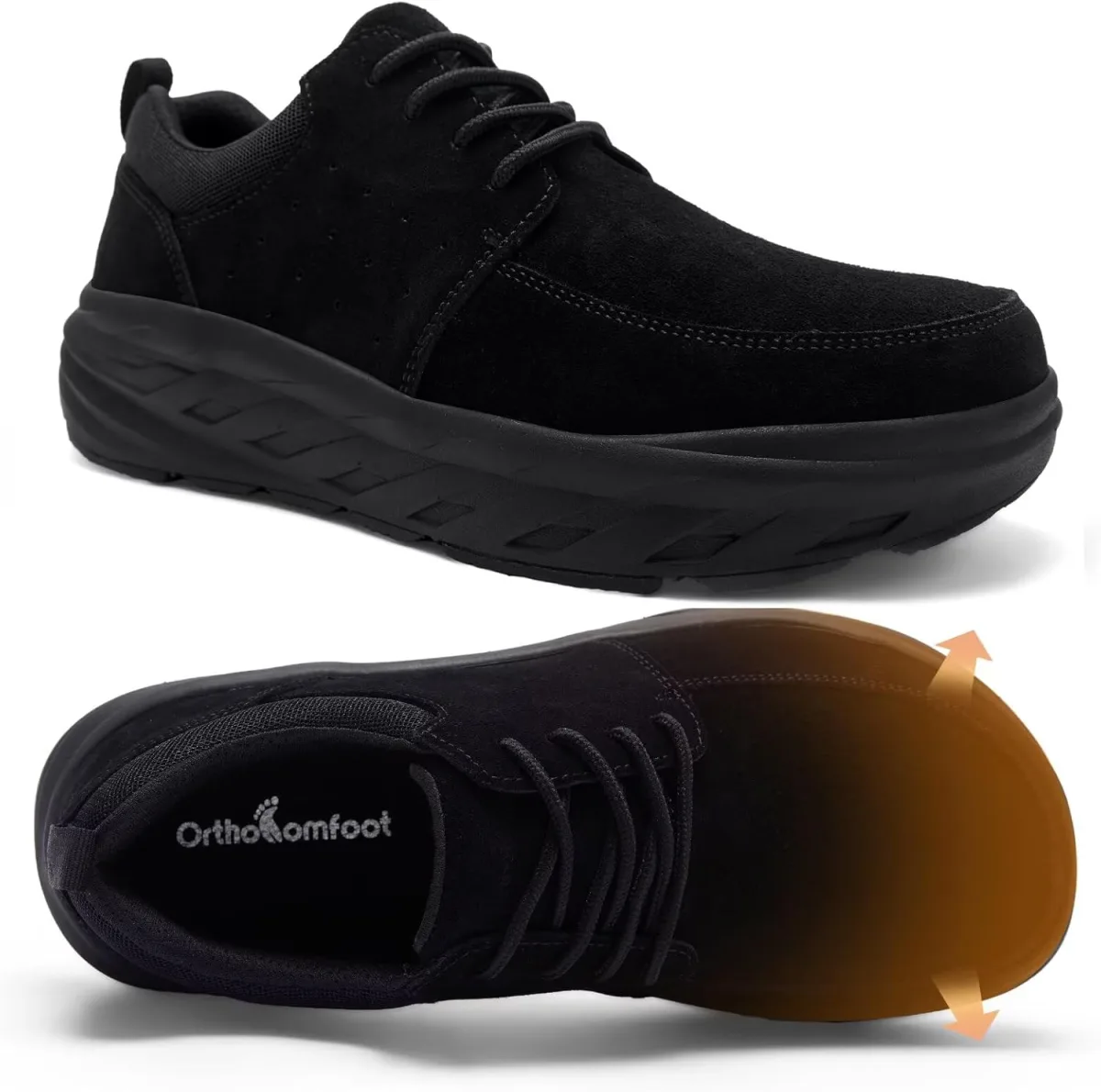
Spring Step
Stelle
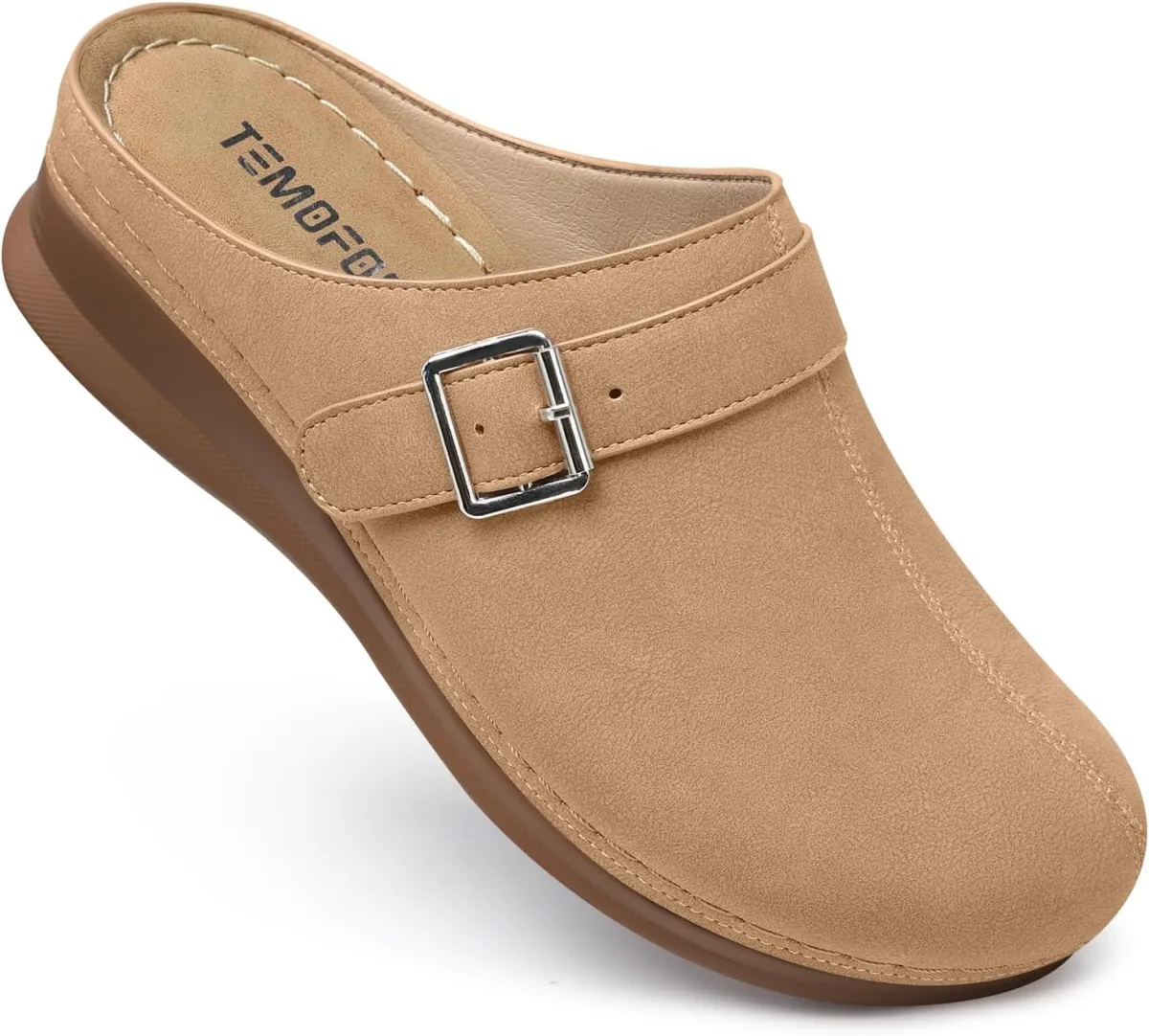
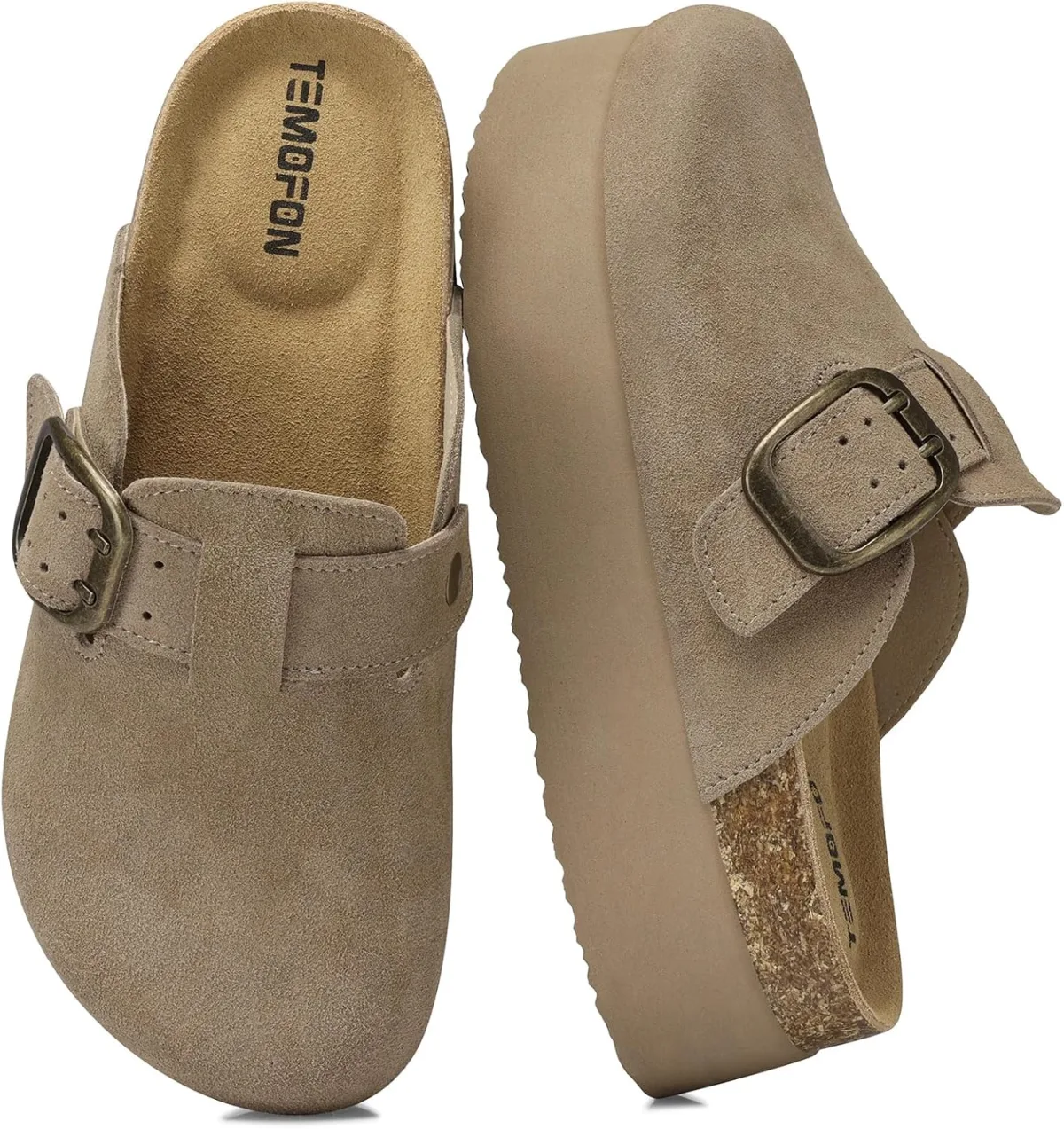
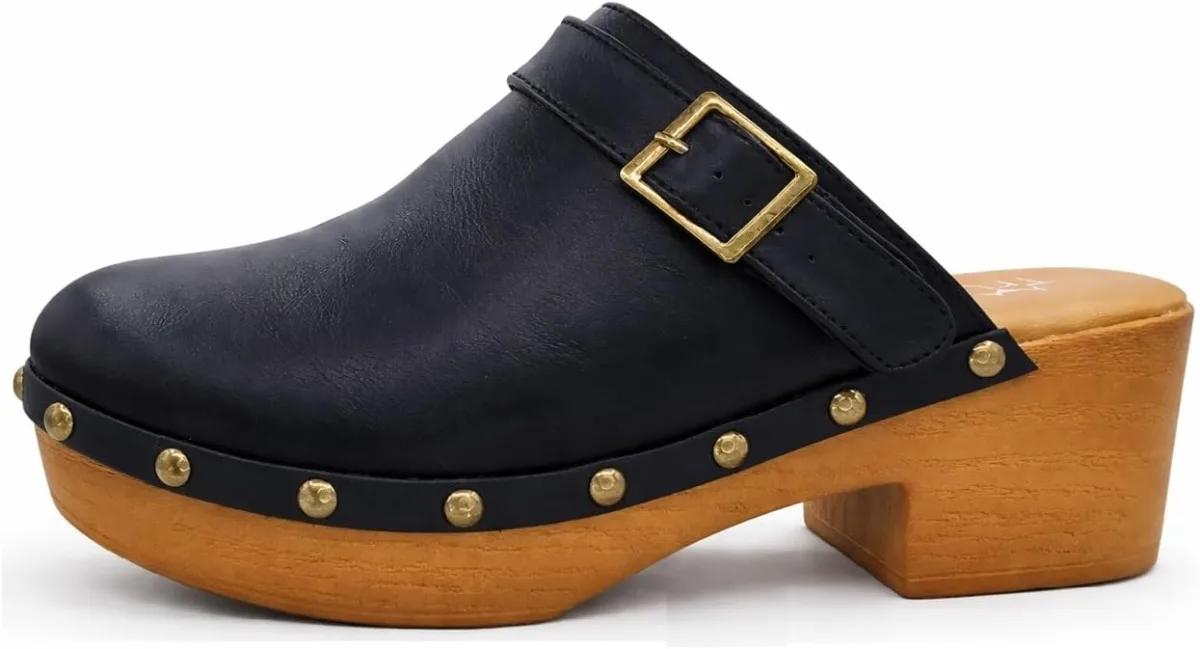
TruFox
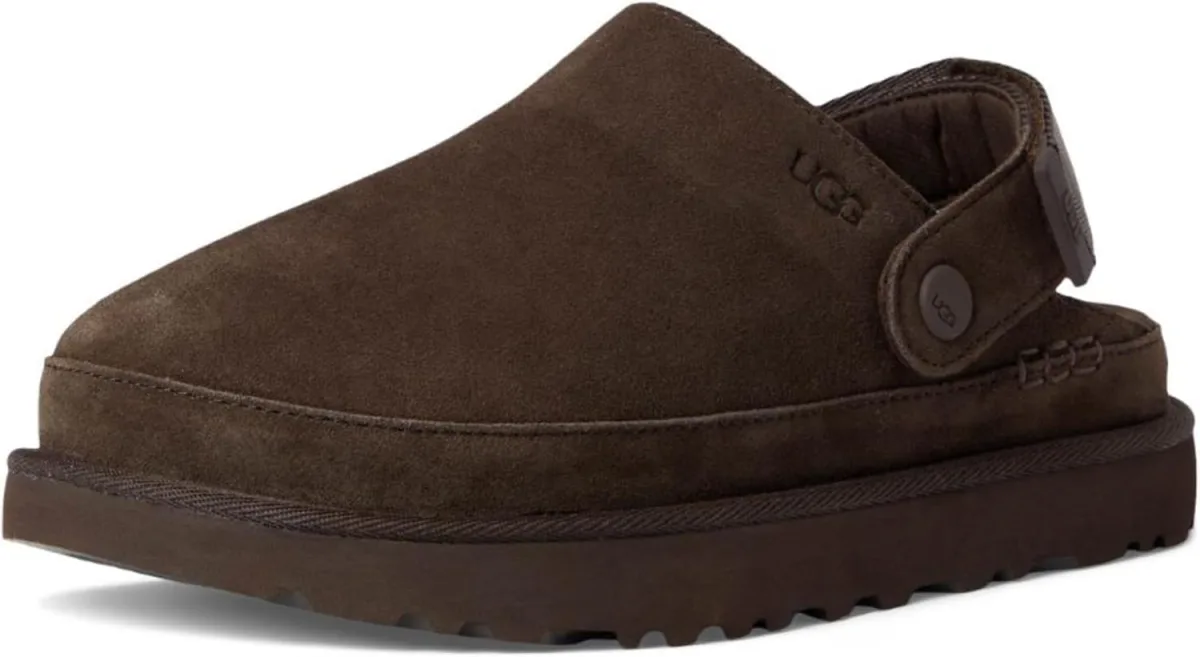
Unbranded
Unbranded
Unbranded
Unbranded
Unbranded
Unbranded
Unbranded
Unbranded
Unbranded
Unbranded
Unbranded
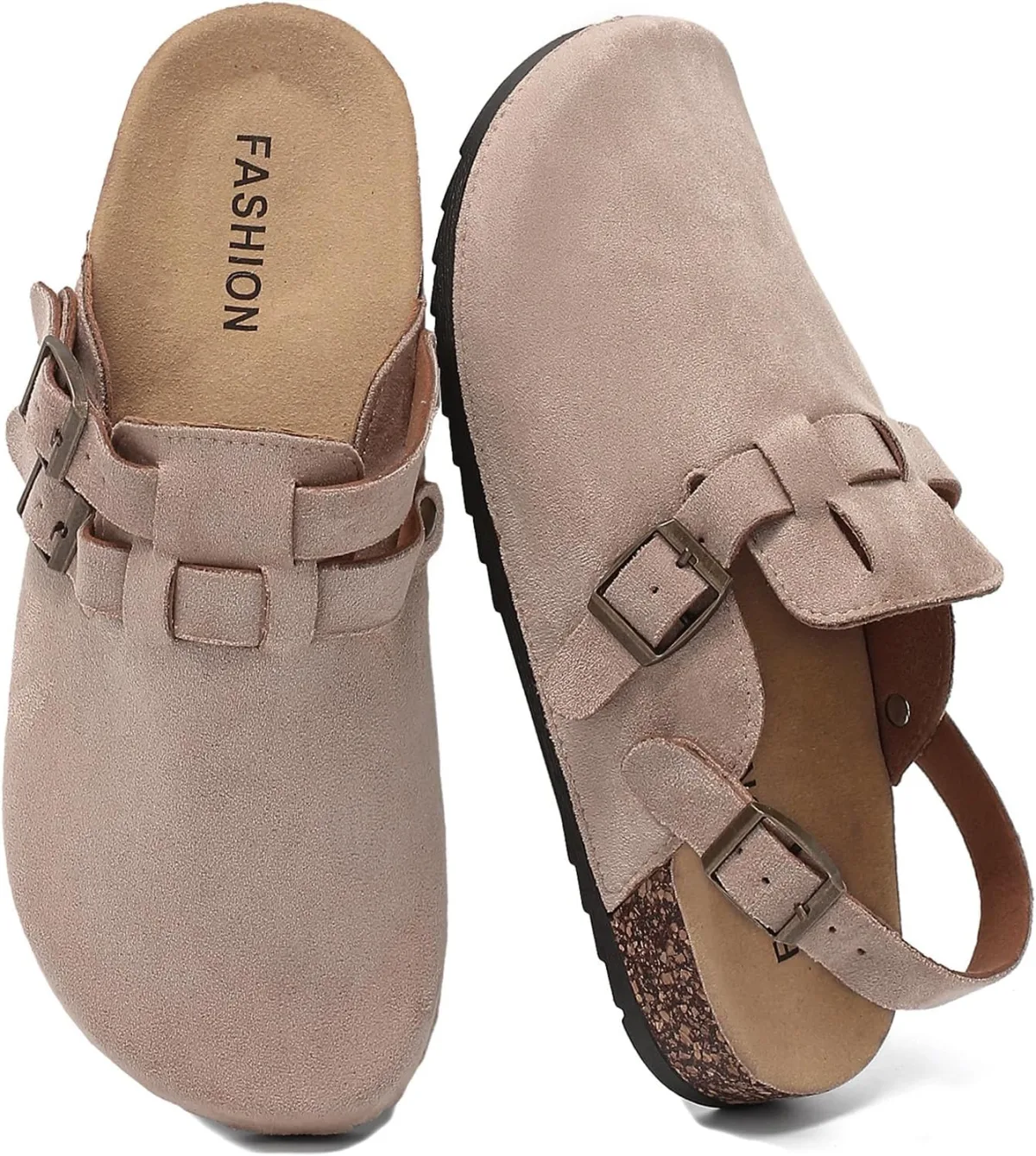
Unbranded
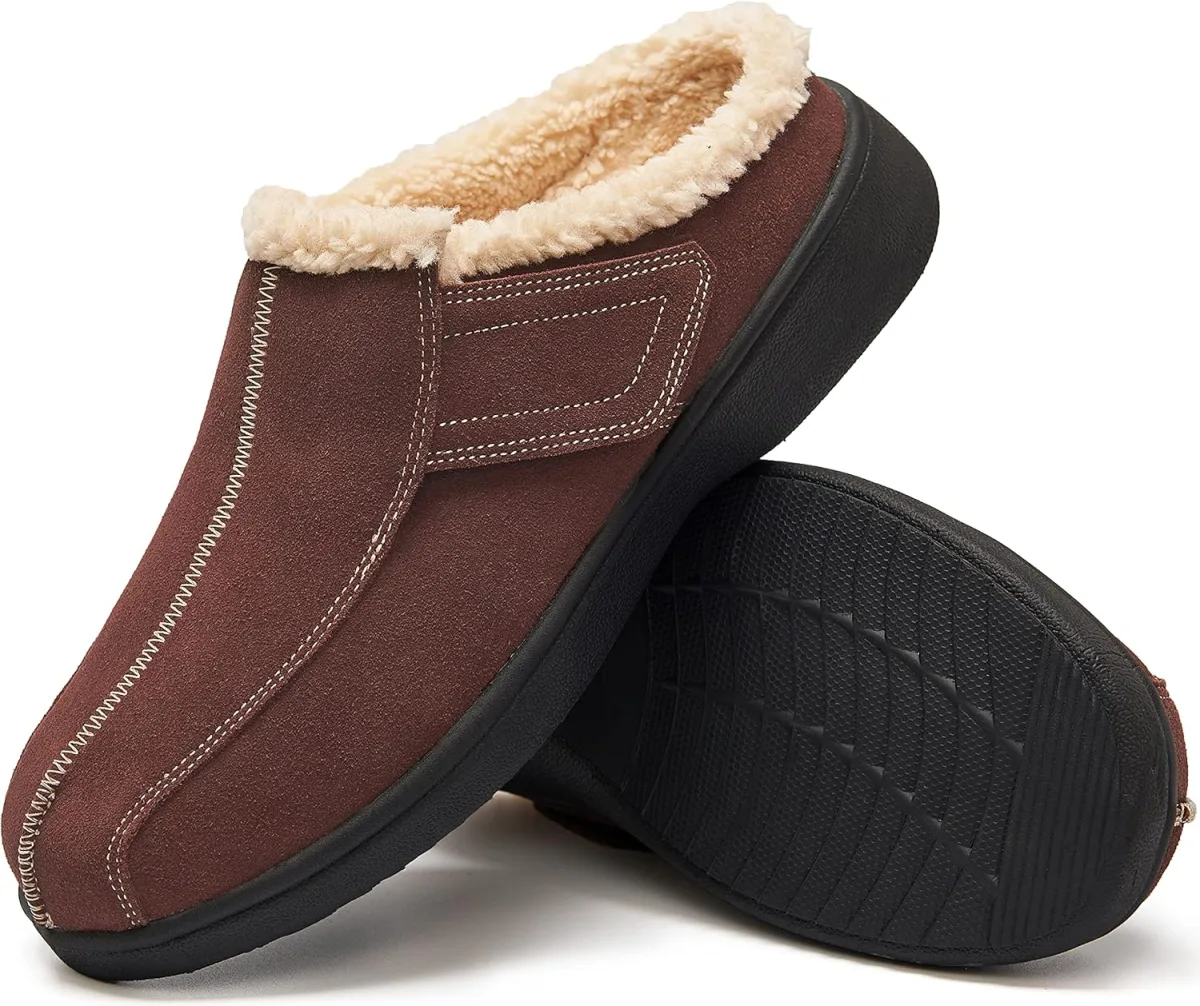
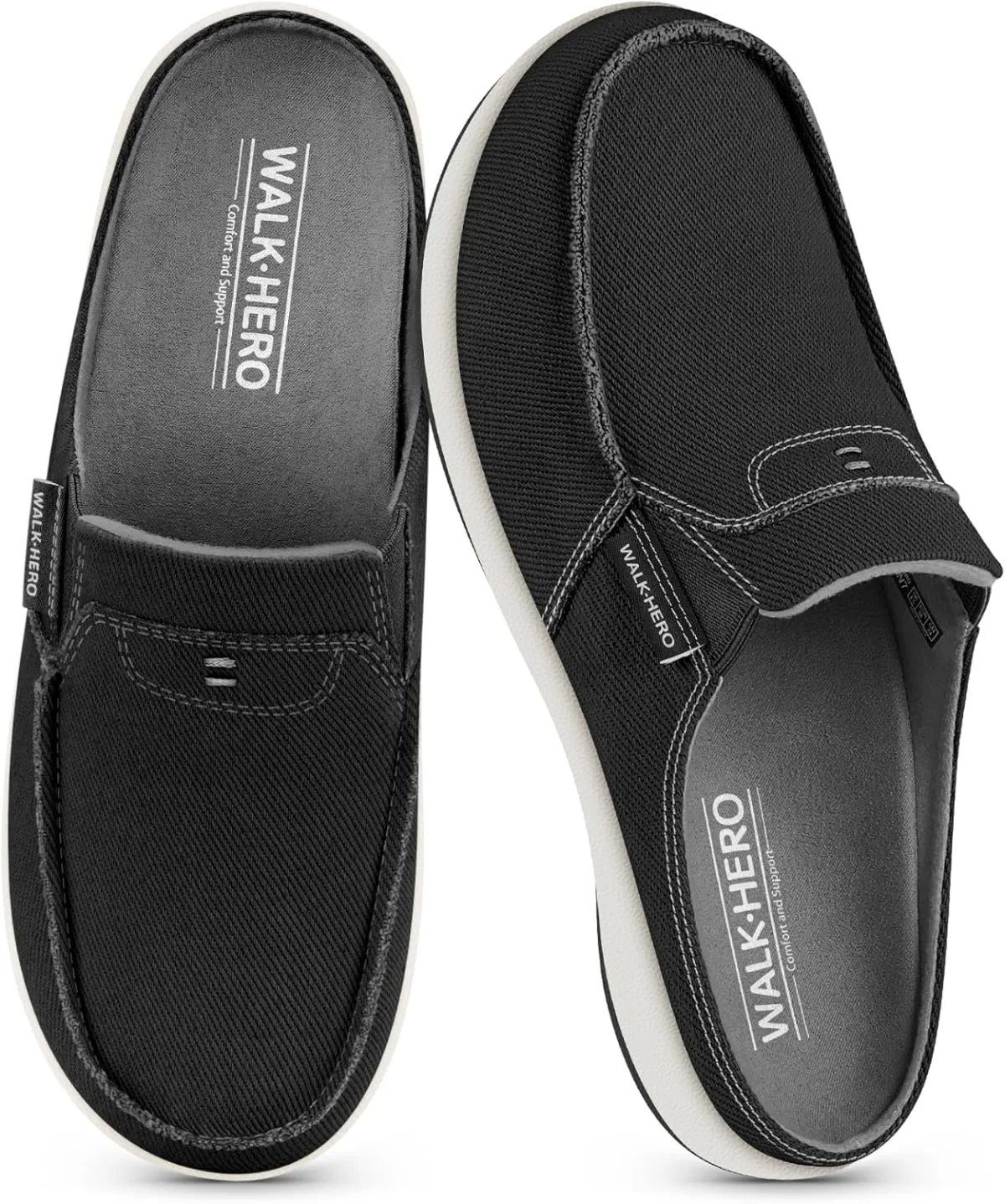
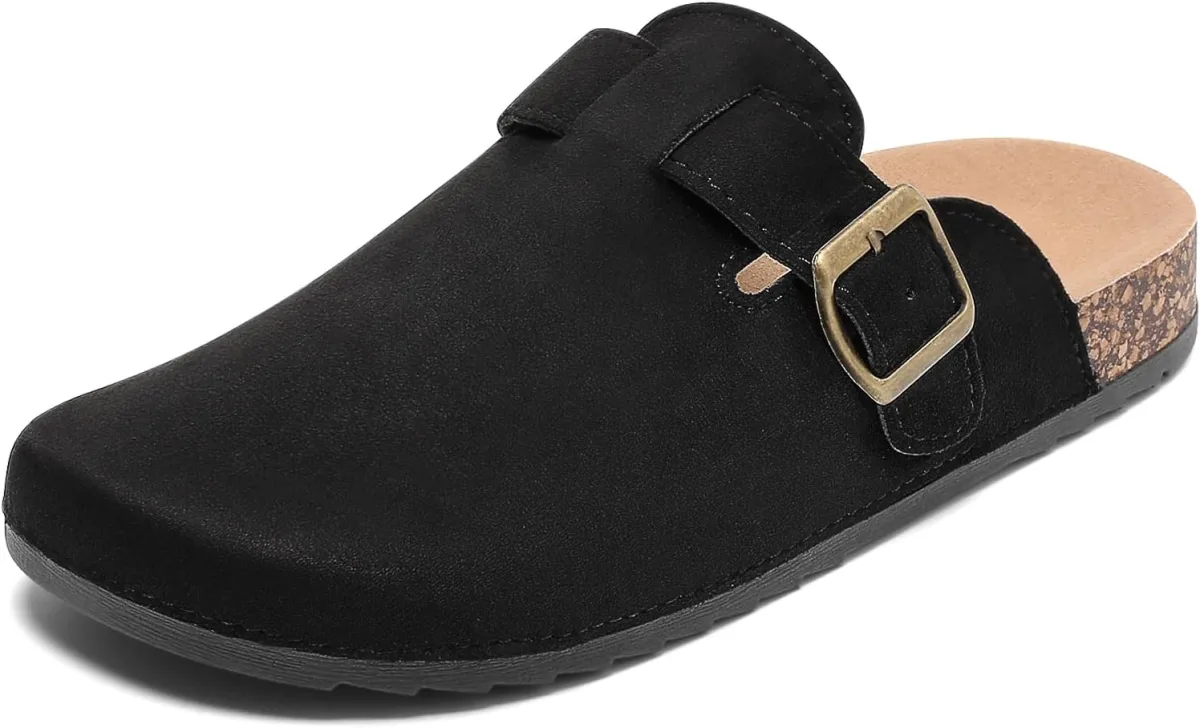
Unbranded
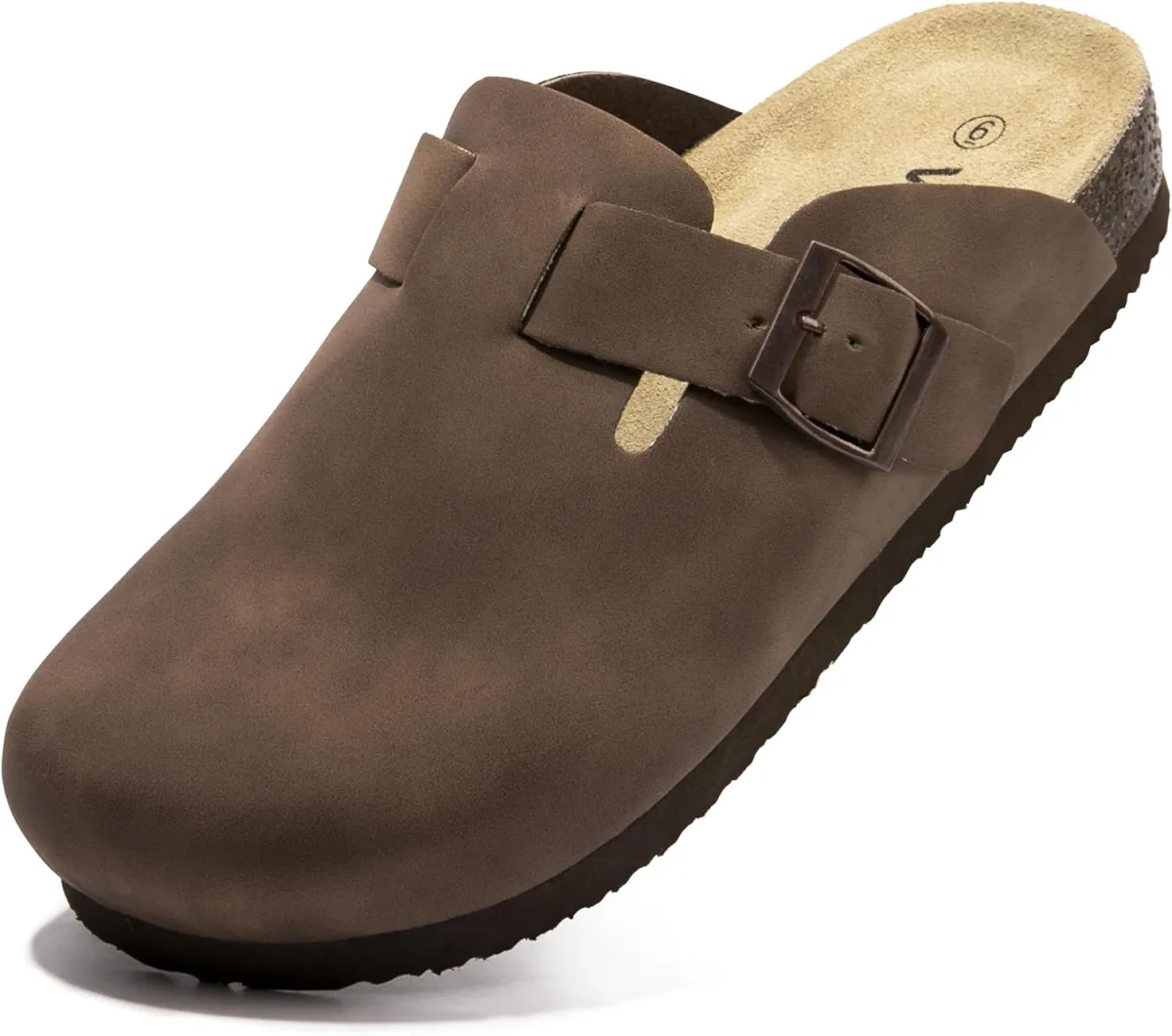
Unbranded
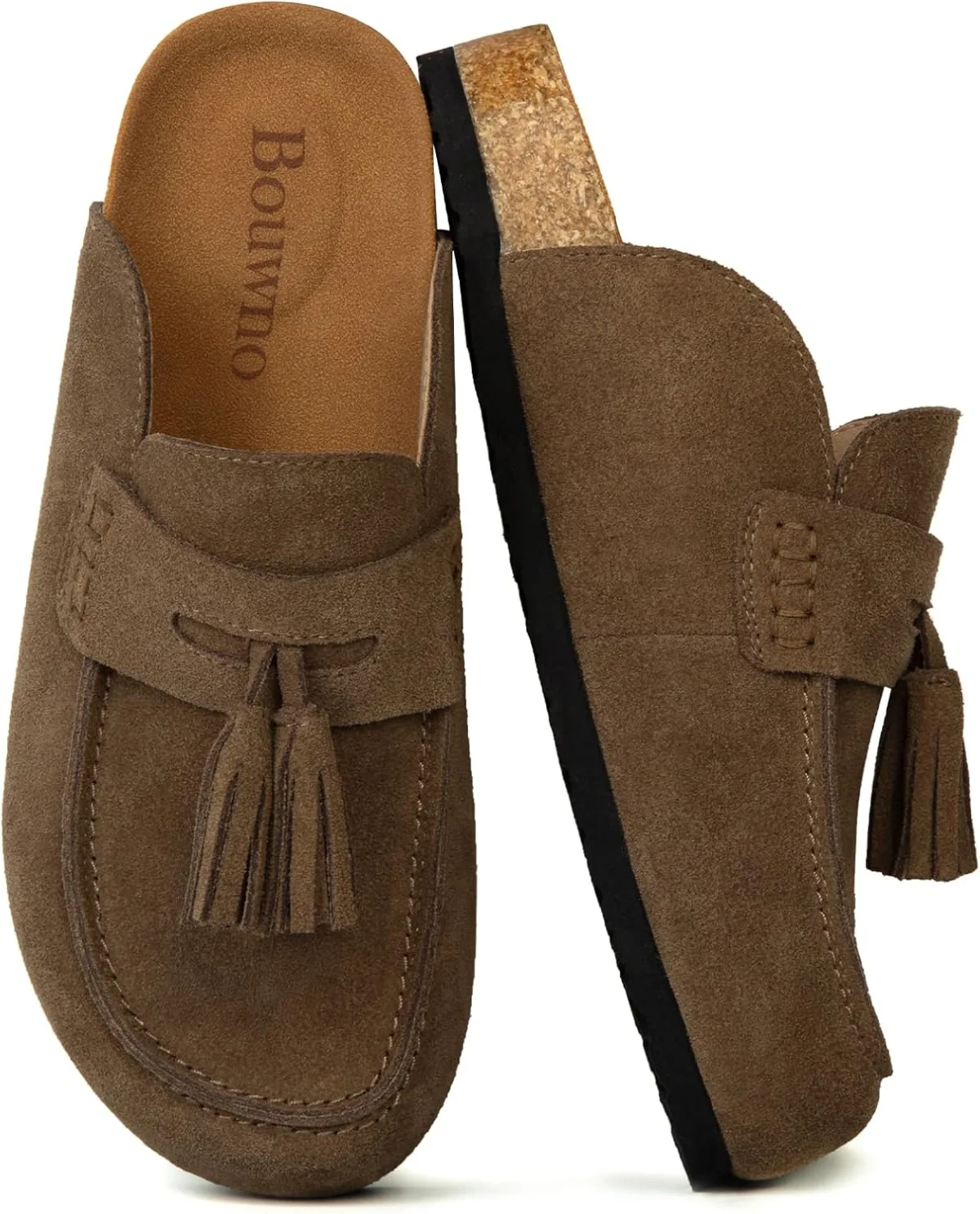
Unbranded
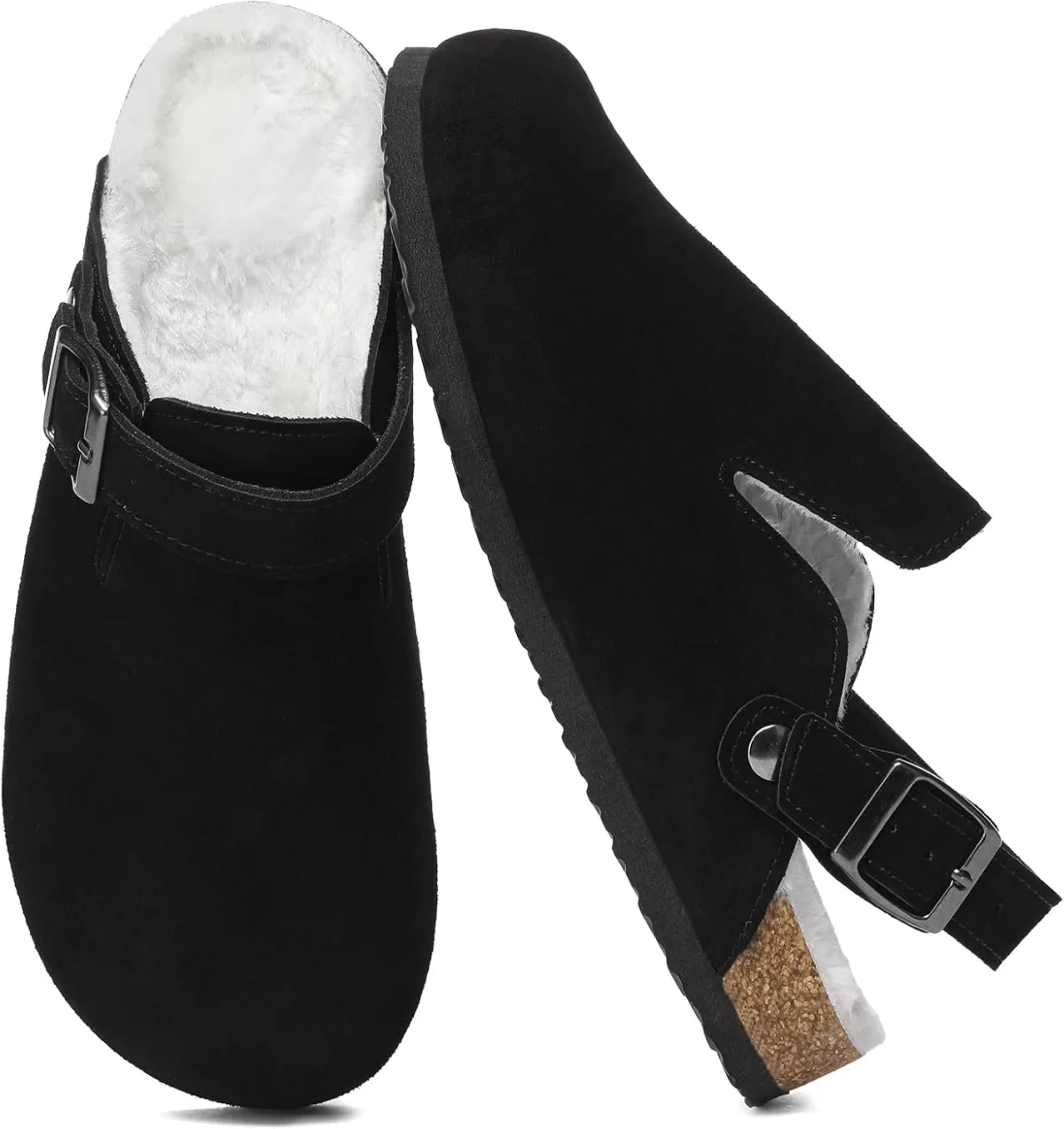
Unbranded
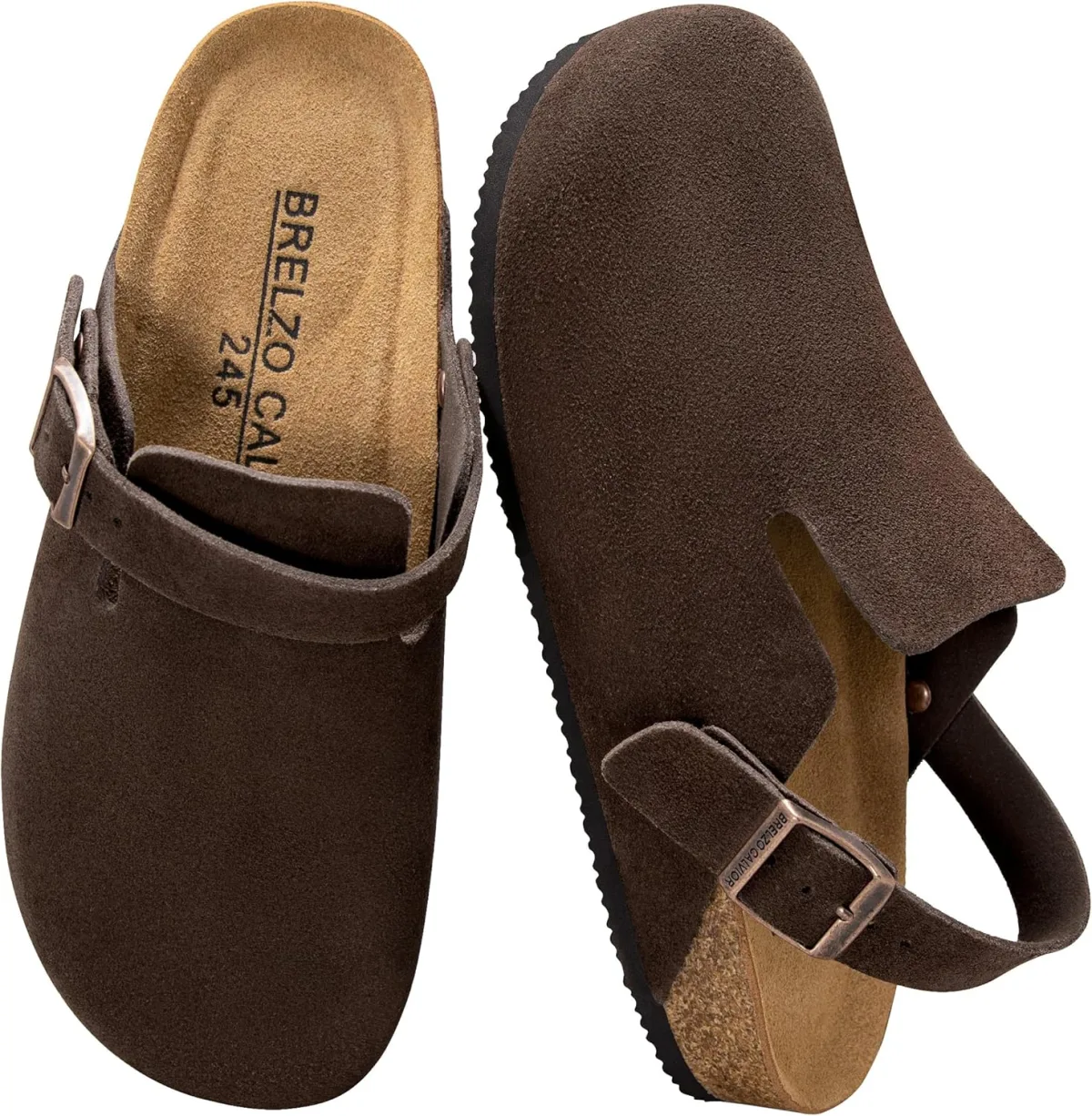
Unbranded
Unbranded
Unbranded
Unbranded
Unbranded
Unbranded
Unbranded
Unbranded
Unbranded
Unbranded
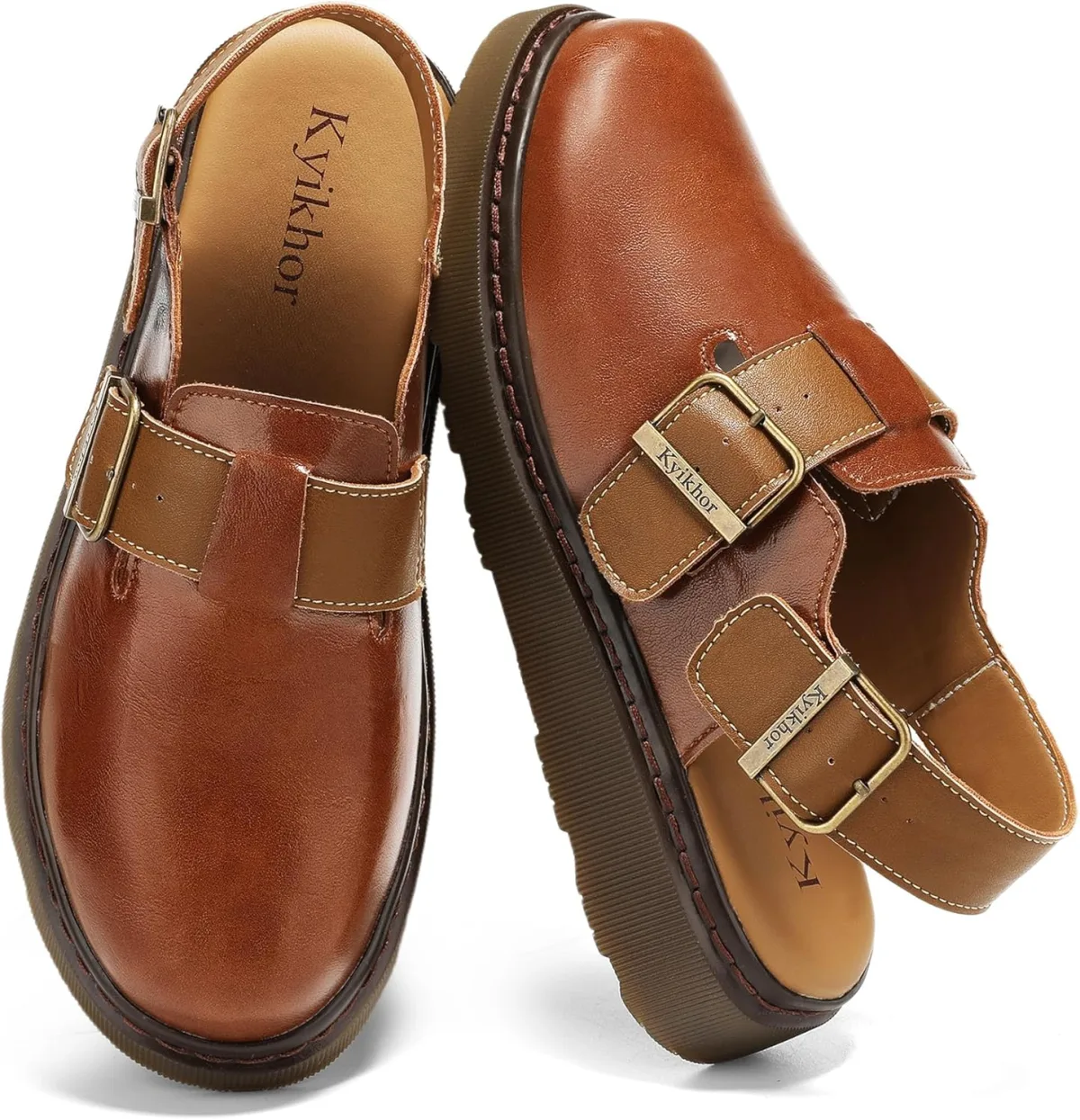
Unbranded
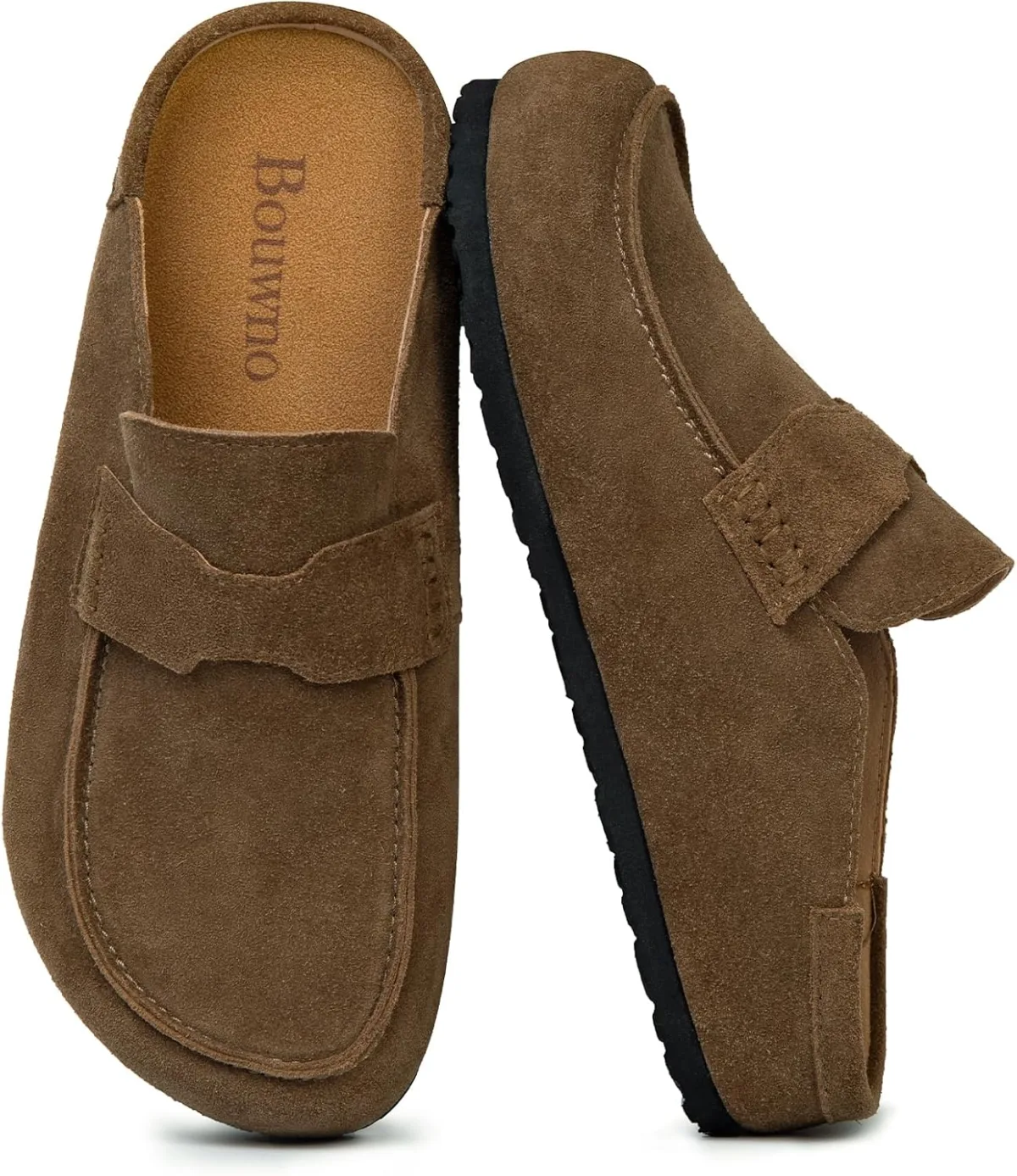
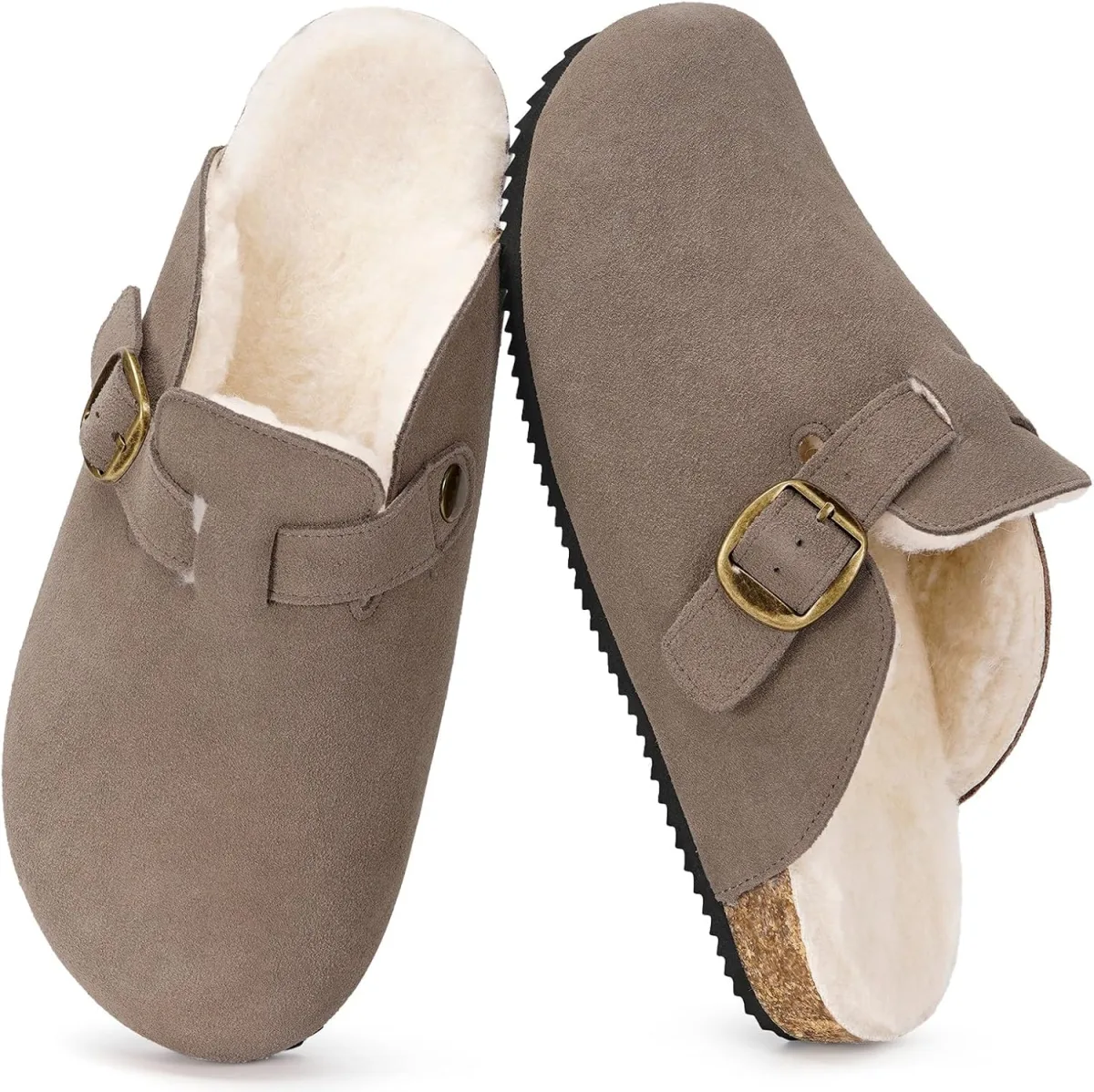
Unbranded
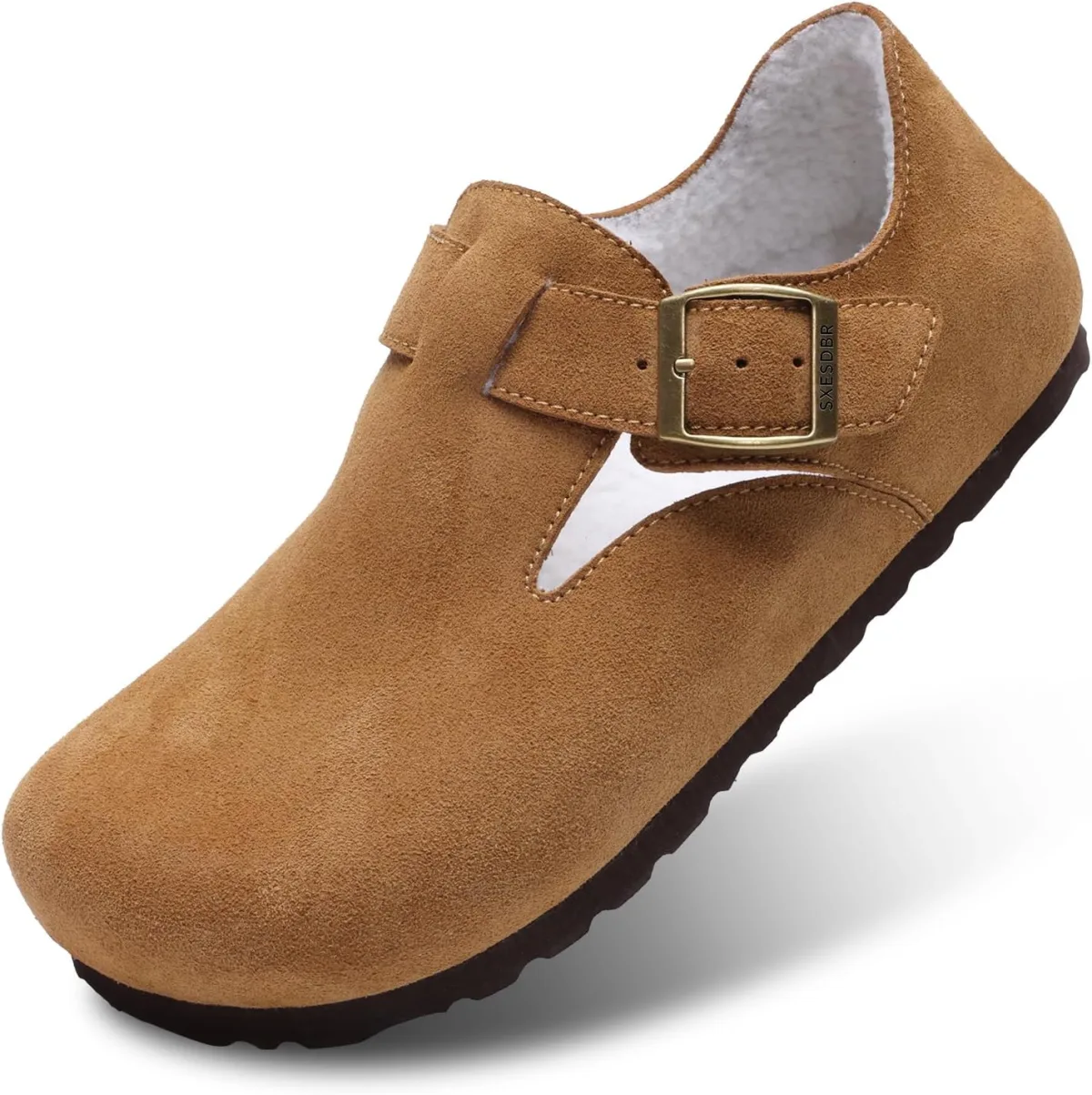
Unbranded
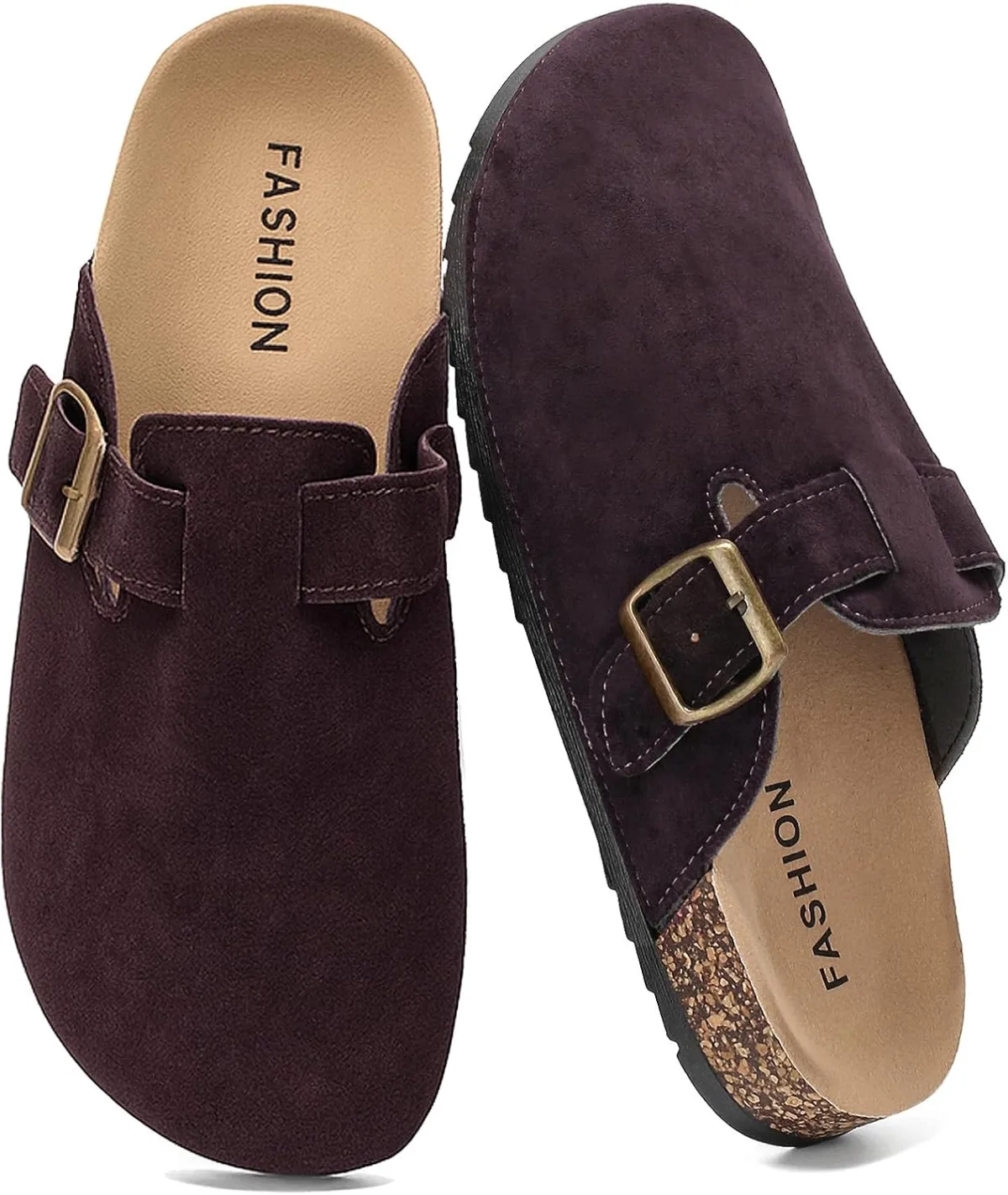
Unbranded
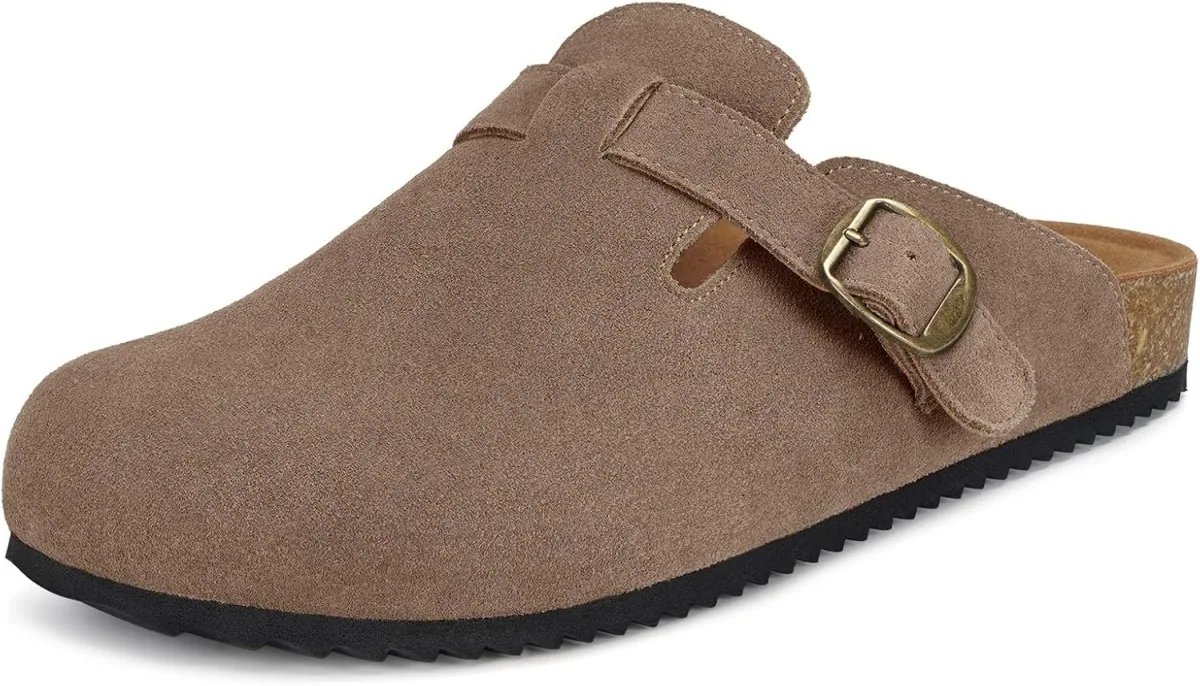
Unbranded
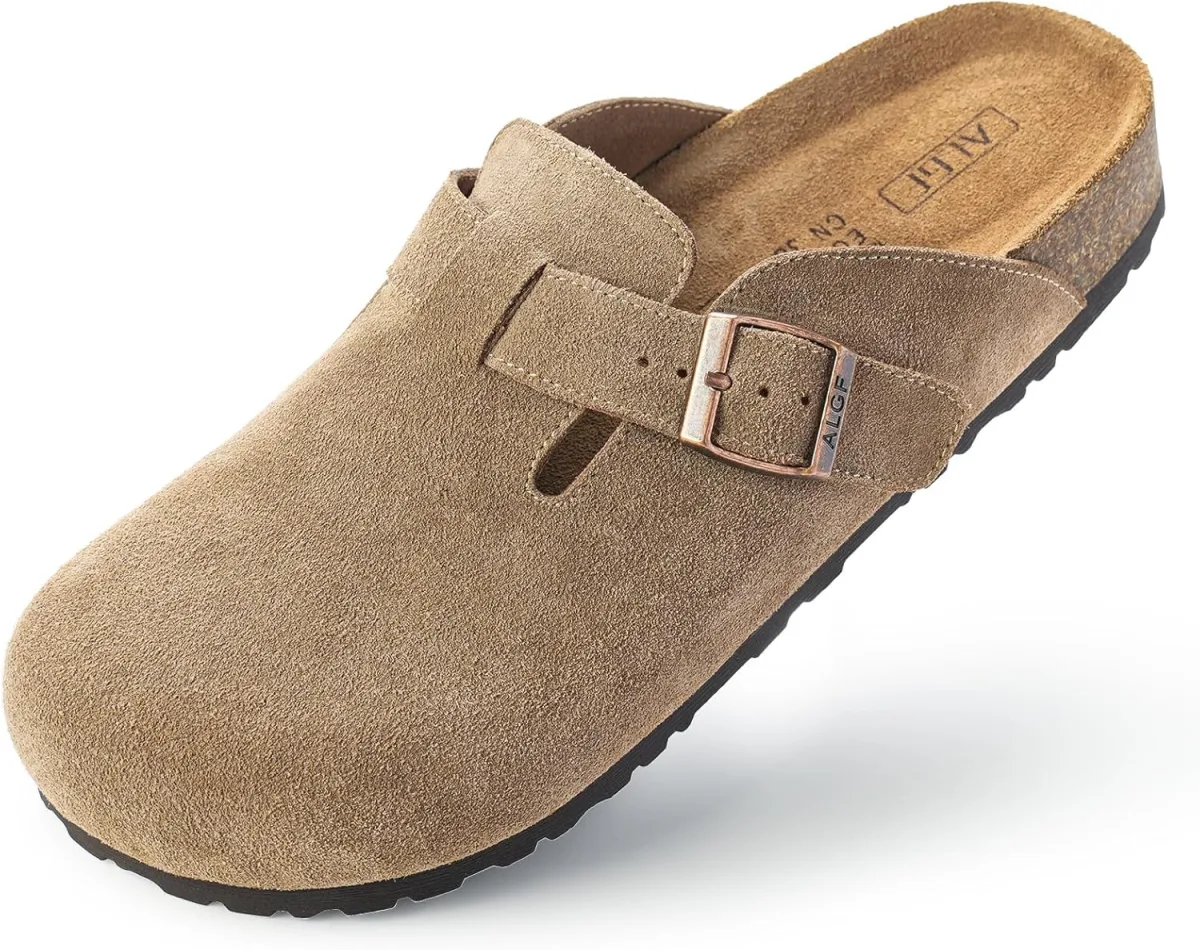
Unbranded
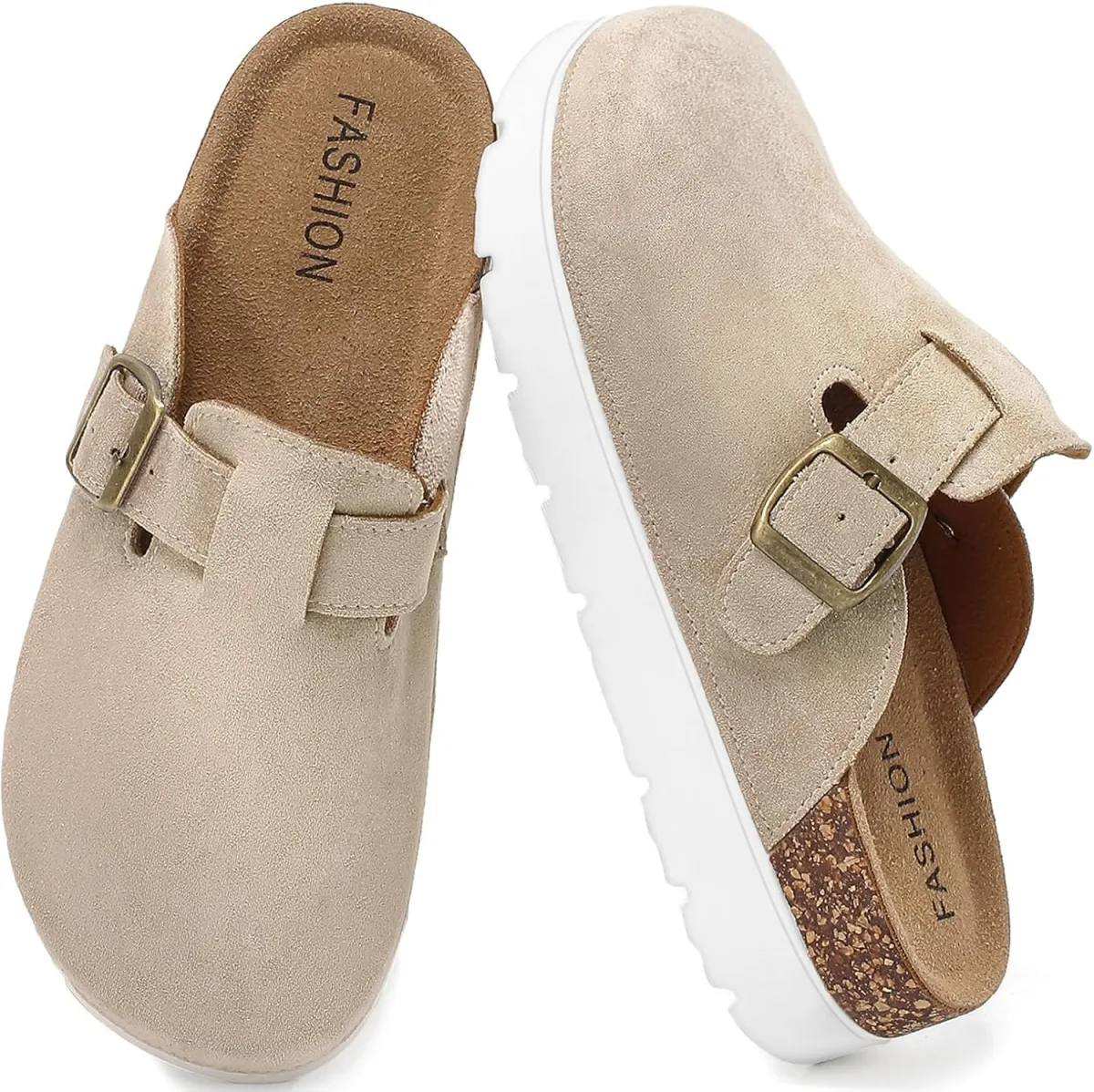
Unbranded
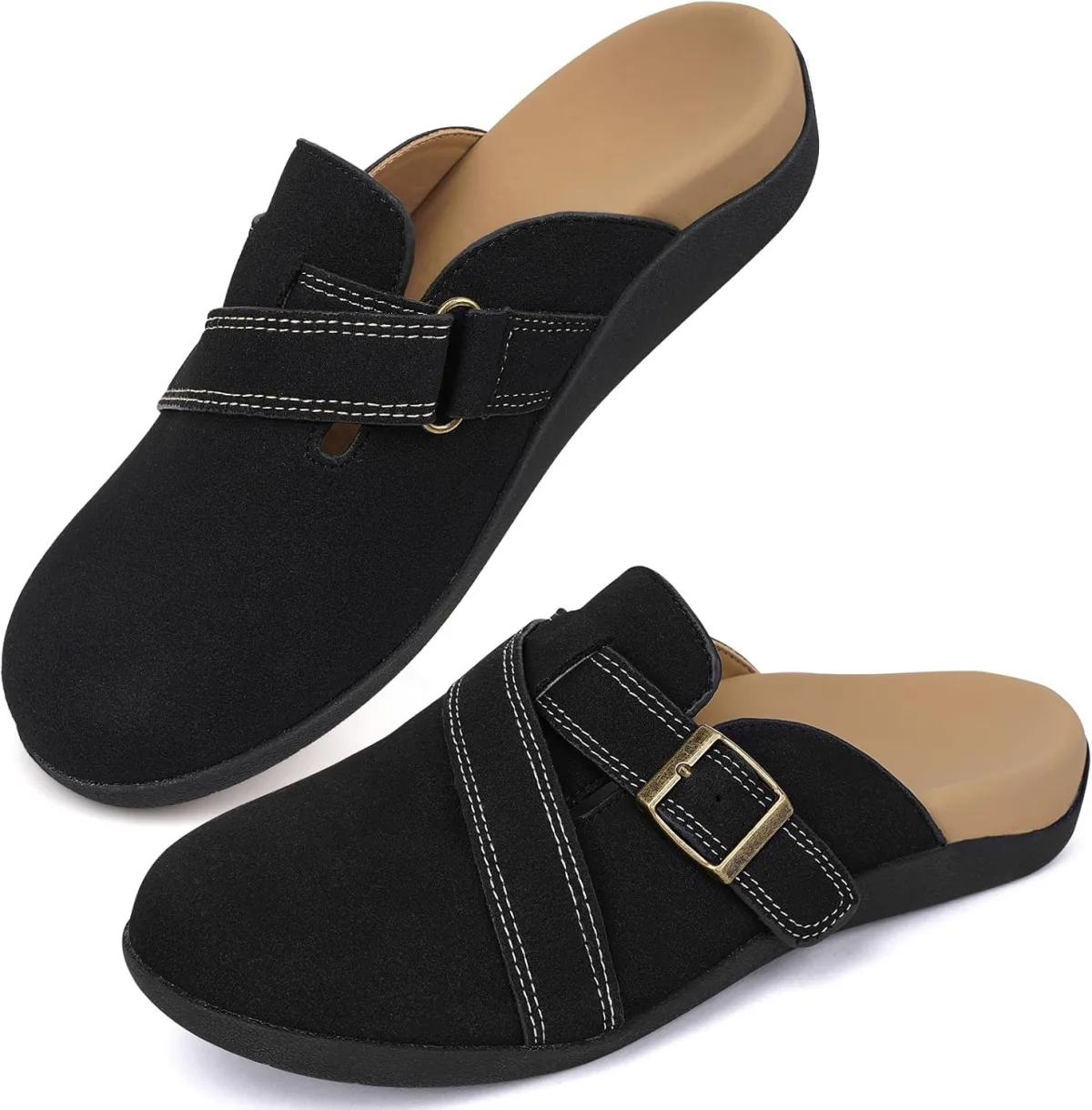
V.Step
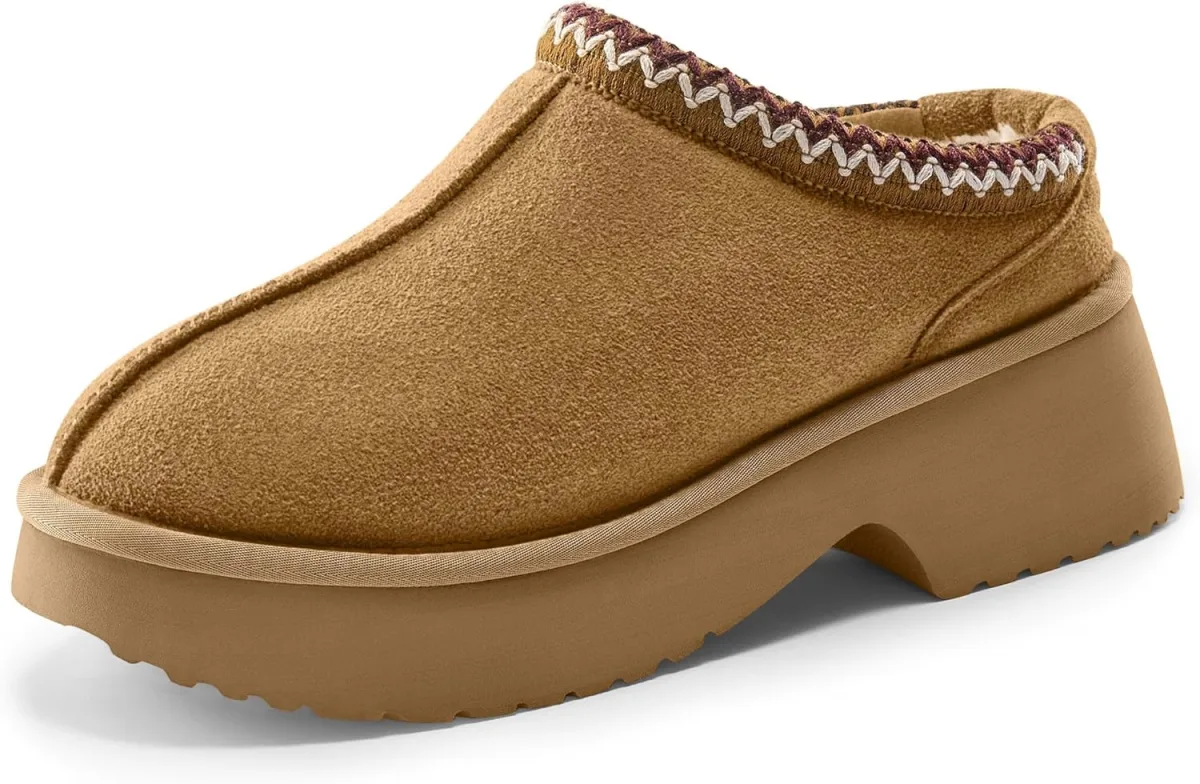
Vilanva
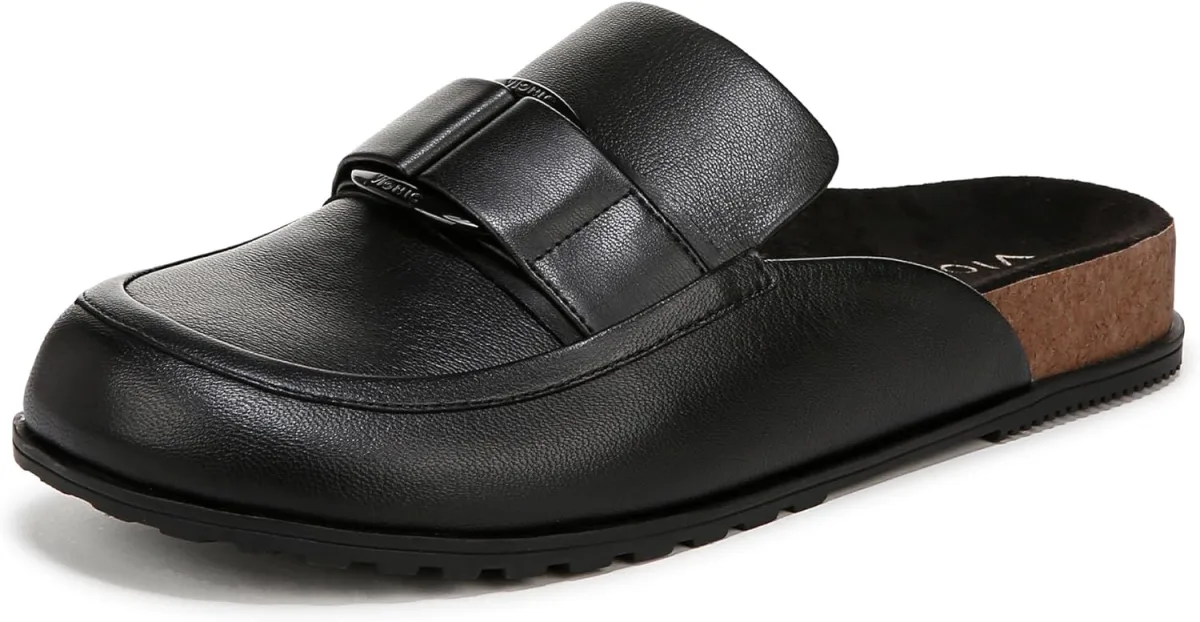
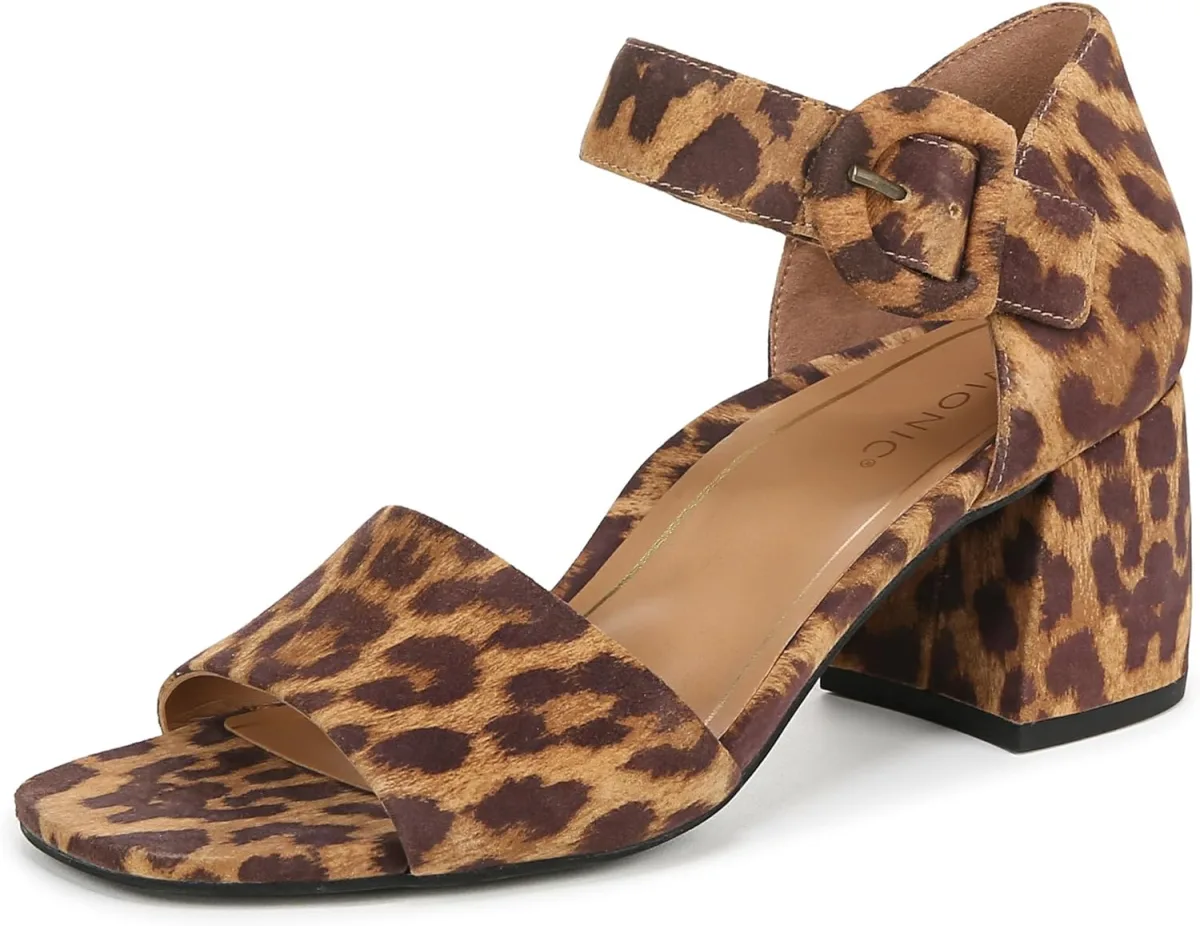
YorFotMae
ZUSERIS
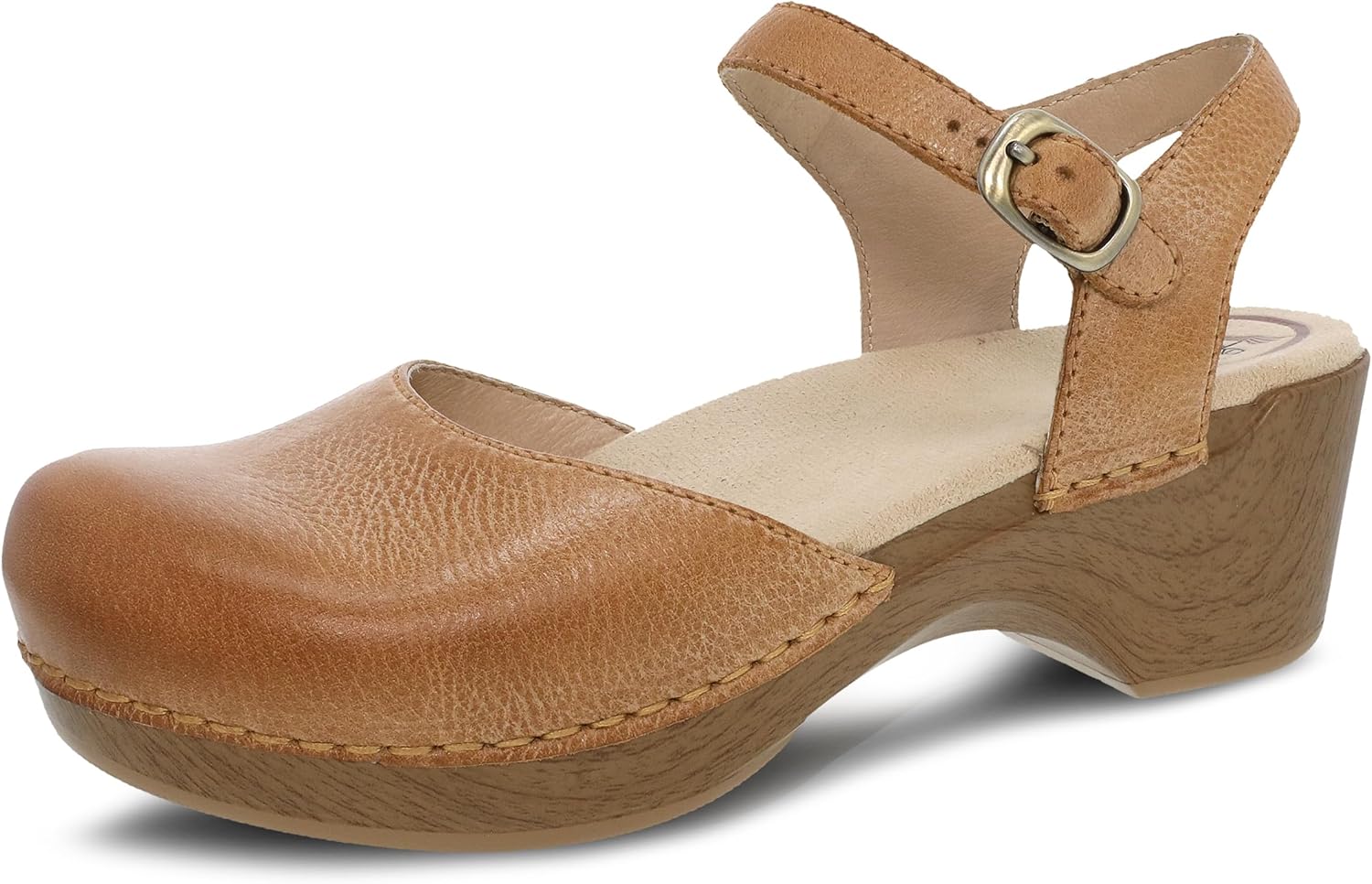
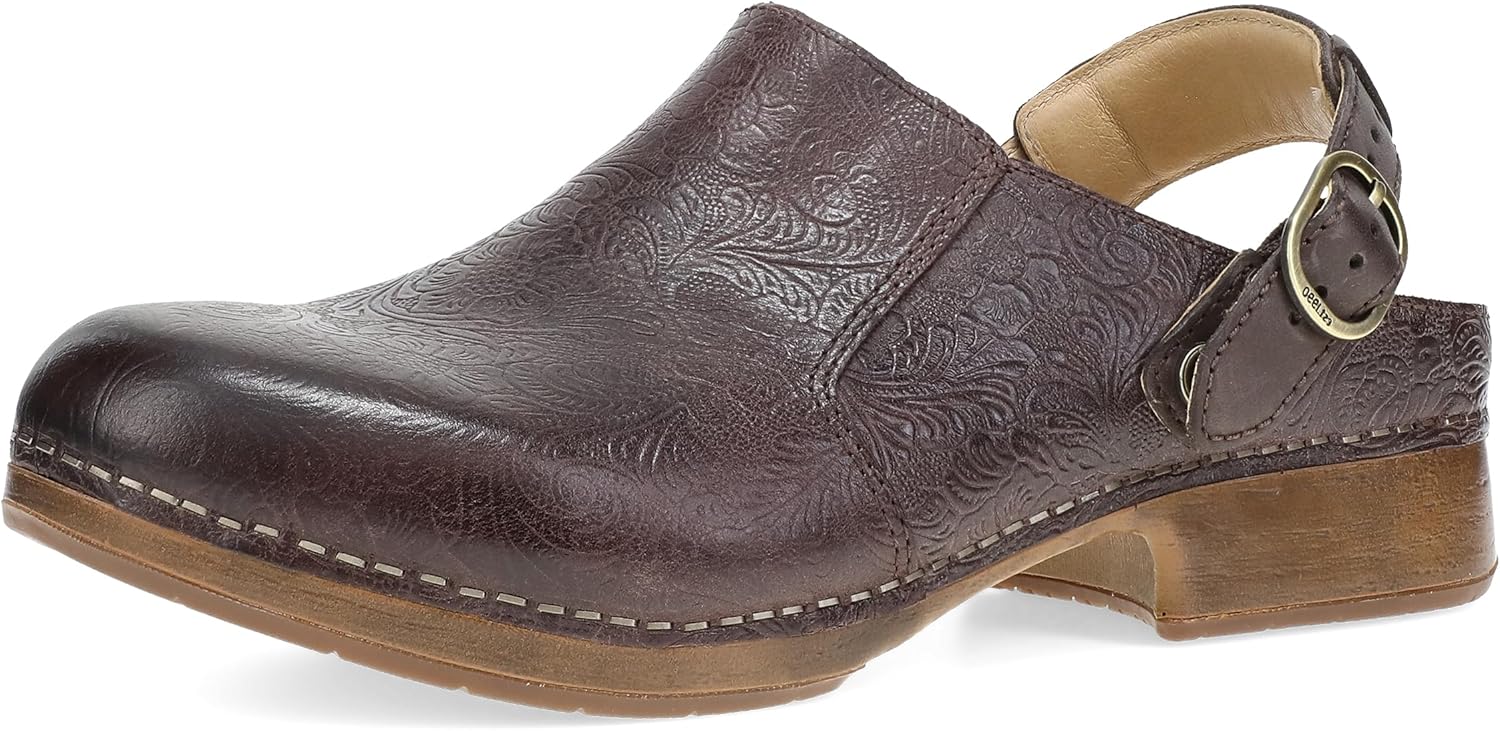
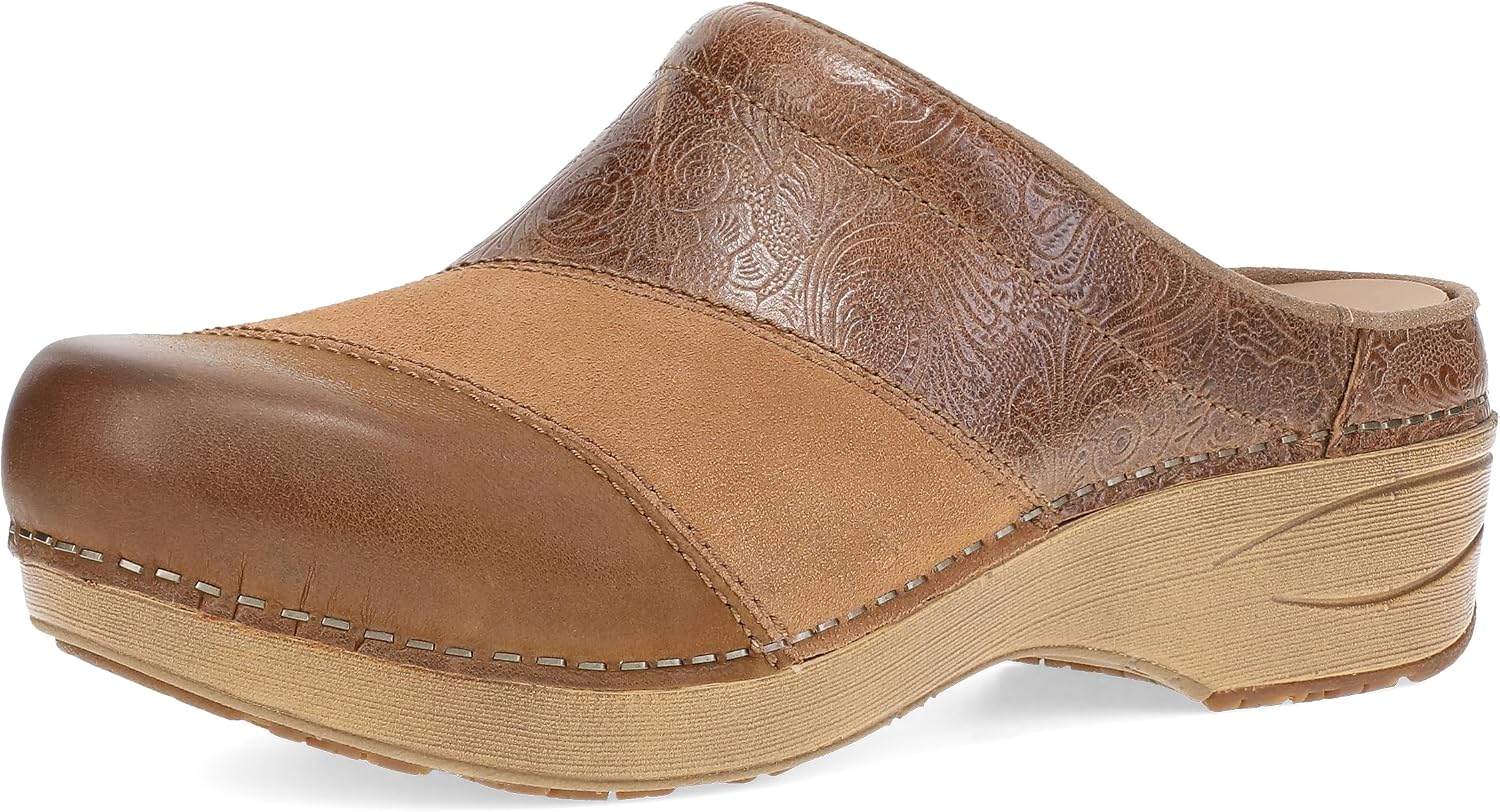
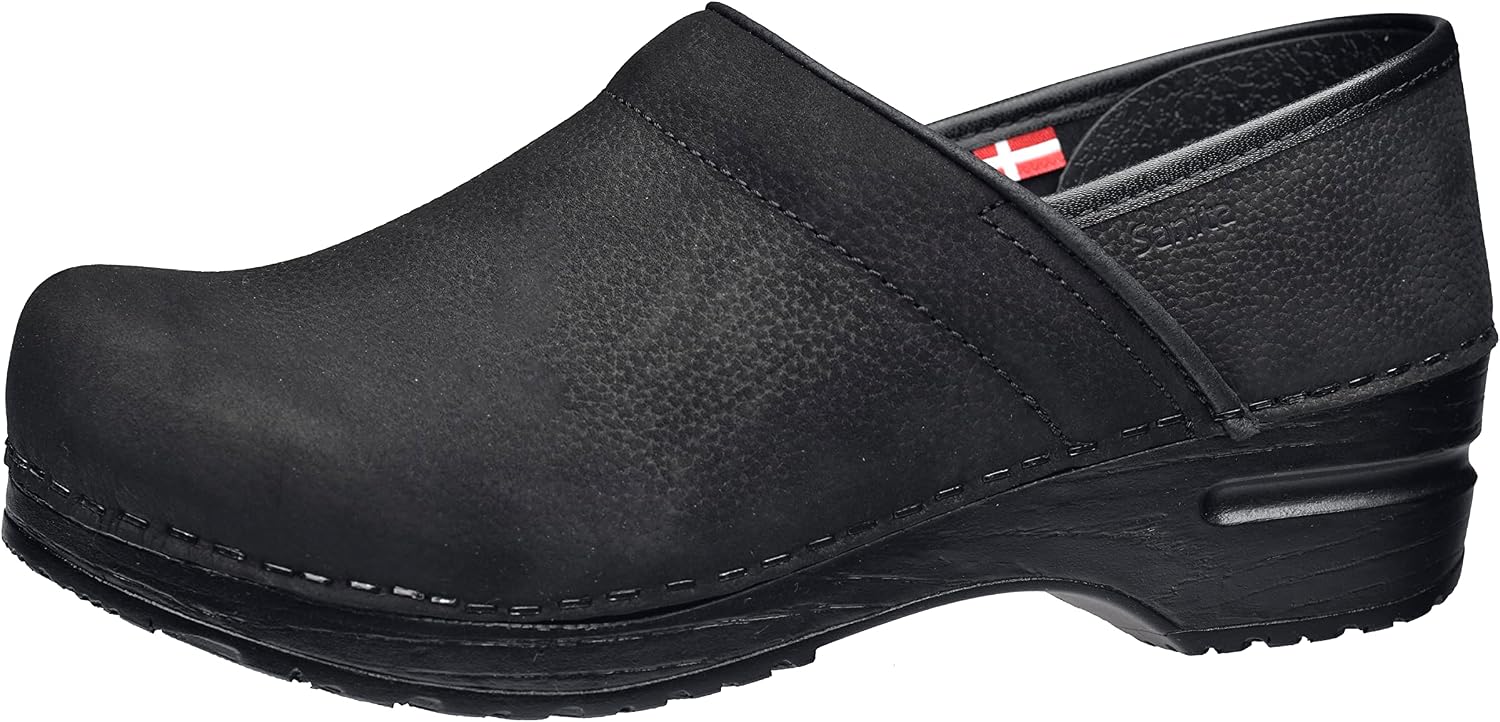
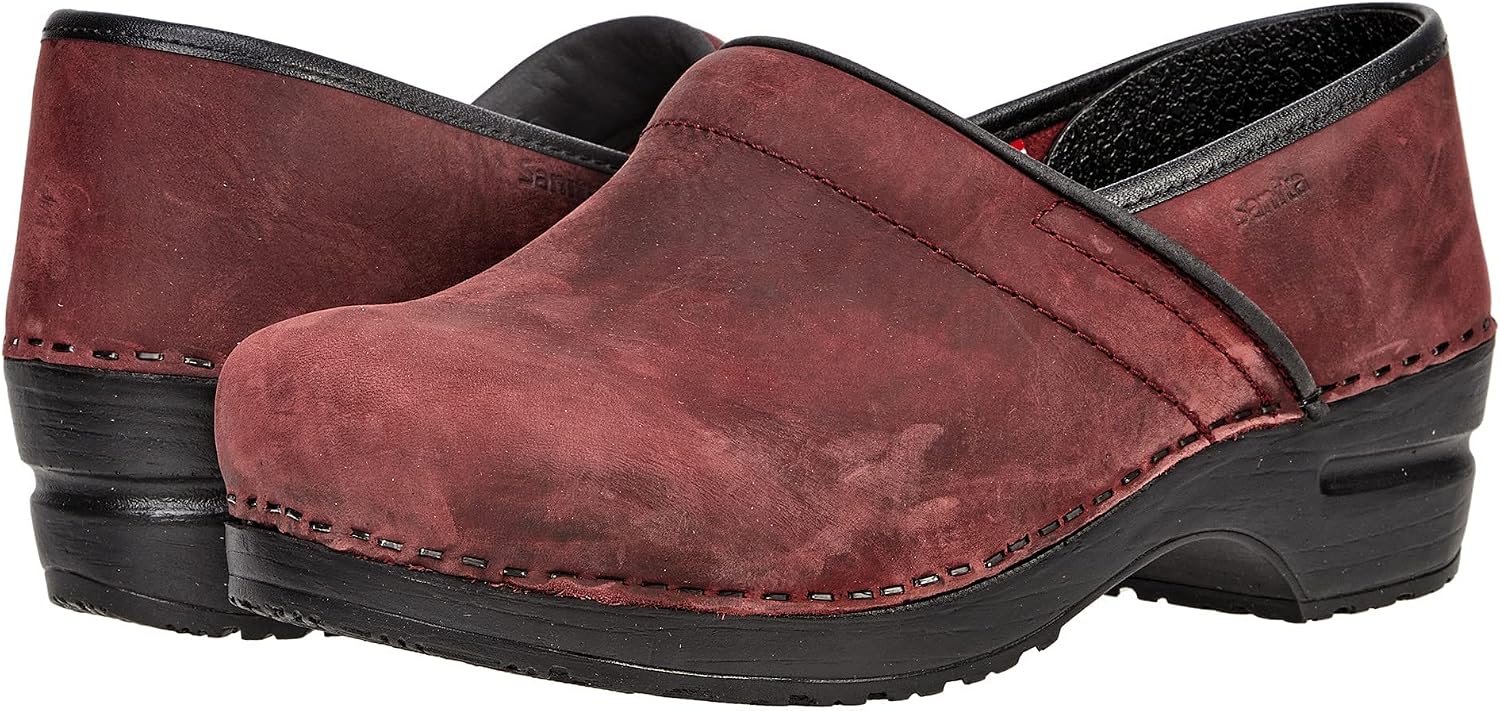
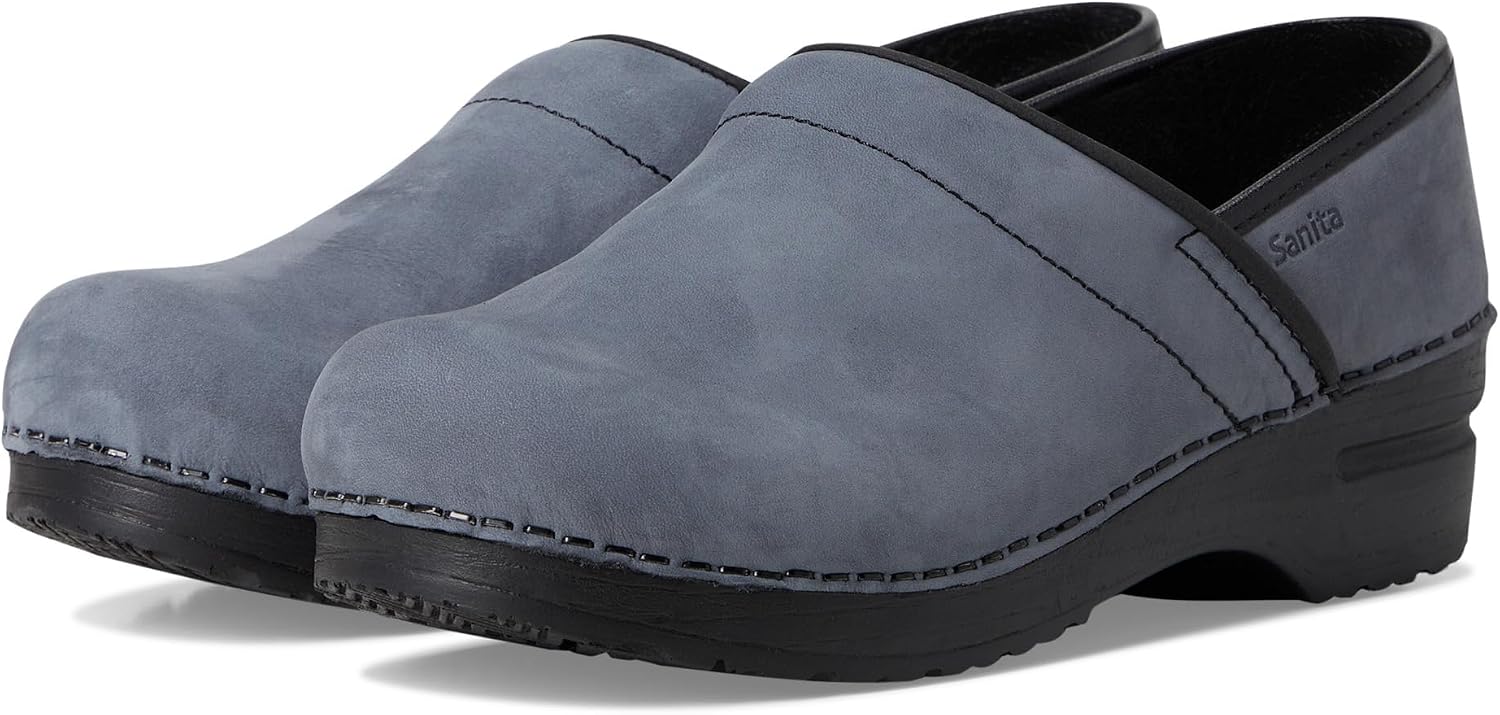
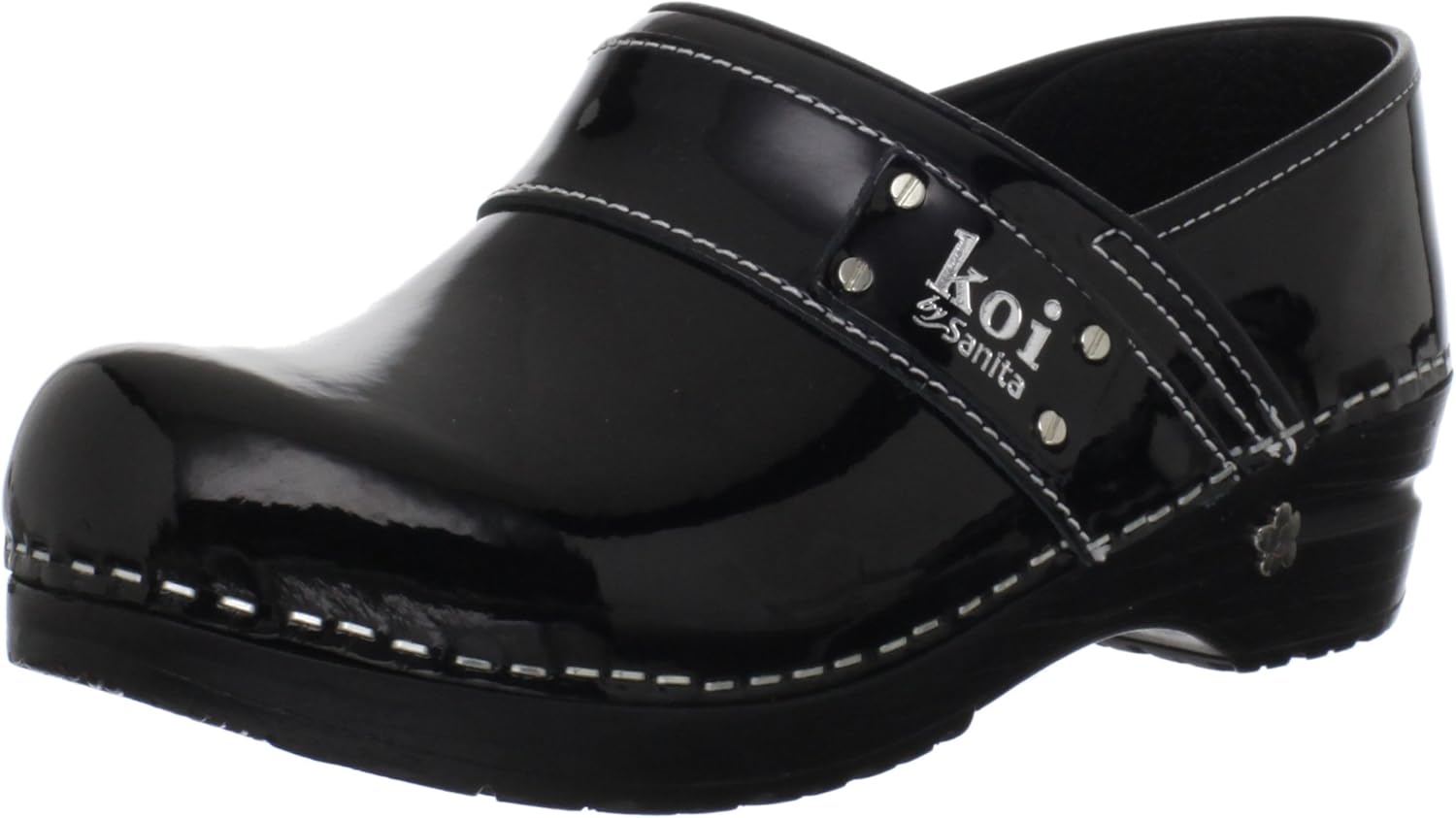
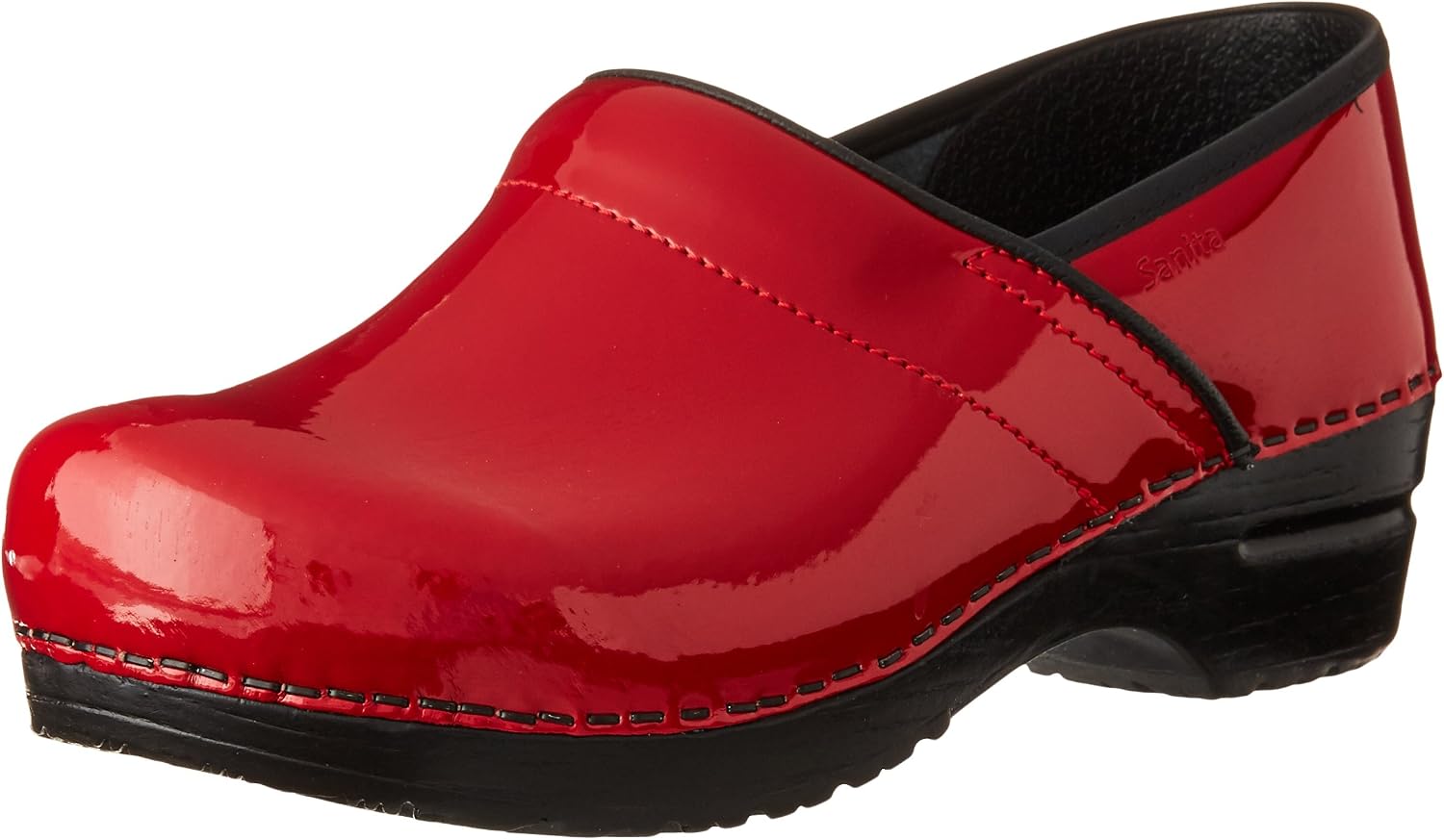
Sanita
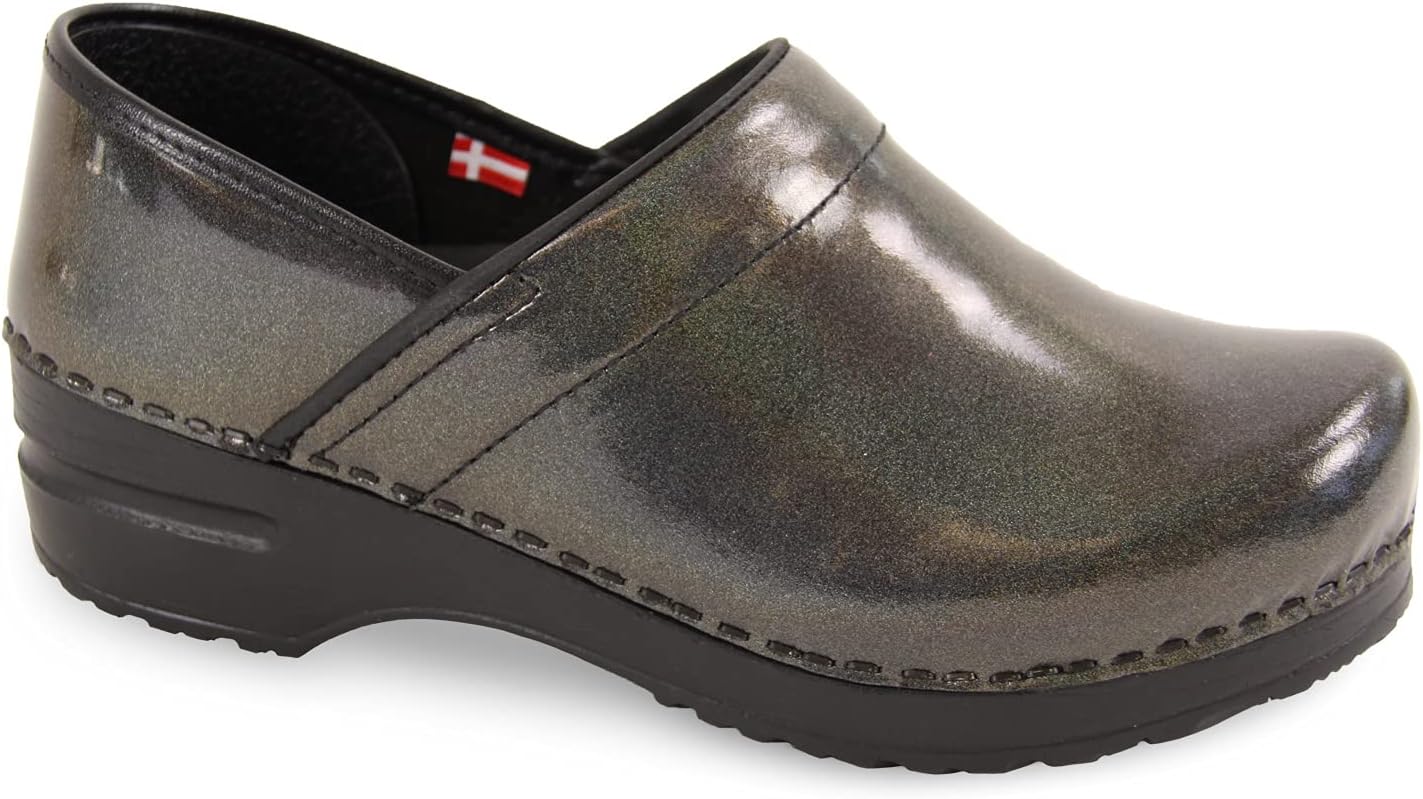
Sanita
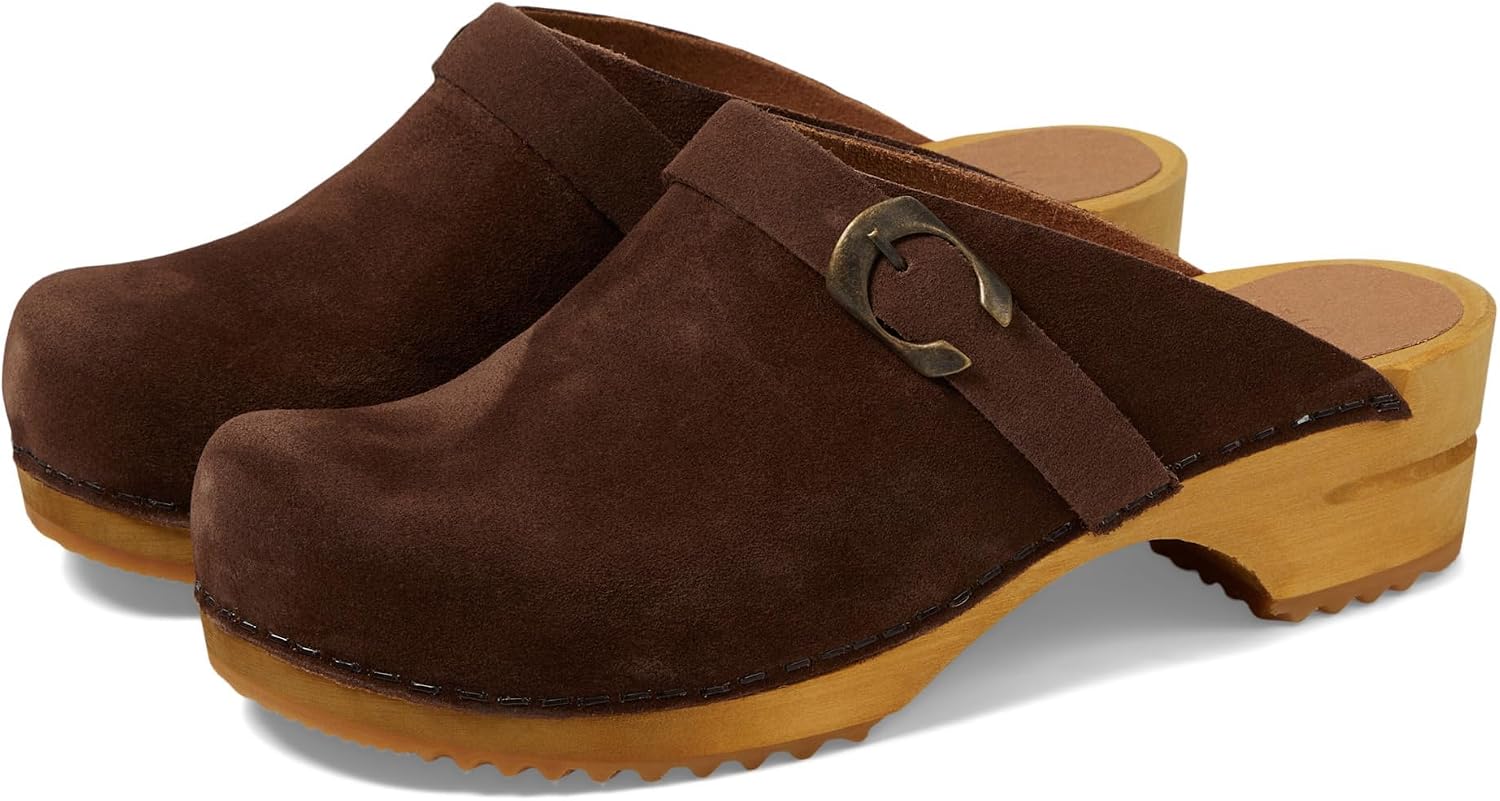
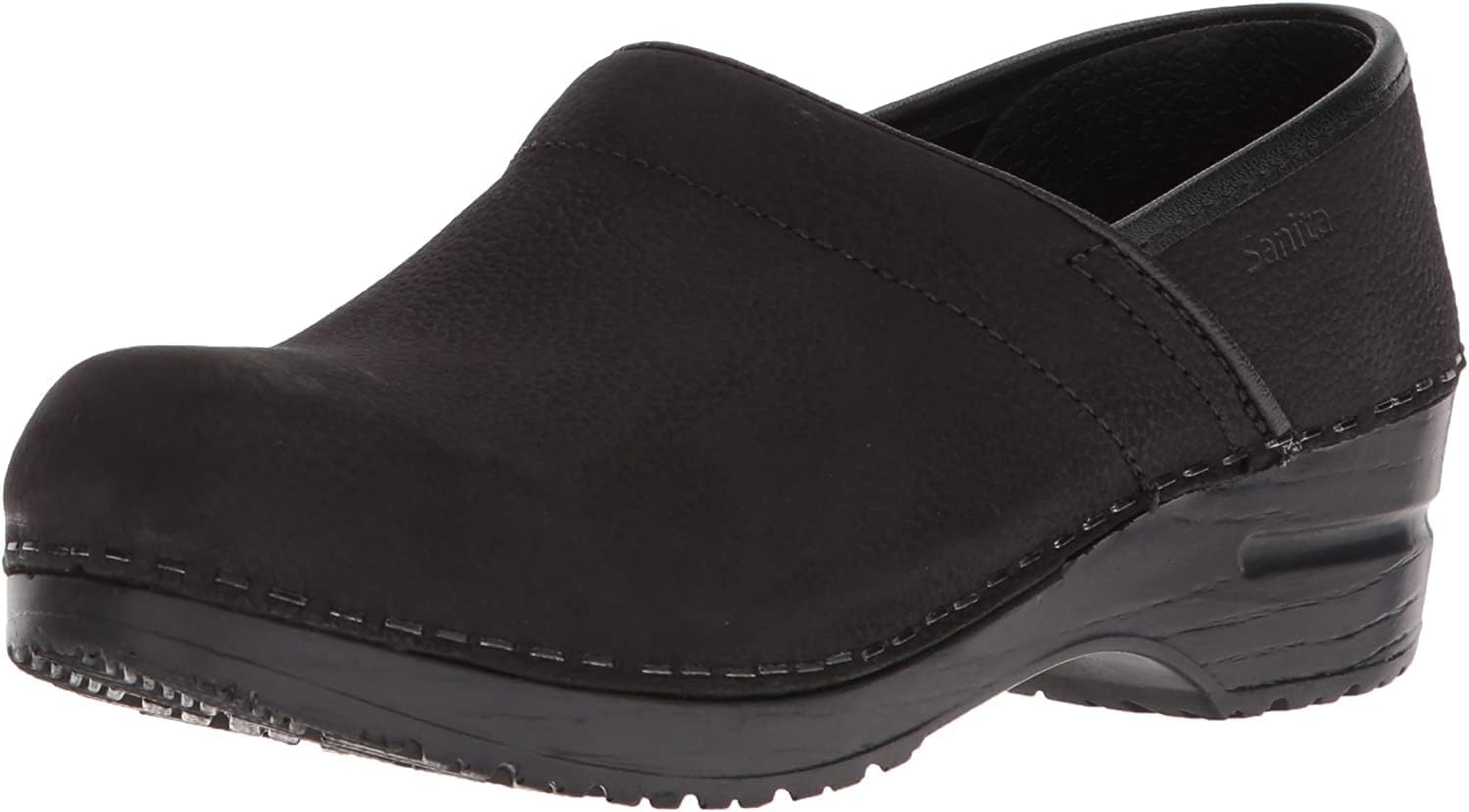
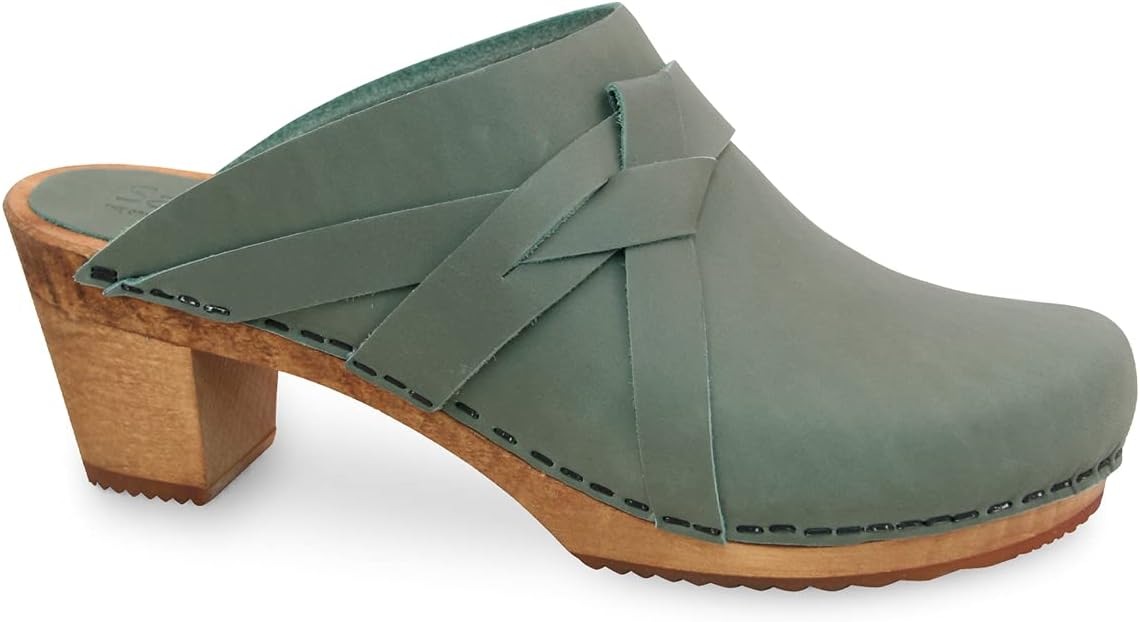
Sanita
Birkenstock
Birkenstock
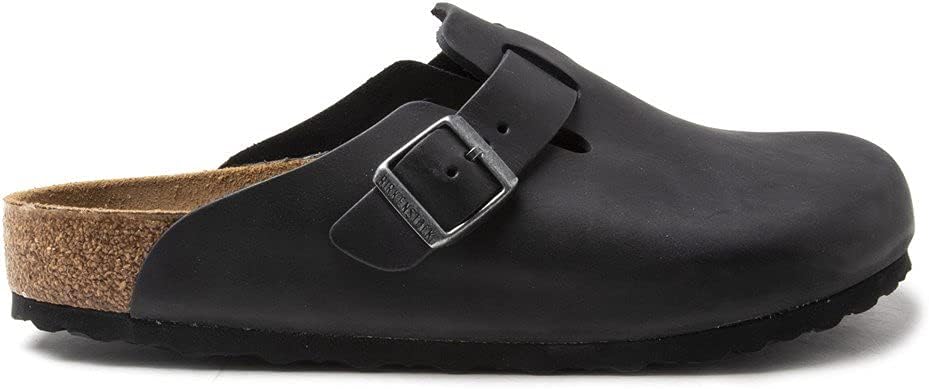
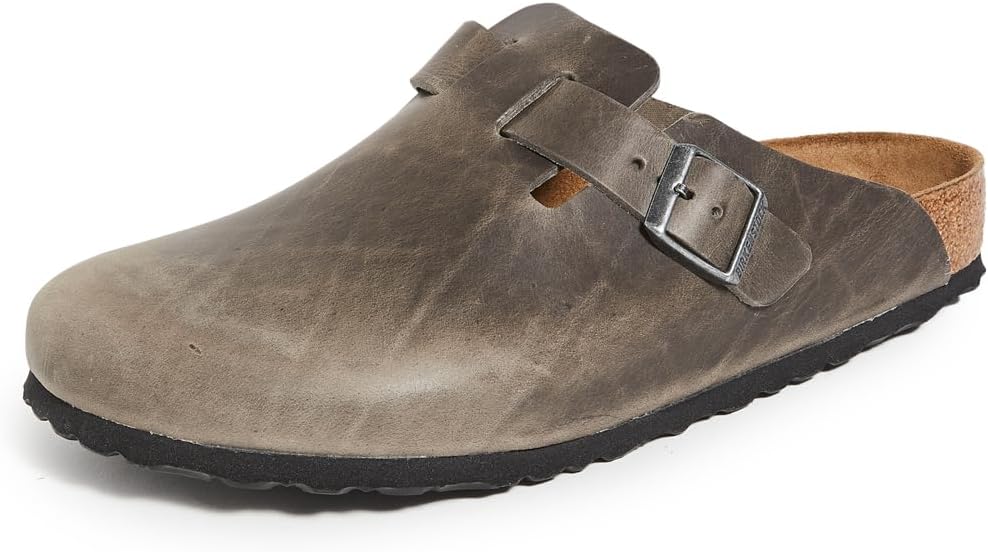
Birkenstock
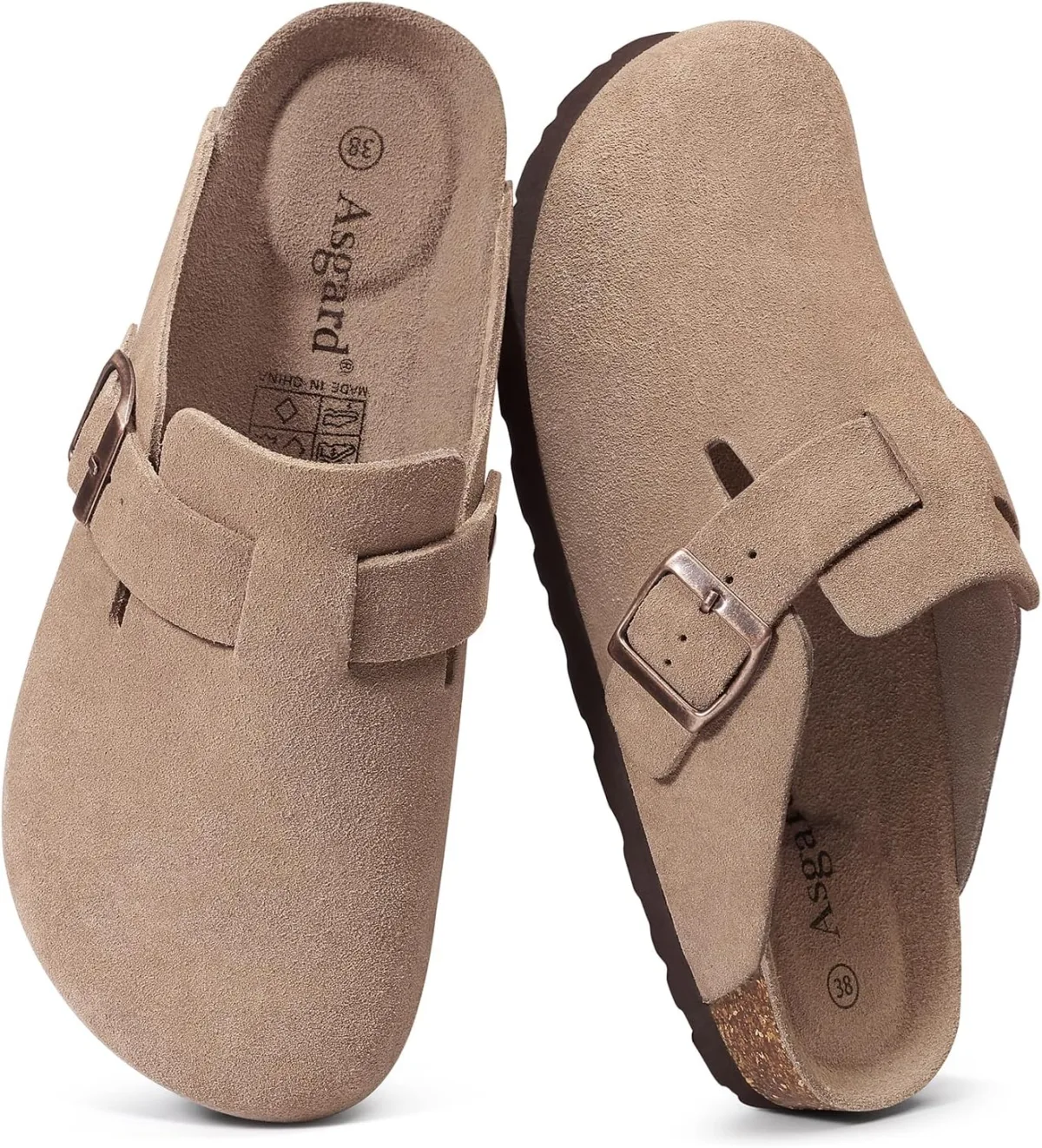
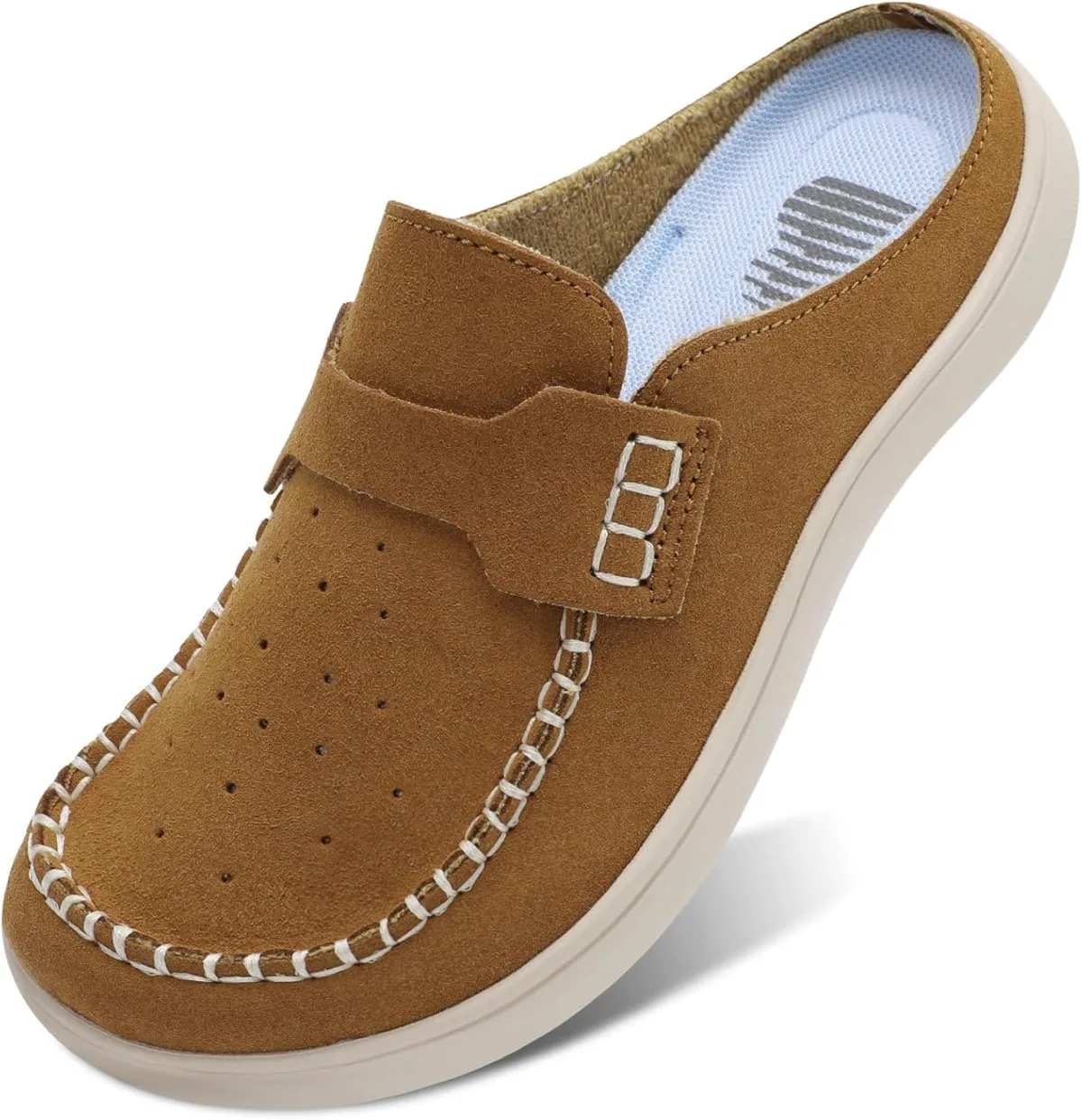
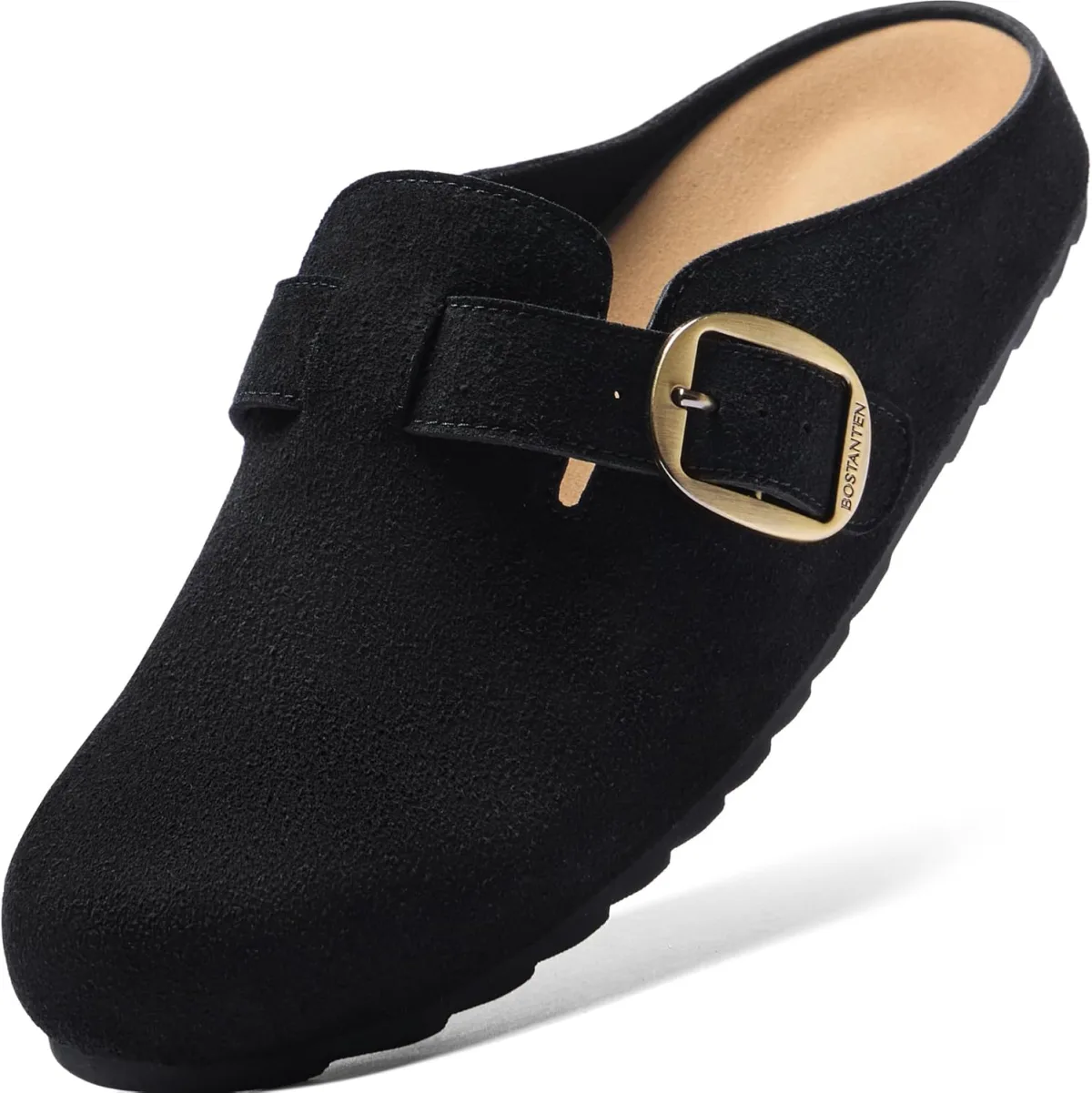
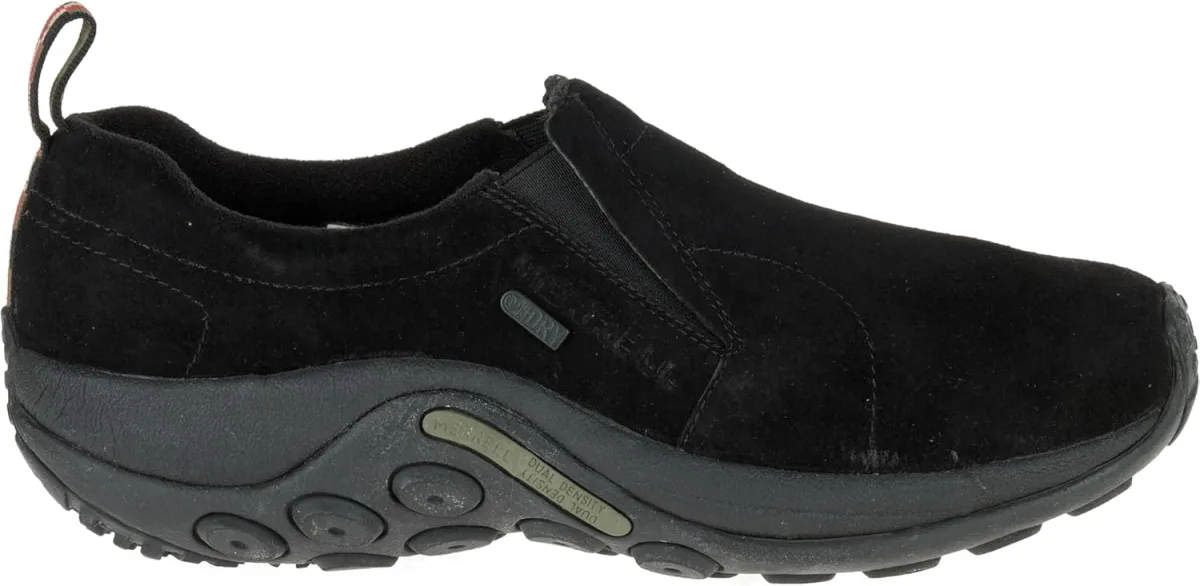
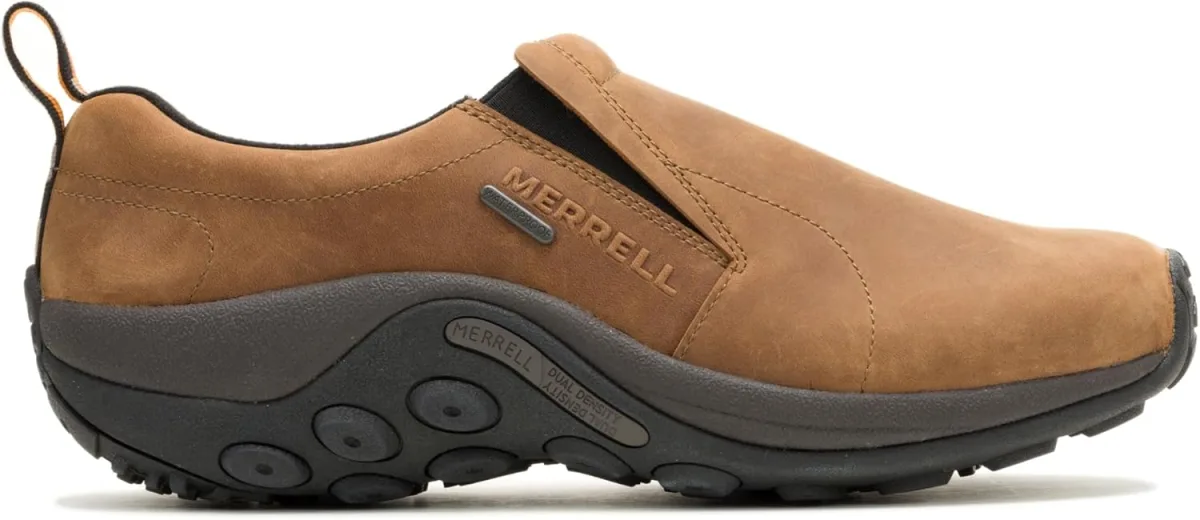
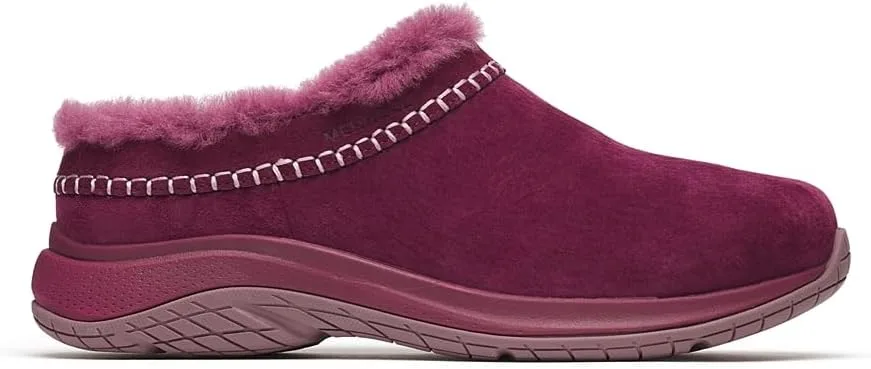
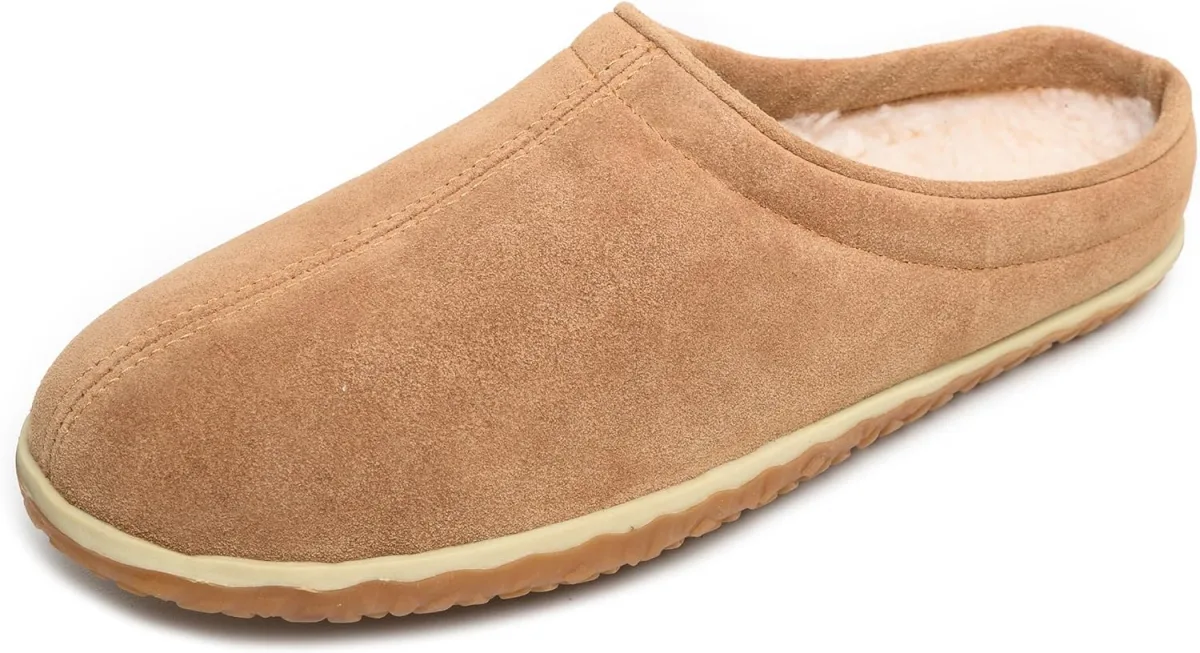
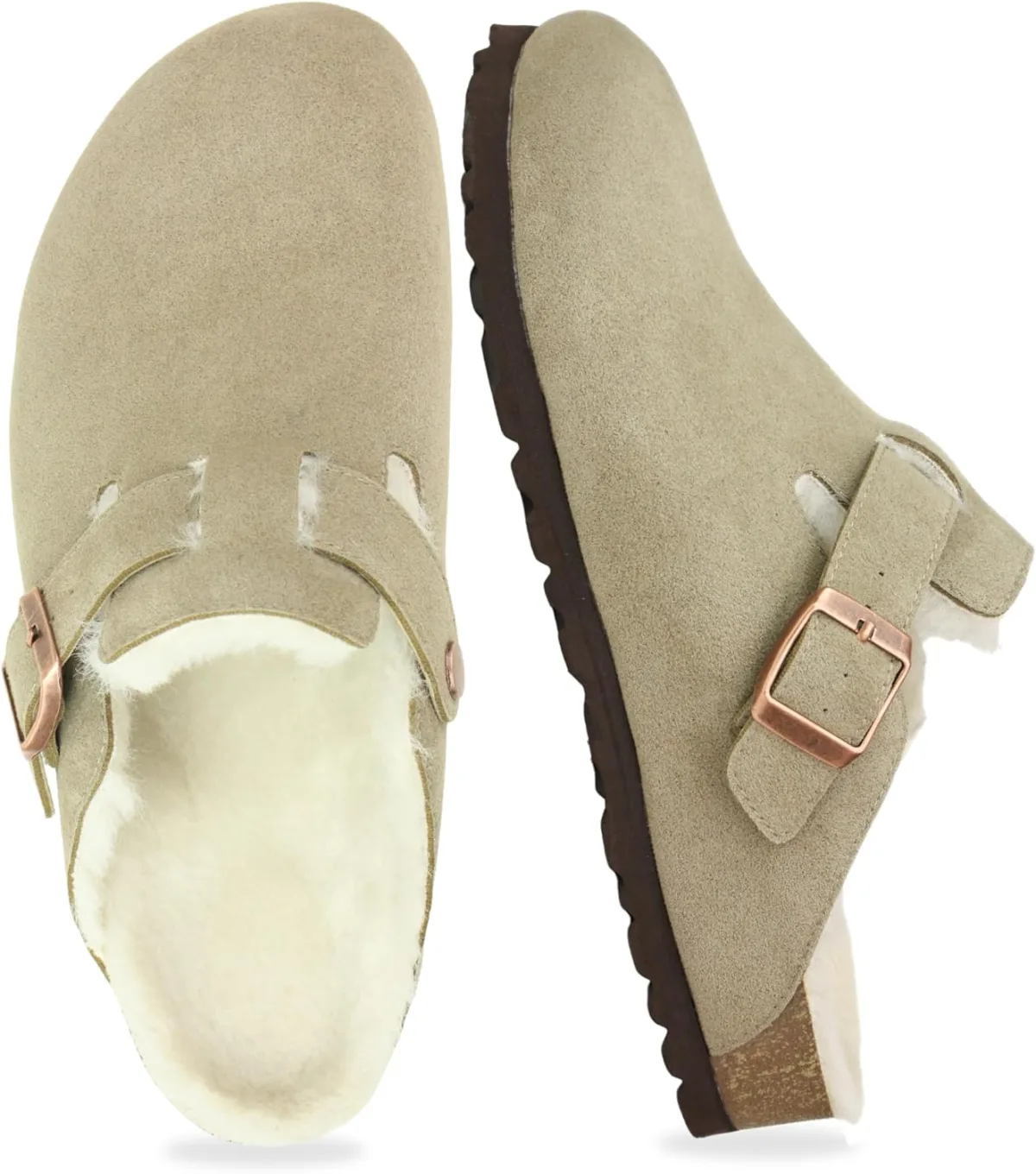
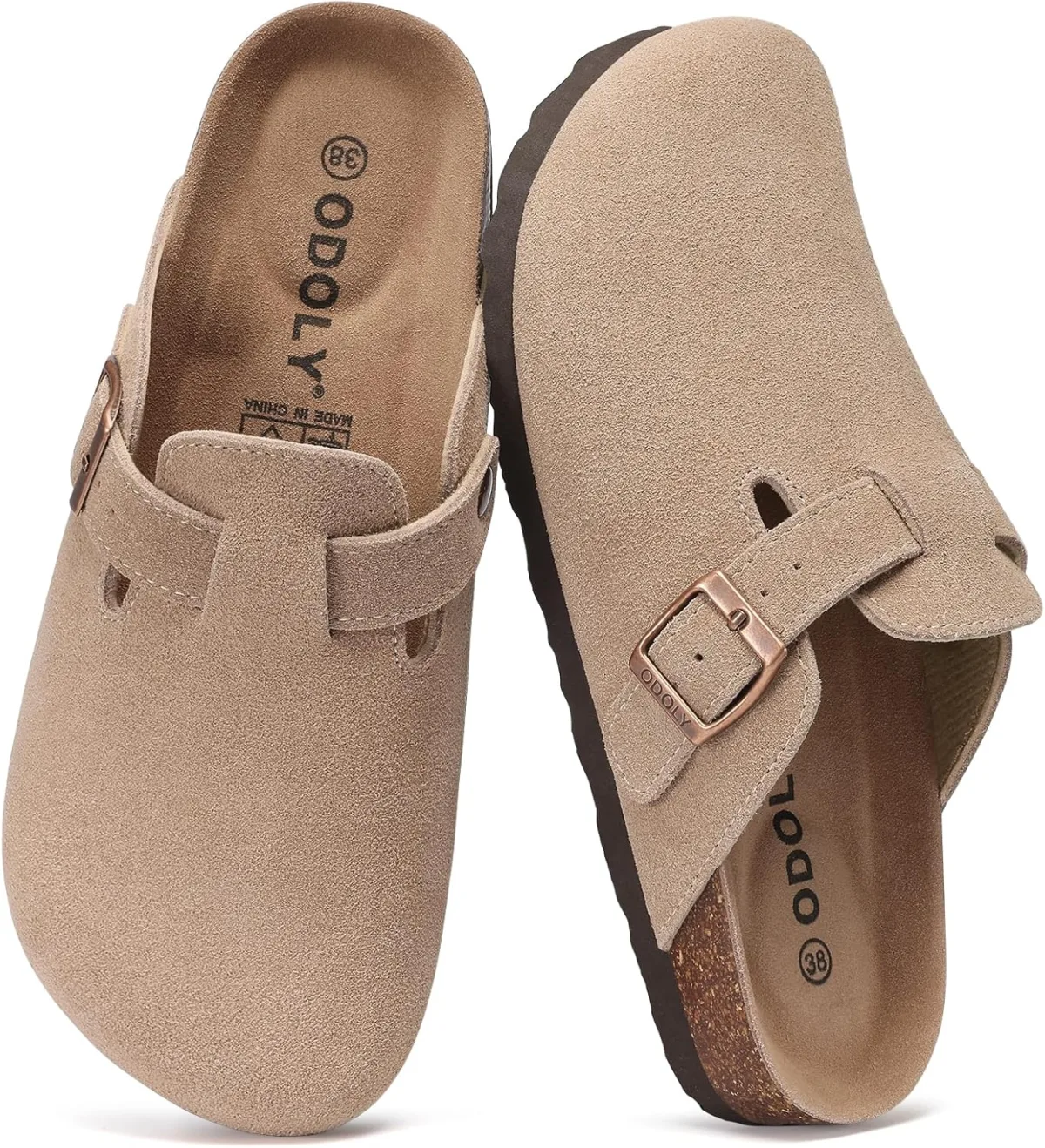
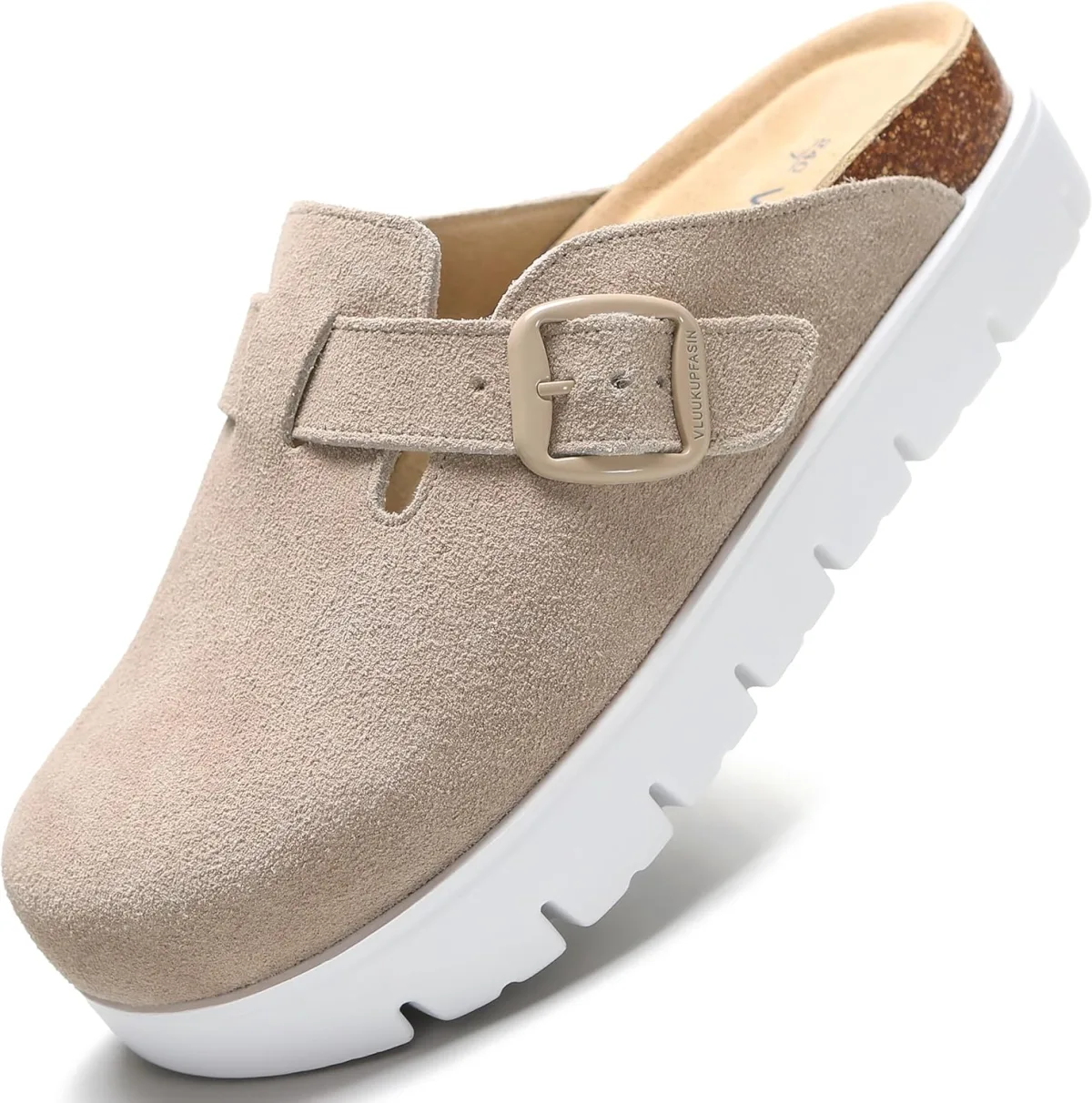
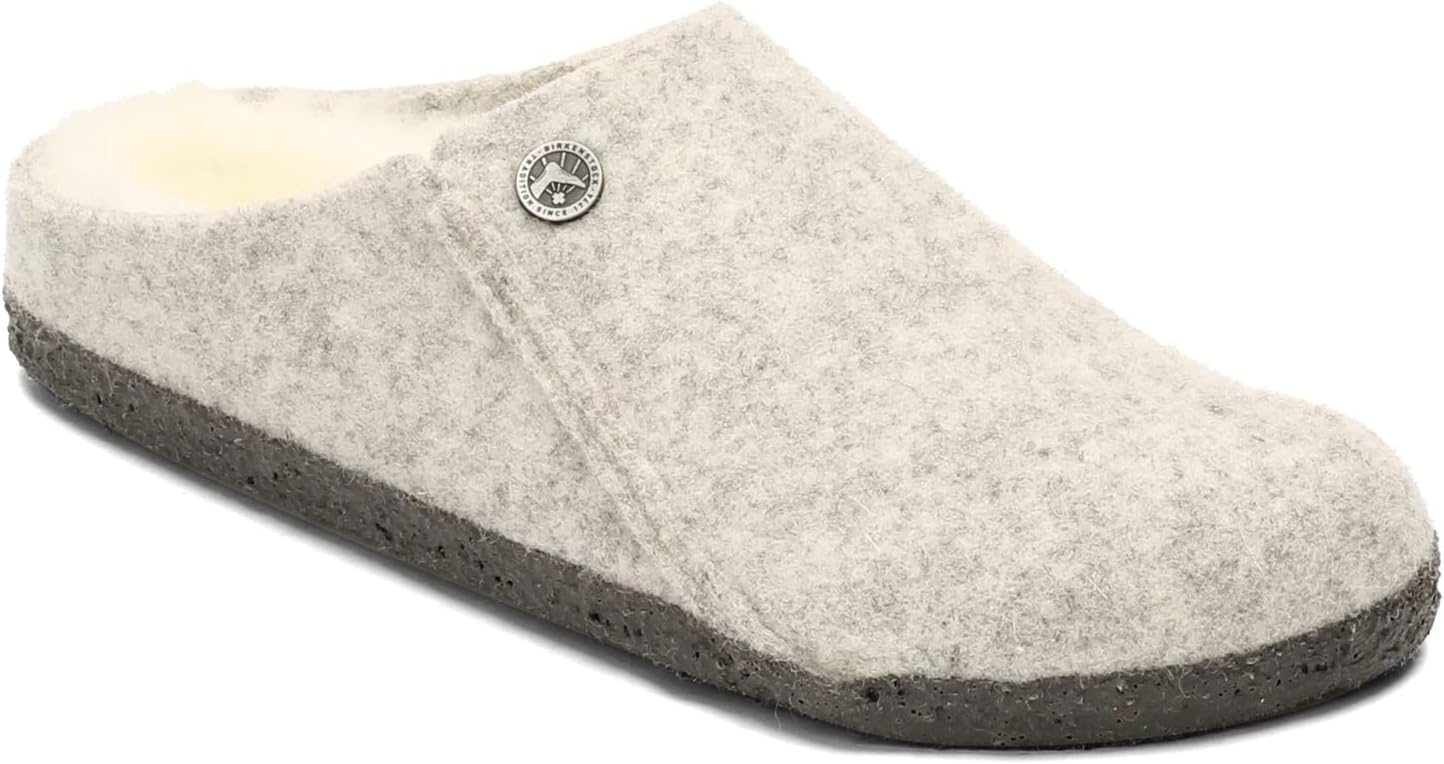
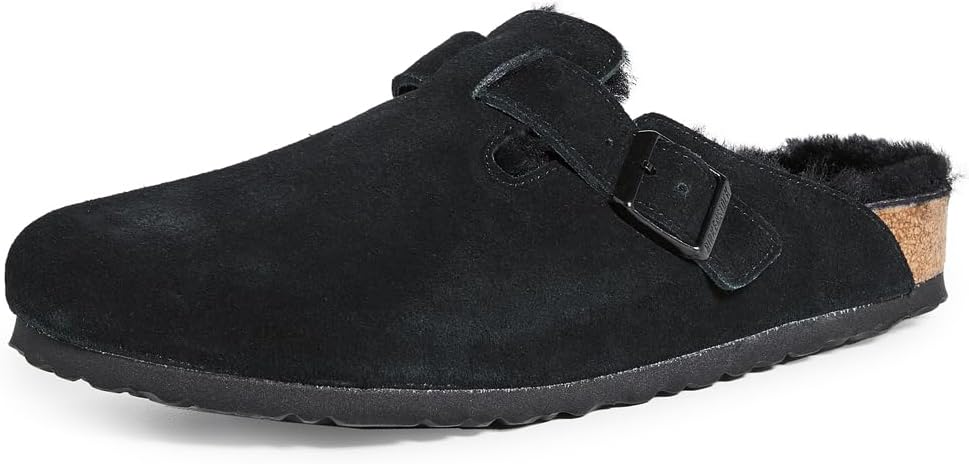
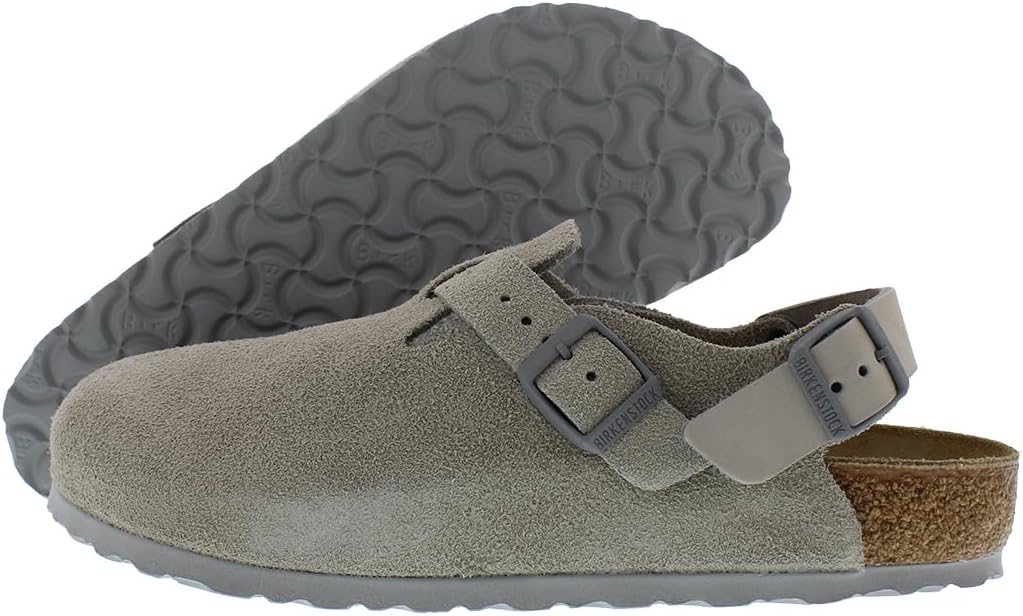
Suede is leather split from the underside of the hide and buffed to raise a nap. Nubuck is the same idea applied to the outer surface, sanded rather than split, which makes it stronger and finer. Both feel soft immediately, which is their whole appeal.
Suede is comfortable from the first wear because there is no stiff surface finish to break in. It also has no surface finish to protect it, so it absorbs water and oil directly into the fibres. A single soaking will mark it permanently unless it has been treated.
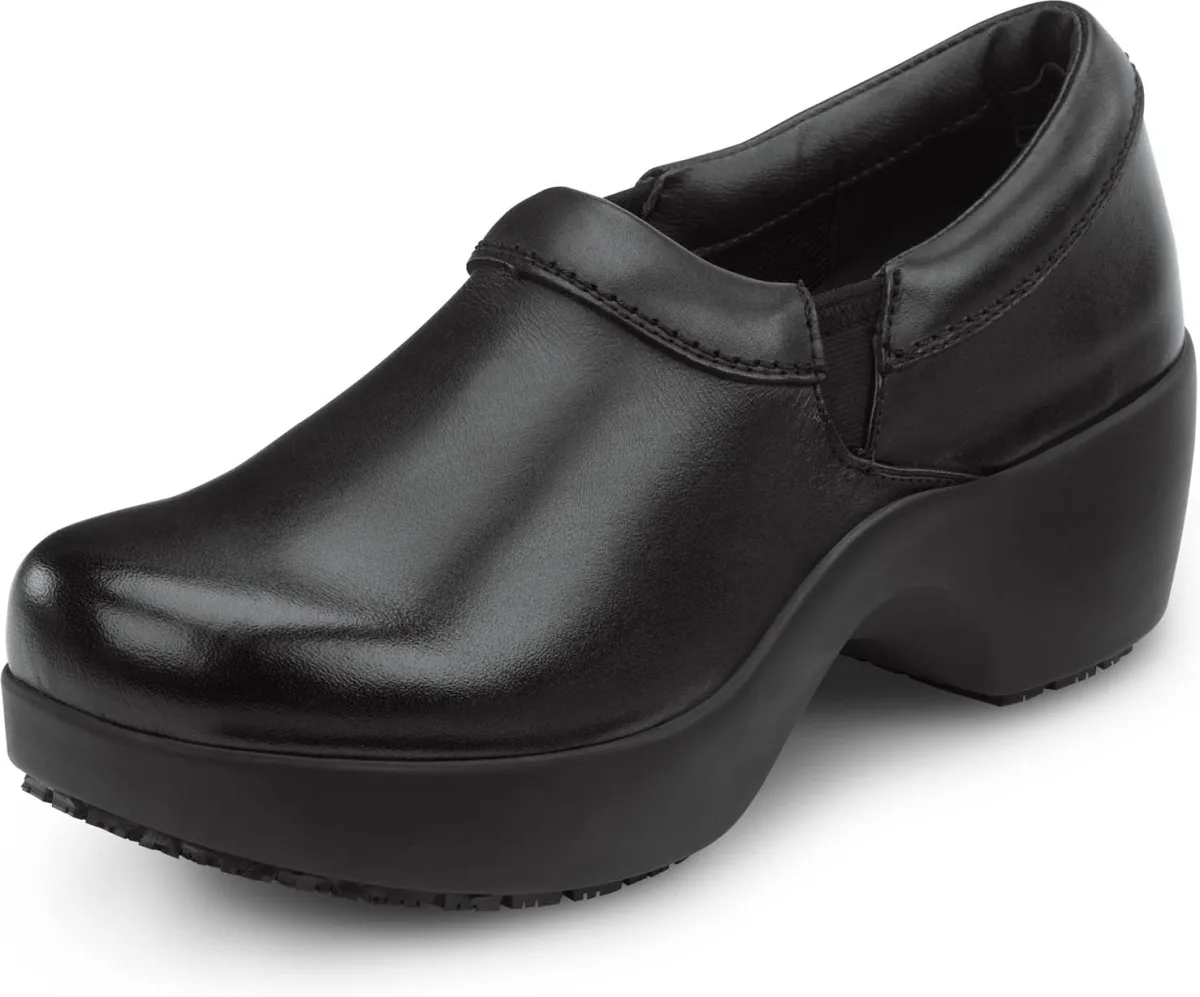
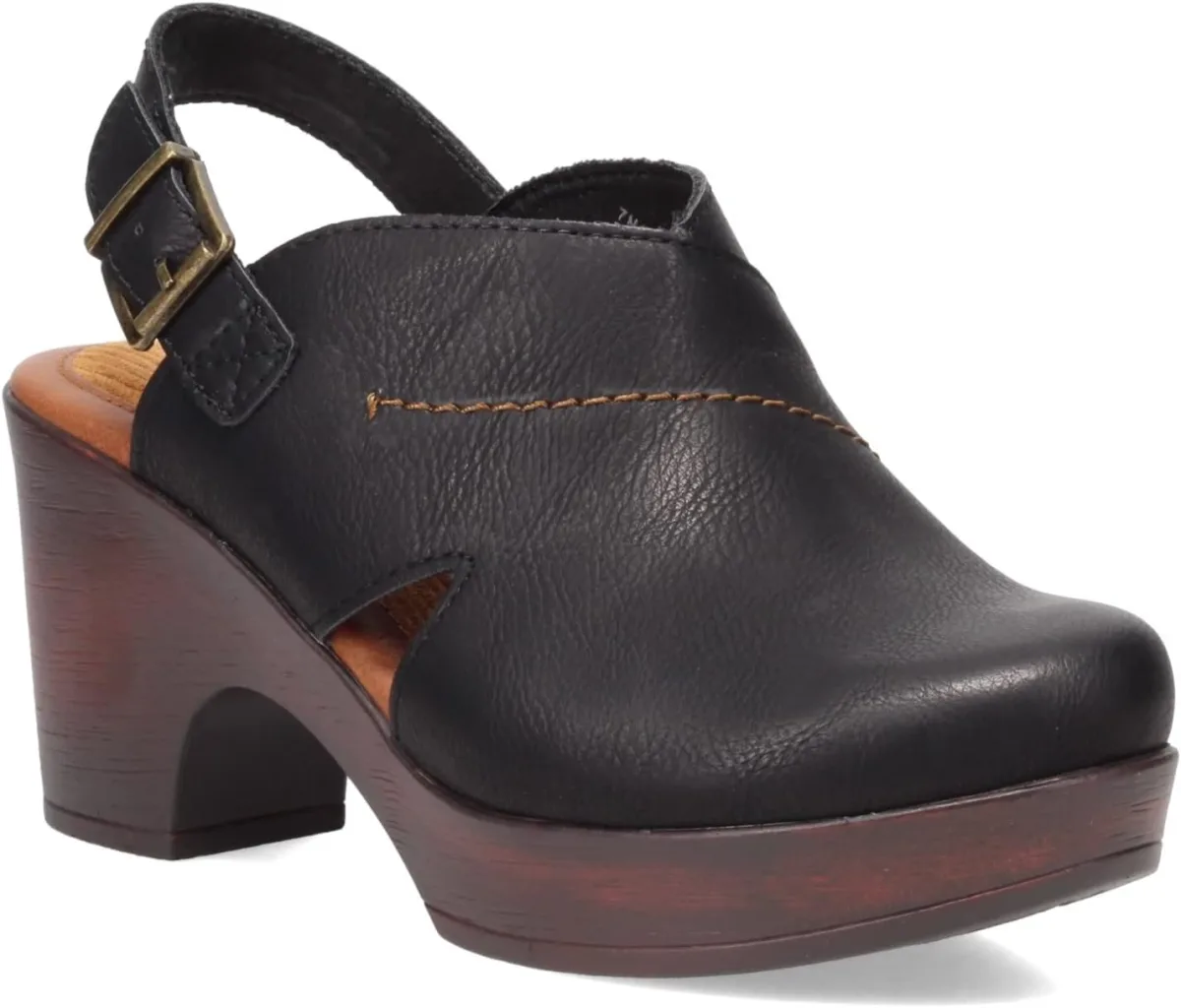
For an indoor or dry-climate shoe this is a good trade. For a work clog on wet floors it is the wrong material, and the professional lines use coated leather or polyurethane for exactly this reason.
Never start with water. Brush along the nap with a suede brush to lift dirt out. Use a suede eraser on shiny or greasy patches — those are crushed nap, and the eraser lifts it. Brush again to restore direction.
Then, and this is the step most people skip, apply a suede protector spray. Every month or two. It is the difference between suede that looks good for years and suede that looks tired by the second winter.
Nap crushes where the shoe flexes and where your hands touch it. Steam from a kettle held at a distance, followed by brushing, lifts most of it. Do not soak, and do not use heat directly on the leather.
Worth knowing: almost every cork footbed is lined with suede, including on smooth-leather shoes. That lining darkens with wear from sweat and oil, and this is normal rather than dirt. A soft brush and a little mild soap cleans it; a full day of drying afterwards is essential.